Token voting platforms offer a free way to promote your cryptocurrency, but you must select sites based.
The article ranks platforms by domain power (e. #TokenVoting #CryptoPromotion #DeFiMarketing
tokpie.io/blog/best-token-vo…
15

Jun 13
Loved the 4 takeaways by @metaproph3t on decision markets in practice
They started by doing decision markets for logos but realized quickly that founders don't like giving up control
So they then became a launchpad where founders give IP and power to spend investor money over to futarchy
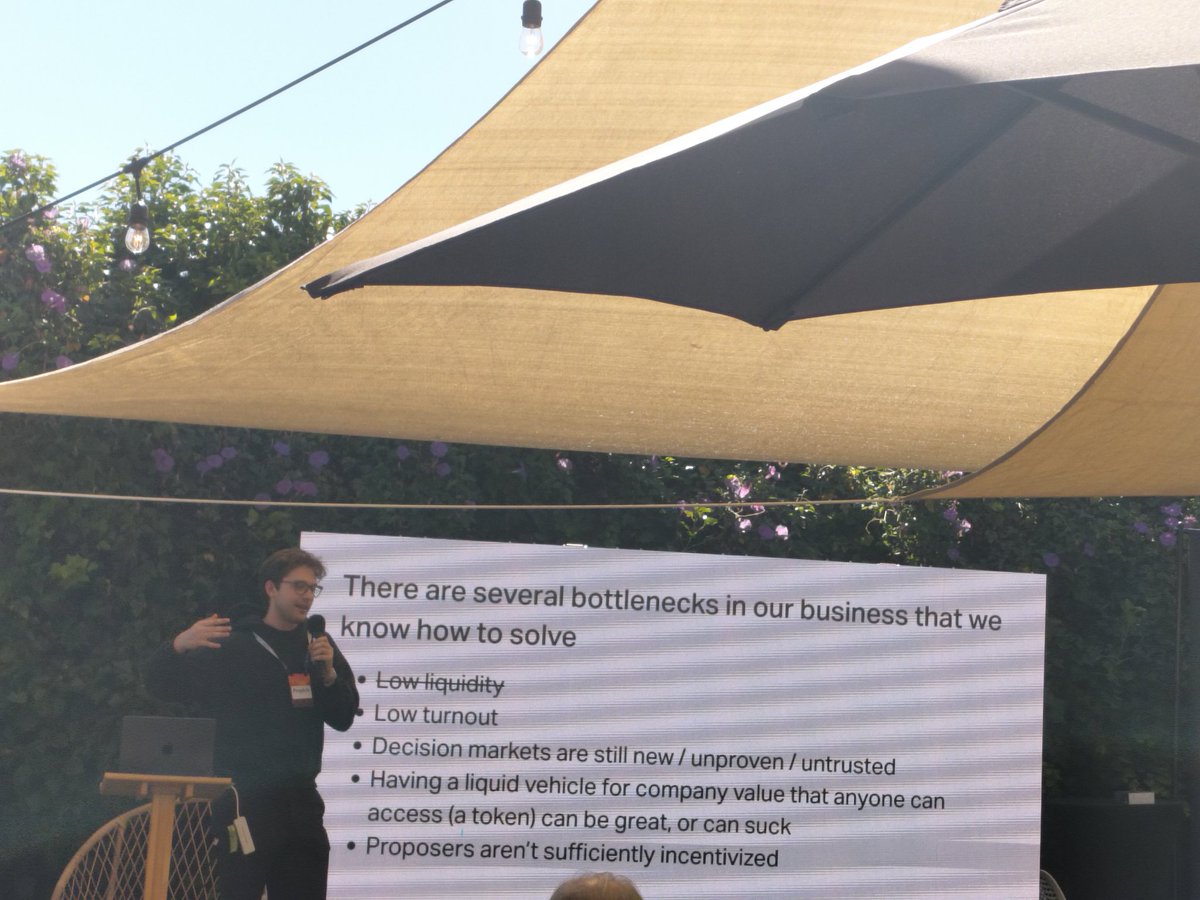
After achieving PMF, they have learnt 4 key lessons that he was generous enough to share
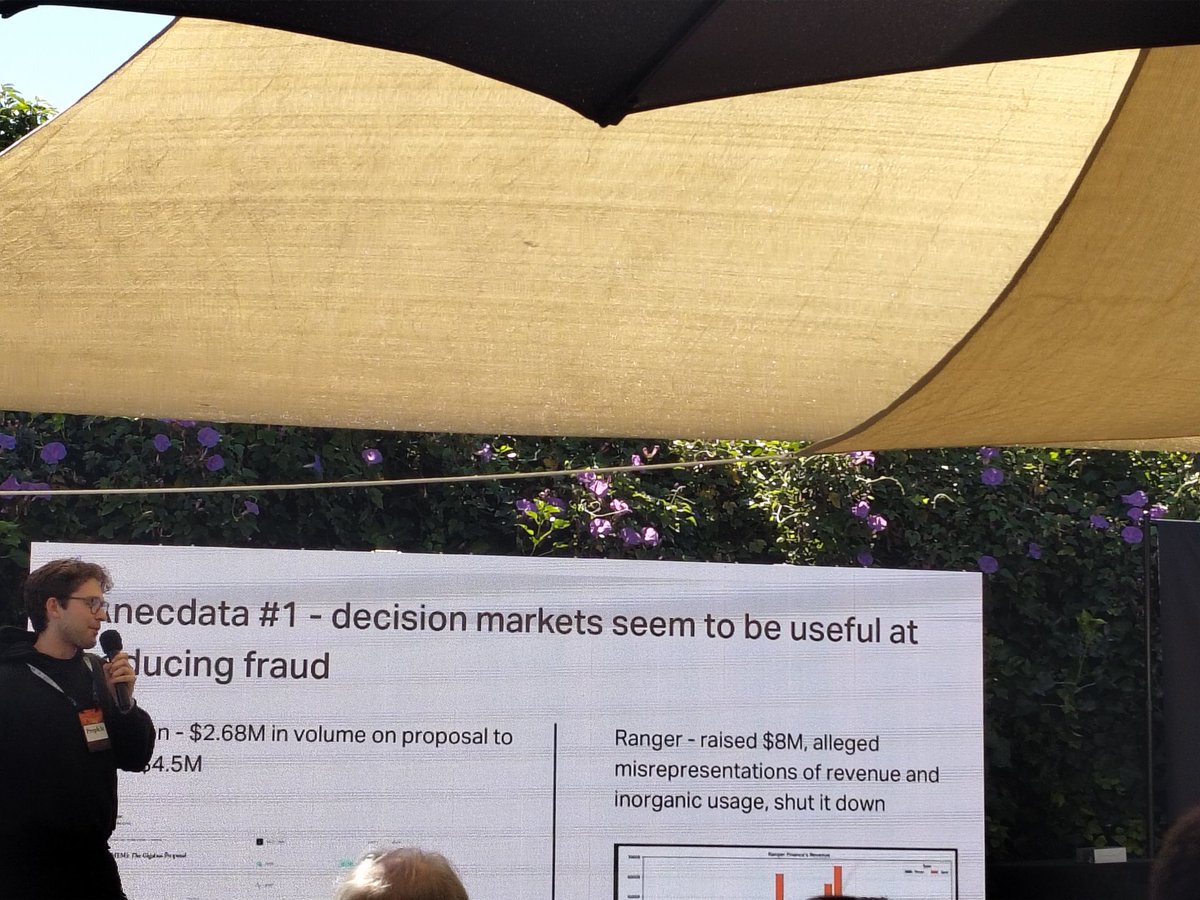
1. Decision markets are good at reducing fraud
Ranger was a fraudulent raise on metadao. Once investors realized, they made a proposal to reclaim all their money and it passed
On the flipside, Solomon raised 8 million. When they asked for 4.5 million to use as liquidity, some investors thought it was fraud and traded against. But other traders saw it was genuine, leading to it passing after $2.68 million in trading volume
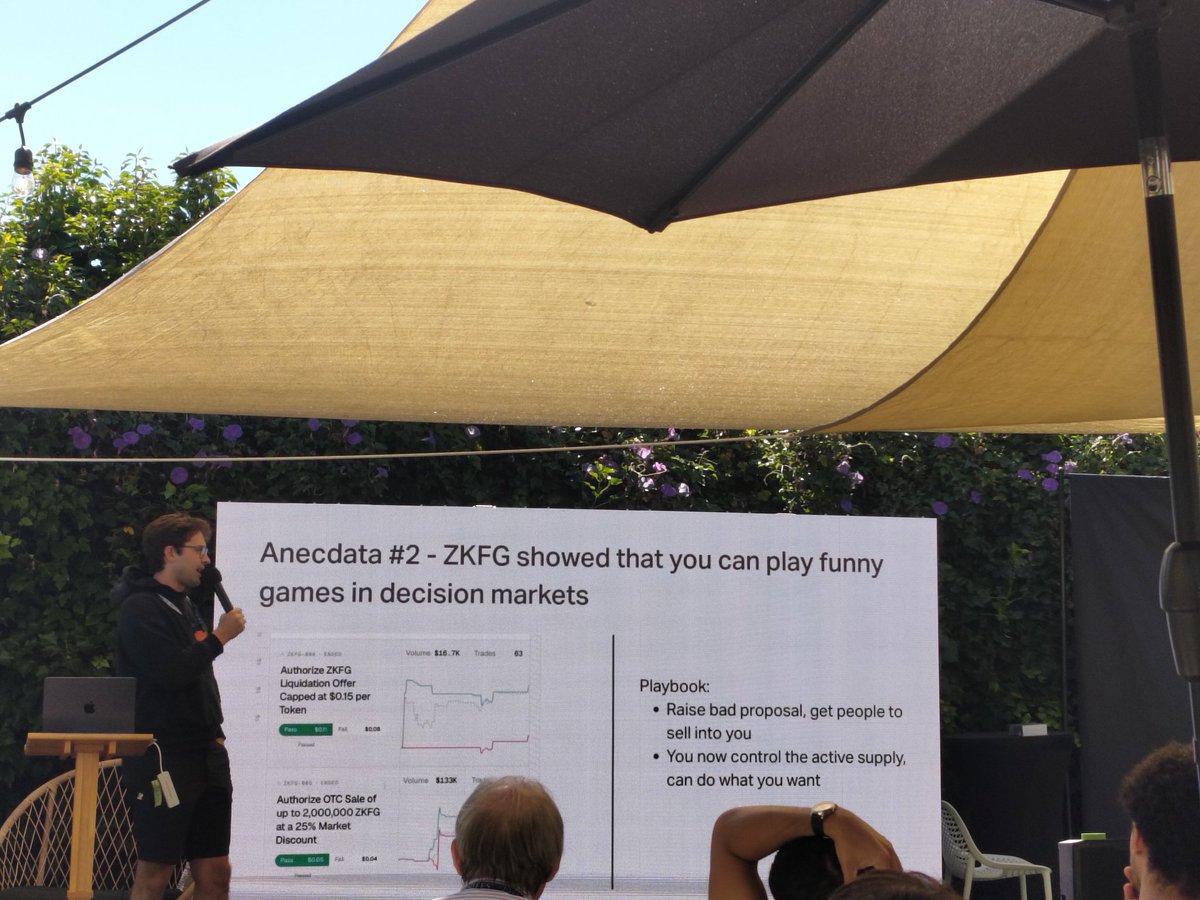
2. You can still play funny games in decision markets
ZFKG founders wanted to rug their investors, but didn't have the token supply to trade for it.
So they created one obviously bad proposal, which traders went against. As their token supply got used up in this proposal, they then created another malicious one that then passed. This happened yesterday and they are figuring out what to do about it
3. Markets don't like issuing new tokens at a discount to its market price
This is quite a contrast to normal web3 projects where tokens are regularly sold below spot to get cash
4. Decision markets don't like when token is trading below NAV
If the value of assets in the treasury is greater than its mcap, futarchy has always approved buybacks till it becomes equal. This is in contrast to tokenvoting wher GNOSIS voted against
Overall, they are now focusing on fundraising for vibe coders as the crypto fundraising scene is down bad. They called themselves 'founder rigor' rather than 'founder friendly', since investors can recall their money and also trade to make major decisions. Their hope is proving higher RoI for such futarchy orgs so investors insist on this structure like how they do with delaware c corp
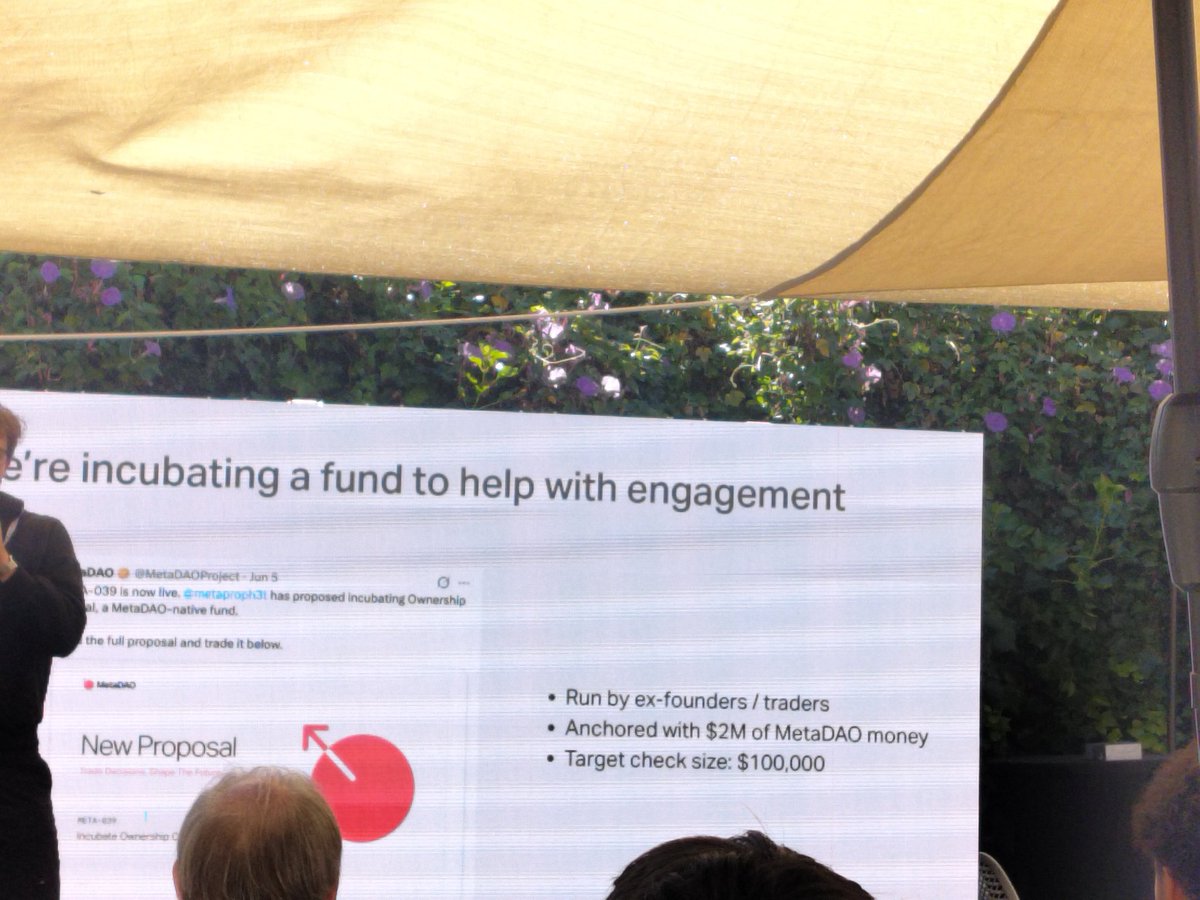
Going into the future, they have 3 new initiatives in the works;
1. $2 million is approved for activist investor type personas that make proposals. Improving the pipeline of high quality proposals & increasing engagement is something they are looking to address through this structure
2. A whitelist for only good investors to participate, eliminating those who are toxic and dunk on you if token is down
3. A research fund to bring academic rigor into decision markets and whether it makes good decisions
They also have 3 unsolved questions to tackle;
A. Which decisions should go to the market in the first place?
B. An inherent issue in decision markets where traders have a free call option on a proposal succeeding (didn't understand this point fully)
C. Giving up control still sux esp at the early stage, so how do we make it more founder friendly
Early ethereans spent a lot of their wealth effect on tokenvoting via open zeppelins governor contract. I'm glad that solana is now spending it's wealth on properly testing out decision markets so we can learn about the messy details on their dime 😆
Jun 12

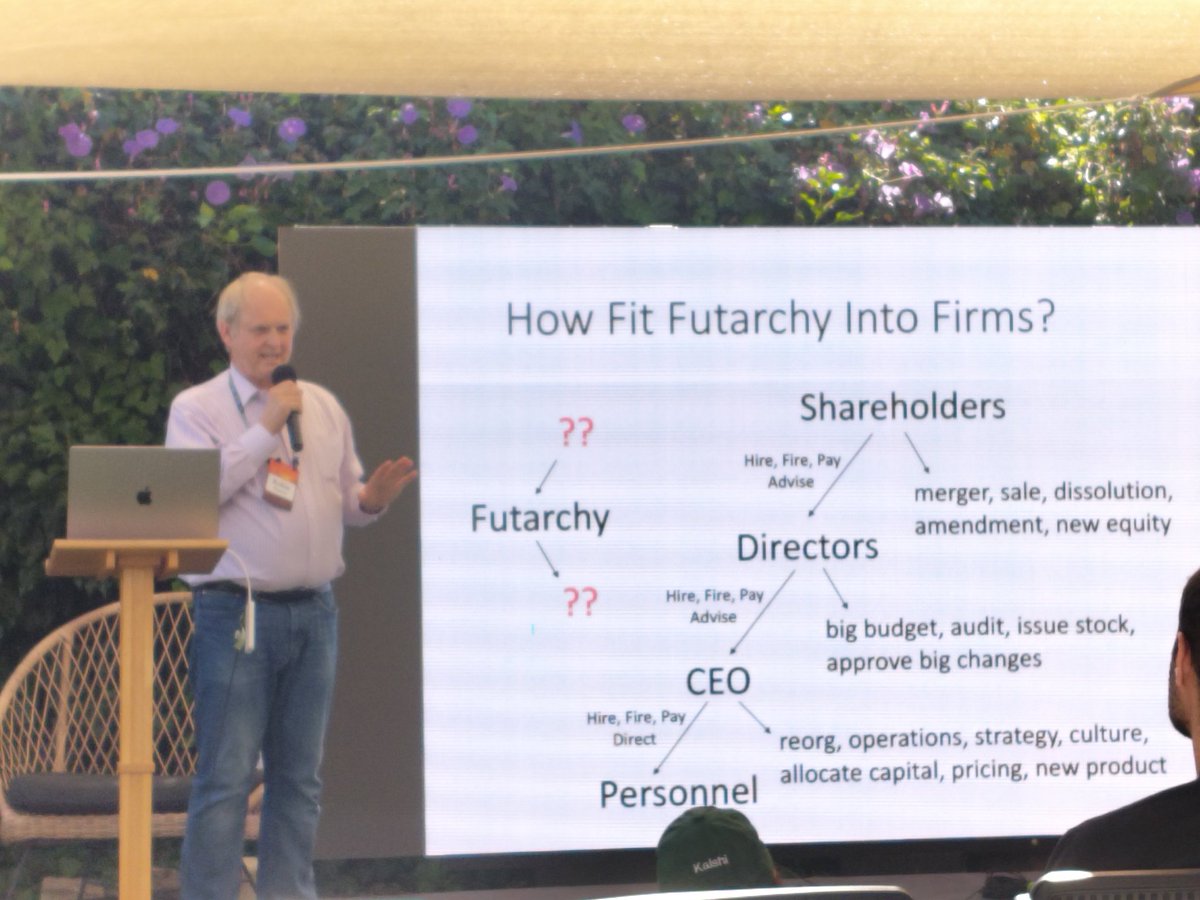
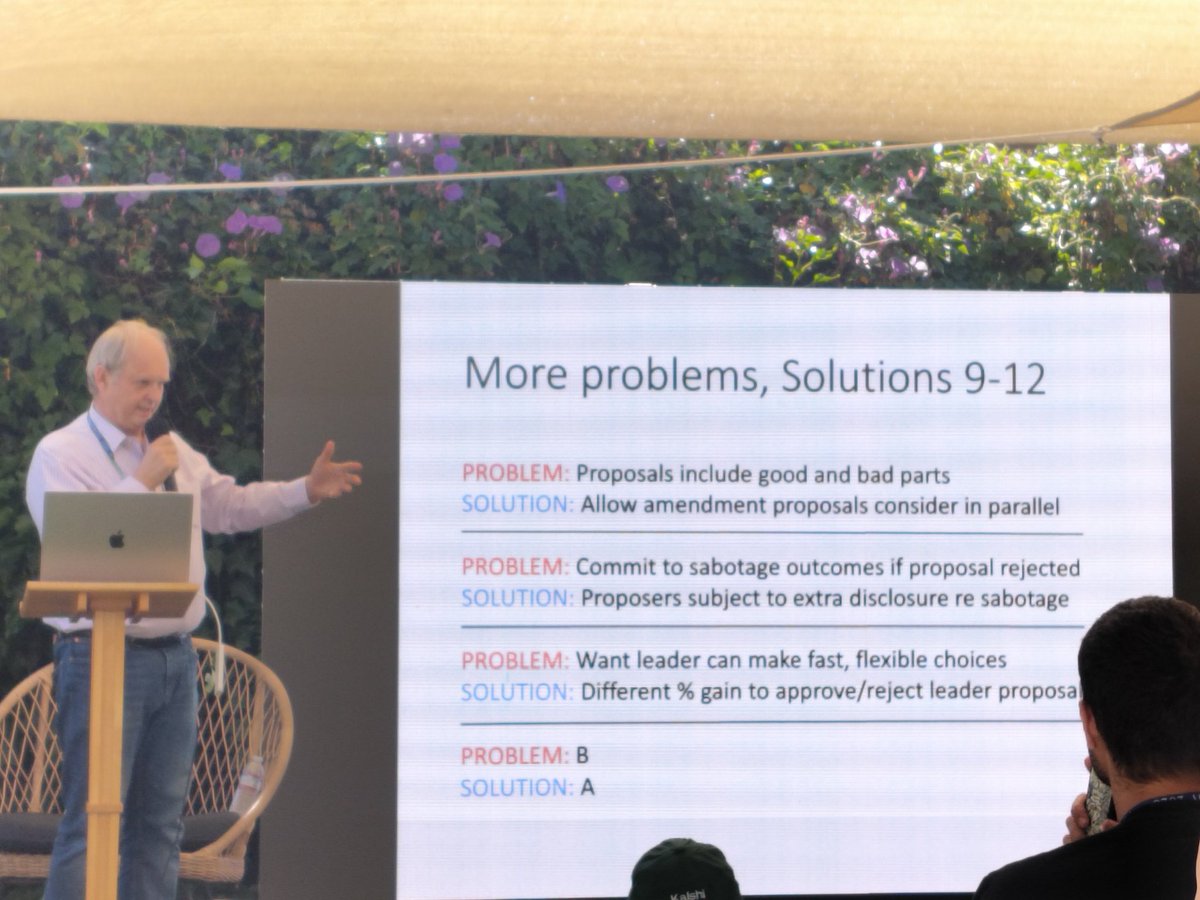
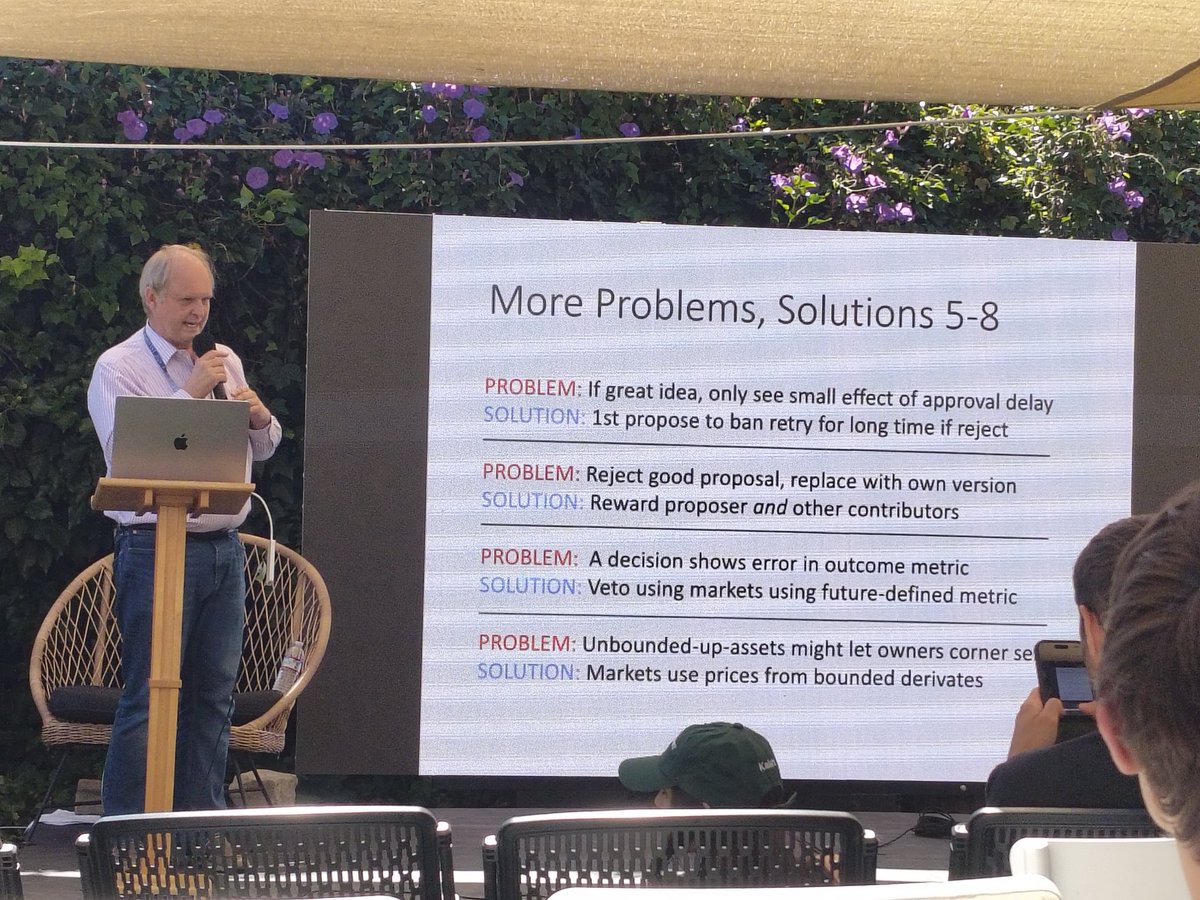
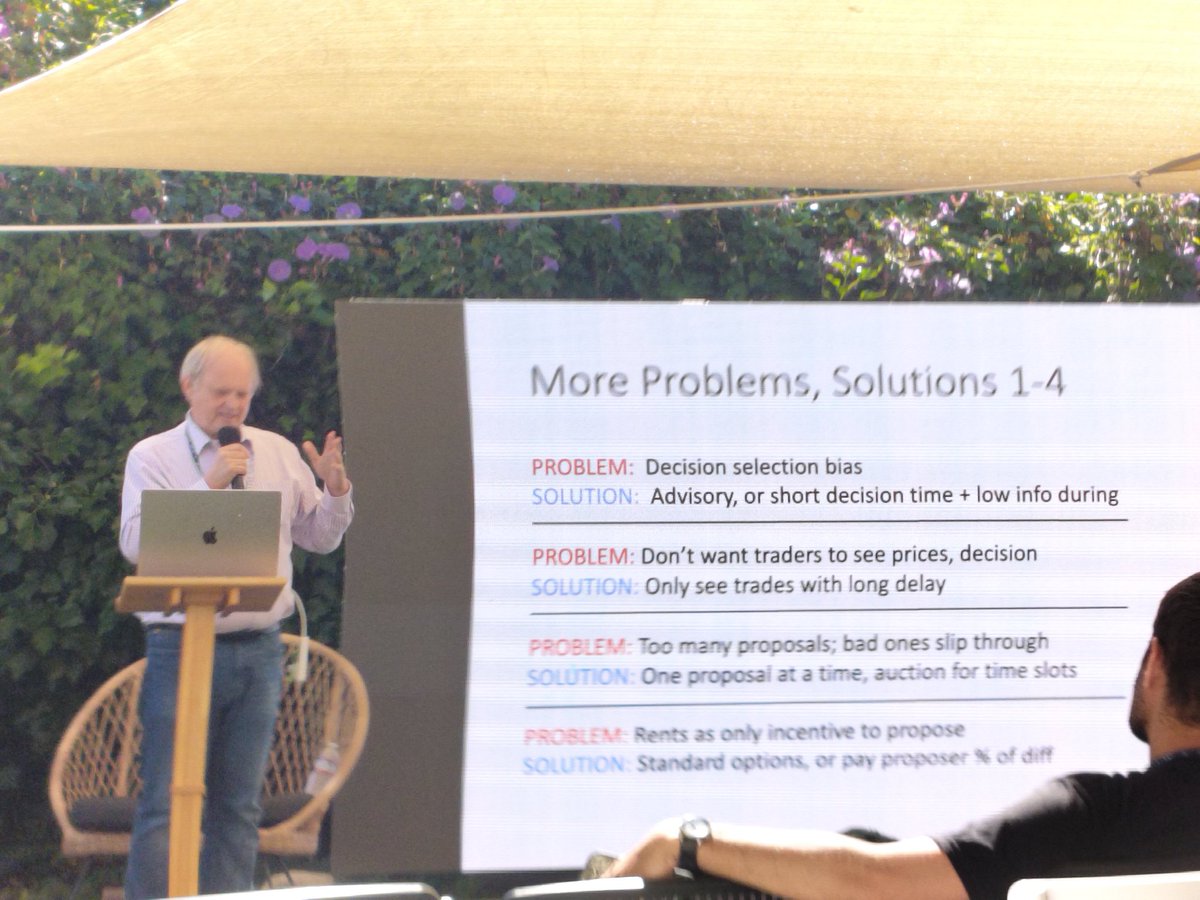
As a conference focused on prediction markets, great start seeing @robinhanson get to the messy details of futarchy in and putting prices against decision
One issue was CEOs not wanting to give up decision making power to markets, so they GTM with multi stakeholder decisions
2
11
1,800

May 28
#GovernanceTokens aren’t just “another coin.” They decide how protocols evolve.
Learn how #DAOVoting works (wallet voting, veTokens, delegation) and why it matters.
Read: medium.com/p/governance-toke…
#Web3 #TokenVoting
1
117

Not every #CryptoCommunity needs token voting. Sometimes #RoughConsensus is faster, safer, and more culture-aligned.
This article breaks down when #DAO should vote, and when discussion is enough.
Read: medium.com/p/rough-consensus…
#CryptoGovernance #TokenVoting
1
2
47

Apr 30
Cryptocurrency voting sites provide an avenue to boost token visibility at no cost, but success depends.
Sites with robust domain reputations tend to draw legitimate traffic. #TokenVoting #CryptoPromotion #DeFiMarketing
tokpie.io/blog/top-coin-trac…
4
54
Apr 26
Token voting platforms offer a free way to promote your cryptocurrency, but you must select sites based.
The article ranks platforms by domain power (e. #TokenVoting #CryptoPromotion #DeFiMarketing
tokpie.io/blog/best-token-vo…
1
49
Apr 3
Token voting platforms offer a free way to promote your cryptocurrency, but you must select sites based.
The article ranks platforms by domain power (e. #TokenVoting #CryptoPromotion #DeFiMarketing
tokpie.io/blog/best-token-vo…
3
53
Mar 4
You can't be truly decentralized unless the rules of the road are clearly defined
aka legibility of the governance process is a necessary but not sufficient condition for community ownership
Tokenvoting DAOs like aave have a clear process, so all stakeholders know where they stand and can move on
OTOH in some communities you make a proposal but it never gets a hearing, leading to disengagement and eventually centralisation by the core
5
22
709
Feb 21
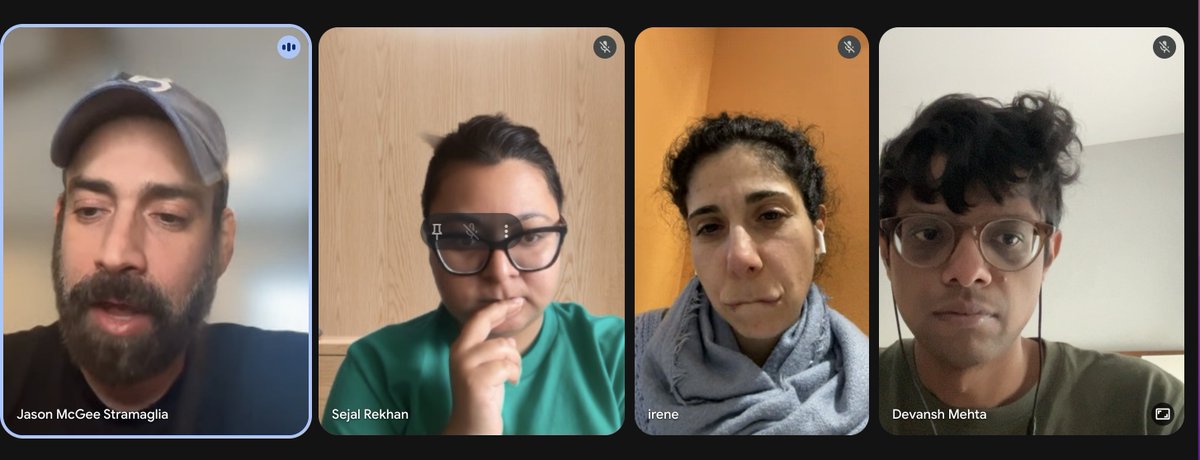
impact of a tweet! after zooko's reply, @sejal_rekhan set up a call with jason who gave a detailed breakdown on history & governance structure of the zcash developer fund
80% of rewards go to miners in their network & 20% to the fund. No other major blockchain has such a structure, so its worth digging into how it works in practice
History
rather than take a fixed % of token supply at genesis block and work with a finite runway, zcash made development an infinite game with revenues coming in to their community every block
over the course of their history, 2 major changes were made to its setup
1. the dev fund (then called the founders reward fund) was intended to be temporary and only until the first halving, to reward the scientists behind the zero cash paper & team that launched the chain
but due to ZEC price at the time, the community signalled desire for continuing the fund. surprisingly, the miners did not have an issue as they cared more about usage of their pools than fighting over an additional 20% reward
in some ways, the dev fund can be thought of as an alternate history where foundations did not allot a % of token supply at genesis block but instead used rough consensus to decide on not just technical changes but also directing block reward revenue
2. Initially, 12% of the the dev fund was alloted to zcash foundation & electric capital to act as stewards of the chain while 8% was through a committee
however the community did not like the incentive structure of organizations, where people angle to get a job and receive monthly sums irrespective of outcomes achieved
they kept the 8% dev fund but redirected the 12% to retroactive token voting based on real impact achieved
Governance
the 20% dev fund has 2 governance structures;
1. Proactive grants given by a 5 member committee reviewing applications, comprising 8% of block rewards
all minutes & discussions are made public so that a proper decision can be made on whether to re-elect them
Roughly 50% of the committee goes up for vote every 6 months, with the zcash advisory panel (about 200 people) getting a vote
The advisory panel consists of core community members, ecosystem developers, and contributors who have written a ZIP, received prior grant funding, or contributed to Zcash infrastructure development.
if a member misses 3 consecutive meetings, they get removed from the panel
the community likes this structure as committee members are given a stipend, but it isn't like an organization where employees get full time pay
2. Retroactive grants decided on via tokenvoting, applicable to only those with completed products that have delivered value. This comprises 12% of block rewards in zcash.
their current voting interface requires some sophistication to vote and holding ZEC in an orchid shielded pool for a set amount of time
an example application in the current season are by near foundation for their work integrating intents with zcash for swaps b/w btc and shielded zec
their main insight was that tokenvoting generally works better in a retroactive funding structure as users can directly attest to a product's value.
Conclusion
Overall its certainly a governance experiment worth keeping tabs on. One im particularly keen on is a @seer_pm experiment to predict the results of their retroactive round before it wraps up on March 30th
they currently have a manageable set of applications, but if they become a victim of success new structures are needed esp for eligibility to filter out the unserious people.
Thankfully, funds get disbursed through a 2/3 multisig with the foundation, ECC and shielded labs, so they preserve the freedom to restrict payment for legal reasons or if it hurts the reputation of the ZEC community.
i dont think community governance of money is at a phase where we can remove all guardrails 😅
Feb 15

The best person to follow and ask questions to, IMHO, is @aquietinvestor, who also happens to be my boss at @ShieldedLabs.
8
7
37
6,303
Feb 6
Not sure i fully agree tbh - why should he give thanks for tokenvoting if it's not genuinely coming from the heart?
From what I saw at an OS conference it's given crypto projects a bad rap as mcap must always be greater than value secured, which was viewed as unsustainable
2
5
384


1 Nov 2025
Yeah i just wonder how sustainable it is to depend on trading volume for every proposal the DAO makes, or whether it'll become like tokenvoting governor contract where participation drops over a longer timeframe
Getting neutral non interested parties to wager money is hard
1
5
155
15 Oct 2025
Tokenvoting systems have basically run their course, what's next for the future evolution of decentralized governance?
1
7
2,225


2 Sep 2025
Your local gym hero needs gear. Your community team needs funding. Your $MANK vote makes it happen.
Blockchain meets grassroots sports. This is massive 🔥
Vote. Fund. Impact. LFG!
#ManMilk #MANK #CryptoCommunity #TokenVoting

9
4
8
452

15 Aug 2025
Using part of block reward to Fund Public Good with a meta-mechanism (QF, TokenVoting, Futarchy,Deep Funding etc.) could be a game changer for @ethereum
If you want to go deeper have a look at @clesaege research paper 👇
beta.fileverse.io/files/b6df…
15 Aug 2025
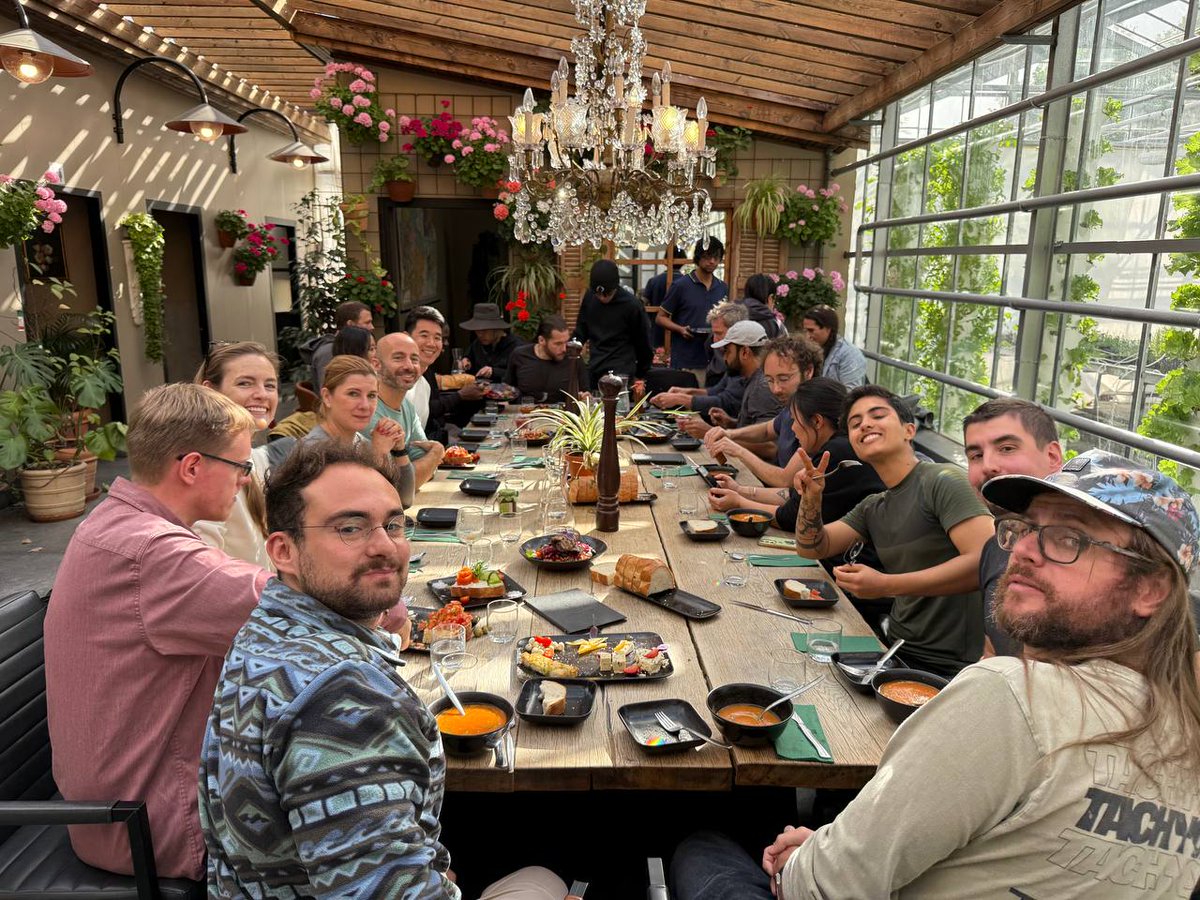
in my final post on the iceland residency, i'm gonna go out on a limb and list my 5 favorite projects to emerge from it
research is a tricky one to evaluate since ideas are so experimental that judges can be completely wrong
in any case, here's my top 5;
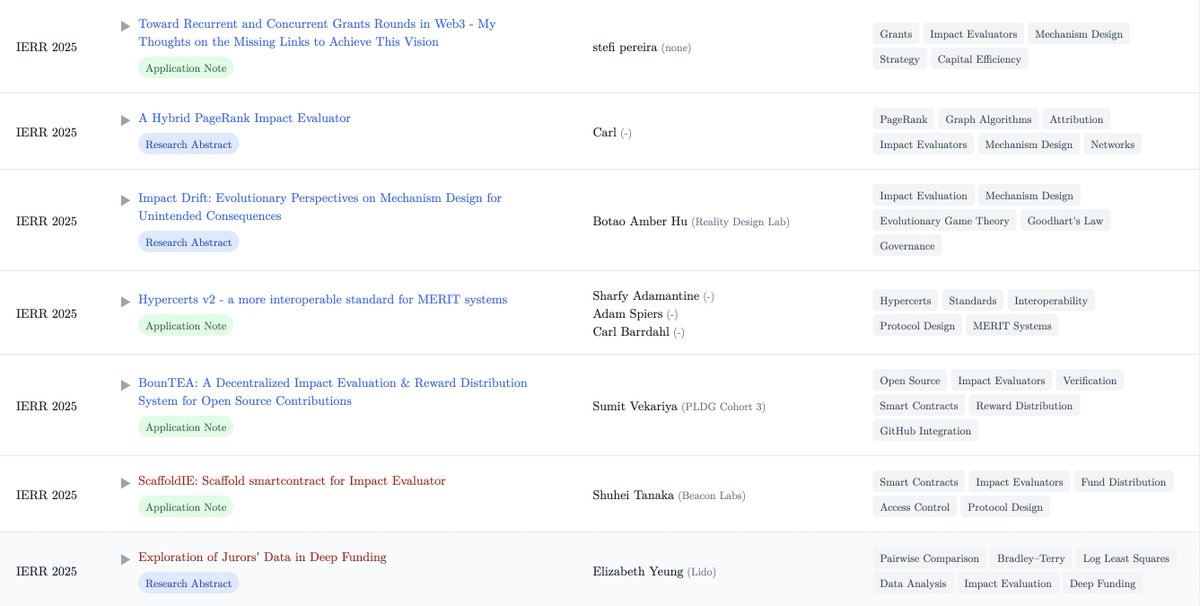
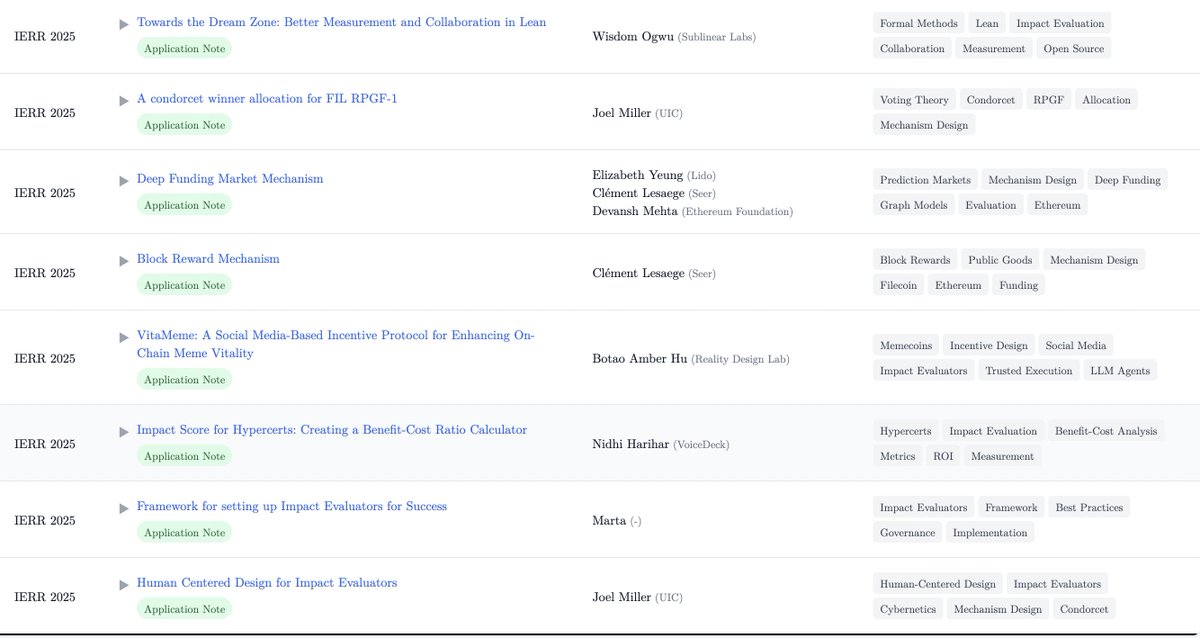
1. The most high potential project in my view is @clesaege doc on redesigning blockchains so that block reward funding can be allocated to support the ecosystem instead of just burned or given as dividends, as is currently the case
- the most important idea here is NOT enshrining any particular actor or mechanism as fund recipient (for eg in arbitrum its tokenvoting dao is recipient of sequencer & mev fees).
instead, we have a meta mechanism that lets block producers or validators vote on amount to be allocated between different recipient contracts such as guild mechanisms, QF, deep funding, tokenvoting etc
The "mandatory indirection" aspect of block proposers choosing mechanisms rather than recipients is important for keeping the mechanism not easily captured
- the second most important idea is adaptability, where block producers can increase or decrease funding to the ecosystem
this adds accountability, where if there aren't any good mechanism they set the amount to 0 which is basically the status quo
- the final piece of the puzzle is having a condorcet style voting system instead of proportional so that its not gameable in the way of producers simply allocating the share to themselves
the full proposal with his simulations is worth checking out in full!
2. in second place is a reimagination of @deep_funding to become more market based instead of one-off competitions (i worked on this piece so CoI)
the core idea is a market for each edge in a dependency graph that is traded based on its value if it were evaluated by a jury
while only some edges actually get spot checked (based on which traders win or lose money), we can still use the weights given by the market for all edges to allocate funding
apart from mathematizing the new formulation of deep funding, i like how it solved the sybil issue (where builders submit multiple models in hope one is the winner), let participants specialize on only a few edges in the graph instead of scores for all and does away with manual intervention by making it recurring, which also keeps the weights fresh and relevant
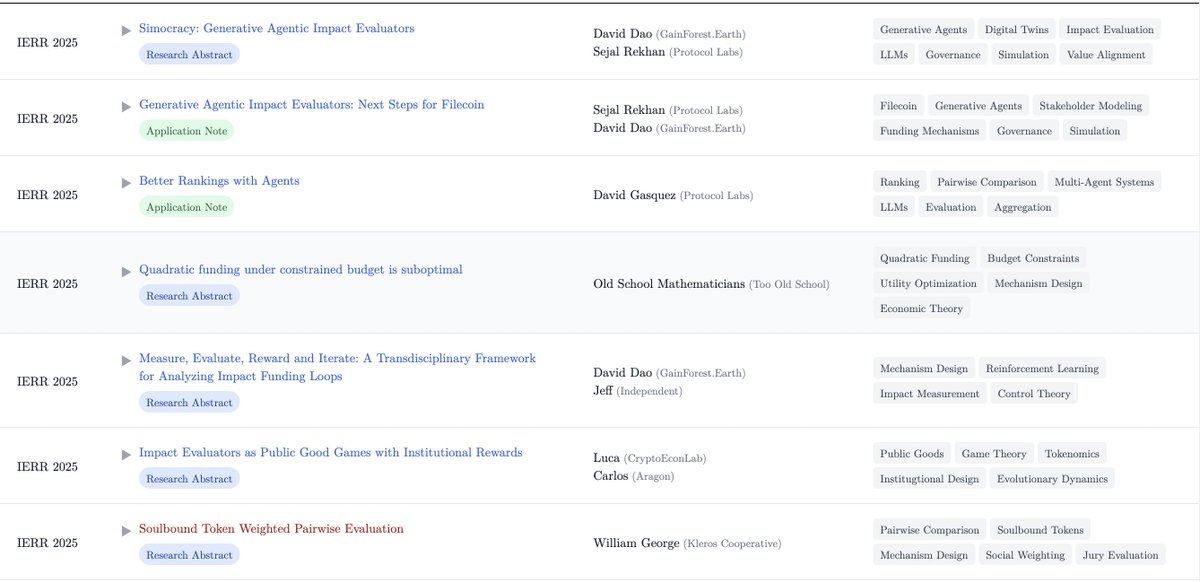
3. in 3rd we have @dwddao work on simocracy, which draws upon the idea of a "digital twin"
they created an LLM for 5 individuals in the retreat that have served on grant committees
they then ask the judges "digital twin" to deliberate between themselves on funding to projects
while RPGF rounds have a low cadence due to the high overhead on executive time, simocracy can allow for some portion to be given every month by the badgeholders digital twin & another kept aside for the regular rounds
in my opinion, the 3 things to do for this idea to prove it can work are;
- Create a reinforcement learning loop (either geminis high context window or vector embedding) so that scores from jury rounds are fed to the judges simulation, increasing accuracy over time
- Compare the exact scores a judge has assigned to projects in each category with the ones its twin generates.
Measure the variance as a target to reduce over time
- Even if the variance of scores might be high, its more important to compare the overall rankings for projects. so if the judge and its twin both have ~same ordering of projects, that still makes it worthwhile
4. I loved the simplicity of @CS_Synthesist presentation: a comparison of how results differed from actual RPGF rounds vs what they would have been if we had applied condorcet voting to the picks by badgeholders
The best part is we dont require any change for the judges; we can literally take their existing scores, use condorcet instead of whatever algo was used to get results, and compare the 2 to see which seems better
condorcet is one of those rare ideas that all academics agree is better than most voting systems but is still rarely implemented in the wild, im hoping to see more use here
5. finally we have @iammadab work on lean, a programming language allowing for formal verification during the writing of software instead of a step after
it lets us evaluate contributions much easier since it enables mathematical verification
he used this to create dependency graphs, so i can see deep funding type mechanisms that scale human evaluation more easily applied in the lean environment
please don't shoot me, other residents, this is a personal list based on my prior knowledge
in general, these types of retreats are expected to follow a power law for impact, where the highest impact idea is orders of magnitude more than the next one
however we can't easily identify which ideas are likely to be power law winners, overall i'm really happy with how the retreat went with every participant submitting some concrete output that can be taken forward by the community
link to the proceedings page in the next post
2
3
8
822
15 Aug 2025
in my final post on the iceland residency, i'm gonna go out on a limb and list my 5 favorite projects to emerge from it
research is a tricky one to evaluate since ideas are so experimental that judges can be completely wrong
in any case, here's my top 5;
1. The most high potential project in my view is @clesaege doc on redesigning blockchains so that block reward funding can be allocated to support the ecosystem instead of just burned or given as dividends, as is currently the case
- the most important idea here is NOT enshrining any particular actor or mechanism as fund recipient (for eg in arbitrum its tokenvoting dao is recipient of sequencer & mev fees).
instead, we have a meta mechanism that lets block producers or validators vote on amount to be allocated between different recipient contracts such as guild mechanisms, QF, deep funding, tokenvoting etc
The "mandatory indirection" aspect of block proposers choosing mechanisms rather than recipients is important for keeping the mechanism not easily captured
- the second most important idea is adaptability, where block producers can increase or decrease funding to the ecosystem
this adds accountability, where if there aren't any good mechanism they set the amount to 0 which is basically the status quo
- the final piece of the puzzle is having a condorcet style voting system instead of proportional so that its not gameable in the way of producers simply allocating the share to themselves
the full proposal with his simulations is worth checking out in full!
2. in second place is a reimagination of @deep_funding to become more market based instead of one-off competitions (i worked on this piece so CoI)
the core idea is a market for each edge in a dependency graph that is traded based on its value if it were evaluated by a jury
while only some edges actually get spot checked (based on which traders win or lose money), we can still use the weights given by the market for all edges to allocate funding
apart from mathematizing the new formulation of deep funding, i like how it solved the sybil issue (where builders submit multiple models in hope one is the winner), let participants specialize on only a few edges in the graph instead of scores for all and does away with manual intervention by making it recurring, which also keeps the weights fresh and relevant
3. in 3rd we have @dwddao work on simocracy, which draws upon the idea of a "digital twin"
they created an LLM for 5 individuals in the retreat that have served on grant committees
they then ask the judges "digital twin" to deliberate between themselves on funding to projects
while RPGF rounds have a low cadence due to the high overhead on executive time, simocracy can allow for some portion to be given every month by the badgeholders digital twin & another kept aside for the regular rounds
in my opinion, the 3 things to do for this idea to prove it can work are;
- Create a reinforcement learning loop (either geminis high context window or vector embedding) so that scores from jury rounds are fed to the judges simulation, increasing accuracy over time
- Compare the exact scores a judge has assigned to projects in each category with the ones its twin generates.
Measure the variance as a target to reduce over time
- Even if the variance of scores might be high, its more important to compare the overall rankings for projects. so if the judge and its twin both have ~same ordering of projects, that still makes it worthwhile
4. I loved the simplicity of @CS_Synthesist presentation: a comparison of how results differed from actual RPGF rounds vs what they would have been if we had applied condorcet voting to the picks by badgeholders
The best part is we dont require any change for the judges; we can literally take their existing scores, use condorcet instead of whatever algo was used to get results, and compare the 2 to see which seems better
condorcet is one of those rare ideas that all academics agree is better than most voting systems but is still rarely implemented in the wild, im hoping to see more use here
5. finally we have @iammadab work on lean, a programming language allowing for formal verification during the writing of software instead of a step after
it lets us evaluate contributions much easier since it enables mathematical verification
he used this to create dependency graphs, so i can see deep funding type mechanisms that scale human evaluation more easily applied in the lean environment
please don't shoot me, other residents, this is a personal list based on my prior knowledge
in general, these types of retreats are expected to follow a power law for impact, where the highest impact idea is orders of magnitude more than the next one
however we can't easily identify which ideas are likely to be power law winners, overall i'm really happy with how the retreat went with every participant submitting some concrete output that can be taken forward by the community
link to the proceedings page in the next post
12 Aug 2025
Honestly the end of the residency was a big relief, it took as much effort to organize as an Indian wedding 🥵
I'm very proud of our end outputs: 22 submissions from participants! I think we've shown a new way to do these sorts of gatherings;
1. Book a coworking
2. Book airbnbs around coworking
3. Put people into airbnbs with room mates depending on who you think they would vibe with
4. Have cool outings on the weekend
5. during the week people work with clear expectations on what they should be producing as an output for the end
Overall we can put these residencies or popups into 2 categories. The first involves people paying (large) amounts to attend. They arrive with a more consumer mindset so it's essential to have good activities and vibes that give them a bang for the buck.
@joinedgecity comes to mind as the best in this category . I've seen many relationships take place during their popups 🫥
The second are builder residencies that bring people together for making something l in a thematic area. Since these are (usually) paid for , the vibe is more of a producer mindset where participants want to show they were worth the investment to bring and feed them. It's important to create feelings of specialness in such gatherings. Our iceland retreat & @FundingCommons stand as examples in this category
Gonna take a break now and write up some of my favorite outputs in the residency
4
6
46
4,754

30 Jul 2025
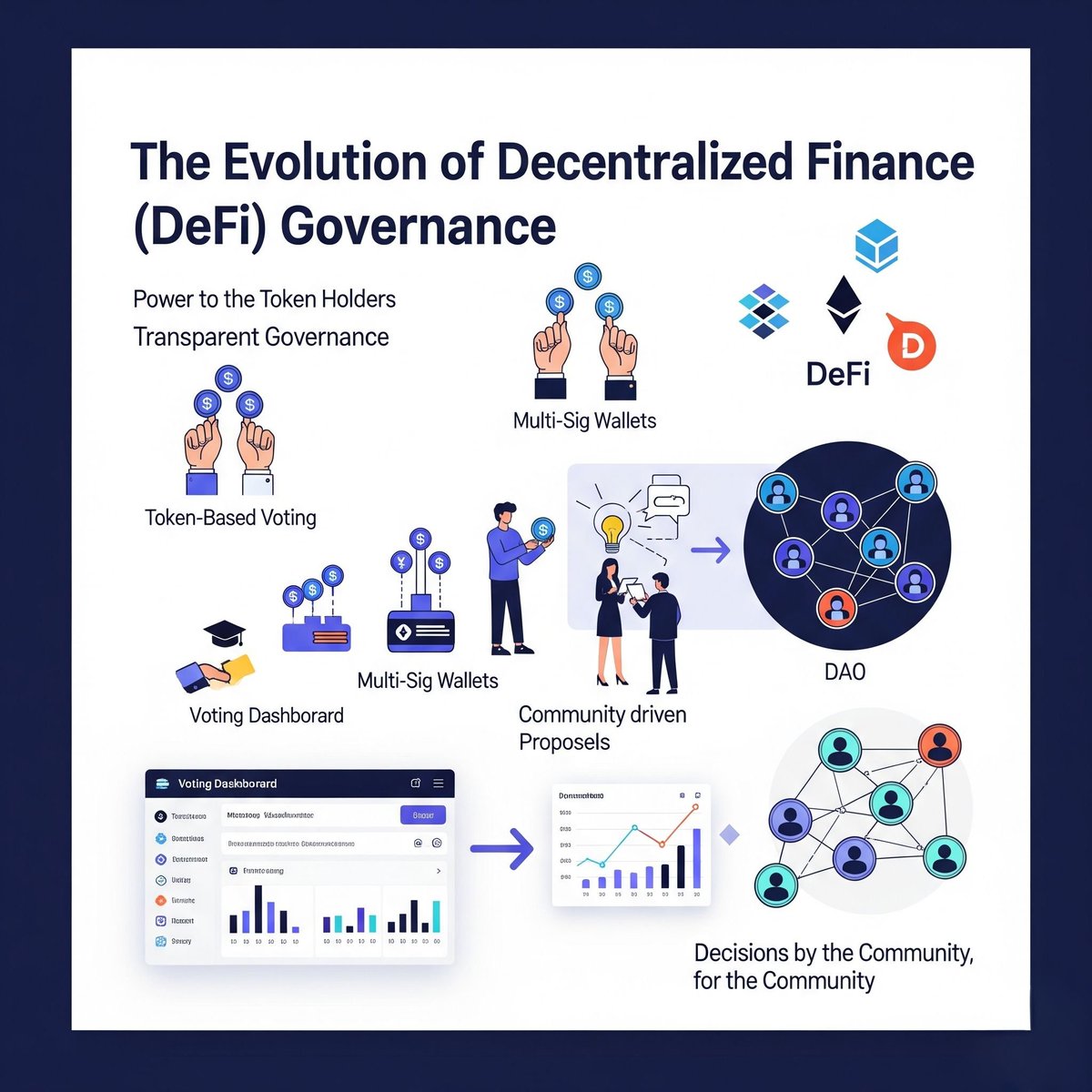
DeFi governance is evolving with token-based voting, multi-sig wallets, and community proposals that empower users to shape protocol futures. This democratization increases transparency & resilience in decentralized finance. #DeFiGovernance #TokenVoting
1
2
19

17 Jun 2025
🗳️ Web3 Isn’t Web3 Without Governance — Enter the 1inch DAO
The most powerful thing about @1inch isn’t the wallet or the swap engine — it’s the DAO.
Holding $1INCH means you get a say in how the protocol evolves. From protocol upgrades to fee structures, liquidity incentives, and grants — the #1inchDAO is fully community-driven.
Proposals are transparent. Votes are public. Power belongs to the token holders.
It’s not just about decentralization — it’s about impact. Your $1INCH lets you help shape the future of DeFi in real time.
If you believe in Web3 values, this is where it counts.
Join the vote 👉 snapshot.org/#/1inch.eth
Be the reason DeFi moves forward.
#1inchDAO #DeFiGovernance #Web3Community #TokenVoting #1inchNetwork

2
8
104