
Jun 15
Exclusive Story : ବାରିପଦାର ବିସ୍ମୟ ବୃକ୍ଷ ‘ଭରଡ଼ା’; ମୂଳରୁ ଅଗ ଯାଏଁ ଫମ୍ପା, ତଥାପି ୫୦ ବର୍ଷ ହେଲା ଛିଡ଼ା ହୋଇଛି
#Baripada #BharadaTree #WonderTree #Odisha #Mayurbhanj #HollowTree #NatureWonder #ExclusiveStory #RareTree #HeritageTree #TreeConservation #EnvironmentalNews #OdishaTourism #NatureLovers #prameyadigital
prameya.com/baripada-bharada…
4
226

Jun 11
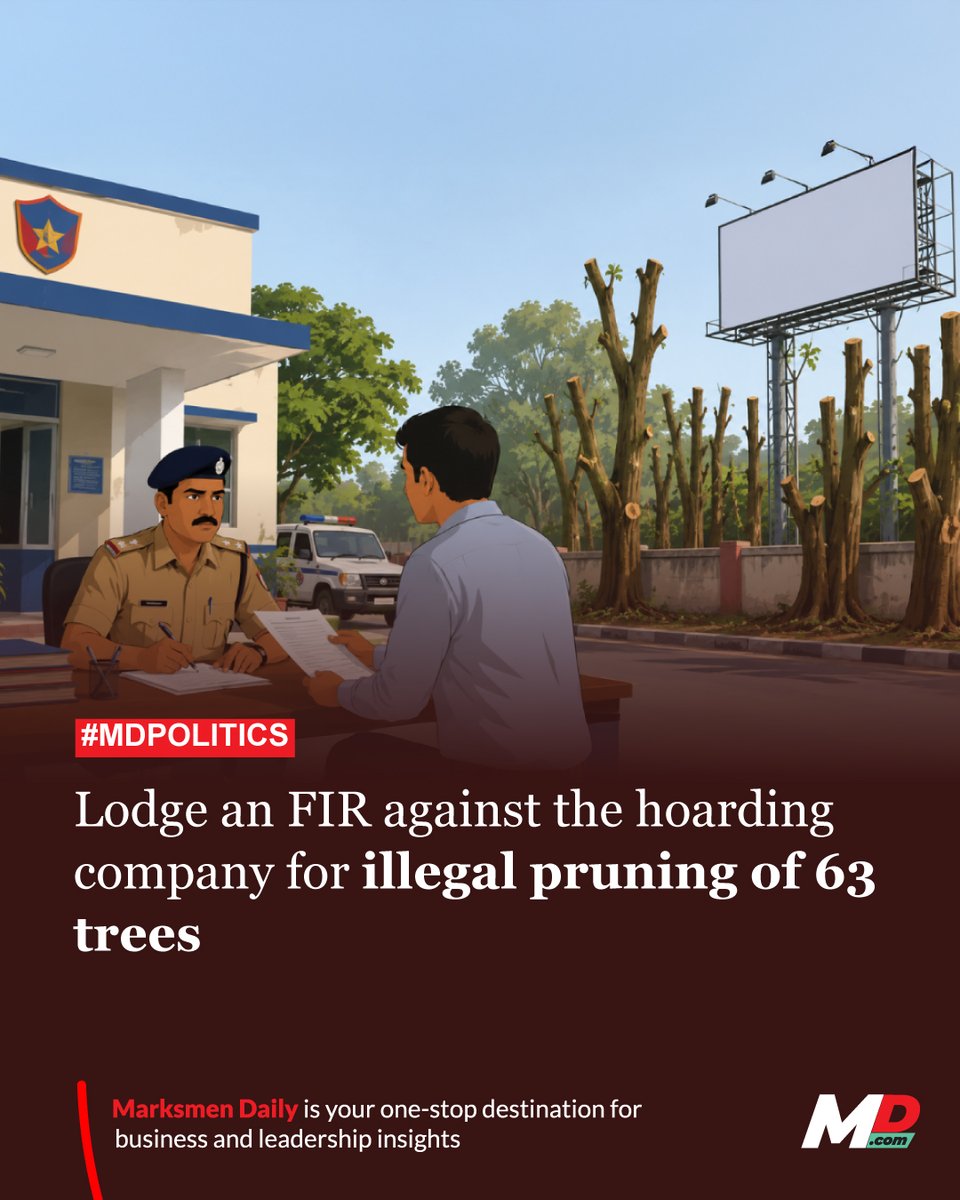
A serious matter concerning the unauthorized pruning of as many as 63 trees in the New Link Road area of Andheri (West) to provide better visibility to advertising hoardings was brought to the attention of Guardian Minister and Minister for Information Technology & Cultural Affairs, Adv. Ashish Shelar, through a written complaint submitted by local corporator Rupesh Sawarkar. Taking cognizance of the issue, the Guardian Minister directed officials to immediately register an FIR against the advertising company concerned.
A large number of tree branches were reportedly cut to enhance the visibility of advertisement
Article link - marksmendaily.com/politics/f…
#TreeConservation #EnvironmentalProtection #MumbaiTrees #IllegalPruning #FIRAgainstHoarding #AdvocacyForNature #MarksmenDaily
1
22

Jun 8
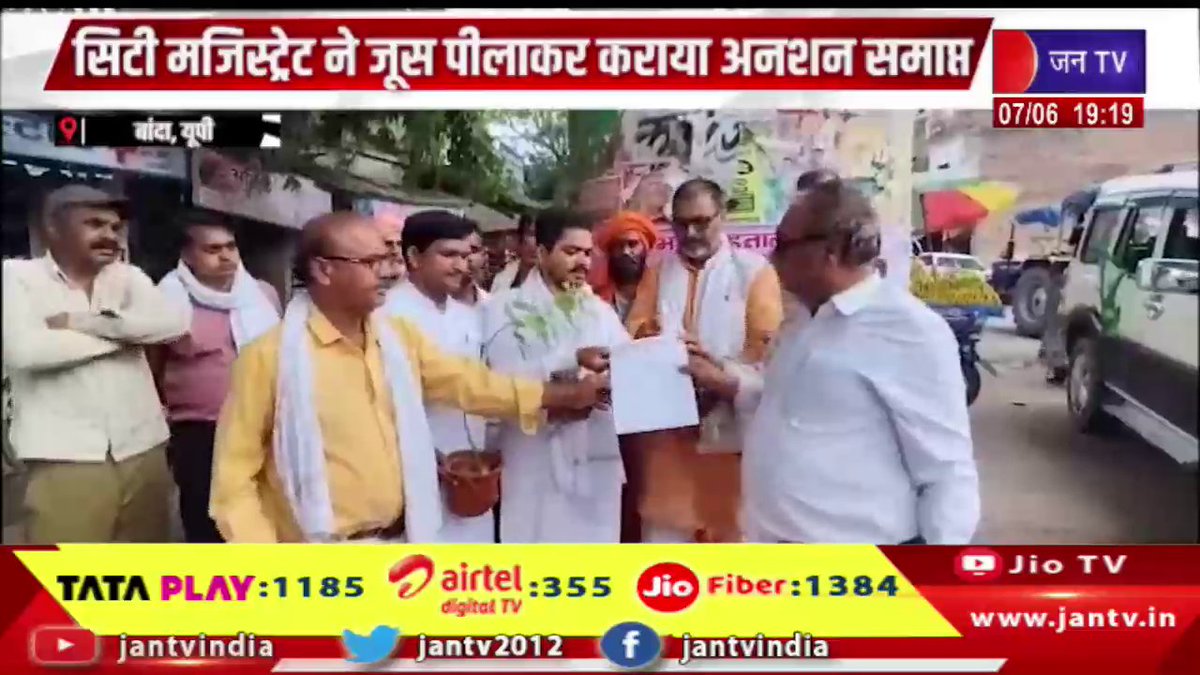
Banda News | सिटी मजिस्ट्रेट ने जूस पिलाकर करवाया अनशन समाप्त, अवैध कटान को लेकर की थी भूख हड़ताल | JAN TV
youtu.be/q_FbZv8-8ss
#bandanews #CityMagistrate #HungerStrikeEnds #JuiceOffered #IllegalTreeCutting #EnvironmentalConcern #PublicProtest #AdministrativeAction #FastEnded #LocalNews #TreeConservation #CivicIssues #BreakingNews #IndiaNews #EnvironmentProtection #JanAndolan #jantv_opn
7
21

Washim | 'कटेगा नही साला'चे पोस्टर, वृक्षतोडीबाबत अनोखी जनजागृती
#Washim #TreeConservation #CutegaNahiSala #EnvironmentalAwareness #MaharashtraNews #Jaimaharashtranews
57

दखल माध्यमांची! 🎙️
देशात प्रथमच बोरिवली परिसरातील सुमारे १०,००० झाडांचे AI व LiDAR तंत्रज्ञानाद्वारे स्मार्ट मूल्यांकन करण्यात आले. हे अत्याधुनिक यंत्र सुमारे २० किमी प्रतितास वेगाने रस्त्यांवरून प्रवास करत झाडांची उंची, आरोग्यस्थिती, घनता, पर्यावरणीय योगदान आणि इतर महत्त्वाची माहिती संकलित करणार आहे. या सर्वेक्षणाचा संपूर्ण डेटा पुढील १५ दिवसांत उपलब्ध होणार आहे.
सन्माननीय मुख्यमंत्री श्री. देवेंद्र फडणवीस जी यांच्या संकल्पनेतून तसेच पालकमंत्री ॲड. आशिष शेलार जी यांच्या पुढाकाराने राबविण्यात आलेला हा अभिनव उपक्रम हरित मुंबईच्या दिशेने महत्त्वपूर्ण पाऊल ठरणार आहे.
#SanjayUpadhyay #Borivali #AI #LiDAR #TreeConservation #Environment #BJP
@Dev_Fadnavis @ShelarAshish
6
107
माध्यमांशी संवाद🎙️
आज देशात प्रथमच बोरिवली परिसरातील सुमारे १०,००० झाडांचे AI व LiDAR तंत्रज्ञानाद्वारे स्मार्ट मूल्यांकन करण्यात आले.
हे अत्याधुनिक यंत्र सुमारे २० किमी प्रतितास वेगाने रस्त्यांवरून प्रवास करत झाडांची उंची, आरोग्यस्थिती, घनता, पर्यावरणीय योगदान आणि इतर महत्त्वाची माहिती संकलित करणार आहे. या सर्वेक्षणाचा संपूर्ण डेटा पुढील १५ दिवसांत उपलब्ध होणार आहे.
या वैज्ञानिक आणि तंत्रज्ञानाधारित माहितीच्या आधारे बृहन्मुंबई महानगरपालिकेमार्फत झाडांचे संवर्धन, संरक्षण आणि नियोजनाबाबत आवश्यक ती पुढील कार्यवाही करण्यात येणार आहे.
तंत्रज्ञान आणि पर्यावरण यांचा संगम घडवत हरित मुंबईच्या दिशेने टाकलेले हे एक महत्त्वपूर्ण पाऊल आहे.
सन्माननीय मुख्यमंत्री श्री. @Dev_Fadnavis जी यांच्या संकल्पनेतून तसेच राज्याचे मंत्री व मुंबई उपनगरचे पालकमंत्री @ShelarAshish जी यांच्या पुढाकाराने हा अभिनव उपक्रम राबविण्यात आला. पर्यावरण संवर्धनासाठी आधुनिक तंत्रज्ञानाचा प्रभावी वापर करण्याच्या या दूरदृष्टीपूर्ण उपक्रमाबद्दल त्यांचे मनःपूर्वक आभार.
#SanjayUpadhyay #Borivali #MediaInteraction #AI #LiDAR #TreeConservation #Environment #BMC #WorldEnvironmentDay #BJP
1
3
7
145
दखल माध्यमांची! 📰
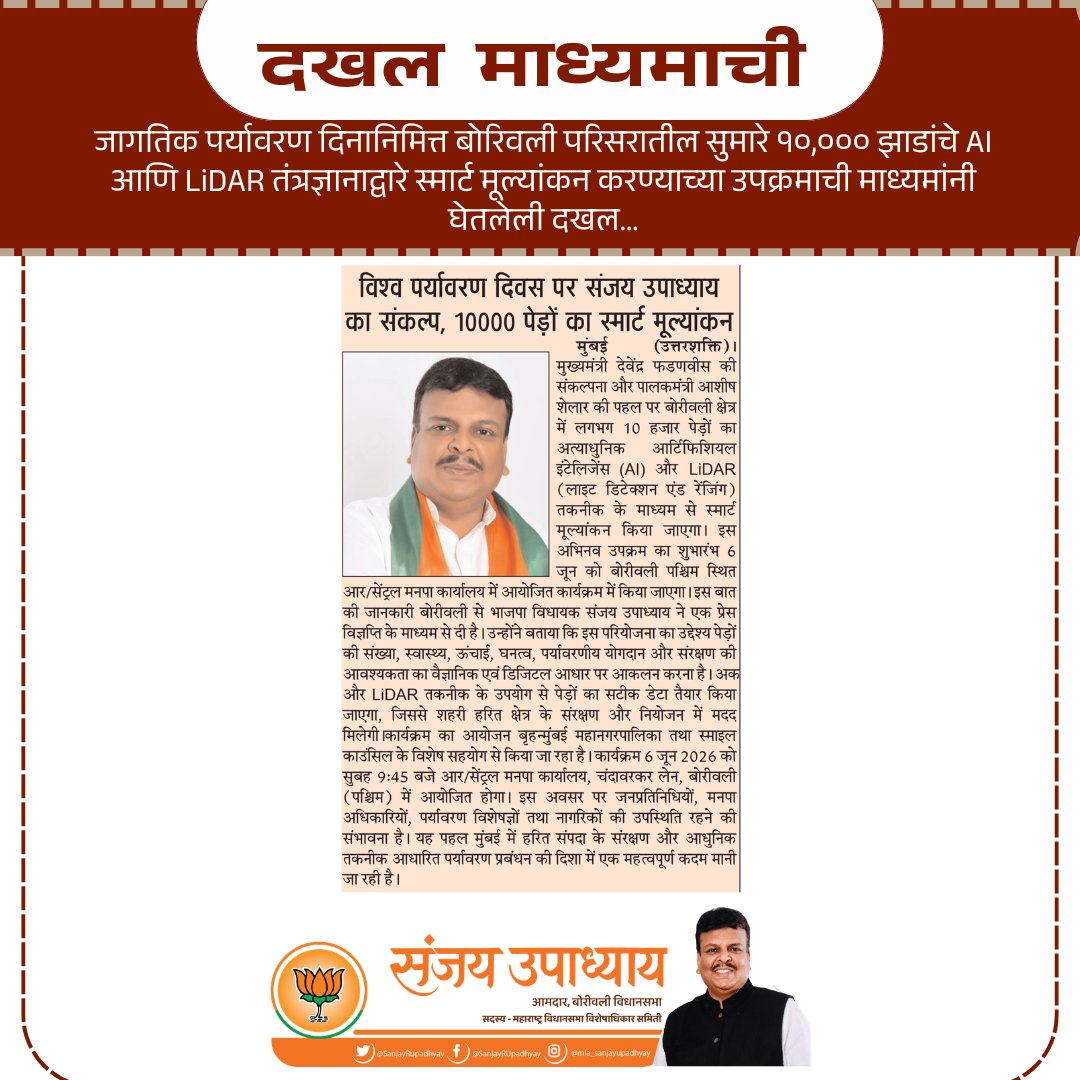
जागतिक पर्यावरण दिनानिमित्त बोरिवली परिसरातील सुमारे १०,००० झाडांचे AI आणि LiDAR तंत्रज्ञानाद्वारे स्मार्ट मूल्यांकन करण्याच्या उपक्रमाची माध्यमांनी घेतलेली दखल.
सन्माननीय मुख्यमंत्री श्री. @Dev_Fadnavis जी यांच्या संकल्पनेतून तसेच राज्याचे मंत्री व मुंबई उपनगरचे पालकमंत्री @ShelarAshish जी यांच्या पुढाकाराने राबविण्यात येणारा हा उपक्रम पर्यावरण संवर्धनाच्या दिशेने एक अभिनव आणि महत्त्वपूर्ण पाऊल आहे.
#SanjayUpadhyay #Borivali #MediaCoverage #AI #LiDAR #TreeConservation #Environment #GreenBorivali #WorldEnvironmentDay #BJP
2
54
तंत्रज्ञान आणि पर्यावरण यांचा अभिनव संगम!
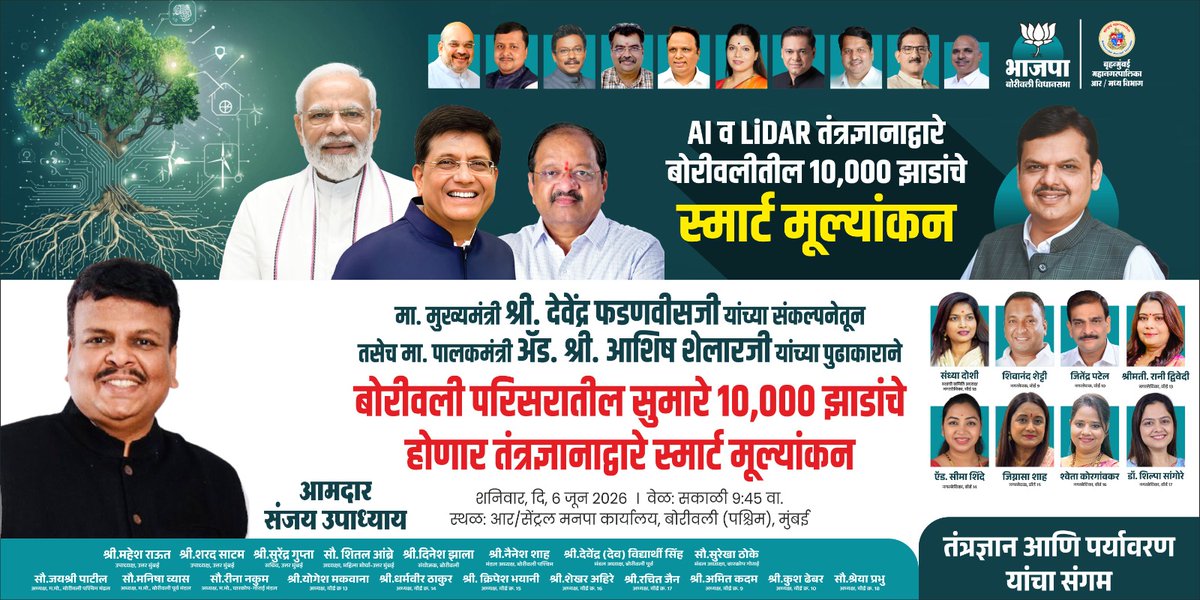
सन्माननीय मुख्यमंत्री श्री. @Dev_Fadnavis जी यांच्या संकल्पनेतून तसेच राज्याचे मंत्री आणि मुंबई उपनगरचे पालकमंत्री @ShelarAshish जी यांच्या पुढाकाराने बोरिवली परिसरातील सुमारे १०,००० झाडांचे 'AI व LiDAR' तंत्रज्ञानाद्वारे स्मार्ट मूल्यांकन करण्यात येणार आहे.
या उपक्रमामुळे झाडांची आरोग्यस्थिती, वाढ, संवर्धन आणि संरक्षण यांचे अधिक अचूक व शास्त्रीय पद्धतीने परीक्षण होणार असून पर्यावरण संवर्धनाला नवी दिशा मिळणार आहे.
आधुनिक तंत्रज्ञानाचा वापर करून हरित मुंबई आणि शाश्वत पर्यावरणाच्या दिशेने टाकलेले हे महत्त्वपूर्ण पाऊल निश्चितच प्रेरणादायी आहे.
📍 आर/सेंट्रल मनपा कार्यालय, बोरिवली (प.)
🗓️ शनिवार, ६ जून २०२६
⏰ सकाळी ९.४५ वा.
#SanjayUpadhyay #Borivali #AI #LiDAR #SmartAssessment #TreeConservation #Environment
3
45

May 30
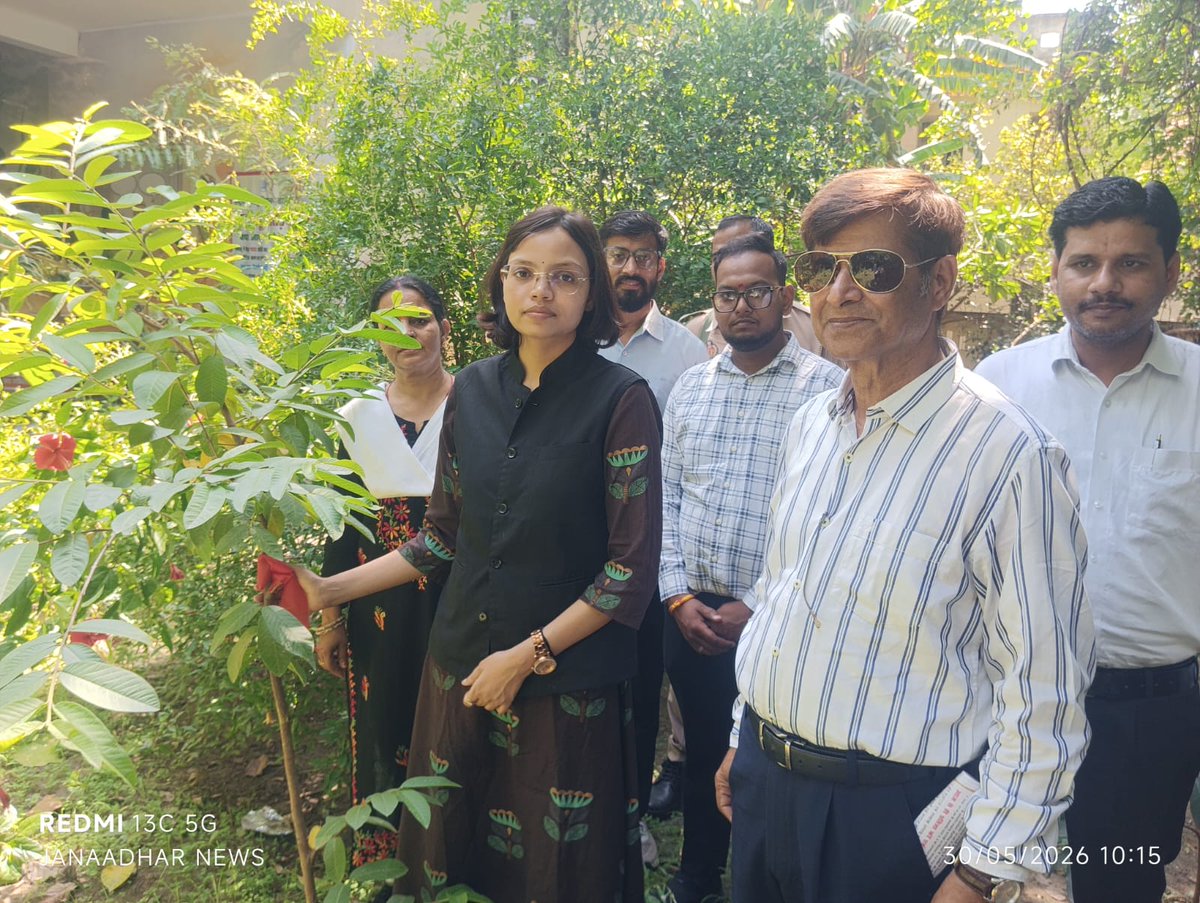
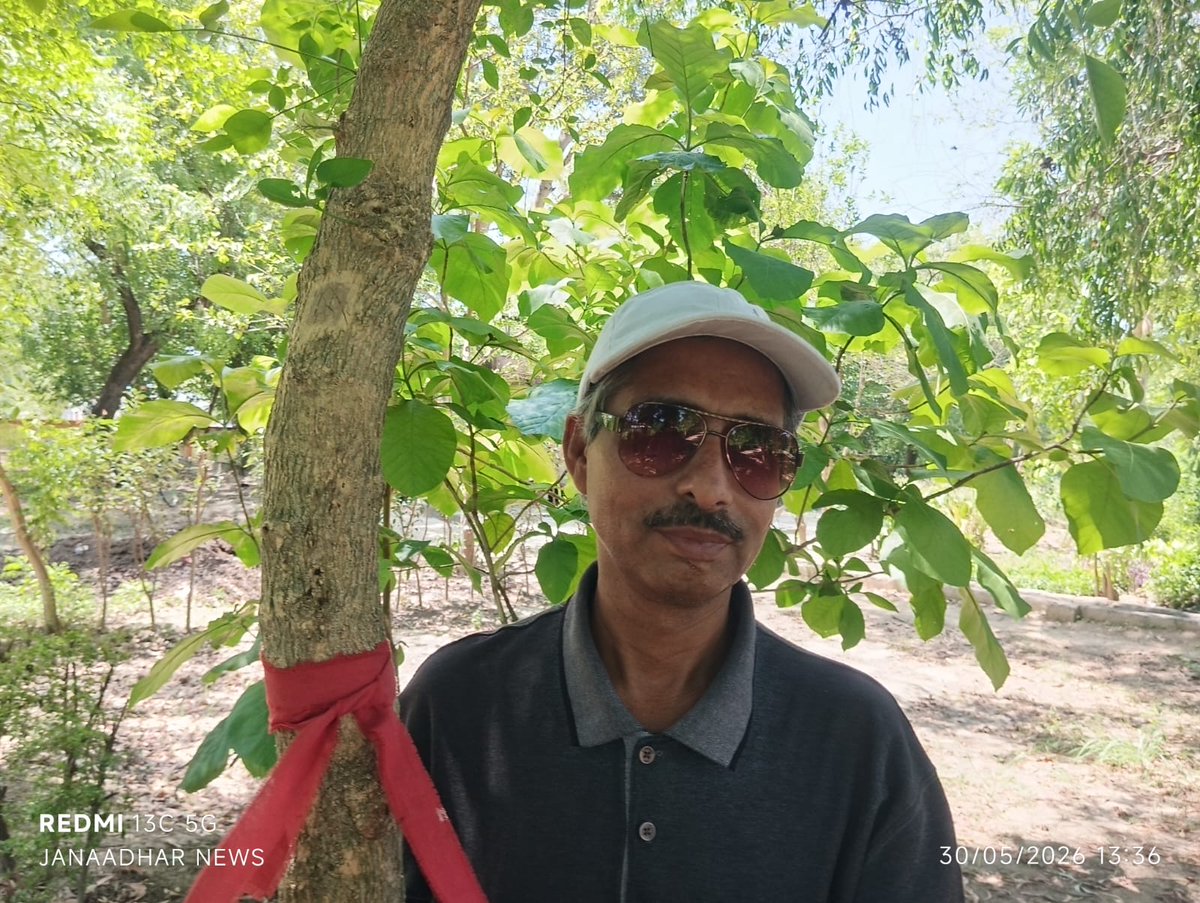
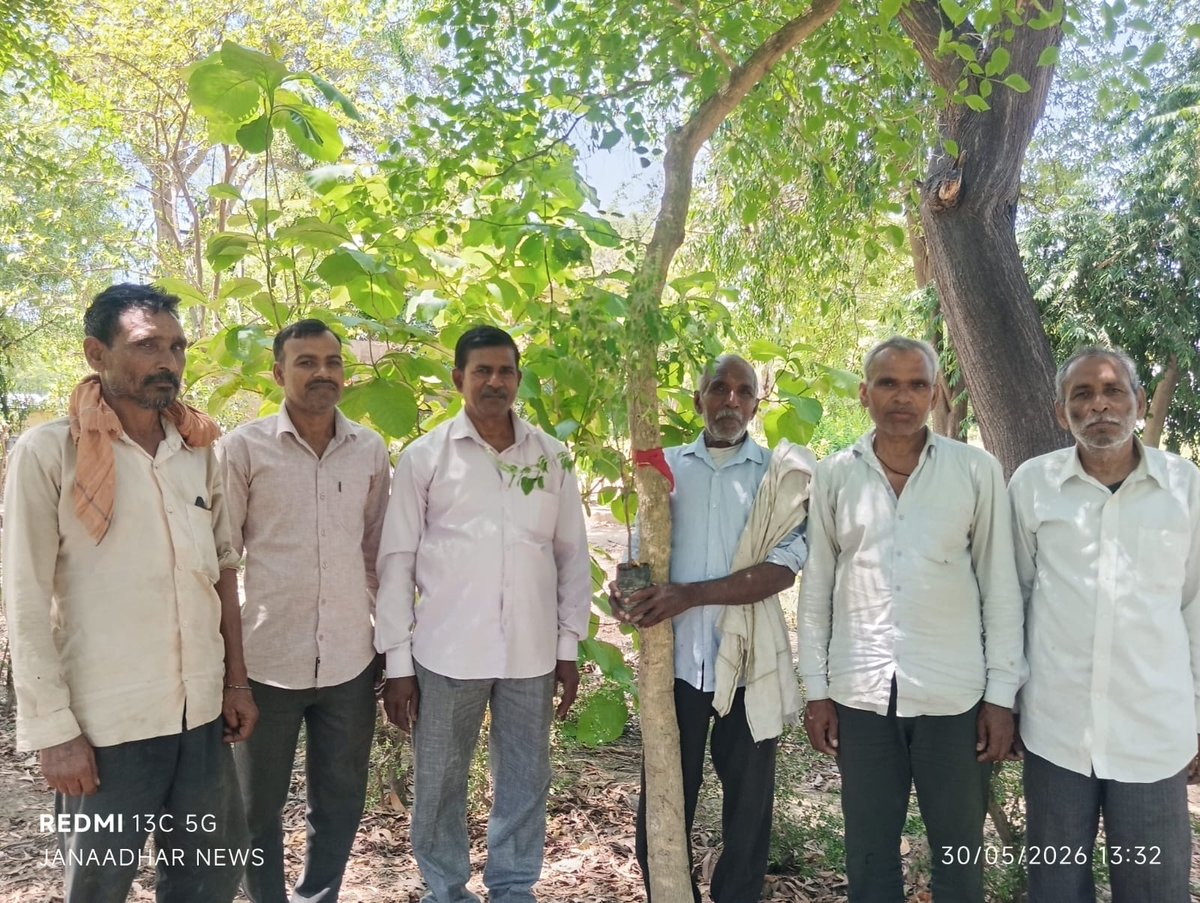
🌳⚖️ On the occasion of Hindi Journalism Day (30 May) and World No Tobacco Day (31 May), Ms. Yogesh Shiva, Secretary, District Legal Services Authority & Additional District Judge, Firozabad, launched the @RedTapeMovement at the Firozabad District Court complex, spreading a powerful message of environmental conservation.
Her inspiring message:
"Protecting trees is protecting life. A healthy environment is the foundation of a healthy society. Let us reduce pollution, stay away from tobacco, and become active guardians of nature for future generations."
The programme was organized by Mr. Pravin Kumar Sharma, Secretary of @janaadharnews, with active participation from citizens and environmental enthusiasts.
🌱 Every tree protected today is a healthier tomorrow secured.
#RedTapeMovement #TreeConservation #EnvironmentalProtection #WorldNoTobaccoDay #HindiJournalismDay #Firozabad #ClimateAction #SaveTrees #GreenFuture #OneHealth
3
4
94

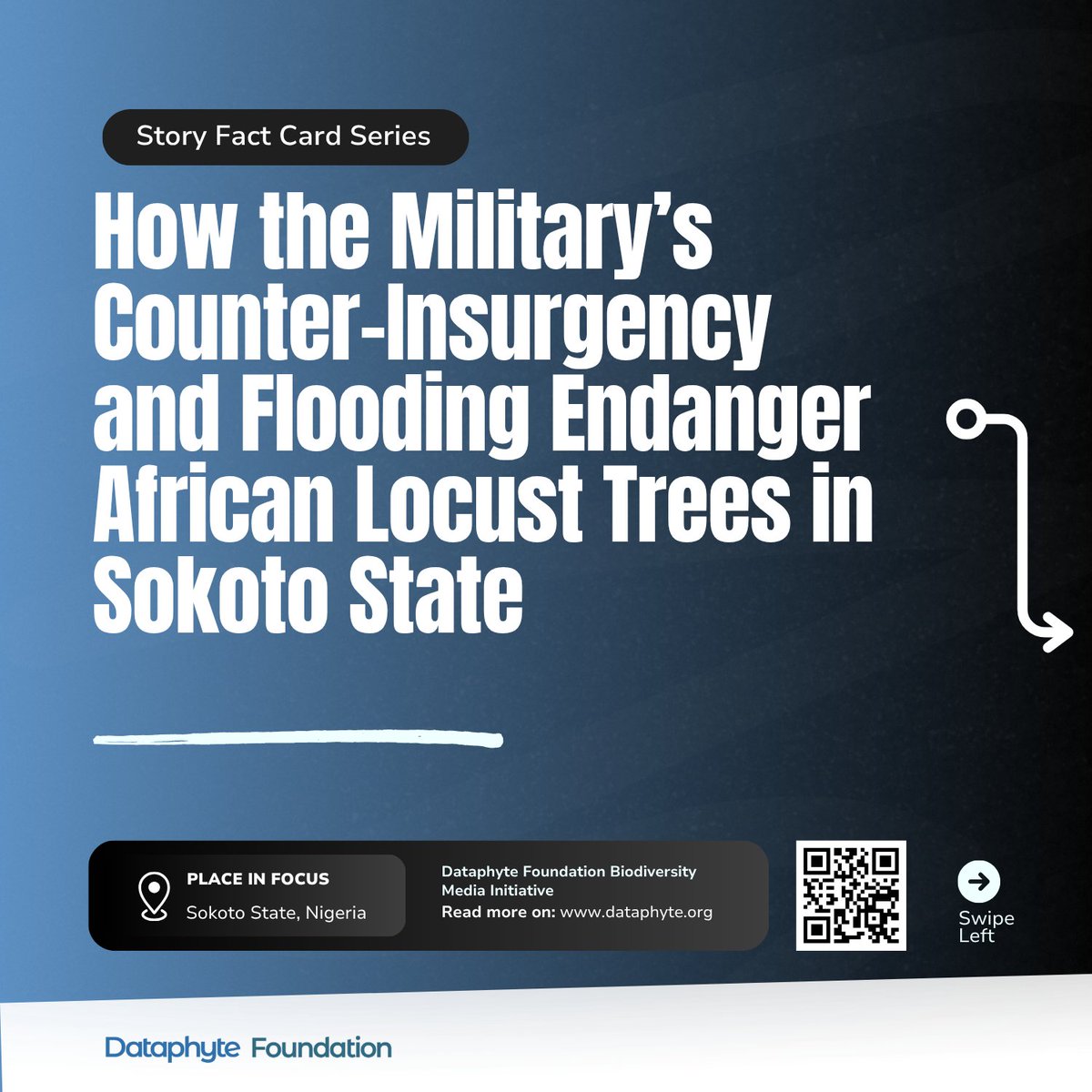
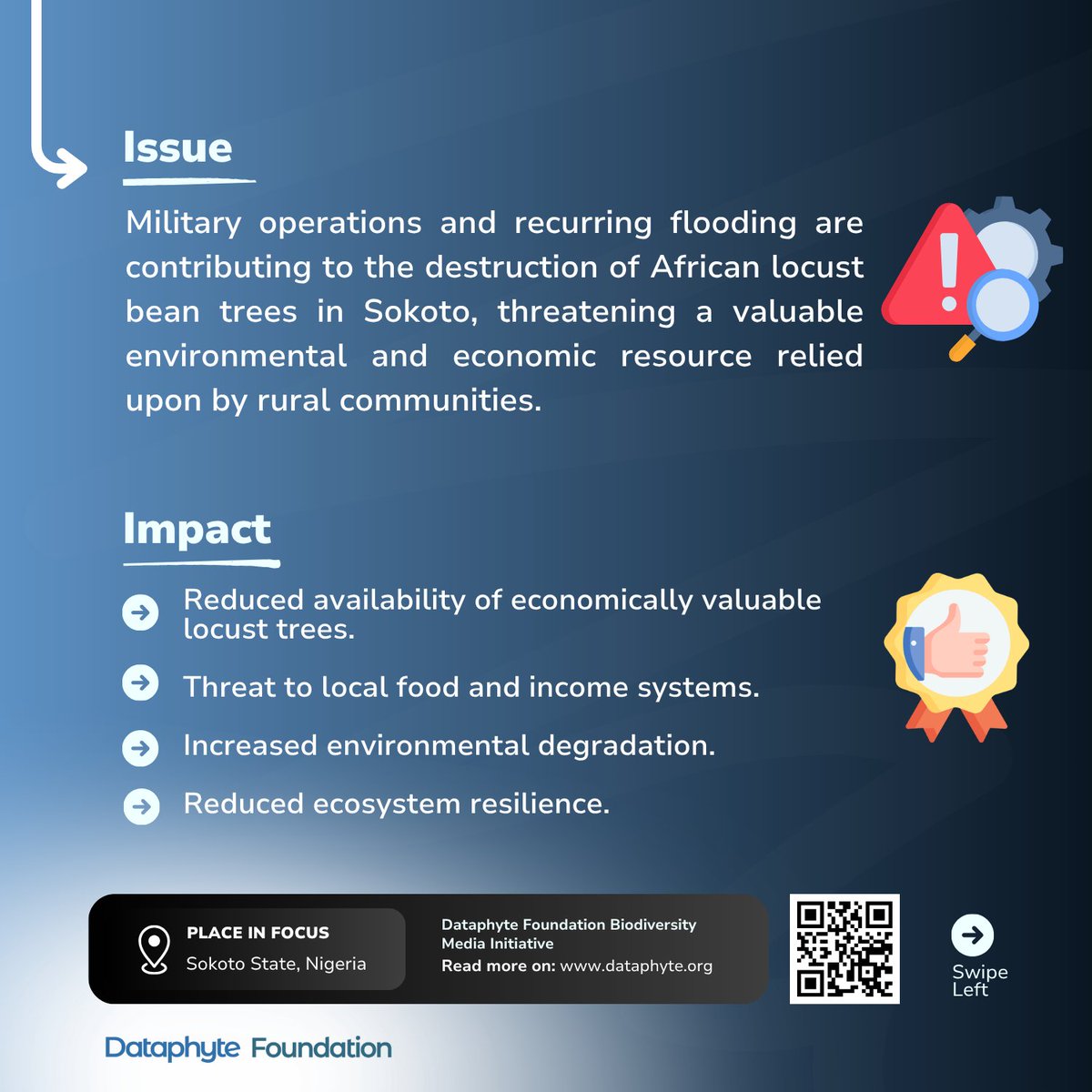
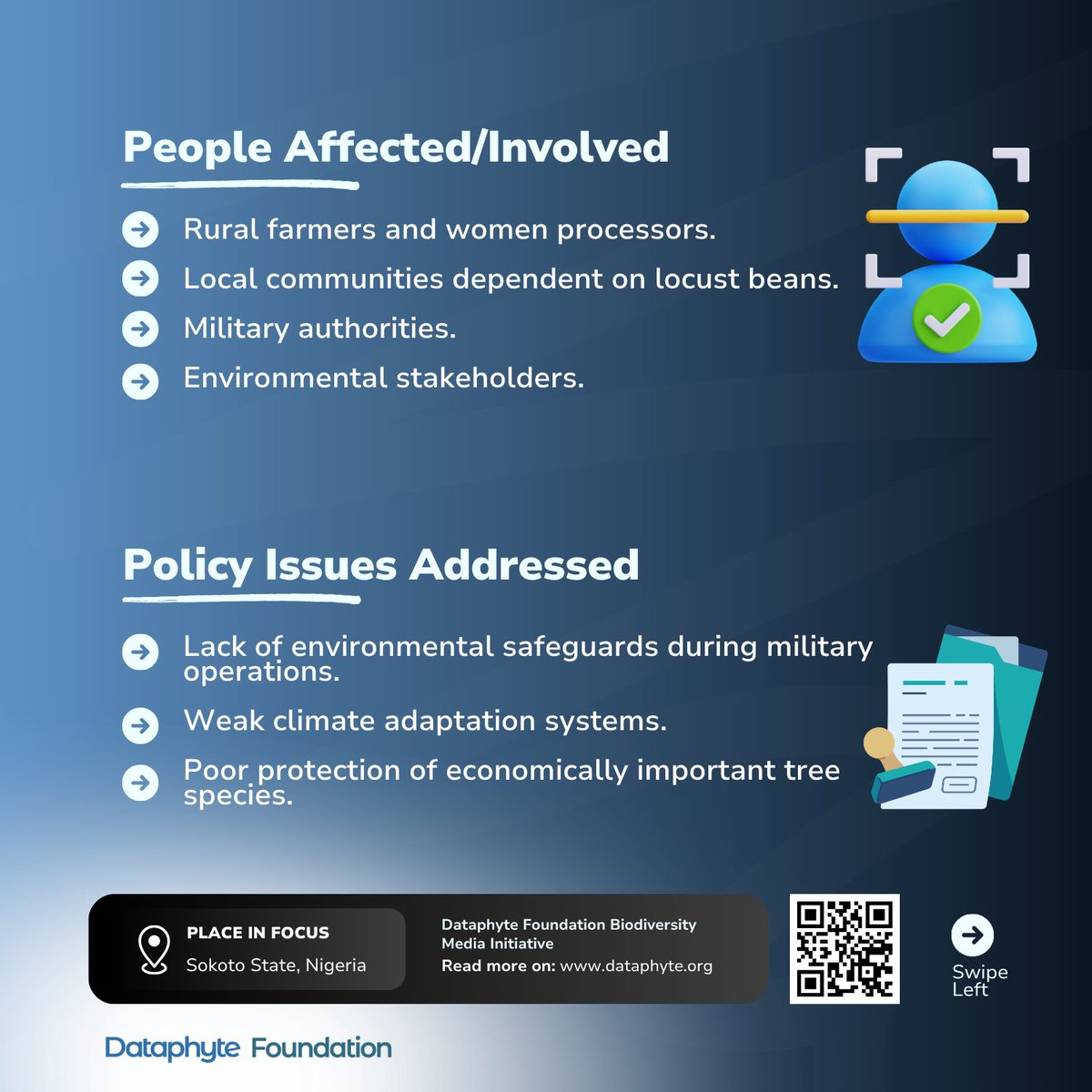
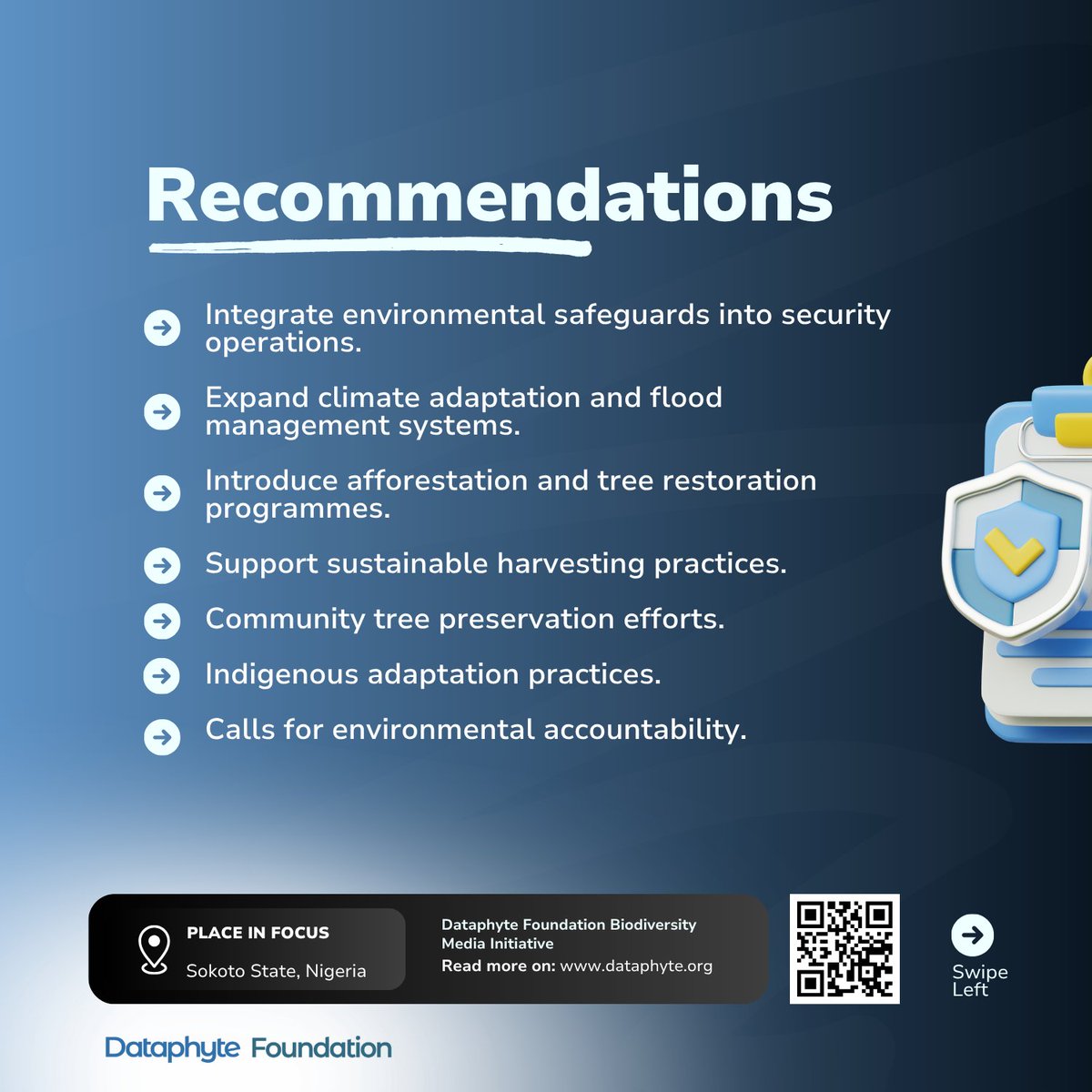
In Sokoto, African locust bean trees are disappearing under the combined pressure of flooding and military counter-insurgency operations. For many rural communities, this is more than environmental loss — it is the erosion of food systems, livelihoods, and ecological resilience.
This story reminds us that environmental protection must remain part of conversations around security and climate adaptation.
Read the investigation: dataphyte.com/topic/biodiver…
Interested in telling similar biodiversity stories? Access our reporting toolkit and learn how to uncover environmental realities in your community here: bit.ly/DataphyteBiodiversity…
#ClimateAction #TreeConservation #EnvironmentalSecurity #BiodiversityWeek #InternationalBiodiversityDay
2
8
146

May 19
When Akola touched a scorching 45.6°C this summer, residents asked a simple question:
If we're struggling in this heat, what about the trees that keep our city cool?
Their answer? A 'Tree Lifeline Water Chariot' that's helping thirsty trees survive the season. #UrbanForestry #ClimateAction #TreeConservation #CommunityImpact #SustainableIndia
[Urban Tree Conservation, Community Climate Action, Heatwave Solutions, Green Maharashtra, Environmental Changemakers]
thebetterindia.com/changemak…
1
4
662

গাছপালা মানুষের জীবনধারণের জন্য অপরিহার্য। যুদ্ধের সময়ও নবীজি সল্লাল্লাহু আলাইহি ওয়া সাল্লাম গাছ কাটতে নিষেধ করেছেন। প্রকৃতির শ্রেষ্ঠ সম্পদ গাছ। মূল্যবান এ সম্পদ রক্ষার দায়িত্ব মানুষেরই
বিস্তারিত : somoynews.tv/news/2026-04-25…
#EnvironmentalProtection #TreeConservation #GreenEarth #somoytv

2
140

Apr 21
दिल्ली में पेड़ काटने पर सरकार ने नई SOP जारी की, अगर कहीं भी पेड़ कैट तो लिया जाएगा एक्शन
#NewsPath @shwetajhaanchor #DelhiNews #TreeConservation #GreenDelhi #EnvironmentProtection #SOPUpdate
1
3
172

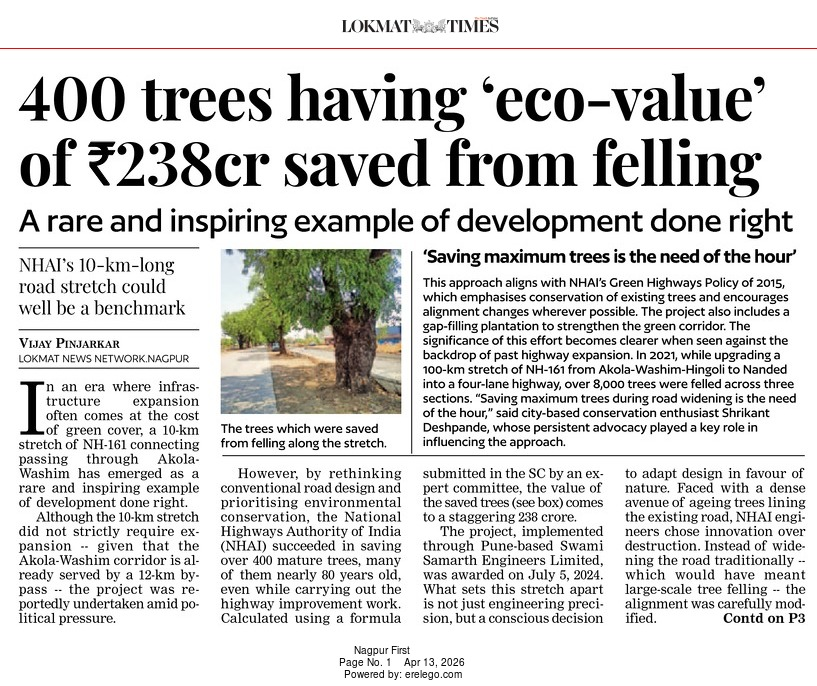
#Akola NHAI saves 400 trees worth ₹238cr on Akola-Washim highway. Development done right amid political pressure. #NHAI #GreenHighways #TreeConservation
Vijay Pinjarkar
epaper.lokmat.com/articlepag…
1
7
149

Apr 12
100-Year-Old Banyan Cut for Kumbh? When Faith Meets Forests in Nashik
🌳 Save Trees, Save Nashik
A century-old banyan tree stands as a silent guardian — home to birds, shade for generations, and a living piece of Nashik’s heritage.
Yet, amid preparations for the upcoming Simhastha Kumbh Mela (2026-27), reports of felling or heavy trimming of old trees — including 50-100 year-old banyans, peepals, and others — along roads like Gangapur Road and for infrastructure projects have sparked deep outrage.
Authorities cite the need for road widening, better crowd management, and facilities for millions of devotees, arguing it’s essential for safety and development. Some officials have said only unavoidable trees will be affected and transplantation or compensatory planting (in high ratios) is planned.
But for many Nashikkars and environmentalists, this feels like a brutal trade-off: sacrificing irreplaceable green cover and biodiversity in the name of a grand religious event. These ancient trees took decades — even centuries — to grow. They cool the city, support wildlife, and are culturally sacred.
Once gone, they can’t be replaced overnight.
Protests (including Chipko-style actions) have erupted, and the National Green Tribunal (NGT) has stepped in with an interim stay on tree-felling till April 28, 2026.
The real question: Can we prepare for Kumbh Mela with genuine respect for nature? Sustainable planning — better route design, minimal cutting, aggressive transplantation of mature trees, and massive compensatory afforestation — should be non-negotiable. Development and ecology must coexist, not compete.
Nashik’s identity is tied to the Godavari, its ghats, and its green lungs. Let’s not lose them in the rush.
@NileshMalodeINC
@Nilesh_INC
#SaveTreesSaveNashik #NashikKumbh #TreeConservation #EnvironmentVsDevelopment #NGT #SaveBanyanTrees 🌱
2
30
29
1,697

Apr 6
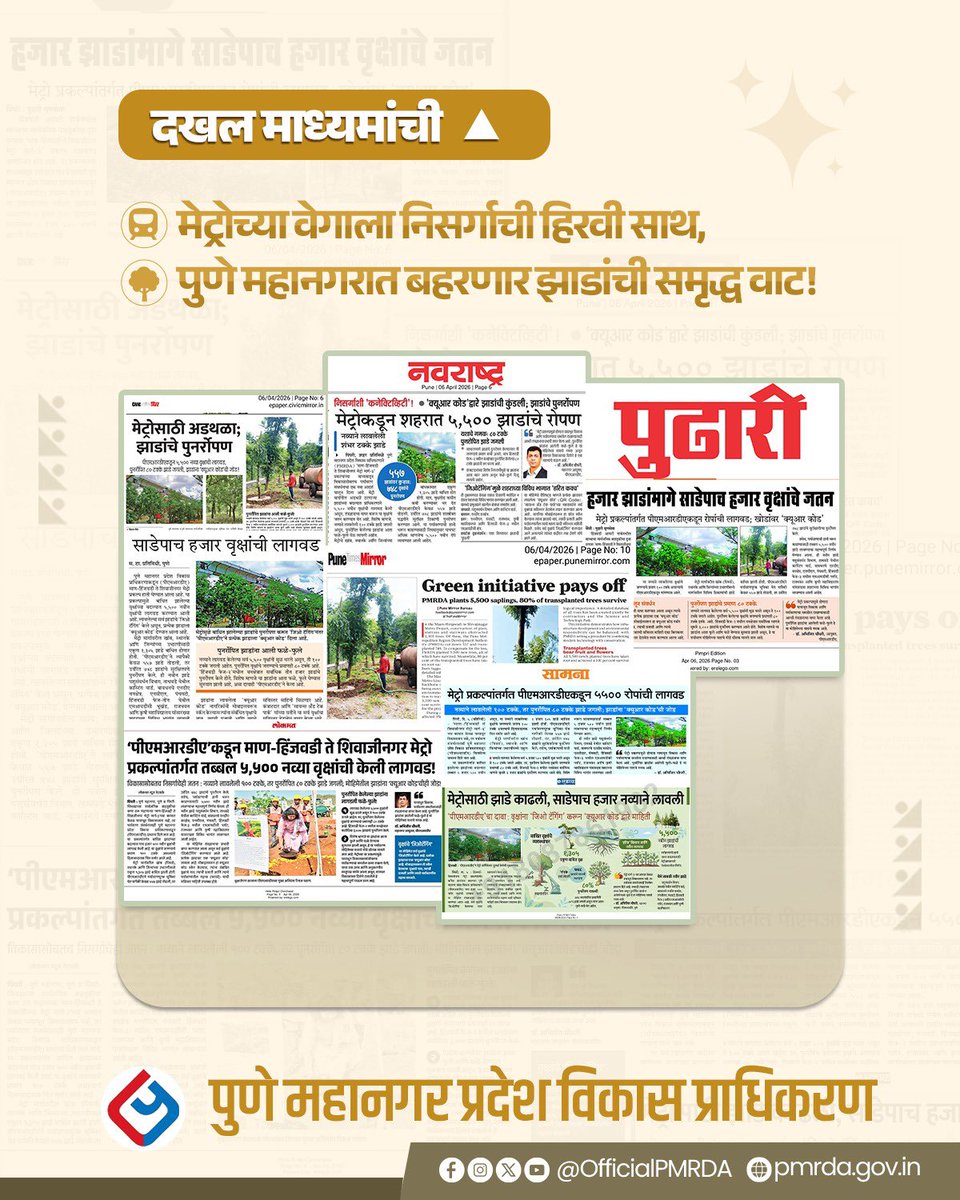
📢 मेट्रोच्या वेगासोबत हरित पुण्याची भक्कम वाटचाल! 🌿🚇
पुणे महानगर प्रदेश विकास प्राधिकरण (PMRDA) मार्फत राबविण्यात येत असलेल्या मेट्रो प्रकल्पासोबतच पर्यावरण संवर्धनाला प्राधान्य देत शहरात मोठ्या प्रमाणावर वृक्षारोपण आणि पुनर्लागवड करण्यात आली आहे. या उपक्रमांतर्गत सुमारे ५,५०० झाडांचे रोपण करण्यात आले असून, नव्याने लावलेल्या झाडांचे १०० टक्के संवर्धन यशस्वी ठरले आहे.
याशिवाय, विकासकामांमुळे स्थलांतरित करण्यात आलेल्या झाडांपैकी सुमारे ८० टक्के झाडे पुन्हा जोमाने वाढत असून, पर्यावरणीय संतुलन राखण्याचा प्रभावी प्रयत्न यशस्वी ठरत आहे.
🌱 या उपक्रमाची विशेष बाब म्हणजे प्रत्येक झाडाला ‘QR Code’ देण्यात आला असून, त्याद्वारे त्या झाडाची माहिती, स्थान आणि देखभाल यांचा तपशील सहज उपलब्ध होत आहे. त्यामुळे वृक्षसंवर्धन अधिक पारदर्शक आणि तंत्रज्ञानाधिष्ठित झाले आहे.
🌳 महानगर परिसरातील विविध भागांत नियोजनबद्ध पद्धतीने लागवड करून ‘हरित कवच’ निर्माण करण्याचा प्रयत्न करण्यात येत आहे, ज्यामुळे पुणे महानगर अधिक पर्यावरणपूरक आणि शाश्वत विकासाच्या दिशेने वाटचाल करत आहे.
✨ विकास आणि पर्यावरण यांचा समतोल साधत, हरित आणि समृद्ध पुण्याचे स्वप्न साकार करण्यासाठी पीएमआरडीए कटिबद्ध आहे.
#PMRDA #GreenPune #SustainableDevelopment #MetroDevelopment #TreeConservation 🌿
2
250
বেগম রোকেয়া বিশ্ববিদ্যালয়ের কেন্দ্রীয় মসজিদ প্রাঙ্গণে এলোপাতাড়িভাবে গাছ কাটার স্থান ও কাটা গাছের গুঁড়ি ঘিরে লাল ফিতা টানিয়ে ‘ক্রাইম সিন’ লিখে এলাকাটি ঘিরে রেখেছেন শিক্ষার্থীরা
বিস্তারিত : somoynews.tv/news/2026-03-14…
#BegumRokeyaUniversity #StudentProtest #TreeConservation #somoytv
3
245

Mar 12
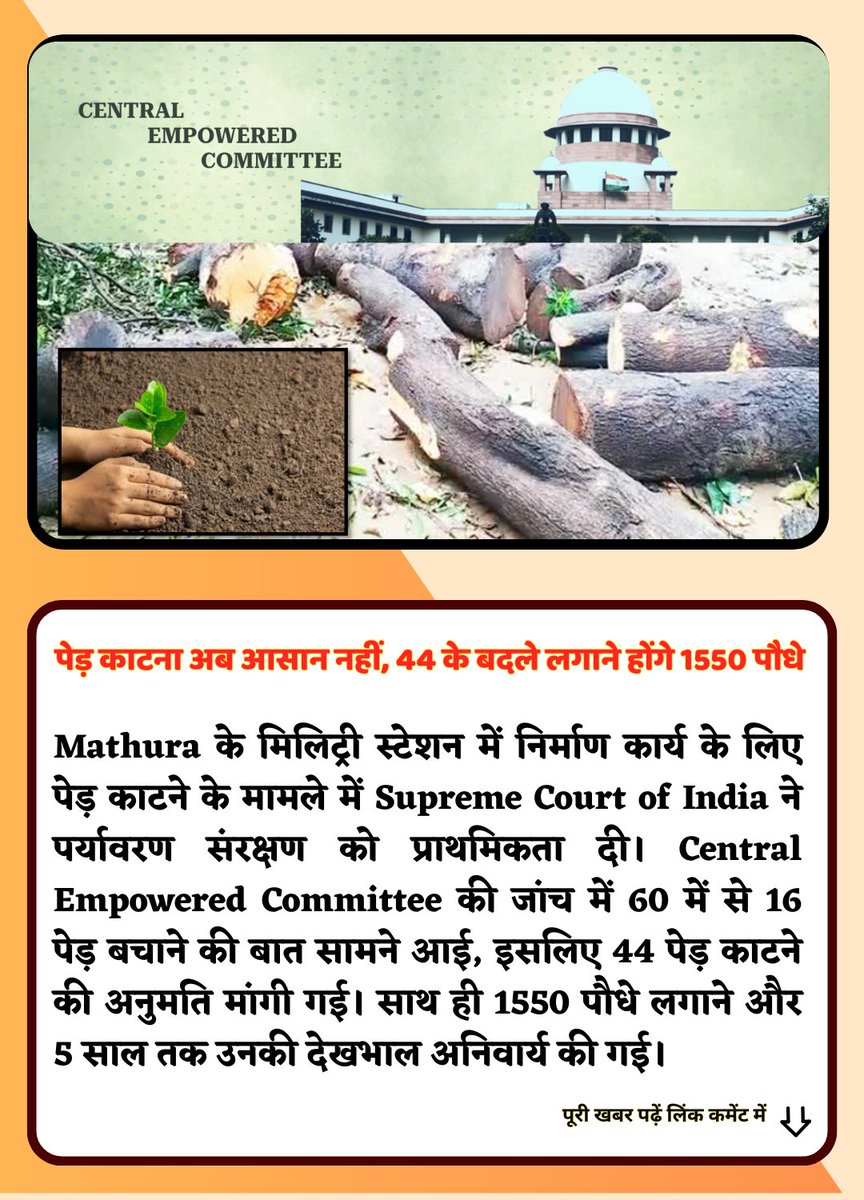
पेड़ काटना अब आसान नहीं, 44 के बदले लगाने होंगे 1550 पौधे
Mathura के मिलिट्री स्टेशन में निर्माण कार्य के लिए पेड़ काटने के मामले में Supreme Court of India ने पर्यावरण संरक्षण को प्राथमिकता दी। Central Empowered Committee की जांच में 60 में से 16 पेड़ बचाने की बात सामने आई, इसलिए 44 पेड़ काटने की अनुमति मांगी गई। साथ ही 1550 पौधे लगाने और 5 साल तक उनकी देखभाल अनिवार्य की गई।
पूरी खबर पढ़ें लिंक - prernasamvad.in/story/Cuttin…
#SupremeCourt #Environment
#TreeConservation #Mathura
#GreenIndia #prernamedia
4
8
47

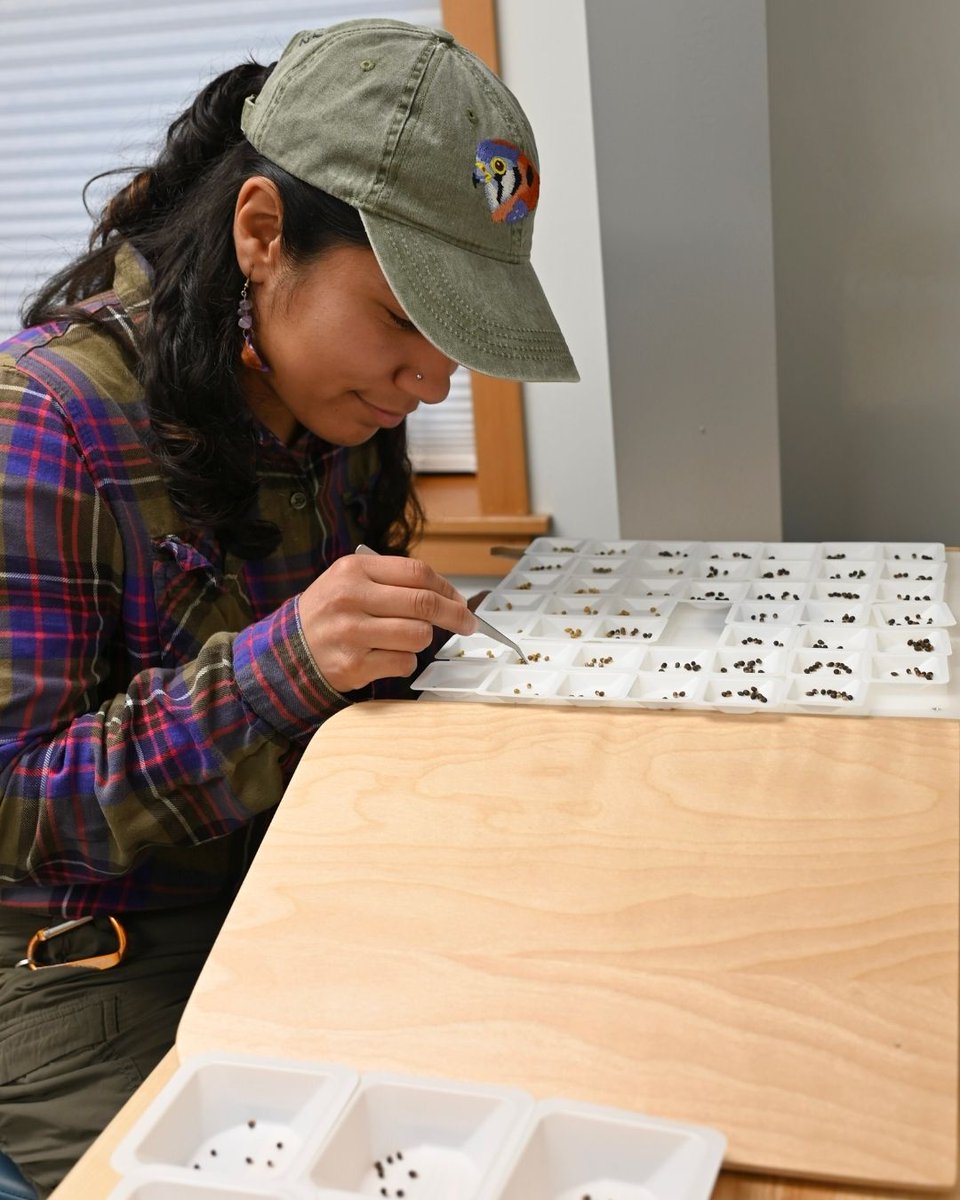
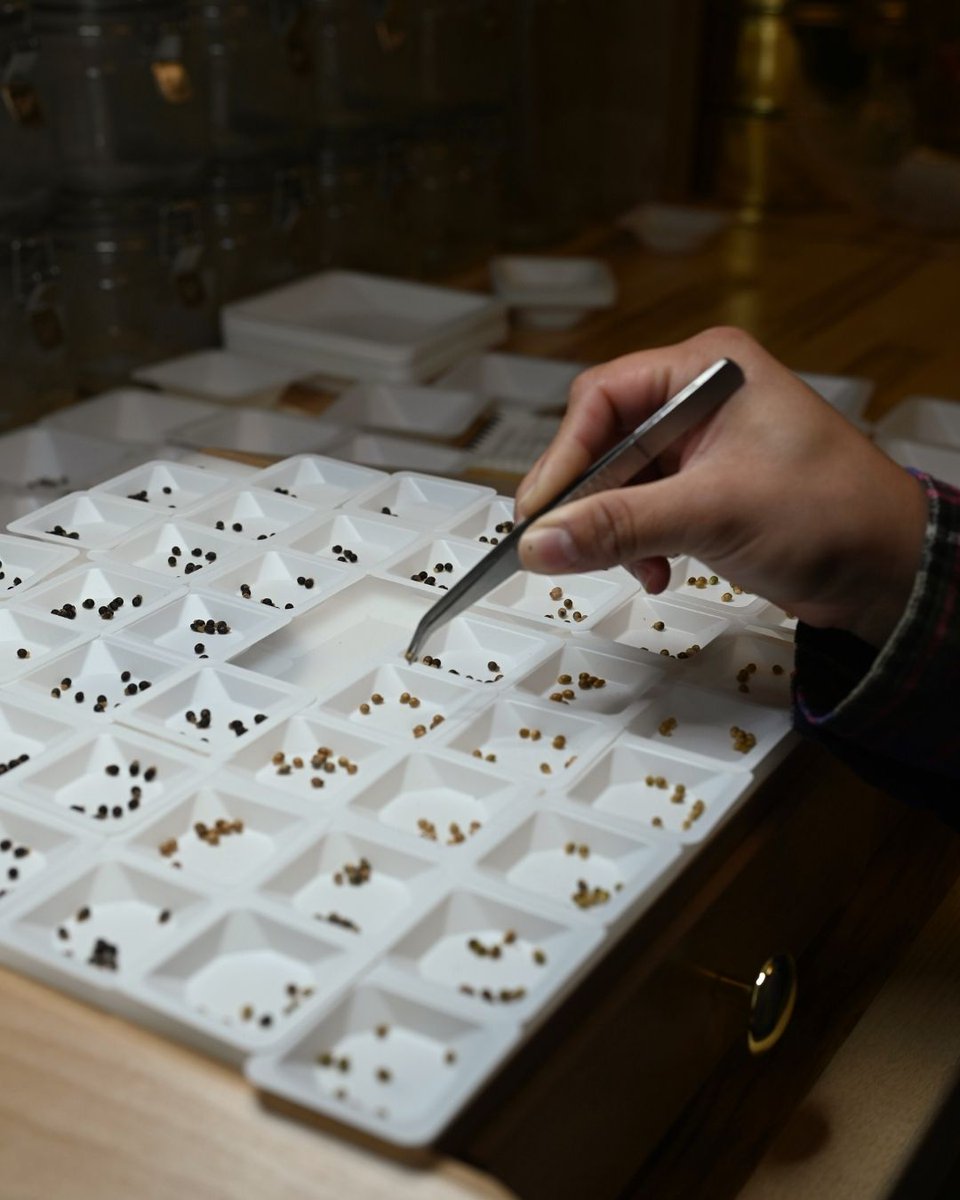
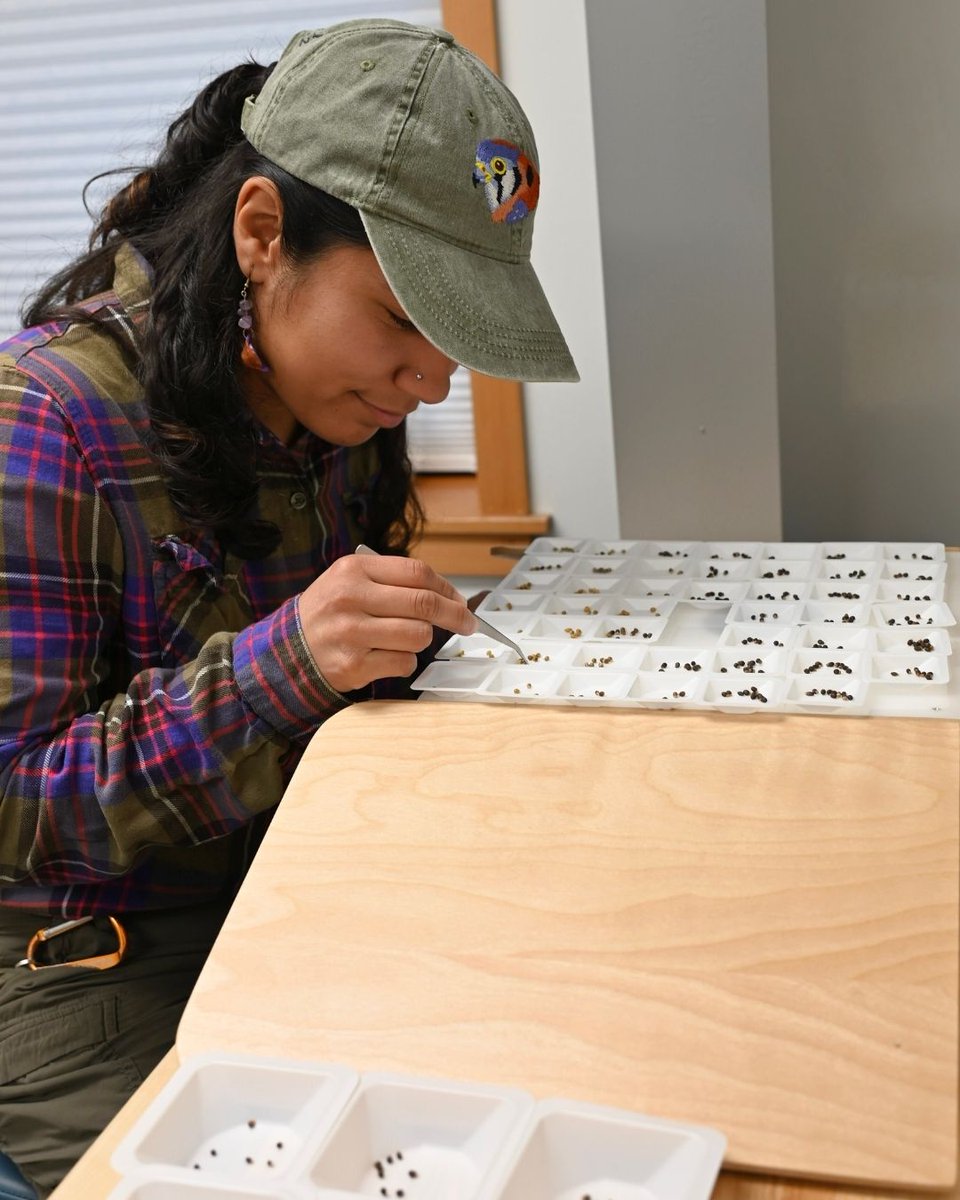
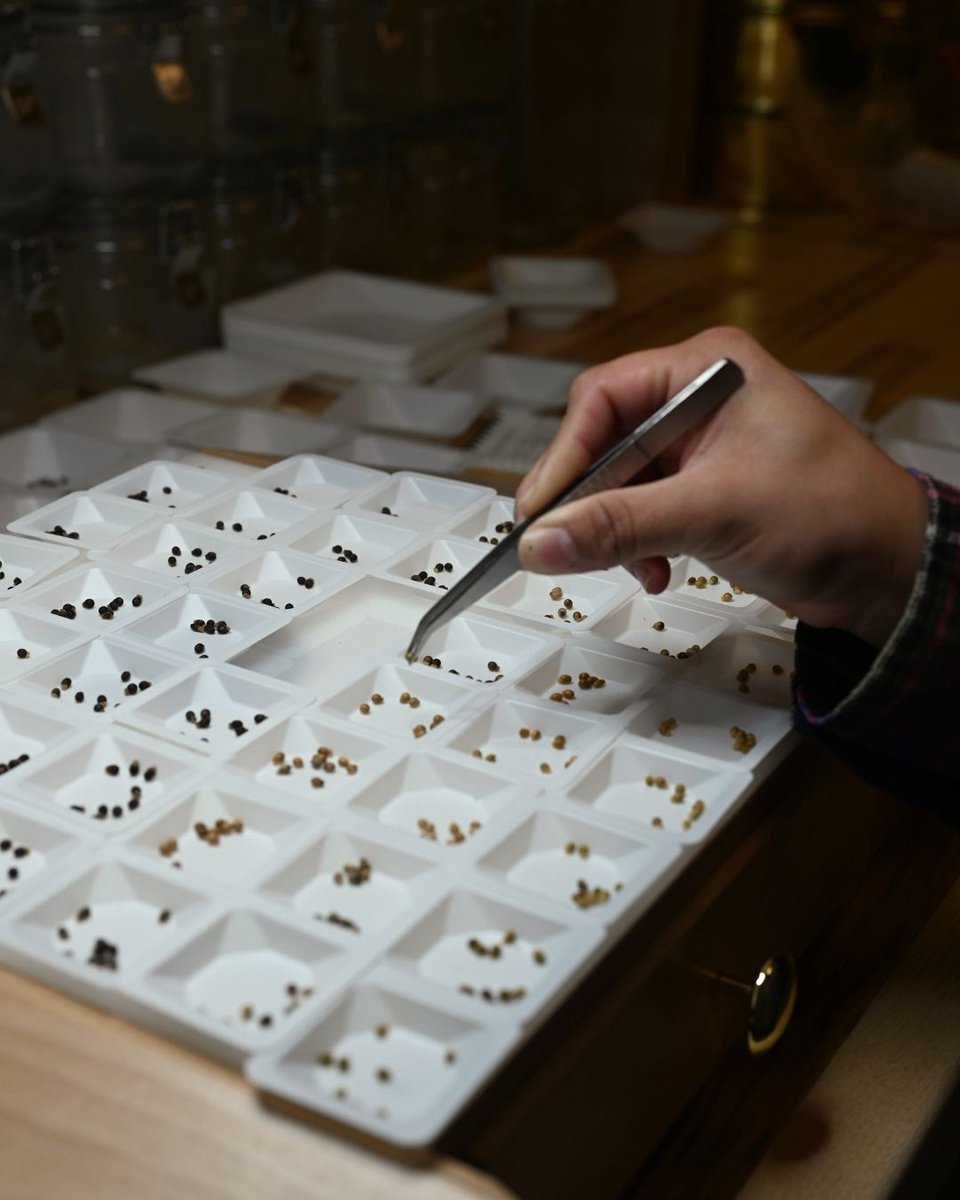
As one of 10 recipients of the Priority U.S. Trees Conservation Awards, Gardens of Golden Gate Park is bolstering efforts to protect the Mendocino Cypress (Hesperocyparis pygmaea). #treeconservation
1
2
123

As one of 10 recipients of the Priority U.S. Trees Conservation Awards, Gardens of Golden Gate Park is bolstering efforts to protect the Mendocino Cypress (Hesperocyparis pygmaea). #treeconservation
1
1
5
142