
May 19
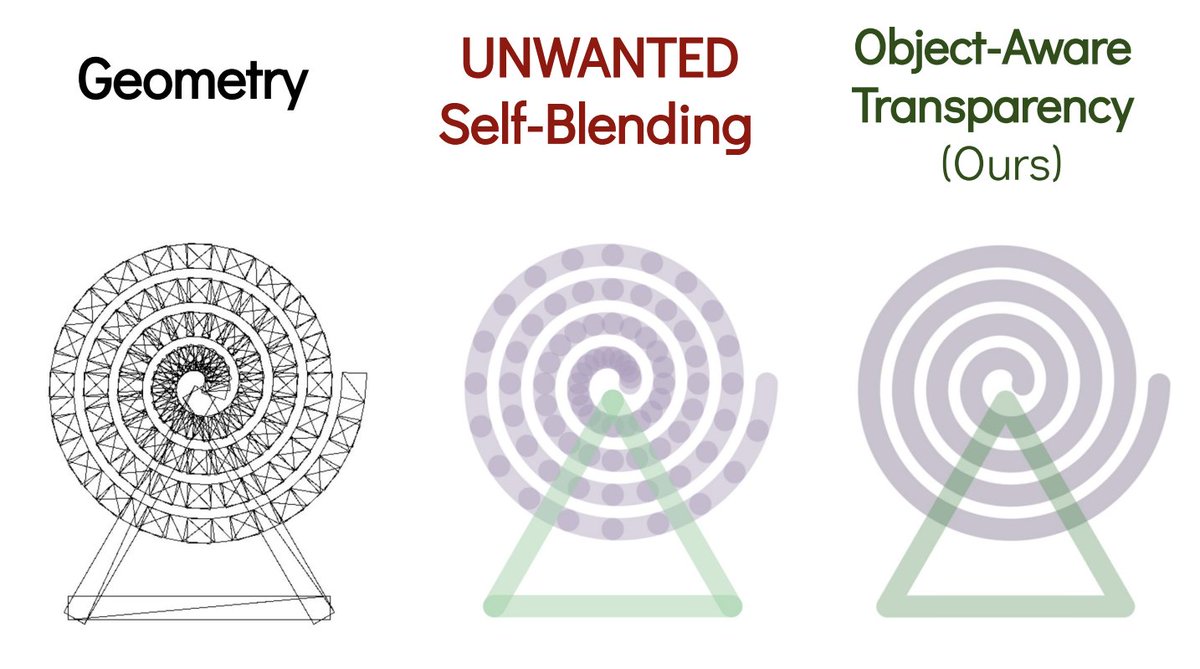
𝗧𝗿𝗮𝗻𝘀𝗽𝗮𝗿𝗲𝗻𝗰𝘆 in 2D Rendering isn't as straightforward as you might think.
Drawing an object with the 𝗽𝗿𝗲𝘃𝗶𝗼𝘂𝘀 𝗼𝗯𝗷𝗲𝗰𝘁'𝘀 𝗰𝗼𝗹𝗼𝗿? But why!?
Building 2D GPU-Driven renderers is a unique challenge. Instead of standard meshes, you are directly rendering lines, curves, UI components, and vector graphics. If you want transparency on these 2D components while leveraging the GPU's blending unit, you have to find a way to prevent it from blending with itself.
𝗧𝗵𝗲 𝗵𝗮𝗿𝗱𝘄𝗮𝗿𝗲 𝗹𝗶𝗺𝗶𝘁𝗮𝘁𝗶𝗼𝗻: The GPU doesn't inherently know which fragments belong to the same UI Component or Polyline. The graphics pipeline will just blindly blend overlapping pixels.
To solve this, we built a custom software blending algorithm (battle tested in n4ce's 2D survey renderer)
Here is how it works:
• We use an object-aware offscreen texture to accumulate alphas, rather than outputting to render target directly.
• When do we finally output to the target? Only when we are absolutely certain we are DONE drawing the current object.
• If the next object gets drawn on top, we render it using the previous object's color and resolve!
• A fullscreen pass at the end resolves the colors of anything that was accumulated but not yet written to the render target.
The logic is sound, but hardware execution introduces a caveat. While a GPU guarantees primitives will blend in the order they were submitted, 𝗶𝘁 𝗱𝗼𝗲𝘀 𝗻𝗼𝘁 𝗴𝘂𝗮𝗿𝗮𝗻𝘁𝗲𝗲 your fragment shaders will process them in that same order. To prevent race conditions, this algorithm relies on 𝗙𝗿𝗮𝗴𝗺𝗲𝗻𝘁 𝗦𝗵𝗮𝗱𝗲𝗿 𝗜𝗻𝘁𝗲𝗿𝗹𝗼𝗰𝗸. This hardware feature enforces strict synchronization, ensuring reads and writes to our offscreen alpha accumulation texture happen in the exact order the draws were submitted.
We’ve presented this algorithm at Vulkanised 2024: devsh.eu/presentations
3
243

Vulkanised 2026: GPU-Driven Rendering in the Quest 2 and 3 youtu.be/H39hUNiweYg?si=nOmb… via @YouTube
8
43
3,499

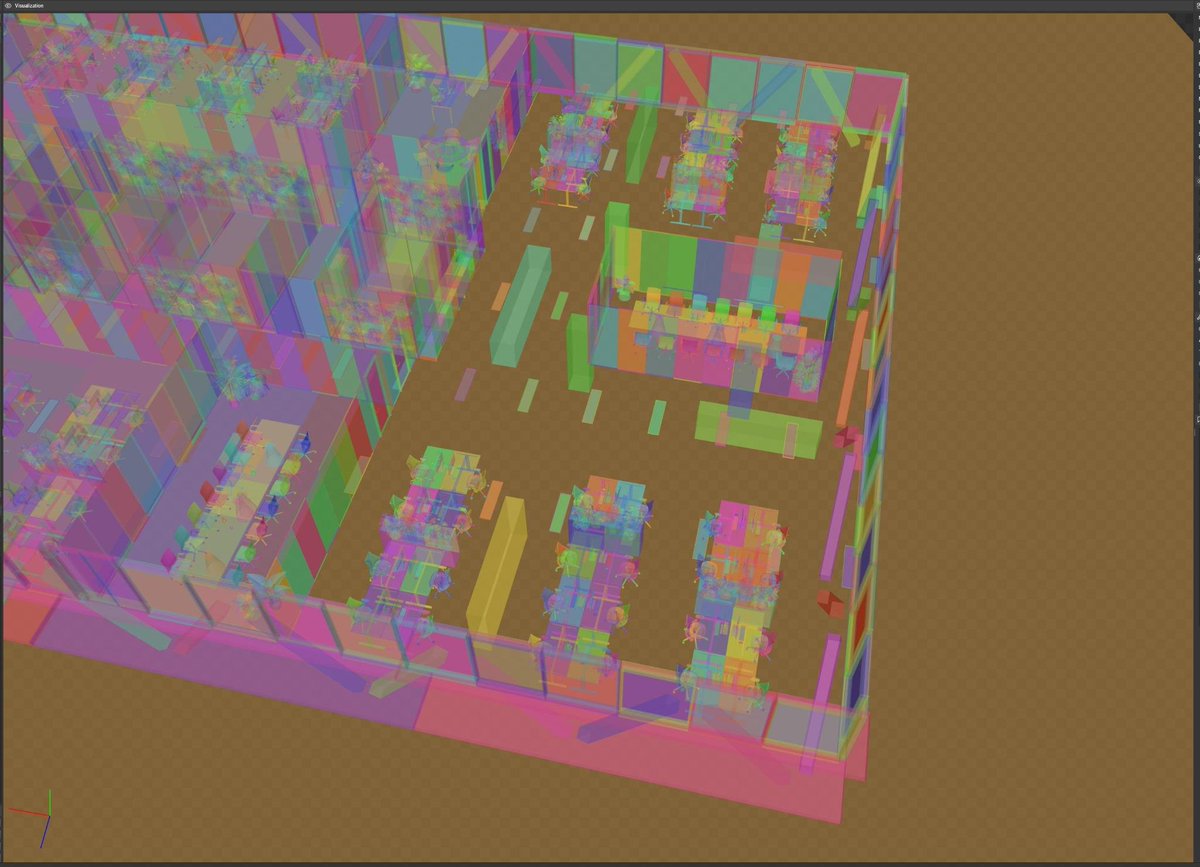
Broke our BLAS instance tracking system we presented at #Vulkanised 2026
youtube.com/watch?v=0hvLRsPF…
The segmented arrays are done in 128kb chunks and just fed #Nabla a TLAS with 12k BLAS instances
Had to rewrite our segmented array iterators a little bit, but now it works again
1
12
626

Feb 21
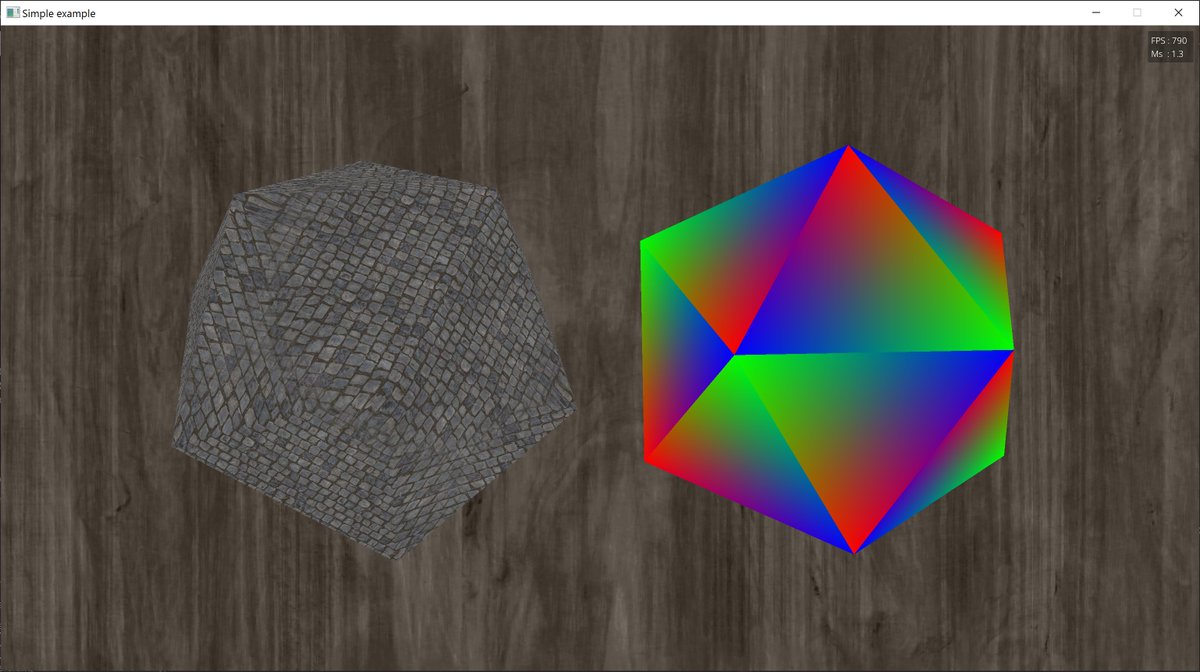
As @Fahien said in his recent Vulkanised 2026 presentation: "The Shader Binding Table is where many ray tracing prototypes are gonna die".
So I fixed SBT construction in LightweightVK and added a demo with multiple ray traced materials:
github.com/corporateshark/li…
5
42
2,424

If you wanna know if #Vulkan @VulkanAPI is the right graphics api for hobby developers (tl;dr: yes), you might find an answer in my #Vulkanised 2026 talk: youtube.com/watch?v=EshkHyYx…
1
10
111
6,572

Feb 19
The recordings for #vulkanised are available. There are a lot of fantastic talks for people interested in #vulkan #gpu or #rendering
If anyone is interested in optimizing #raytracing I recommend you to check my talk
youtu.be/KGNxZQdtSCw?si=CzeJ…
3
26
1,776

Vulkanised 2026のせっしょおんのllama.cppのVulkanでのLLMの推論に関する実装の話は貴重だなぁ。この辺頑張れば自分たちのゲームエンジンとかにシェーダ移植できるんかな
vulkan.org/user/pages/09.eve…
2
4
348
Vulkanised 2026の動画が公開か
youtube.com/@Vulkan/videos
1
1
5
1,088



Esto explica por qué había alguien de Mijangos en Vulkanised la semana pasada
Lo de 64 chunks de render es totalmente posible en OpenGL simplemente la lógica de chunks del Minecraft es pésima (hay representaciones de voxels eficientes pero la de Minecraft capaz es imposible de cambiar porque rompe retrocompatibilidad
2
6
1,331
Feb 17
I'm planning to drop support of MoltenVK in LVK as soon as KosmicKrisp becomes Vulkan 1.4 conformant. This Vulkanised 2026 presentation from LunarG mentions 3-6 months lunarg.com/wp-content/upload…
Feb 16

LightweightVK 1.3.9 is out: github.com/corporateshark/li…
The big feature is KosmicKrisp support. All demos (except ray tracing) and all book code (except the final MSAA demos) now run on macOS.
1
2
22
2,582

Feb 12
🎉10 years of Vulkan – and LunarG was there celebrating at Vulkanised 2026 in San Diego! Check out our latest blog with all the LunarG presentations now available for download, including the @VulkanAPI 10-Year Retrospective, SDK updates, ray tracing in Godot, SPIR-V insights & more. Dive in! lunarg.com/lunarg-at-vulkani… #Vulkanised2026 #GraphicsDev
1
1
12
735
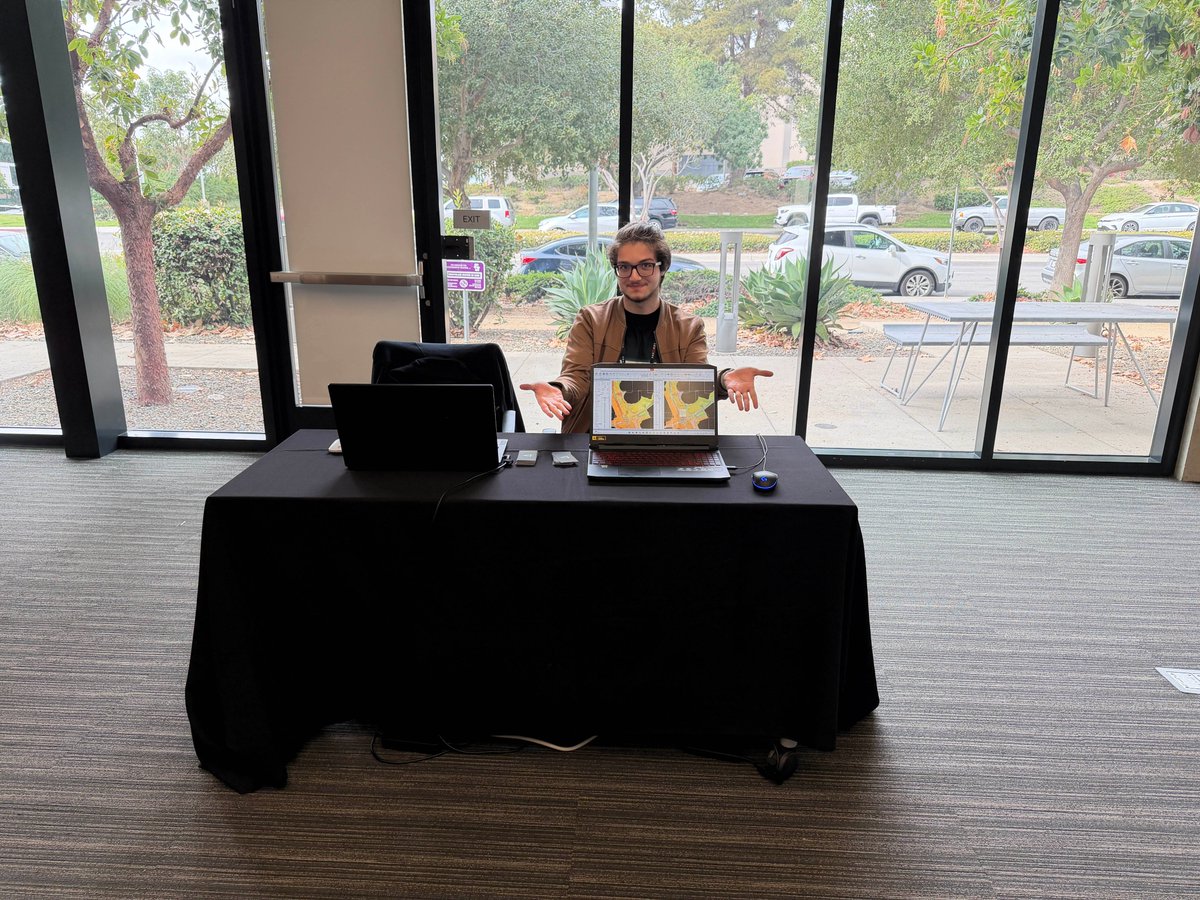
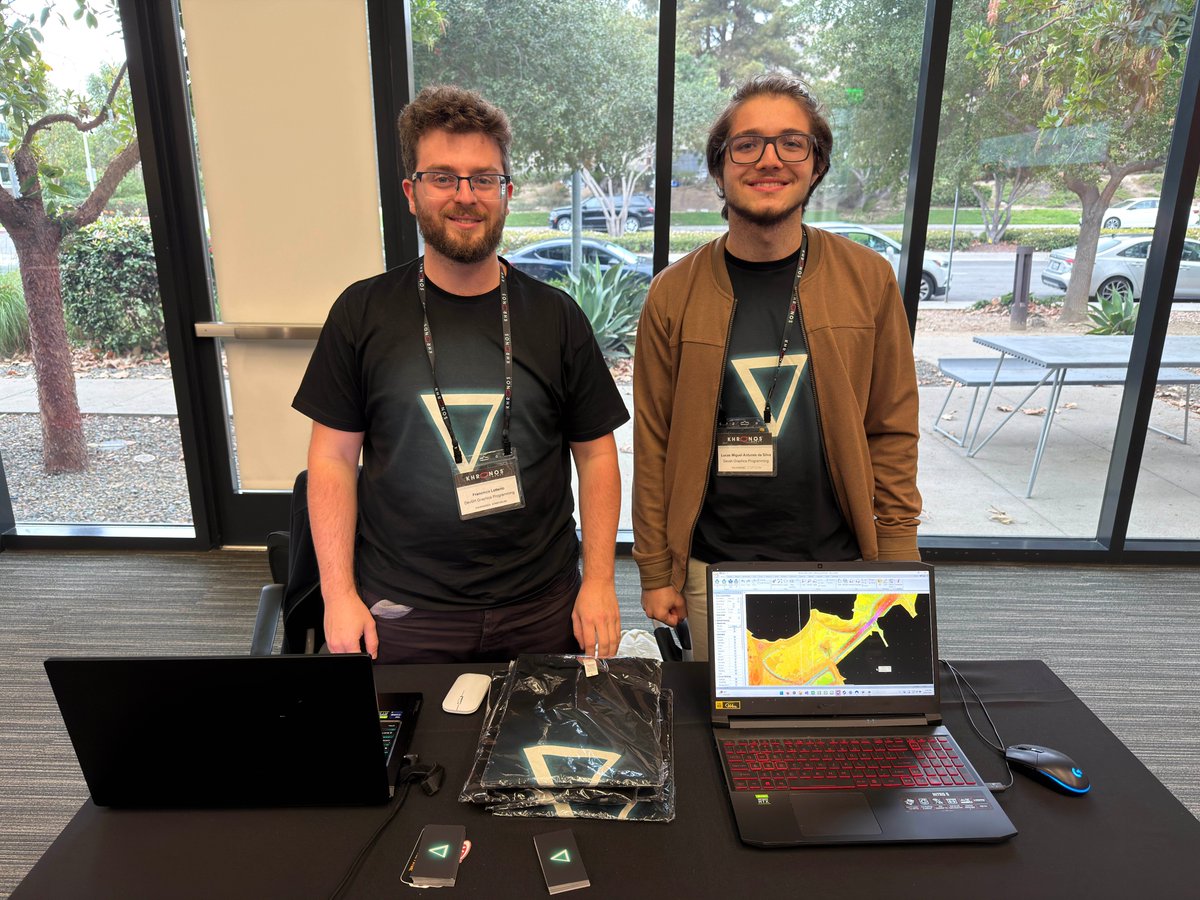
Today is the last day of @thekhronosgroup 's #vulkanised , get your T-Shirt and see our engineers demo #Nabla driving @appsincadd 's #n4ce !
Our table is staying till the end of the week for the #ShadingLanguagesSymposium
1
7
997

Feb 10
We're announcing the formation of Ecma TC57 to standardize HLSL, boosting shader portability across platforms! devblogs.microsoft.com/direc…
For everyone attending Vulkanised, we'll be talking about this at the Shading Languages Symposium on 2/12: khronos.org/events/shading-l…
3
40
113
10,891
We have a talk on that at #Vulkanised 2026 in 2 days.

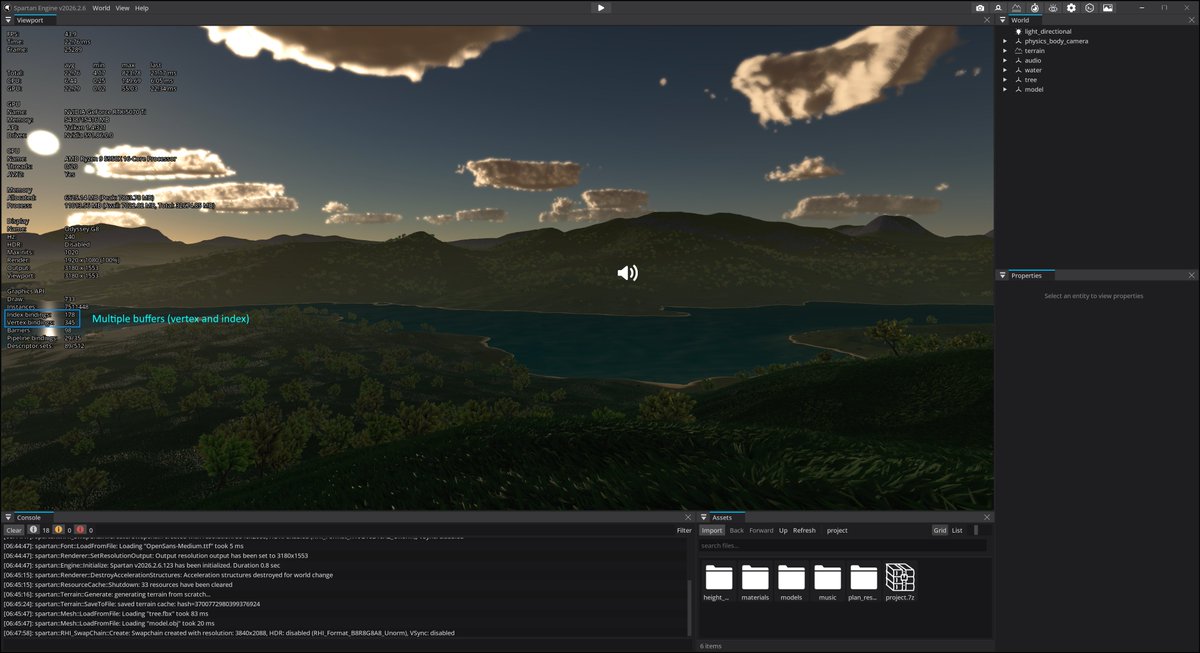
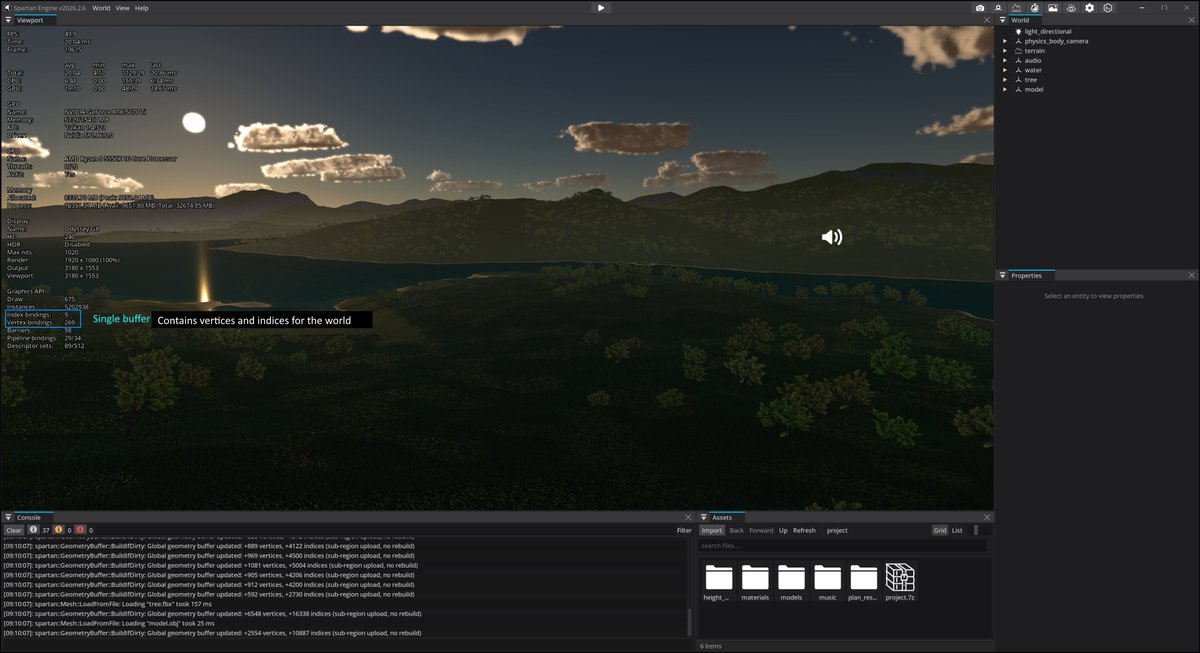
I switched from per mesh vertex and index buffers to a single global geometry buffer that holds everything. This is the same idea id Software used in id Tech for Doom, and you can see the vertex and index binding counts drop, which opens the road for easier GPU driven rendering.
22
1,522

Feb 5
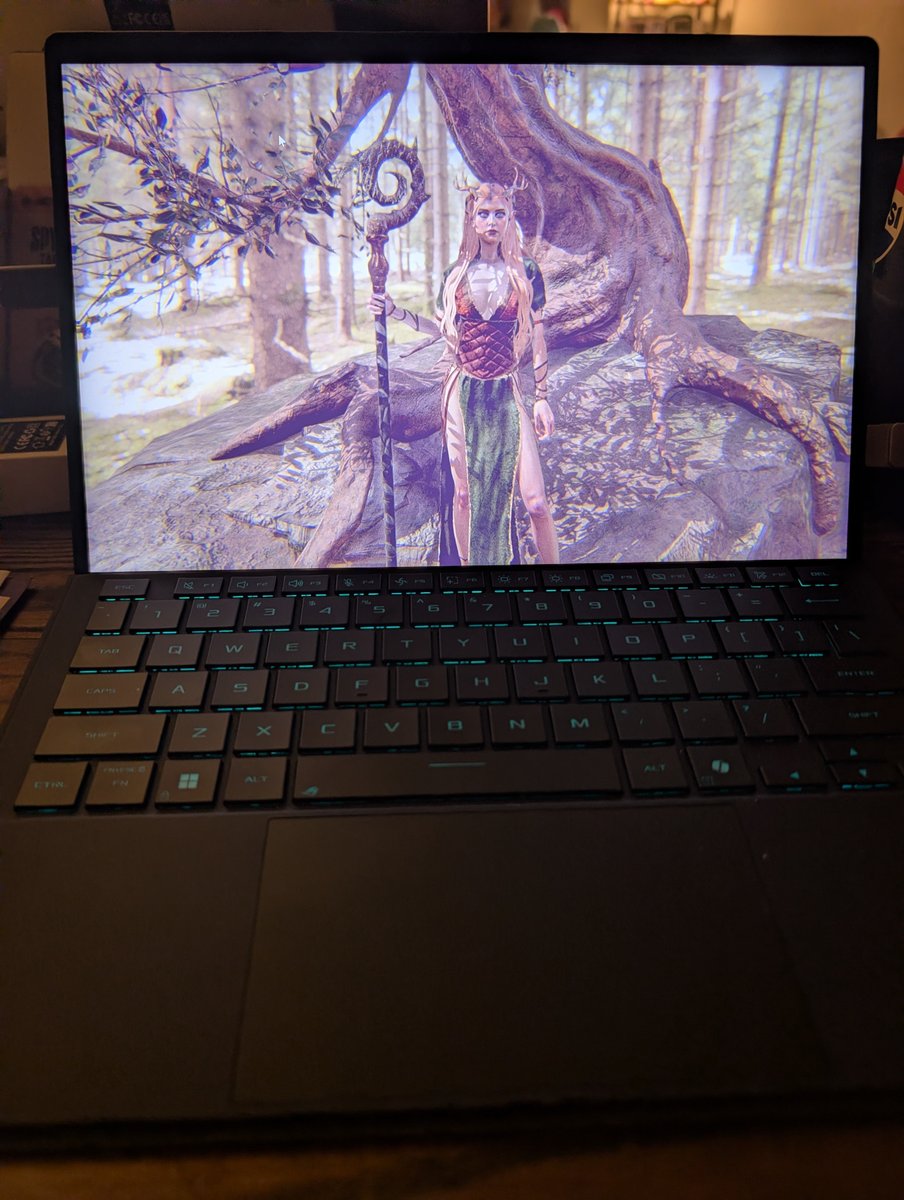
Just got my @OpenGL project #Degine running on that @AMD #StrixHalo tablet. Ton of stuff is busted, but it mostly works and getting above 60 FPS. Was hoping this was running for a Vulkanised 2026 in-person #3D demo, but may be cutting it close.
1
1
23
663
Feb 4
Speaking of next week...Join us at the inaugural Shading Languages Symposium 2026 in San Diego, Feb 12-13 – right after Vulkanised! Explore GLSL, HLSL, Slang, WGSL & more with experts on neural graphics, real-time rendering, and the future of shaders. Great talks, networking, and community shaping ahead! Register now: khronos.org/events/shading-l… See you there! #ShadingLanguages #Khronos #GraphicsDev
1
7
360
Feb 3
🚀 Next week is almost here! Join us at Vulkanised 2026 in 🌞San Diego☀️ Feb 9-11 – celebrating 10 years of Vulkan! Hear from @LunarGInc experts on SDK updates, ray tracing in Godot, debugging tips & more. Great talks, networking, and the future of Vulkan await! Register now: vulkan.org/events/vulkanised… See you there! #Vulkan #Vulkanised2026
1
8
382

Jan 23
Today the Vulkan Working Group has released two important updates to the API and ecosystem: an entirely new Descriptor system and the Vulkan Roadmap 2026 Milestone.
These new features will be discussed at the forthcoming Vulkanised 2026 conference.
khr.io/1mj
4
58
520
60,051