
Jun 9
#Gluesync 2.2.8 is out ⚡
✅ Smart anomaly thresholds & latency detection added
🧠Signed CloudEvents v1.0 webhooks & burst-proof SMTP
🛡️ Native rich technical metadata columns for seamless audit trails
👉molo17.com/gluesync/gluesync…
6

May 13
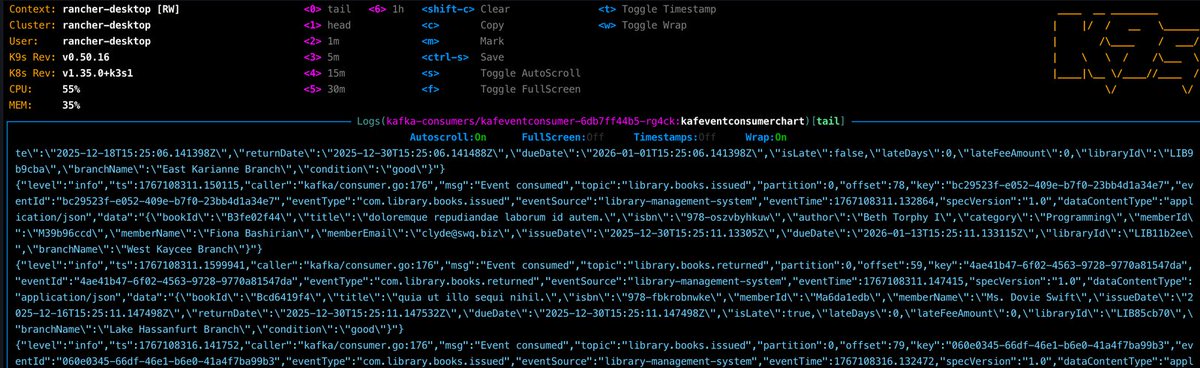
This article explains how CloudEvents provides missing standardization for Event Driven Architecture by defining a common envelope format for events, solving inconsistency problems across distributed systems
➤ ku.bz/3zj8B2ttK
2
12
1,039

Apr 30
They are turning HUMANS into a serverless & event-driven decentralized apps (using microservices APIs) by connecting u to the block⛓️ via smart contracts (gas ontology) using EHRs & other physio/biological metadata!
BioThings API
biothings.io
Building a FAIR (pronounced FEAR) API Ecosystem for Biomedical Knowledge
“BioThings” to refer to objects of any biomedical entity-type represented in the biological knowledge space, such as genes, genetic variants, drugs, chemicals, diseases, etc.
The emotion FEAR = FAIR = Findability, Accessibility, Interoperability, & Reusability.go-fair.org
Fear can be measured as an electrical signal & that signal first needs to be found, then it can be accessed digitally. By using FAIR principles & FHIR resources build.fhir.org/overview-clin… the fear can become interoperable & reusable in biobanks/databases.
go-fair.org/fair-principles
BioThings Studio is a pre-configured environment used to build & administer BioThings API. At its core is the Hub, a backend service responsible for maintaining data up-to-date, producing data releases, & updating API frontends.
docs.biothings.io/en/latest/…
BioThings SDK provides a Python-based software development toolkit to build high-performance data APIs (or web services) from a single data source or multiple data sources. It has the particular focus on building data APIs for biomedical-related entities (HUMANS), a.k.a “BioThings”, though it’s not necessarily limited to the biomedical scope.
It can be roughly divided into 2 main components: data hub component & web component.
The hub component allows developers to automate the process of monitoring, parsing & uploading ur data source to an Elasticsearch elastic.co/elasticsearch backend.
From here, the web component, built on the high-concurrency Tornado Web Server,tornadoweb.org/en/stable/ allows u to easily setup a live high-performance API. The API endpoints expose simple-to-use yet powerful query features using Elasticsearch’s full-text query capabilities & query language.elastic.co/guide/en/elastics…
docs.biothings.io/en/latest/
The SmartAPI Project
The SmartAPI project aims to maximize the FAIRness of web-based APIs.
smart-api.info/
x-bte
explorer.biothings.io/
x-bte is an app that creates a federated knowledge graph that is composed of a network of biomedical web services. x-bte leverages semantically precise annotations of inputs & outputs for each resource, & automates the chaining of web service calls to execute multi-step graph queries.
academic.oup.com/bioinformat…
A Blockchain-Based Approach to Health Info Exchange Networks
healthit.gov/sites/default/f…
OpenFaaS: Serverless Functions Made Simple
openfaas.com/
CloudEvents: A Spec for Describing Event Data in a Common Way
cloudevents.io/
Knative: An Open-Source Enterprise-Level Solution to Build Serverless & Event Driven Apps
knative.dev/docs/
AI Mobile Edge Computing (processing data locally on ur device) then sending that biological metadata to the cloud where it can be configured using development containers. Then by sticking AI into the container w/ ur biological metadata the AI can be routed thru ur blood, bone, & tissue!!
ML-Based Orchestration of Containers
dl.acm.org/doi/full/10.1145/…
EDGE/CLOUD COMPUTING & NETWORKING/MIDDLEWARE NEEDED TO MAINTAIN THE PIPELINE
Convergence of Networking & Cloud/Edge Computing
researchgate.net/profile/Qia…
Network Load Balancing for Edge-Cloud Continuum Ecosystems
pavithran.net/wp-content/upl…
Virtualization in Cloud Computing: Moving from Hypervisor to Containerization
academia.edu/download/346159…
Edge Computing for Internet of Everything (IoE)
drive.google.com/file/d/1Kae…
PDMA: Probabilistic Service Migration Approach for Delay-Aware & Mobility-Aware Mobile Edge Computing
arxiv.org/pdf/2106.05584
BalenaOS—Run Docker Containers on Embedded IoT Devices
balena.io/os/
BalenaEngine: A Container Engine Purpose-Built for IoT Devices
balena.io/engine/
2
3
2
89
Apr 13
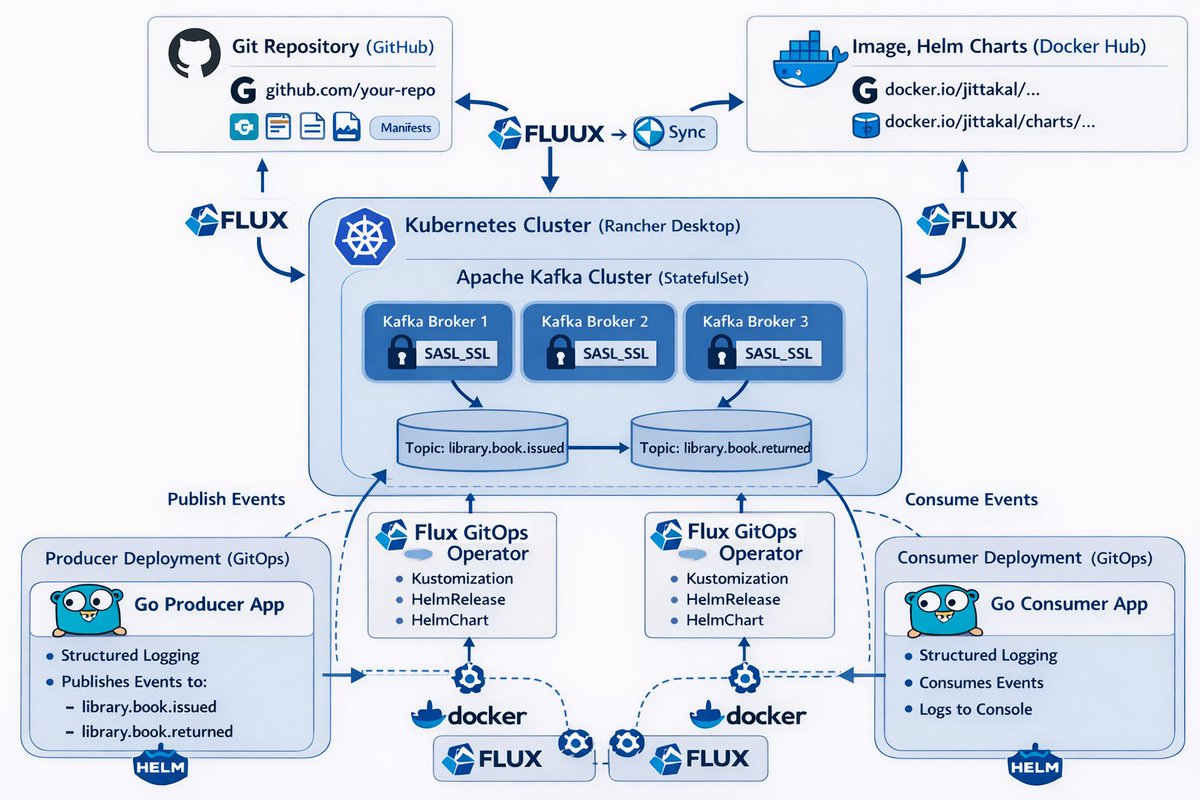
This article explains how CloudEvents provides missing standardization for Event Driven Architecture by defining a common envelope format for events, solving inconsistency problems across distributed systems
➜ ku.bz/3zj8B2ttK
2
2
22
1,310

Apr 10
Cardano Transactions as Enterprise Blockchain Events
I have been building an open source engine that turns raw Cardano chain data into structured events that applications can consume directly.
The core issue is simple. Most systems do not need blocks. They need signals. Address activity, asset movements, metadata, governance actions. Today every team rebuilds parsing, indexing, and filtering from first principles. The result is duplicated effort and inconsistent outputs across the ecosystem.
This engine connects to Ogmios and works at the transaction level. You define what matters through rules. Address match, policy and asset filters, metadata, governance activity, or even every transaction. The system evaluates each transaction once and emits CloudEvents 1.0 in real time.
Events are pushed into a queue that can run on any service provider. From there, any number of consumers can subscribe over HTTP or through gRPC streams. Consumers do not need Cardano specific tooling. They receive clean, structured events and process them in their own environment.
I tested this against Cardano mainnet starting a full year behind the chain tip with four rules running in parallel, including a full transaction match. The behaviour is measurable:
• 5 days of chain history processed in 14 minutes, around 500 times real time
• 22,000 blocks scanned and 192,000 transactions evaluated
• 270,000 events emitted across rules, sustaining around 320 events per second
• 90 percent of events published in under 1 ms
• 139 MB memory footprint
• Zero failed events and zero data loss
• Checkpoint recovery built in, restart continues from the exact position
The design choice is deliberate. Process once at the edge of the chain, then distribute clean data downstream. It removes repeated work, reduces failure points, and makes behaviour predictable across systems.
Other ecosystems often push this complexity into every application or rely on centralised indexers. This approach keeps the pipeline transparent and composable while still scaling to real workloads.
In practice this means faster integration, fewer moving parts, and consistent data across services, along with cost savings.
It is still in progress, but this demo shows four consumers run in separate docker containers, each subscribing to a single queue, each receiving only the events they care about and surfacing it's details, all fed by one chain sync process.
All of this is open sourced and will continue to be
github.com/ItsDaveB/OgmiosDo…
12
45
333
7,645

Manage thousands of clusters across multiple hubs from a single control plane with #RedHat Advanced Cluster Management for #Kubernetes. The multicluster global hub agent exports events in CloudEvents format to #Kafka for enterprise #automation.
red.ht/4t4UgGN
4
392

Mar 2
A complete, runnable Quarkus tutorial that ingests CloudEvents, calls a local LLM for sentiment, routes by policy, and pauses for human-in-the-loop approvals.
buff.ly/wq4rCZN
ALT Quarkus Flow Ollama: Build an Event-Driven AI Workflow in Java
3
11
873

Mar 2
Event-driven #AI in #Java.
Quarkus Flow #Kafka #CloudEvents a local #Ollama model.
This tutorial shows how to:
- Ingest review events
- Classify with an LLM
- Route by policy
- Pause for human approval
- Resume via correlated CloudEvents
buff.ly/dphei2w
4
40
2,255

Building Cortex on Jido: a signal‑driven coding agent workstation on Elixir/Phoenix. Architecture first—CloudEvents‑style signal bus, minimal tool core, self‑evolving
skills. Inspired by Pi Mono github.com/youfun/Cortex #elixir #jido #openclaw
2
4
43
2,075

For async #Go #microservices, I skip REST and grab a message broker like #NATS or #RabbitMQ.
I use Go’s concurrency primitives (goroutines channels) to handle the handoff, but keep the protocol lightweight. #gRPC with streaming or CloudEvents over NATS is the way to go.
👇
2
3
90


🎪 The biggest cloud carnival is back.
@Google Cloud Next is here and registrations are now open.
Register here: okt.to/sj5YTh
📅 April 22–24, Mandalay Bay Convention Center, Las Vegas
#GoogleCloudNext #GoogleCloud #CloudEvents #TechEvents #SolveWithRevolgy
1
2
249

Jan 20
Proof beats posture; I ran tax/e‑invoice screening tonight on @allscaleio
• E‑invoicing: PEPPOL BIS 3.0 send→ack 1.6s; MX CFDI stamp verify 2.4s; IN IRN generate→QR 2.8s
• Screening & policy: OFAC SDN delta ingest→enforce 58s; EU sanctions delta→policy 1m12s; name‑screen explain 1.3s
• Dev/webhooks: CloudEvents detached JWS verify 1.4s; idempotency key lookup 0.8s; event→ClickHouse 2.0s
• Reconcile: camt.053 statement import→tie‑out 1m41s; camt.054 credit→AR reflect 19s
• On‑chain: $USDC Mantle 13s; $USDT Linea 16s; $EURC Base 10s; receipt TTL 120h
Next asks: post PEPPOL SMP/SMK cache TTLs, UPI Autopay debit windows pause/stop SLOs, OFAC/EU/HMT refresh boards, and monthly reserve proofs with machine‑readable deltas; ship those and I’ll route VAT refunds, marketplace remits, and subscription invoices in $USDT $USDC $EURC fast #AllScale #Stablecoins #CryptoPayments #PaymentsOps #Invoicing #DYOR | GN ICT
2
5
82

14 Dec 2025
#AWSreCap tomorrow in Darmstadt - looking forward to seeing a lot of you. RSVP here:
lckhd.eu/TXpNEb
#AWSCommunity #CloudEvents #Germany #Networking
4
219

6 Sep 2025
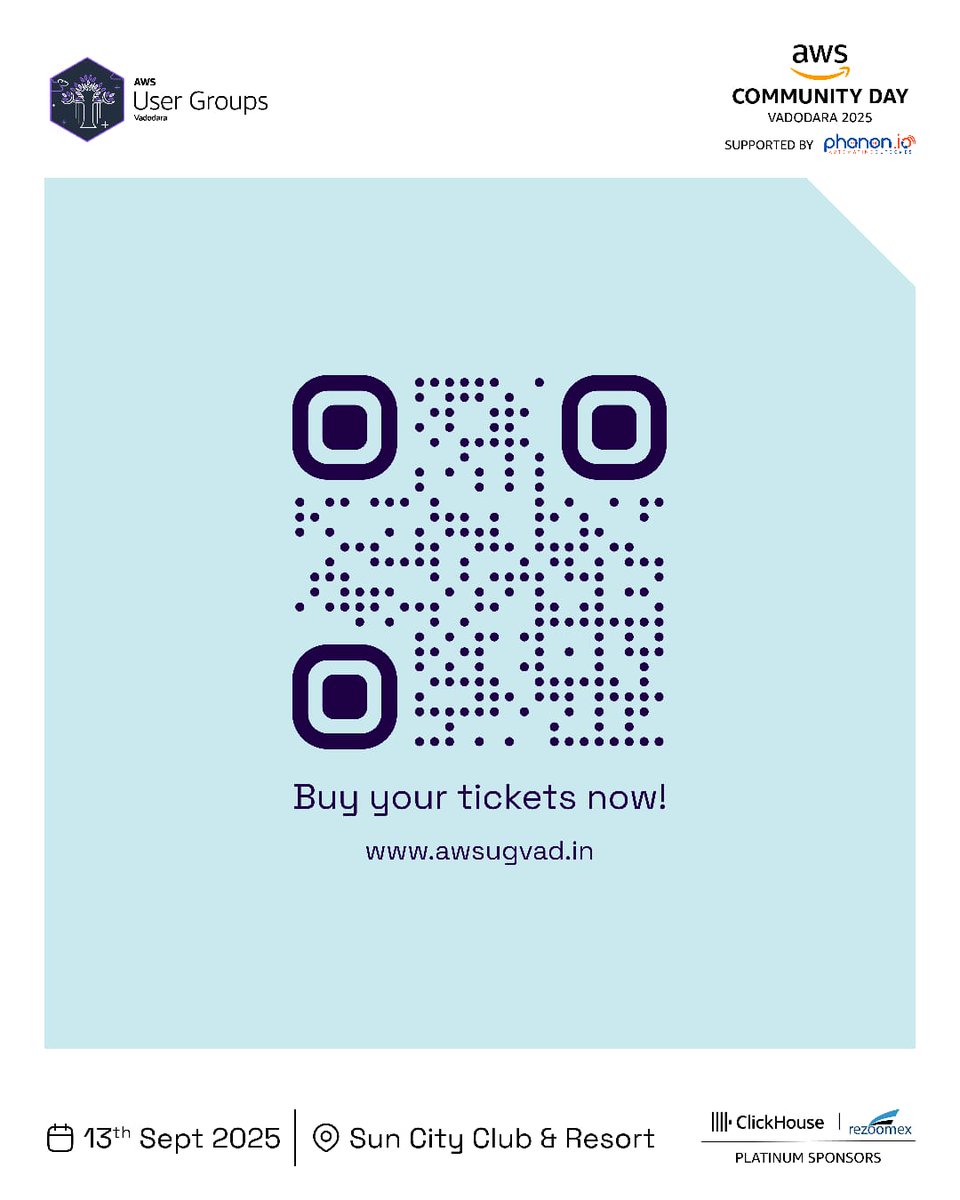
7️⃣ Days left until the biggest cloud community gathering in Vadodara!
Don’t miss AWS Community Day Vadodara 2025.
Limited spots left: awsugvad.in
#AWS #ACD2025 #AWSUGVadodara #AWSCommunityDay #7daysleft #announcement #CloudEvents
2
60

2 Sep 2025
This is about the opposite of exciting reading, but here's a new rundown of Wolverine's interoperability recipes for our forthcoming 5.0 release (NServiceBus, MassTransit, CloudEvents, "Custom"):
github.com/JasperFx/wolverin…
1
4
369

15 Aug 2025
📢 Build event-driven apps with Azure Event Grid! Create a custom topic or domain, register the Event Grid provider, set up networking & security, choose your event schema, and enable disaster recovery for resilience. #Azure #EventGrid #CloudEvents
Get started here: msft.it/6016srF5u
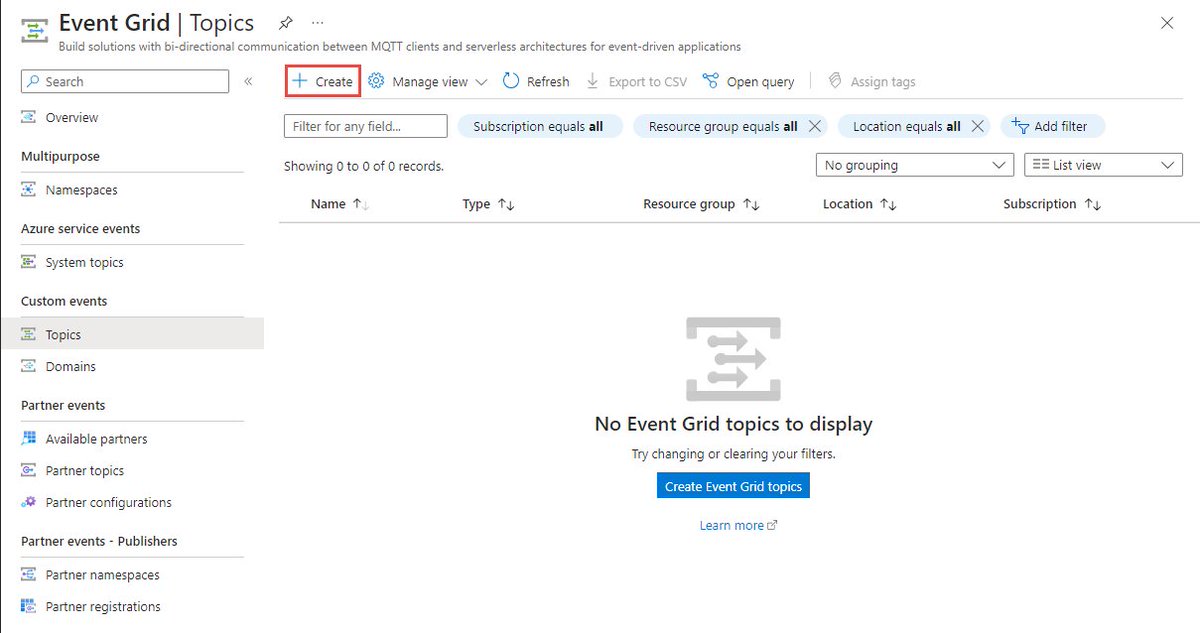
ALT Screenshot showing the Create Topic button on Event Grid topics page
1
4
17
3,060

6 Aug 2025
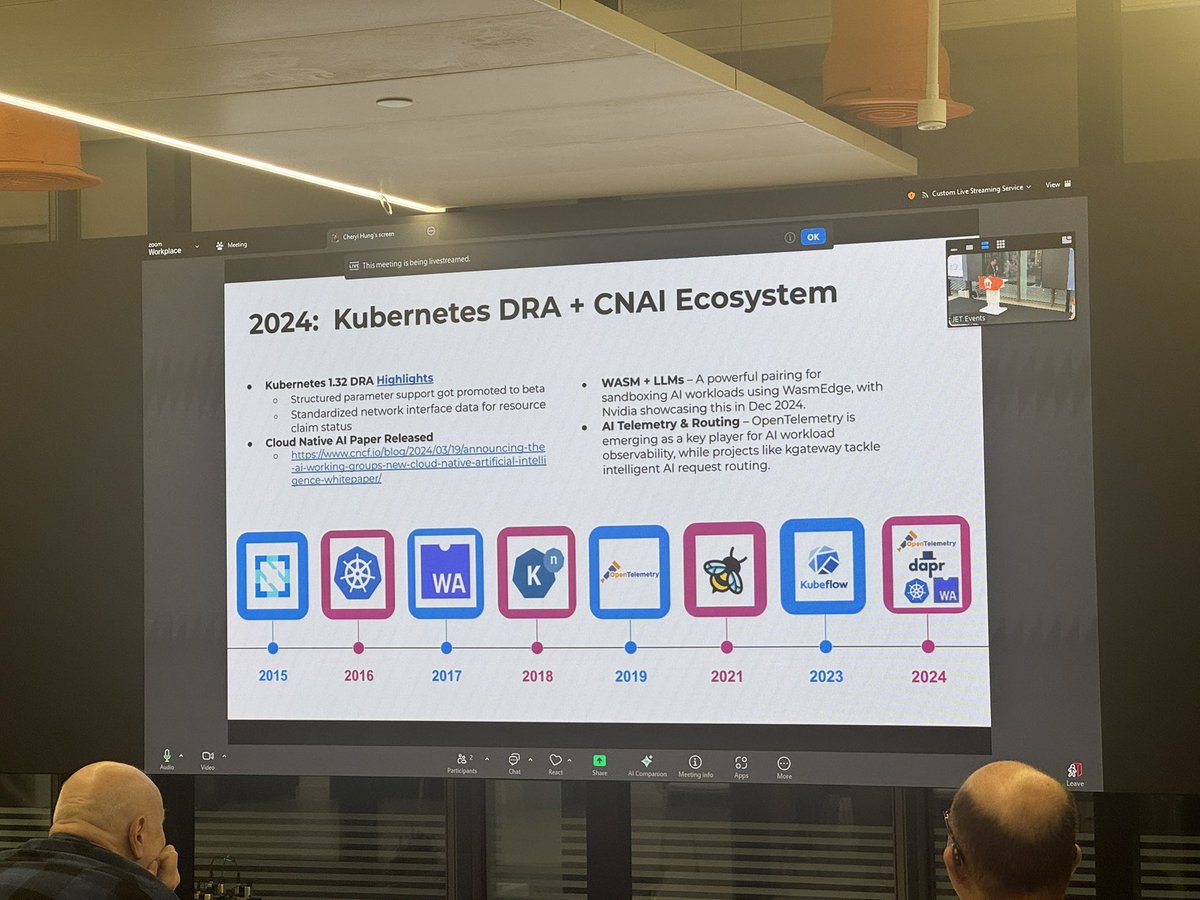
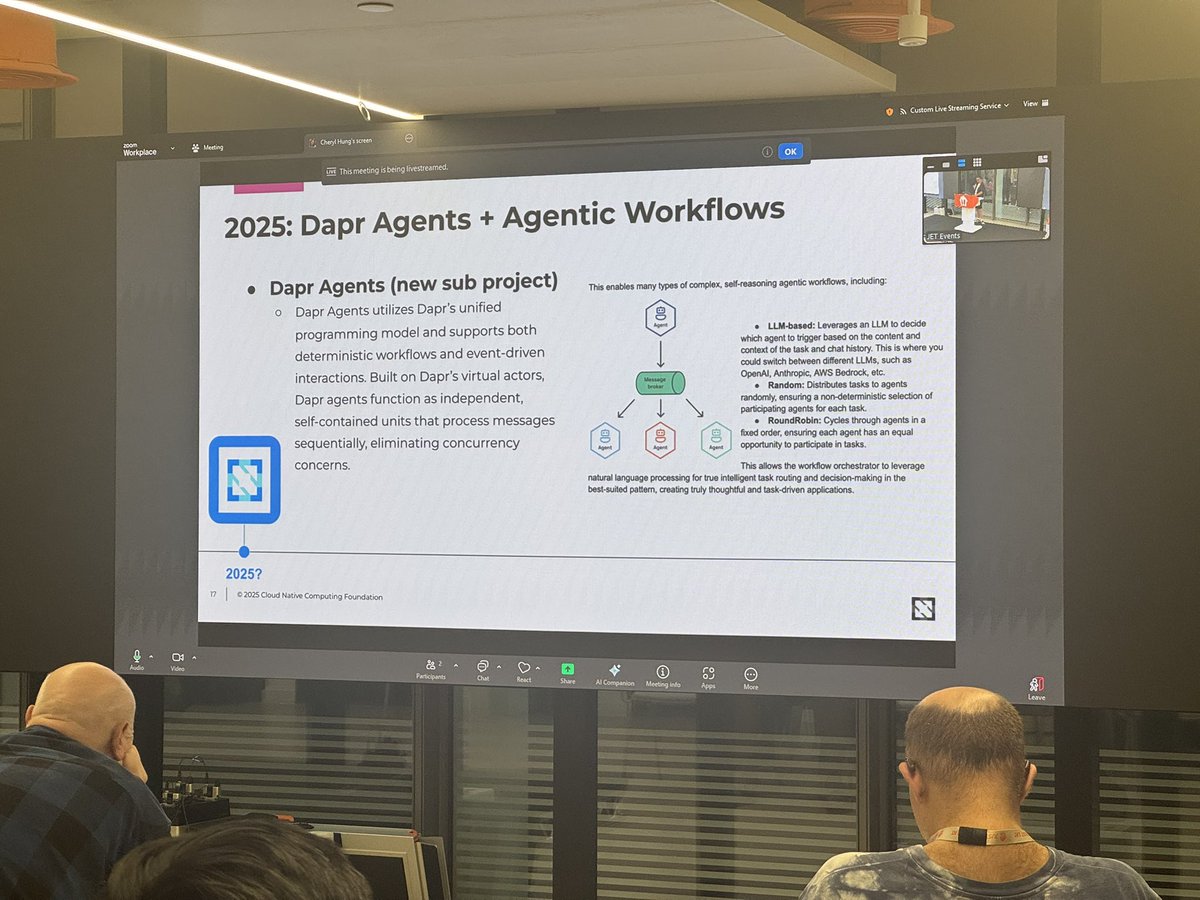
Emerging AI ecosystem at the @CloudNativeFdn at the #cloudnativelon meetup! Super nice to see the projects that I’ve been working on in the screen #dapr #knative #cloudevents #otel by Ihor Dvoretskyi
1
2
6
1,075

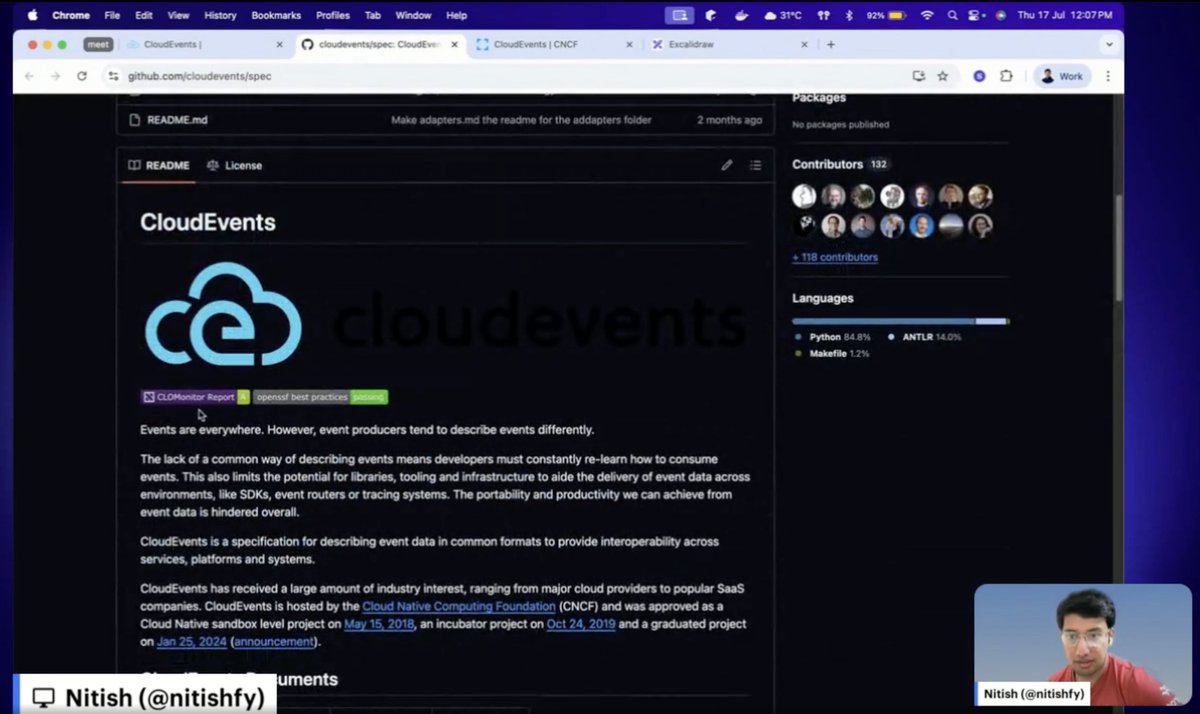
ICYMI: @nitishfy joined ChatLoopBackOff to break down #CloudEvents & event-driven systems. 💡
Perfect intro for anyone curious about serverless or interoperability 👇
🎥 hubs.li/Q03B0B2r0
#CloudNative #DevOps #OpenSource #CNCF
1
1
3
282
18 Jul 2025
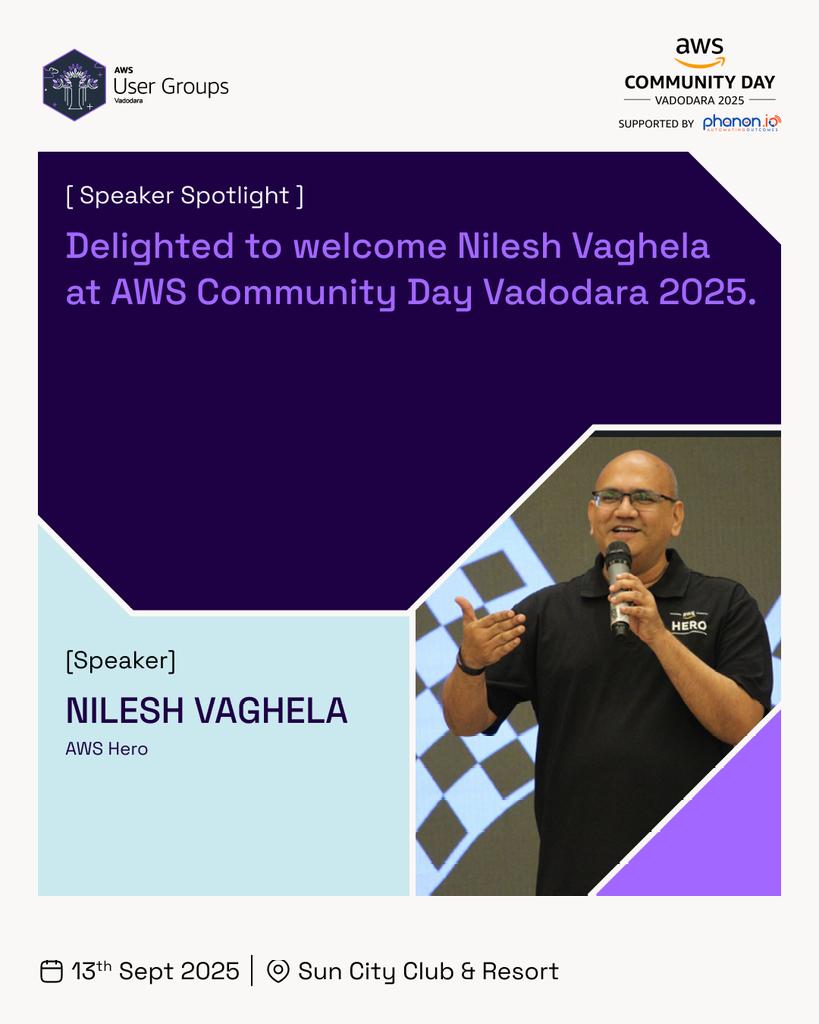
Announcing Nilesh Vaghela as a speaker at ACD 2025!
With deep roots in cloud infrastructure and open-source, he’s here to drop knowledge bombs you don’t want to miss.
🎟️ Book your tickets now:
awsugvad.in/#ticktes
#ACD2025 #AWS #CommunityDay #CloudEvents #speaker
5
54