
Ever wondered what it’s like to study clouds from within the clouds themselves?
Perched in Mahabaleshwar, the High Altitude Cloud Physics Laboratory under the @moesgoi helps scientists unlock the mysteries of clouds, rainfall and atmospheric processes through round-the-clock observations.
Small observations today lead to better weather and climate understanding for tomorrow.
#WeatherScience #ClimateResearch #CloudPhysics
@narendramodi @mygovindia @PMOIndia @DrJitendraSingh @OfficeOfDrJS @PIBEarthScience @PIB_India @MIB_India @Indiametdept @iitmpune
2
21
48
4,945

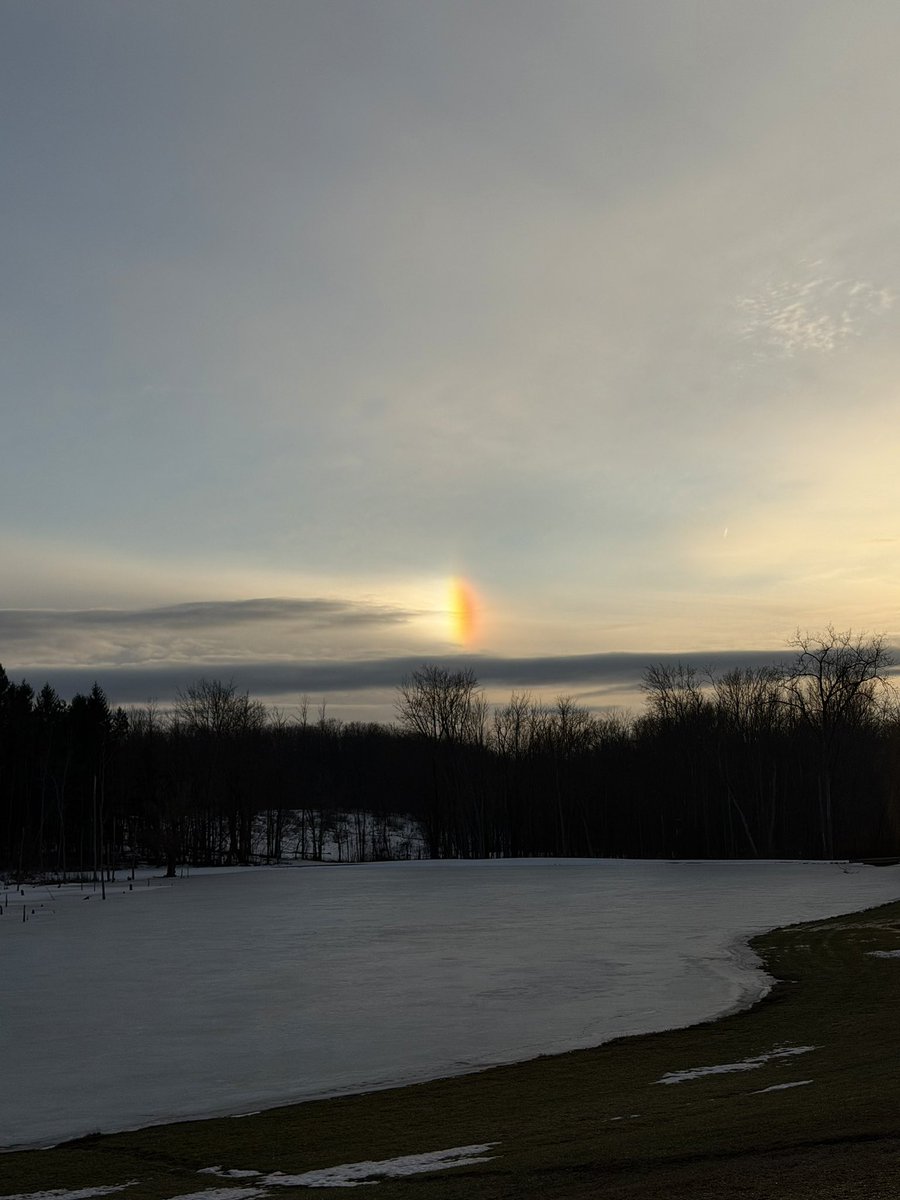
Sun dog!! 🌈☀️
Science lesson: sun dogs occur when sunlight shines through ice crystals in cirrus clouds.☁️🧊
#WxOnThe1s #cloudphysics
4
1
15
750

7 Nov 2025
Promising step for bilateral scientific collaboration.
#WeatherModification #CloudPhysics #WMOConference #IranIndiaScience

The Iranian Delegation attending the ongoing 11th WMO Scientific Conference on Weather Modification at IITM, Pune, held discussions with Dr. A. Suryachandra Rao,Director, IITM & Dr. Thara Prabhakaran, Project Director, PDTC/CAIPEEX, IITM.
@MEAIndia @India_in_Iran @Indiametdept

4
97

12 Oct 2025
How much does a cloud REALLY weigh (kg/tonnes)? ☁️ Dive into the physics of Evaporation, Condensation, and Terminal Velocity with this new Interactive Cloud Weight Simulator! #CloudPhysics #Meteorology fabrikatur.blogspot.com/2025…
6
1
11
338

17 Dec 2024
✨ Twoje środowisko IT wymaga porządków przed Nowym Rokiem?
Z narzędziem analitycznym HPE CloudPhysics uporządkujesz każdy zakątek swojej infrastruktury IT.
🎁 Zrób sobie prezent, zoptymalizuj swoje IT i zyskaj spokój na cały nadchodzący rok!
Szczegóły: hpe.to/6014QUXUw

1
2
51

30 Oct 2024
🎃Twoje środowisko IT nie jest wydajne? Zbadaj je z HPE CloudPhysics.
👻To bezpłatne narzędzie analityczne pozwala monitorować i analizować nasze środowisko IT z niespotykaną wcześniej dokładnością i efektywnością - żadnych psikusów!
Zapisz się już dziś: hpe.to/6010SOOos

2
26

11 Sep 2024
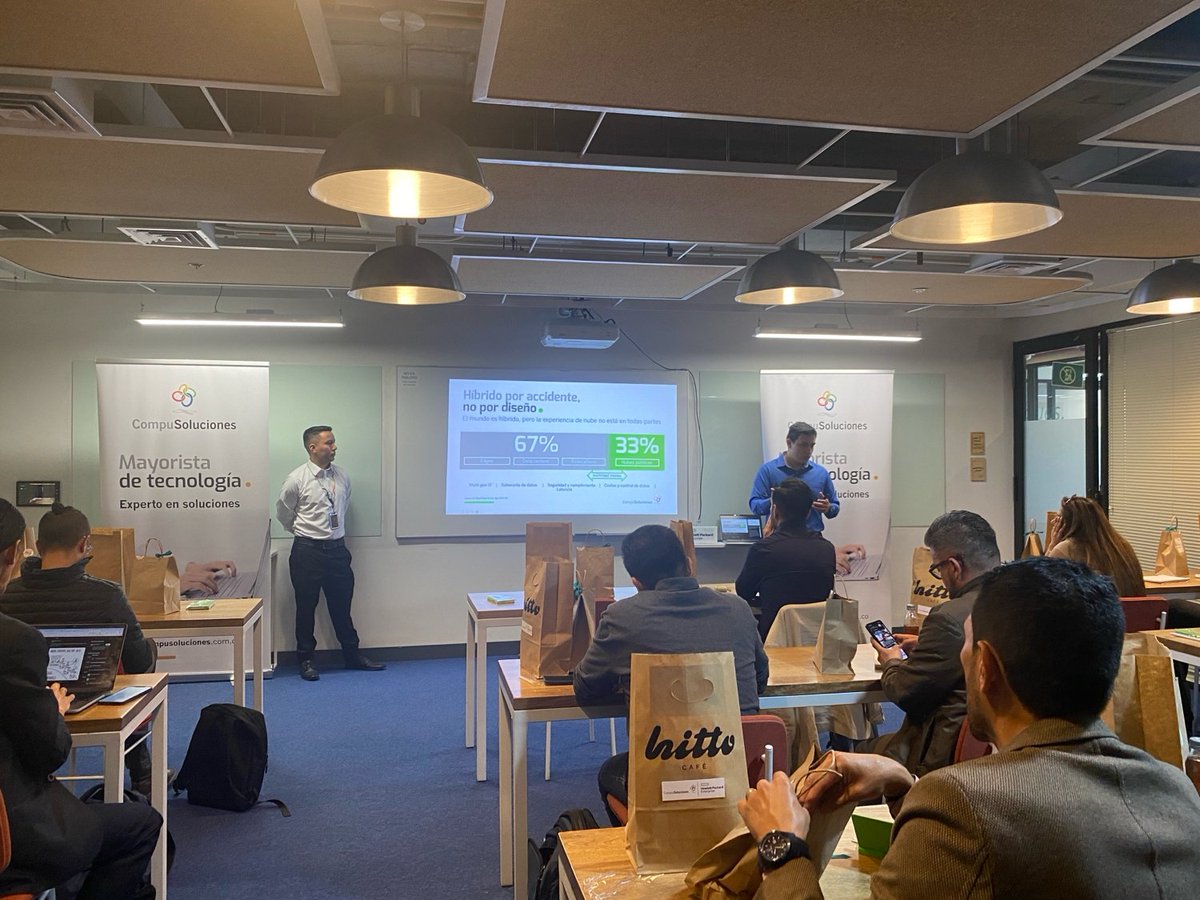
Ya está dando inicio el evento: "Consultoría avanzada con CloudPhysics", con mensajes clave como:
Desafíos actuales para las empresas:
✅Agilidad
✅Costos
✅Complejidad
✅Escalabilidad
Ricardo Prieto explica cómo abordar estos desafíos:
"Actualmente, el tema es la IA; debemos estar preparados. Cada vez más, la IA se convierte en una necesidad para las empresas en Latinoamérica, no es algo exclusivo del norte global".
#CloudPhysics #IA #Latinoamérica @CompuSoluciones @HPE
1
1
1
338
10 Sep 2024
¿Ya conoces a CloudPhysics y HPE GreenLake?🌐✨
Esta poderosa combinación te permitirá llevar tu empresa al siguiente nivel.🚀
No te pierdas el próximo evento este 11 de septiembre en Bogotá. Si quieres participar, ¡envíanos un DM! 📩
@CompuSoluciones

2
2
339
19 Aug 2024
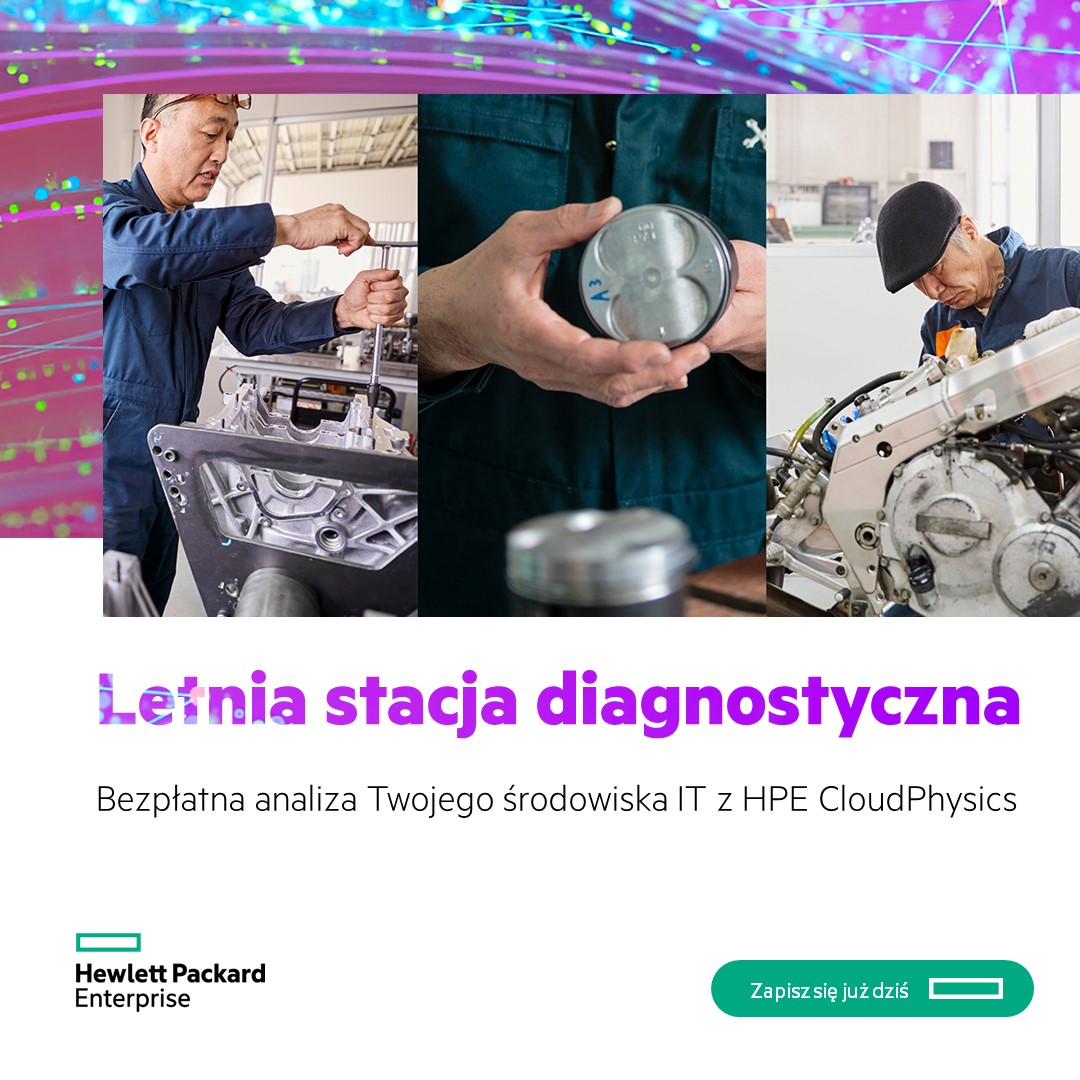
Zapraszamy do naszej letniej stacji diagnostycznej ⚙️
🔧 Tu zrobisz przegląd swojej infrastruktury IT przy pomocy darmowego narzędzia HPE CloudPhysics i uzyskasz kluczowe metryki już w 15 minut.
👉 Zapisy na ekspercką konsultację, bez skierowania 😉: hpe.to/6017lGled
1
2
38

26 Jun 2024
Get ready to accelerate decision making through visibility with HPE CloudPhysics. You get instant data-driven insights to enhance workload placement, procure right-sized infrastructure, lower costs, and transform your IT purchasing experience. hpe.to/6017glEc3
1
2
305

15 Mar 2024
India commissioned the first Atmospheric Research Testbed near #Bhopal to perform advanced studies on #monsoon #clouds #CloudPhysics
@iitmpune @moesgoi @rajeevan61
indianexpress.com/article/ex…
1
17
570

5 Feb 2024
I didn't think this was possible! My guess is lower pressure/adiabatic cooling due to wind flow around the buildings is just enough to push the air into critical supersaturation. #cloudphysics
5 Feb 2024

Stars over the Chicago skyline while clouds form and flow off skyscrapers.
2
75

27 Jan 2024
Let me look up some data and theorize. Water is comprised of two hydrogen and one oxygen and are more of a vapor.
Clouds stay in the sky due to a combination of factors related to their density, the air around them, and the forces acting upon them. The key concept to understand here is density.
Density is defined as the mass per unit volume of a substance. In the case of clouds, the density is lower than that of the surrounding air. This is because clouds are made up of water droplets or ice crystals that are very small and have a lot of space between them. The water droplets or ice crystals in a cloud have a low mass per unit volume, which means that the overall density of the cloud is lower than the density of the air around it.
Now, let's talk about atomic weight. Atomic weight is the average mass of an element's atoms, based on the relative abundance of its isotopes. For our purpose, the atomic weight of oxygen and hydrogen, the two elements that make up water, is relevant. The atomic weight of oxygen is 15.999 u (atomic mass units), and the atomic weight of hydrogen is 1.008 u.
When water molecules (H2O) form in the atmosphere, the atomic weight of the oxygen and hydrogen atoms contribute to the overall weight of the water droplets or ice crystals. However, the density of these water droplets or ice crystals is still lower than the density of the surrounding air.
The reason other things fall to the ground is that they have a higher density than the air around them. For example, a rock has a much higher density than air, so it falls to the ground when there is nothing to support it.
In summary, clouds stay in the sky because their density is lower than that of the surrounding air, despite the atomic weight of the water droplets or ice crystals that make up the cloud.
#CloudFormation #CloudPhysics #AtmosphericScience #Weather #WaterCycle
#Climate #Meteorology #CloudScience
#AtmosphericPressure #AirDensity #Clouds
#Sky #Nature #Science #WeatherForecast
#Environment #ClimateChange #WeatherFacts
#CloudWatching #GravityFalls #gravity
#CloudLovers
2
5
288


10 Nov 2023
... SimpliVity, Nimble Storage, Zerto, MapR, BlueData, Scytale, OpsRamp, Ampool, CloudPhysics (from the top of my head).
2
1,712

15 Aug 2023
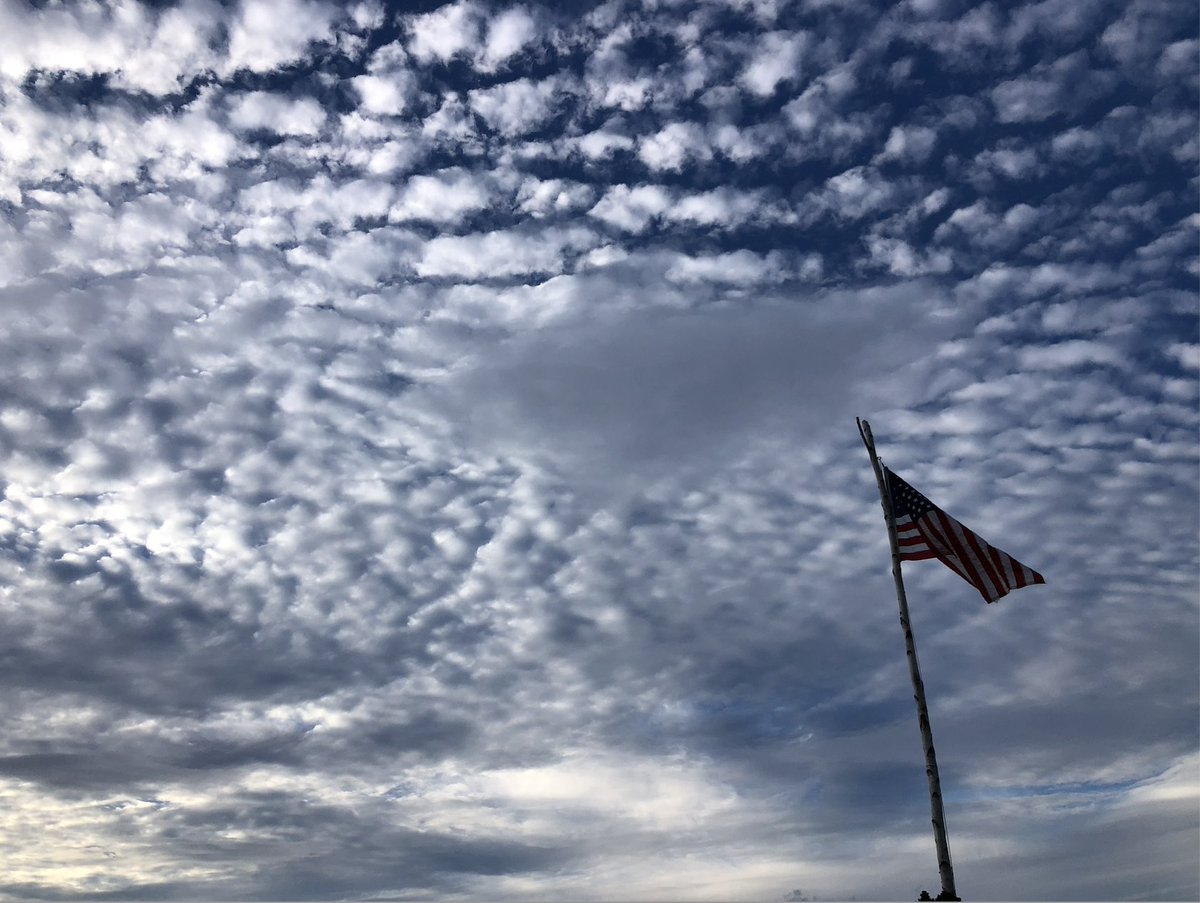
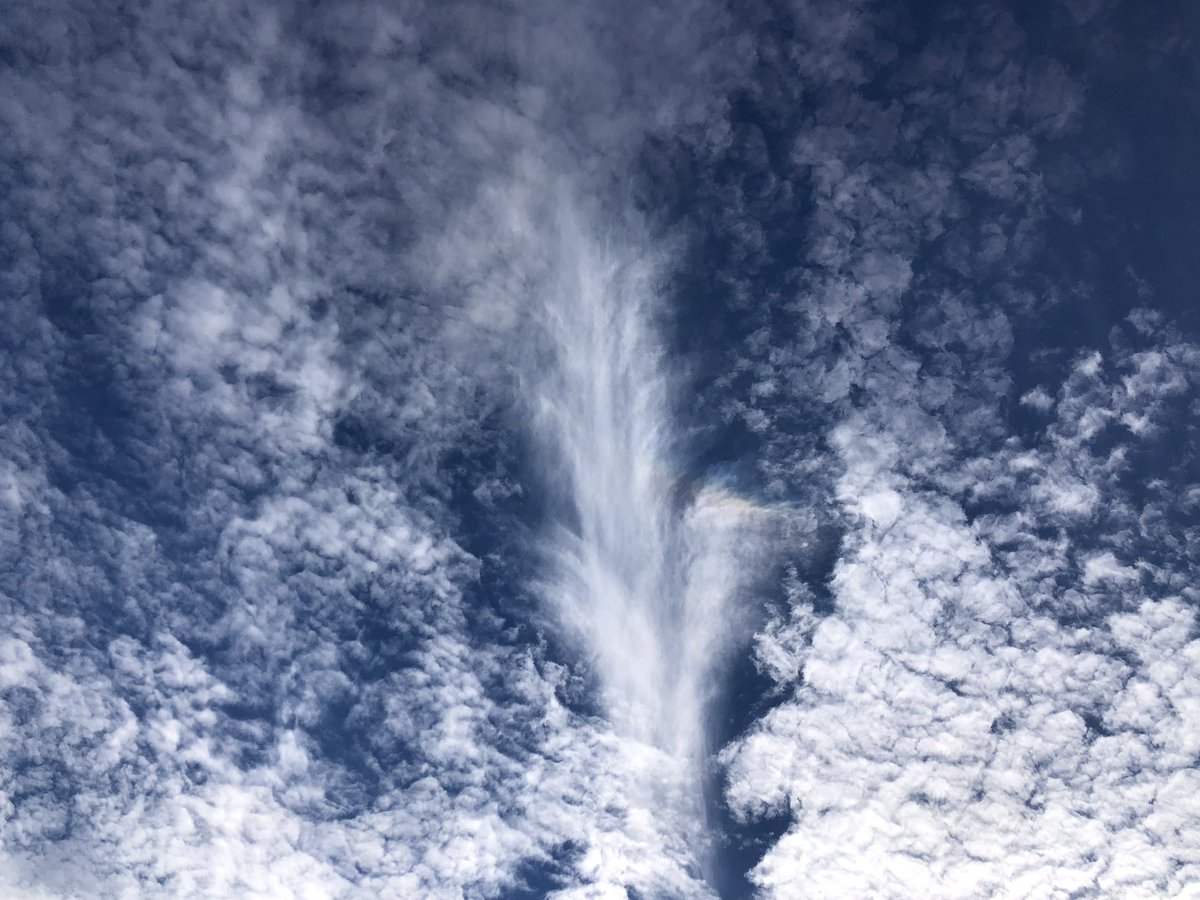
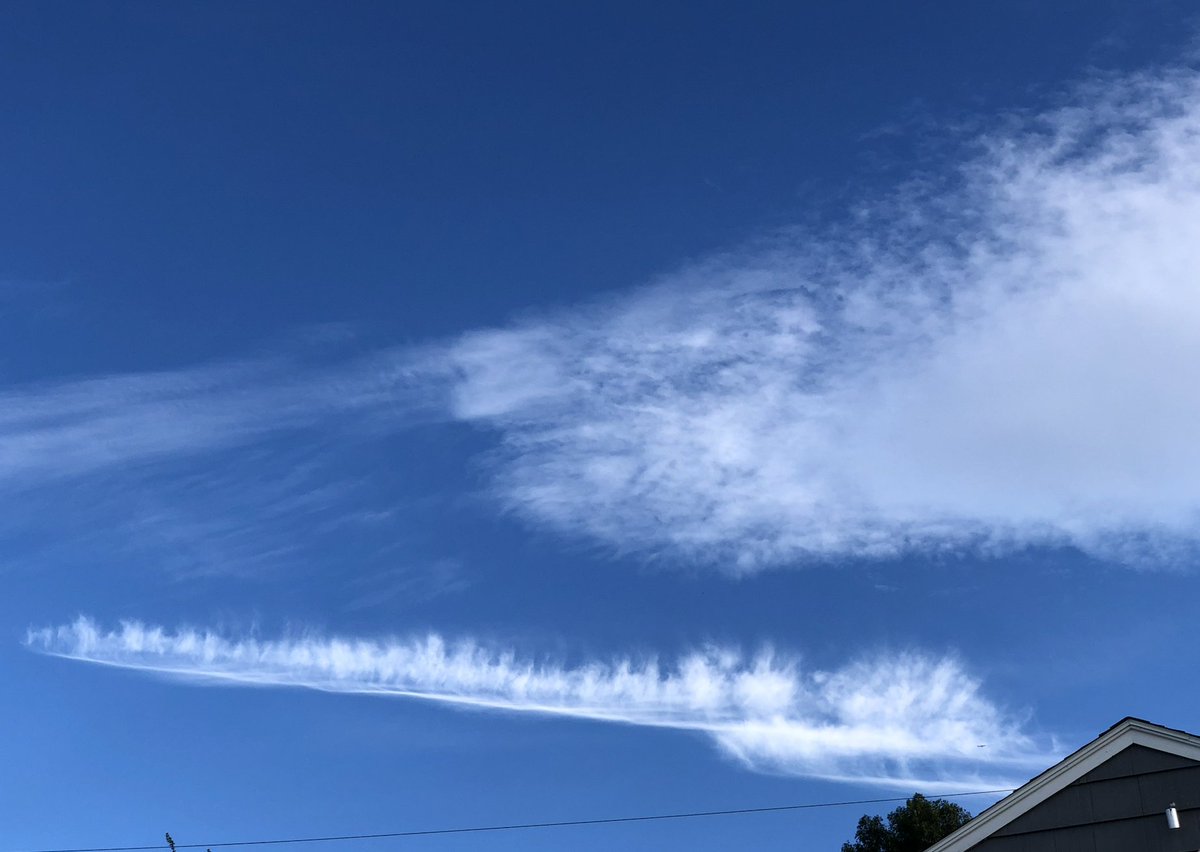
off the charts sunset texture beauty 8/14/23
this is a tiny sample - more in OTD in the AM
#Weymouth #MaineCoonCat #CloudPhysics

2
14
1,766

10 Aug 2023

11
164

4 Jul 2023
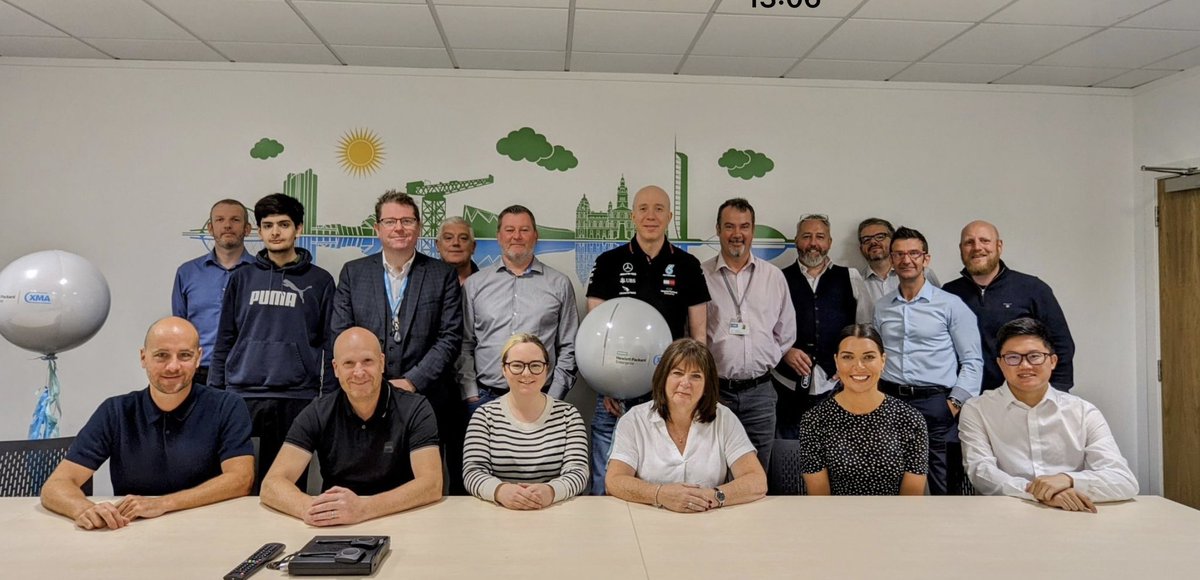
A great day so far with @HPE working with customers on all things #edge #data #hybrid #AI. #hpegreenlake #cloudphysics #infosight #hpeproliant #hpealletra #esg Some real opportunities for @WeareXMA customers to bring new forms of excellence to enterprise.

1
6
662

4 Jun 2023
8
565

19 Mar 2023
A cloud motion anime from a total sky imager setup assembled in our lab @iitmadras. see the full clip for crisp distinction of different layers of cloud (cirrus shallow) in the column #cloudphysics #climate #lowcostsensors #solarenergy
1
1
17
676