
30 Mar 2025
Leadership: It's Complicated. Battlefield Decisions
#LeadershipPrinciples #LeadershipChallenges #DecisionMaking #BattlefieldLeadership #StrategicThinking #LeadershipSkills #ComplexDecisions #HighPressureSituations #EffectiveLeadership #LeadershipDevelopment
1
3
168

16 Dec 2024
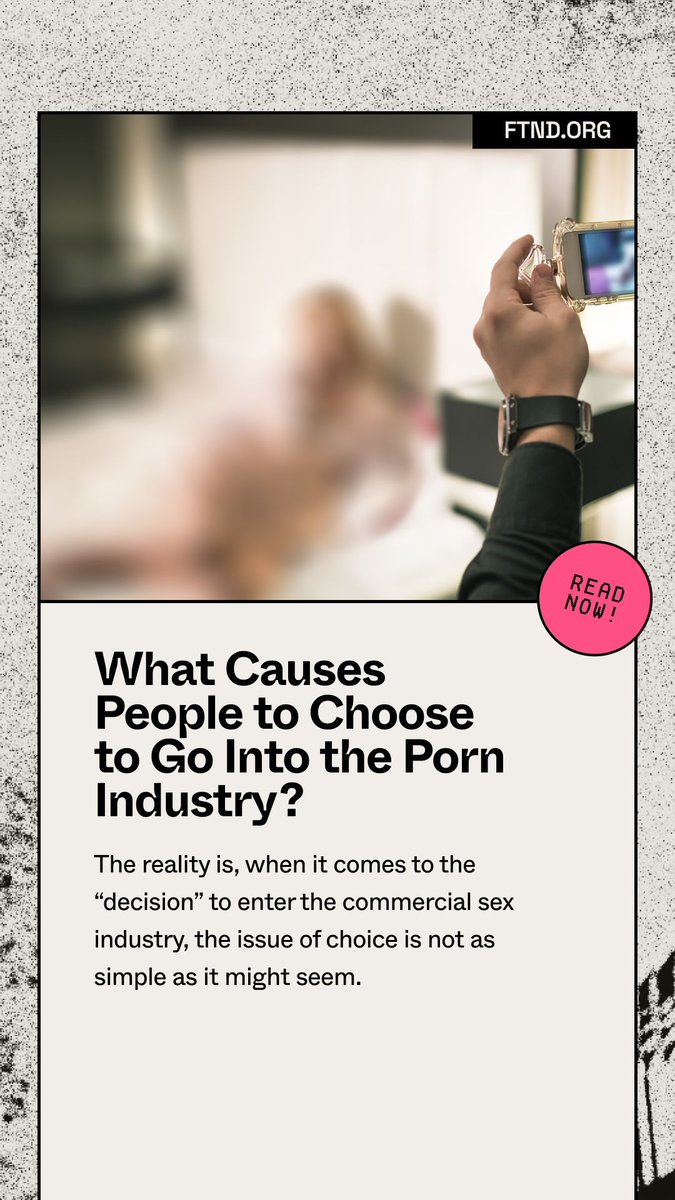
The decision to enter the porn industry is often more complicated than it seems. Explore the deeper factors that influence this path and why it's not always a matter of choice.
Read the full article here: ftnd.org/3USYwtJ
What do you think plays the biggest role in this decision? Share below! 🤔💬
#FightTheNewDrug #StopTheDemand #FightForLove #RepTheMovement #LifeChoices #SocietalFactors #ComplexDecisions #BehindTheScenes #ExploreMore #Discussion
3
10
1,400

25 May 2024
🔥 #UPSC #CivilServices Aspirants, this is an important read to ace #GeneralStudies Paper in 2024! 🎯
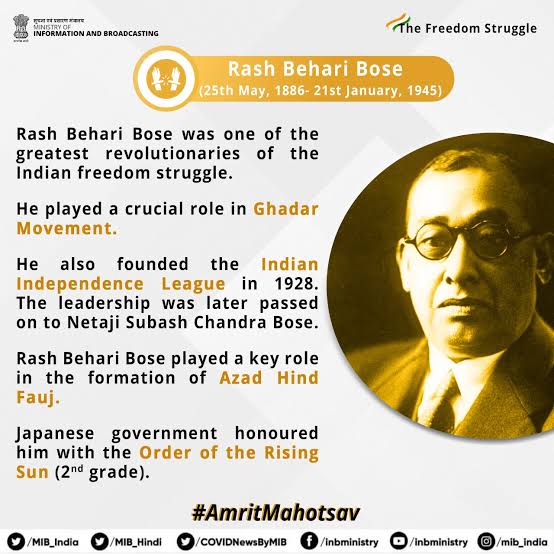
💥 #RashBehariBose 💥
⭐ Revolutionary Activities ⭐
🔸 Delhi-Lahore Conspiracy (1912): This incident marked Bose's entry into the revolutionary movement and his dedication to armed resistance against British rule. #FreedomFighter #AntiColonialism #RevolutionaryMovement 💣
🔸 Ghadar Party: Bose was a key organizer of the Ghadar Party, which aimed to incite a mutiny within the British Indian Army. The planned February 1915 Ghadar Mutiny, though unsuccessful, showcased his commitment to armed resistance. #GhadarParty #MutinyPlanning #AnticolonialStruggle ⚔️
⭐ Exile & Strategic Alliances ⭐
🔸 Escape to Japan: After the failed Ghadar Mutiny, Bose escaped to Japan, where he spent a significant portion of his exile. He married a Japanese woman and obtained Japanese citizenship in 1923, allowing him to operate within Japan and build connections with potential allies against the British Raj. #ExileInJapan #StrategicAlliances #AnticolonialNetworks 🌐
⭐ Leadership & Organizational Skills ⭐
🔸 Indian Independence League (1942): Bose founded the Indian Independence League (IIL) in Tokyo, aiming to mobilize Indian support for the war effort against Britain and advocate for Indian independence. The IIL served as a crucial platform for uniting Indian expatriates and POWs in Southeast Asia under the banner of freedom. #IIL #OrganizationalLeadership #FreedomMovement 🗽
🔸 Indian National Army (INA): The IIL, under Bose's initial leadership, laid the groundwork for the formation of the Indian National Army (INA) in 1942. The INA, comprising Indian POWs who volunteered to fight for their homeland's liberation, became a potent symbol of armed resistance against British rule. #INA #ArmedResistance #LiberationStruggle ⚔️
⭐ Shifting Leadership and Continued Support ⭐
🔸 Subhash Chandra Bose: Recognizing the need for a more charismatic leader, Bose stepped down from the IIL presidency in 1943, paving the way for Subhash Chandra Bose to take charge. Despite this, Rash Behari Bose remained a key figure within the organization, offering his experience and guidance. #LeadershipTransition #ContinuedSupport #RevolutionaryMovement 🔥
⭐ Controversies and Complexities ⭐
🔸 Alliance with Japan: Bose's collaboration with Imperial Japan during World War II remains a contentious issue. While his goal was to leverage Japanese support for Indian independence, it came at the cost of aligning with a brutal regime. #StrategicAlliances #EthicalDilemmas #ComplexDecisions ⚖️
⭐ Legacy ⭐
🔸 Multifaceted Figure: Rash Behari Bose's contributions transcended a single approach. He was an organizer, strategist, and a key figure in mobilizing Indian support for the freedom struggle, both within India and abroad. #MultidimensionalRevolutionary #FreedomStruggle #LegacyInHistory 🗽
🔸 Associations and Publications: #GhadarParty, #IndianIndependenceLeague (IIL), #IndianNationalArmy (#INA) (Indirect association through the IIL), Newspapers/Journals like Ghadar (Newspaper published by the Ghadar Party), The Comrade (Published by Shyamji Krishna Varma, a supporter of the revolutionary movement), and other Indian nationalist publications in circulation during his time. #Associations #Publications #RevolutionaryLiterature 📰
This comprehensive overview of Rash Behari Bose's multifaceted role in Indian independence movement is crucial for UPSC Civil Services aspirants to understand complexities and nuances of freedom struggle. 🏆 Delving into his early revolutionary activities, strategic alliances, leadership roles, controversies, and lasting legacy provides a holistic perspective on this often overlooked but significant figure. 🌟 Mastering these details will undoubtedly aid in answering #MCQs in General Studies Paper, drawing from past trends. 📚
3
21
985

15 Jun 2023
A #NeuroMorphic device that Mimics #HumanVision, #Memory,
Useful in self-driving cars & can make rapid #ComplexDecisions
A single chip enabled by a sensing element, doped indium oxide, 1/1000 thinner than human hair
&
No external parts to operate
neurosciencenews.com/vision-…
5
12
2,285

17 Nov 2022
Optimize #complexdecisions for unexpected events and #potentialthreats to reduce risks through #Bigdata #analytics and #tools. Contact @SreesonCanada for effective #riskmanagement processes and strategies. bit.ly/sreeson-whatsapp
#ai #cloud #startup #IoT #MachineLearning #data

4

"Let's see, shall I ask Laurie to the box social? You know Jud thinks he's going to take her. Maybe if I sing him a song? Or I could take Aunt Eller. Or go by myself, as I am a hermaphroditic worm and can dance at both ends. It's a tough one!"
#TinyWorms #ComplexDecisions
1
1

15 May 2021
🤔Do I watch #ACountryWedding #ChristmasWaltz (Hallmark movies require no brain power) OR attempt to keep track of Raymond's double dealing on #TheBlacklist #complexdecisions😎
2
1

🚨𝐍𝐞𝐰 𝐌𝐮𝐬𝐢𝐜 𝐀𝐥𝐞𝐫𝐭
Complex Decisions... (Mastered) is OUT NOW!
Here’s the link: beatcha.in/links/k10udz/9080… ☺️ or you just search it 🙌🏾
#AppleMusic #Spotify #K10UDz #complexdecisions #music #hiphop #lofi #newmusic #beatchain #outnow #instrumental
2
3
You can listen to this now on #SoundCloud but you won’t be able to listen to it mastered until May 😉
Complex Decisions... (Mastered) out Wednesday 12th May 2021 👀
Pre-save link in the linktree in my bio 👌🏾
#ComplexDecisions #K10UDz #newmusic #Spotify #presave #itunes

1
2

25 Mar 2021
Two fab mornings with @RHNuk thinking about #dysphagia #enteralfeeding #ethics and #complexdecisions looking forward to putting ideas into practice #mySLTday #CPD
1
4
11

17 Nov 2020
How it started.... How's it's going. #nurselife #PalliativeCare #Hospice #HospiceMonth #cancersurvivor #caregiving #complexdecisions #caringsolutions

2

26 Aug 2020
Difficult, #complexdecisions underpin the future of the world's #coralreefs @PLOSONE phys.org/news/2020-08-diffic…
4
7

21 Aug 2019
A collaboration with GCU to upskill our AHP ‘s for advanced practice #improvedpatientsafety #complexdecisions @chrisseenan @NHSGGC @fizzyfee66 @lyndama19382281
10

14 Apr 2019
It's a case of legally binding fraud....
Everything they did during "privatization" era was a #LegalFraud
You want to break the fraud, you should be ready to be dirty and billions will go fown the drain....
#ComplexDecisions
1
1
7

27 Sep 2018
#PetroKnowledge Decision Making in the
Upstream Oil and Gas Industry #training #course- lnkd.in/fkzvzU5
#DecisionMaking #OilGasIndustry #businessdisciplines #complexdecisions #FieldDevelopment #PortfolioManagement #ProductionContract #upstreamoilandgas #DecisionAnalysis

2

11 Sep 2018
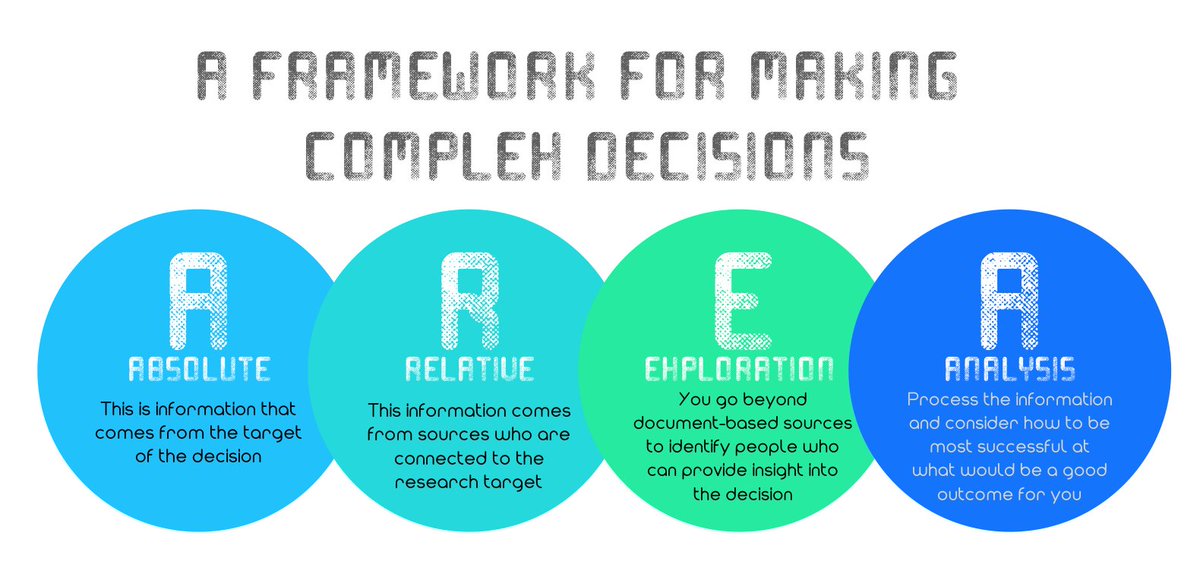
Strauss Einhorn has developed a system, the #AREAMethod, to help people make #complexdecisions well in their personal and #professional lives. In the podcast amanet.org/training/podcasts…, she describes how the method assists with #researching and making a decision
2
3

10 May 2018
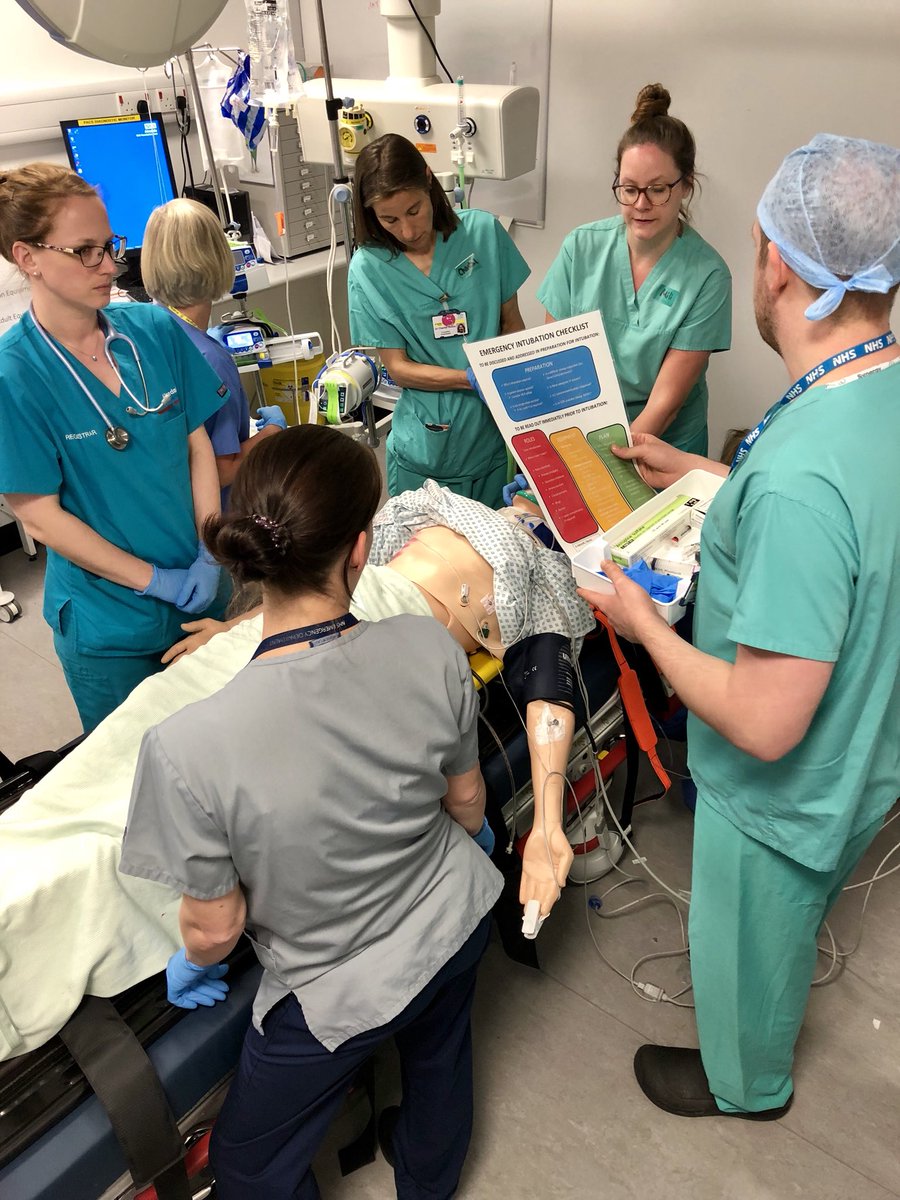
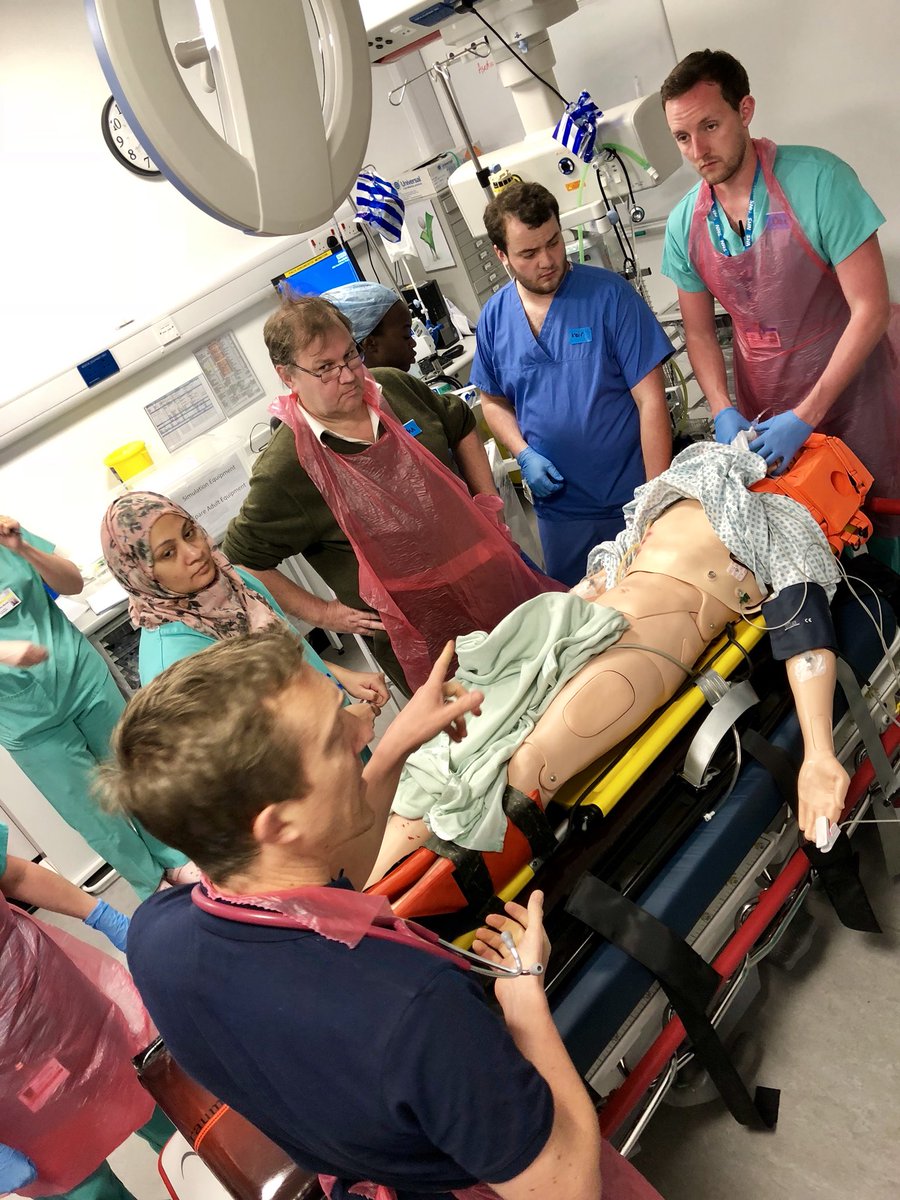
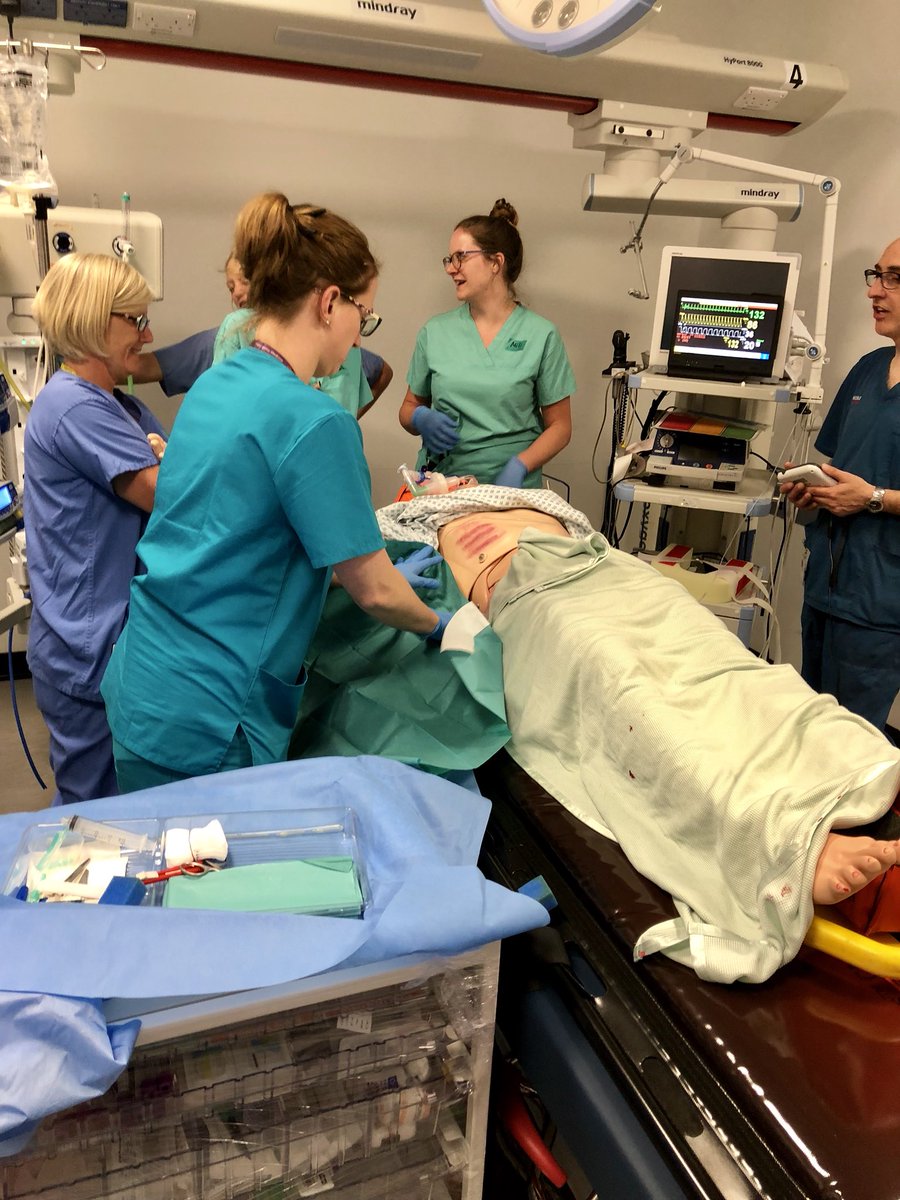
Superb MDT Major Trauma #Sim this afternoon. So much learning 👏🏻#TraumaTeam #HandsOffHandover #MajorHaemorrhagePathway #RSIchecklist #Sort&Send #TimeCriticalTransfer #Leadership #Followership #Teamwork #ComplexDecisions @AiredaleNHSFT @WYorksMTN
7
27

21 Mar 2017
1
5
8


17 Dec 2015
Great catching up with @StephTaylorPT & @andysaundersPT 2day. #IPOPS ESP support. #complexcases #complexdecisions #clinicalreasoning
1
2