
Not as clean cut as it in basketball with ability to isolate different shot types/situations and just raw volume. But the closest version is this:
Midrange = long range shots (you don’t see near as many as you used to)
Layups and 3s = cutbacks along the ground
1
46

To keep the party going from the front-end, the hyperscalers must keep tokenmaxxing. Currently that isn’t going well, with budgetary cutbacks. The hyperscalers clearly aren’t planning to tank their own stock prices by keeping the fizz in GPUs. It will fall to Elon, and the like, to concoct fantastic tales of moon bases, and so on, that require unprecedented compute demand to develop them.
2
9



Literally what DEI cutbacks? This was an imaginary problem.
SCOTUS saying the president has unlimited power is bad actually
So DOGE was a massive failure but it's okay because they tried?
"More liberal" and it's openly far right authoritarian nationalism, are you fn serious?
1
13

FACT CHECK: Here are the real reasons for post-pandemic inflation under Biden.
-- The inflation rate is a lagging indicator by 8 to 12 months.
-- The rise in the inflation rate in 2020-21 was triggered by Trump's 2018-19 tariffs, which cost U.S. consumers $80 billion through higher prices, according to the Tax Foundation.
-- In March 2020, Trump signed into law the Coronavirus Aid, Relief, and Economic Security Act (CARES Act), a massive $2.2 trillion economic stimulus bill that led to a significant increase in government spending, and flooded the economy with cheap money. Both fueled inflation.
--The Fed cut interest rates, effectively to zero to prop up the Trump economy, increasing the supply of cheap money even more.
-- In 2020, Trump negotiated a two-year cutback in oil production with Saudi Arabia, Russia and other countries to prop up U.S. oil companies hammered by the pandemic, and bragged about it. That created an artificial shortage in world oil markets, resulting in higher gas prices when demand kicked back in after the pandemic.
-- The oil production cutbacks continued after 2022 and were exacerbated by Russia's Feb. 2022 invasion of Ukraine and subsequent sanctions. The average annual price for a gallon of regular unleaded gasoline was $2.60 in 2019 before Trump's deal. In the U.S. in 2022 the average price had risen to $3.95 (unadjusted for inflation).
-- Pent-up demand coming out of the pandemic -- when the U.S. savings rate hit a record -- coupled with temporary supply chain disruptions -- caused the inflation we saw in 2021-2022.
-- Under Biden, the U.S. reduced inflation faster than any other industrialized country following the pandemic.
-- The inflation rate had fallen to 2.9% at the end of Biden's term. It's 4.3% today under Trump.
25

No. Don’t forget Trump went to SCOTUS to stop SNAP payments during the shutdown. They set up the Medicare, Medicaid cutbacks to take place after the Nov. election.
Happy Birthday 🎂 to one of my favorite X people.
19

You are truly a political rat. I just lost a friend due to a tech issue with a plane. Had nothing to do with government cutbacks you sick freak.
1
25

Failed cutbacks by Diomande= "Wao, amazing"
Failed cutbacks by Garnacho= "Makes me wanna vomit"

Winger work no hard Walahi, beat your man drive a low or up cross into the box and cut in once in a while…. Makes you want to swear for Garnacho if you can’t do the basics like this
27
Catherine Bouvier retweeted

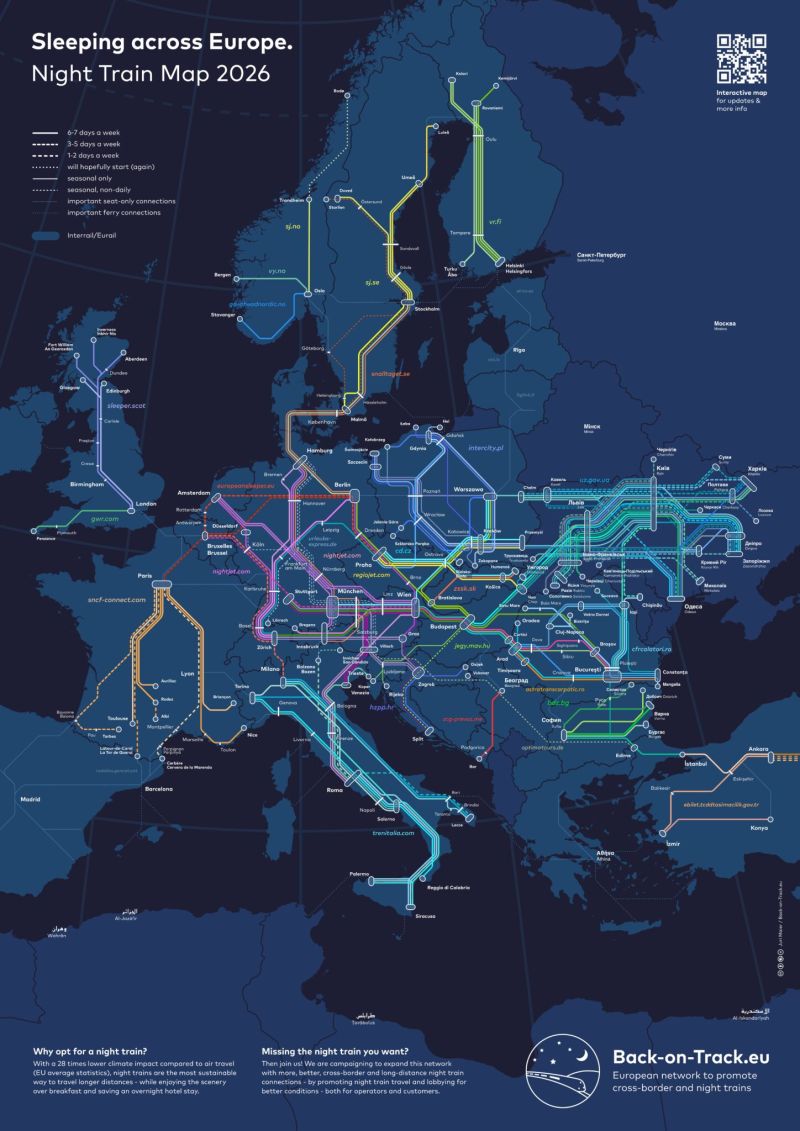
Short-haul flights increasing in Europe; night trains face cutbacks. A report by T&E and Back-on-Track Europe highlights what needs to be done: cut VAT & track access charges to make tickets more affordable; improve cross-border working back-on-track.eu/wp-content/…
3
2
36

People who believe this are rich or families without seniors. Cutbacks aren’t dignity. Charging for the COVID vaccine isn’t health security. Removing eye coverage isn’t security. Driving away doctors and nurses isn’t security. Highest cost for electricity and insurance are taxes.
6
31

Aye,due to cutbacks the Russians are now using Ukrainian rent boys to set fires,rather than highly trained operatives
1
6

When Egypt are defending they defend in numbers, which is fine, but they often have too many players on their last line with not enough in the spaces just in front. Often there's 6 or 7 on last line defending 2 or 3 players with big space for cutbacks or 2nd balls.
3
1,915

Welp I guess the Government cutbacks are now coming to haunt the military now... Unlike the millions of Americans that are dying due to their healthcare being slashed. Look to who's in control at the top for answers....
7
4
8,355

'Economic advantage'? I guess you're referring to having ponies. I live on the Wirral in the North West, there are more horses and ponies dotted around the fields in the poorer areas than the more upmarket parts. These families just make that choice, some cutbacks = kids horses.
1
20
Truth Shall govern 🇿🇦 retweeted

Cucurella has been outstanding today, causing all sorts of problems down that side with the cutbacks.
Still no goal for Spain though
14
13
210
6,412

Football will continue to be a moments game because Ferran scoring one of 2 cucurella cutbacks and the discourse is different

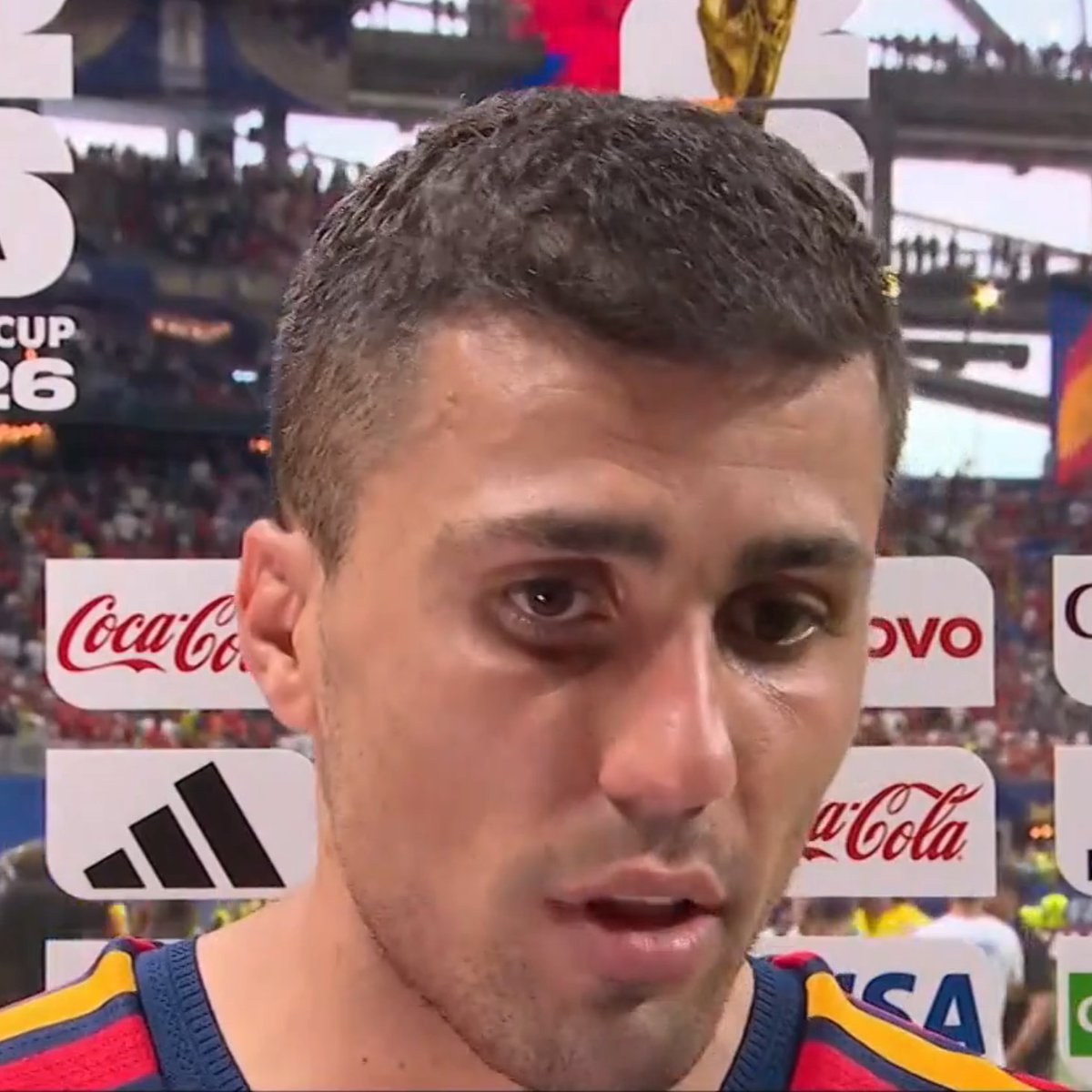
🚨🗣️ Rodri on whether opponents would copy Cape Verde’s low block:
"Let them do it! If they play like that, they will NOT get past the halfway line."
"It’s just a matter for us to improve our finishing.”

1
62

- mainly his Supreme Court picks and their decisions
- DEI cutbacks
- DOGE (yes, it was massive clusterfuck that did nothing but damage, but it was an attempt) and various attempts at deregulation
- 2017 tax cuts
Generally Project 2026 is about bringing back a more liberal US, but it's debatable if he even follows it. All the good things Trump has done are basically by accident as he's primarily driven by ego, not vision.
3
38