
asleep at the wheel
Joined February 2023
- Tweets 85,516
- Following 775
- Followers 15,739
- Likes 44,812
5,054 Photos and videos




Pinned Tweet

Jun 3
New Video: An Argument For Packing The Court youtube.com/watch?v=14_ieL8G…
18
5
25
32,044
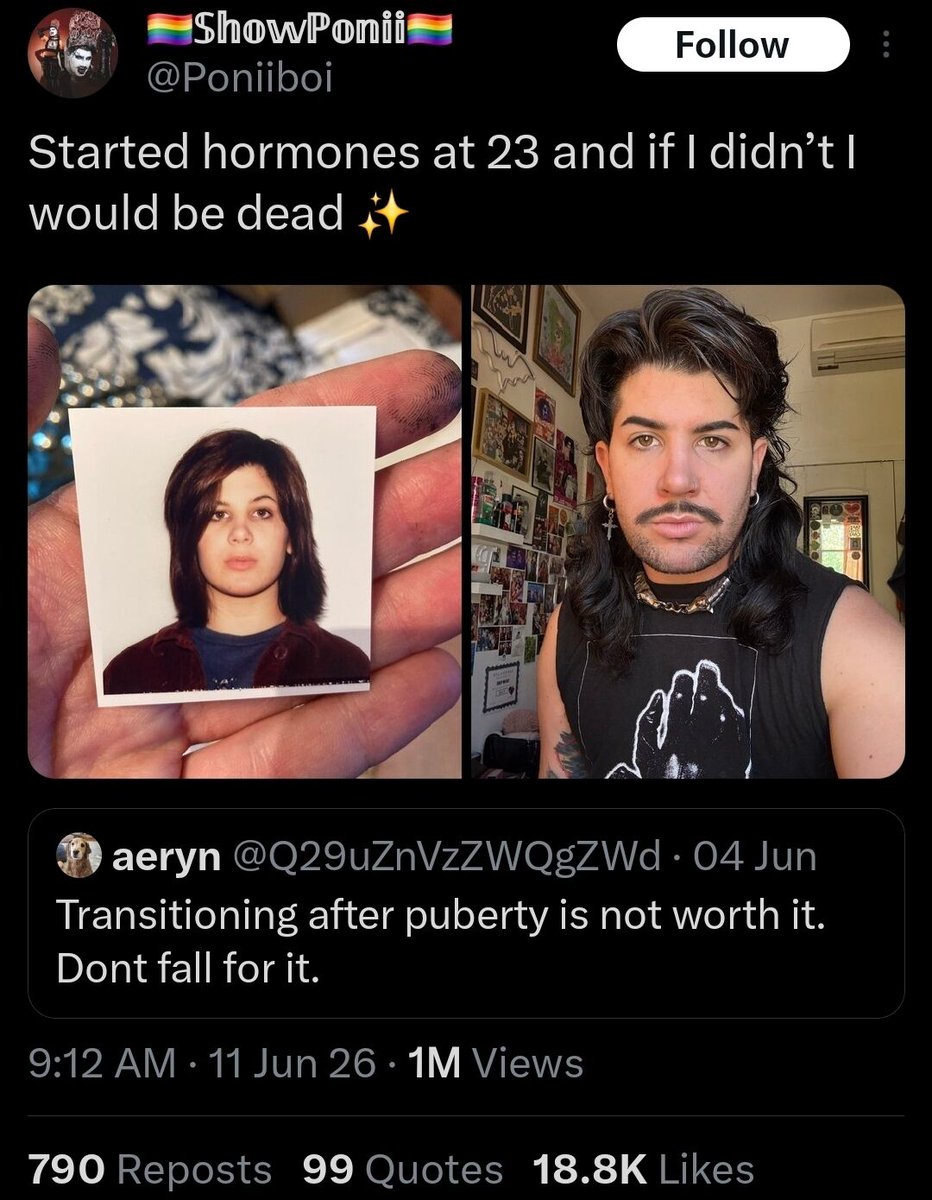
where is the insane cope? this person is thankfully, still alive.

15


Dev retweeted

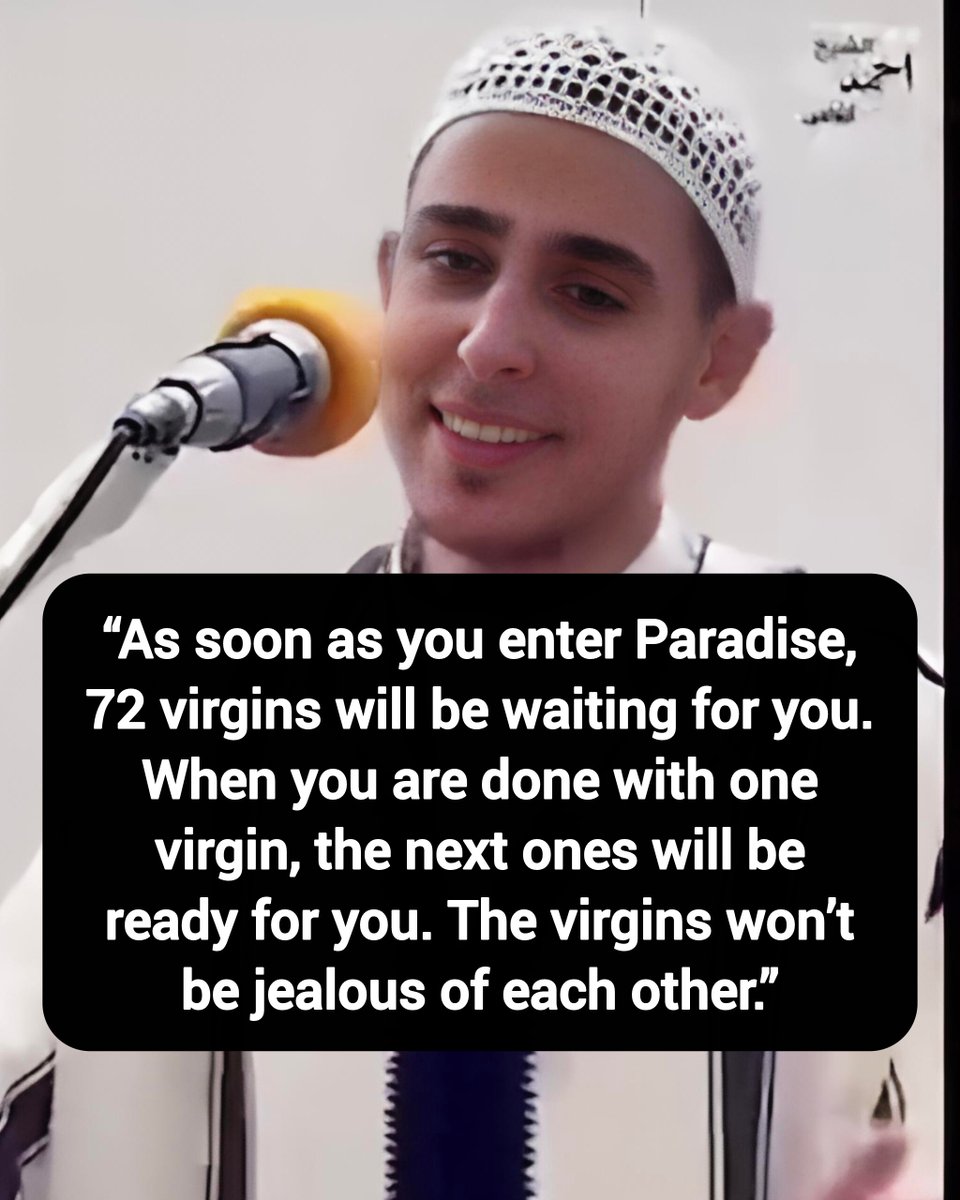
why is this phrased like magic the gathering syntax

2
6
24
361
Dev retweeted

These takes are cope. Liberals actually live this trad lifestyle more than the “conservatives” who whine about not living it. queermajority.com/essays-all…
1
2
10
285
Dev retweeted

With all due respect, Mr. Vice President, World War II is probably the worst example you could have chosen.
The whole reason World War II happened in the first place was because World War I ended with a deeply flawed post-war settlement. If anything, it is a warning about what happens when you fail to properly resolve the causes of a conflict.
And when World War II did happen, how did it end? Not through negotiations. It ended with a decisive military victory. In Germany, Allied forces were literally within meters of Hitler’s bunker. In Japan, it took two nuclear bombs before the Imperial leadership finally accepted reality and surrendered unconditionally.
I don’t even need to go digging through distant history or obscure corners of the world to find examples. Let’s stay in your own backyard. How did the American Civil War end? It ended with a decisive Union victory, the surrender of the Confederacy, Reconstruction, and accountability for those who had taken up arms against the Union. It did not end with everyone sitting around a table and agreeing to disagree.
The lesson from history isn’t that wars should end through vague compromises that leave the underlying issues unresolved. Quite often, the lesson is the exact opposite: unresolved conflicts tend to come back, usually bigger and bloodier than before.
Jun 12

JD Vance:
If you go back to WW2 or every major conflict in human history, they all ended with some kind of negotiation.
Community note
World War II ended with unconditional surrenders by Germany on May 8, 1945, and Japan on September 2, 1945, rather than negotiation. en.wikipedia.org/wiki/Unconditi… archives.gov/milestone-docu… nationalww2museum.org/war/topics/end…
80
288
1,094
41,212
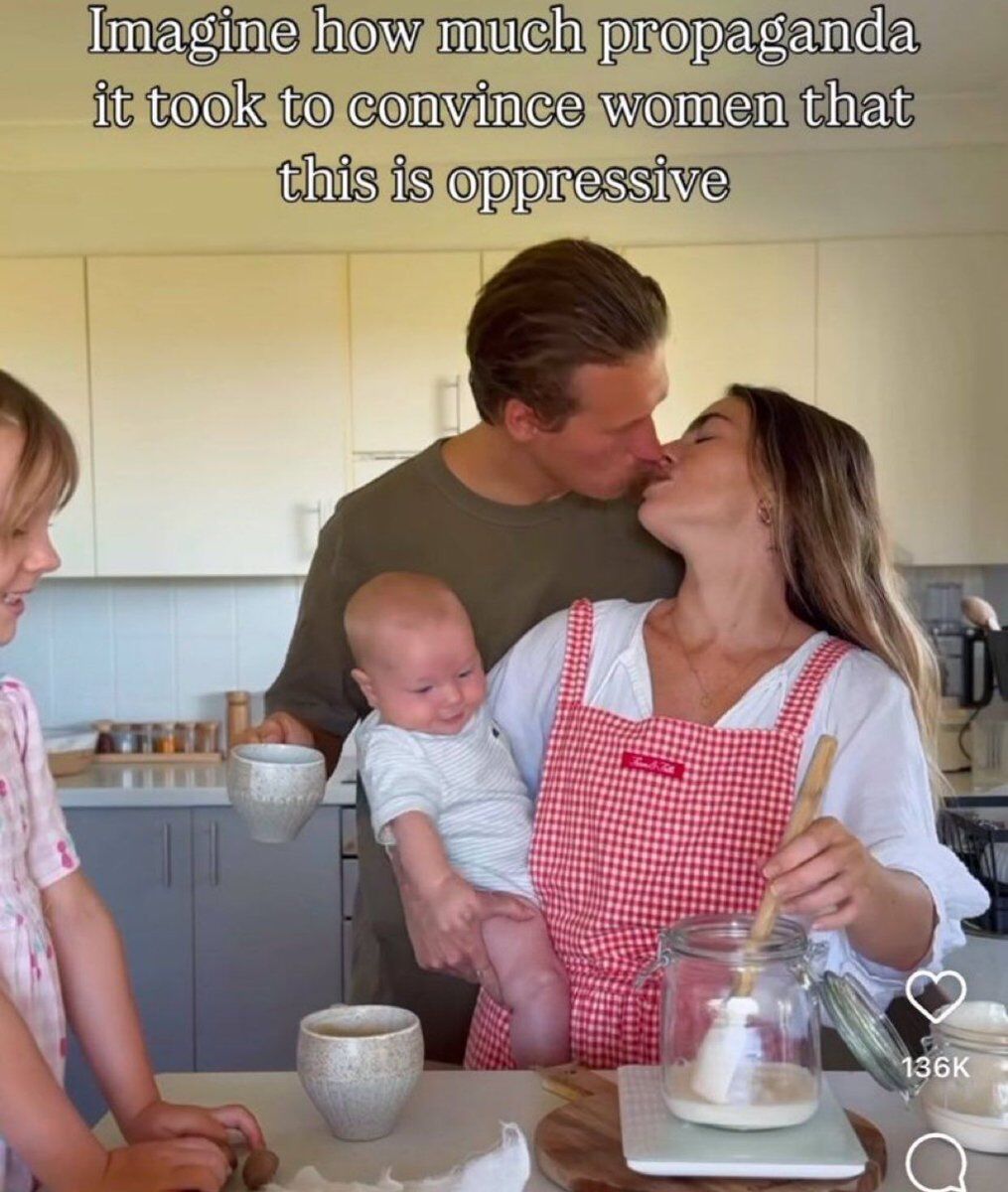
actually all it took was bad husbands beating their wives

8
1
61
1,078

rare trump W, fuck american football
Jun 13

Oh Boy: President Donald Trump wants the NFL to change its name so that soccer is the only sport named football.
"This is football, there is no question about it. We have to come up with another name for the NFL stuff."
😬😬😬
3
1
13
598

Dev retweeted

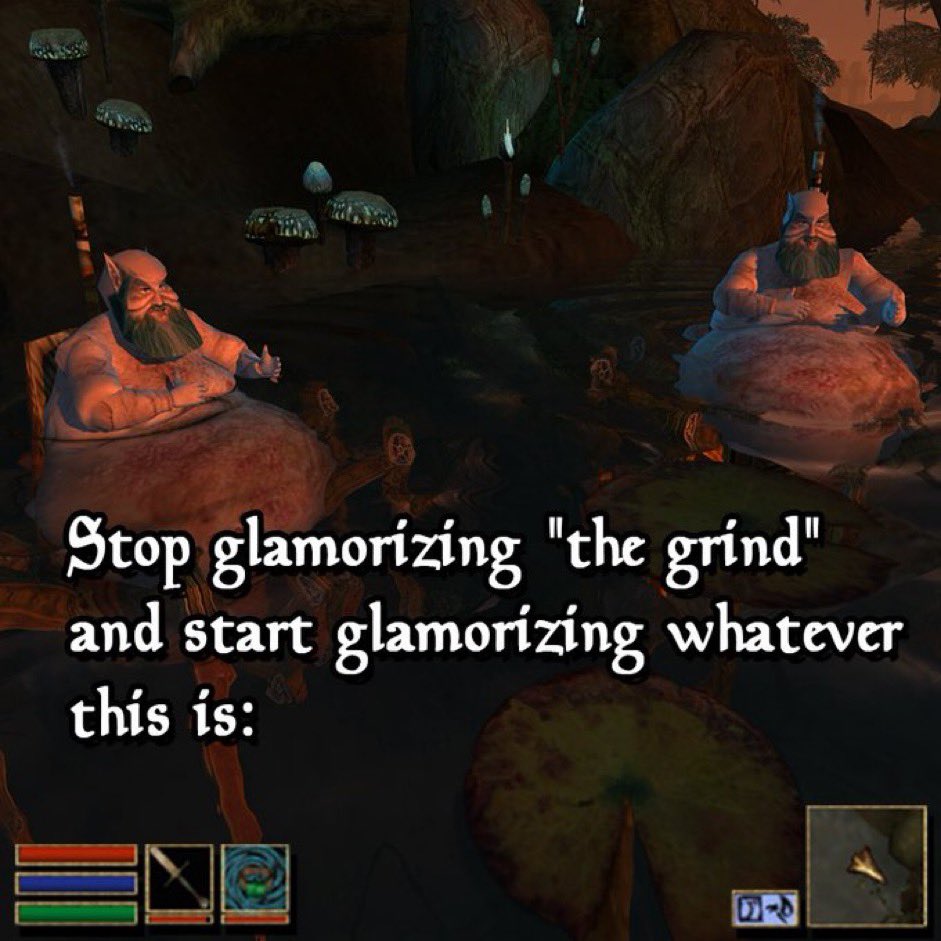
Thanks to DOGE taking estrogen out of the tap water, our nation’s brave young men will no longer develop bodies like this unfortunate victim here. 🇺🇸

32
58
2,946
27,042
Dev retweeted

Jun 12
I've probably read more 40k books then the majority of fans and know more lore
But I haven't actually played a game since 4th edition
...I still don't know what detachment rules are and at this point in listening to 40k podcasts I'm embarrassed to ask
1
6
242
Dev retweeted

The Head Emissary from the People’s Soviet of Cincinnati meets with the Chairman of New York City to wax poetically about the comedic irony of man overcoming their nature to make war by morphing that inclination into the commodity & joviality of sport

IShowSpeed didn't realize he was sitting next to Zohran Mamdani the Mayor of New York City the entire time while at the World Cup game 😭
1
6
17
642
Dev retweeted

Literally made the swamp bigger.

$14 million “beautification” and just 3 days later it looks worse than ever because there was a reason we didn’t paint the reflecting pool dark colors like “American flag blue.” Mainly that it would raise the water temp and cause rapid algae growth.
1
6
218
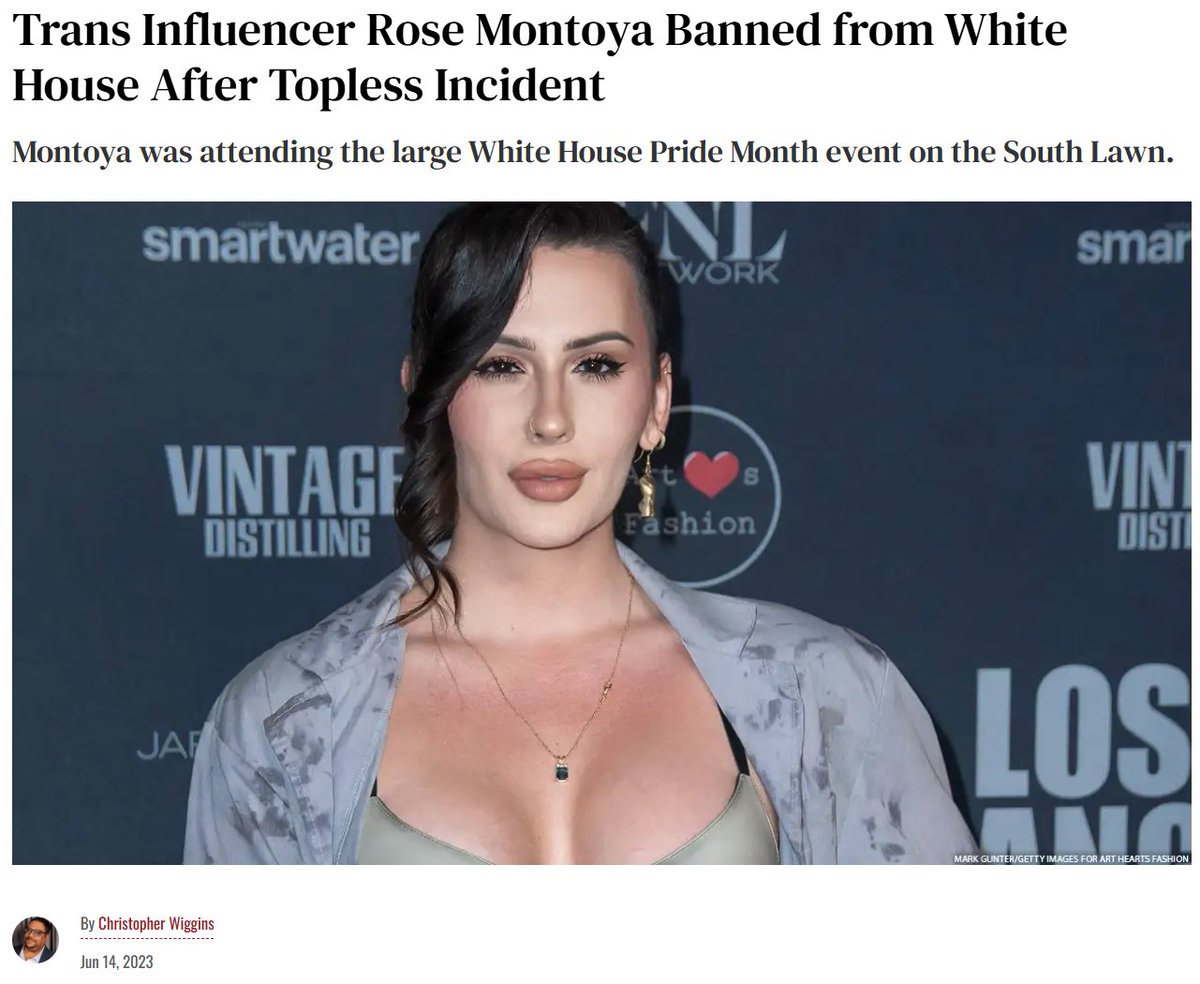
when the democrats take power again i want to see dozens, no, hundreds of trans tits on the white house lawn, solely out of spite
8
1
36
1,509
Dev retweeted
Atheists in California are now spraying GAY CHEMTRAILS on the road to make the cars homosexual
2
7
47
1,372
Dev retweeted

dude who the fuck is that


169
3,520
64,684
982,561
Dev retweeted

14h
when the side quest connects back to the main quest
IShowSpeed didn't realize he was sitting next to Zohran Mamdani the Mayor of New York City the entire time while at the World Cup game 😭
72
5,665
91,170
1,065,862
"we can always tell you're a man" mfers when they can't actually tell

10
11
296
6,578
Dev retweeted

I know comparing modern society to Idiocracy is really played out but man

584
6,899
62,955
2,127,332
Dev retweeted

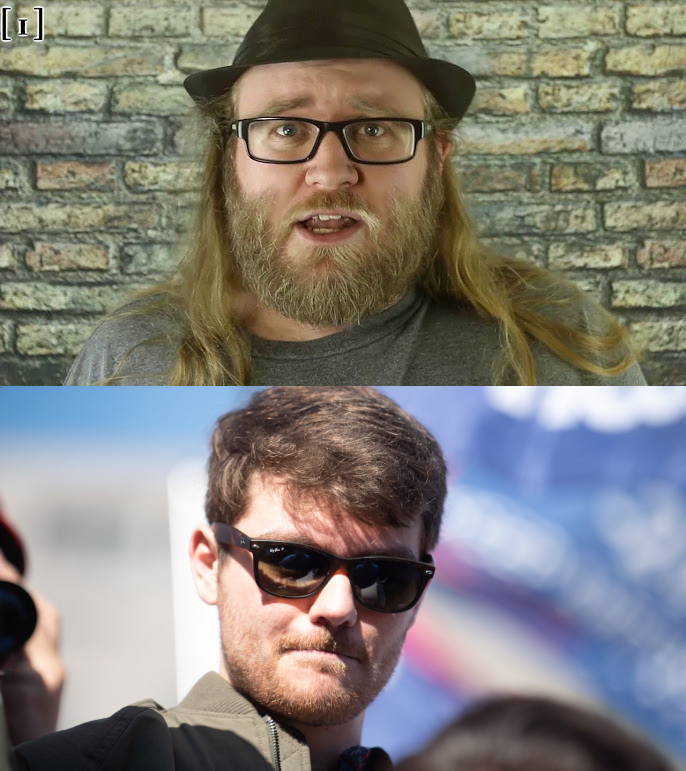
It’s the same shit; people believing that unprompted cruelty and malice towards others was what made you intelligent. “Silly Timmy, your dead dad’s not in heaven, he doesn’t exist anymore” just turned into “Silly Timmy, your dead dad’s not in heaven, he’s burning in hell!”

It's actually insane how the counter culture shifted from Reddit atheism to Christian nationalism in just a decade
8
76
495
11,901