
16 Jan 2025
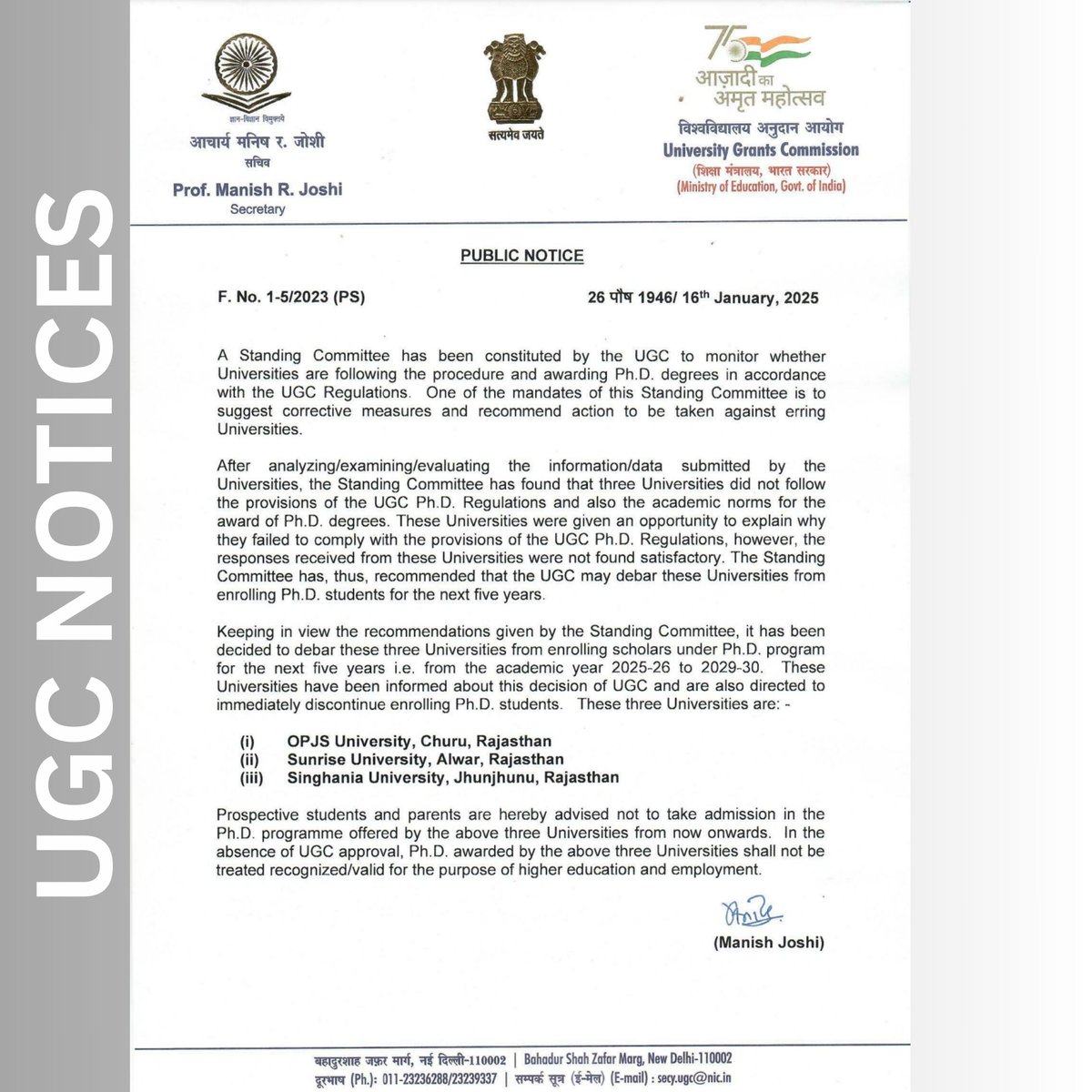
📢UGC has taken action against 3 universities who are found to be compromising the integrity of the Ph.D. degree.
🚨🚨
Since MSc Medical Postgraduates are the largest group of PhD aspirants in medical field in the nation and most of the medical universities see 10s to 100s of admissions per session in a year from the community, there may be groups lurking to take advantage of this who may act as brokers/ consultancies and may try to lure you get an admission into such an institution by promising an easy PhD.
Members are advised to be extra careful while choosing the institution for their doctoral study.
#PhD #DoctoralStudy #FraudPhD #BeCautious
16 Jan 2025

University Grants Commission has taken strict action against 3 universities who are found to be compromising the integrity of the Ph.D. degree. These institutions have been barred from admitting new Ph.D. students for the next five years. This is a strong message to all universities that maintaining rigorous academic standards is non-negotiable for UGC. A public notice by the UGC has been put out in the public domain and UGC has communicated this decision to the universities separately.
We urge prospective students and their families to exercise due diligence when selecting a university for doctoral studies. Verify the UGC recognition status of the programme and institution before applying. The UGC is dedicated to ensuring that the Ph.D. degree remains a mark of genuine scholarly achievement and research excellence.
Read the UGC Notice: ugc.gov.in/pdfnews/4096026_P…
1
7
8
486

6 Jan 2025
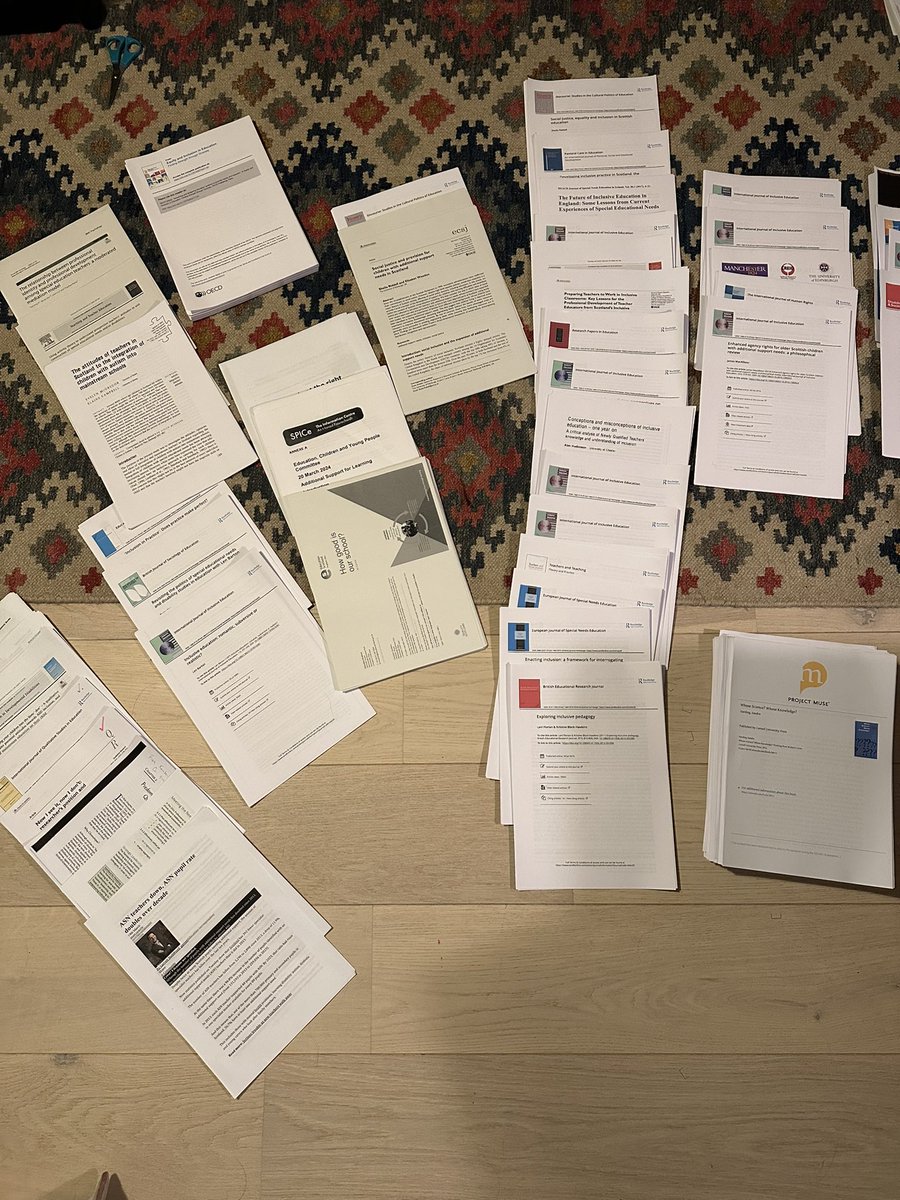
When you decide to reorganise your literature review 🧐 #EdDoc #doctoralstudy #education #inclusivepractice #asn #autism #asnteacher
7
325

8 Dec 2024
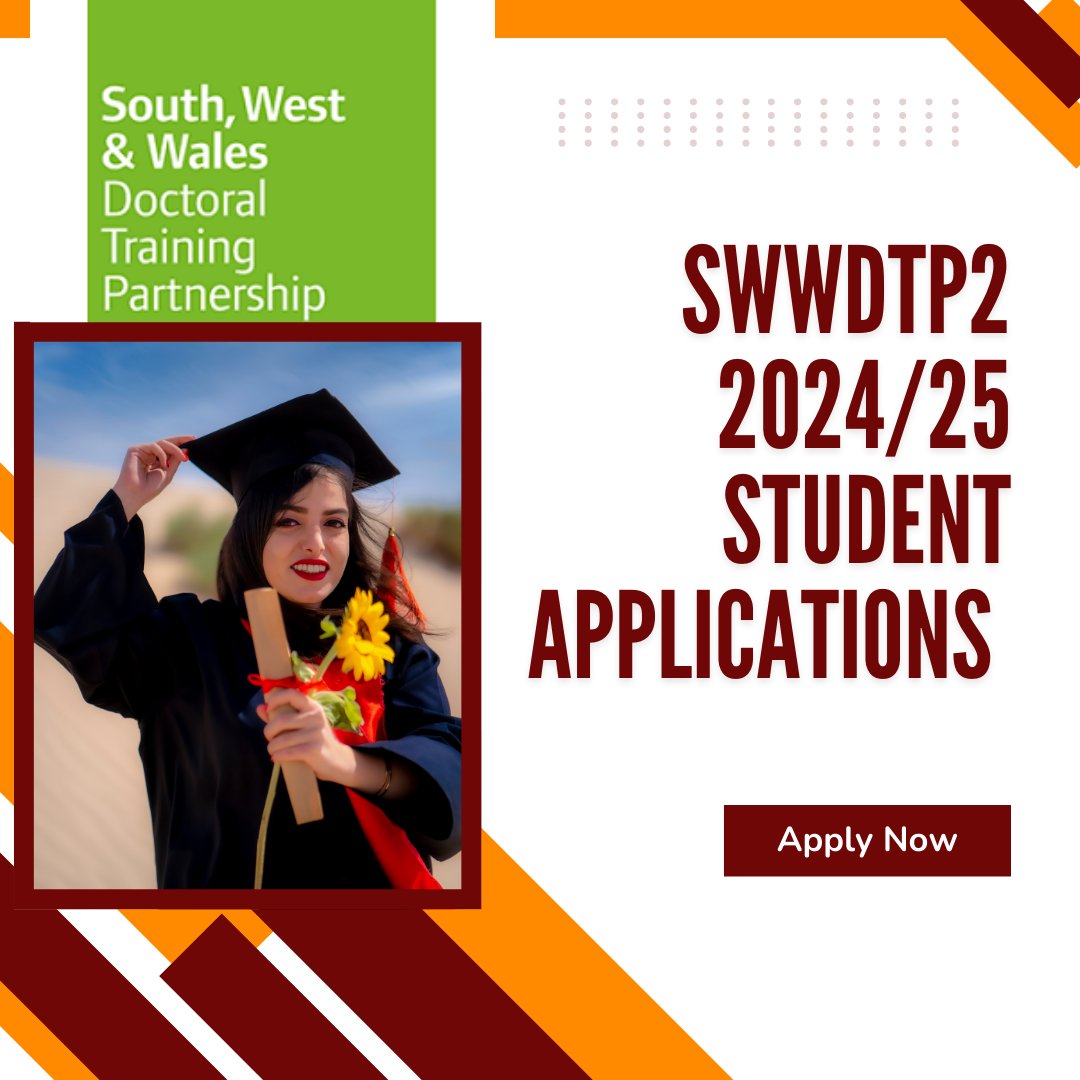
🚨 SWWDTP2 PhD Studentships Open for 2025 🎓
Types: Student-Led Awards & Collaborative Doctoral Awards
Focus: Encouraging diversity & inclusion
Apply by 20 Jan 2025! 📆
👉 More info: wp.me/p23f03-bRp
#SWWDTP2 #PhDOpportunities #ResearchFunding #DoctoralStudy
2
845
4 Dec 2024
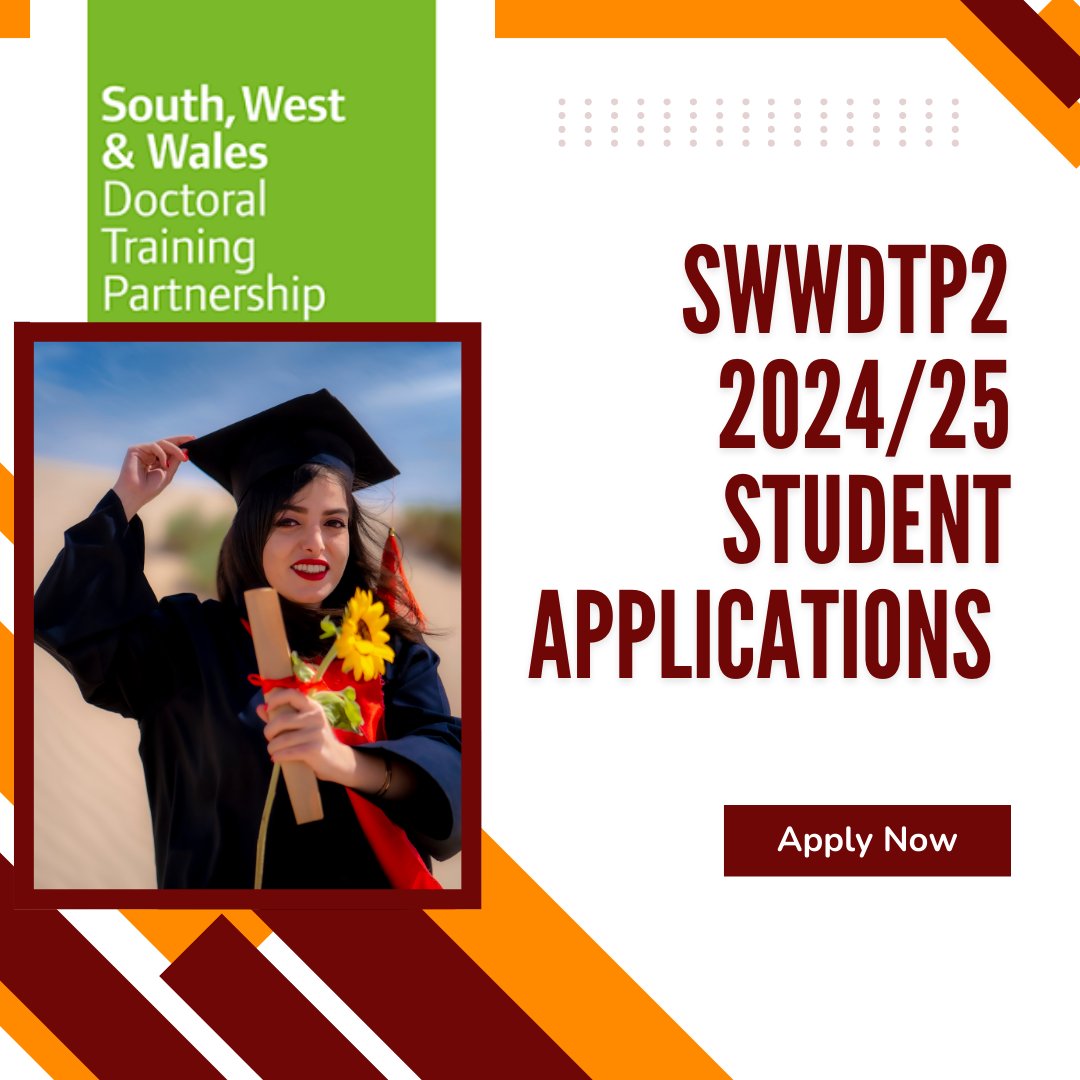
🚨 SWWDTP2 PhD Studentships Open for 2025 🎓
Types: Student-Led Awards & Collaborative Doctoral Awards
Focus: Encouraging diversity & inclusion
Apply by 20 Jan 2025! 📆
👉 More info: wp.me/p23f03-bRp
#SWWDTP2 #PhDOpportunities #ResearchFunding #DoctoralStudy
5
542
29 Nov 2024
🚨 SWWDTP2 PhD Studentships Open for 2025 🎓
Types: Student-Led Awards & Collaborative Doctoral Awards
Focus: Encouraging diversity & inclusion
Apply by 20 Jan 2025! 📆
👉 More info: wp.me/p23f03-bRp
#SWWDTP2 #PhDOpportunities #ResearchFunding #DoctoralStudy
1
2
543

23 Jul 2024
A lovely writing spot indeed! 🍃📚 #DoctoralStudy
23 Jul 2024

Second day of writing retreat in the Beehive on the UoC Ambleside campus. Living the life 😃

1
9
193

11 Jul 2024
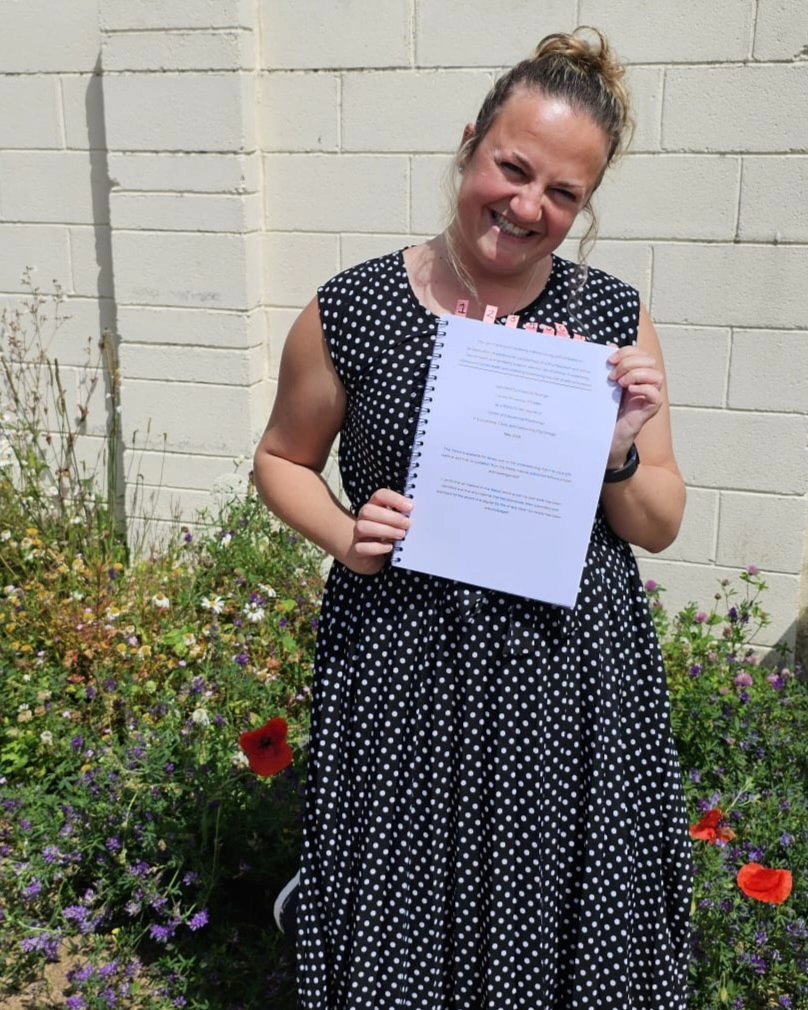
Dr Strange (unofficially - until my amendments are done!) 🧠🎓📘
Today, I PASSED my viva! 🙌🎉💃🥳✨️
#TwitterEPs #doctorate #doctoralstudent #doctoralstudy #Psychology #psychologist #vivaexam #passedmyviva #soontobedoctor #doctorstrange #selfcompassion
2
1
50
2,708

I’m in the @UoBGradSchool Postgraduate Research Festival Poster Showcase! Please vote at the link below! 😁
@unibirmingham @artsatbham @CAL_Postgrads @pg_cal
👉 tinyurl.com/4u2ffpsf
#researchposter #frenchcinema #doctoralstudy #postgraduate #frenchcomedy

1
3
204
Looking forward to showcasing my Research Poster at next week’s @UoBGradSchool Postgraduate Research Festival @unibirmingham!
#researchposter #frenchcinema #doctoralstudy #postgraduate #researchfestival
@pg_cal @CAL_Postgrads @artsatbham

2
10
363
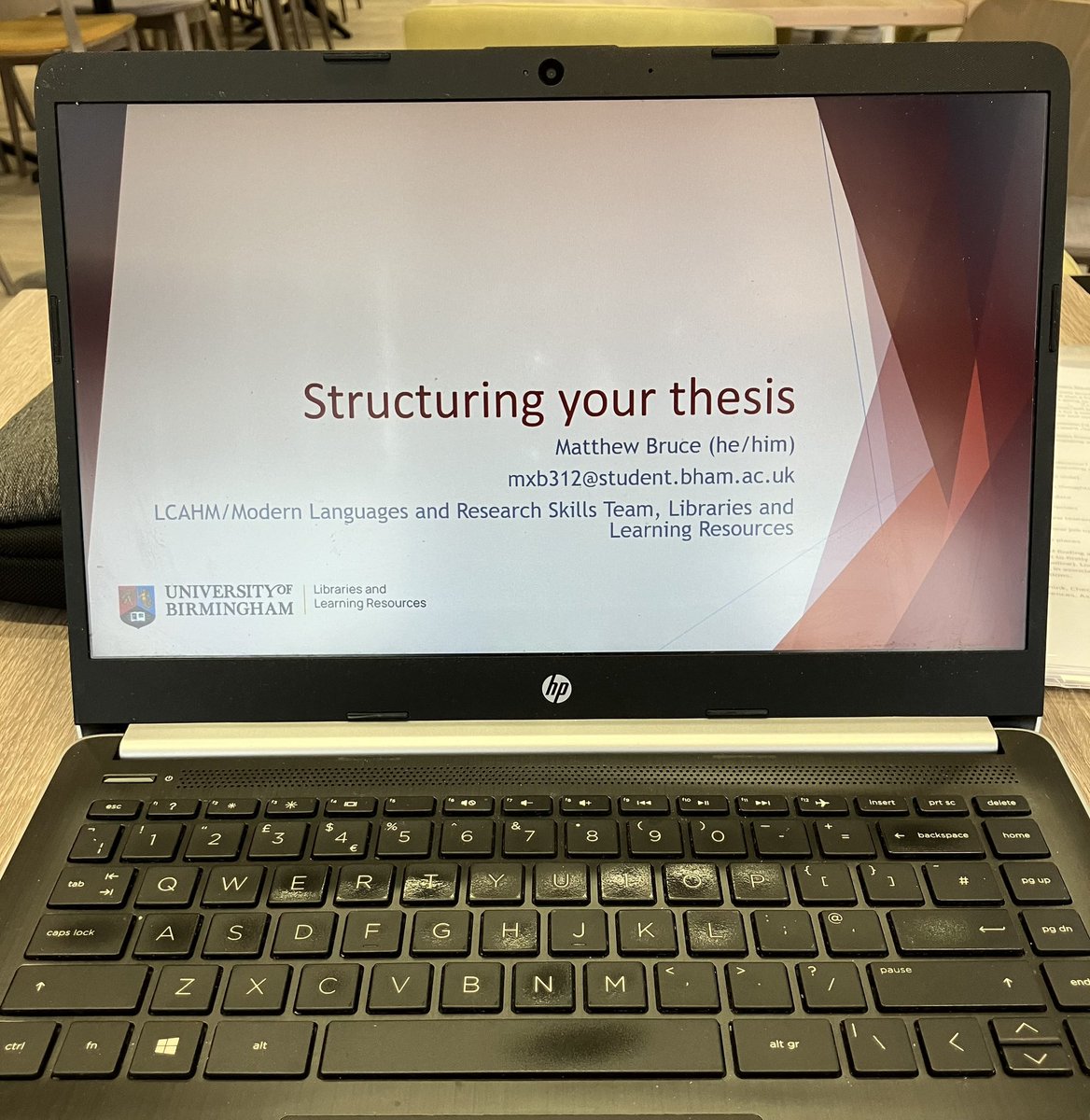
Delivering today for @UoBLibServices @unibirmingham 😁
#phd #postgraduate #thesis #webinar #doctoralstudy #uob #pgta #doctorate
4
905

10 Feb 2024
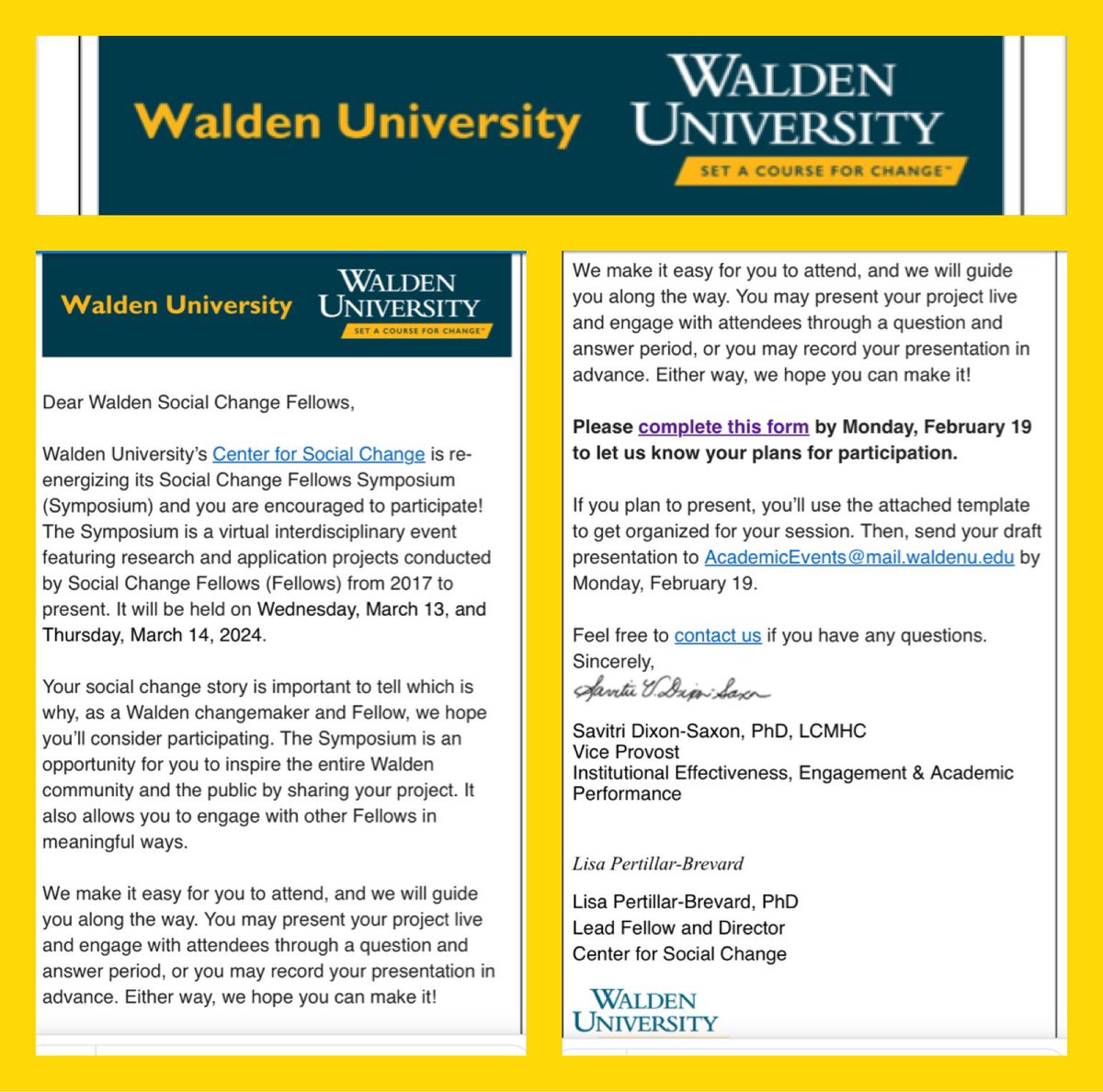
As2023 @WaldenU
Doctoral #SocialChange Fellow l'vebeen invited 2 present my #doctoralstudy at a symposium.
#socialchangemakers #readingliteracy #informationaltext Since2014 working with #CTE #CTEMonth #buildingtrades #automotiveindustry #humanservices #apprenticeships #SkillsUSA
1
2
46


4 Sep 2023
Writing a PhD synopsis is crucial as it sets the foundation for your entire research project. Here are the important steps and considerations to take into account:
1.Title:
•Conciseness: The title should be concise yet descriptive of the main focus of your research.
•Relevance: It should encapsulate the essence of your study.
2.Introduction:
•Background: Provide a brief background of the topic and its relevance in the broader field of study.
•Rationale: Justify the need for the study, highlighting gaps in the existing literature.
3.Objectives:
•Clarity: Clearly list the main objectives of your research. What are you aiming to achieve or discover?
4.Literature Review:
•Brevity: While your final thesis will have a detailed literature review, the synopsis should contain a succinct review highlighting the most relevant studies.
•Gaps: Identify gaps or areas of contention in the literature that your research aims to address.
5.Research Questions/Hypotheses:
•Specificity: Clearly define the main research questions or hypotheses your study seeks to answer or test.
6.Methodology:
•Research Design: Specify whether your research is qualitative, quantitative, or mixed-methods.
•Data Collection: Describe tools (like surveys or interviews) and sources (like archives or databases) you’ll use.
•Sample and Population: Define your target population and your sampling method.
•Data Analysis: Describe how you’ll analyze the collected data.
7.Expected Outcomes:
•Predictions: Briefly outline what you expect to find. This is not about certainties but about informed expectations.
8.Significance of the Study:
•Contribution to Knowledge: Explain how your research will contribute to the existing body of knowledge in your field.
•Practical Implications: If applicable, describe any real-world implications your research might have.
9.Preliminary Chapter Outline:
•Breakdown: Provide a brief outline of how you envision the structure of your thesis, with potential chapter headings and sub-headings.
10.Timeline:
•Phases: Break down the research process into phases and estimate the time you’ll need for each.
•Milestones: Highlight key milestones like literature review completion, data collection, data analysis, and thesis writing.
11.References:
•Relevant Citations: Even in a synopsis, it’s crucial to cite the primary sources that back your claims, especially in the introduction and literature review sections.
12.Feedback:
•Supervisor’s Input: Before finalizing, discuss your synopsis with your PhD supervisor to get feedback and make necessary refinements.
#PhDSynopsis #ResearchPlanning #Methodology #LiteratureReview #ResearchQuestions #ExpectedOutcomes #ThesisWriting #AcademicResearch #PhDAdvice #ResearchTimeline #DoctoralStudy
1
2
49

7 Jun 2023
One key finding from my research is the flippant use of stalking behaviours in Rom-coms as ‘funny’ or ‘romantic’. Such a smart way to use this genre to highlight the sinister behaviour of stalking. 👏🏻
bbc.co.uk/news/uk-england-gl…
#stalkingawareness #stalking #phd #doctoralstudy
2
81

25 Mar 2023
Was a ace session! We need more about #doctoralstudy for nurses and AHPs. You motivated me to write 3000 words today 😂😂😂😂 #thankyou!!
1
1
5
304

25 Jan 2023
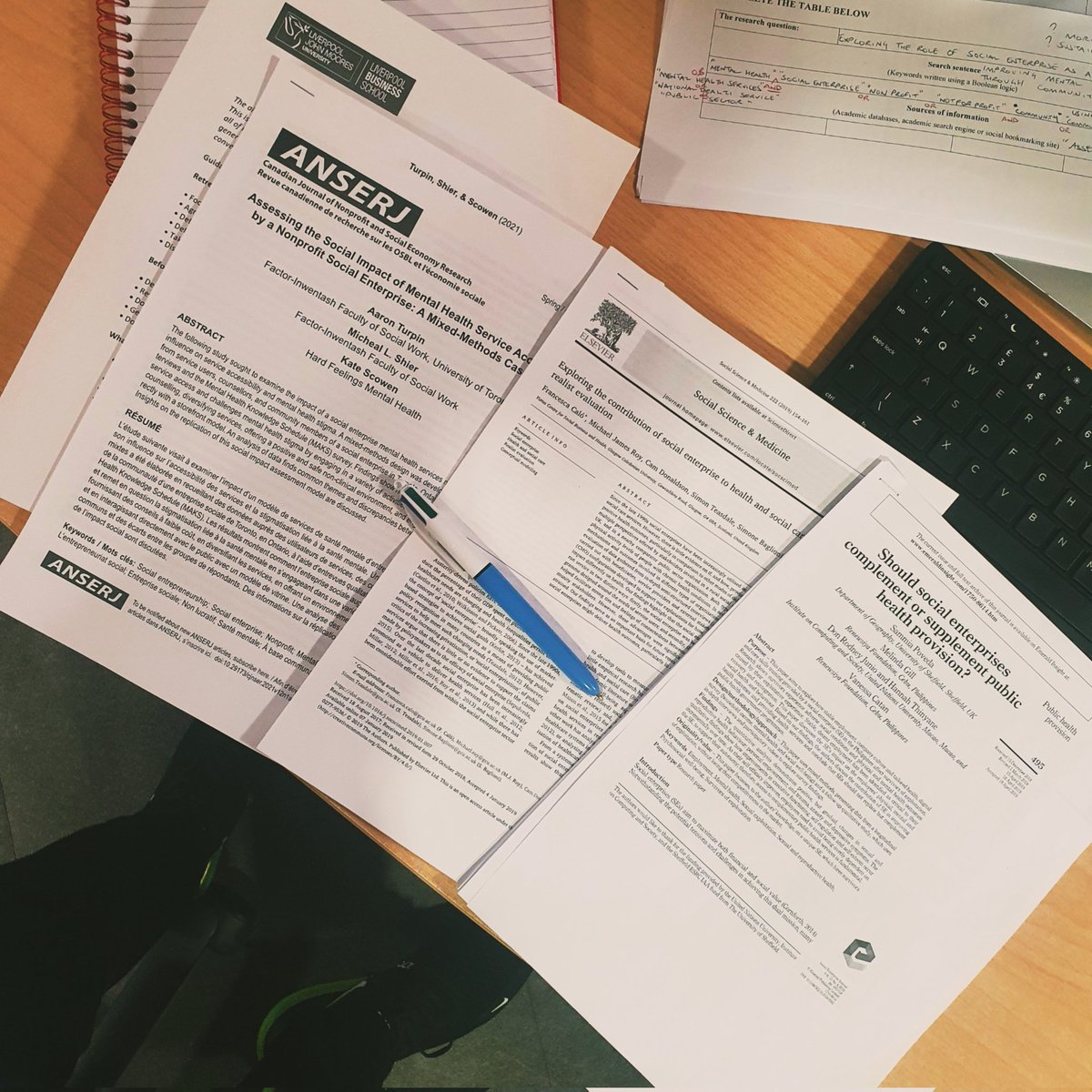
6am start....Still on it. It's been a boss week. I'm peeling back the layers.
Lots of caffeine. Lots of enthusiasm.
Not sustainable or recommended over long periods, but fun for a bit.
P.S., good planning, water and breaks are also fun too 🙂 👍🙏
#doctoralstudy
1
1
6
525
23 Jan 2023
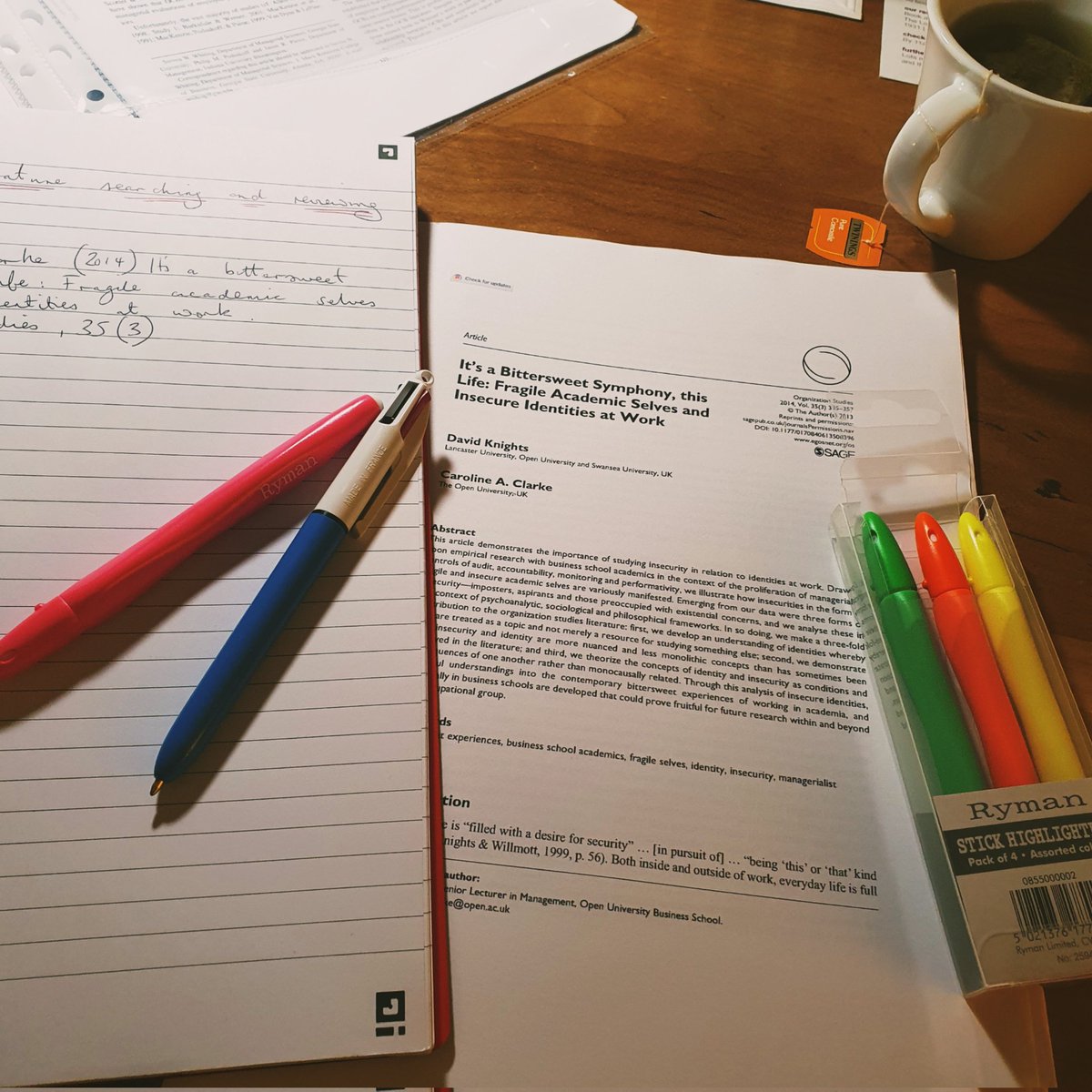
First day of #doctoralstudy and what a day it's been! I'm still going now...just.one.more.hour 💪👌
Thank you to @LJMUbusiness for your support and @hopestreethtl for your service/hospitality.
1
7
532

22 Dec 2022
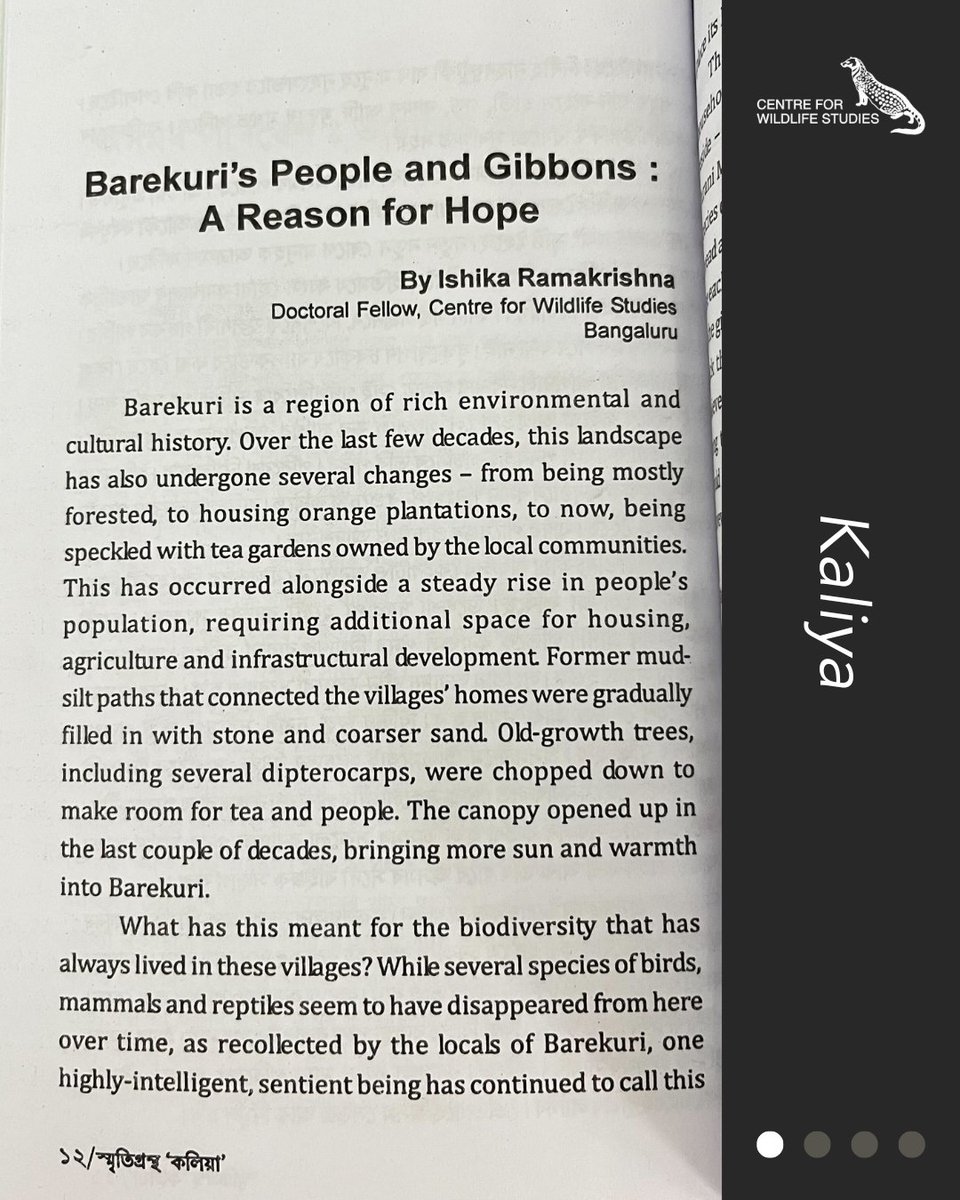
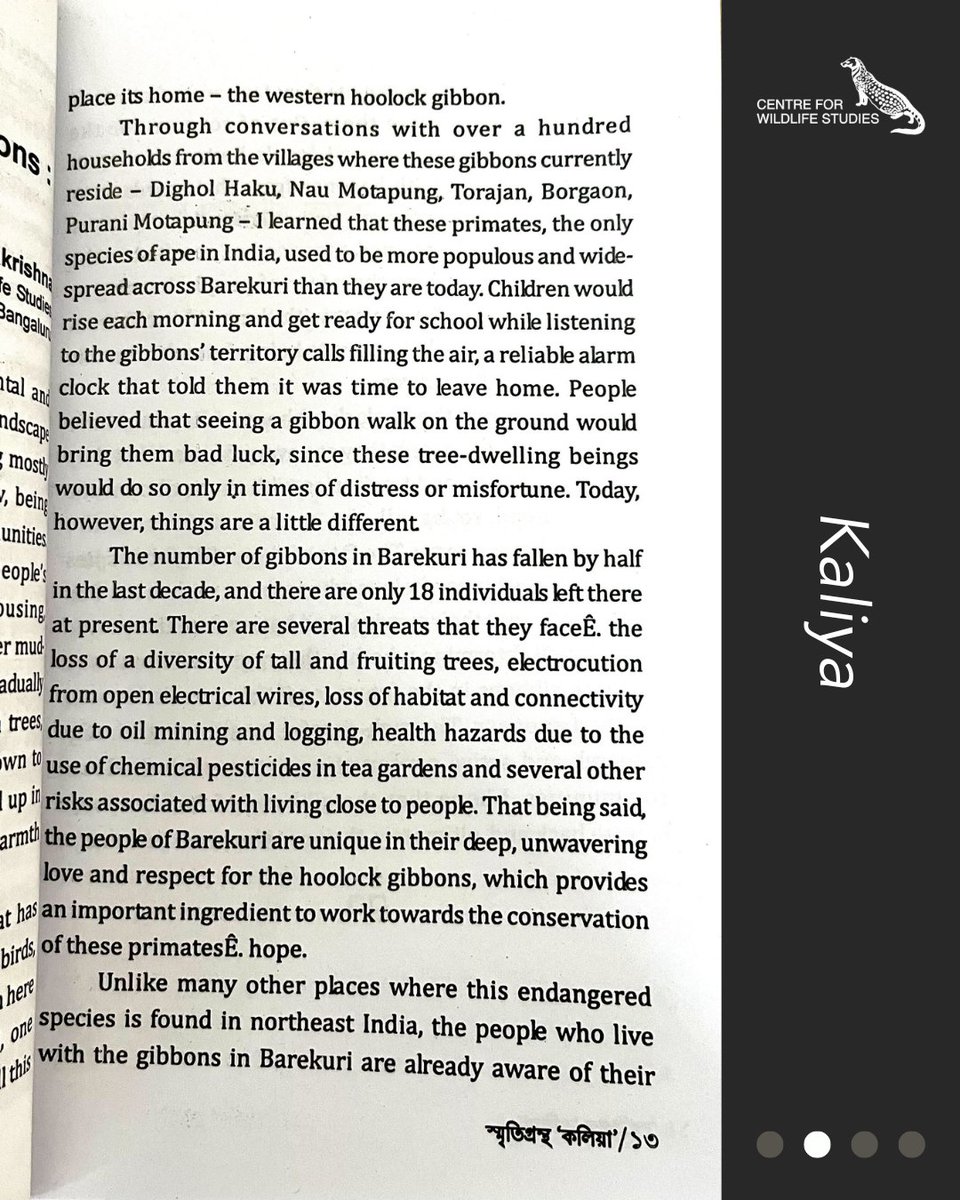
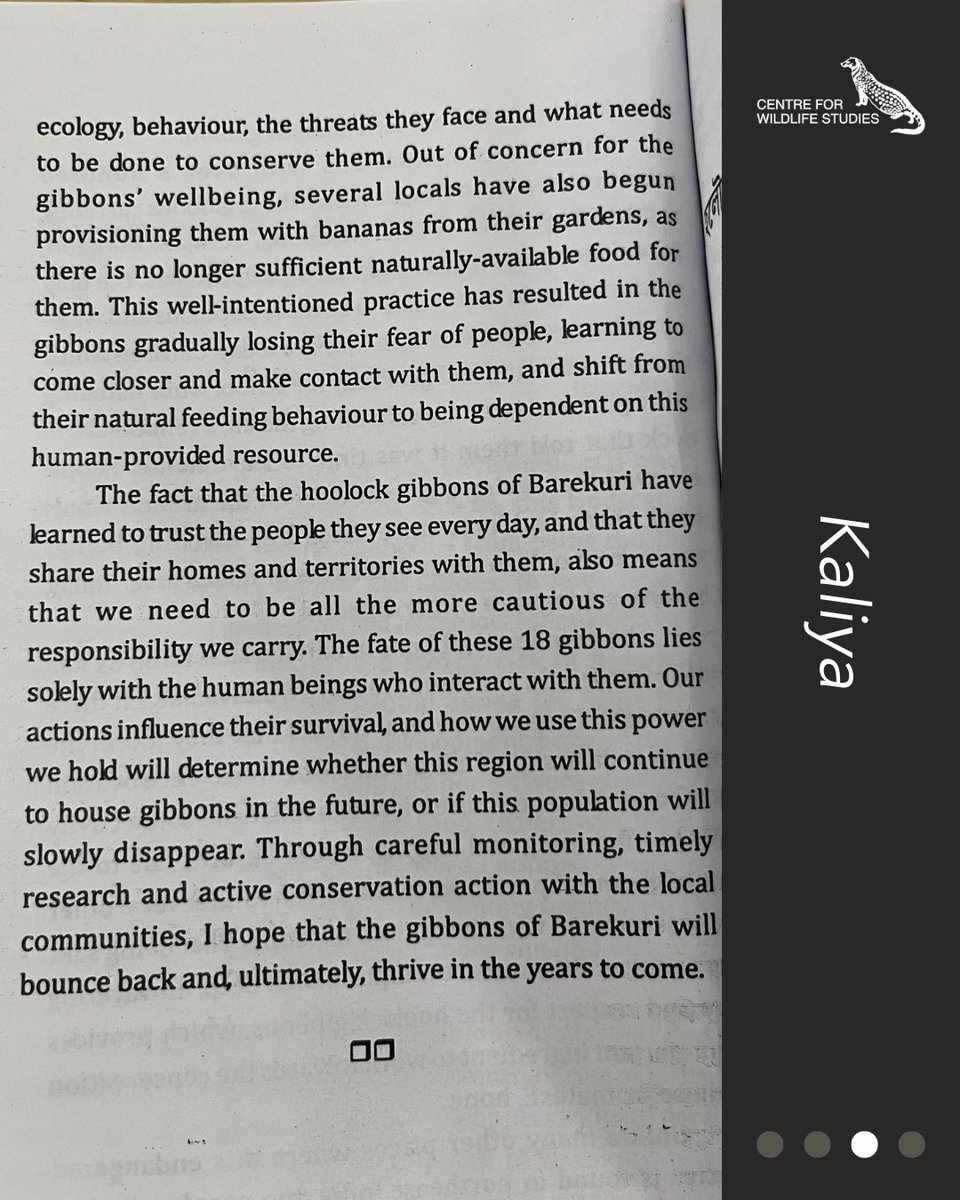
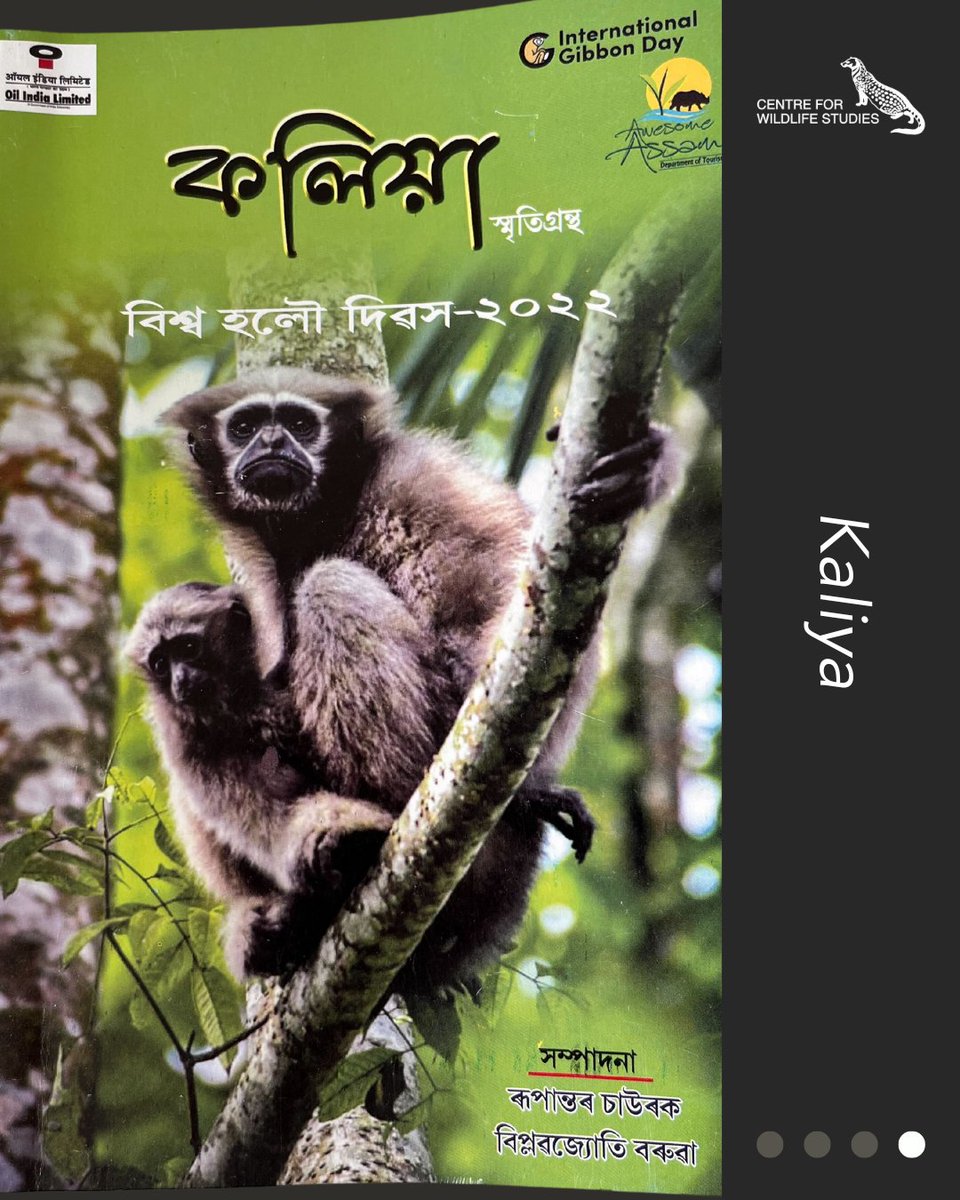
Our Doctoral Fellow, Ishika Ramakrishna, writes for 'Kaliya', a local Assamese publication compiled by the locals of Barekuri in upper Assam, about the gibbons of Barekuri and their long-term conservation.
#gibbons #assam #barekuri #doctoralfellow #doctoralstudy #research
1/2
1
5
14
1,741

4 Nov 2022
Mastering the Move from Master’s to Doctoral Study: A How-To Guide | Lex Academic Blog
lexacademic.com/blog/masteri…
#doctoralstudy #phdchat #gradschool
2
3

15 Oct 2022
Working through thesis corrections and my examiners mention building on a ‘celebratory principle’. I love the idea but have found very little literature on this. Is anyone familiar with this? Any recommendations? #AcademicTwitter #AcademicChatter #PhdChat #DoctoralStudy
5
4