
New Research: Chromosome-level genome of Mosla chinensis from alpine ecotype provides insights into terpenoid biosynthesis and germplasm exploration frontiersin.org/articles/10.… #FrontiersIn #PlantScience
77

Jun 15
Posts about bugs (excepting bees) don’t usually get much traction.
I think this should be an exception.
While we are still on the topic of junipers, thought I would share some information on this neighbor.
Not an exotic beetle from a distant place. Just another inhabitant of our Sky island dependent upon the prevalent pine/juniper ecotype.
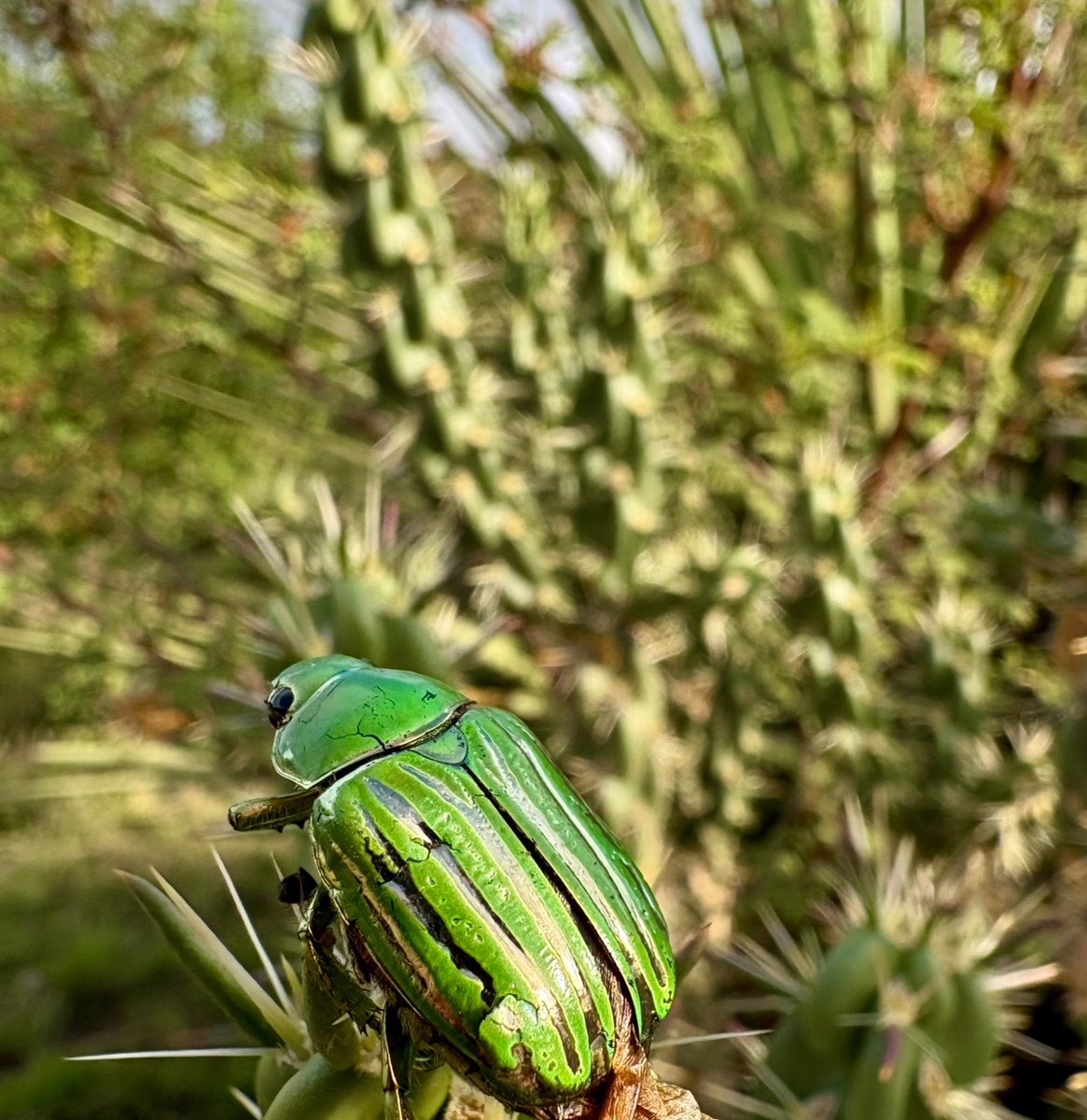
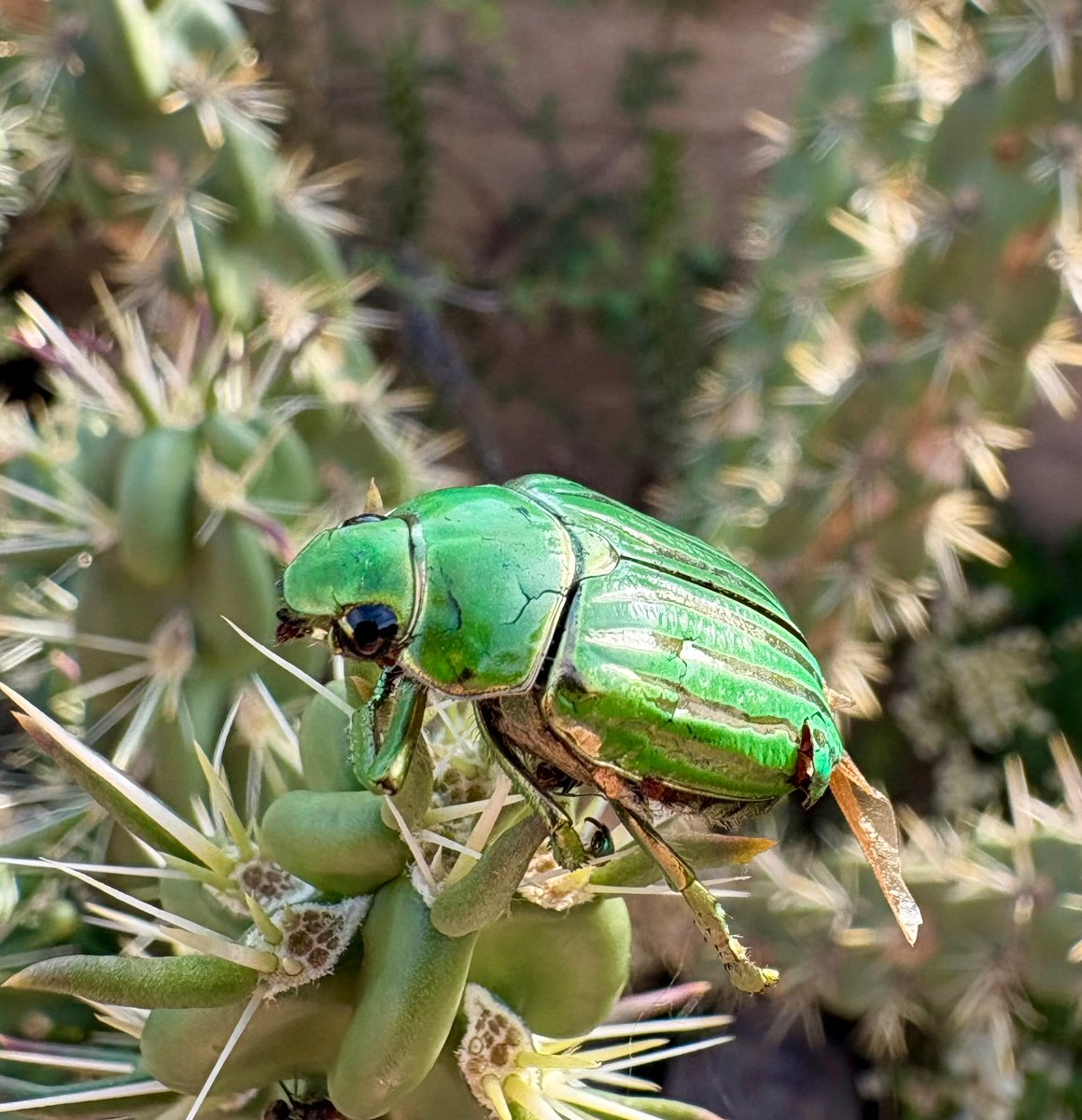
Chrysina gloriosa. The Glorious Scarab. Metallic green with silver or gold racing stripes, blue eyes.
Found almost nowhere except high-elevation “sky islands” from West Texas to Arizona — a relic population from the Ice Age, stranded on mountaintops ever since.
The metallic stripes aren’t pigment. They’re structure — microscopic layers that reflect light in a spiral pattern scientists are now studying to build better optical sensors.
Adults feed almost exclusively on juniper. Larvae develop in decaying logs underground for years before becoming this.
The actual beetles used in that optics research? Collected right here in the Davis Mountains.
Same trees. Same mountains. A different kind of jewel.
Maybe someday that research will be used in the telescopes we use in the Big Bend Dark Sky Reserve.
cc @NPSOT @TPWDnews
#WildlifePhotography #Entomology #WestTexas #BigBend #Darksky
1
2
8
683

Jun 15
Interestingly, in the Andes (esp. Bolivian/Peruvian Altiplano near salares like Uyuni), soils are naturally saline from ancient lake beds & poor drainage, high NaCl, often 10-30 dS/m in spots. There is a history of ancient farmers thriving there with ultra-tolerant crops:
• Quinoa (esp. Salares ecotype): Handles near-seawater salinity (up to ~400 mM NaCl or more). Grows where others fail via salt-sequestering leaf bladders. 5,000 yr staple.
• Kañiwa (Cañihua): Even hardier cousin; excels in frost, drought & saline Altiplano soils. High-protein pseudo-grain.
Rotated with hardy tubers like oca, ulluco, mashua & native potatoes. Perfect model for ECDO-style salinization, adapted version of regenerative agriculture which works in trapped/salty water zones. May be a valuable lesson for those storing seeds.
1
2
82
Jun 14
True, sort of a baseline species for this ecotype. Everything has a relationship or dependency on it!
2
6


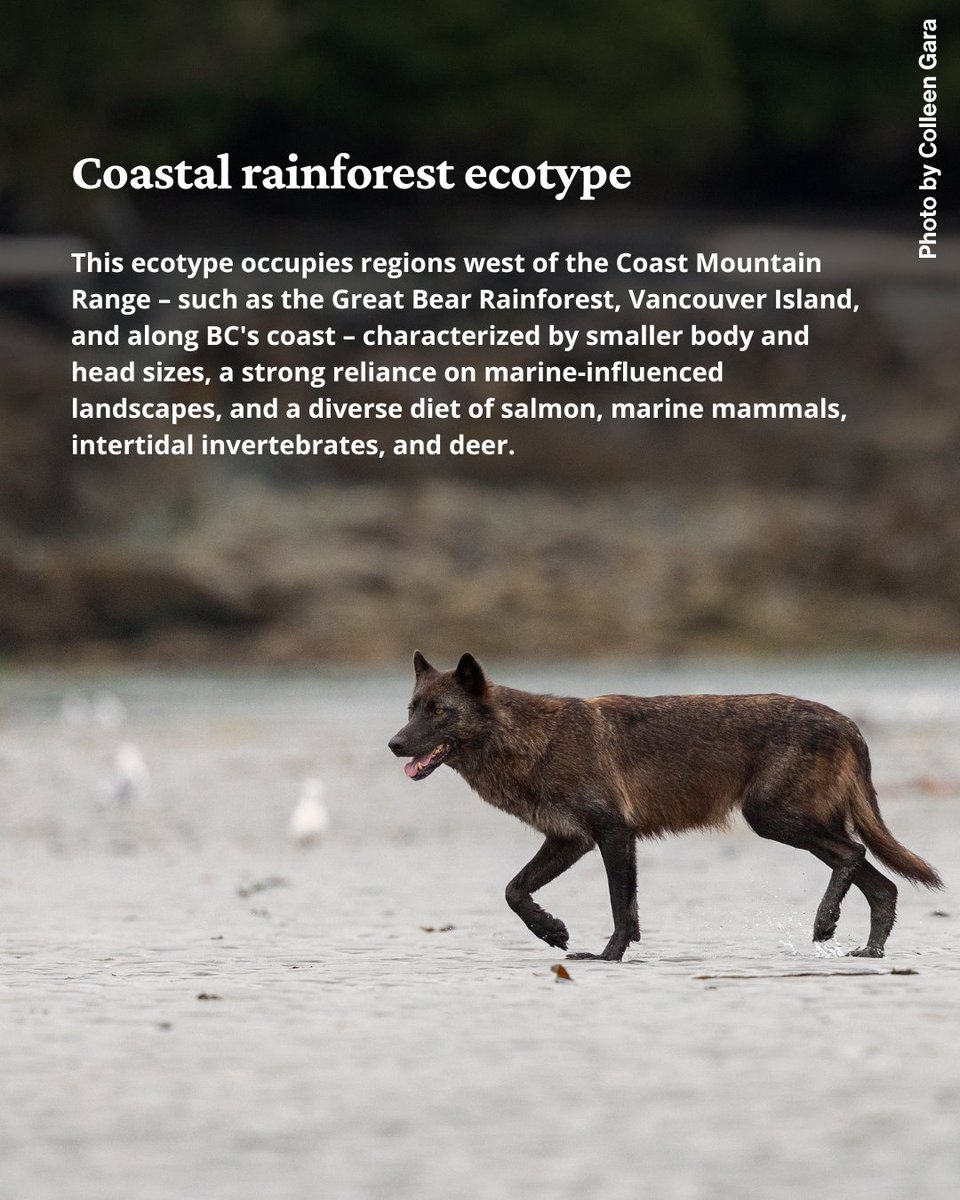
Wolf ecotypes in BC: Understanding the ecotype of recovering #wolves is critical for #conservation, as distinct ecotypes carry adaptations that influence habitat use, diet, and ecological function. raincoast.org/2026/05/wolf-e…
2
3
110
Wolves currently re-occupying southern BC predominantly display the phenotypic and behavioural traits of the interior ecotype, although access to coastal habitats presents future opportunities for both ecological adaptation and gene flow between the two forms. #wolves #genetics raincoast.org/2026/05/ecolog…
4
5
183
Genetic legacy and ecological differences of grey #wolves (Canis lupus) in southern British Columbia: Understanding the ecotype of recovering wolf populations is important for #conservation and management. raincoast.org/2026/05/ecolog…
4
3
223
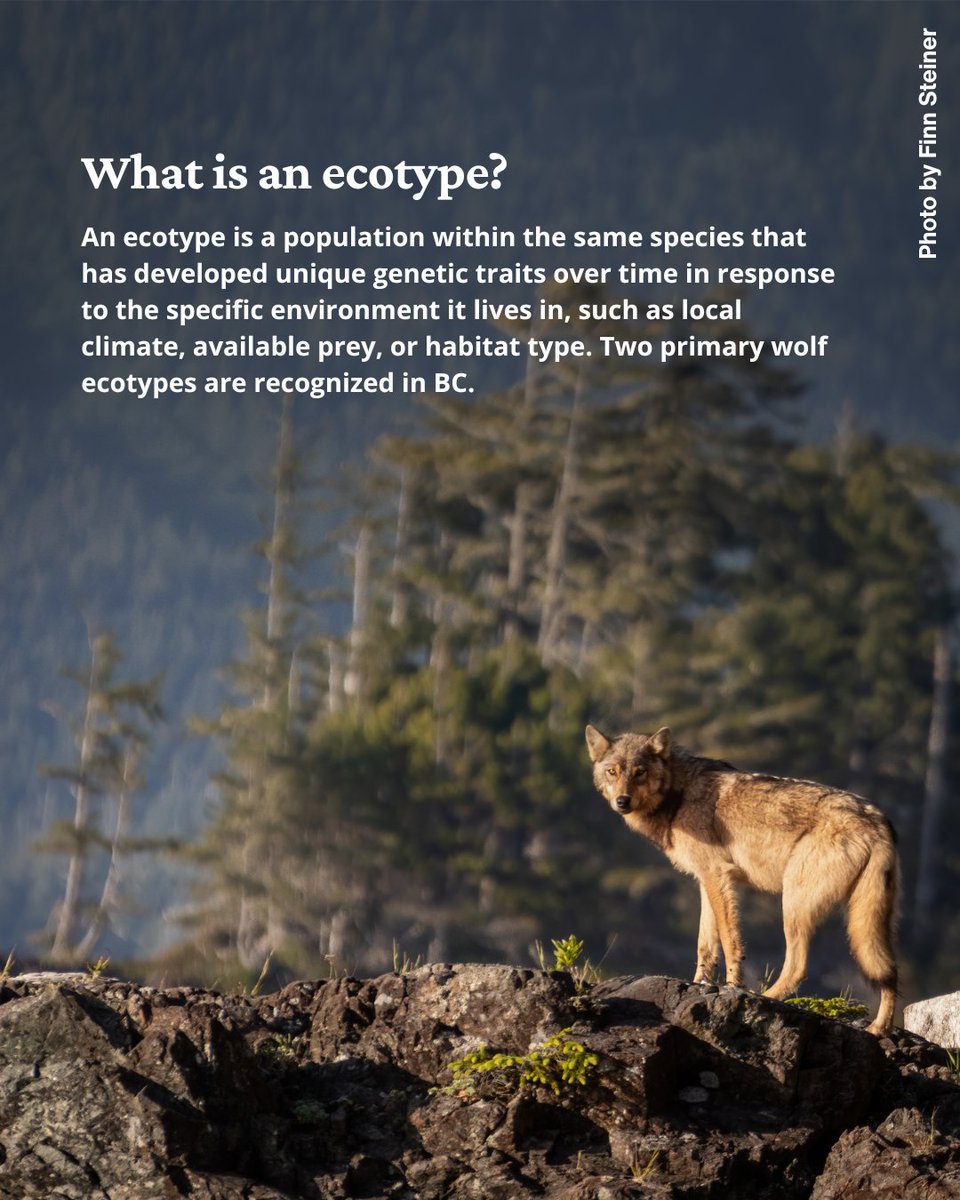
Did you know wolves can be genetically adapted to their environment? This is called an ecotype – and it matters more for conservation than you might think.
Read the full article: doi.org/10.70766/23.7573


1
2
112

Have all the markers to be a different species or at least a separate ecotype. Pretending theres no difference to not hurt peoples feelings has actually done aweful things in the medical field and part of the reason people of Africanheritage have such a high rate of heart disease
4
2
1,858

A montane ecotype ?
(If not an alpine ecotype)
May 27

A lone golden jackal owns the stunning Nilgiris landscape, walking into the blue hills, crystal waters and mountains where it truly belongs. Precious 🫶
Photo Vasanth Nilgiris

6
172

Nice article from @HealthITNews on @AaronNewmanLab’s and our recently published liquid spatial ecotype research in @Nature.
@MayoRadOnc @MayoCancerCare @MayoClinic @StanfordMed
healthcareitnews.com/news/ex…
1
2
13
690

May 21
“Arabidopsis Ecotype Screening Reveals Novel Sources of Clubroot Resistance,” by @mel25448778 et al. Read the open access Short Communication to learn more: doi.org/10.1094/PDIS-05-25-0… @Edel_PLopez #clubroot #Brassicaceae #Arabidopsis
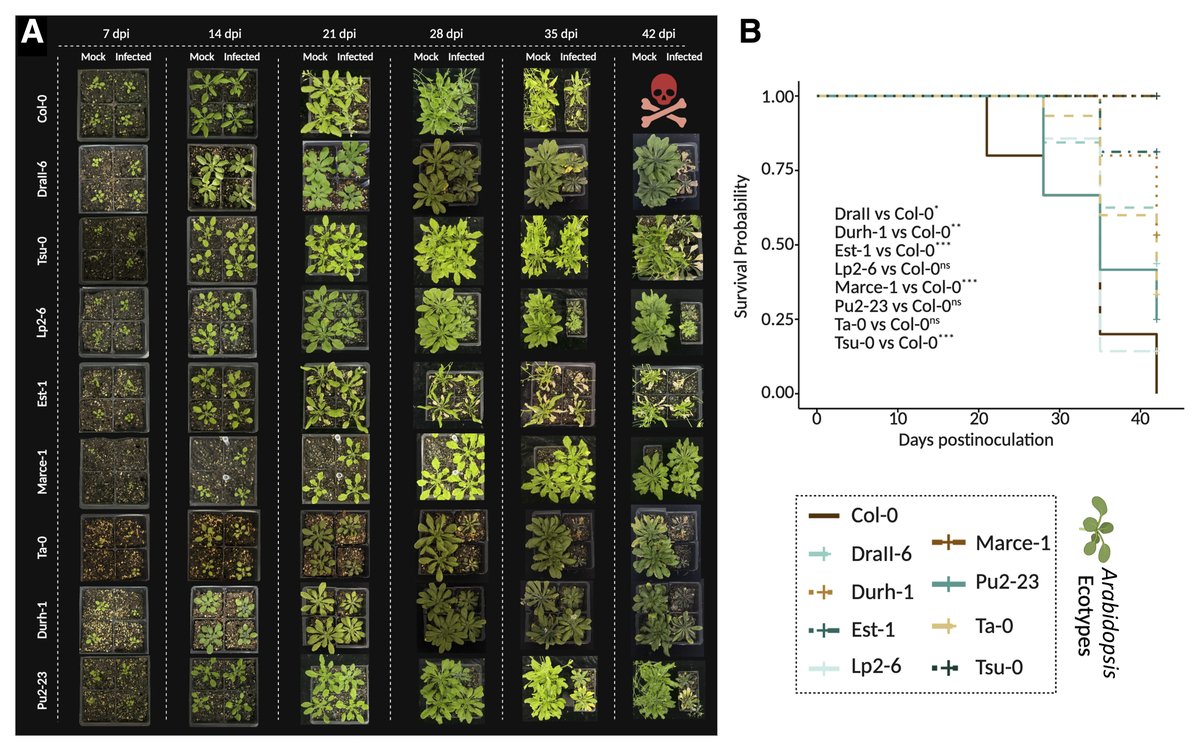
ALT Fig. 2. Survival analysis of CR ecotypes compared with the susceptible Col-0.
2
8
2,886

May 21
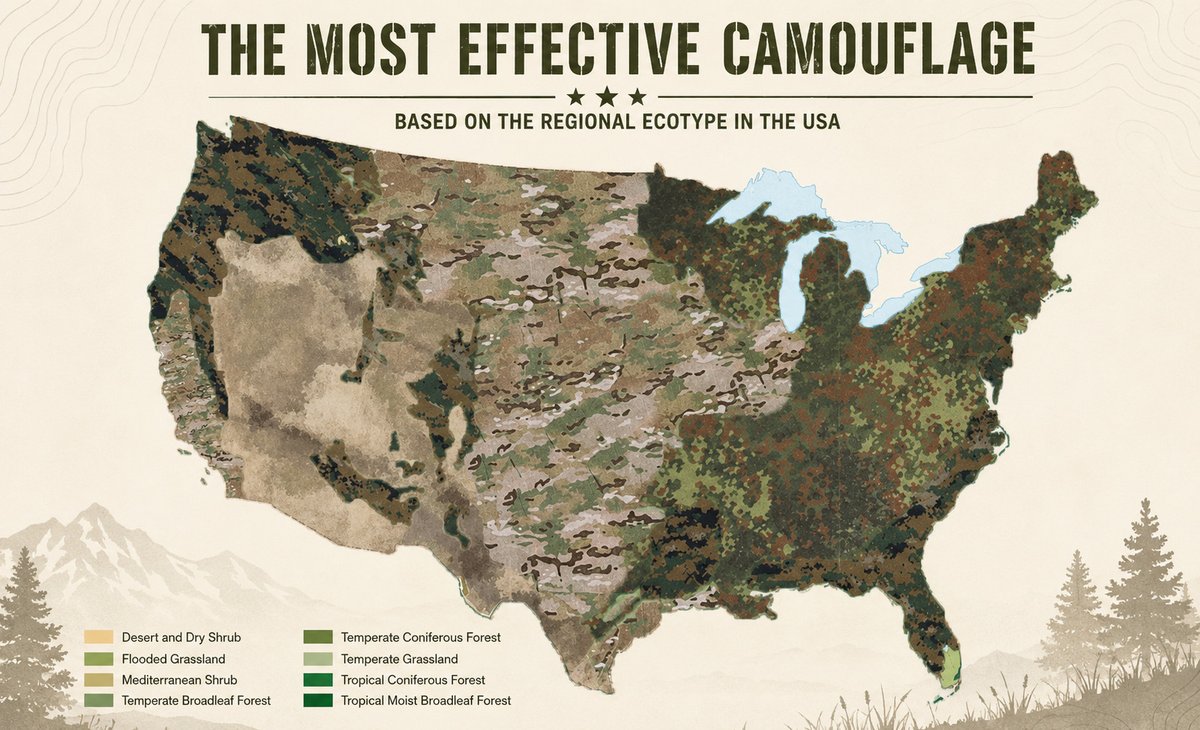
🪖 The most effective camouflage based on the regional ecotype in the USA.
3
21
141
7,003

May 19
#dcvax $nwbo #gbm
Mayo Clinic and Stanford researchers develop first blood test to map tumor “neighborhoods,” improving prediction of therapy response:
May 6, 2026
"Their study's findings, published in Nature, represent a major advance in precision oncology and could help guide treatment decisions across multiple cancer types and treatments"
"For the first time, we can use a simple blood test to understand the tumor's microenvironment, which is critical for determining how patients respond to modern cancer therapies."
Analysis of synergy with DCVax platform technology further below:-
ROCHESTER, Minn. — Mayo Clinic and Stanford Medicine researchers have developed the first blood test to map the complex ecosystem surrounding cancer cells, offering a more accurate way to predict which patients will benefit from immunotherapy. Their study's findings, published in Nature, represent a major advance in precision oncology and could help guide treatment decisions across multiple cancer types and treatments.
"This is a complete paradigm shift," says Aadel Chaudhuri, M.D., Ph.D., professor of radiation oncology at Mayo Clinic and co-senior author of the study. "Until now, liquid biopsies or blood tests have focused almost entirely on tumor cells. For the first time, we can use a simple blood test to understand the tumor's microenvironment, which is critical for determining how patients respond to modern cancer therapies."
Capturing and mapping the tumor environment
Immunotherapy has transformed cancer care, but only for some patients. Current tools used to predict tumor response, such as testing for the number of DNA mutations in a tumor and the levels of certain proteins on a cancer cell, aren't able to capture the level of detail needed.
"One of the challenges is that these existing methods only have modest associations," Dr. Chaudhuri says. "They're essentially 'surrogates of surrogates' and don't fully capture what's happening inside the tumor environment."
To address this gap, the research team posed the question: Can a better readout of the tumor microenvironment be developed from a liquid biopsy of a patient's blood?
Mapping tumor ecosystems in blood plasma enables new insights into cancer.
To start their investigation, they turned to spatial transcriptomics, an advanced technique that maps how different cells interact within a tumor. By analyzing tumor samples, they identified nine distinct cellular neighborhoods, or spatial ecotypes, each representing a unique immune and stromal (the noncancerous cells and structures surrounding the tumor) environment.
"Almost like geographic mapping, we were able to map where in the tumor microenvironment these neighborhoods of co-associated cells live," Dr. Chaudhuri explains. All 17 tested cancer types share these neighborhoods; some are more likely to occur at the border of the tumor and healthy tissue, while others were more likely found deeper inside the tumor. "Then, we showed that certain neighborhoods, or spatial ecotypes, are associated with survival and immunotherapy response outcomes."
Using AI to develop a simple blood test
To identify these tumor neighborhoods, the team collaborated with Aaron Newman, Ph.D., associate professor of biomedical data science at Stanford Medicine and co-senior author of the study. Newman's team developed methods to define these neighborhoods from tumor samples and an artificial intelligence (AI) framework to detect them in blood.
Using methylation — chemical markings on DNA that help control gene activity — on cell-free DNA shed by tumors into the bloodstream, the researchers created a liquid biopsy test that details the tumor microenvironment beyond its cancer cells. This means a blood draw, not an incision, is all it takes to profile the tumor's spatial ecotypes.
"This is the first time we've been able to noninvasively profile the tumor microenvironment at this level," says Dr. Chaudhuri.
In studies involving more than 1,300 patients across multiple cancers, including melanoma, lung, bladder and gastric cancers, specific spatial ecotypes were strongly associated with treatment outcomes. Certain ecotypes are predicted to respond positively to immunotherapy, while others were linked to treatment resistance and poorer survival. Standard biomarkers showed inferior predictive power.
Improving treatment decisions and avoiding side effects
The ability to predict immunotherapy response before starting treatment could have an immediate clinical impact.
Cancer therapy can be time-consuming and carry significant side effects. Identifying patients unlikely to benefit from immunotherapy could allow clinicians to choose more effective alternate therapies sooner.
"If a patient isn't going to respond, that's time we could be using a different treatment," Dr. Chaudhuri says. "Better upfront decision-making can directly improve outcomes."
Importantly, finding likely resistance to an immunotherapy is not necessarily bad news. It may help guide patients toward different treatments better suited to their tumor biology, further guided by the patient's personalized spatial ecotype profile.
Tracking cancer progress in real time
Because the test is blood-based, it also opens the door to ongoing monitoring of how a patient's tumor microenvironment evolves during treatment.
In early data, researchers observed that changes in spatial ecotypes could signal treatment response or resistance months before traditional imaging can.
"This gives us a window into how the tumor microenvironment is changing over time," says Dr. Chaudhuri. "We've never been able to see that before in a practical way."
Broadening the approach across cancers and other diseases
While the initial study focused primarily on patients with melanoma, the approach shows promise across many cancers, including lung cancer and bladder cancer, where treatment decisions are complex and time sensitive. The research team has new data beyond the published study showing the ability to predict complete responses to antibody drug conjugate (ADC)-based combination therapy. Researchers also believe the technology-assisted approach could eventually extend beyond cancer testing and treatment.
"This is not just about cancer," Dr. Chaudhuri says. "It could provide insights into a wide range of diseases by helping us understand complex biological environments in the body."
Further studies are underway to validate the test in larger patient populations and move it into clinical use. Researchers are also exploring how different tumor microenvironment patterns may predict response to other therapies beyond immunotherapy.
"This work opens up an entirely new way of thinking about disease," Dr. Chaudhuri says. "We've essentially uncovered a world that was invisible to us before — and now we can access it with a simple blood test."
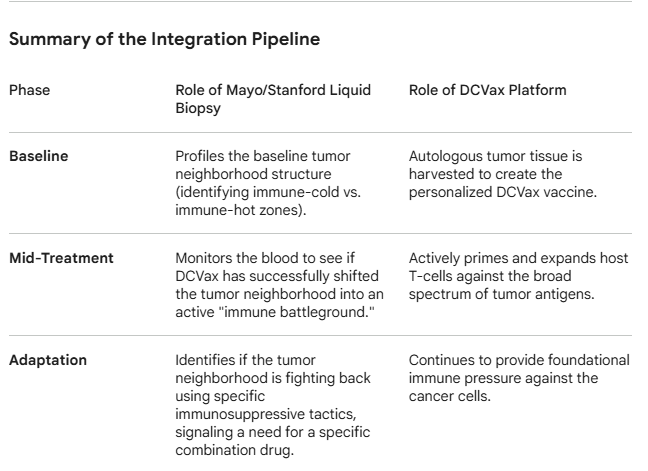
Gemini AI Analysis on synergy and potential for combination with DCVax platform technology
The development of the first liquid biopsy (blood test) capable of mapping "tumor neighborhoods"—pioneered by researchers at Mayo Clinic and Stanford—represents a massive leap forward in spatial biology. Historically, mapping the spatial architecture of the tumor microenvironment (TME) required invasive, localized tissue biopsies. Doing this through a simple blood draw allows clinicians to track the dynamic, evolving relationships between tumor, immune, and stromal cells over time.
When looking at how this technology intersects with Northwest Biotherapeutic’s DCVax platform (specifically DCVax-L for glioblastoma and solid tumors), there is an incredibly strong, logical synergy.
Here is how the Mayo Clinic/Stanford liquid biopsy and the DCVax platform could combine to revolutionize personalized immunotherapy:
1. Dynamic Monitoring of the "Immunological Switch"
The Challenge: DCVax-L works by pulsing a patient's own dendritic cells with a whole cocktail of their autologous tumor antigens (Polyzoidis & Ashkan, 2014). Once injected, these "trained" dendritic cells instruct T-cells to cross the blood-brain barrier (or infiltrate solid tumors) and launch an attack (Polyzoidis & Ashkan, 2014). However, solid tumors often deploy highly localized immunosuppressive mechanisms (e.g., recruiting myeloid-derived suppressor cells or upregulating PD-L1) to shut this attack down. The Synergy: The Mayo/Stanford blood test can track "tumor neighborhoods" dynamically. It could allow clinicians to see in real-time whether the DCVax-induced T-cells are successfully infiltrating the tumor neighborhood or if the tumor neighborhood is actively excluding them ("cold" tumors).
2. Rational Design of Combination Therapies
The Challenge: While DCVax-L is excellent at broadening the immune system's target profile, an intensely hostile, immunosuppressive tumor microenvironment can still render it insufficient on its own. The Synergy: By using the blood test to profile the evolving spatial landscape of the tumor neighborhood, clinicians would no longer have to guess which secondary drug to pair with DCVax.
If the blood test shows a neighborhood rich in T-cell exhaustion markers, a checkpoint inhibitor (anti-PD-1/CTLA-4) can be precisely added.
If it shows dense, fibrotic stromal neighborhoods blocking immune entry, a stroma-targeting agent or specific cytokine therapy could be introduced.
3. Early Prediction of Treatment Response vs. Pseudoprogression
The Challenge: One of the greatest clinical hurdles with DCVax and other immunotherapies (especially in glioblastoma) is pseudoprogression. On an MRI, an influx of active, fighting immune cells rushing into a tumor looks exactly like the tumor is growing or worsening. This often leads to prematurely stopping a working treatment. The Synergy: Because the Mayo/Stanford test maps the neighborhood components from a blood sample, it could theoretically differentiate between a tumor that is expanding aggressively and a tumor neighborhood that is undergoing a massive, favorable immune infiltration (inflammation caused by the DCVax therapy). This provides a non-invasive tool to confirm that a patient is responding well long before standard imaging can tell for sure.
4. Tracking and Overcoming Tumor Antigen Escape
The Challenge: Tumors are highly heterogeneous and evolutionarily unstable; they mutate to stop expressing the antigens that DCVax-trained T-cells are looking for. The Synergy: A longitudinal blood test that tracks tumor neighborhood dynamics can catch the earliest signs of therapeutic resistance or antigen escape. If the neighborhood profile shifts to show that a specific clone of tumor cells is beginning to thrive unbothered by the immune system, clinicians are alerted early that the tumor is evolving, allowing them to adapt the treatment strategy.
The Verdict
The Mayo Clinic/Stanford blood test acts as the "eyes" (providing continuous, non-invasive spatial insight), while the DCVax platform acts as the "muscle" (the highly customizable immune weapon). Combining them creates a highly intelligent, closed-loop oncology strategy where a personalized vaccine's efficacy can be continuously watched, measured, and medically adjusted without ever needing to reopen the patient for a tissue biopsy.
newsnetwork.mayoclinic.org/d…
17
899

May 17
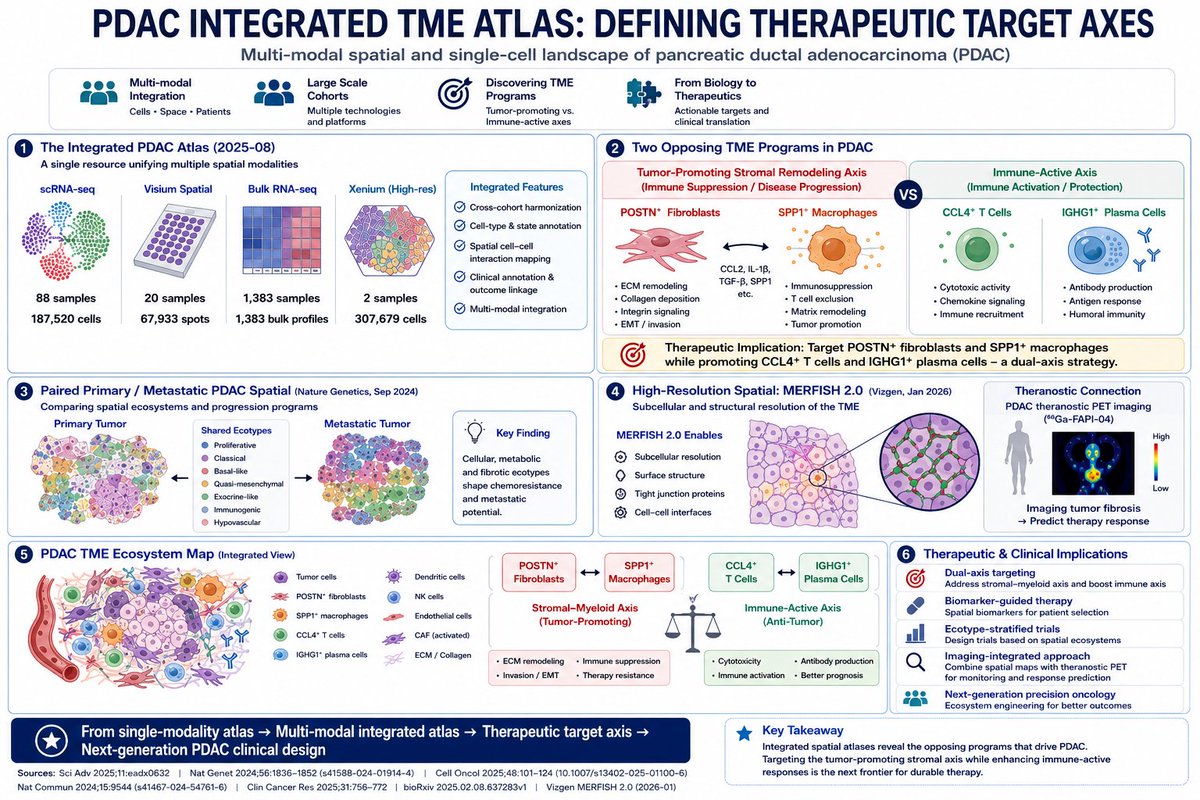
🧫 PDAC Has Entered the Era of Integrated Tumor Microenvironment Atlases
Pancreatic cancer spatial biology is rapidly evolving from descriptive single-cell profiling into multi-modal ecosystem mapping capable of defining actionable therapeutic niches.
A new generation of integrated PDAC atlases is now combining:
• scRNA-seq
• Visium spatial transcriptomics
• Xenium high-resolution imaging
• bulk RNA deconvolution
• paired primary/metastatic spatial datasets
into unified tumor microenvironment frameworks. (PMC)
The scale is becoming enormous.
Recent PDAC atlas efforts collectively span:
🔹 >180,000–700,000 single cells
🔹 multi-cohort spatial transcriptomics
🔹 metastatic paired sampling
🔹 and increasingly subcellular-resolution imaging platforms.
But the most important shift is conceptual.
The field is moving away from:
“Which cell types exist?”
toward:
“Which spatially organized cellular programs drive progression, immune collapse, fibrosis, and therapy resistance?”
One emerging axis appears repeatedly across datasets:
🧱 POSTN fibroblasts
×
🧫 SPP1 macrophage programs
These stromal–myeloid ecosystems are consistently associated with:
• ECM remodeling
• EMT activation
• invasive phenotypes
• immune suppression
• and poor prognosis.
POSTN signaling in particular is becoming one of the dominant stromal drivers in PDAC biology. Integrated single-cell and spatial analyses show that POSTN-enriched fibroblasts interact with tumor cells through integrin signaling pathways including ITGAV/ITGB5, activating PI3K/AKT/β-catenin programs linked to aggressive disease. (IJBS)
At the opposite end of the spectrum, immune-active niches enriched for:
• CCL4 T cells
• plasma-cell programs
• antigen presentation signatures
appear associated with more immunologically permissive microenvironments.
This suggests that future PDAC therapy may require simultaneous remodeling of both stromal and immune ecotypes.
Not simply “kill tumor cells.”
But spatially re-engineer the ecosystem.
The implications are enormous.
With Xenium and MERFISH-scale imaging now approaching subcellular and junction-level resolution, PDAC atlases are evolving into functional maps for:
• theranostic imaging
• spatial biomarker selection
• resistance prediction
• and ecotype-guided trial design.
PDAC research is no longer entering the atlas era.
It is entering the ecosystem engineering era.
#PDAC #SpatialTranscriptomics #SingleCell #TumorMicroenvironment #Xenium #MERFISH #CancerAtlas
5
12
40
2,508

【#レザフェス5 シャチ作品】
以下はレザフェスと6月のarteVarieに持っていきます。
※諸事情です💦
シャチEcoType
・ハンカチタオル
・フレークシール
・トートバッグ
#レザフェス は
TFT東館9F「研修室906」
bigsight.jp/organizer/buildi…
開催します✨️
コチラにもぜひ遊びに来てくださいね🐬





【出展のお知らせ】
今年は「レ」の方に出展いたします✨️
#レザフェス5
5/23(土)・5/24(日)
23(土)12時-19時
24(日)12時-18時
TFT東館9F「研修室906」
bigsight.jp/organizer/buildi…
※入場料無料
ブース番号:C-6
ビッグサイトの向かいのビルです。
ぜひ、遊びに来てください🐬



1
3
744
May 16
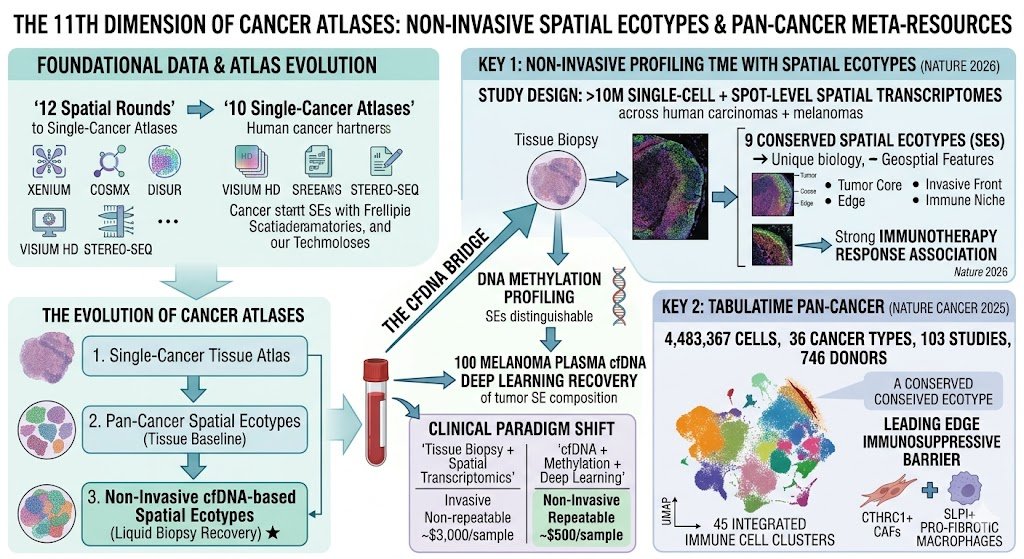
The era of static tumor atlases is ending.
We are entering the 11th dimension of oncology: Non-Invasive cfDNA-based Spatial Ecotypes. 🩸🔬
For years, decoding the tumor microenvironment (TME) required invasive spatial profiling platforms like Xenium, CosMx, Visium, and Stereo-seq. These technologies transformed cancer biology, but they remained expensive, tissue-dependent, and difficult to repeat longitudinally.
Now, two landmark studies have fundamentally shifted the field.
A massive Stanford/Harvard consortium study published in Nature (2026; DOI: 10.1038/s41586-026-10452-4) integrated over 10 million spatial transcriptomic spots and single cells across carcinomas and melanomas. Using machine learning, the team identified 9 conserved Spatial Ecotypes (SEs)—multicellular “neighborhoods” defined by distinct cellular compositions, signaling programs, and spatial topology.
These SEs directly correlated with:
• overall survival (OS)
• progression-free survival (PFS)
• immune checkpoint inhibitor (ICI) response
• invasive tumor fronts and immune niches
But the real breakthrough came next.
Each spatial ecotype carried a unique DNA methylation signature. Using deep learning on plasma cfDNA, investigators reconstructed the tumor’s spatial ecosystem directly from blood. In melanoma patients, a simple liquid biopsy predicted immunotherapy response by recovering SE composition non-invasively.
At nearly the same time, the Wang Lab’s Nature Cancer 2025 “TabulaTIME Pan-Cancer” atlas (DOI: 10.1038/s43018-025-01039-5) established the pan-cancer structural backbone:
• 4.48 million integrated cells
• 36 cancer types
• 103 harmonized studies
• conserved immunosuppressive barriers including $CTHRC1^ $ CAFs and $SLPI^ $ macrophages
Together, these studies redefine spatial oncology:
Tissue atlas → Pan-cancer ecotypes → cfDNA spatial recovery
We are no longer limited to watching tumors through a single biopsy snapshot.
The tumor microenvironment can now be serially monitored through blood.
The future of spatial biology is not only on glass slides.
It is circulating through our veins. 🩸✨
#SpatialBiology #LiquidBiopsy #SingleCell #CancerResearch #Oncology #Bioinformatics #MachineLearning
3
12
786