
May 18
FUNCTIONAL NEUROLOGICAL DISORDER
One of the most important diagnoses in neurology…
is often missed because clinicians are looking too hard at the MRI
and not hard enough at the EXAMINATION.
A patient says:
I cannot move my leg.
But then:
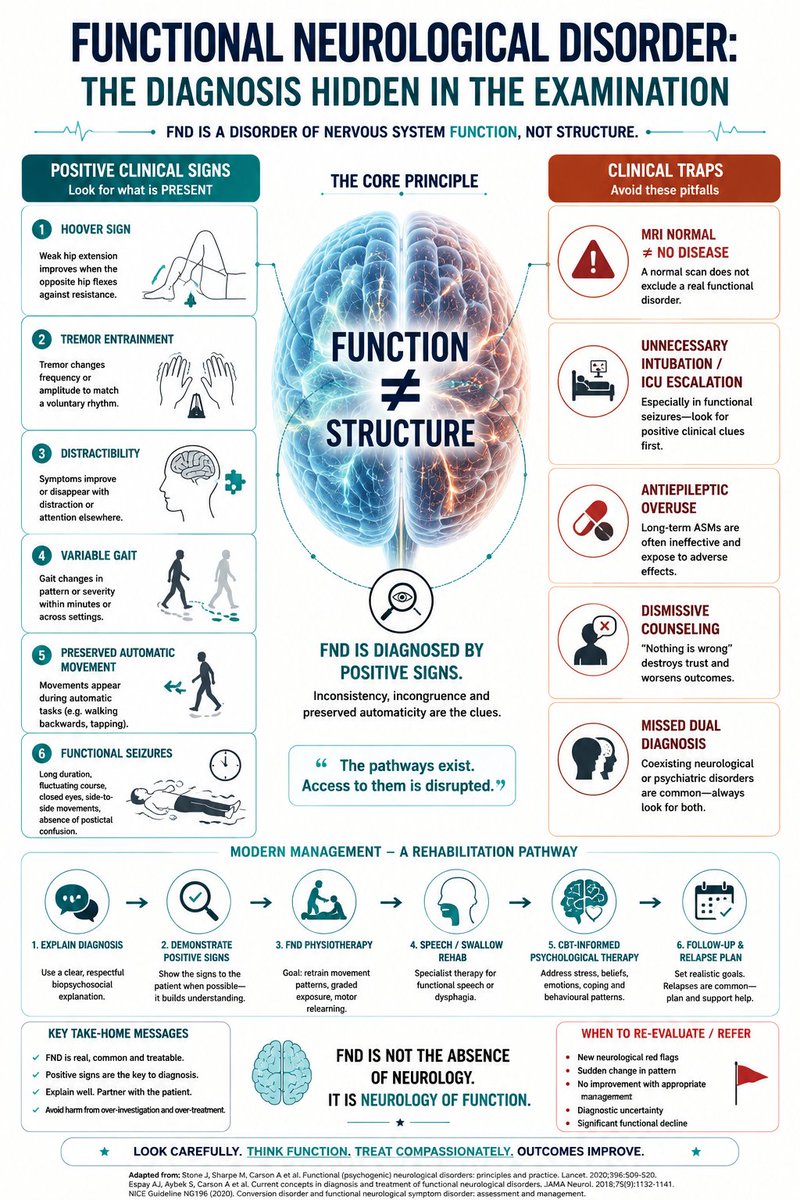
• Hoover sign appears
• gait changes with distraction
• tremor entrains
• strength returns during automatic movement
That is not nothing.
That is a POSITIVE neurological pattern.
Modern FND is no longer:
“Diagnosis of exclusion.”
It is a diagnosis of:
✅ inconsistency
✅ incongruence
✅ preserved automatic circuitry
✅ positive bedside signs
The nervous system pathway exists.
The brain is failing to ACCESS it normally.
That single shift changes how you examine the patient.
Hoover sign stops becoming a trick.
It becomes a window into motor control.
The patient CAN generate movement.
But voluntary access becomes disrupted.
And this is exactly why:
• distraction may improve weakness
• backward walking may normalize gait
• tremor changes rhythm
• functional seizures fluctuate dramatically
FND sits at the intersection of:
movement
attention
prediction
emotion
agency
and motor control.
The dangerous part?
Patients are often harmed from BOTH sides.
⚠️ One clinician dismisses:
Everything is psychological.
⚠️ Another escalates:
benzodiazepines
antiepileptics
ICU admissions
intubation
Especially in functional seizures.
Real expertise is knowing:
when to stop escalating,
without losing diagnostic vigilance.
The best FND clinicians do 3 things well:
1️⃣ Rule out dangerous neurological disease carefully.
2️⃣ Rule IN FND positively.
3️⃣ Explain the diagnosis respectfully.
Because the explanation itself becomes treatment.
One sentence changes the entire consultation:
🧠
“Your nervous system pathways are still present.
The problem is in how the brain is accessing control of them.”
Not:
“Nothing is wrong.”
Modern FND management is not:
“Reassure and discharge.”
It is:
• targeted physiotherapy
• movement retraining
• speech/swallow rehabilitation
• psychiatric comorbidity management
• nervous-system retraining
FND is not anti-neurology.
It IS neurology.
And perhaps one of the purest examinations of how the brain converts intention into movement.
#neurotwitter #Medtwitter #FND #Functionaldisorders
5
33
143
4,795
12 Apr 2025
#FND #NeuroTwitter #Neurology #PNES #FunctionalDisorders #MedicalEducation #CBT #BrainFunctionNotDamage #PsychogenicSeizures #NeuroRehab #ClinicalNeuro #NeurologistsIndia #MedTwitterIndia #NeuroPearls
📚 References / Suggested Reading:
Stone J, Carson A, Sharpe M. Functional neurological disorder: the neuropsychiatry of a ‘software’ problem. Lancet Neurol. 2020;19(4):292–302.
Espay AJ, Aybek S, Carson A, et al. Current concepts in diagnosis and treatment of Functional Neurological Disorders. JAMA Neurol. 2018;75(9):1132–1141.
American Psychiatric Association. DSM-5 Diagnostic Criteria for Conversion Disorder (FND).
LaFaver K. Treatment of Functional Neurological Disorder: Current State and Future Directions. Continuum (Minneap Minn). 2021;27(5):1316–1330.
Reuber M, Rawlings GH, Greater Manchester FND Service. Functional neurological disorders: an emerging health priority. BMJ. 2022;376:o64.
Perez DL, LaFrance WC. Nonepileptic seizures: An updated review. CNS Spectrums. 2021;26(2):149–156.
Nielsen G, Ricciardi L, Demartini B, et al. Physio-based rehabilitation for functional motor disorders. J Neurol Neurosurg Psychiatry. 2021;92:652–660.
Sharma A, Pandey A, Agarwal P, et al. Psychogenic Nonepileptic Seizures: A Study from India. Seizure. 2013;22(10):812–816.
Pick S, Goldstein LH, Perez DL, Nicholson TR. Psychogenic non-epileptic seizures: A neurocognitive perspective. Nat Rev Neurol. 2020;16(3):165–176.
Aybek S, Perez DL. Diagnosis and Management of Functional Neurological Disorder. BMJ. 2022;376:o64. @nirmalregency @aditya_gan3500 @tweetingFaairy @drgunjand @abgohel @witchdrkochi
3
1
11
1,024

10 Jun 2024
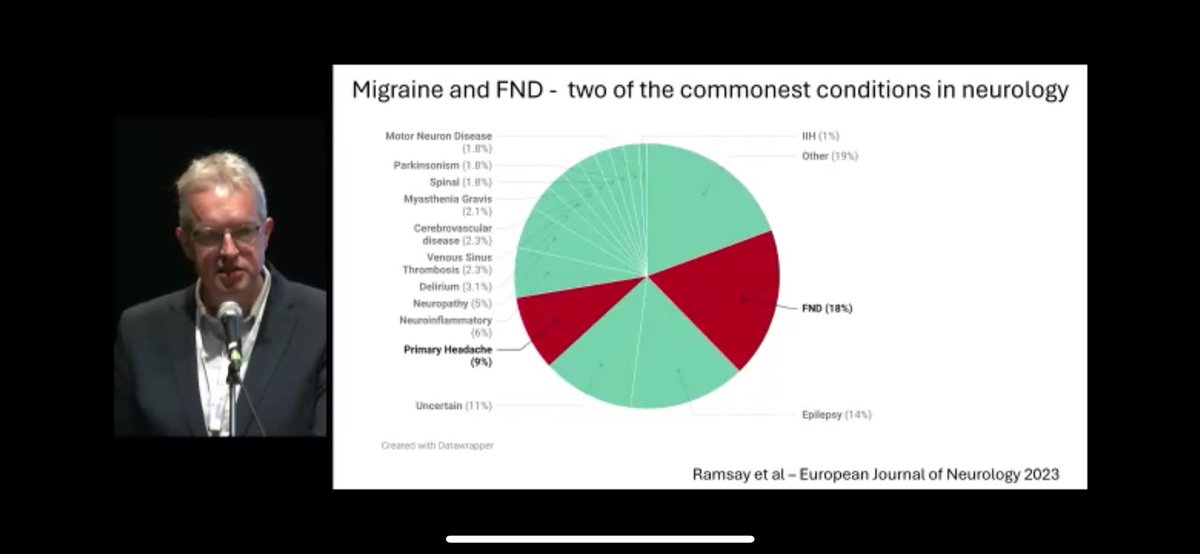
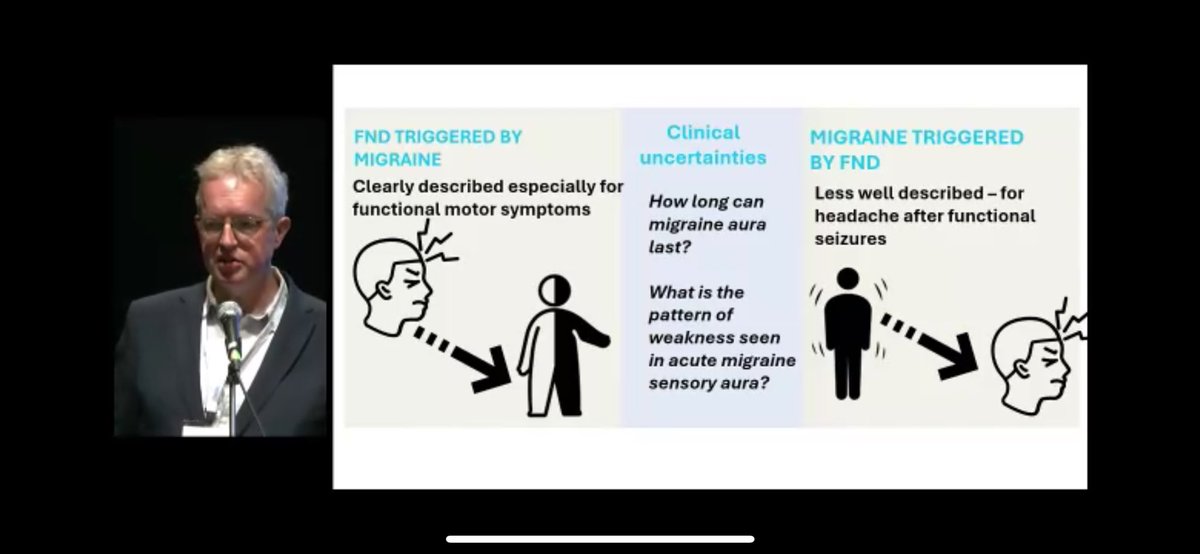
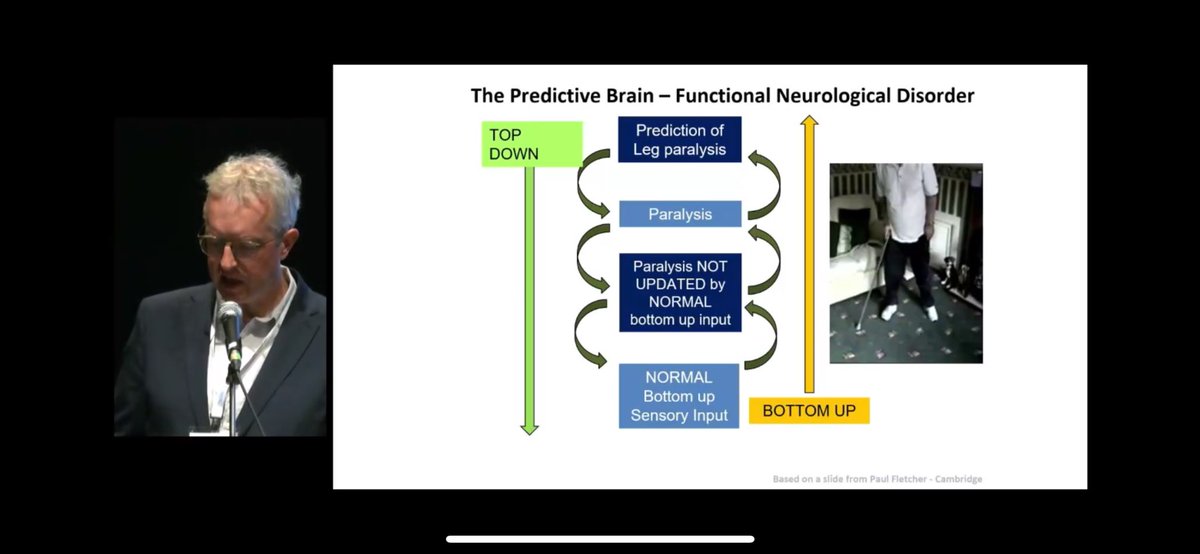
A brilliant presentation by @jonstoneneuro on Migraine & FND and what they can learn from each other. As two of the commonest conditions in Neurology, clearly there’s a lot - there’s also an overlap between #functionalseizures & other #functionaldisorders
So a few things:
1
10
32
1,113

6 Feb 2024
Worth sharing this again ...
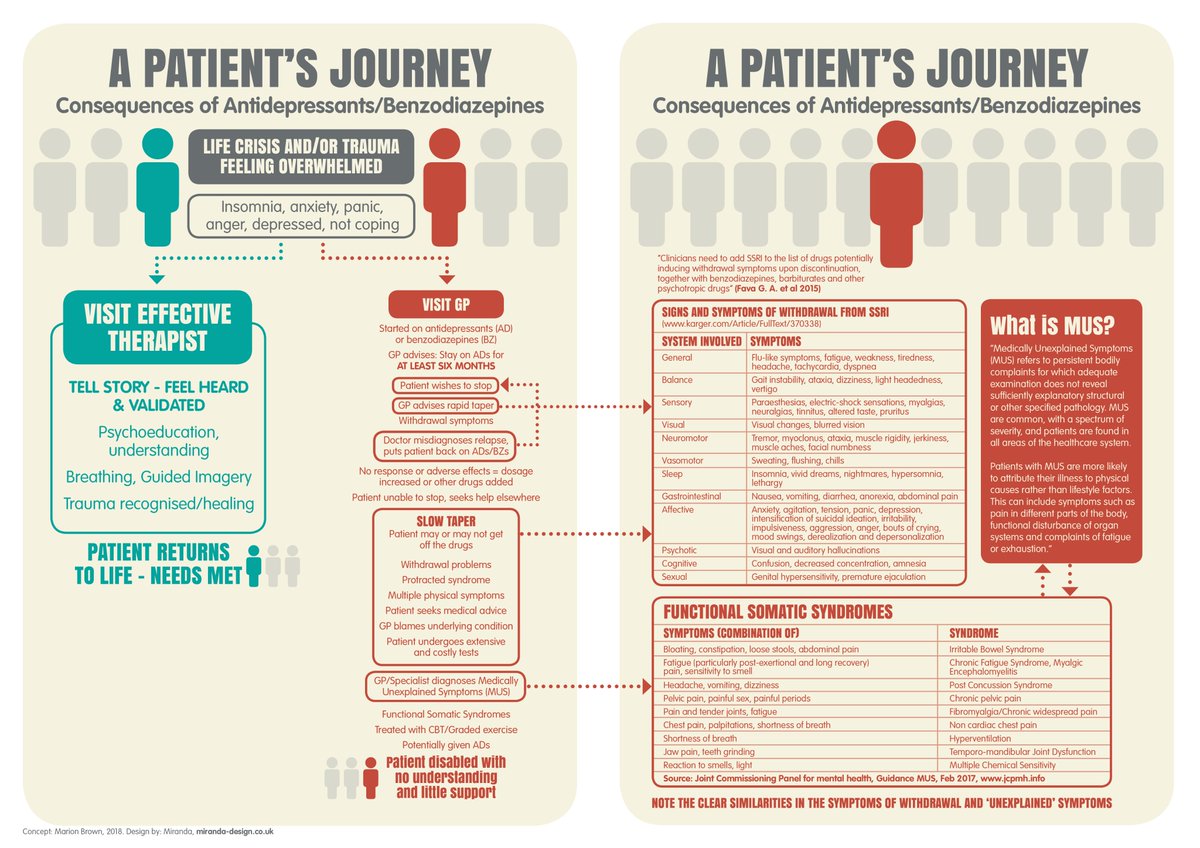
What happens to way too many people who find themselves on the 'red route'..
#MUS #Functionaldisorders etc...
1
16
19
975

2 Dec 2023
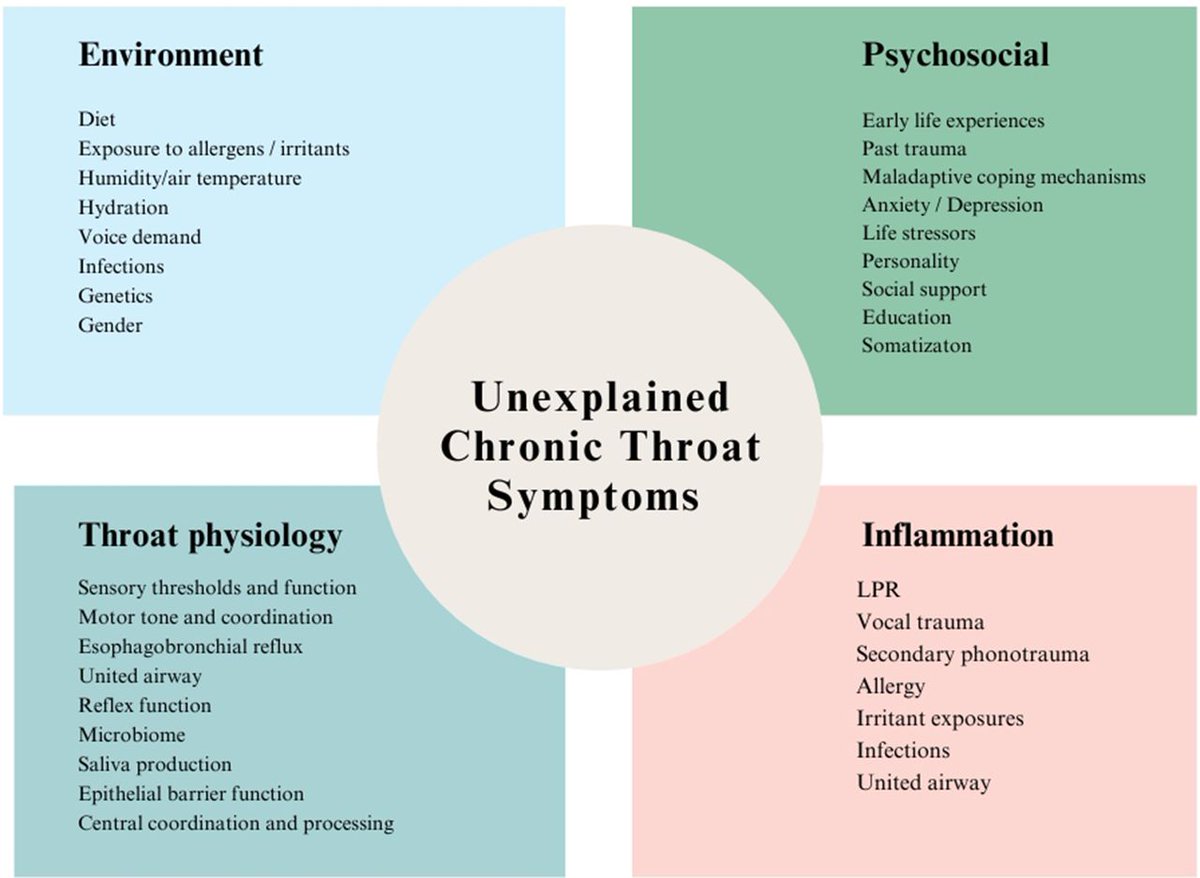
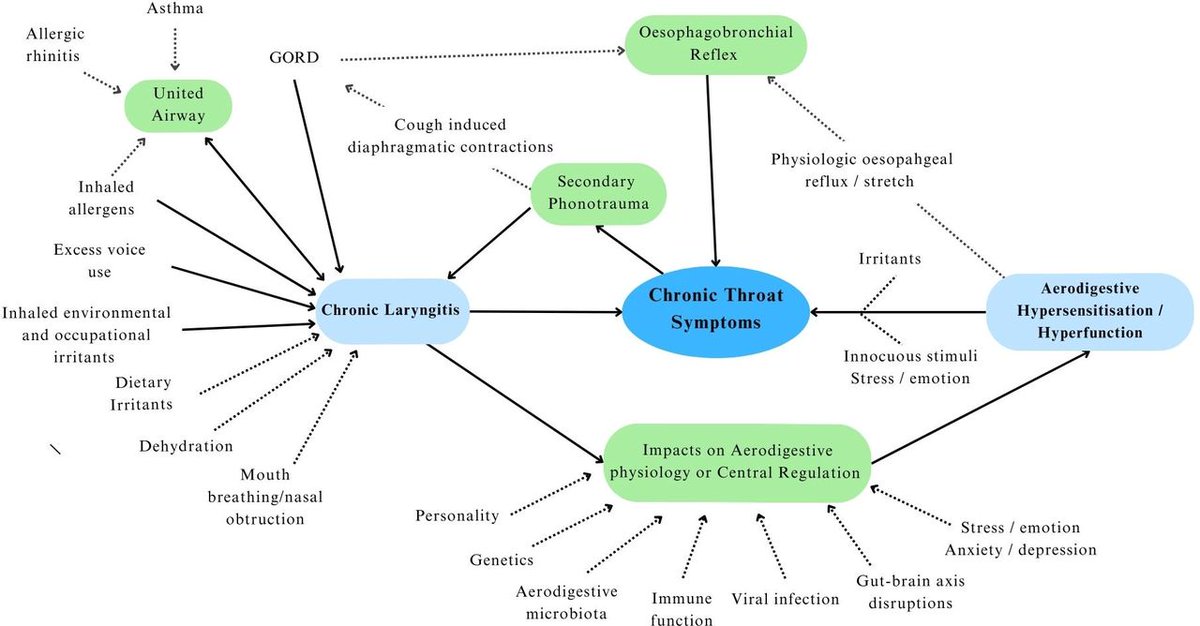
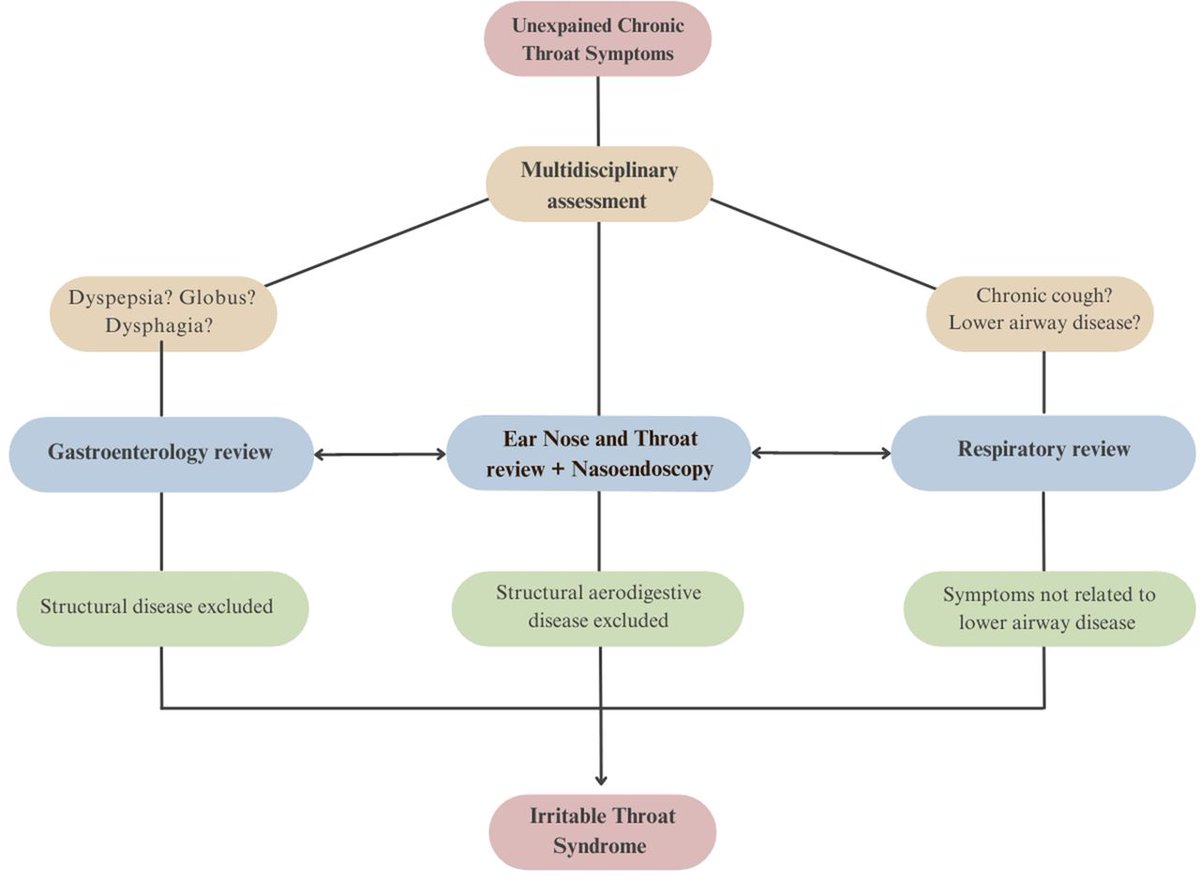
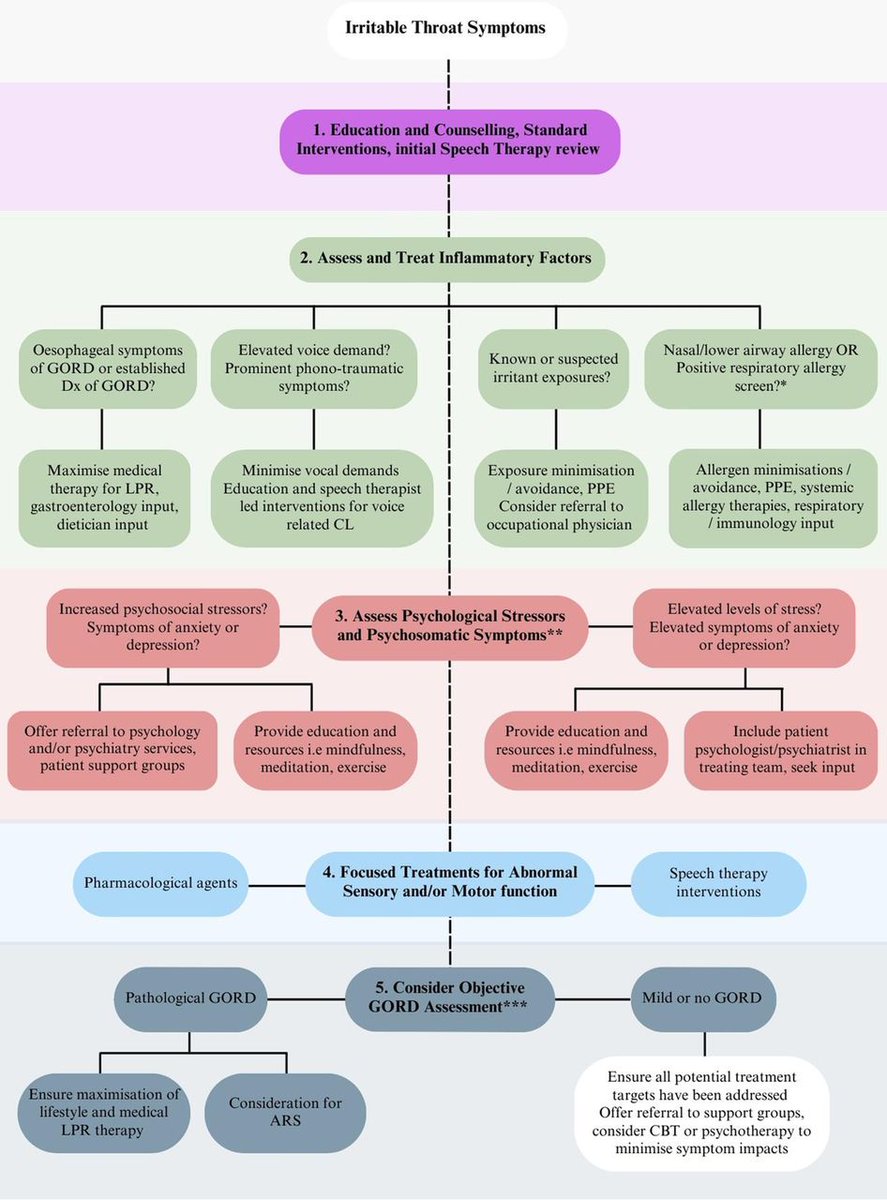
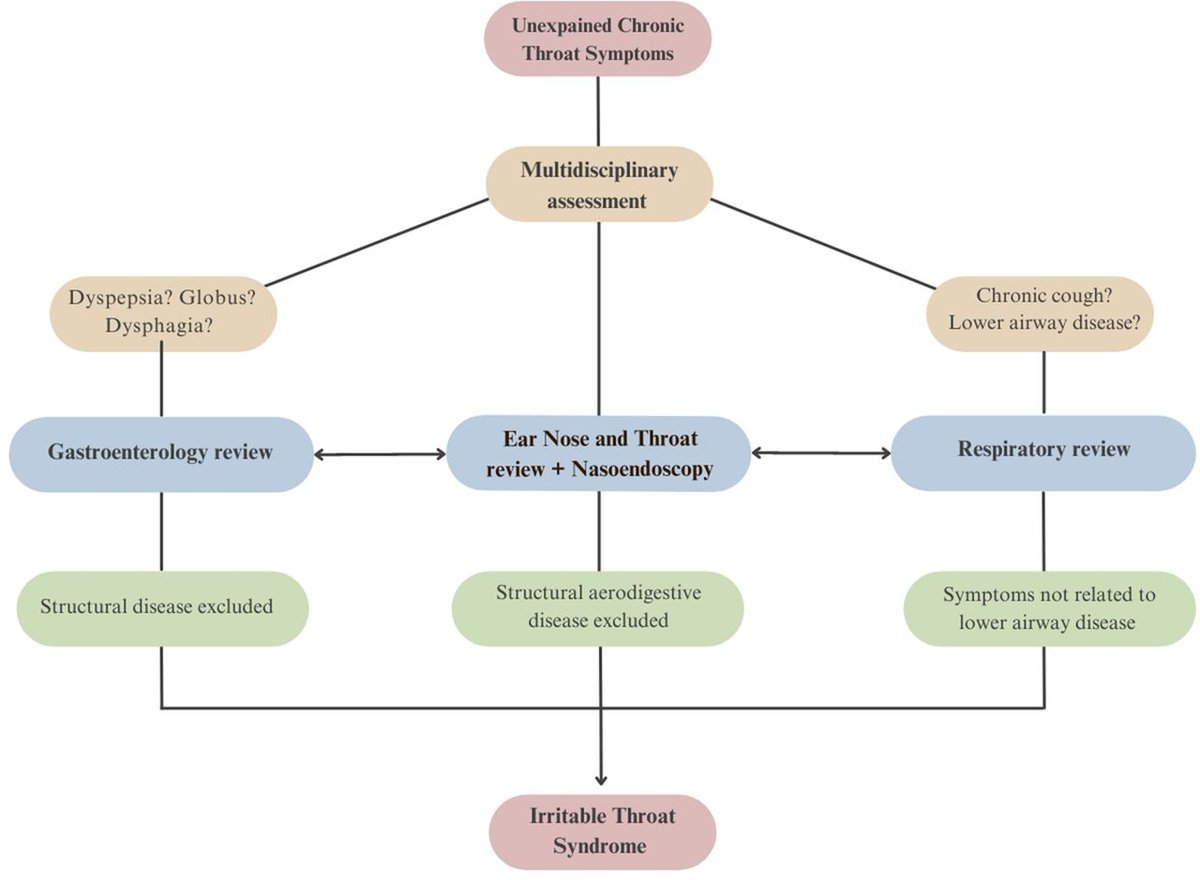
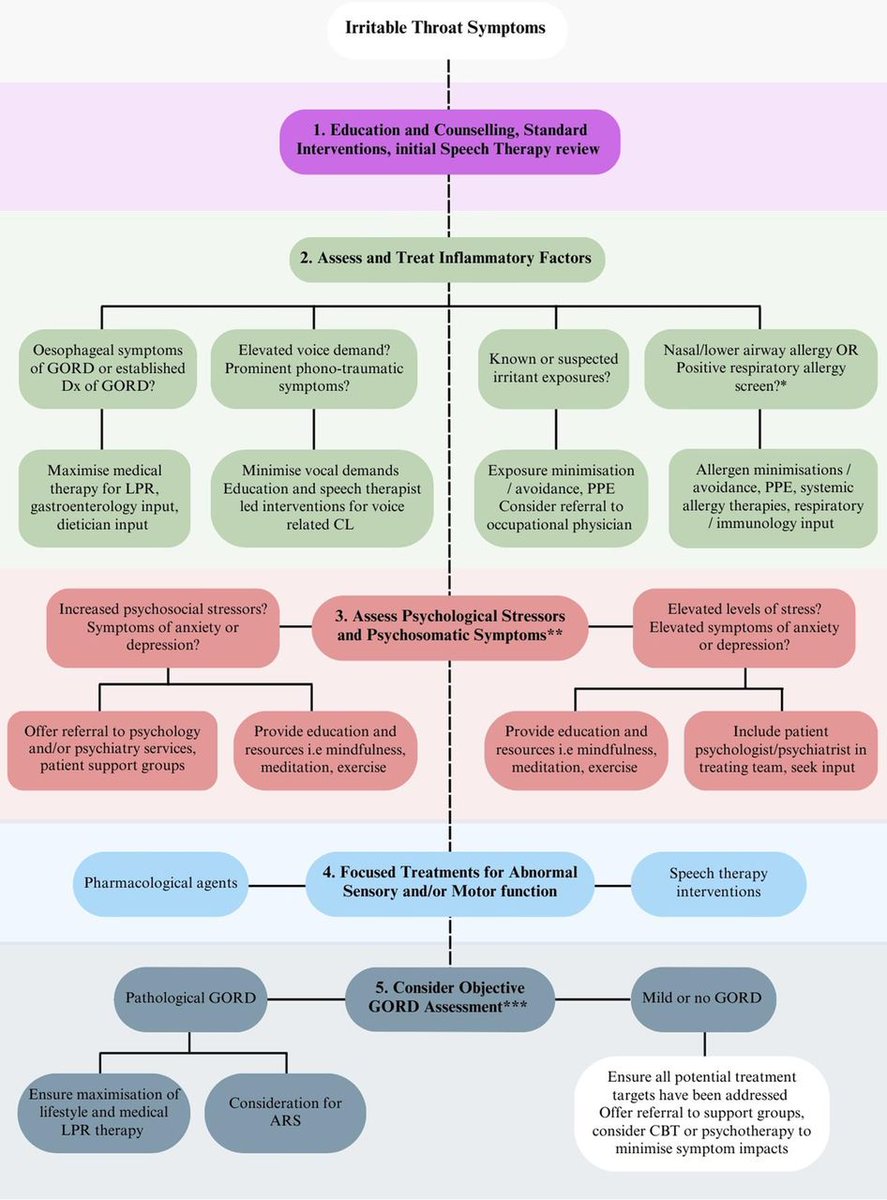
Read the paper by Quigley et al
"Practical multidisciplinary framework for the assessment and management of patients with unexplained chronic aerodigestive symptoms" via
bit.ly/47xdHgp
@DipeshVasant #FunctionalDisorders
1
3
567
30 Nov 2023
" it is apparent that previously healthy patients are [becoming seriously unwell after taking meds] “#asprescribed” – then dismissed/described as troublesome #heartsink pts who display “excessive” responses to distressing, chronic, #somaticsymptoms ..." #functionaldisorders
28 Nov 2023

“Functional Disorders”: One of Medicine’s Biggest Failures | Marion Brown madinamerica.com/2023/10/fun…
6
6
497
28 Nov 2023
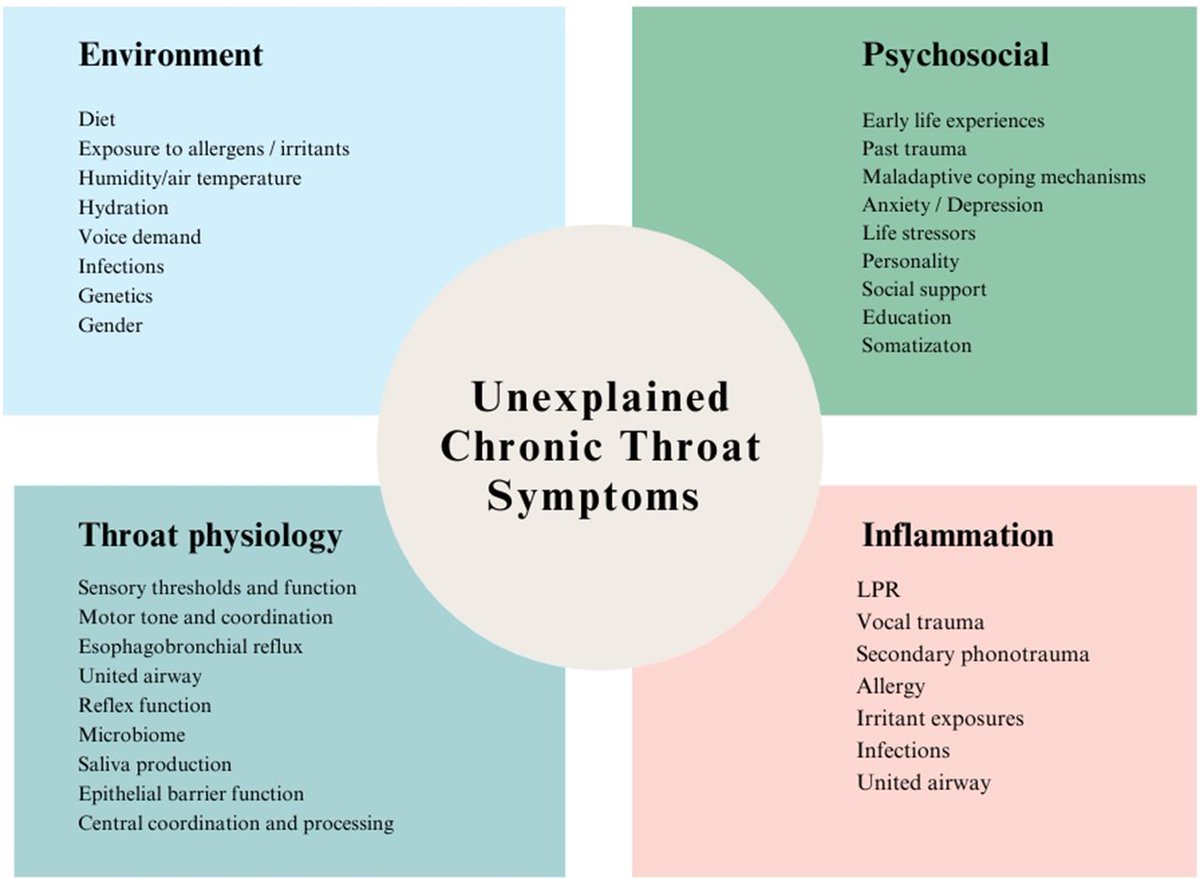
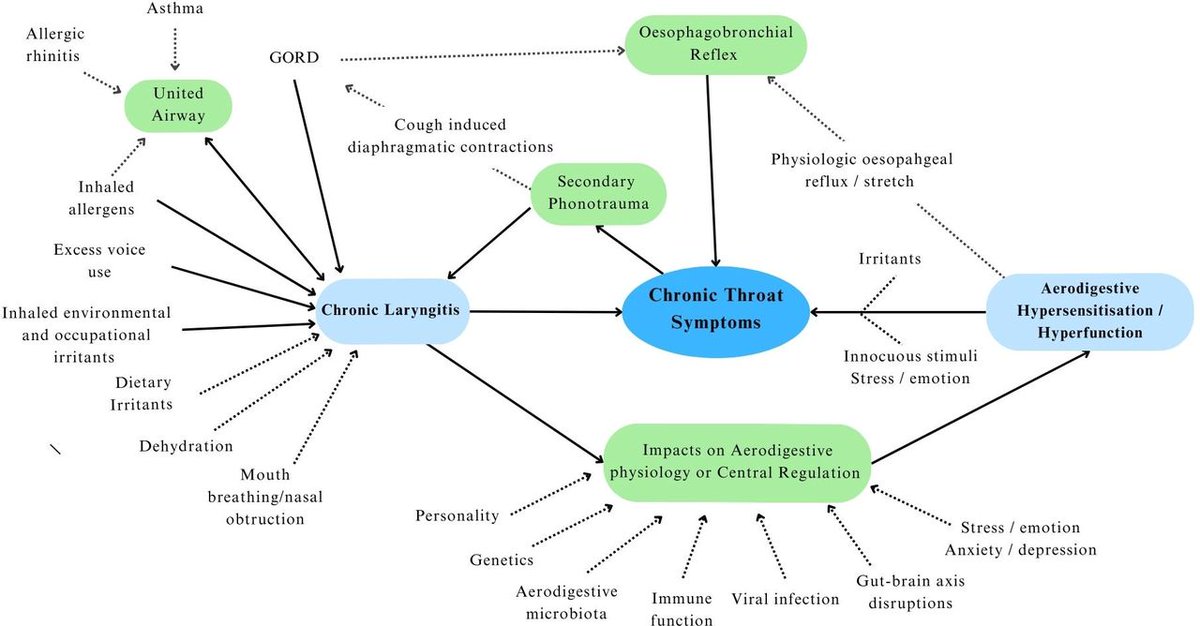
Read the paper by Quigley et al
"Practical multidisciplinary framework for the assessment and management of patients with unexplained chronic aerodigestive symptoms" via
bit.ly/47xdHgp
@DipeshVasant #FunctionalDisorders
1
3
2
543
22 Nov 2023
Thank you @jchristawoodley.
It seems that something is going on at Aarhus univesity .. have been watching for some years now how #effectsof #antidepressants etc are being re-classified as #functionaldisorders ... of #unknownaetiology ... researchgate.net/profile/Per…
1
2
91

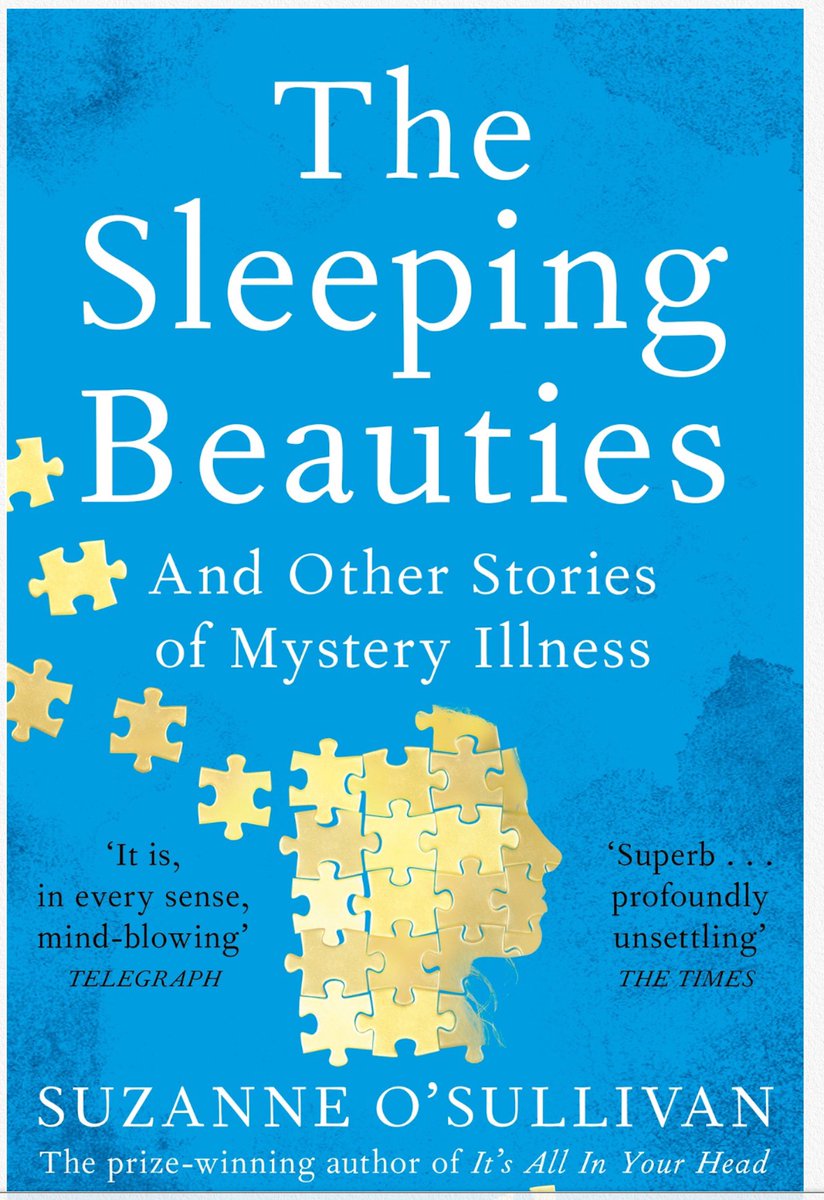
Book 8 of 2023 #TheSleepingBeauties by @Suz_OSullivan. Really important read for vast majority doctors, you Will see functional disorders and this book may help to change your perspective on them. They are not malingering or factitious. #FunctionalDisorders @bedsidepodcast
1
4
615
11 Feb 2023
"Is ‘#medicine’ actually causing a range of ‘#functional’ disorders'? This surely needs to be squarely addressed so that appropriate action can be taken to prevent further #harm to #patients – and indeed #doctors who are also patients."
#MUS #FND #functionaldisorders #MedTwitter
9 Feb 2023
Thanks to @bmj_latest for publishing my rapid response on the topic of #Functional #disorders...
bmj.com/content/380/bmj.p221…
2
4
709

18 Jan 2023
8) gaslighting, blanket dismissals of their reality, & outright contempt for their illness & #disability.
We must remember that #FunctionalDisorders & Munchausen's=RARE, not the norm.
I believe we must start to heal that #trauma before we see positive strides. #BelievePatients
1
1
5
93

24 Nov 2022
The conceptual field of medically unexplained symptoms and persistent somatic symptoms bit.ly/3i7H97V #functionaldisorders #FND #fndaware #fndawareness #functionalneurologicaldisorder #neuropsychiatry #rehabilitation #neurorehabilitation @CambridgeUP
6
11

2 Nov 2022
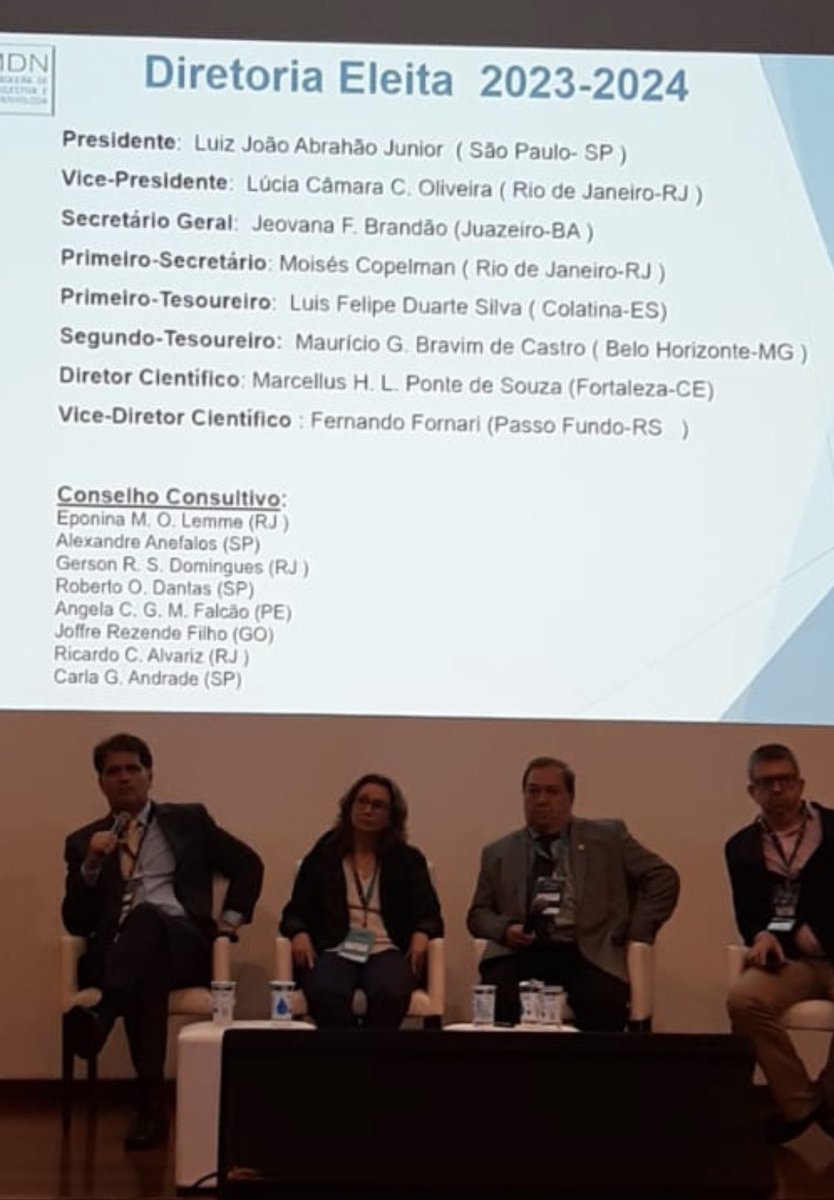
Nova diretoria da Sociedade Brasileira de Motilidade Digestiva @SBMDN @luizjoaoabrahaojr novo Presidente #functionaldisorders
3

14 Oct 2022
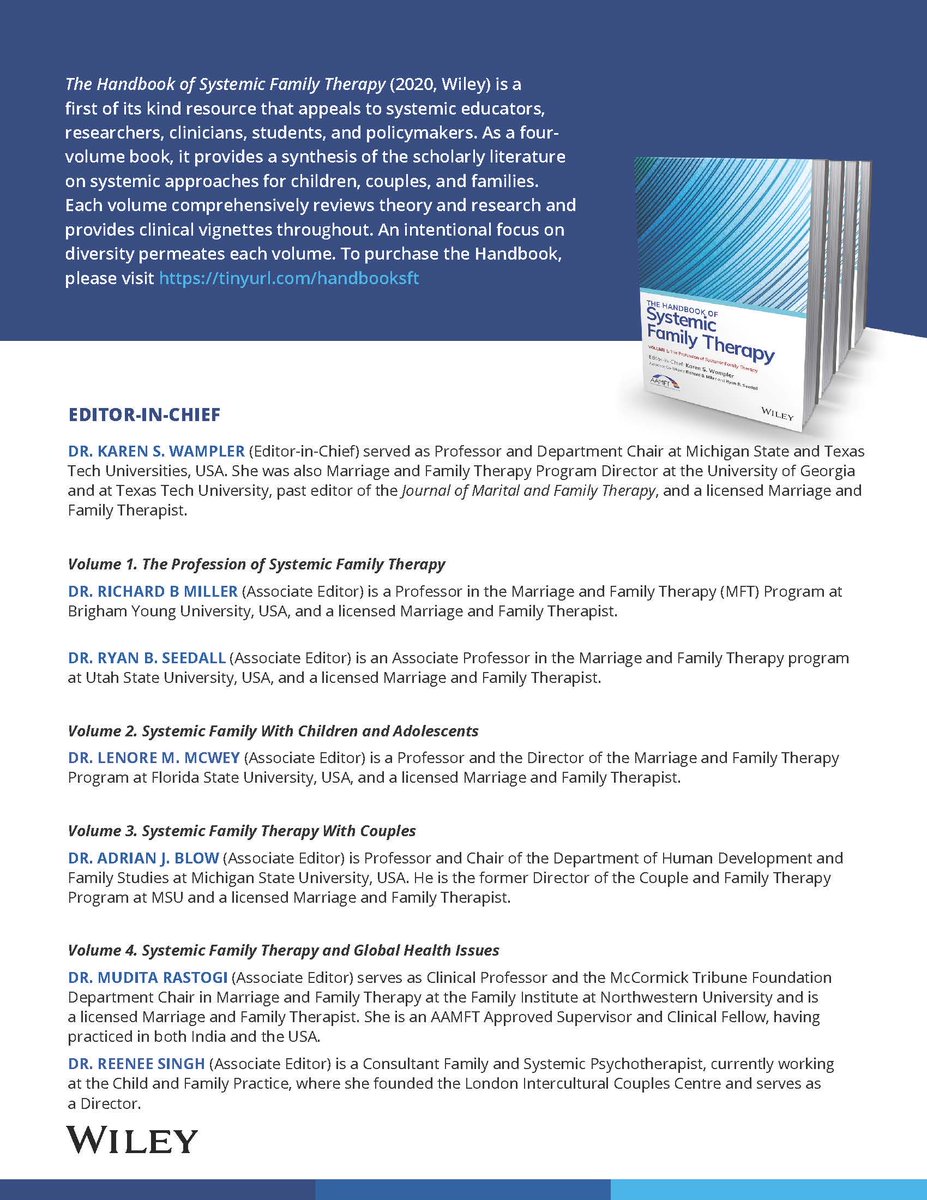
One week from Today. Looking forward to presenting my chapter. #SFT #booklaunch #BUP #funktionellelidelser #functionaldisorders
2

20 Sep 2022
Para los que no creen en milagros, hoy entró una pte ciega con bastón a consulta. Salió viendo 20/20. #functionaldisorders
11
9 Jun 2022
Michael Sharpe on the shortcommings of Body - mind dualism in modern medicine #EAPM #Functionaldisorders

2

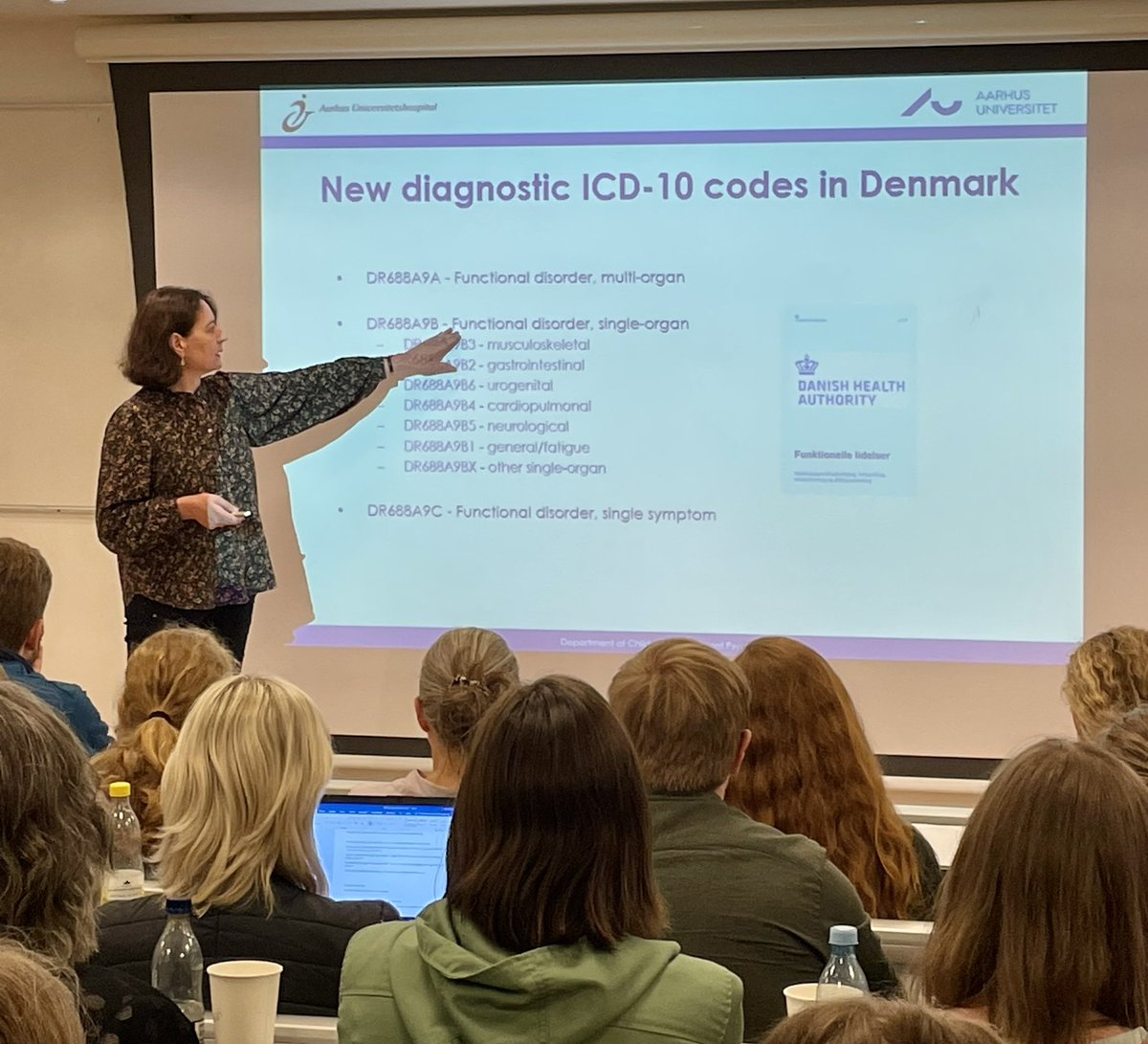
Prof. Charlotte Ulrikka Rask sharing knowledge about #functionaldisorders at #MovingOnWithPain 🧐 #SMOF
1
5 Apr 2022
5yrs since I first wrote to
@BJGPjournal (2017) & 'thesis' still seen as 'too controversial'. 🤔?!
Meanwhile '#FunctionalDisorders' are 'all the rage'.
A deeply disturbing situation altogether.
bjgp.org/content/69/681/163/…
1
2
2
10 Feb 2022
#antidepressants'#anxietymeds "interfere with human functioning & lead to confusing debilitating #FunctionalDisorders. The current #GP #guidelines skim over meds as potential causes of #MUS. It appears that GPs & patients are actually being misled.."2017
welldoing.org/article/perils…
1
2
8 Jan 2022
Indeed?!
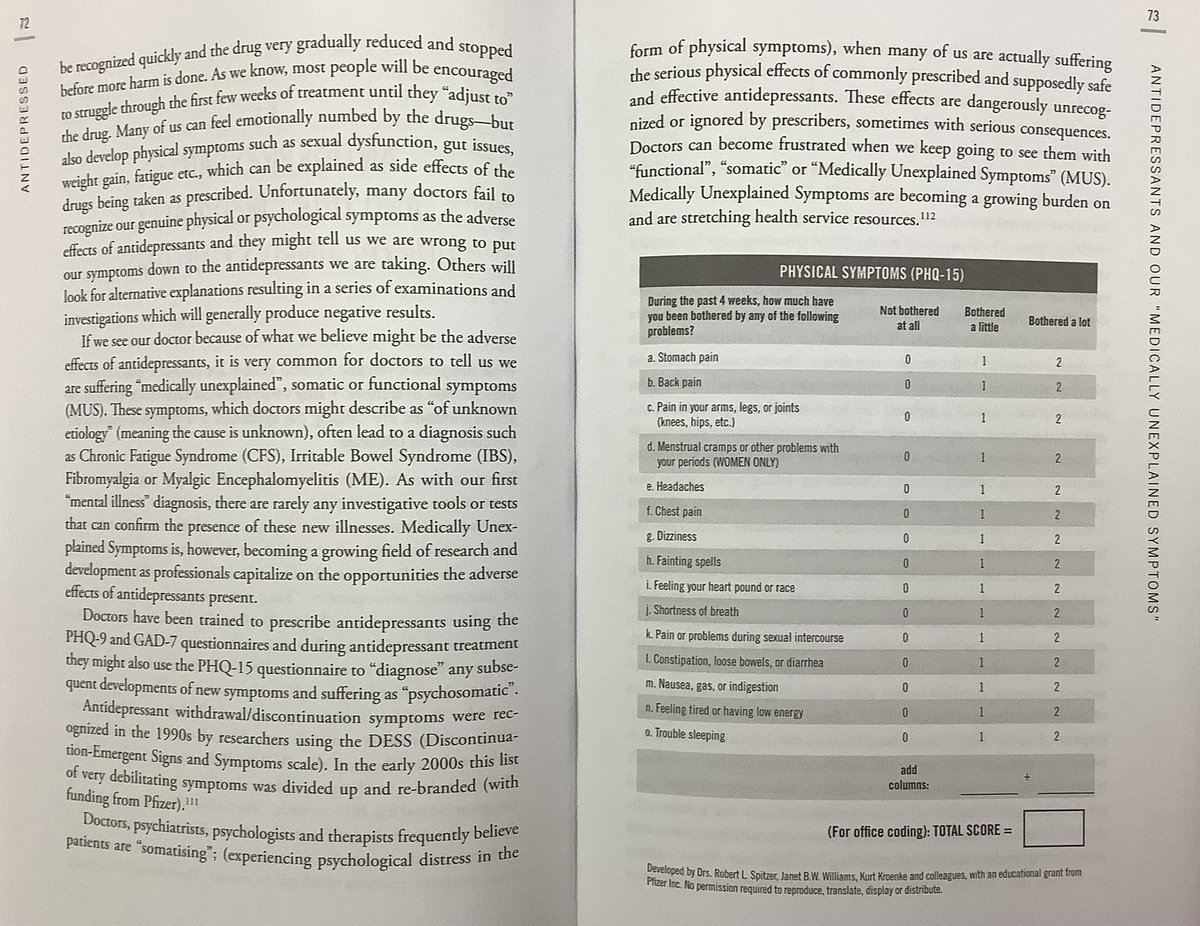
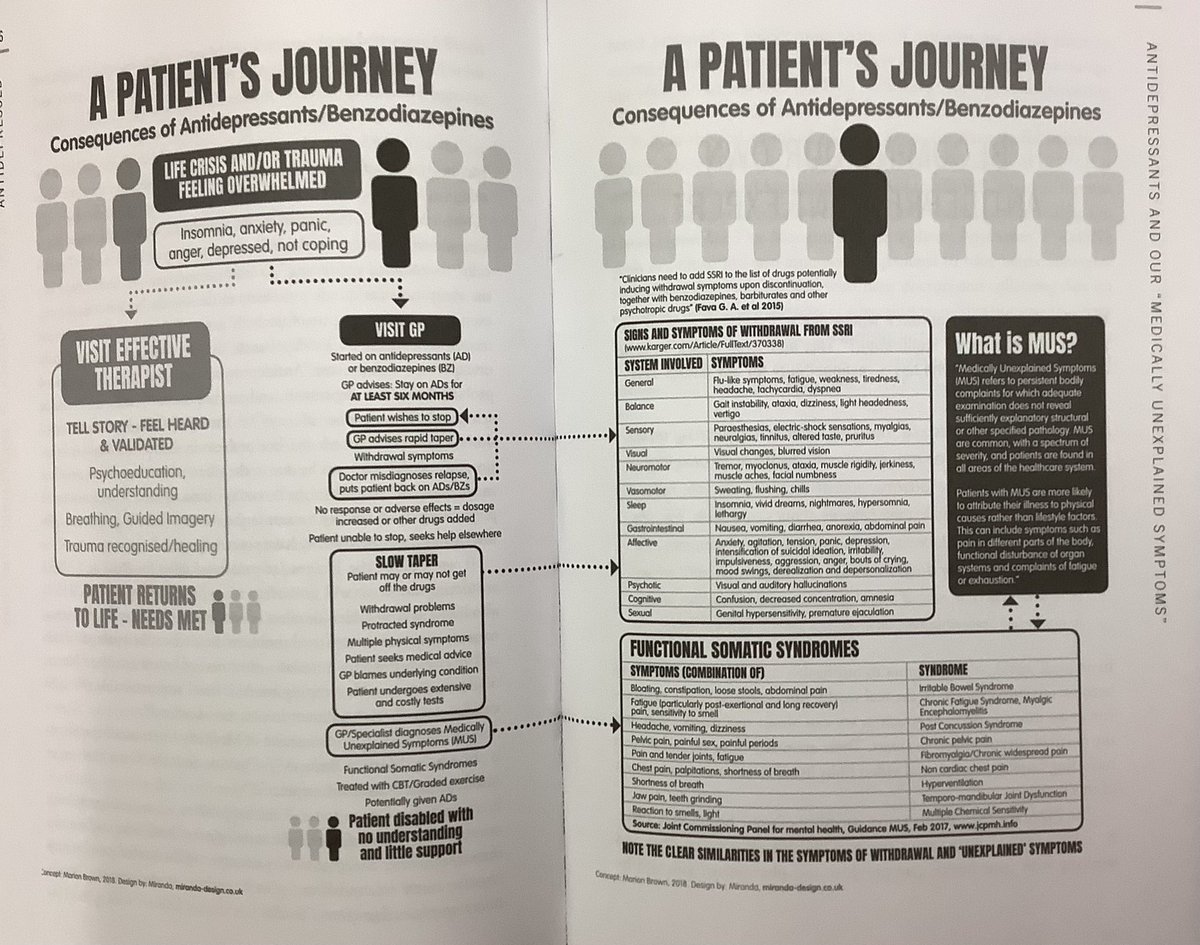
#MUS #medicallyunexplained #functionaldisorders … ?
#phq15
From #Antidepressed by @T_A_Psupport - pages 72-73 & 76-77
(With thanks to @MooreMaz @jf_moore for Patient Journey design)
penguinrandomhouse.com/books…
2
6
7