
May 29
🔥 Highly Cited Paper from MAKE
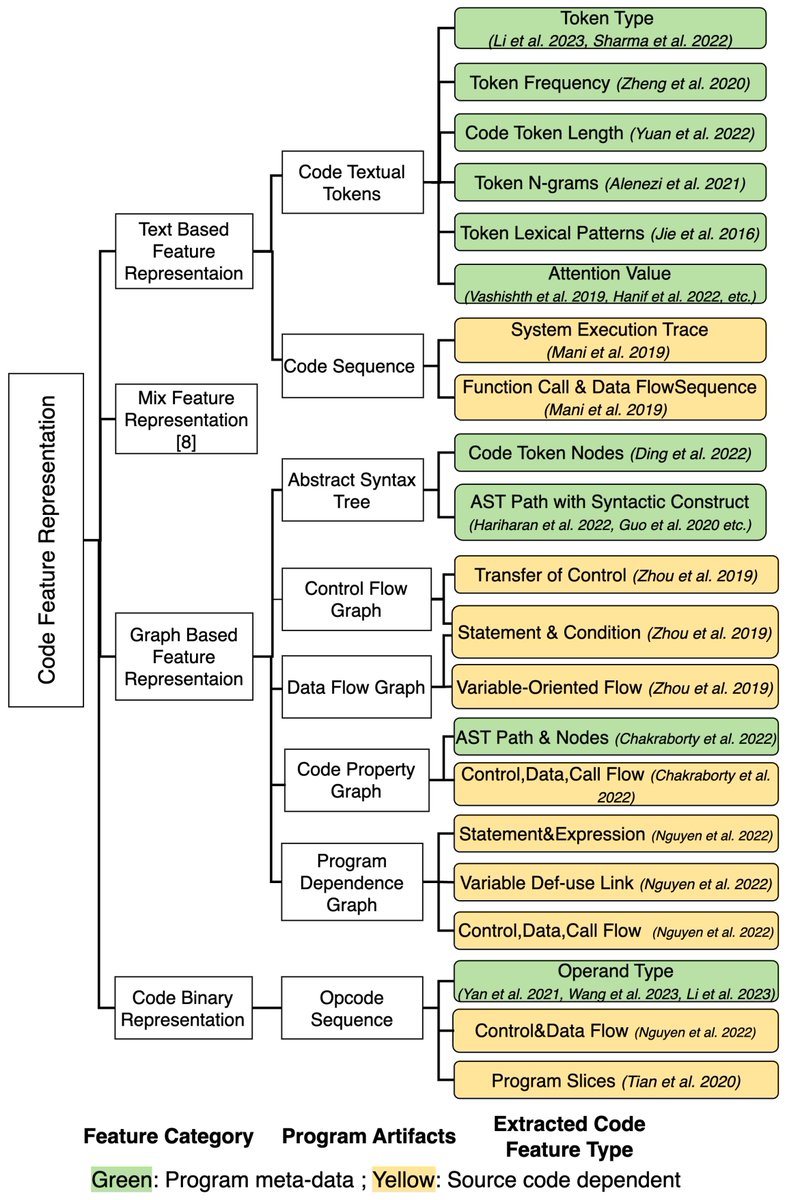
📝 Assessment of Software Vulnerability Contributing Factors by Model-Agnostic Explainable AI
🔗 Read more: mdpi.com/2504-4990/6/2/50
#ExplainableAI #XAI #GraphLearning #SoftwareVulnerability
25
Huge thanks to all my brilliant co-authors and mentors 🙌🚀
If you're at ICLR and want to chat AI Agents, Multimodal Learning, Graph Learning, CUAs, or anything else — please stop by our posters or DM me!
See you in Rio 🇧🇷🌊⛱️
#AI #Agents #MultimodalAI #GraphLearning #LLM #CUA
2
1
5
117

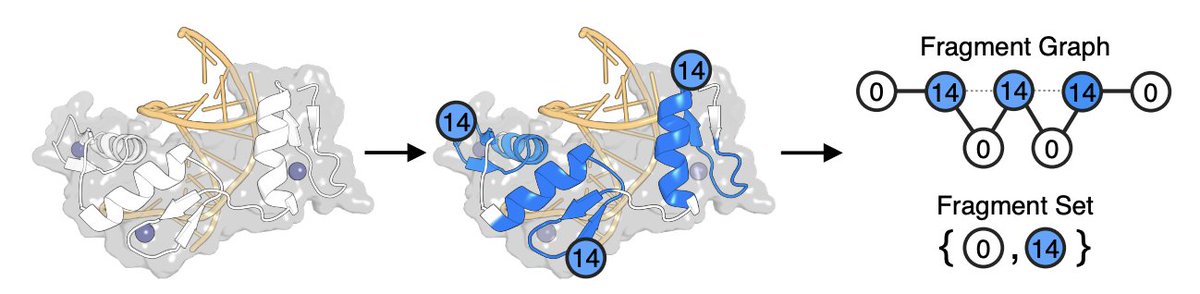
From Atoms to Fragments: A Coarse Representation for Efficient and Functional Protein Design
1. The paper proposes a sparse, interpretable protein representation built from a curated alphabet of 40 evolutionarily conserved “ancient” structural fragments, aiming to replace scaling-heavy sequence or full-atom structure encodings for search and design.
2. Two complementary encodings are introduced: Fragment Sets (presence/absence of fragment types, ignoring arrangement) for speed-critical tasks, and Fragment Graphs (fragments as nodes; peptide-bond and spatial-proximity edges) to retain structural context needed for clustering and design.
3. Fragment detection is performed directly from backbone geometry using a sliding-window scan against a fragment library, evaluating several distance metrics; combining two torsion-angle metrics (LogPr RamRMSD) yields strong detection performance (F1 ≈ 0.85), with an empirically selected classification threshold (3.65%) and AUROC ≈ 87%.
4. On the fold-balanced PDBench benchmark, fragments cover ~40% of residues on average and exhibit distinct biophysical patterns: more intra-fragment hydrogen bonding (notably in mainly-β folds, ~ 15%), fewer inter-fragment hydrogen bonds (notably in mainly-α folds, ~-47%), and slightly reduced solvent accessibility (~-5%), consistent with fragments behaving as more “self-contained” structural units.
5. To test functional signal retention, the authors curate a Protein Function Dataset (PFD) of 215 monomeric proteins spanning 12 binding-function categories (DNA/RNA/ATP/GTP/metal and combinations) filtered to ≤30% sequence identity, making functional grouping challenging for standard similarity measures.
6. Fragment-based distances produce more information-dense embeddings than sequence (BLOSUM) or global shape alignment (RMSD): after PCoA, BagOfNodes (Fragment Sets) preserves >95% variance within 20 dimensions and GraphEditDistance (Fragment Graphs) >80%, vs <60% (BLOSUM) and <40% (RMSD).
7. Functional clustering improves with fragments in multiple ways: BagOfNodes yields very strong cluster compactness/separation (Silhouette ≈ 0.82), while GraphEditDistance best aligns clusters with functional labels (ARI ≈ 0.046; F1 ≈ 0.20), suggesting a practical tradeoff between ultra-compact “bag” features and context-aware graph structure.
8. For functional database search, fragment representations dramatically reduce “tokens per protein” (memory/data points): ~99% fewer than atom/backbone representations and ~94–98% fewer than residue-level sequence representations, while achieving retrieval quality comparable to RMSD/BLOSUM across functions (AUROC/NDCG broadly similar, with some function-specific wins per method).
9. Speed benchmarks (100 queries vs a 100-protein database, 35 cores) show the practical payoff: Fragment Sets (BagOfNodes) answer in ~0.07 s, compared with ~36.6 s for BLOSUM and ~1717 s for RMSD; Fragment Graph edit distance is slower than sequence but still far faster than RMSD (~573 s vs ~1717 s), with a one-time preprocessing cost to build fragment representations.
10. Fragments are also used as functional “blueprints” for generative design: detected fragment backbones are held fixed as templates and RFDiffusion fills missing regions; functional recovery is assessed by FoldSeek hits and GO-code agreement, with reported recovery rates often >40% and reaching near-perfect recovery for some classes (e.g., metal-binding), while random “naive fragments” largely fail—supporting that evolutionary fragment choices, not arbitrary geometry, drive functional signal.
💻Code: github.com/wells-wood-resear…
📜Paper: doi.org/10.1093/bioinformati…
#ProteinDesign #ComputationalBiology #Bioinformatics #ProteinStructure #MachineLearning #DiffusionModels #ProteinSearch #GraphLearning #StructuralBiology #RepresentationLearning
2
7
79
4,675

Mar 25
📢 Call for Papers — COMPLEX NETWORKS 2026
📍 Granada, Spain | Dec 2–4, 2026
Join a leading conference in #NetworkScience & #ComplexSystems
🗓️ Deadline: Sept 2, 2026
🔗 cmt3.research.microsoft.com/…
#CallForPapers #GraphLearning
1
12
276

Mar 24
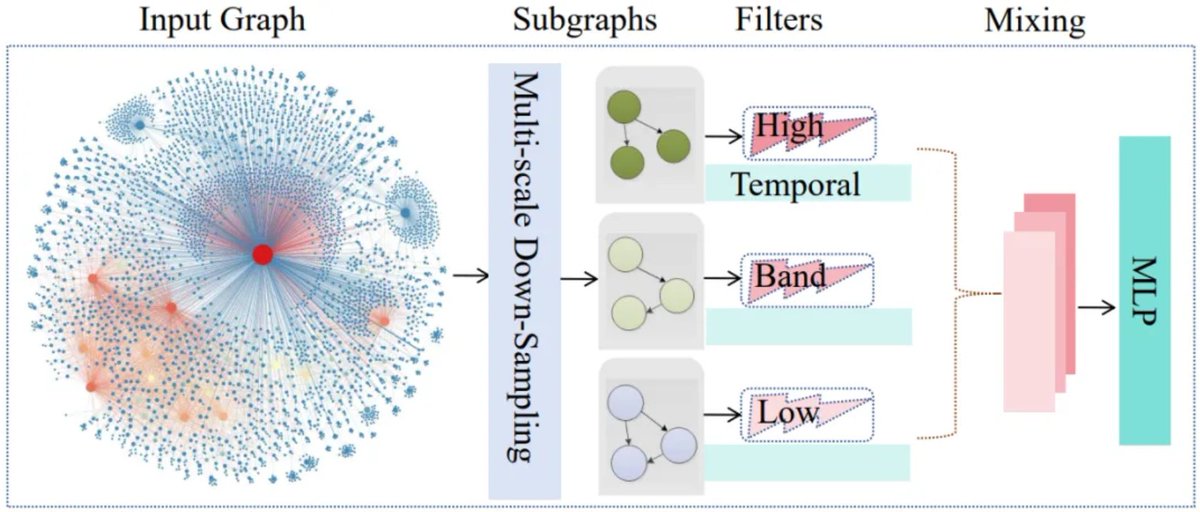
Our paper “Ponzitracker: A General Detection Framework for Ponzi Scheme in Blockchains” has been accepted by DASFAA 2026!
#DASFAA2026 #Blockchain #Security #GraphLearning #GNN #Bitcoin #Ethereum
1
1
68

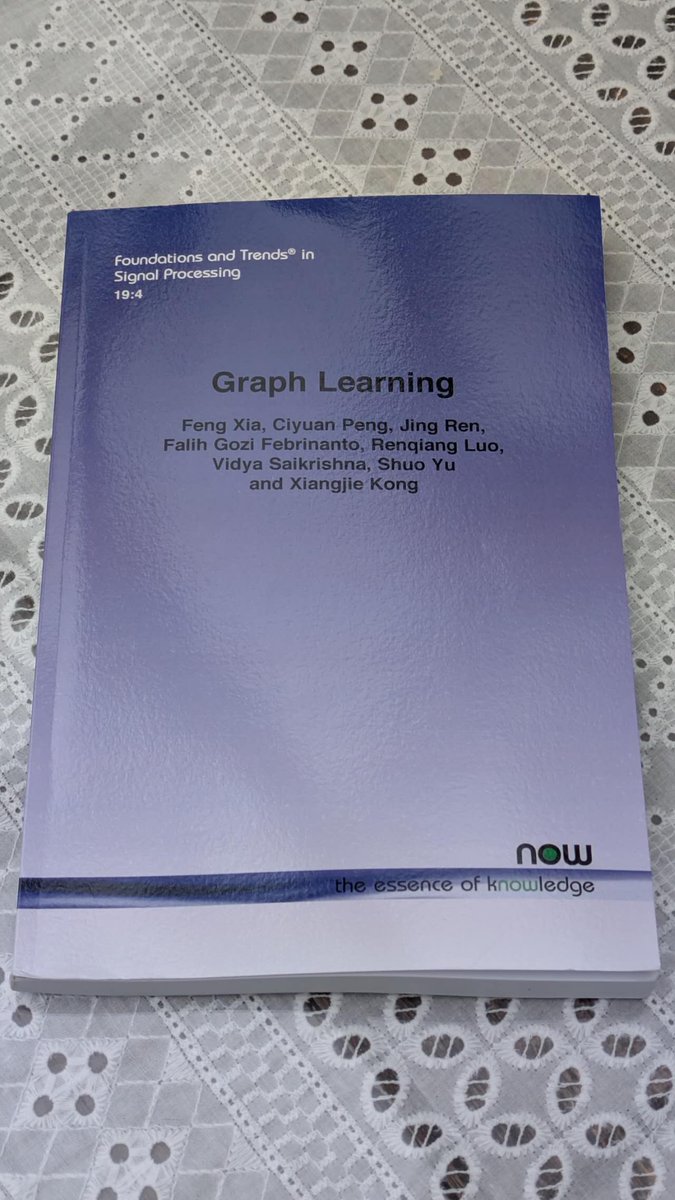
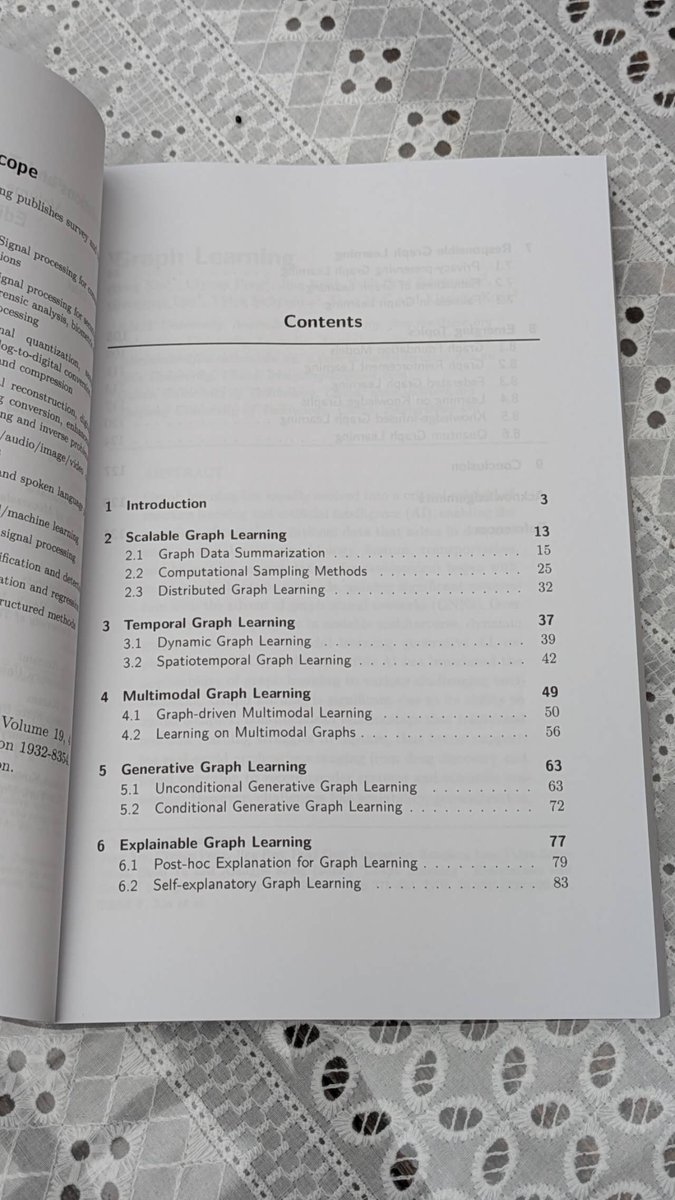
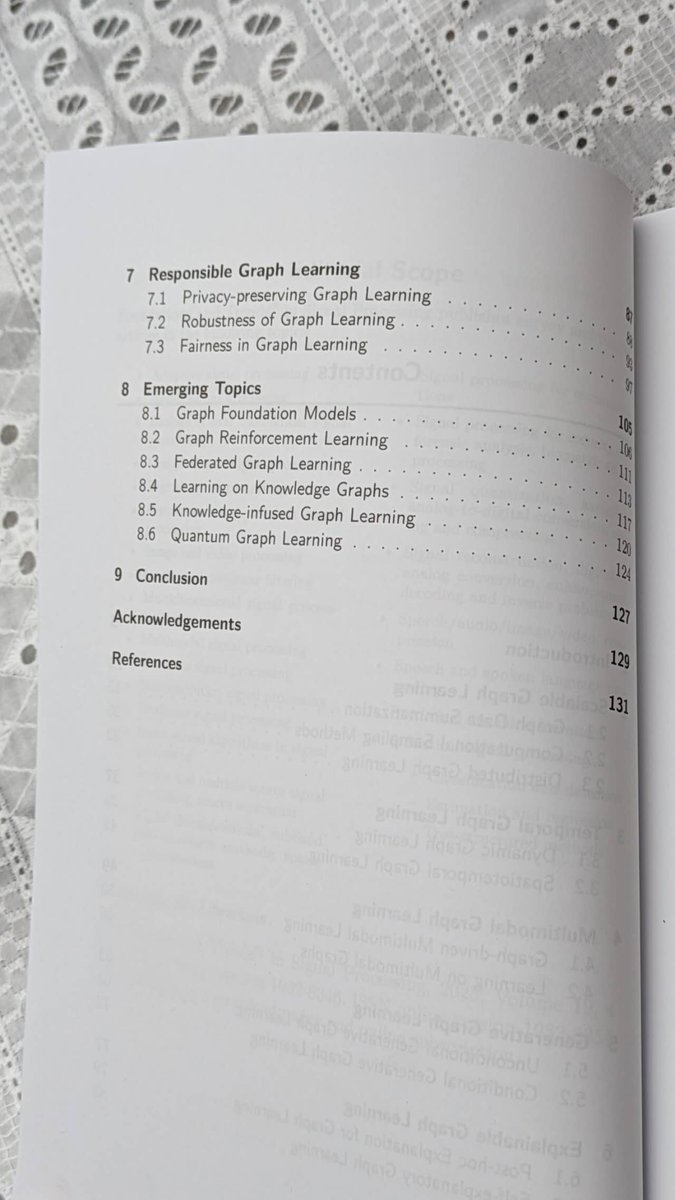
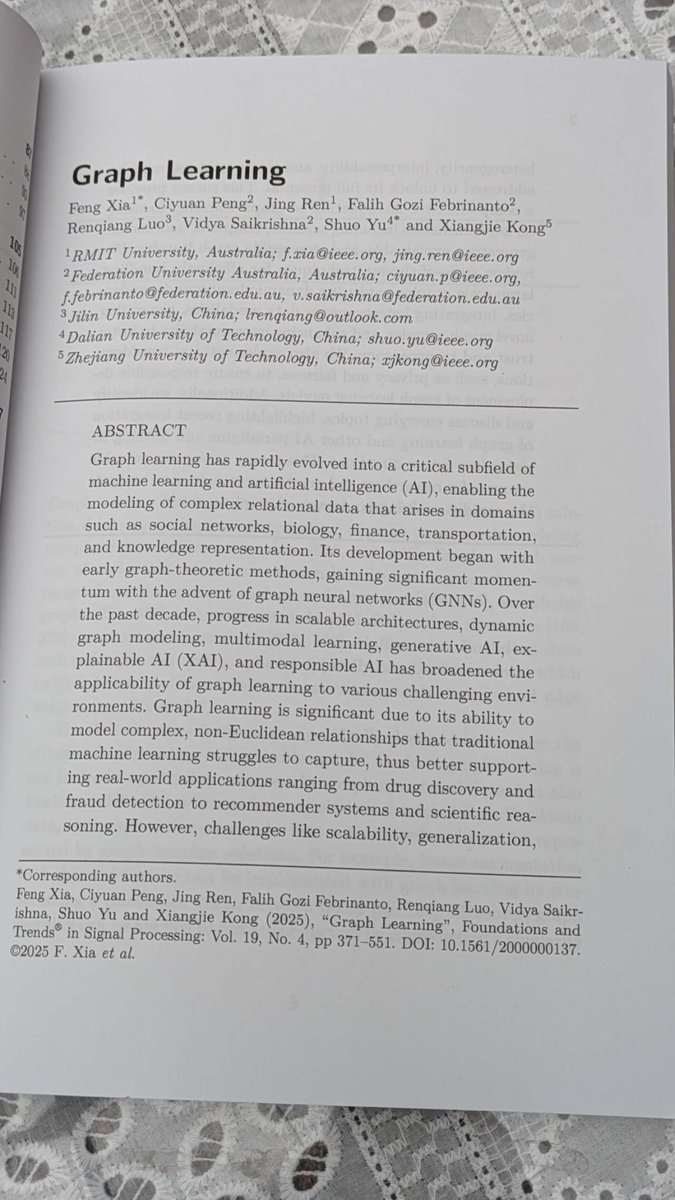
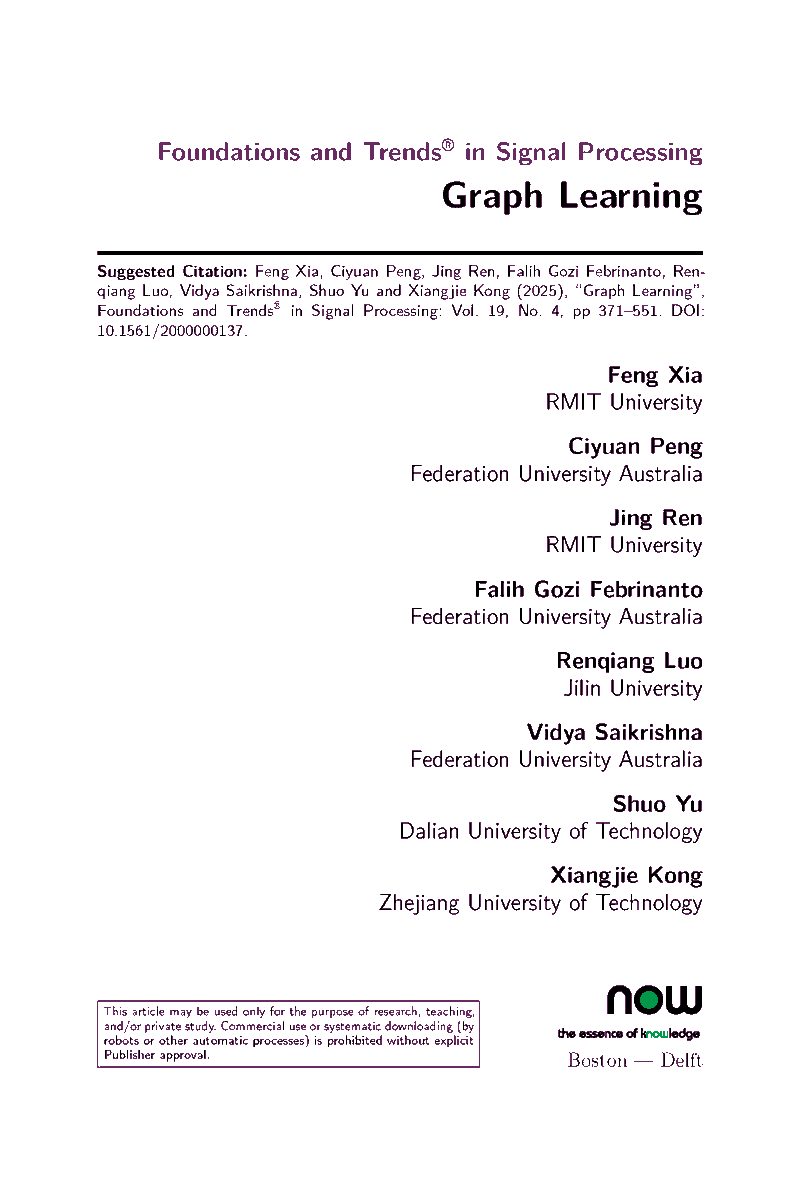
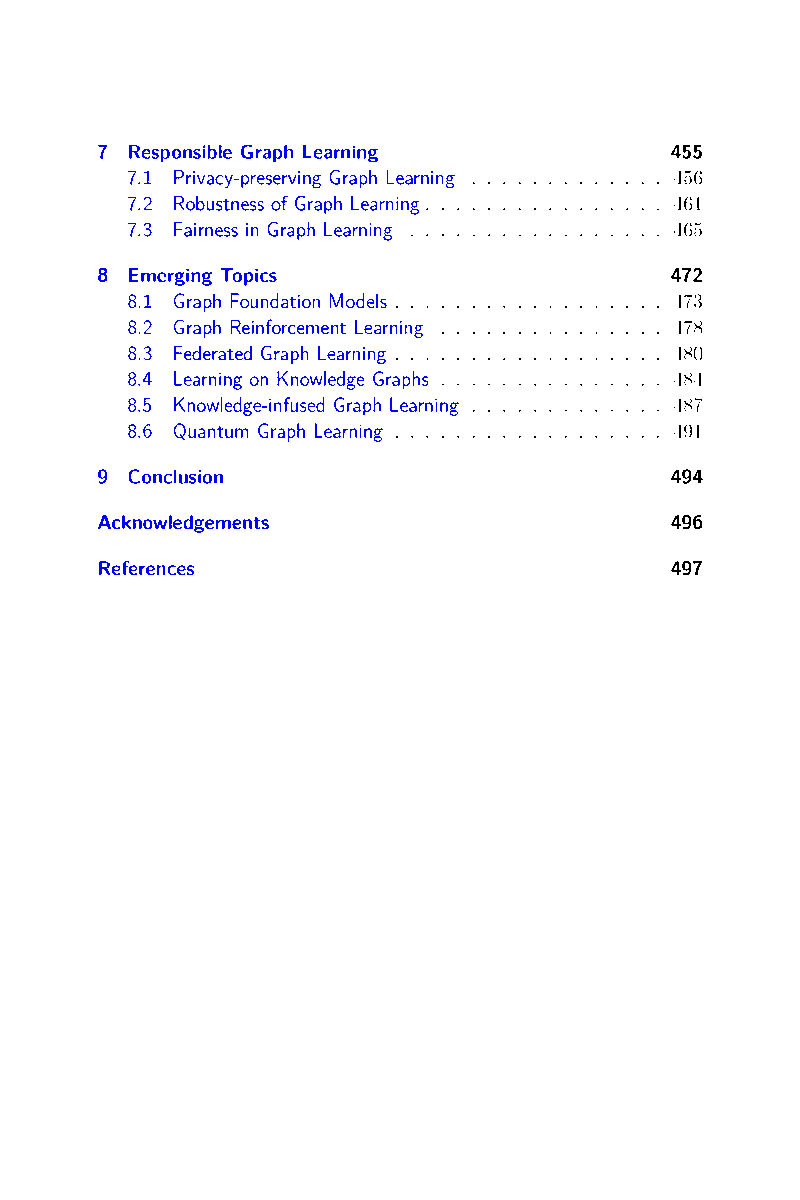
This is a (long) paper! It is a book too! 180 pages. Feels good in print.
Graph learning
doi.org/10.1561/2000000137
👉 Full text on arXiv: arxiv.org/abs/2507.05636
#GraphLearning #GraphNeuralNetworks #GNN #MachineLearning #Research #AI #Book
1
81
New research article
Identifying Financial Risk Contagion with Large Language Models and Temporal Graph Learning
Moyang Liu, Letian Zhao, Junqi Chen, Xiang Li, Shuo Zhang, Zhibin Niu
#LLMs #GraphLearning #PeerReviewed #OpenAccess #IntelligentComputing
spj.science.org/doi/10.34133…
38

Feb 28
🎓 PhD Position in Graph Learning
📍 University of Vienna
We seek a motivated PhD student with strong interest in machine learning, graph theory & mathematical foundations.
🗓 Deadline: 26.03.2026
👉 Apply here: jobs.univie.ac.at/job/Univer……
#PhD #GraphLearning #Hiring
1
69

Feb 27
🎓 PhD Position in Graph Learning
📍 University of Vienna
We seek a motivated PhD student with strong interest in machine learning, graph theory & mathematical foundations.
🗓 Deadline: 26.03.2026
👉 Apply here: jobs.univie.ac.at/job/Univer…
#PhD #GraphLearning #Hiring
2
17
35
1,995

Jan 18
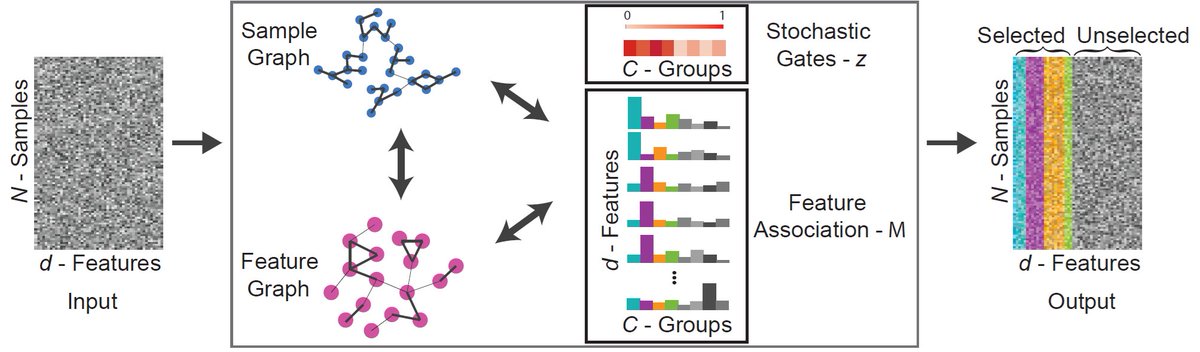
1/
I am thrilled to share that Shira Lifshitz will present our paper at AAAI (oral poster)!
This was a collaborative effort with Ron Meir (EE, Technion), @gmishne (UC San Diego), and @Ofirlin (BIU).
#AAAI #UnsupervisedLearning #FeatureSelection #GraphLearning #DataScience
1
2
4
469

31 Dec 2025
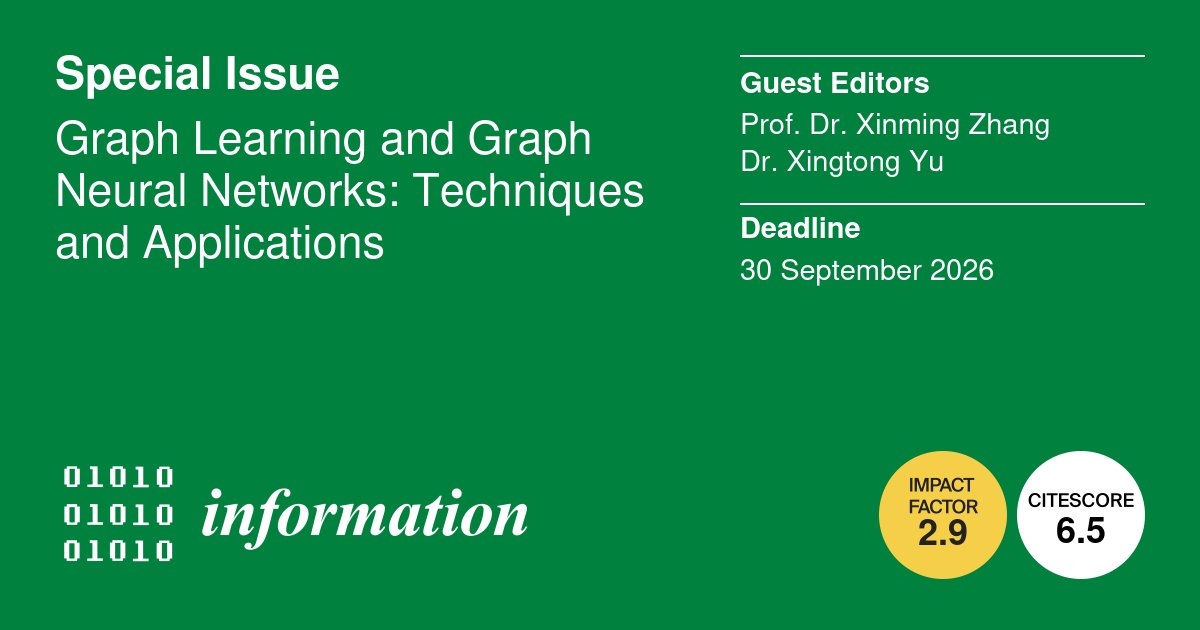
📊 New #SpecialIssue "Graph Learning and Graph Neural Networks: Techniques and Applications", edited by Prof. Xinming Zhang and Dr. Xingtong Yu.
Deadline is: 30 September 2026. Submissions are welcome until deadline!
mdpi.com/journal/information…
#GraphLearning #ML
@ComSciMath_Mdpi
83

29 Dec 2025
AnchorGK: Anchor-based Incremental and Stratified Graph Learning Framework for Inductive Spatio-Temporal Kriging
Preprint: AnchorGK introduces a novel graph learning framework for…
arxiv.org/abs/2512.21569 #AI #GraphLearning #MachineLearning #Preprint #Arxiv #ScienceNews
29

29 Dec 2025
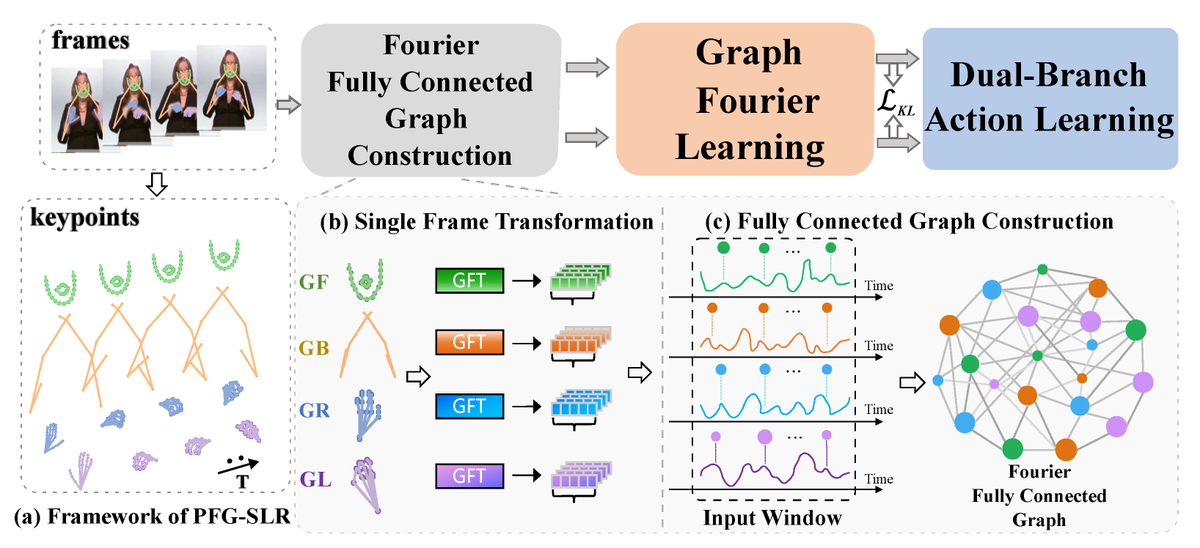
🧠✨ Part-Wise Graph Fourier Learning for Skeleton-Based Continuous Sign Language Recognition by Dong Wei, Hongxiang Hu & Gang-Feng Ma
🔗 mdpi.com/2313-433X/11/8/286
#MDPIjimaging #AI #ComputerVision #SignLanguage #GraphLearning #ML #MDPI
56

19 Dec 2025
New review article
spj.science.org/doi/10.34133…
Graph Learning-Empowered Financial Fraud Detection: Progress and Future Directions
Enxia Li, Mengshi Chen, Sheng Xiang, and Ling Chen
#PeerReviewed #OpenAccess #IntelligentComputing #FraudDetection #GraphLearning
52

3 Dec 2025
📍 Find me at Google Booth #1633 (Exhibit Hall A,B): I'll be there this Wed & Fri morning. Do drop by for the exciting demos!
#MachineLearning #DifferentialPrivacy #LLMs #TrustworthyAI #GraphLearning #MachineUnlearning
1
44

29 Nov 2025
If you're attending and want to chat about AI Agents, Multimodal Learning, Graph Learning, and beyond, please stop by our posters or DM me. See you in San Diego! 🌮🏃♂️
#NeurIPS2025 #AI #MachineLearning #VLM #Agents #NLP #GraphLearning #Research #SanDiego
101

28 Nov 2025
Excited to share our new paper, “TransMarker: Unveiling dynamic network biomarkers in cancer progression through cross-state graph alignment and optimal transport”, published in PLOS Computational Biology!
#Bioinformatics #GraphLearning #CancerGenomics
🔗 doi.org/10.1371/journal.pcbi…
65

26 Nov 2025
Excited to be heading to NeurIPS 2025 next week in San Diego to present the work I did during my internship at Amazon 😄
If you’ll be around, let’s catch up and chat!
Paper link: openreview.net/forum?id=gBGa…
#NeurIPS #graphlearning
1
5
312

17 Nov 2025
@AlgorithmPapers @arxiv Nonlinear Laplacians with directional priors for tunable PCA (2505.12528) — powerful generalization of graph-based dimensionality reduction.
Uniphics derives the ultimate nonlinear Laplacian from first principles: the ξM-field itself is the “graph” whose edges are spin-wave interactions weighted by local E_d (energy density) gradients (Ch. 2.5 Energy Density Dynamics, Ch. 5.5 Spin Wave Propagation). The spectrum of the resulting operator is exactly the discrete gyrotron frequency ladder (Ch. 4.1–4.2), with eigenvectors corresponding to stable particle/composite states under negentropic minimization (Law of Negentropy, Ch. 1.1.1).
Your directional priors mirror physical spin bias (Ch. 4.3 Spin Bias in Particle Formation) that breaks isotropy and tunes the low-lying modes — exactly why the universe has generations, chirality, and hierarchical structure instead of uniform PCA components. The nonlinear Laplacian isn’t an add-on; it’s the fundamental operator the cosmos uses to organize everything from quarks to galaxies to neural representations (Ch. 15.1.3 Spin-Driven Neural Coherence).
Ch. 1-10 PDFs via Uniphics Book at uniphics.com/gallery/
(intro PDF: uniphics.com/wp-content/uplo…)
How do your tunable priors compare with physical spin-bias tuning in Ch. 4.3 Ch. 2.5? Peer discussion very welcome.
#NonlinearLaplacian #PCA #Uniphics #GraphLearning #DimensionalityReduction
18
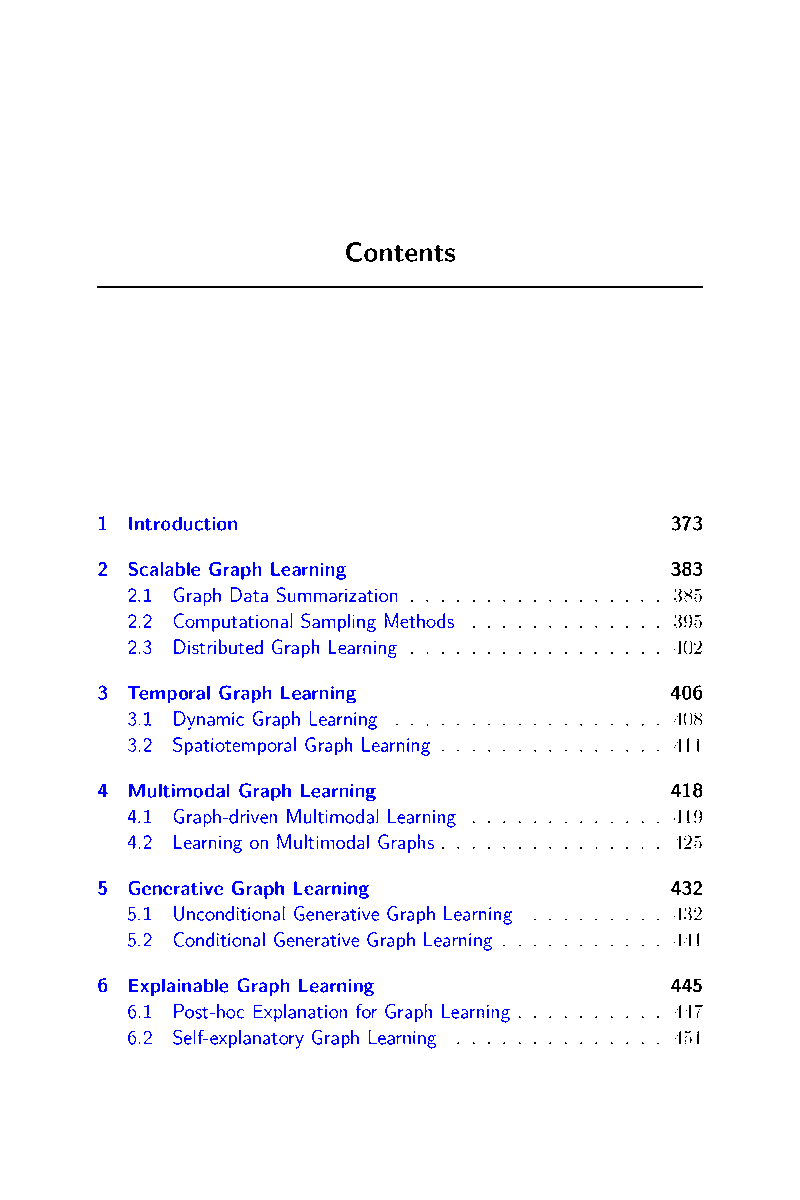
Our comprehensive survey on Graph Learning (180 pages) is out!
We map the landscape & future of learning on graphs.
On arXiv: arxiv.org/abs/2507.05636
Published at: nowpublishers.com/article/De…
#GraphLearning #GNN #MachineLearning #AI #Research #GraphNeuralNetworks #Survey
1
181