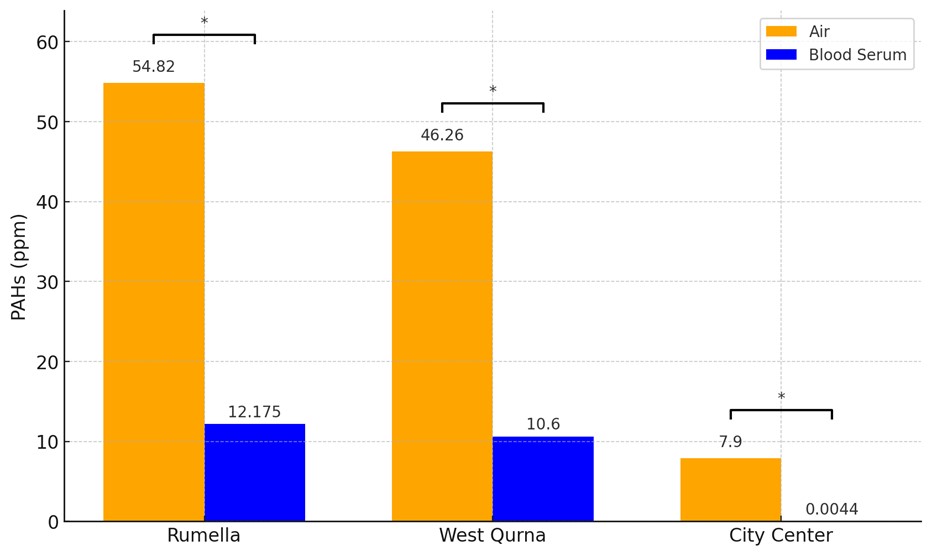
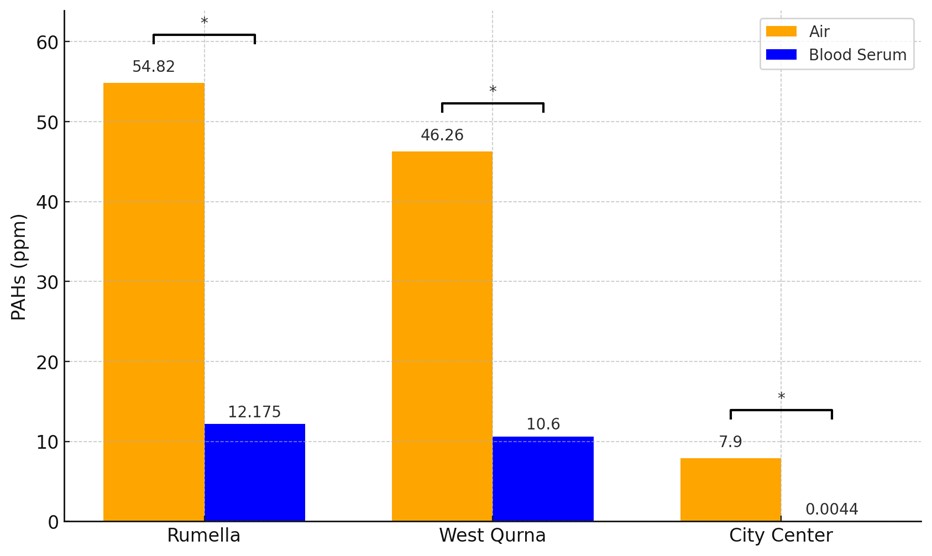
Effect of #polycyclicaromatichydrocarbons on #liverfunction in Basra oil company workers
bsmiab.org/jabet/articles/17…
3
15

Apr 2
पायात दिसली ही लक्षणे तर समजा लिव्हरचे फंक्शन नीट नाही...
tv9marathi.com/web-stories/l…
#lifestyle #lifestylenews #liver #liverfunction #LiverCirrhosis #ItchySkin #Legs #Health #Digestion #HormonalBalance #Immunity
1
741

Mar 21
arent vaccines injected directly into the blood or muscle
bypassing any digestive or liverfunction
2
7
128

Feb 10
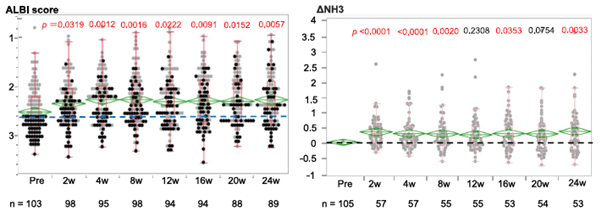
❓ Do anti-VEGF–based first-line therapies compromise liver function in HCC patients?
👉 Anti-VEGF therapies (e.g., lenvatinib or atezolizumab bevacizumab) can significantly deteriorate liver functional reserve (ALBI) compared with pure immunotherapy (e.g., durvalumab tremelimumab), independent of tumor progression.
👉 A longitudinal study by Kudo et al. has recently been published in Hepatology Research.
Impact of anti-VEGF systemic therapies on liver function in HCC: A longitudinal analysis of ALBI score and ammonia levels in 223 patients
DOI: 10.1111/hepr.70126
@KudoM_Kindai
#HCC #AntiVEGF #ALBI #LiverFunction #HepatologyResearch
3
213

Jan 29
#Lowering dietary protein intake may help slow liver tumor growth and reduce cancer risk in individuals with impaired #LiverFunction, according to new mechanistic evidence from animal models. @RutgersU @ScienceAdvances doi.org/hbmvgv medicalxpress.com/news/2026-…
7
15
2,457

ಮದ್ಯಪಾನಕ್ಕೂ ಮುನ್ನ ಪ್ರೋಟೀನ್ ಭರಿತ ಆಹಾರ ಸೇವಿಸುವುದರಿಂದ ಏನಾಗುತ್ತೆ ಗೊತ್ತಾ? ಇಲ್ಲಿದೆ ಸಂಪೂರ್ಣ ಮಾಹಿತಿ...Drinking Alcohol vijayavani.net/category/life… #Protein #DrinkingAlcohol #HealthBenefits #emptystomach #liverfunction
82

1 Dec 2025
🚨Scientists find a hidden obesity trigger in soybean oil🚨
Soybean oil’s hidden fat-derived molecules may quietly fuel obesity by rewiring how the body handles dietary fats.
Summary: Researchers at UC Riverside have uncovered why soybean oil, one of America's most widely consumed ingredients, drives significant weight gain—at least in mice. The findings point not to the oil itself but to the fat-derived molecules it produces inside the body, called oxylipins, which can trigger inflammation, alter liver function, and influence genes tied to metabolism.
👇Source: University of California - Riverside👇
👉 Soybean oil is the most commonly used cooking oil in the United States and appears in a wide range of processed foods. Research is now shedding light on how this highly consumed ingredient contributes to obesity in mice.
👉 In a University of California, Riverside experiment, most mice fed a high-fat diet rich in soybean oil put on substantial weight. A separate group of genetically engineered mice did not, even though their diets were the same. These modified mice produced a slightly altered version of a liver protein that affects hundreds of genes involved in fat metabolism. The altered protein also changes how the body handles linoleic acid, one of the primary components of soybean oil.
👉 "This may be the first step toward understanding why some people gain weight more easily than others on a diet high in soybean oil," said Sonia Deol, a UCR biomedical scientist and corresponding author of the study published in the Journal of Lipid Research.
#HealthResearch #NutritionScience #Metabolism #ObesityResearch #DietAndHealth #LipidMetabolism #GeneRegulation #LiverFunction #Inflammation #Oxylipins #FoodScience #BiomedicalResearch #MouseStudies #DietaryFats #MetabolicHealth #WeightGainMechanisms #NutritionalBiochemistry #ScientificDiscovery #UCRResearch #JournalOfLipidResearch
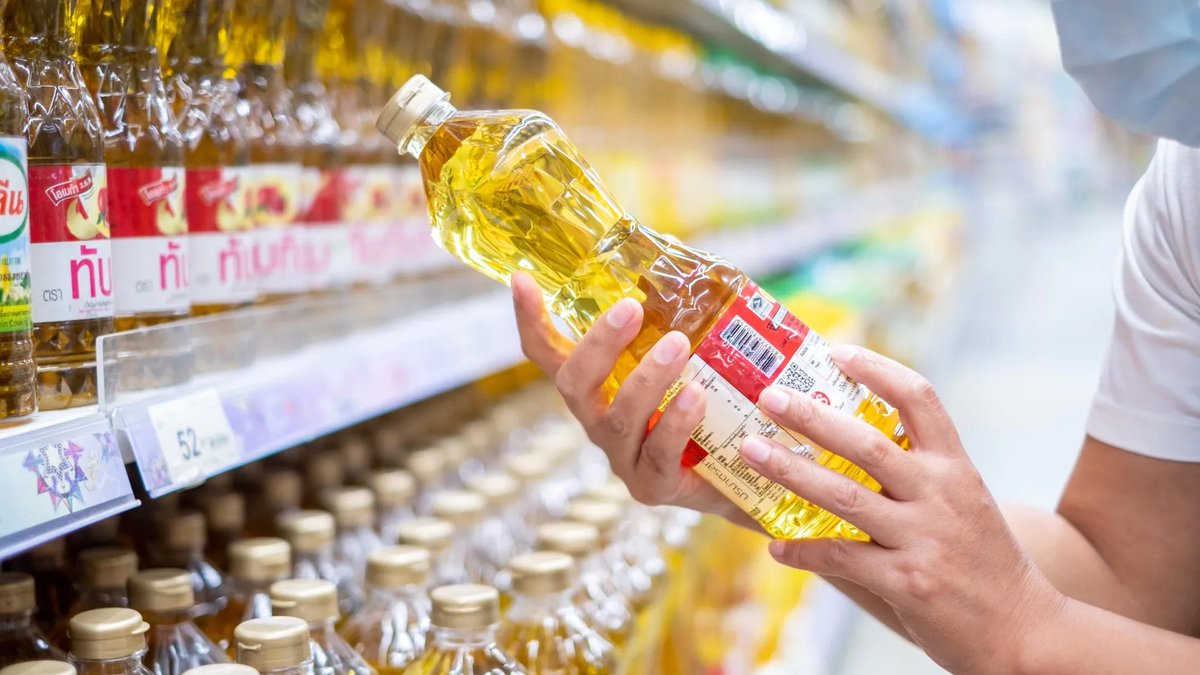
ALT Soybean oil appears to cause obesity in mice by producing oxylipins that alter liver metabolism and fat processing. Only mice with altered enzymes avoided weight gain, suggesting genetics and modern diets play a major role. Credit: Shutterstock
2
9,004

7 Nov 2025
Your liver is the largest internal organ in your body — and one of the most overworked.
Every single day, it filters more than 250 gallons of blood, cleaning out toxins, hormones, and waste before sending that blood back into circulation.
Inside this system runs a hidden network of tiny channels called the intrahepatic ducts.
They merge into the common bile duct, which connects to your gallbladder through the cystic duct, and to your pancreas through its pancreatic ducts.
This is your body’s drainage system — a complex network built to carry bile, flush toxins, and keep digestion smooth.
But when bile thickens or stones begin to form, congestion can take place in both the gallbladder and the liver.
Once that happens, everything slows: digestion, metabolism, and energy.
If you want real health from the inside out, you must keep the ducts flowing and the bile clean.
Flush out gallstones from the gallbladder and intrahepatic stones from the liver before they clog your vitality.
This is not professional medical advice — it’s a reminder to study, understand, and take care of the system that takes care of you.
Comment "DETOX" if you're interested in flushing out the gallstones intrahepatic stones.
#liverhealth #liverdetox #gallbladderflush #bileflow #intrahepaticducts #commonbileduct #livercleanse #gallstones #liverfunction #detoxyourbody #bodydetox #functionalhealth #naturalhealing #holistichealing #digestivehealth #guthealth #internalcleanse #liverflush #cleanliver #liverreset #healthawareness #healfromwithin #preventdonttreat #wellnessjourney #healthylifestyle #organhealth #detoxification #selfhealing
1
1
3
174

21 Jul 2025
Cancer Cachexia: Liver Identified as Active Driver of Body Wasting
👉 t1p.de/eh136
Up to half of all #cancer patients experience #cachexia – a severe syndrome marked by dramatic loss of muscle, fat, and even heart tissue. It is a major cause of therapy resistance, complications, and increased mortality.
🔬A new study led by researchers at #HelmholtzMunich, in collaboration with University Hospital Heidelberg, the @TU_Muenchen, and the @DiabResearch, identifies the #liver as a key contributor to this condition.
🕒The team discovered that a key liver clock gene, REV-ERBα, is silenced during cachexia, leading to the release of harmful hepatokines. These molecules trigger tissue-wasting processes in fat and muscle cells. Reactivating REV-ERBα in preclinical models reduced body wasting significantly.
💡The findings provide a comprehensive molecular dataset and may open new avenues for diagnosis and therapeutic development.
💬“For the first time, we were able to show that the liver is not merely a passive responder to cachexia, but actively contributes to the progression of the disease. Our findings open up new possibilities to better diagnose the syndrome and explore therapeutic interventions.”
– Dr. Mauricio Berriel Diaz
💬“These results clearly demonstrate the importance of systemic organ interactions in the progression of cancer.”
– Prof. Stephan Herzig
@Dorie00 @FiskerSchmidt @BerrielDiaz
#CancerResearch #LiverFunction #BiomedicalResearch
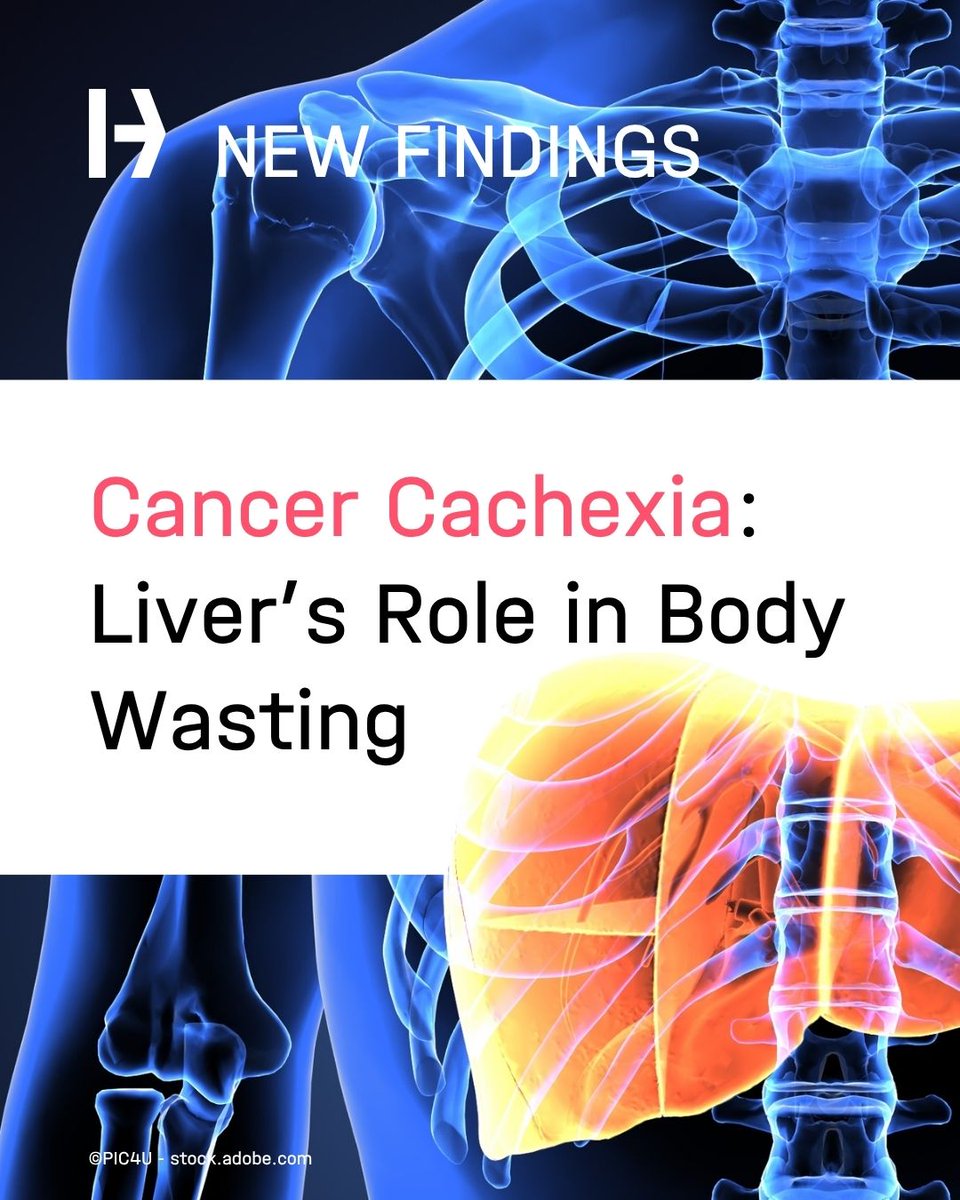
ALT Researchers have identified a previously overlooked driver of cachexia: the liver.
1
7
12
3,025

2 Jul 2025
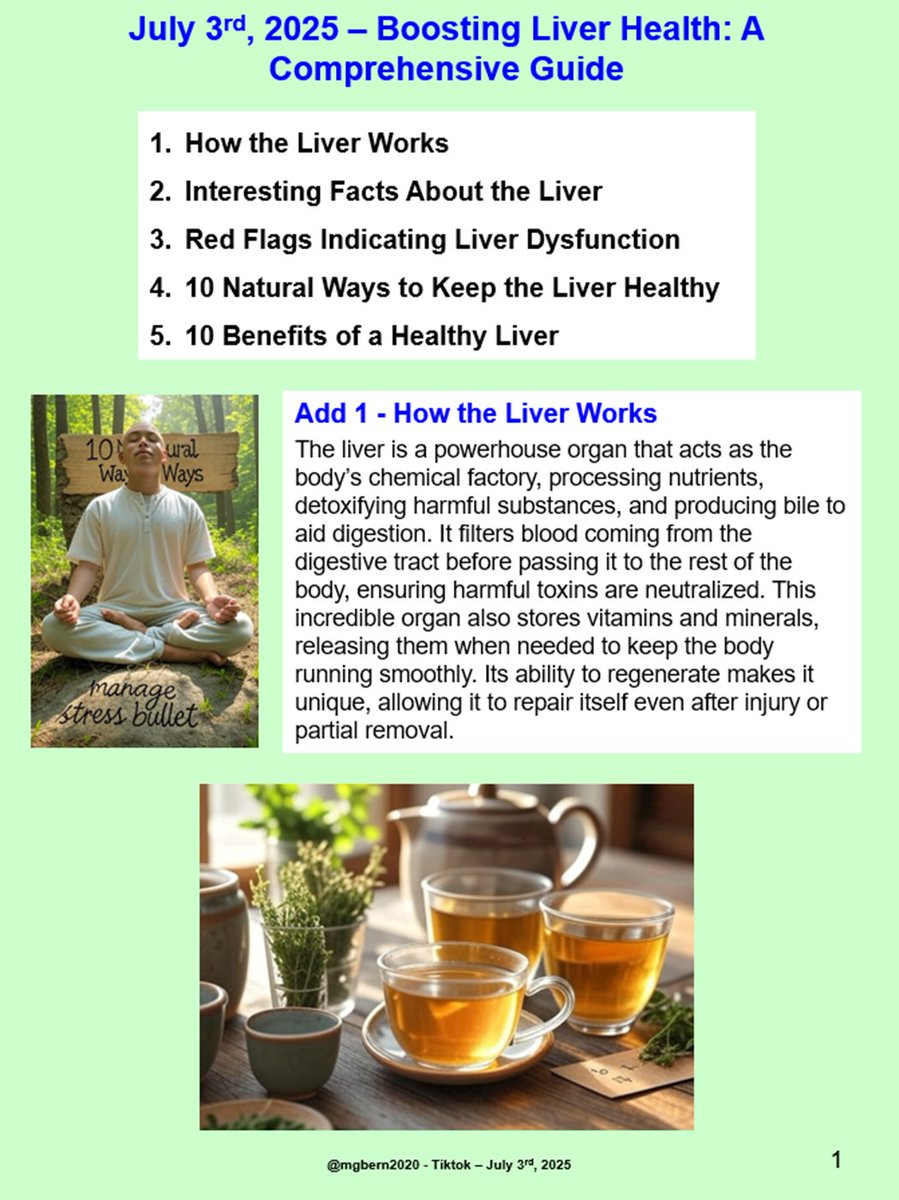
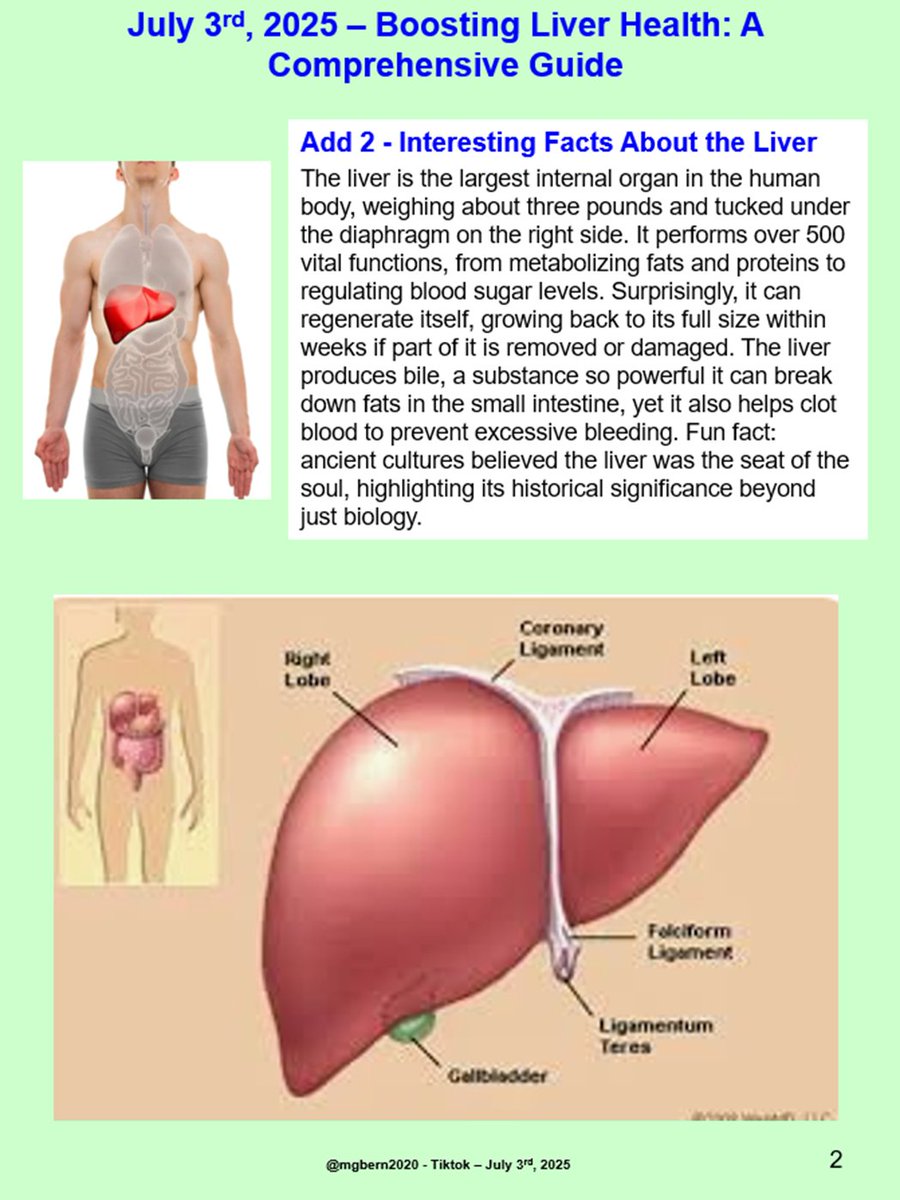
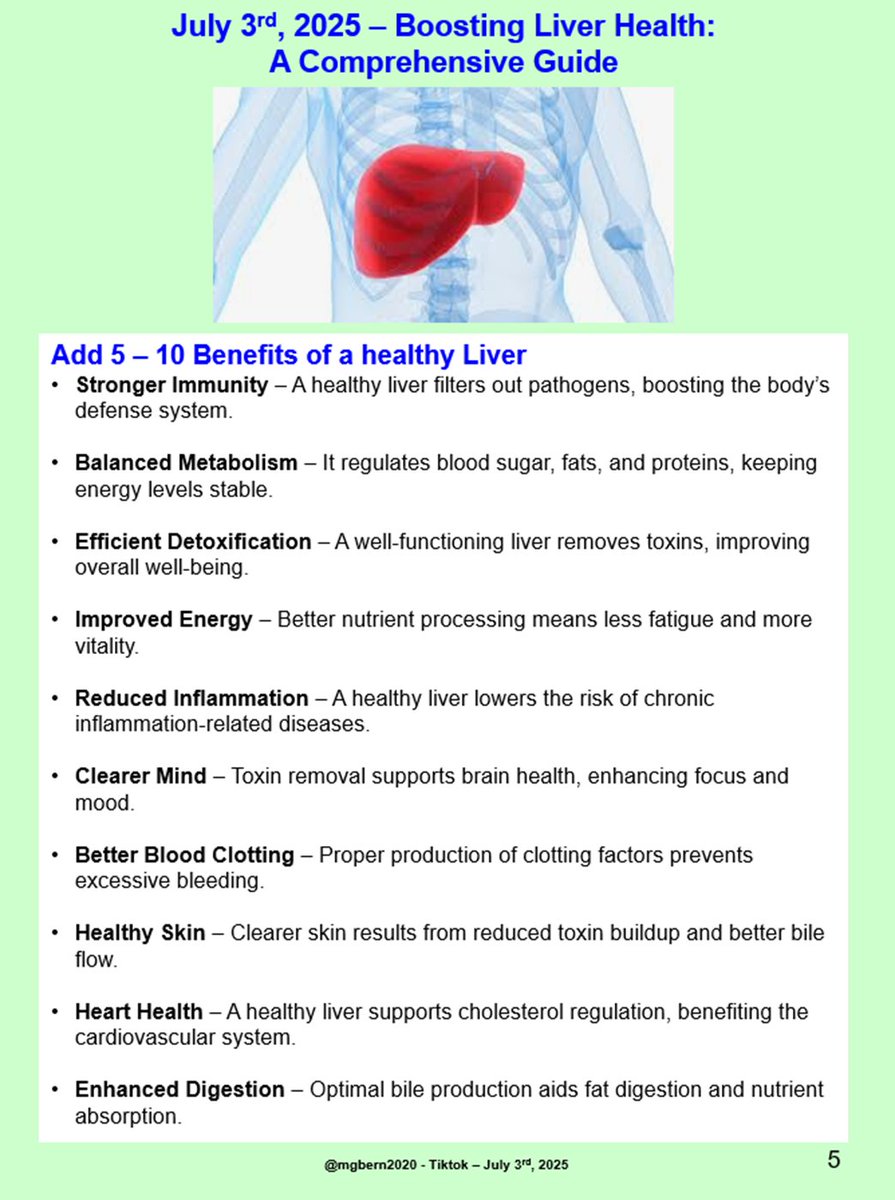
Interesting Facts About the Liver
The liver is the largest internal organ in the human body, weighing about three pounds and tucked under the diaphragm on the right side. It performs over 500 vital functions, from metabolizing fats and proteins to regulating blood sugar levels. Surprisingly, it can regenerate itself, growing back to its full size within weeks if part of it is removed or damaged. The liver produces bile, a substance so powerful it can break down fats in the small intestine, yet it also helps clot blood to prevent excessive bleeding. Fun fact: ancient cultures believed the liver was the seat of the soul, highlighting its historical significance beyond just biology.
Perhaps 2030 – 2035 you can implant a 3D printed liver. What does it mean? You can drink more beer ….
#LiverHealth #HealthyLiver #LiverDetox #LiverCare #NaturalHealth #LiverFunction #Wellness #HealthyLiving #Detoxification #Nutrition #LiverSupport #HolisticHealth
1
2
152
19 Jun 2025
#MediterraneanDiet and intermittent fasting show significant promise for improving metabolic health and #LiverFunction in MASLD, with DASH and vegetarian diets also offering notable benefits. doi.org/g9qvvs medicalxpress.com/news/2025-…
1
18
25
5,289

8 Jun 2025
Deidentified data is still at patient level - so allows one to identify relationships between drug efficacy and safety and a host or patient factors - age, sex, ethnicity, comorbidities, renal and liverfunction etc…
That’s kinda how personalised medicine works!
1
17

24 Apr 2025
Effect of #polycyclicaromatichydrocarbons on #liverfunction in Basra oil company workers
bsmiab.org/jabet/178-1716501…
2
43

18 Apr 2025
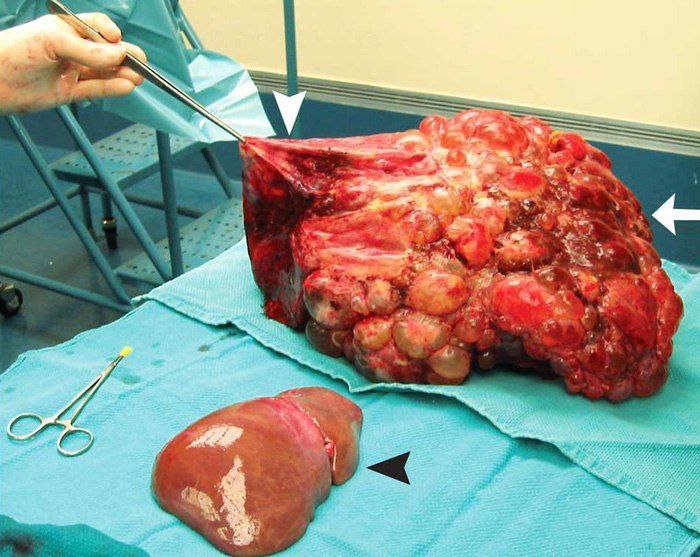
Polycystic liver (a healthy one is lying nearby for comparison).
.
.
.
.
#PolycysticLiver #LiverHealth #CysticDisease #HealthComparison #MedicalEducation #LiverFunction #PatientAwareness #CysticLesions #Hepatology #HealthInformation #Anatomy #MedicalConditions #Wellness #OrganHealth #HealthTips
1
148

16 Apr 2025
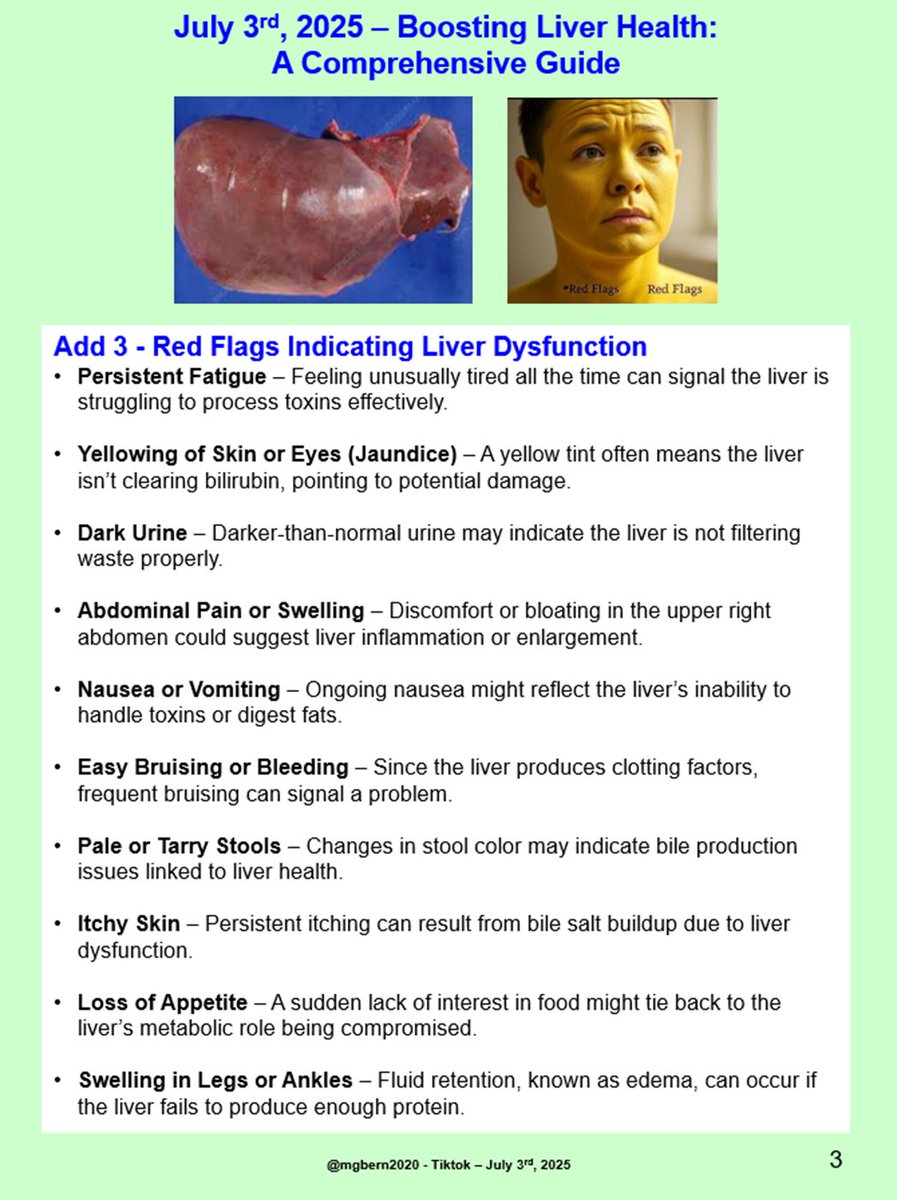
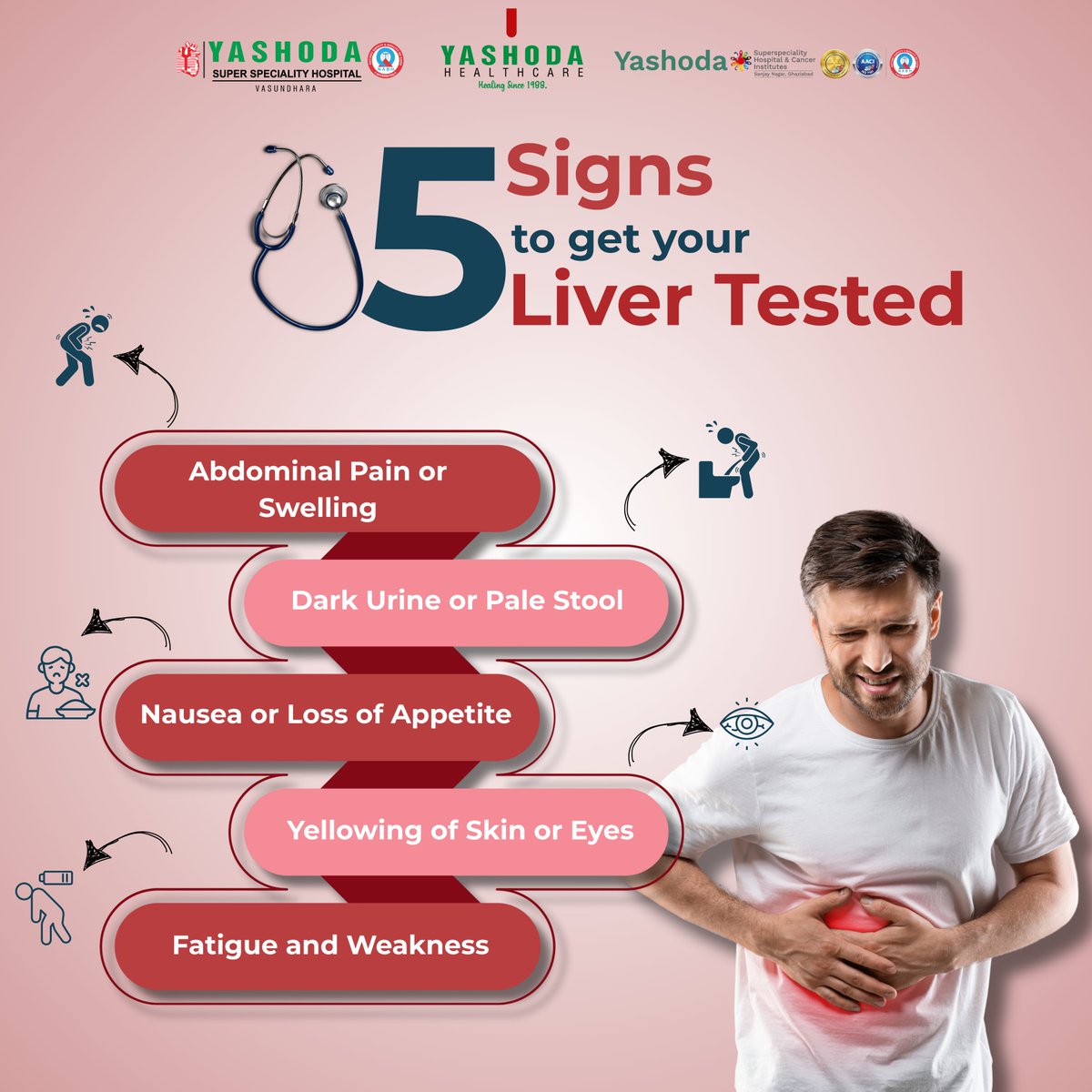
Don't ignore these signs! Get your liver checked if you're experiencing any of these symptoms. Early detection can help prevent liver damage and promote overall health.
Book an appointment at Yashoda Hospital for a comprehensive liver check-up. Our specialists are here to guide you.
📍 𝗩𝗶𝘀𝗶𝘁 𝘂𝘀: Nehru Nagar | Sanjay Nagar | Vasundhara
📞 𝗔𝗽𝗽𝗼𝗶𝗻𝘁𝗺𝗲𝗻𝘁𝘀: 9810922042 | 09810709038 | 9810705772
🌐 𝗪𝗲𝗯𝘀𝗶𝘁𝗲: yashodahealthcare.com
@yashodacares @YashodaVasndara
#LiverHealth #YashodaHospital #LiverCare #HealthyLiving #LiverFunction #HealthAwareness #LiverFunctionTest #YashodaSuperSpeciality
2
2
66
26 Feb 2025
The liver is one of the most important organs in our body. Every minute millions of chemical reactions take place in the liver, which form the basis of our body's life.
In just one hour, up to 100 liters of blood pass through this most important organ, and at any given time 10% of a person's blood is in the liver.
.
.
.
.
#LiverHealth #VitalOrgans #HumanAnatomy #Metabolism #HealthyLiving #BloodCirculation #LiverFunction #BodyHealth #ChemicalReactions #HealthEducation #Nutrition #Wellness #Anatomy #Detoxification #MedicalScience
2
74

17 Feb 2025
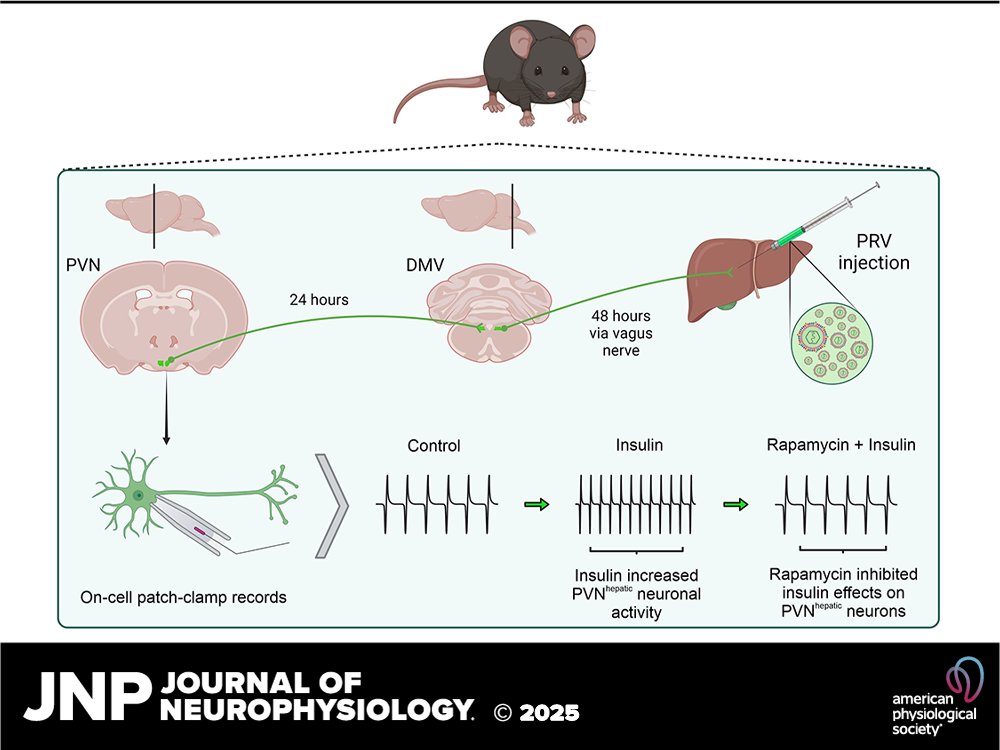
🔓#OpenAccess New research reveals insulin's intricate role in managing #LiverFunction! It activates specific 🧠 neurons via mTOR signaling, shedding light on its impact on glucose production.
ow.ly/loat50USGHa
#parasympathetic #hypothalamus @cboychuklab @antunesvr2023
2
5
859
14 Feb 2025
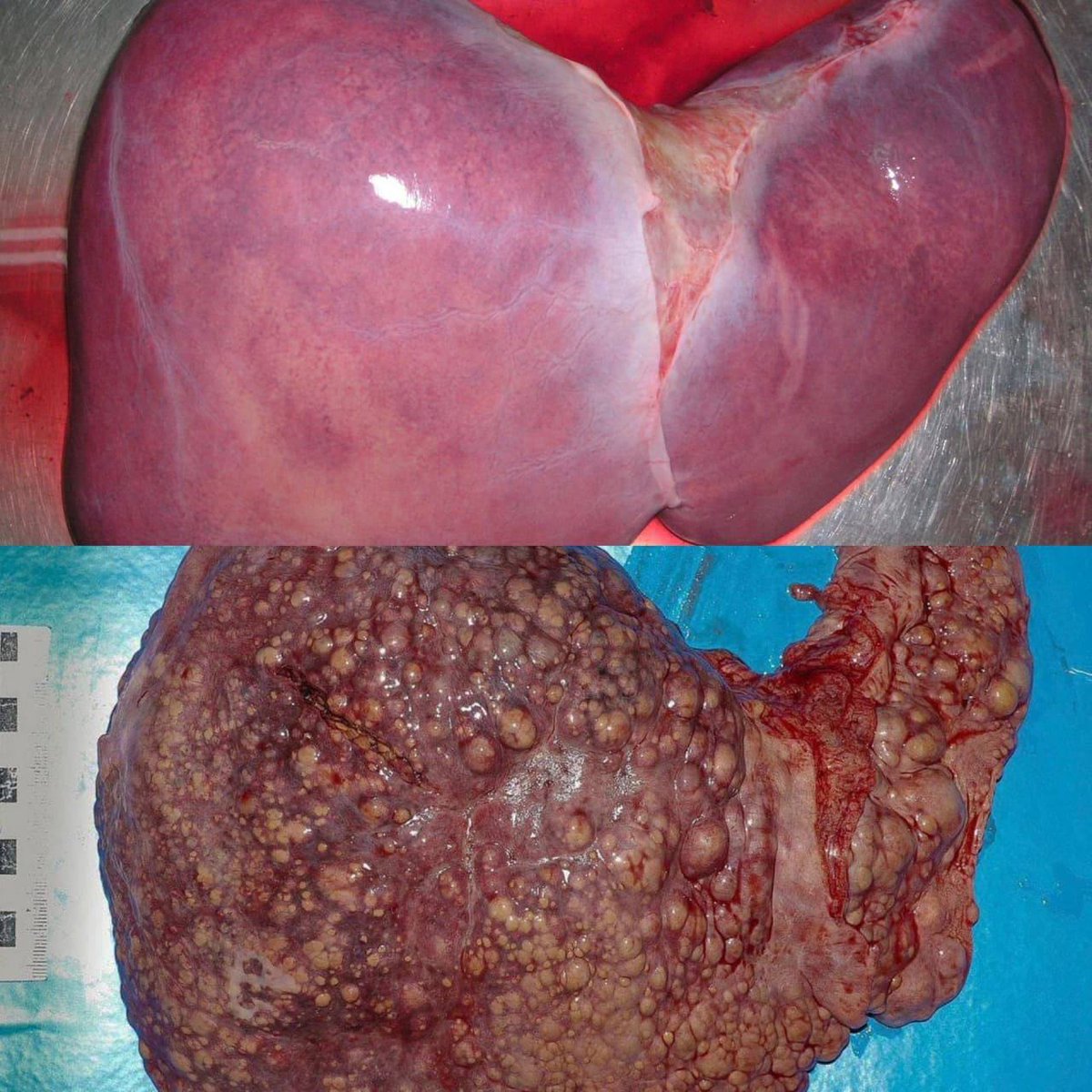
Pathological example of normal liver and liver with cirrhosis.
.
.
.
.
#LiverHealth #Cirrhosis #LiverDisease #Pathology #MedicalEducation #Hepatology #HealthAwareness #LiverFunction #DiseasePrevention #Healthcare #LiverCirrohsis #LiverBiopsy #ChronicDisease #PublicHealth #Nutrition #Wellness #OrganHealth #ScienceEducation
3
129

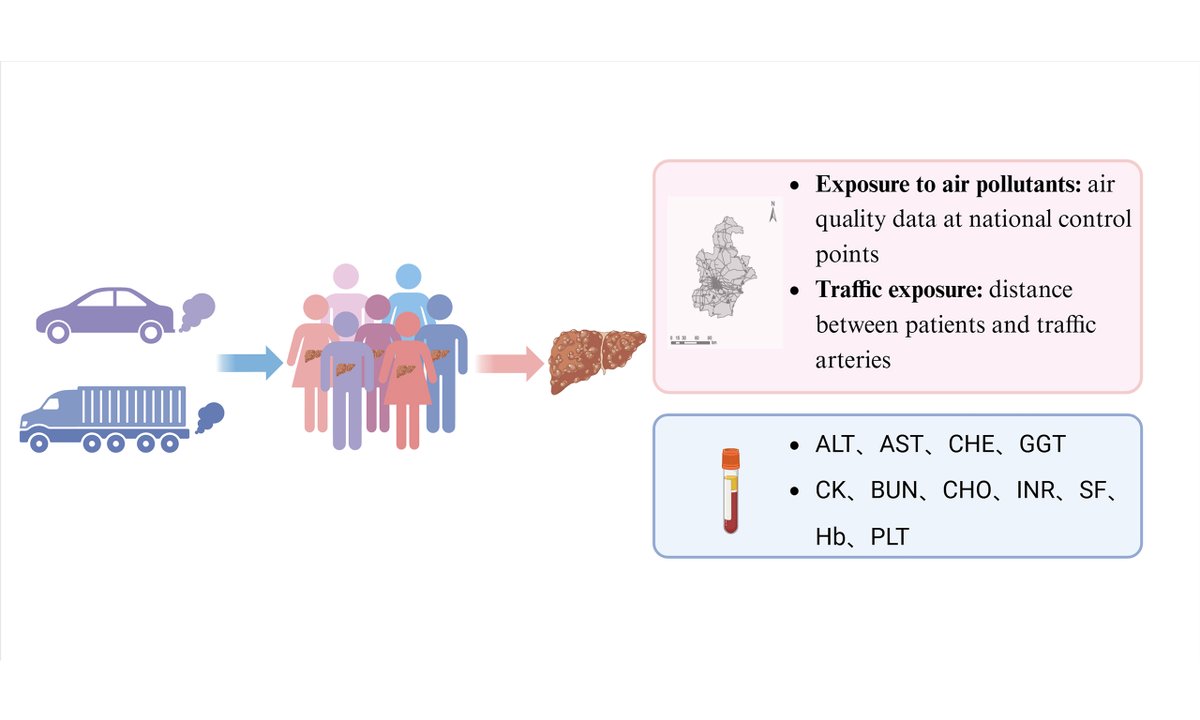
🚗💨 New Article: Effect of exposure to traffic-related air pollution on liver function during the compensation period for cirrhosis: a 4-year follow-up cohort study.
📖 Read more: oaepublish.com/articles/jeea…
#AirPollution #LiverFunction #Cirrhosis #EnvironmentalHealth
1
1
74

Liver cirrhosis is a chronic condition where long-term damage to the liver impairs its functionality.
It is often linked to excessive alcohol consumption, leading to scarring and reduced liver capacity.
#LiverCirrhosis #LiverHealth #ChronicLiverCondition #HepaticCirrhosis #AlcoholConsumption #LiverDamage #HealthAwareness #LiverFunction #StayHealthy #LiverCare #HealthyLiver #PreventionIsKey #AlcoholAwareness #LiverDisease #LiverScarring #Detox #HealthyLiving #LiverSupport #EarlyDetection #ChronicConditions #HealthJourney #LiverDetox #MedicalAwareness #HealthEducation #BodyHealth #ProtectYourLiver #LiverRecovery #KnowYourHealth #LiverHealing #LiverCareMatters #drgalen
20 Dec 2024

Liver cirrhosis, or hepatic cirrhosis, is a chronic liver condition where long-term damage impairs the liver's functionality. This damage can often be associated with excessive alcohol consumption🍺
3
8
5,898