

Apr 12
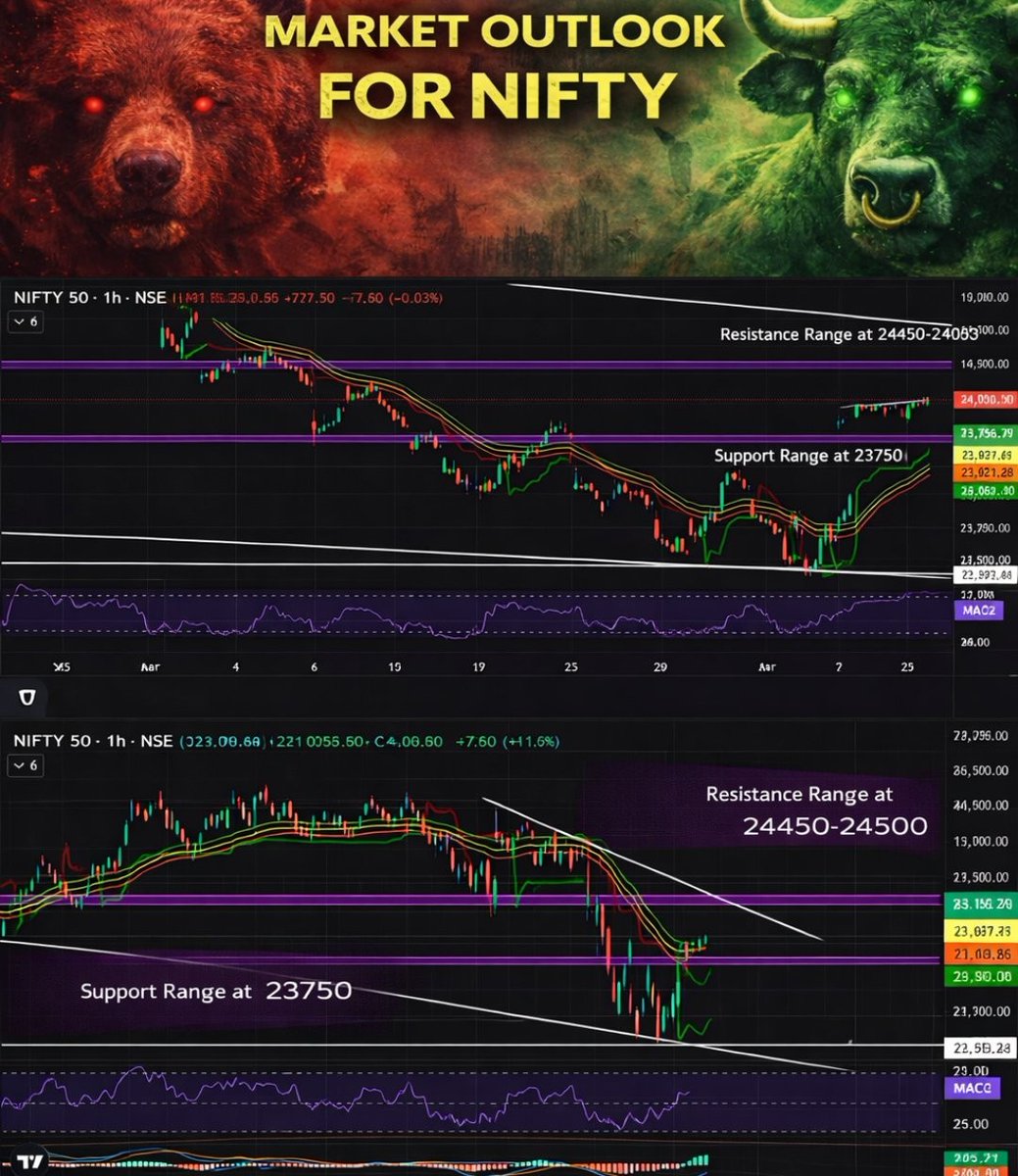
Current #Nifty Technical Setup
Immediate #support: 23,700–24,000 zone
#Trend: Range-bound with high volatility
#Structure:
#Shortterm → unstable
#Mediumterm → sideways to mildly bullish
#Bullish Triggers
Sustained ceasefire / oil cooling
#Fedratecut expectations
FII buying returning
👉 Nifty can move toward 25,000–26,000
#GlobalMarkets
#MarketVolatility
#OilPrices
#Geopolitics
#InflationWatch
#FedRates
#USMarkets
1
4
274

Mar 31
$AREC
BREAKING
Mitsubishi Materials Corporation (the "Company") hereby announces that it has decided to make an investment in ReElement Technologies Corporation ("ReElement"), a company headquartered in Indiana, the U.S., engaged in the recycling of rare earth elements and other critical resources, through the acquisition of preferred shares of ReElement (the "Investment"), and has executed a Memorandum of Understanding (the "MOU") concerning Japan-U.S. collaboration in the field of rare earth and rare metal recycling.
This matter constitutes a strategic investment made with a view to accelerating the global expansion of the Company's secondary smelting business, while also considering the creation of new resource circulation businesses in Japan, under the basic policy of becoming a company committed to "creating the future through resource circulation," as set forth in the Company's Mediumterm Management Strategy (FYE March 2027-2029).
THIS IS HUGE 🚀
mmc.co.jp/corporate/en/news/…
Mar 31

Regarding the Acquisition of Shares in ReElement Technologies Corporat… | News | Mitsubishi Materials Corporation mmc.co.jp/corporate/en/news/…
3
1
13
1,531

Mar 21
Friends, let’s look at this clearly and without unnecessary noise. Markets rise and fall, sometimes dramatically, but good businesses and disciplined investors endure.The S&P 500 recently closed around 6,506 points (down about 1.5% in the session), and the pressure is still building. Geopolitical tensions in the Middle East, with reports of potential U.S. ground operations against Iran in the coming weeks, are pushing oil prices higher and uncertainty even higher. That’s real, measurable, and it weighs on valuations across many sectors.Gold and silver had powerful rallies, fueled by inflation fears and uncertainty, but corrections are already visible: gold around $4,500/oz, silver around $68 to $70/oz. I consider it plausible that gold could drop to $3,500 and silver to $50 if risk-off mode fully kicks in, liquidations accelerate, and real yields rise, much like the post-parabolic crashes of 1980 and 2011. Bitcoin, currently near $70,500, could fall to $35,000; in panic phases it often behaves like high-beta tech rather than pure digital gold.Stocks are under heavy pressure, especially in richly valued sectors. Private equity, the real estate market, banks, and private credit are showing serious structural cracks. Commercial real estate is struggling with CMBS delinquency rates around 7%, the office sector hitting record highs above 12%, worse than during the 2008 financial crisis. A wall of roughly $1 trillion in maturing loans in 2026 threatens refinancing failures, forced sales, and value destruction. Private credit, a multi-trillion-dollar market, is seeing rising defaults (trailing rates up to 5 to 6%, with warnings of potential doubling in the coming years due to economic stress). Banks carry significant exposure to non-bank lenders and CRE; regional institutions are already feeling it in their balance sheets.This is not a passing squall. Many of these issues are deeply rooted: higher interest rates since 2022, structural shifts from hybrid work in office space, and a credit cycle that could drag on for months or even years. No quick V-shaped rebound, more likely a prolonged U or even an L-shape, leaving real scars on balance sheets and confidence.Michael Burry, the man who saw the subprime collapse coming, has been warning about exactly this kind of setup for months. In his recent Substack posts (as of early 2026), he describes the market as a “coiled spring”, stretched by historically extreme valuations, passive index flows, massive buybacks, and unsustainable AI hype. He has positioned heavily with puts on names like Palantir and Nvidia, arguing that when the unwind begins, it could be violent and prolonged, potentially a double-digit decline (or worse) in the S&P 500, lasting longer than most expect, because the structural supports (index concentration, forced buying) could break.Still: America has survived worse. Wars, depressions, 21% inflation, dozens of recessions, and every time productive companies emerged stronger. The long-term direction is upward because people keep inventing, producing, and meeting needs.Short and mediumterm? Cash is King. Not out of fear, but out of prudent preparation. Cash is oxygen: cheap to hold and vital when opportunities appear. And right now, the person who best embodies that philosophy in real time is Ryan Cohen at GameStop.I firmly believe Ryan Cohen will become the Warren Buffett of this generation. He has built a fortress of cash, avoided debt, maintained discipline, and waited precisely for this moment. While the market panics, while valuations compress, while assets become cheap, he stands ready to strike. GameStop is no longer just a meme stock; it is a cashrich vehicle led by a man who thinks in decades, not quarters. The last few years of preparation, building cash reserves, avoiding dilution, staying patient, were all about being ready for exactly this phase so he can emerge as the hero when others are suffering.That’s exactly how I approach it
$GME 🏴☠️
$SPY
30 Dec 2025

GAMESHIRE HATHAWAY
@ryancohen is the
New Warren Buffett !
I regard Warren Buffett as a central role model in value investing. His takeover of Berkshire Hathaway in the 1960s, a declining textile company at the time, and its gradual transformation into a diversified holding company exemplify how cash flows from an undervalued asset can fund investments in high-quality holdings. The process spanned decades, emphasizing long-term reinvestment of profits over dividend payouts, ultimately turning Berkshire into one of the world's most successful conglomerates. In GameStop and Ryan Cohen, I see clear parallels to this approach, which underpins my long-term positive outlook on the company. GameStop was a traditional retailer in decline due to digitalization and falling sales in physical video games. Since Cohen's entry as a major shareholder in 2021, followed by his roles as Chairman and CEO from 2023, he has initiated a systematic restructuring: significant cost reductions, debt elimination, store network shrinkage (including sales of international operations), and building a substantial liquidity reserve, currently around $8.8 billion in cash and equivalents as of Q3 2025, supplemented by Bitcoin holdings of 4,710 BTC.Cohen has explicitly cited Buffett as an inspiration and pursued a strategy to stabilize the core retail business (e.g., through a pivot to higher-margin collectibles and trading cards, which now form a meaningful revenue share) while freeing up cash reserves for broader investments. This enables a gradual shift toward a holding structure, where the retail arm contracts and the emphasis moves to capital allocation in undervalued assets or acquisitions, mirroring Berkshire's use of insurance float.Michael Burry, who held early GameStop positions and recently reflected on his pre-2021 exit, has acknowledged execution risks in Cohen's early vision but now views the company under his leadership as a "melting ice cube" with genuine long-term optionality beyond mere meme-driven volatility. My expectation is that Cohen will execute initial major acquisitions or stakes in the coming years, potentially in technology, e-commerce, or cash-flow-strong sectors, to evolve GameStop from a pure retailer into a diversified investment vehicle. The Bitcoin strategy adds volatility but serves as an inflation hedge and signals modern capital preservation. Long-term, I see potential for substantial value creation provided allocation discipline is maintained. The transformation, already underway for several years, could, analogous to Berkshire, become a multi-decade project. I remain invested and closely monitor upcoming capital deployments with high anticipation.
$GME

1
1
9
535

One of the biggest risks, I see in the mediumterm, is that someone buys EVO with a 30 % premium and takes it private.
1
2
99

Silver Update
After a small break, pl find my updated view on silver 👉👉
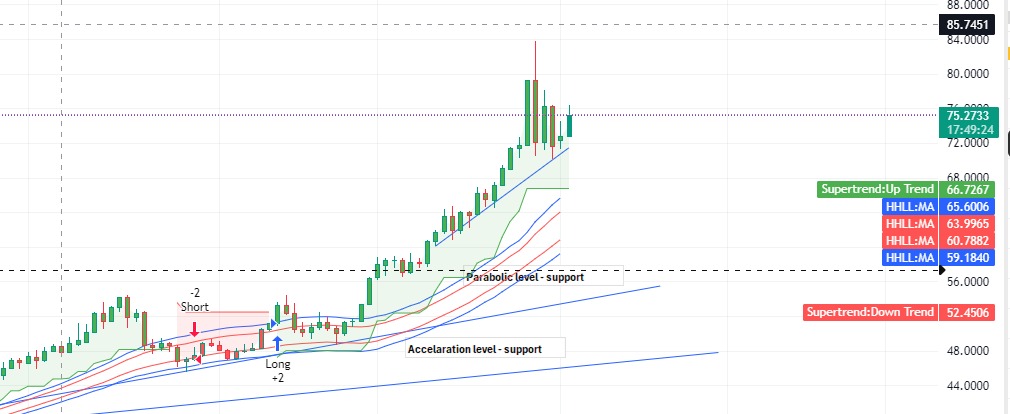
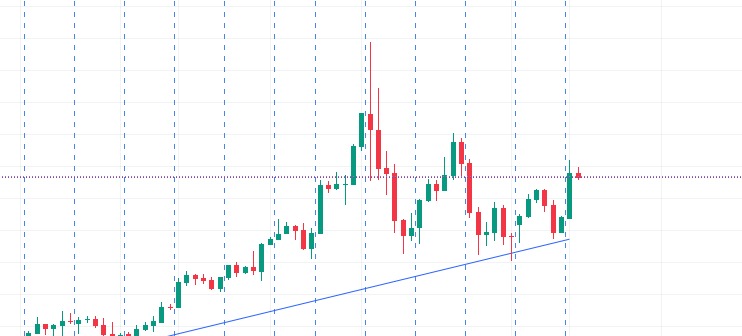
Following a sharp impulse leg, Silver has transitioned into a volatility contraction/ consolidation phase near recent highs.
✅Daily structure remains HH–HL intact, with price holding above rising MA clusters & hh support — indicating no mediumterm trend damage.
✅On the 4H timeframe, price is coiling within a narrow range, showing repeated rejections in the 76–77 supply zone while higher-lows continue to form along the rising trendline.
✅ Momentum has reset (RSI ~50–55) without entering bearish regime, suggesting absorption rather than distribution.
Conclusion:
This is a pause within an uptrend, not a reversal.
However, risk-reward remains unfavourable inside the range.
Trading Plan:
▶️ Initiate longs only on a decisive 4H / Daily close above 76–77 with follow-through
▶️ Until then, remain flat — no breakout, no trade
Patience here preserves capital and positioning for the next expansion phase🙏🙏🌈
31 Dec 2025

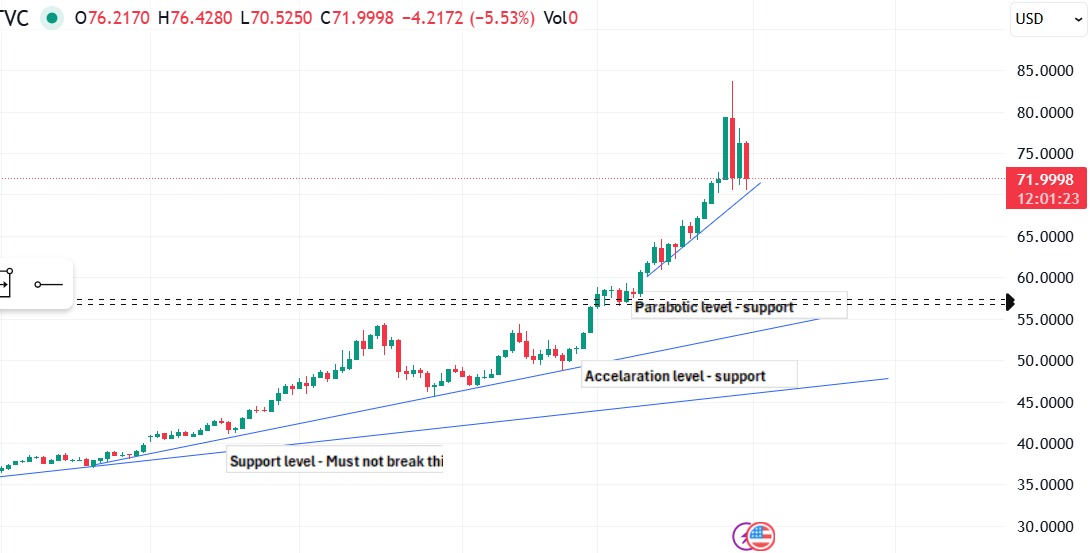
Till now, Silver managed to hold my support level & that's how mentioned about $ 70 level 🙏🙏
Chk this 👉👉
3
18
7,532

11 Dec 2025
Jefferies Raises $APP PT to $860 from $800 - Buy
"APP is an emerging leader in the mobile advertising market. Our Buy thesis on APP is based on 3 key factors. 1) We believe there is near- and mediumterm upside to rev ests in the advertising business. 2) We believe APP could achieve a LT adj. EBITDA margin of 80% . 3) Delivering ad outcomes beyond gaming is likely to power the next leg of rev growth in FY26 and beyond. The extension into e-commerce and other beyond gaming verticals gives us confidence that the advertising business can maintain 30% growth over the next few years."
Analyst: James Heaney
2
9
55
16,957

7 Dec 2025
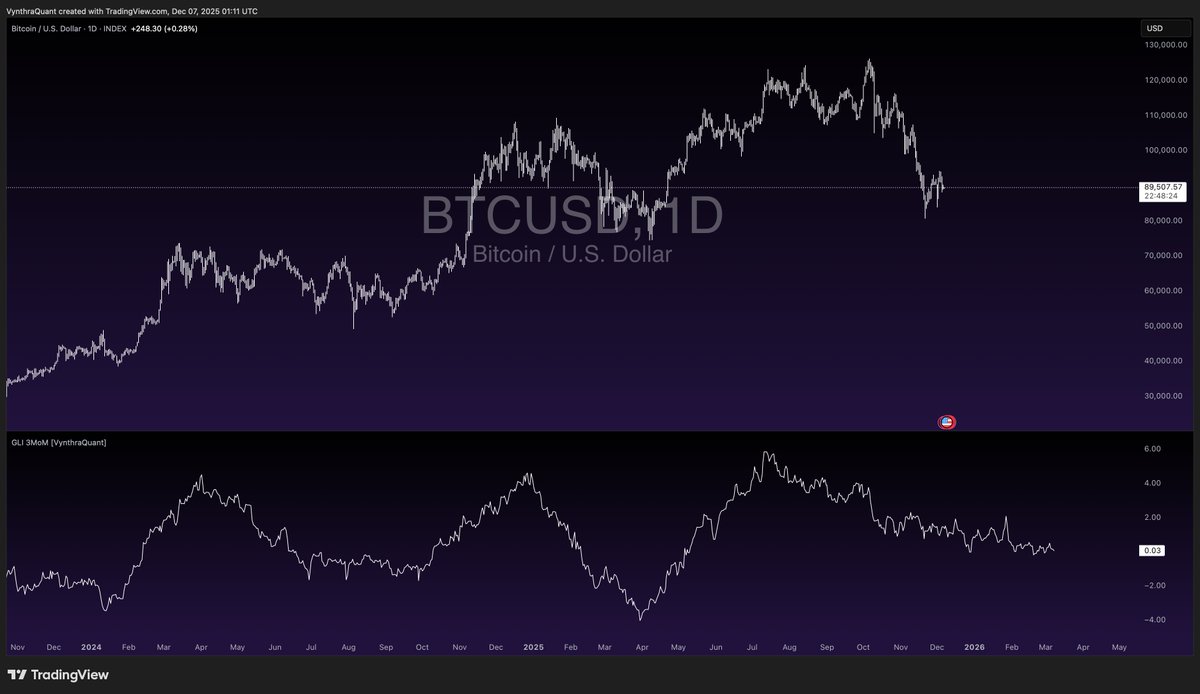
GLI 3MoM is slightly grinding lower
I dont expect to see a significant recovery real soon
although $BTC follows GLI on the longterm, it doesn't mean that BTC cant decorrelate on the short to mediumterm
2
40

27 Nov 2025
Commodity vs Equity
We used to view most crypto assets as equity like - things whose value would rise over time, reflecting the project's success. This led us to HODL our coins, genuinely believing these assets would be financially sustainable long-term once we hit global adoption.
Now, however, we're starting to realize many of them are simply commodities.
A commodity is relatively simple. If its scarcity is high and its demand is strong, the price goes up. Take oil as an example: during COVID, flight demand plummeted while supply stayed constant, leading to that massive plunge in oil prices. Later, when the Russia-Ukraine war impacted oil supply, the price spiked, even with steady demand.
So, what does that mean for crypto? Where's the demand for the tokens?
Yes, the gas fee. Since the emergence of so many chains and L2s, we've seen transaction costs drop significantly. We've just become incredibly efficient at transacting onchain now.
Imagine this scenario: a new Airbus is invented tomorrow that uses only 1% of the oil needed to complete the same flight. What do you think would happen to the price of oil?
Sure, eventually, we might see more flights because of the improved efficiency. But in the short to mediumterm (for at least a few years), we’d see the price of oil regress to a much lower value first.
My guess is that over the next 2 to 3 years, most crypto assets will trend down toward a fair value. This will be a reflection of two things:
> the increase in supply (from VC unlocks and token inflation)
> the decrease in demand (driven by less speculative interest due to lower volume and liquidity).
At some point, though, some of these assets will hit an equilibrium, and their price will start to range bound there, until we see the next crypto boom that is driving a high demand of these assets.
To wrap up, I think the critical task is identifying which assets are true commodities and which are truly equity-like.
> For the commodity ones, we need to sell now before everyone else gets frustrated and realises these assets can never make profit
> For the equity-like assets - the ones demonstrating growth in profitability from organic demand—that's where we should be getting ready to deploy capital
3
15
3,440

सर्व मंगल मांगल्ये शिवे सर्वार्थ साधिके शरण्ये त्र्यंबके गौरी नारायणि नमोऽस्तुते।
ॐ जयन्ती मंगला काली भद्रकाली कपालिनी दुर्गा क्षमा शिवा धात्री स्वाहा स्वधा नमोऽस्तुते।
ॐ ऐं ह्रीं क्लीं चामुण्डायै विच्चै
या देवी सर्वभूतेषु शक्तिरूपेण संस्थिता, नमस्तस्यै नमस्तस्यै नमस्तस्यै नमो नमः।
Namaste Namaste Dear All #Investors And #Traders
Very Good Morning 🙏 🌄 😊
Suprabhat
Maa Ki Kripa Hum Sab Par Bani Rahe..
Catch Every Single Opportunities With #A3RT @arbindtiwariT
#NiftyFuture #BankNiftyFuture #Gold #Silver #Crudeoil #Copper #NaturalGas #USAMarket #GlobalCurrency #AgriCommodities #SIP #ETF
#ShortTerm #MediumTerm #LongTerm
"NOW MAKE PLAN FOR #2030"
"Five Years Holding Period Plan"

5
132

11 Nov 2025
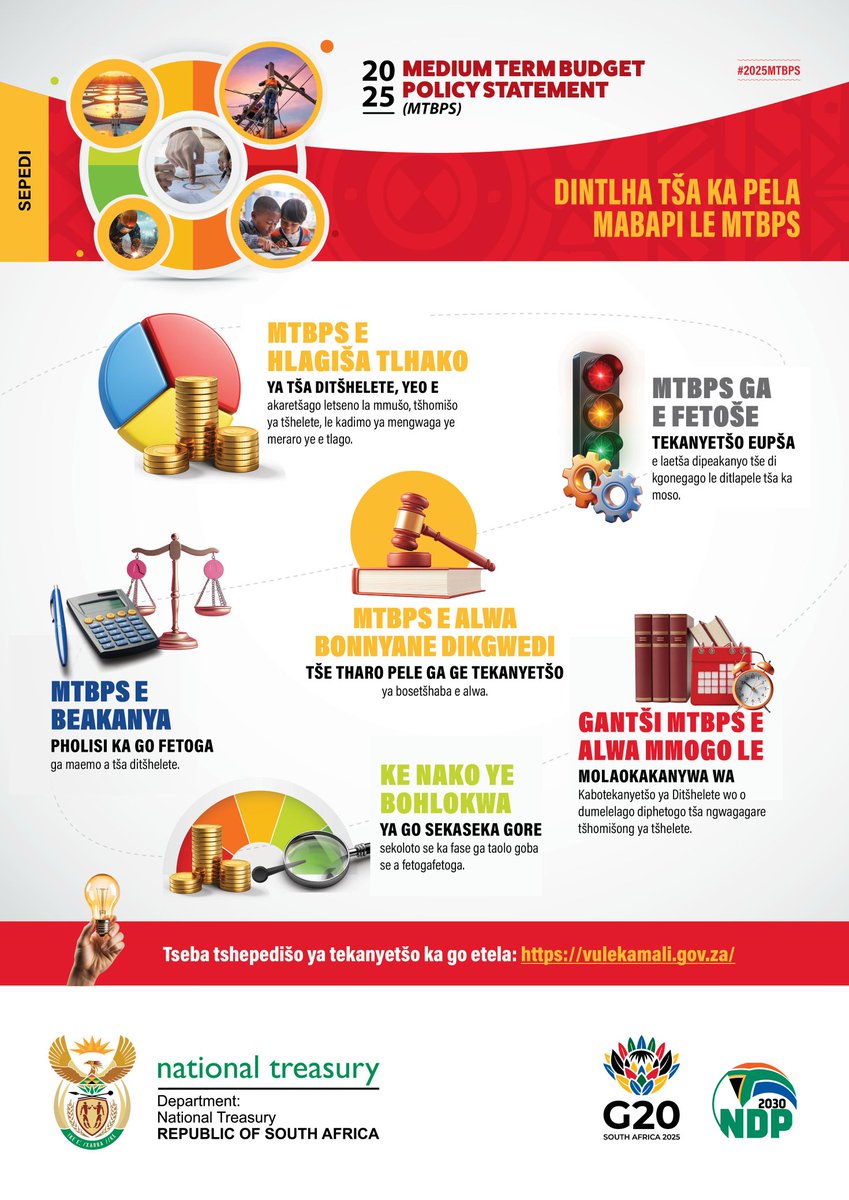
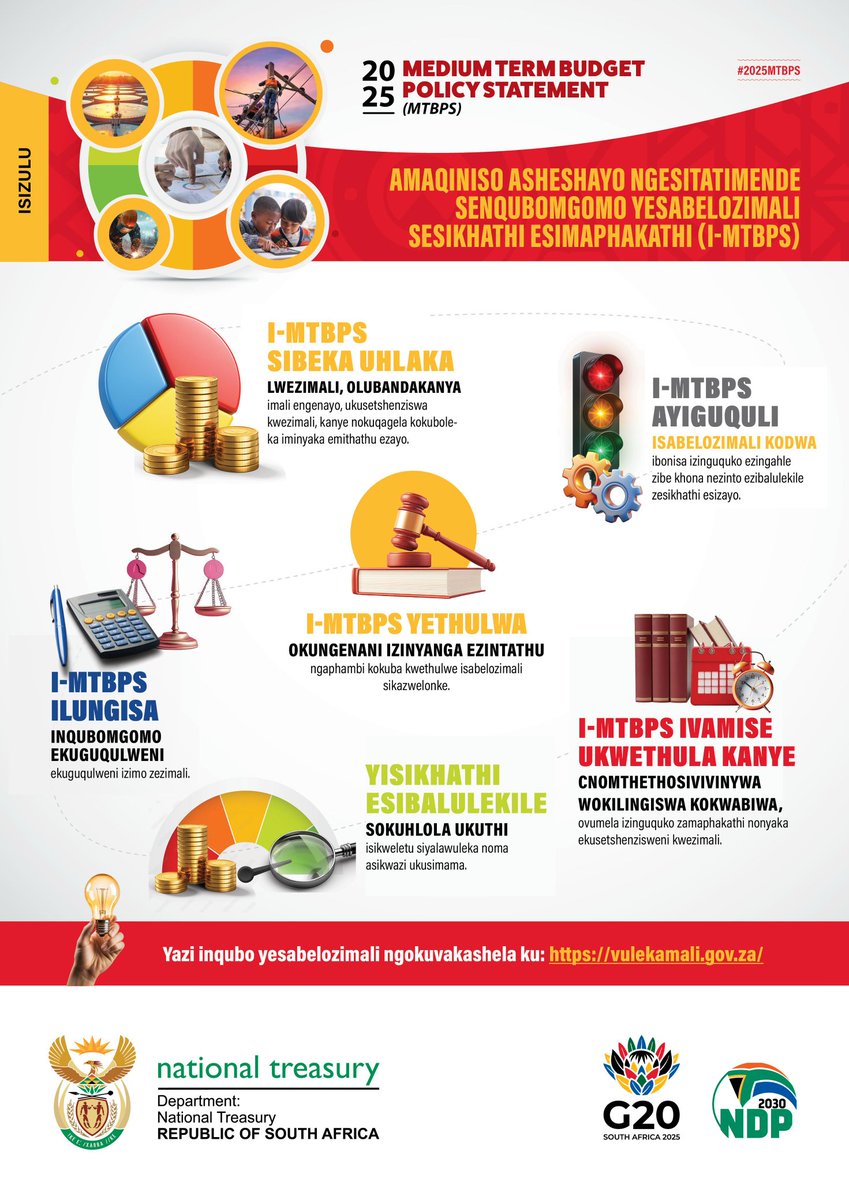
Here are some quick facts about the MediumTerm Budget Policy Statement (MTBPS) #2025MTBPS #MTBPS
3
372

30 Oct 2025
Brig Brijesh Pandey Sir @BPanIndian With @AadiAchint Sir Discuss About The Nuclear Post By Donald Trump In The Context Of US Empire's Decline,The Short Term, MediumTerm & Long Term Implications & The Strategic Uncertainty It Throws Into The World
#DefTalks
youtube.com/watch?v=gZjRoVsm…

1
5
84

22 Sep 2025
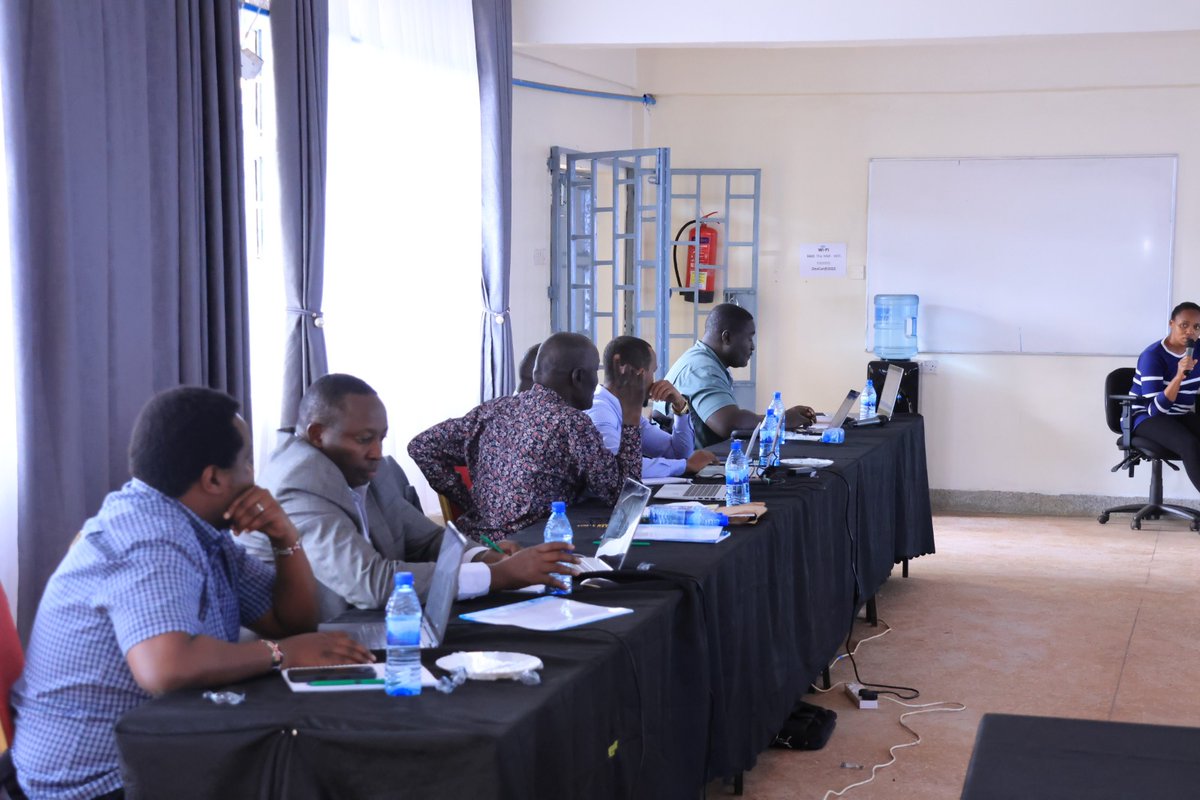
@Devolution_KE, @IGRTC_KE & @KenyaGovernors are on retreat to plan the FY 2026/27 & Medium-Term Budget. The Team aims to develop the Programme Performance Review Report (PPR) FY 22/23-24/25, the Program Performance Based Budget (PBB) and Sub-sector Report.
#MediumTerm #Budget



3
69

8 Sep 2025
Where does it originate from? The chart does nothing.
Inflation was due to 10trn worldwide Covid gov spending! Tariffs are "macro" deflationary mediumterm!
4
500

A well-balanced portfolio comprises goals of all types—short-term, medium-term, and long-term—along with the right proportion of performing sectors as per the market.
#shortterm #mediumterm #longterm #market #sectors #mutualfunds
8
237

1 Aug 2025
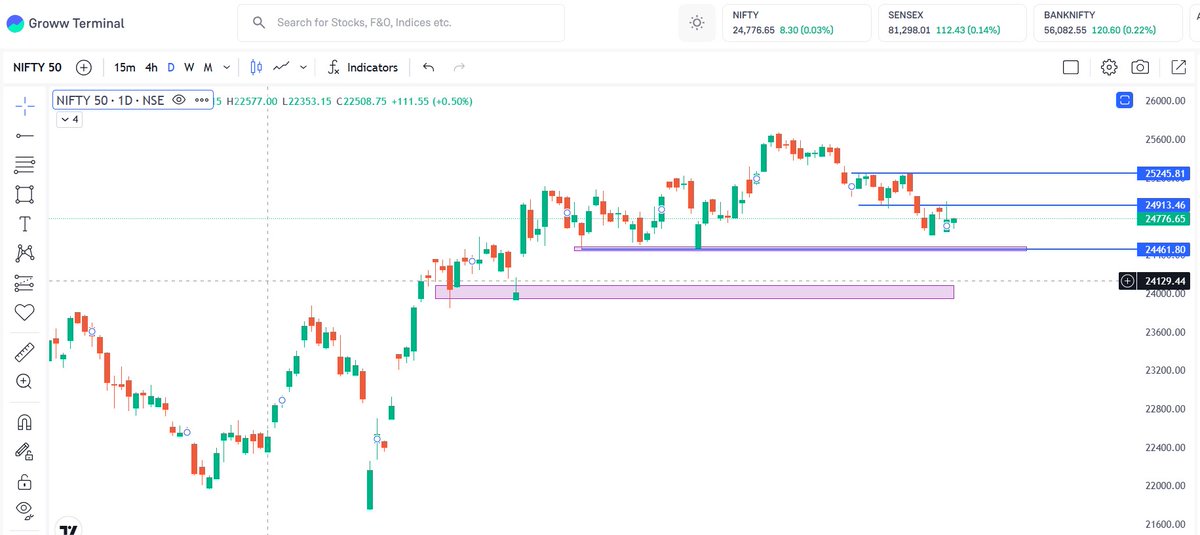
Key Level To Watch #NIFTYSPOT #NIFTY50
Shorterm Trend :DOWN
Mediumterm trend : Sideways
24910-50 R1
25222-250 R2
Downside Support
24460/80 S1
23935-860 S2
200SMA 24050
If price will consolidate here then in next 1/2week downside confirmation will come.. #WATCH
#LevelTOWatch
6
10
101
157,998

1 Aug 2025
#MEDIUMTERM - 1 stock
#SHORTTERM - 1 stock is added
31 Jul 2025

🚨 The Selection of stocks Has Begun! Be an early bird. 🐣
Sovereign Circle 🌐 — a high-conviction, power-packed equity portfolio built for those who aim big.
🔍 20–25 carefully handpicked stocks across multiple sectors
📊 Backed by strong fundamentals, solid technicals & macro trends
📍 Location-aware allocations for sharper edge
🔁 Rebalanced every 3–6 months to stay ahead
🎯 Targeting a robust 30–40% CAGR
Not just another Smallcase. This is precision investing — focused, adaptive, and designed to outperform.
#StockMarket #InvestSmart #SovereignCircle #EquityPortfolio #CAGR
2
10
1,865
30 Jul 2025
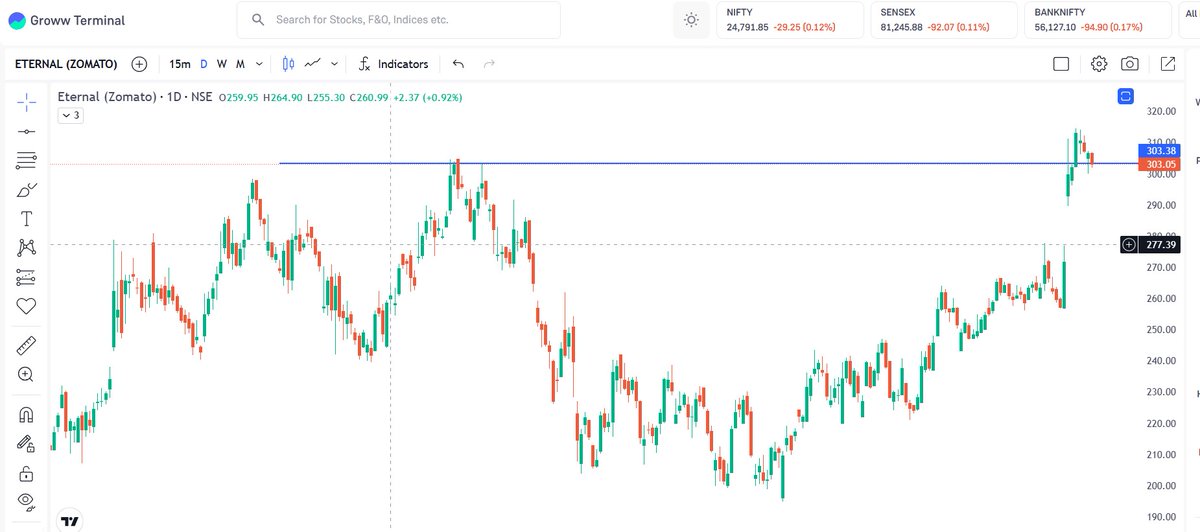
#Zomato
fresh Mediumterm breakout on chart .. pattern tgt upside 450
#StrictSTOPLOSS is key
Valution is concern Overvalued
#ONLYINFO #WATCH
27 Jul 2025

Thanks For qna, missing your YouTube sessions CPC
Any View on Zomato?
3
2
29
29,018
30 Jul 2025
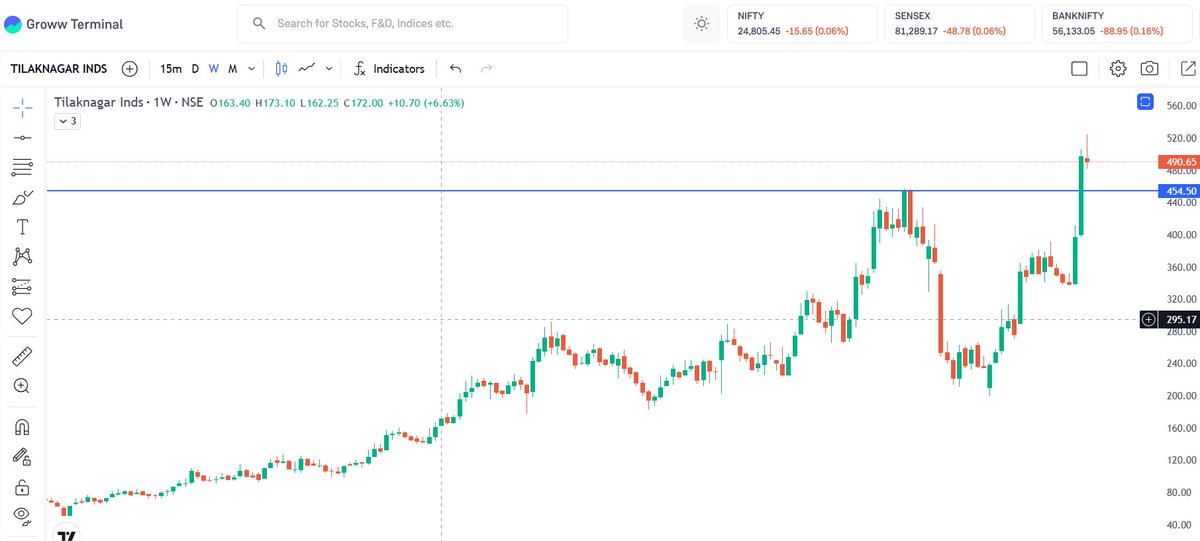
#Tilaknagar
fresh Mediumterm breakout on chart ..good to add on Retest for pattern tgt upside 700 #StrictSTOPLOSS is key #ONLYINFO #WATCH
27 Jul 2025

Tilaknagar industries please 🙏
3
5
43
35,854

30 Jun 2025
#INVESTMENT #SIP #52WEEKHIGH #ALLTIMEHIGH #MEDIUMTERM #LONGTERM #Breakout #StocksToBuy #stockstowatch #breakoutstocks #MCX #EXCHANGE
👉9000 🔥🚀😍
✍️ 444 % BEFORE 2 YEARS !
@garwasanjay
@VijayThk
@nitinkillol
@Rishikesh_ADX
@rohaninvestor
@ADX_Learner
@DillikiBiili
21 Oct 2023

#INVESTMENT #SIP #52WEEKHIGH #ALLTIMEHIGH #MEDIUMTERM #LONGTERM #Breakout #StocksToBuy #stockstowatch #breakoutstocks #MCX #EXCHANGE
👉MCX LOOKING GOOD 3333 .
👉MAJOR TRENDLINE BREAKOUT!
@garwasanjay @VijayThk @nitinkillol @Rishikesh_ADX

5
3
226