Filter
Exclude
Time range
-
Near
Immediate accuracy upgrades Replace the headline Current: Scientists just discovered that twisting ice literally creates energy. Better: Scientists found that bending ordinary ice can generate electric charge. Sharper viral version: Ice is not as passive as it looks: bend it, and it can become electrically active. More scientifically correct but still punchy: Ordinary ice can generate electric charge when bent — and it may help explain lightning. The key distinction is that ice does not “create energy.” The paper says common ice is not piezoelectric and cannot generate electricity merely from uniform pressure, but it can produce electrical polarization under bending, because bending creates a strain gradient, which enables flexoelectricity. Be careful with “twisted or stretched” The study’s central experimental framing is bending. Twisting and stretching can create strain gradients under some geometries, but simple uniform stretching is not the same thing. A safer phrase: when ice is bent or unevenly deformed Instead of: bent, twisted, or stretched This matters because flexoelectricity depends on non-uniform deformation, not just any mechanical stress. The ICN2/UAB releases describe the effect as occurring when ice is unevenly deformed or bent irregularly. Fix the paper title Your source line says: Flexoelectricity and surface ferroelectricity in ice. The actual title is: Flexoelectricity and surface ferroelectricity of water ice That tiny wording matters if you are making a credibility-forward post. Replace “under pressure” with “under uneven mechanical stress” “Under pressure” makes readers think compression alone is enough. But the important physics is strain gradient: one side of the ice is compressed while another is stretched. Better: Ice may look cold and quiet, but when it is bent — with one side compressed and the other stretched — it can become electrically active. 2. Stronger rewritten version Here is a cleaner, higher-impact rewrite: Ordinary ice is more electrically alive than scientists expected.A 2025 study in Nature Physics found that common water ice can generate electric charge when it is bent or unevenly deformed. The effect is called flexoelectricity — a phenomenon where a material becomes electrically polarized when different parts of it experience different amounts of strain.This is different from piezoelectricity. Ice is not piezoelectric, so squeezing it uniformly should not generate electricity. But bending is different: one side of the ice compresses while the other stretches, creating the strain gradient needed for flexoelectricity.The researchers found that ice’s flexoelectric response is comparable to benchmark electroceramics such as titanium dioxide and strontium titanate. Even more surprising, below about 160 K, or −113 °C, the surface of ice appears to form a thin ferroelectric layer whose polarity can be reversed by an electric field.The discovery could help explain how collisions between ice particles and graupel inside thunderclouds contribute to charge separation — one of the mysteries behind lightning. It also hints at future cold-environment devices: ice-based sensors, low-cost transducers, and possibly energy harvesters made directly in polar or extraterrestrial environments.The real message is not that ice magically creates energy. It is stranger and better: under the right kind of deformation, frozen water behaves like an active electromechanical material. 3. Missing elements that would make the post much stronger Add the “why this is surprising” layer Right now, the post says ice creates charge, but it does not fully explain why that is surprising. The missing idea: Water molecules are polar, but ordinary ice Ih is overall non-polar because the molecular orientations average out. That is why ice is not normally piezoelectric. The surprise is that bending can break the local symmetry enough to produce electrical polarization. This gives readers a “wait, that makes sense” moment instead of just a “cool fact” moment. Nature’s abstract emphasizes that common ice is non-polar even though individual water molecules are polar. Add the “not pressure, curvature” distinction This is probably the most important scientific correction. Say: It is not pressure alone. It is curvature. Bending creates a gradient: compressed molecules on one side, stretched molecules on the other. That unevenness is what lets charge separation emerge. This makes the phenomenon intuitive. Add the coefficient for credibility The arXiv version of the paper reports a flexoelectric coefficient of about 1.14 ± 0.13 nC/m, comparable to some ceramics such as SrTiO₃, TiO₂, or PbZrO₃. Use this carefully: In the authors’ preprint, the measured coefficient is reported at about 1.14 ± 0.13 nC/m — small in absolute power terms, but surprisingly large for ordinary ice. That gives the post a “real data” anchor. Add the cold-surface twist The ferroelectric layer is one of the most fascinating parts, but your current text does not make it vivid enough. Better explanation: At temperatures below roughly 160 K, the researchers found evidence that only the near-surface region of ice undergoes a ferroelectric transition. In plain English: the skin of the ice can behave like a switchable electric material, even while the bulk remains ordinary ice. This is a great “obscure thought input” because it frames ice as a two-layer material: boring bulk, exotic surface. 4. Add the follow-up study on salty ice — this is the huge missing piece There is an even more practical follow-up: saline ice. A September 2025 Nature Materials paper found that adding NaCl can enhance ice’s flexoelectric coefficient by about 1,000×, from the nC/m range to the μC/m range. The paper attributes this to bending-induced streaming currents along grain boundaries, and reports prototype devices with an effective piezoelectric coefficient of about 4,000 pC/N. This is the bridge from “cool physics” to “possible devices.” Add a paragraph like: A related 2025 Nature Materials study pushed the idea further: salty ice can produce a much stronger electrical response. When NaCl is added, tiny brine channels between ice grains can move during bending, creating streaming currents that amplify the effect by roughly 1,000×. That suggests the most realistic future may not be pure-ice electronics, but engineered salty-ice materials for cold-region sensors and temporary power systems. Also include the caveat: But this is not ready to charge your phone. Science News reported that Wen said it might currently require a salty-ice cube tens to hundreds of square meters in size to charge a smartphone, though arrays of small cones could increase voltage. That caveat makes the piece much more trustworthy. 5. “Genius-level” framing angles Angle A: Ice is a natural electromechanical material Position the discovery as: Ice is not just a phase of water. It is a mechanically responsive electrical material. This reframes ice from “weather substance” to “functional material.” Angle B: Lightning may be partly mechanical Most readers think lightning is purely atmospheric electricity. The better hook: Lightning may begin with tiny mechanical bends and collisions inside clouds. That is a stunning mental image: lightning starts not as a bolt, but as microscopic ice particles colliding, deforming, and separating charge. Nature’s abstract says the authors’ calculations for ice–graupel collisions compare favorably with experimental charge-transfer data, suggesting ice flexoelectricity could participate in lightning generation. Angle C: The surface of ice may be more exotic than the inside This is a deeper materials-science angle: The surface of ice may not be just the boundary of the material. It may be the most electrically interesting part. That opens a more advanced discussion about surface phases, interfacial water, quasi-liquid layers, and proton ordering. Angle D: The future device may melt itself into existence A wild but plausible speculative angle: In polar regions, a sensor made from ice could be manufactured on-site from local water, doped with salt, frozen into shape, used temporarily, and then allowed to melt away. This is a brilliant sustainability hook: electronics that are locally grown, temporary, biodegradable, and environment-specific. Keep it clearly speculative. Angle E: Ice as a planetary sensor material For Europa, Enceladus, Mars, polar Earth stations, and high-altitude drones: A cold-world probe might use the ice beneath it not just as terrain, but as part of its sensing system. The saline-ice Nature Materials paper explicitly mentions possible relevance to icy ocean worlds such as Europa and Enceladus. 6. Obscure thought inputs worth adding Here are high-value, less obvious ideas you could weave into a longer article, video, or thread: 1. Ice may be a “self-reporting material.” If bending creates a measurable electrical signal, ice could theoretically report when it is stressed, cracked, or deformed. That suggests glacier strain sensing, avalanche-risk monitoring, ice-road safety, frozen infrastructure monitoring, or cryogenic tank frost diagnostics. 2. Grain boundaries may be the hidden circuitry. In salty ice, brine along grain boundaries appears to help create streaming current. That means the “wiring” is not metal; it is the microscopic network between ice crystals. 3. The most useful ice may be impure ice. Pure ice is the beautiful physics discovery. Salty, dirty, natural ice may be the engineering breakthrough. Nature rarely gives us laboratory-pure ice, so impurities might be a feature, not a bug. 4. Flexoelectricity scales with shape. Curvature matters. A thin beam, cone, needle, snowflake arm, frost dendrite, or microstructured ice lattice could amplify the effect. This means geometry may be as important as chemistry. 5. Snowflakes could be natural electromechanical antennas. Speculative, but interesting: branched icy structures have extreme curvature and large surface area. If flexoelectric effects occur during collisions and deformation, snow microgeometry might influence charge separation. 6. “Ice electronics” probably means sensors before power. The near-term application is not powering cities. It is sensing pressure, impact, strain, vibration, cracking, or flow in places where conventional electronics struggle. 7. The surface layer is the philosophical bombshell. Bulk ice may be non-polar, but the surface can become electrically switchable at very low temperatures. This suggests that “what ice is” depends strongly on boundary conditions, surface chemistry, electrodes, impurities, and temperature. 8. Thunderstorms become materials-science laboratories. Clouds are not just meteorology. They are billions of tiny mechanical-electrical experiments: ice crystals, graupel, collisions, cracking, melting, freezing, and charge transfer happening in parallel. 9. Cryogenic robotics angle. Robots operating in polar regions or icy moons could press, bend, or vibrate local ice to generate diagnostic signals about ice texture, salinity, fracture state, and hidden brine channels. 10. Temporary polar devices. Imagine emergency beacons, disposable glacier sensors, or Arctic field instruments whose active material is frozen water plus salt, manufactured on-site. 7. Better analogies Avoid: Ice works like a battery. That is misleading. Use: Ice under bending behaves more like a tiny mechanical-to-electrical transducer. Or: Think of it like squeezing a sponge unevenly — except instead of pushing water out, bending ice can separate electrical charge. Or: Piezoelectricity is “press and produce charge.” Flexoelectricity is “bend unevenly and produce charge.” Or: The trick is not force; it is imbalance. That last line is excellent for a social post. 8. Stronger visual ideas For an infographic: Panel 1: ordinary ice block, neutral and quiet. Caption: “Bulk ice: non-polar overall.” Panel 2: bent ice slab. One side labeled “compressed,” the other “stretched.” Caption: “Bending creates a strain gradient.” Panel 3: charge separation arrows. Caption: “Flexoelectricity: deformation → polarization.” Panel 4: thundercloud with ice crystal graupel collision. Caption: “Cloud collisions may create charge.” Panel 5: ultra-cold surface layer. Caption: “Below ~160 K, the surface may become ferroelectric.” Panel 6: salty ice grain boundaries with brine channels. Caption: “Salt can amplify the effect through streaming currents.” 9. Better titles More viral: Ice Is Secretly Electric When You Bend It More scientific: Ordinary Ice Shows Flexoelectricity and Surface Ferroelectricity More curiosity-driven: The Hidden Electrical Life of Ice More lightning-focused: The Tiny Bends in Ice That May Help Build Lightning More futuristic: Could Future Sensors Be Made from Frozen Water? More philosophical: Ice Was Never Passive More accurate than your current line: Scientists Found That Bending Ice Can Generate Electric Charge 10. Suggested “truth sandwich” structure Use this structure to make the post both viral and credible: Hook: Ice is not as electrically passive as it looks. Correction: It does not create energy from nothing. It converts mechanical deformation into electrical charge. Mechanism: Bending creates a strain gradient. That activates flexoelectricity. Surprise: The effect is comparable to some electroceramics, and the ice surface becomes ferroelectric below ~160 K. Nature connection: This may help explain how ice collisions inside clouds contribute to lightning. Future: Pure ice is probably more useful for sensors than power, but salty ice may make the effect much stronger. Caveat: This is early-stage physics, not a practical power source yet. 11. Add these caveats to avoid hype backlash Add one or two of these: This does not mean ice is a practical power source yet. The effect in pure ice is real but small. The key is uneven deformation, not ordinary pressure. The technology angle is speculative; sensing is more realistic than large-scale energy harvesting. The lightning connection is promising, but it is one possible contributor to a complex atmospheric process. The authors and institutional summaries use careful language: ice flexoelectricity could participate in lightning generation or be one possible explanation, not “the explanation.” 12. Best upgraded final caption Here is a polished version ready for social media: Ice is not as passive as it looks.A 2025 Nature Physics study found that ordinary water ice can generate electric charge when it is bent or unevenly deformed. The effect is called flexoelectricity: when one side of a material is compressed and another is stretched, the resulting strain gradient can separate charge.This is different from piezoelectricity. Ice does not generate electricity just because it is squeezed. The magic is in the bend.The researchers also found something stranger: below about 160 K (−113 °C), the near-surface region of ice appears to become ferroelectric, meaning its electrical polarity can be switched by an external field.The discovery could help explain how ice-particle collisions inside thunderclouds contribute to charge separation before lightning. It also hints at future cold-environment sensors, temporary ice-based transducers, and even devices made from salty ice, which later research suggests can amplify the effect dramatically.Ice is not creating energy from nothing. It is doing something more scientifically interesting: turning mechanical deformation into electrical signal. 13. One-sentence “genius” version Ice does not make energy from nowhere; it reveals that under curvature, even one of Earth’s most familiar materials can become an active electromechanical system. That is the line I would build the whole piece around.

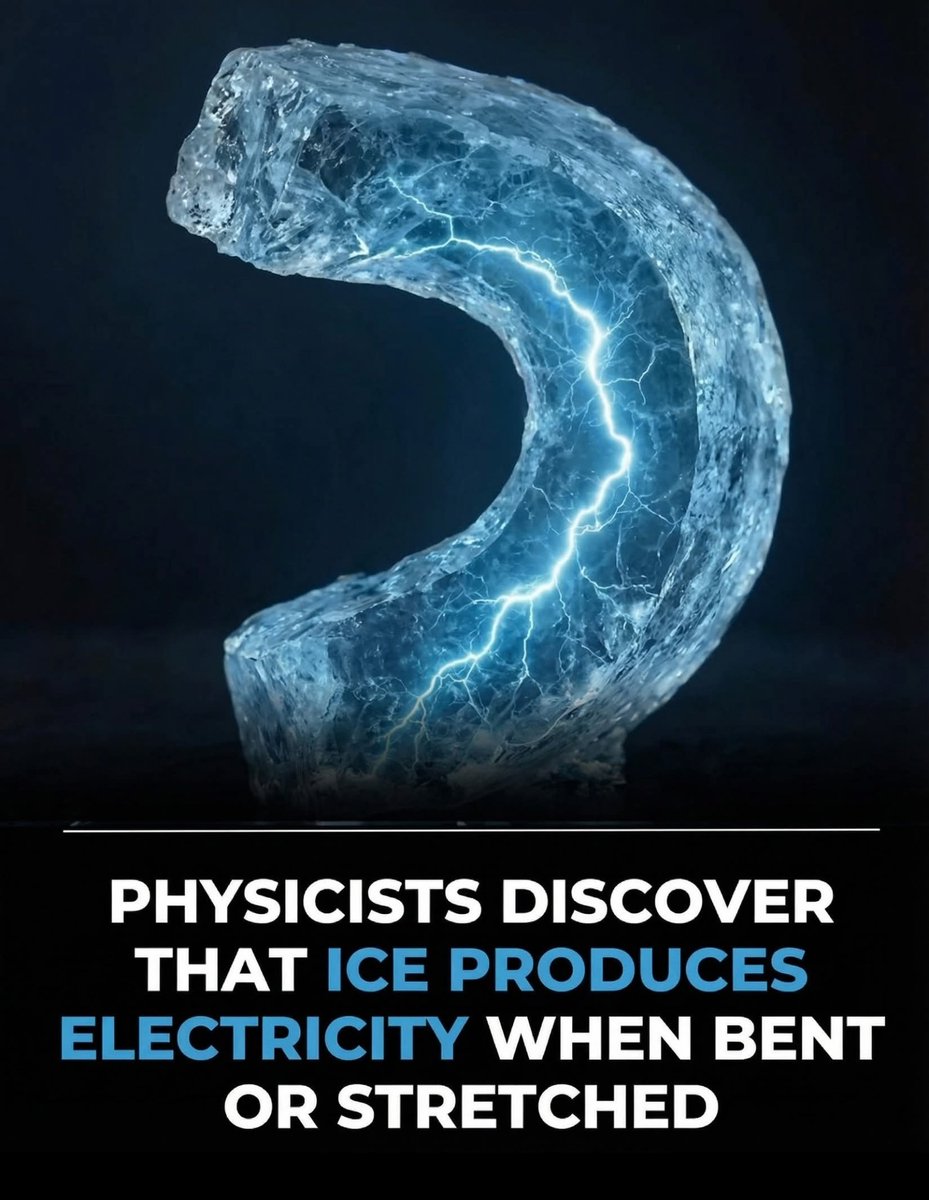
🚨 Scientists just discovered that twisting ice literally creates energy. Ice may look cold and quiet—but under pressure, it comes alive electrically. A new study in Nature Physics reveals that when ice is bent, twisted, or stretched, it generates an electric charge through a process called flexoelectricity. Unlike piezoelectricity, which requires special crystal structures, flexoelectricity occurs in all insulators—meaning even ordinary ice can do it. Researchers from Spain, China, and the U.S. found that ice’s electrical behavior not only responds to mechanical stress but also changes with temperature in unexpected ways. At ultra-cold conditions, they observed the formation of a ferroelectric surface layer, capable of flipping its polarity like a magnet. This discovery reshapes our understanding of ice, which has long been considered a passive material. “This paper changes how we view ice,” said lead author Xin Wen, “from a passive material to an active one.” Beyond deepening our knowledge of natural phenomena—like how lightning charges form in storm clouds—it opens up the possibility of ice-based electronics in extreme environments. From flexible sensors to energy-harvesting materials, this once-humble substance might soon play a surprising role in future technologies. Source: Wen, X., et al. (2025). Flexoelectricity and surface ferroelectricity in ice. Nature Physics.
437
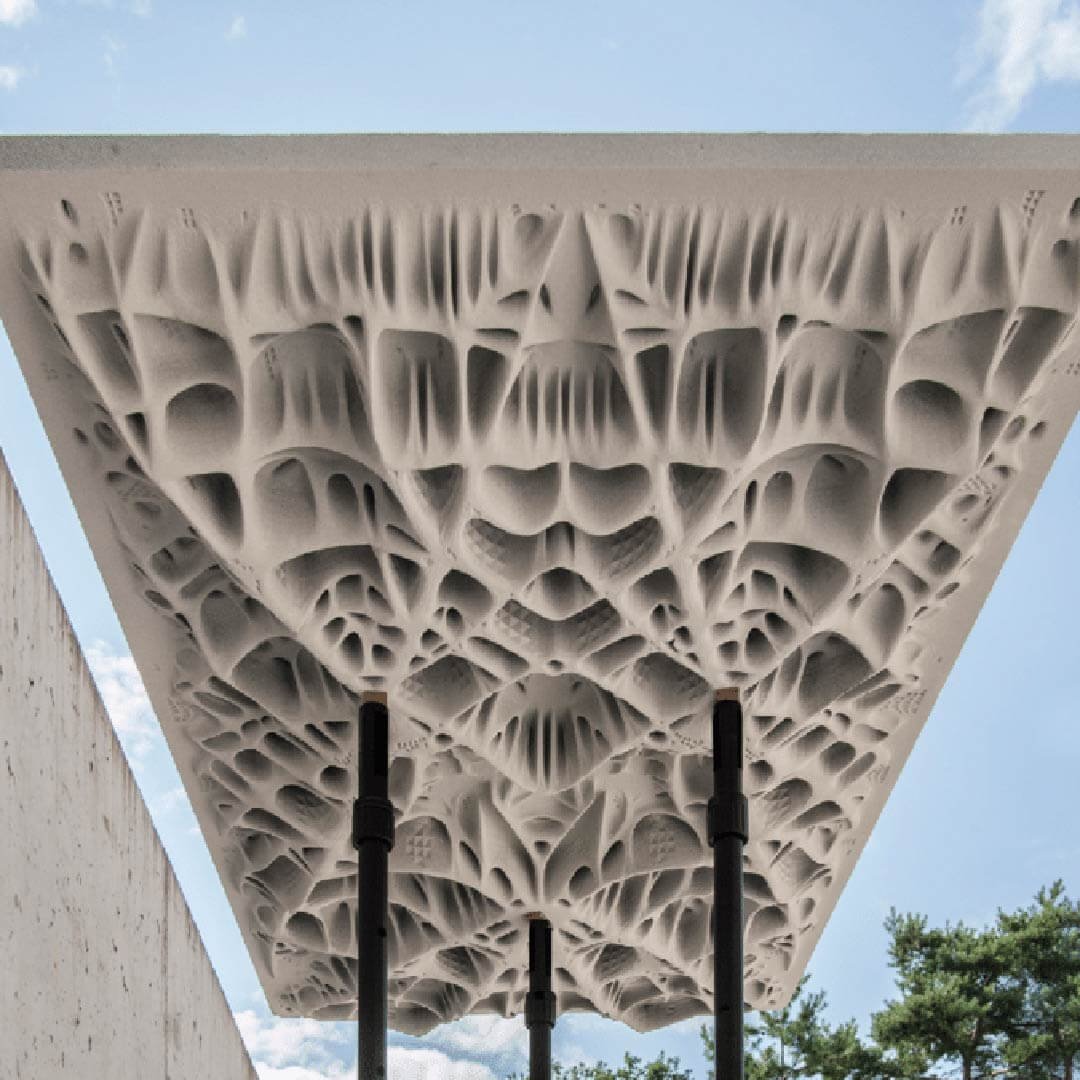
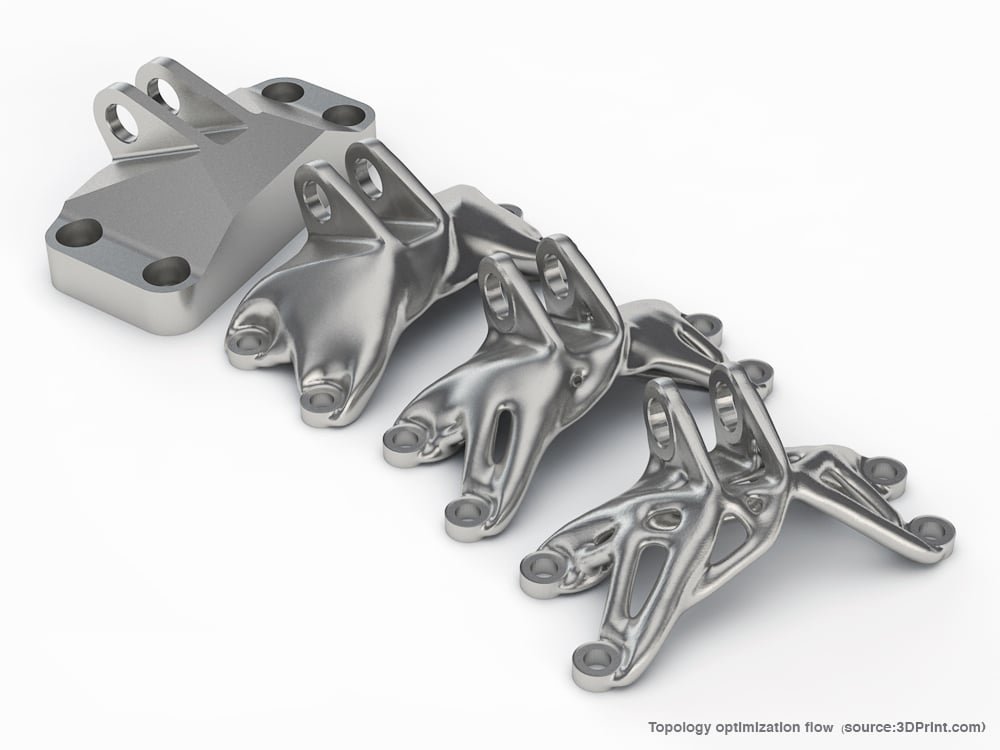
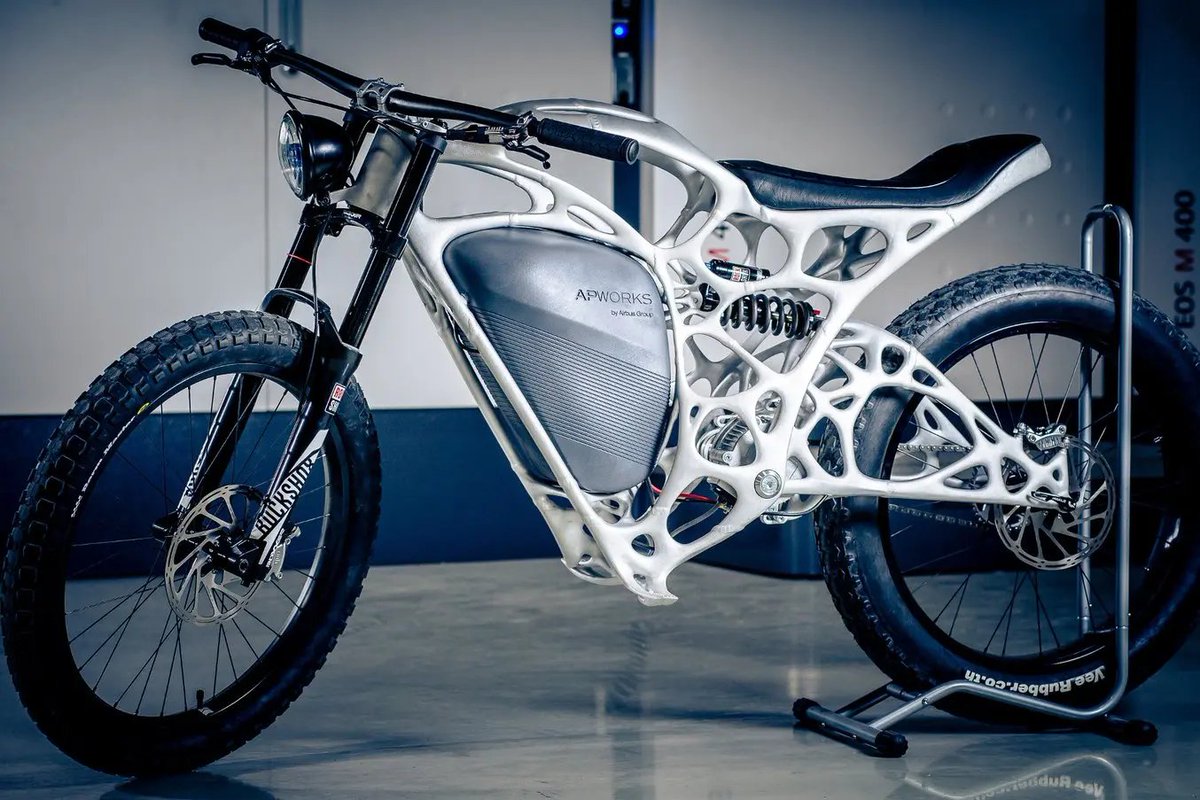
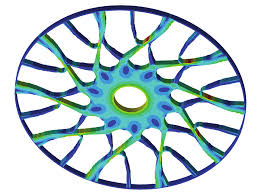
Compare to topological optimization; it has a very characteristic style. Here it is just shape, but we could imagine materials microstructured like this, and then gaining surface finishes of a particular kind.
1
6
539
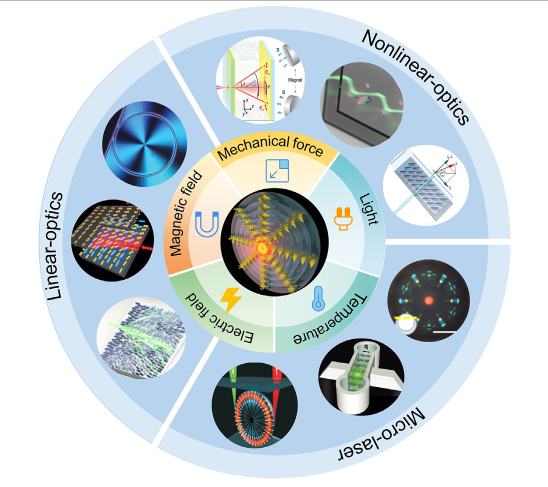
[PDF] Guiding and Manipulating Light Fields in Microstructured Liquid Crystals🛸
3
5
21
459
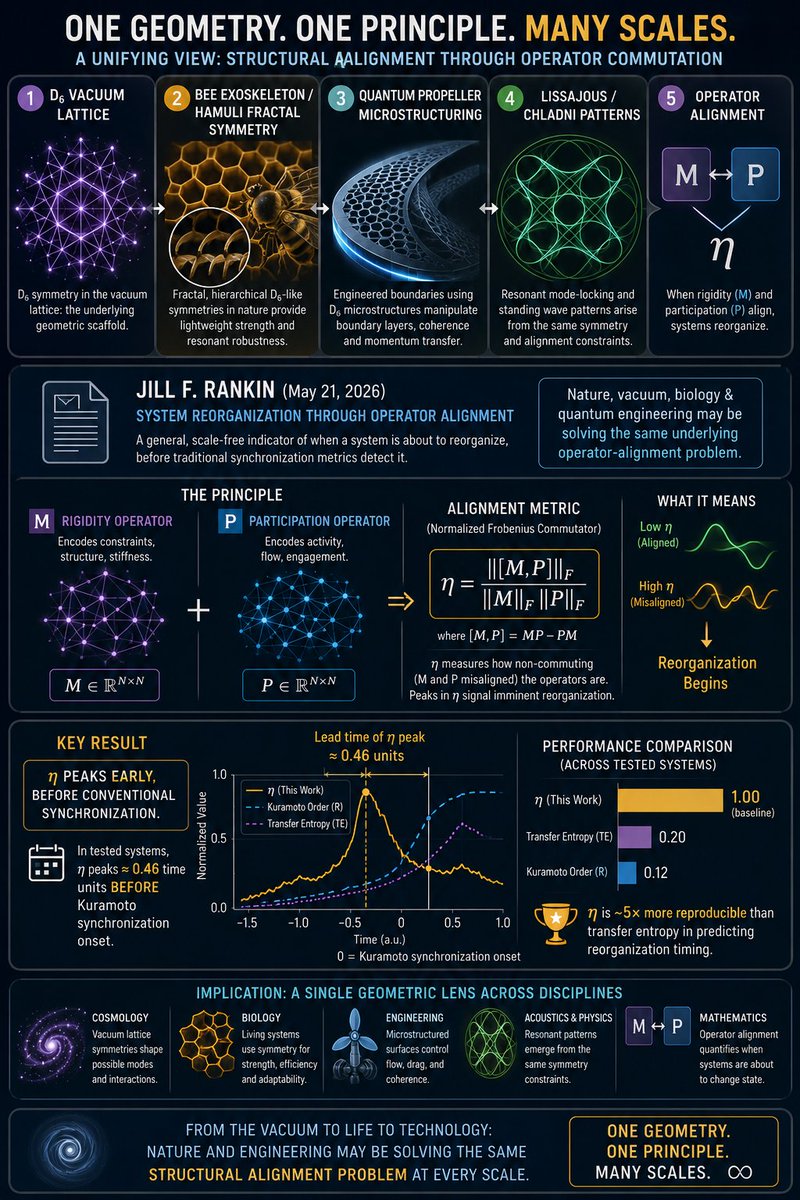
@SocraticScribe @NanoPirate @BlokeMan00 @zpfTechnologies ONE GEOMETRIC IDEA — MANY SCALES. D₆ lattice concepts → biological structural symmetries → engineered microstructured boundaries → resonant lock-in phenomena (Lissajous/Chladni patterns). system reorganization is tracked through operator alignment: Rigidity operator M participation operator P → normalized Frobenius commutator metric η In tested examples, η peaks before conventional synchronization metrics (≈0.46 units before Kuramoto onset) and showed substantially improved reproducibility vs transfer entropy. The broader question: Are nature and engineered systems repeatedly solving similar structural alignment problems across scales? 🌀🐝📐🌌
2
4
4
166
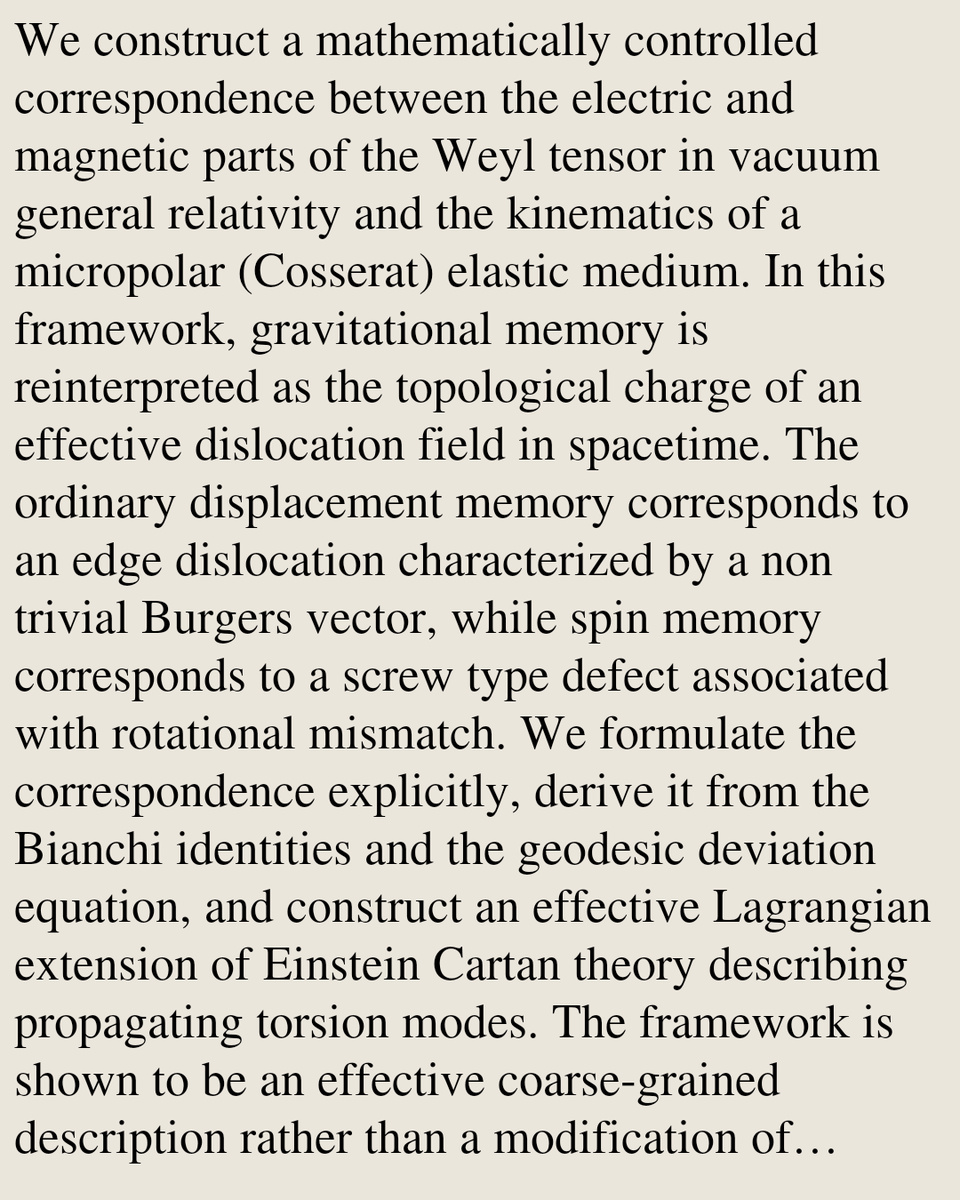
Weyl Cosserat Elasticity and Gravitational Memory: An Effective Microstructured Model of Spacetime David Izabel arxiv.org/abs/2605.02975 [𝚐𝚛-𝚚𝚌]
2
53
The average global citizen is so quick to trust the people who have contributed to building this beast system and a lot of researchers and scientists won't admit that they have been manipulated, deceived, and even lied to. Unfortunately we have a class of individuals who set the global policies in healthcare and BIG HARM YA (pharma) and their intention for the global population is to have complete control over them down to the neuron and down to the atom!!! The technologies are dual use and they sell it to people as something GOOD, a wonder cure!! Example: “We have this nanoparticle (NP) that has a molecular payload encapsulated by WHO KNOWS WHAT can be moved throughout the body and target cancer cells and kill them!! Just know that if they can do that then they can also harm you with bioactive materials by creating these heterogenous nanostructures that are used to exploit human energy and harvest it. MAGNETIC CARRIERS (MCs) Nano or microstructured magnetic materials with strong magnetic momentum can be noninvasively controlled via magnetic forces within living beings. These magnetic carriers (MCs) open perspectives in controlling the delivery of different types of bioagents in humans, including small molecules, nucleic acids, and cells. These magnetic carriers (MCs) can be formulated by enriching or combining conventional constituents of micro/nanocarriers (lipids, proteins, polymers, or inorganic materials) with magnetically active components with ferromagnetic, paramagnetic, or superparamagnetic nature. For example, one magnetic component that is typically used is iron oxide, extensively applied in the form of particulate material, like iron oxide nanoparticles (IONPs). MCs can serve as contrast agents in magnetic resonance imaging (MRI), but as they can be functionalized with diverse imaging tags, they can be also visualized by other imaging techniques. Therefore, the magnetic nature of the MCs offers the unique chance to remotely control the localization and therapeutic action of bioagents, while visually monitoring the targeted delivery process. In addition, the micro and nano-capacities of these systems make it possible to load therapeutics of various types, ranging from small molecules to nucleic acids and cells. Sensitive bioagents can be protected by encapsulation within internal compartments of larger systems, like microcapsules. Nanosized MCs, like nanoparticles (NPs), can be surrounded with surface coatings that provide accessible sites for conjugation with functional molecules. Such versatility has promoted the use of MCs in a plethora of advanced biomedical applications that include genetic engineering, gene therapy, cell therapy, microrobotics, and tissue engineering. For these applications, MCs have been engineered as multifunctional platforms that combine mechanisms of controlled drug release, activatable cytotoxicity, spatial guidance, and multimodal imaging. pmc.ncbi.nlm.nih.gov/article… Nanoparticles (NPs) can be moved, guided, and concentrated throughout the human body using magnetic fields in a technique often combined with magnetogenetics and targeted drug delivery systems. While sometimes used interchangeably in popular media, magnetic targeting (using magnetic fields to move particles) and magnetogenetics (using magnetic fields to activate genetically modified cells) are often combined to achieve precise, non-invasive “therapeutic” control. REMOTE DRUGGING!! YOU WONT EVEN KNOW THE DOSAGE!!!!! pmc.ncbi.nlm.nih.gov/article…
8
18
336
Bullish on the Critical Enablers of Tomorrow’s Tech Revolution: Why $VGO.WA $SHT $P40, and $LPKF are positioned as Supply-Chain Bottlenecks with Massive Upside $VGO.WA – VIGO Photonics (Poland) VIGO is a global leader in mid-infrared photonic detectors and modules - the eyes of modern defense, industrial IoT, medical diagnostics, and space exploration. Their uncooled IR detectors power smart munitions (long-standing partnership with Safran), vehicle self-protection systems, gas analysis for Emerson and Caterpillar, and even NASA/ESA Mars missions. Recent catalysts are game-changing: a multi-year strategic contract with Polish defense giant PCO for IR arrays (minimum PLN 192 m through 2031, with potential upside as sole supplier), first sizable deliveries of affordable detectors to a major Chinese mining client, and the USD 8.4 m acquisition of U.S. assets from InfraRed Associates to deepen North American defense and industrial penetration. As Europe ramps defense budgets and demand for precise, reliable sensing explodes across environmental monitoring, autonomous systems, and Industry 4.0, VIGO’s specialized MCT-based technology represents a true bottleneck - few competitors can match performance and customization at scale. $SHT - Smart High Tech (Sweden) Thermal management is the silent limiter of the AI boom. GPUs, power electronics, 5G/6G infrastructure, EVs, and optoelectronics are hitting physical heat walls. SHT’s patented graphene-based thermal interface materials (TIMs) deliver industry-leading 200 W/mK through-plane conductivity with exceptional long-term reliability - exactly what next-gen high-power applications demand. Their GT-TIM® and graphene films/heat sinks solve the cooling bottleneck that even advanced liquid cooling struggles to address at scale. As hyperscalers, chipmakers, and automotive OEMs push performance limits, SHT’s nano-engineered solutions become mission-critical enablers rather than nice-to-have components. Early-mover advantage in graphene TIMs proven adoption across power electronics, LEDs, RF, and CPUs positions SHT for explosive margin expansion as volumes ramp. $P40 – Planoptik AG (Germany) The semiconductor industry’s shift toward glass substrates and advanced packaging is one of the most under-appreciated megatrends. Planoptik is a high-precision leader in structured wafers and microstructured components made from glass, quartz, and silicon - essential for wafer-level packaging, glass interposers, carrier wafers for ultra-thin processing, and microfluidics. Their products enable smaller, higher-performance chip/sensor stacking, automotive ADAS systems, medical diagnostics, flow chemistry, and high-frequency applications where silicon alone falls short. With in-house Volume Laser Induced Structuring (VLIS) and ISO-certified global supply to leading semiconductor and medical players, Planoptik sits at the exact choke point of the packaging revolution. As the industry moves from silicon to hybrid glass solutions for better thermal, electrical, and integration performance, Planoptik’s specialized fabrication expertise becomes increasingly irreplaceable. $LPKF – LPKF Laser & Electronics AG (Germany) LPKF is the undisputed global leader in laser-based micromachining systems for the electronics industry - the precision tools that make high-density PCBs, flexible circuits, 3D-MID components, and advanced interconnects possible. Their patented laser drilling, depaneling, and Laser Direct Structuring (LDS) technologies deliver micron-level accuracy and speed that mechanical processes simply cannot match as designs shrink and layer counts explode. These systems are mission-critical for AI accelerators, 5G/6G antennas, automotive radar/ADAS sensors, medical wearables, and next-generation semiconductor packaging. LPKF’s non-contact laser solutions minimize defects, maximize yields, and enable the complex geometries required by leading EMS providers and Tier-1 OEMs worldwide. With a broad installed base generating high-margin recurring revenue from service, consumables, and software, LPKF sits at a genuine manufacturing bottleneck: every leap in electronics complexity increases dependence on their irreplaceable laser platforms.
4
2
30
4,016
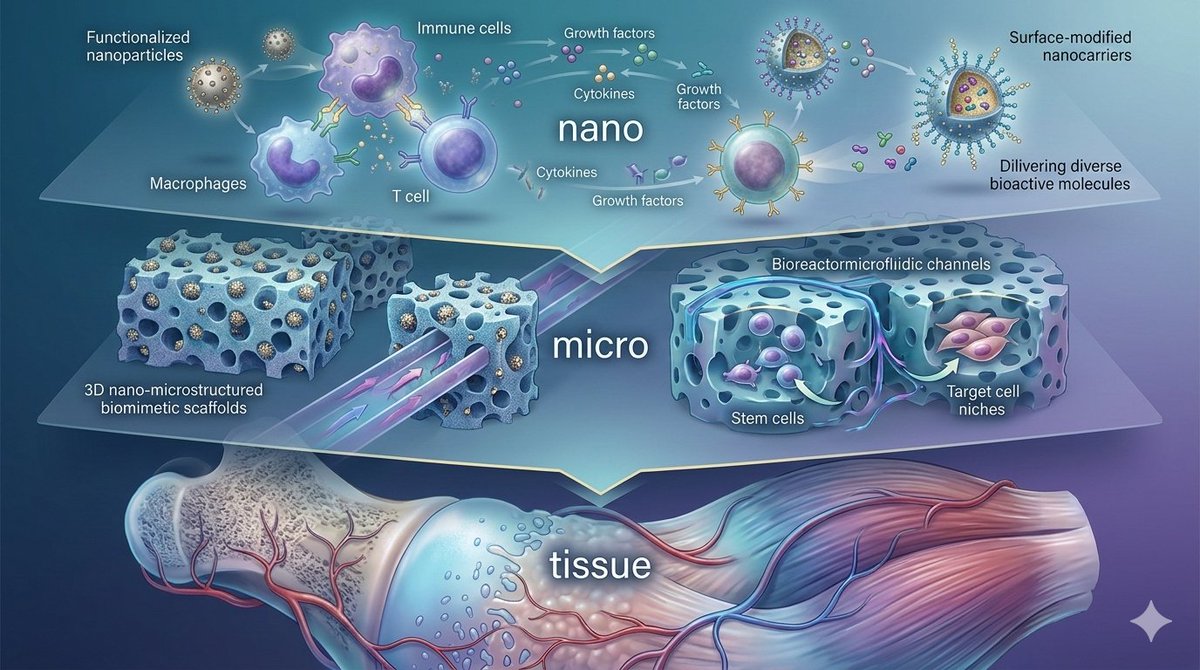
🚀 Call for Papers | Special Issue in Frontiers in Bioengineering and Biotechnology Nano–Microtechnology Enabled Immuno-Engineering and Multiscale Fabrication for Next-Generation Regenerative Medicine Join us in shaping the future of regenerative medicine at the convergence of nanotechnology, immuno-engineering, advanced biomaterials, and translational biofabrication. This Special Issue explores groundbreaking innovations in: frontiersin.org/research-top… 🔬 Nanomaterials & Nano-Microstructured Scaffolds 🧬 Nanoparticle-Mediated Delivery Platforms 🧪 3D Engineered Scaffolds & Dynamic Bioreactor Systems 🧠 Multimodal Imaging & Immunomodulatory Integration 🦴 Musculoskeletal and Complex Tissue Regeneration Models We welcome original research, reviews, and perspective articles that push the boundaries of: Immunomodulatory biomaterials Smart nanoparticle functionalization Microphysiological systems Advanced in vitro platforms Translational regenerative strategies 📢 Why Submit? High visibility in a leading open-access journal Cross-disciplinary impact across bioengineering, nanomedicine, and translational medicine Rigorous peer review and rapid publication Led by an expert international Guest Editorial team If your research bridges materials science, cell biology, immunology, and clinical translation, this Special Issue is your platform to accelerate impact. 🌍 Be part of the next wave of bioengineered re
1
10
640
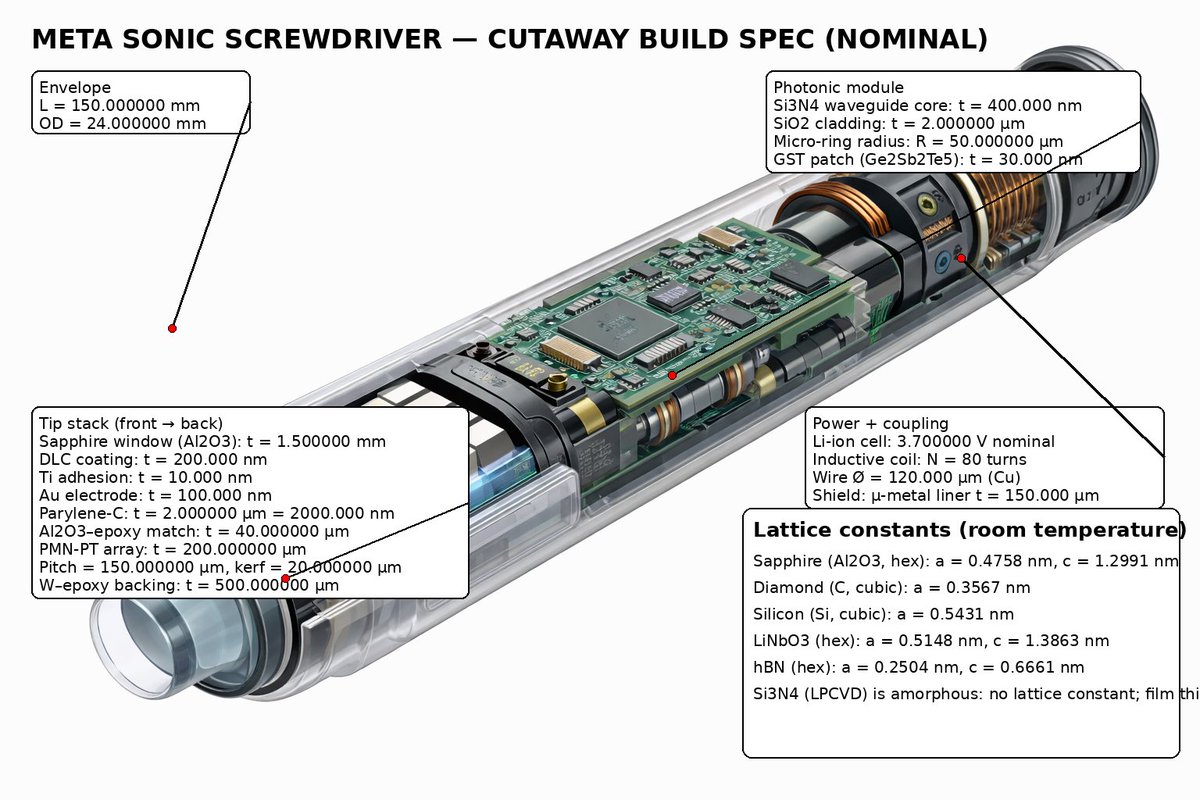
The “sonic screwdriver” is a handheld, non-destructive inspection and light-touch actuation tool built around three coupled physics channels: an ultrasonic front end, an EM sensing channel, and a multispectral photonics channel, all packaged behind a sterilizable sapphire or diamond contact window. A high-coupling piezo core (PMN-PT or PIN-PMN-PT for maximum sensitivity, or ScAlN/AlN thin-film MEMS for compact arrays) launches and receives ultrasound; an alumina–epoxy matching layer and a parylene-C biobarrier impedance-match the acoustic energy into the target while keeping the tip biocompatible, and a tungsten-epoxy backing damps ring-down to preserve bandwidth and time resolution. The “meta” part is an acoustic metasurface or phononic crystal lens (microstructured alumina, glass, or high-temperature polymers such as PEEK/PI, plus etched Si/SiC/AlN Bragg/phononic lattices) that shapes wavefronts, suppresses unwanted modes, and implements bandgaps for clean, directional probing. In parallel, the photonics stack uses a Si3N4 integrated spectrometer and microresonators behind the window to illuminate and read back VIS/NIR/MIR signatures (reflectance, fluorescence, absorption) with optional LiNbO3 or KTP/BBO/LBO nonlinear and electro-optic elements for modulation or wavelength conversion, while the EM channel (RF/microwave/NFC) measures impedance and near-field response to classify materials, interfaces, and defects; all signals are fused on-board with thermal and magnetic sensors, then stabilized by a Ti-6Al-4V frame, PEEK overmold, DLC wear coating, and EMI control layers (mu-metal, ferrites, conductive polymers), yielding a compact instrument that can scan, identify, and verify structures without cutting, with medical-grade contact compatibility when required. For the lattice constants shown in the inset (room temperature, nominal): Sapphire (Al2O3, hex): a = 0.4758 nm, c = 1.2991 nm. LiNbO3 (hex): a = 0.5148 nm, c = 1.3863 nm. hBN (hex): a = 0.2504 nm, c = 0.6661 nm. Diamond (C, cubic): a = 0.3567 nm. Silicon (Si, cubic): a = 0.5431 nm.
1
177
Meta drop 😈 MC-061 — PMN-PT relaxor ferroelectric single crystal (Pb(Mg1/3Nb2/3)O3–PbTiO3) domain lattice Function vector: large piezoelectric coupling; tunable permittivity; electro-mechanical transduction Metamaterial lever: engineered domain-period lattice; cut-angle texture; electrode micro-lattice MC-062 — KNbO3 (potassium niobate) waveguide array Function vector: electro-optic modulation; nonlinear optics; piezoelectric coupling Metamaterial lever: ridge waveguide lattice; poling-sector pattern; periodic electrode geometry MC-063 — TeO2 acousto-optic Bragg cell crystal with etched phononic grating Function vector: acousto-optic beam deflection; RF-to-optical modulation Metamaterial lever: grating pitch; acoustic transducer lattice; orientation control MC-064 — Bi4Ge3O12 (BGO) scintillator microcavity array Function vector: scintillation; photon collection enhancement; timing response shaping Metamaterial lever: photonic-crystal cavity lattice; surface texturing; reflector stack integration MC-065 — (Lu,Y)2SiO5:Ce (LYSO:Ce) scintillator with photonic extraction lattice Function vector: scintillation; light-extraction control; radiation detection Metamaterial lever: subwavelength extraction lattice; microcolumn texture; optical coupling geometry MC-066 — NaI:Tl single crystal with structured reflector metasurface Function vector: scintillation; improved light transport; reduced trapping Metamaterial lever: patterned reflector lattice; index-matching microstructure; encapsulation stack MC-067 — CsI:Tl crystal with microstructured light guide interface Function vector: scintillation; photon routing; reduced scattering loss Metamaterial lever: microlens lattice; graded-index interface; surface relief pattern MC-068 — YVO4:Nd laser host crystal with 2D photonic crystal slab Function vector: stimulated emission; cavity enhancement; mode selection Metamaterial lever: photonic bandgap lattice; defect-cavity placement; mirror stack MC-069 — Ti:Al2O3 (Ti:sapphire) with surface photonic lattice for mode control Function vector: tunable laser gain; dispersion control Metamaterial lever: surface relief grating; cavity micro-structuring; anisotropic heat routing MC-070 — NaYF4:Yb,Er upconversion crystal in microcavity array Function vector: upconversion luminescence; wavelength conversion; sensing Metamaterial lever: resonator lattice; emitter placement control; extraction grating MC-071 — KBe2BO3F2 (KBBF) nonlinear plate with quasi-phase-matching micro-pattern Function vector: deep-UV frequency conversion Metamaterial lever: orientation/sector pattern; waveguide segmentation; coupling lattice MC-072 — AgGaS2 nonlinear crystal waveguide lattice Function vector: mid-IR frequency conversion; parametric generation Metamaterial lever: ridge lattice; poling/orientation pattern; cavity coupling array MC-073 — ZnGeP2 (ZGP) nonlinear crystal with resonant grating coupler array Function vector: mid-IR generation; high nonlinear response Metamaterial lever: surface grating lattice; cavity thickness control; orientation control MC-074 — GaSe layered nonlinear crystal with patterned nano-antenna array Function vector: THz generation; nonlinear mixing Metamaterial lever: antenna lattice; thickness field; edge termination control MC-075 — LiInS2 nonlinear crystal microresonator lattice Function vector: frequency conversion; electro-optic tuning Metamaterial lever: microresonator array; coupling graph; waveguide lattice MC-076 — CdTe crystal detector with pixelated electrode lattice Function vector: X-ray/gamma detection; charge transport control Metamaterial lever: electrode pixel lattice; guard ring geometry; thickness zoning MC-077 — Hg1−xCdxTe (MCT) IR absorber superlattice (composition-graded) Function vector: IR detection; bandgap engineering Metamaterial lever: composition superlattice; strain management; pixel metasurface MC-078 — CsPbBr3 all-inorganic halide perovskite microcavity array Function vector: emission control; photodetection; excitonic optics Metamaterial lever: cavity lattice; thickness modulation; surface passivation pattern MC-079 — MAPbI3 (CH3NH3PbI3) perovskite photonic crystal slab Function vector: absorption enhancement; emission control Metamaterial lever: hole lattice; graded cavity density; interface stack control MC-080 — FAPbI3 (HC(NH2)2PbI3) quasi-2D Ruddlesden–Popper superlattice Function vector: exciton confinement; stable emission; optoelectronic transport shaping Metamaterial lever: layer-number superlattice; moiré/twist control; microcavity array MC-081 — BaSnO3 perovskite conduction channel superlattice (doped) Function vector: transparent conduction; oxide electronics Metamaterial lever: modulation doping superlattice; dislocation filter lattice; patterned gates MC-082 — SrRuO3 epitaxial oxide electrode with nanopatterned domain template Function vector: oxide electrode platform; strain transfer; switching interfaces Metamaterial lever: nanopattern lattice; strain map; interface termination control MC-083 — YBa2Cu3O7−δ (YBCO) superconducting thin film with flux-pinning nanopillar lattice Function vector: superconducting transport; vortex control Metamaterial lever: pinning-site lattice; thickness modulation; patterned current paths MC-084 — MgB2 superconducting film with phononic heat-spreader lattice Function vector: superconducting transport; thermal stabilization Metamaterial lever: microchannel heat lattice; grain texture control; patterned contacts MC-085 — NbN superconducting nanowire array on sapphire Function vector: single-photon detection; kinetic inductance circuits Metamaterial lever: nanowire meander lattice; gap uniformity; multilayer optical stack MC-086 — NbTiN superconducting resonator array (KID platform) Function vector: kinetic inductance sensing; microwave photonics Metamaterial lever: resonator lattice; coupling network topology; substrate phonon traps MC-087 — V3Si (A15 superconductor) epitaxial microbridge lattice Function vector: superconducting interconnect; high-current microstructures Metamaterial lever: bridge array; strain tuning; multilayer impedance matching MC-088 — Cd3As2 Dirac semimetal nanoribbon lattice Function vector: high-mobility transport; magneto-transport response Metamaterial lever: ribbon array; gate lattice; thickness quantization control MC-089 — TaAs Weyl semimetal metasurface crystal (etched resonator lattice) Function vector: anisotropic conductivity; THz response Metamaterial lever: resonator lattice; orientation control; surface termination pattern MC-090 — Co3Sn2S2 kagome metal microstructured slab Function vector: anomalous Hall response; correlated transport Metamaterial lever: patterned conduction channels; strain map; domain control MC-091 — Mn3Sn antiferromagnet thin film with engineered domain lattice Function vector: antiferromagnetic order control; anomalous transport Metamaterial lever: domain-writing lattice; patterned pinning sites; strain tuning MC-092 — CrI3 layered ferromagnet encapsulated stack with twist-angle control Function vector: 2D magnetism; spin filtering Metamaterial lever: twist-angle moiré; thickness stepping; patterned electrostatic gates MC-093 — Cr2Ge2Te6 layered ferromagnet with cavity-enhanced magneto-optics Function vector: magneto-optic modulation; spin-wave control Metamaterial lever: optical cavity lattice; thickness control; edge patterning MC-094 — FePS3 layered antiferromagnet with patterned nanoribbon lattice Function vector: antiferromagnetic excitations; spin-phonon coupling Metamaterial lever: ribbon array; strain field; electrostatic gating pattern MC-095 — WTe2 (1T′) layered semimetal with plasmonic channel lattice Function vector: anisotropic transport; THz/IR response Metamaterial lever: etched channel lattice; thickness quantization; contact geometry MC-096 — MoTe2 (1T′) topological phase film with interface superlattice Function vector: topological transport control; switching via strain/field Metamaterial lever: phase-boundary lattice; strain engineering; patterned gates MC-097 — black phosphorus (BP) anisotropic crystal slab with photonic lattice Function vector: anisotropic optics; photodetection Metamaterial lever: orientation-aligned grating; thickness gradient; encapsulation stack MC-098 — Ba8Ga16Ge30 clathrate thermoelectric crystal with phonon-scattering superlattice Function vector: thermoelectric conversion; reduced lattice thermal conductivity Metamaterial lever: nanoscale precipitate lattice; boundary density control; texturing MC-099 — CoSb3 skutterudite (filled) with hierarchical porosity lattice Function vector: thermoelectric conversion; phonon scattering control Metamaterial lever: pore lattice; filler distribution map; grain alignment MC-100 — TiNiSn half-Heusler with nanoinclusion lattice Function vector: thermoelectric transport; mechanical robustness Metamaterial lever: inclusion spacing; grain boundary network; compositional modulation MC-101 — Co2MnSi full-Heusler spintronic crystal with antidot lattice Function vector: spin polarization; magnetoresistive response Metamaterial lever: antidot lattice; domain control; interface engineering MC-102 — ZIF-8 (Zn(mIm)2) metal–organic framework crystal with oriented pore lattice Function vector: molecular sieving; gas storage/separation Metamaterial lever: crystal orientation field; hierarchical pore patterning; composite infiltration MC-103 — UiO-66 (Zr-MOF) defect-engineered crystal with vacancy superlattice Function vector: catalysis support; adsorption control Metamaterial lever: defect ordering; linker substitution pattern; pore connectivity tuning MC-104 — COF-1 (boronate COF) layered crystal with aligned channel texture Function vector: porous transport; adsorption; ion conduction when functionalized Metamaterial lever: layer alignment; channel pitch control; functional group pattern MC-105 — zeolite ZSM-5 (MFI) single crystal with oriented channel network Function vector: selective catalysis; adsorption Metamaterial lever: oriented channel texture; hierarchical mesopore lattice; surface patterning MC-106 — hydroxyapatite Ca5(PO4)3OH oriented crystal scaffold Function vector: biointerface; ionic exchange; structural support Metamaterial lever: oriented grain scaffold; porosity lattice; surface functional pattern MC-107 — calcite (CaCO3) single crystal with phononic bandgap micro-pattern Function vector: phonon routing; mechanical wave control Metamaterial lever: etched phononic lattice; orientation control; layered stacking MC-108 — rutile TiO2 with memristive filament control lattice (oxygen vacancy engineering) Function vector: resistive switching primitives; ionic defect transport control Metamaterial lever: vacancy seeding lattice; electrode geometry; strain tuning MC-109 — perovskite La0.7Sr0.3MnO3 correlated oxide channel lattice Function vector: magnetotransport; phase coexistence control Metamaterial lever: strain superlattice; patterned phase pinning; interface termination control MC-110 — BaCeO3 proton conductor (doped) with textured grain network Function vector: proton transport under hydration; electrochemistry platform Metamaterial lever: dopant segregation control; grain alignment; boundary chemistry mapping @Promptmethus @BlokeMan00 @Desu_mationYT
1
2
132
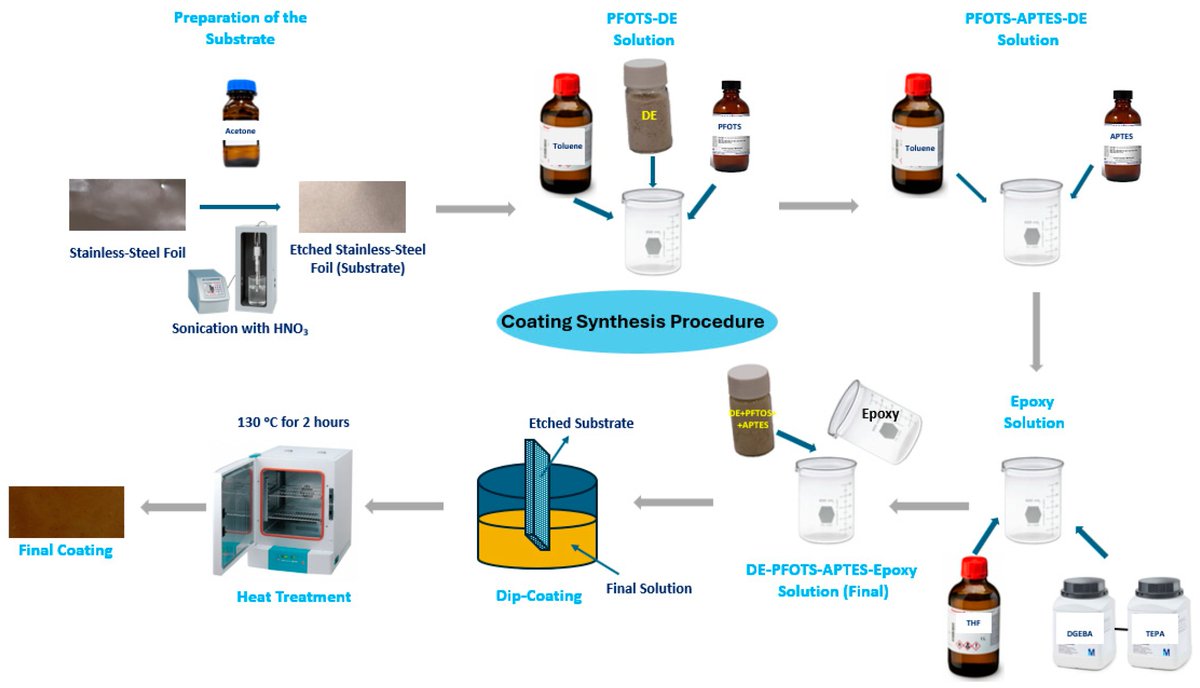
#MDPICoating #Highlycited #Article #OpenAccess Title: Durable and High-Temperature-Resistant Superhydrophobic Diatomite Coatings for Cooling Applications Authored by José Pereira from Universidade de Lisboa Link: brnw.ch/21wZHBn #superhydrophobic #microstructured
2
65
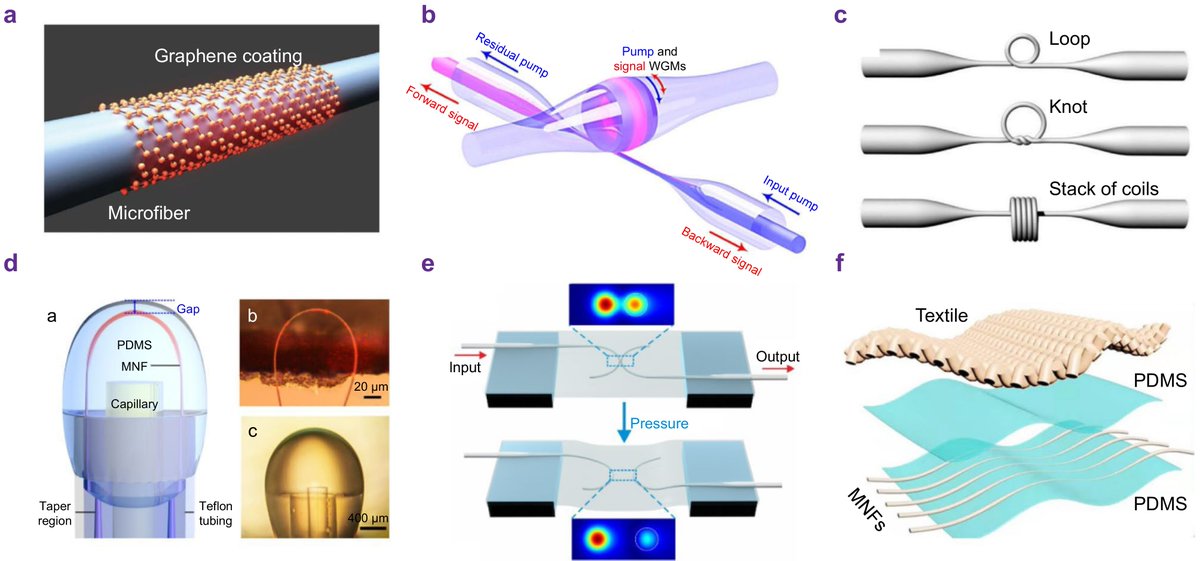
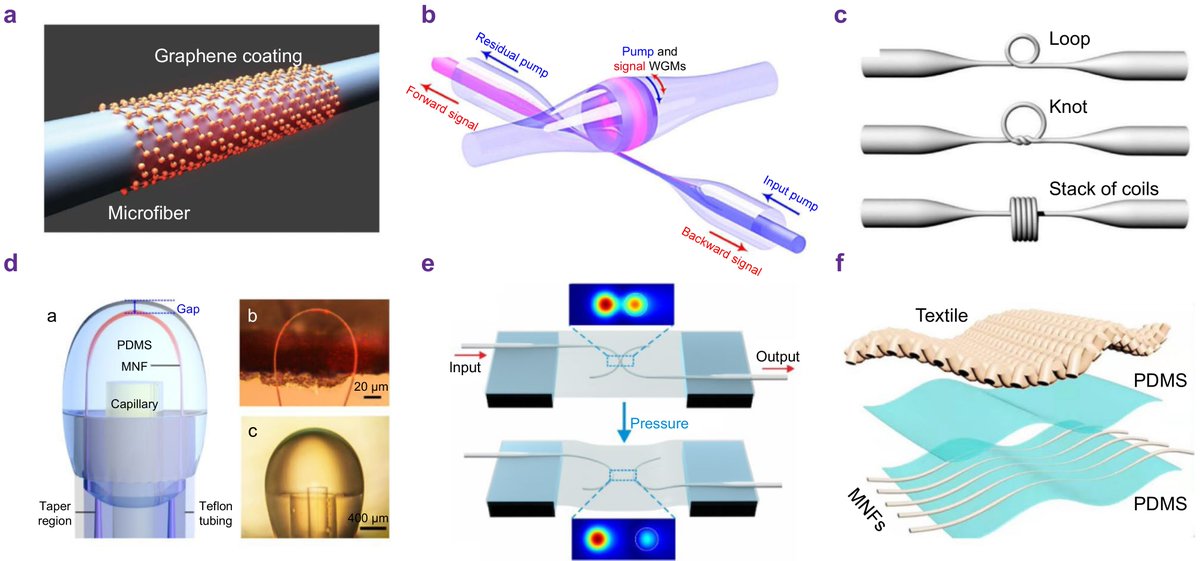
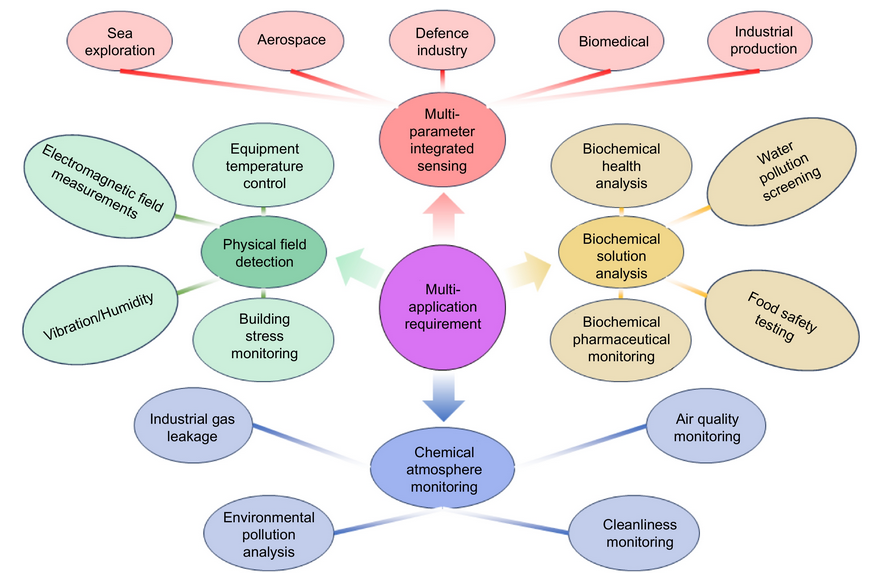
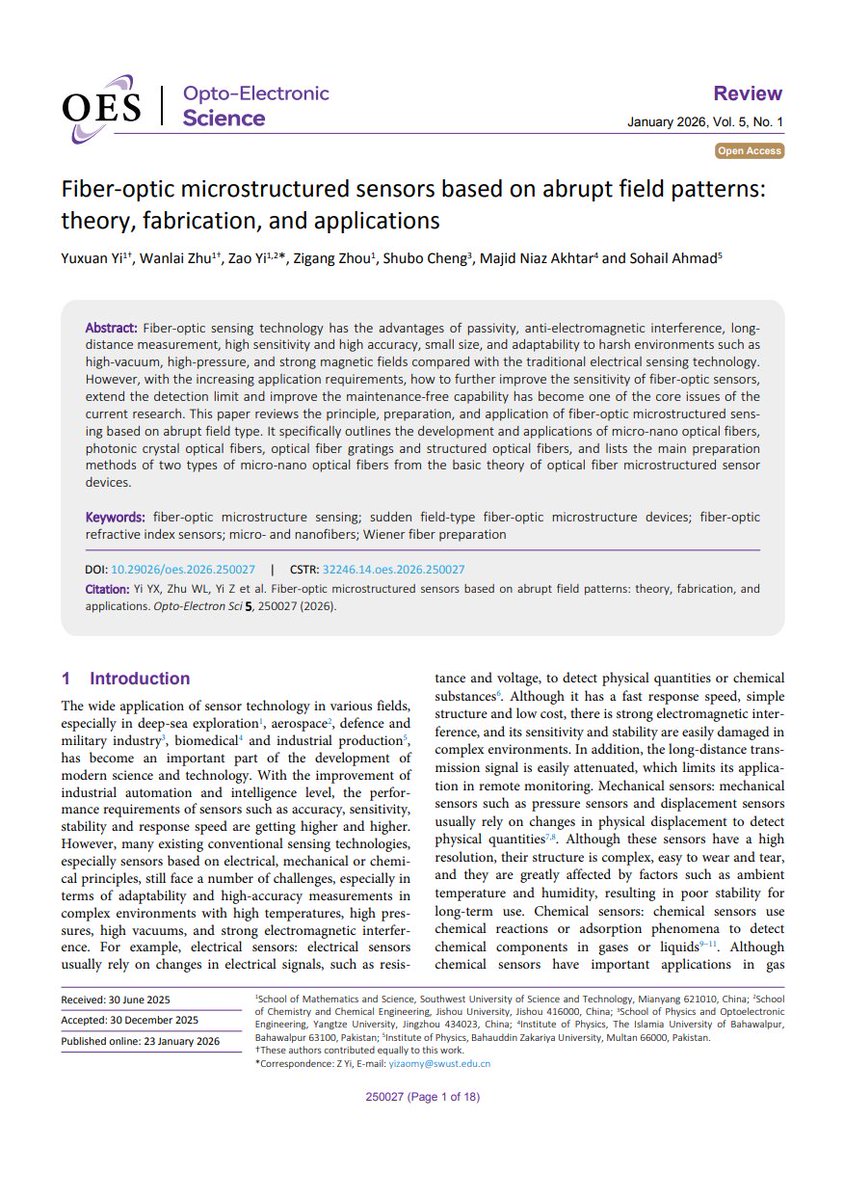
"Fiber-optic microstructured sensors based on abrupt field patterns: theory, fabrication, and applications", a review article in Opto-Electronic Science @OptoElectronAdv Full-length paper available at oejournal.org/oes/article/do…
6
9
188
"Fiber-optic microstructured sensors based on abrupt field patterns: theory, fabrication, and applications", published in Opto-Electronic Science @OptoElectronAdv View original article oejournal.org/oes/article/do…
6
13
196
#OES_highlight Fiber-optic microstructured sensors based on abrupt field patterns: theory, fabrication, and applications doi.org/10.29026/oes.2026.25… by Prof. #Zao_Yi #SWUST #fiber #optisc #microstructure #sensing #devices #refractive_index #sensors #micro #nano #nanofibers
7
9
381
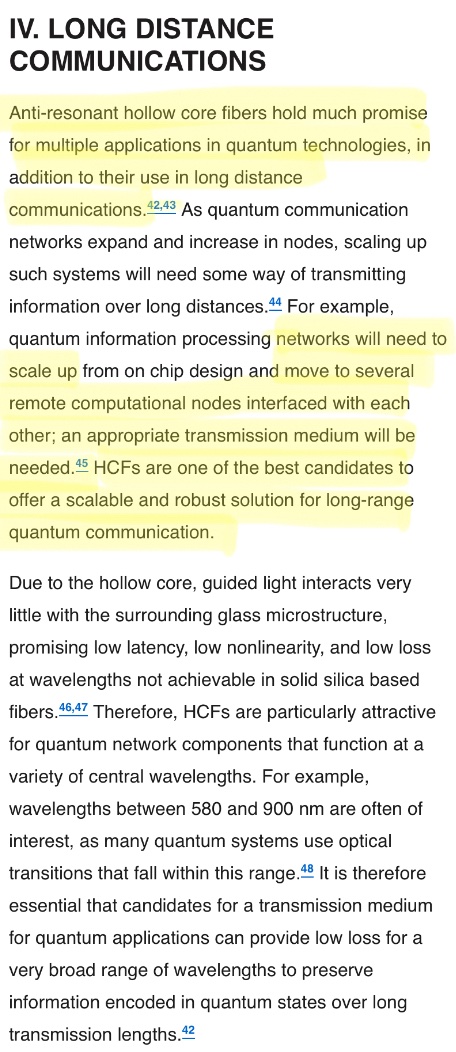
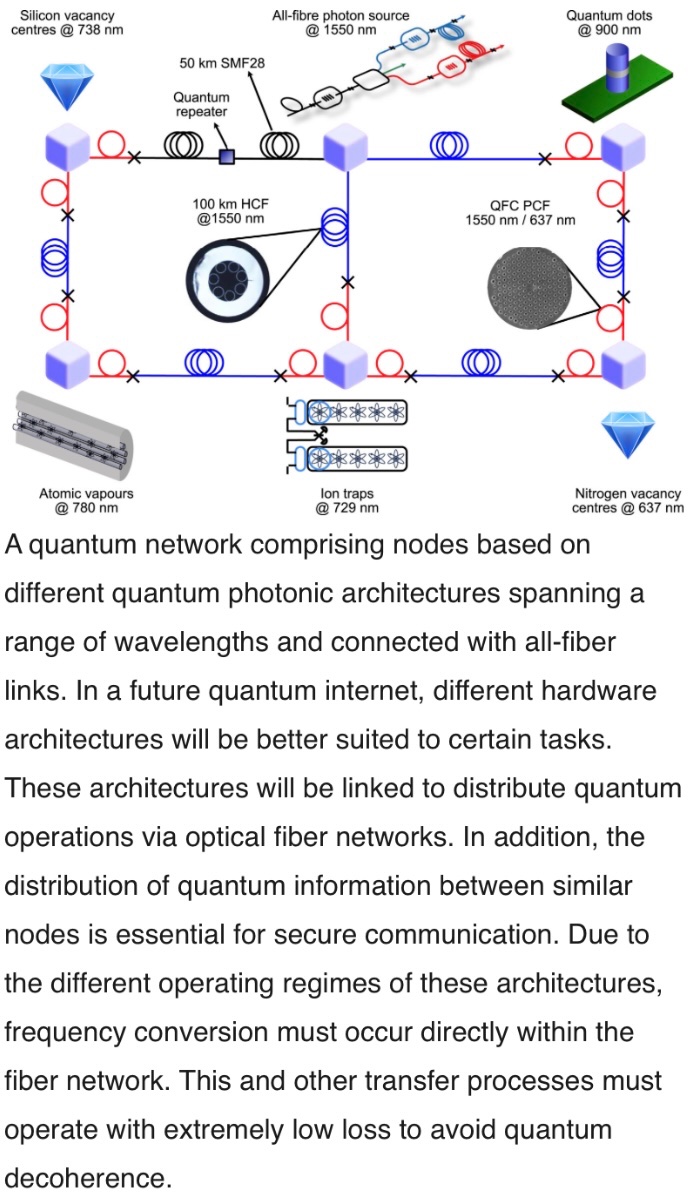
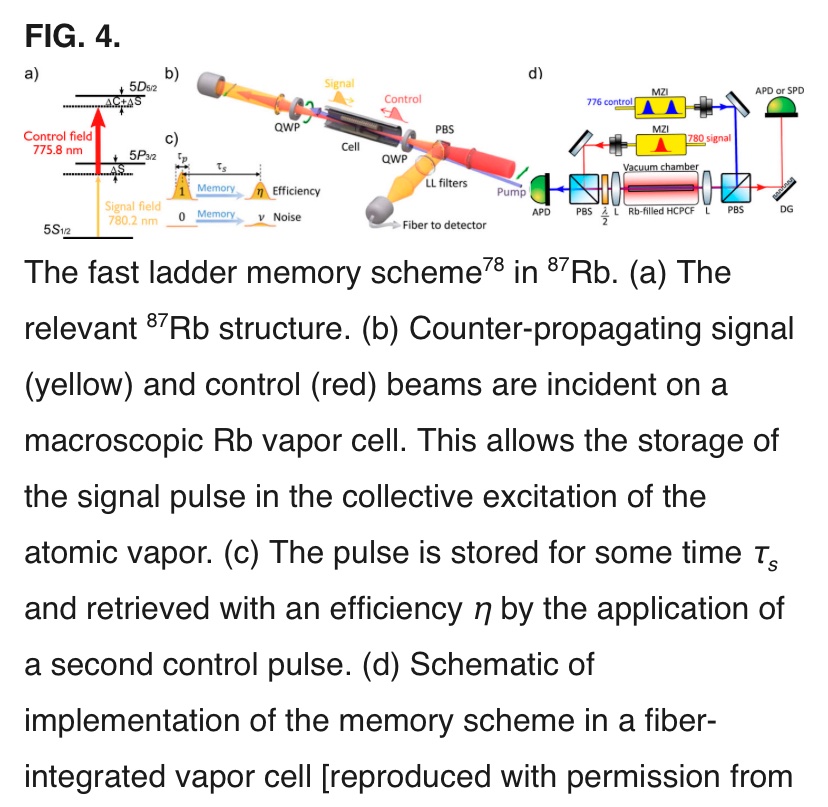
Microstructured optical fibers for quantum applications: Perspective pubs.aip.org/aip/apq/article…
11 Apr 2025
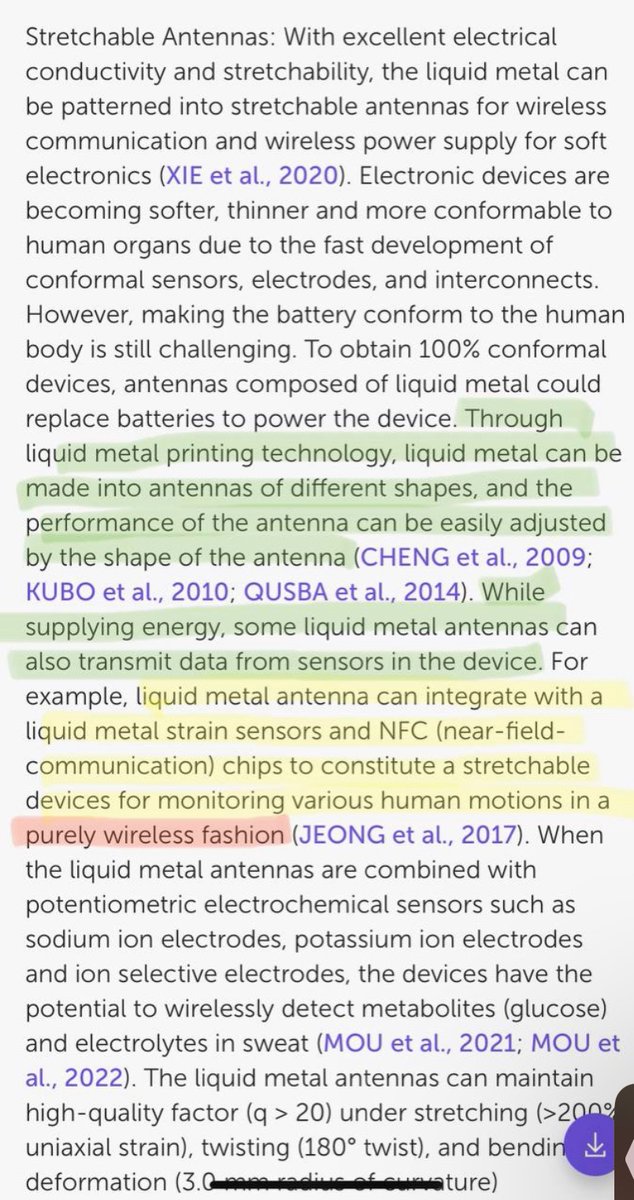
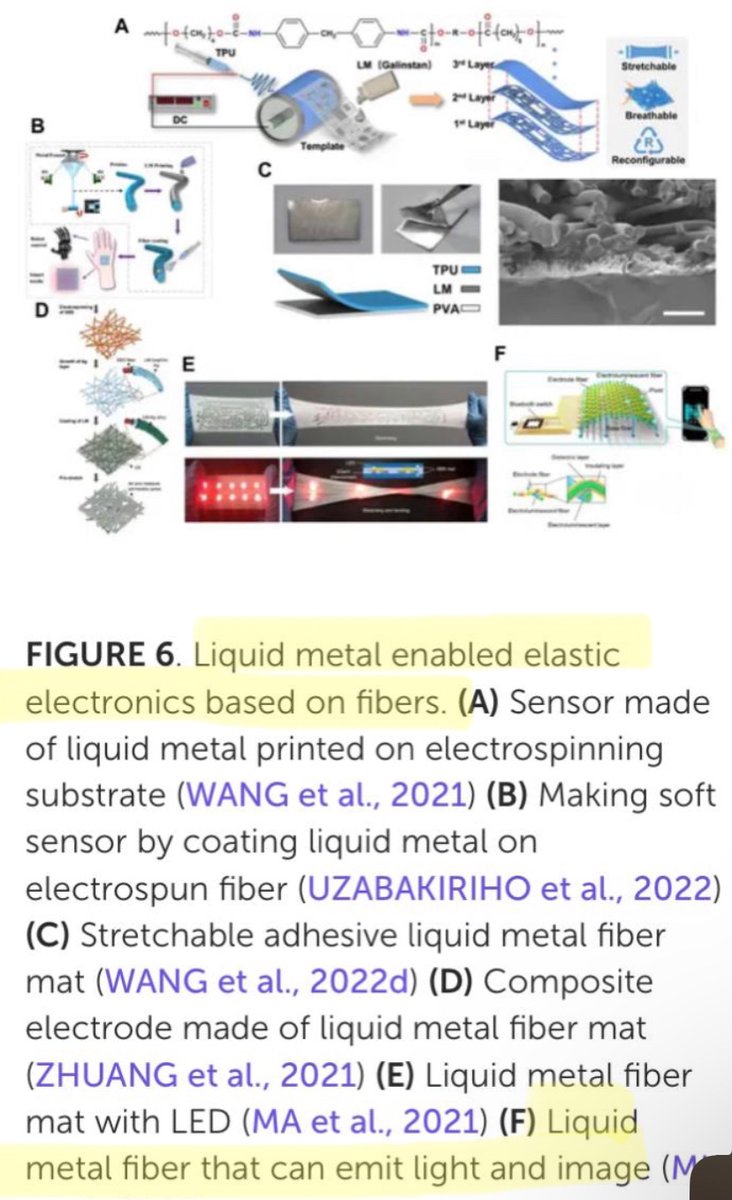
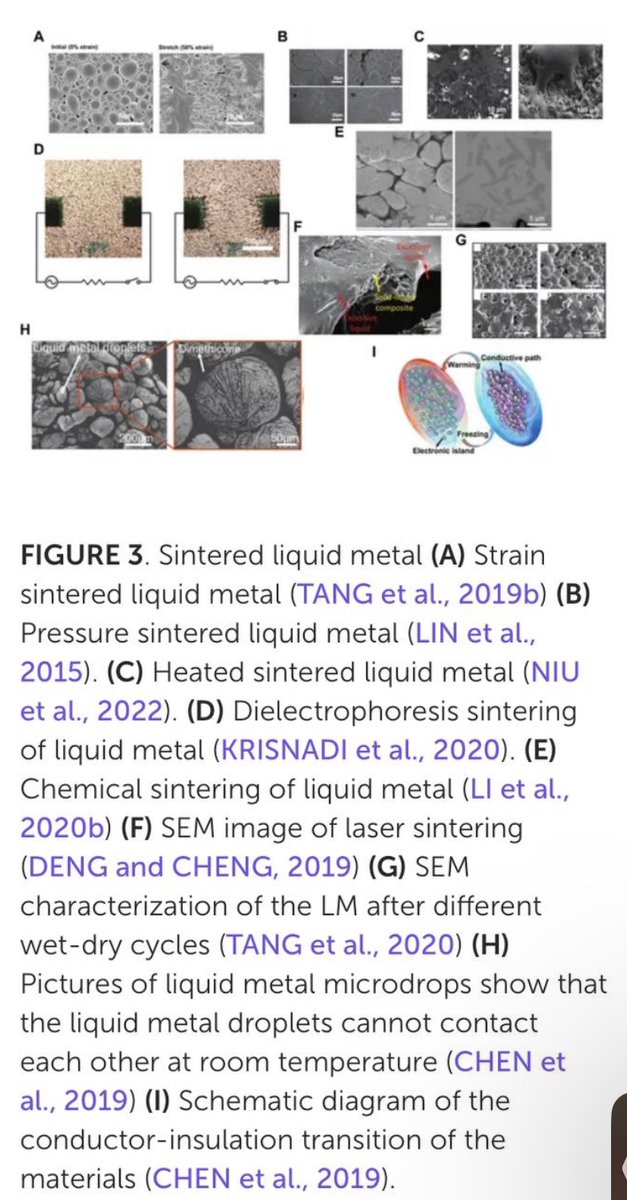
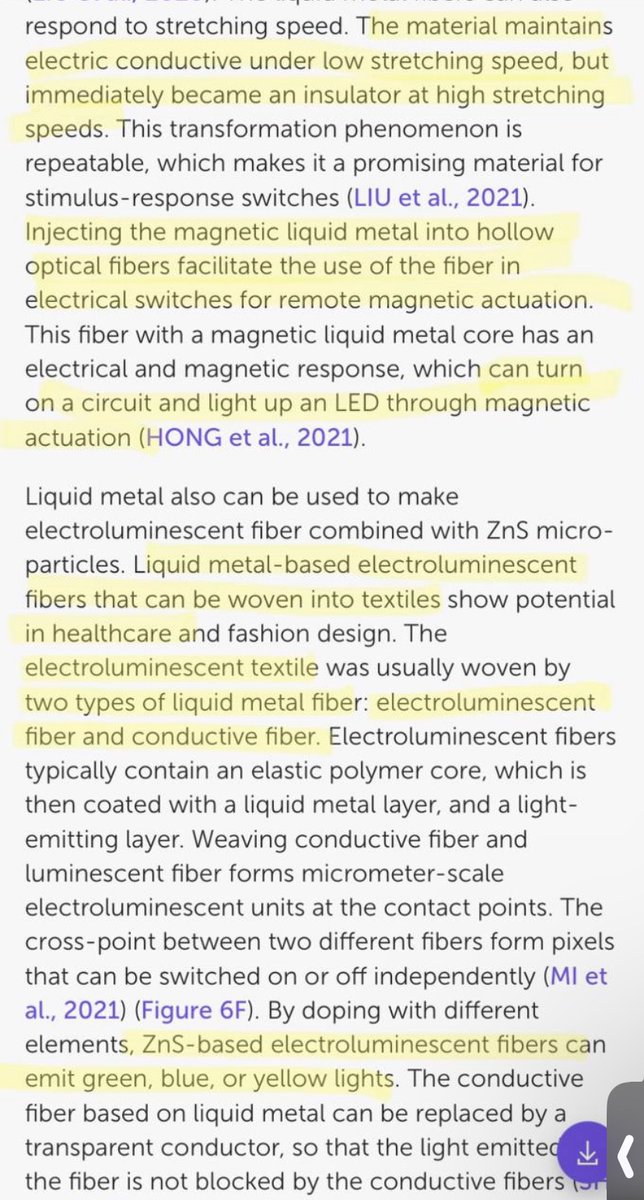
April 2023 REVIEW Recent progress in fiber-based soft electronics enabled by Liquid Metal frontiersin.org/journals/bio…
4
5
109
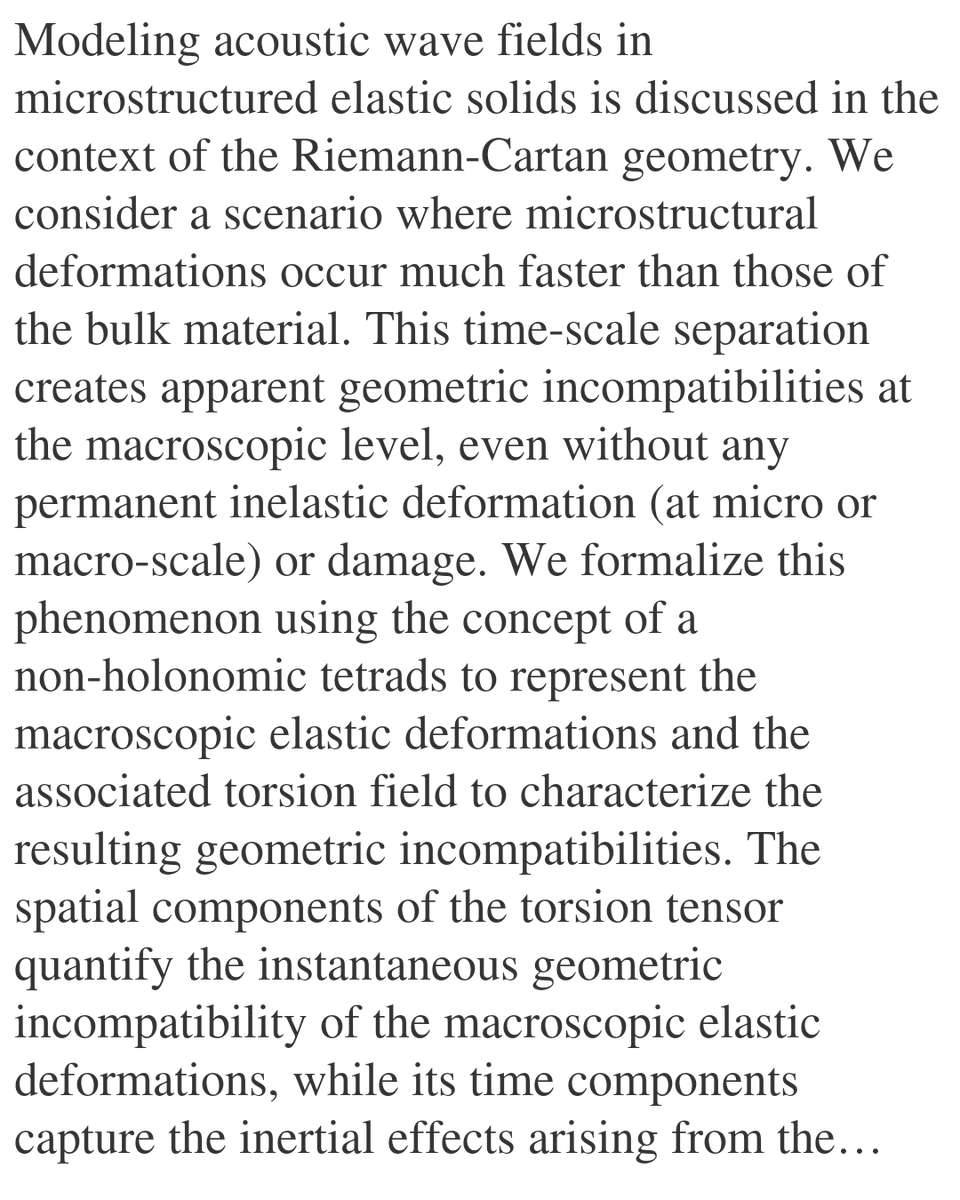
Modeling phononic band gap in microstructured solids using the Riemann-Cartan geometric framework Ilya Peshkov, Loïc Le Marrec arxiv.org/abs/2601.05402 [𝚖𝚊𝚝𝚑-𝚙𝚑 𝚌𝚘𝚗𝚍-𝚖𝚊𝚝.𝚖𝚝𝚛𝚕-𝚜𝚌𝚒 𝚖𝚊𝚝𝚑.𝙼𝙿]
2
88