
Jun 11
You've got an AI app working on Postgres. Now what? Security hardening. Verifiable grounding. Token efficiency. Data sovereignty. These are the decisions that separate demos from production deployments.
Next Thursday at 1PM ET, Mike Josephson (VP of Solutions Engineering, pgEdge) joins the PostgresWorld Webinar Series to walk through the solution that addresses each one: the pgEdge Agentic AI Toolkit, a collection of open source tools for building AI applications on any Postgres 14 .
What he'll cover:
🔌 pgEdge MCP Server: full-featured MCP Server for controlled LLM access to any Postgres database, greenfield or pre-existing. Works with any MCP-compatible client.
💬 Natural Language Agents: CLI and web UI, both written in Go. Anthropic prompt caching cuts token costs by 90%.
🧩 pgEdge-vectorizer: a Postgres extension that auto-chunks your text and generates embeddings via background workers. Supports OpenAI, Voyage AI, and Ollama.
📡 pgEdge RAG Server: dedicated HTTP API for retrieval-augmented generation with hybrid search (vector BM25), token budget management, and streaming. The same stack that powers Ellie (an optional AI assistant) running live on hubs.la/Q04kYSK30.
📥 pgEdge-docloader: converts HTML, Markdown, RST, or SGML docs into Postgres-ready content. The on-ramp for your RAG pipeline.
🔍 VectorChord-bm25: BM25 ranked search for Postgres, for hybrid semantic and full-text retrieval.
All pgEdge components are 100% open source under the PostgreSQL license. Your data stays in Postgres: no external vector store, no proprietary pipelines.
Free to attend, or register now and get the recording later. 🎙️ hubs.la/Q04kYy2_0
#postgres #postgresql #ai #mcp #modelcontextprotocol #rag #vectorsearch #llm #opensource #pgedge #webinar #database

3
123
Just blogged "New postgres packages are ready for Solaris 11.4 SPARC "
jomasoftmarcel.blogspot.com/…
#solaris #oraclesolaris #postgres
@jomasoft @opensolaris @SolarisUpdate @PostgreSQL @planetpostgres @PostgresWorld
1
4
124
Apr 23
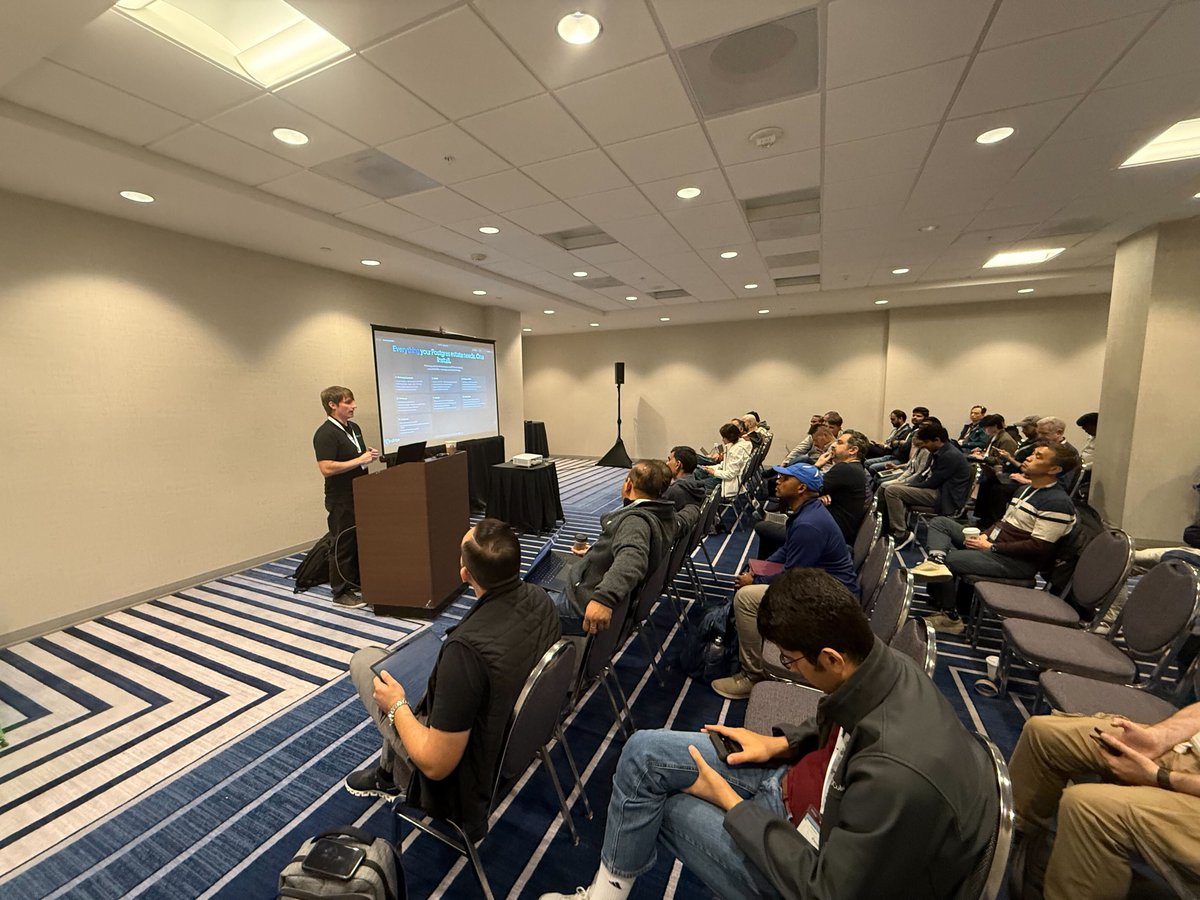
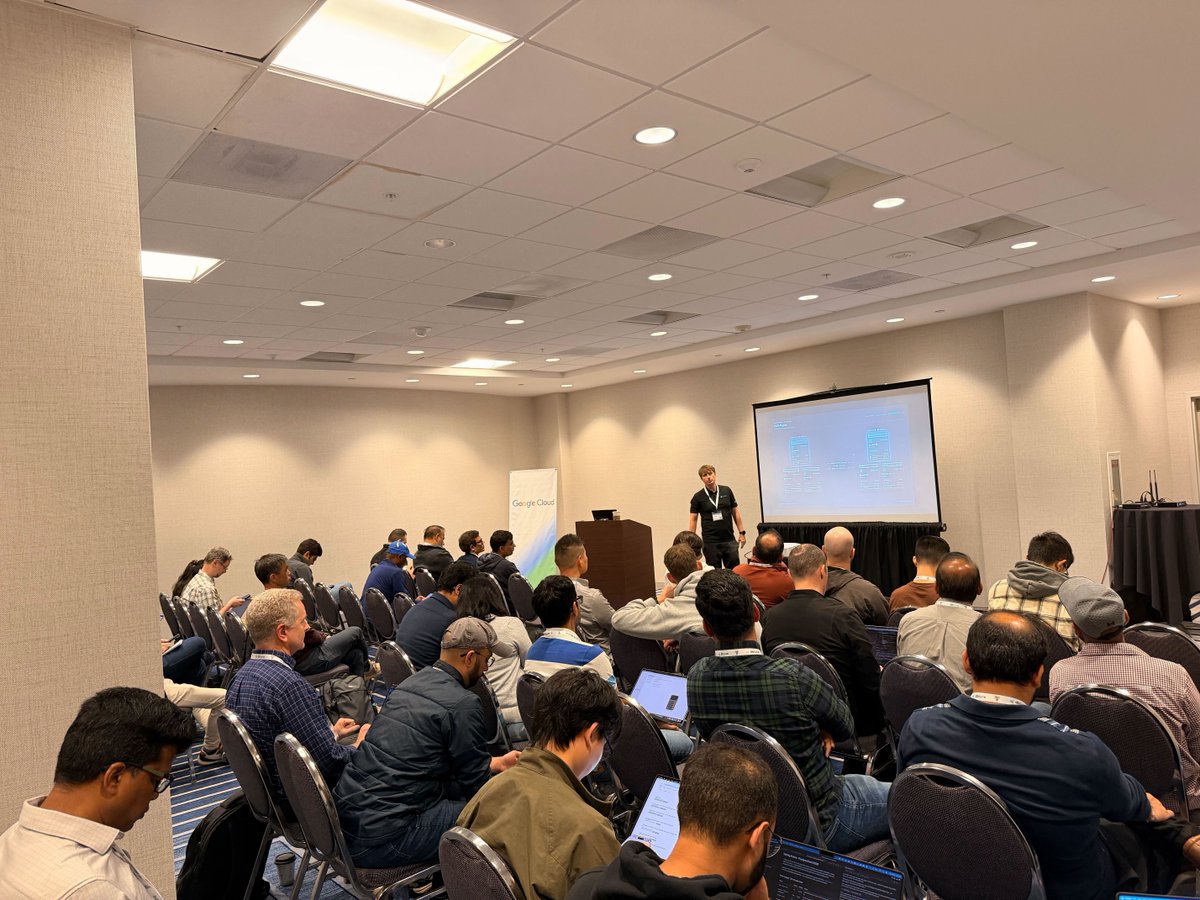
#PostgresConf 2026 in #SanJose is wrapping up today! 🐘
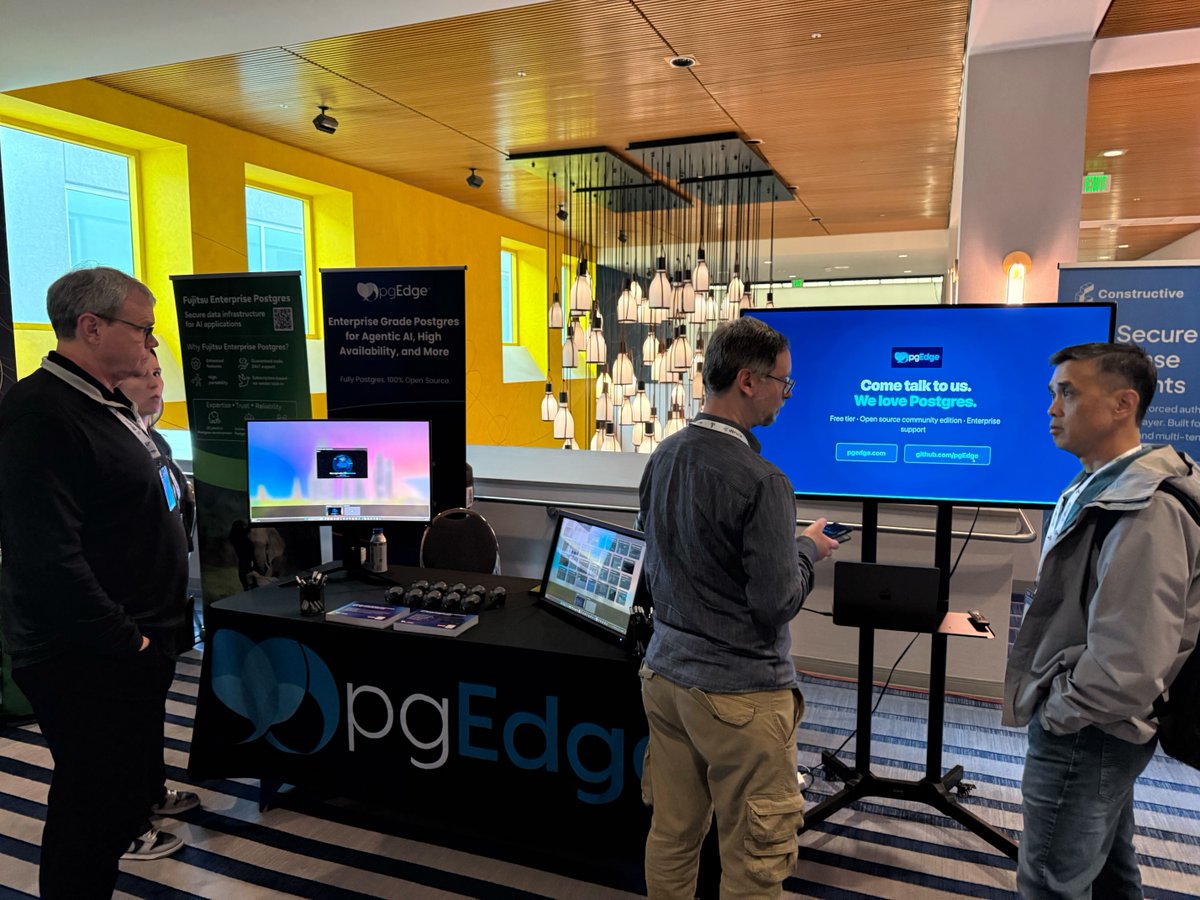
The turnout at the conference and at our sessions has been incredible, and the conversations at our booth made it all worthwhile. Thank you to everyone who has come by, watched a demo, and chatted with our team.
Today we are closing out strong with three sessions from our team:
🔧 Shaun — "Let's Build a Postgres Extension!" | 13:00 PDT | Winchester
✅ Mason Sharpe — "Trust, But Verify: Operationalizing Data Consistency Checks for Postgres Logical Replication" | 14:00 PDT | Winchester
🛡️ Dr. Ibrar Ahmed — "Eight Steps to Bullet-Proof Database Disaster Recovery" | 15:30 PDT | Santa Clara (Level C)
Add those to Mike Josephson's open source AI app development session and Ibrar's multi-master replication talk earlier in the week and it's been a packed schedule from day one.
🎮 Still at the conference? Swing by our booth, watch a demo of our newly launched AI DBA Workbench, and get entered to win an RTX 5060 16GB before you head out. 👋
#postgresql #postgres #postgresworld #dba #opensource #database #ai #california #programming
1
1
206
Updated PostgreSQL IPS packages for Solaris 11.4 SPARC are available
Versions 18.3, 17.9, 16.13, 15.17, 14.22
jomasoft.ch/downloads/#js-op…
#solaris #oraclesolaris #postgres #postgresql #sparc
@jomasoft @opensolaris @SolarisUpdate @PostgreSQL @planetpostgres @PostgresWorld
5
7
207
Just blogged "New postgres packages are ready for Solaris 11.4 SPARC"
jomasoftmarcel.blogspot.com/…
Current versions are 18.2, 17.8, 16.12, 15.16, 14.21
#solaris #sparc #postgres
@jomasoft @opensolaris @SolarisUpdate @PostgreSQL @planetpostgres @PostgresWorld
4
4
228

22 Dec 2025
Who is the GOAT when it comes to mission-critical operations?
Santa Claus without a doubt.
Learn why & share YOUR ops—or other PostgreSQL-related expertise—at Postgres Conference: 2026. CFP closes Jan 30.
postgresconf.org/blog/posts/…
#PostgreSQL @PostgresWorld

1
3
137

13 Nov 2025
Updated PostgreSQL IPS packages for Solaris 11.4 SPARC are available
Versions 18.1, 17.7, 16.11, 15.15, 14.20, 13.23
jomasoft.ch/downloads/#js-op…
#solaris #oraclesolaris #postgres #postgresql #sparc
@jomasoft @opensolaris @SolarisUpdate @PostgreSQL @planetpostgres @PostgresWorld
1
3
102

3 Oct 2025
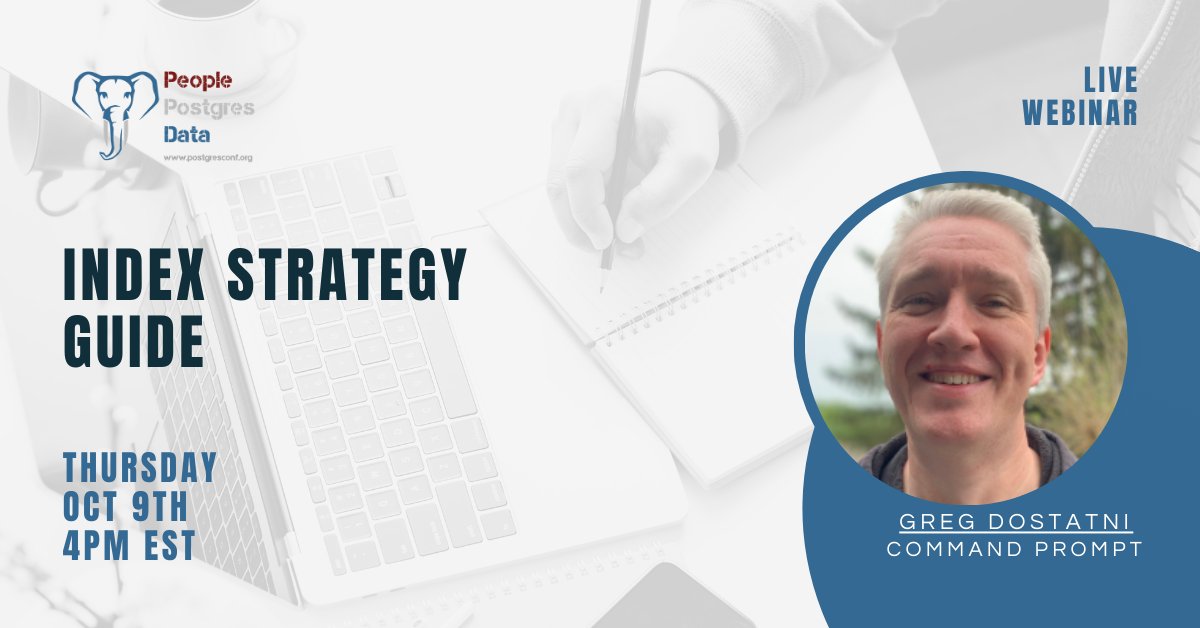
Join us for this upcoming @PostgresWorld webinar!
📅 Oct 9 | 4 PM ET
Index Strategy Guide w/ Greg Dostatni, DBA & System Administrator at @cmdpromptinc
🎟️ Register: postgresconf.org/conferences…
#Postgres
1
5
471
29 Sep 2025
NEW PostgreSQL IPS package for Solaris 11.4 SPARC is
available Version 18.0
jomasoft.ch/downloads/#js-op…
#solaris #oraclesolaris #postgres #postgresql #sparc
@jomasoft @opensolaris @SolarisUpdate @PostgreSQL @planetpostgres @PostgresWorld
2
9
226
14 Aug 2025
Updated PostgreSQL IPS packages for Solaris 11.4 SPARC are available
Versions 17.6, 16.10, 15.14, 14.19, 13.22
jomasoft.ch/downloads/#js-op…
#solaris #oraclesolaris #postgres #postgresql
@jomasoft @opensolaris @SolarisUpdate @PostgreSQL @planetpostgres @PostgresWorld
2
5
192
19 May 2025
Building #postgres works well on the new #Solaris 11.4 CBE 81
buildfarm.postgresql.org/cgi…
More about the new Solaris Build Environment for
Developers
blogs.oracle.com/solaris/pos…
@PostgresWorld
5
8
545
12 May 2025
Updated PostgreSQL IPS packages for Solaris 11.4 SPARC are available
Versions 17.5, 16.9, 15.13, 14.18, 13.21
jomasoft.ch/downloads/#js-op…
#solaris #oraclesolaris #postgres #postgresql
@jomasoft @opensolaris @SolarisUpdate @PostgreSQL @planetpostgres @PostgresWorld
3
4
229

20 Mar 2025
Today's the day! I'll be yammering about major version Postgres upgrades in Seminole B at 1:30 today at @postgresconf @PostgresWorld in Orlando. It's got everything: crude diagrams, tips on Patroni, cake. Enjoy your post-lunch food coma in style!
1
3
97
19 Mar 2025
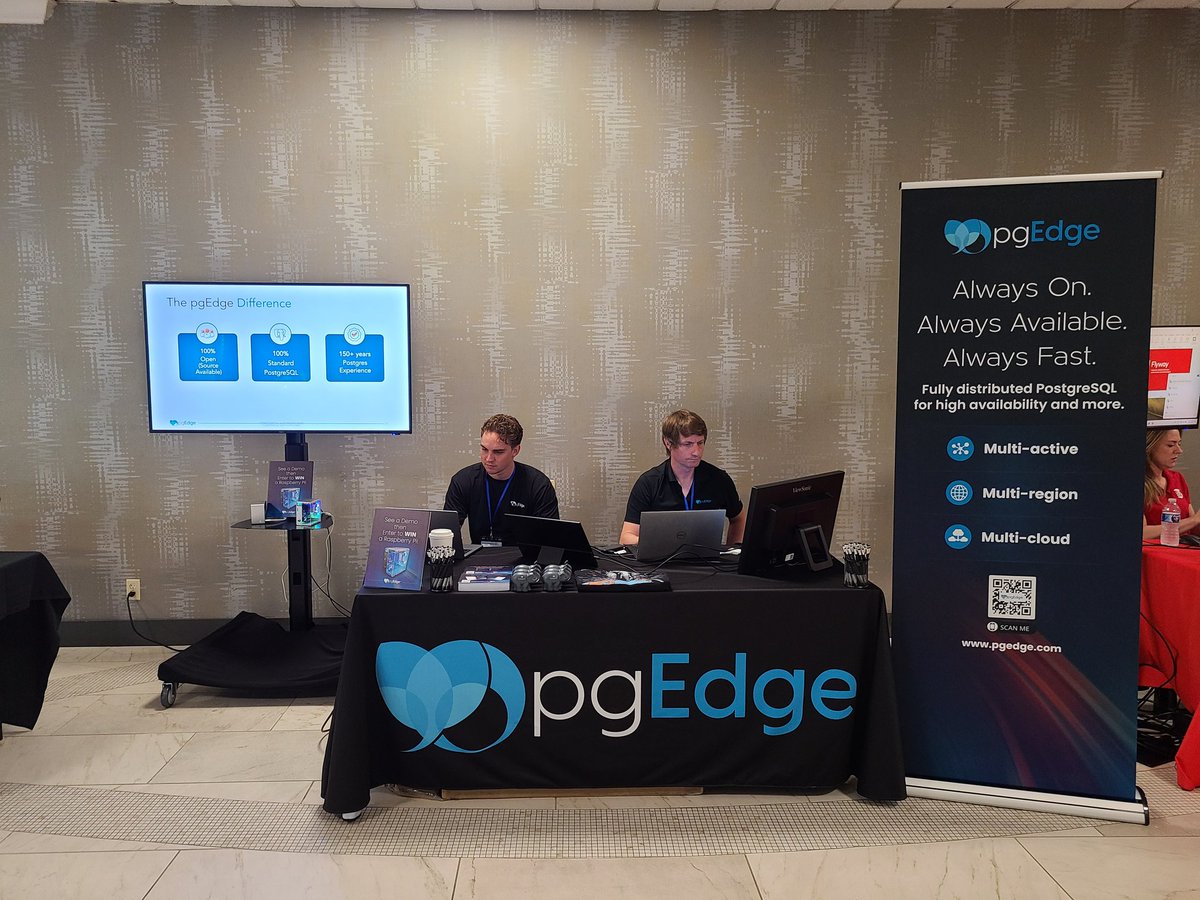
Swing by the @pgEdgeInc booth at @PostgresWorld @postgresconf in Orlando this morning to chat with the team and for a chance to win a Raspberry Pi running our cluster demo!
1
5
449
18 Mar 2025
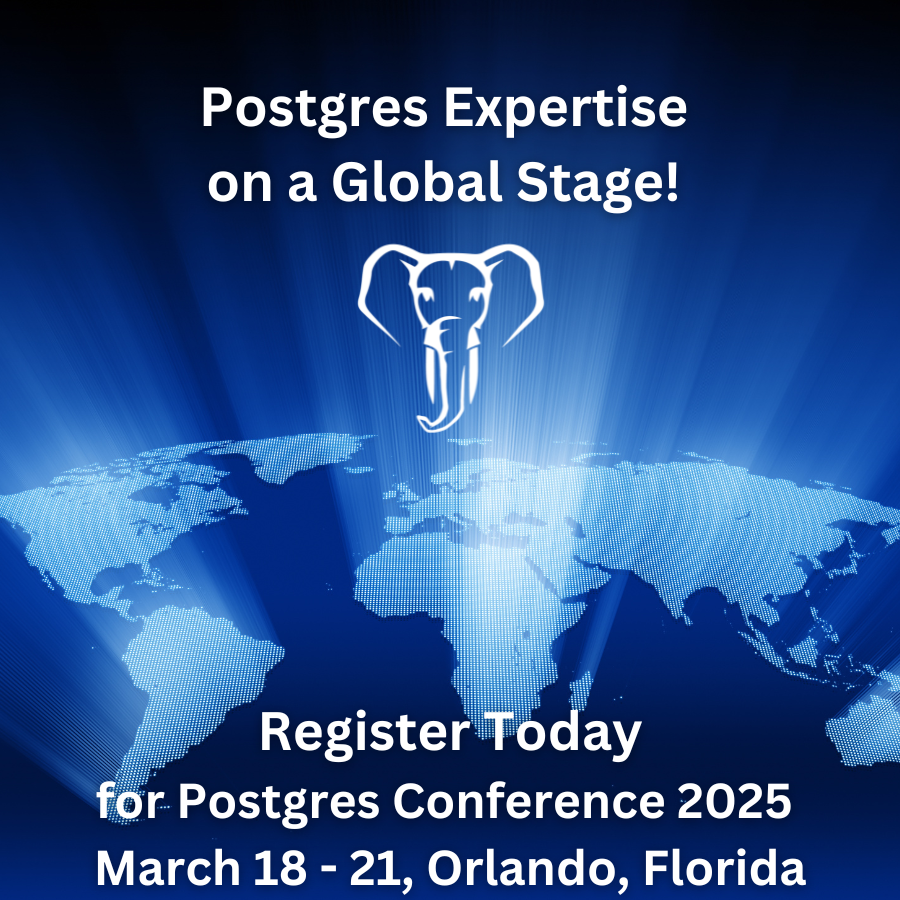
LAST CALL! 🚨
Postgres Conference 2025 is March 19-21 in Orlando! Your final chance to register online is here. Don't miss out - secure your spot now: postgresconf.org/conferences…
#PeoplePostgresData #Postgres @PostgresWorld
1
6
297
14 Mar 2025
Heading to Postgres Conference 2025 in Orlando?
Plan for professional development, wellness coaching, runs, and more!
Who's attending?
🔗 postgresconf.org/conferences…
#Postgres #PeoplePostgresData @PostgresWorld

1
5
274
28 Feb 2025
Updated PostgreSQL IPS packages for Solaris 11.4 SPARC are available
Versions 17.4, 16.8, 15.12, 14.17, 13.20
jomasoft.ch/downloads/#js-op…
#solaris #oraclesolaris #sparc #postgres #postgresql
@jomasoft @opensolaris @SolarisUpdate @PostgreSQL @planetpostgres @PostgresWorld
2
7
173
3 Feb 2025
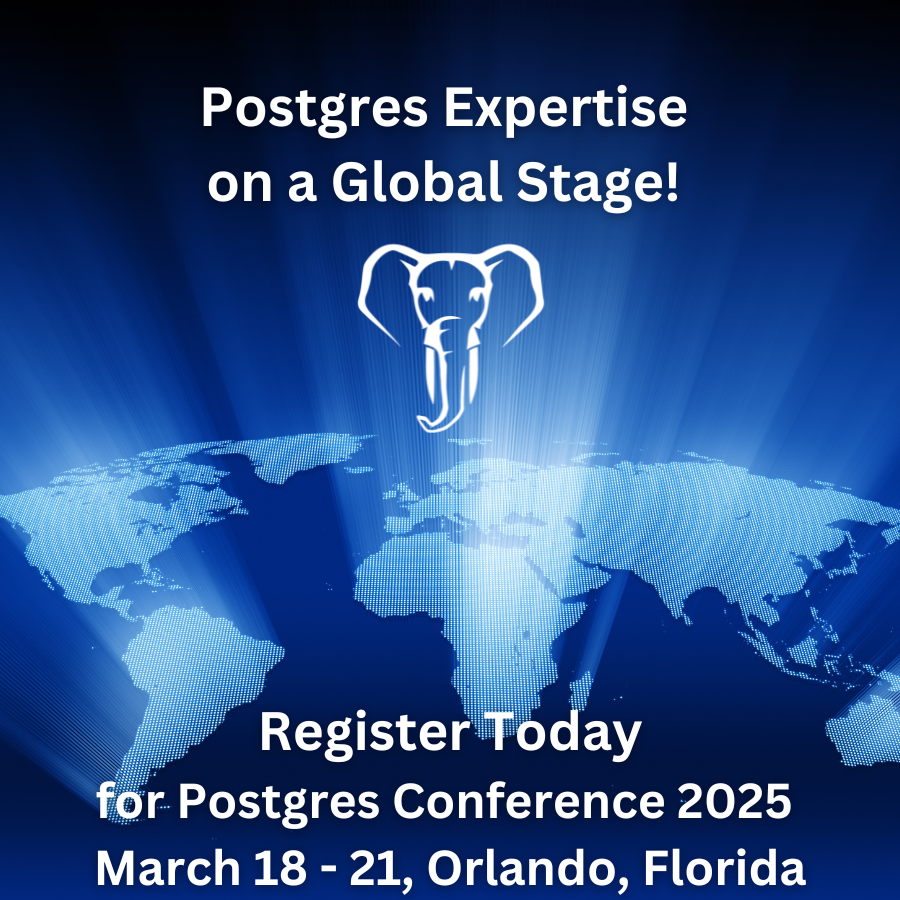
Postgres Conference 2025 isn’t just a conference — it’s an opportunity.
- Expert talks
- Hands-on training
- Endless networking
Serious about PostgreSQL? Join us March 18-21, in Orlando, Florida.
Register now: postgresconf.org/conferences…
#Postgres #OpenSource @PostgresWorld
3
4
518
3 Jan 2025
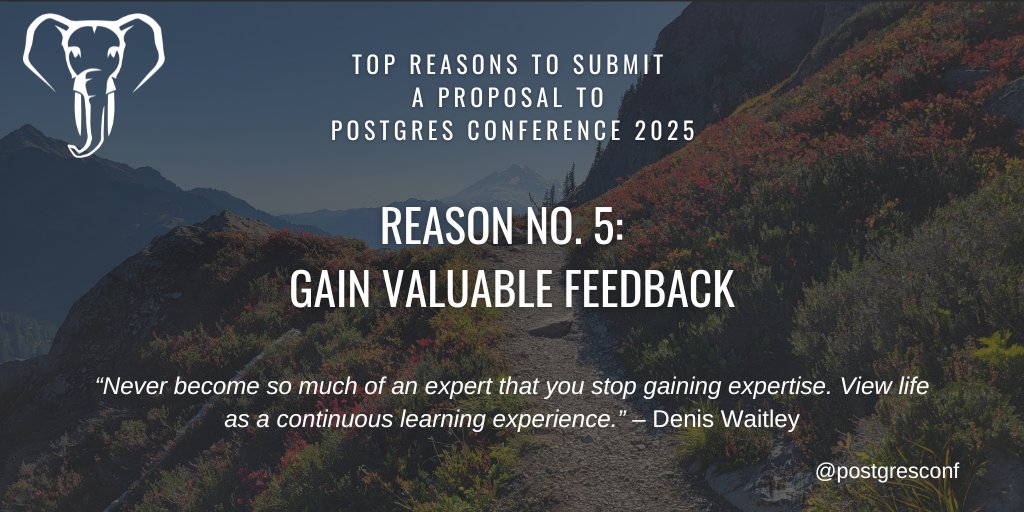
Present your work at Postgres Conference 2025 (March 18–21, Orlando) and gain valuable feedback from experts.
Submit now! 🚀 postgresconf.org/conferences…
#postgres #OpenSource #data #databases
@PostgresWorld
1
2
199
1 Jan 2025
Speak at Postgres Conference 2025 in Orlando (March 18-21)! Share insights, inspire the PostgreSQL community, and shape the future of open source.
Submit now at postgresconf.org/conferences…
#OpenSource #Postgres #community @PostgresWorld
1
3
195