
Jun 12
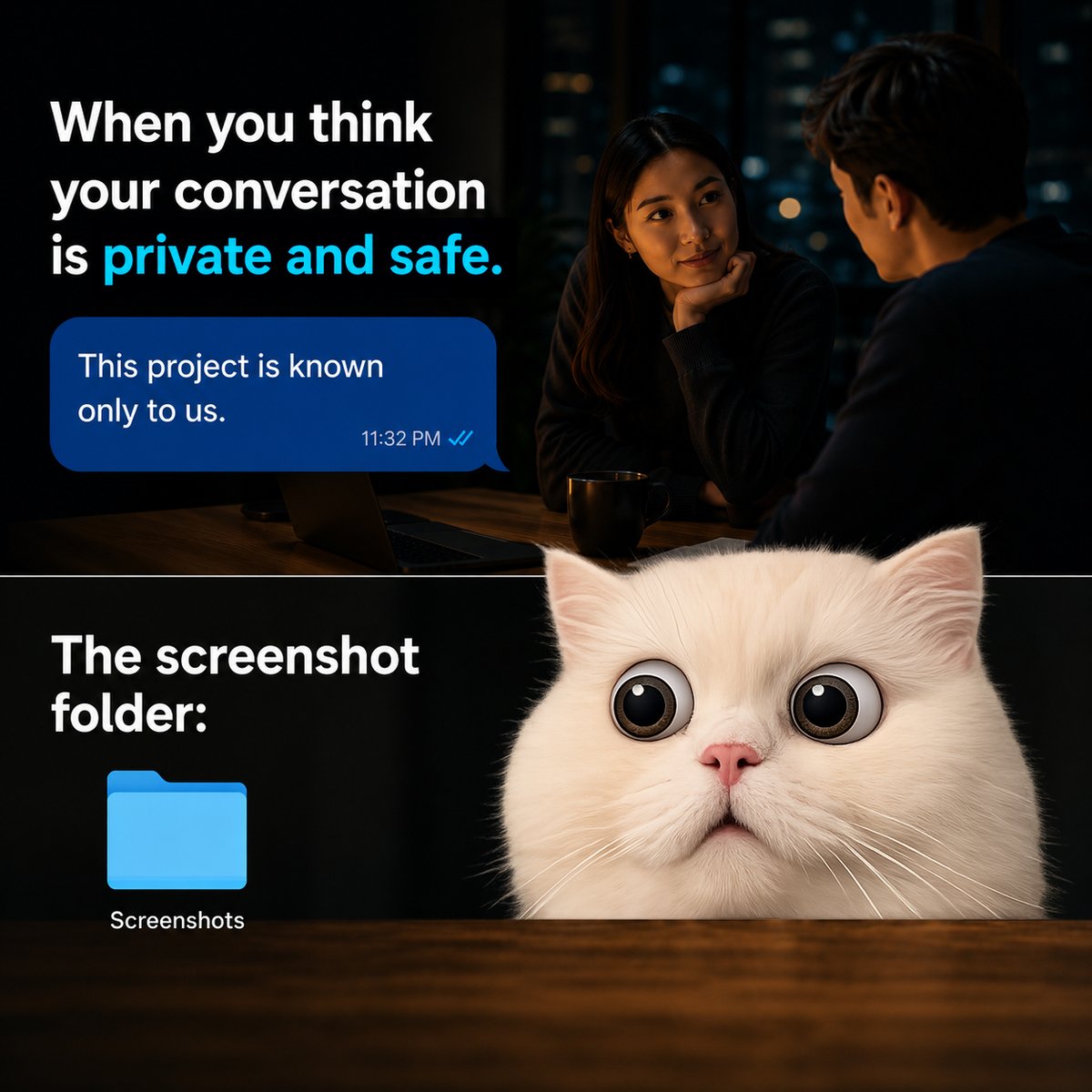
“This project is known only to us.”
The screenshot folder:
👁️👄👁️
Linkdood helps organizations maintain greater control over sensitive conversations through features designed for secure and controlled
information sharing.
#CyberSecurity #SecureCommunication #Linkdood
3

Jun 11
dMeet Chat combines modern collaboration with established security.
@dMeetApp @dtelecom
Powered by Vodozemac, audited cryptographic technology from the Matrix ecosystem, messages are protected by encryption designed to withstand real-world scrutiny.
Built for meetings, AI features, and private communication.
#dMeet #EndToEndEncryption #PrivacyTech #SecureCommunication #OpenSource #MatrixProtocol #Rust #CyberDefense #FutureOfWork #TechInnovation
1
2
18

Jun 10
Trust Tetra to deliver secure, encrypted communication for modern workplaces. Keep data protected, conversations private, and collaboration safe across your organization.
tetrateams.com
#Tetra #CyberSecurity #DataProtection #EndToEndEncryption #SecureCommunication
8
Jun 10
Tetra helps organizations strengthen communication security without sacrificing productivity. Ensure confidential information stay protected throughout every exchange.
tetrateams.com
#Tetra #CyberSecurity #DataProtection #EndToEndEncryption #SecureCommunication
8

Jun 9
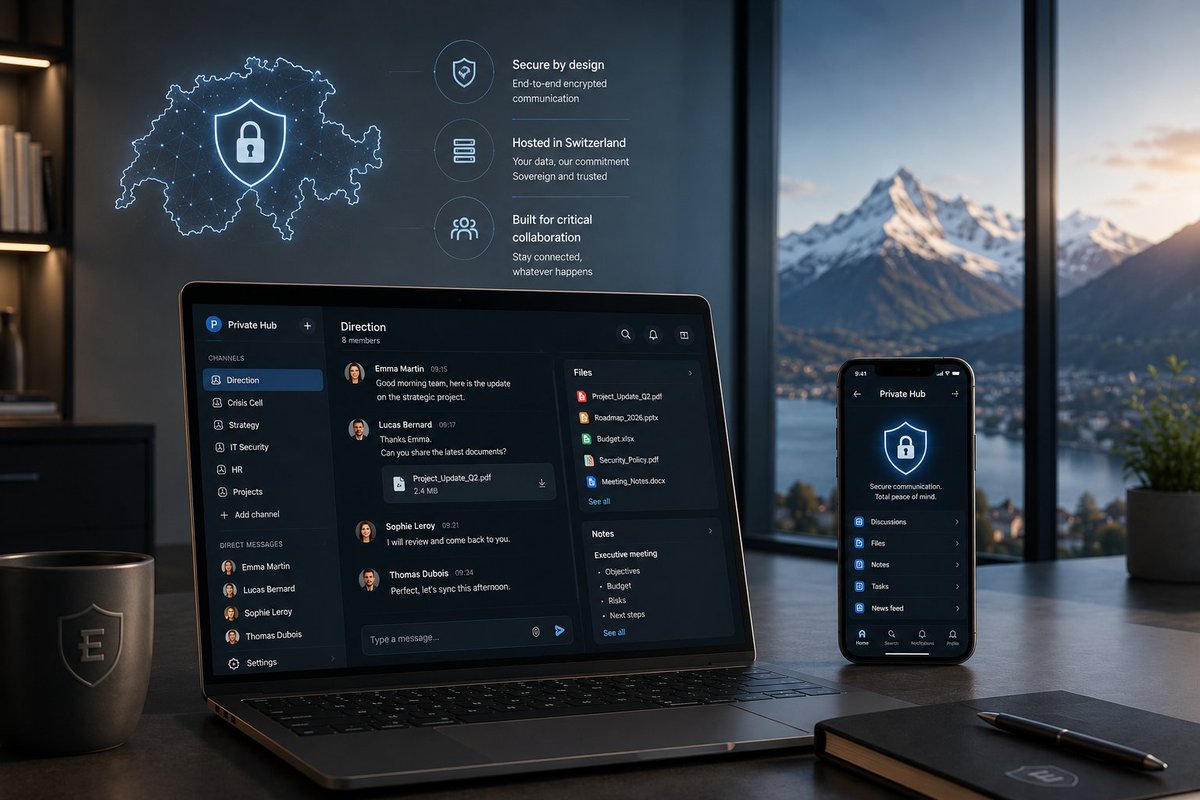
Où sont réellement hébergées vos communications professionnelles ?
Aujourd’hui, la sécurité ne se limite plus au chiffrement. La localisation des données et la maîtrise de l’infrastructure sont devenues des enjeux stratégiques pour les entreprises et institutions.
Avec E‑Secure Serenity Private Hub, nous proposons une solution de communication sécurisée basée sur la technologie Private Discuss (@Private_Discuss) :
L’ensemble des services et des données est hébergé en Suisse.
✔️ Meilleure maîtrise des données
✔️ Infrastructure souveraine
✔️ Confidentialité renforcée
✔️ Environnement sécurisé
Parce que la confiance numérique commence par le contrôle de vos échanges.
👉 Découvrez ce service et demander une démo :
e-secure.ch/lp/serenity-priv…
#CyberSecurity #DigitalSovereignty #SwissHosting #SecureCommunication #DataProtection #ESecure
5
Jun 9
Tetra provides a secure collaboration environment where privacy is never compromised. Protect critical business communications with enterprise-grade encryption technology.
tetrateams.com
#Tetra #CyberSecurity #DataProtection #EndToEndEncryption #SecureCommunication
9
Jun 9
Every message, file, and interaction within Tetra is secured through end-to-end encryption. Maintain complete control over your data while enabling seamless team collaboration.
tetrateams.com
#Tetra #CyberSecurity #DataProtection #EndToEndEncryption #SecureCommunication
23

Secure Internal Communication: Best Practices for Protecting Business Data
Read More:- buff.ly/FUPeMW1
#secureinternalcommunication #internalcommunicationsecurity #protectdata #securecommunication #secureworkplace #TheNextTrends
3

🚀 Day 65 | Part 158/200 — Secure Communication Layer
Secure communication is essential for a trusted ecosystem.
InterLink’s Secure Communication Layer protects interactions between users, businesses, and services by ensuring that information flows safely, privately, and reliably across the network.
This strengthens confidence, reduces risk, and enables meaningful collaboration throughout the ecosystem.
Secure communication creates trusted connections.
#ITL #InterLink #SecureCommunication #ITLG

1
7

Textergram gives you guaranteed delivery — no algorithm, no suppression, no begging for visibility. If you’re done letting platforms control your income, take back your reach today. #securecommunication #socialmedia #textergram
1
7

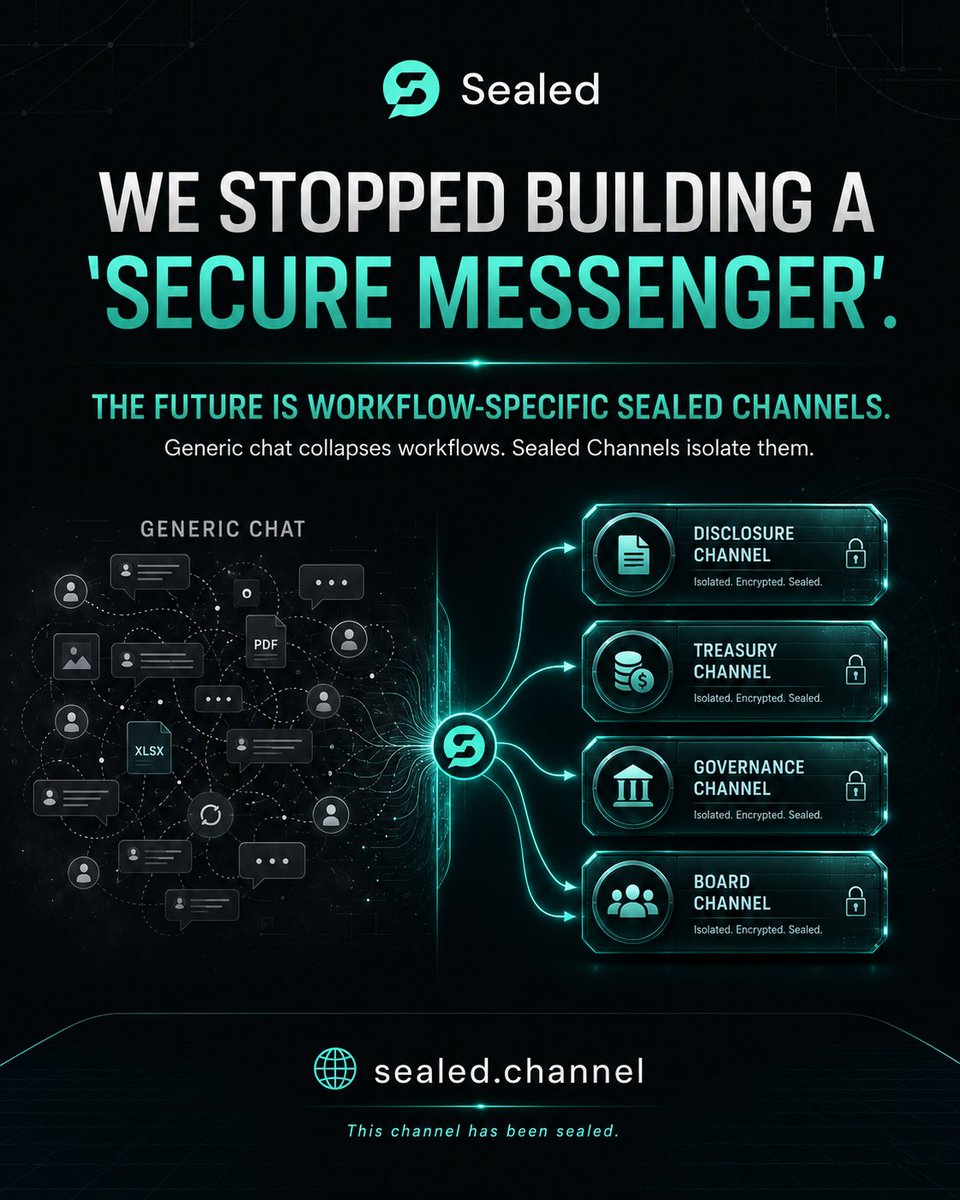
🚫 We stopped building a “secure messenger”.
Not because encrypted messaging is unimportant.
Because the real problem is much bigger.
Most communication tools still think in one category:
💬 chat
💬 groups
💬 messages
💬 notifications
💬 file sharing
But high-trust operations do not need “another chat app”.
They need workflow-specific sealed channels.
Why?
Because encryption protects the content.
But in many strategic workflows, the most valuable intelligence is not always inside the message.
It is around the message.
Who is talking?
When?
How often?
Around which project?
During which phase of an incident, audit, negotiation or treasury operation?
That context can become intelligence.
And intelligence can become risk.
Today, the same generic communication tools are used for completely different risk environments:
🔹 casual team chat
🔹 zero-day disclosure
🔹 smart contract audits
🔹 incident response
🔹 treasury coordination
🔹 governance negotiations
🔹 board-level decisions
🔹 M&A preparation
That makes no sense.
A zero-day disclosure is not a Telegram group.
An OTC negotiation is not a casual chat.
A vulnerability report is not an email thread.
A board discussion is not a Slack channel.
These workflows should not be collapsed into the same generic communication layer.
They need isolation.
They need context control.
They need purpose-built environments.
That is why we are moving toward Sealed Channels.
🔐 Sealed Disclosure Channel
For vulnerability disclosure, audit coordination and incident pre-response.
🏦 Sealed Treasury Channel
For OTC, treasury operations and market-sensitive coordination.
🗳️ Sealed Governance Channel
For protocol councils, DAO coordination and strategic decision-making.
🛡️ Sealed Board Channel
For executive communication, crisis coordination and high-confidentiality decisions.
A Sealed Channel is not a group chat.
It is a controlled communication environment designed around a specific high-trust workflow.
The principle is simple:
Generic chat collapses workflows.
Sealed Channels isolate them.
And this is why the domain matters:
🌐 sealed.channel
It is not just a website.
It is the category we are building toward.
The future of secure communication is not “more encrypted chat”.
It is channel-level workflow isolation.
Critical workflows deserve sealed channels.
This channel has been sealed.
@sealedchannel
#CyberSecurity #Web3Security #OperationalSecurity #Metadata #Privacy #EnterpriseSecurity #Web3 #Infrastructure #Algorand #B2B #InfoSec #SecureCommunication
2
1
12
911

May 29
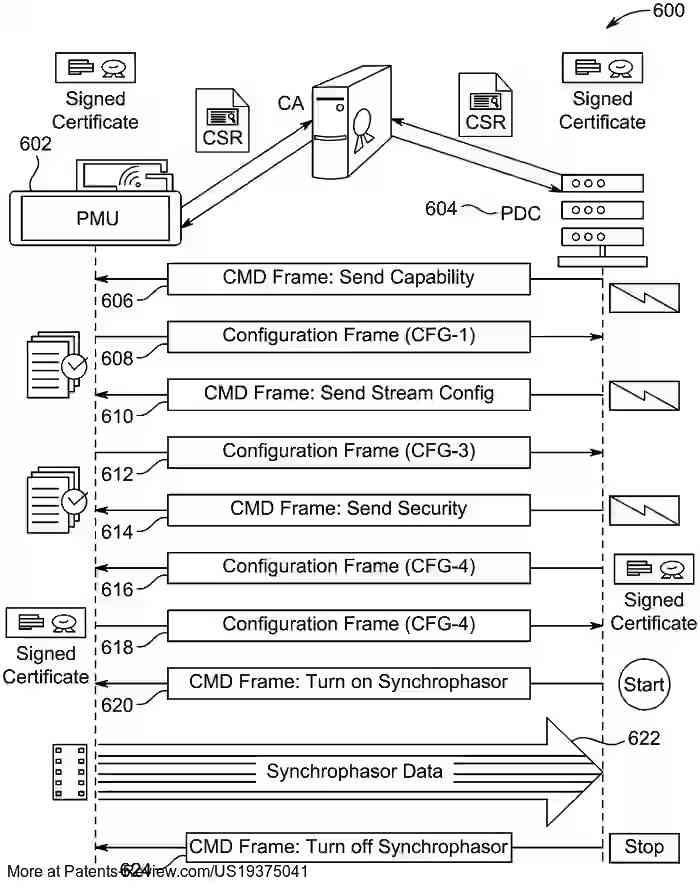
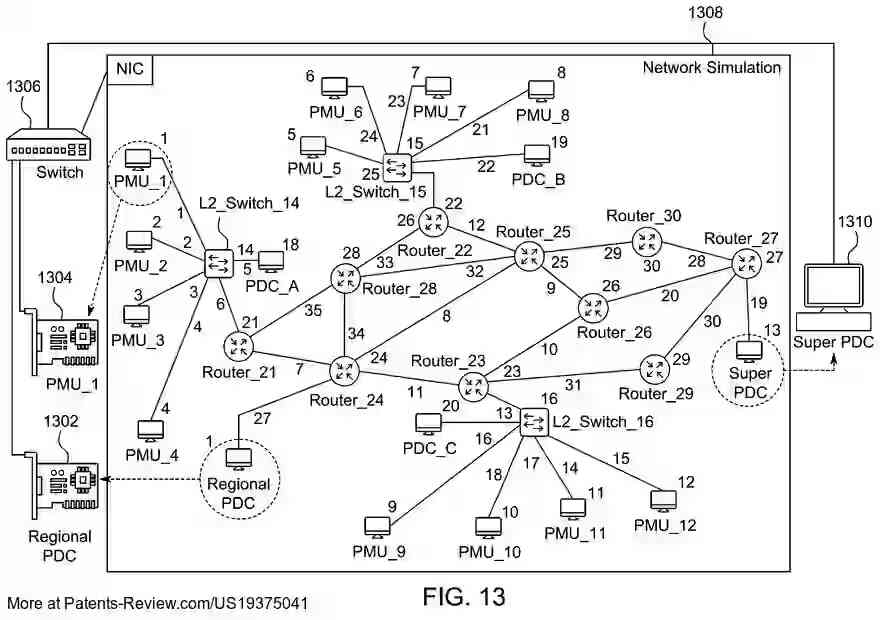
🔒 New patent grant #US19375041B1 by #KFUPM secures communication between PMU & PDC per IEEE C37.118.2-2024.
Key aspects:
- Mutual authentication via X.509 certificates
- Public-private key pair generation
- #QuantumResistant FALCON-512 digital signatures
- Replay protection with SOC timestamps
Ensures #SecureCommunication in synchrophasor networks.
#EnergyTech #Cybersecurity

2
204

May 20
Strengthening global digital resilience through indigenous innovation!
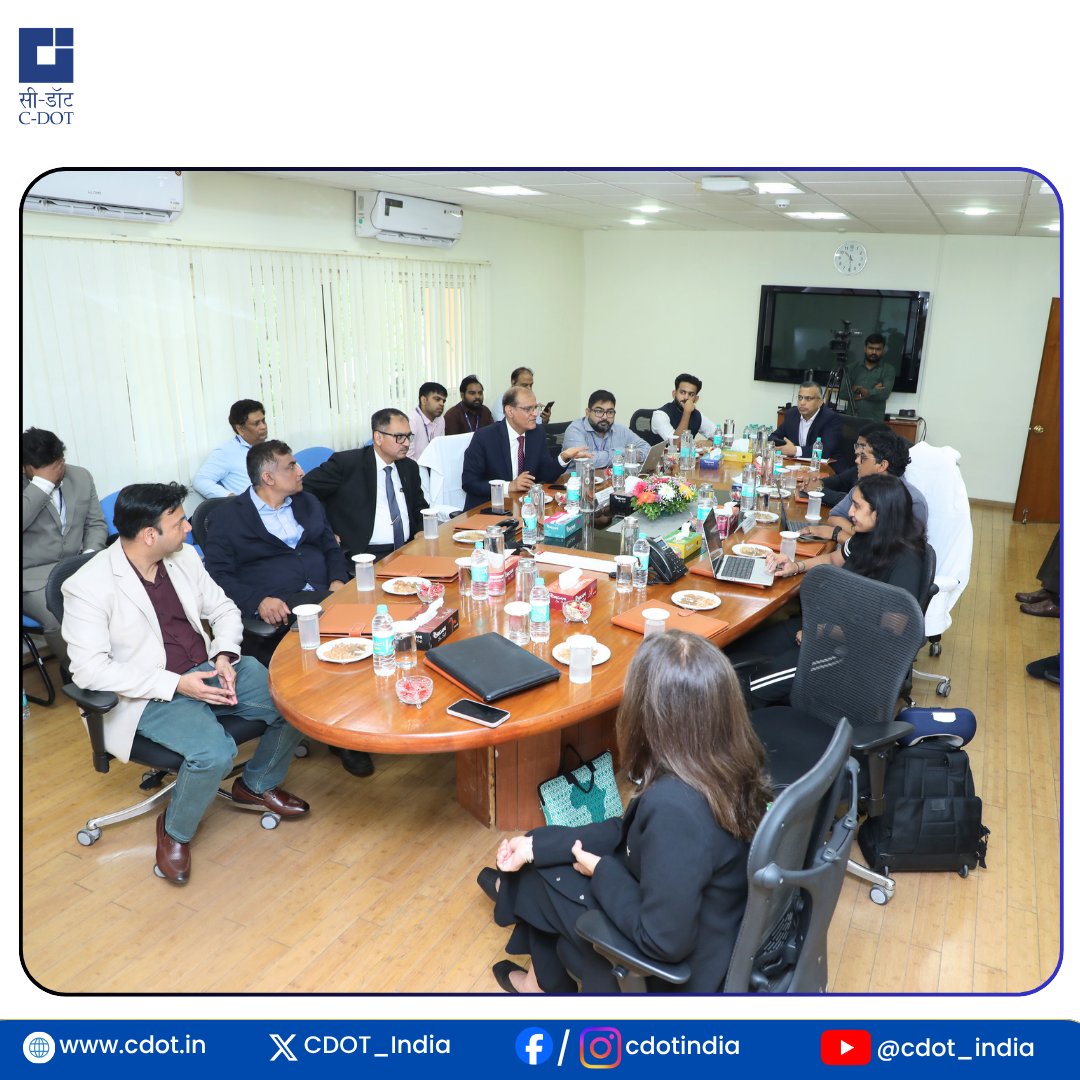
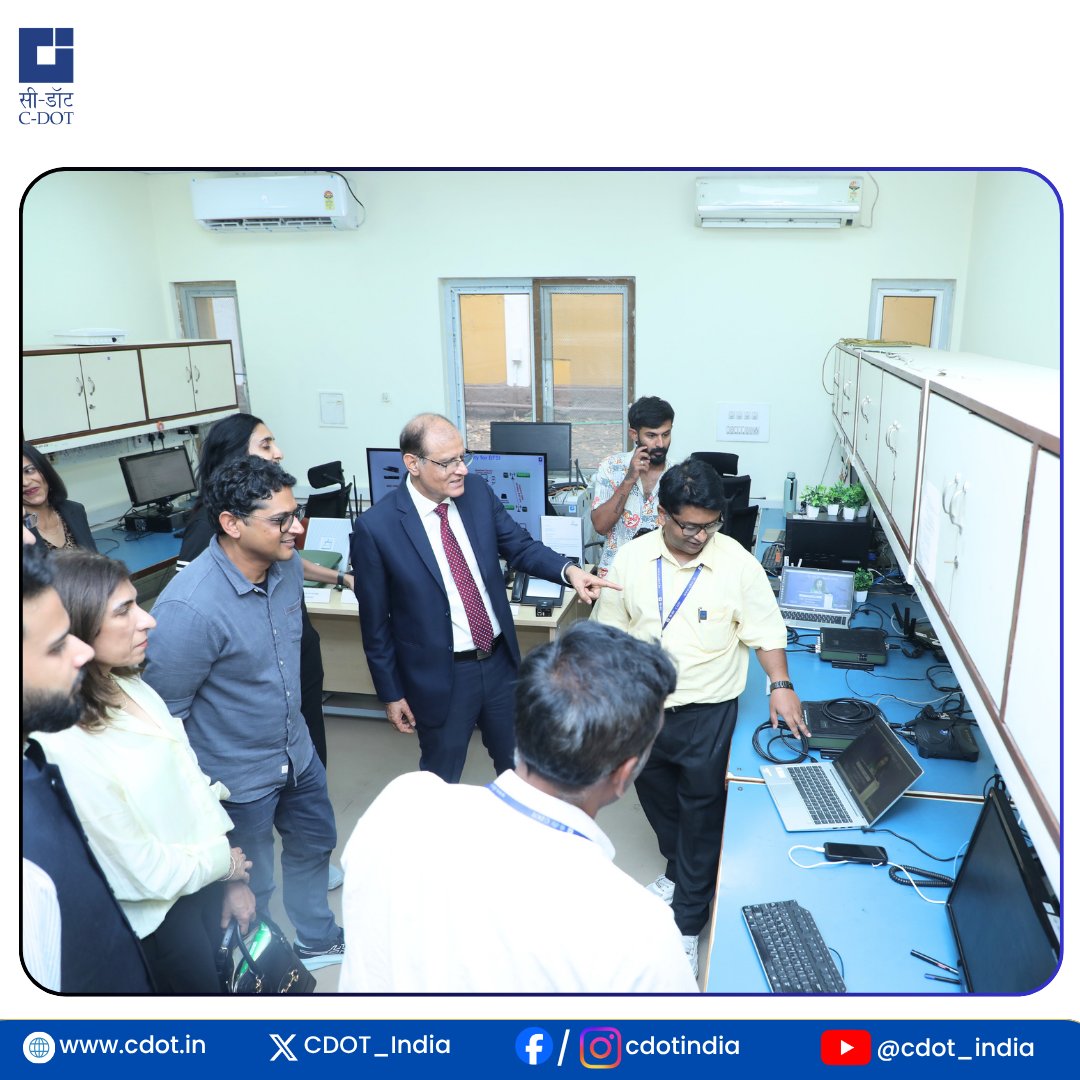
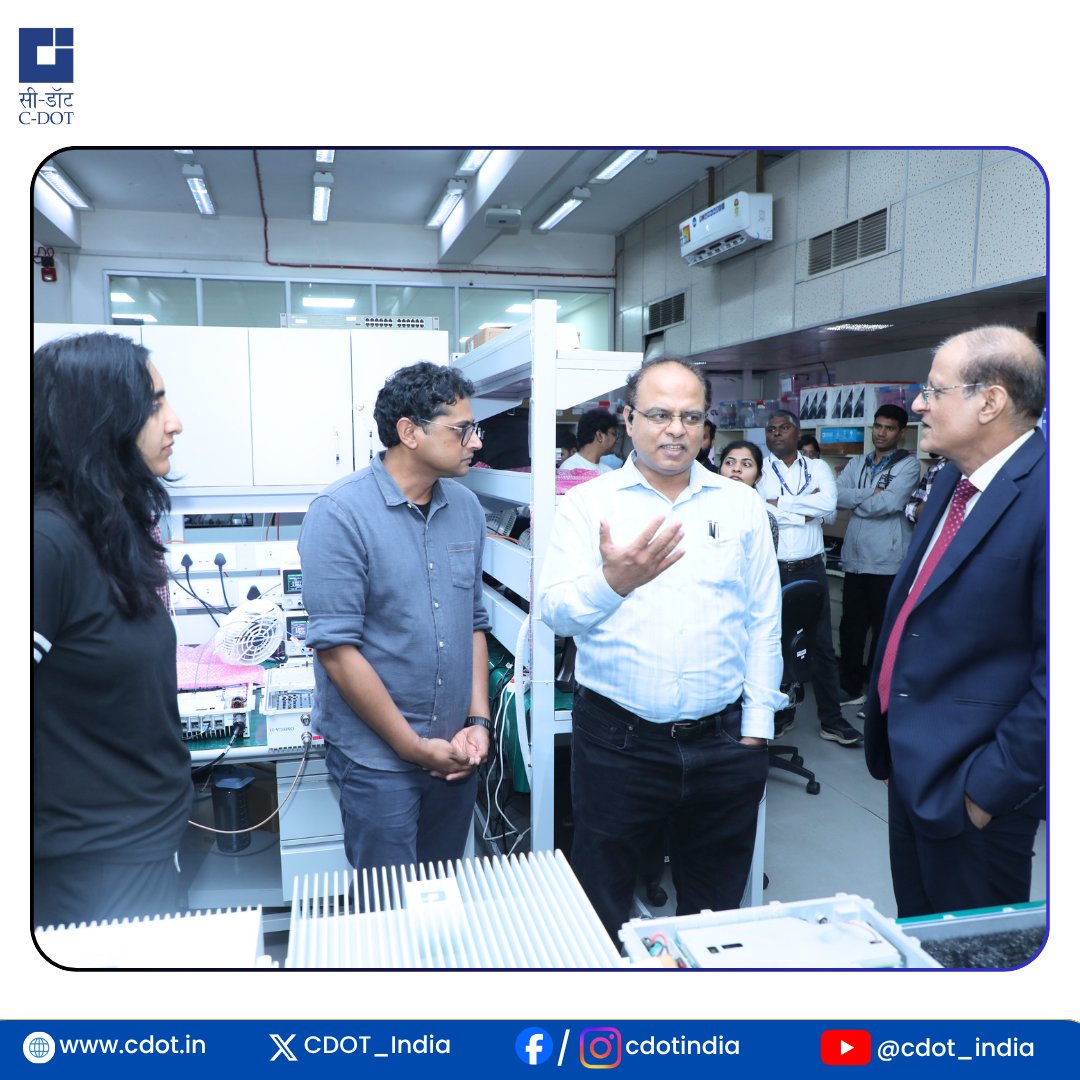
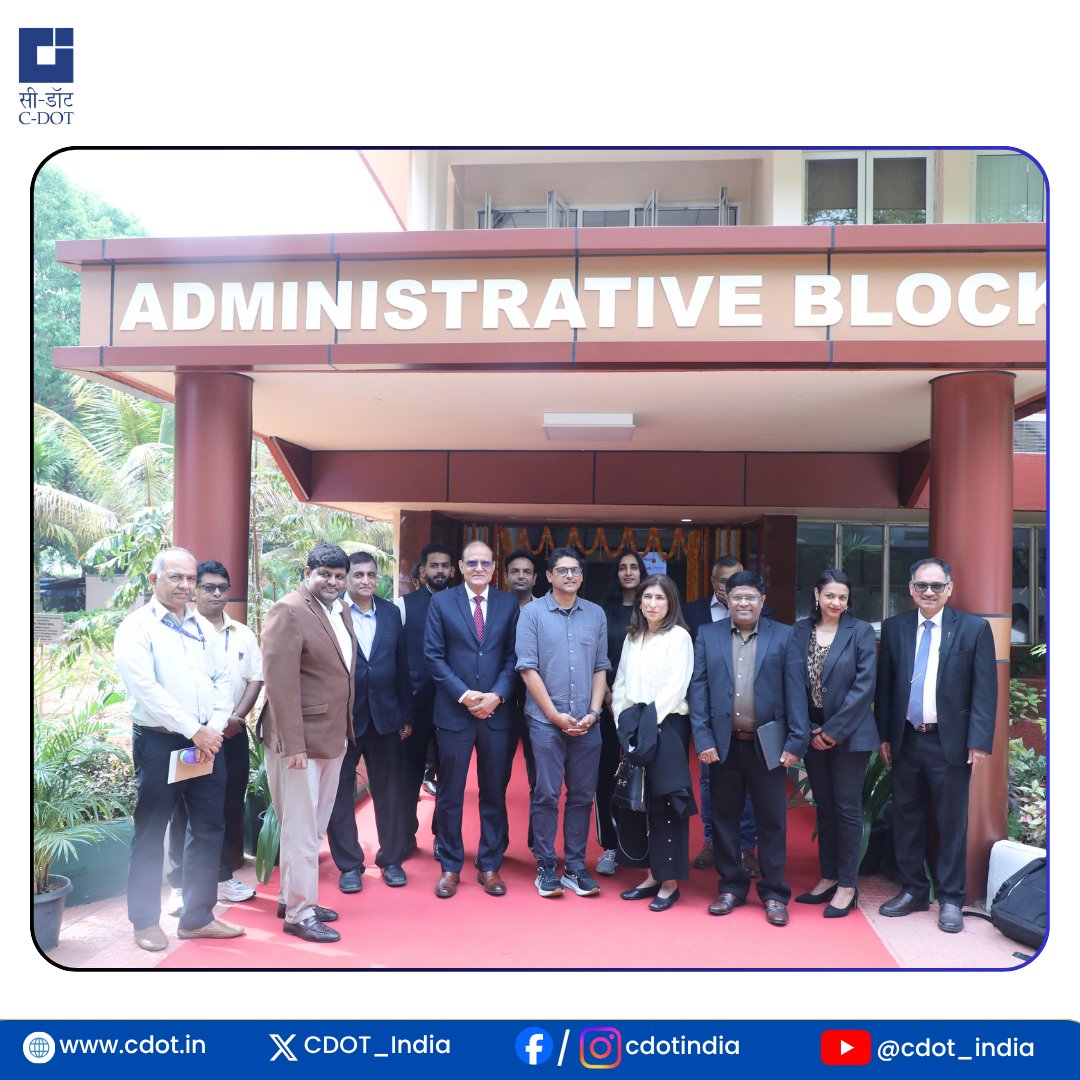
@CDOT_India welcomed a high-level delegation from @OldMutualLtd , a premier financial services group in South Africa which has thrived for 180 years in the financial sector and Leadership team from @Infystrat_World, one of our Strategic partners to our campus.
The visit facilitated deep-dives into our #cutting-edge #telecom and #security portfolio, specifically tailored for the high-stakes #BFSI sector.
Key Highlights :
• Quantum Security: Transitioning to #QKD (Quantum Key Distribution) and #PQC (Post Quantum Cryptography).
• AI Empowered Cyber Security : Showcasing #TRINETRA & # TRINETRA-360.
• Next-Gen Management: AI-powered #NMS(Enterprise Netwrok Management System) for complex enterprises.
By exploring C-DOT’s labs, the delegation experienced the organization’s homegrown innovations in quantum communication, cybersecurity, and network management. This visit serves as a #catalyst for future-focused, cross-border partnerships.
Together, we are building a more connected and resilient technological landscape, underlining C-DOT's role as a global provider of trusted, future-ready infrastructure.
@PIB_India @pib_comm @DoT_India @JM_Scindia @PemmasaniOnX @rkupadhyay
#CDOT #QuantumTechnology #CyberSecurity #AI #BFSI #DigitalTransformation #QKD #PQC #SecureCommunication #TelecomTechnology #Innovation
3
236

Day 4/100
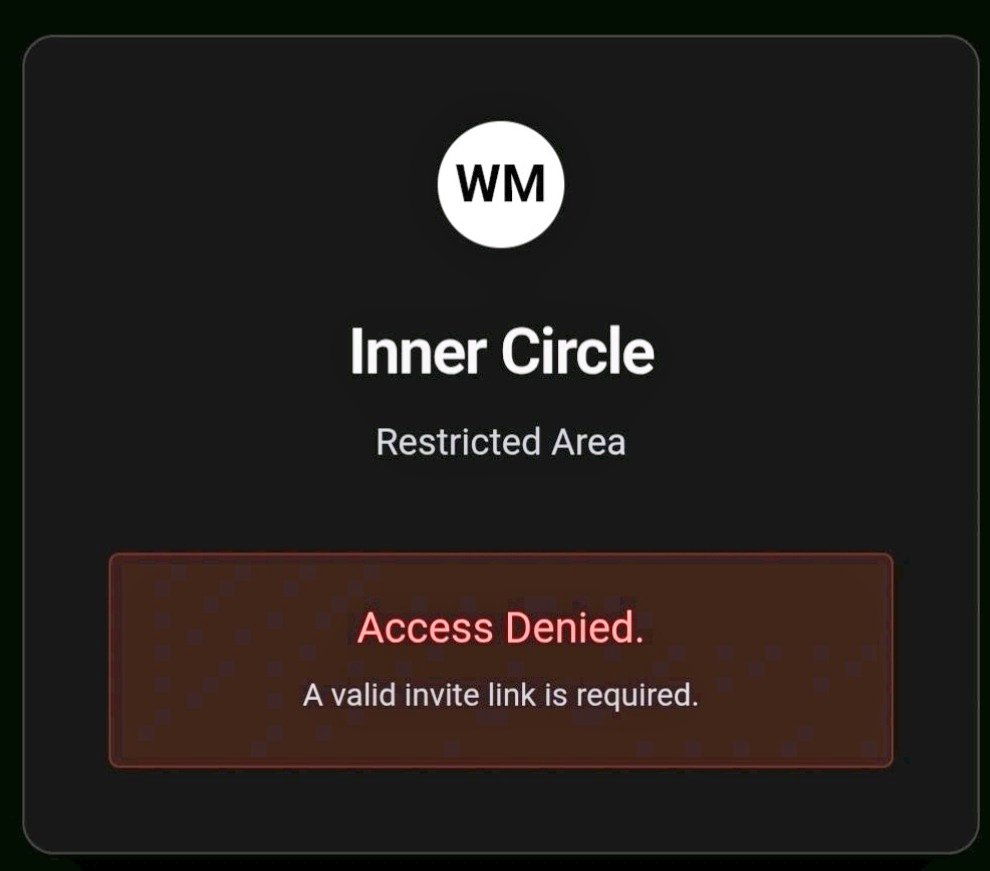
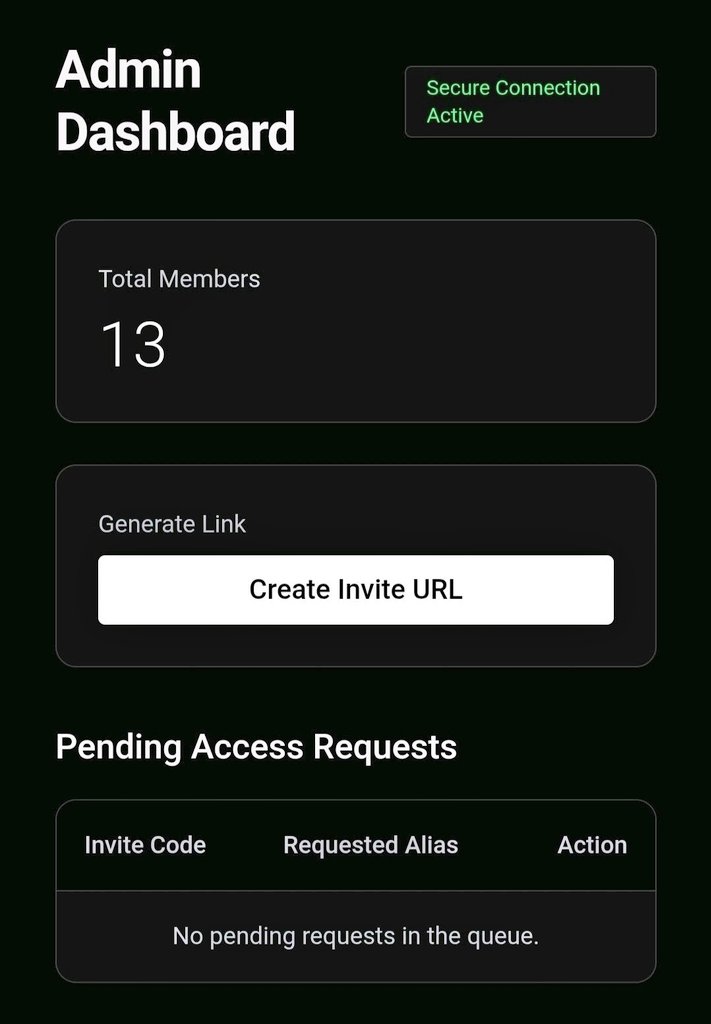
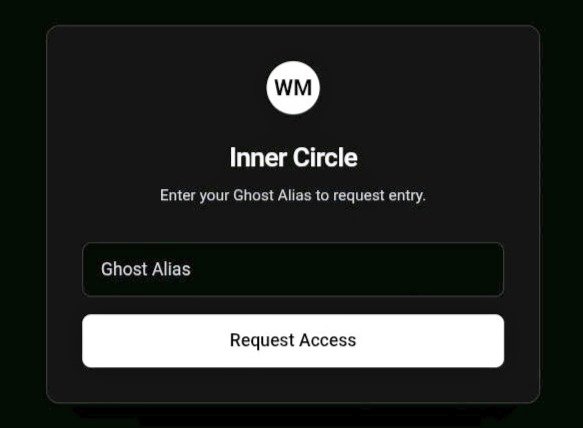
My favourite project is WeMake Inner Circle. It's a very innovative project to me because it bypass the standard limitations of the Google ecosystem.
It manages identity, storage, and data decay in real-time.
Firstly, the frontend; which was the most hardest to create but very intringing.
Most web apps hide content behind a login screen, but this project frontend goes further with a Deny-by-Default.
For Index.html UI,
I used window.onload to check for valid invite code in the URL or a user token in local storage.
If neither is found, JavaScript removes the login form from the Document Object Model (DOM), ensuring that even if someone inspects the element, the interactive parts of the Inner Circle disappears.
For the isolation of my code, I used a completely different HTML file via the doGet(e) function, making administrative logic invisible to the public.
To keep the chat real time despite Google Sheets' physical limitation and performance degradation, I used a Scalable Sharding Engine (SSE) to implements database pagination using a hidden system metadata sheet as the brainbox to store the active shard name, in the form of ChatDB_1.
So every time a message is sent, the backend checks the row count and, upon hitting 40,000 rows, it automatically creates a new sheet named ChatDB_[N 1], sets headers, and updates the metadata pointer, ensuring the fetchNewMessages function only scans a light sheet and keeps polling latency under 2 seconds.
Also, Google Apps Script lacks traditional file stream uploads, so i had to create a custom media pipeline which uses client-side encoding to convert media like HTML5 Audio or images into base64-encoded strings, it's then sent as text payloads for the backend to decode back into raw binary blobs using Utilities.base64Decode().
The blobs are then saved to a Google Drive folder, and the resulting Drive ID is returned to the chat and rendered via the google.com/uc?id= bypass, displaying media directly in message bubbles. It takes approx. 5 to 8secs.
The ephemeral nature of the whole network is maintained by a self-destruct sequence running on a time-driven trigger that utilizes backward indexing to loop through database shards from the bottom up, ensuring index stability while deleting rows.
The multi-cloud incineration then proceed to identify messages older than 24 hours and uses the content ID to find and trash linked files in Google Drive, wiping the digital footprint from both the database and storage simultaneously.
That's all,
Also, I used Vanilla JS and Tailwind CSS to keep my system readable and portable.
#GoogleAppsScript #Serverless #SoftwareArchitecture #ZeroTrust #DatabaseSharding #BackendEngineering #CloudComputing #WebDev #SystemDesign
#GhostNetwork #CyberSecurity #PrivacyTech #Ephemeral #InnerCircle #Encryption #DataDecay #SecureCommunication #Bootstrapping #SoloDev #TechInnovation #BuildInPublic

1
3
108

Apr 29
The visit to the Defence Space Administration prioritized military-grade E2EE to enable secure space-to-ground communication, battlefield resilience, and real-time intelligence. #DefComm #SovereignTechnology #DefenceInnovation #SecureCommunication #CyberSecurity #MilitaryTech




2
56

Apr 10
#BreakingNews | National Quantum Mission achieves 1,000-km secure communication milestone
@Srish__T shares more details
#NationalQuantumMission #QuantumCommunication #QuantumTechnology #SecureCommunication #NationAt5 | @GrihaAtul @akankshaswarups
3
4
698

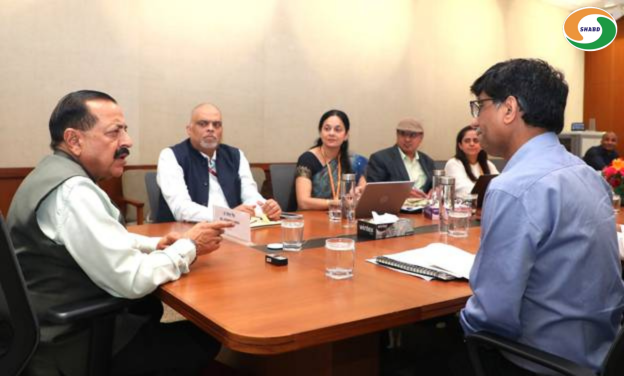
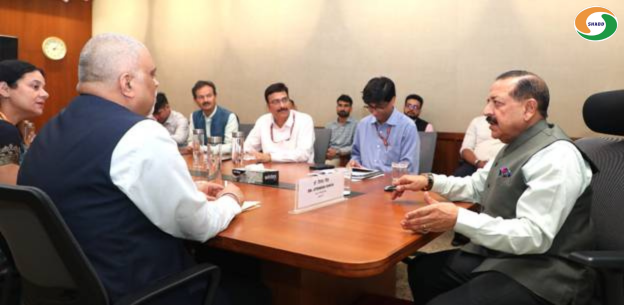
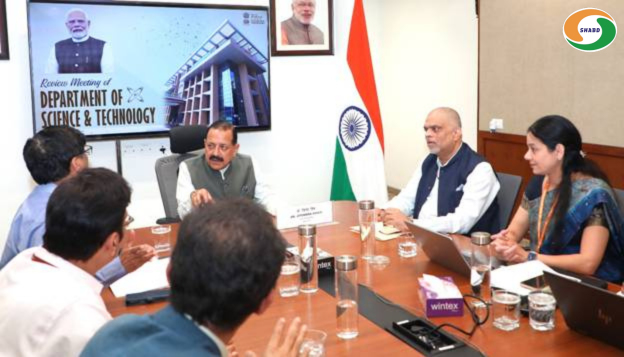
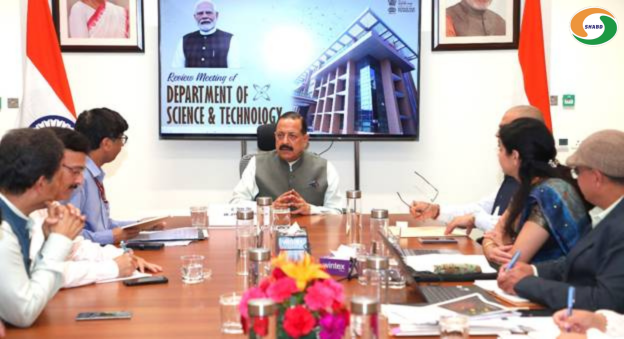
#UJSTIN | राष्ट्रीय क्वांटम मिशन के तहत भारत ने 1,000 किमी लंबा क्वांटम संचार नेटवर्क सफलतापूर्वक प्रदर्शित किया है, जो दुनिया के सबसे लंबे नेटवर्क में शामिल है।
मिशन समर्थित स्टार्टअप क्यून्यू की स्वदेशी तकनीक से यह उपलब्धि हासिल हुई। इससे रक्षा, वित्तीय प्रणाली और महत्वपूर्ण अवसंरचना में सुरक्षित संचार को मजबूती मिलेगी।
ख़बर विस्तार से पढ़ने के लिए जुड़ें #PBSHABD के साथ, अभी जुड़ने के लिए क्लिक करें: Shabd.prasarbharati.org
#QuantumIndia #NationalQuantumMission #SecureCommunication #TechInnovation #StartupIndia
1
4
284
Mar 31
MCX Solution | When Communication Cannot Fail
#CommunicationFailure ko lightly mat lo.
Because in #critical situations, there is no room for delay, distortion, or downtime.
Lives depend on clarity, #coordination , and continuity - every second .
That’s where our Mission Critical Communication (#MCX) comes in.
Not just a network - but a resilient #communication ecosystem built for the most demanding #environments.
From enabling real-time coordination among #emergency responders,
to ensuring #secure, uninterrupted #communication in high-pressure scenarios,
to delivering reliability when conventional systems fail -
#MCX ensures you stay connected when it matters the most.
Watch the Video to know more: youtu.be/dS-0EA1gmP0
@HMOIndia @BSF_India @crpfindia @indianOilcl @ONGC_ @DCPW_official @HMOIndia @BSNLCorporate @ViCustomerCare @ndmaindia @NDRFHQ @RPF_INDIA @DelhiPolice @Uppolice @PoliceRajasthan @TelanganaCOPs @KarnatakaCops @TheKeralaPolice @OfficialDPRPP @adgpi @indiannavy @IAF_MCC @AAI_Official @PetroleumMin @CoalIndiaHQ @RailMinIndia @IndianCERT @PIB_India @pib_comm @DoT_India @JM_Scindia @PemmasaniOnX @rkupadhyay
#EmergencyResponse #DisasterManagement #SecureCommunication #ResilientNetworks #DigitalIndia #AtmanirbharBharat

1
5
278

Mar 29
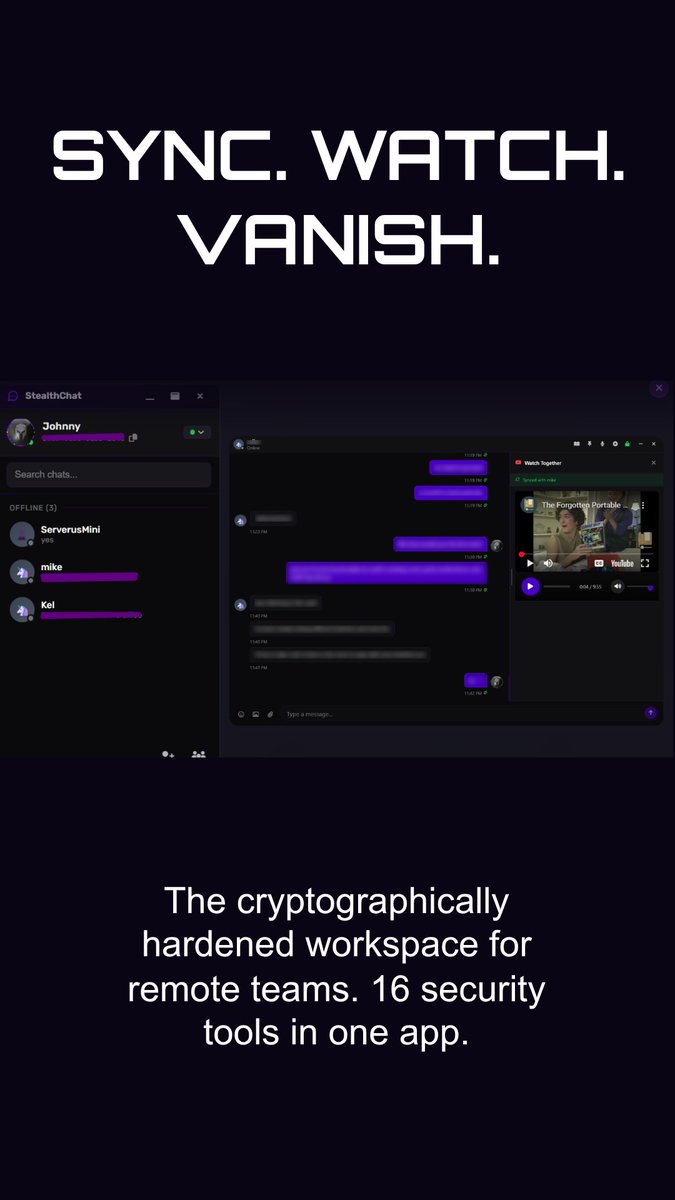
Sync. Watch. Vanish.
StealthChat brings encrypted communication, shared media, and hardened collaboration into one secure workspace.
#EncryptedChat #CyberSecurity #SecureCommunication #PrivacyTools #Stealth
5
13
55

#QuickTip
Be precise in your emails. Using three-letter currency codes helps prevent misinterpretation and reduces the risk of emails being flagged as spam.
#EmailSecurity #CyberHygiene #OnlineSafety #DigitalAwareness #StayAlert #SecureCommunication
2
61