
Jun 9
@Hitachi and @googlecloud Expand Strategic Partnership to Accelerate Real-World Physical AI and Cybersecurity Deployment
aitech365.com/business-techn…
#AI #AIDrivenExploits #AITech365 #cybersecurity #FDEModel #GoogleCloud #Hitachi #news #physicalAI #securityframeworks
5

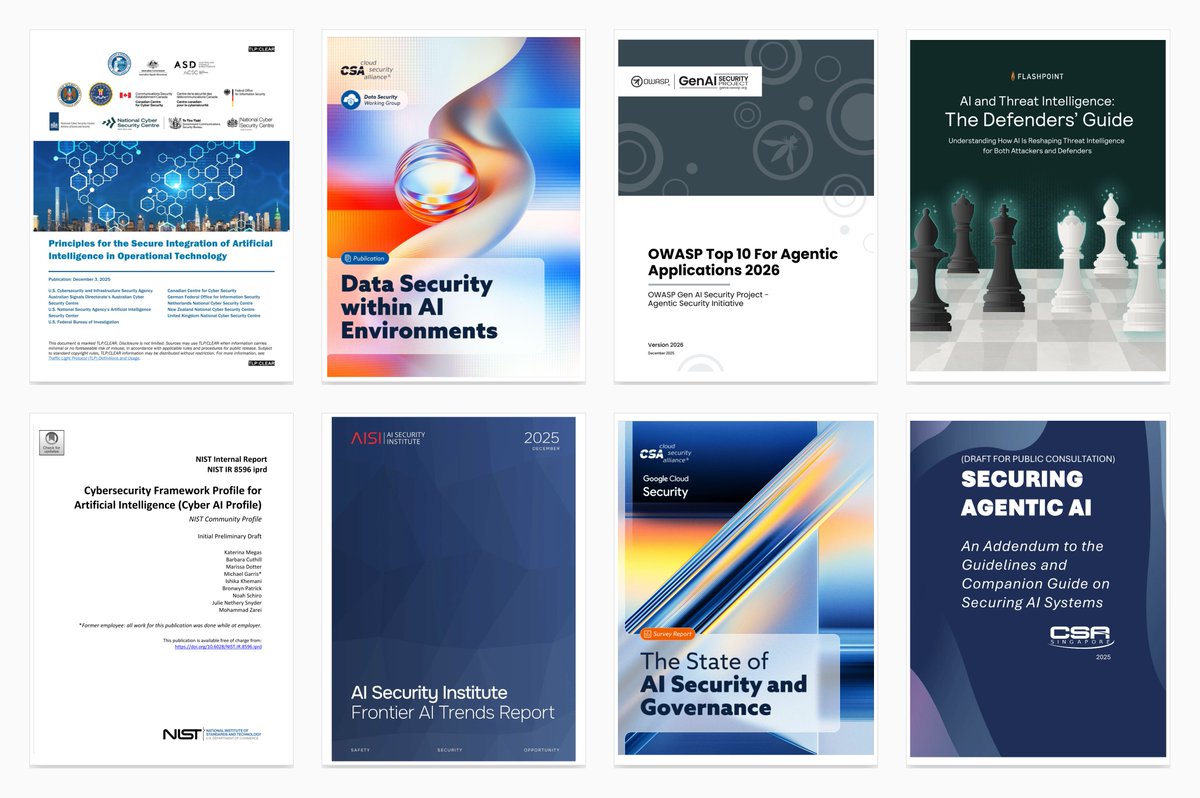
8 AI Security Reports - December 2025
📘 An Addendum to the Guidelines and Companion Guide on Securing AI Systems
Artificial Intelligence is driving efficiency and innovation across various sectors. To reap the benefits of AI, users need to trust that the AI functions as originally intended and that these systems remain secure. Last year, CSA published the Guidelines and Companion Guide on Securing AI Systems to help organisations adopt AI in a secure manner. The Guidelines lay out the foundational security principles for system owners to secure the use of AI throughout its lifecycle, while the Companion Guide provides practical measures and controls that system owners may consider as part of observing the Guidelines.
Source: isomer-user-content.by.gov.s… by @CSAsingapore
📘 The State of AI Security and Governance
CSA As enterprise AI adoption accelerates, organizations are employing a multi-model strategy dominated by GPT, Gemini, Claude, and LLaMA. Despite leadership enthusiasm, most organizations are still uncertain about their ability to secure AI systems. They cite persistent skills gaps and limited understanding of emerging AI-specific risks. Data exposure remains the top concern, even as threats like prompt injection and data poisoning continue to rise.
Authors: Hillary Baron, @afabmedia, @DanieleCatteddu, @rmogull, @YoTheShow, @antonchuvakin, Douglas Ko
Source: cisa.gov/sites/default/files… by @CISAgov
📘 Frontier AI Trends Report
Al Security InstituteThis report presents our current understanding of AI capability trends based on extensive testing across multiple domains. The data show consistent and significant improvements in model performance, though uncertainties remain about the trajectory and broader implications of these advances.
Source: aisi.gov.uk/frontier-ai-tren… by @AISecurityInst
📘 Cyber AI Profile - NIST
NIST’s preliminary draft Cyber AI Profile can help organizations strategically adopt AI while addressing and prioritizing cybersecurity risks stemming from its advancements.The Cyber AI Profile addresses the following Focus Areas:- Securing AI System Components (Secure)- Conducting AI-Enabled Cyber Defense (Defend)- Thwarting AI-enabled Cyber Attacks (Thwart).
Source: nvlpubs.nist.gov/nistpubs/ir… by @NIST
Authors: @KonnectedKat, Barbara Cuthill, Marissa Dotter, Michael Garris, Ishika Khemani, Bronwyn Patrick, Noah Schiro, Julie Snyder, Mohammad Zarei
📘 OWASP Top 10 for Agentic Applications for 2026
The OWASP Top 10 for Agentic Applications 2026 is a globally peer-reviewed framework that identifies the most critical security risks facing autonomous and agentic AI systems. Developed through extensive collaboration with more than 100 industry experts, researchers, and practitioners, the list provides practical, actionable guidance to help organizations secure AI agents that plan, act, and make decisions across complex workflows.
Source: genai.owasp.org/download/521… by @OWASPGenAISec
Authors: @JohnSotiro, Keren Katz, Ron F Del Rosario, @Hacker0x01, Rakshith Aralimatti, Riggs Goodman, Gaurav Mukherjee, Kellen Carl, @kenhuangus, Evgeniy Kokuykin, Aamiruddin Syed, Allie Howe, Vineeth Sai Narajala, Idan Habler, Joshua Back, Stefano Amorelli, @mavroudisv, Diana Henderson, Adam Morris, Tomer Elias, Mo Sadek, Priyadharshini Parthasarathy
📘 Data Security within AI Environments
As organizations adopt large language models, multi-modal AI systems, and agentic AI, traditional safeguards must evolve. This publication provides a comprehensive, practitioner-focused overview of how AI reshapes modern data protection. Aligned to the CSA AI Controls Matrix (AICM), this guide outlines AI data security challenges and maps them to essential AI risk management controls.Understand why you must apply the CIA Triad differently in AI-driven ecosystems. Learn about emerging risks like cross-modal data leakage, data poisoning, insecure annotation pipelines, and unmonitored AI tool usage.Examine the regulatory landscape surrounding data protection in AI, including GDPR, CCPA, HIPAA, and global AI governance frameworks. Learn about privacy-enhancing technologies such as differential privacy, homomorphic encryption, secure multi-party computation, and tokenization.Finally, explore case studies (including Snowflake, OpenAI, and DeepSeek) to understand how weak governance can lead to critical failures.
Source: cloudsecurityalliance.org/ar… by @cloudsa
Authors: Rocco Alfonzetti, Alex Kaluza, Vashti H Horvát, Oliver Forbes, Gopi Ramamoorthy, Onyeka Illoh, Ikechukwu Okoli, @prateekmittal_, Mahesh A., Naveed Afzal, Andrés Castagna, Jan Gerst, Swaminadhan Jagadeesan, Richard Kabanda, Sachindra Narayan Roy, Paul Son, Saurabbh Srivastava, Yuanji S., Sarah T., Ayoob Ullah, Washima T., Kachi Agu, Jayesh Dalmet, Rob Doyon, Udo Duro, Akshatha Gangadharaiah, Hariprasad Holla, Will Lemos, Ramesha Reddy Thimmasandra, Nsikak-Abasi Shammah Una, Akshat Vashishtha, Chad Walter, Hillary Baron, Stephen Lumpe, Stephen Smith
📘 Principles for the Secure Integration of Artificial Intelligence in Operational Technology
AI has the potential to increase efficiency and productivity, enhance decision-making, cut costs and improve customer experience, but introducing AI in operational technology (OT) environments can introduce risks that require careful management to support the safety, security, and reliability of OT systems.
Source: cisa.gov/sites/default/files…
📘 AI and Threat Intelligence: The Defenders’ Guide
Flashpoint analysts track these developments in real-time across more than 100,000 illicit sources, monitoring everything from dark web marketplaces and Telegram groups to underground LLM communities. Between January 1 and May 30, 2025, we observed over two and a half a million AI-related posts: jailbreak prompts, deepfake service ads, phishing toolkits, and bespoke language models built for fraud and cybercrime.
Source: flashpoint.io/blog/ai-threat… by @FlashpointIntel
#AISecurity #Cybersecurity #AIGovernance #AITrust #AgenticAI #AIAgents #LLMSecurity #GenAISecurity #PromptInjection #DataPoisoning #ModelSecurity #AIRisk #SecurityFrameworks #NIST #OWASP #CISA #CloudSecurityAlliance #ThreatIntelligence #OperationalTechnology #CyberAI
7
29
1,761

23 Nov 2025
Alarm monitoring is collapsing.
- False alarms: 90–98%
- Operators: burned out
- VMS/VSaaS “AI”: motion detection with marketing
- Police: demanding verification
- Compliance: tightening fast
2026 won’t reward “more dashboards.” It rewards verified, behavioral AI.
If your SOC still relies on motion alerts… you’re already behind.
#AIasaGuard #FalseAlarmReduction #ArcadianAI #SOCOptimization #Garda #SecurityFrameworks

2
56

28 Oct 2025
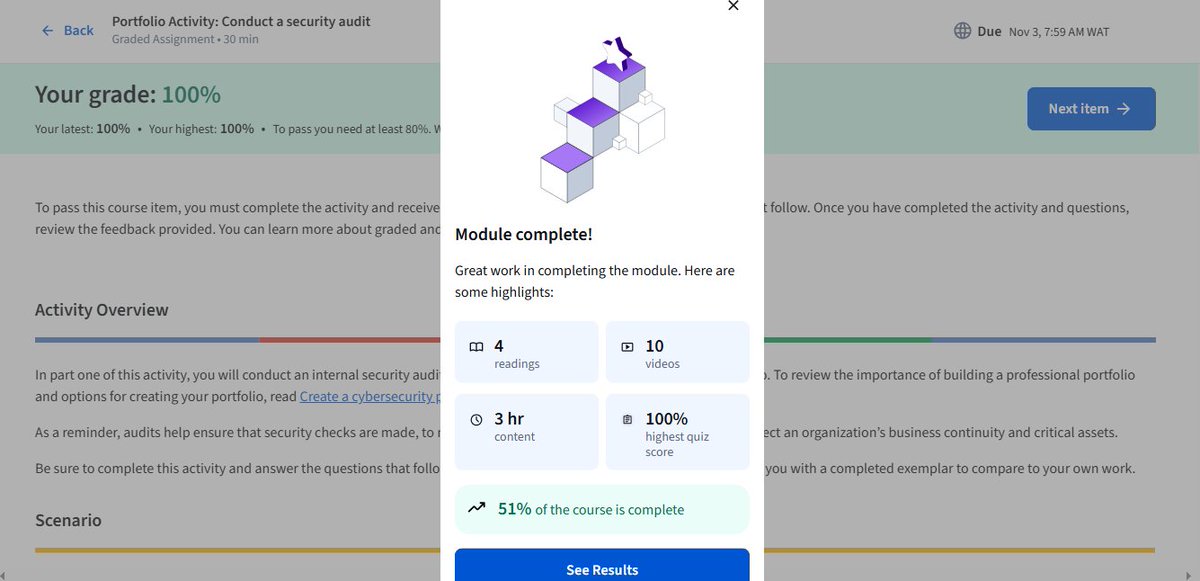
Just completed a security audit on my cyber security course. If you need an audit on your software, i am willing to do it for free
#SecurityFrameworks #SecureDevelopment
2
57

15 Sep 2025
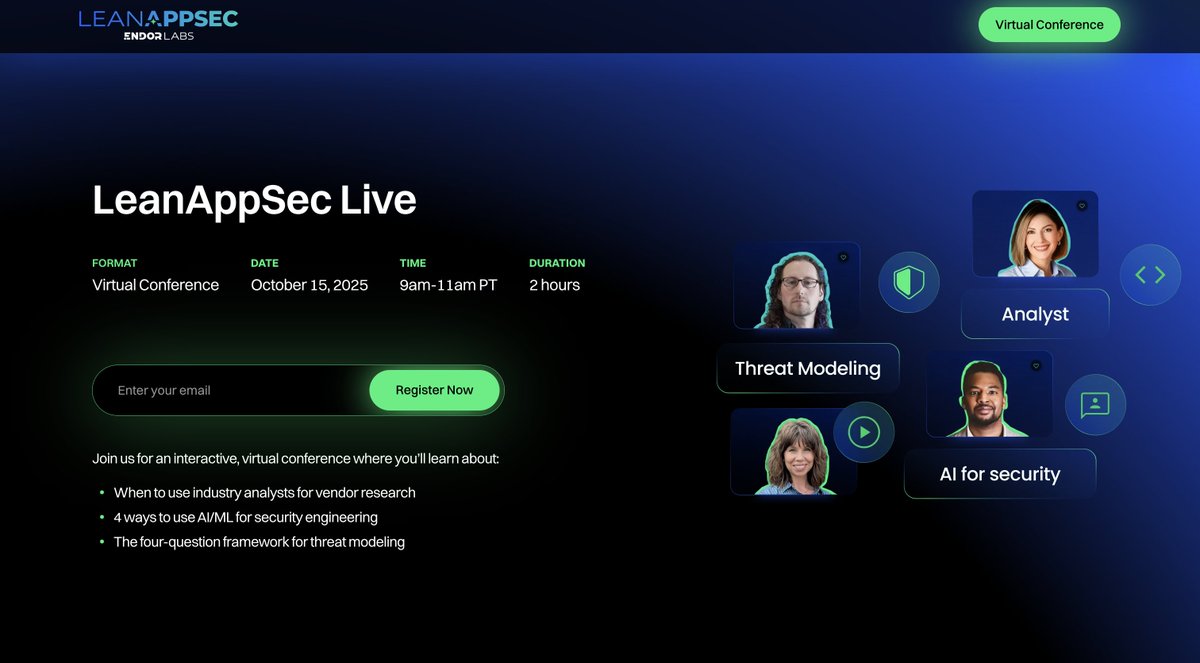
Today's suggestion: "LeanAppSec Live"❗️💁🏻♀️
Credit: @EndorLabs 🌟🙌🏻
Registration Link: api.cyfluencer.com/s/leanapp… 🔗
#cybersecurity #infosec #applicationsecurity #aiinsecurityengineering #threatmodeling #devsecops #securityanalysts #wafautomation #securityframeworks #leanappsec #vendorresearch #resourcesharing #cybersecurityevents #learningday
4
1
3
246

22 Aug 2025
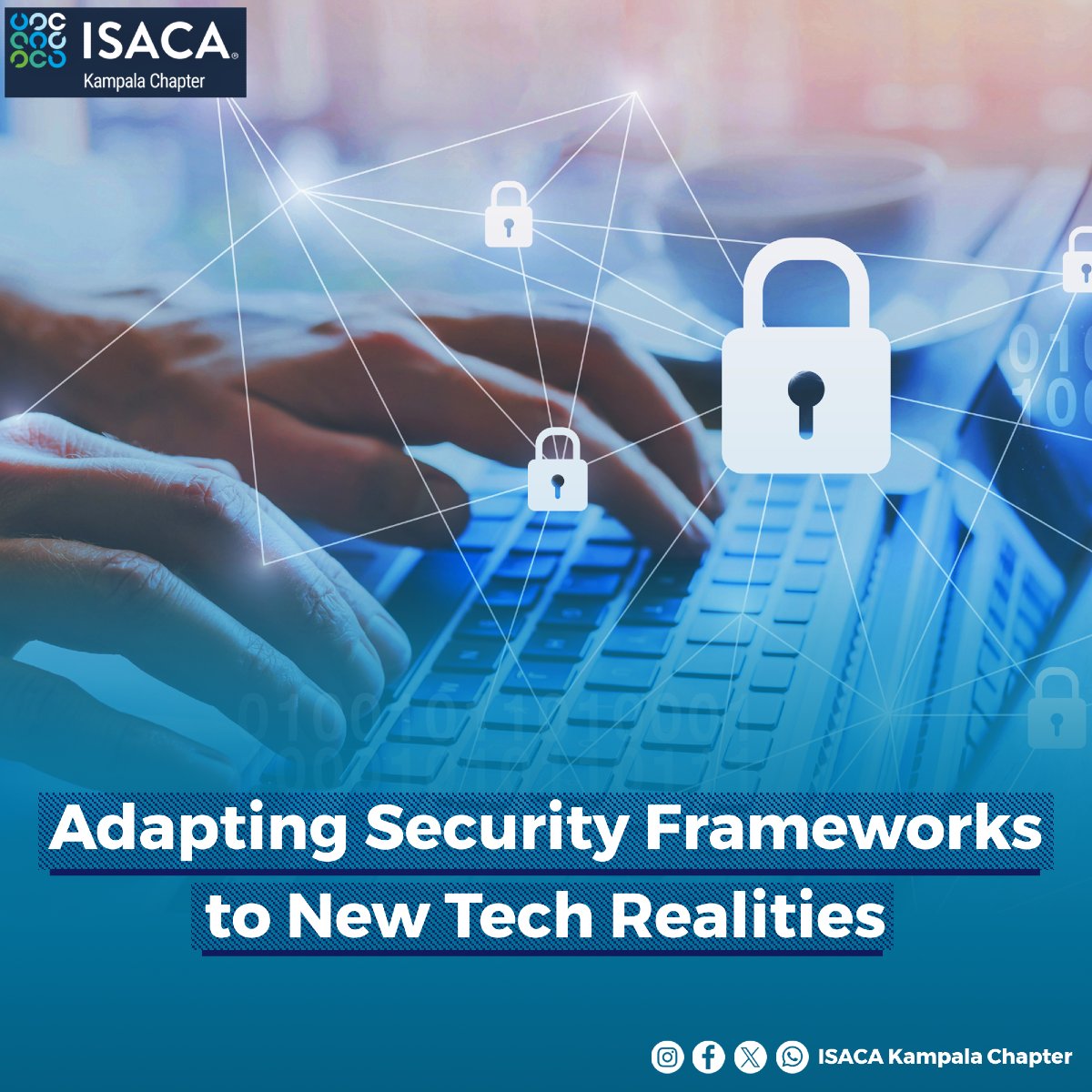
Frameworks are supposed to guide us.
But here’s the problem: Technology is evolving faster than the frameworks that govern it.
So, how do we keep frameworks relevant in the age of AI, IoT, and cloud-native disruption?
⚠️ The Challenge
🌀 Frameworks designed for yesterday’s risks (perimeter security, legacy systems)
🤖 AI, automation, and quantum threats not fully addressed in current models
⚖️ Compliance obligations piling up — but practical guidance lagging behind
🚧 Security teams trying to map “new realities” onto old checklists
🛠️ What Leading Organizations Are Doing
✅ Using frameworks (COBIT, NIST, ISO, Zero Trust) as living guides, not static manuals
✅ Blending traditional controls with adaptive, real-time monitoring
✅ Updating policies continuously, not annually
✅ Training teams to interpret frameworks through the lens of business innovation, not just compliance
💡 The Mindset Shift
Frameworks shouldn’t slow innovation.
They should evolve with innovation.
The most secure organizations treat frameworks as flexible architectures — adapting them to whatever disruptive tech comes next.
🎯 Future-Proof Your Security Strategy
Be part of the conversation on how to adapt, evolve, and reframe security frameworks for the realities of disruption at #InfoSec2025.
📅 Sept 29 – Oct 3, 2025
📍 Speke Resort Munyonyo & Online
🔗 Secure your spot today → register.eainfosec.org/
#InfoSec2025 #ISACAKampala #ThrivingInDisruption #Cybersecurity #SecurityFrameworks #Governance #RiskManagement #Compliance
2
3
130

4 May 2025
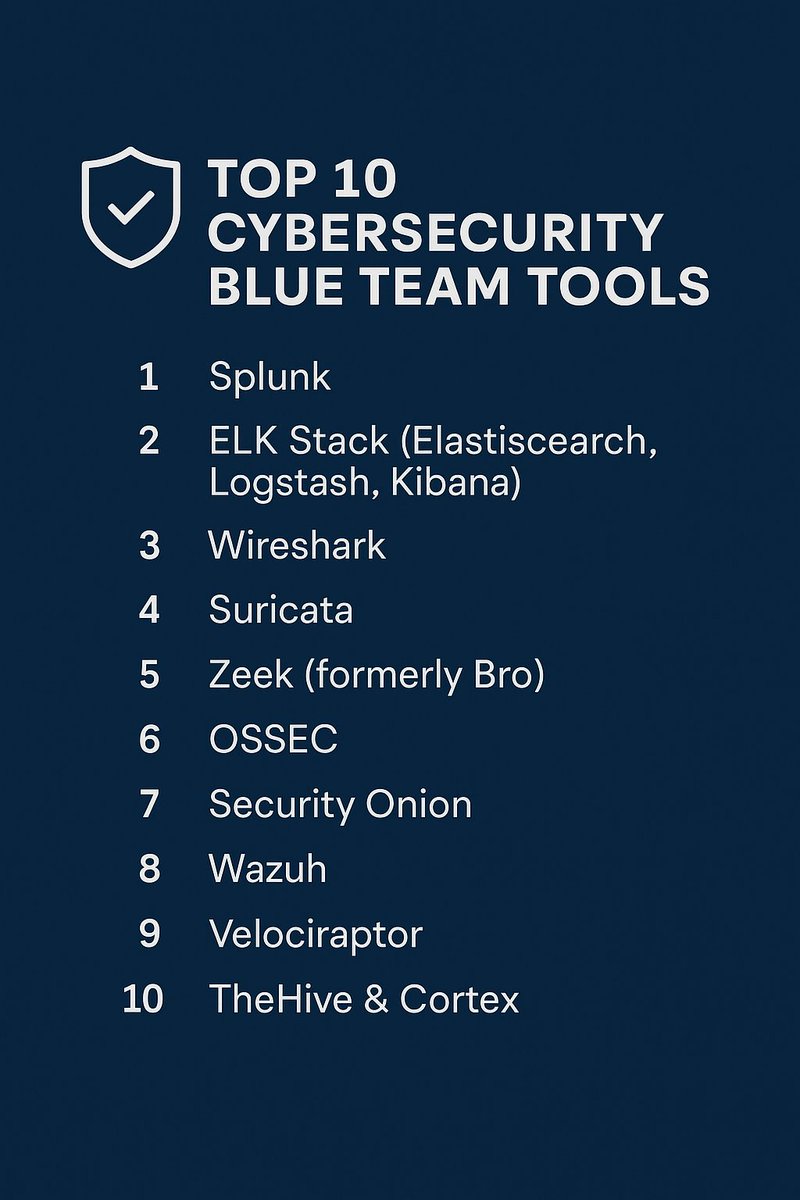
Top 10 #Cybersecurity Blue Team Tools
#NIST #ISO27001 #GDPR #HIPAA #ITSecurity #ransomware #ITIL #SecurityFrameworks #CyberAwareness #ISC2 #CybersecurityCertification #isc2cc #Cybersecurity #EthicalHacking #CyberSec #TechEducation #hacking #hackers #studygroup #cissp #comptia
1
1
5
716

Mastering #MITREATTACK is key to #Cybersecurity! Understand adversary tactics, techniques to boost #ThreatHunting #CyberDefense.
cyberskillshub.com/en/mitre-…
#Infosec #SOC #IncidentResponse #RedTeam #BlueTeam #SecurityFrameworks #CyberSkills #CyberTraining #CyberAttack #InfoSecurity
2
347

31 Mar 2025
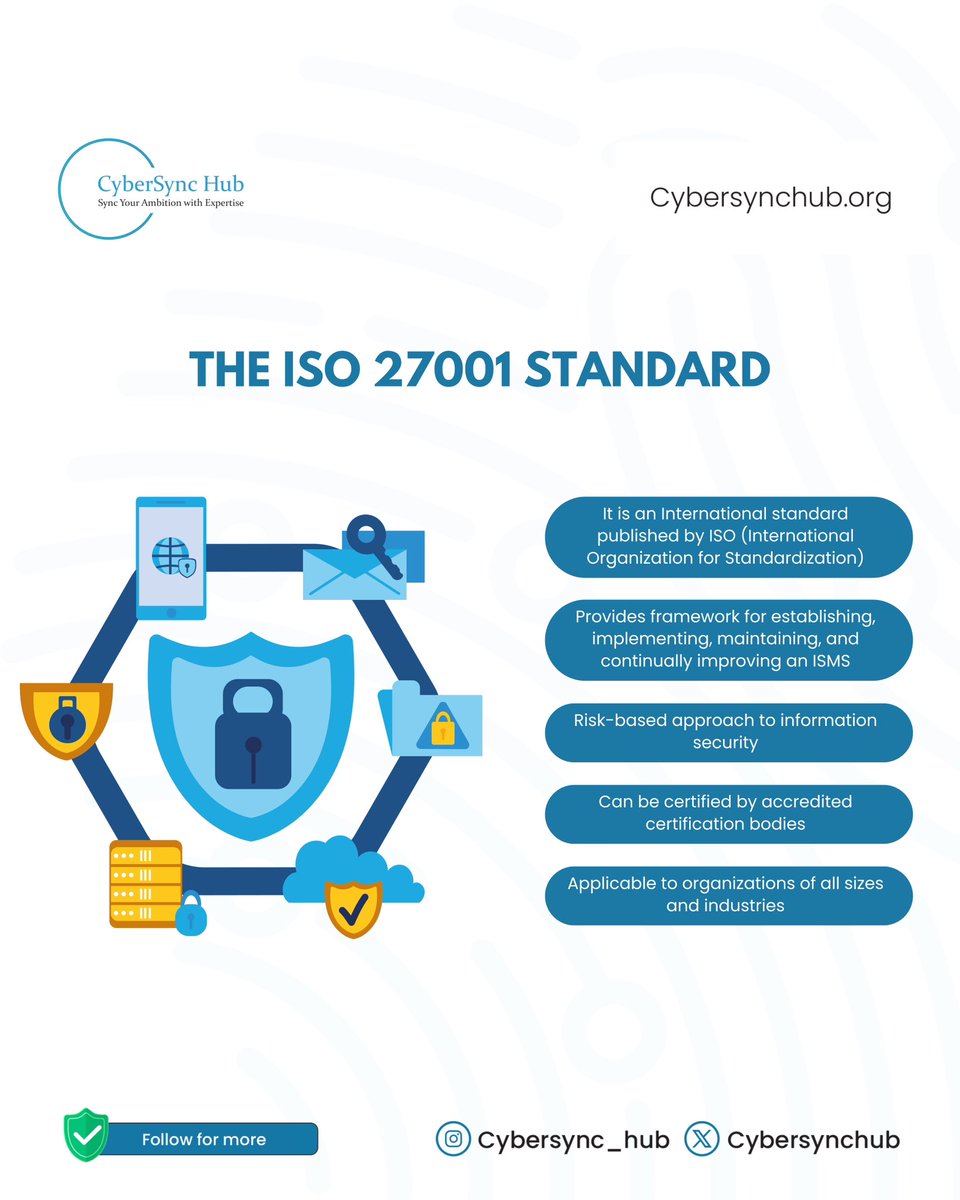
ISO 27001: The Global Standard for Information Security Management.
Every effective security program needs a framework, and ISO 27001 continues to be the gold standard globally. This international framework provides the structure organizations need to systematically protect their information technology assets.
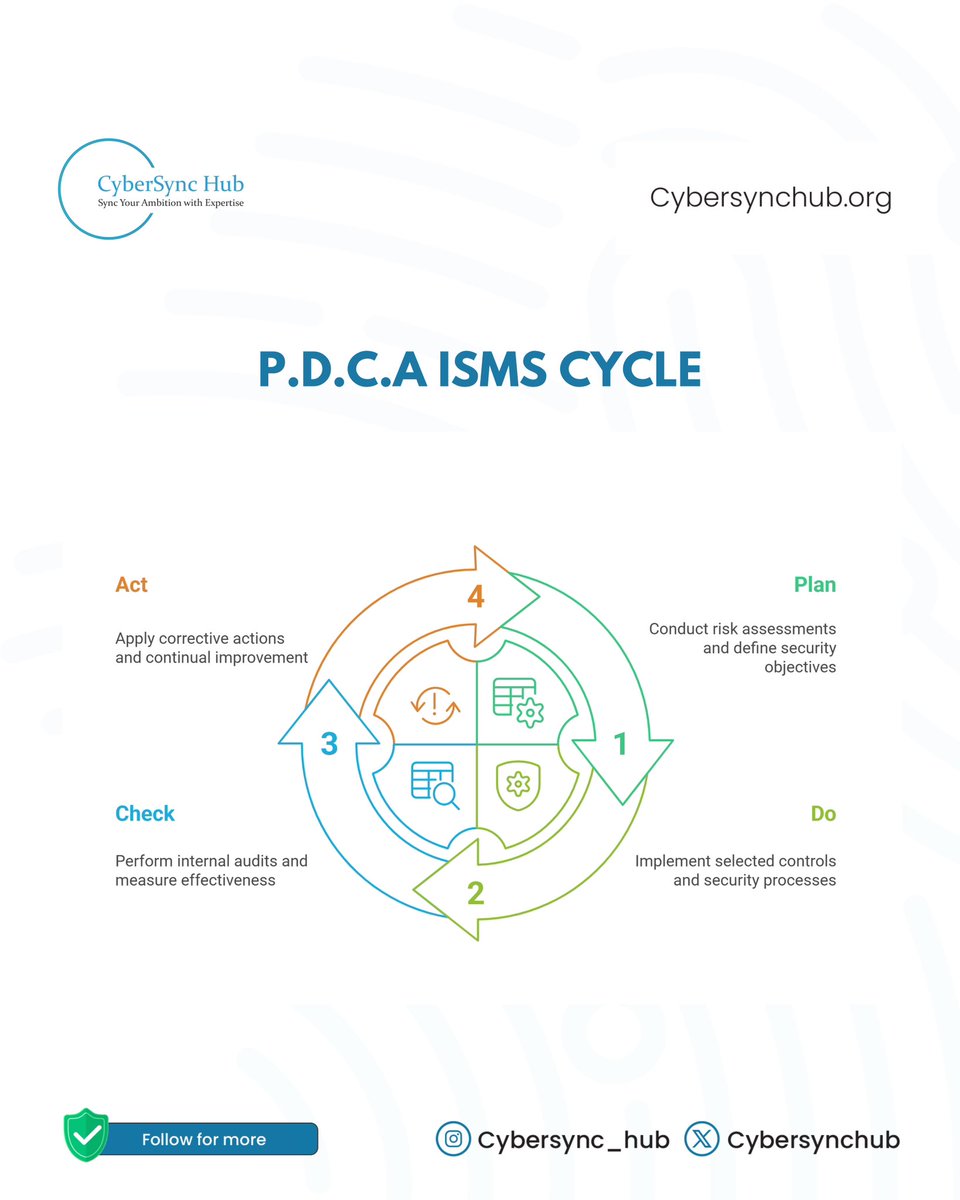
Consider adopting a Plan - Do - Check - Act mindset when developing your Information Security Management System. It is a continuous improvement process that transforms security from a one-time project into an ongoing program. Each phase builds on the last, creating a mature security posture that evolves with emerging threats.
To all security professionals and ISMS managers, which phase of the cycle presents the biggest challenge in your organization's security journey?
#ISO27001 #ISMS #SecurityFrameworks #InfoSec #ContinualImprovement #GRC #CyberSyncHub
3
5
218

5 Jan 2025
🛡️ Threat Modeling Generative AI Workloads
Generative AI has become integral to business operations, fueling innovation and efficiency. However, as organizations rely on these technologies, they must also address emerging security risks. In a recent AWS blog post, a structured approach to threat modeling is outlined—aligned with frameworks such as the OWASP LLM Top 10 and MITRE ATLAS—to help teams effectively identify and mitigate vulnerabilities in generative AI workloads.
✅ Clear Threat Statements: Understand risks with precise definitions.
✅ OWASP Alignment: Categorize threats using standardized frameworks.
✅ Priority-Based Focus: Address high-impact risks first.
Answering the Four Key Threat Modeling Questions
1️⃣ What is being built?
Generative AI workloads are being designed, deployed, and operated by organizations using AWS infrastructure. AWS services such as Amazon Bedrock and Amazon SageMaker JumpStart provide the tools and capabilities to build, manage, and scale secure AI workloads tailored to diverse business needs.
2️⃣ What can go wrong?
Generative AI workloads face a range of risks, including data leakage, adversarial attacks, compliance failures, prompt injection vulnerabilities, and unauthorized access—all of which can result in financial loss, operational disruptions, and reputational damage.
3️⃣ What can be done to mitigate these risks?
Mitigation strategies include identity and access management, encryption, continuous monitoring, resilience engineering, and adherence to established security frameworks like MITRE ATLAS and @NIST AI RMF. Tools like @awscloud Threat Composer assist in documenting and organizing threat models, supporting teams in analyzing and addressing identified risks.
4️⃣ How can success be measured?
Success is evaluated through alignment with established frameworks (e.g., @owasp LLM Top 10, @MITREcorp ATLAS), continuous monitoring dashboards, resilience engineering, and secure design principles. Key indicators include policy adherence, regulatory compliance, and effective threat response while maintaining system integrity.
📥 Download the categorized threat dataset:
docs.google.com/spreadsheets…
🔗 For additional examples of threat models applied in various scenarios, explore this Threat Modeling Examples repository:
github.com/TalEliyahu/Threat…
📖 Read more: aws.amazon.com/blogs/securit…
Part 1 – Securing generative AI: An introduction to the Generative AI Security Scoping Matrix
Part 2 – Designing generative AI workloads for resilience
Part 3 – Securing Generative AI: Applying relevant security controls
Part 4 – Security Generative AI: Data, compliance, and privacy considerations
🖋️ Kareem Abdol-Hamid (@kabdolha), Ana Malhotra (@TheAnaMalhotra), and Danny Cortegaca (@dannycortegaca)
#GenerativeAI #ThreatModeling #AWS #Cybersecurity #OWASP #MITREATLAS #SecurityFrameworks #AIThreatModeling #RiskManagement #AISecurity #Cybersecurity #AITrust #AIRegulation #AIRisk #AISafety #LLMSecurity #ResponsibleAI #DataProtection #AIGovernance #AIGP #SecureAI #AIAttacks #AICompliance #AIAttackSurface #AICybersecurity #AIThreats #AIHacking #MaliciousAI #AIGuardrails #ISO42001 #GenAISecurity
5
1,003

14 Oct 2024
Mastering GRC: Unlocking Future Success in Cybersecurity 🚀🔐
#Cybersecurity #GRC #FutureSuccess #CareerGrowth #CyberRisk #SecurityFrameworks #TechTrends #ProfessionalDevelopment #GRCProfessionals #EvolvingIndustry
4
397

4 Sep 2024
🚨 GenAI: A Game-Changer or a Growing Risk? 🚨
Generative AI is redefining the way we create, work, and innovate. From producing lifelike images and videos to automating workflows, the potential seems limitless. But as businesses embrace the advantages, there’s a pressing question: Are we prepared for the security risks that come with it?
Let’s explore the critical risks:
🔐 #DataLeaks – Sensitive information can inadvertently be exposed when entered into AI prompts.
💻 #Malware Attacks – GenAI-generated malware is more sophisticated than ever, bypassing traditional security defenses.
🕵️ #Phishing Campaigns – AI makes it easier for cybercriminals to craft believable, deceptive content in mere minutes.
⚖️ #Bias & Inaccuracies – From biased responses to incorrect outputs, #GenAI can introduce #misinformation without human oversight.
Organizations must prioritize employee awareness, adopt advanced #securityframeworks, and leverage #AI-driven #security tools like cloud-native DLP and DSPM to protect sensitive data in this evolving landscape.
The #FutureOfWork hinges on harnessing GenAI’s potential while staying vigilant against emerging threats. 🌍💡
Checkout this insightful article by Jaimen Hoopes, it definitely inspired me to think about all the implications.
What is your organization focused on the most right now in regards to the use of #generativeAI in your day-to-day? 🤔 scmagazine.com/perspective/f…
#AIandCybersecurity #DataSecurity #EmergingTech #CloudSecurity #AIInnovation #DigitalTransformation
#AIRisks #TrustinAI #FutureofAI #EmployeeExperience

1
6
13
833

11 Aug 2024
6. Security Challenges and Military Implications 🛡️⚔️ #SecurityChallenges #MilitaryStrategy
Regional Security Threats 🚨🛡️ #SecurityThreats #RegionalConflicts
- The island faces security threats from regional conflicts. ⚔️ #RegionalThreats
- Proximity to Myanmar's conflict zones impacts local security. 🚨 #LocalSecurity
- Security measures are needed to protect the island's residents. 🛡️ #SecurityMeasures
- Regional cooperation is vital for addressing security challenges. 🤝 #Cooperation
Potential for Military Presence 🛡️🔭 #MilitaryPresence #StrategicOperations
- The island's location is strategic for military operations. 🌍 #MilitaryOperations
- Military presence can enhance regional security and stability. 🛡️ #SecurityStability
- The island's geography limits large-scale military installations. 🏝️ #GeographicalLimitations
- Security strategies must balance military and diplomatic efforts. 🤝 #SecurityStrategies
Impact of Regional Conflicts ⚔️🚨 #RegionalConflicts #SecurityRisks
- Conflicts in Myanmar affect the island's security environment. 🛡️ #SecurityEnvironment
- The island's proximity to conflict zones poses risks to residents. 🚨 #ConflictRisks
- Diplomatic efforts are needed to address conflict-related challenges. 🕊️ #ConflictResolution
- The island's security is linked to broader regional stability. 🌏 #RegionalStability
Role of International Security Alliances 🌐🛡️ #SecurityAlliances #InternationalCooperation
- Security alliances can influence the island's strategic role. 🌍 #StrategicRole
- The island's location is relevant to regional security frameworks. 🛡️ #SecurityFrameworks
- International cooperation can enhance security outcomes. 🤝 #SecurityCooperation
- The island's security is part of broader geopolitical strategies. 🌏 #GeopoliticalStrategies
Implications for National Defense 🇧🇩🛡️ #NationalDefense #DefenseStrategy
- The island's security is a priority for Bangladesh's defense strategy. 🛡️ #DefensePriority
- National defense policies must address regional security threats. 🚨 #DefensePolicies
- The island's strategic value impacts national security planning. 🌏 #SecurityPlanning
- Defense strategies must consider the island's geopolitical context. 🌍 #GeopoliticalContext
1
3
1,393

CSF 2.0 places greater emphasis on integrating cybersecurity into business strategy and fostering top-down governance. The key changes in CSF 2.0 include
bit.ly/49l9KeN
#nist #nistcsfv2 #nstcybersecurityframework #SecurityFrameworks #CyberDefense
2
2
29

16 Feb 2024
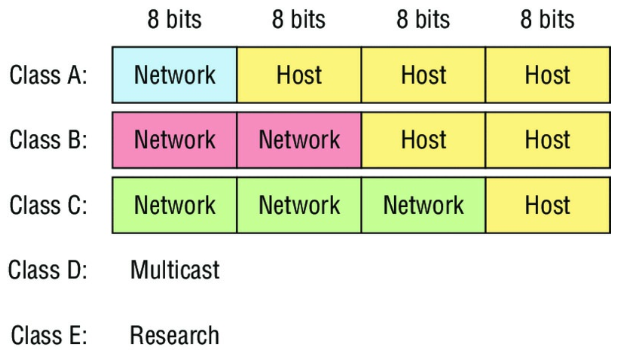
🐦 Just presented on IPv4 classes and security frameworks - fascinating topics in the world of cybersecurity! 💻 Excited to share my insights and contribute to the industry. Stay tuned for more updates! #IPv4 #SecurityFrameworks #Cybersecurity #wearetheroothub
@theroothub
3
23

Cybersecurity is the need of every business in 2024
#cyberdefense #blockchaindevelopment #blockhchain #web3 #solidity #rust #BlockchainInnovation #cybersecurity #smartcontracts #CybersecurityChallenges #SecurityFrameworks #ComplianceStruggles #dataprotection #infosecurity
3
3
5
67
DO YOU KNOW 💡
43% of cyber attacks target small business
#cyberdefense #blockchaindevelopment #blockhchain #web3 #solidity #rust #blockchaintechnology #cybersecurity #smartcontracts #CybersecurityChallenges #SecurityFrameworks #ComplianceStruggles #debatcapres2024 #bb23
3
3
5
159

27 Jan 2024
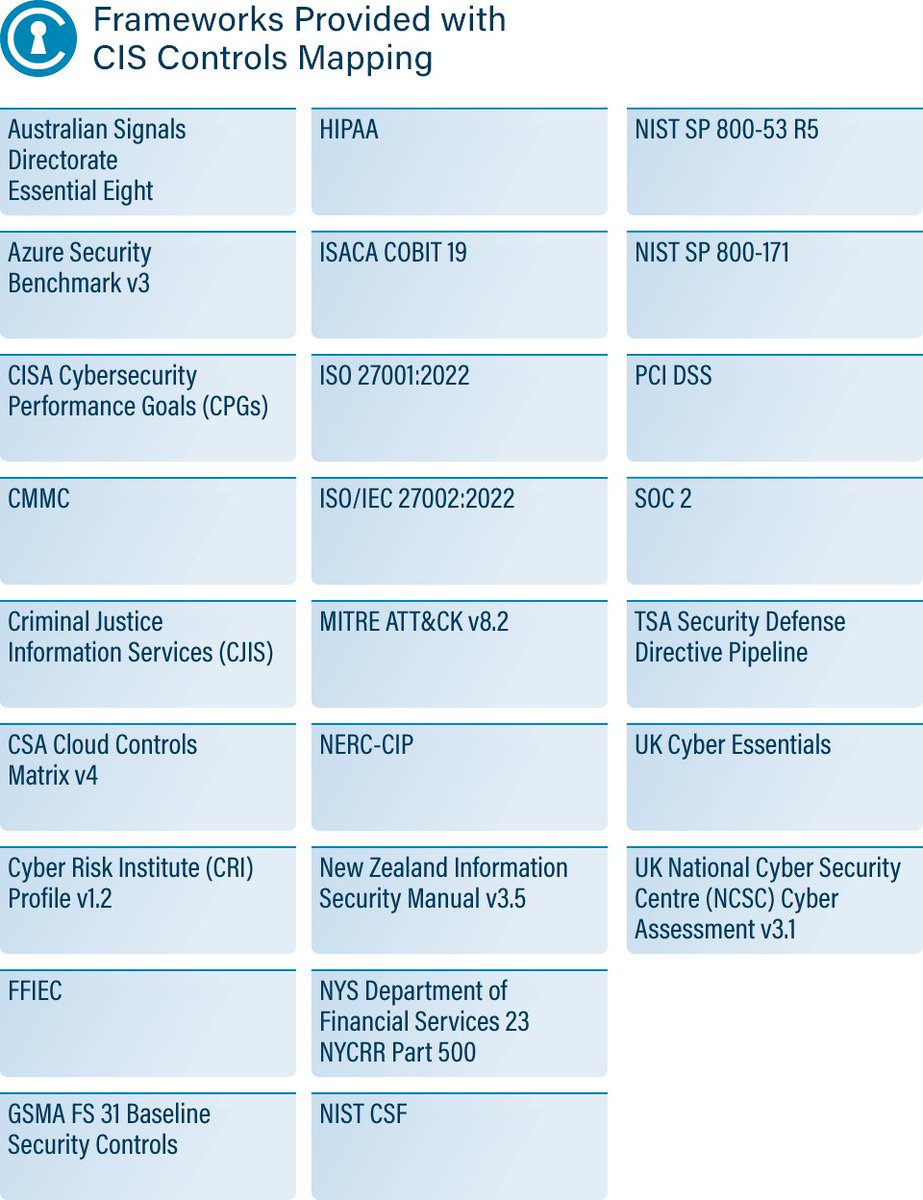
Like all organizations, you need to make sure you get the most out of your compliance actions. You want every step to work toward fulfilling multiple compliance obligations, not just one. Learn more here. bit.ly/3nrrFhV #securityframeworks #cybersecurity #CISControls
2
25
7,597
2 Jan 2024
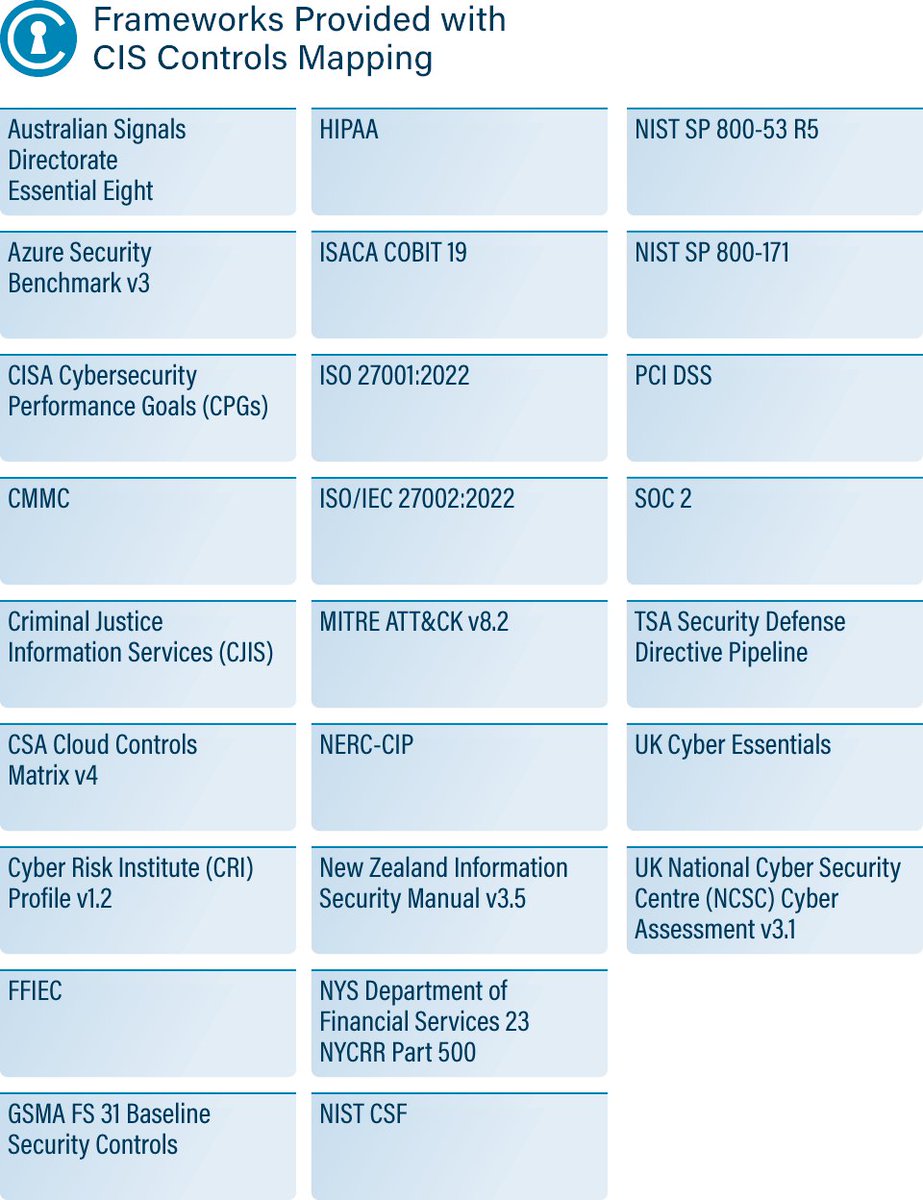
In this blog post, we identify the changes that we made to #CISControls mappings and explain how they support an automated future for the CIS Controls. bit.ly/3nrrFhV #securityframeworks #cybersecurity
2
705