
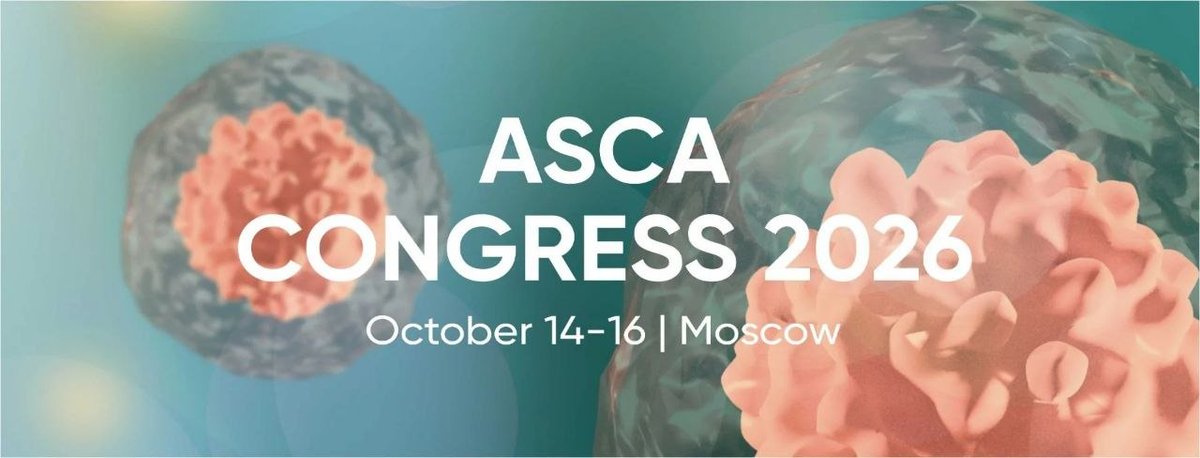
Dear colleagues! ⚡
️The program of the ASCA CONGRESS 2026 is already available here: ascanet.org/upload/Photo_new…
📍 Registration is open until July 24, 2026
See you soon in Moscow!
Sincerely, Organizing Committee
#ASCAinfo
#SingleCell #SpatialBiology
10
1
2

New on arXiv | OCOO-T: A Simple and Scalable Virtual Cell Model for Transcriptional Perturbation Response Prediction
A scalable AI virtual cell model for predicting single-cell transcriptional responses to genetic, chemical & cytokine perturbations - directly relevant to drug discovery.
arxiv.org/abs/2606.12838
#AIxBiology #VirtualCell #SingleCell #DrugDiscovery
11
🧬 New on bioRxiv | PertDiffBench: Benchmarking Diffusion Models for Single-Cell Perturbation Response Prediction
A rigorous benchmark evaluating diffusion-based models for predicting how single cells respond to genetic & chemical perturbations — key for drug discovery.
doi.org/10.64898/2026.06.13.…
#AIxBiology #SingleCell #DiffusionModels #Bioinformatics
10

Ques what it have verry little advantage to you when your IQ level is at same level as singlecell Micro organism
1
3

Weekly reads 8/06/26:
The invisible foundations of cancer: early malignancy, epigenetic plasticity, and the tools to see it all
open.substack.com/pub/behind…
#CancerResearch #SingleCell #Epigenetics #SpatialOmics #ComputationalBiology
1
31

23h
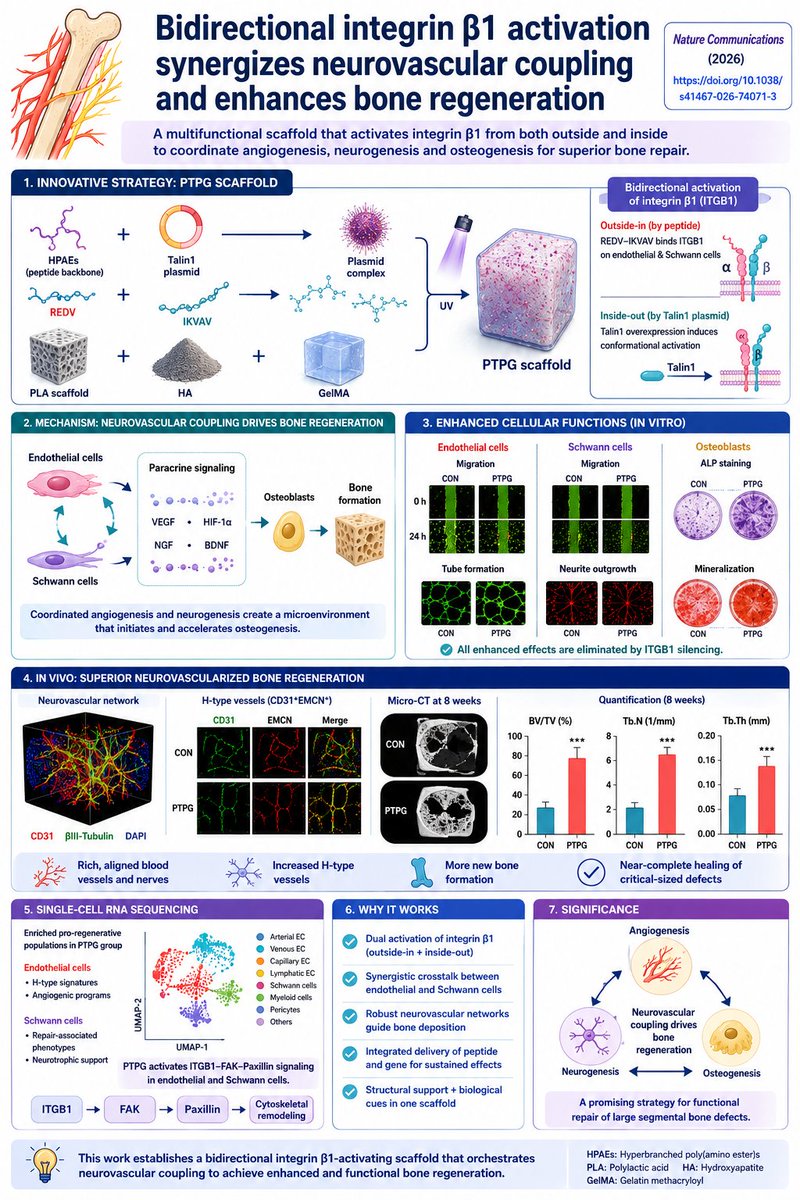
A fascinating new study demonstrates that bone regeneration is not just about osteoblasts—it requires coordinated neurovascular reconstruction.
Researchers engineered a multifunctional scaffold that simultaneously activates integrin β1 (ITGB1) through both extracellular ("outside-in") and intracellular ("inside-out") mechanisms, creating a regenerative niche where blood vessels, nerves, and bone form together.
🦴 Key innovation:
The PTPG scaffold combines:
• REDV–IKVAV peptide → activates endothelial and Schwann cell integrin β1 from outside
• Talin1 plasmid delivery → activates integrin β1 from inside
• 3D-printed PLA-HA scaffold → structural bone support
• GelMA hydrogel → sustained release platform
Together, these components create bidirectional ITGB1 activation.
Why does this matter?
Most bone grafts focus on osteogenesis alone.
But large segmental defects require:
🩸 Angiogenesis
⚡ Neurogenesis
🦴 Osteogenesis
working as an integrated system.
The authors show that vascular endothelial cells and Schwann cells communicate through paracrine signaling, producing VEGF, HIF-1α, NGF, and BDNF that ultimately drive osteoblast differentiation and bone formation.
Major findings:
✅ Enhanced endothelial migration and tube formation
✅ Increased Schwann-cell neurotrophic activity
✅ Robust H-type vessel formation (CD31⁺ EMCN⁺)
✅ Aligned neurovascular networks
✅ Greater bone volume and trabecular number
✅ Near-complete healing of critical-sized femoral defects
✅ Activation of the ITGB1–FAK–Paxillin signaling axis
✅ Single-cell RNA-seq confirms enrichment of pro-regenerative endothelial and Schwann-cell states
Perhaps the most interesting concept is the emergence of a neurovascular unit for bone repair.
Rather than treating blood vessels and nerves as separate targets, the scaffold promotes synchronized vessel–nerve growth, which then guides osteogenesis.
This represents a shift from:
"bone regeneration"
to
"neurovascularized organ-level regeneration."
The broader implication is that integrin β1 may function as a master coordinator linking vascular, neural, and skeletal repair programs.
A compelling example of how regenerative medicine is moving toward engineering entire tissue ecosystems rather than single cell types.
Reference
Wu F, An Y, Zhao Y et al.
Bidirectional integrin β1 activation synergizes neurovascular coupling and enhances bone regeneration.
Nature Communications (2026).
#RegenerativeMedicine #BoneRegeneration #Integrin #Biomaterials #TissueEngineering #NeurovascularCoupling #SingleCell #NatureCommunications #Bioengineering #TranslationalMedicine
1
5
16
522

Code and pipeline are open source: github.com/czbiohub-sf/compa…
Paper: journals.plos.org/ploscompbi…
Need help with your single-cell workflows? trinobia.com/contact/
#RNAvelocity #scRNAseq #Bioinformatics #SingleCell #ComputationalBiology
4
You've run your scRNA-seq experiment. Now you want to know where your cells are heading. You reach for RNA velocity — but which method do you use, and does it actually matter?
Turns out: yes, quite a lot.
#RNAvelocity #scRNAseq #Bioinformatics #SingleCell #Genomics
1
11
ayumi_55127 retweeted

Jun 10
200 donors. 4 million cells. Today, Crownlands released a pioneering #SingleCell dataset of clinically accessible human neuronal tissue from living donors, offering a data foundation for translational discovery across neuro diseases. bit.ly/3RVEj84
8
17
1,435

Jun 12
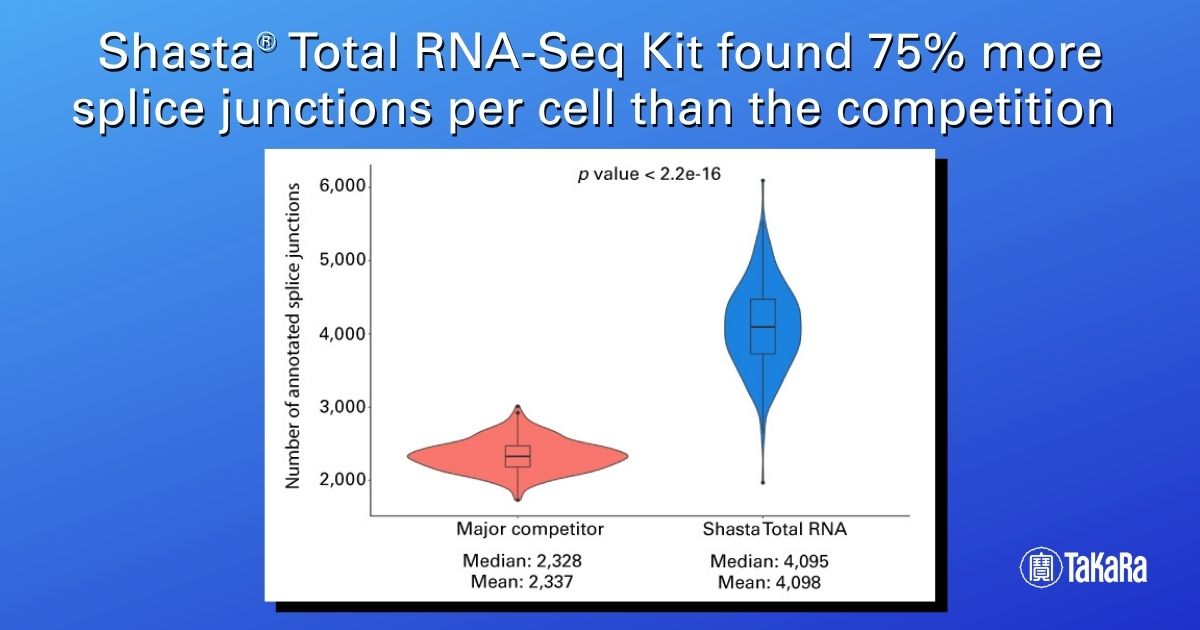
Detect 75% more splice junctions from #SingleCell transcriptome analysis.
Achieve full gene-body coverage with the Shasta® Total RNA-Seq Kit and say goodbye to the limitations of older end-counting technologies.
See a head-to-head comparison: ow.ly/Gs9X50Ymb5N
#RNAseq
1
35

Jun 12
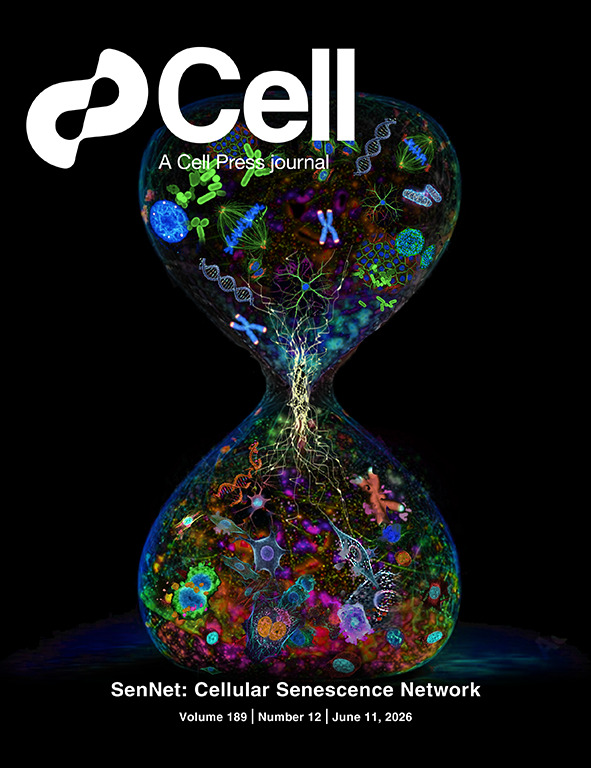
Fantastic! from @DingLab_WashU at @washumedicine and others! This @CellCellPress publication shows how using multi-omics (#singlecell #spatial) & AI to map senescent "zombie" cells will unlock the next generation of #aging research and therapeutics @10xGenomics The future is now!
Jun 11

We're learning a lot about cellular senescence, how to track it, and its role in aging and disease. Cover and commentary @CellCellPress
cell.com/cell/fulltext/S0092…
59

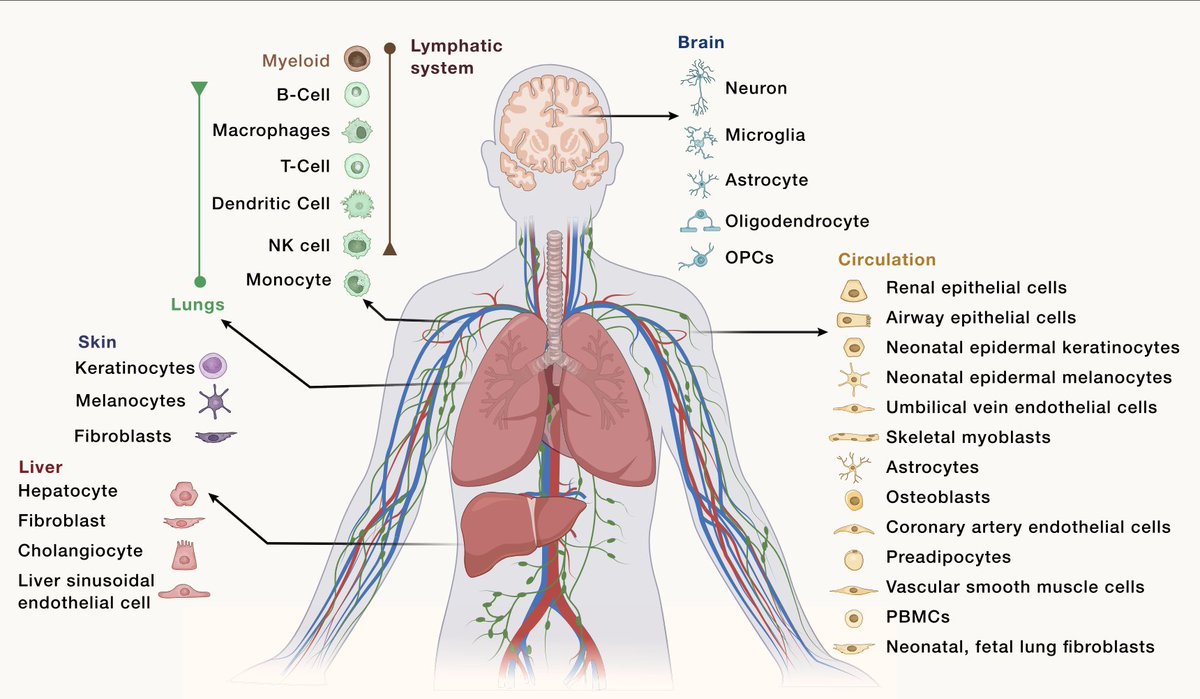
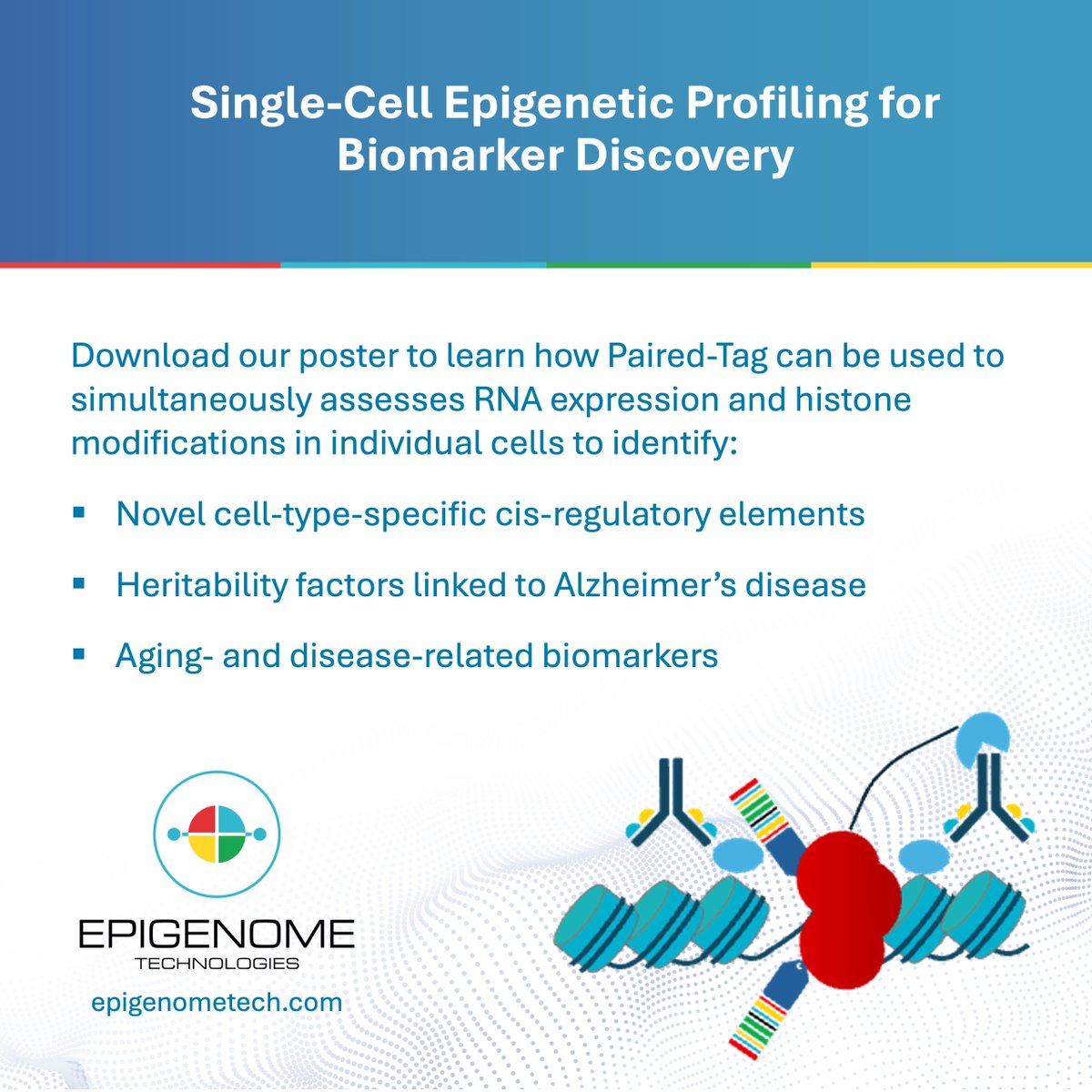
We used Droplet Paired-Tag to assess RNA expression and histone mods in brain cells and PBMCs to identify novel cell-type-specific CREs and heritability factors linked to AD
#Epigenetics #SingleCell #DropletPairedTag #PairedTag #Multiomics #Alzheimers
u.epigenome.us/I8R4vBn2
1
115

Jun 12
The future of senescence biology may lie not in eliminating all senescent cells, but in understanding which senotypes promote repair, which drive pathology, and how their niches shape tissue function.
#Senescence #Fibrosis #SpatialTranscriptomics #SingleCell #AgingResearch
1
2
76

🔬 Single-cell data reveal NETs tied to endothelial injury and immunothrombosis in HBV-ACLF, with TLR2/C5aR1 as targets. @EASLnews
#HBVACLF #SingleCell #NETs
🔗 xiahepublishing.com/2310-881…
99

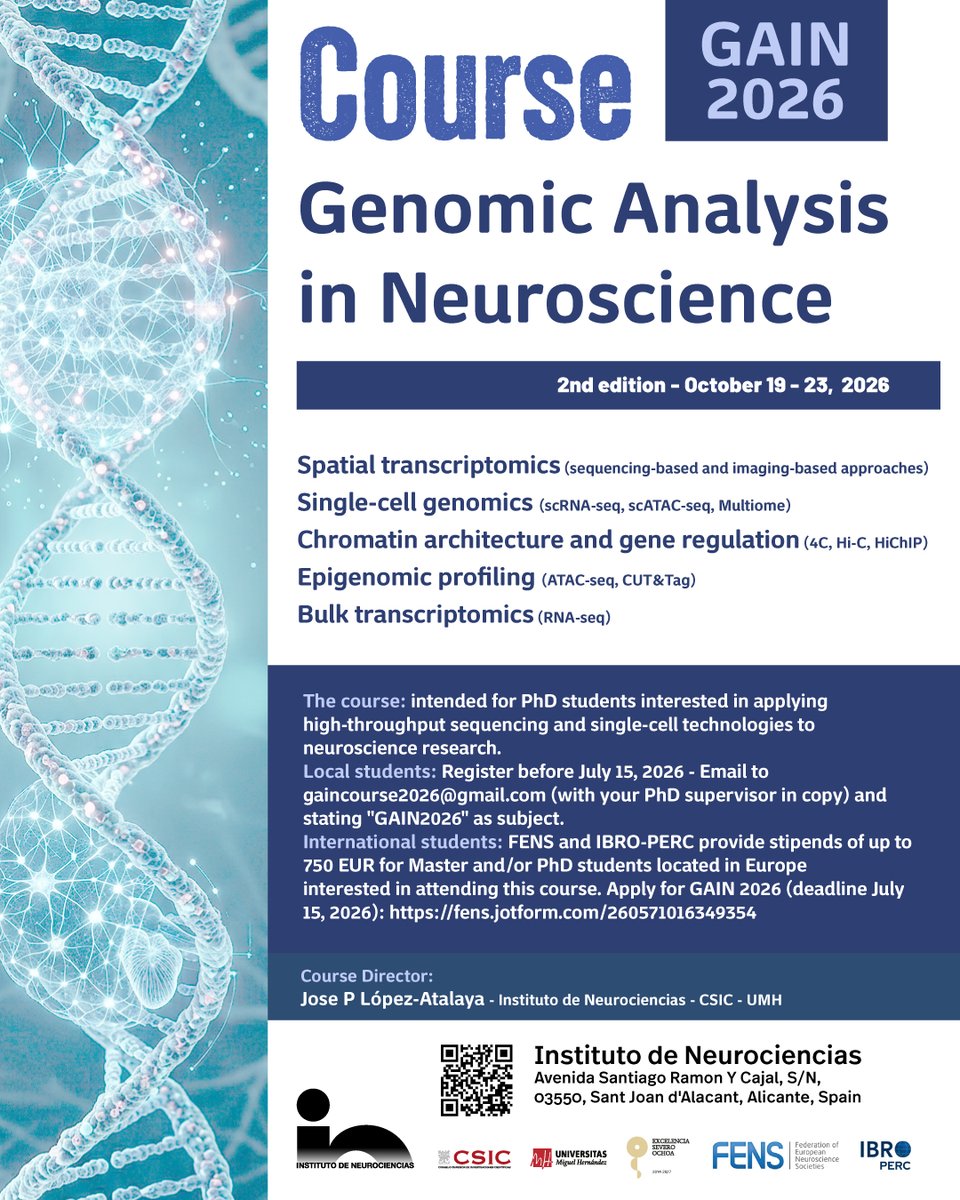
📢 #PhD students in #neuroscience: the 2nd edition of the Genomic Analysis in Neuroscience Course (GAIN 2026) will take place in October at @NeuroAlc.
⚠️ Only 20 spots available!
Apply here (deadline July 15) 👇
in.umh-csic.es/es/genomic-an…
#Genomics #Bioinformatics #SingleCell
1
1
1
182

Jun 12
Come to see our Direct LS-TA assay for $100 single-cell-type gene expression assay for monocytes and more.
US BIO Booth 2211
directLSTA.org
lnkd.in/gmXh_Ngu
#singlecell #dPCR #qPCR #infection
4

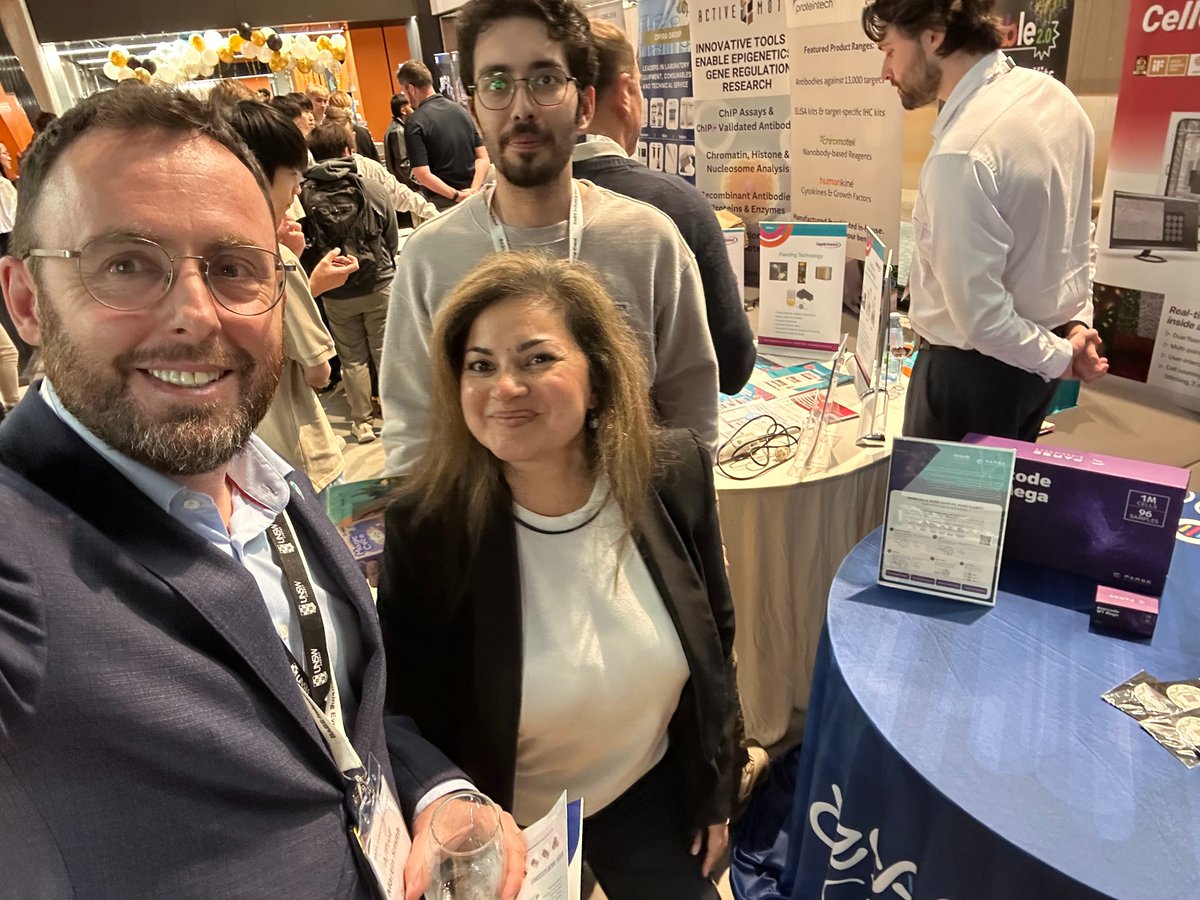
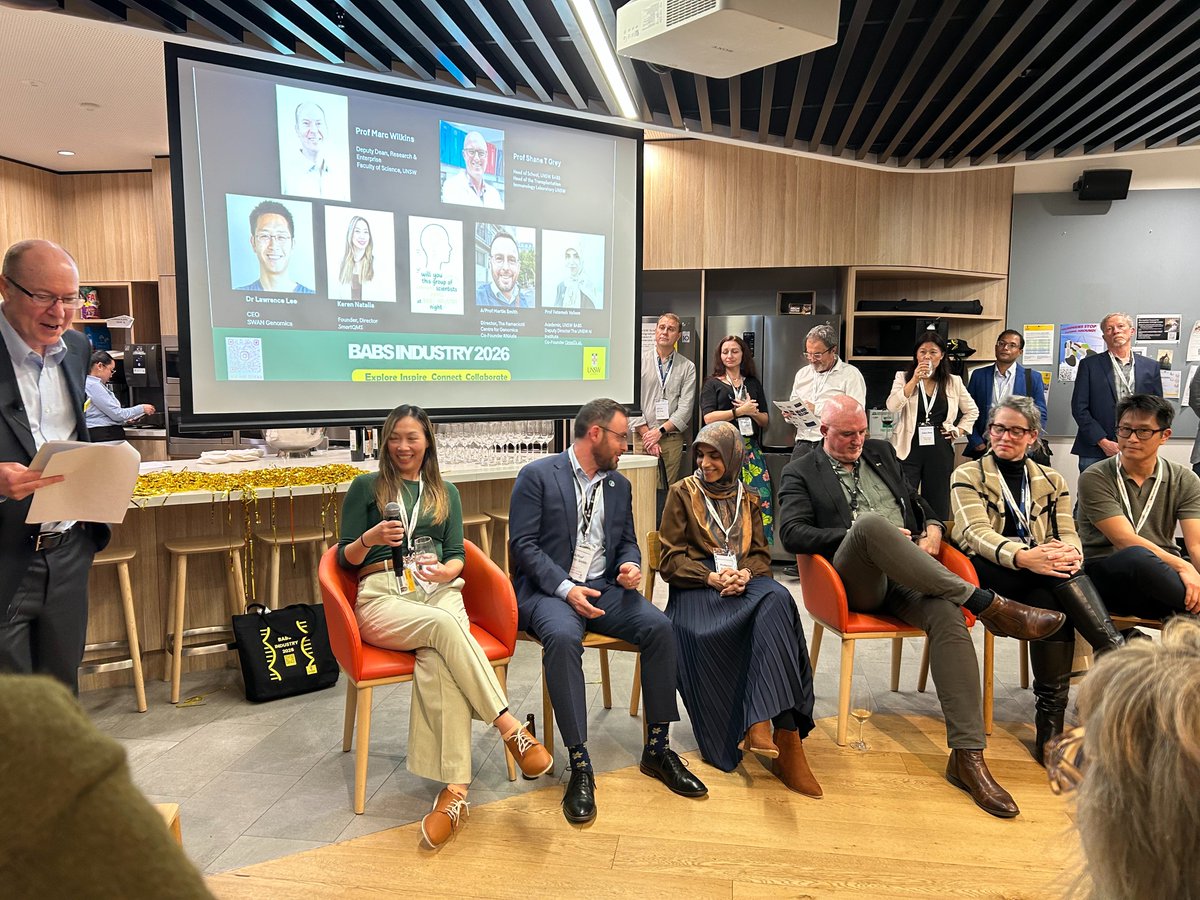
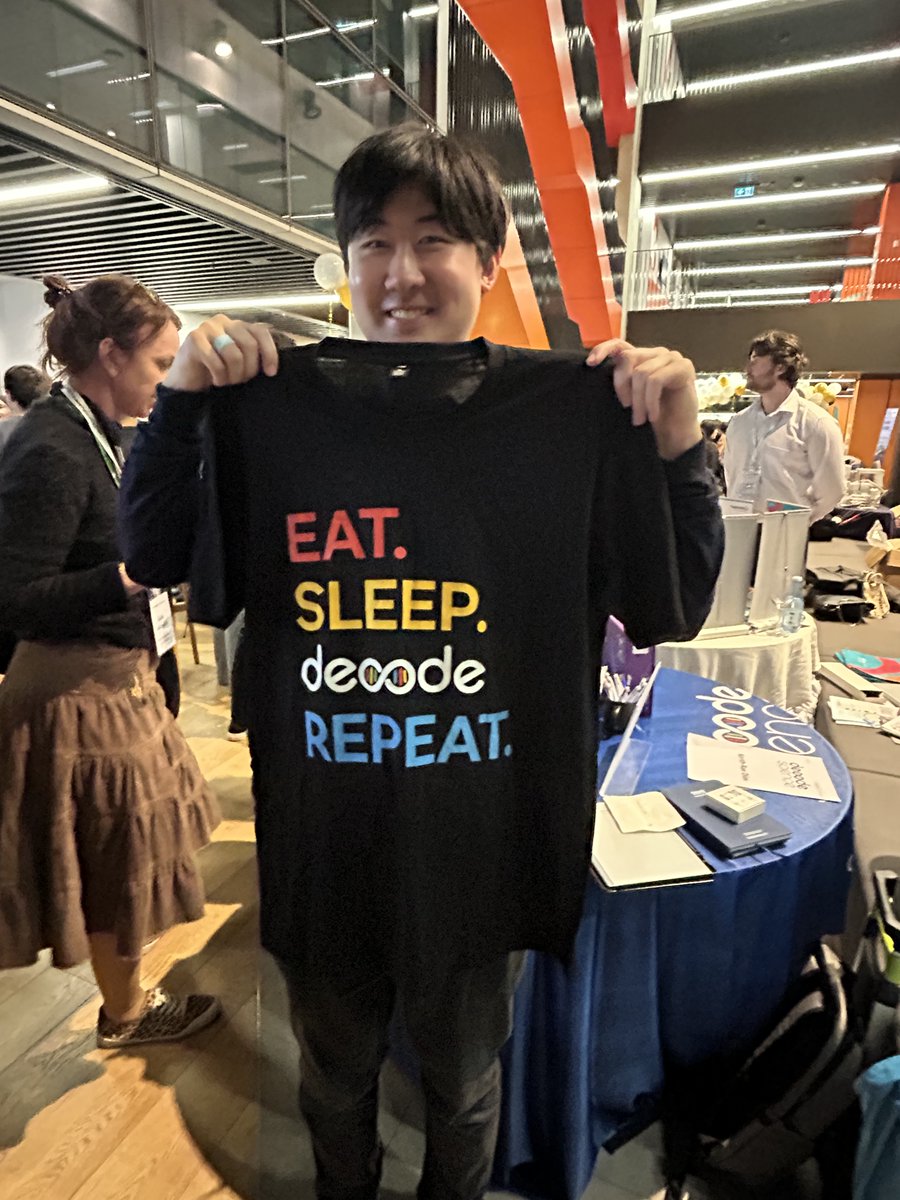
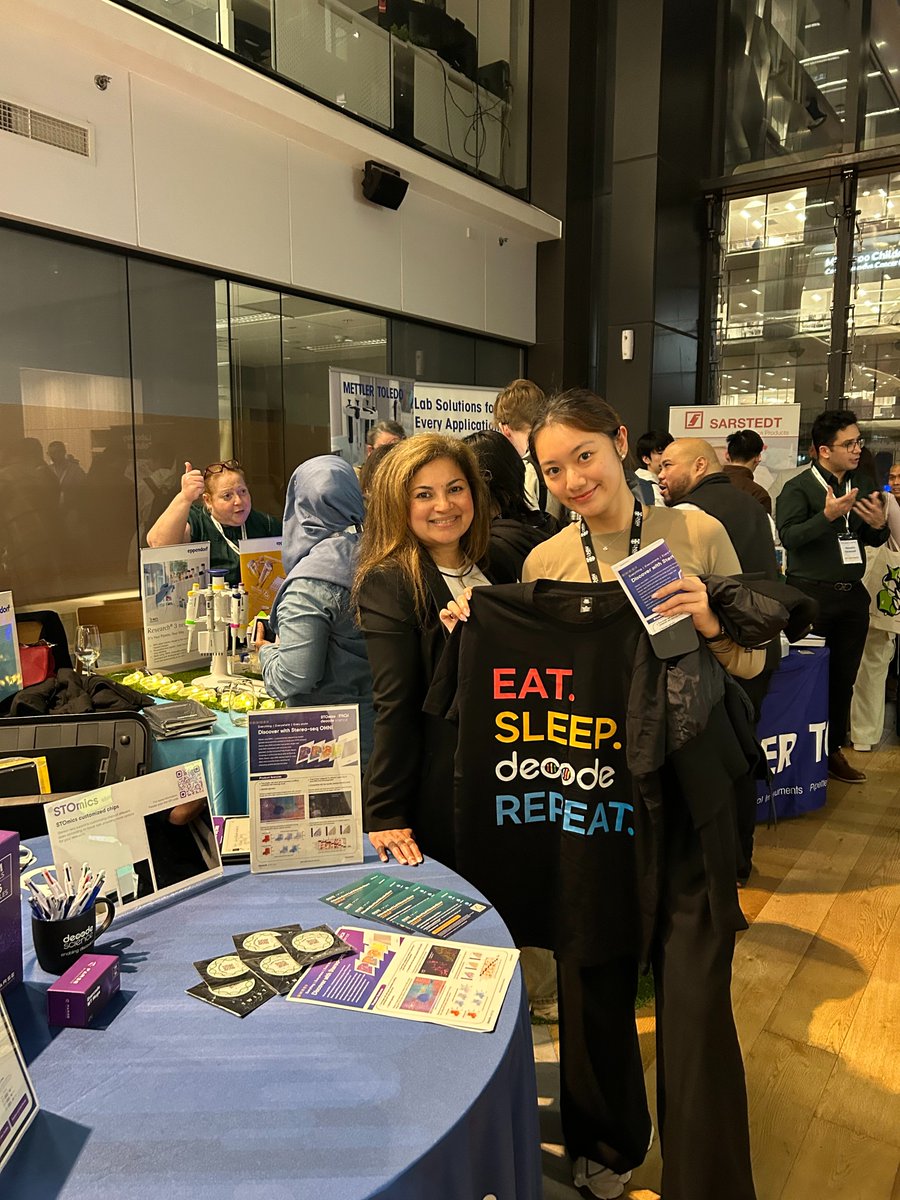
What a great evening at the @UNSW BABS 🎉
The highlight of the night?
The Open Microphone panel.
If we didn't get the chance to connect, reach out to us at support@decodescience.com.au
#IndustryNetworking #Biotechnology #SingleCell #SpatialBiology #Genomics
2
27

Jun 11
📢 Publication Alert
How do rare cancers evolve and evade immune surveillance?
A new study in Cancer Gene Therapy used the VITA platform to perform single-nucleus RNA-seq on FFPE primary cardiac lymphoma (PCL) tissues, complemented by spatial transcriptomics.
Key findings include:
🔹 Distinct evolutionary trajectories across malignant B-cell states
🔹 A metabolically active transitional subpopulation linked to fatty acid metabolism and MAPK signaling
🔹 Immune remodeling associated with the CD44–LGALS9 signaling axis
Together, the study reveals how metabolic reprogramming, tumor evolution, and immune evasion are intertwined in this rare and aggressive cancer.
🔗 doi.org/10.1038/s41417-026-0…
#SingleCell #SpatialTranscriptomics #CancerResearch #CancerGenomics #FFPE #M20Genomics
11
Jun 11
Maximize the discovery power of your toolkit and the impact of your preclinical research with new rat probe sets, enabling #singlecell and #spatial analysis of #FFPE tissues with #Flex Apex and #VisiumHD. Learn more here: bit.ly/4vic0z1

1
5
725