
Jun 11
م⎐كُـود⎐كوبِون⎐خـِصم⎐والمفاجات كل ماتبحثو عنها من اقوى التخفيـ ضااات
❮⊴تيمو ⊴❯ TEB72
❮نون❯ S3Q
❮فوغا⎐كاوسيت ❯ V1
ايهرب⊴ ايهيرب⊴ GCA5893
▬المطار▬ M24
⎐نمشي⎐ AABN
___
UtPC
1


Jun 10
Cuando un trabajo es bueno, se divulga...
formación Unidades Tecnologicas de #ProtecciónCivil #UTPC

Jun 10

#Megustó y mucho
1
82
May 23
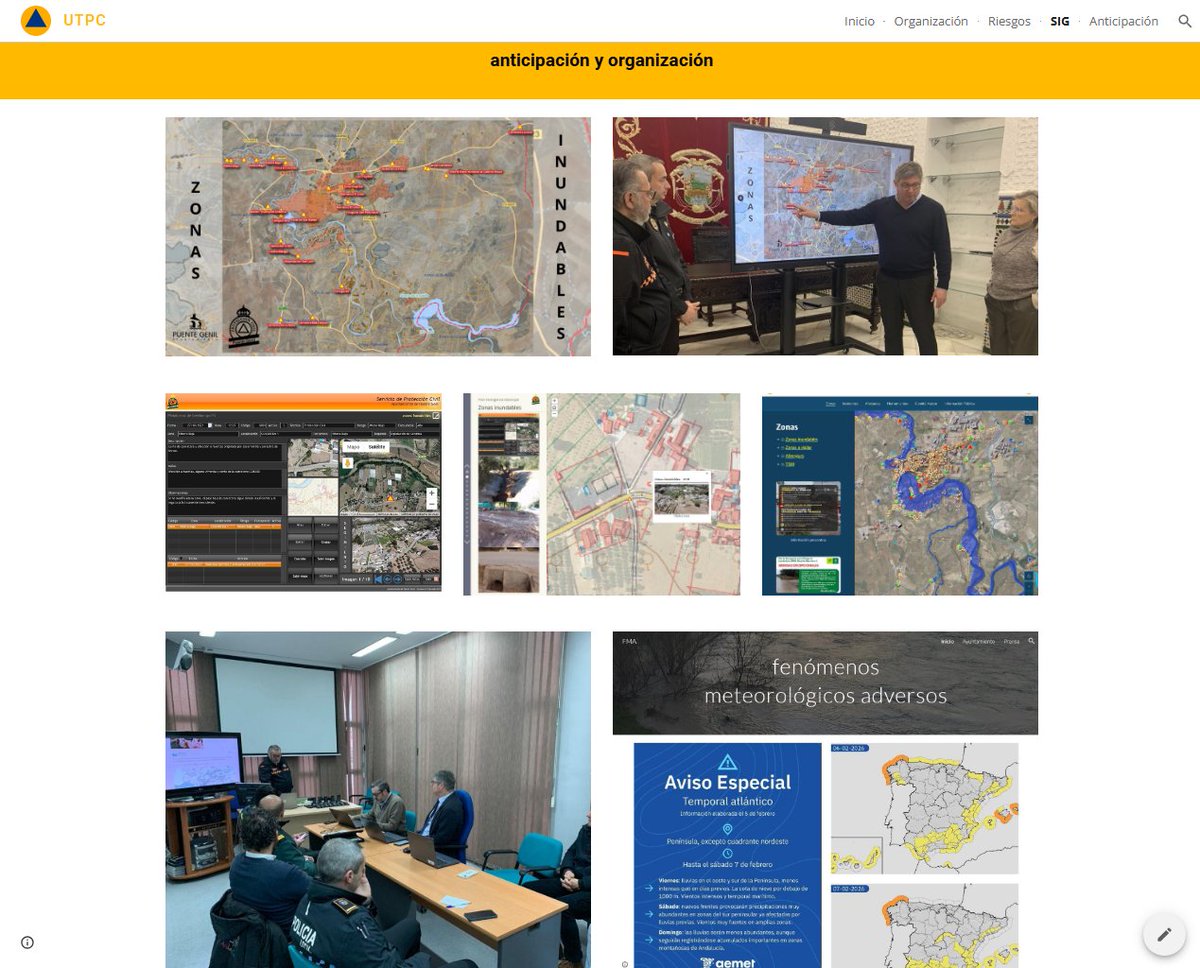
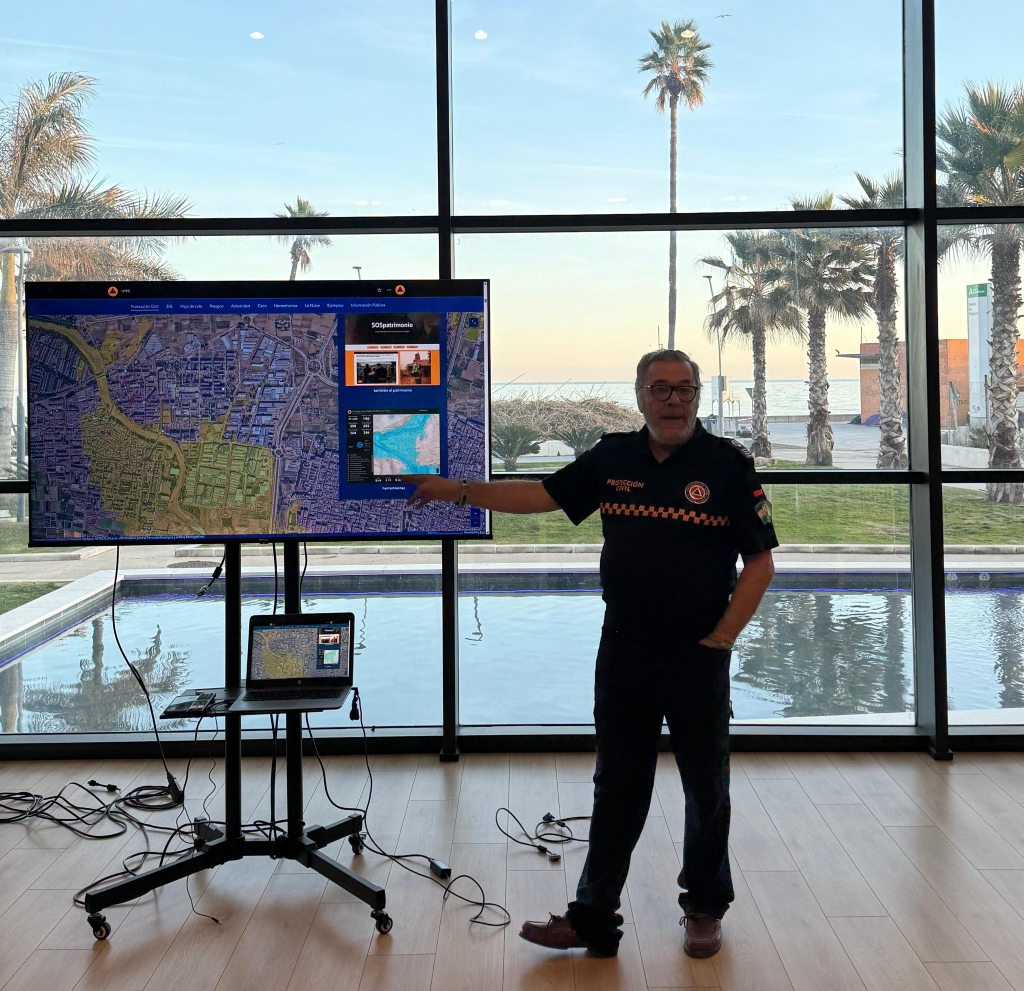
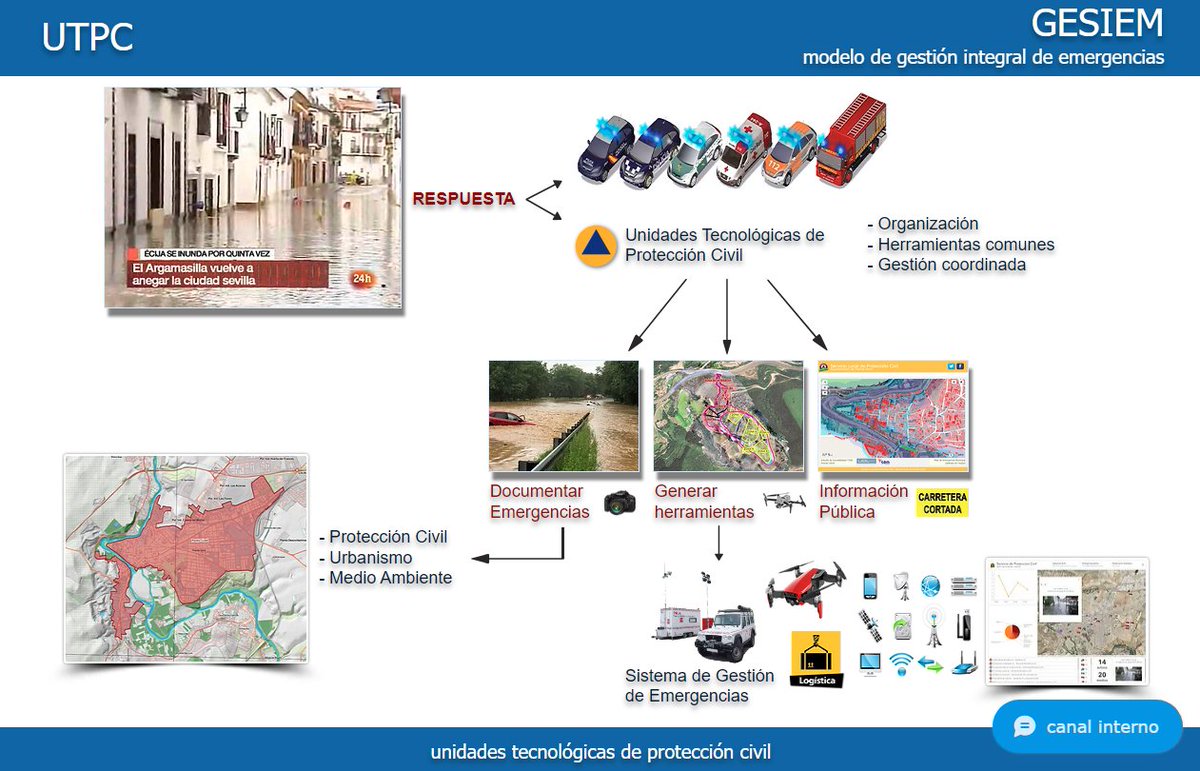
Toca explicar con ejemplos reales la importancia de los #SIG y las Unidades Tecnológicas de #ProtecciónCivil #UTPC.
Poniendo orden en el caos y salvando vidas masivamente
2
6
266


May 7
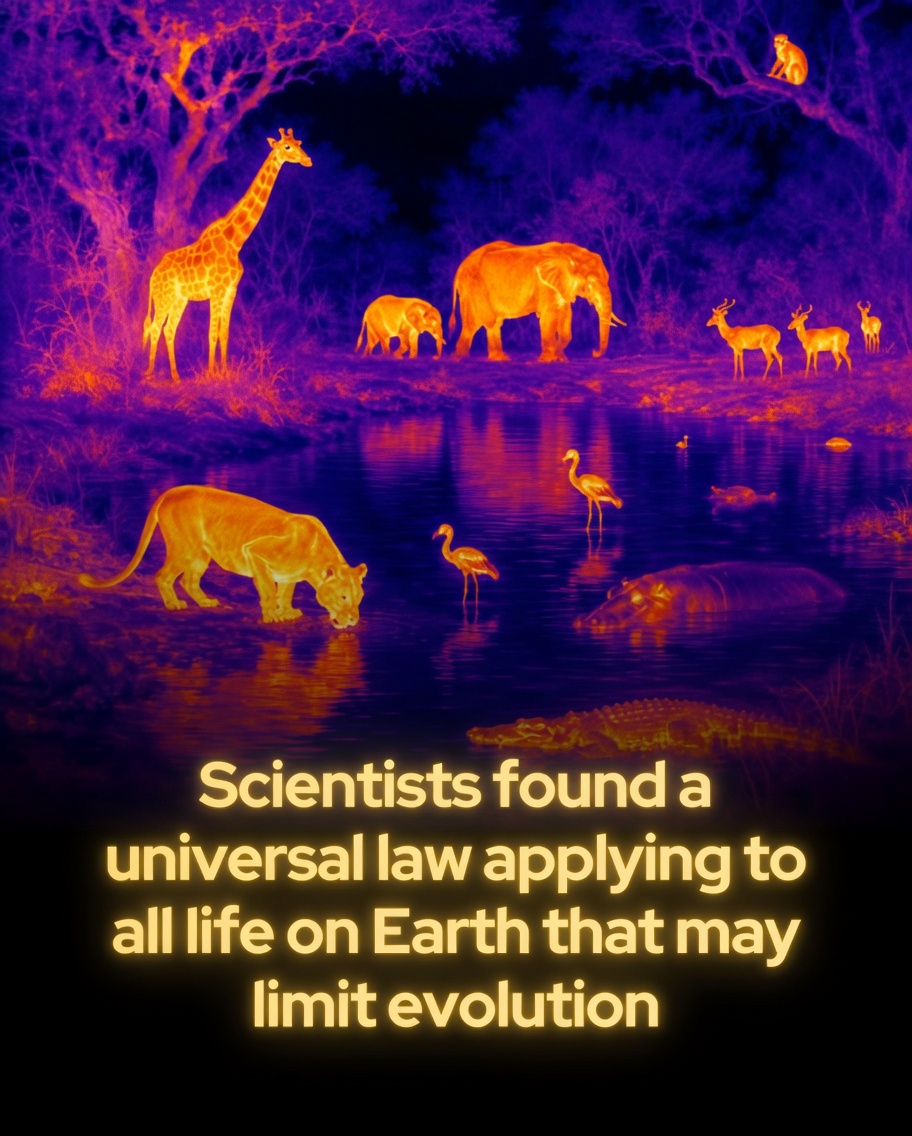
Scientists have discovered a single, fundamental pattern that governs how all life on Earth responds to temperature. In a major analysis of more than 30,000 measurements spanning roughly 2,700 species, researchers found that organisms ranging from microbes to mammals all follow the same underlying rule, known as the Universal Thermal Performance Curve (UTPC).
The pattern is strikingly simple. As temperature rises, biological performance accelerates: cells divide faster, animals move more quickly, and ecosystems become more productive. This increase continues up to an optimal temperature. Beyond that point, however, even a small further rise causes performance to collapse rapidly. Growth slows, physiological systems fail, and survival becomes difficult.
When properly scaled, thermal performance data from vastly different organisms — bacteria, plants, fish, birds, and mammals — all collapse onto this same characteristic rise-and-fall curve. While scientists have long observed individual thermal performance curves, this new work demonstrates that they are all variations of one shared universal template.
Evolution can shift a species’ optimal temperature and adjust its position along the curve, allowing adaptation to different climates. However, it appears unable to escape the curve’s fundamental shape. This constraint has important consequences for biodiversity under climate change. Many species, particularly those in stable tropical environments, already live close to their thermal limits. Even modest warming of a few degrees could push them beyond their peak, increasing extinction risk.
The discovery of the Universal Thermal Performance Curve provides a powerful new framework for predicting which species are most vulnerable to rising temperatures and for understanding the limits that physics and chemistry impose on life itself.
[Arnoldi, J.-F., Jackson, A. L., Peralta-Maraver, I., & Payne, N. L. (2025). A universal thermal performance curve arises in biology and ecology. Proceedings of the National Academy of Sciences, 122(43). DOI: 10.1073/pnas.2513099122]
24
120
496
38,749

Je, wewe ni mwandishi wa habari na ungependa kushiriki katika Fellowship ya miezi tisa kuhusu uandishi wa habari za maslahi kwa umma (Public Interest Journalism - PIJ).
Jisajili sasa na ujaze fomu kupitia kiungo (link) hiki:
fellowship.utpc.or.tz/auth au scan kwenye QR Code.
Tafadhali soma maelekezo yote kwa makini kabla ya kuanza kujaza fomu.
Unaweza kuomba kushikiri Fellowship ya kipindi cha pili (Cohort 2) au Fellowship ya kipindi cha tatu (Cohort 3).
Programu hii ya *PIJ Fellowship* inaratibiwa na Umoja wa Klabu za Waandishi wa Habari Tanzania (UTPC) kwa kushirikiana na International Media Support (IMS) pamoja na JamiiAfrica.

3
6
260

🚨Big up to @SW6Steve @UltraBoys90 @mineralsfc @Stevieproper26 @NotAProjectCFC and anyone else involved in organizing yesterday's successful #BlueCoOut protest. Hopefully, you can keep these protests going until these criminal owners are gone from OUR CLUB! UTPC ✊💙
Apr 19

YESTERDAYS PROTEST, Close friends from Spain & UK who were at the PROTEST all agreed it was a huge success, numbers peaking around 2000, I will say to @NotAProjectCFC well done and huge respect to Strasbourg fans 👊, But it must be regular in fact why not every HOME GAME 💪




2
1
29
1,431


Apr 16
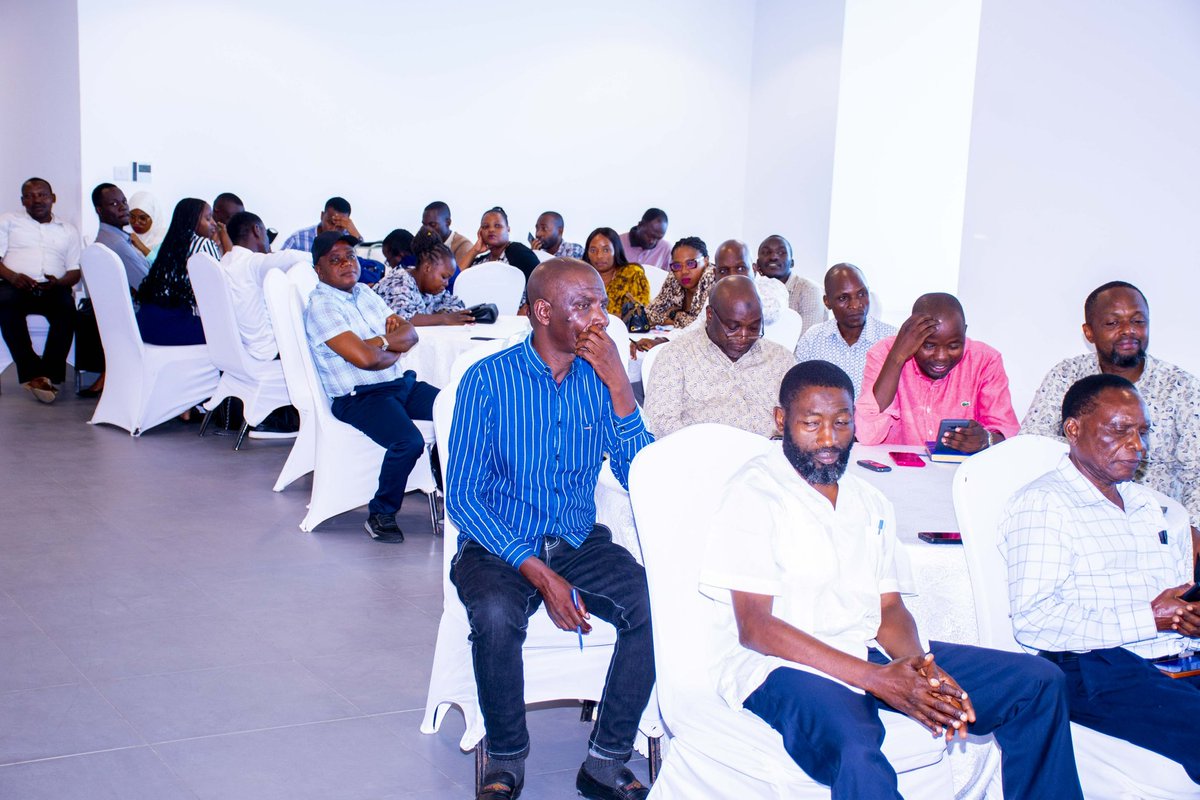
Katibu Mkuu wa Wizara ya Habari, Utamaduni, Sanaa na Michezo na Msemaji Mkuu wa Serikali, Gerson Msigwa leo Aprili 15, 2026 amekutana na kuzungumza na Wenyeviti na Makatibu wa Umoja wa Klabu za Waandishi wa Habari Tanzania (UTPC) katika kikao kilichofanyika jijini Dar es Salaam ambacho kimeandaliwa na klabu hiyo kwa kushirikiana na Idara ya Habari - MAELEZO.
Akizungumza katika kikao hicho Msigwa amesema vyombo vya habari vina nguvu kubwa katika kuathiri mwelekeo wa jamii, hivyo vinapaswa kutumika kwa uwajibikaji.


2
2
5
418
And @dmacook and @CFCJacob90 , you were both brilliant, succinct (@StamfordChidge take heed) and absolutely on the money with every point. We all saw it coming, you’ve articulated and actioned it, thank you 💙🤍 #utpc
1
3
100
Mar 24
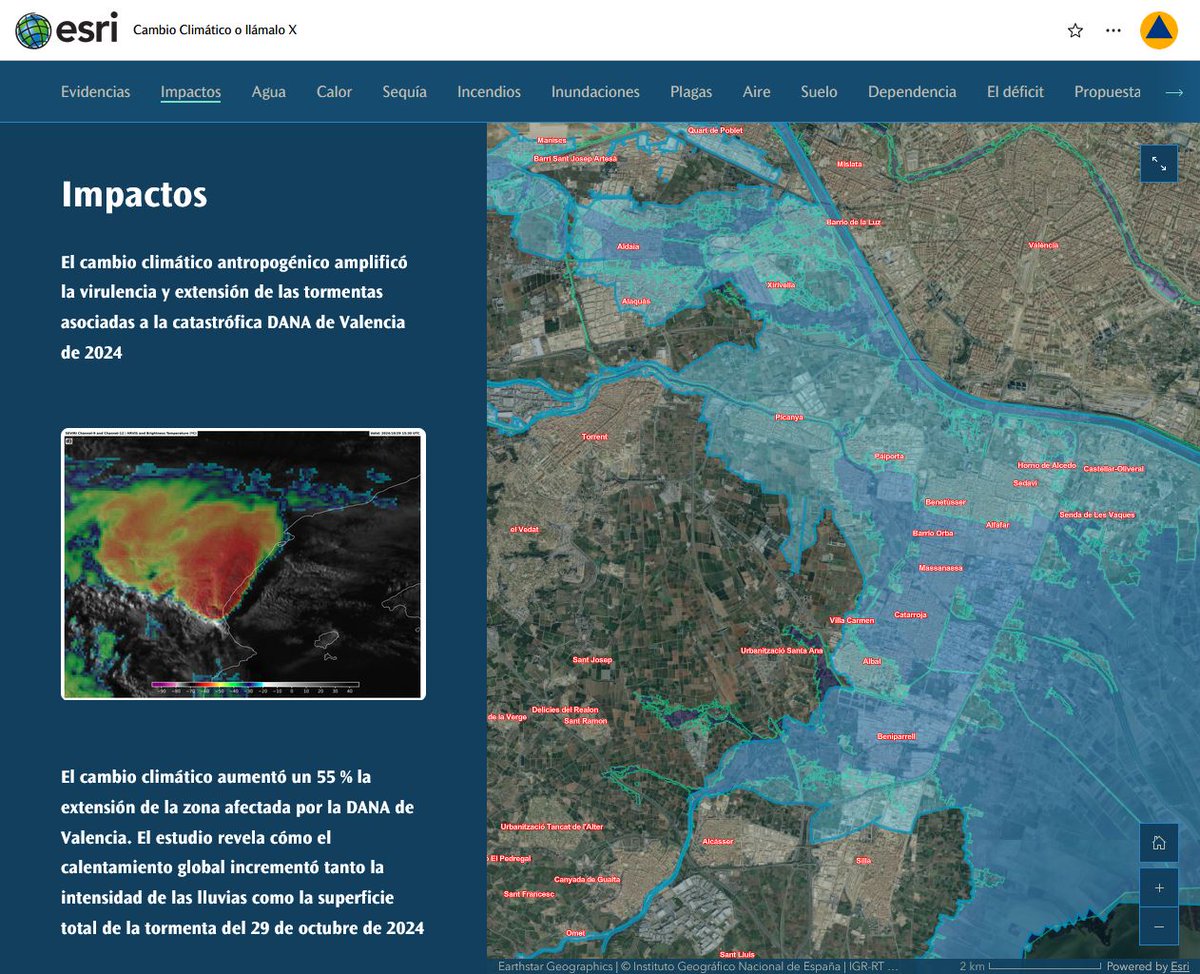
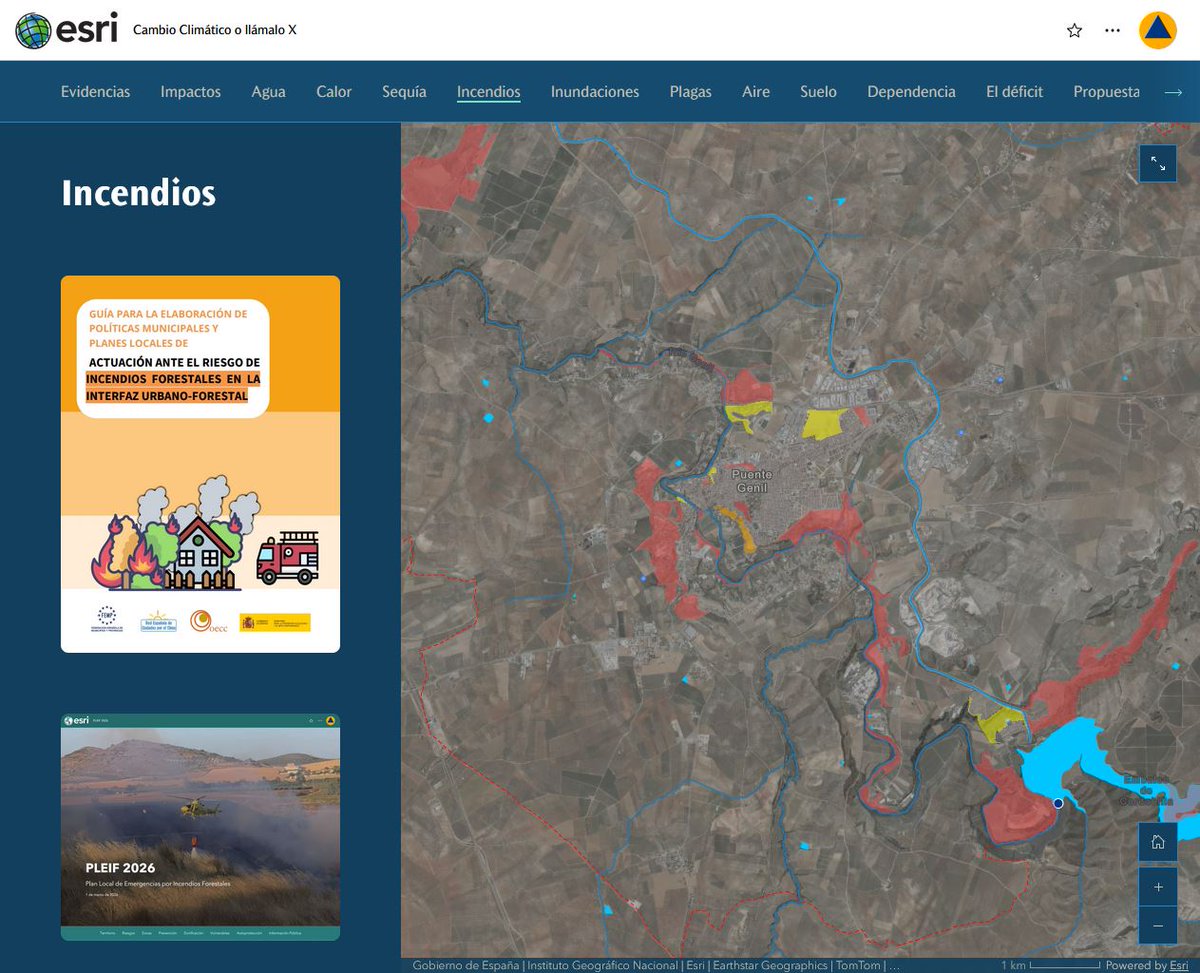
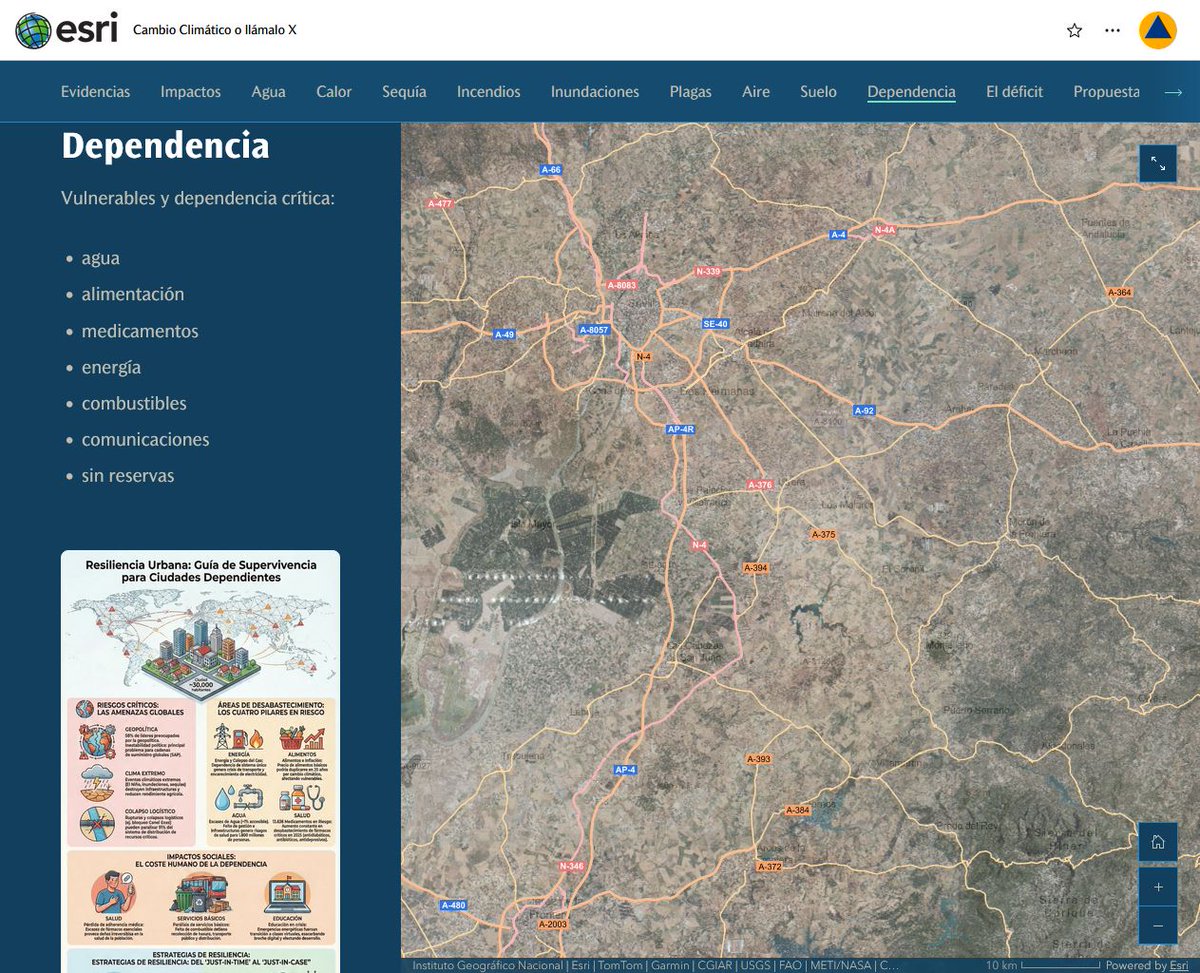
Preparao...
Una forma de hacerlo, ahora toca:
#CambioClimático ó #LlámaloX
Unidades Tecnológicas de #ProtecciónCivil #UTPC

1
2
125
✝️ My brother “Chelsea Steve” will be laid to rest today (St Patrick’s Day 🍀), with his favourite Chelsea shirt on, and his Chelsea cap on his chest. RIP Brother 🙏🏻 See you on that Shed terrace in heaven ✝️🙏🏻 UTPC ✊🏻💙
47
8
210
7,252
🚨Feel free to share this important message. UTPC ✊🏻💙


5
4
34
6,807
Mar 10
Gracias Manuel, incluido en el especial por la actividad sismo-volcánica en #Tenerife
#ProtecciónCivil #UTPC
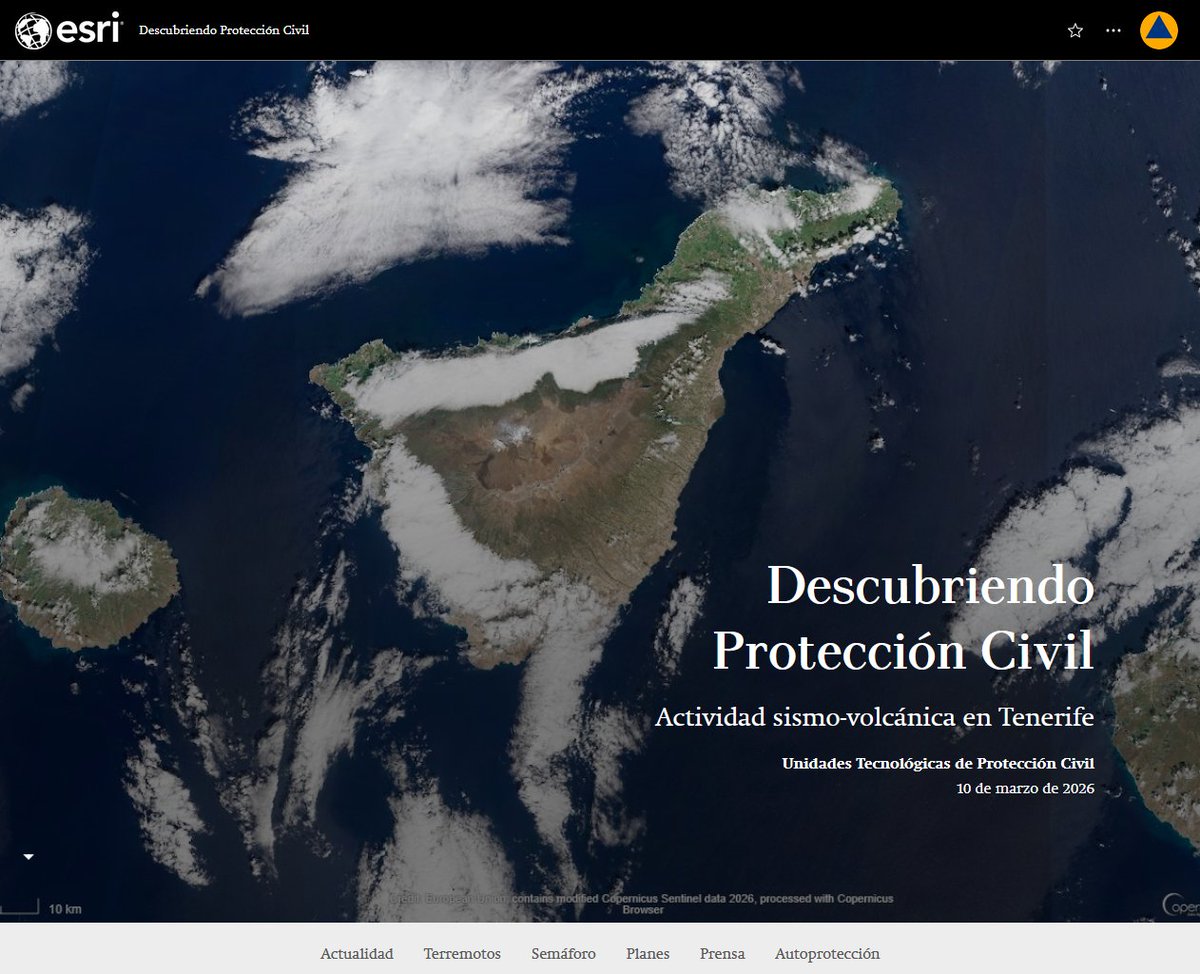
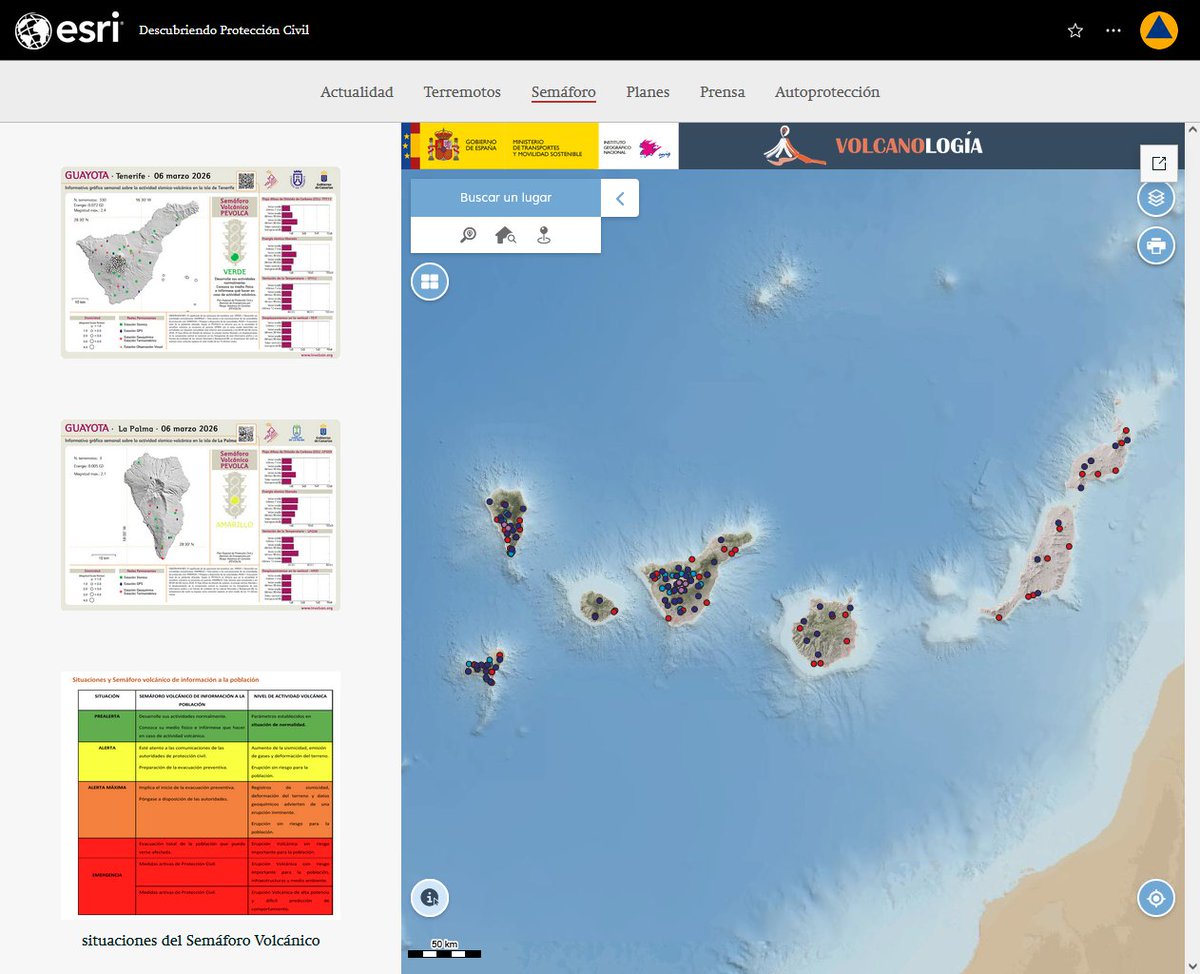

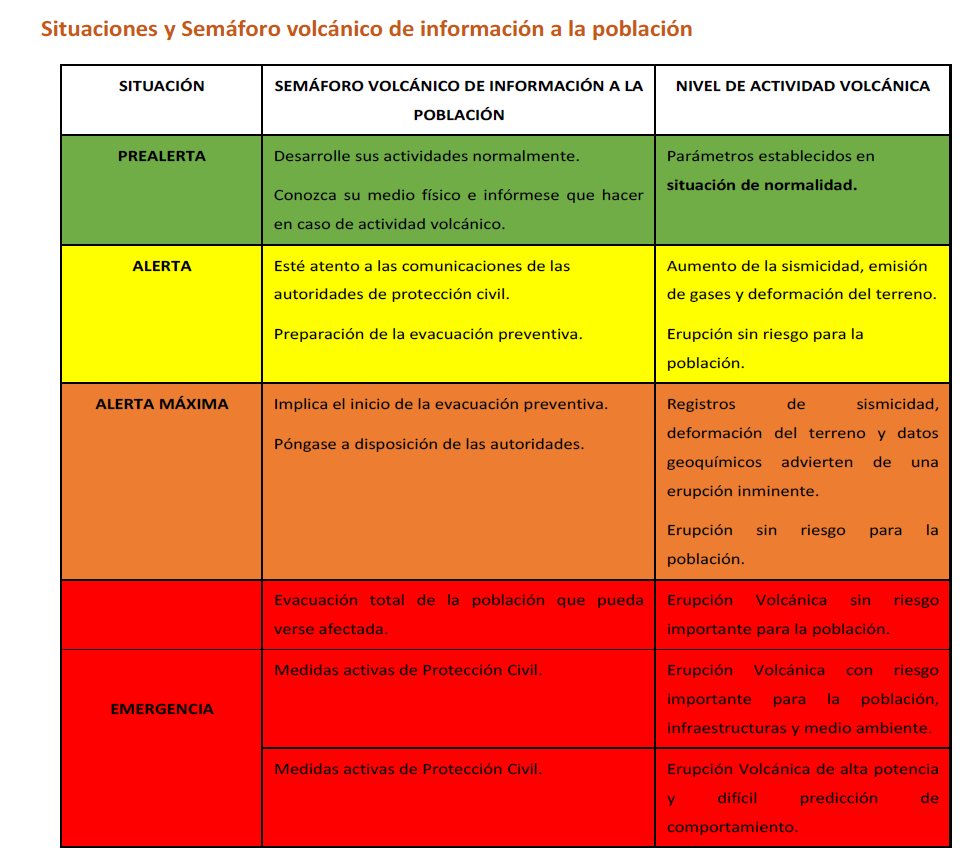
El Decreto 112/2018 #PEVOLCA, Plan Especial de Protección Civil y Atención de Emergencias por riesgo volcánico en la Comunidad Autónoma de #Canarias establece un semáforo volcánico como sistema de alerta a la población basado en cuatro colores en función del riesgo.
1
122
Mar 8
Terminao...
Nuevos retos afrontándolos con la redacción de una formación, no para dummys, especialmente diseñada para expertos con desconfianza ante la #IA.
#InteligenciaArtificial y #ProtecciónCivil,
un binomio inaplazable.
Unidades Tecnológicas #UTPC

1
1
10
182

7
12
401
HORI7ON ON TRACK AT UMAK
#HORI7ON_PMCCMakati
#HORI7ON #호라이즌
@HORI7ONofficial
📷UTPC
UMAK Technical Production and Creatives
9
34
342
Of course they will, mate. So many of these "so-called" supporters have blood on their hands for backing these owners! UTPC ✊💙
2
205