
@CongrongX
Hi MDA team,
I wanted to reach out and share some work I have been building around your MDA project. I created a local web UI that makes the model easier to use for video-based workflows, including video upload, run management, animated playback, audio extraction/sync, and export tools.
I also added a standalone WebVR/WebXR CVR player for sharing results. The UI can export a completed run as a .cvr file, or package it together with the standalone player into a zip file. When someone extracts the zip and starts the player, the CVR file is placed in an autoplay folder and loads automatically, making it easy to share demos without requiring the full MDA setup.
Some of the features I added include:
Browser-based MDA run UI
Video input support
Frame-based animation playback at the source FPS
Audio extraction and synchronized playback
WebVR/WebXR viewer support
VR controller movement and playback controls
Adjustable point/voxel size and scene scale
Automatic segmentation for longer videos to reduce memory pressure
Run cleanup tools for freeing disk space
.cvr export format for portable playback
One-click zip export containing the CVR player and demo file
I would be happy to share a demo sample and the implementation if you are interested. My goal was to make MDA easier to test, present, and distribute as an interactive volumetric video experience, especially for VR viewing.
Demo sample: drive.google.com/file/d/1jcc…
Thanks for your work on MDA. It has been exciting to build on top of it.
Best regards,
Cygnos
1
3
232

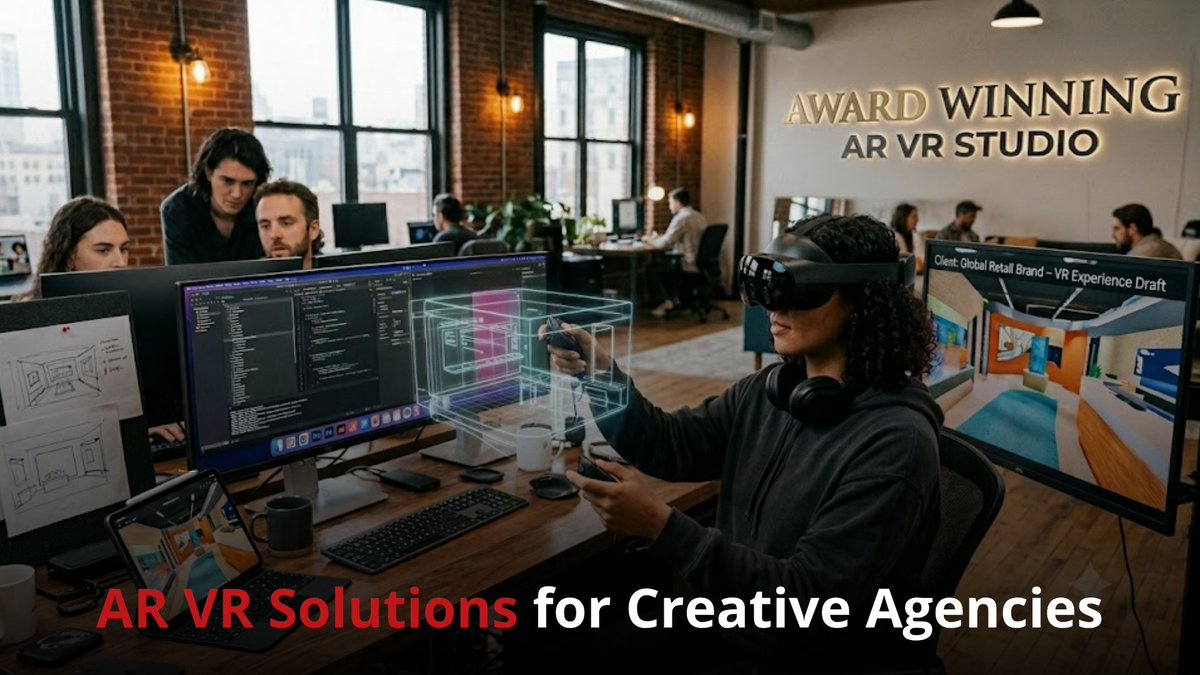
AR VR Solutions for Creative Agencies 🚀 Bring bold ideas to life with immersive AR, VR, WebVR and interactive 3D experiences.
For More:
euphoriaxr.com/ar-vr-develop…
#AR #VR #CreativeTech #EuphoriaXR #ImmersiveTech
9
Explore Eagle West through an interactive 360 VR tour with a live rendered spinning 3D building model for smarter navigation. 🏙️✨
For More:
euphoriaxr.com/
#WebVR
12


We always felt that some artworks deserve more than just being viewed.
They deserve to become places people can enter. ☁️
Started turning my illustrations into WebVR spaces with Varket.
🌍 Early try
varket.cc/g/4025
#WebVR #WebXR #InteractiveArt #IndieDev #DigitalArt
1
1
8


May 22
would you be able to release these for WebVR? note that it might largely increase the time needed to render the scene.
1
353

May 21
Organic complexity shouldn't kill your frame rate. 🌿
Procedural organic growth simulations via Blender GeoNodes, optimized for VR/WebVR .
#Realtime3D #WebGPU #UE5 #VR #Blender3D
3
60

May 16
バーチャル空間の正当進化はVRChatとかのアプリのプラットフォームじゃなくてブラウザからのWebVR使ったネットサーフィンができる方向だと思うんだけどそっちにはなかなか進まないなぁ
13


May 1
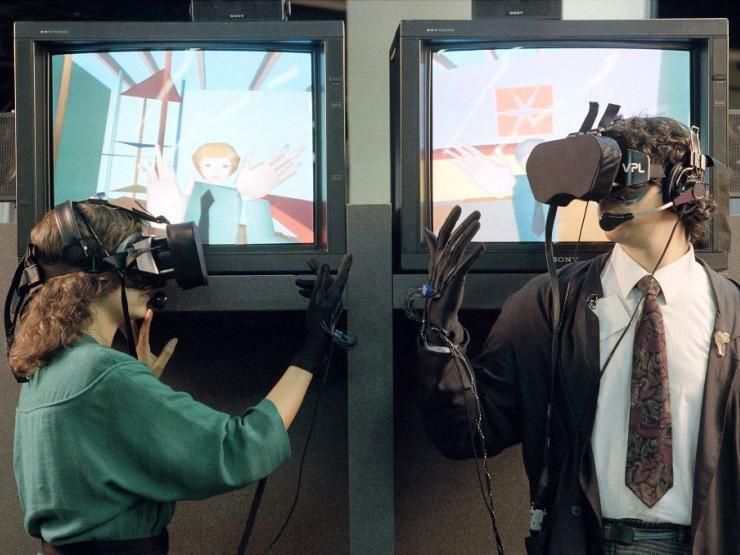
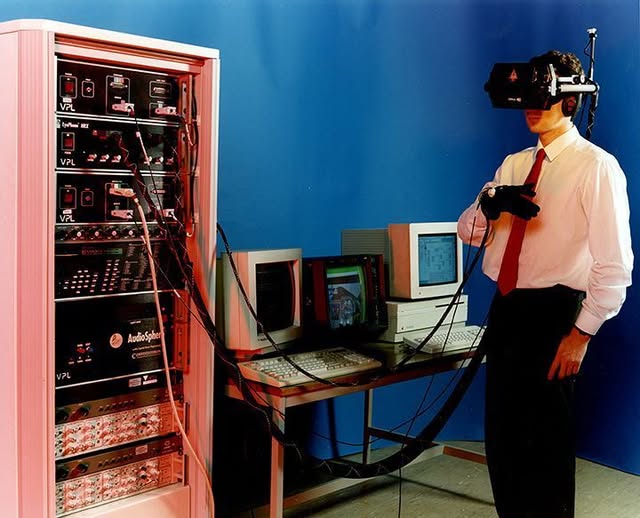
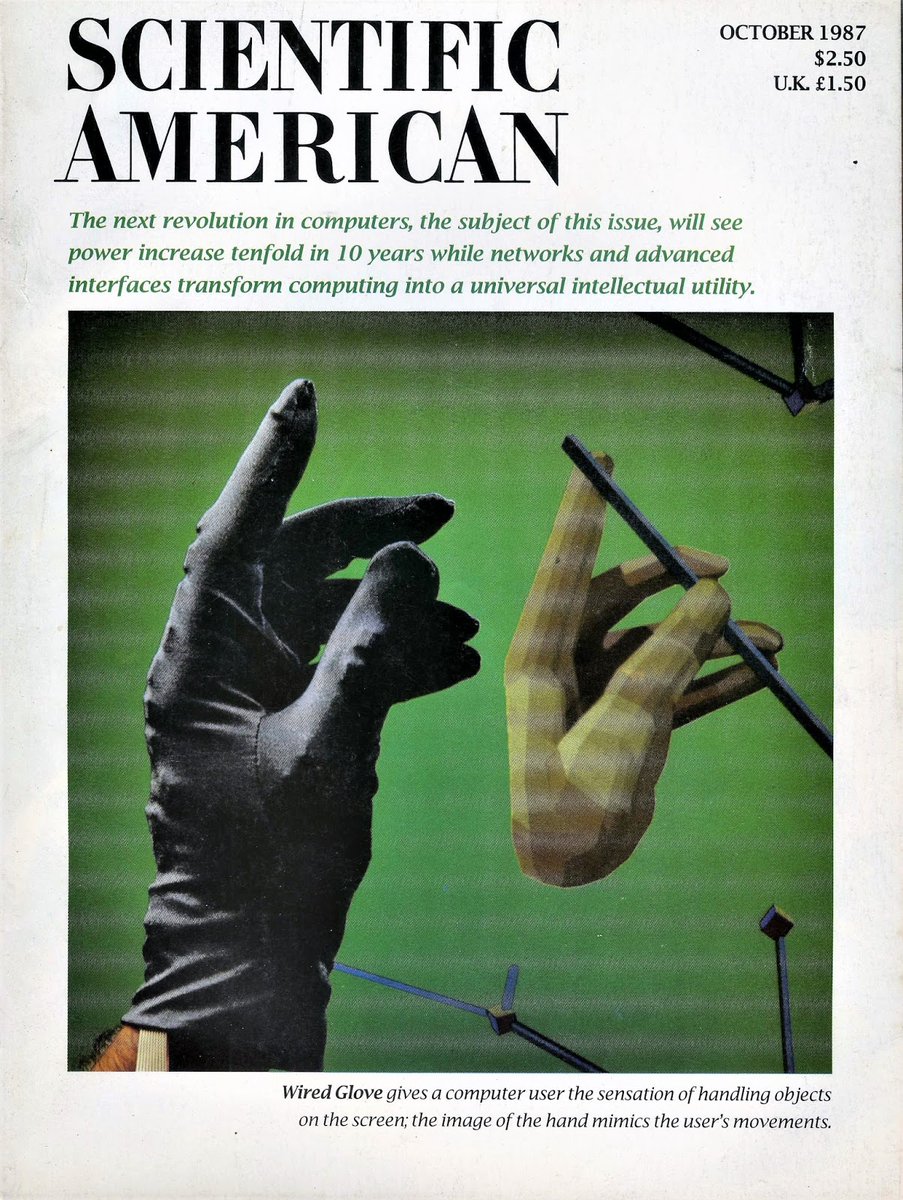
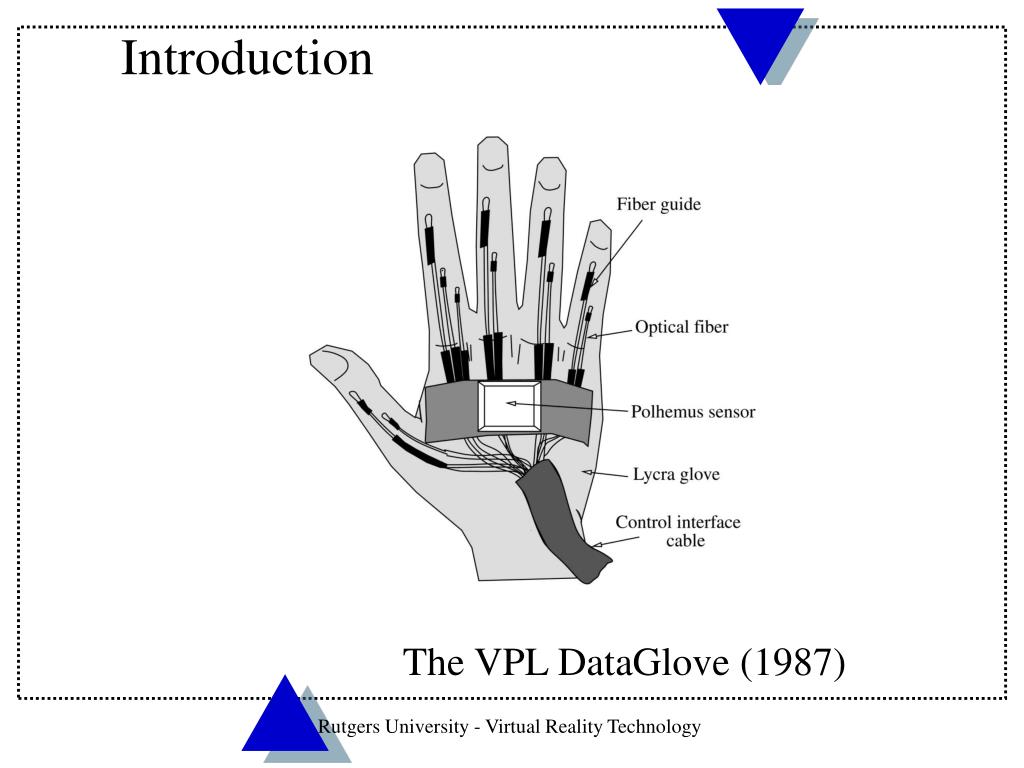
VPL Research deserves more credit than it gets.
Founded in 1984 by Jaron Lanier and Thomas Zimmerman, with early funding partly from AI pioneer Marvin Minsky, VPL (short for "Virtual Programming Languages") was the first company to ever commercially sell virtual reality hardware.
Their lineup was wild for the era: the DataGlove ($9,000), the EyePhone HMD ($9,400, or $49,000 for the HRX model), the DataSuit, and a system called "Reality Built for Two" (RB2), one of the earliest networked VR setups that let two people share a virtual space. In 1987, Lanier coined (or popularized) the term "virtual reality" itself. Without VPL, the field might not even share a name.
The cultural ripple was huge. VPL licensed its DataGlove tech to Mattel, who turned it into the $90 Nintendo Power Glove, a holiday hit in 1989 that sold 1.3 million units worldwide, putting motion controls into millions of living rooms. The DataSuit and EyePhone were also featured prominently in The Lawnmower Man (1992), the film that introduced VR to mainstream audiences.
Then it all collapsed. VR was too expensive, too underpowered, and too far ahead of its market. VPL filed for bankruptcy in 1990. During Chapter 11, the company pledged more than 20 patents as collateral, which were sold at a discount to French defense contractor Thomson-CSF in 1992. Sun Microsystems eventually acquired the entire patent portfolio in 1998, where the IP became part of the foundation for Java 3D and went on to influence later standards like OpenVR and WebVR.
So VPL itself died, but its DNA is in basically every modern VR system you've ever used.
79

Apr 20
Yeah it's a lot of fun come out I'm trying to get it the right balance of just being able to play and have fun with it and multiplayer is coming and then I'll put something up but what I'm pleased with is the general procedural landscape and this actually started as a way to build planet landscapes for my other gaming idea.
Controller support as webvr I think next.
1
33

Why is WebVR the future of accessible education? 🎓🌐
WebVR changes the game: ✅ Works on smartphones and laptops ✅ Experiences are simple links (WebXR) ✅
Read the full guide: robotsandphysicalcomputing.b…
#EdTech #WebVR #STEM #OpenSource #InclusiveEducation #WebXR
44

Apr 20
this would be huge for WebVR if VR were still a thing
Apr 20

HTMLを直接3Dの質感として描画できる新機能「html-in-canvas」
複雑な操作画面をWebブラウザの標準機能でそのまま3D空間へ配置できます。
現在はChromeの試験運用機能ですが、Web3DのUI制作を劇的に効率化する可能性を秘めた期待の技術です。
1
7
777


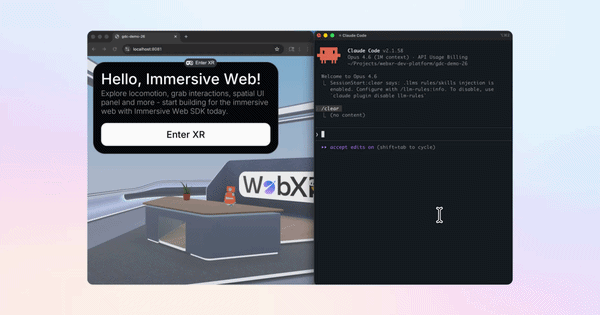
MetaがVR向けのフレームワーク「IWSDK」のAI連携について発表をしました。
AIツールと組み合わせることで、WebVRコンテンツを素早く作成することができるように!🙌
Android XRも先日Vibe Coding XRを発表したばかりです。AIとXRの組み合わせも徐々に環境が整備されてきていますね!✨
1
2
276

【技術】🛠️CADからWeb VR自動生成で特許
・CADからWebVRへ自動変換
・高精細な空間を即座に作成
・変換管理技術で特許を取得
💡メモ:設計案の合意形成が迅速化
built.itmedia.co.jp/bt/artic…📢
13

Apr 10
② VR開発がAIで劇的に簡素化へ
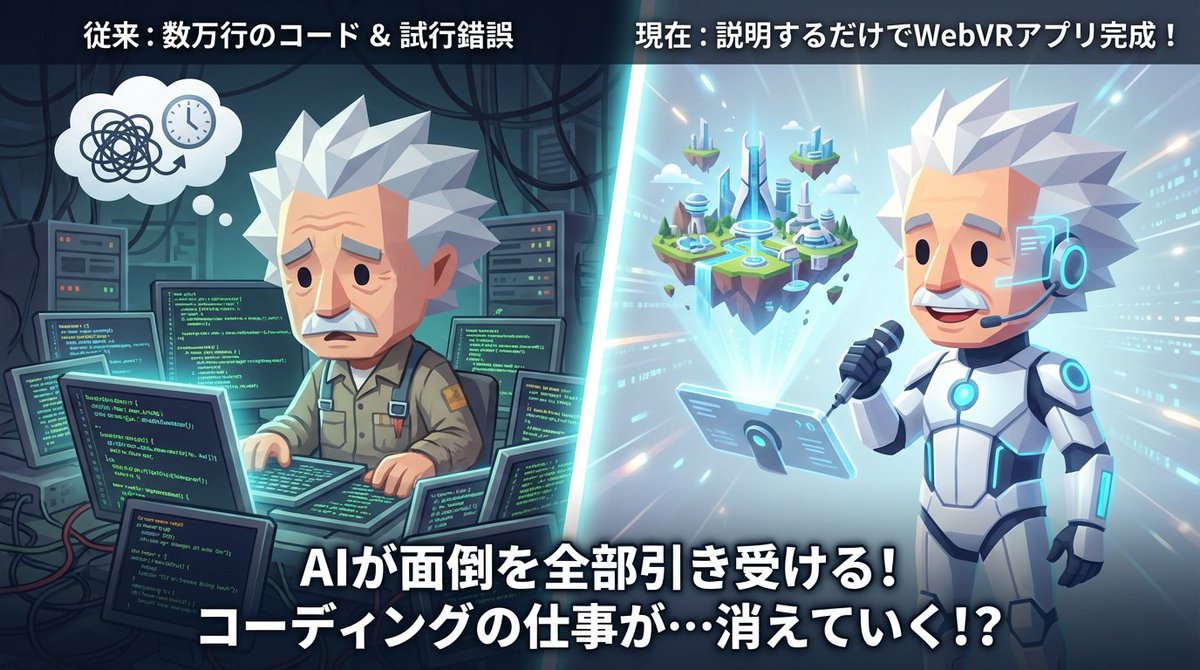
メタのツールにより、従来は数万行のコードが必要だったWebVRアプリが、欲しい内容を説明するだけで開発完了。AIが試行錯誤の面倒を全部引き受けるというわけじゃ。コーディングの仕事が…消えていくのかのう。

「WebでVRを作る」は、重い、遅い、面倒。
@MetaHorizonDevsが、これを解消する。
数万行の独自コードが必要だったVRアプリを、
欲しいものを説明するだけ。AIが開発し、
テスト、バグを修正。
消えるのはコーディングでは無く、
試行錯誤の摩擦。
詳細は🧵
1
1
74

Apr 10
「VRは面白いけど作るのが大変」が、少し崩れ始めた。
文章で指示すると、AIがWebVRを組み、試して、直す。
印刷会社にとっても、紙+空間体験の提案が現実味を帯びてきた気がします。
 Meta Horizon Developers
1
1
50

Apr 6
i've been wanting this since webxr was called webvr (circa 2014), so cool to see this finally happening.
we wrote an entire html css custom renderer for hyperfy so that we could get nice interactive ui's working in vr
1
3
270