
Proud to live in the Western Suburbs, proud father and husband. Views are my own.
Joined October 2016
- Tweets 1,802
- Following 293
- Followers 263
- Likes 3,122
76 Photos and videos

7 Dec 2025
This was always going to be a transition risk between generations. How could policy markets not realise and provision for this?
6 Dec 2025

When ‘Boomer’ means broke: The other side of retirement
A decent chunk of older Australians are not “asset rich and doing fine”. In fact, a big slice of baby boomers sit among the poorest people in the country, living on the Age Pension with no superannuation to fall back on.
When you dig into the data, you find something like a quarter of the entire boomer cohort are likely both on the pension and without super. It’s even worse for older boomers and women, who carried the brunt of unpaid care and broken work histories long before compulsory super kicked in properly.
So we need to be a lot more nuanced when we talk about “older Australians”:
Yes, there’s a group of well-off retirees with paid-off homes, investments and healthy super balances.
But there is also a large group of older Australians, especially women, renters, and those in lower-income suburbs, who are almost entirely reliant on the pension in a brutal cost-of-living environment.
Public debate keeps defaulting to the cashed-up boomer stereotype. Policymaking can’t afford to.
If you design tax, housing, health and welfare policy on the assumption that all boomers are financially comfortable, you will miss a very vulnerable part of the country and they’re not a small.
And here is an added sting. Their aged care needs will need to be met by their kids, who themselves are middle age and also possibly struggling.
1
1
114
Jake Hall-Evans retweeted

13 Oct 2025
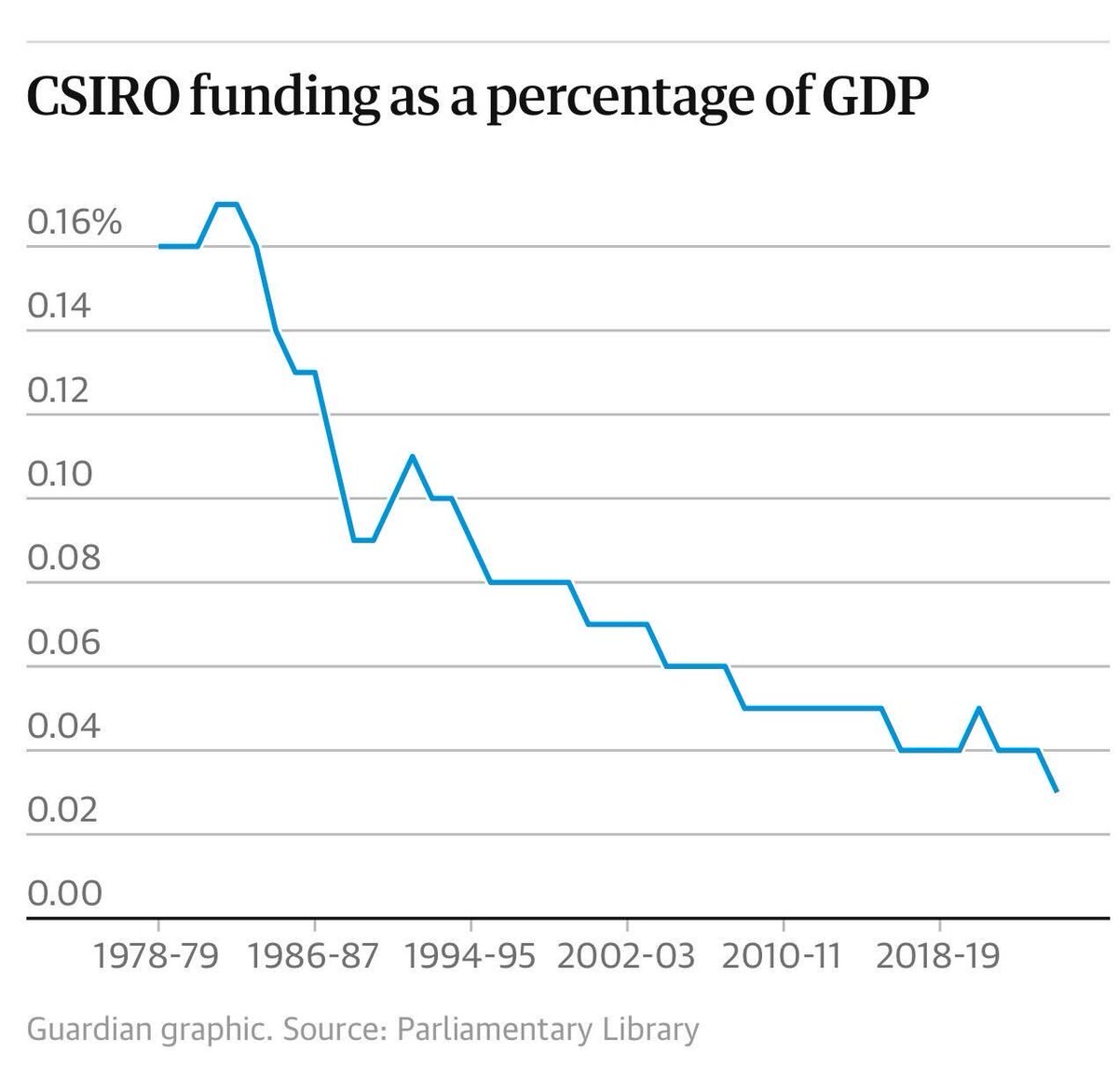
The CSIRO, the agency that gave the world Wi-Fi, among other world-leading research, has never been more important to Australia’s future.
Successive governments have failed to invest.
We need to turn that around and value the science and scientists that are key to our future.
theguardian.com/australia-ne…
339
663
2,524
62,769
Jake Hall-Evans retweeted

10 Oct 2025
Current Patients waiting for Beds in our Hospitals are:
RAH - 42 wait for bed
FMC - 19 wait for bed
TQEH - 17 wait for bed
@PictonChris
@ANMFSA
@SA_Ambulance
@acemonline
@sasmoa4doctors
3
4
139
Jake Hall-Evans retweeted

10 Oct 2025
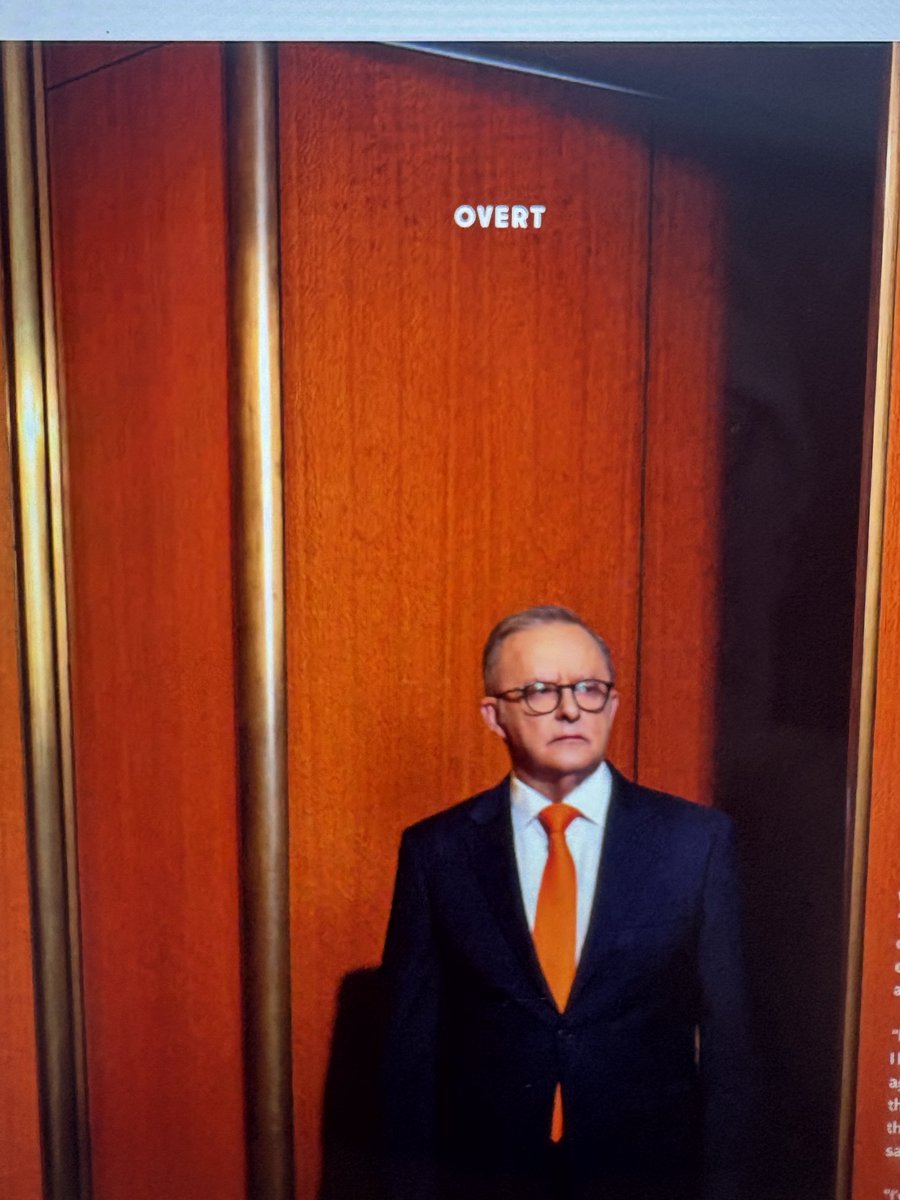
@AlboMP’s personal attack on former senator @MrRexPatrick who dared to expose Commonwealth FOI as a joke is distressing/revealing. Transparency should be at the heart of orderly democratic government = public trust. Seems our PM is suffering first signs of hubris.
230
562
1,847
30,707
Jake Hall-Evans retweeted
9 Oct 2025
EDs are critically overcrowded (Over >125% capacity):
Royal Adelaide 141%
Flinders 135%
Queen Elizabeth 132%
Lyell McEwin 132%
@PictonChris
@ANMFSA
@SA_Ambulance
@acemonline
@sasmoa4doctors
4
2
140
Jake Hall-Evans retweeted

25 Sep 2025
This guy explains why everything we know about addiction is actually wrong
1,882
42,772
181,836
3,903,828
Jake Hall-Evans retweeted
8 Oct 2025
EDs are critically overcrowded (Over >125% capacity):
Noarlunga 181%
Lyell McEwin 151%
Royal Adelaide 149%
Modbury 144%
Queen Elizabeth 143%
Flinders 130%
@PictonChris
@ANMFSA
@SA_Ambulance
@acemonline
@sasmoa4doctors
3
4
155
Jake Hall-Evans retweeted

1 Oct 2025
DUM, DUM de DUMB ...
Sydney's median price across both houses and apartments rose by $10,000 last month.
(OK, it was $9,900.)
If it maintains that pace, then median housing prices will rise by $120,000 in the coming year.
How many young people do you know who will be able to save more than $120,000 - after tax - in the coming year?
So if you were to nominate the policy that you'd LEAST want to see coming into operation today, it'd be the one that lets new homebuyers buy on a 5% deposit ...
To repeat the obvious, Australia doesn't have a lack of money chasing housing. We have a lack of housing.
The policy coming into operation today will make the owners of housing about $60bn wealthier.
What it will have the exact opposite of doing is making housing more affordable.
I'm writing an article for the weekend on why governments regularly choose 'feel good' policy over actually good policy.
Sadly, all governments do it ...

45
65
323
15,183
Jake Hall-Evans retweeted
20 Sep 2025
IT’S TIME FOR INDEXATION
Yesterday I recommended a minimalist reform to personal tax – doing what we do now, but with fewer moving parts.
But we can do better than merely reducing complexity: we can index personal tax thresholds.
In brief, there’s a trade-off: switching to indexation reduces flexibility for politicians, but it would improve the trust that our systems increasingly lack.
And that’s a trade-off I’d happily make.
Our default is faulty. Shortfalls in money collected from the failing parts of our tax system (cigarettes, gas, banks etc) get made up over time by bracket creep – by higher taxes on workers.
That means the existing bias in the tax system against workers and the young is on a ‘set and forget’ course to worsen over time.
Why should we index? The average personal tax rate rises relative rapidly over time as wage increases push people into higher tax brackets.
Governments love that, because it allows them to announce relatively regular tax cuts:
· Yet those aren’t really cuts at all – they’re just handing you back what inflation took away.
· Even better for the politicians, they get to choose when they hand that money back. Unsurprisingly, their generosity tends to be on show when there’s an election coming.
· That’s why politicians love the existing system: they get to pretend to be generous when they’re merely handing money back that inflation stole from families, and they get to time that to maximise their electoral chances.
· Even better, at any given moment the lack of indexation means that official forecasts always show the budget balance improving over the long haul. That allows the pollies to point to that and pretend that they’re being responsible.
But there’s a growing problem: the punters are increasingly losing faith in the system. And that failing faith risks being increasingly costly over time.
So it’s time.
I’d be happy to switch to indexing the personal tax thresholds by a set 2.5% a year, and doing the same for some government payments too
That idea isn’t mine: it’s been proposed by Luci Ellis of Westpac (ex-RBA). It would:
· Help restore trust in the system.
· Remove the ability of governments to pretend that they have budget repair under control.
· Remove the flexibility of the government of the day to time tax cuts around elections.
Are there good reasons not to do it? You’ll hear some people say that “it would cost a fortune”. But that’s only true if governments didn’t regularly hand back the money anyway. So that’s not an apples-with-apples comparison.
(Besides, shifting to indexation doesn’t completely stop the average rate of personal tax drifting up. That’s because, over time, wages grow faster than prices.)
Yet there is an argument against indexation that I do think has merit: you take away some of the ability of governments to bribe their way to reforming the tax system (as, for example, happened when the GST was introduced).
Yet that last argument isn’t enough to change my mind. The big point is that our failing trust in governments of all stripes means we should be actively rebuilding that trust. Indexing the personal tax system would be a good way to start that journey …

7
10
49
6,553
22 Jul 2025
RT @abcnews: Homelessness has risen to the "worst levels in living memory" in the first term of the Albanese government, advocacy groups wa…
201
Jake Hall-Evans retweeted

13 Jul 2025
The concerning side story to this news piece is that taxpayer funded Treasury advice on important economic issues is being withheld from the public. Secrecy isn’t necessary to manage the economy. It’s a cynical tool used to manage the politics. #auspol abc.net.au/news/2025-07-14/r…
39
107
321
7,875
Jake Hall-Evans retweeted

13 Jul 2025
Game over 🏡
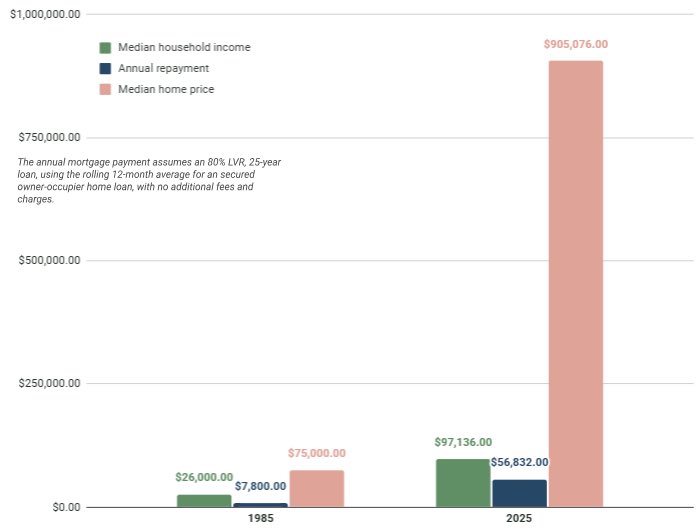
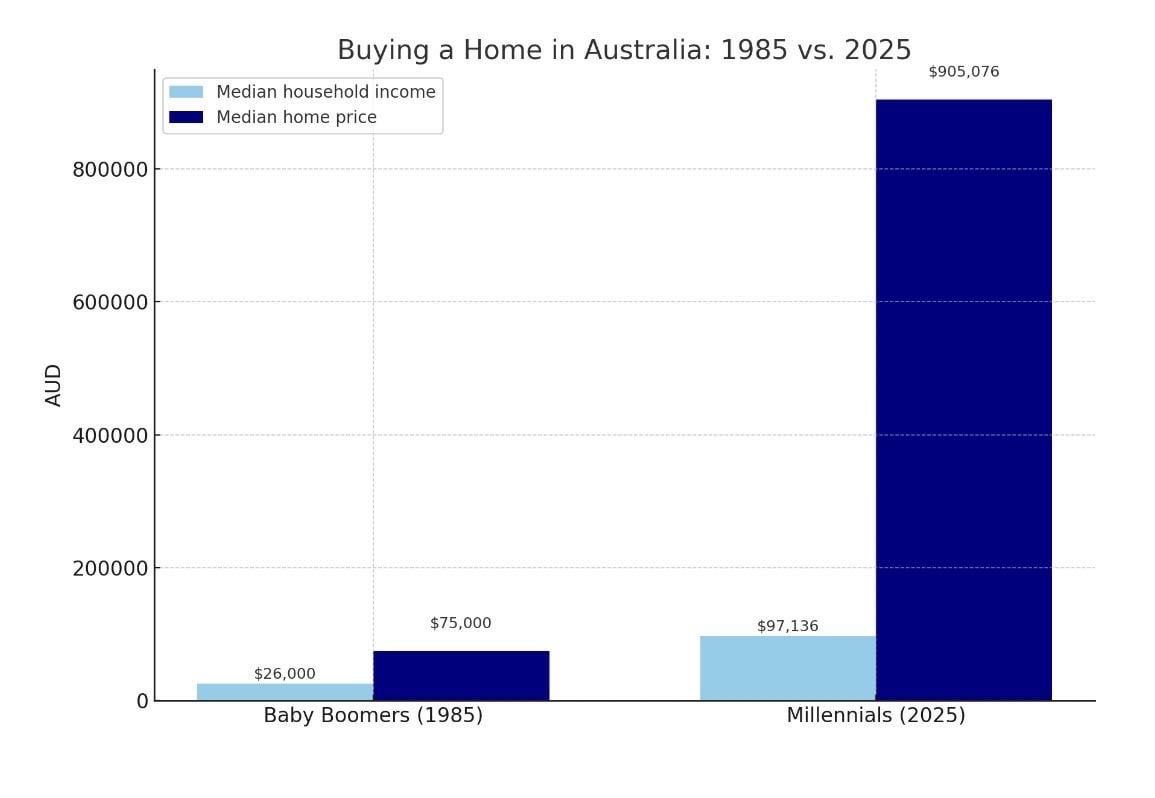
Boomers had it easy and fooked it for everyone. Good one guys.
149
56
610
57,764
Jake Hall-Evans retweeted
30 Jun 2025
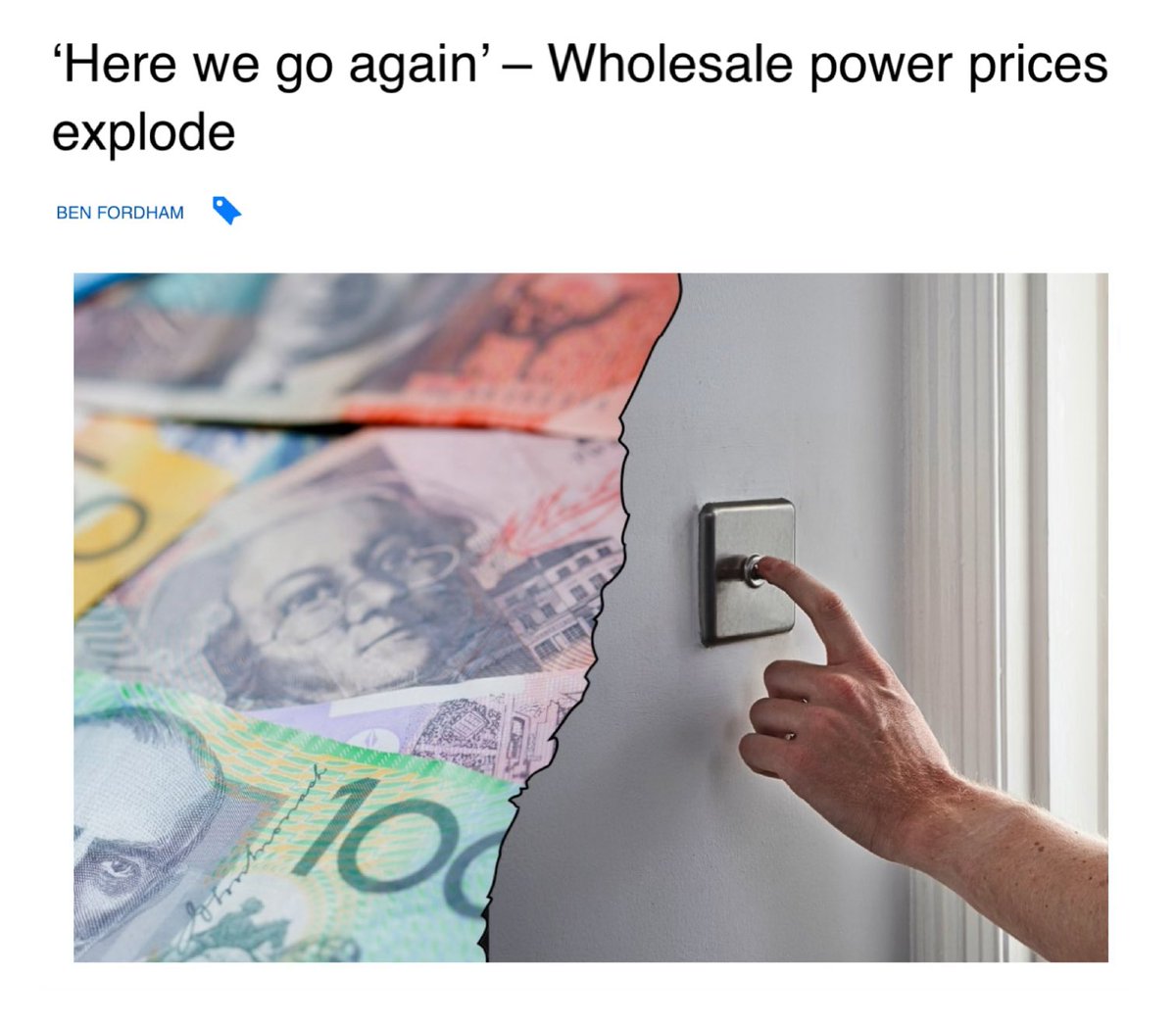
Electricity prices have risen today. Why? Gas sets the electricity price and the Government has put the gas cartel’s wants ahead of Aussie consumer and business needs. It’s OUR gas. #auspol
66
299
720
14,253
Jake Hall-Evans retweeted

17 Jun 2025
This is embarrassing. Richard Marles making no sense as he avoids serious questions. The public have a right to know and understand the implications of the AUKUS debacle for peace, economic and social stability and our sovereignty.
#7.30
76
313
1,257
15,669
Jake Hall-Evans retweeted
15 Jun 2025
Only two people seem oblivious to the serious risks #AUKUS poses our Treasury and national security - @AlboMP and @RichardMarlesMP. #auspol abc.net.au/news/2025-06-16/a…
39
210
621
8,551
16 Jun 2025
RT @TurnbullMalcolm: “If the US Navy is already short of SSNs and its industry is producing too few to replace retirements, let alone incre…
128
Jake Hall-Evans retweeted
11 Jun 2025
It is a national disgrace that Labor’s decision to support the AUKUS debacle was made in 24 hours without critical analysis or forethought. Describing those who raise concerns as “appeasers” adds to the stupidity. We need our own independent review now!
theguardian.com/world/2025/j…
157
590
1,856
42,858
13 Jun 2025
RT @TurnbullMalcolm: The UK is conducting a review of AUKUS. The US DoD is conducting a review of AUKUS. But Australia, which has the most…
888
5 Jun 2025
RT @TurnbullMalcolm: Trump’s war on innovation is a golden opportunity for Australia, if we’re smart enough to take it t.co/J6be3t0…
136
Jake Hall-Evans retweeted

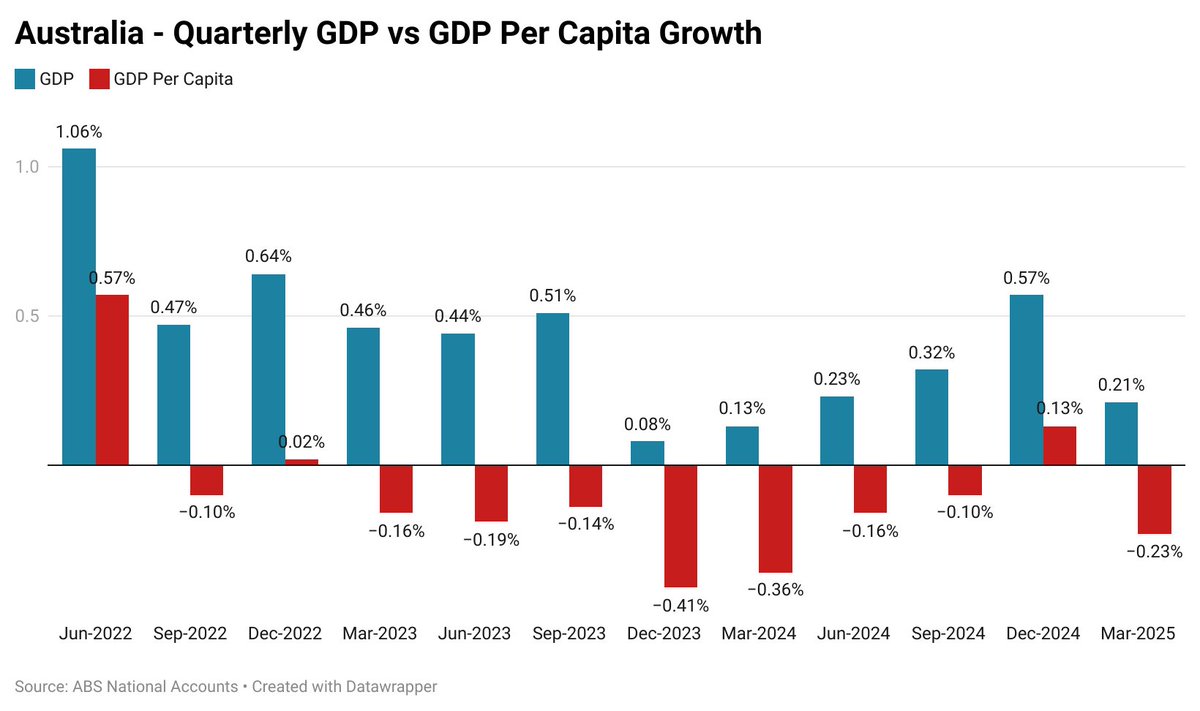
Australian GDP per capita falls back into contraction and has now fallen in 9 of the last 11 quarters.
72
87
559
35,397