
Life neophyte endlessly seeking to be a connoisseur. Smiling member of the human race. Thankful husband & father. Passionate for customer success. I love tacos.
Joined October 2008
- Tweets 9,904
- Following 305
- Followers 1,176
- Likes 5,522
1,678 Photos and videos













David Sakamoto retweeted

Apr 8
Anthropic is building some amazing stuff, and as a Claude user myself, I always look forward to trying it out, Claude Managed Agents included.
Some may wonder, how does Claude Managed Agents compare to GitLab's Duo Agent Platform (DAP), because on the surface they may sound very similar?
From my time studying it, I think of Claude Managed Agents as a super powerful agent harness that runs in their cloud with all the basic tools (bash, file ops, web search). It a very powerful building "engine" that can be applied to many knowledge worker tasks.
It is not a software factory, for example it has no first class concept of a repo, a merge request, a pipeline, or a security policy.
DAP is a software factory, with all those primitives built-in. Most importantly, it runs within the organization's workflows and guardrails, and provides access to unified SDLC context.
DAP agents have first class access to the entire repo, not just local code, they have access to pipeline state, MR history, security findings and much more.
DAP provides the organization full governance and control: verification of the code quality and that it meets their engineering standards, that agents are operating within existing permissions and guardrails, with full traceability.
DAP provides vulnerability scanning, vulnerability management, policy enforcement as first-class inputs.
DAP is cloud neutral, runs everywhere including your datacenter or air gapped environment and is model-agnostic.
DAP supports Claude code, and Codex agents built-in, but also supports Duo agents or you own custom agents.
In summary, Claude Managed Agents is a really powerful Anthropic-only "engine" that could power many knowledge worker tasks, including software coding.
GitLab's Duo Agent Platform is the "factory floor" that orchestrates engines - including Claude - and governs what they produce, with integrated context across the full software development lifecycle.

Introducing Claude Managed Agents: everything you need to build and deploy agents at scale.
It pairs an agent harness tuned for performance with production infrastructure, so you can go from prototype to launch in days.
Now in public beta on the Claude Platform.
13
11
129
83,968

Jan 29
Zero Inbox Achieved!!
I don't know how many years it’s been since I've reached... absolute zero across all my email splits. 🕺
I'm delighted!! 🎉
Cc @Superhuman
1
4
414
3 Oct 2025
"The Rebirth of Customer Success" by @JohnGleeson10
successvp.substack.com/p/the…
1
1
105
David Sakamoto retweeted

25 Jul 2025
Found a great PDF from Anthropic on how they use Claude Code across functions.
The design and growth marketing use cases are particularly mind blowing.
Product management seems absent as a use case :)
www-cdn.anthropic.com/58284b…
2
33
488
36,608
18 Oct 2024
Systems of Record to Systems of Intelligence via @jaminball
"In this new AI-driven world, the traditional moats built by systems of record could weaken. The reliance on human-driven UIs and manual processes will fade, and the value will shift." #AI
cloudedjudgement.substack.co…
68
David Sakamoto retweeted

5 Sep 2024
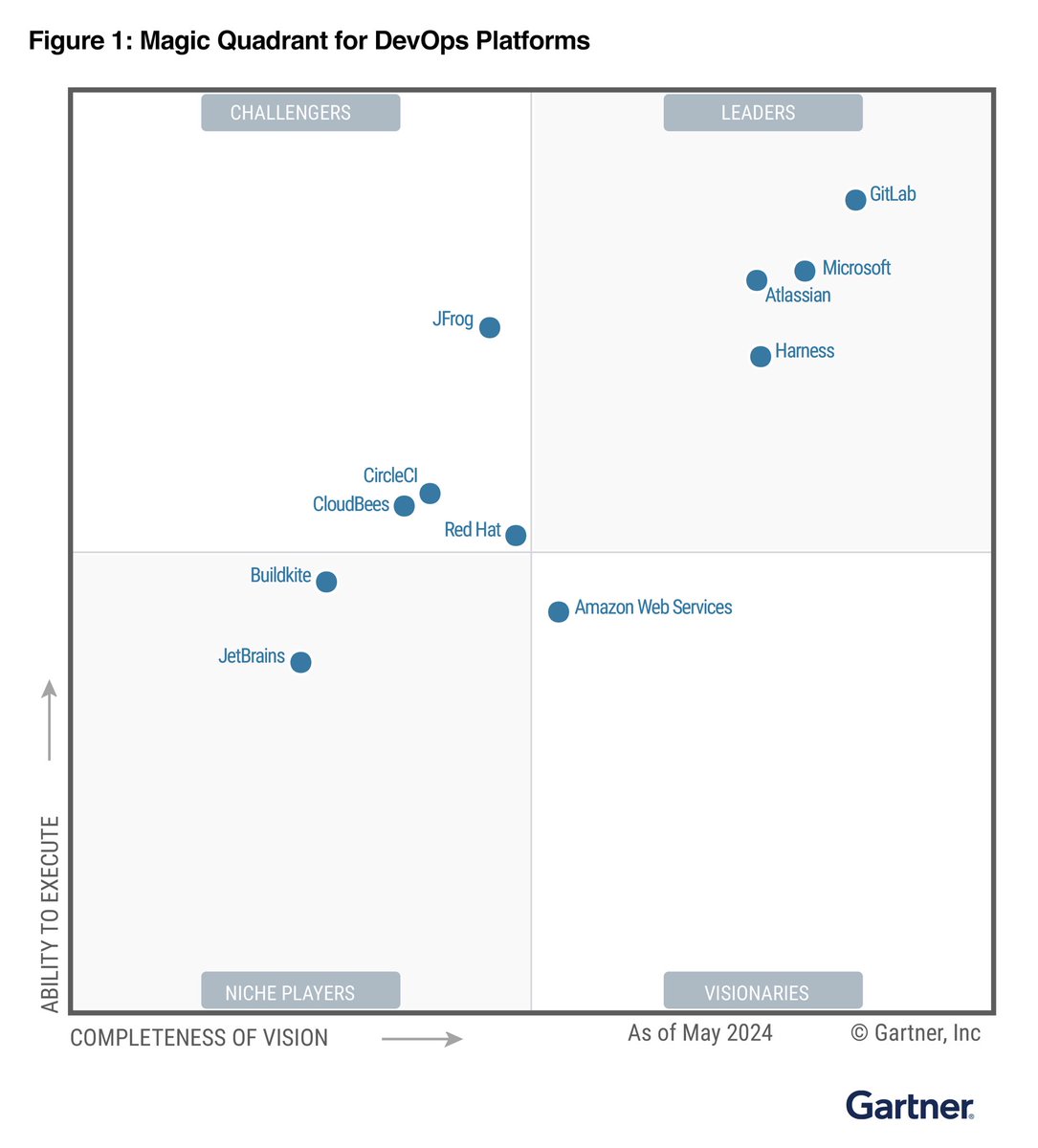
$GTLB LEADER IN DEVOPS PLATFORMS
@Gartner_inc for the 2nd year in a row says Gitlab is the market leader in DevOps Platforms DOMINATING $MSFT GitHub
3
3
13
1,841
David Sakamoto retweeted

23 Aug 2024
$GTLB GitLab has announced the general availability of GitLab Duo Enterprise, an add-on aimed at enhancing software development with end-to-end AI capabilities across the SDLC, priced at $39 per user per month for Ultimate customers.
This launch follows GitLab's recent recognition as a Leader in the 2024 Gartner Magic Quadrant for AI Code Assistants. GitLab Duo Enterprise builds on the features of GitLab Duo Pro by adding advanced functions like vulnerability resolution, root cause analysis, and an AI impact dashboard.
These tools are designed to boost productivity, enhance security, and improve overall efficiency in software development, catering to enterprise needs.

1
5
520
David Sakamoto retweeted
23 Aug 2024
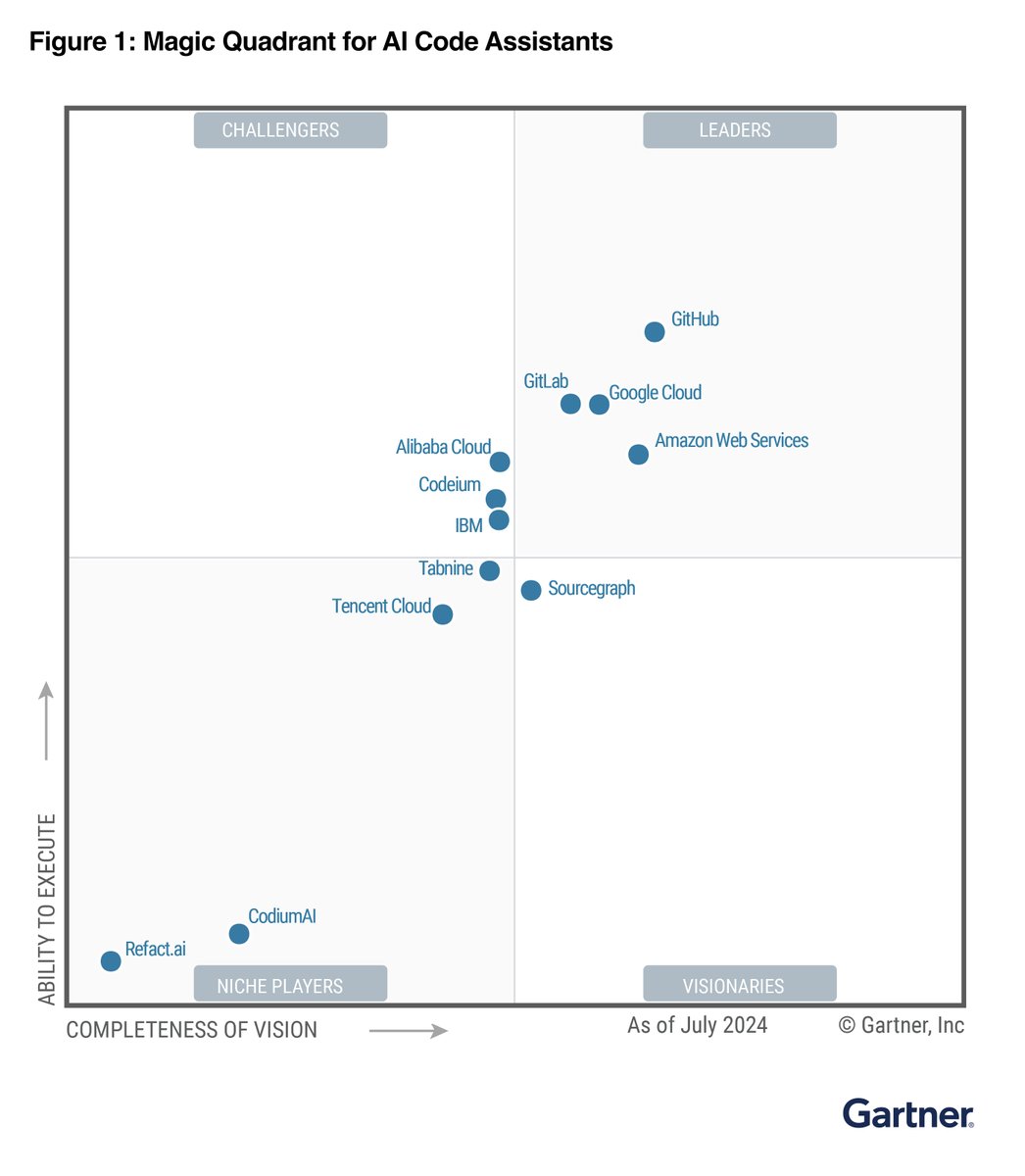
$GTLB GitLab has been named a Leader in the inaugural 2024 Gartner Magic Quadrant for AI Code Assistants.
This recognition is based on its comprehensive AI-powered DevSecOps platform, which excels in enhancing developer productivity, code quality, and security throughout the software development lifecycle (SDLC).
Gartner highlights GitLab's deep market understanding, continuous innovation with advanced AI models, robust ecosystem through third-party integrations, and strong security measures.
2
3
14
1,829
David Sakamoto retweeted

11 Jul 2024
So, how did @gitlab grow to 30million users and 2000 contributors…all while taking on @github?
Here’s the story…including the 4 key takeaways you can apply to your business and community.
Check out my brand new video here:
youtu.be/RXD-HKbx7w4

7
31
10,260
18 Jul 2024
While slightly different context than communities, transparency was always my favorite CREDIT value. In addition to the internal benefits, transparency builds trust with your customers as they know you will be direct and open about everything. #culture #values
18 Sep 2023

Want to see how your community can help you when things go horribly wrong?
In 2017, @GitLab had a serious production issue, but because of their commitment to an open, engaging community...they had everyone rooting for them instead of shouting at them. 🤘
1
110
18 Jul 2024
CREDIT - Collaboration, Results, Efficiency, Diversity and Inclusion, Iteration and Transparency
handbook.gitlab.com/handbook…
29
18 Jul 2024
The 4th Industrial Revolution is coming quick! The Intelligence Revolution via @jaminball.
cloudedjudgement.substack.co…
1
33
David Sakamoto retweeted

15 Jul 2024
How are organizations leveraging AI to elevate customer engagement and productivity?
That's one of the many topics David Sakamoto (@hapapower) and I tackle in the July CX Pulse Check. Tune in here: bit.ly/3WpCXkD
1
2
86
11 Jul 2024
My new morning office … at least for a little while 😍☀️
2
6
111
11 Jul 2024
Thank you @jeanniecw for hosting me in your Experience Action Podcast. We dove into the fascinating world of AI in the fashion industry, connecting to similar innovations occurring in #customersuccess.
We hope you enjoy our discussion!
experienceinvestigators.com/…
2
5
80
David Sakamoto retweeted

14 Jun 2024
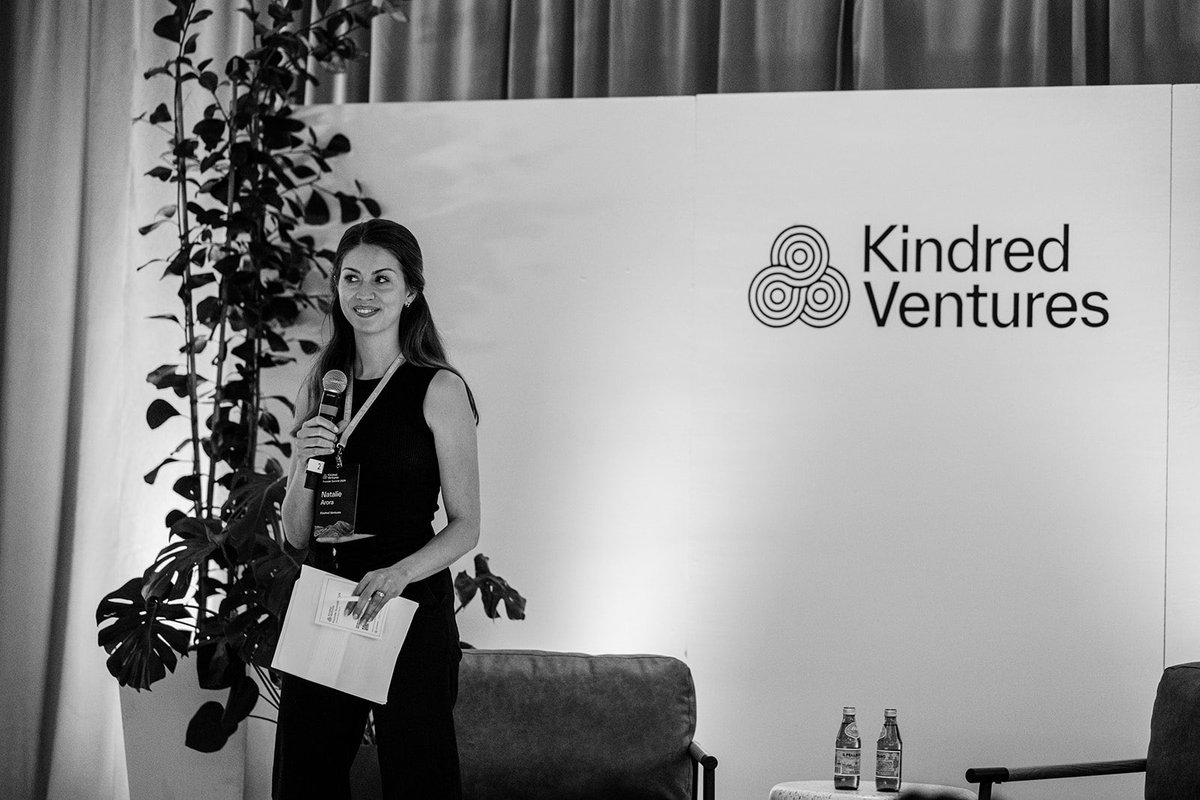
After a day of founder-to-founder sessions and talks, we enjoyed outdoor activities in the sunny and scenic Carmel Valley area including hiking, swimming, pickleball, tennis, and even falconry and archery!


1
2
4
709
David Sakamoto retweeted
14 Jun 2024
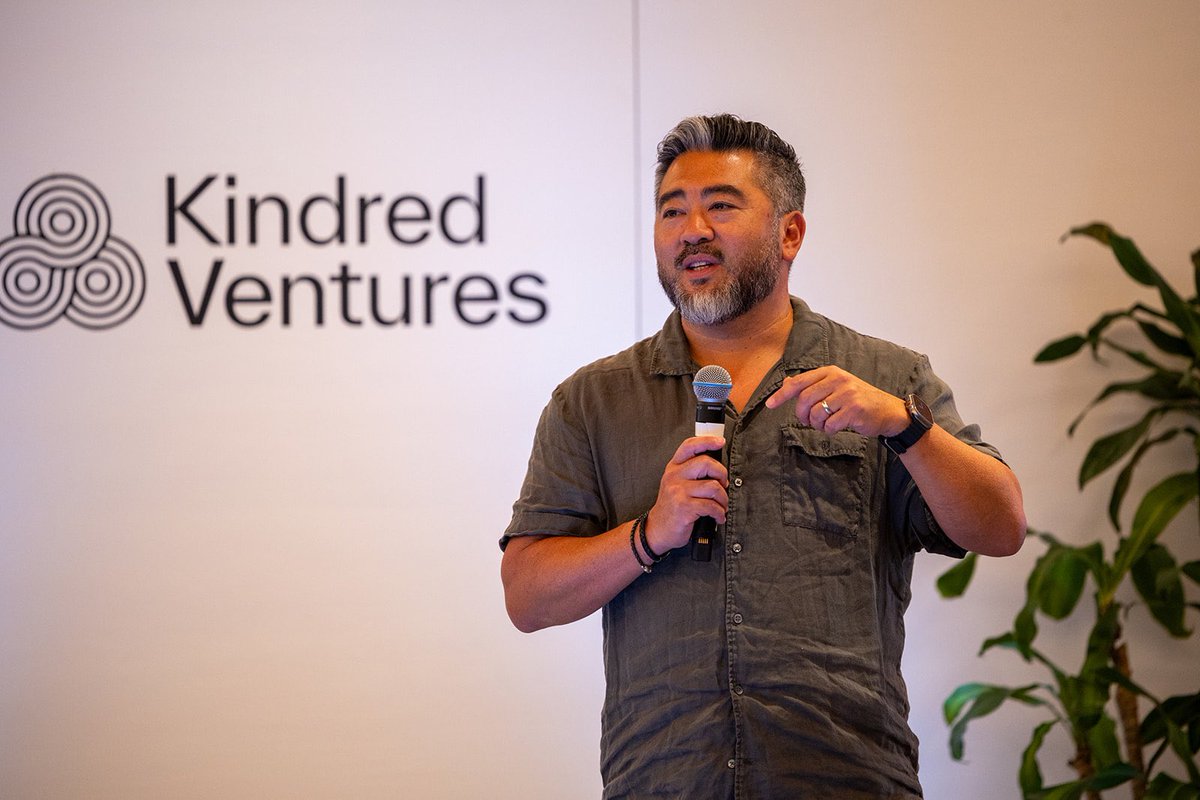
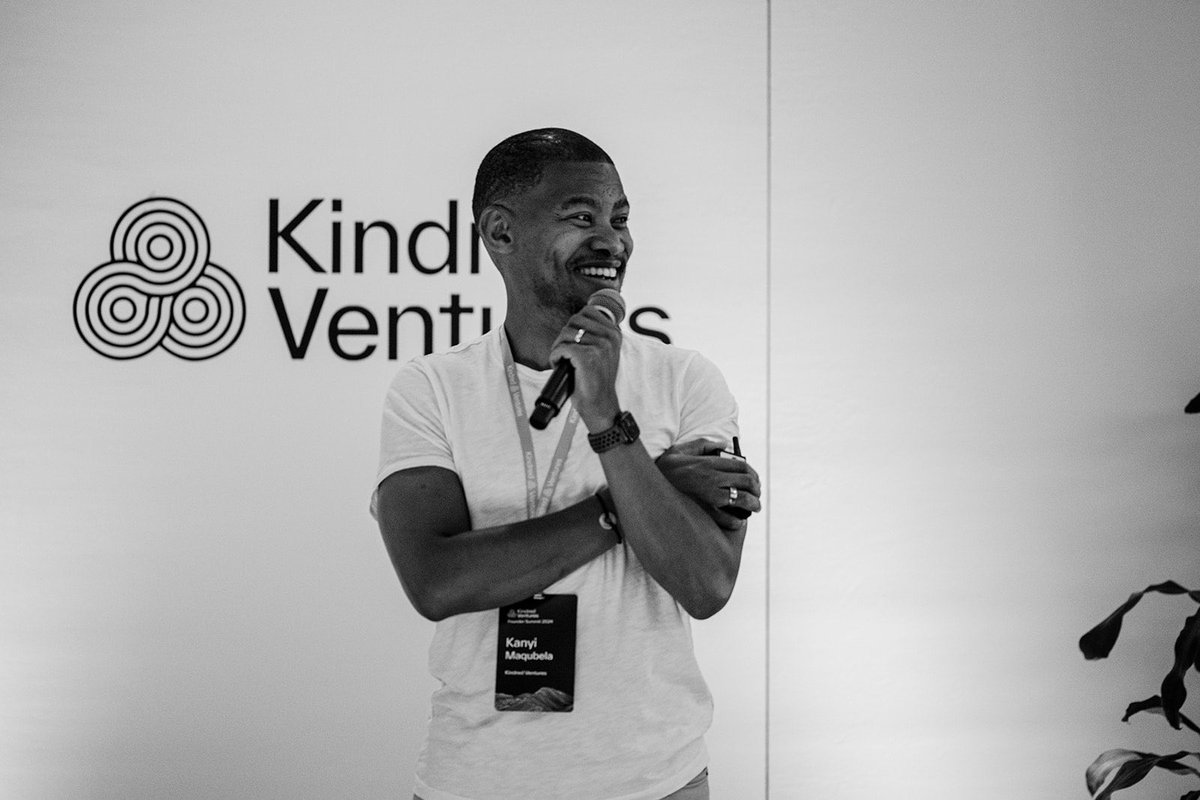
Inaugural founder summit done! ✨
We held an off-the-record series of fireside chats and panels, coaching presentations, and one of our favorites – speedrun demos from 10 portfolio companies.


1
3
33
7,380
David Sakamoto retweeted
14 Jun 2024
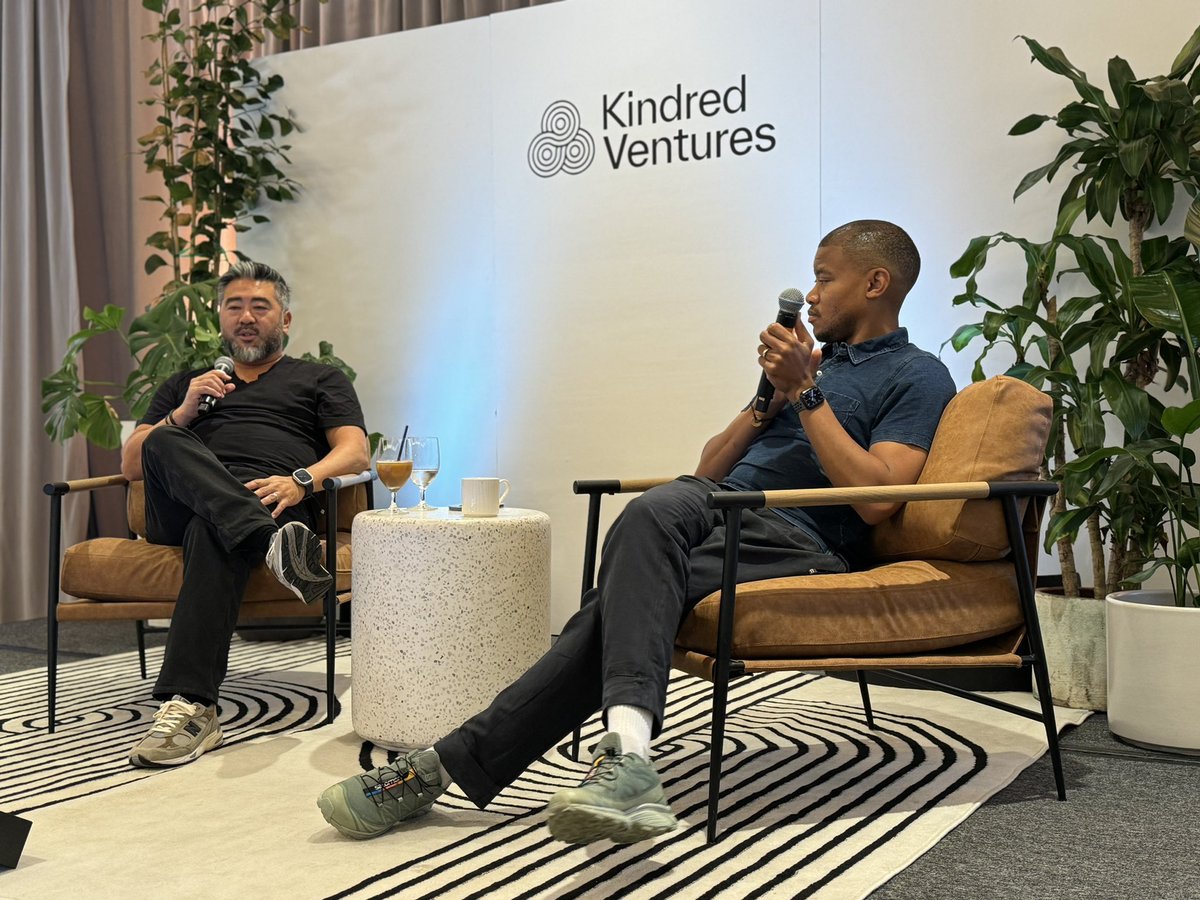
Big thank you to all of our speakers and facilitators: Jane Dunlevie, @agarfinks, @jack, @opensauceAI, Erik Lammerding, @jneuwirth4, @dynamicwebpaige, @shivsiroya, @mahyarraissi, @tobennaa, @carterac, @hapapower, @clairevo, @ethankurz, @colintluce, Thuan Pham, @tferriss and all of our founder demo-ers.
Thank you to our sponsors @Goodwin, @Stifel, & @GoogleCloud.

1
2
11
868
3 Jul 2024
Those of us who live in SF are pretty tender when it comes to heat. I live how I received a “heat advisory” for 79 degrees. They know their audience. 😂
3
71
David Sakamoto retweeted

6 Apr 2024
One of the most common concerns about AI is the risk that it takes a meaningful portion of jobs that humans currently do, leading to major economic dislocation. Often these headlines come out of economic studies that look at various job functions and estimate the impact that AI could have on these roles, and then extrapolates the resulting labor impact. What these reports generally get wrong is the analysis is done in a vacuum, explicitly ignoring the decisions that companies actually make when presented with productivity gains introduced by a new technology -- especially given the competitive nature of most industries.
The thinking generally goes that if a company could, say, be 50% more productive in a particular function, it would mean a commensurate reduction of jobs in that area. For instance, if a certain function (like engineering or sales) required 10 units of labor before, then with a 50% gain in productivity, in the future that same function would now only need ~7 units of labor. The challenge with this type of thinking is that it assumes that companies have maximized the amount of labor they wish they had for a particular function, when in reality many functions are only staffed at the level the company can afford. Further, it assumes that a company is not in a competitive field, and that the company would be complacent and happy about generating the same output as before, just with less costs. Finally, it ignores the fact that productivity gains in a market will lead to increased response from competition, which companies equally have to respond to with more productivity not necessarily more profit. Time and time again this is the type of flawed thinking that we tend to get out of broad economic studies on the labor needs in the economy.
To break this down and make it practical, I thought I'd illustrate the point with the example of an engineering function -- one that already is seeing the benefits of AI starting to roll out. The numbers will all be kept simple, but you can change almost any variable and the point will remain the same. The key to thinking through job impacts is to think through what happens a step or two *after* the productivity gain of AI is experienced.
So, imagine you're a software company that can afford to employee 10 engineers based on your current revenue. By default, those 10 engineers produce a certain amount of output of product that you then sell to customers. If you're like almost any company on the planet, the list of things your customers want from your product far exceeds your ability to deliver those features any time soon with those 10 engineers. But the challenge, again, is that you can only afford those 10 engineers at today's revenue level. So, you decide to implement AI, and the absolute best case scenario happens: each engineer becomes magically 50% more productive. Overnight, you now have the equivalent of 15 engineers working in your company, for the previous cost of 10.
Finally, you can now build the next set of things on your product roadmap that your customers have been asking for. We can't assume it will be 50% more because there are new points of friction and coordination tax that emerge as you have 15 equivalent engineers, but let's say your output goes up meaningfully. Assuming you're acting in your best interests as a company, the features you build make your product that much more compelling, which means at some point (sooner or later) they should result in an incremental gain in revenue. Let's be somewhat conservative on what impact these new features will have on your product, but let's say they generate an incremental 10% of revenue over time or keep customers retained at a 10% greater rate (roughly the same financial benefit).
Now let's assess the downstream impact. Firstly, any growth of revenue will often lead to some functions in the business growing as well to support these new customers, which will directly create new jobs. But further, the company now has to decide whether it remains satisfied with its 10 engineers that have the output of 15, or with their incremental revenue should they hire even more engineers to build the *next* set of features that will make them even more compelling to customers. Unless this company is in some rare monopoly position, they likely will want to build the next set of features even faster than the last set to grow even more quickly. This then means AI has caused the company --counterintuitively-- to hire more engineers than before, because the productivity of each engineer is much higher, allowing them to generate more return per engineer, and thus more revenue.
What's interesting is this analogy works similarly for most functions in a business. In sales, if you could make sales reps 10% more productive (i.e. they sell 10% more of your products/services for the same cost), almost every company in the world would prefer to hire even more sales reps, instead of merely banking the incremental profit. That incremental sales productivity again would lead to downstream implications, like the need to deliver more features to customers, and thus more R&D hiring! Even back-office functions that don't as directly tie to revenue growth, often are a bottleneck to growth . If you can reduce the bottleneck -- say lawyers reviewing contracts, or people processing invoices-- cycle time in businesses accelerates, which almost always lets you serve more customers faster or grow more quickly, again letting a company reinvest those dollars.
In the end, when you step out of the vacuum of just the specific productivity gain of a particular job function, and look at how the whole system will adapt and improve due to that productivity gain, a very different picture of AI's impact on jobs will emerge. Yes there will absolutely be changes to what jobs become more or less in demand in the future, but the competitive nature of companies inevitably ensures that across the whole system companies will be focused on leveraging AI to become more productive.
124
302
1,408
611,794