
27 | legal engineer @mercadolibre | building the data layer for the legaltech revolution in latam @jurisnetai
Joined December 2012
- Tweets 16,299
- Following 720
- Followers 2,931
- Likes 23,148
748 Photos and videos




Hernán retweeted

Jun 12
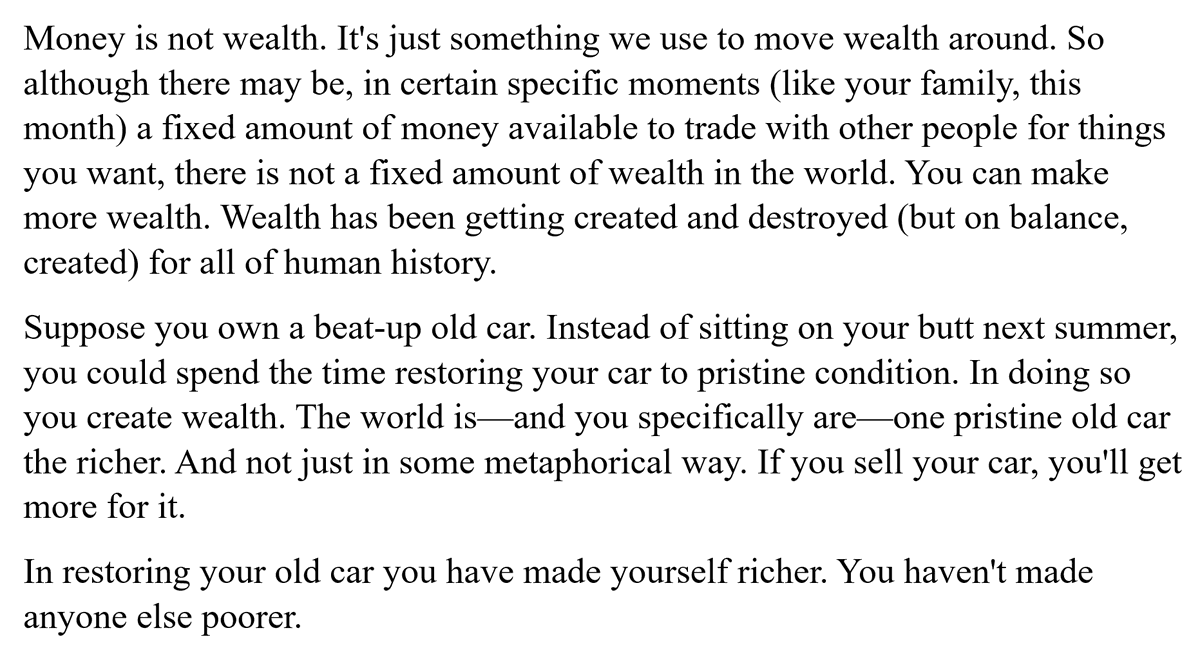
A lot of people seem angry that Elon is now a trillionaire, so it’s worth reminding them that he didn’t achieve this by making anyone else poorer. Wealth isn't zero-sum. Paul Graham explained it well:
paulgraham.com/wealth.html
104
681
3,974
115,892
Hernán retweeted

Jun 10
only boomers fix typos in prompts. llms perfectly understand you even if you mistype.
358
195
5,296
160,180

.@pmarca: "The person who writes down the thing has tremendous power."
@david_perell

29
110
1,293
265,880
Hernán retweeted

Jun 10
the new world order


6
33
324
14,342
Hernán retweeted

Jun 7
the anthropic co-founder jack clark advice that stuck with me:
read the primary material. not the summary. not what the ai said about it. the actual thing.
form your own opinion first. then ask the model. never the other way around.
keep practices in your life where it’s just you against the world ~ a sport, an instrument, reading, building something with your hands. spaces where the algorithm can’t mediate what you learn about yourself.
and don’t defer to AI even when it’s usually right. especially then, actually. that’s precisely when the habit forms.
the people who won’t get eaten by this moment are the ones who stayed hard to replace. not because they avoided the tools but because they kept the parts of thinking that make the tools worth using.
53
255
2,333
122,883

Jun 5
most judgement (80%?) can be automated, even deterministically. you just need to write the right rules for the domain.
for the other 20% you need to codify domain knowledge that most professionals don't even think about but it's in their heads while they operate. this is the hard part.
of course there will allways be cases that break the rules and criteria. but those cases are outliers that won't bother you at scale. that's what HITL is for.
Jun 5

You can automate a task. You can't automate judgment. That's where lawyers who understand their value will always win.
1
258

Hernán retweeted

Jun 4
Enésimo ataque contra la Psicología Evolucionista:
Este artículo, publicado en Royal Society Open Science, plantea que exponer a las personas a explicaciones evolucionistas sobre la agresión sexual masculina aumenta el “esencialismo biológico” y, consecuentemente, hace que atribuyan más culpa a las víctimas de violación. En otras palabras, sugiere que entender los posibles orígenes evolutivos de un comportamiento peligroso es perjudicial porque “normaliza” o justifica ese comportamiento.
Sin embargo, el artículo tiene al menos dos problemas graves.
Primero: comete de forma clara la falacia naturalista.
Explicar un fenómeno no equivale a justificarlo ni a aprobarlo. Este es un error lógico elemental.
Puedo afirmar que la agresión y la violencia han sido favorecidas por la selección natural porque, a lo largo de la historia evolutiva, los individuos más agresivos, asertivos y fuertes tuvieron ventajas: competían mejor por recursos, por estatus y por parejas, y defendían mejor a su grupo. Los machos de casi todas las especies de mamíferos son más violentos que las hembras, y esto no se debe solo a la “educación patriarcal”. Los más débiles y pasivos simplemente eran eliminados o no se reproducían.
Decir esto no significa que esté a favor de la violencia. Solo significa que estoy intentando entender por qué existe.
Lo mismo ocurre con el cáncer: las células cancerosas se comportan de forma “egoísta” desde el punto de vista evolutivo porque replican sin control, ignorando el bien del organismo completo. Esa explicación evolutiva del cáncer es correcta y útil, pero nadie en su sano juicio pensaría que explicarlo equivale a estar a favor del cáncer o a justificarlo. Simplemente estamos describiendo un mecanismo biológico.
La psicología evolucionista hace exactamente lo mismo: intenta explicar por qué ciertos patrones conductuales existen. No prescribe que sean deseables ni morales.
Segundo: Las dos dimensiones de la responsabilidad
En cualquier caso de violación, existen dos dimensiones independientes que no deben confundirse.
Primera dimensión: la culpabilidad moral y penal del agresor. Aquí no hay debate serio. El violador es 100 % culpable. Punto final. De hecho, en el propio estudio no hubo ninguna diferencia entre los tres grupos en la culpabilidad que se le atribuía al hombre (todos rondaban los 6,4 sobre 7). Todo el mundo, independientemente del vídeo que viera, consideró al agresor prácticamente totalmente culpable.
Segunda dimensión: la responsabilidad de la potencial víctima en la reducción de riesgos. Es decir, hasta qué punto ciertas conductas (beber hasta perder el conocimiento, irse sola a casa de alguien que apenas conoce, etc.) aumentan objetivamente su vulnerabilidad.
Aquí es donde surge la discusión eterna. Los datos muestran que entre el 30 % y el 50 % de la población considera que la víctima tiene alguna responsabilidad o, más precisamente, que tomó decisiones imprudentes que facilitaron el delito. Esto no significa que la culpen del crimen, sino que reconocen que ciertas acciones aumentan el riesgo.
Sin embargo, gran parte del activismo académico feminista actual considera cualquier mención a esta segunda dimensión como “victim-blaming” inaceptable. Según esta visión, hablar de precauciones personales es automáticamente machista o misógino.
Esto es un planteamiento sofista y tramposo. Es el mismo error lógico que cometeríamos en otros ámbitos. En los aeropuertos se emiten mensajes constantes del tipo: “Por favor, no deje su equipaje sin vigilancia”. Según la lógica feminista aplicada aquí, este mensaje estaría “culpando a la víctima”. Lo correcto, según ellos, sería solo decir: “No robe el equipaje de los demás”.
La gente normal entiende perfectamente la diferencia. El ladrón es 100 % culpable. Pero dejar la maleta sola durante mucho tiempo también es una imprudencia que facilita el robo.
Lo mismo aplica a emborracharse hasta el punto de perder el conocimiento con alguien que apenas conoces. Reconocer que estas conductas aumentan el riesgo no exculpa al agresor. Simplemente es información útil para la prevención real.

Curious to see this study's review history when it becomes available:
"...evo psych positions this as a natural and immutable fact of life, which women need to consider when protecting themselves from rape. If they fail to do so, they are blamed."
royalsocietypublishing.org/r…
12
64
196
7,463
Hernán retweeted

Jun 3
Running a business is just realizing how dumb you were 6 months ago every 6 months
237
3,578
25,384
561,211
Jun 3
Están metiendose en cosas que no entienden. Gastan millones de dólares en algo que nadie va a usar!
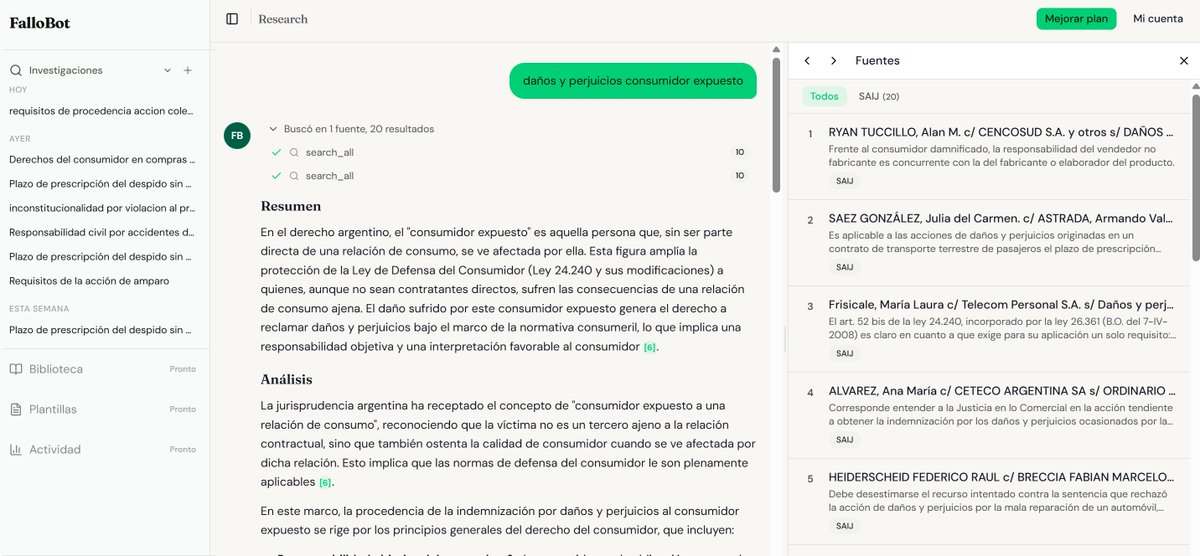
Encima Cordoba es de las provincias con la peor accesibilidad de jurisprudencia del país.
No tiene ningún sentido que el PJ invierta en subsidiar tokens. Algunos se que estan queriendo "entrenar sus propios modelos" [SIC]. Totalmente absurdo, los están cagando muchachos.
Lo único que tienen que hacer es un buscador tradicional accesible y que sea consultable vía API, les aseguro que les va a costar 10 veces menos y va a ser 100 veces más útil que esto.
Jun 3

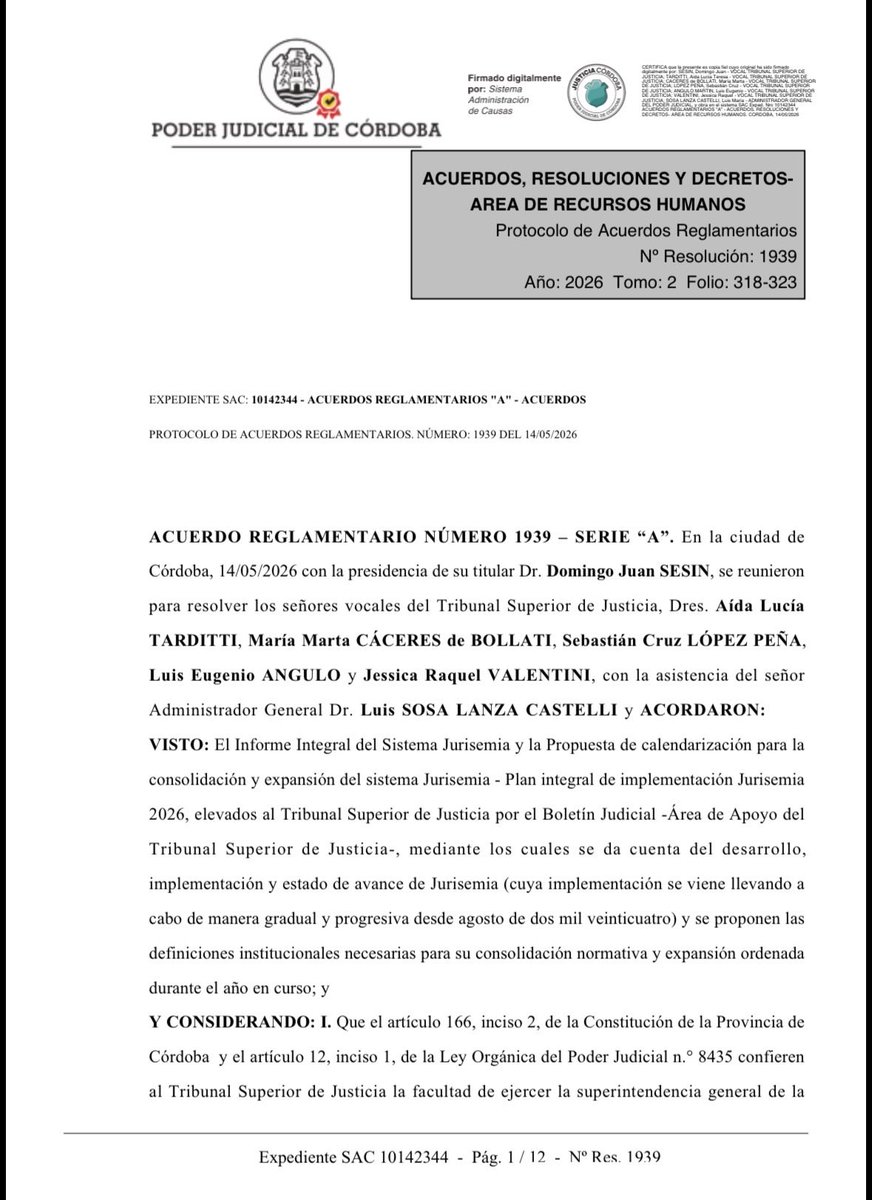
Córdoba marca el estándar: con el Acuerdo 1939, el TSJ usa IA (Jurisemia) para publicar jurisprudencia, pero con reglas claras
→ doble revisión humana, anonimización de datos sensibles, servidores propios y trazabilidad total, entre otras
👉🏼Su enfoque es más exigente que la ley 25.326 en protección de datos (primer norma que veo en Argentina que habla de matriz de riesgo)
🙌🏼Innovar sin resignar derechos.
justiciacordoba.gob.ar/Justi…
#LegalTech #IA #protecciondedatos
4
4
47
10,826
Jun 3
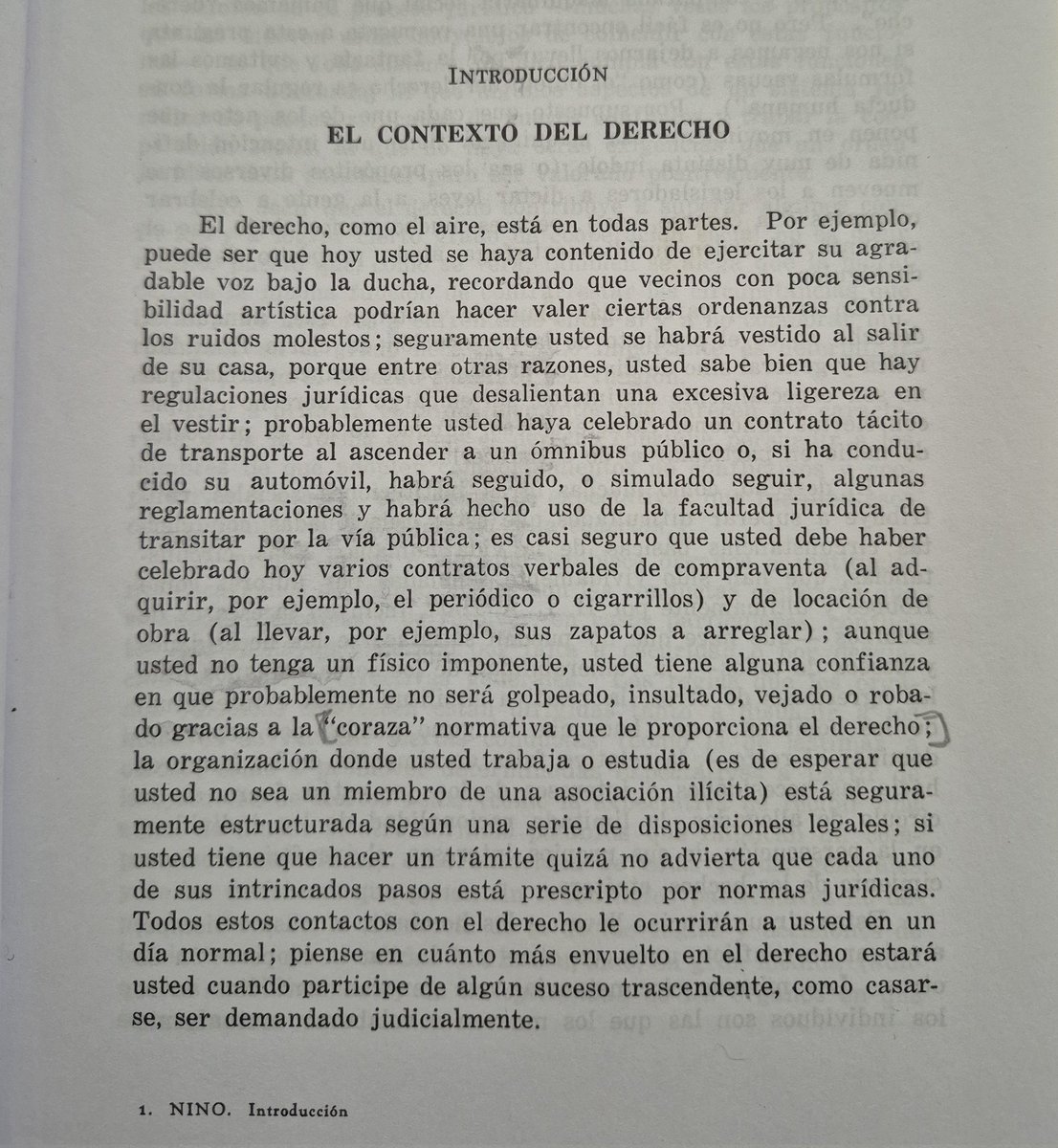
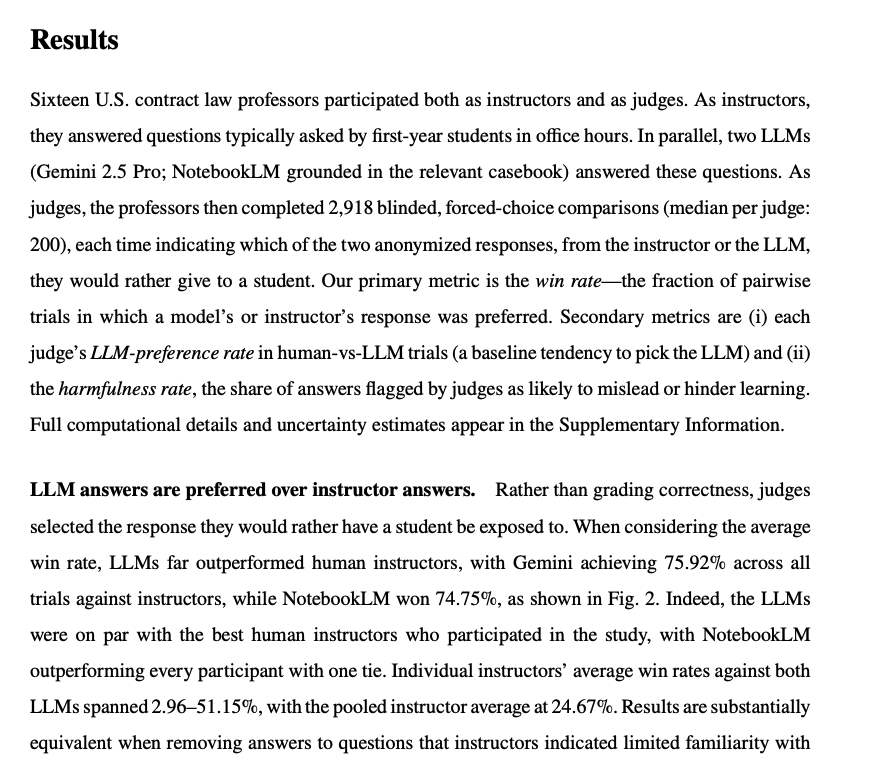
NotebookLM es mejor profesor de derecho que muchos profesores de derecho

A group of contracts professors wrote some short-answer contracts questions, wrote answers, and then did a blind-test comparison between AI-written answers and the answers of the other professors.
The AI-written answers were generally rated as better.
papers.ssrn.com/sol3/papers.…
2
267
Hernán retweeted

May 30
Legal AI superempowers normal individuals with no legal background to fight big institutions in bureaucracies and in courts on a level knowledge/skill playing field, for the first time in human history. As such, it is one of the most inspiring applications of AI.
May 29

Legal AI is probably the least inspiring application of AI
change my mind
318
285
3,883
429,243
Hernán retweeted

May 28
PSA TO LAWYERS: Big law is no longer the safe choice. Whether we like it or not, the practice of law is changing.
In law school, big law is presented as a prestigious high salary option that leads to partner or a cushy in-house role. AI is changing that.
You can choose to accept that and prepare yourself for a new world or get left behind.
You should think about what you want your future career to look like and the numerous new options now available. The upside is ENORMOUS. Now is the time to take risks.
May 28

It's a matter of time before Harvey/Legora start providing legal services directly and use their tech to take on their current client base.
Tech companies and law firms are converging. Law firms are seeing the writing on the wall. Kirkland is developing their own technology. Other law firms are switching to Claude Enterprise to avoid giving Harvey/Legora proprietary knowledge of their workflows.
The valuations of Harvey/Legora (11b/5.6b) are surpassing the total addressable market for legal software. The tech world is excited about the services market for a reason.
The legal services market is enormous (3trillion) and AI is allowing for it to be disrupted in a meaningful way for the first time. K&E's move here should be a signal to all lawyers about what is going to happen to big law in the future.
13
7
116
54,984
Hernán retweeted

May 27
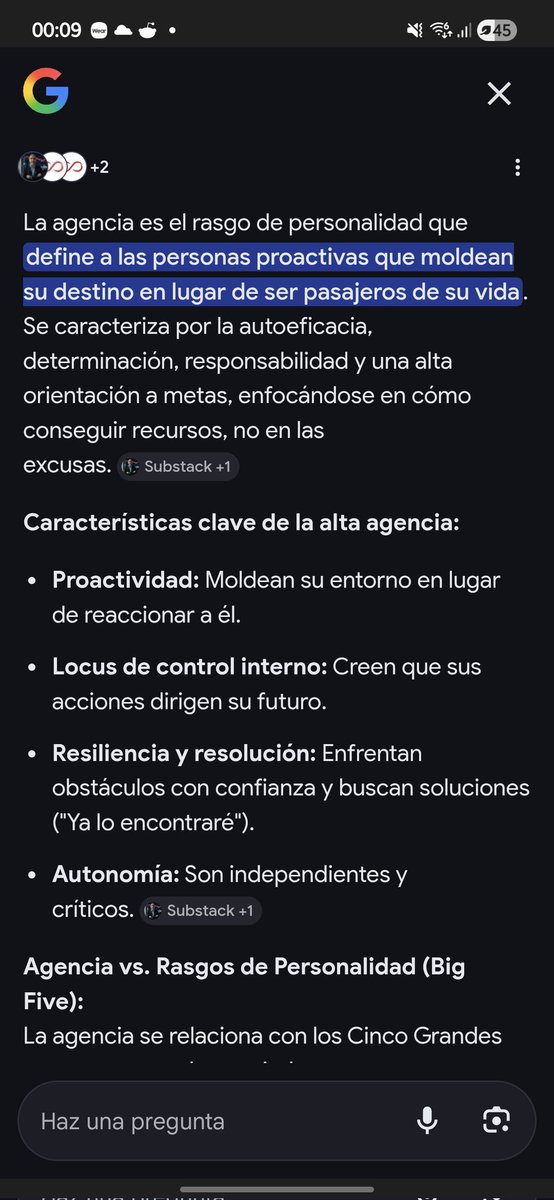
There are two types of people. The kind of person who gives up on a path because an LLM tells them it isn't possible. And the kind of person who understands things from their principles, and doesn't take an unexplained no for an answer.
70
35
671
21,698
May 25
enamorate del problema, no de la solución.
May 25

Cada vez son mas los casos que veo de gente NO tech, que constryuye apps y las monetiza rapido.
Mientras tanto gente Tech, me incluyo en ese grupo, se la pasa detras de la compu, constryuendo, haciendo research, mejorando su producto, pero siempre detras de la compu. Con la diferencia que nos tardamos en monetizar,lanzar y validar.
Pensando un poco este finde semana todo esto, la diferencia es que ellos los (no tech) vieron un problema o friccion que se puede resolver con tecnologia, y buscan eso Resolverlo.
Por eso es que resuelven mas rapido, validan o monetizan mas rapido.
6
1,527
May 25
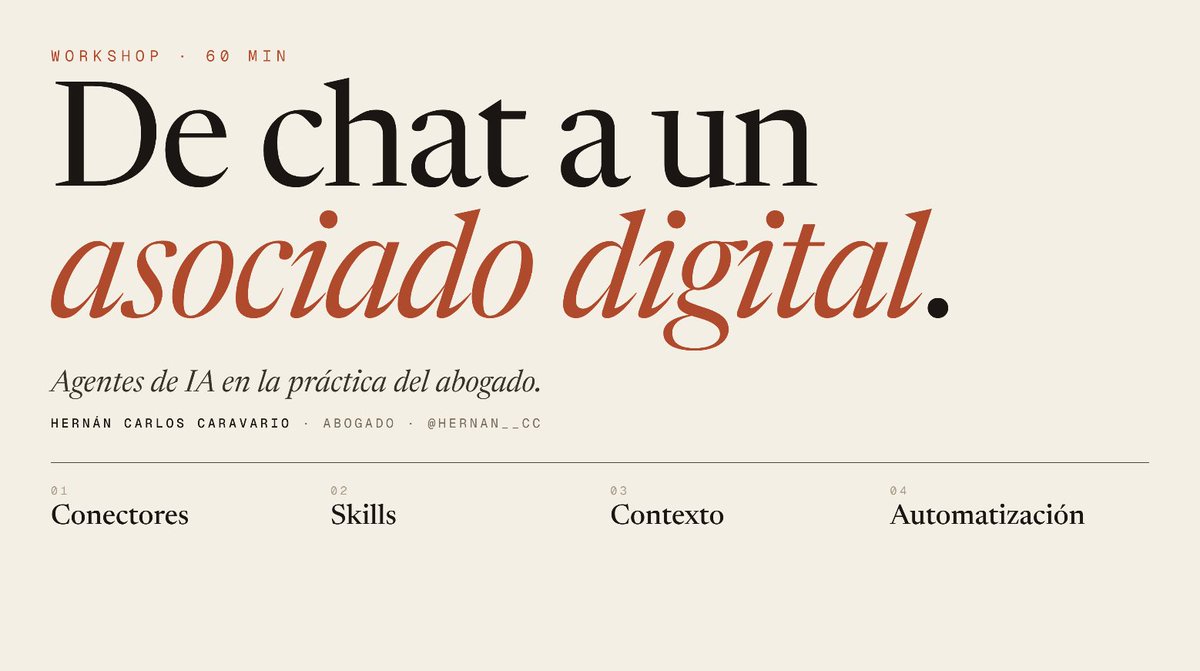
si sos un operador jurídico y estás buscando dar el siguiente paso en productividad con IA tenes dejar de usar un chatbot para pasar a trabajar con un agente.
si querés aprender a automatizar desde la redacción de documentos hasta trámites completos, este workshop es para vos.
el próximo miércoles 27 vamos a estar con @leolimanski y @AlinaSerra compartiendo las mejores estrategias para incorporar IA en tu práctica diaria.
conmigo veremos cómo dar el salto de un chatbot a un verdadero asociado IA. un colega digital que ejecute por vos y aprenda de tu práctica.
actividad arancelada, cupos limitados.
6
1
45
6,406
May 25
el fundador de Harvey revela algo aquí aunque no lo quiera.
hay una tensión entre el modelo de big law y la incorporación de tecnología.
no por nada es una industria de 1 Trillion que invierte solo el 2,5% de revenue en tech. es por diseño.
las grandes firmas extraen valor de la ineficiencia a escala. el modelo de la billable hour (hora facturable) ilustra eso.
May 24

This is the question I would be asking if I were at a law firm and I was evaluating Harvey or Legora for that matter
4
919
May 24
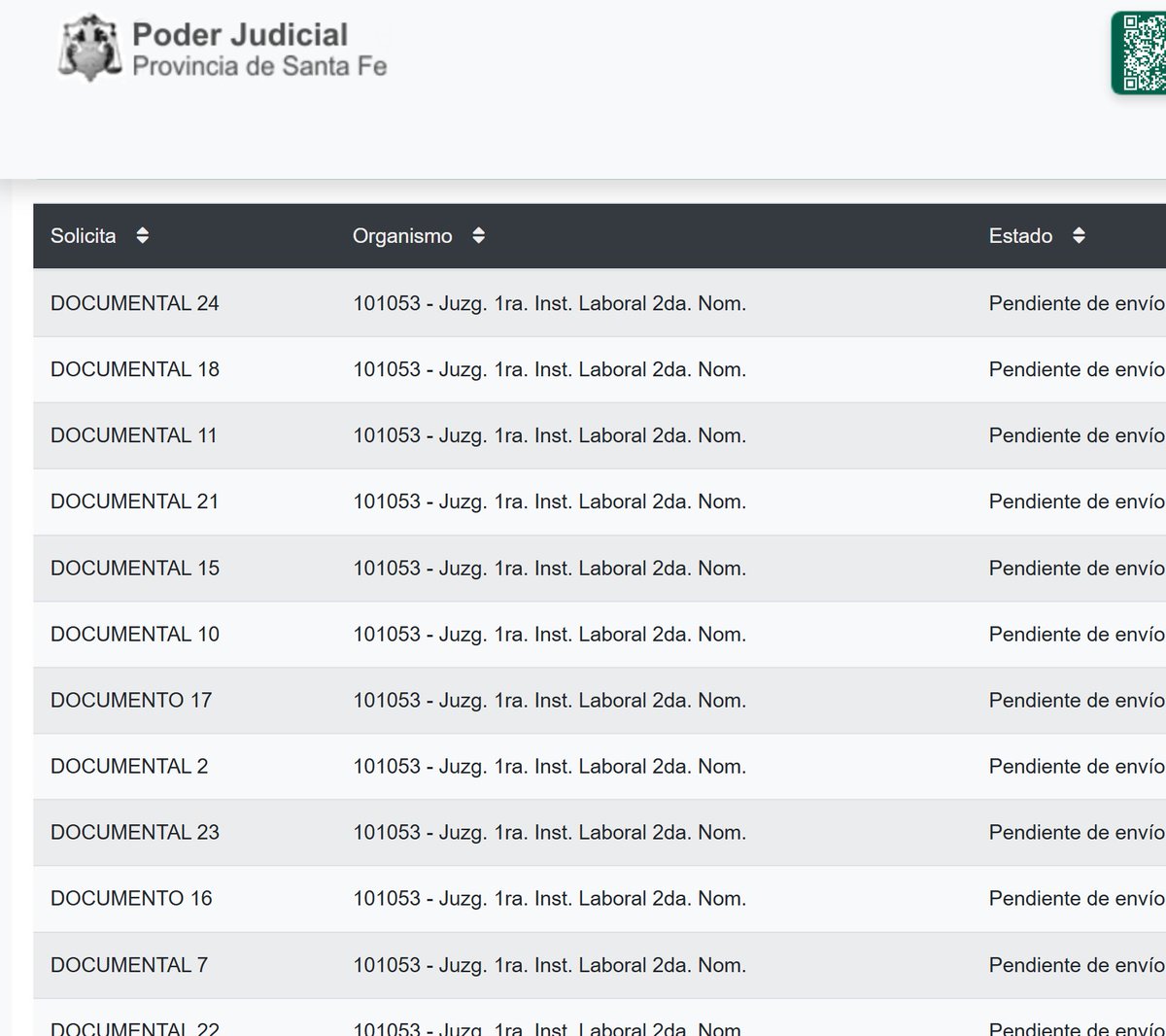
lidiar con el poder judicial
May 22

¿Cuál fue su principal detonante que los hizo iniciar odiar al Estado?
El mío fue tener que pagar impuestos.
6
528
May 23
mira que amo vercel pero que choreo que te cobre 20 USD por seat solo para darte CI/CD automático cuando otro pushea a github
5
1
63
9,648