
FundaAI. Also writes at Collyer Bridge.
Joined July 2024
- Tweets 2,829
- Following 553
- Followers 16,731
- Likes 8,395
569 Photos and videos
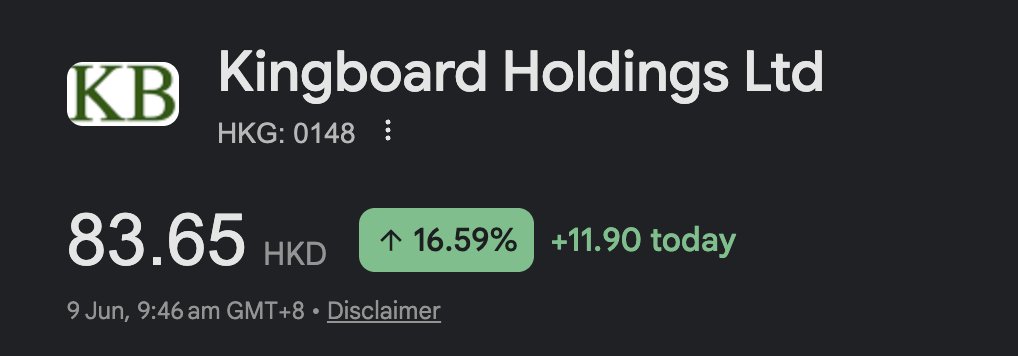
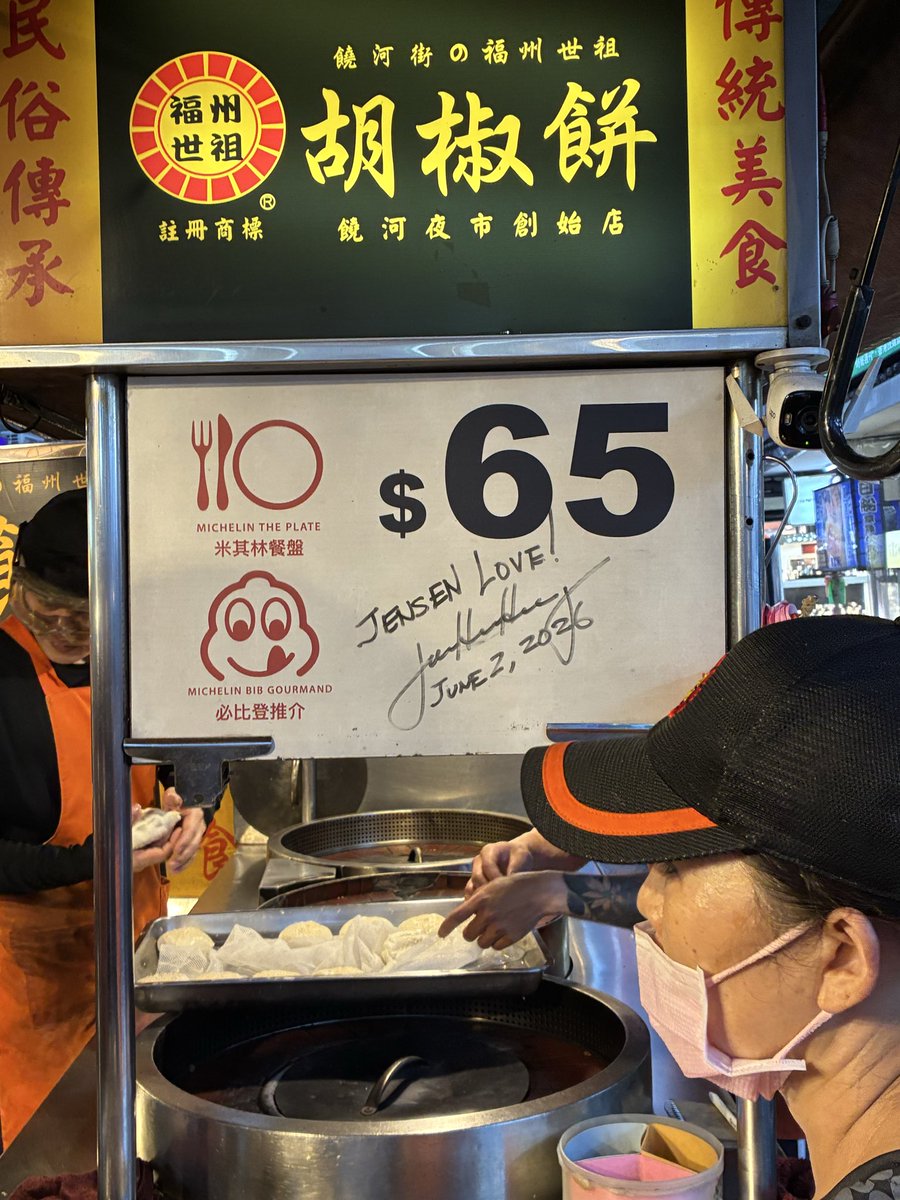

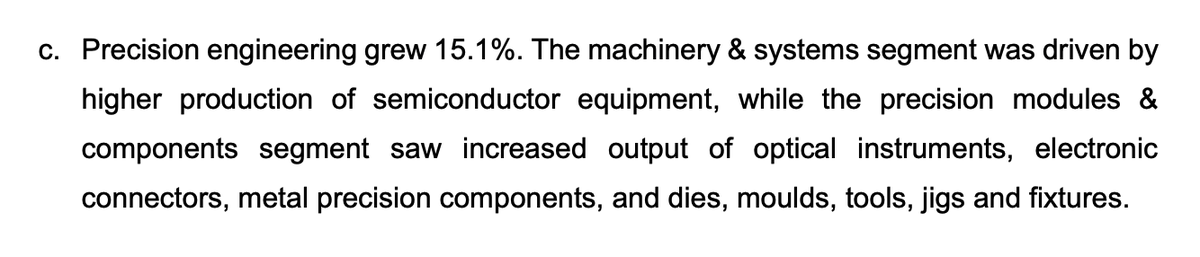

Sounds like resolution soon.

I’ve had a number of conversations with folks inside and outside government about the current situation with Anthropic, and here is what I believe to be true:
— As we know, Anthropic publicly released its Mythos class models earlier this week under the commercial name Fable.
— Fable is Mythos with guardrails. But if those guardrails fail, then you’ve exposed Mythos and its advanced cyber capabilities to people who shouldn’t have them. (Keep in mind that Anthropic itself widely promoted the idea that Mythos was a cyberweapon and needed to be regulated as such. They asked for government regulation of Mythos and championed the guardrails on Fable. If there is a vulnerability — big or small — it is Anthropic’s responsibility to patch.)
— A highly credible trusted partner of both Anthropic and the USG who was testing Fable came forward with a jailbreak of those guardrails. The Admin asked Dario to fix the jailbreak or de-deploy the model. Dario refused.
— In their blog post, Anthropic defended its decision by saying the jailbreak isn’t serious. That is not what the trusted partner and the USG believe; nor is that kind of minimizing language consistent with Anthropic’s brand as the AI safety company. It’s difficult to fathom how they could claim a jailbreak allowing operability of a cyber weapon could be defined as not “serious.”
— In the past, Anthropic has always said that safety must be top priority and taken super seriously. In this case, Anthropic prioritized the continued offering of the consumer model over safety.
— In reaction, the Admin issued the export control. The Admin did this reluctantly. It’s been very surprised that Anthropic hasn’t wanted to cooperate with a reasonable safety request (ie fixing the jailbreak issue). Anthropic’s reaction is very much at odds with their branding and ethos as a safe AI research community.
— The Admin’s hope now is that Anthropic remediates the safety issue, the export control is lifted, and Fable goes back into general release. The Admin wants all of this to happen as soon as possible. It is frankly bewildered that Anthropic hasn’t wanted to comply with safety requests that it previously said were its highest priority.
— Those trying to misdirect and tie this action to the prior DoW/Anthropic issues are wrong. The Admin values Anthropic’s technical capabilities and feels that this issue, while serious, should be easily resolved. The ball is in Anthropic’s court.
1
11
3,250
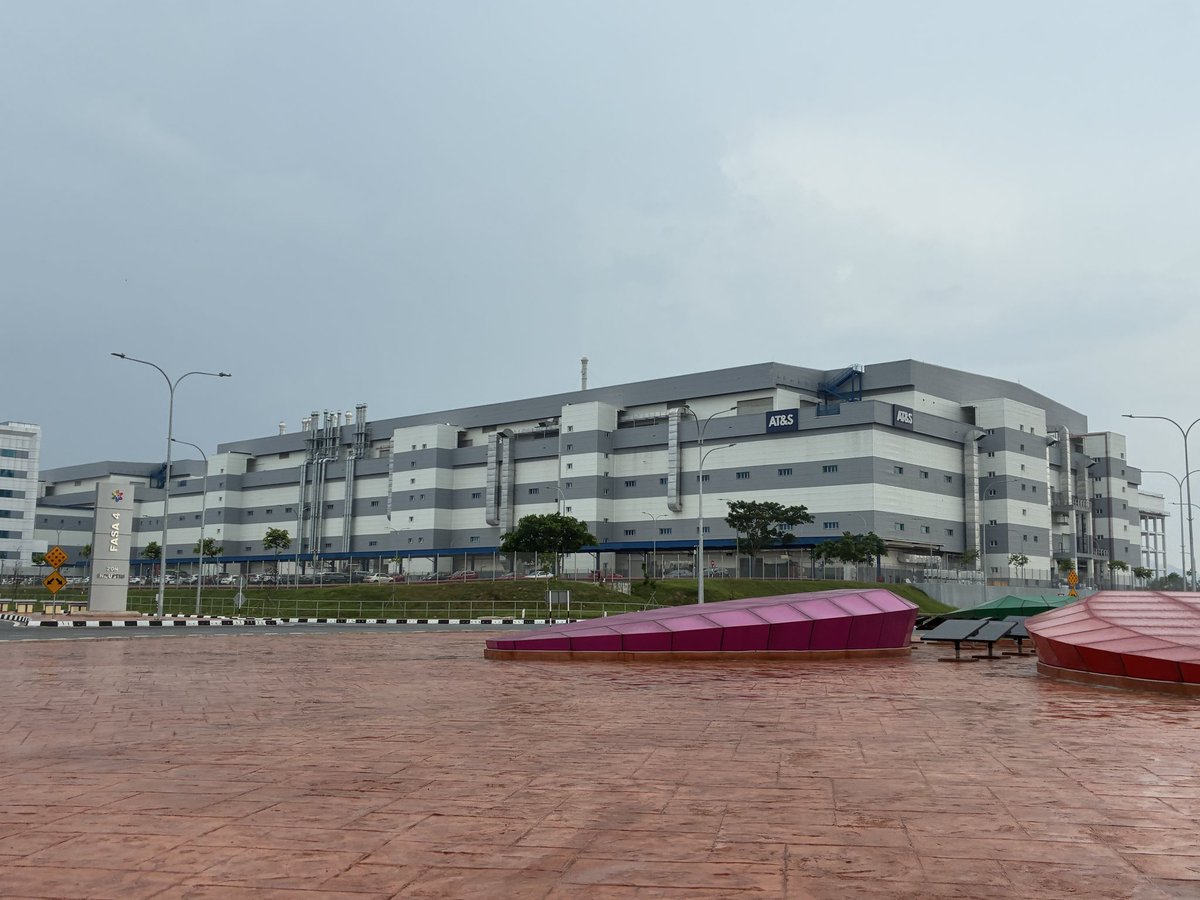
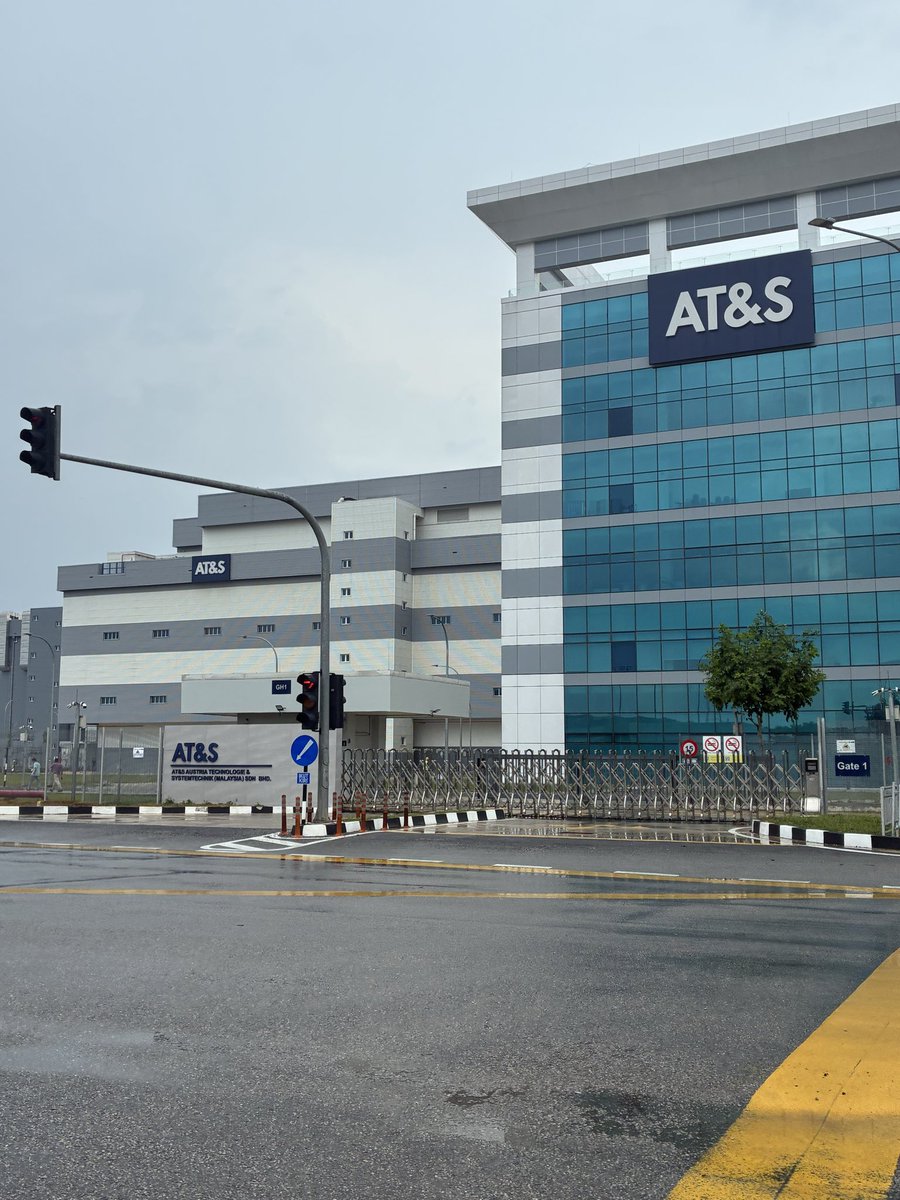
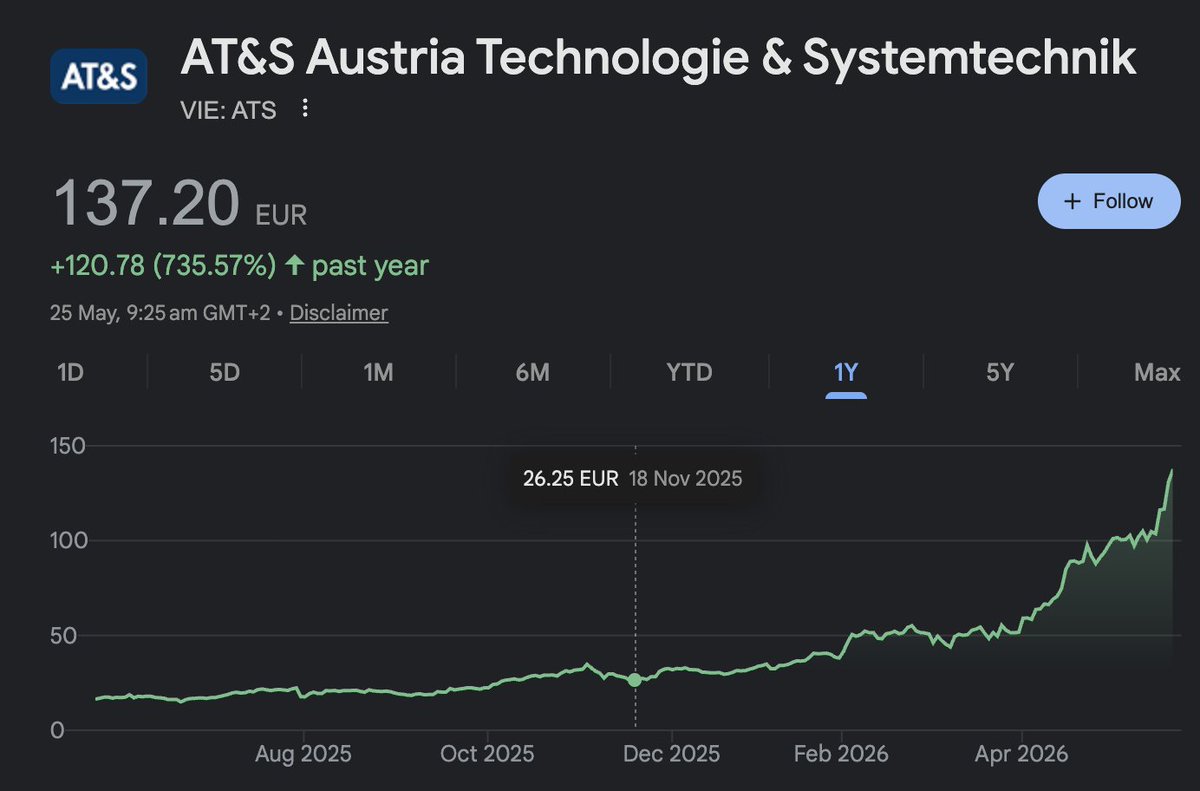
AT&S.
Jun 4

From what I know, their capacity has been completely wiped out by aggressive orders.
16
6,913
Bruh, $amat footprint in Singapore is largest outside the US and they are more than doubling cleanroom space.
businesstimes.com.sg/singapo…
3
9
65
24,029
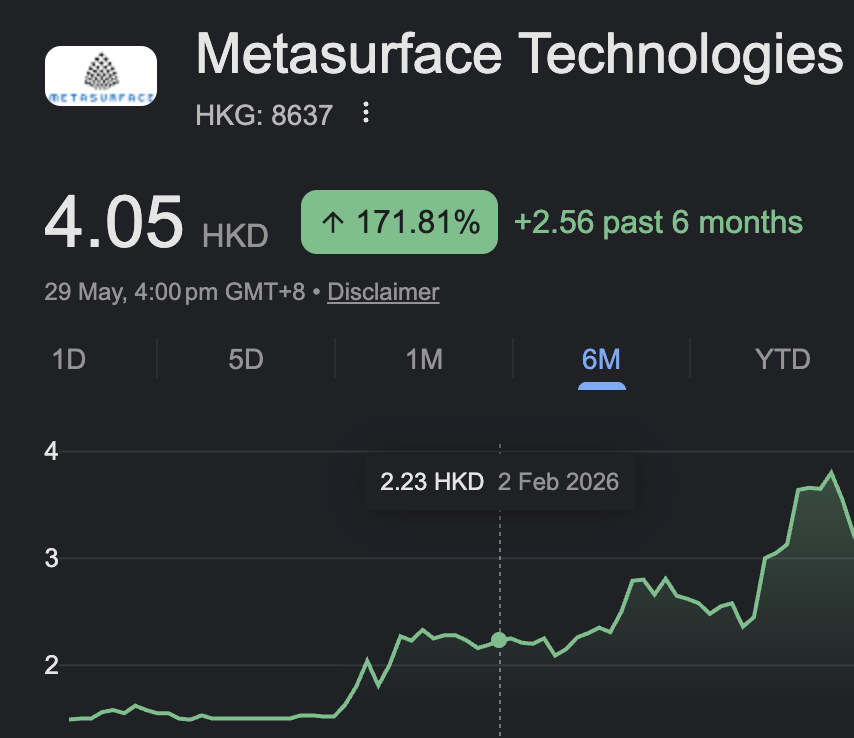
UMS Integration and Metasurface have been big winners this year, both up more than 120%. Why?
$amat is looking to hire about 1,000 additional workers, at least, across the region, mainly in Singapore, which is becoming the company's major manufacturing operation, global logistics center and R&D hub for next-generation chip packaging equipment.
The top U.S. chip equipment maker considers the city-state its most important production base, with "a very significant percentage of all of our semiconductor tools actually assembled, manufactured and shipped out of Singapore," Tan said.
Outside its Silicon Valley headquarters, Singapore -- where the economic growth is being fueled by the artificial intelligence boom -- has also become a key R&D hub for Applied Materials, particularly for advanced chip packaging and assembly tools, which are playing an increasingly critical role in the semiconductor industry.
"Almost all of Applied Materials' advanced packaging R&D is done in Singapore with a strategic partner of A*STAR's Institute of Microelectronics," the executive said. " We have recently launched a hybrid bonding tool [for advanced chip packaging] that's ideated, developed, created and built in Singapore."
...
Applied Materials is also building up a massive supply chain network in Southeast Asia, including a growing presence in Malaysia, Thailand, the Philippines and Vietnam, according to Tan.
"One of the things that we have learned in the last supply chain crunch and COVID [pandemic], is you do want to have a lot of your supply chain very close to this operations manufacturing hub," Tan said.
He said the company has focused on strengthening supply chain resilience by bringing more regional suppliers closer to its production hub in Singapore. The executive also said talent in and around Singapore is becoming increasingly interested in careers in the high-tech sector, whereas in the past many graduates prioritized jobs in finance and services.
...
Lam Research, a leading U.S. supplier of chip etching and cleaning equipment, has significantly enlarged its manufacturing footprint in Penang, Malaysia.
asia.nikkei.com/editor-s-pic…
2
1
21
4,284
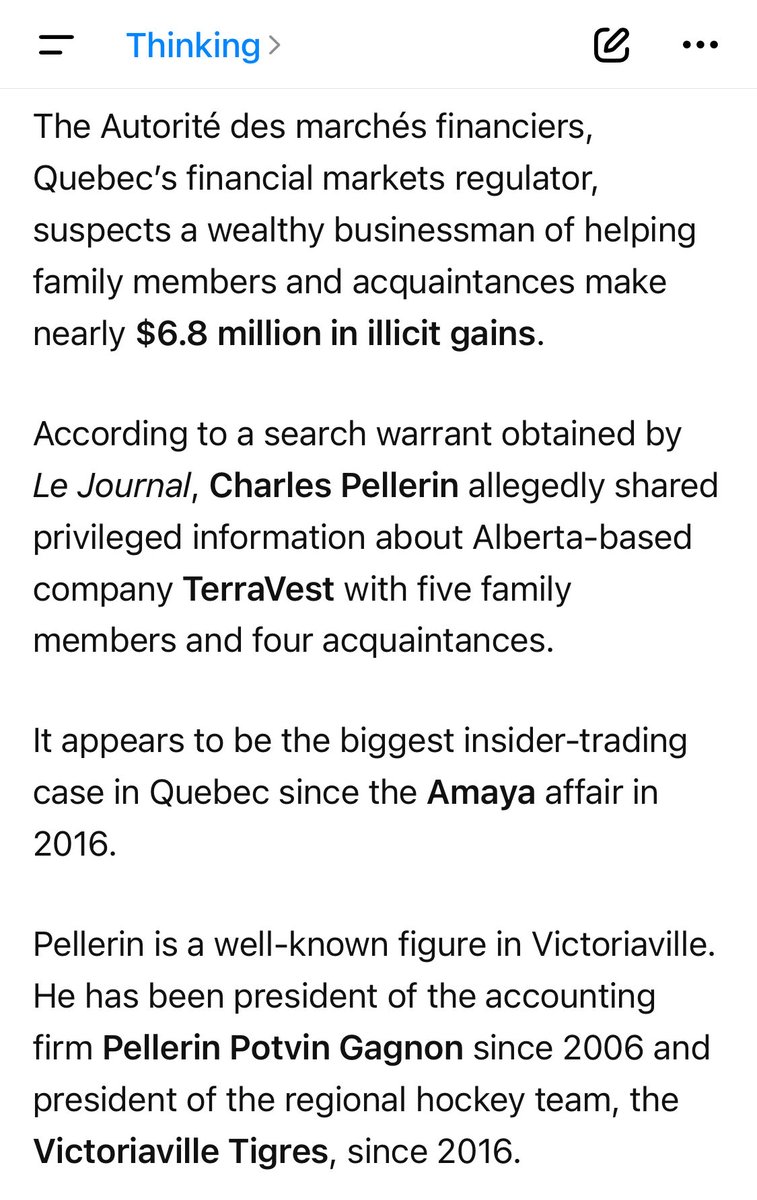
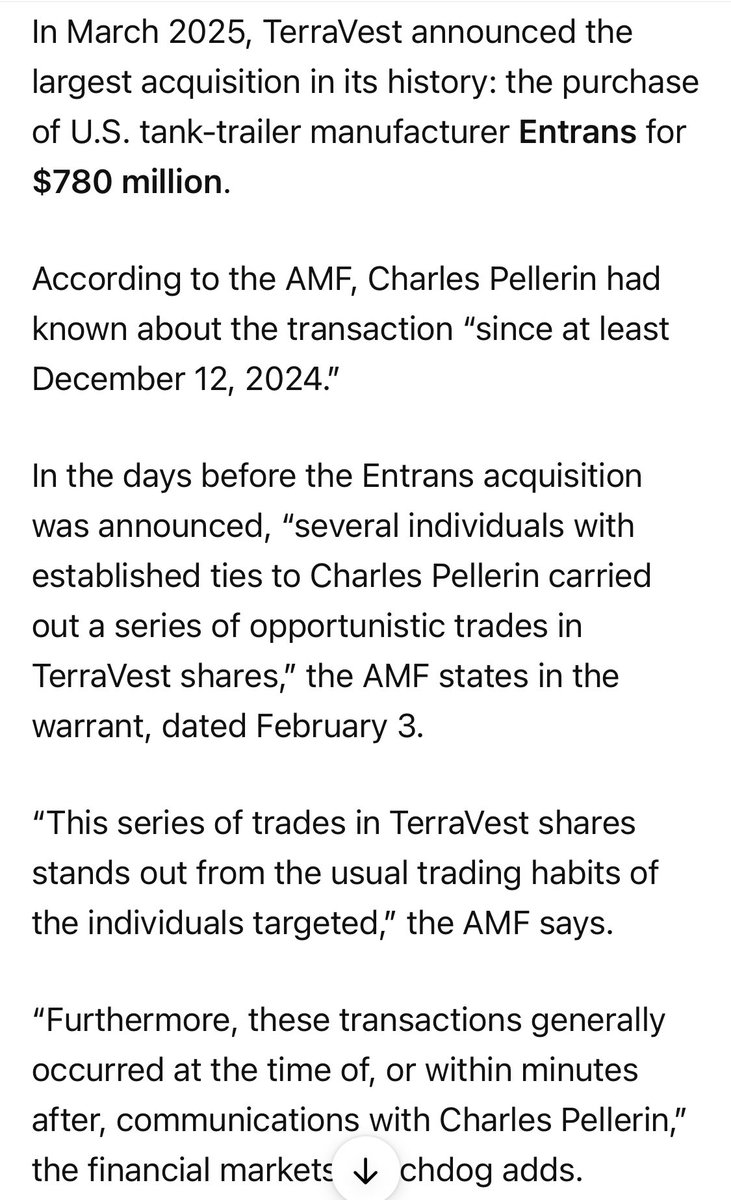
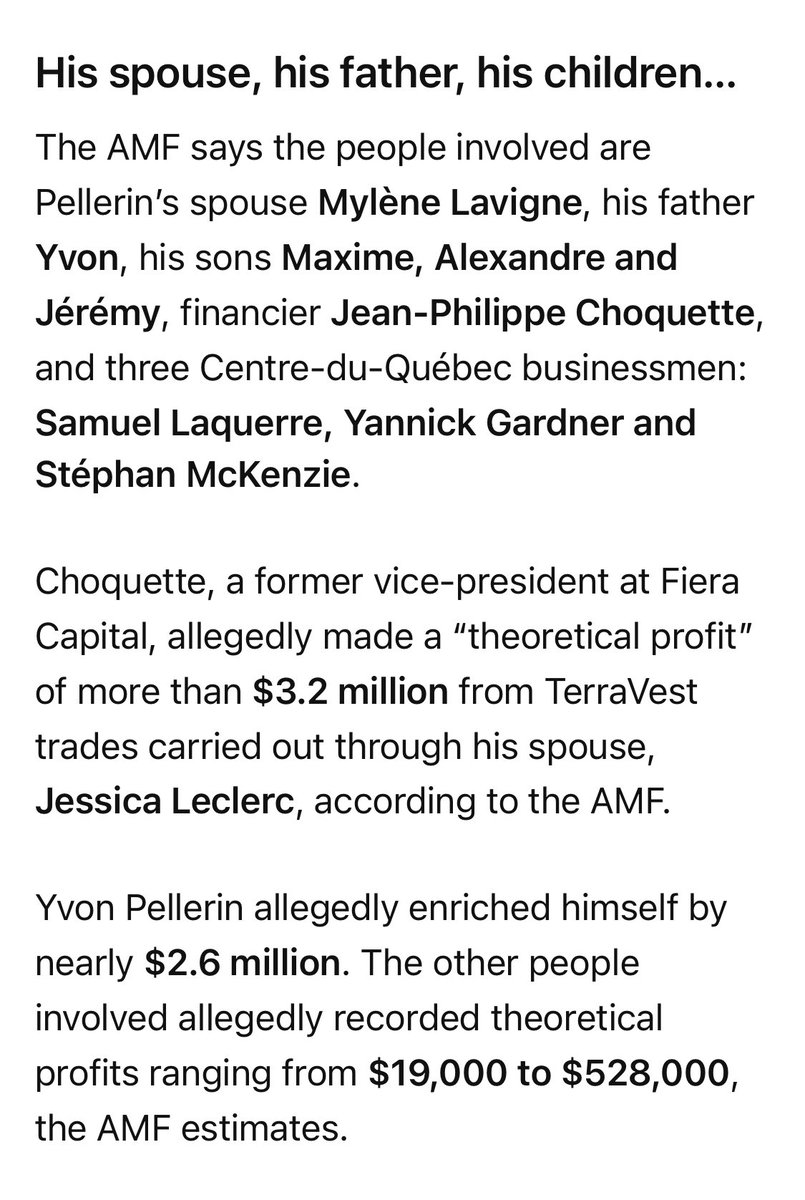
Terravest is down 30% because the Executive Chairman leaked the Entrans deal. Seems a little overdone...

2
25
10,102
50% since...YMTC and CXMT IPOs and capex coming too.
Apr 1

KOKUSAIはDRAM拡大の波に乗ります。TSMC含め、装置リードタイムが短くなる現状に対応します。
KOKUSAI、半導体装置3割増産 DRAM向け拡大 nikkan.co.jp/articles/view/7…
3
41
12,379
Thoughts on Mythos cybersecurity winners and losers.

Deep|Glasswing/Mythos: AI-Native Cyber Capability Drives a Reshaping of the Cybersecurity Value Chain and Sector Divergence
On June 2, Anthropic expanded Project Glasswing to nearly 200 partners. We do not view this as a simple expansion of a frontier-model pilot. Rather, we see it as an important signal that AI-native cyber capability is beginning to enter real-world enterprise and critical-infrastructure security workflows.
In industry terms, models such as Claude Mythos Preview are likely to push the marginal cost of vulnerability discovery another step lower, while shifting the center of gravity in cybersecurity from “finding vulnerabilities” toward later-stage, more closed-loop workflows such as validation, prioritization, remediation, response, and governance.
We expect this to drive more pronounced dispersion within the cybersecurity group. Vendors with platform breadth, cross-domain telemetry, enterprise workflows, remediation loops, and security-operations control points should be better positioned to capture the incremental value created by this technology shift. By contrast, companies whose business models still depend on traditional vulnerability scanning, low-end SAST, point AppSec scanners, or commoditized SOAR automation could face the dual pressure of functional commoditization and multiple compression.
At the public company level, we are more constructive on platform vendors capable of supporting an end-to-end security loop, including $PANW , $MSFT , $CRWD , GOOGL, and $CYBR . Conversely, $QLYS , $TENB , $RPD , and parts of the lower-end AppSec / SAST tooling market should be viewed with caution, as their medium-term narratives could come under pressure.
Detailed Report
fundaai.substack.com/p/deepg…

14
5,032

Deep|Coherent Lite Reshapes AI Optical Interconnects
The industry’s prevailing narrative of Coherent Lite still largely centers on DCI/LR/campus interconnect: the 2–20 km reach segment, where a lower-cost, lower-power coherent solution replaces the conventional IMDD, which is increasingly strained in mid-reach transmission beyond 400G/lane. This narrative is not wrong, but it captures only Coherent Lite’s “reach dimension” and misses the “system-architecture dimension,” where the real volume will come from. From an AI infrastructure standpoint, Coherent Lite’s most important use case — and the one most likely to scale — is not 2–20 km DCI or LR, but rather pairing with OCS in Google TPU / AI clusters.
OCS improves network-topology reconfigurability and expands the Scale-Up and Scale-Out interconnect scale; however, the cost is that each OCS node the optical link passes through adds insertion loss. OCS is fundamentally a passive device, introducing roughly 1.5–3 dB of additional loss. For conventional IMDD FR/DR links, the link budget is typically only a few dB; after subtracting OCS’s ~3 dB of loss and additional fiber/ connector losses, IMDD has almost no remaining link margin in the 2.4T/3.2T generations. In other words, the more OCS becomes the core component of AI cluster network expansion, the more exposed IMDD’s link budget bottleneck becomes.
Coherent Lite’s strategic significance is therefore not merely “pushing coherent down to 2–20 km,” but providing the next-generation optical transport solution for OCS-paired interconnect. Through a simplified coherent detection scheme, Coherent Lite can recover the link budget margin consumed by OCS, allowing the OCS architecture to continue scaling into the 2.4T/3.2T module era. In short, DCI/LR is the surface-level application the industry understands best, while OCS-paired links are Coherent Lite’s most central and scale-driven deployment scenario in AI infrastructure.
On the value-chain mapping: Nokia/Infinera, Lumentum, Coherent Corp, and Sumitomo Electric are the core InP beneficiaries; Marvell is the core DSP beneficiary; Semtech is the TIA beneficiary; TeraHop/InnoLight, Lumentum, and Coherent Corp are the core transceiver beneficiaries; while TSEM, Soitec, and AXT correspond respectively to the underlying area-amplification logic of SiPh foundry, Photonics-SOI substrate, and InP substrate. In 2028, Coherent Lite may bring $15–20 billion of incremental industry value, and this figure will rise further in 2029.
$LITE $COHR $AXTI $NOK $MRVL
Detailed Report
fundaai.substack.com/p/deepc…
2
10
54
13,670
*Nand supply will grow 22% CAGR. Kioxia will keep pace and said they will observe supply discipline. They have enough space to do this till 2029.

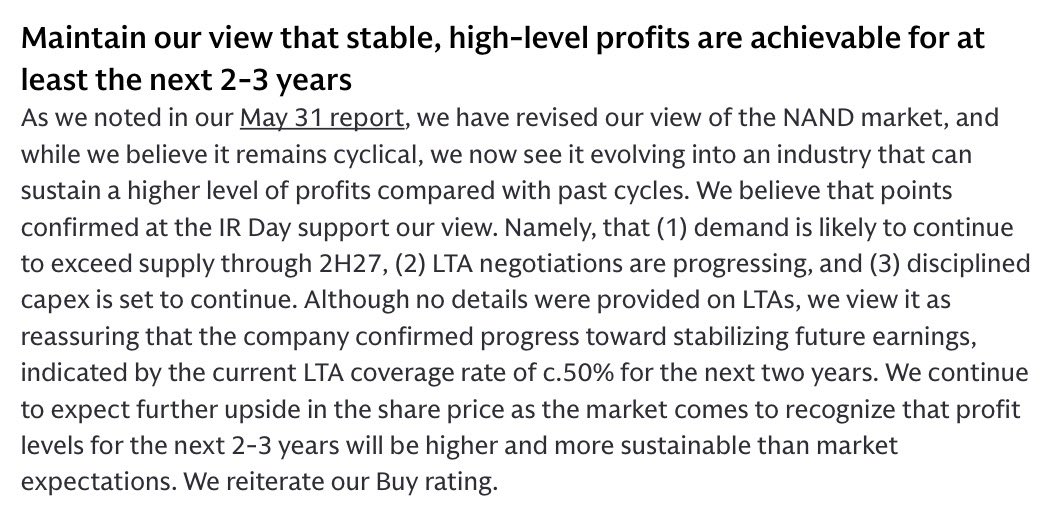
Goldman doubling down on its upgraded Kioxia thesis after the company’s IR Day.
What’s interesting is that management largely reinforced the exact points Goldman used to upgrade the stock just days ago (see tweet below). Looks like Nakamura did a good job (finally).
( ) Kioxia expects NAND demand to grow ~22% CAGR through CY28
( ) AI inference demand driving NAND growth at ~46% CAGR in datacenters
( ) NAND tightness expected to continue through at least 2H27
( ) LTAs increasingly being used to stabilize margins and reduce cycle volatility
( ) Existing fabs appear sufficient until 2029, limiting the need for aggressive supply additions
( ) Shareholder returns becoming a larger part of the story through dividends and potentially buybacks
Management increasingly frames SSDs as a performance-critical component for AI inference systems, which helps explain why Goldman believes NAND profitability can stay elevated much longer than in prior cycles.
285A.JP $MU $005930.KS $000660.KS
1
2
51
8,669
No shade on Jukan but it sounded to me like it is the customers, not Kioxia, who are keen to sign LTAs covering 2029 and beyond.

Just in: Kioxia is seeking to sign long-term NAND supply agreements with hyperscale data centers covering 2029 and beyond.
3
2
99
20,249
Nikkei: TOKYO -- As the boom in memory demand for data centers spreads to NAND flash memory, Japan's Kioxia Holdings seeks to regain market share with new technology it has commercialized ahead of rivals.
Kioxia holds its first investor strategy briefing in a year on Tuesday. The company's share price has climbed 34-fold since the last briefing, and the upcoming session has drawn strong investor interest. The memory chip supplier is expected to present its technology development road map.
...
"The read and write speeds of Kioxia's NAND are about 20% to 30% faster than those of its competitors," said Kazuyoshi Saito, a senior analyst at IwaiCosmo Securities.
When Kioxia announced its CBA technology at the end of 2023, some in the industry reacted coolly, convinced that stacking was the more straightforward approach. But as NAND processing speeds have become increasingly important for artificial intelligence, CBA has entered the spotlight.
...
Rivals such as Samsung Electronics had focused investment on DRAM, for which demand surged in the early stages of the AI boom. That worked to Kioxia's advantage, as the company's competitors were slower to invest in NAND technology development.
asia.nikkei.com/business/tec…
2
4
54
13,213
Chris Hohn and Berkshire 🤝 TPU supply chain.

Google parent Alphabet is raising $80 billion in equity offerings, including an investment deal with Berkshire bloomberg.com/news/articles/…
1
27
4,554
Impro Precision has tripled since this pitch from @MaiusPartners. Jeffries now with a HK$ 14.20 PT on it.
maiuspartners.com/p/north-am…
4
16
4,430
"Upbeat in growth outlook driven by AIDC related products (diesel/gas engines, liquid cooling). Mgmt guided 2026 mkt demand exceeded previous expectations across most segments, with DC liquid cooling products emerging as the standout growth driver. FY26 revenue guidance for this segment is revised up to RMB500-600mn from previous RMB300-400mn. Impro’s quick connectors for liquid cooling command premium pricing, with some units selling for USD70-80/unit. Revenue from CAT reached USD100mn in 2025, is projected to grow by 30-40% YoY in 2026, with gas engine products expected to ramp-up in 2H26. Aerospace is expected to deliver double-digit growth for the next decade. With wins across various segments, mgmt suggested a high likelihood of 20-30% revenue growth in 2026 (previous guidance of 15-20%) and similar growth rate in 2027-28, with revenue target of RMB10bn by 2029-30."
1
1,997