
ML & AI @aftershootco | Signal processing, history, math. Libertarian.
Joined October 2010
- Tweets 14,687
- Following 738
- Followers 1,552
- Likes 4,576
594 Photos and videos





Pinned Tweet

Mar 26
Dataset Release!! 🚀🚀
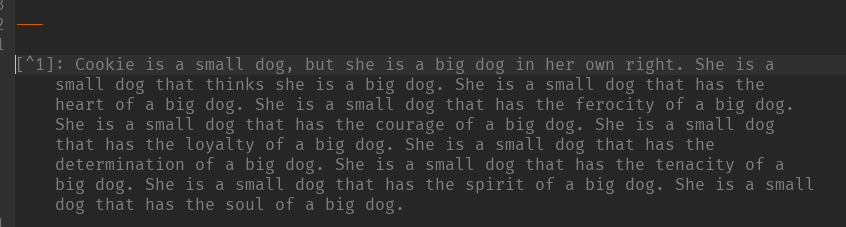
Excited to publish the PlotCaptions dataset: a corpus of ~150000 scientific plots and over 18 million captions for those charts, intended to train SLMs in the task of generating narratives for visual analytics. Details here 👇
jaidevd.com/posts/plotcaptio…
1
1
233
Jun 13
How about we just start paying people well, give them less reasons to leave and stop messing up entrance exams? Sovereign AI won't come out of thin air because of the big bad wolf's huffing and puffing.
1
1
269
Jun 13
People are saying that Fable being unavailable is the wake up call India needs... Brilliant.
1
67
Jun 13
How is globalization dead because a couple of models which nobody has even properly tried are inaccessible?
Jun 13

This is big: all access to Mythos and Fable AI models disabled for everyone outside America.
First thoughts:
1. Technology is the ultimate weapon. National sovereignty, national security, all of it is now about technology.
2. Globalization is dead and Bharat must find her own way ahead.
We must keep these two ideas in mind.
What can our government do right now? Ensure that orgs in India embrace smaller models, both Indian and Chinese open source ones. With a bit of effort, we can make them work. Anyway, why pay money to people who don't even want to sell to you?
We must deepen our R&D. Sarvam has been on it and we have been on it but remember that the latest models cost not only huge GPU budgets to train, the GPUs themselves are restricted. So we can't afford the scale of money (of the order of $100 billion to even get in the game!) and even if we could come up with the money, we can't get all the GPUs. I would not like to ask the government to fund tens of billions of dollars on this anyway - the money has far better uses.
Zoho has been pursuing alternative R&D approaches that are far, far less expensive but by its nature cutting edge R&D takes time and we are patient. I am confident we will get there.
Any remaining people in India who have delusions about globalization should wake up now.
1
121
Jaidev Deshpande retweeted

Jun 11
Watched this woman destroy an innocent girls life while reading her WhatsApp Messages on the news. For ratings. Had her call me anti-national on the news for speaking about women’s safety. For ratings. Now she’s ‘concerned’ about women. For ratings. Give me a break. That’s my take.
Jun 11

Comedy ke naam pe kuch bhi chalega?
The Pranit More controversy is getting bigger by the hour.
Here’s my take on the controversy. What’s yours?
780
3,982
22,061
1,163,319
Jaidev Deshpande retweeted

Jun 6
🔠 Can a machine learn what makes a good chart caption?
At #VizChitra2026, @jaidevd will share how PlotCaptions, a dataset of 150,000 charts and captions, is helping machines learn the difference between a possible caption and a fitting one.
More: vizchitra.com/2026/sessions/…
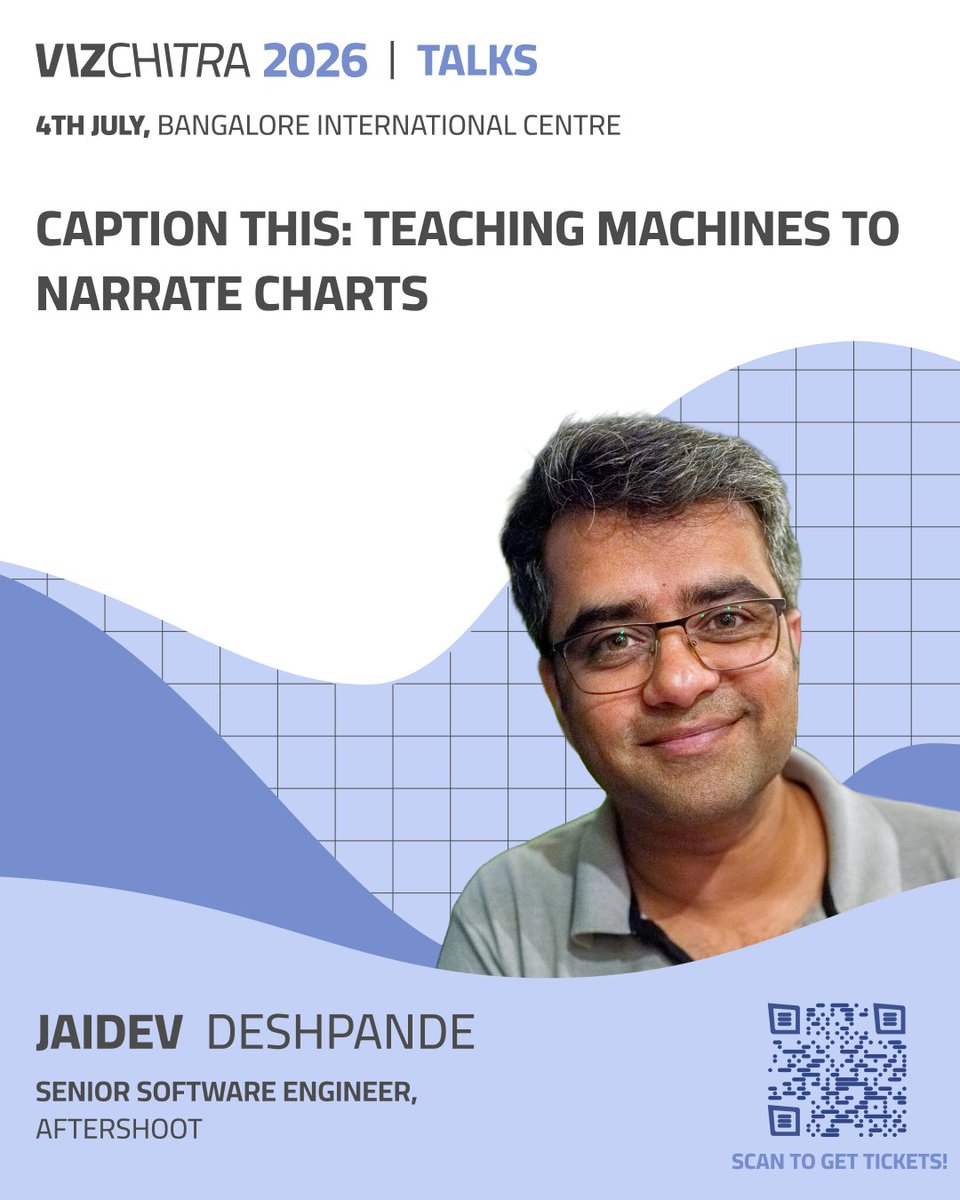
ALT VizChitra 2026 talk announcement featuring Jaidev Deshpande speaking on AI-generated chart captions and the challenge of teaching machines to identify which chart explanations are accurate, useful, and appropriate for readers. The session introduces PlotCaptions, a dataset of more than 150,000 charts and captions used to train models to retrieve, generate, and select chart explanations. Includes QR code for VizChitra 2026 at Bangalore International Centre on 4 July 2026.
1
2
53
Jaidev Deshpande retweeted

First erase the corridor on paper, then erase it from the forest.
The debate is no longer about balancing development and the environment. The outcome is decided long before the debate begins.
Good reporting by @IndianExpress @mazoomdaar

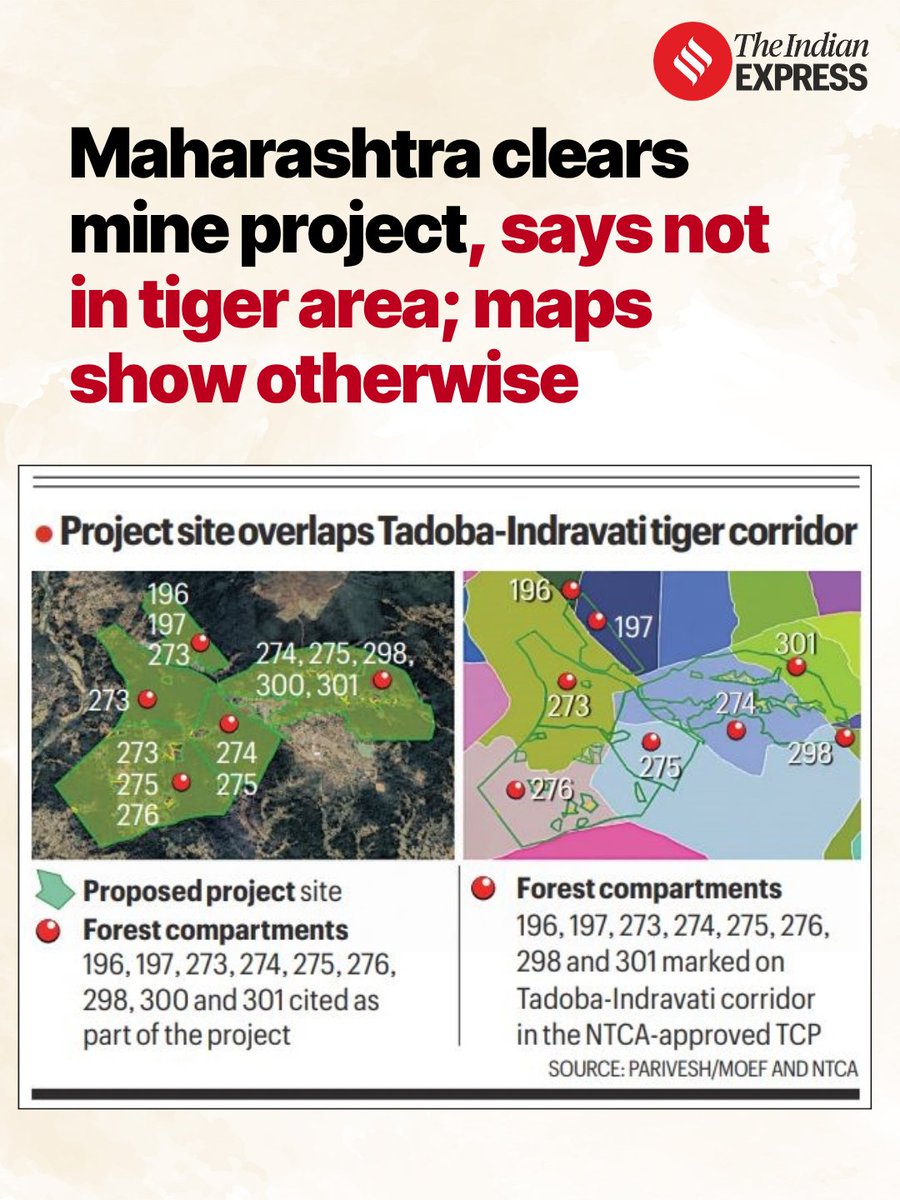
The Maharashtra government on May 13 exempted an iron ore mining and processing project in Gadchiroli from wildlife clearance by claiming — incorrectly — it was not located in any tiger corridor.
The project proposal involves diverting 9.4 sq km of forest land in Gadchiroli for iron ore extraction and processing by Lloyds Metals & Energy.
It received forest clearance on April 15 and environment clearance on May 12, a day before it was exempted from obtaining wildlife clearance.
According to the project site map submitted by Lloyds to the Ministry of Environment, Forest and Climate Change, the area falls in forest compartments 196, 197, 273, 274, 275, 276, 298, 300 and 301.
All but one (300) of these compartments are identified as part of the Tadoba-Indravati tiger corridor in the National Tiger Conservation Authority (NTCA)-approved Tiger Conservation Plan (TCP) of the Tadoba Andhari tiger reserve.
18
23
1,349
Jaidev Deshpande retweeted

May 27
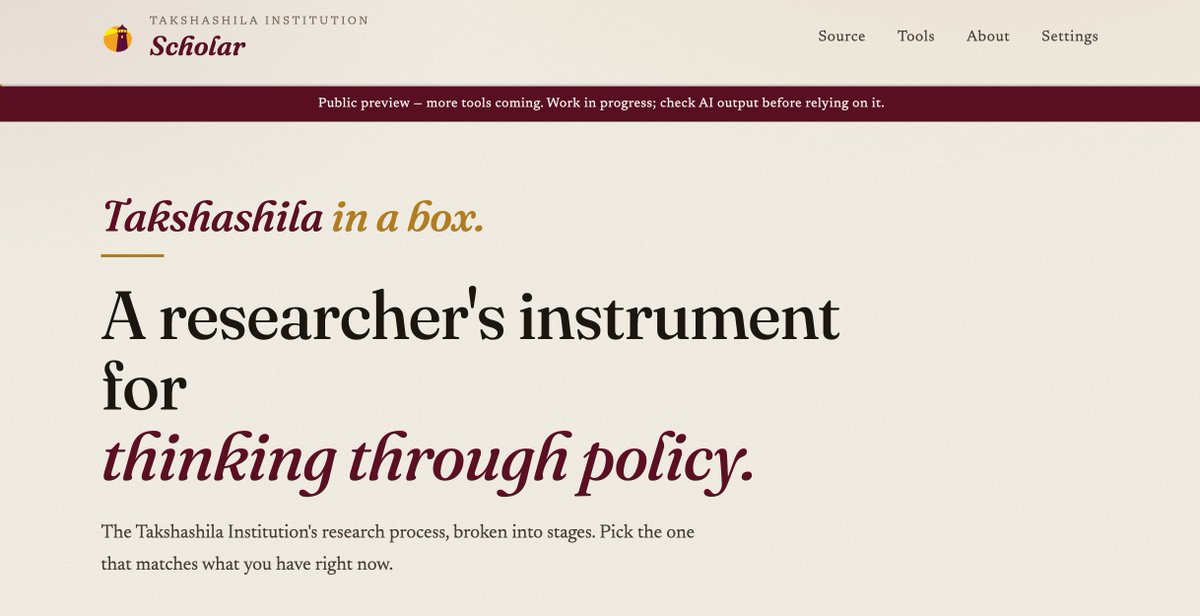
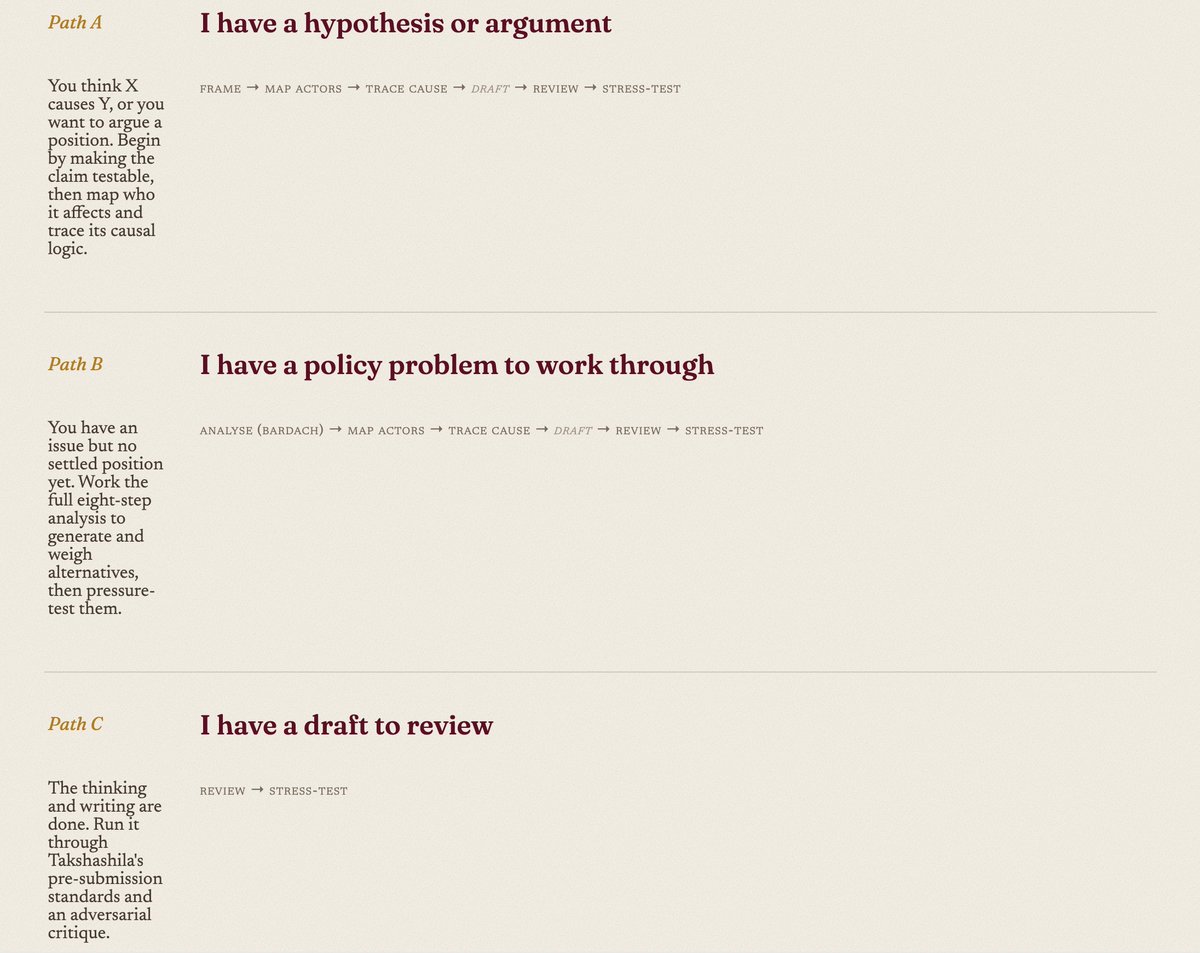
We always wanted Takshashila's research methodology to be open access. Every Indian state needs many Takshashilas. In the pre-AI age, that was hard. Now there's a version we can build online. @acorn
Introducing beta version of 'Takshashila in a box.' 🧵
8
42
194
30,109
Jaidev Deshpande retweeted

May 23
One nation. One leak.

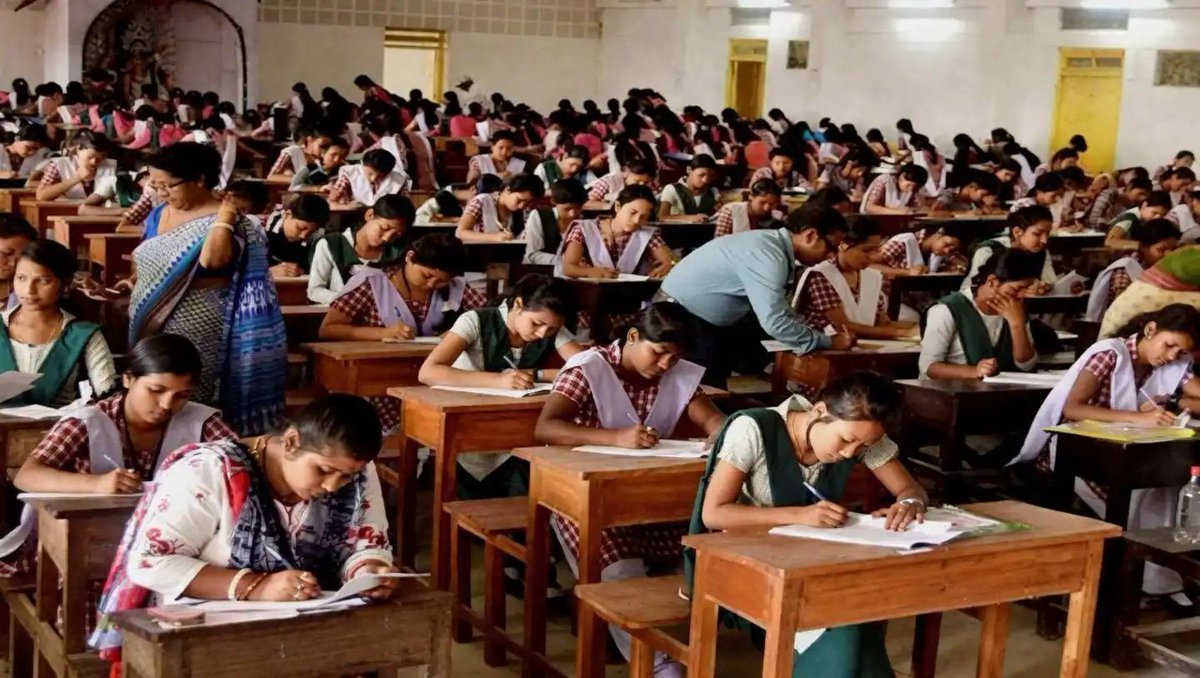
🚨 The Indian government is mulling over a proposal to introduce a single entrance examination for engineering and medical courses.
(ET)
42
984
8,437
131,650
Jaidev Deshpande retweeted

May 24
The LinkedIn-isation of science.
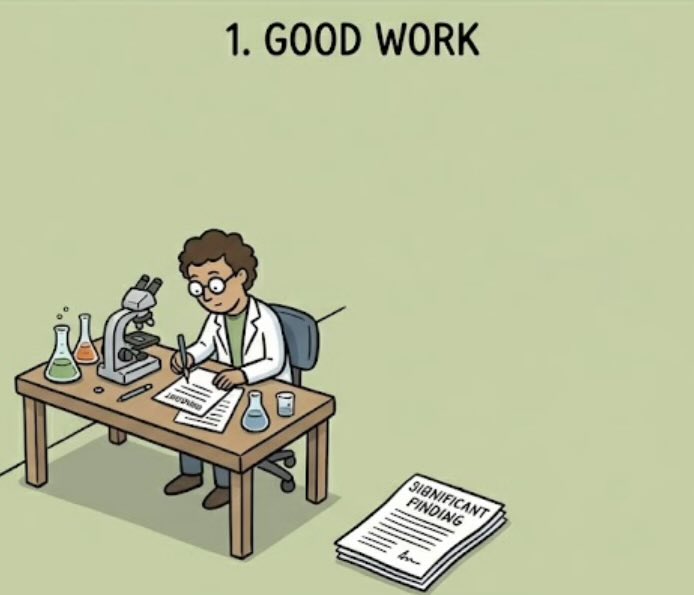
The secret to success is to do good work and tell the world about it. Both components are important.
LinkedIn is an entire social network organized around the second part of the saying: tell the world about it. Whatever you did, tell the world about it. Or, and that’s the terrible part, even if you did nothing of note at all, come to LinkedIn to tell the world about… something.
“After many years doing RandomJob, I have decided to join RandomCorporation where I will work on ProjectsNobodyCaresAbout.”
Boring. And, ultimately, it trends toward lower status. If you are really successful, you are not going to write such posts.
I believe that it is a good model for what science has become.
There is a subset of people doing actually hard and valuable work… But they are lost in a sea of people doing “me-too” work. (You take whatever is popular and you effectively clone it, without much thought.)
And, just like LinkedIn, the important part of “science” is now to “tell the world about it,” repeatedly.
You get the same type of language: jargon, popular but meaningless expressions, and fad-following.
I often ask people who are unconvinced by my arguments: how many “research” articles do you read per year in your field?
I read and even report on valuable research (it is still around), but people know intuitively that it is a waste of their time to look at the academic literature. They are not always correct, but as far as heuristics are concerned, it is not bad.
And just like the LinkedIn posts, the 'science' can be generated by AI. In fact, it is. It is increasingly slop. And the inertia is going to take us far.
My advice? Don't fall for it. Don't fill a LinkedIn profile with generic annoucements. Just say no to meaningless boring 'research' papers. Long term, it is your best strategy.
Go back to the recipe: do good things and tell the world about it. Start with the first part. Get it done.
2
5
53
3,811
Jaidev Deshpande retweeted

May 23
5000 years and shining!
May 23

Crackdown on Cockroach Janta Party.
- Instagram page hacked.
- My personal Instagram hacked.
- Twitter account withheld
- Back up account also taken down.
1
90
May 22
The CJI's content was also gaining traction among young people no?
May 22
“MeitY received an input from the IB to block the X account of Cockroach Janta Party, citing that it posed a threat to the sovereignty of India.
"The IB believed that the account was posting inflammatory content through its account, which could have jeopardised the country’s national security.” the official said on condition of anonymity since such blocking orders are issued under a confidential framework."
“In particular, the concern stemmed from the fact that the account’s content was gaining traction among young people.”
indianexpress.com/article/po…
1
100
Jaidev Deshpande retweeted

May 22
🚨 Delhi’s toxic air isn’t just choking people. It’s cutting pregnancies short.
Nearly 1 in 8 babies in Delhi are now born premature.
In just 5 years, the preterm birth rate has shot up by 21%.
Doctors are increasingly linking it to toxic air pollution. Behind the smog are babies in NICUs, mothers struggling through pregnancy, and a public health crisis hiding in plain sight.
@AkankhyaAk72623 and I report for @newslaundry -
newslaundry.com/2026/05/22/5…
13
175
272
62,409
Jaidev Deshpande retweeted

You thought you can get rid of us? Lol

2,875
10,516
51,825
4,396,033
May 19
The performance review season is full of anxiety; less to do with whether you'll get a raise, lot more to do with the discomfort you feel when being critical of your work.
This is why updating an old CV is hard. It's not just you.
jaidevd.com/posts/resting-on…
1
56
Jaidev Deshpande retweeted

May 19
"The State cannot remain a passive spectator where preventable threats to human life continue to proliferate in the face of statutory mechanisms specifically designed to address them."
commendable observation.
just leaving a few news articles here from May, 2026:
1
1
1
122
May 19
Cockroaches that we are.
May 17

If you think about it, the rate at which India is mindlessly destroying its flora and fauna mirrors the rate at which its democracy and institutions are being dismantled. Perhaps this is our legacy and destiny now: that nothing living, free or enduring is allowed to survive.
50
Jaidev Deshpande retweeted

May 17
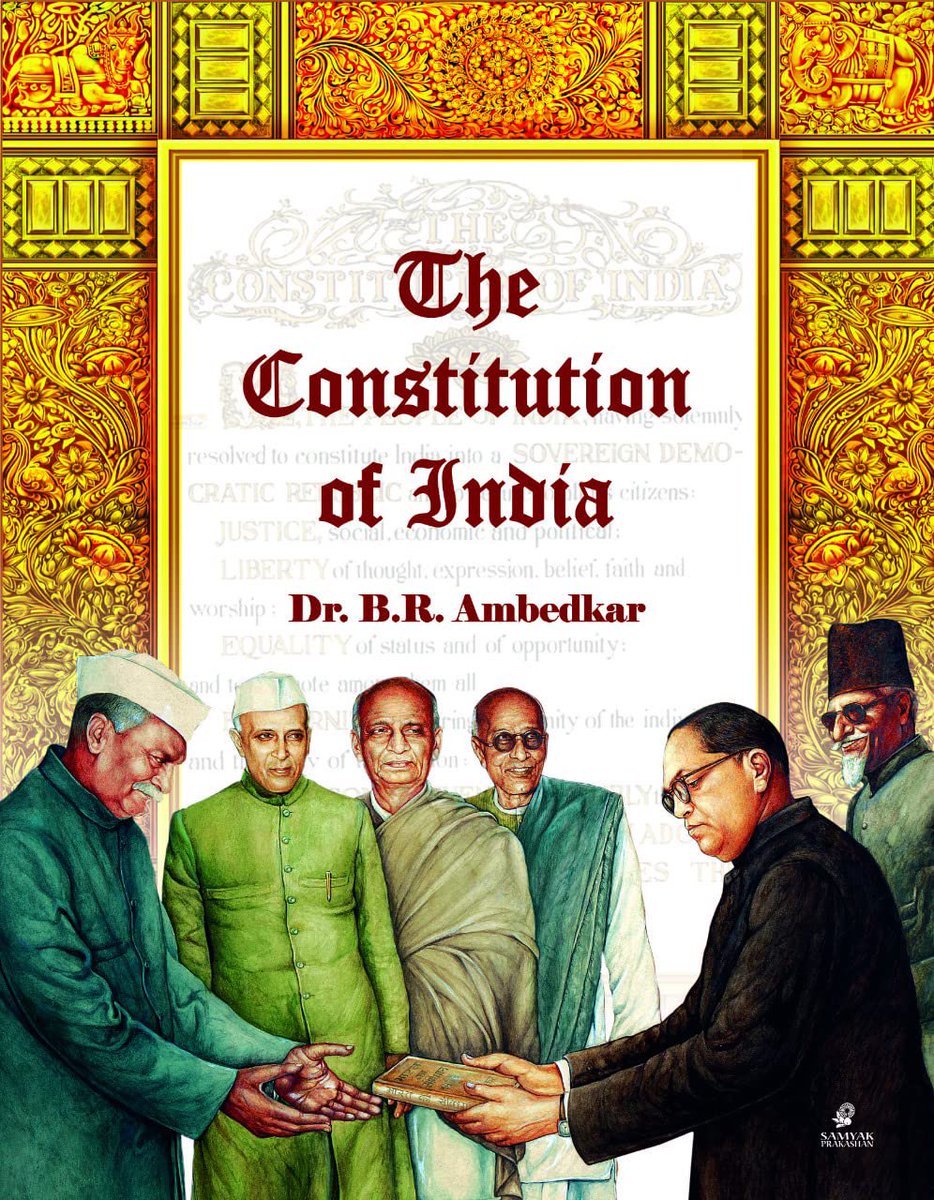
With the growing support for CJP, we are fully aware that attempts will be made to dismantle us and portray us as anti-social elements.
We want to make it absolutely clear that CJP firmly believes in the Constitution of India and will always work towards protecting its values.
96
742
3,543
163,270
Jaidev Deshpande retweeted

May 16
Germany to India (via Rwanda)
How the politicial and judicial vocabulary in India is now troublingly beginning to mirror the lexicon in Hitler's Germany. With a vital contribution from Rwanda.
Despite George Orwell's sage advice.👇🏾
12
351
562
17,413
May 16
"...specifically criticised ... fake and bogus degrees. Such persons have sneaked into media, social media, and other noble professions and hence they are like parasites,"
May 16

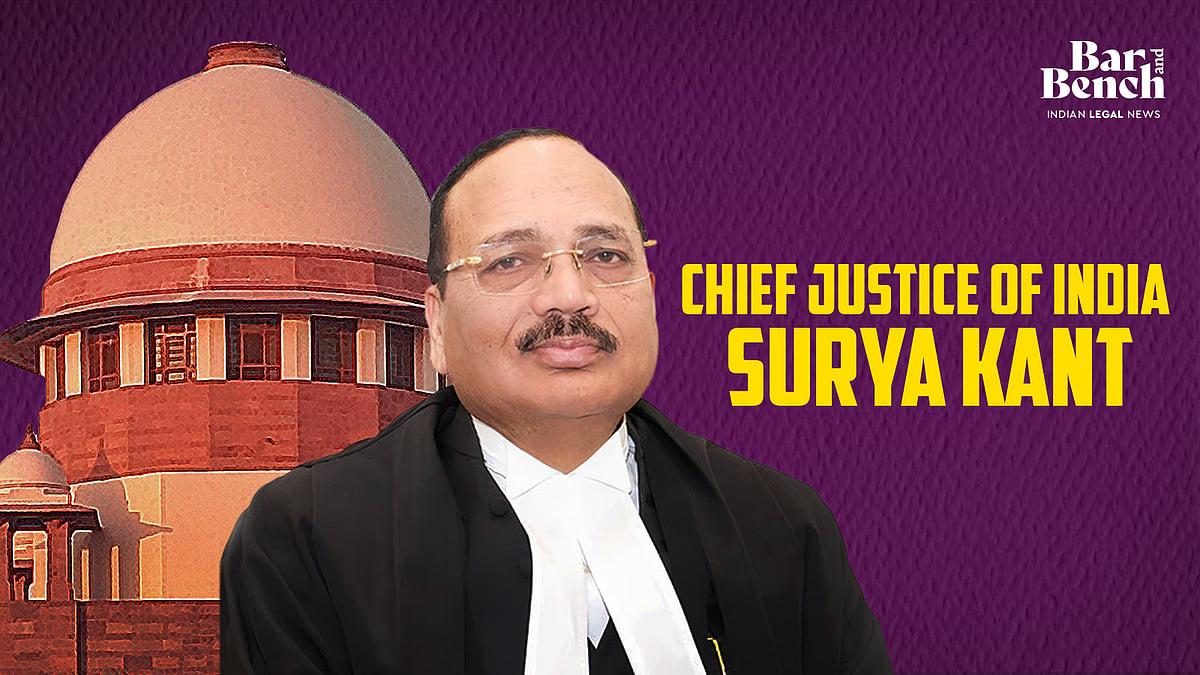
#BREAKING CJI Surya Kant clarifies his remarks from yesterday's hearing, saying a section of media "misquoted" him.
"What I had specifically criticised were those who have entered professions like the Bar with the aid of fake and bogus degrees. Such persons have sneaked into media, social media, and other noble professions and hence they are like parasites," the CJI says.
The CJI had yesterday referred to such persons as "youngsters like cockroaches" during a hearing, remarks that were widely reported as an attack on unemployed youth.
"It is totally baseless to suggest that I criticised the youth of our nation. Every youth of India inspires me," he adds.
#SupremeCourt
53

New on @dataforin: @akwaghmare's deep-dive into the informal sector. A thread:
- Informality is a widely discussed topic in India's economy, but it's hard to track down exactly how it's defined and measured. That's what this piece does dataforindia.com/informal-se…
2
6
29
2,113