
Past: @Xaira_Thera, @MIT_CSAIL PhD, @GoogleDeepMind. Interests: generative models, LLMs, science.
Joined September 2017
- Tweets 338
- Following 369
- Followers 1,843
- Likes 702
21 Photos and videos
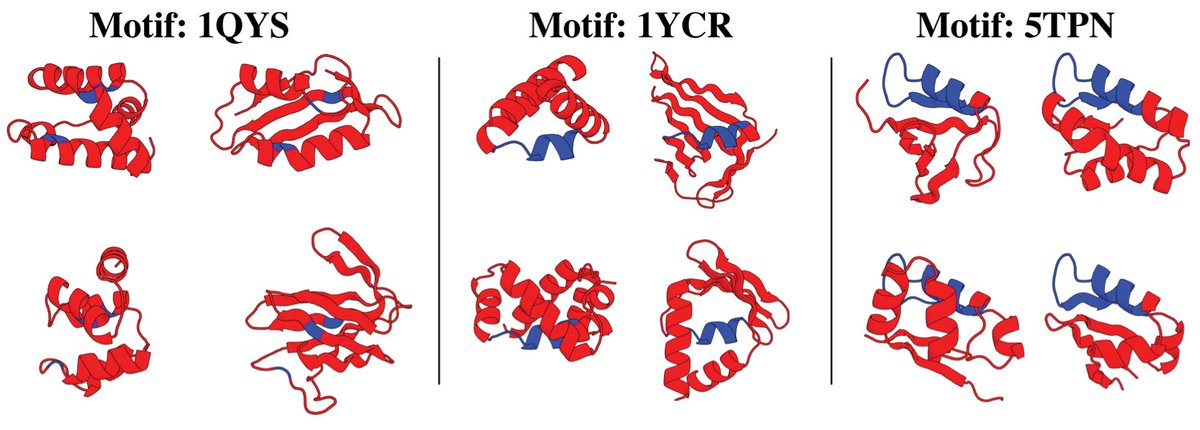
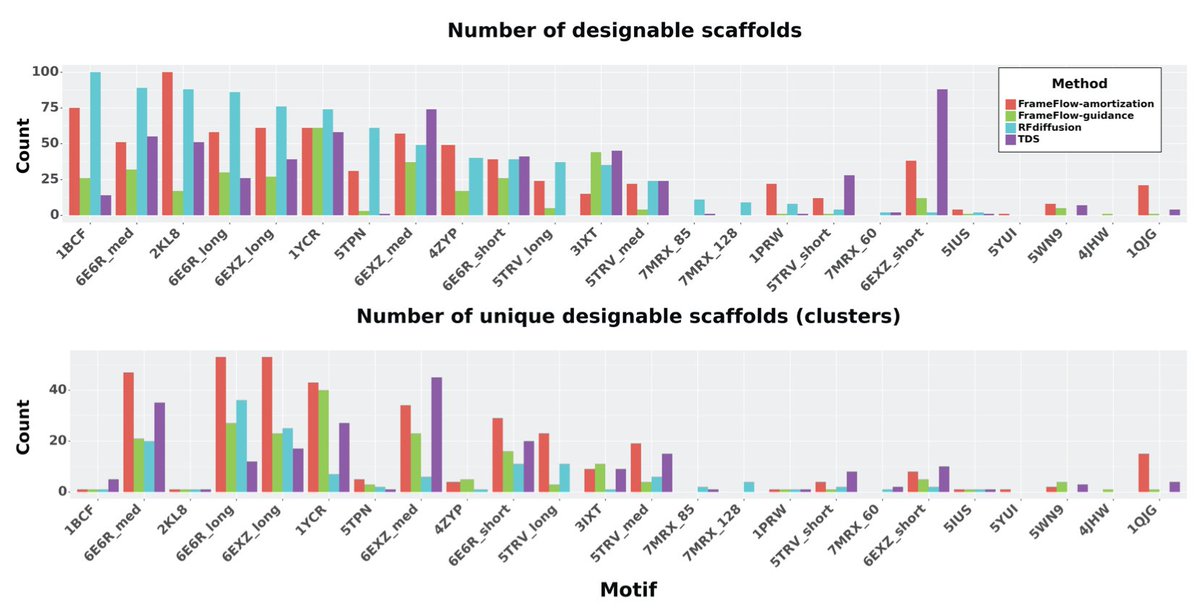
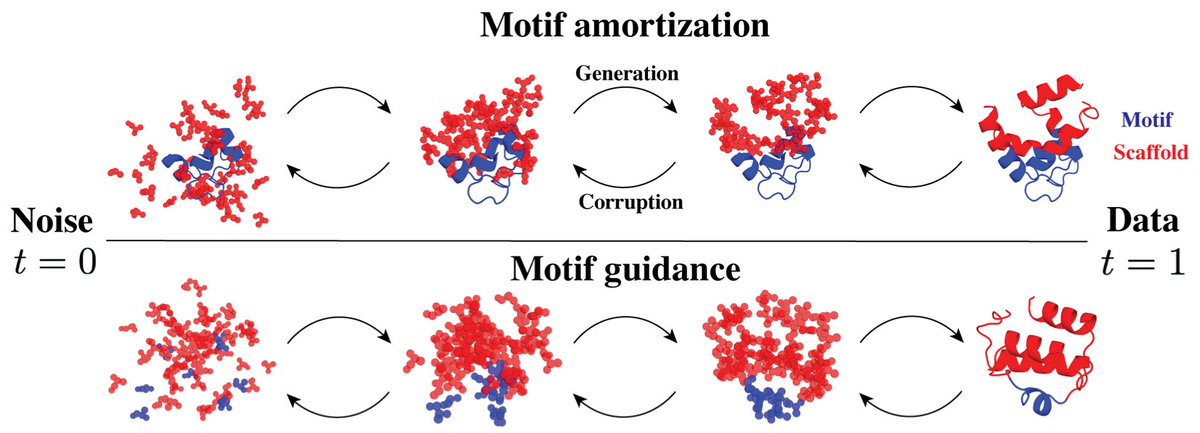
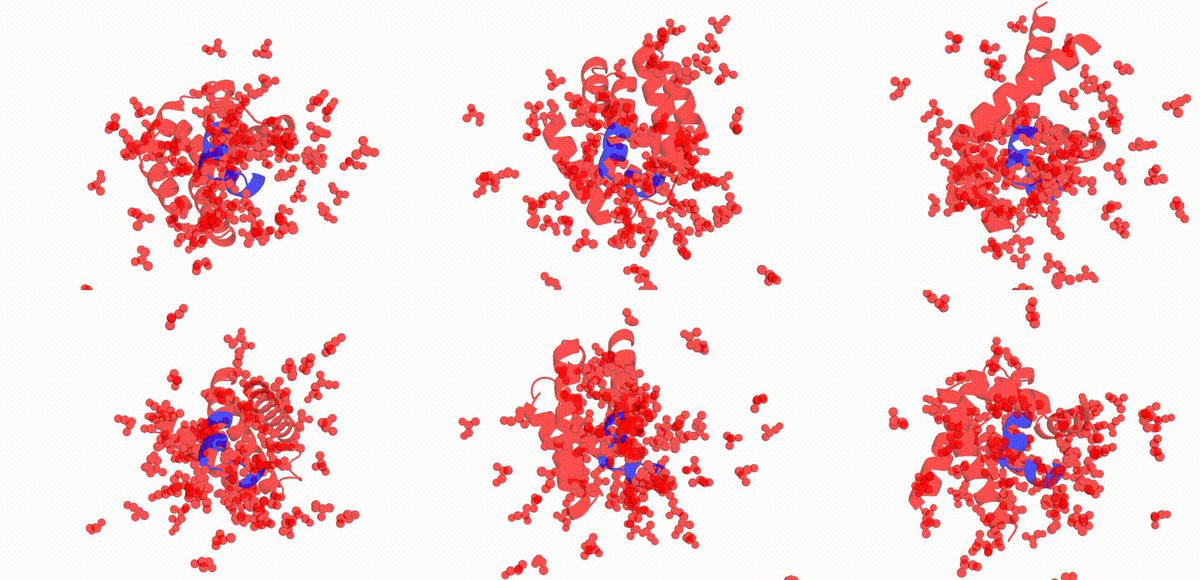


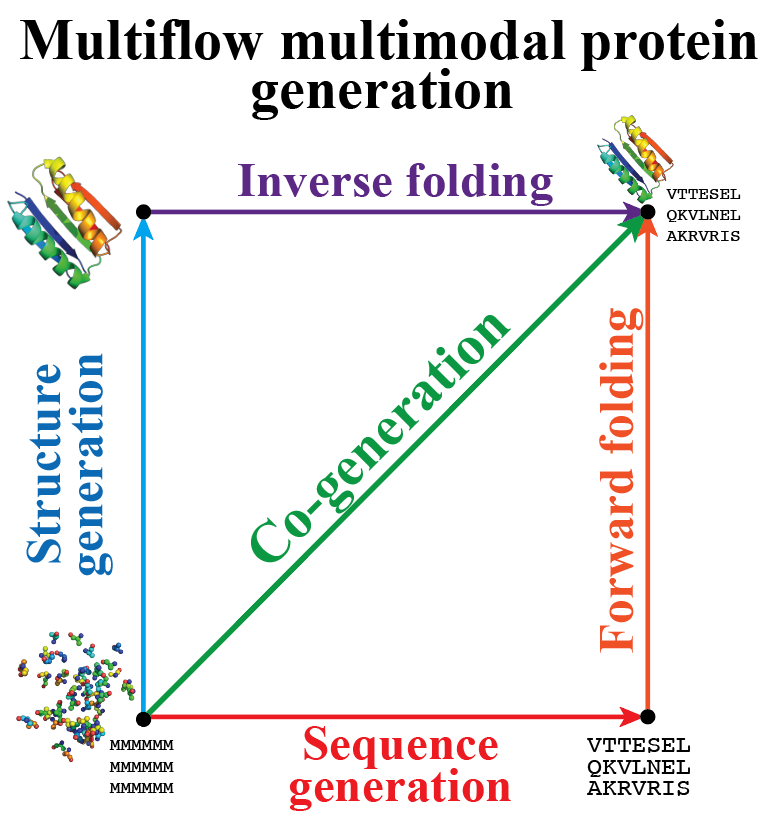
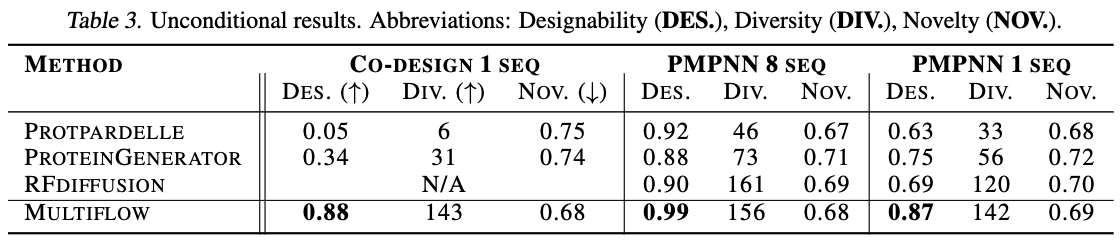
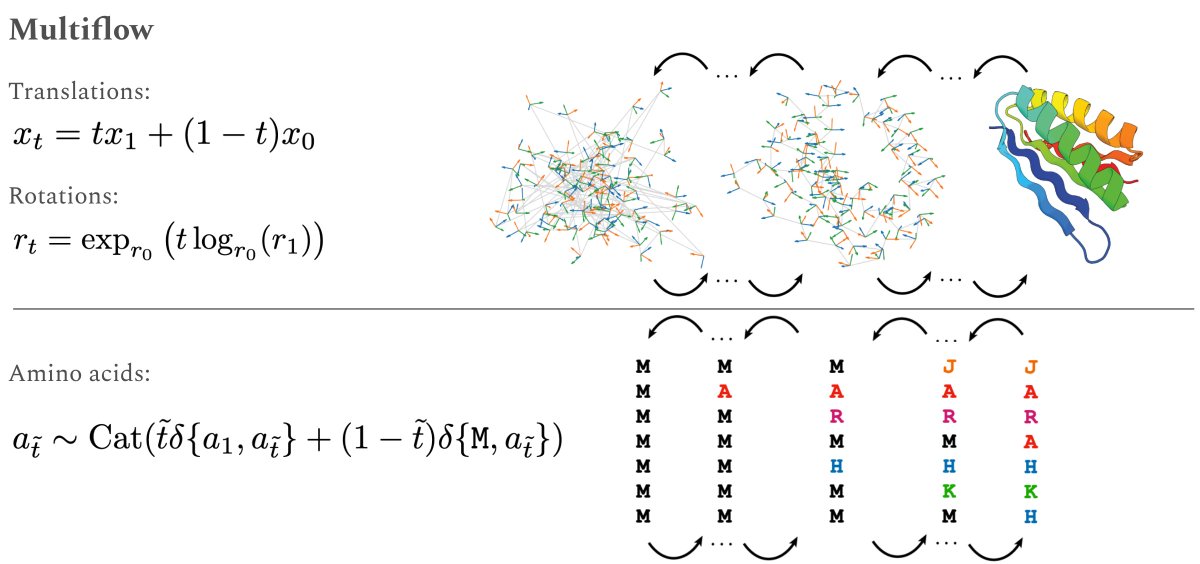
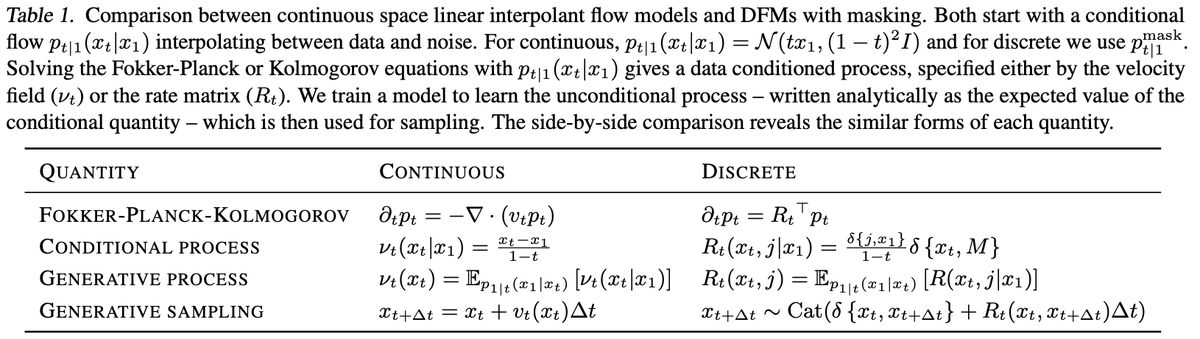
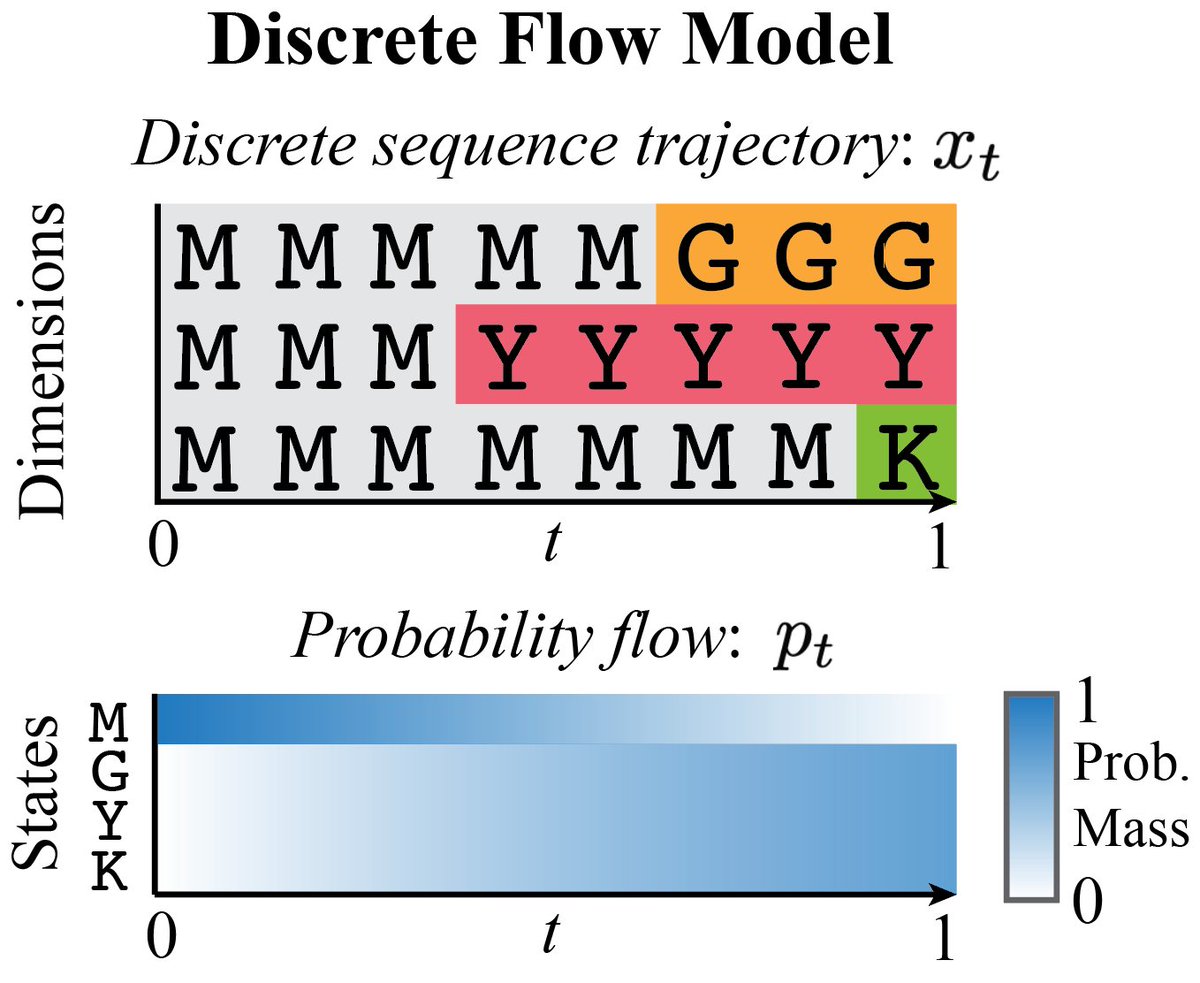
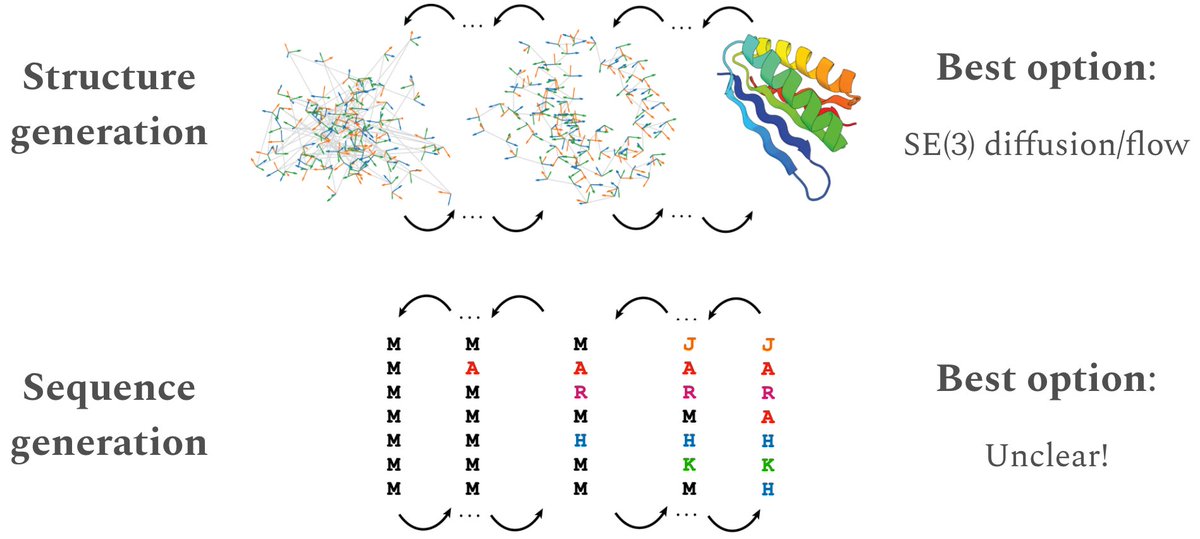
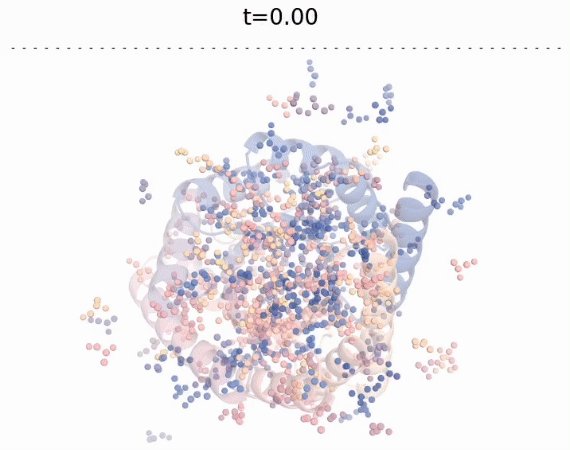


Combining discrete and continuous data is an important capability for generative models. To address this for protein design, we introduce Multiflow, a generative model for structure and sequence generation.
Preprint: arxiv.org/abs/2402.04997
Code: github.com/jasonkyuyim/multi…
1/8
2
99
471
74,812
Agree with the oversimplification of AI in DD. "Vertically integrated target-discovery company" is basically @Xaira_Thera . Super hard but the only way for flywheel value generation in this space. Need more bets like Xaira.
May 4

AI for Bio is hot again. Given that, I wrote a primer on why this field is so hard. tl;dr it's because the APIs are fuzzier than you might think.
ankitg.me/blog/2026/05/04/fu…
14
2,649
Very excited about this direction and great to see many others had similar realizations 👀
Apr 26

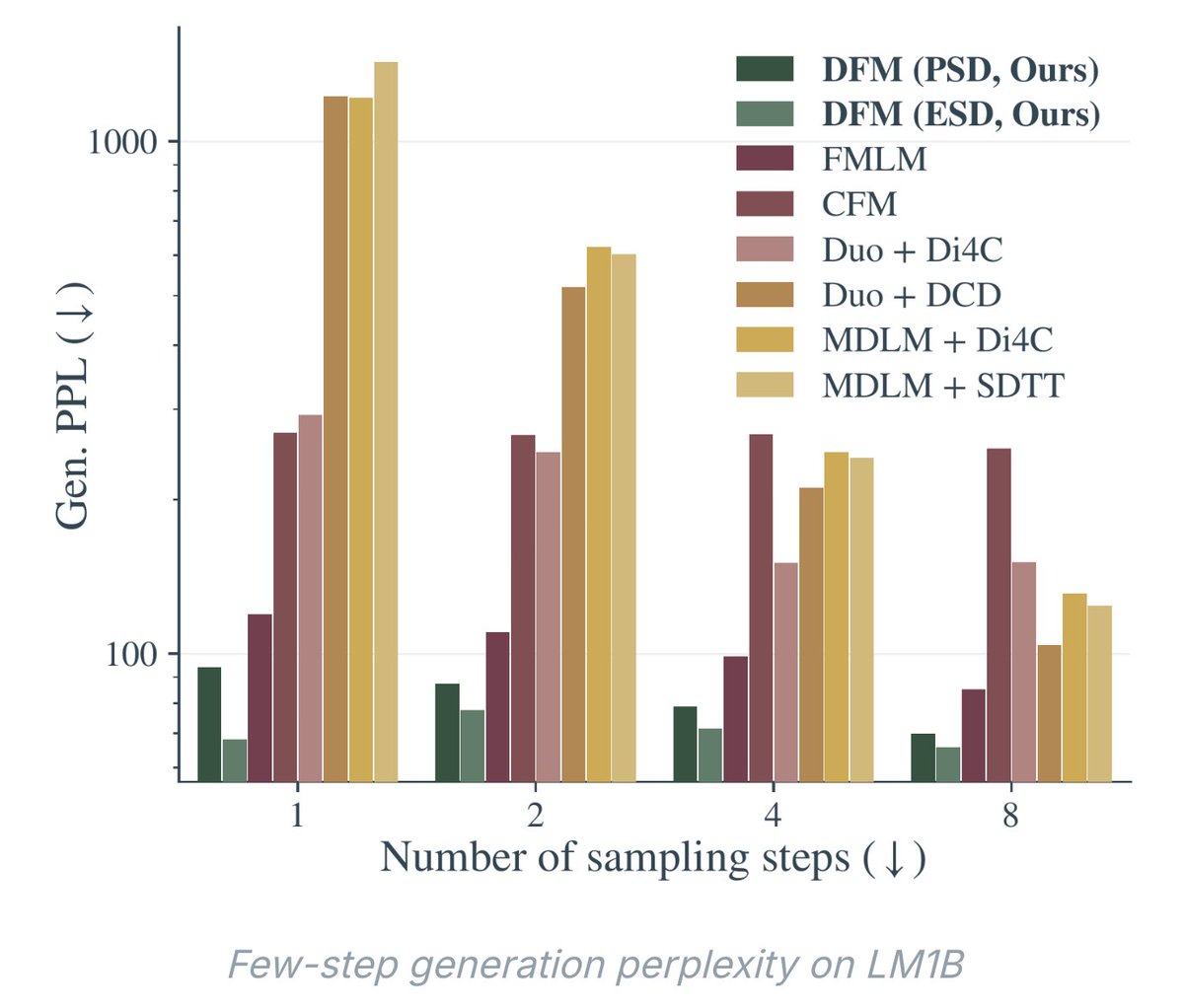
New paper! Presenting Discrete Flow Maps:
paper: arxiv.org/abs/2604.09784
blog: malbergo.me/discrete-flow-ma…
A laughable problem for me these days is that @nmboffi and I share a research brain, and we have had, time and again, a conversation that ends with “ha so I guess we’re writing the same paper.” Soon we will return to just doing it together :). Here we are doing it again with discrete flow maps and flow language models! A complete and thorough paper led by @PPotaptchik @json_yim @adhisarav @peholderrieth. We took a bit of time to post it to ensure we understood a few more things about the stability of the loss functions.
Like @osclsd , @FEijkelboom, and @nmboffi , we think this could be a very helpful paradigm for thinking about fast inference and even better alignment!
Here’s our version of the story, and I hope it makes clear how green field this research direction is — we provide a comprehensive picture of the KL losses you can write from the properties of the flow map, some nice geometric proofs about the mean denoiser and the simplex, and find that at this time, the ESD can actually be the most performant, with some caveats. Excited for everyone to work together and push this class of models to their limit!
1
33
5,557
Jason Yim retweeted

Apr 22
We release Diamond Maps💎 unlocking accurate and efficient guidance for diffusion models. Our experiments show that our methods scale incredibly well. Excited to see what people will build with this!
Accurate guidance has been a notoriously hard problem, but in this work, we’re bringing TWO (!) solutions to the table. The recipe for success:
1️⃣ Speed: Use distilled models (flow maps, mean flows, consistency models).
2️⃣ Exploration: Inject stochasticity to properly explore your search space.
Because this fundamentally improves anything using flow matching and diffusion, we see a lot of potential for applications across audio, robotics, molecules, and beyond.
Paper: arxiv.org/abs/2602.05993
Code: github.com/PeterHolderrieth/…
Huge thanks to an amazing team: Douglas Chen, @LucaEyring, @ishin_shah, Giri Anantharaman, @electronickale, @zeynepakata, Tommi Jaakkola, @nmboffi, and @max_simchowitz. It was awesome bringing this to life together!
2
43
246
58,817
Jason Yim retweeted

Apr 16
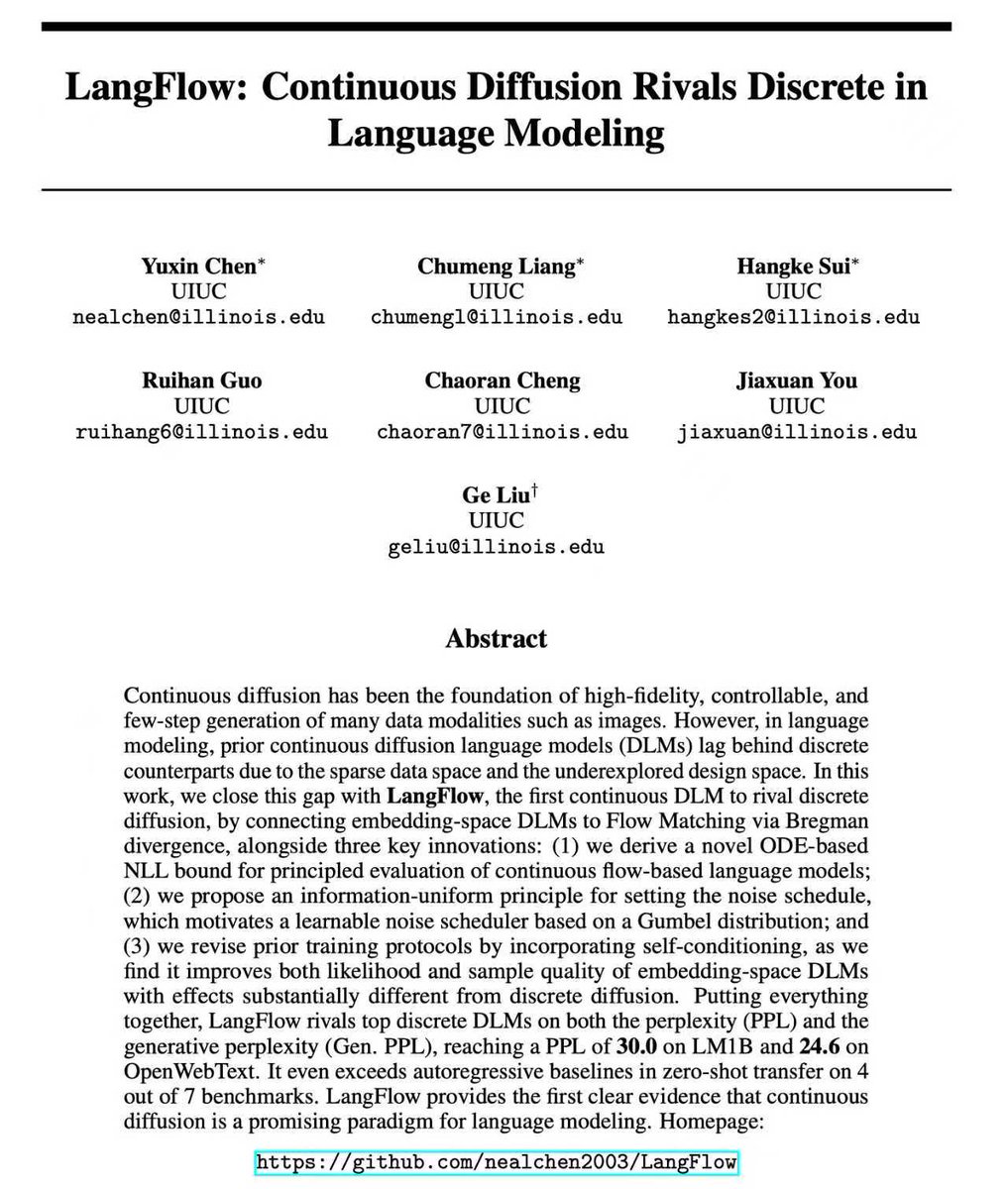
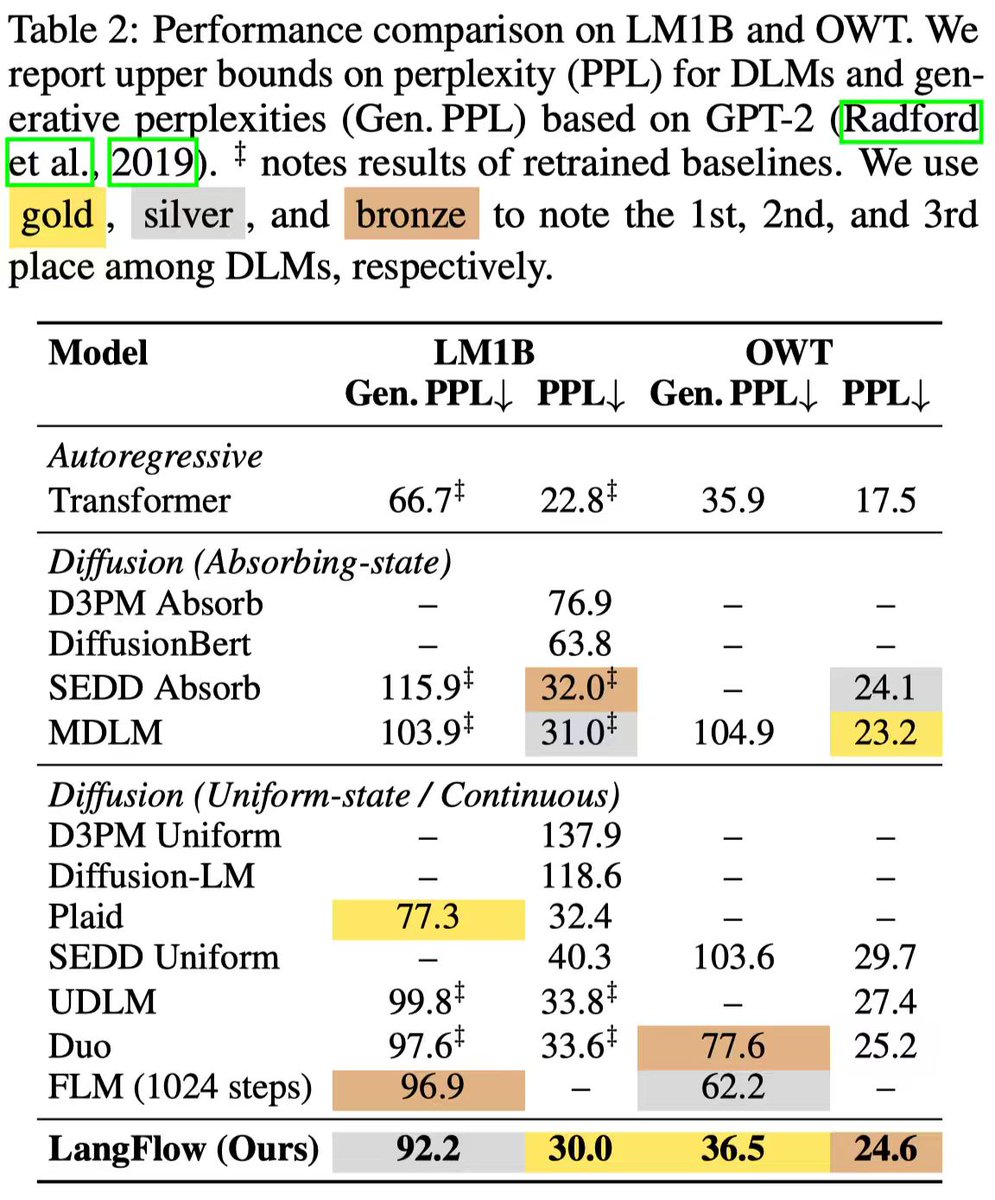
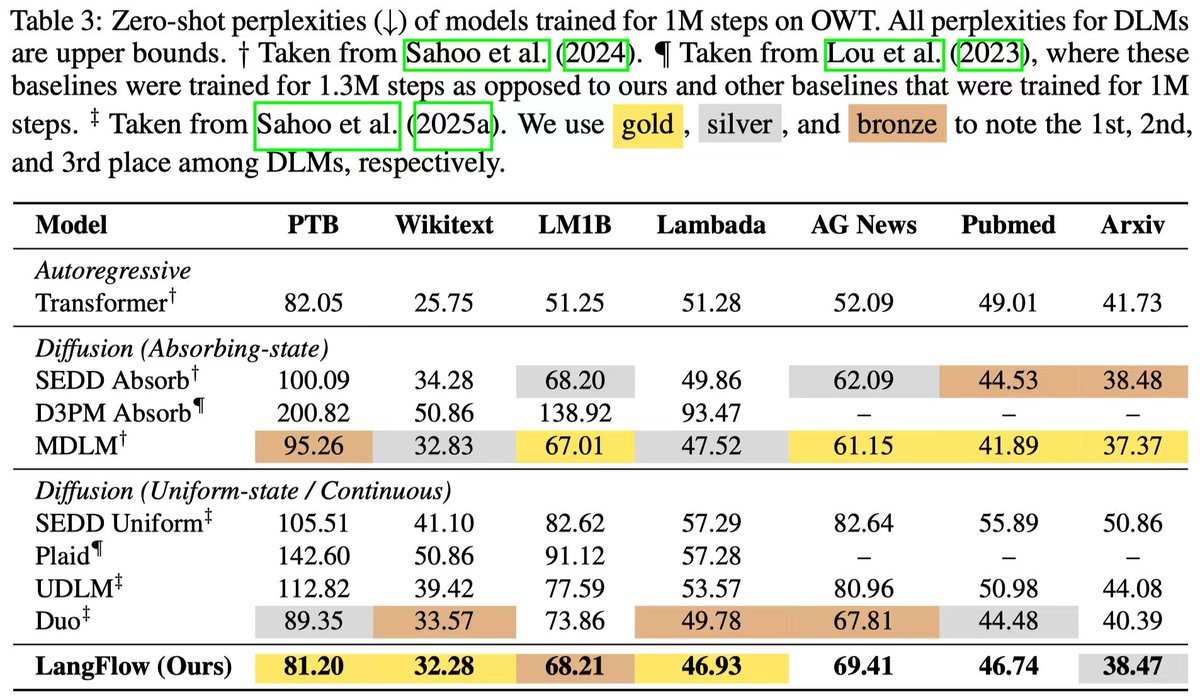
Love seeing the recent parade of breakthroughs in Diffusion LMs! 🎉 Here is what our lab is bringing to the party: Meet LangFlow 🌊: The first continuous diffusion language model that rivals discrete DLM. LangFlow achieves strong PPL and Gen PPL on LM1B and OpenWebText. It also outperforms the best discrete diffusion models on 3 out of 7 zero-shot transfer benchmarks, and beats autoregressive baselines on 4 out of 7!
Check out our paper below:
📄 Arxiv: arxiv.org/abs/2604.11748📝 Blog: caradryanl.github.io/blog/20…💻 GitHub: github.com/nealchen2003/Lang…
4
22
178
26,496
More sequence-structure co-design brings a happy tear to my eye

What if AI could invent enzymes that nature hasn’t seen? 👩🔬🧑🔬
Introducing 🪩 DISCO: Diffusion for Sequence-structure CO-design
14 rounds of directed evolution and over a year of wet lab work. That's what it took to engineer an enzyme for selective C(sp³)–H insertion, one of the most challenging transformations in organic chemistry.
DISCO surpasses this with a single plate. No pre-specified catalytic residues, no template, no theozyme, no inverse folding, just joint diffusion over protein sequence and structure.
📝 Blog: disco-design.github.io/
📄 Paper: arxiv.org/abs/2604.05181
💻 Code: github.com/DISCO-design/DISC…
5
41
3,823
Bytedance is cooking

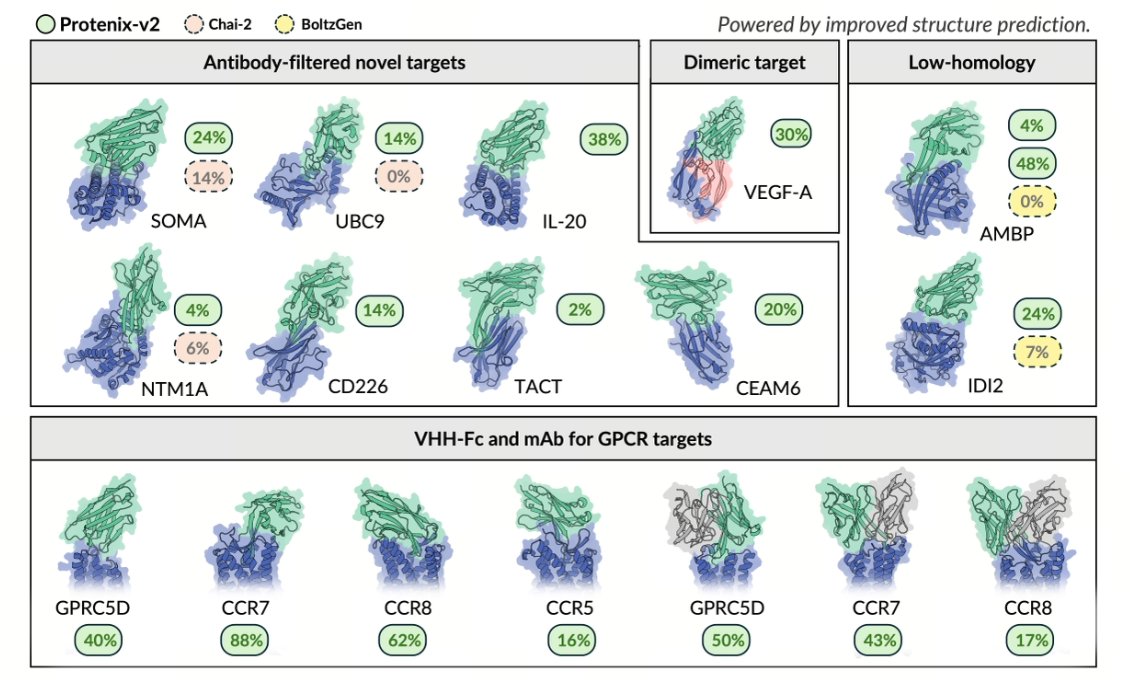
Protenix-v2: A Biomolecular Modeling System for Structure Prediction and Zero-Shot Antibody Design @ai4s_protenix
1. Protenix-v2 achieves massive gains in antibody-antigen structure prediction, with up to 13-point improvements over Protenix-v1 at DockQ >0.23 and comparable gains at the stricter DockQ >0.8 threshold. Most remarkably, its 5-seed performance surpasses previous 1000-seed results, representing a dramatic leap in sampling efficiency.
2. The system demonstrates 100% target-level success rate in zero-shot VHH antibody design across novelty-controlled targets, with BLI-confirmed hit rates ranging from 2% to 48%. The resulting hits show exceptional developability with 100% thermostability pass rate, 98% self-interaction pass rate, and 93% polyreactivity pass rate.
3. On challenging GPCR targets with small and flexible exposed epitopes, Protenix-v2 achieves hit rates of 16%-88% in VHH-Fc format and up to 50% in mAb format, despite testing only 16-30 designs per target. This demonstrates effective sample efficiency on difficult membrane proteins.
4. The model introduces training-free guidance (TFG) variants that significantly improve ligand-related plausibility, reaching 60.46% success rate on recent protein-ligand benchmarks under a revised stricter validity criterion that checks planarity around sp2 centers and non-planarity at sp3 centers.
5. Protenix-v2 successfully designs dual-specific binders against both prototype and Omicron SARS-CoV-2 RBD variants with nanomolar-scale KD, showing potential compensatory mechanisms at the structural level to accommodate sequence differences.
6. The system supports flexible, target-conditioned generation with granular control over CDR loop lengths and integration of predefined frameworks, spanning diverse formats from miniproteins to VHH and full-length antibodies.
💻Code: github.com/bytedance/Proteni…
📜Paper: github.com/bytedance/Proteni…
#ProtenixV2 #AntibodyDesign #StructurePrediction #AlphaFold3 #BiomolecularModeling #DrugDiscovery #GPCR #MachineLearning #ComputationalBiology #ZeroShotDesign
1
49
5,432
Jason Yim retweeted

Apr 7
🤯 big update to our flow map language models paper!
we believe this is the future of non-autoregressive text generation.
read about it in the blog: one-step-lm.github.io/blog/
full details in the paper: arxiv.org/abs/2602.16813
we introduce a new class of continuous flow-based language models and distill them into their corresponding flow map for one-step text generation.
we beat all discrete diffusion baselines at ~8x speed!
v2 gives a complete theory of the flow map over discrete data, with three equivalent ways to learn it (semigroup, lagrangian, eulerian). it turns out you can train these with cross-entropy objectives that look very similar to standard discrete diffusion — but without the factorization error that kills discrete methods at few steps.
beyond improving results across the board, we showcase properties that are unique to continuous flows. in particular, inference-time steering and guidance become straightforward. autoguidance brings generative perplexity down to 51.6 on LM1B, while discrete baselines completely collapse at the same guidance scale.
we also show reward-guided generation for steering topic, sentiment, grammaticality, and safety at inference time — and it works even at 1-2 steps with our flow map model. simple, well-understood techniques from continuous flows just work incredibly well in practice for language.
we’re extremely excited about the future of this class of models.
stay tuned for results on scaling, reasoning, and reinforcement learning-based fine-tuning. 🚀
13
92
478
75,933
Please
Mar 24

Is it too much to ask for a Boston → NYC train in under 2 hours and under $100 round-trip?
9
681
Jason Yim retweeted
Mar 20
We are also releasing self-contained lecture notes that explain flow matching and diffusion models from scratch. This goes from "zero" to the state-of-the-art in modern Generative AI.
📖 Read the notes here: arxiv.org/abs/2506.02070
Joint work with @EErives40101.
Mar 18

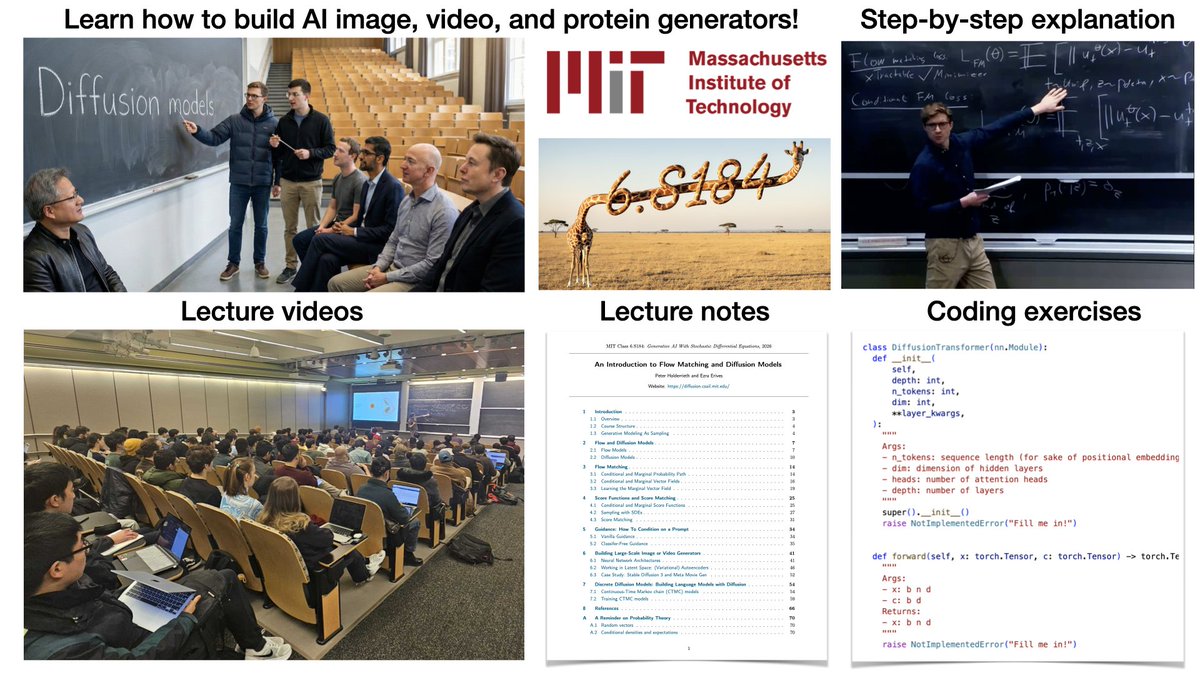
🚀MIT Flow Matching and Diffusion Lecture 2026 Released (diffusion.csail.mit.edu/)!
We just released our new MIT 2026 course on flow matching and diffusion models! We teach the full stack of modern AI image, video, protein generators - theory and practice. We include:
📺 Videos: Step-by-step derivations.
📝 Notes: Mathematically self-contained lecture notes
💻 Coding: Hands-on exercises for every component
We fully improved last years’ iteration and added new topics: latent spaces, diffusion transformers, building language models with discrete diffusion models.
Everything is available here: diffusion.csail.mit.edu/
A huge thanks to Tommi Jaakkola for his support in making this class possible and Ashay Athalye (MIT SOUL) for the incredible production! Was fun to do this with @RShprints!
#MachineLearning #GenerativeAI #MIT #DiffusionModels #AI
38
645
5,546
474,253

Today we’re announcing X-Cell — Xaira’s first step toward a virtual cell. 🧬
A foundation model that predicts how gene expression changes under causal perturbations — across cell types, conditions, and even unseen biology.
This is not trained on observational atlases.
It is trained on interventions.
🧵👇
42
146
957
173,664
Jason Yim retweeted

Feb 4
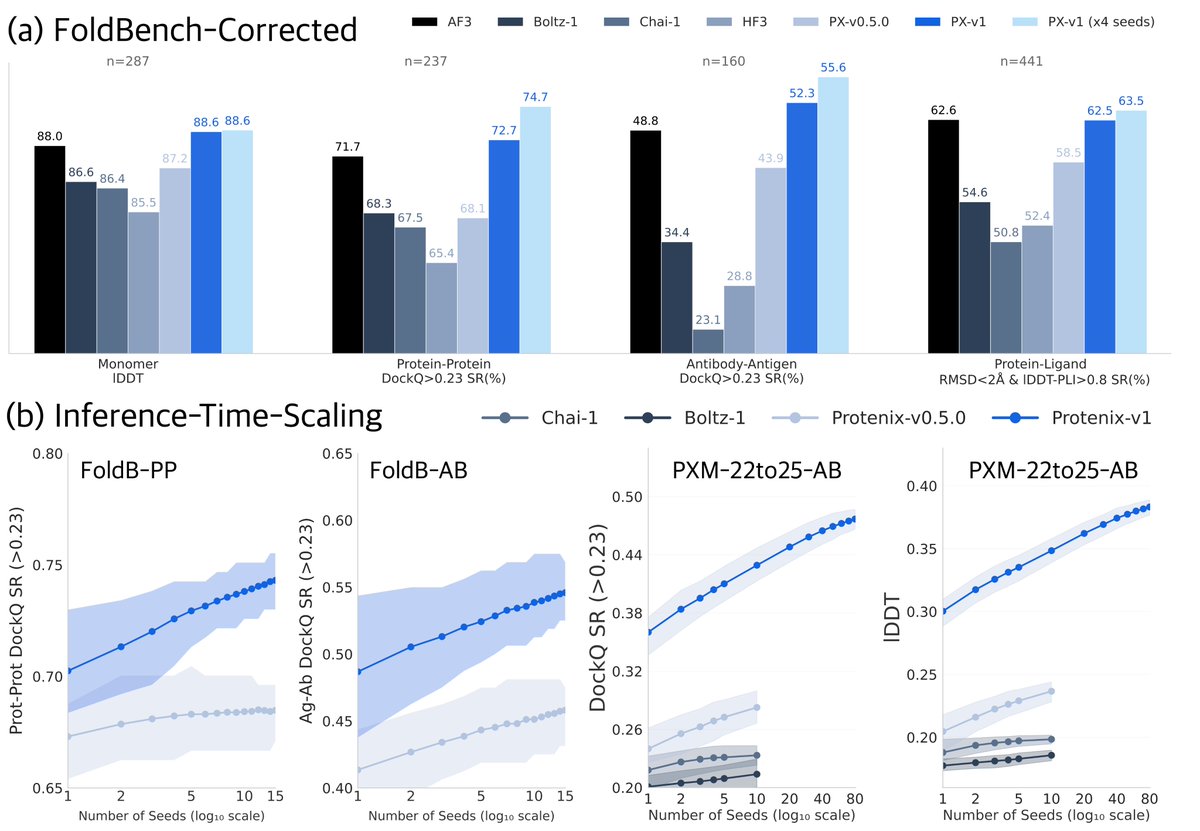
🚀 Introducing Protenix-v1, the first open-source model achieving AF3-level performance
Highlights:
🔹 Verified inference-time scaling behavior
🔹 RNA MSA & protein template support
🔹 Additional release: Protenix-v1-20250630 trained on a larger dataset
🔹 PXMeter v1.0.0 for transparent evaluation (6k complexes, time-split & domain-specific subsets)
🔗 Code: github.com/bytedance/Proteni…
🔗 Eval toolkit: github.com/bytedance/PXMeter
🔗 Online server: protenix-server.com
12
82
347
50,938
Jason Yim retweeted

3 Dec 2025
Today, we report a method for design of active enzymes, RFdiffusion2, in @naturemethods. For the first time, we are able to design enzymes with native-range catalytic activity.
We also are releasing our next frontier model, RFdiffusion3, code 👇
7
71
371
47,912

I will be attending NeurIPS @NeurIPSConf in San Diego next week, presenting our new diffusion language model HDLM arxiv.org/abs/2510.08632, and systematic representation guidance for diffusion models REED arxiv.org/abs/2507.08980. I'm also actively looking for research collaborations -- welcome chat if you are interested in discussion ideas or just some casual talks!
4
44
3,078
Go work with Michael. He knows the best wines 🍷
1 Dec 2025
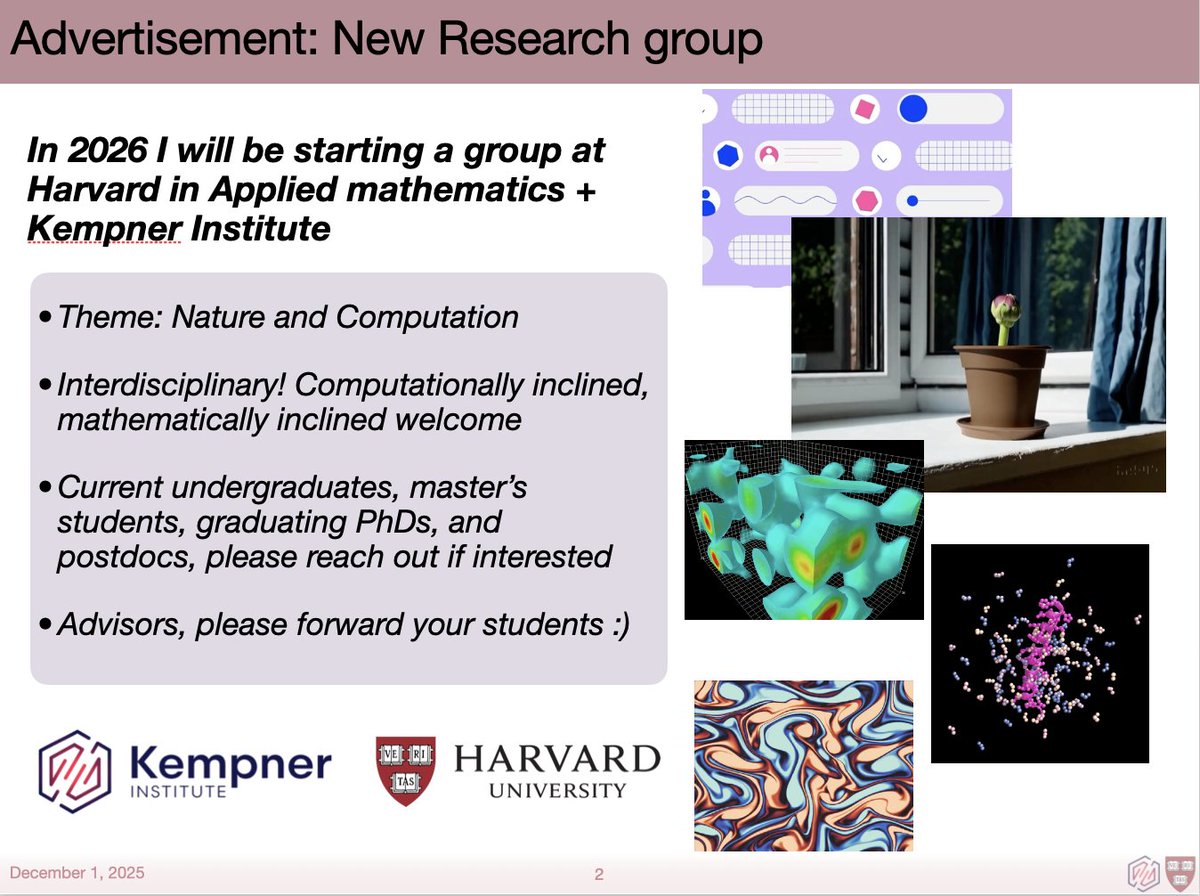
Also, please share 🤓: I'll be at NeurIPS Dec 4-8. I am hiring PhD students and postdocs this year to start at @Harvard @KempnerInst. We work across problems in ML, applied math, probability, and biology, with the goal of all learning from each other. Find me at @NeurIPSConf, DM me, or shoot me an email!
For a flavor of recent topics, see: malbergo.me/papers.html malbergo.me/research-themes.…

1
1
17
2,836
Jason Yim retweeted

25 Nov 2025
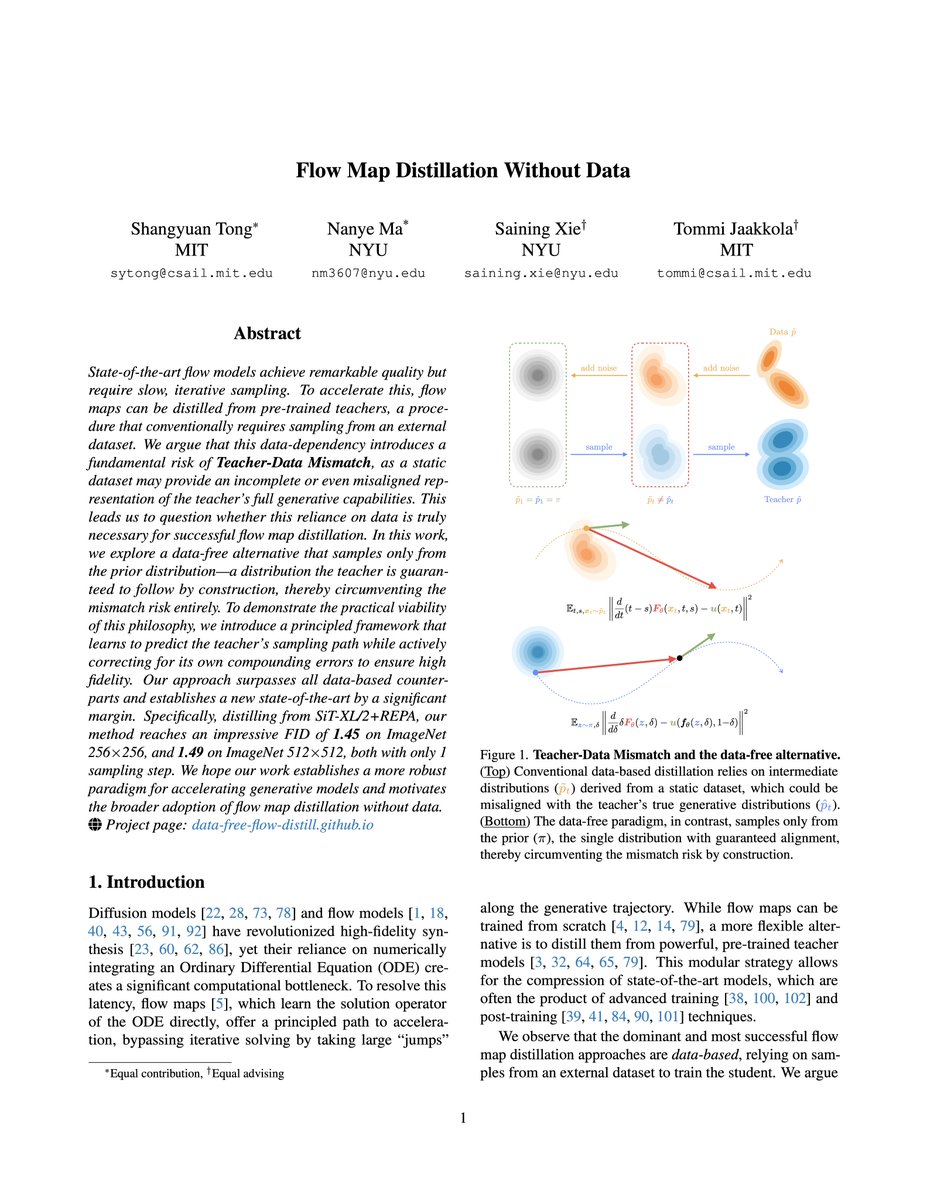
Most people assume you need a massive dataset to distill flow models.
We challenge that.
Is data actually necessary? Or perhaps it is a liability?
Introducing FreeFlow: We achieve SOTA (1.49 FID on ImageNet-512) 1-step image generation without a single data sample.
🧵👇[1/n]
10
80
446
87,470
Jason Yim retweeted

24 Nov 2025
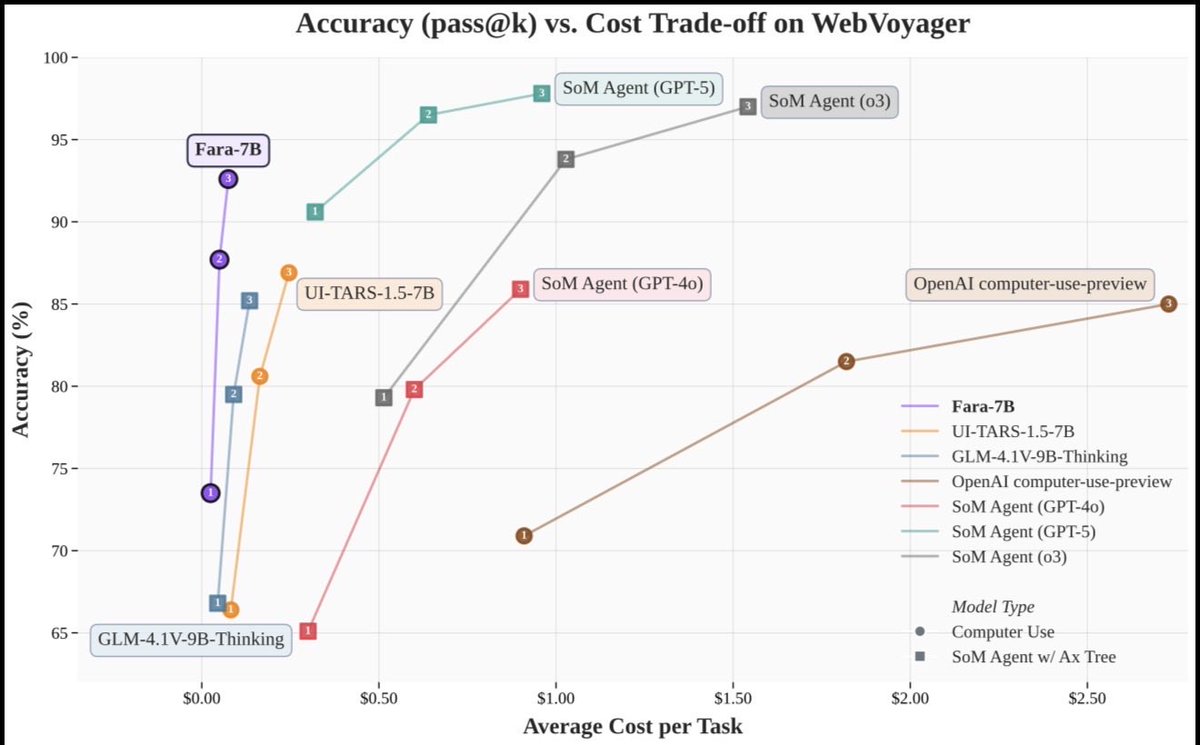
Microsoft just dropped Fara-7B, its first on device AI Agent that can use your computer just like you would: it clicks, types, fills out forms and completed tasks just by “seeing” the screen. It’s best-in-class in terms of accuracy and cost from yours truly at Microsoft AI Frontiers and you can use it today
21
31
205
106,564
Jason Yim retweeted

10 Nov 2025
🚨🚨🚨 Now your Masked Diffusion Model can self-correct! We propose PRISM, a plug-and-play approach fine-tuning method that adds self-correction ability to any pretrained MDM! (1/N)
6
51
303
47,829
(1/5) Beyond Next-Token Prediction, introducing Next Semantic Scale Prediction! Our @NeurIPSConf NeurIPS 2025 paper HDLM is out! Check out the new language modeling paradigm: Next Semantic Scale Prediction via Hierarchical Diffusion Language Models.
It largely generalizes Masked Diffusion Models (MDM), and provides the progressively denoising capability for each token in the semantic level. Minimal computation overheads, much better results!
arxiv: arxiv.org/abs/2510.08632
code: github.com/zhouc20/HDLM

7
57
345
50,290
Jason Yim retweeted
8 Oct 2025
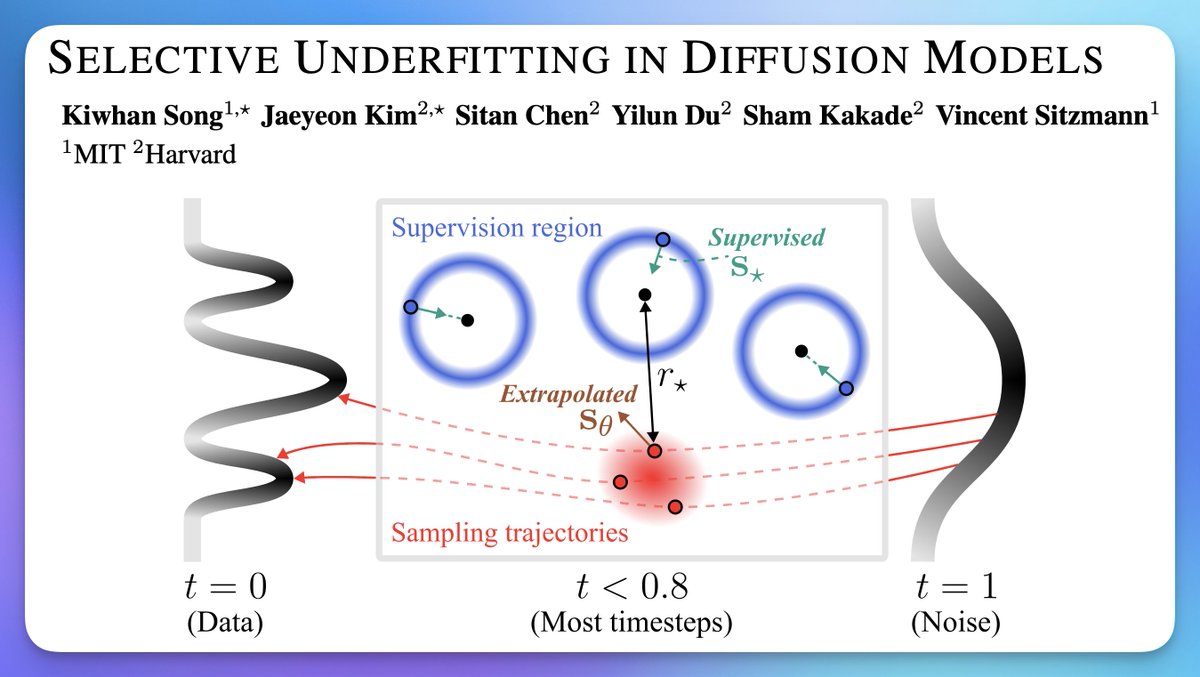
We introduce a new ''rule'' for understanding diffusion models: Selective Underfitting.
It explains:
🚨 How diffusion models generalize beyond training data
🚨 Why popular training recipes (e.g., DiT, REPA) are effective and scale well
Co-led with @kiwhansong0!
(1/n)
6
64
416
64,426
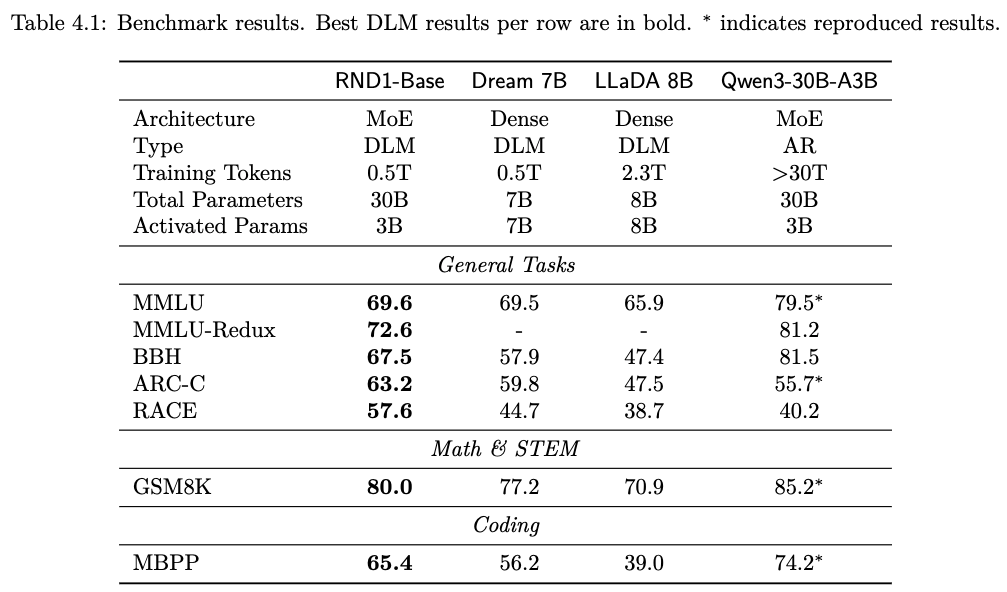
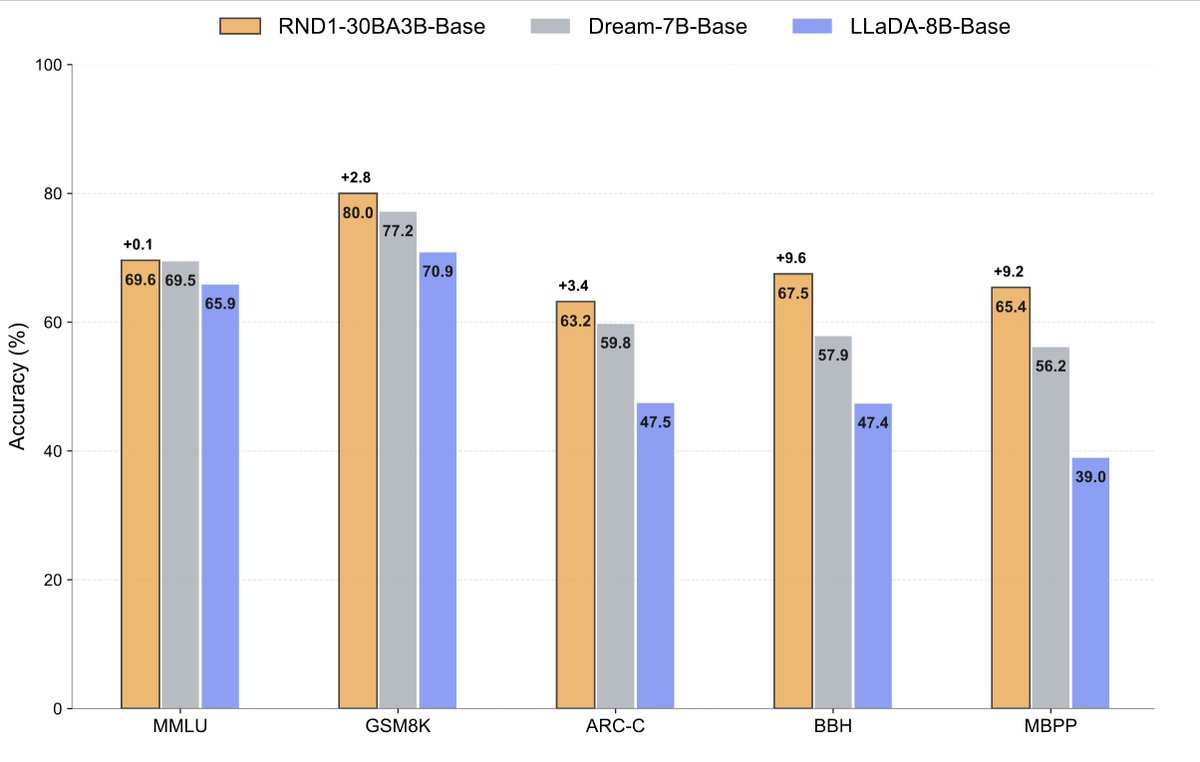
It's odd the performance is significantly worse than the AR base model? Starting with a much powerful AR model, dropping the performance just enough to beat all other diffusion LLMs, and then saying it's better than them is weird...
9 Oct 2025

More on RND1 models:
Blog: radicalnumerics.ai/blog/rnd1
Code: github.com/RadicalNumerics/R…
Report: radicalnumerics.ai/assets/rn…
Weights: huggingface.co/radicalnumeri…
1
16
3,106