
Global Head @Sanofi: Techbio, AI/ML, Data Science, Precision Medicine, Bioinformatics & Drug Discovery. Ex @AstraZeneca @MayoClinic @Philips @mountsinainyc
Joined October 2008
- Tweets 20,167
- Following 5,389
- Followers 5,529
- Likes 13,530
804 Photos and videos



Pinned Tweet

31 Jan 2019
Surprised and humbled to be on this list: "Top 100 AI Leaders in Drug Discovery and Advanced Healthcare"
ai-leaders-healthcare.dka.gl…
#datascience #MachineLearning #HealthTech #Bioinformatics #DrugDiscovery #pharma #biotech #PrecisionMedicine #healthIT

6
11
80
Nanoparticle-based strategies for immune modulation and reorganization in the tumor - goo.gl/scholar/aSRop7 #ScholarAlerts #nanotech #oncology
53
Multimodal AI-assisted diagnosis and management of myocardial infarction - goo.gl/scholar/6Z91Cc #ScholarAlerts
35
Integrating Screening and Omics Data in Drug Discovery - goo.gl/scholar/zbKJUY #ScholarAlerts
55
Shameer Khader, PhD, MPH retweeted

Jun 12
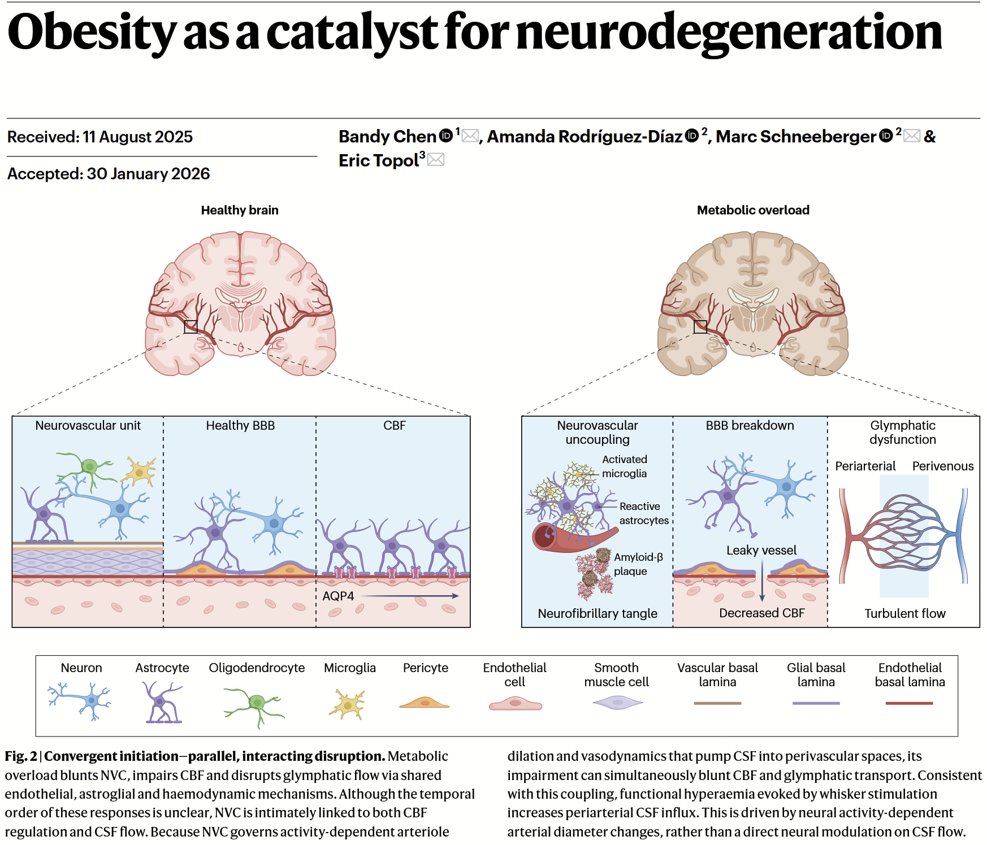
Obesity doesn't just affect the waistline—it reshapes the brain. Emerging evidence suggests chronic metabolic overload disrupts neurovascular coupling, blood–brain barrier integrity, cerebrospinal fluid dynamics, and myelination, creating conditions that may accelerate neurodegeneration. As obesity and neurological disorders rise in parallel, understanding these interconnected pathways could reveal new strategies to protect brain health across the lifespan. #Neuroscience #Obesity #BrainHealth
nature.com/articles/s42255-0…
4
118
343
14,304
Shameer Khader, PhD, MPH retweeted

Jun 12
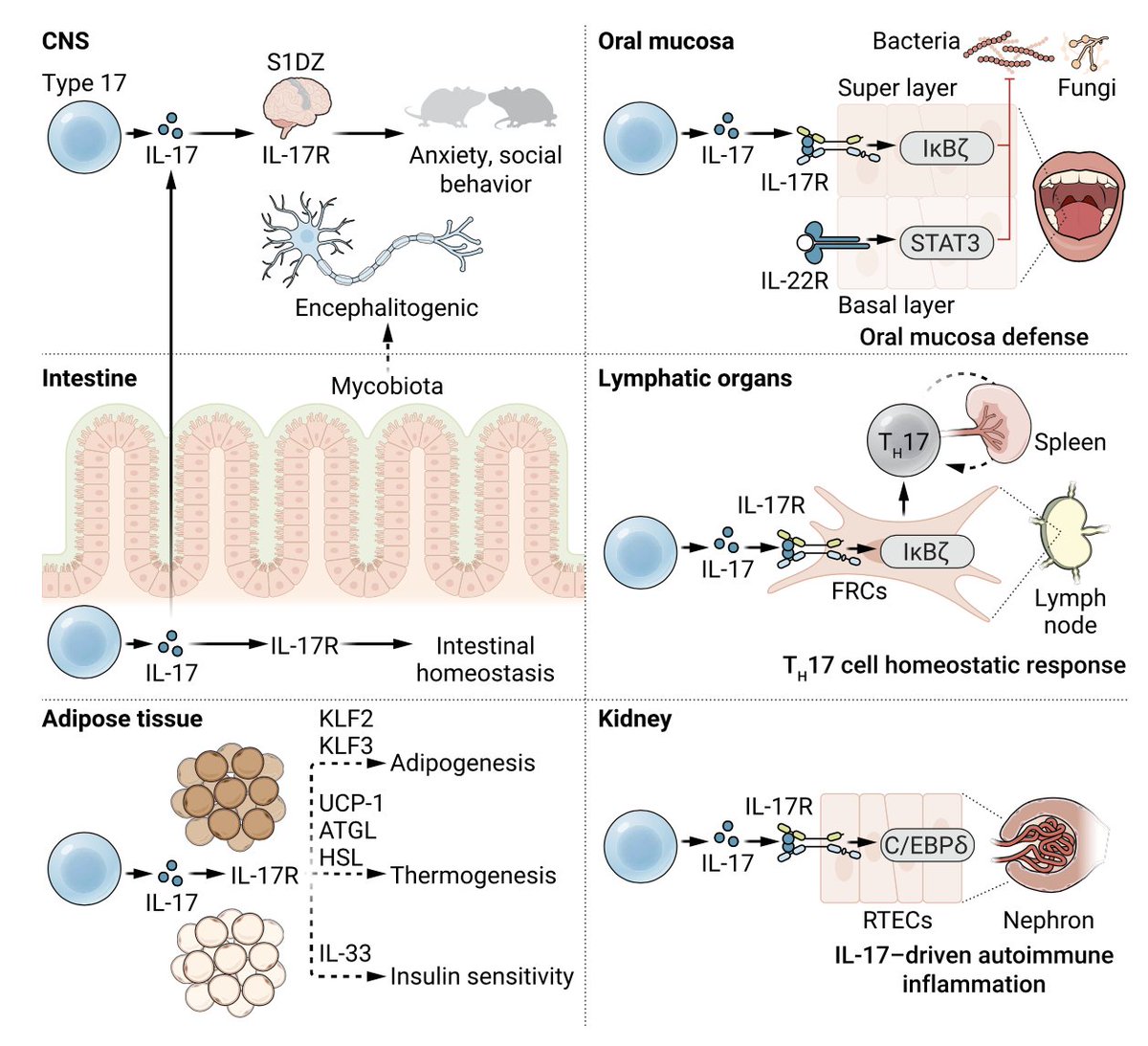
Interleukin-17 (IL-17 and its receptor, IL7R) is emerging as a key mediator in many immune-related diseases. Today @SciImmunology a superb review
science.org/doi/10.1126/scii…
4
106
391
41,004
Shameer Khader, PhD, MPH retweeted

A graph neural network framework enables individualized genetic risk prediction at the single-cell level go.nature.com/3H6pAlr
rdcu.be/fmbnx
1
17
71
7,496
The Multimodal Shift: A Bibliometric Analysis of the Rise of Google Gemini in Medical Research - goo.gl/scholar/hr8Z3i #ScholarAlerts
2
100
From Word to Sentence Embedding and beyond: Bridging the Gap in Text Representation Survey - goo.gl/scholar/ZFUAbd #ScholarAlerts
55
Shameer Khader, PhD, MPH retweeted

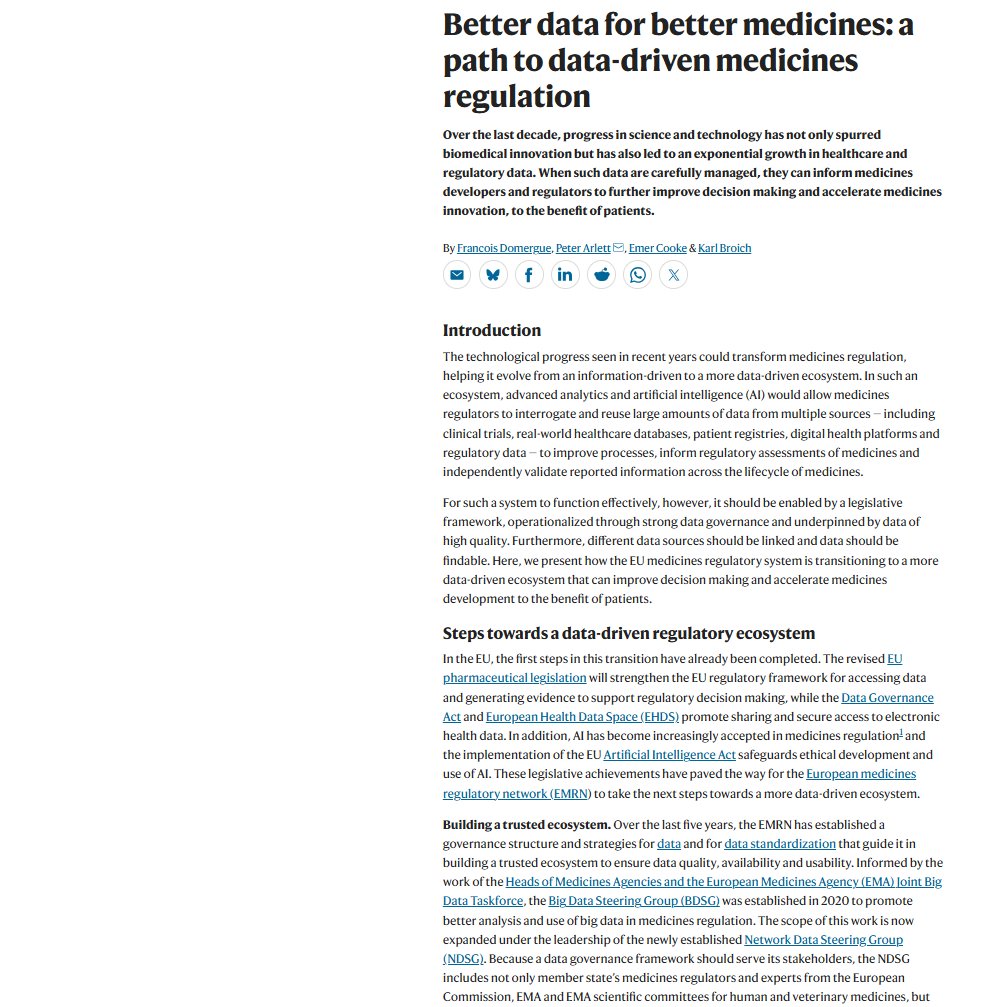
Better data for better medicines: a path to data-driven medicines regulation
nature.com/articles/d41573-0…
This new Comment article highlights how the EU medicines regulatory system is becoming more data-driven
@EMA_News
7
24
1,944
Shameer Khader, PhD, MPH retweeted

May 29
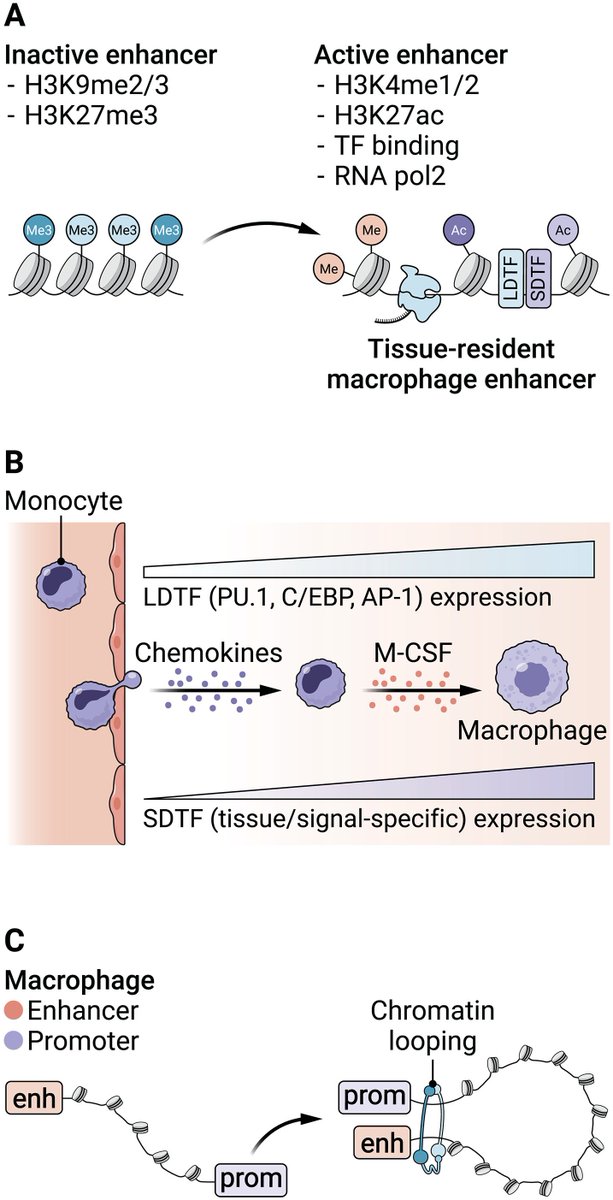
Review @SciImmunology
The transcriptional and epigenetic regulation of macrophage differentiation, specialization, and activation in health and disease
science.org/doi/10.1126/scii…
27
87
3,561
Shameer Khader, PhD, MPH retweeted
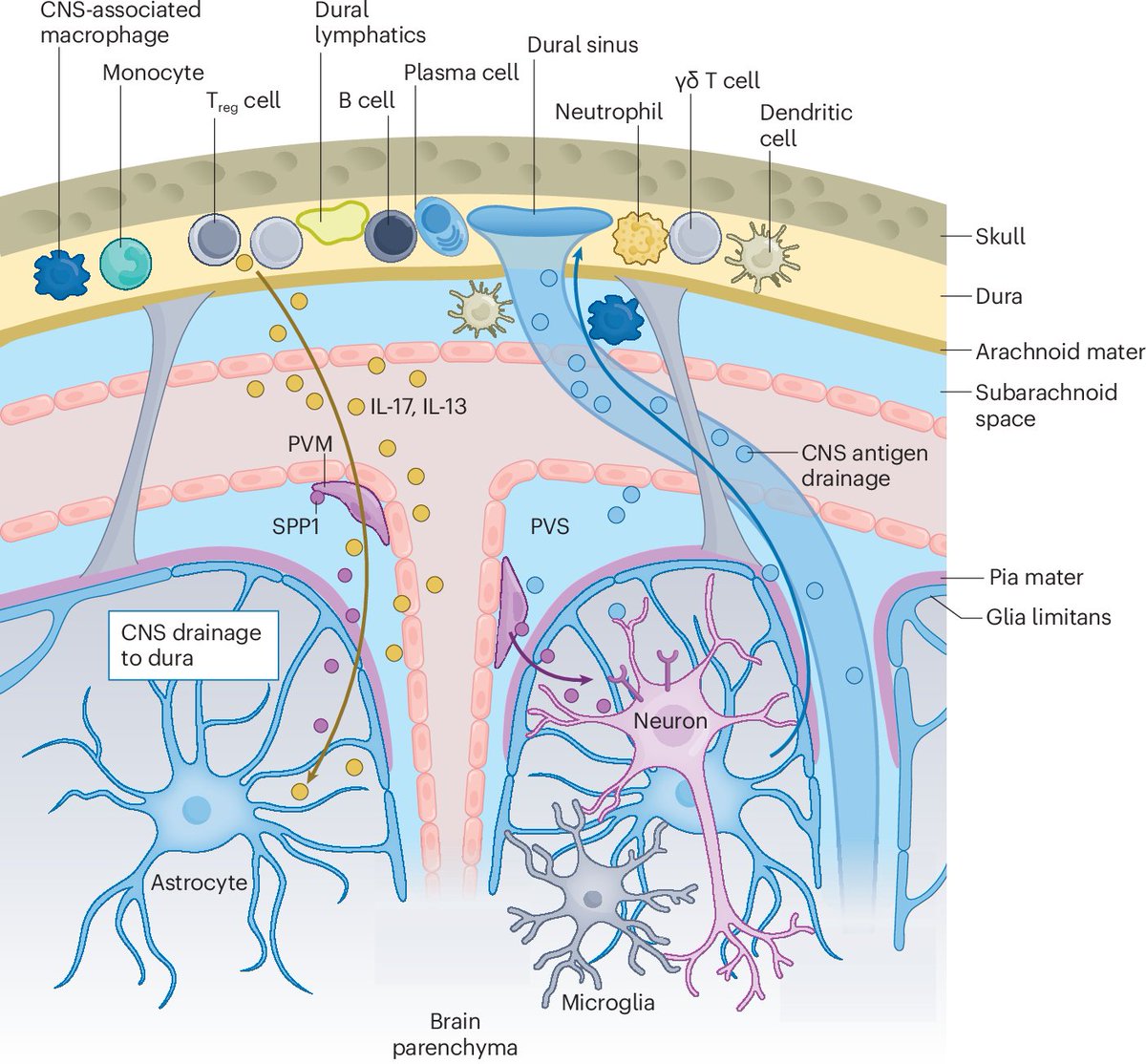
This Review in the May issue discusses how microglia integrate signals from central and peripheral immune cells in neurodegenerative disorders, highlighting therapeutic targets and biomarkers nature.com/articles/s41573-0…
rdcu.be/fk3uL
19
51
3,210
Shameer Khader, PhD, MPH retweeted
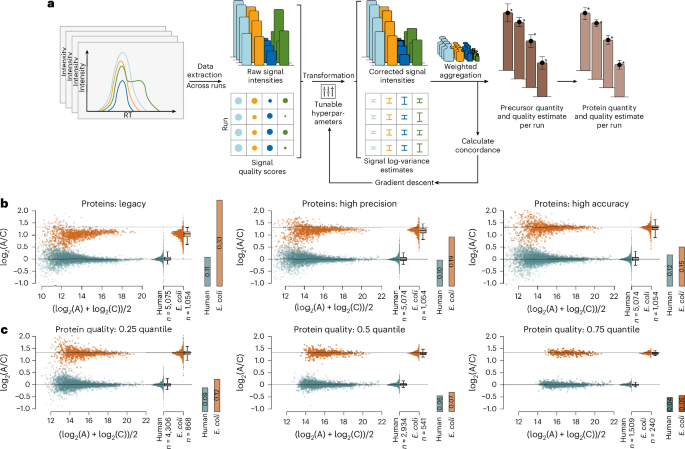
Accurate quantification in proteomics with QuantUMS go.nature.com/4wPiE1j
13
42
6,127
Shameer Khader, PhD, MPH retweeted

May 22
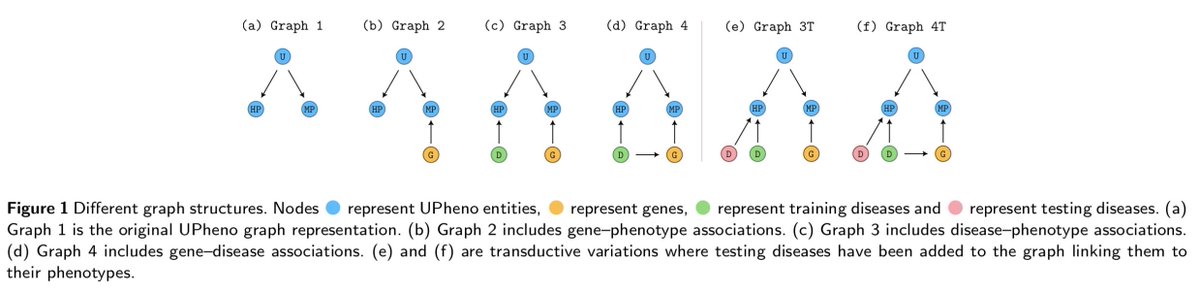
INDIGENA: inductive prediction of disease–gene associations using phenotype ontologies academic.oup.com/bioinformat…
1
6
10
976
Shameer Khader, PhD, MPH retweeted
May 22
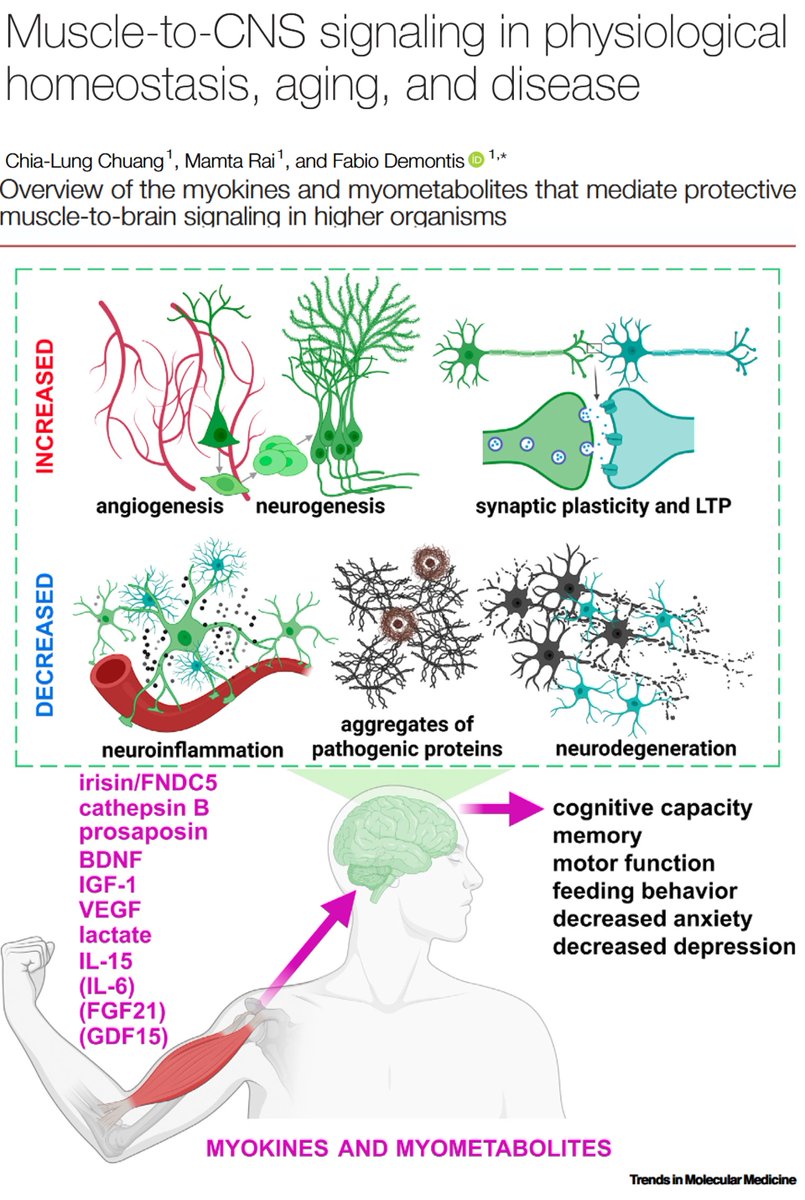
Muscle talks to the brain. 💪🧠
Exercise triggers myokines & myometabolites that boost cognition, while inactivity sends harmful signals that impair brain function. This muscle–brain crosstalk shapes behavior and resilience to aging and neurodegeneration. @WuTsaiAlliance
sciencedirect.com/science/ar…
4
104
337
102,505
Shameer Khader, PhD, MPH retweeted
May 22
Review @ImmunityCP
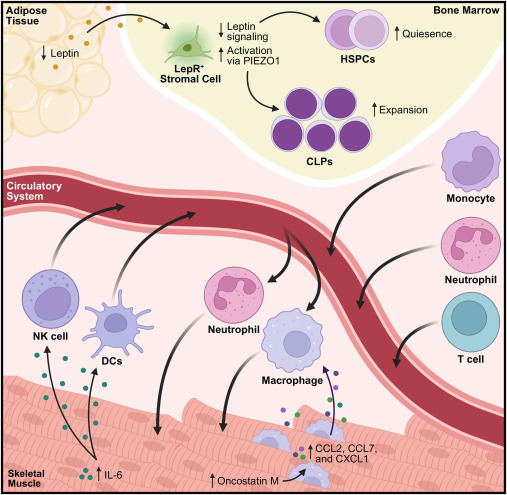
The immunology of exercise: Mechanisms, mediators, and therapeutic opportunities
cell.com/immunity/fulltext/S…
27
62
4,058
Shameer Khader, PhD, MPH retweeted

May 21
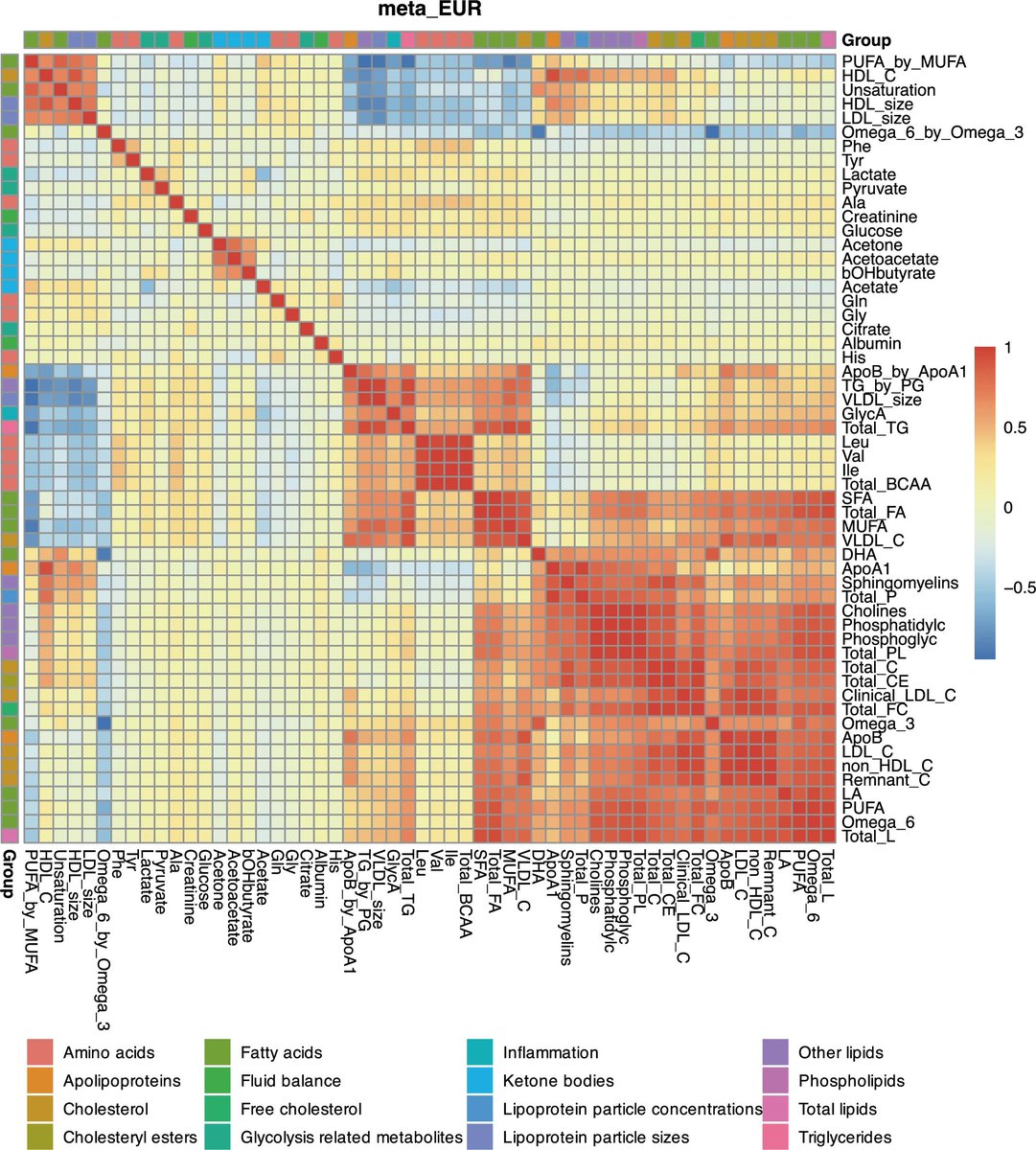
A new amazing resource for drug target explorations with genomic data was released today @Nature:
A massive meta-analysis GWAS for 249 NMR-quantified metabolites in UK Biobank and Estonian Biobank across 619,372 individuals👇
2
66
287
35,362
Shameer Khader, PhD, MPH retweeted
May 19
A big day for multi-agent AI to accelerate biomedical discovery, hypothesis generation, designing experiments with proof points of new candidate drugs (cancer, fibrosis, macular degeneration, antimicrobial resistance, and more)
2 @Nature reports @GoogleDeepMind @FutureHouseSF
nature.com/articles/s41586-0…
nature.com/articles/s41586-0…
14
146
533
157,709
Shameer Khader, PhD, MPH retweeted

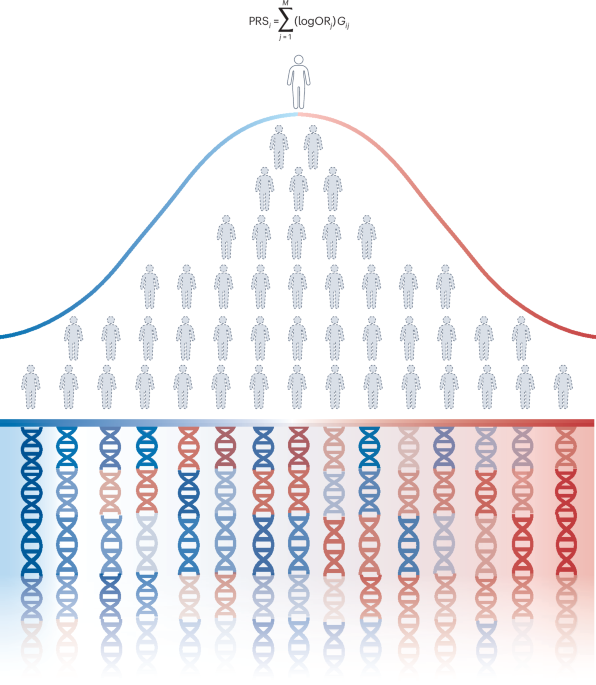
Polygenic risk scores are not genetic predispositions dlvr.it/TSbR0q
1
37
148
12,479
Shameer Khader, PhD, MPH retweeted

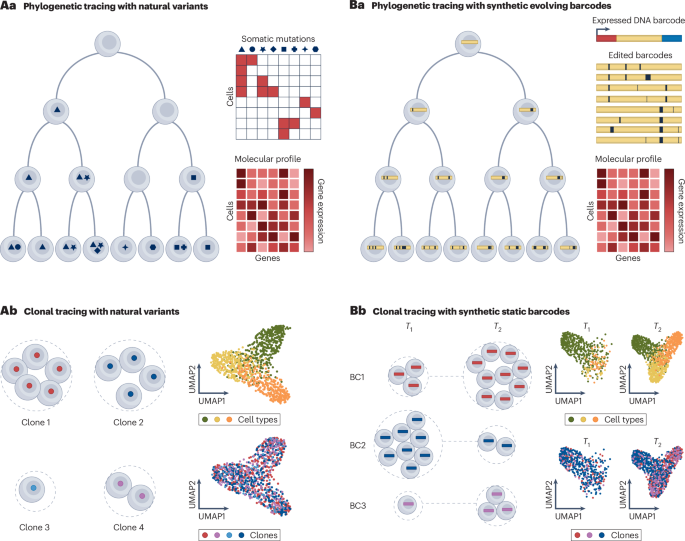
New online! Computational approaches for multimodal lineage tracing dlvr.it/TSbWq4
43
150
13,181
Shameer Khader, PhD, MPH retweeted

May 18
A foundation model of transcription across human cell types | Nature nature.com/articles/s41586-0…
2
26
135
15,689