
comp bio PhD @Perimeter. Following rationalists, biotech entrepreneurs, scientists, researchers, designers & craft brewers.
Joined January 2009
- Tweets 7,370
- Following 1,006
- Followers 595
- Likes 2,514
108 Photos and videos




Pinned Tweet

Feb 12
Great energy tonight! Got to talk about lab automation, recent advances in bio foundation models and parenting in with some new and familiar faces. Biotech and AI is alive and well in NYC. Hope to make this a recurring meetup at
@fractaltechnyc
Jan 30

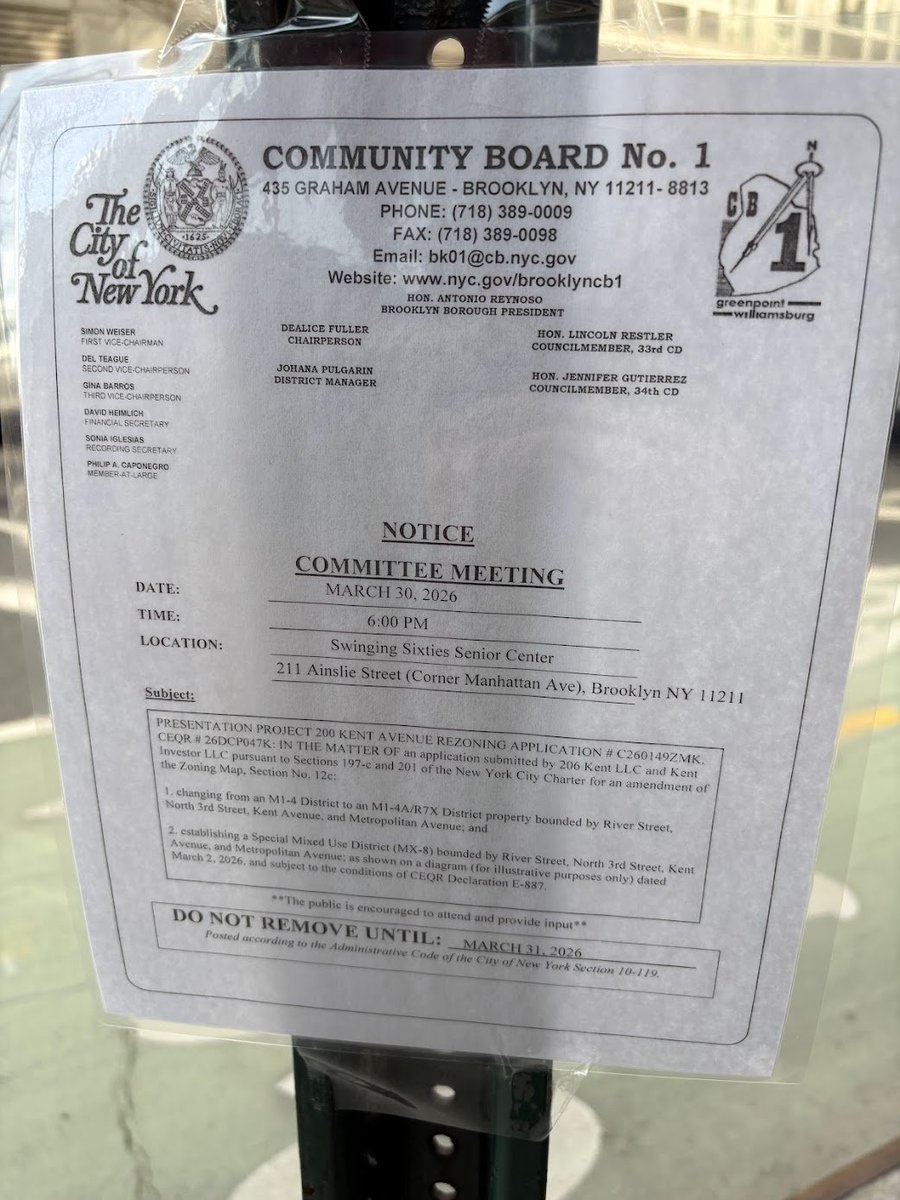
biotech-ml meetup on feb 11th in williamsburg!!! come!!! only a few spots left!!! quickly!!!!
2
6
883
Zachary Kurtz retweeted

Jun 11
Did KAT tip this pass?
He may have saved the game.
165
380
12,334
913,826
Jun 10
Having some luck avoiding Fable 5 refusals by having Opus 4.8 re-write my biostats questions sans the bio parts
2
108
Jun 10
*and farming it out to Claude api. Claude code seems to be injecting some client-side sensitivity
40
Apr 29
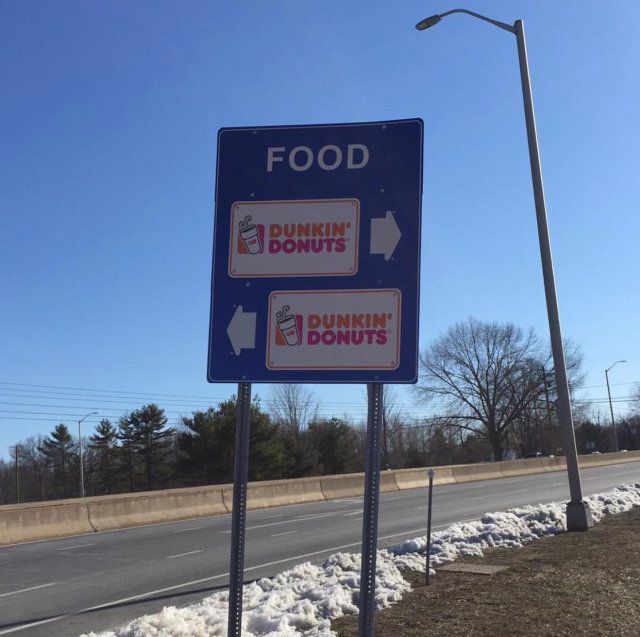
Which way Massachusetts man?

9
336
Apr 28
The original homebrewers were bio hacking yeast
Apr 27

Recent interest in DIY bio has led me to ponder this question:
Will we ever see a hacker movement in biology akin to what we saw with personal computing in the 1970s?
Take homebrew computer club as a reference. You had a bunch of amateur electronic enthusiasts congregate to mess around within a given technology domain. To see what they could build, and share their ideas. Then you have a cambrian explosion of technological development in personal computing, because the component technologies are now accessible to individuals outside of the institutions that facilitated their early development.
What is structurally similar / different about the spaces of computing in 1975 and biology in 2026? Are the differences sufficiently great that the 'homebrew biology club' never exists?
2
97
Apr 24
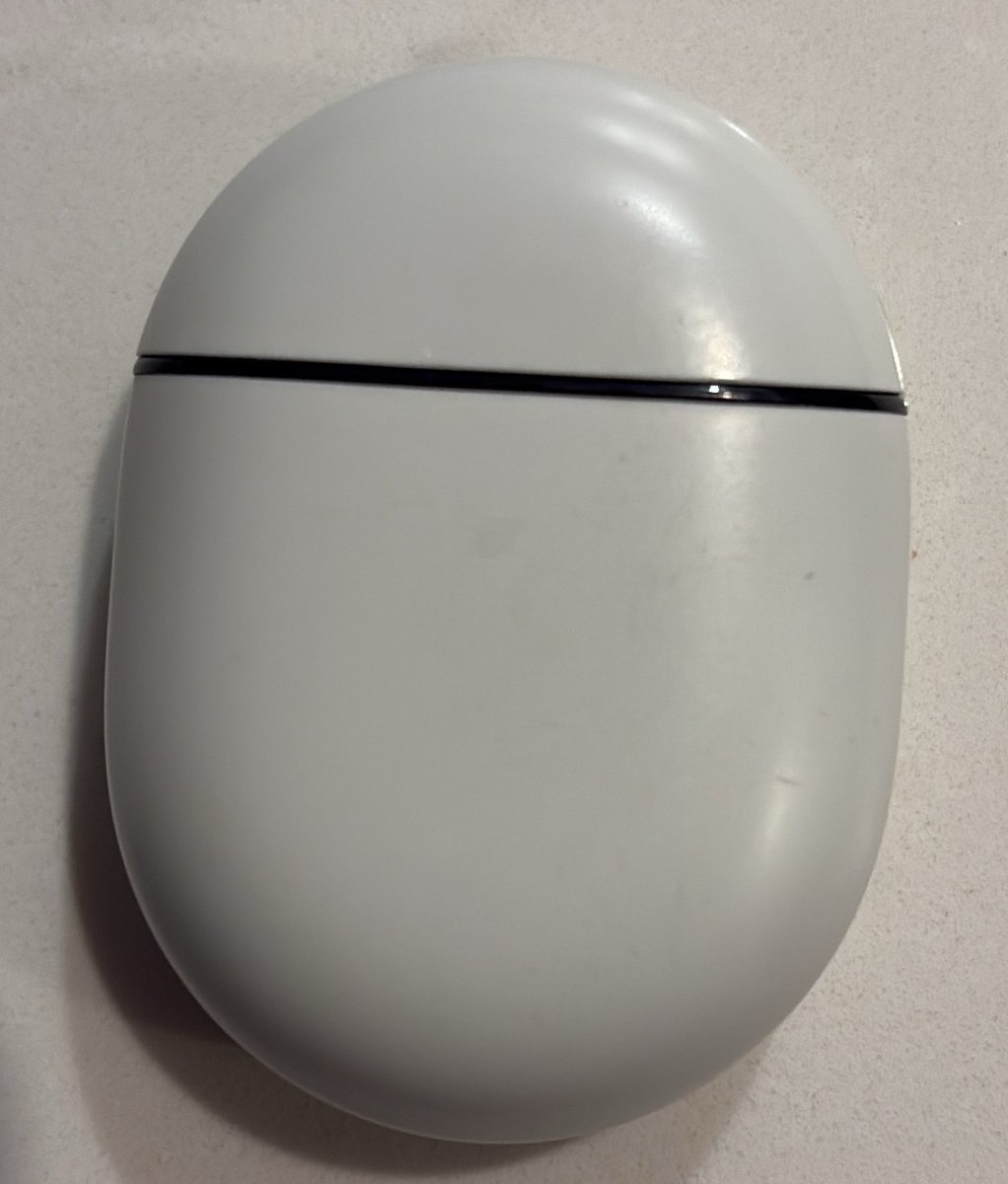
The Pixel buds series A is a marvel. I ran it through the washing machine, dropped it on cement which cracked the case, it slipped out of my breast pocket and into the toilet, and then I machine washed it again because I’m careless. I all but gave it up for dead but plugged today and a whim and you better believed the charging light came on. The left ear bud still works!
2
4
161
Zachary Kurtz retweeted

Apr 19
There are only 15 true load-bearing stone triumphal arches the world. Rome built its last in 360 AD and another wasn't built for 1,000 years.
If triumphal arches are a sign of a civilization's peak, then Rome peaked in 117 AD, France in 1806, Prussia 1791, Russia 1814, Britain 1830, and the United States in 1915.
America built three in New York. It was the rise of the American Century. Then we stopped. 111 years ago.
Here's why: True triumphal arches are hard on purpose. Purely symbolic, they are a test of will to see if you can pull them off.
Take the Arch de Triomphe. Napoleon commissioned it in 1806. It took 30 years to build. Four monarchs and three architects passed before it was finished. Napoleon died in 1821 and never saw it completed.
The arch requires load-bearing stone. Typically limestone or granite which are easiest to cut. To build the arch, Napoleon opened a limestone quarry 100km south of Paris. It required 20,000 blocks, each weighing a ton to be extracted with hand chisels.
Each block must be chiseled to precision... by hand. A mason, who trained for 20 years, used mallets, chisels, and rasps to shape each block to millimeter tolerance. An arch, which is a physics trick and works by compression, will fail if a stone is just a few millimeters off. The force fails to flow evenly, pressure concentrates to a point, a stone cracks, and it fails.
America could still build a real one. The engineering exists. The stone exists. But we don't want open a quarry for a single monument. Stake 20,00 blocks by hand. We don't want to wait three decades while a project outlives the presidency that started it.
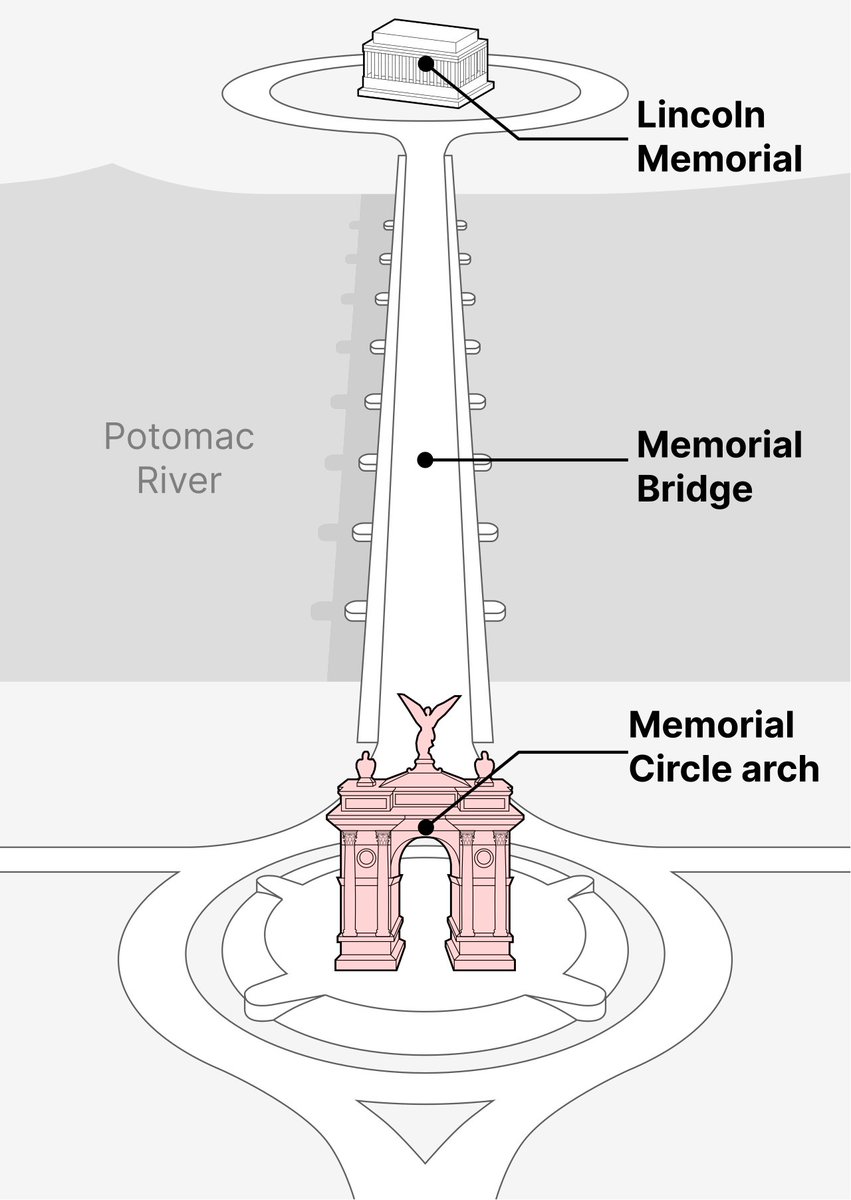
The Memorial Circle arch will cost $100M. It will be made of reinforced concrete and steel.
Is it emblematic of the United States today to build a symbolic triumphal arch, representing a 2,000-year-old test of will, only to fake it with steel rods and concrete?
Apr 17

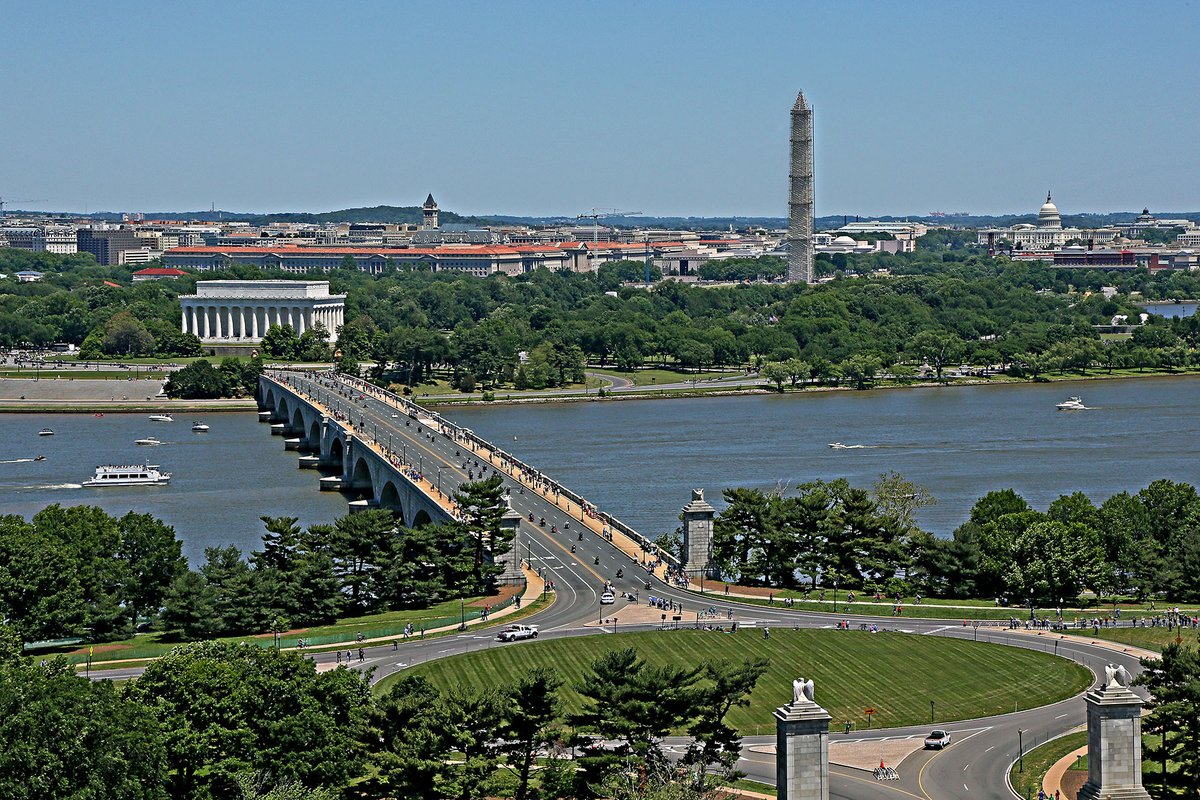
You know what, the proposed location really is begging for a gigantic arch.
1
2
7
1,059
Apr 14
The recent past is a foreign country.

Really late 90s and really early 2000s are interesting because they feel kind of like yesterday and really modern but there aren’t really cellphones around like a timeline where smartphones never were created.
97
Zachary Kurtz retweeted

Are you a Software Engineer, PM, or Customer Service Manager making over $150,000 per year?
Are you looking for a job?
For the equivalent of ~2 hours of your salary we can get you more interviews in a month than you'd know what to do with.
2
3
40
7,685
Apr 8
Give me your tired, your poor, Your huddled masses yearning to cross a bridge or tunnel
Apr 7

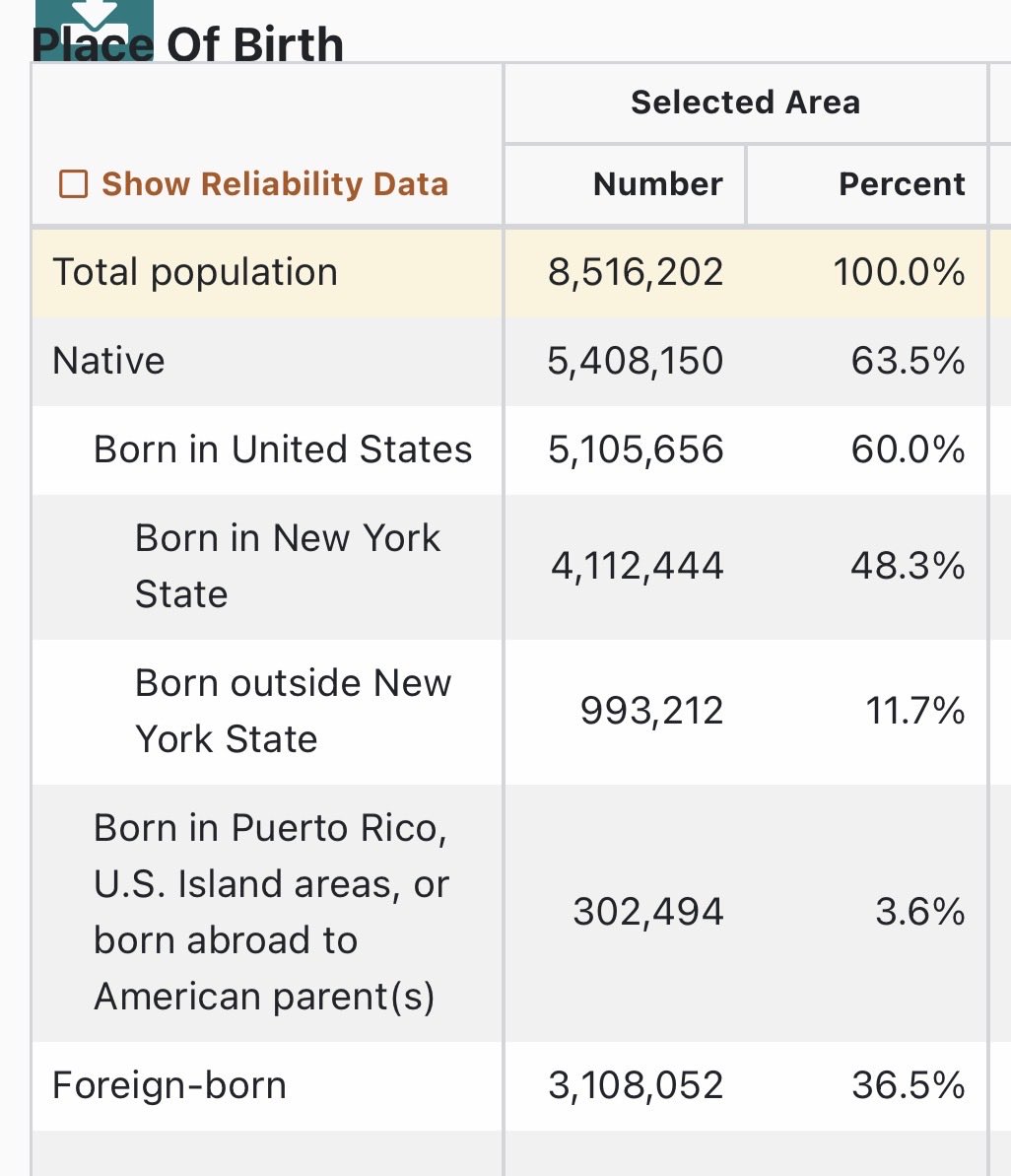
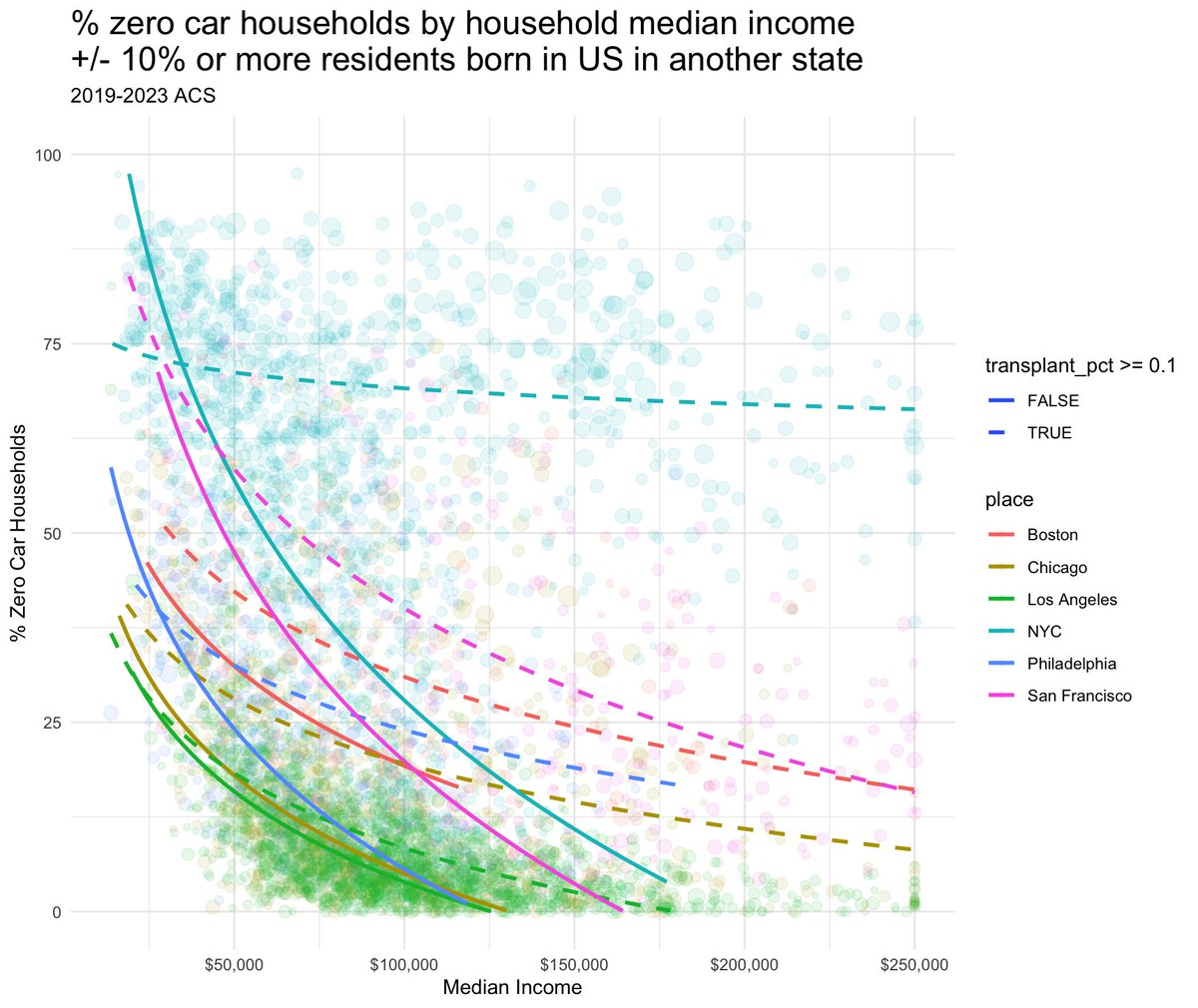
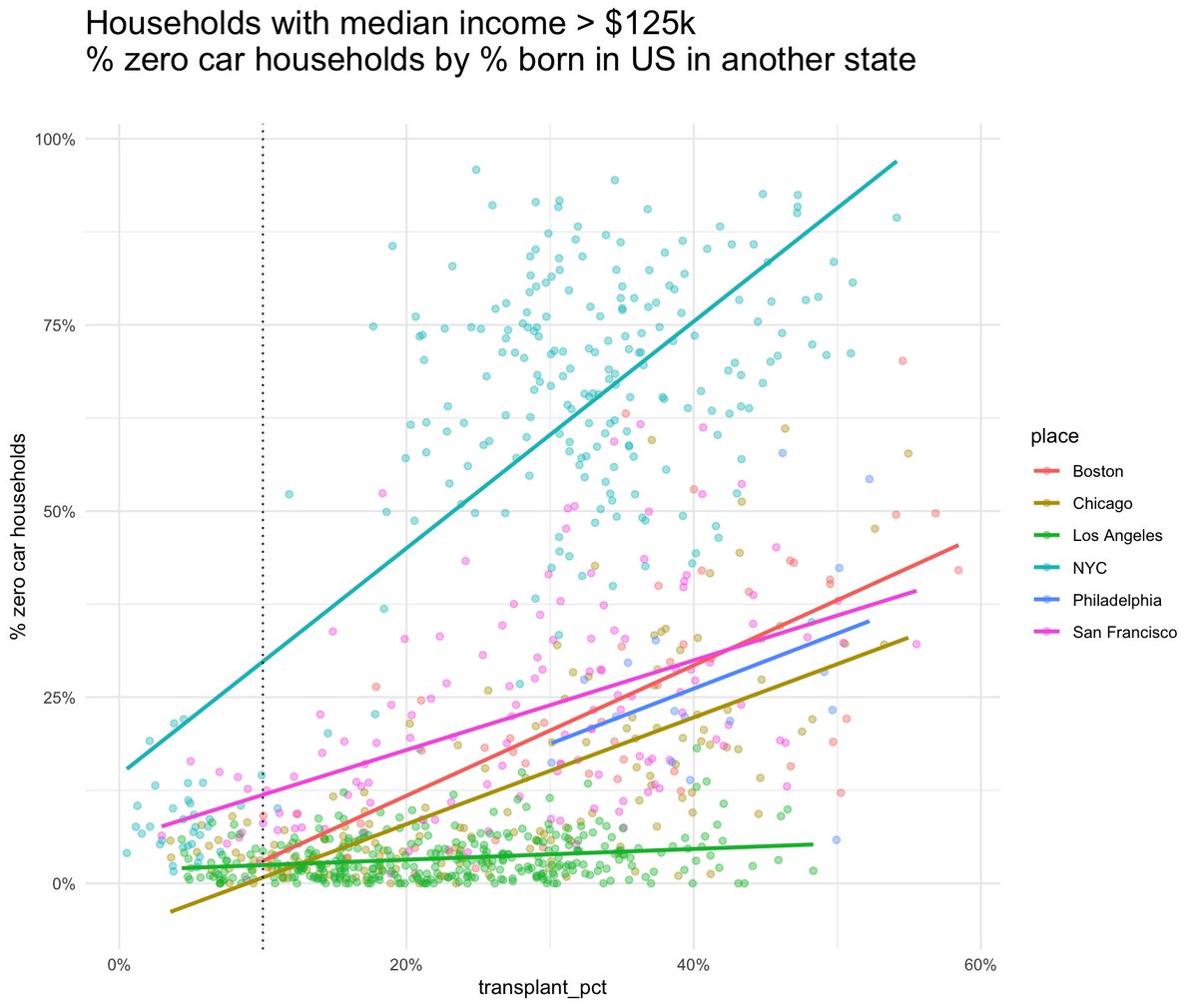
New Yorkers whining about “transplants” will never not be funny. Not even 12% of NYC residents are from a state other than NY, and they’re disproportionately from NJ, CT, and PA.
Yeah, I’m sure it’s marketing VPs from Essex County having schizo freak outs on the subway.
1
119
Apr 7
Agreed!
Apr 7

So excited for @matt_f_mcknight and the Perimeter team. It’s crazy to me in 2026 we don’t have real time eyes on pathogens trying to attack us everyday. This is a national defense infrastructure that is sorely lacking today, especially post dismantling of the CDC.
1
89
Apr 7
🍎🗽 Still the best city, obviously

one thing that really differentiates NYC from other cities is that you have lots of parts of the city where residents are high income but a majority don't own cars - almost all of which have a lot of transplants
76

one thing that really differentiates NYC from other cities is that you have lots of parts of the city where residents are high income but a majority don't own cars - almost all of which have a lot of transplants
1
2
27
5,465
Apr 4
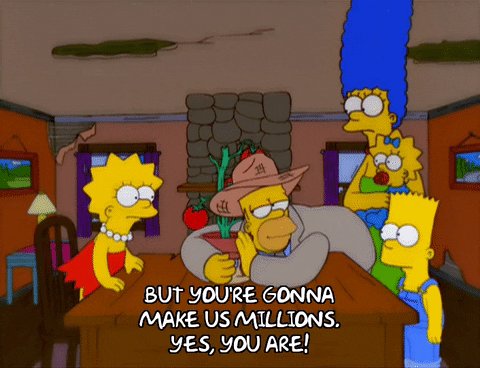
Simpsons predicted this
Apr 3

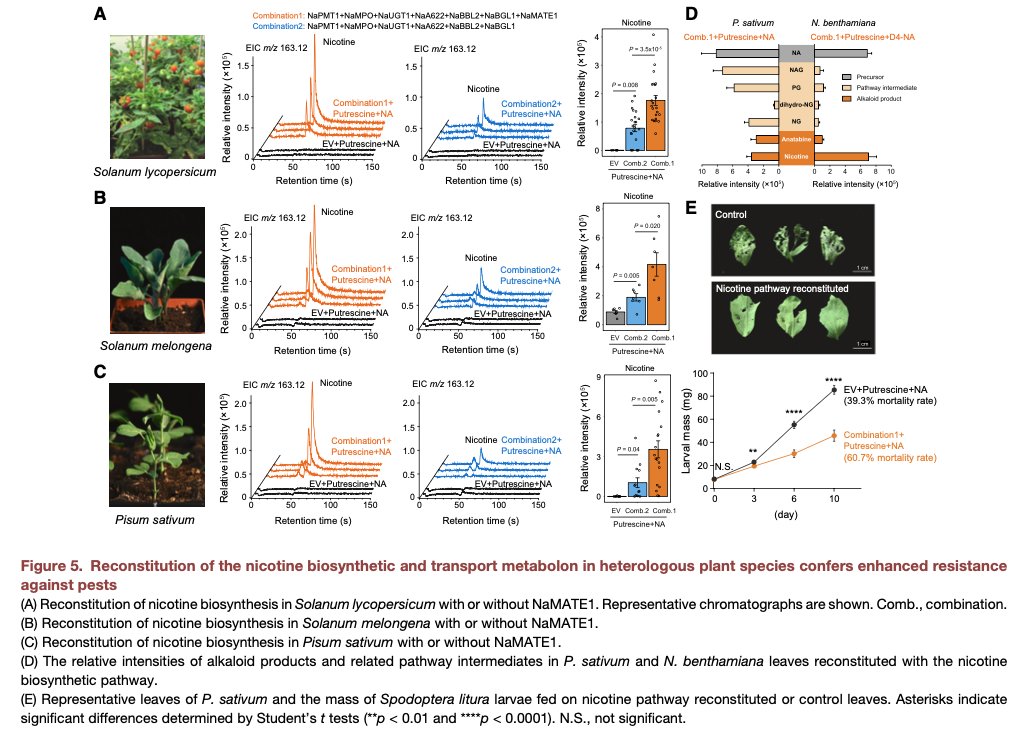
Nearly 200 years after nicotine was first chemically isolated, we’ve finally figured out its complete biosynthesis pathway. Doing so required an insane effort and many years of work. The authors — a Chinese group — ended up crossing 643 lines of tobacco plants to find a single mutant incapable of making nicotine. They next backcrossed and inbred that plant to figure out the specific mutations, in various genes, and map the enzymes responsible.
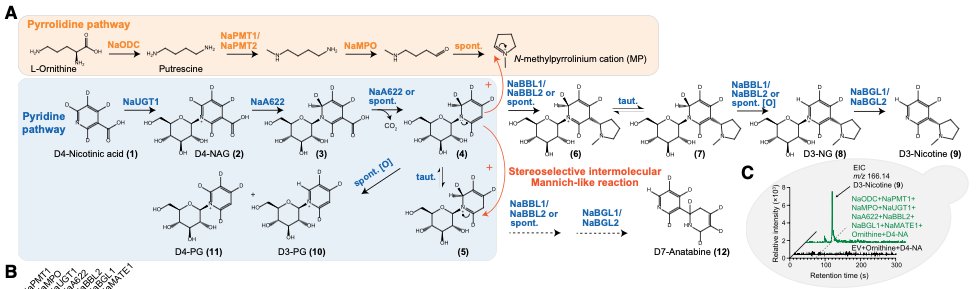
Nicotine is made from two “ring-shaped” molecules fused together. One ring has five carbons (the “pyrrolidine ring”) and the second has six carbons (the “pyridine ring.”) Scientists already knew quite a bit about how these rings get made, but not every step, and not how tthey join together to make nicotine.
The pyrrolidine ring starts when ornithine, an amino acid that is not used to make proteins, gets its carbon dioxide clipped off by an enzyme, called ornithine decarboxylase, to make putrescine. This putrescine then has a methyl group attached to it, and gets oxidized. At this point, the molecule is a chain with four carbon atoms; one end has an amine, and the other a methylated amine. The amine end gets cut off and replaced with a reactive aldehyde; the chain folds into a loop; and the methylated amine “attacks” electrons on the aldehyde to form the ring.
To make the pyridine ring, plant cells first take aspartate (the amino acid) and oxidize it. The resulting molecule is then transformed into nicotinic acid mononucleotide, which is just vitamin B3 with a sugar and phosphate attached. This paper is the first to report that NAMN hydrolase clips off the sugar and phosphate to release pure vitamin B3; also called niacin or nicotinic acid. (The names are slightly confusing.)
The paper’s major contribution, though, is in figuring out how the two rings get fused together. The nicotinic acid is unstable, so an enzyme quickly attaches a sugar to it. Another enzyme, called A622, then strips off a CO2 group, making the molecule reactive again. And finally, that reactive intermediate “attacks” the five-membered pyrrolidine ring to join the two halves together. Other enzymes strip off the remaining sugar to make nicotine. (This whole pathway is shown in the image below.)
All of this happens on the surface of plant vacuoles. Many of the chemical intermediates are toxic, so they need to be sequestered and converted quickly. And as soon as the final nicotine gets made, a transporter pumps it into the vacuole, where it is stored away.
It’s actually difficult to wrap my head around the amount of work packed into this paper, so I’ll just give some quick bullet points:
1. They grew 643 inbred plant lines, which were made by crossing together 26 different parent tobacco plants. They extracted metabolites from all of them.
2. They did a bunch of single-cell RNA sequencing on the tobacco roots to figure out which cells actually express the nicotine biosynthesis genes.
3. “Stumbled” upon a mutant plant which was not able to make nicotine, and then sequenced its entire genome. They also crossed back this plant and inbred it for two generations to find the mutation responsible; a single C-to-T swap. This experiment alone must have taken at least two years of work.
4. Fed plants with isotopically “heavy” nicotinic acid and then tracked its movements through metabolic pathways.
5. Collected at least 630 mass spectrometry spectra.
6. RECONSTITUTED THE ENTIRE PATHWAY IN FOUR DIFFERENT SPECIES: YEAST, TOMATO, EGGPLANTS, AND PEAS (!!!!!!!!)
7. And a lot more…
Anyway, insane paper. China has been putting out incredible plant biology papers for the last several years.
1
105
Zachary Kurtz retweeted

Mar 26
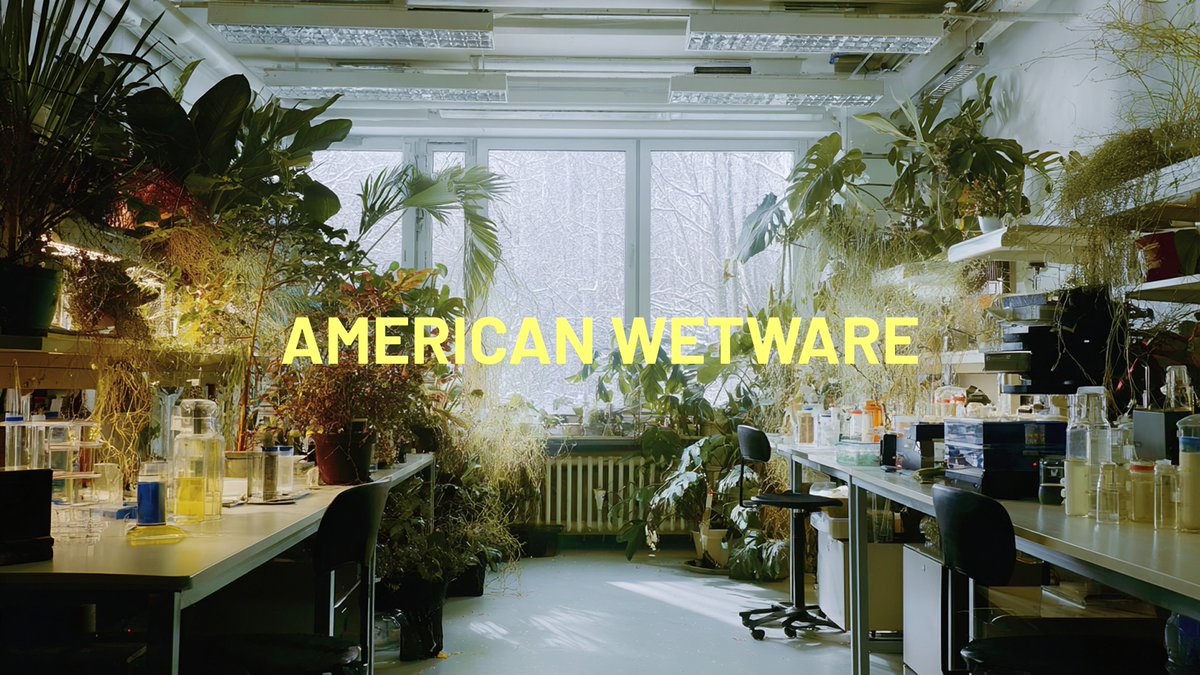
Today we’re launching American Wetware, a design studio for building with biology 🇺🇸💧
I’m doing this together with @thisischristina and @p_maverick_b
Our mission is to learn the design language of biology
51
67
596
74,927
Zachary Kurtz retweeted

Mar 13
We are looking for more hiring partners to join our internship program this semester!
Our students are engineers, CS majors, PMs, designers, data scientists, and consultants who use frontier AI tools every day. DM me or message me here if your company is interested.
1
8
31
2,884
Mar 7
Mar 6

What if you could simulate your life before living it?
Today we’re launching FactSim.
A realistic life simulator that learns about you then models your behavior with agents.
Test paths. Run scenarios. Explore outcomes.
Your life in sandbox mode.
factsim.com
120

I used to cover food and agriculture on Wall Street and I predicated this almost 10 years ago. Precise targeting of weeds and pests — making the use of chemicals unnecessary. Incredible to see it becoming reality.
Mar 4

An NVIDIA powered farming machine uses Al vision and precision lasers to eliminate weeds in milliseconds without herbicides and without harming crops, a potential shift toward chemical free agriculture
294
2,992
40,205
2,561,529
Zachary Kurtz retweeted

Mar 1
I have a lot of Qs about this so please answer as much as you can, in priority order.
1) What forms of surveillance if any would your terms forbid, if the DoW determined they were legal? What is your definition of it that you believe is unconstitutional as per another Q? In particular, are you willing to do unlimited analysis of third-party or public information, which AIUI is considered legal? Of nominally 'constrained' private information? Is there an actual exception to 'all legal use' other than enshrining current law?
2) Can we see the rest of the contract, or at least the parts you claim tie it specifically to current law, or other parts of the defense in depth that you feel are key components?
3) What legal opinions did you get on your contract language before you agreed to it? Can you share any details? Did you consult with Anthropic's team to learn what their true objections were and why they felt they couldn't accept similar terms, and what particular language they were objecting to?
4) What is the enforceability mechanism? How will you know if DoW violates your redlines or does something illegal? If you do think so, what can you do about it? Does the safety stack include monitoring for patterns of activity like it would with another user? How much leeway does OpenAI have in designing its safety stack?
5) You said that this is more restrictive than Anthropic's previous contract, but that previous contract AIUI contained many more restrictions that they were offering to remove. How can you be confident you're right about this and if so why would DoW agree?
6
7
322
22,828