
Joined May 2010
- Tweets 1,857
- Following 676
- Followers 334
- Likes 12,116
128 Photos and videos








Pinned Tweet

1 Feb 2024
I love forecasting (like this excellent thread on how a tough market may impact eng adjacent roles).
But even great perspective can kick up imposter syndrome or a loss of agency, like "Are less hands-on EMs totally screwed?"
Getting back to right action takes woo and wisdom.
31 Jan 2024

Prediction: a lot less engineers will consider moving to engineering manager positions the next few years.
Going from engineer to EM was almost a no-brainer until now. Not much downside, but a lot of career upside (and some compensation upside).
Now it's a lot more career risk.
1
1
3
674
12 Sep 2024
Amazing to see! Congrats to Noam and the OpenAI team.
12 Sep 2024

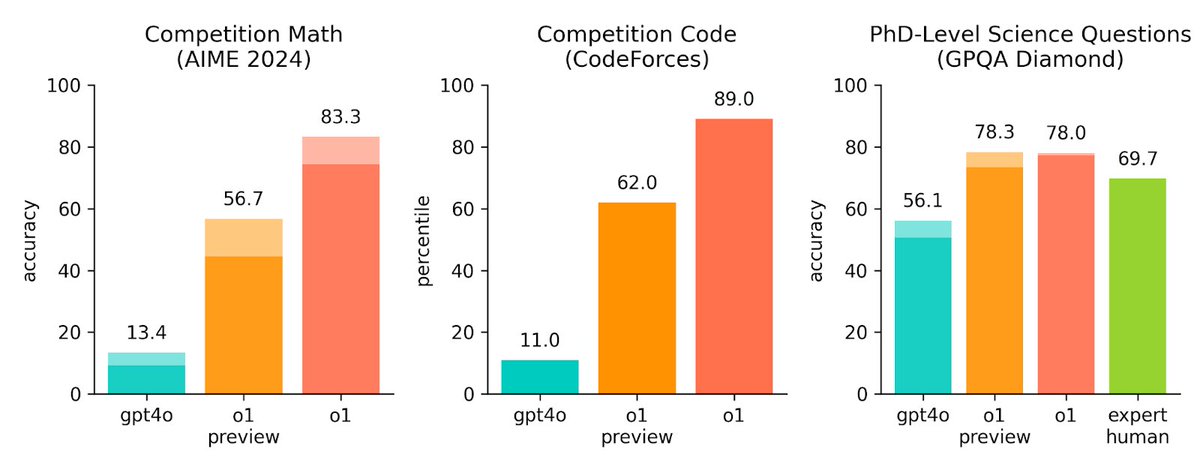
Today, I’m excited to share with you all the fruit of our effort at @OpenAI to create AI models capable of truly general reasoning: OpenAI's new o1 model series! (aka 🍓) Let me explain 🧵 1/
167
Mark Simithraaratchy retweeted

21 Aug 2024
I have been fortunate enough to invest in 13 unicorn founders over the last 10 years and 12 shared one core trait:
They excelled at video games in their early years.
@aidangomez 👇 on why video games make for better entrepreneurs.
11
10
75
25,460
23 May 2024
Awesome paper; love to see LLM-benched games like this.

Can LLMs play a hidden-identity board game "Renaissance Avalon"?
Check out: arxiv.org/abs/2310.05036
Code: github.com/jonathanmli/Avalo…
In this work, we built a game engine AvalonBench, consisting of several fixed rule baselines. We found ChatGPT 3.5 still cannot beat simple rules.
125
22 May 2024
Looking for game research benchmarks for imperfect info games and eureka:
OpenHoldem: A Benchmark for Large-Scale Imperfect-Information Game Research (2021)
...aaaaaaand it's no longer hosted.
1
1
95
8 May 2024
It's been a clean run for the first 80% of this side-project between semesters. And I'm now in the all too common "Should I Just Throw It Out" phase.
So here's my reminder to my future self: spend time with the patron saint of Finish Strong.
13 Jun 2023

I wrote a new article for GitHub's ReadME Project called "Finish your projects."
It's mostly a letter to myself, reminding me that the deep joy of finished work exceeds the cheap high of starting a new project.
It may resonate with you too.
github.com/readme/guides/fin…
1
150
6 May 2024
Why use real orchestration when I can just burn hours fiddling with my custom, shitty airflow clone?
1
86
3 Apr 2024
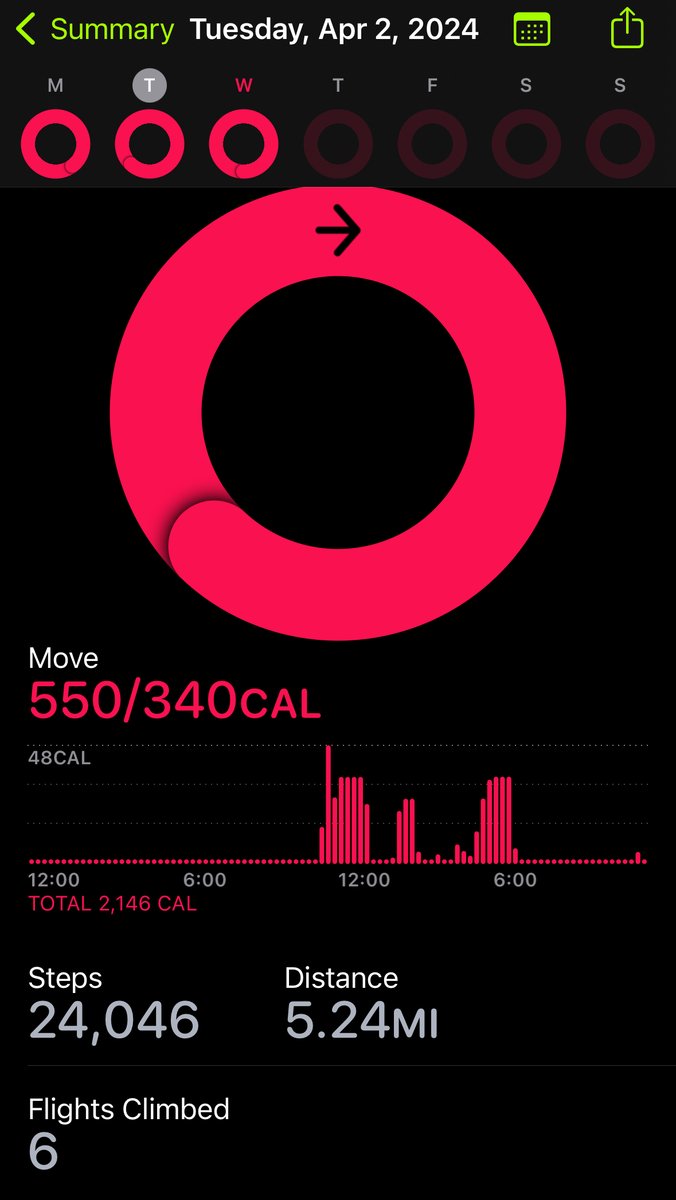
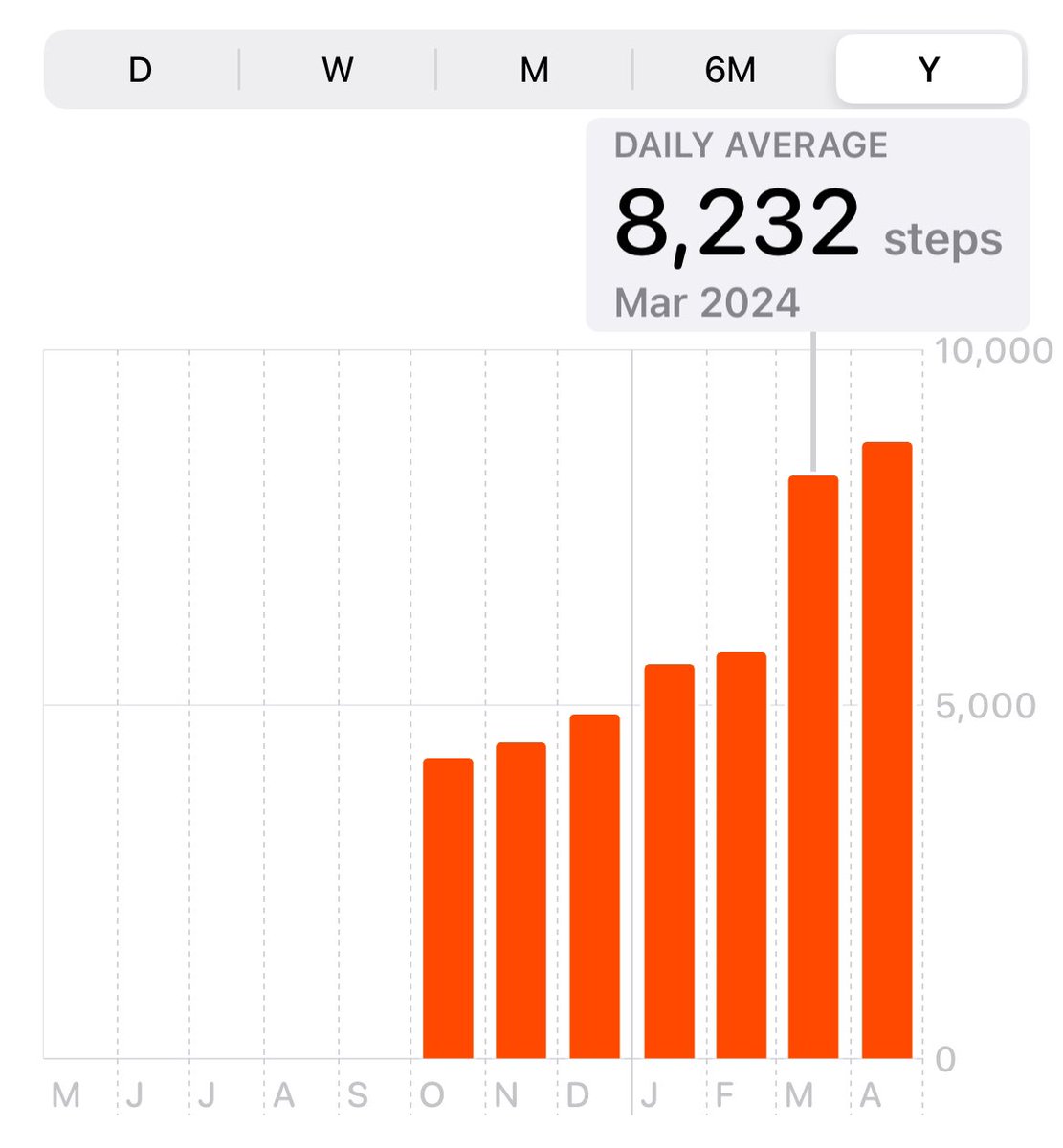
Turns out that 24k steps and squatting the next morning isn't a good idea.
1
107
20 Feb 2024
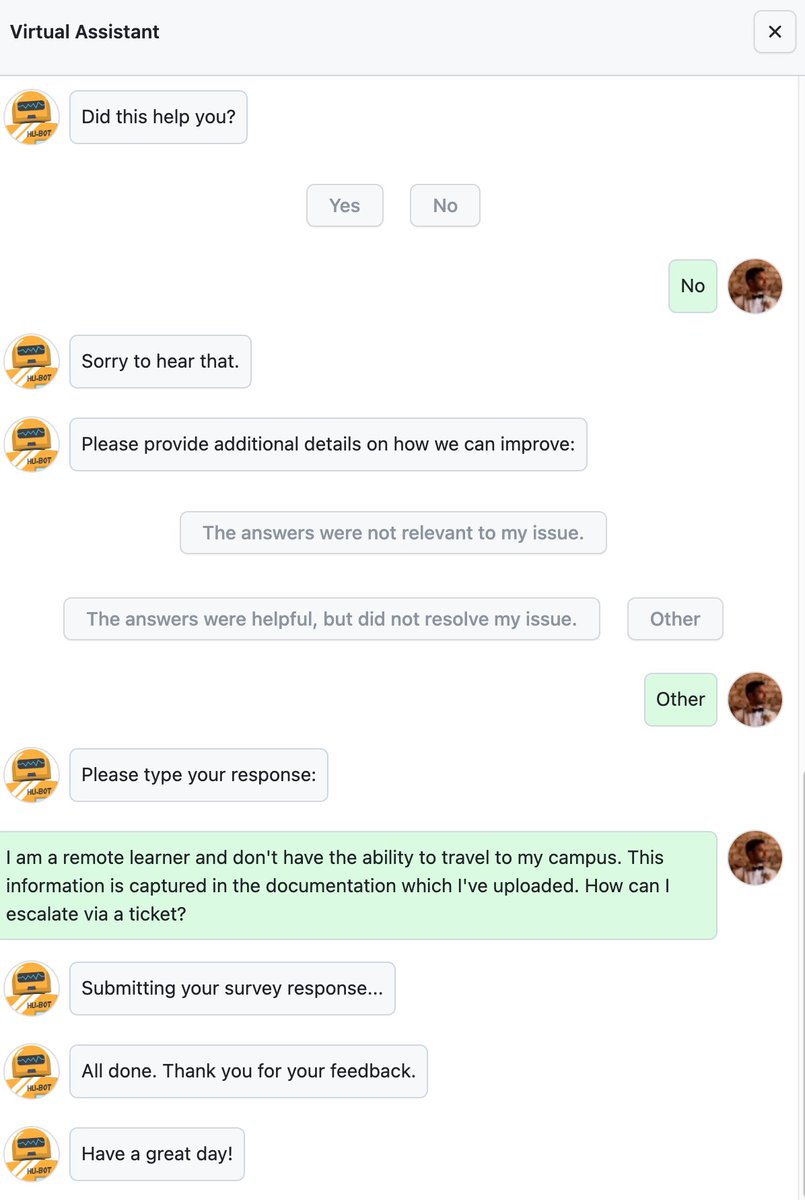
One of the least sexy but also promising application of LLM driven agents around support operations.
And we are so not there yet.
1
1
130
20 Feb 2024
Worse yet, there are companies who treat customer support as a ZIRP and have pulled back escalation paths.
So if a consumer facing model fails to parse your very long last name, you are out of luck.
Great article on the topic from @GergelyOrosz: blog.pragmaticengineer.com/s…
72
13 Feb 2024
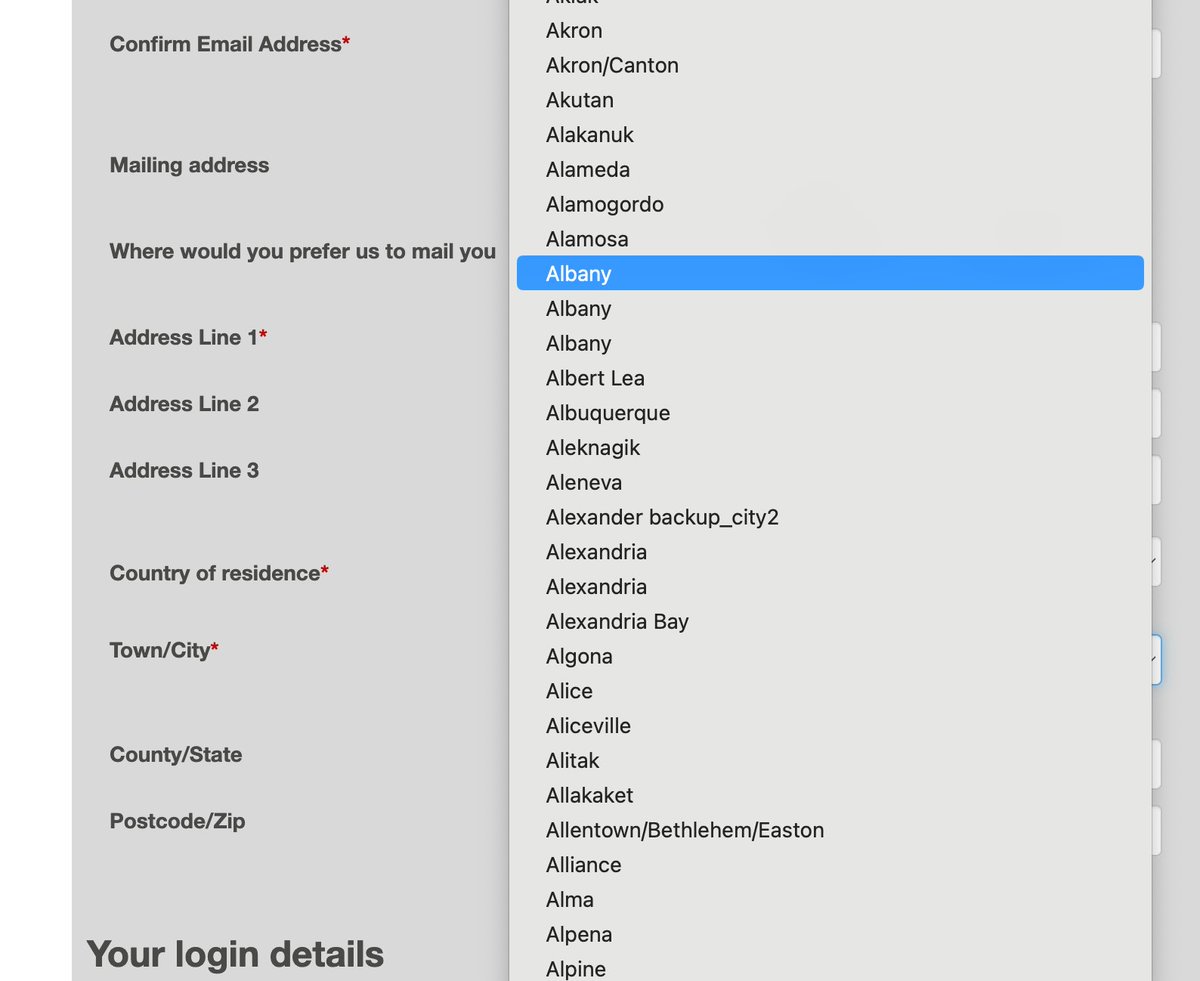
New Frontend/UX low: dropdown list of every US city.
3
12
3,978
9 Feb 2024
Happy anniversary to this fantastic thread. 🍾🍾
8 Feb 2022

I managed and grew many Engineers into leaders in Startups and Big Tech.
Tech Leads, Team Lead, Staff "Architects," Managers of Managers, etc.
I've also reported up to EVPs, CTOs, and CEOs.
Eleven hard truths about engineering leadership 👇
1
1
100
1 Feb 2024
I love forecasting (like this excellent thread on how a tough market may impact eng adjacent roles).
But even great perspective can kick up imposter syndrome or a loss of agency, like "Are less hands-on EMs totally screwed?"
Getting back to right action takes woo and wisdom.
31 Jan 2024
Prediction: a lot less engineers will consider moving to engineering manager positions the next few years.
Going from engineer to EM was almost a no-brainer until now. Not much downside, but a lot of career upside (and some compensation upside).
Now it's a lot more career risk.
1
1
3
674
1 Feb 2024
Get specific: ground yourself with trusted wisdom. What does being 'hands on' mean? Where should I go deep and where do I need breadth?
I've yet to find any resource more comprehensive and specific than @thiagoghisi's thread & talk w/ @DevInterrupted
x.com/thiagoghisi/status/170…
15 Sep 2023

How Technical should Engineering Managers be?
Technical enough to understand and be able to contribute with relevant ideas to: Costs, Performance, Reliability, Operations and Productivity.
If we use @simonbrown’s C4 model as a guideline: EMs should not necessarilly be or have a deep understand at the Code level, but more at the System Context, Containers and Components level. They should be experts at the Context & Containers' levels of their team's systems.
EMs should be technical enough to:
* Understand main infra/cloud cost drivers, monitor them, and pivot execution as needed.
* Actively monitor and improve their team on-call, reduce incidents, and increase post-mortem effectiveness to boost team productivity.
* Identify major causes of latency and single points of failure (SPOF) in their system's architecture.
* Provide detailed technical explanations & descriptions of their domain's main flows, highlighting opportunities, risks, and technical debt.
* Recognize productivity bottlenecks in the codebase and identify high-leverage investment opportunities for technical debt or migrations.
* Inspect the quality, size & cadence of ongoing pull requests, new features & architecture evolution.
* Independently consume and engage with RFCs and technical documentation related to their domains ans make suggestions for improvements.
* Assess technical solutions for unintended risks, common failure modes, scope reduction or more incremental deliveries.
In short, EMs should be technical enough to make contributions into three key areas:
1- Cost & Operational Efficiency: Understanding the cost drivers in infra/cloud, managing on-calls, operational burden and incidents/postmortems. The focus here is on proactively monitoring and pivoting day-to-day to keep things smooth and cost-effective. Think of this role as being the 'supply chain manager' for your tech stack. Just like in manufacturing, where every component, from raw materials to labor, impacts the cost and efficiency of the final product, every architectural decision and operational process in tech has financial implications.
2- System Reliability & Performance: This includes grasping the root causes of latency and identifying Single Points of Failure (SPOF) in the system. Think of it as being the 'health inspector' for their tech architecture, ensuring everything is up to code for maximum reliability.
3- Technical Strategy & Risk Management: Whether it's understanding productivity bottlenecks, technical debt, or evaluating new technical solutions, this is about making high-impact, long-term decisions. Think of it as being an 'investment banker' of their codebases & systems, directing resources toward high-leverage opportunities and away from risks.
More on that on the part II of my interview with @DanLinesLB for the @DevInterrupted podcast.
Link below 👇:
3
2
5
1,925
1 Feb 2024
Given time, everything is learnable.
You can work yourself out a doom spiral by taking action, but realize that the compound interest takes time to accumulate.
It's hard to beat Peter Norvig's perspective here: norvig.com/21-days.html
Do work, be patient.
3
103