Joined October 2016
- Tweets 158
- Following 190
- Followers 3,010
- Likes 280
38 Photos and videos

31 Oct 2025
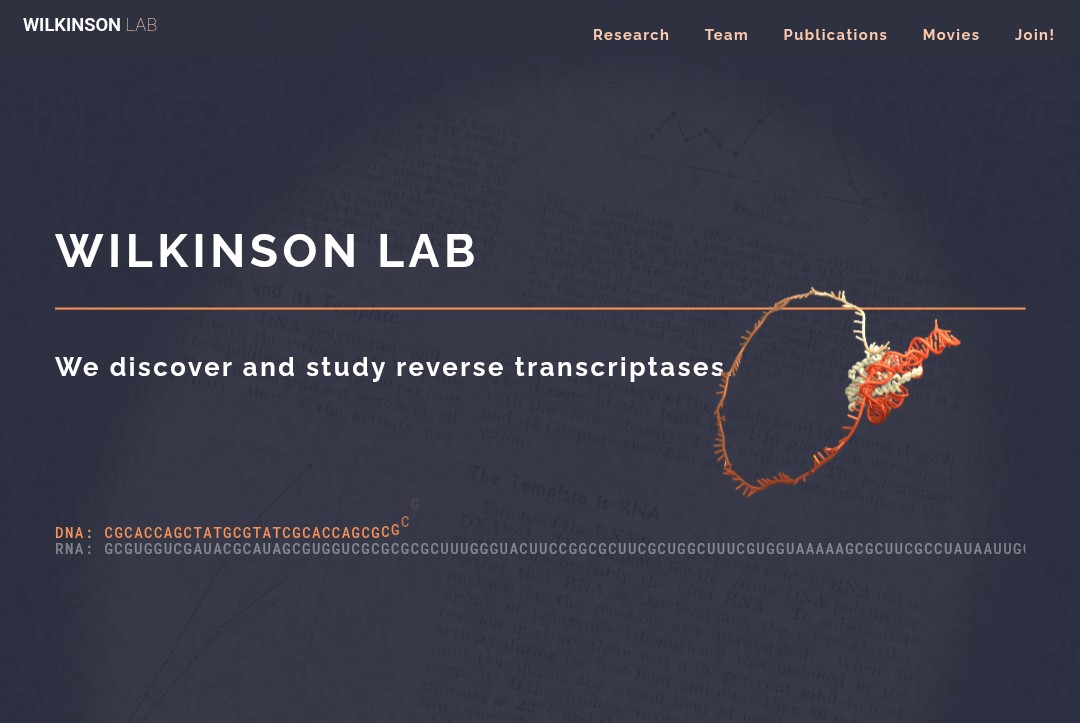
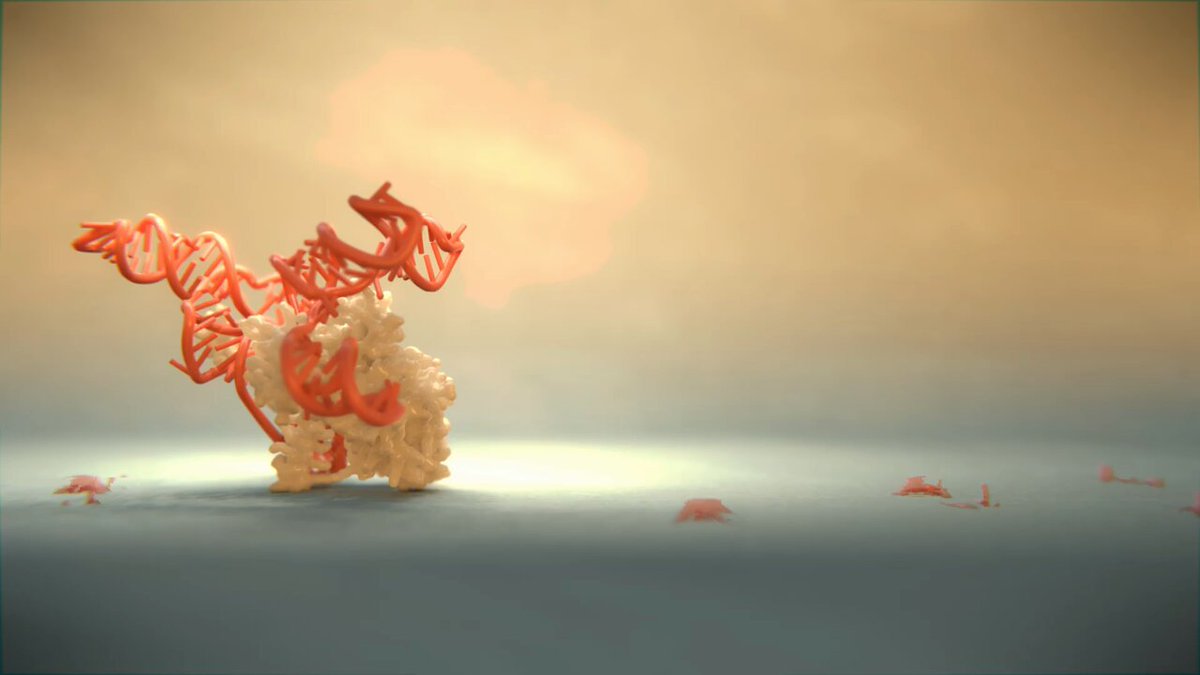
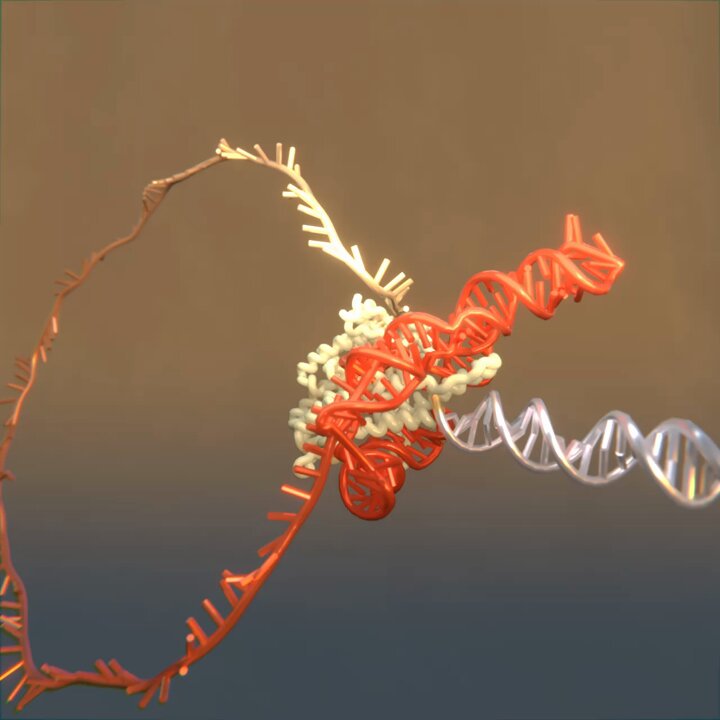
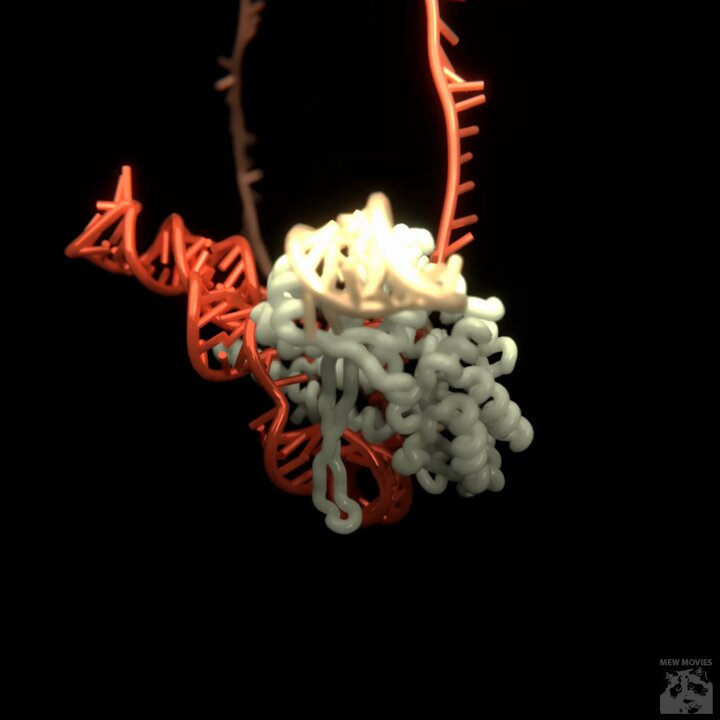
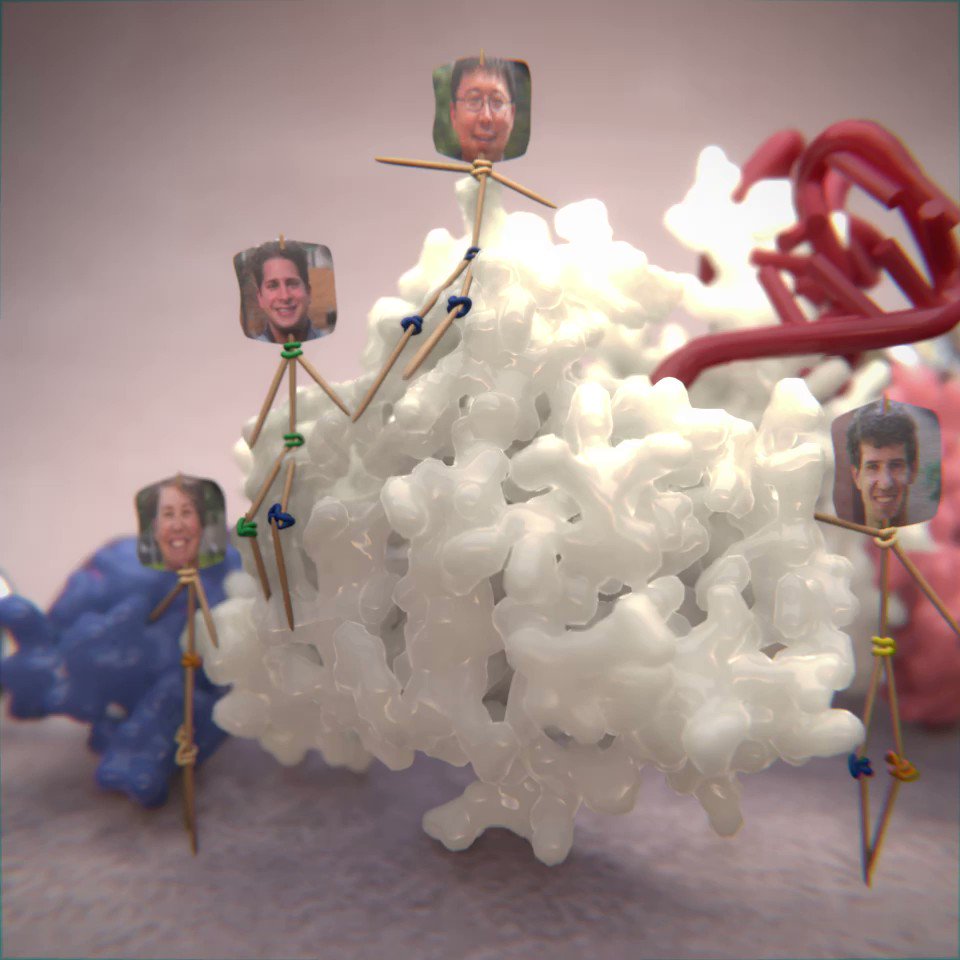
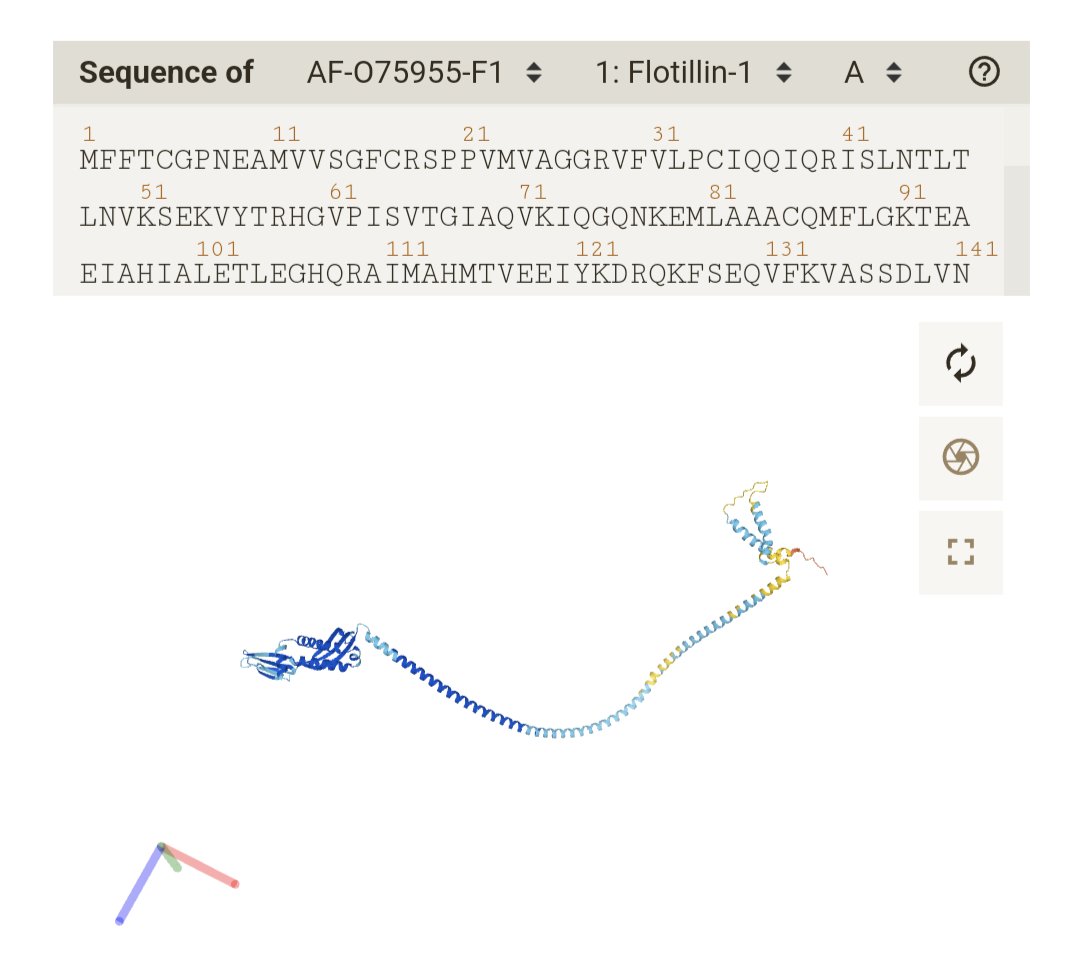
The Wilkinson Lab is open for science! @MSKCancerCenter
🧬We'll be finding funky new RNA biology, mainly by looking at reverse transcriptases (i.e. the Best Enzymes In The World)🧬
11
45
369
34,691
31 Oct 2025
annnnd: I'm hiring - come join! Especially postdocs and PhD students - please get in touch (NYC is great)
wilkinsonlab.bio
21
2,165
4 Oct 2024
covercovercovercovercovercovercovercovercovercovercover this is terrifically exciting
(Also please dw, the central dogma is still very much intact, this is just a bit of a funky spin on it)
3 Oct 2024

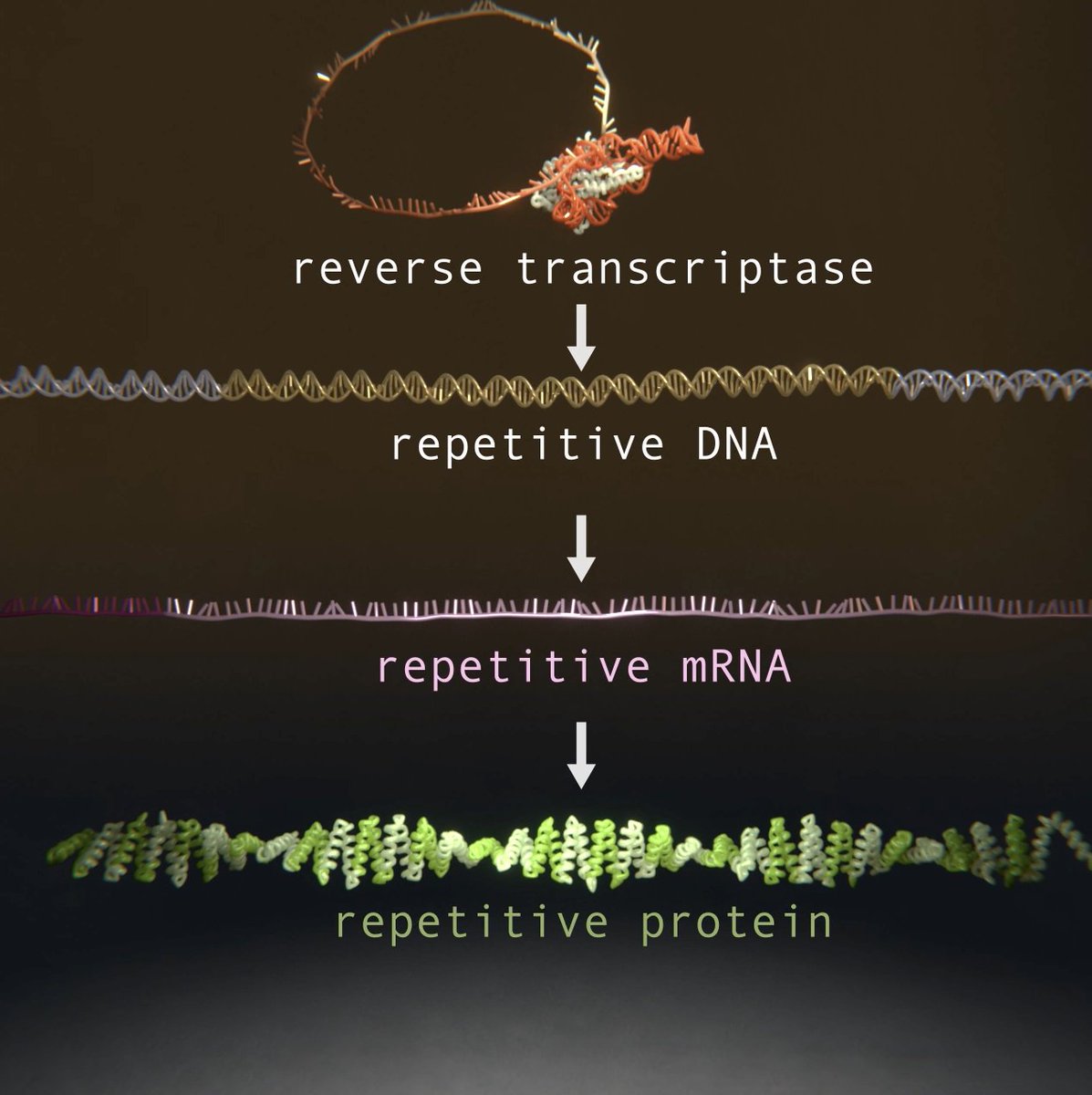
The central dogma of molecular biology states that genetic information flows from DNA and RNA to protein, with reverse transcription converting RNA to DNA.
In the pursuit of understanding how bacteria defend themselves from viral infection, two groups have found alternative pathways to making genes from RNA that did not previously encode proteins. Learn more this week in Science: bit.ly/3ZO7tI1

3
27
216
20,978
4 Oct 2024
PS if someone in the Boston area spots a spare printed copy in their department tearoom could they please steal it for me 😊😊🙏🙏 (steal one for yourself first of course)
1
18
2,557
Max Wilkinson retweeted

30 Aug 2024
Such a crazy discovery. I think this captures the reaction of the audience while watching @maxewilkinson present this at the Symposium on the Immune System of Bacteria.
29 Aug 2024

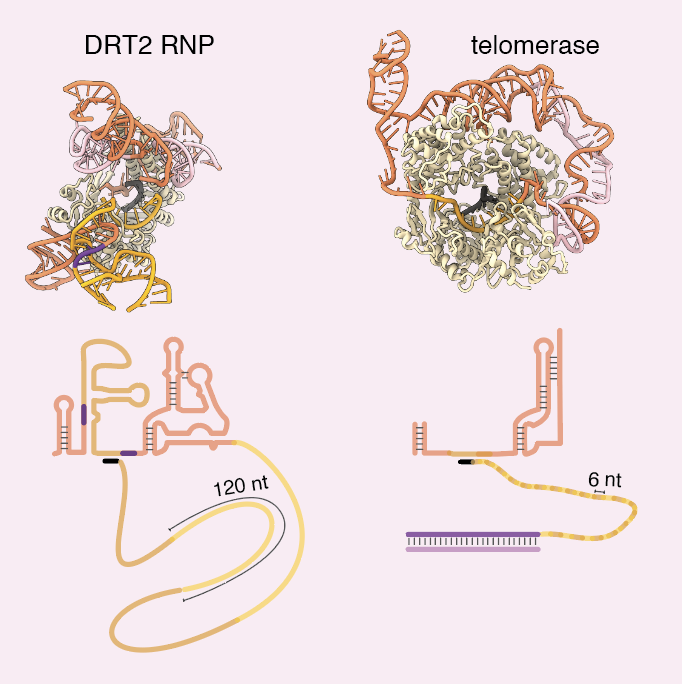
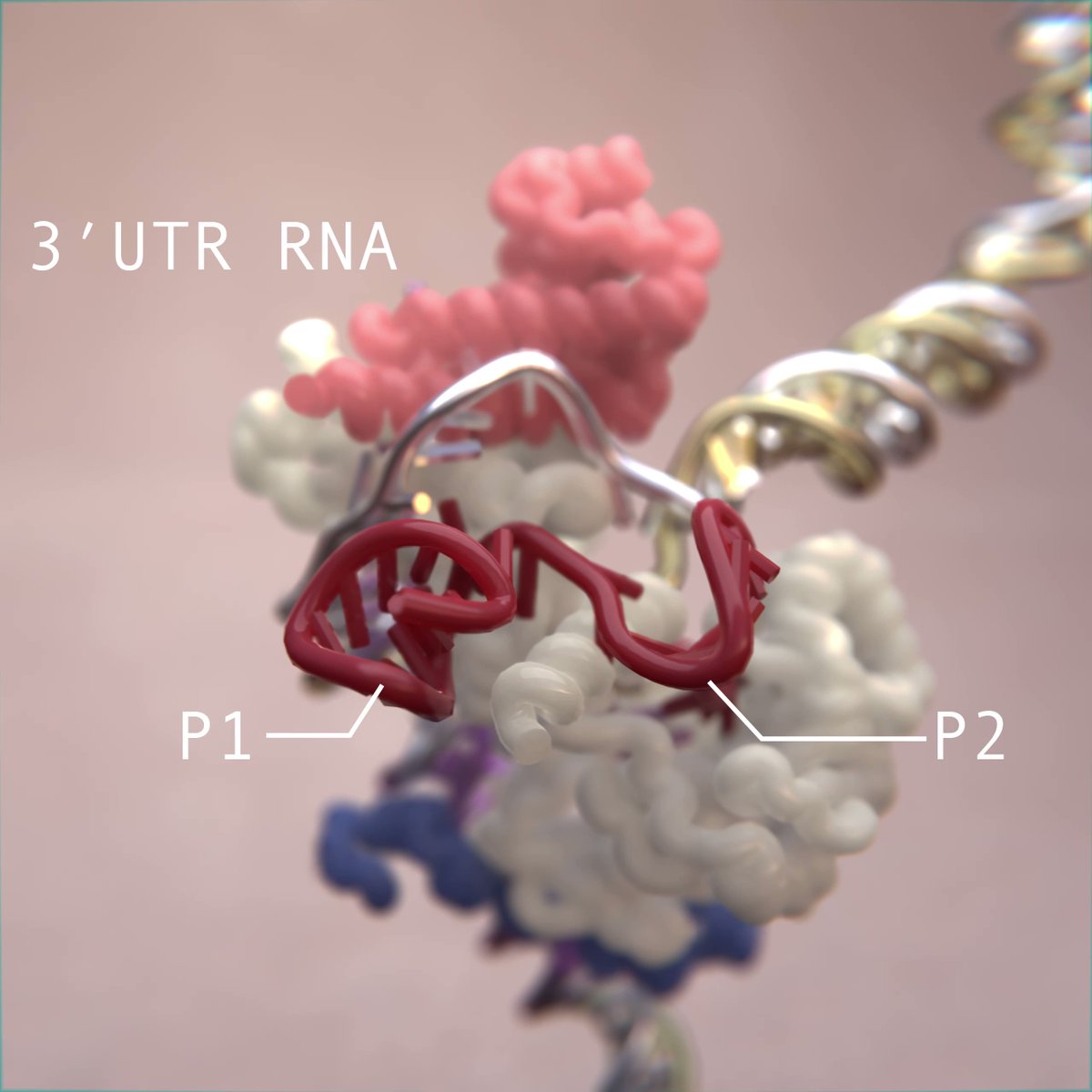
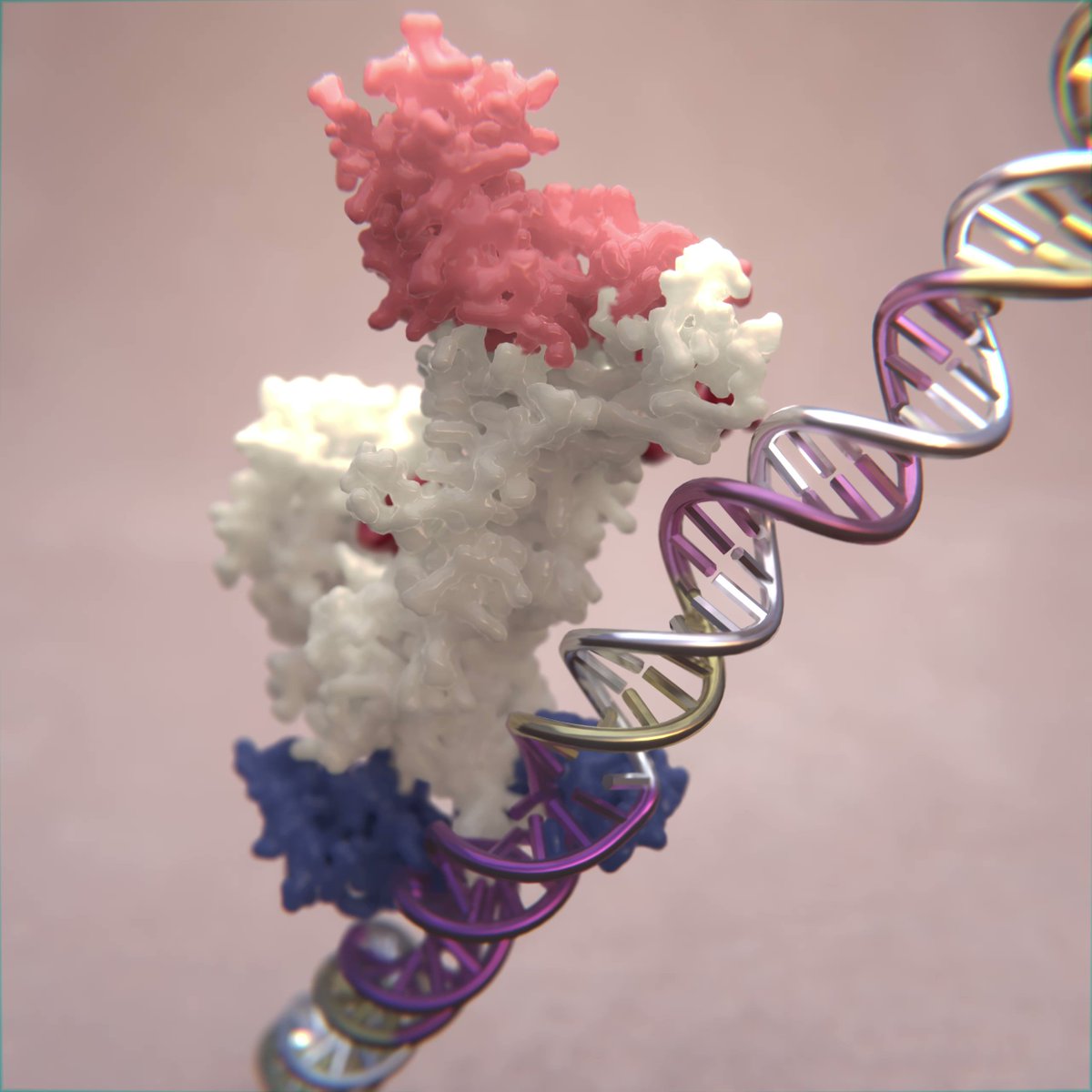
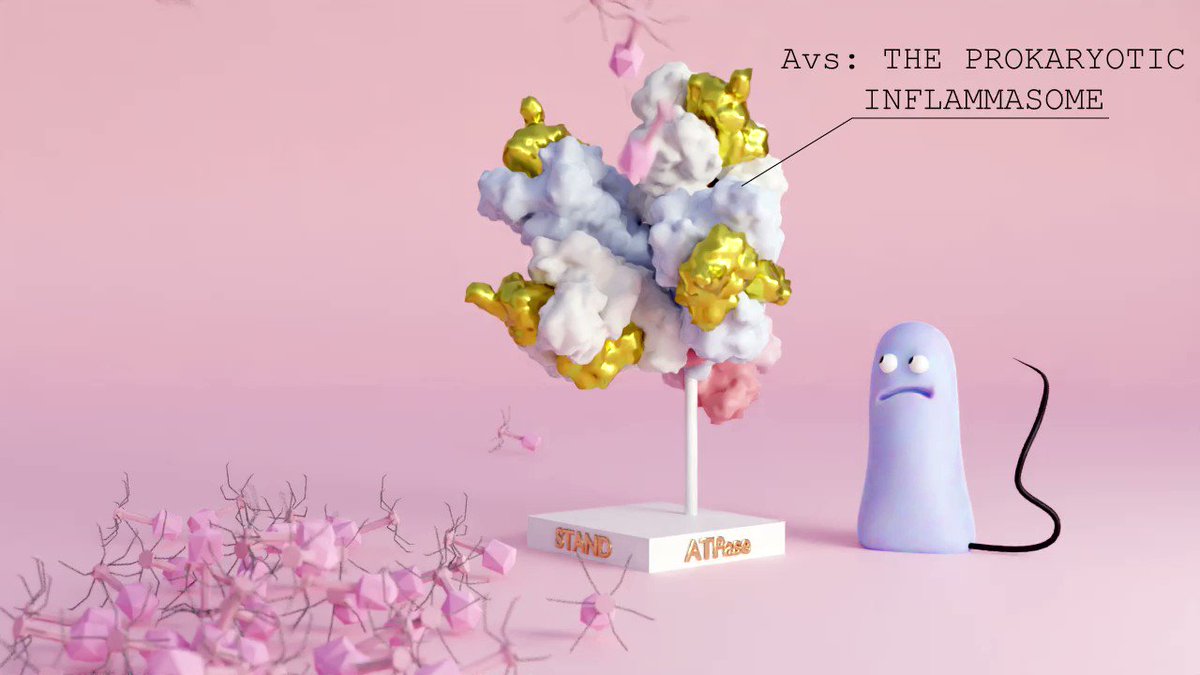
My favourite discovery ever has just come online. Can I please tell you about some seriously wacky molecular biology? The story starts with a reverse transcriptase that SOMEHOW defends bacteria from viruses.
(👇 I recommend sound ON for the video 🎹)
1/
1
6
111
15,981
29 Aug 2024
My favourite discovery ever has just come online. Can I please tell you about some seriously wacky molecular biology? The story starts with a reverse transcriptase that SOMEHOW defends bacteria from viruses.
(👇 I recommend sound ON for the video 🎹)
1/
101
1,215
4,794
751,664
29 Aug 2024
(P.S. eternal thanks as ever to @bradyajohnston for his #MolecularNodes plugin to #Blender3D. It makes molecular animation so much fun)
3
2
138
17,947
29 Aug 2024
Lots more in the paper (#cryoEM etc!)
doi.org/10.1126/science.adq3…
Big thanks to coauthors @_David_Li @algao8 Rhiannon Macrae and @zhangf
Please also check out @shsternberg @stephentang23 related work - we come up with similar models, but it'll be exciting to resolve the differences!
15
31
309
20,986
11 Jul 2024
Nils's incredible work is finally out, amazing work on a multi-talented protein by a multi-talented postdoc! It was a joy to use Dari @kimanius 's new Blush algorithm in #RELION to solve the cryoEM structure of this 40 kDa RNA complex
10 Jul 2024

👋🏻 I'm absolutely glee-ridden to finally see our study on the RNA- and DNA-binding anti-CRISPR repressor Aca2 published in @Nature. 🥳 This unassuming little helix–turn–helix protein packs quite the punch! 🧶👇🏻
rdcu.be/dNl45
4
52
10,114
Max Wilkinson retweeted

17 Jun 2024
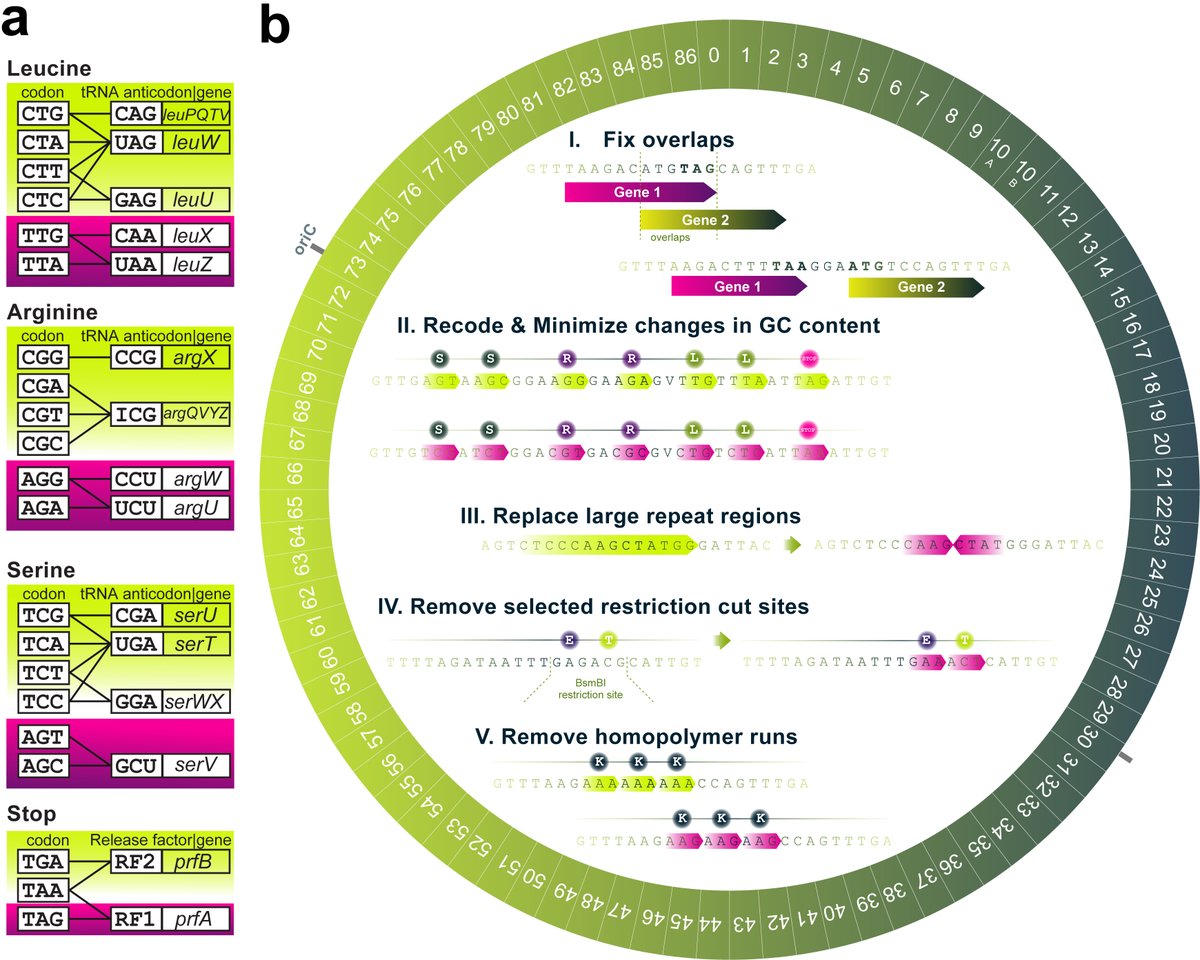
In our newest preprint,
• we explore the effects of synonymous genome recoding, and
• construct & troubleshoot a synthetic 57-codon E. coli genome using multi-omics, editing, and laboratory evolution.
1/n
5
48
147
25,994
Max Wilkinson retweeted

18 May 2024
The fly has a full #connectome, basically a directed weighted graph. But what are its connection ‘signs’, excitatory/inhibitory?
We move towards this answer, predicting transmitters from EM! w/@BobQubit, vid @amyneurons, 1/n
Published @CellCellPress: cell.com/cell/fulltext/S0092…
4
104
373
72,289
9 Apr 2024
very gratifying to see the importance of this part of U4 snRNA, but also kinda sad to learn that exome sequencing has historically excluded such essential small RNAs by default
8 Apr 2024

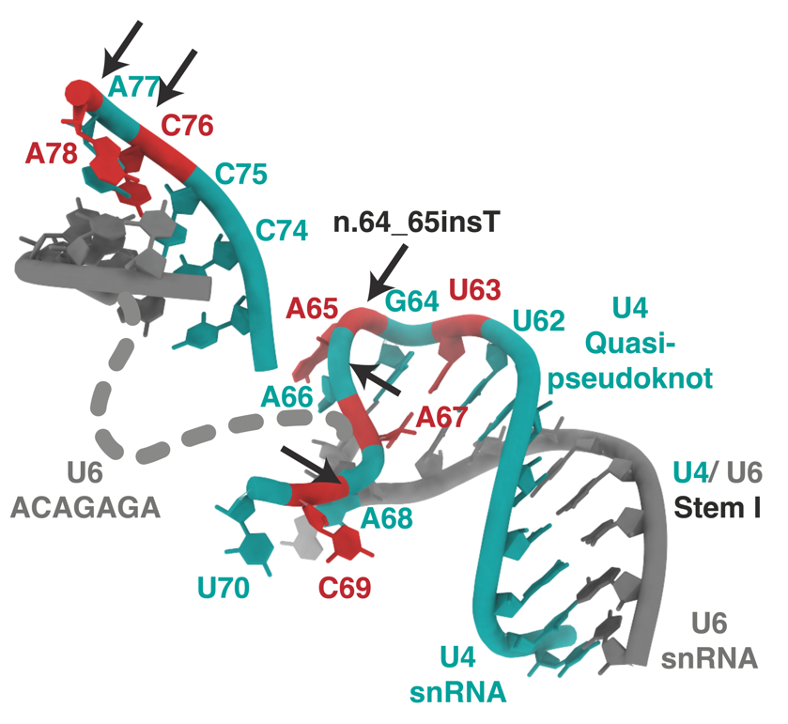
But what is this RNA? RNU4-2 encodes the U4 snRNA component of the major spliceosome. The 18 bp region maps to two critical structures thought to control the positioning of the U6 ACAGAGA sequence (image credit to @Seb_Fica - SNV positions in red, insertions as arrows) 7/9
1
1
12
4,516
9 Apr 2024
(also having second thoughts about calling that region "quasi-pseudoknot", although it seemed like a good idea at the time)
1
2
1,542
Max Wilkinson retweeted

8 Apr 2024
Would you believe me if I told you that a single variant in a non-coding RNA explains ~0.5% of all undiagnosed individuals with neurodevelopmental disorders (NDD) in @GenomicsEngland ???
I didn’t initially either, but here is the story of RNU4-2 🧵1/9
8 Apr 2024

Thrilled to share our latest discovery on a spliceosomal snRNA gene causing neurodevelopmental disorders: medrxiv.org/content/10.1101/… Thank you to everyone who contributed; it’s been a phenomenal effort to collaborate with clinicians and researchers for what would help many families!
17
198
609
199,226
20 Feb 2024
go R2!! 🐦⬛🐦⬛
this is a very lovely study 😍
20 Feb 2024

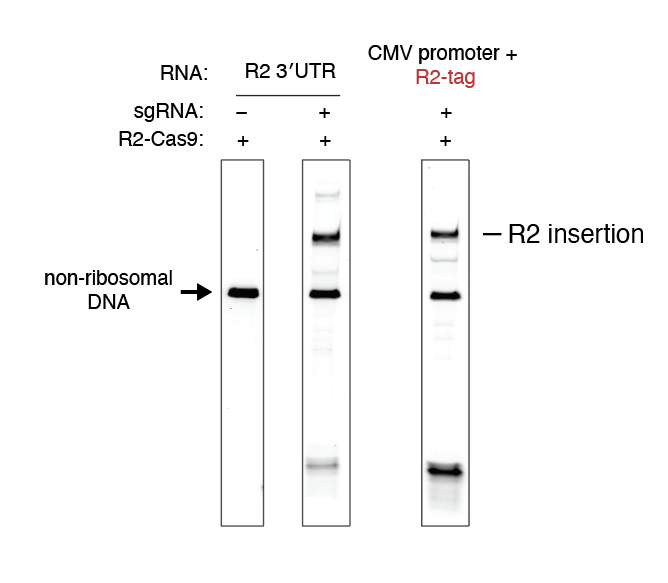
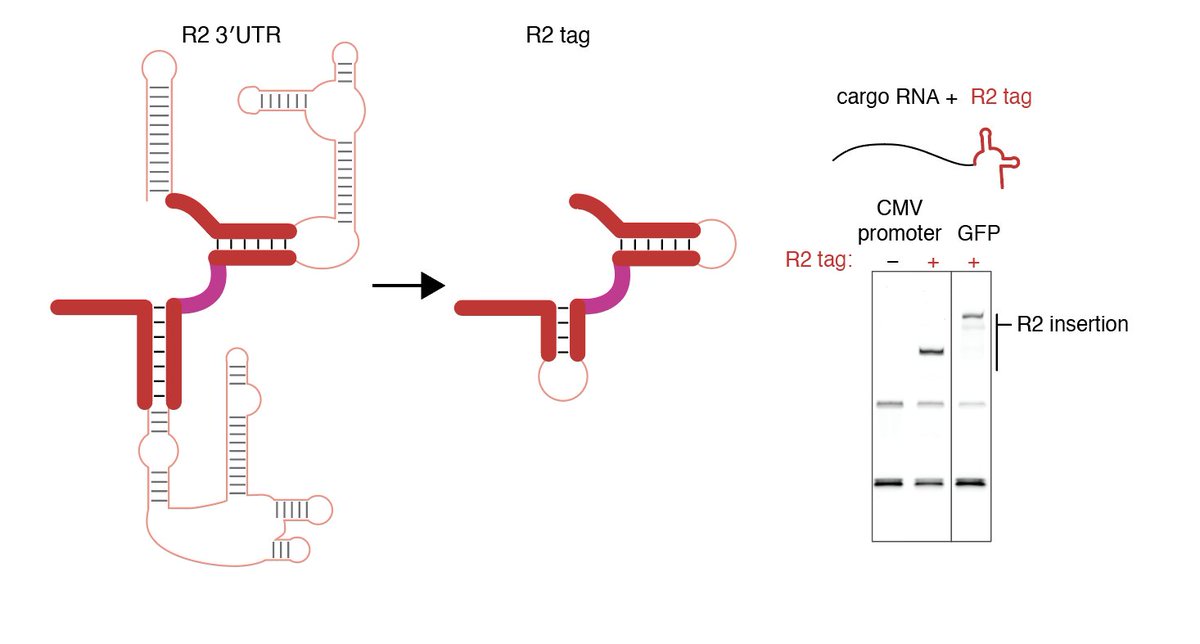
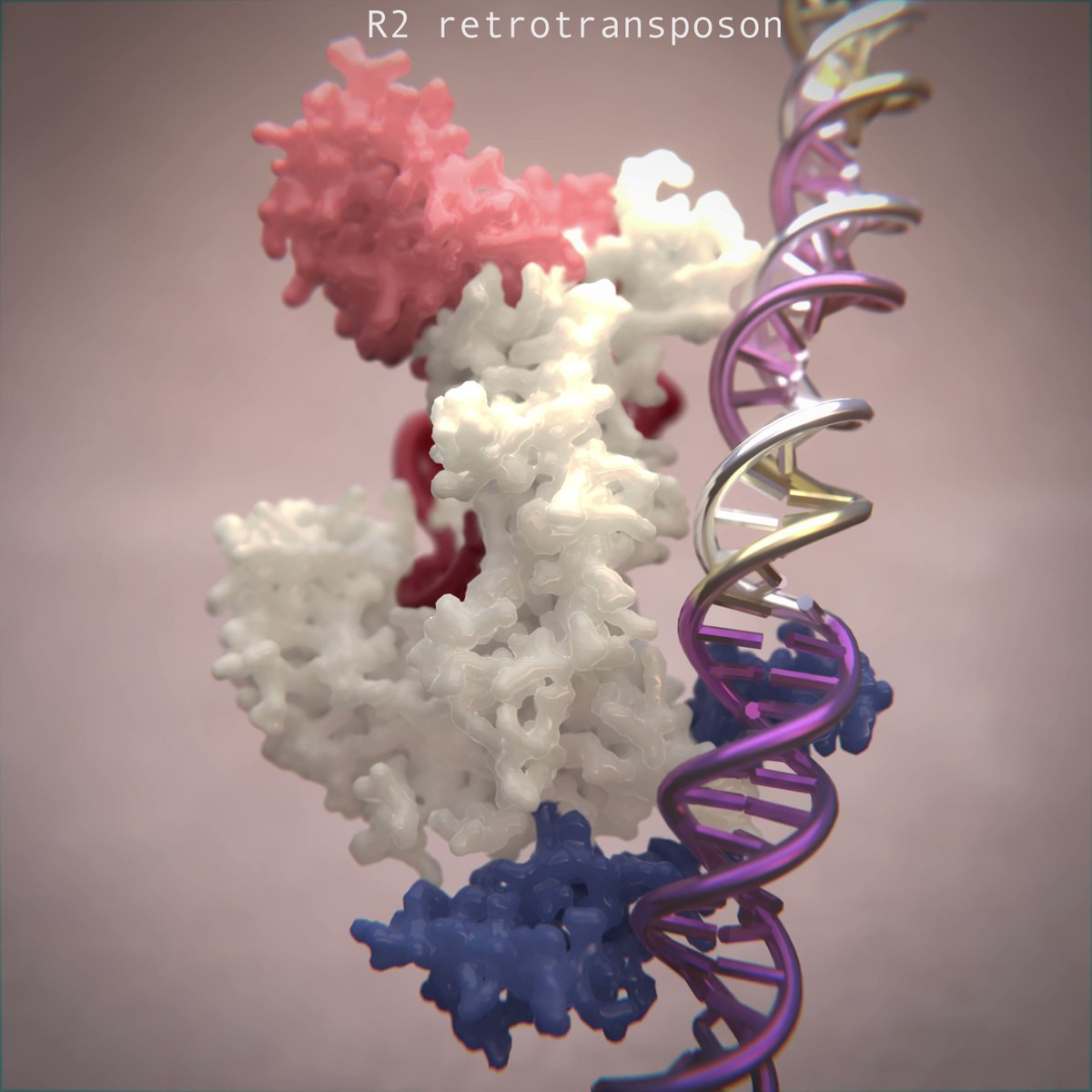
Bird bird bird, bird is the word!
Is the secret to safe gene addition a retroelement in birds?
We repurposed the avian R2 element to insert transgenes into human cells (and more!) using RNA-only delivery 🪶
a thread 🧵
nature.com/articles/s41587-0…
7
2,596