
Cell biologist from #Bavaria, focusing on #lipidsignaling & #MedEd also interested in #wine & #schmankerl
Joined September 2013
- Tweets 4,644
- Following 514
- Followers 252
- Likes 8,226
31 Photos and videos









Peter Mayinger retweeted

May 4
Studies seem to show that research is becoming less ‘disruptive’ of established ideas.
And this is a problem.
@Nature

16
106
408
20,260
Peter Mayinger retweeted

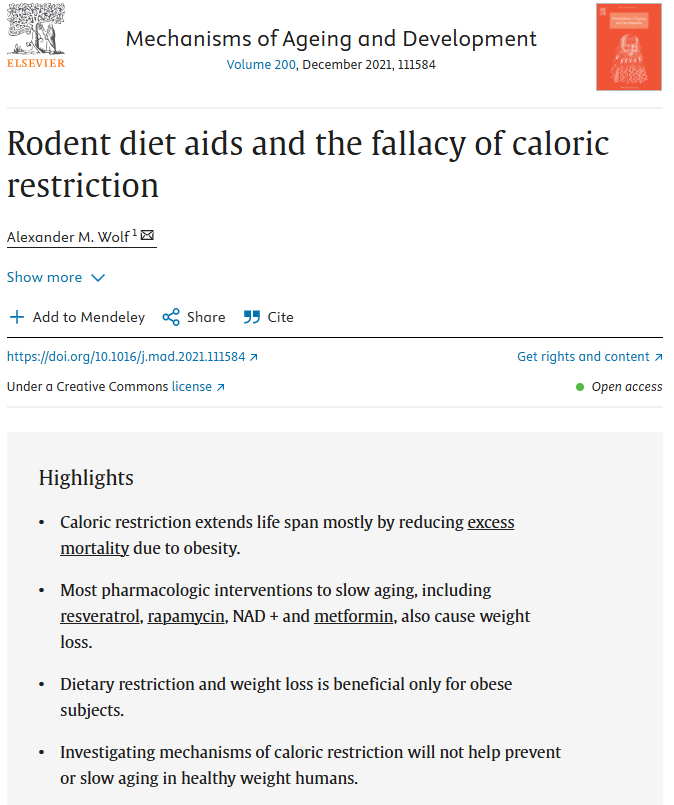
Calorie restriction can increase lifespan by ~40% - but a stunning study showed that it's NOT because of fat loss or insulin sensitivity.
In fact, the animals who were the fattest actually lived the longest! (🧵1/8):
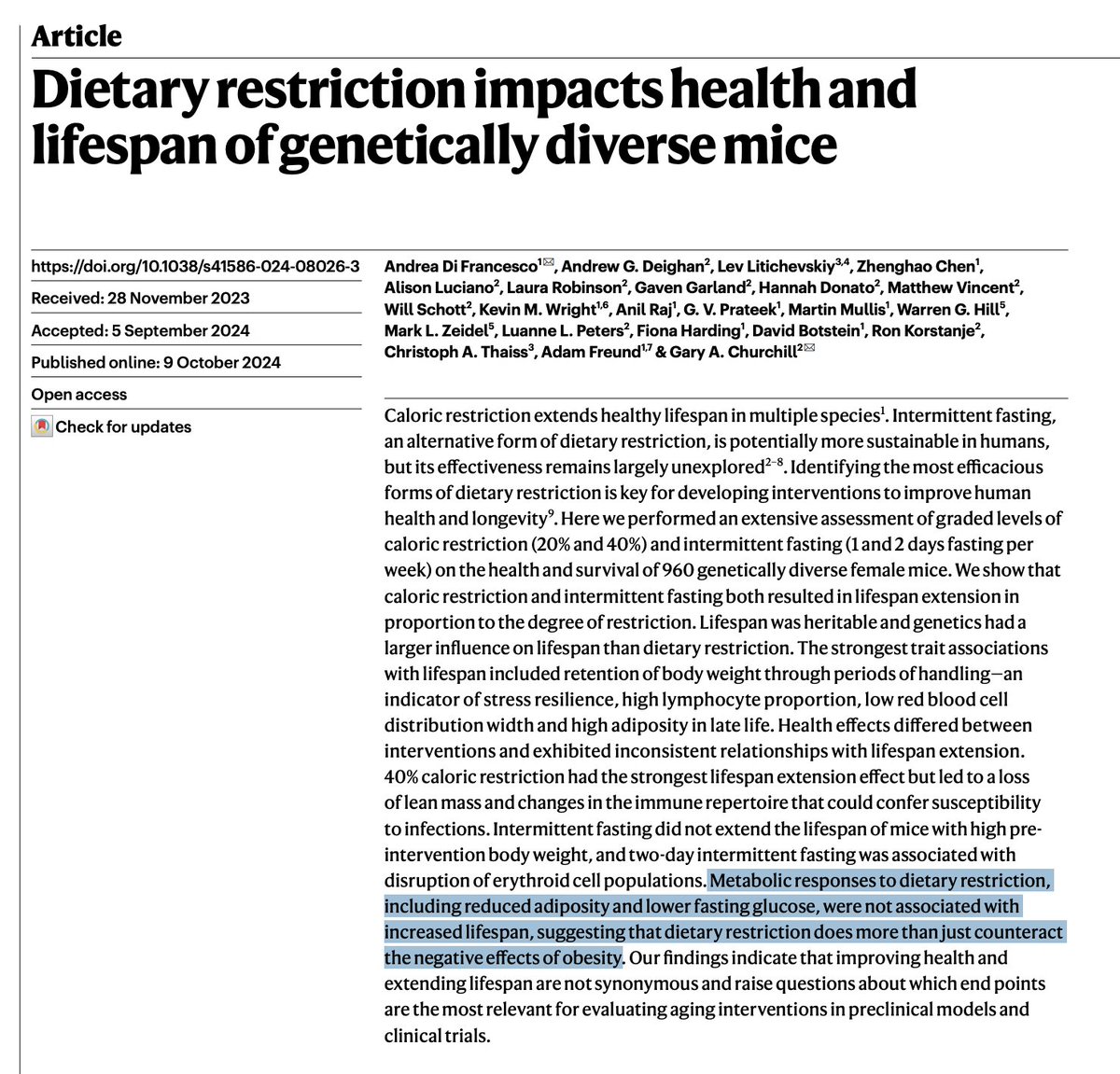

Sobering paper on aging
Argues that basically every intervention known to extend lifespan only does so by preventing obesity.
In other words, being lean and fit is not just 90% of slowing aging, but 100%.
sciencedirect.com/science/ar…
16
69
557
157,294
Peter Mayinger retweeted

Apr 16
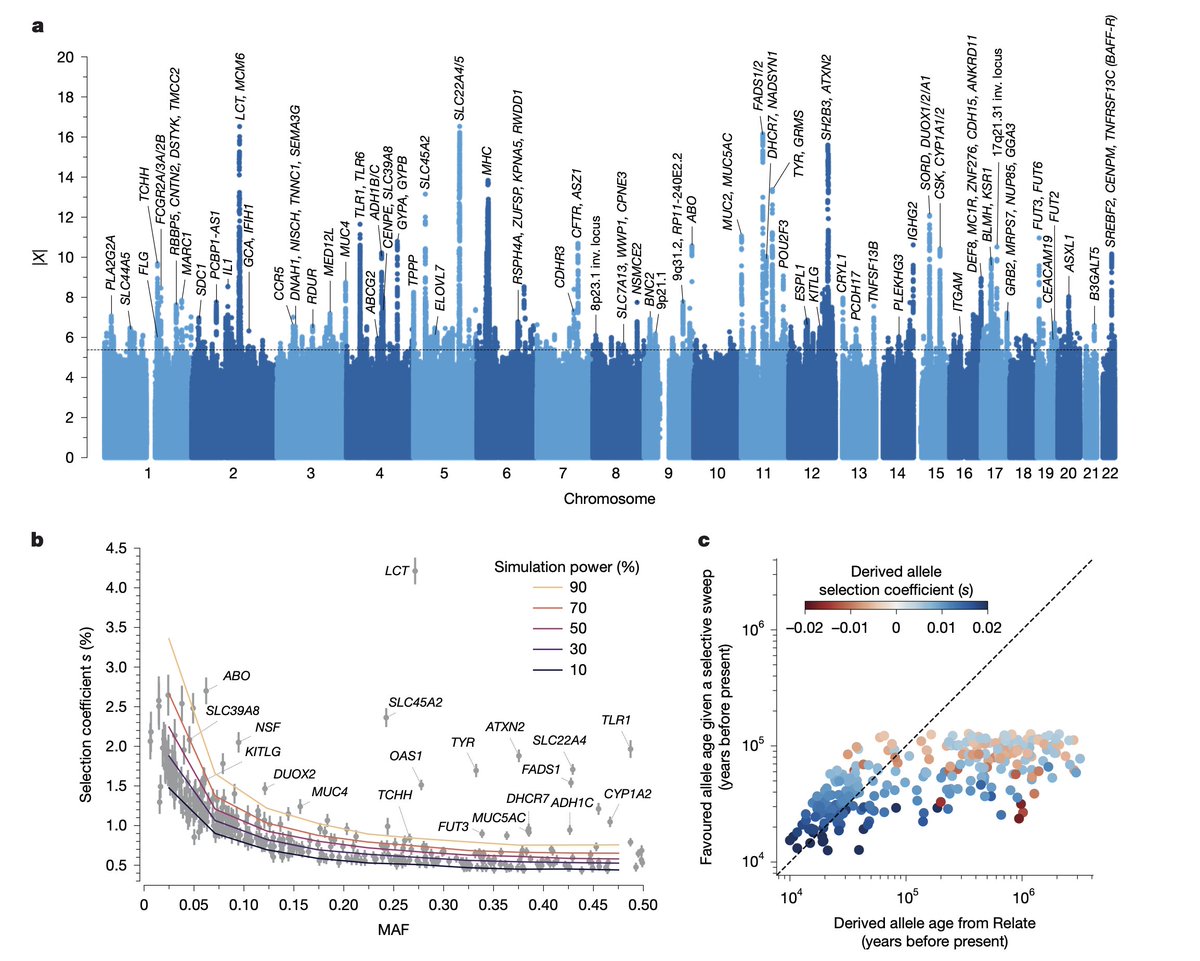
A new paper in @Nature from David Reich, @aliakbari23 and colleagues breaks the conventional understanding of recent human evolution. The field believed that strong selection in the recent past (~10,000 years) was rare, with few exceptions like the lactase persistence locus. In this paper, the authors challenge that belief, showing that we weren't looking at the problem right.
Previous studies that looked for evidence of selection using ancient DNA addressed the problem cross-sectionally, asking if allele frequencies differed across populations more than what one would expect based on genetic drift and migration. Most arrived at the conclusion that population structure primarily explained the observed differences. Here, the authors addressed the problem longitudinally, accounting for when ancient individuals lived by explicitly modeling time as a variable in the analysis. It turns out doing it this way dramatically increases power, increasing the number of genome-wide significant selection signals by 20-fold!
Looking at why accounting for the time variable led to such dramatic changes in results, the authors find that previous studies missed so much because selection often happened not on new variants leading to dramatic sweeps (the conventional model: new variant -> selection -> increase in frequency) but on already existing variants driven by transient environmental pressures. Many of these variants underwent reversals, selected up when a pressure existed, then purged when it disappeared or the trade-off cost became dominant. A great example is the TYK2 variant, where an allele boosting immunity was selected for thousands of years because it protected against TB, then got purged as TB endemicity declined and the autoimmune cost took over.
The scale of what they found is striking: hundreds of loci showing strong selection in the past 10,000 years with a median selection coefficient of ~0.86%. This number is pretty big in evolutionary terms, meaning allele frequencies have been shifting by ~1% per generation in a consistent direction. Previous selection scans found a maximum of 20 loci, and this one finds hundreds. That isn't an incremental change. It fundamentally reframes our understanding of how common strong selection has been in recent human history.
Some of the most striking findings come from polygenic selection, where hundreds of small-effect alleles were pushed in the same direction simultaneously. Polygenic scores based on large-scale GWAS of today predict recent negative selection for traits like body fat, waist circumference and schizophrenia, and positive selection for others like cognitive traits. One important caveat is that GWAS phenotypes are measured in industrialized societies today, and how well they capture what was actually being selected in ancient environments is debatable.
For me personally, these findings have direct implications for drug discovery. When using human genetics to find drug targets, we often fixate on the benefit and risk profiles of variants visible today. But we need to be aware that a variant's benefit:harm ratio might be environmentally contingent, and could reverse when the wrong environment manifests. An evolutionary understanding of a variant's association with traits is therefore essential.
The same logic applies, perhaps even more urgently, to embryo selection. Selecting embryos based on polygenic traits is humans making permanent, heritable decisions for their offspring with a narrow view of today's environment. The ancient DNA record now shows that cost-benefit landscapes flip over time. So, an embryo carrying man-made selections is carrying those changes into an unpredictable future environment.
The broader takeaway is that human evolution didn't freeze in the last 10,000 years. We just lacked the tools and datasets to see its movement. The current findings are based on European populations. I am curious to see these analyses extended to other populations too, like South Asian, East Asian and African populations, which might be holding more surprises to blow our minds.
Akbari et al. Nature 2026
nature.com/articles/s41586-0…
22
219
1,103
268,457
Peter Mayinger retweeted

The metabolic signature of excessive endurance exercise—A prospective study in Tour de France cyclists
cell.com/iscience/fulltext/S…
3
17
110
32,343
Peter Mayinger retweeted

30 Dec 2025
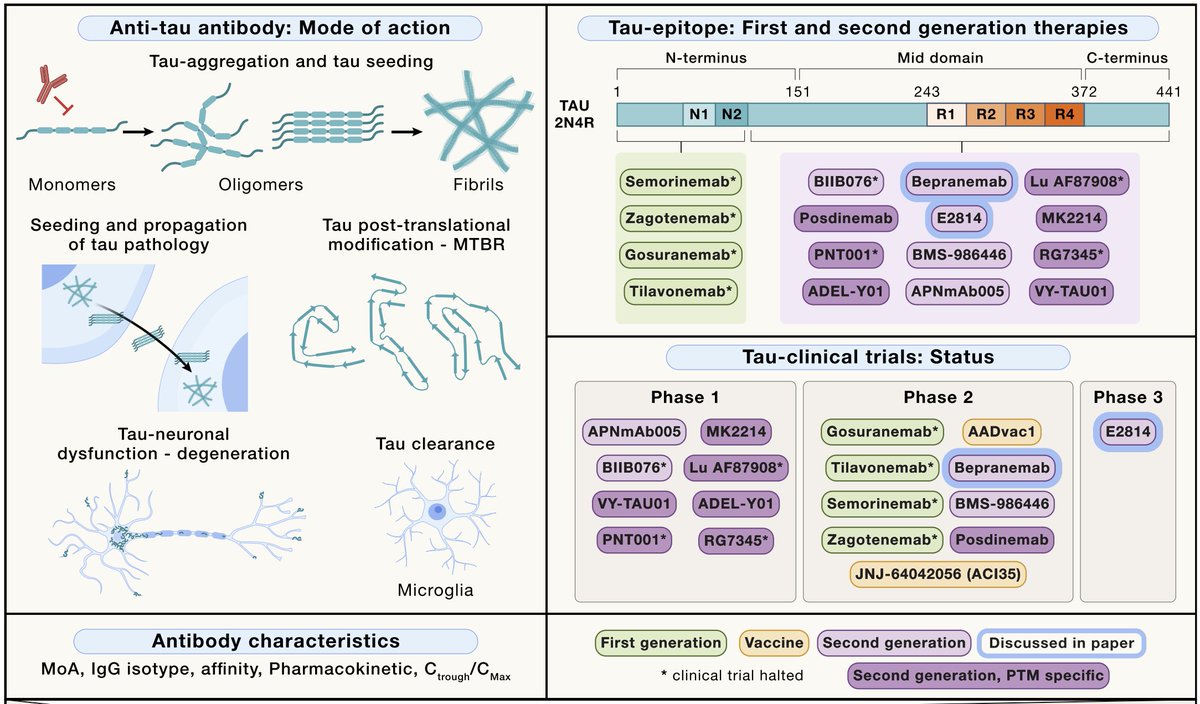
Tau is central to Alzheimer's pathology — here's an amazing figure (new in Cell) on the pipeline of anti-Tau therapies
They aim to hit Tau from every angle: preventing its aggregation, seeding, spread; stopping it from damaging neurons; and promoting its clearance
9
63
256
67,542
Peter Mayinger retweeted

19 Dec 2025
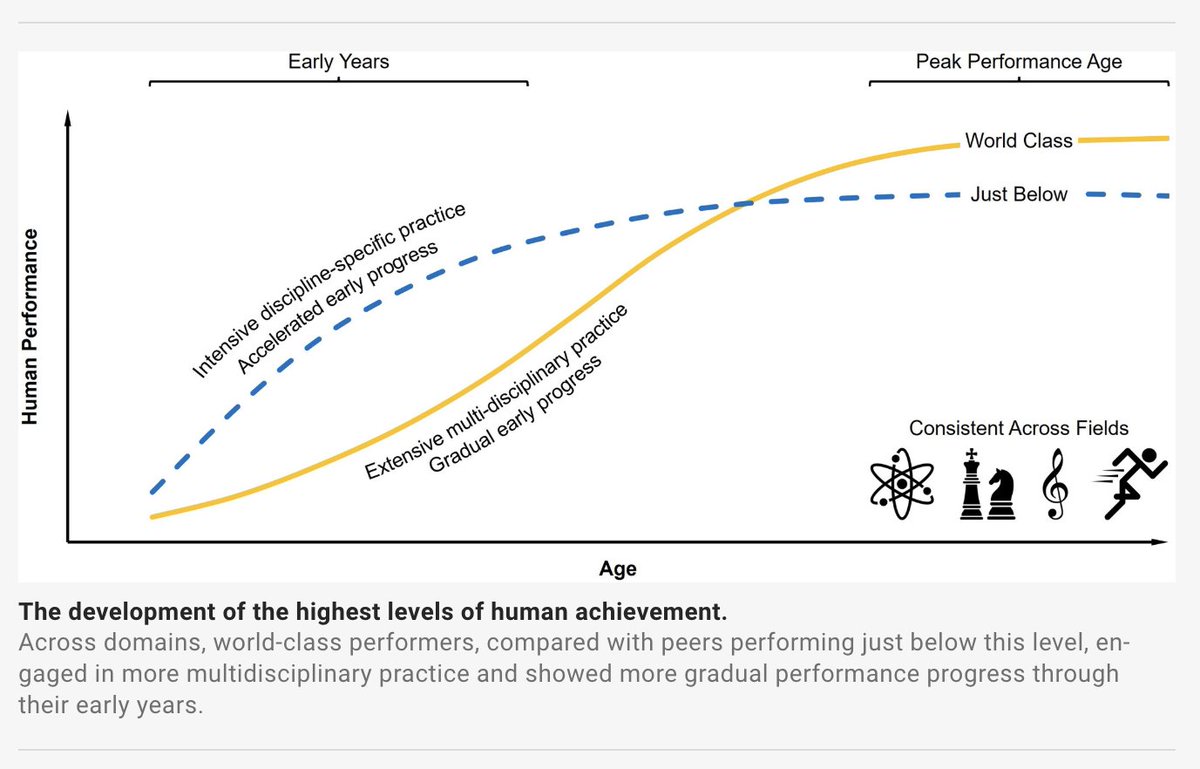
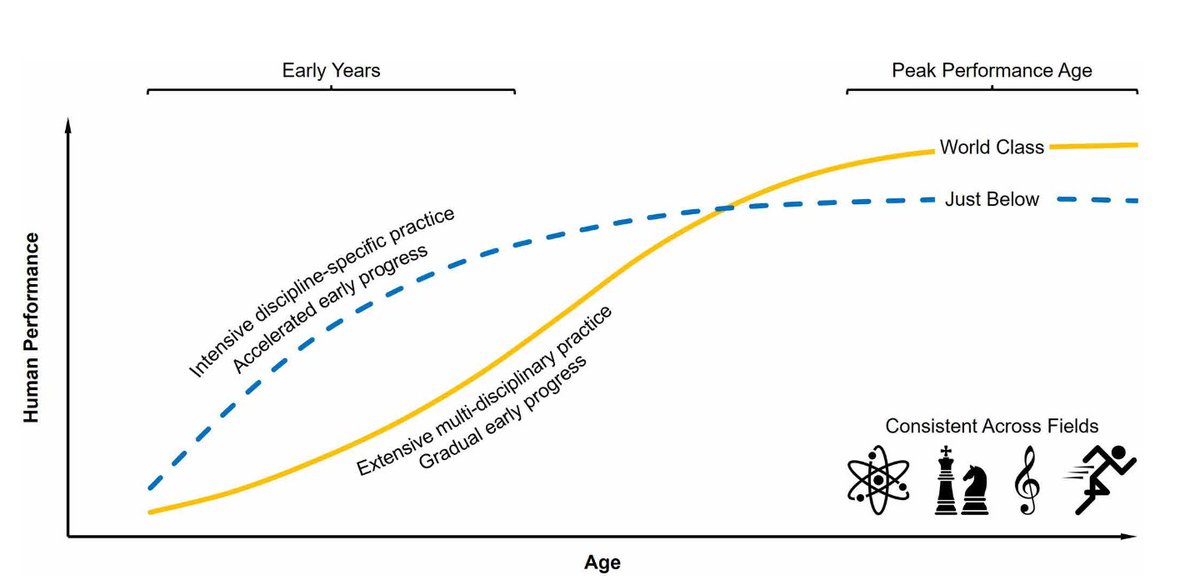
A massive new study on peak performance included 34,000 international top performers: Nobel laureates, renowned classical music composers, Olympic champs, and the world’s best chess players. It shows early specialization is a trap, and the road to greatness is long and varied.
243
2,292
12,530
2,195,004
Peter Mayinger retweeted

18 Dec 2025
What does it take to achieve the highest level of human performance? Across athletics, science, chess, and music
@ScienceMagazine
science.org/doi/10.1126/scie…
53
532
2,942
848,981
Peter Mayinger retweeted

5 Oct 2025
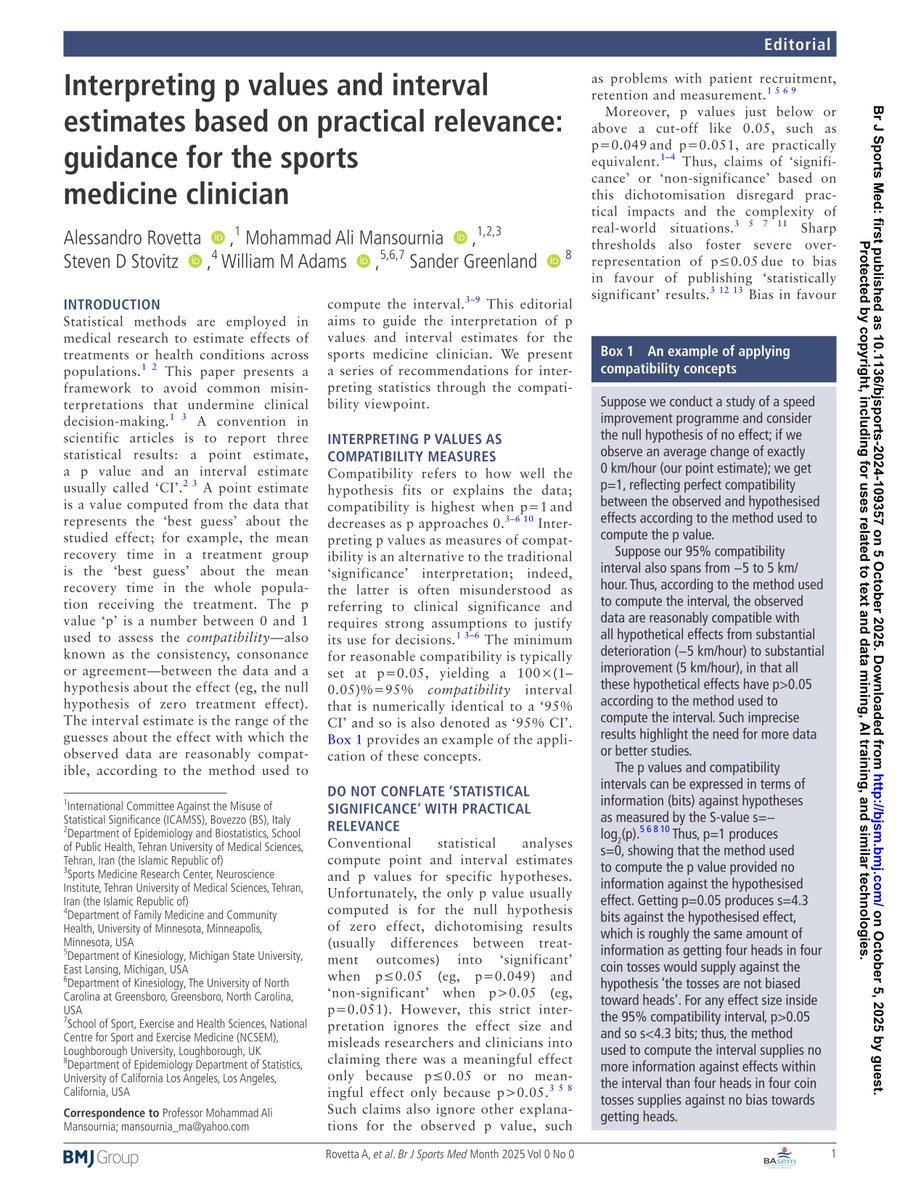
Happy to share our new editorial for the @BJSM_BMJ on the interpretation of statistical estimates and P-values!
doi.org/10.1136/bjsports-202…
@Mohamma70696197 @StevenStovitz @Lester_Domes
6
234
756
292,986
Peter Mayinger retweeted
10 Dec 2025
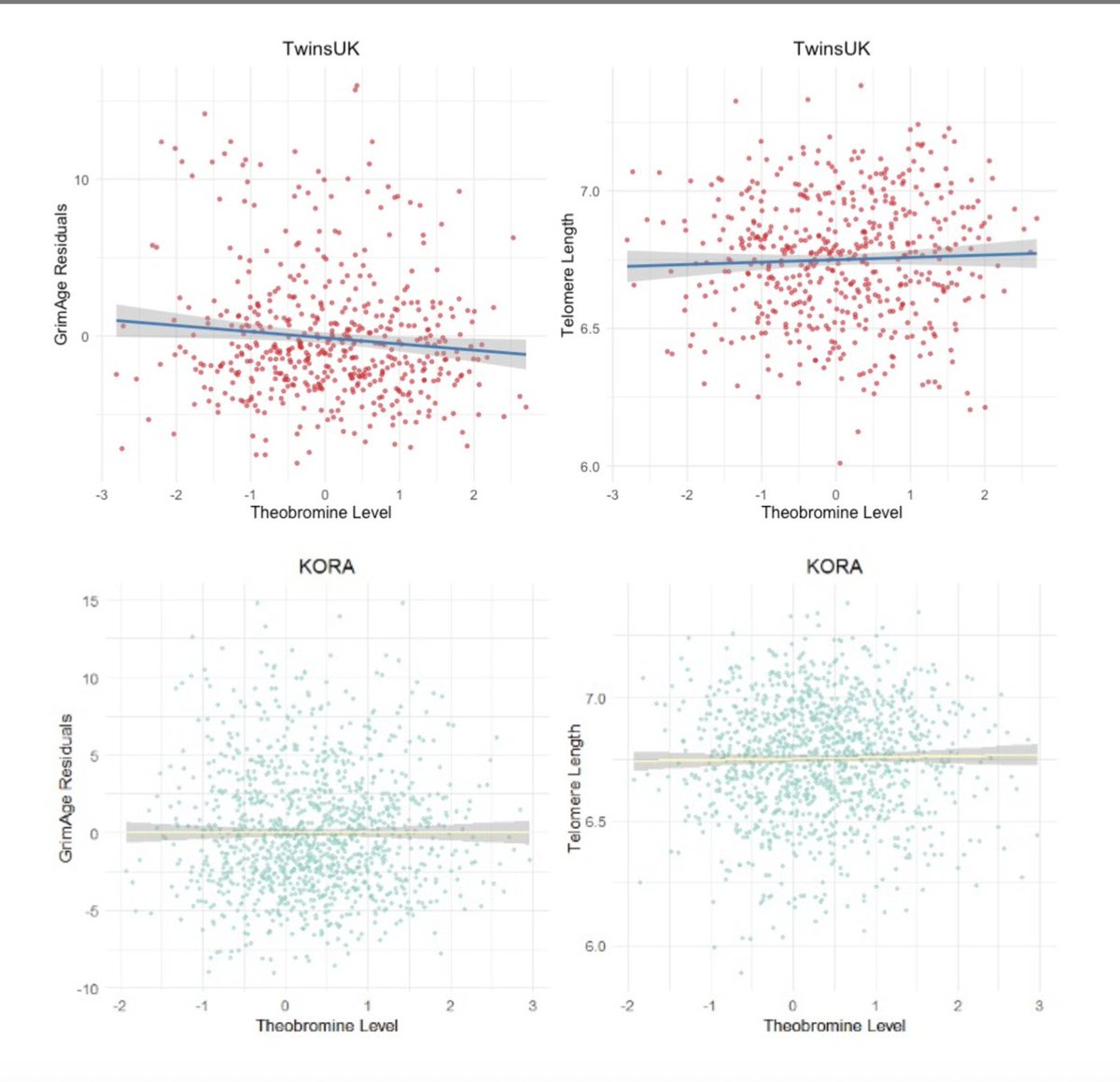
A dark chocolate constituent—theobromine—is linked to slower aging by DNA methylation (GrimAge) and telomere length in 2 cohorts. Published today at Aging but not yet on their website; preprint link: biorxiv.org/content/10.1101/…
58
341
1,384
106,912
Peter Mayinger retweeted
10 Dec 2025
What are the favorable and unfavorable gut microbiome organisms associated with health markers? And effect of dietary interventions? New report from 34,000 participants
nature.com/articles/s41586-0…
10
128
555
78,858
Peter Mayinger retweeted

20 Nov 2025
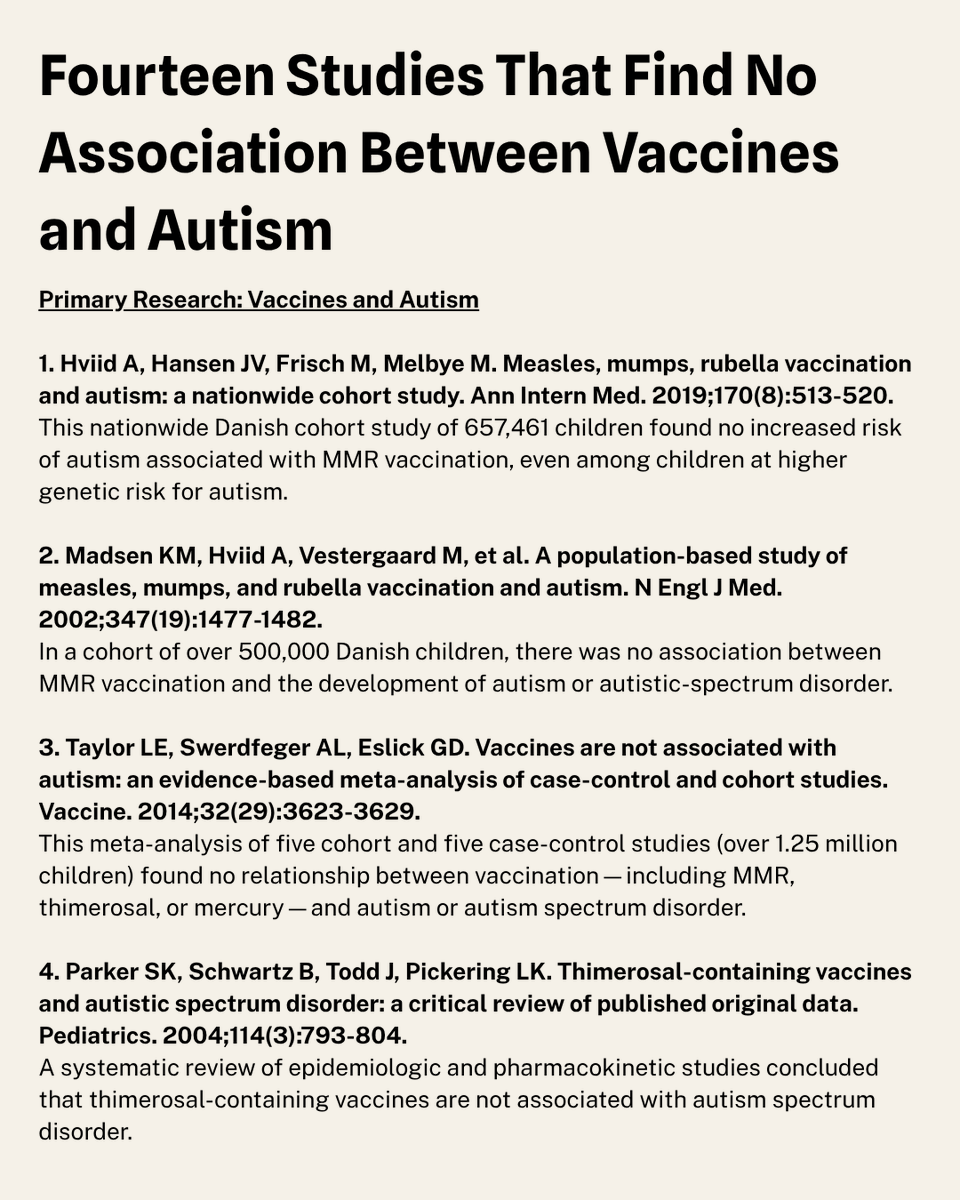
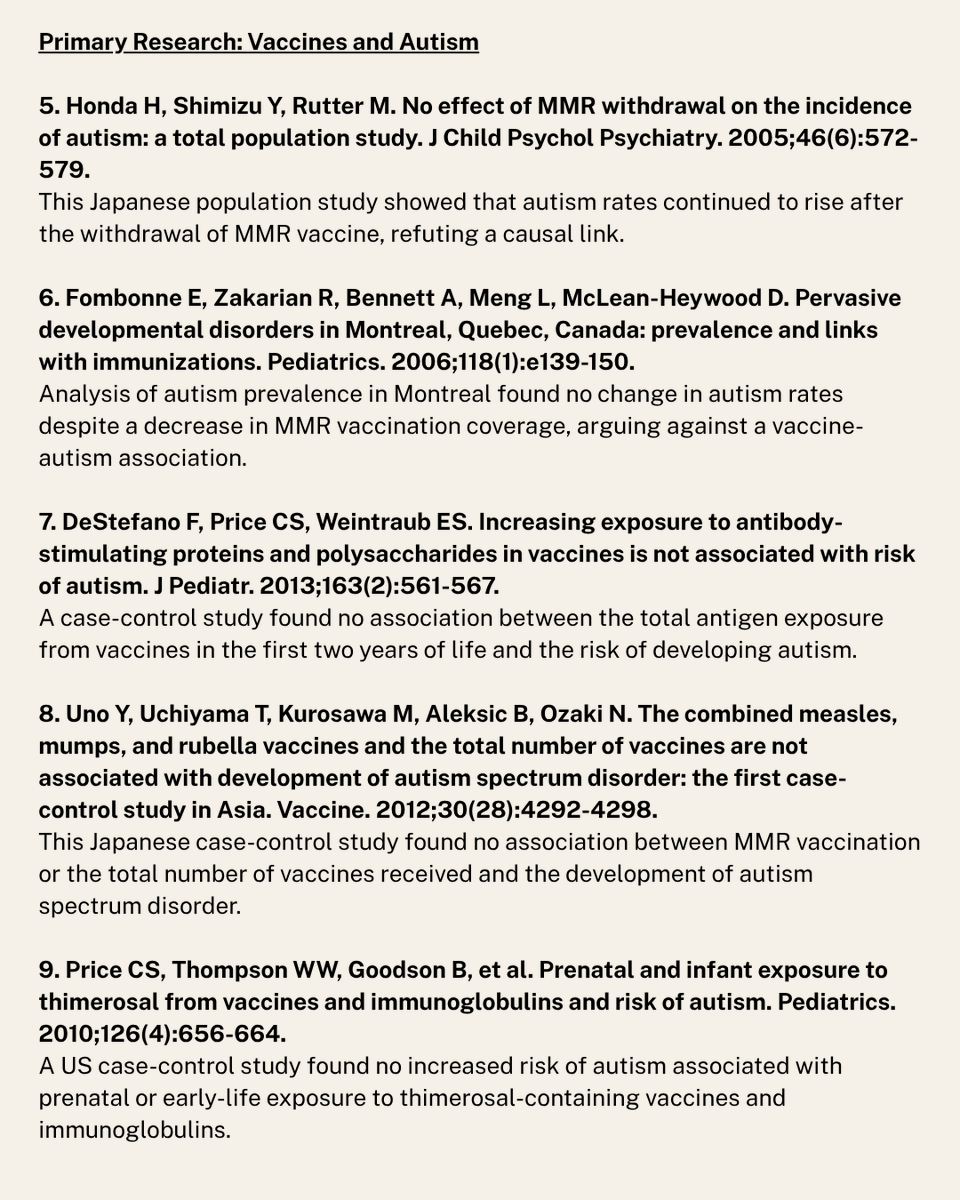
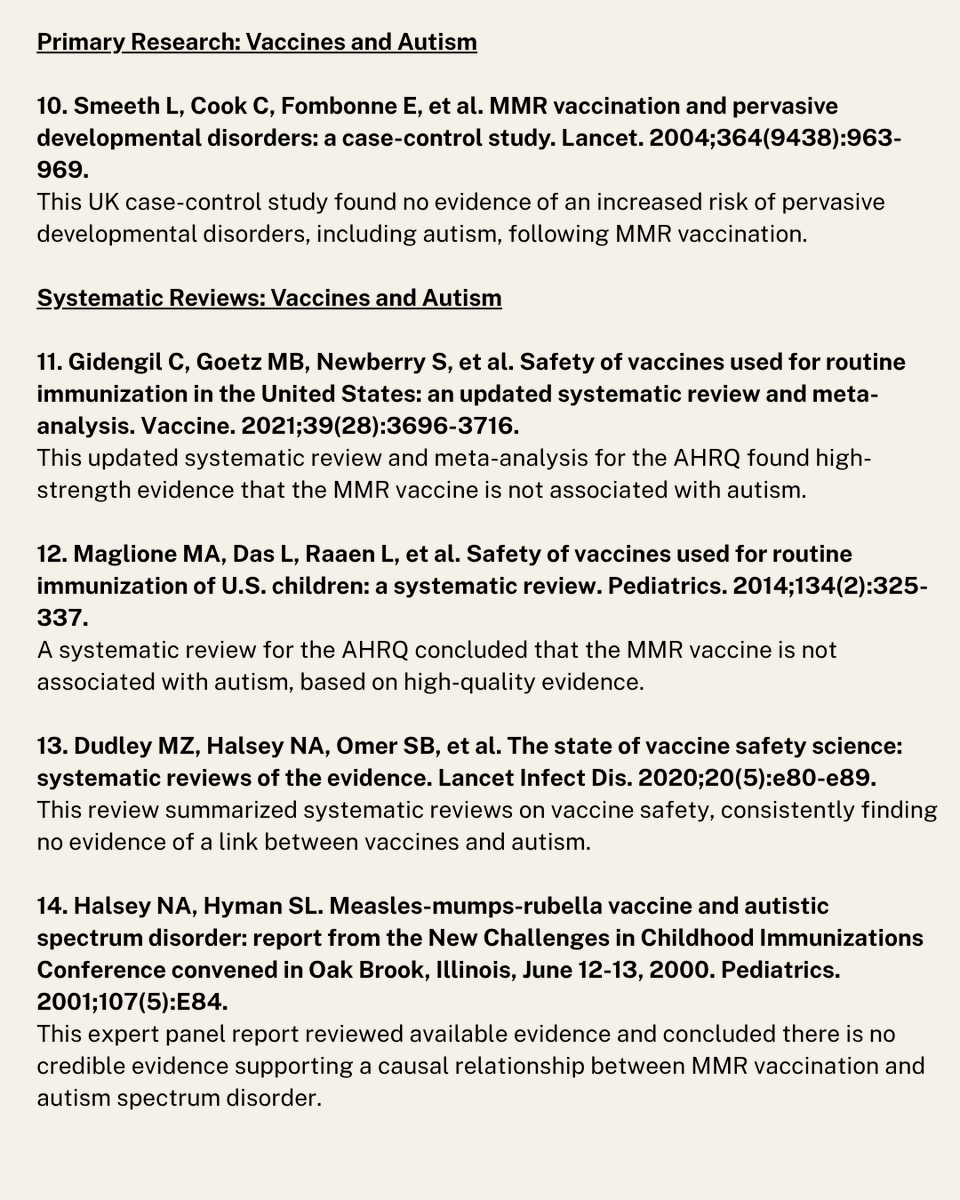
For more than two decades, scientists have studied whether vaccines cause autism. The answer has been consistent: there’s no evidence they do.
I compiled a list of 14 studies, covering more than 10 million children, that find no link between vaccines and autism.
Vaccines save lives. Sowing distrust in them puts our children’s health at risk.
384
890
2,199
141,431
Peter Mayinger retweeted

15 Nov 2025
Entropy and Human Aging
onlinelibrary.wiley.com/doi/…
2
22
108
15,770
Peter Mayinger retweeted

29 Oct 2025
I'd love to say lots of nice things about this invaluable preventable disease tracker from @MoNscience and team at Think Global Health @CFR_org. It's an incredible resource.
But I can't get over my anger & sadness that this resource is even needed.
thinkglobalhealth.org/articl…
5
57
163
7,801
Peter Mayinger retweeted

8 Sep 2025
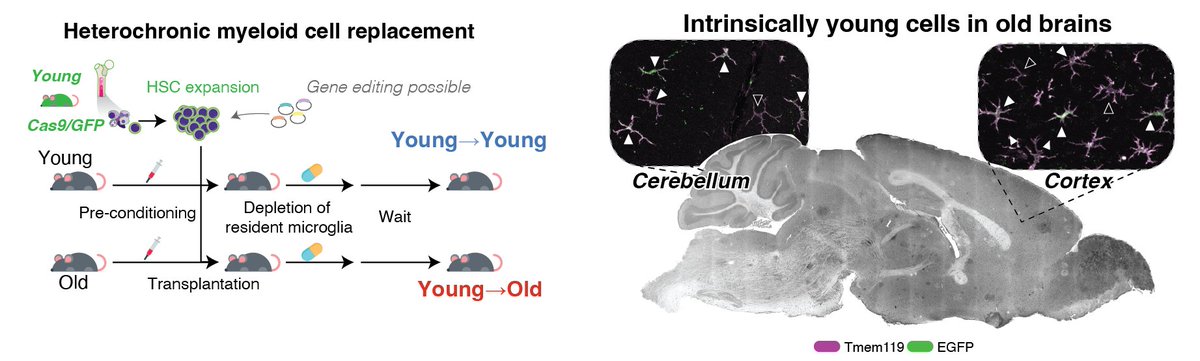
Can you rejuvenate an old brain by giving it young immune cells? 🧠
My lab @calico put it to the test. In our new study, we replaced the brain's immune cells in old mice with young ones.
The result? The old brain environment forced the young cells to age RAPIDLY. A 🧵👇
37
229
1,112
138,727
Peter Mayinger retweeted

22 Jul 2025
1/ 🚨 Our new paper is online in @Nature !
As its first author, I’m enthusiastic to finally share it with you all!🎉
🧠 We discovered a mechanistic link between cellular energy metabolism and the control of the need to sleep 💤
👉 nature.com/articles/s41586-0…
@OxfordDPAG 🧵👇
13
129
690
51,719
Peter Mayinger retweeted
14 Jul 2025
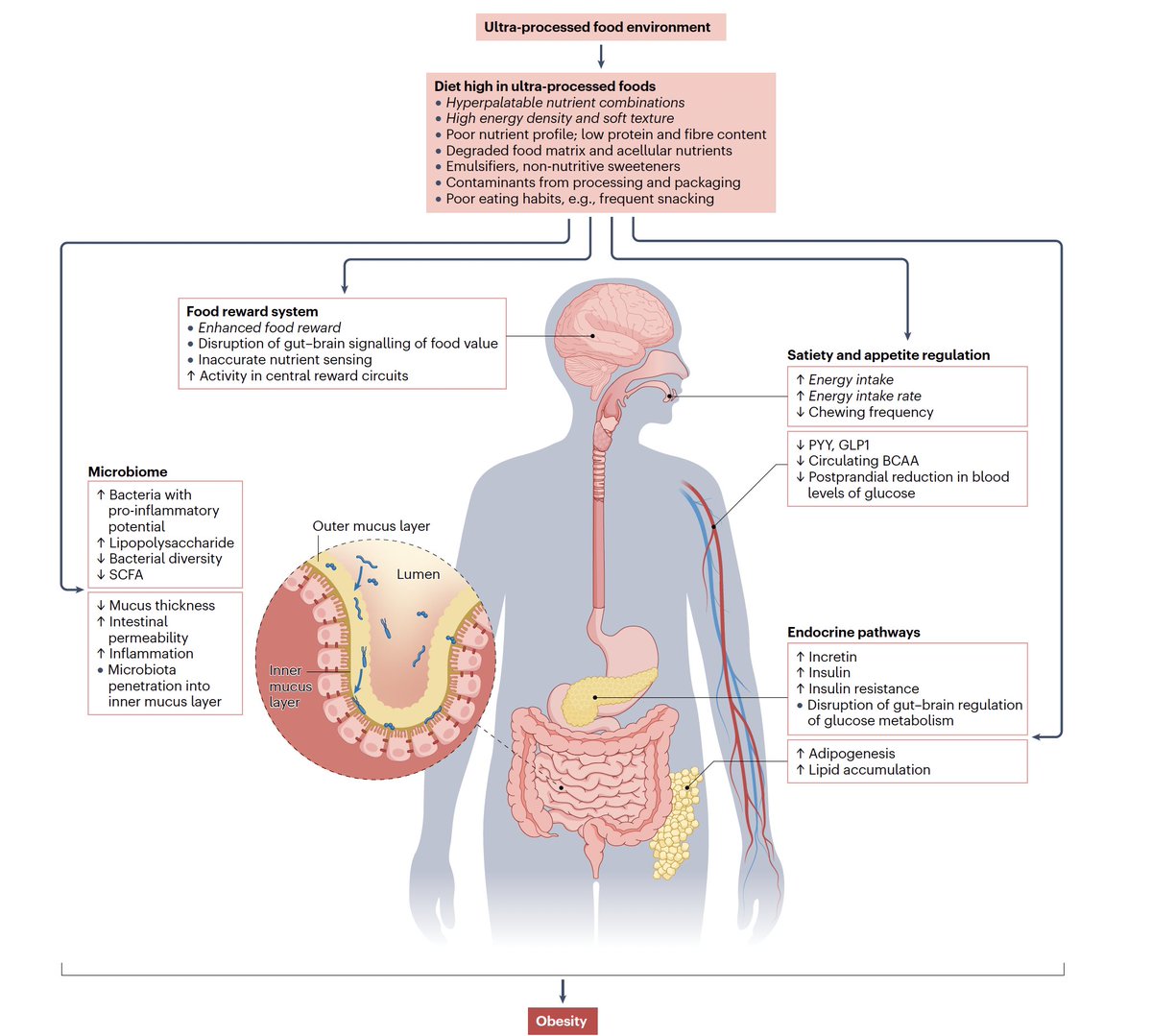
The mechanisms by which ultra-processed foods (UPF) drive obesity, an outstanding review article
"the evidence is sufficiently strong to justify immediate public health efforts to reduce UPF consumption."
nature.com/articles/s41574-0…
20
261
767
65,052
Peter Mayinger retweeted
13 Jul 2025
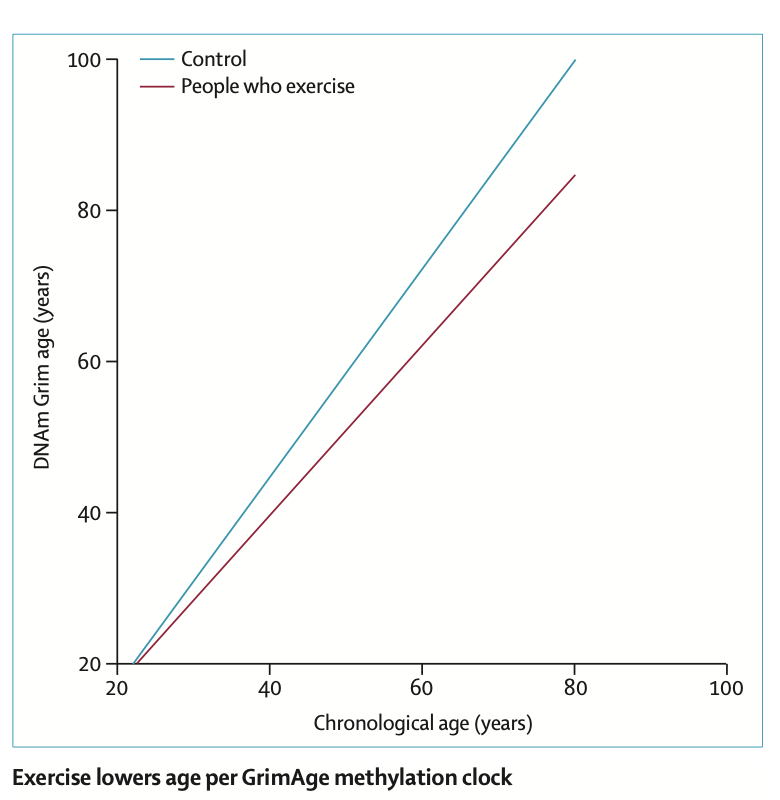
How to modulate biological aging (body-wide, epigenetic)
—Obesity accelerates
jamanetwork.com/journals/jam…
—Exercise slows
thelancet.com/action/showPdf… @TheLancet w/ @prof_horvath
14
96
328
41,348
Peter Mayinger retweeted
12 Jul 2025
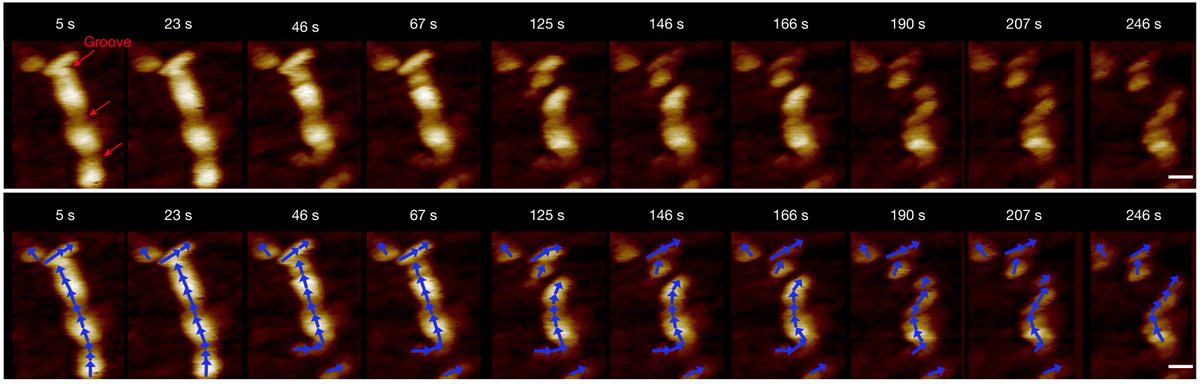
Tau fibrils drive Alzheimer's, but there are no approved therapies that directly target them
This is a short peptide (discovered by Eisenberg lab, in Nature this week) that wraps itself around Tau fibrils and breaks them up:
4
49
286
26,475
Peter Mayinger retweeted

7 Jul 2025
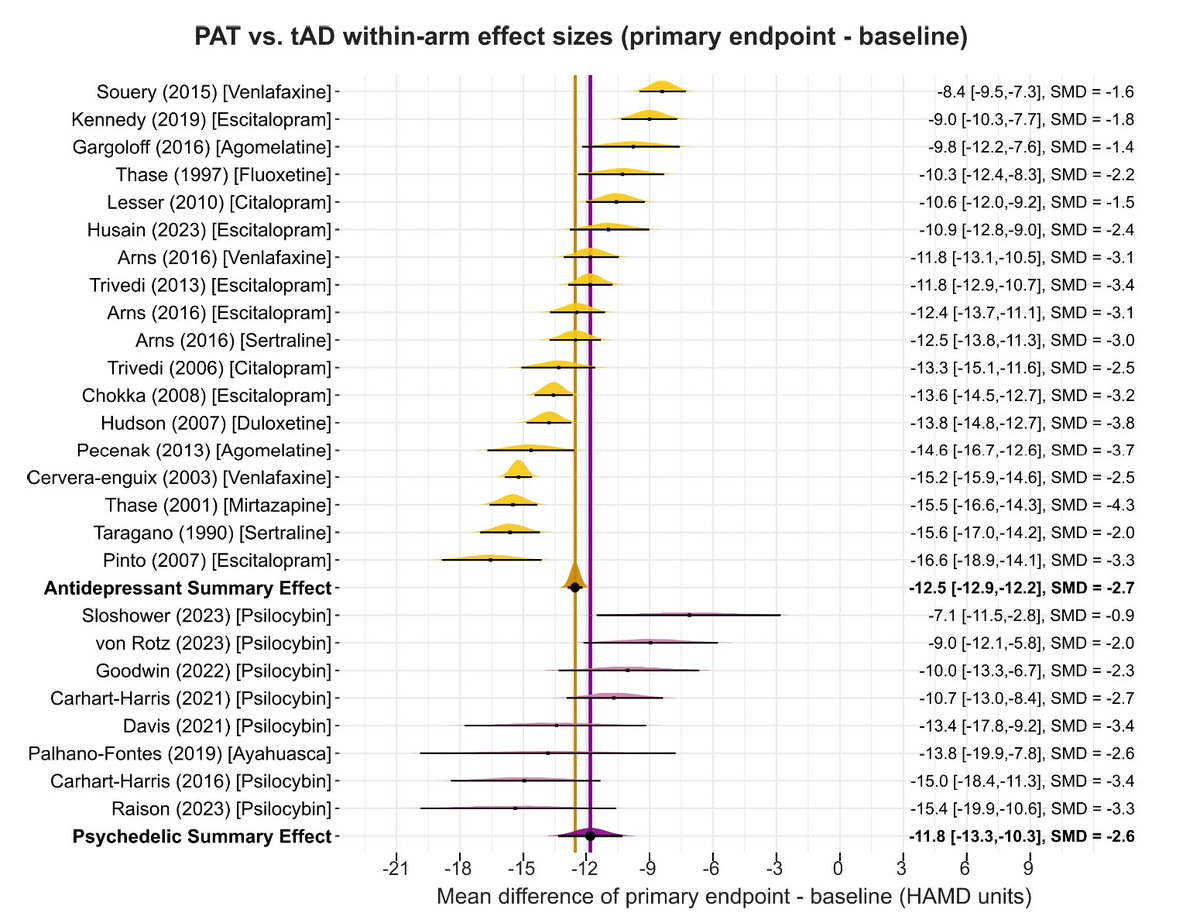
Psychedelic science largely ignored problem of unblinding, dramatically inflating effect sizes (not even *assessed* in most studies).
New study: psychedelics don't outperform antidepressants in fair comparison where both studies are unblinded.
osf.io/preprints/psyarxiv/vh…
16
87
492
74,730
Peter Mayinger retweeted

21 Jun 2025
This should be required reading by all graduate students and postdocs | A brief guide to statistical analysis of grouped data in preclinical research nature.com/articles/s42255-0…
6
201
817
55,132