
Entrepreneurship Professor, Research Director of the Madden Center for Value Creation at FAU, and author.
Joined September 2010
- Tweets 2,344
- Following 777
- Followers 812
- Likes 2,689
101 Photos and videos
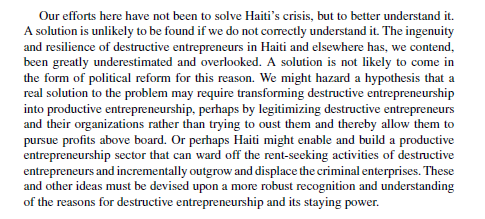
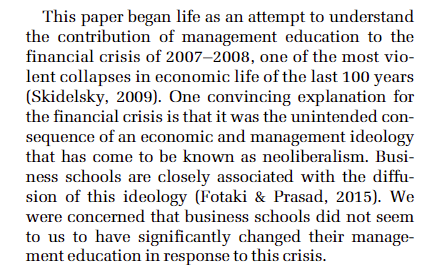
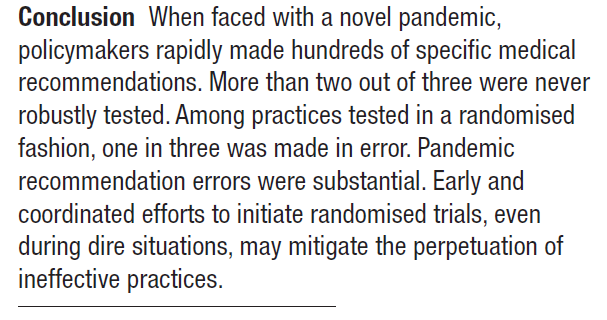
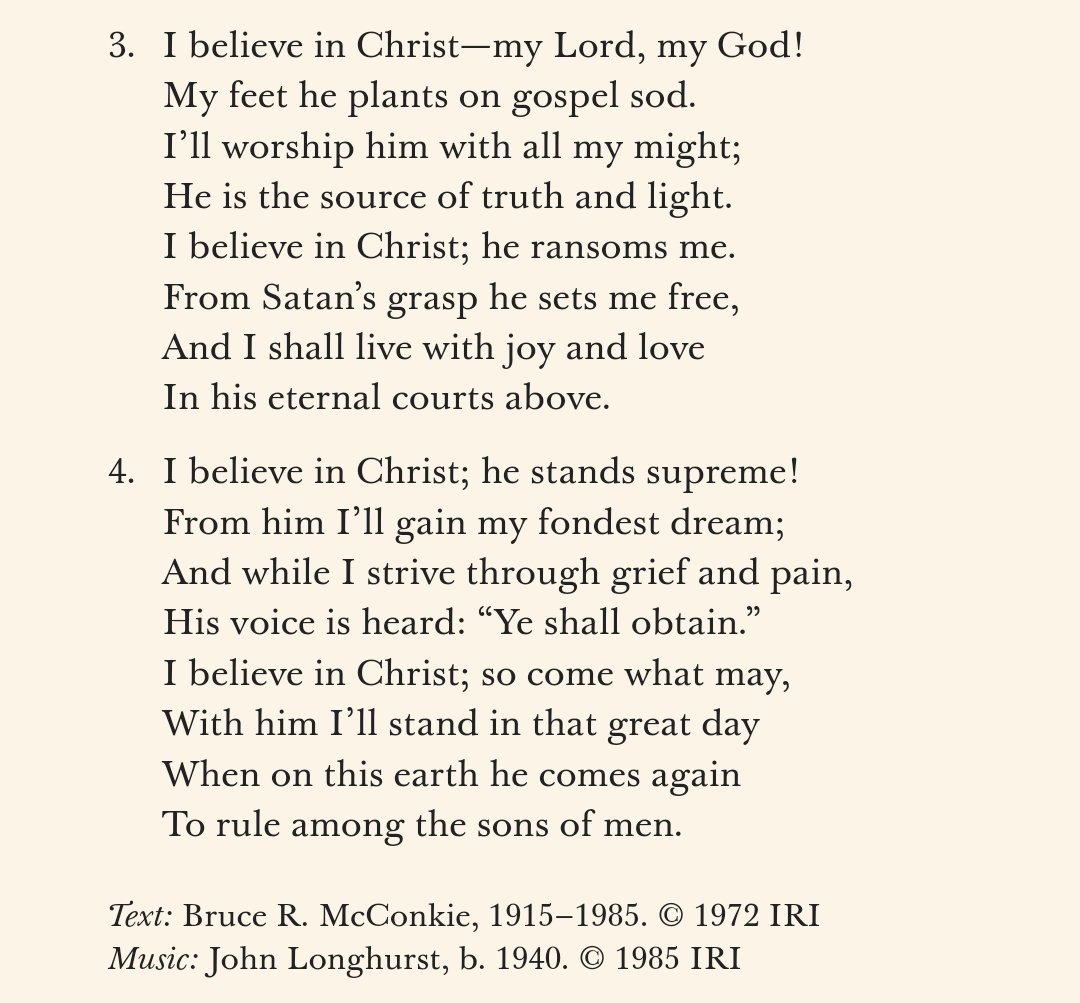
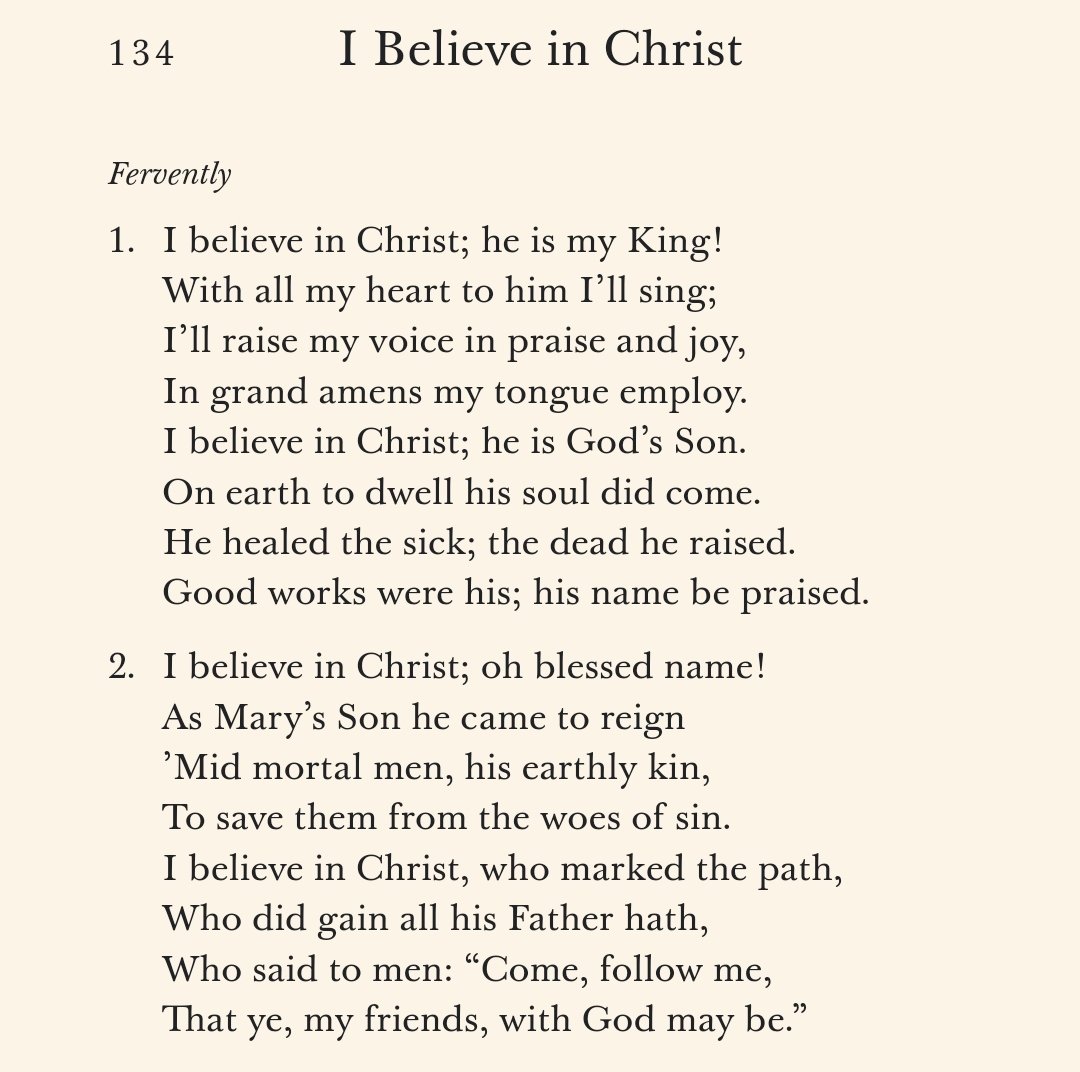
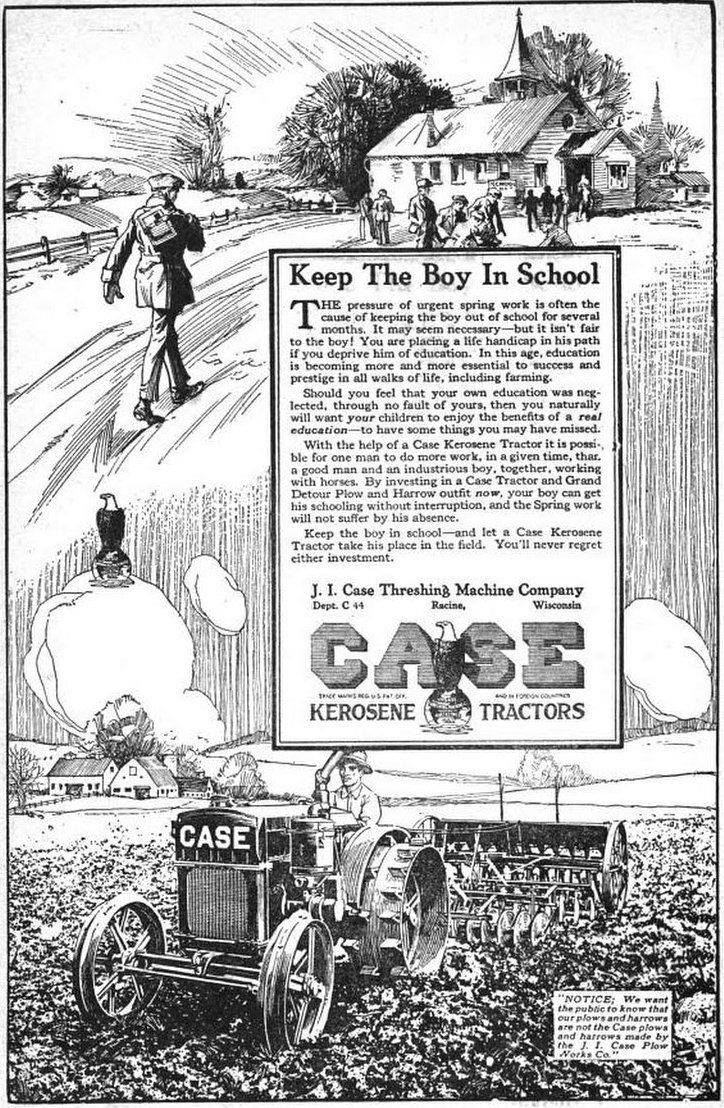

Jun 7
Most managers find it very difficult to defer to employees. But as Hayek argued, relevant knowledge to any productive task cannot be fully known by a central decision maker. Managers are often better off deferring to those who are dealing with the problems on the ground.
The best managers constantly check their egoism.

Jeff Bezos reveals the simple phrase that saved him countless arguments running Amazon
"Disagree and commit is a really important principle that saves a lot of arguing"
"One of my direct reports would want to do something. I'd think it was a bad idea. We'd go back and forth and I'd often say, you know what, I don't think you're right, but I'm going to gamble with you"
"You're closer to the ground truth than I am. I've known you for 20 years, you have great judgment"
"At least then you've made a decision and I'm agreeing to commit to that decision. I'm not going to be second guessing it, sniping at it, or saying I told you so"
"I'm going to try actively to help make sure it works. That's a really important teammate behavior"
1
54
Mark Packard retweeted

Jun 3
Most statehouses only talk about cutting property taxes. On June 2, Florida actually voted to put it on the November ballot🗳️A genuine win for taxpayers! My take on the Florida model, in @EpochTimes features statements from leaders @RonDeSantis @JayCollinsFL & @GovGoneWild who made it happen🔗⬇️
2
7
17
1,766
Mark Packard retweeted
May 16
Thanks @profgoose for the 🧵& featuring this work with @faubusiness colleague @BryanPCutsinger We find 87.5% of programmatic accreditor-association pairs are legally embedded or identical. In a fresh run of the data this morning, I also find that higher structural entanglement is associated with lower grad rates and higher borrower delinquency. Important context as the committee works through the governance proposals at @usdoegov this week!
May 16

3/ The empirical case underneath that fight just dropped on SSRN. Cutsinger and Terjesen's "Captured Gatekeepers" studies 32 accreditor-association pairs and finds 87.5% are legally embedded within or identical to the trade association they accredit programs for. The proposals are the defense.
3
4
680
May 6
Do you manage your company efficiently? Do you run a tight ship? If so, you probably think you've set your company up for success.
But you didn't. You've set it up for failure.
Efficiency is the wrong mindset for business leaders. It's maximalist thinking in a world of endless change and growth. You need to think like an entrepreneur. You need to BE an entrepreneur.
amzn.to/4uxtHtX
1
1
65
Mark Packard retweeted

May 5
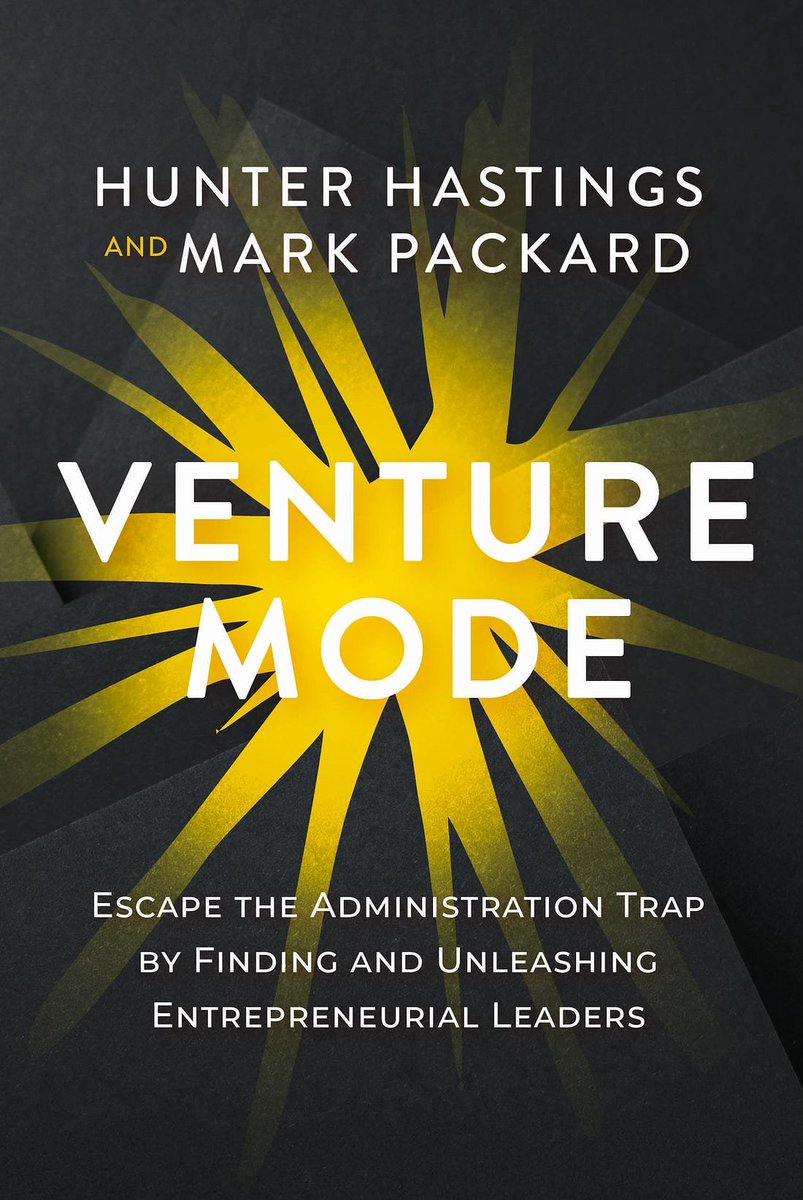
If you're interested in entrepreneurship, or applied Austrian economics, you'll enjoy Venture Mode by @hhhastings and @mdpackard: venturemode.biz
2
11
64
2,598
May 5
New book just released! Venture Mode. This is a fun one. @hhhastings
and I take aim at universities, and business schools specifically, as root causes of bad business leadership.
Learn how to get your business out of "administration mode" and into "venture mode"!
a.co/d/09ZcMUfl
2
4
159
Apr 25
My colleague @siriterjesen has written a fascinating and I think important essay on the socially healing power of connecting with our genealogical roots. There are some great tools available to do just that.
theepochtimes.com/opinion/co…
1
38
Apr 8
Unsurprisingly, Stiglitz didn't read the book.
Apr 8

Joseph E. Stiglitz on Milton Friedman's book, 'Free To Choose'.
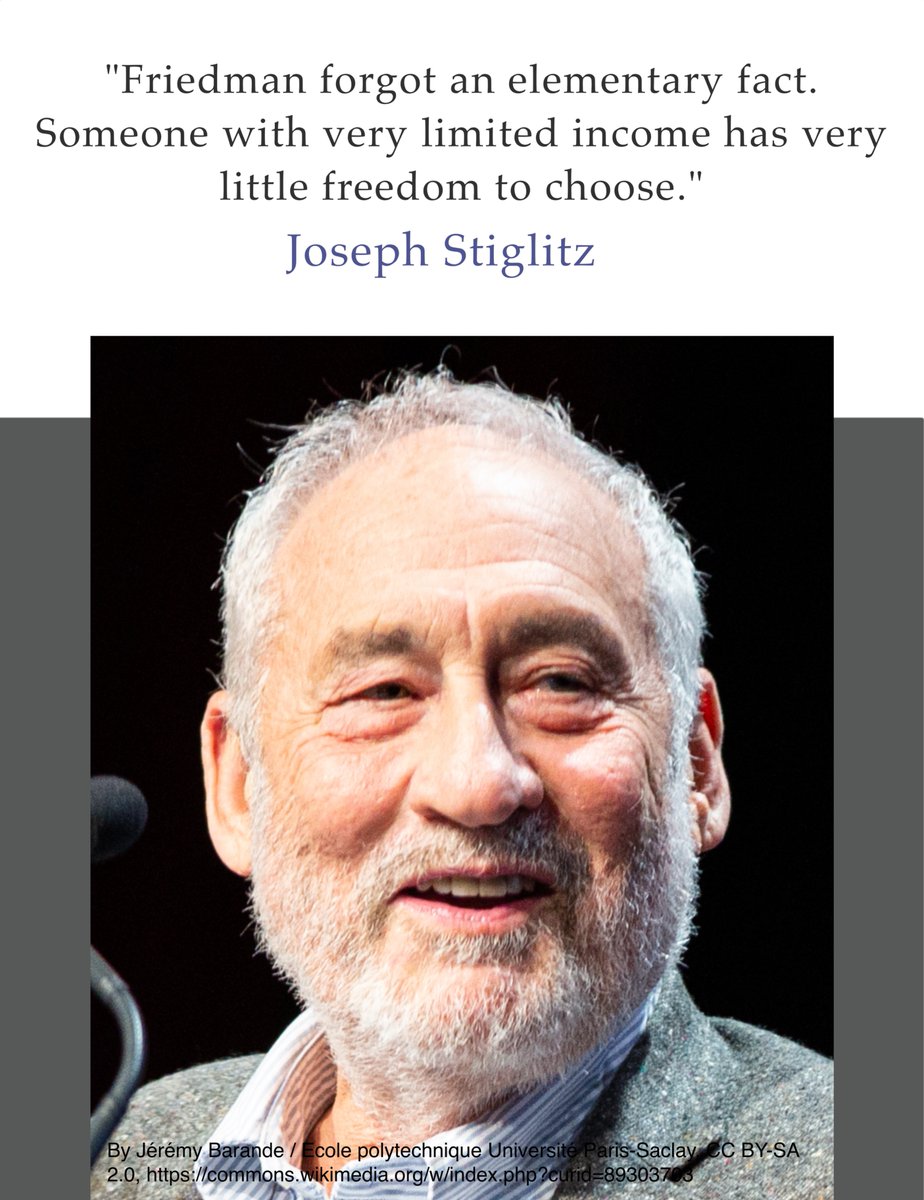
ALT Joseph Stiglitz by Jérémy Barande / Ecole polytechnique Université Paris-Saclay, CC BY-SA 2.0
3
6
56
3,061
Apr 6
Is AGI already here? Well... it depends on what you mean by "intelligence." If intelligence is indistinguishable from the articulation of meaningful responses, then we're already close (or maybe there).
But for me, the critical boundary between human and artificial intelligence is the possession of tacit knowledge. Tacit knowledge, succinctly, is that knowledge that comes only from experience--qualia as philosophers dub it. You can know what salt tastes like only by tasting it for yourself.
Can AI ever possess tacit knowledge? I'm quite sure it doesn't have it yet and I'm pretty skeptical that it will ever have it. Of course, we don't actually know how or why we experience qualia, which David Chalmers famously dubbed "the hard problem of philosophy," so we can't really predict if AI will ever suddenly begin to have experience or not.
The instinctive retort, of course, is that it probably doesn't matter, since it will inevitably *seem* as if they have experience. It can already talk as if it has experience.
But here's why it matters. A TON of our intuition and judgment comes from tacit knowledge. What will I like on the menu? How must they be feeling right now? Will other people pay for this new product idea?
Of course, the behavioral sciences have long argued that human judgments are highly error-prone and so mechanizing judgment algorithmically may improve it, reducing common biases. But this is a fundamental misunderstanding of judgment, I think. The most *human* aspects of judgment manifest most clearly where there is, and can be, no "right" answer. This sort of judgment is made primarily from tacit knowledge, or what is often called "intuition" or sometimes "system 1."
AI will be able to give us answers, but I expect we'll learn pretty quickly that AI doesn't *feel* like we do and so never quite gets us like other people do. And that will be a massive and persistent barrier that will leave plenty for humans to still do.
Apr 5

I'm calling it. AGI is already here – it's just not evenly distributed yet.
2
110
Mark Packard retweeted

Feb 13
Friends-
I rarely push books but this is a must-read for anyone with entrepreneurial ambition, especially young people.
Written by @hhhastings and @mdpackard, it's a concise and brutal takedown of the MBA "management" fixation in favor of understanding value at every stage from the consumer's perspective. Austrian flavored but not at all arcane or pedantic.
Highly recommended!
amazon.com/Venture-Mode-Admi…
2
9
56
3,821
Feb 4
📢 Call for Papers: Frank Knight – Intellectual Origins, Influence, and Continuing Relevance
Strategic Change invites submissions exploring the multifaceted legacy of Frank Knight (1885-1972), one of economics' most influential yet underappreciated thinkers. Beyond his famous risk/uncertainty distinction, Knight's work spans price theory, entrepreneurship, philosophy of science, and the theory of the firm—offering rich insights for modern management and strategic research.
📅 Submission Deadline: Tuesday, 1 September 2026
🔗 Full call for papers here: lnkd.in/dT3sFaQc
🎓 Why Frank Knight Matters Today
Knight's pluralistic approach opens novel avenues for addressing contemporary challenges:
Balancing rigor and relevance in research
Understanding uncertainty in entrepreneurial and strategic decision-making
Exploring capitalism's ethical dimensions
Bridging economics, management, and organization theory
Rethinking the theory of the firm and organizational dynamics
Topics of Interest
We welcome papers on:
✅ Knight's place in modern entrepreneurship and management research
✅ His critique of static/dynamic distinctions in economic thought
✅ Price and distribution theory contributions
✅ Philosophy of science and methodological implications
✅ Political economy, freedom, markets, and governance
✅ Intellectual influences and evolution of his ideas
✅ His impact on scholars from Coase to contemporary researchers
✅ Critical perspectives and comparative studies
Guest Editors
👥 Dr. Matthew McCaffrey (The University of Manchester, Alliance Manchester Business School, UK)
👥 Dr. Carmen Elena Dorobat (The Manchester Metropolitan University, UK)
👥 Dr. Mark Packard (Florida Atlantic University, USA)
👥 Prof. JC Spender (Kozminski University, Poland)
🌍 International contributions especially welcome! We encourage scholars outside the US and UK to share how Knight's ideas have been understood, applied, and critiqued in different regions and languages.
📧 Questions? Please contact a member of the Guest Editorial Team
#CallForPapers #FrankKnight #Entrepreneurship #Uncertainty #TheoryOfTheFirm #StrategicManagement #OrganizationTheory #PhilosophyOfScience #AcademicResearch #StrategicChange #ManagementResearch #EconomicThought
1
141
Feb 4
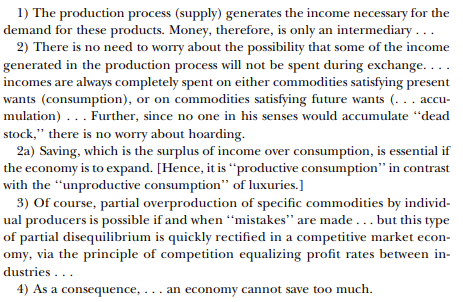
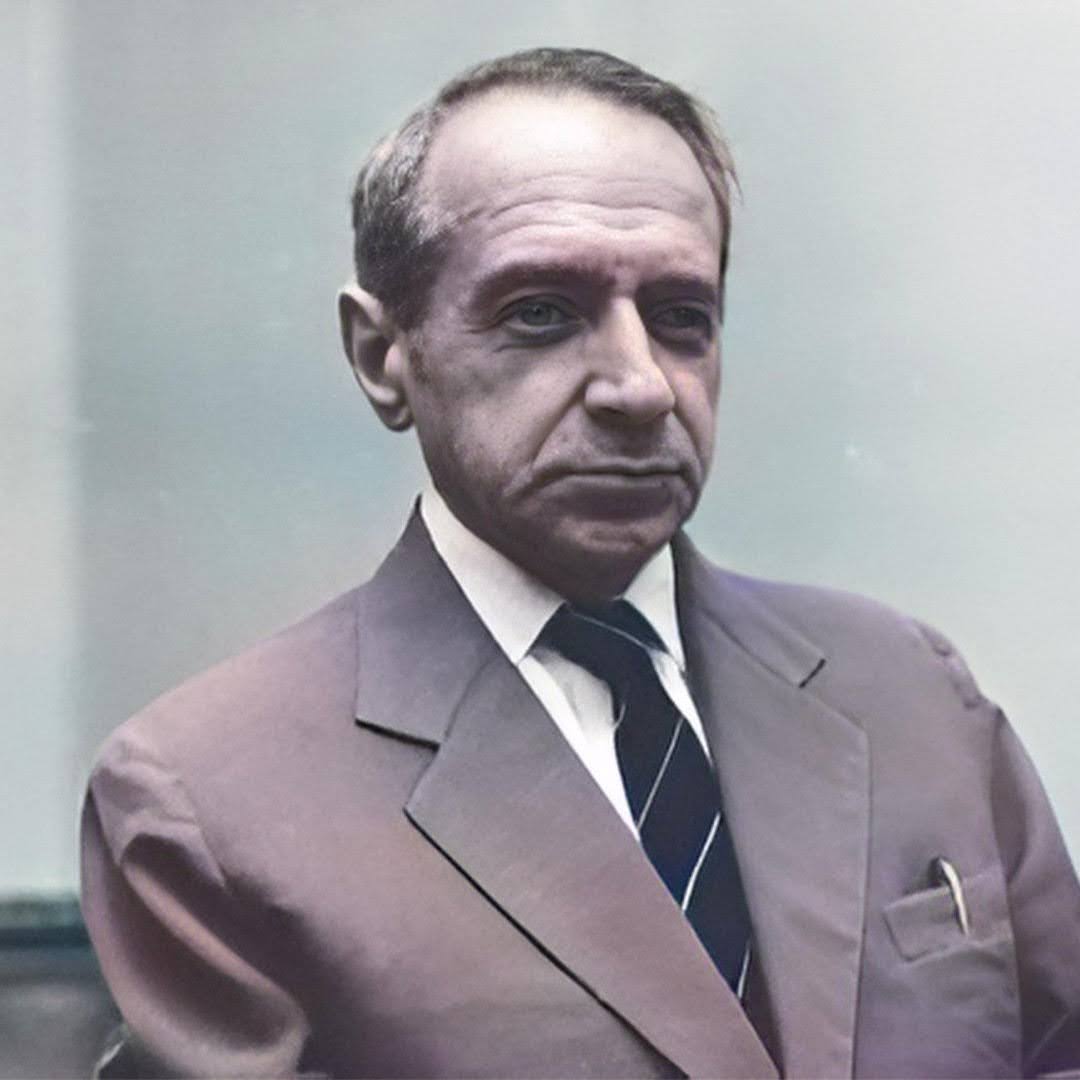
When you overlook the entrepreneur in economic theory, it leads you to bad conclusions.

"It is the export surplus and the budget deficit which enable the capitalists to make profits over and above their own purchases of goods and services. The connection between 'external' profits and imperialism is obvious."
-Michał Kalecki
1
110
Mark Packard retweeted
Feb 4
Proud to say that @mdpackard's and my article "Towards an entrepreneurial judgement theory: Building the cognitive microfoundations of entrepreneurial judgement" was awarded the International Small Business Journal's "Highly Commended" paper award 2025!
2
3
40
5,430
Mark Packard retweeted
Jan 14
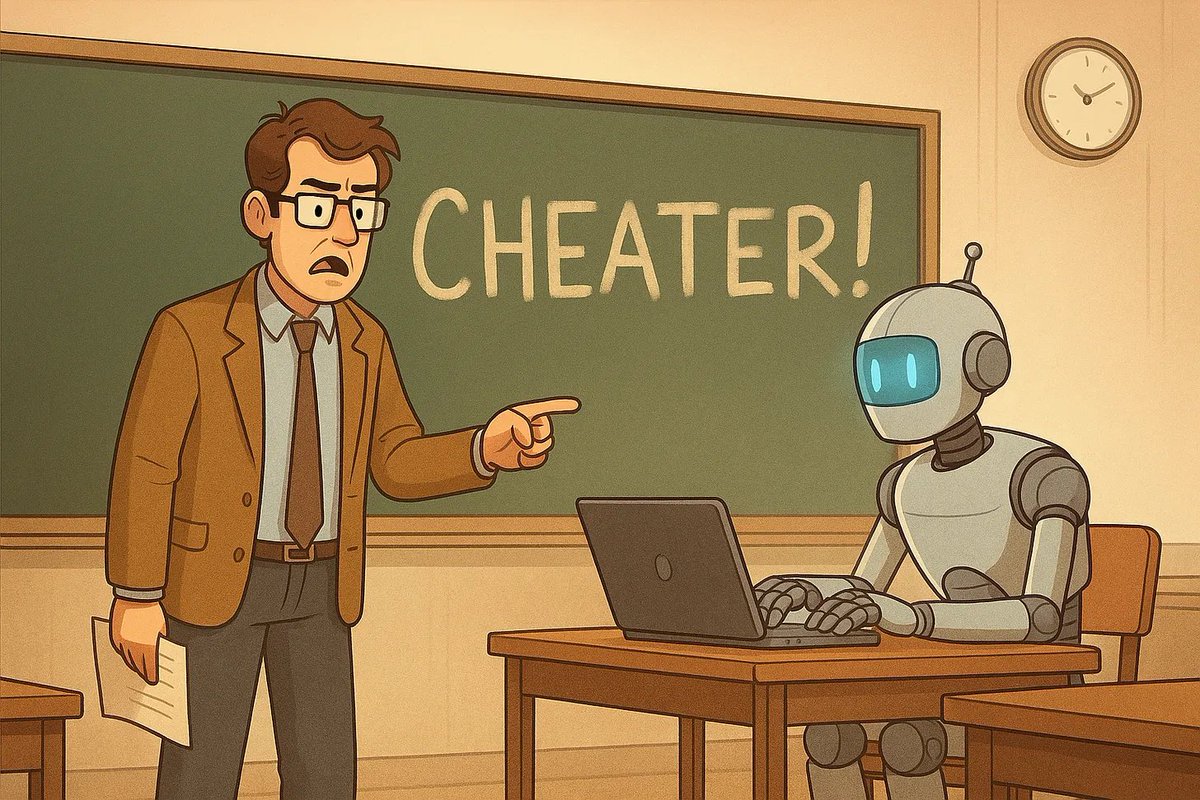
Please help spreading the word: the Entrepreneurship Researchers' Exchange is live. With two posts available already! linkedin.com/posts/perbylund…

3
12
32
2,877
Mark Packard retweeted
Jan 2
As we open a tenure-track search in Health Adminstration (health economists also welcome to apply) at @faubusiness, a reminder that one benefit is our nearly year-long perfect weather 🌴😎 @FloridaAtlantic


1
2
266
17 Dec 2025
Hopefully more than just madmen and economists understand the market effects of entrepreneurship!
Relatedly, I published a paper in an obscure journal (special issue) explaining the infinite nature and process of entrepreneurship.
revistamises.org.br/misesjou…
16 Dec 2025
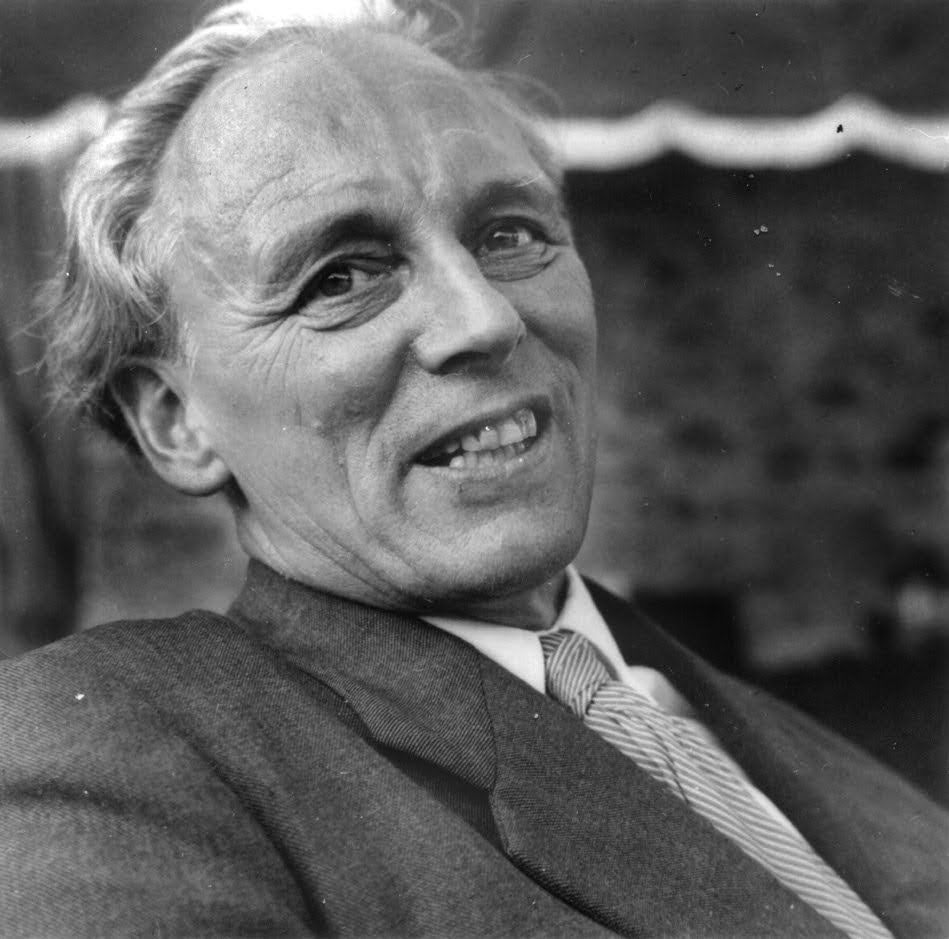
"Anyone who believes that exponential growth can go on forever in a finite world is either a madman or an economist."
-Kenneth Boulding
2
151
16 Dec 2025
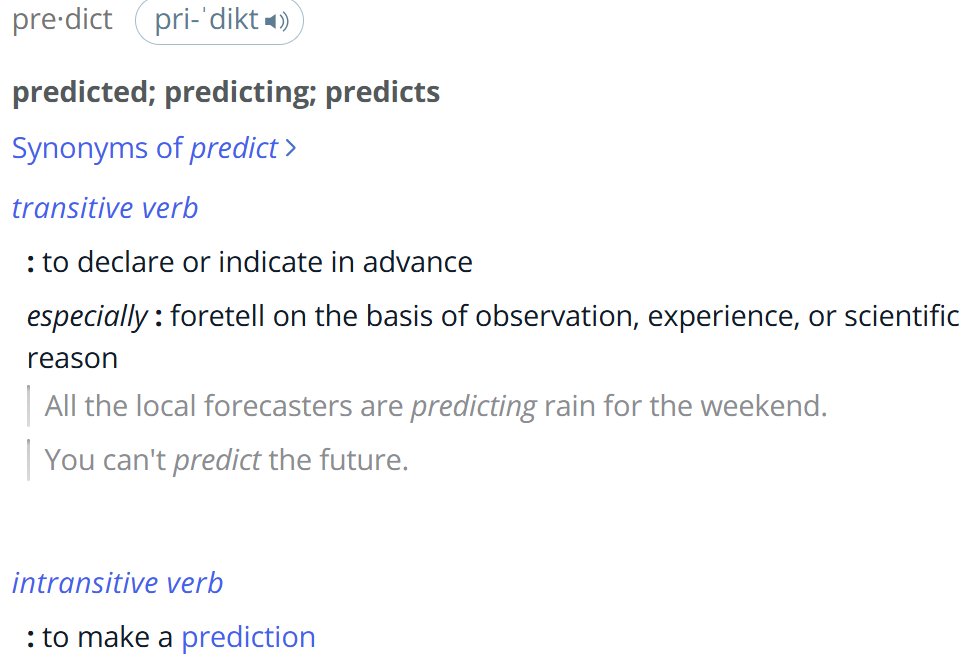
"Did they predict 2008?"
Yes, the Austrians did. In fact, it's what led me to their school of thought.
15 Dec 2025

The neoclassicals are ganging up on me! They're collectively stupid enough to believe their scholar ranking system - all the grifters constantly citing each other to get promoted - and their fake Nobel Prize mean something. Did they predict 2008? 🤣x.com/KhoaVuUmn/status/19999…
1
90
13 Dec 2025
I know many have responded to this, but I get why Marx's exploitation theory is popular. Anyone who's worked for a large corporation likely understands the critique as plausible. Big orgs often don't care as much as they probably should about their employees. Employees often feel like expendable cogs in a machine.
But while critics of Marx (rightly) focus on his utterly false labor theory of value, another key problem with Marx's analysis that I don't see discussed much is that it is utterly and blatantly one-sided.
On the flip side, however, employees often feel no loyalty to their employer eother. In fact, employers often have to guard against employee theft and fraud. Employees can up and quit anytime. They can then run to a competitor and share their former employer's secrets.
Employment is a voluntary arrangement that, when both parties come at it with mutual respect, tends to be highly mutually beneficial. In fact, jobs at many big companies tend to be highly coveted.
Modern management theory has put the lie to Marx's exploitation theory. Good management, and the greatest productivity, comes not from exploitation but the opposite. It comes from being a great place to work.
Marx got economics VERY wrong. But his organization theory, and in particular his understanding of corporations, is just as wrong. Not everyone loves working for big corporations. But that's just fine, not everyone has to work for one.
One thing Marx got (partially) right is that big businesses often end up with too much power. But he thought this was because of their excessive wealth, equating wealth with power. But wealth is a certain type of soft power. It is non-coercive power. The problems Marx identified occur when wealthy "buy" political (coercive) power. We call this "regulatory capture." But the problem is not the wealth (wealth is good, actually), the problem is the political power and its corruptibility. The unholy alliance between politics and business is criticized by Marxists and capitalists alike.

2
8
197
Mark Packard retweeted

11 Dec 2025
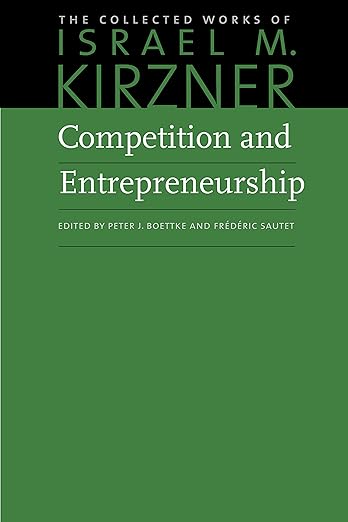
Neoclassical models treat competition as an end-state with equilibrium already achieved. But how do we get there? Israel Kirzner restores the missing actor by showing that markets are a process of discovery and error correction.
1
8
31
4,674
9 Dec 2025
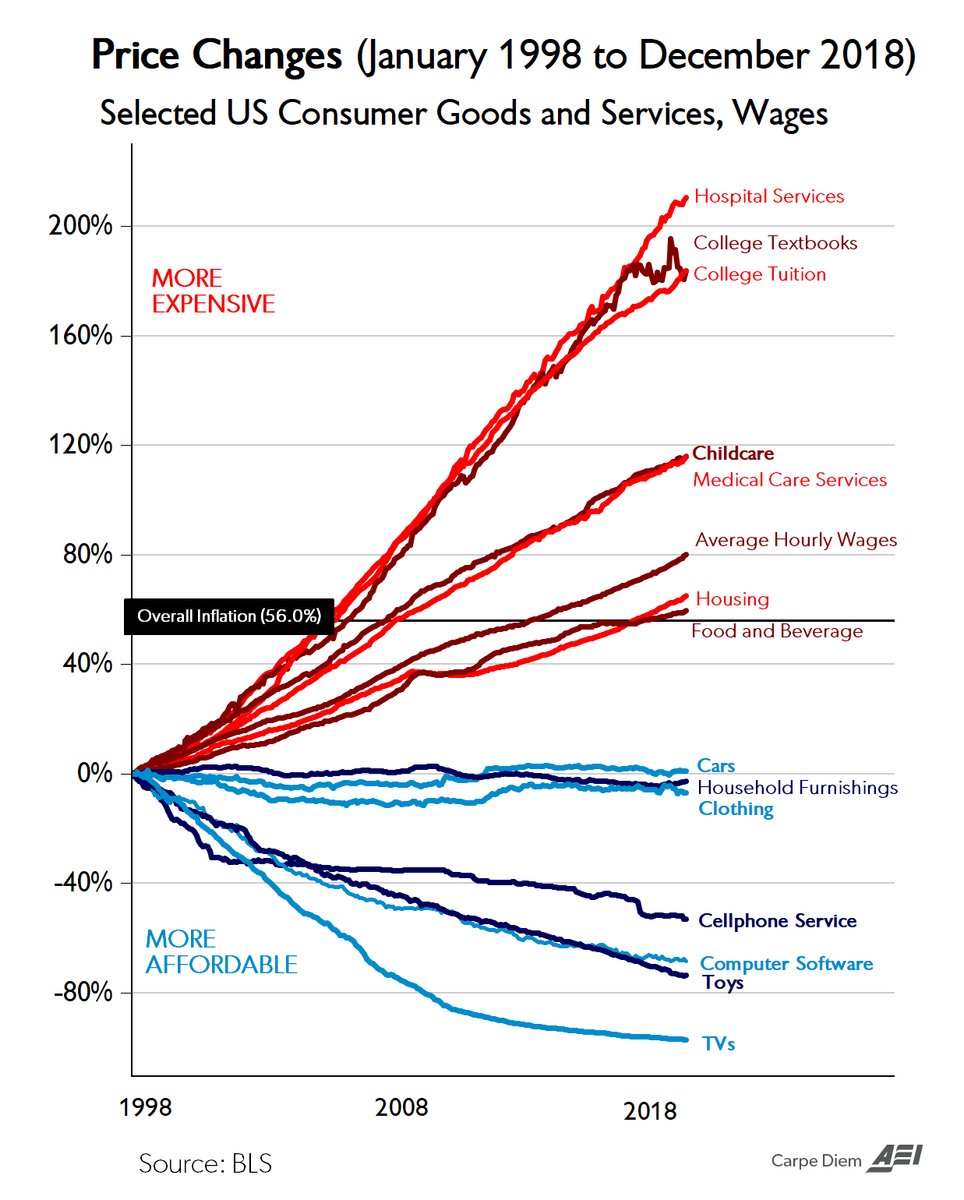
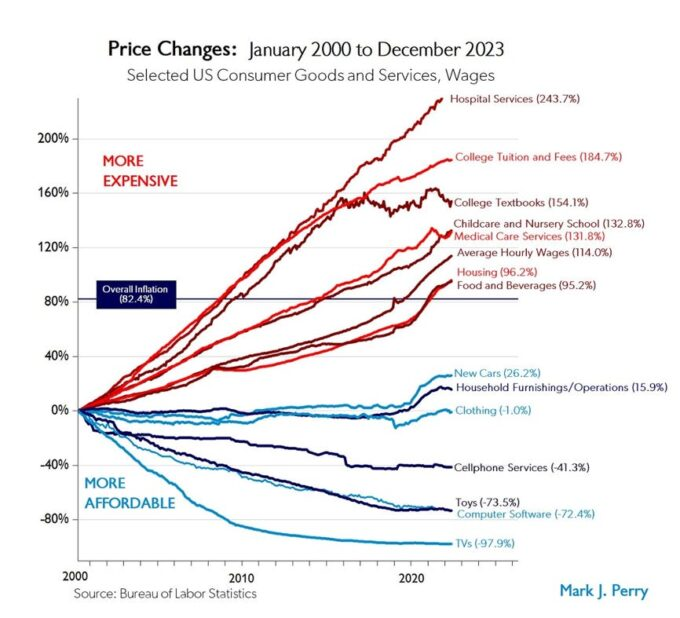
Cantillon effect. This "inequality crisis" is BECAUSE OF inflation.
8 Dec 2025

The affordability crisis is an inequality crisis. When prices spike in key sectors, it's not just inflation—it's a massive redistribution shock that hits poor households hardest. In our **new working paper**, we identify the sectors that matter most. A 🧵scholarworks.umass.edu/entit…

1
2
9
925