
💰 Tax Preparer for High-Net-Worth Entrepreneurs | Serial Entrepreneur📰 Quoted in FT, US News
Joined April 2009
- Tweets 520,296
- Following 7,457
- Followers 5,584
- Likes 383,156
16,793 Photos and videos






The Donald, Spokane retweeted

Unforgivable 😭💦
Someone burned a sacred shimenawa at a shrine… A woman in her 50s has been arrested on the spot for property damage in Naka Ward, Hiroshima.
A shimenawa is the sacred barrier that separates the divine world of the gods from our everyday world.
How could anyone set fire to something so holy? It’s absolutely unforgivable.
Arson is a serious crime, yet her name hasn’t been released in the reports… Is it a foreigner again? Or religion-related?
This kind of thing breaks my heart. We must protect Japan’s shrines and cultural heritage. 🇯🇵🙏
news.yahoo.co.jp/articles/ee…

98
211
1,112
13,379
The Donald, Spokane retweeted

20h
Mitch McConnell just got wheeled into the hospital. Special election incoming.
I formally nominate Scott Jennings to take the seat.
No more turtle. No more grift.
Make Kentucky great again!
215
2,293
16,366
136,890
The Donald, Spokane retweeted

Child activists at Elon Musk's Los Angeles diner,
What are leftists doing to their children?
1,607
914
5,007
177,691
The Donald, Spokane retweeted

The strawberry field in that video gets about 300 pounds of pesticides applied to every single acre each year. Corn, considered a pesticide-heavy crop, gets about 5 pounds. Strawberries get 60 times more.
Strawberry pathogens and pests have been developing resistance to chemical pesticides for decades. The Insecticide Resistance Action Committee has documented over 500 pest species that have evolved resistance to at least one pesticide. US farmers lost 7 percent of their crops to pests in the 1940s. By the 1980s and 1990s, that number had climbed to 13 percent, even though they were spraying more chemicals than ever. When pests adapt to a chemical, farmers buy a new one. Call it the resistance treadmill.
The global pesticide market runs over $80 billion a year. Bayer's crop science division alone generated €7.5 billion in the first quarter of 2026. A flywheel that large does not want to stop spinning.
UV-C, the short-wave form of ultraviolet light that kills microorganisms, breaks this flywheel at the biology level. UV-C damages pathogen DNA by binding key parts of the genetic code together until the instructions become unreadable. Pathogens evolved a repair enzyme, called photolyase, that undoes this damage. It requires blue light to work. At night, there is no blue light. The damage stays permanent. The pathogen dies on a lower UV dose than would work during the day, and the strawberry plant is unharmed.
The kill mechanism is physical. Pathogens cannot evolve resistance to UV light the way they evolve resistance to molecules. Pests can't mutate their way around light.
USDA data shows organic strawberries sell for 40 to 50 percent more at the farm gate than conventional. In peak winter months, that premium has reached 88 percent. A UC Giannini Foundation study from May 2026 found conventional strawberry farming in California was no longer profitable in 2024, while organic was. TRIC charges farmers nothing upfront. Pilot programs across California's Central Coast showed up to 70 percent less pesticide use. Farmers running TRIC robots can go organic and keep that premium.
TRIC has raised $5.5 million total and employs 16 people. In the first three months of 2026, Bayer's crop science division generated €7.5 billion, more than a thousand times that amount. In the same quarter, its sales of chemicals targeting crop diseases fell 10.7 percent.
Jun 12

autonomous robot driving through the field at night. no chemicals. no pesticides. just UV light killing pathogens and pests while everyone sleeps. this is @tricrobotics.
this is what chemical-free pest control looks like at scale.
12
64
259
22,599
The Donald, Spokane retweeted

How?
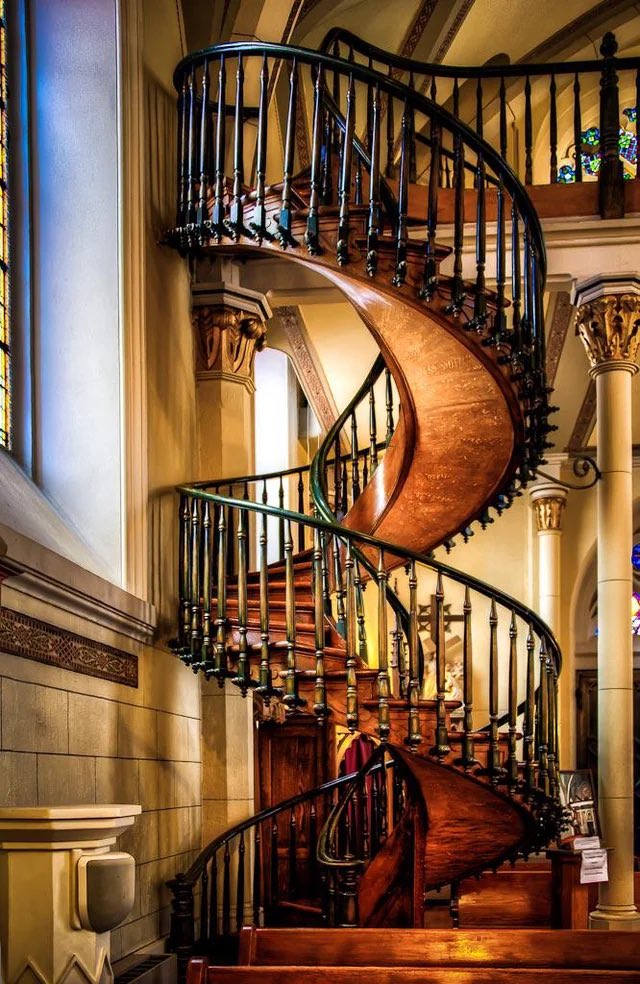
In 1878 group of nuns in Santa Fe New Mexico prayed a novena to St. Joseph for a staircase.
A mysterious carpenter showed up alone, built a 33-step spiral staircase with no visible support, no nails, refused payment, and then disappeared.
Engineers are still baffled by it.
65
333
1,706
37,303
The Donald, Spokane retweeted

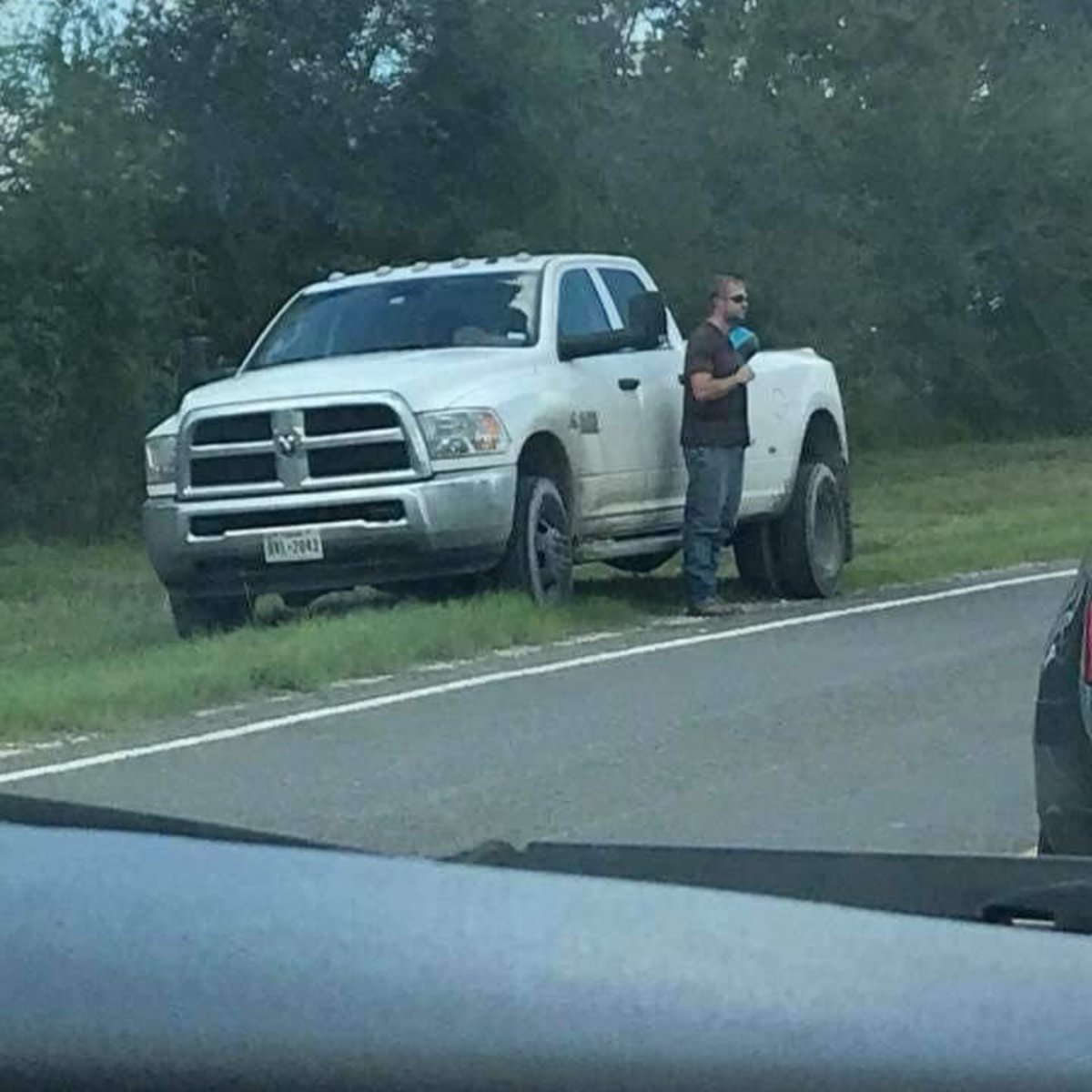
Yesterday, during my father's funeral procession, led by the United States Marine Corps, my family noticed the man in this photograph standing at the side of the road. He held his hat in his hand and placed his hand on his heart as a sign of respect for my father and our family as we walked by.
His respectful gesture deeply touched my family and the entire train. Along the way, we encountered many other cars simply going about their day.
Since his license plate was visible in the photo, my daughter did some research and we found him!!!
His name is Ernest Boerlin and he is also a veteran of the United States Navy.
When I sent him a private message to thank him for honoring my father, he replied:
"It was an honor to show my respect for a comrade and his family." Please accept my prayers and condolences for you and your family in your loss. Fair winds and calm seas. God bless you.
Thank you, Ernest. Your gesture of kindness and respect deeply touched our family and friends, and we are grateful for it. May God bless you and your loved ones.
Let's thank Ernest for his service and show him our affection, folks!
276
2,063
15,033
216,940
The Donald, Spokane retweeted

This is one of the most realistic military movies I’ve ever seen.
I was flying in and out of Mogadishu during these dark days.
This was EXACTLY the environment. Precisely as I remember it. Hot, dirty, chaotic, deadly.
My former boss, @BillClinton, really effed this up and he knew it. It affected the rest of his time as our commander in chief. We even talked about it a few times.
He didn’t get the military, he didn’t get “us.” And he never wanted to understand us. He was afraid. And it played out like this.
Do you remember Blackhawk Down? x.com/CinemaTweets1/status/2…
98
191
1,382
17,860
The Donald, Spokane retweeted

Good morning friends, Christ is King!

20
432
3,667
33,051
The Donald, Spokane retweeted

Only have one question…. if I apply can I still shippoast the worst admirals?
Jun 12

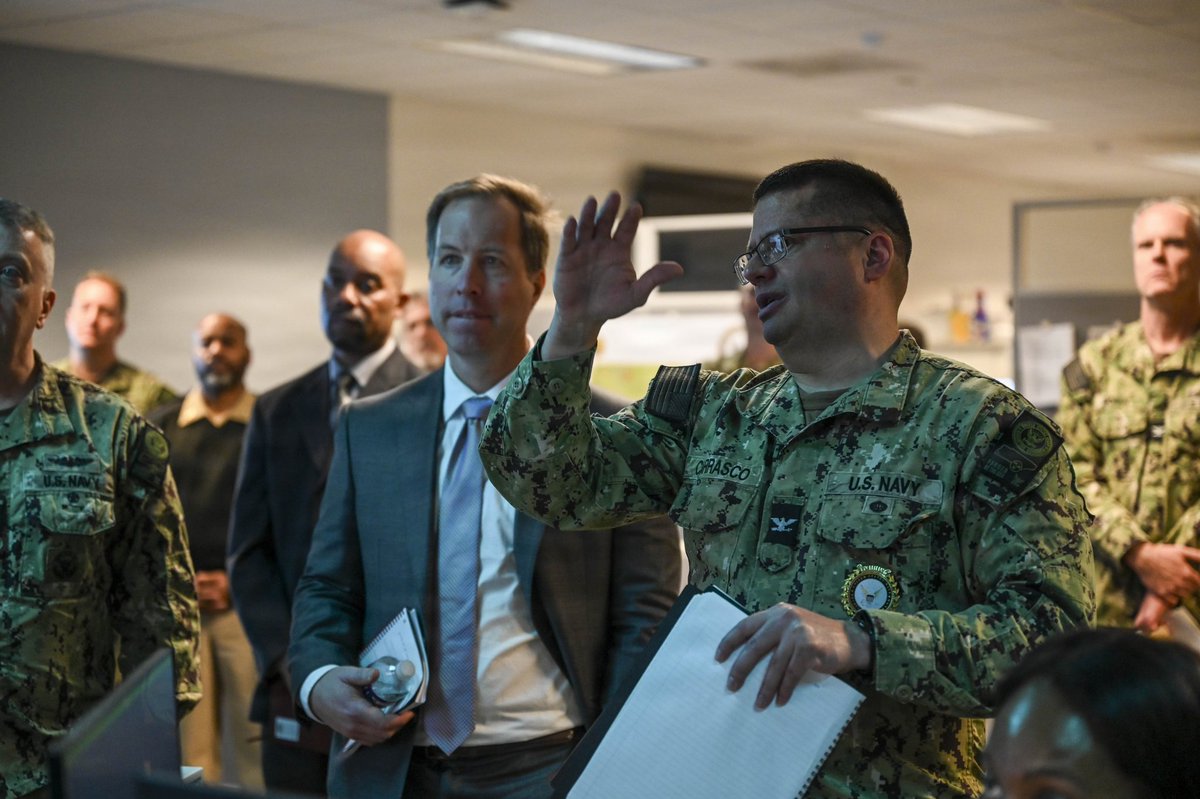
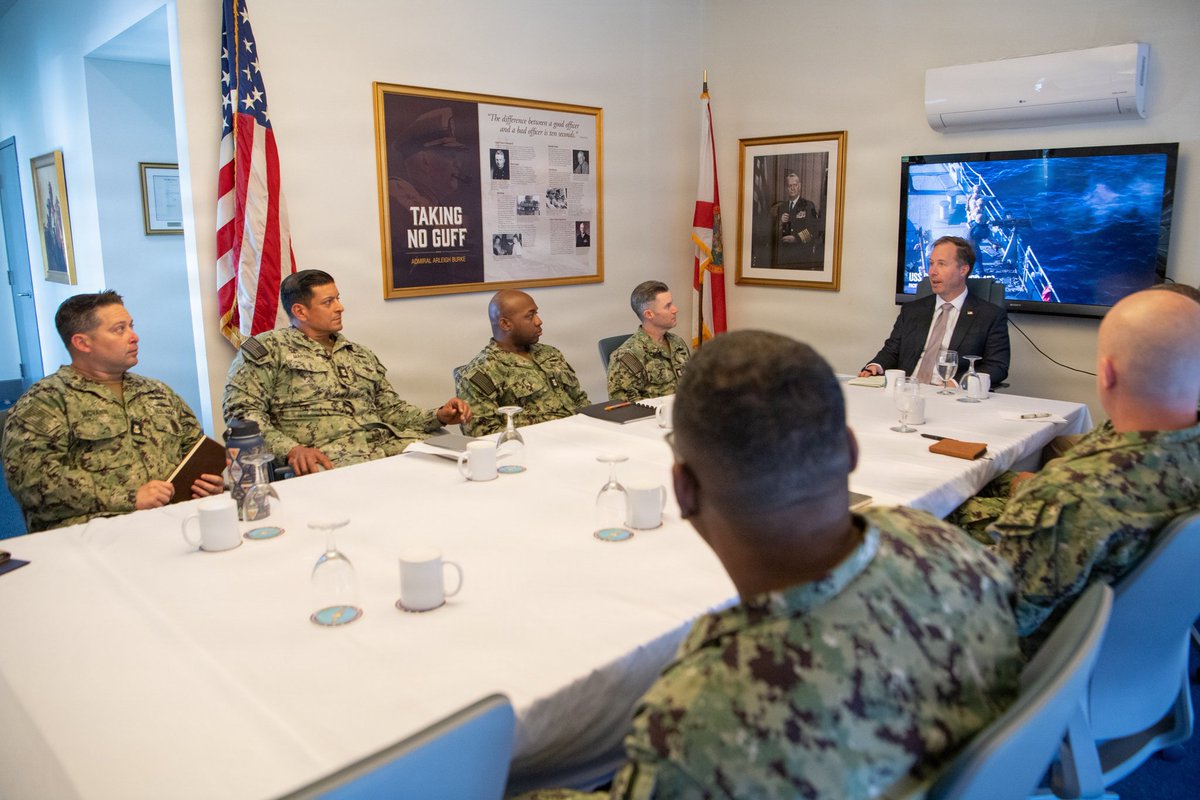
⚓️📰 #USNAVY UPDATE: The Navy Reserve is opening a new direct-commission pathway into the Navy Innovation Unit, recruiting elite engineers, architects and builders to solve maritime technology challenges.
Keep your civilian job. Serve the mission. @USNavy
navy.mil/press-office/press-…
17
14
166
10,355
The Donald, Spokane retweeted

Why do Japan fans clean up after games?
“That’s the culture. It’s respect for everything: the players, supporters, and the stadium. We’re honored to be here, so we don’t want to make a mess and leave it.”
I love Japan 🇯🇵
463
1,647
12,031
117,068
The Donald, Spokane retweeted

Stand back. Look at the bigger picture.
Australia, Canada, New Zealand and now the U.K support information controls, under the guise of social media bans for children. FULLSTOP. Ask yourself what they have in common?
5 Eyes!!!
This is a freedom battle against aligned interests that have historically used the intelligence community as their main strategy.

Australia banned X for children but not BlueSky.
Britain is banning X for children but not BlueSky.
This proves one thing.
It's not about protecting children.
It's about censorship and controlling the narrative.
30
267
611
20,575
The Donald, Spokane retweeted

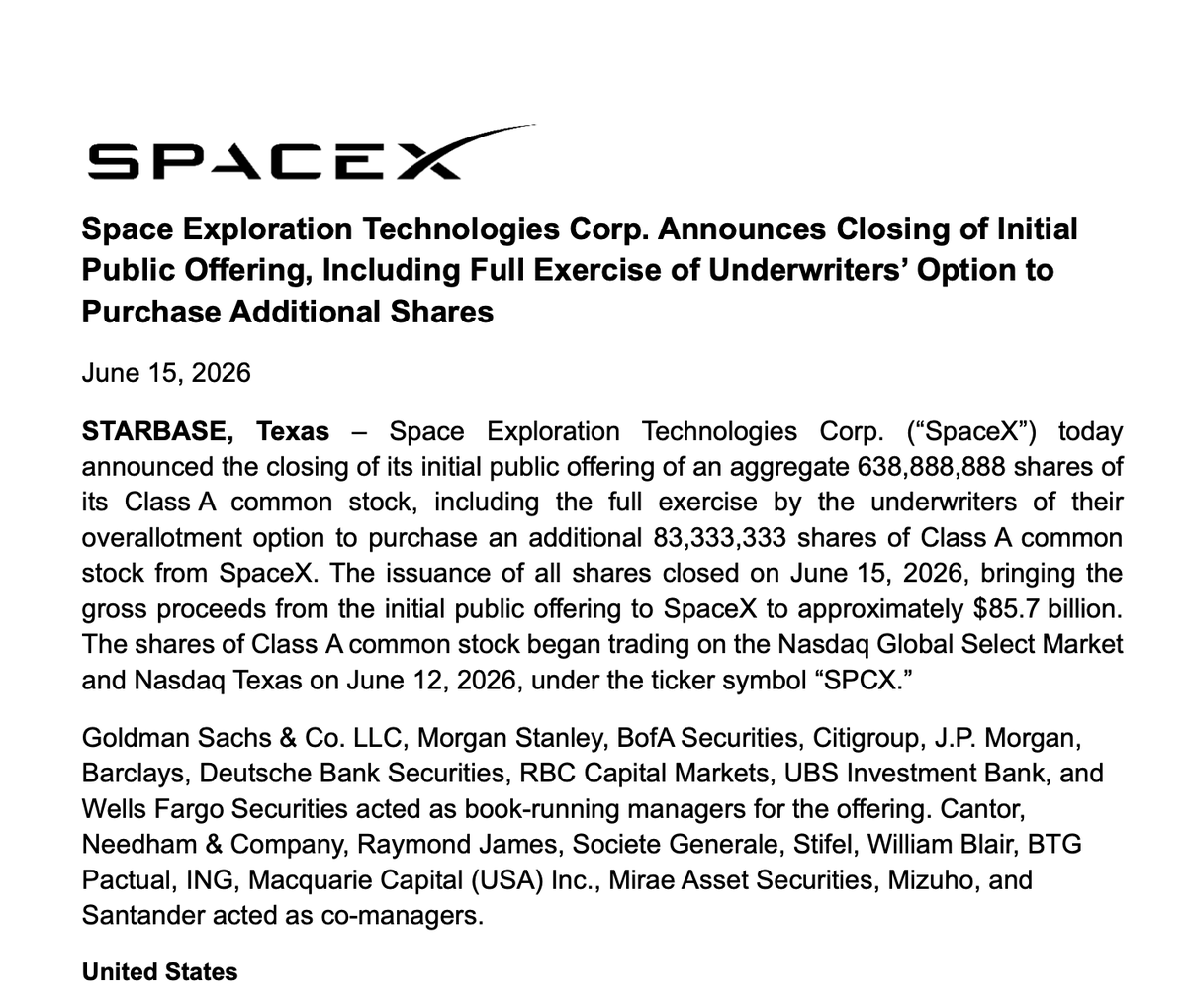
SpaceX today officially announced that they have raised a total of $85.7 billion in their IPO, the largest amount of money ever raised in an IPO.
"SpaceX today announced the closing of its initial public offering of an aggregate 638,888,888 shares of its Class A common stock, including the full exercise by the underwriters of their overallotment option to purchase an additional 83,333,333 shares of Class A common stock from SpaceX. The issuance of all shares closed on June 15, 2026, bringing the gross proceeds from the initial public offering to SpaceX to approximately $85.7 billion."
28
83
823
20,642
The Donald, Spokane retweeted

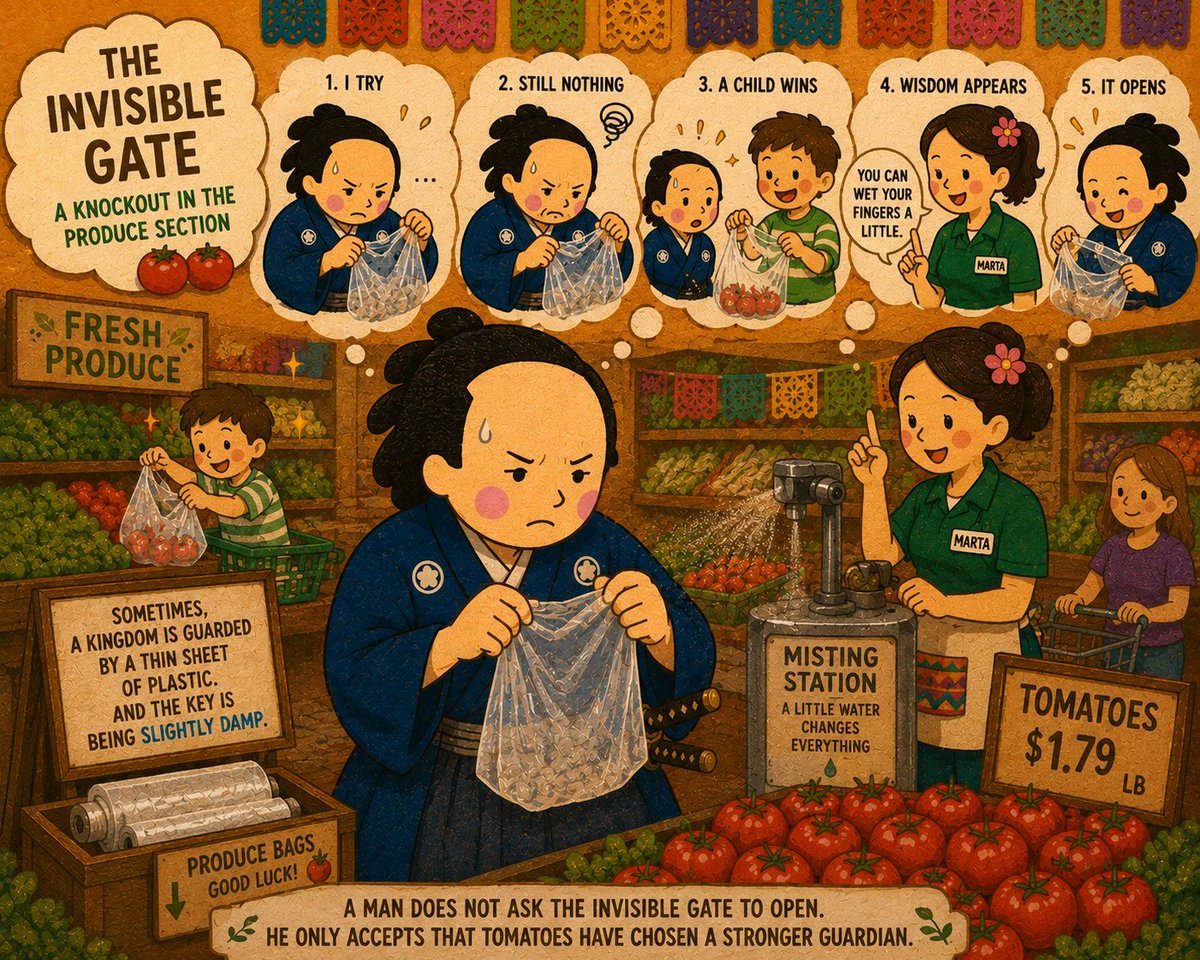
In America, I was defeated by a plastic bag in the vegetable section.
Not a large bag.
Not a strong bag.
A thin, transparent bag that weighed less than a rumor.
I only wanted tomatoes.
A simple mission.
Red.
Round.
Honest.
But before the tomatoes could enter my life, America placed a gate between us.
The produce bag.
I rubbed it between my fingers.
Nothing.
I tried the other side.
Nothing.
I turned it upside down.
Still nothing.
The bag had no beginning.
No mouth.
No mercy.
A child beside me opened his bag immediately.
A child.
Maybe seven years old.
He had no beard, no taxes, no visible understanding of death.
And yet the plastic obeyed him.
Veteran.
I looked at my bag again.
It remained sealed, smiling without a face.
My fingers became hot.
My pride became dry.
The tomatoes waited in silence, like hostages who had begun to lose faith in me.
A store employee walked by.
I tried to look natural.
This was impossible, because I was holding an empty plastic bag like a man reading a prophecy he could not understand.
The employee said, “You can wet your fingers a little.”
Wet my fingers.
So water was involved.
I had not prepared for a purification ritual in produce.
I touched one drop from the vegetable misting machine.
The bag opened immediately.
Immediately.
Betrayal.
It had not been locked.
It had been judging my dryness.
A man does not ask the invisible gate to open.
He only accepts that tomatoes have chosen a stronger guardian.
I placed the tomatoes inside with both hands.
One.
Two.
Three.
Not quickly.
Respectfully.
Each tomato felt heavier than before, because now it knew what I was.
A man rescued by moisture.
I tied the bag and walked away slowly.
From now on, I will never enter the produce section with dry fingers and arrogance. I will greet the misting machine first, lower my head before the tomatoes, and remember that in America, water outranks courage.
29
53
435
3,503
The Donald, Spokane retweeted

Another day, another unprecedented leak to the New York Times of confidential legal memos — these from the inner sanctum of the White House itself — regarding habeas corpus and the Insurrection Act.
No Administration can properly function like this, where one side to an internal debate runs to the NYT to slam any they don’t agree with postulating a more aggressive course of action. The leakers have no honor.
Also, it sure looks like the leaker wants ro destroy Vice President Vance and Stephen Miller.
Read here:
nytimes.com/2026/06/15/us/po…
22
99
259
9,333
The Donald, Spokane retweeted

You are loved, by mother Mary, Jesus, St Joseph all the saints and your Catholic family here on earth,
You may be one of my cousins that moved to Australia
I never met them, they were from Yugoslavia, visited my mom in the 70’s before they immigrated to,the Melbourne area,
Turn to Jesus, he is you healer and I will pray for you,
1
1
16
The Donald, Spokane retweeted

Hi everyone. It is a Monday morning here in Adelaide. I have been depressed, anxious and moody over various things.
After Latin Mass yesterday I sent a sad text to several friends from my parish, including one of the priest. I won't go into the details, but it concerned everyone. I didn't return three calls that didn't help. The only part I will say is if I ever ended my life, it will be no ones fault, not even certain people who have hurt me (and I hurt in return) in the long past but can't get over. These are terrible things to go through. Most of the burden I allow to put on myself. Please pray that I will get to Mass this morning and be able to make a good Confession. God bless.
55
9
139
5,852
The Donald, Spokane retweeted

Think about what Trump is doing folks. Everything Obama put into place — he's dismantling it.
-Iran is done.
-The biolabs are exposed.
-The cartels are being destroyed.
-The election rigging is being shown in real time.
And now Trump is sending a direct message: 10 years from now people are going to look back and see exactly who Obama was and what he did to this country.
The rebellion has failed. And Trump is letting him know — you are next.
68
900
3,225
29,156
The Donald, Spokane retweeted

They chose that headline and photo on purpose.
It’s clear they are hoping to inspire the next Luigi Mangione.
We still don’t hate journalists enough.

308
665
9,099
156,621
The Donald, Spokane retweeted

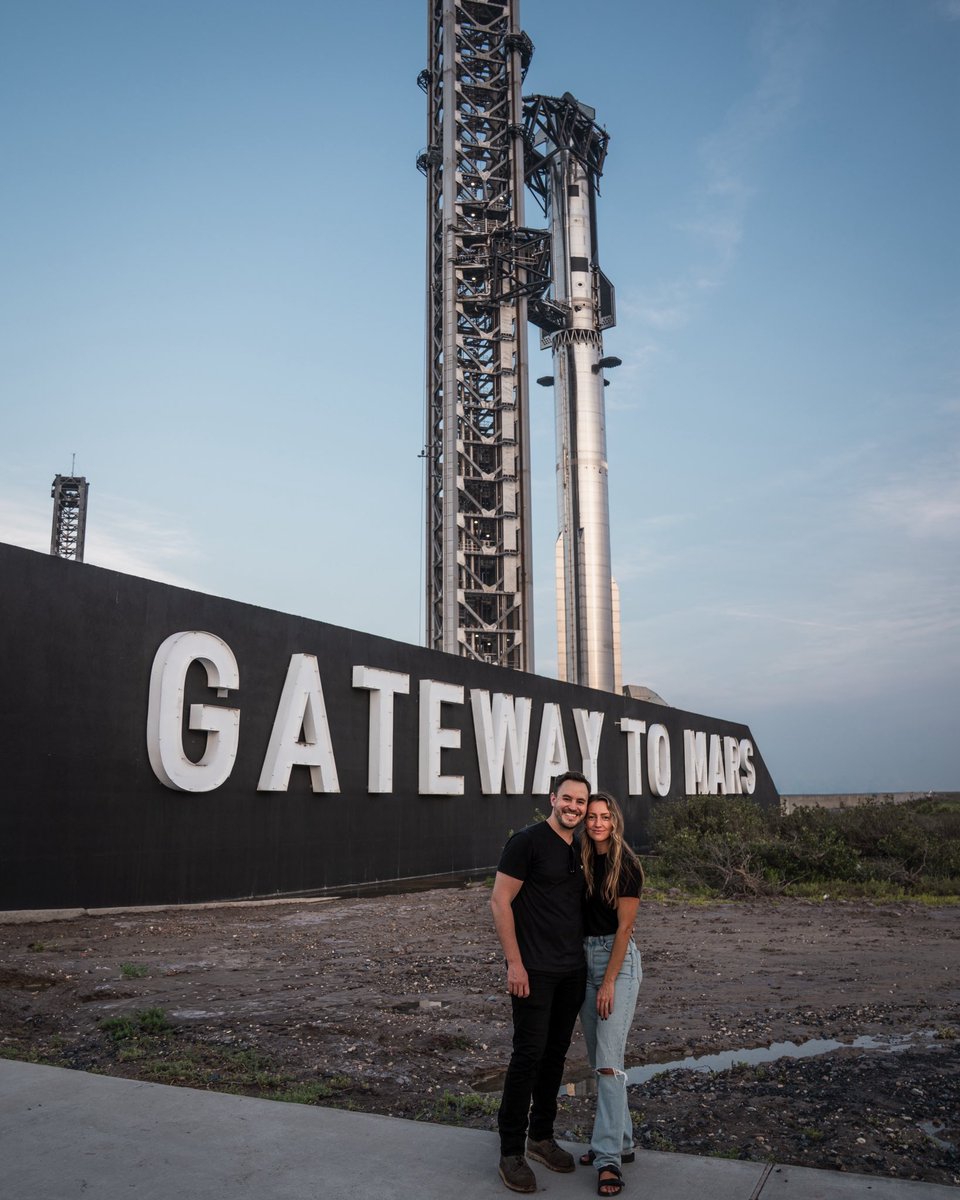
The biggest decision in life that you will make is accepting Jesus into your life. The second is the spouse that you marry. I owe all of what I have to the above.
My wife was the one who encouraged me to apply to @SpaceX when I already had job secured elsewhere after college. She encouraged me to move to Starbase and work on the Starship when I was very hesitant on doing so. She has supported me throughout multiple 7 day work weeks and 16 hour work days.
Blessed and highly favored is an understatement.
305
456
5,241
143,086
The Donald, Spokane retweeted

Omg this was me when I made my first Filipino friend in college and went home w her to visit her family for the weekend. The mom was a food pusher, but her lola (grandma) was even worse 😂 Every time an empty spot opened up on the plate it would be filled (and I was fat back then so there was no reason for her to think I needed the food 😂).
It was like that every time, but the warm family feeling was the best part of each experience 🥹
1
1
1
191