
Marie Curie Doctoral Research Fellow @FORTH_ITE @TCclock4AD | Cell and Molecular #Biologist working on #Circadian regulation of #Autophagy in #Neurodegeneration
Joined April 2014
- Tweets 649
- Following 1,329
- Followers 1,391
- Likes 1,537
28 Photos and videos








Mrutyunjaya Panda retweeted

Jun 10
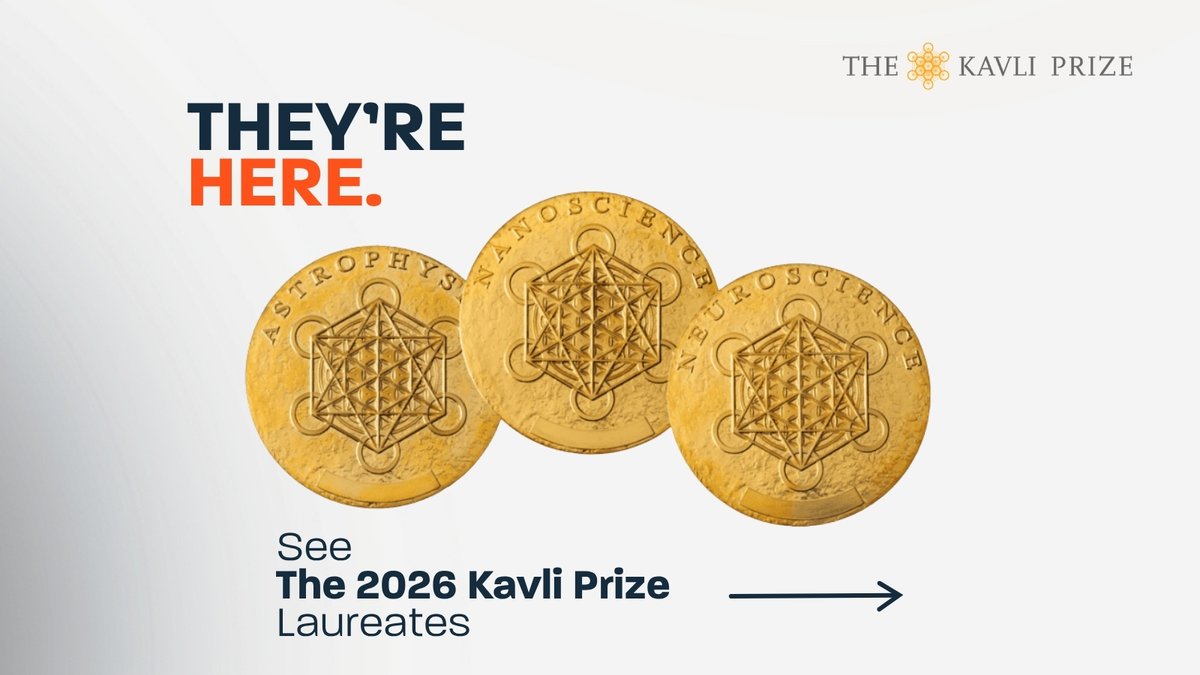
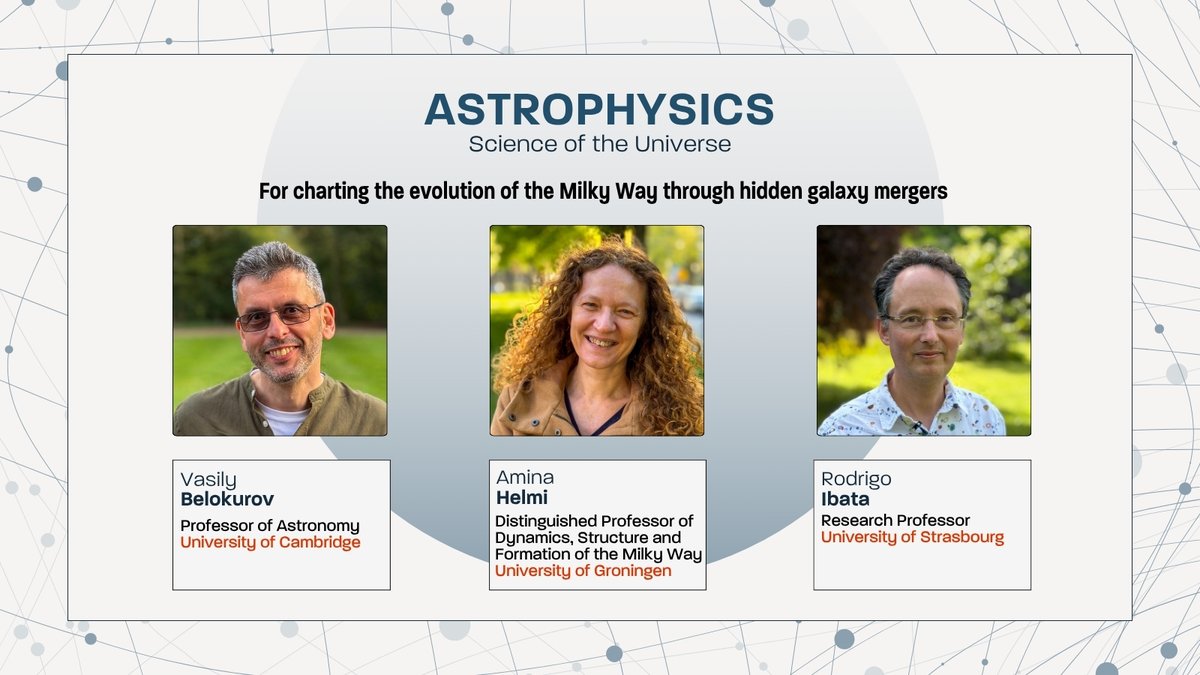
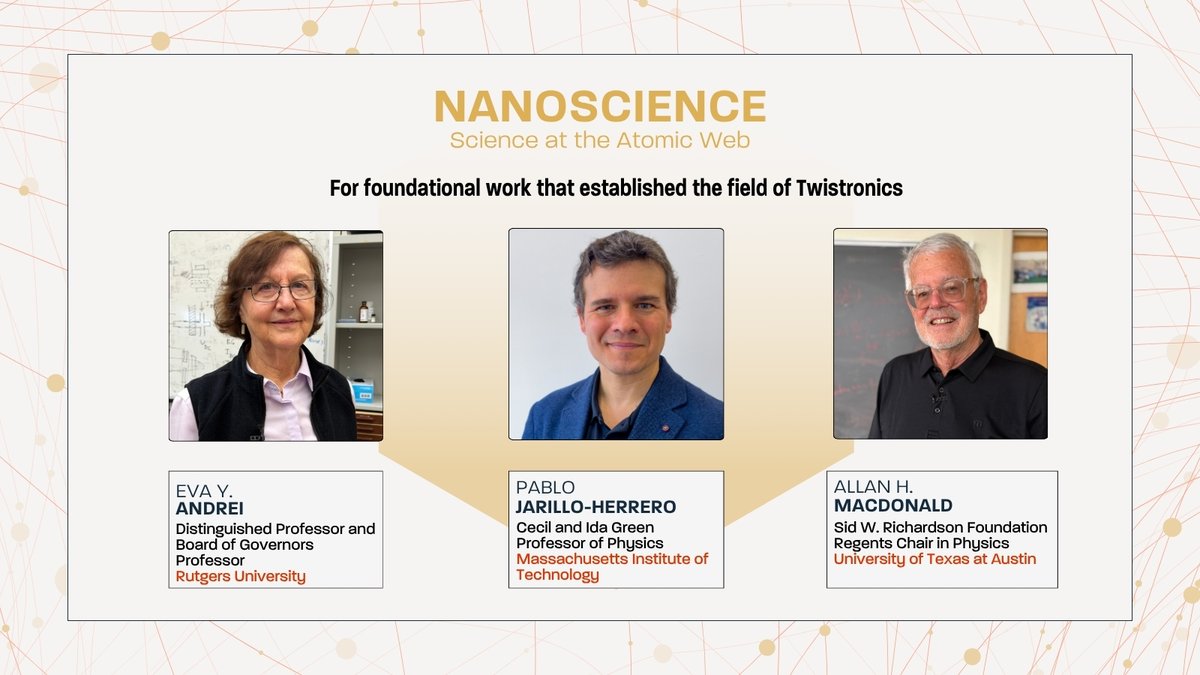
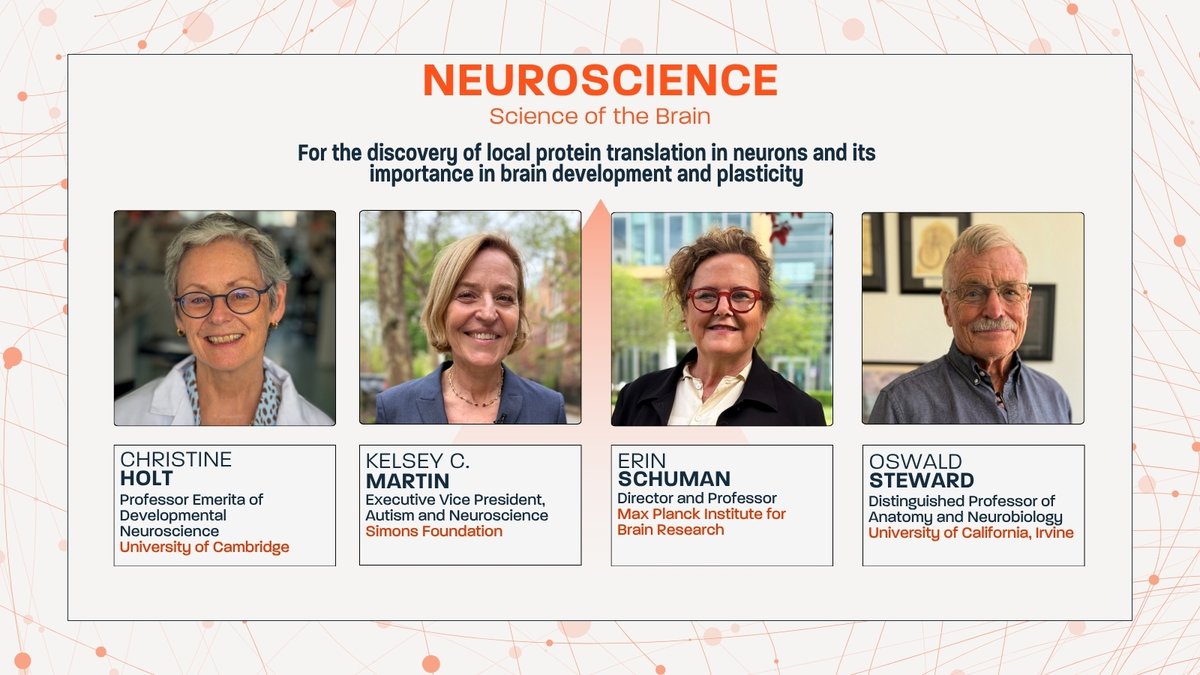
We're thrilled to announce the 2026 #KavliPrize Laureates, scientists pushing boundaries of what humanity knows in #astrophysics #nanoscience #neuroscience. They have revealed new chapters in the story of our universe, the smallest materials, and how the brain works. 1/2
1
25
65
21,763

A direct interaction with nucleus, well mitochondria knows where to deliver.
nature.com/articles/s41586-0…
1
1
137
Mrutyunjaya Panda retweeted

May 29
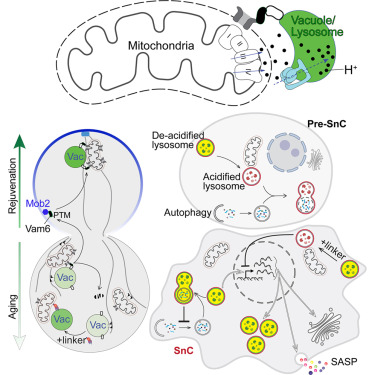
Online Now: Mitochondria-lysosome coupling contributes to lysosome acidification and aging dlvr.it/TSnDJ0
49
132
7,648
Mrutyunjaya Panda retweeted

May 29
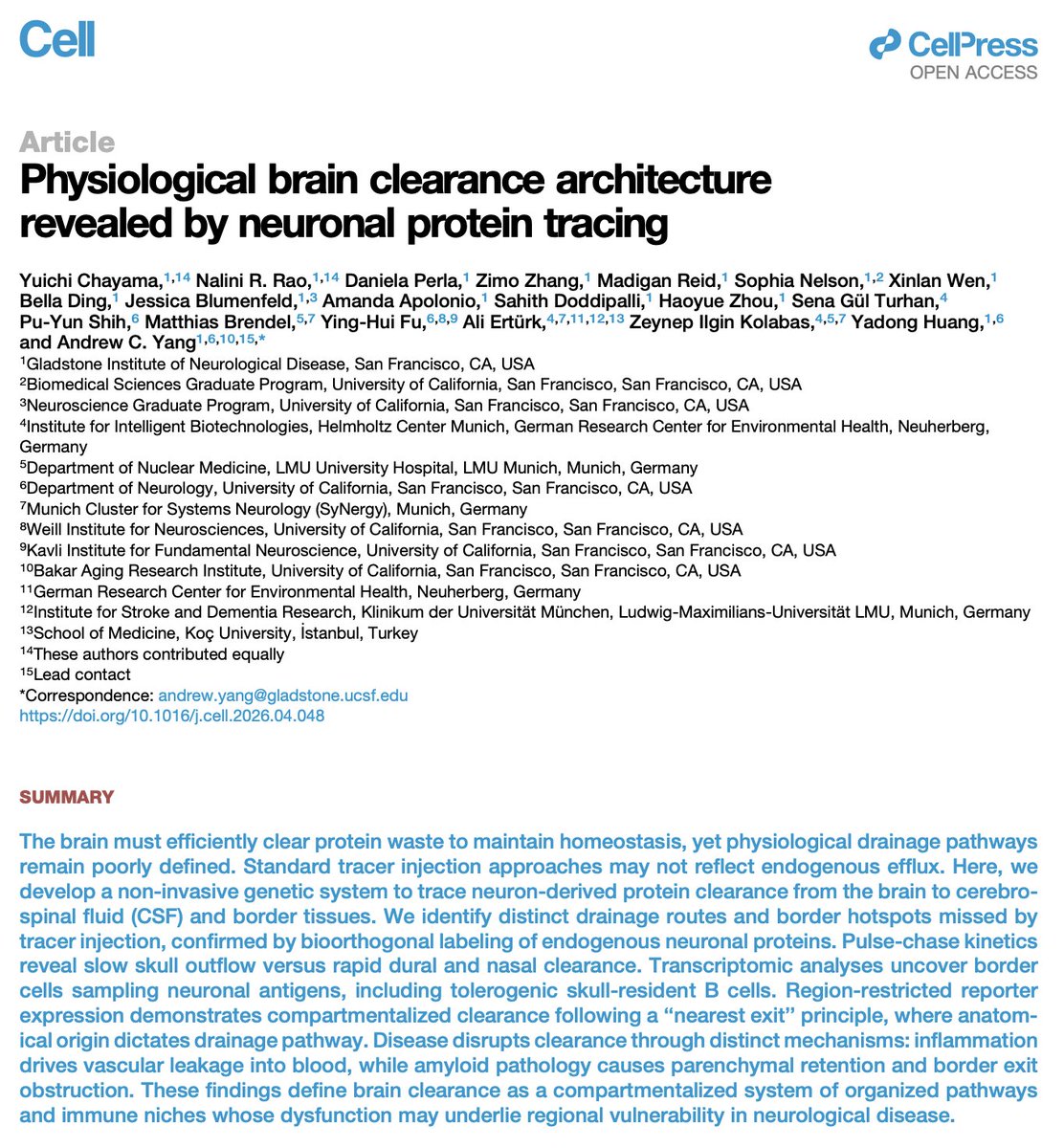
The brain works hard to clear waste, and impairments are central to neurodegeneration. In @CellCellPress, Innovation Investigator @andcyang, w/ @NaliniRRao, Yuichi Chayama, and team map it from the inside out, following the brain's own proteins to see where waste actually goes.
7
47
168
26,131
Mrutyunjaya Panda retweeted

May 28
How animals sense Earth’s magnetic field is one of biology’s enduring mysteries.
Researchers in Science have now identified superparamagnetic macrophages in the livers of rock pigeons to be crucial for magnetic sensing. The finding uncovers an unexpected role for immune cells in sensory perception and may fundamentally change our understanding of animal navigation.
Learn more in this week's issue: scim.ag/4uAKQDl
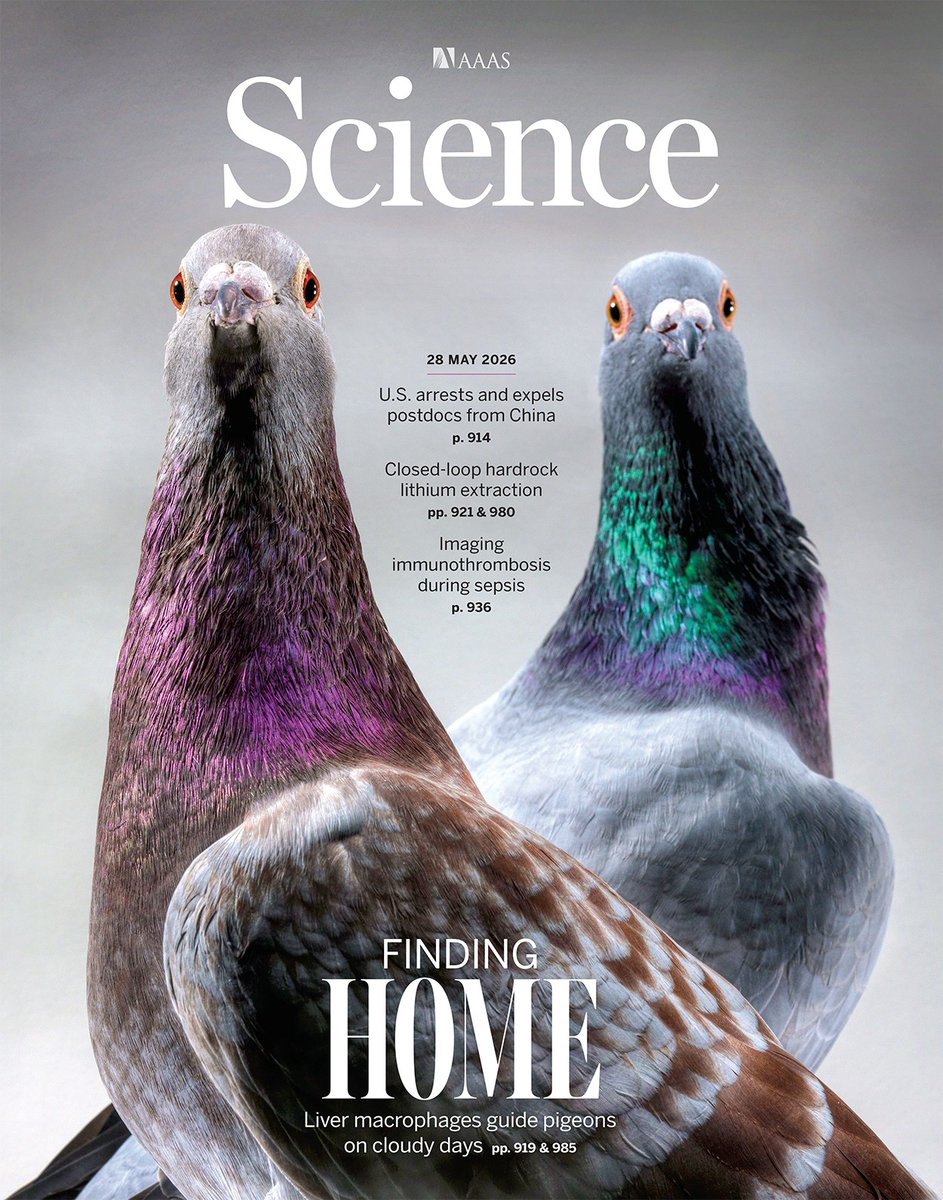
ALT How animals sense Earth’s magnetic field is one of biology’s enduring mysteries. Researchers have now identified superparamagnetic macrophages in the livers of rock pigeons (Columba livia) to be crucial for magnetic sensing. The finding uncovers an unexpected role for immune cells in sensory perception and may fundamentally change our understanding of animal navigation. Photo: Andreas Teichmann/laif/Redux
45
612
1,992
116,858

Nature research paper: Cellular water-potential sensing through biomolecular condensation
go.nature.com/4e7IfuT
1
30
117
16,943
Mrutyunjaya Panda retweeted

May 14
Human whole-blood NAD levels do not vary with age or lifestyle interventions dlvr.it/TSXX7P
3
27
77
19,853
Mrutyunjaya Panda retweeted

May 22
cGAS attenuates hypoxia-inducible factor signaling via chaperone-mediated autophagic degradation of HIFα dlvr.it/TSgkKB
2
10
40
4,983
Mrutyunjaya Panda retweeted

May 21
Now online! Transplanting light-dependent reactions for mammalian eye photosynthesis dlvr.it/TSfPWZ
13
27
5,100
Nature research paper: Expanding the human proteome with microproteins and peptideins
go.nature.com/4tcCost
4
16
68
14,217
Mrutyunjaya Panda retweeted
Apr 17
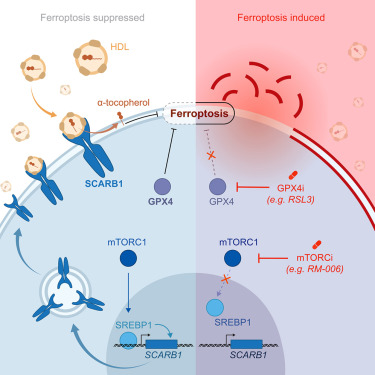
mTORC1 activity suppresses ferroptosis through a SCARB1-dependent HDL-tocopherol uptake pathway dlvr.it/TS5H0G
8
37
2,423
Nature research paper: Cell-type-targeted mitochondrial transplantation rescues cell degeneration
go.nature.com/4mtpHb2
35
131
13,436
Mrutyunjaya Panda retweeted

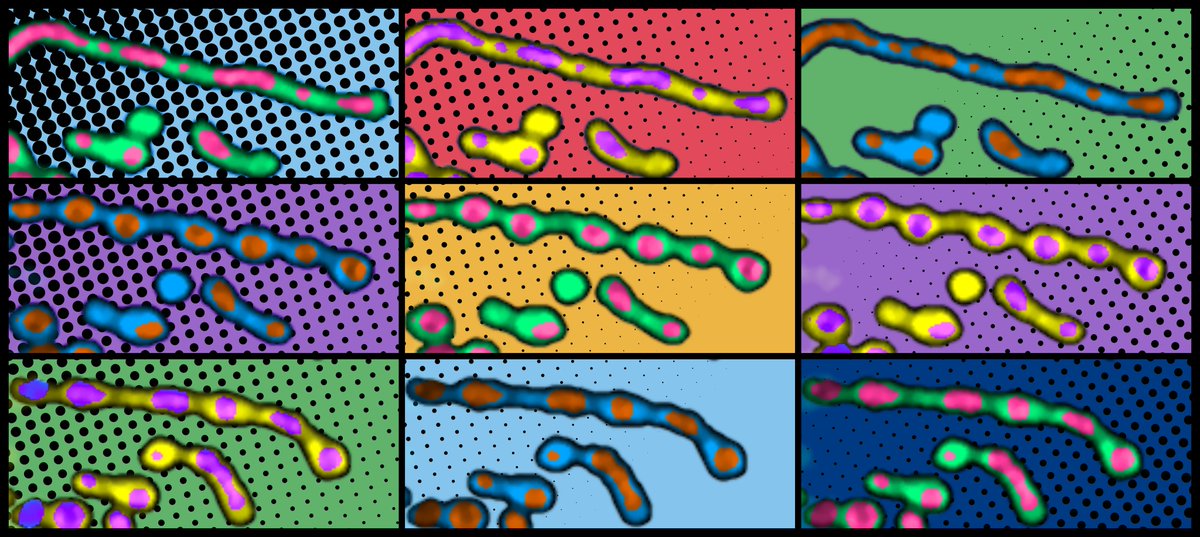
Our paper is now out in Science! Super excited to share our discovery that #mitochondria #pearling is the elusive mechanism driving the regular distribution and inheritance of #mtDNA nucleoids 🧬 [1/6]
5
60
201
19,364
Mrutyunjaya Panda retweeted
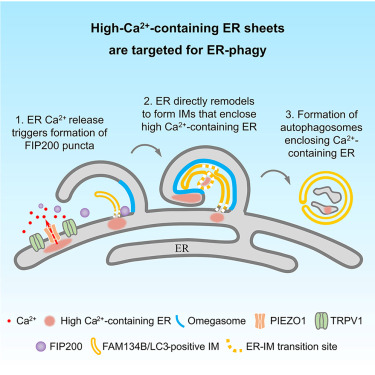
Mechanosensory channels mediate ER Ca2 transients to trigger assembly of autophagosome initiation sites for degradation of ER subdomains dlvr.it/TRsDDd
27
105
6,911

Mrutyunjaya Panda retweeted
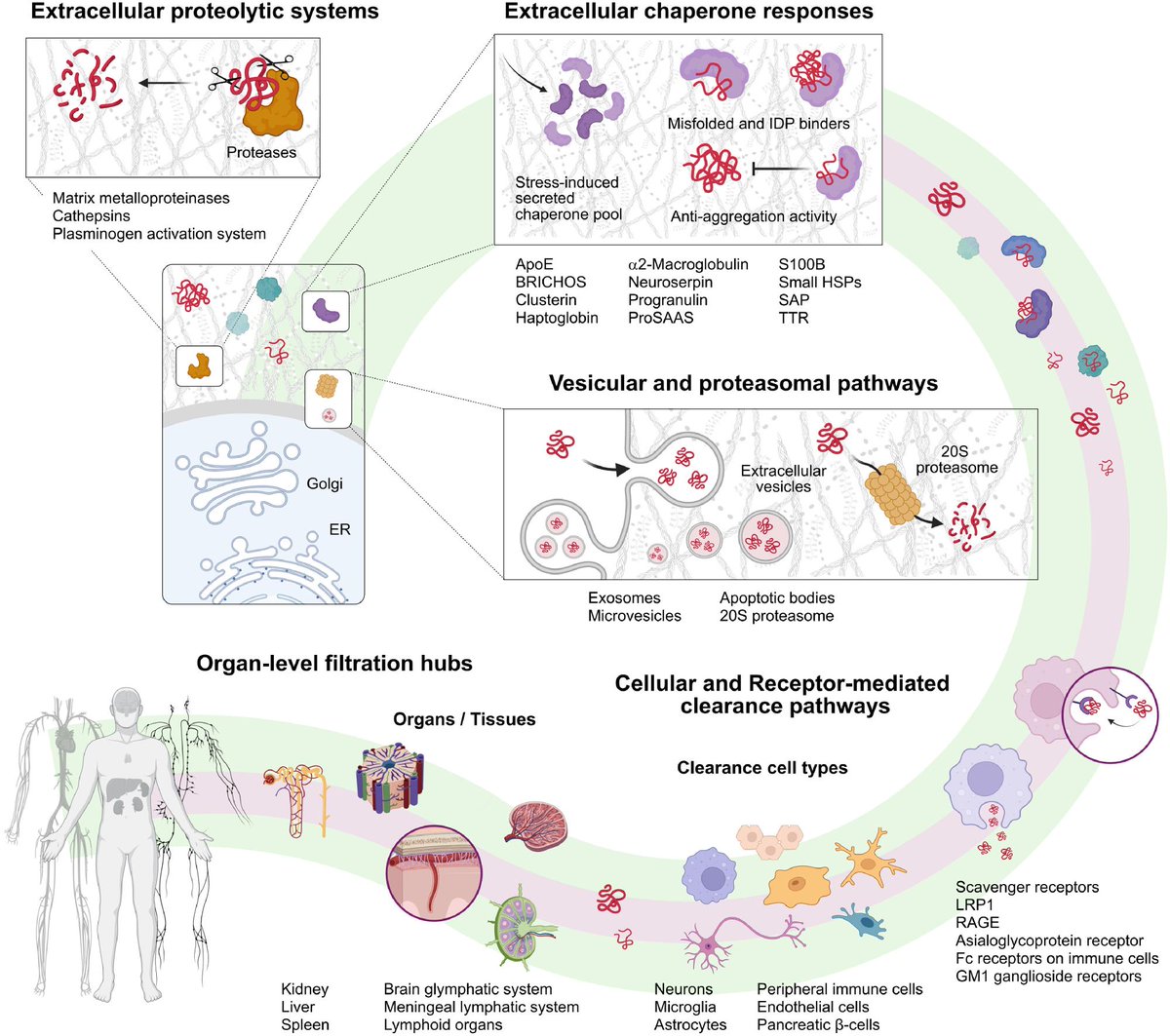
The production and accumulation of aberrant proteins can have serious pathological consequences.
In a new #ScienceReview, researchers explore how organisms maintain the extracellular proteome.
They describe a hierarchical framework for the monitoring, repair, and clearance of aberrant or pathological proteins and suggest possible ways to improve health and prevent protein-misfolding diseases by promoting these pathways. scim.ag/3PNyGaK
3
26
79
16,089
Mrutyunjaya Panda retweeted

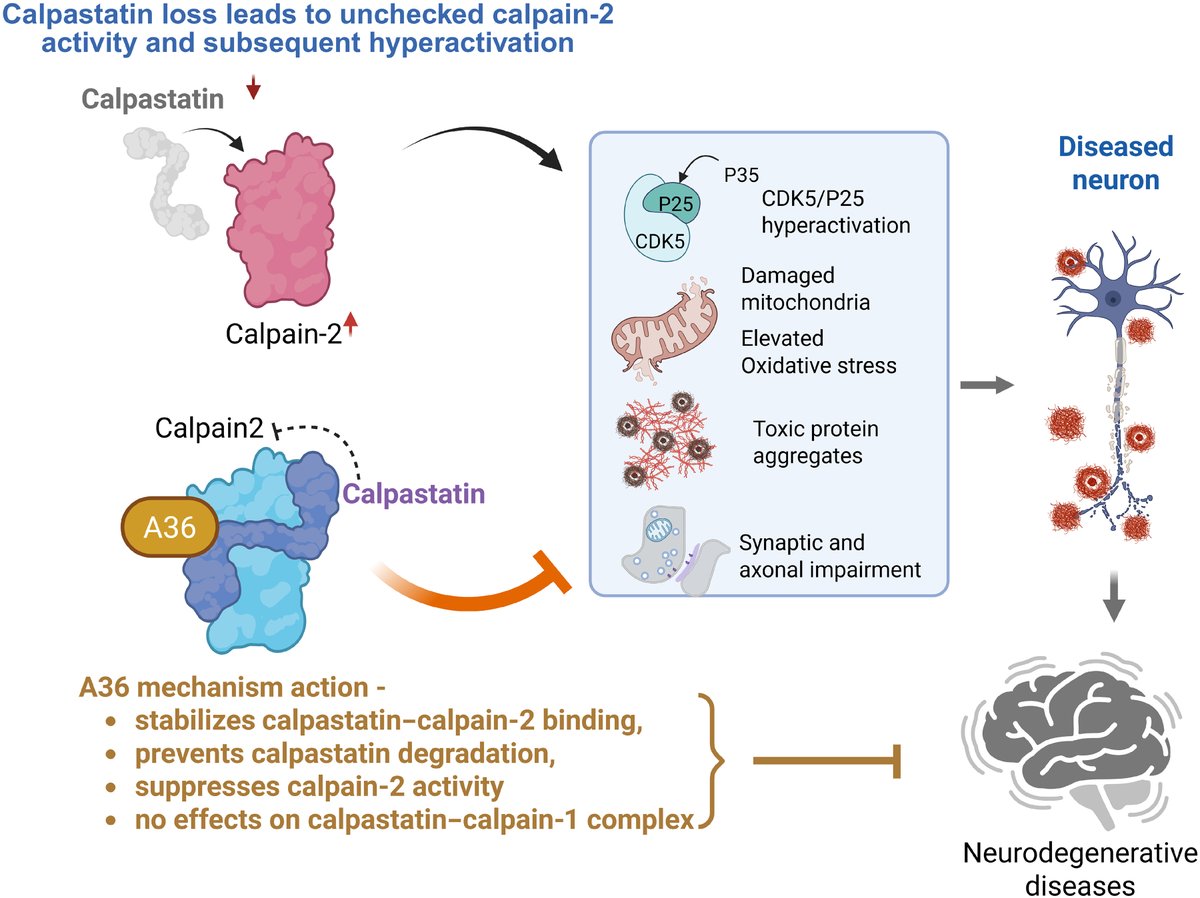
Researchers have identified a brain-penetrating small molecule that restores normal mitochondrial function and could potentially help treat neurodegenerative diseases. scim.ag/4sz98N7
1
18
93
6,155
Mrutyunjaya Panda retweeted

Mar 5
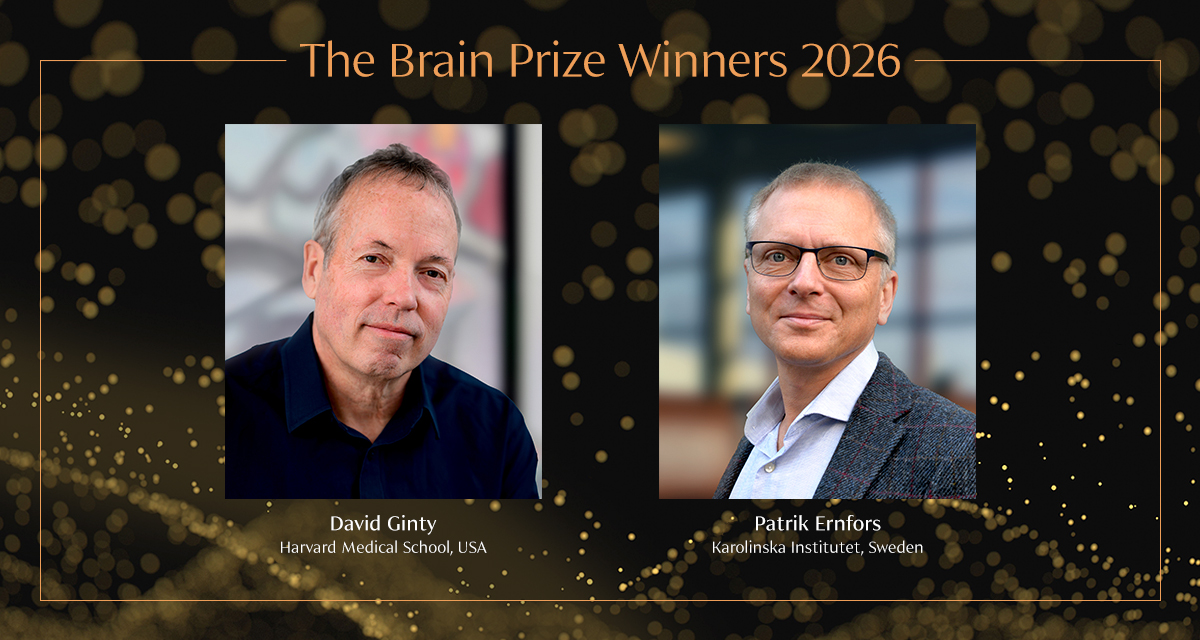
Warm congratulations to The Brain Prize winners 2026, Professor David Ginty and Professor Patrik Ernfors, for their pioneering work on how the nervous system detects and processes touch and pain.
@hhmi_science
#Neuroscience #BrainPrize2026
7
54
136
20,184
Mrutyunjaya Panda retweeted

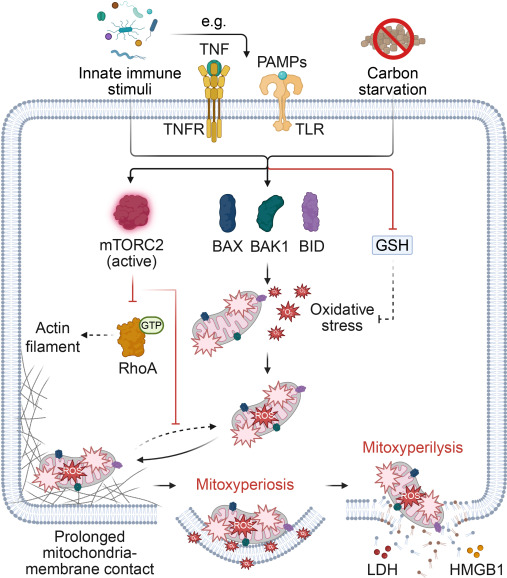
Mitochondria at the membrane provide a route to inflammatory cell death dlvr.it/TQq8h4
45
159
7,505
Mrutyunjaya Panda retweeted
When key “housekeeper” brain cells grow in lab dishes, they spawn unusual microscopic vesicles that can move on their own and carry energy-generating organelles, a research team revealed.
The biologists have dubbed their discovery zombosomes because the blobs can move like cells for a period despite lacking a nucleus, which acts as a cell's control center.
The group also showed the membrane-bound messengers ferry proteins related to Parkinson’s disease, suggesting they may contribute to it and other brain disorders.
Learn more: scim.ag/49WB4Um @NewsfromScience
10
92
369
65,736