Our purpose is to share data, new publications, to organise journal clubs and discussions on #ncRNA #mitochondrial and #cellular #signaling.

Joined December 2020
39 Photos and videos
ncRNAworld retweeted
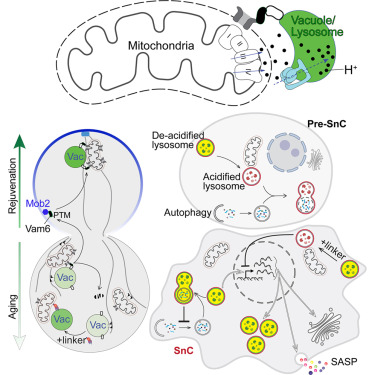
Online Now: Mitochondria-lysosome coupling contributes to lysosome acidification and aging dlvr.it/TSnDJ0
49
132
7,649
ncRNAworld retweeted
Pour tout ceux qui disent que tout augmente, on voit bien sur ces deux photos de la Terre prises à 54 ans d'intervalle, que c'est faux.
Apr 3
1972 ➡️2026 Apollo 17 ➡️ Artemis II
4
2
12
790
ncRNAworld retweeted
TELLEMENT CONTENT du lancement d’Artemis II 🚀 1.parce que c’est l’aventure de notre génération qui débute, et c’est pas tous les jours que l’on peut dire ça 🌍 2.parce que ce sont des collègues mais surtout des amis chers qui sont maintenant en route pour la Lune 🌕 3.parce que quand l’humain se donne du mal, il peut faire de grandes choses positives, et en ce moment ça fait du bien de se le rappeler ✨ / SO excited about the launch of Artemis II 🚀 1.because it marks the beginning of our generation’s great adventure, and that’s not something you get to say every day 🌍 2.because they’re not just colleagues, but dear friends now on their way to the Moon 🌕 3.because when humanity truly commits, it can achieve great things, and it feels good to be reminded of that right now ✨ #artemisII #artemis #sls #lune #artemisII #artemis #sls #lune @NASAArtemis @NASA @csa_asc @asc_csa @astro_reid @AstroVicGlover @Astro_Christina @Astro_Jeremy
180
803
5,283
160,140
ncRNAworld retweeted
Godspeed, Artemis II!
166
3,474
36,847
962,148
ncRNAworld retweeted
A new mechanism for “RNA memory”! 😱 Thrilled to share another crazy paper from the lab (can’t believe we posted 2 in 2 days!), summarizing >10 years of research: Work on transgenerational inheritance of small RNAs in the powerful model organism C. elegans changed how we think about what’s possible in inheritance and evolution, because it allows the most heretical thing: inheritance of parental responses to the environment! However, it’s still unclear whether RNAs are inherited across generations in other animals, largely because the RNA-dependent RNA polymerases that amplify heritable small RNAs and prevent their dilution in C. elegans are not conserved in mammals. In this new work, an amazing collaboration with the Rink and Wurtzel labs, we show that planarians establish long-lasting and heritable small RNA–based gene regulatory states despite lacking canonical RNA-dependent RNA polymerases and nuclear RNAi machinery (that are required in C. elegans). You might say “they are both worms…” BUT planarians are evolutionarily very distant from C. elegans (flatworms vs. roundworms, diverged more than 500 million years ago), making this particularly surprising. These are totally different animals. We find that ingestion of double-stranded RNA induces sequence-specific silencing that persists for months and survives repeated cycles of whole-body regeneration. Even more strikingly, RNAi can be transferred between animals, echoing James V. McConnell’s controversial “RNA memory” experiments from the 1970s (his lab was targeted by the Unabomber terrorist Ted Kaczynski, who sent McConnell a bomb. This and other controversies ended this line of experiments…) Mechanistically, we find that the response transitions from a transient systemic dsRNA-triggered phase to a stable, cell-autonomous post-transcriptional “memory phase” maintained by antisense small RNAs. Using a new luminescence reporter (transgenesis is currently impossible in planarians), we show that silencing spreads along the targeted gene and identify a weird type of planarian small RNAs with untemplated polyA tails. RNAi inheritance without canonical RdRPs establishes planarians as a powerful system for studying RNA-based regulatory inheritance beyond C. elegans and raises the possibility that RNA-mediated inheritance may be more broadly conserved in animals, potentially even in mammals. Here’s a video of a planarian that is treated by RNAi against β-catenin and develops multiple heads instead of just one. This is one of the phenotypes that is inherited. Another phenotype is “loss of eyes” (which we show is not only inherited across multiple regeneration cycles, but can also be transmitted between animals in transplantation experiments). Amazing work led by first authors Prakash Cherian and Idit Aviram (co-supervised by Omri and me). Please read the preprint, the link is in the next tweet, and share!
57
338
1,411
193,723
ncRNAworld retweeted
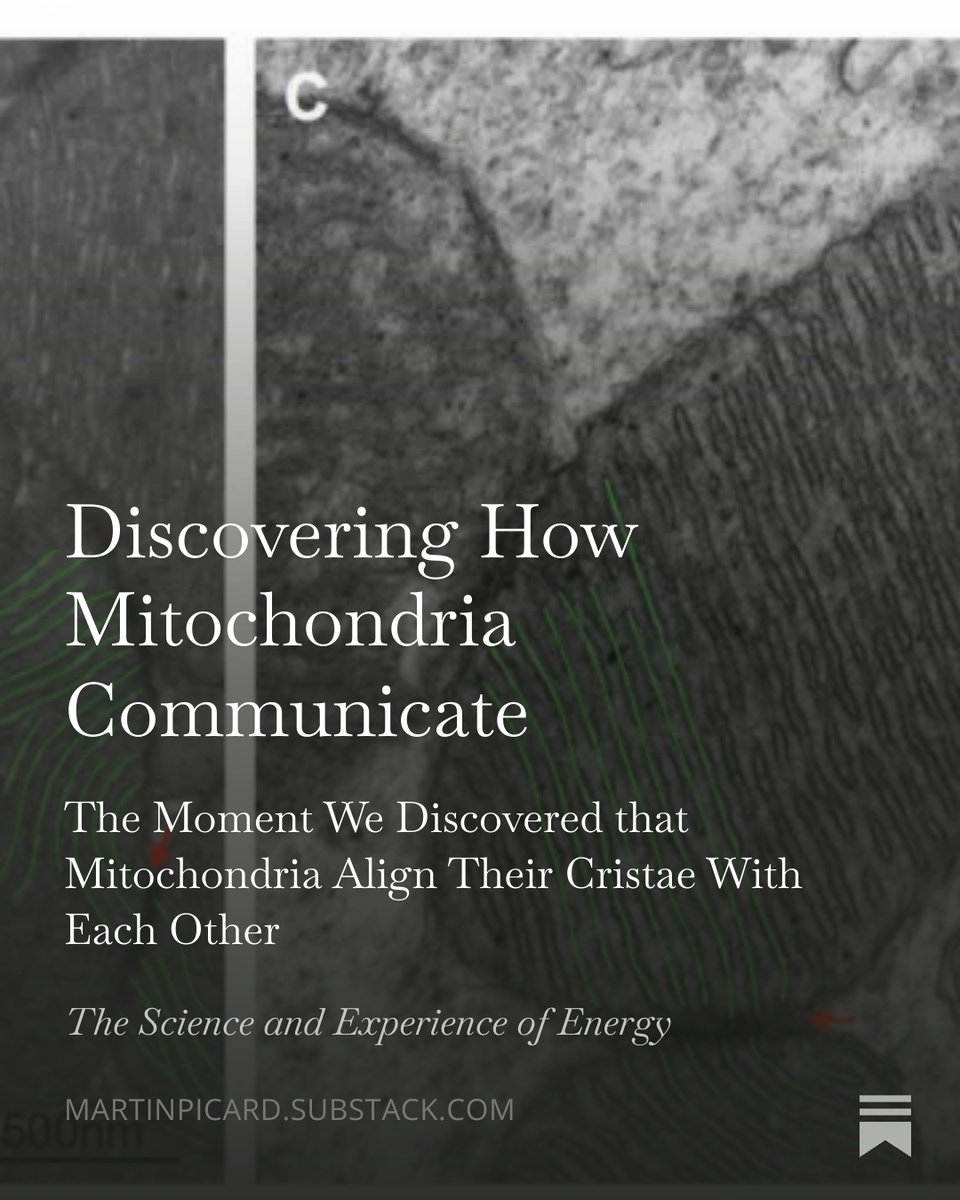
The first physical evidence that mitochondria exchange information with one another transformed how I think about these beautiful organelles. From isolated beans to social collective. In 2015, we discovered that the inner membranes of mitochondria, where the oxygen we breathe and food-derived electrons converge, somehow interact BETWEEN mitochondria. This is the story, with videos and pictures, of how this happened while working with Meagan McManus @MitoLoveLab in Doug Wallace's lab. open.substack.com/pub/martin…
15
130
556
25,396
ncRNAworld retweeted
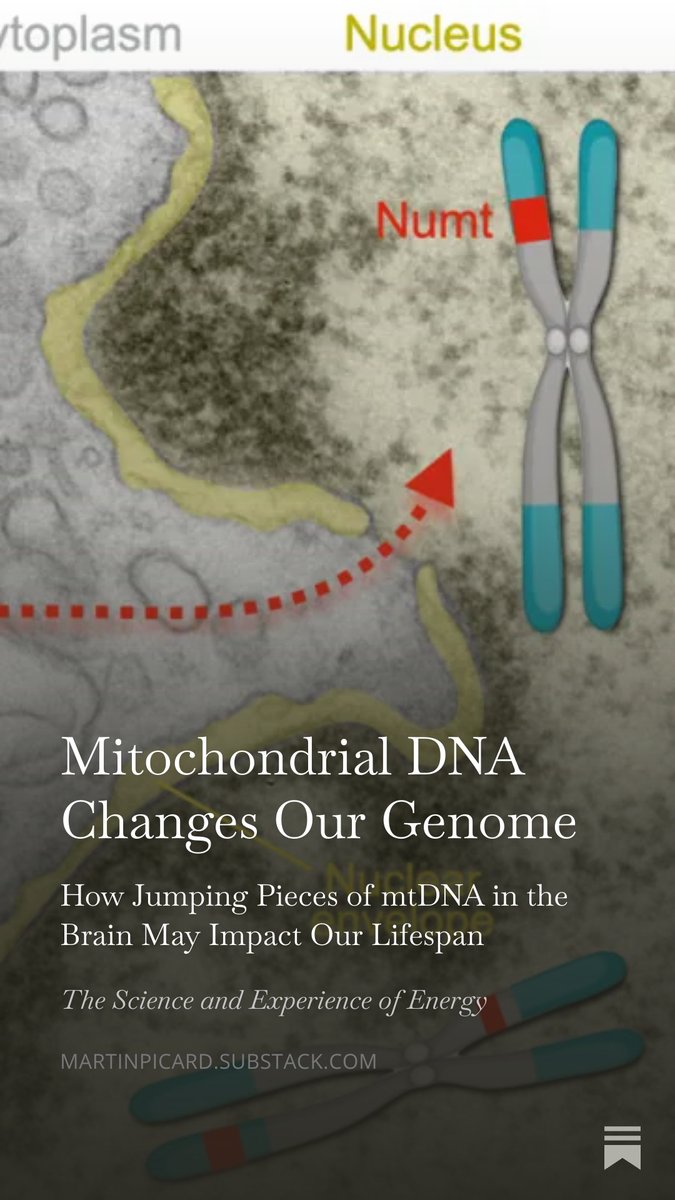
Today we discuss the remarkable fact that pieces of mitochondrial DNA translocate and insert into the nuclear genome--including in the human brain as we age. Mitochondria contribute to shaping behaviors through energy transformation and dozens of different signaling pathways. Changing the nuclear code is probably the most definitive way in which mitochondria can change the organism's behavior. Learn about the biology of nuclear mitochondrial DNA insertions (Numts) discovered by @kalpitark @ArthurZhou10 @ryan_e_mills in collaboration with @sturm_gav Hans Klein and the ROSMAP team in Chicago open.substack.com/pub/martin…
15
129
474
17,357
ncRNAworld retweeted
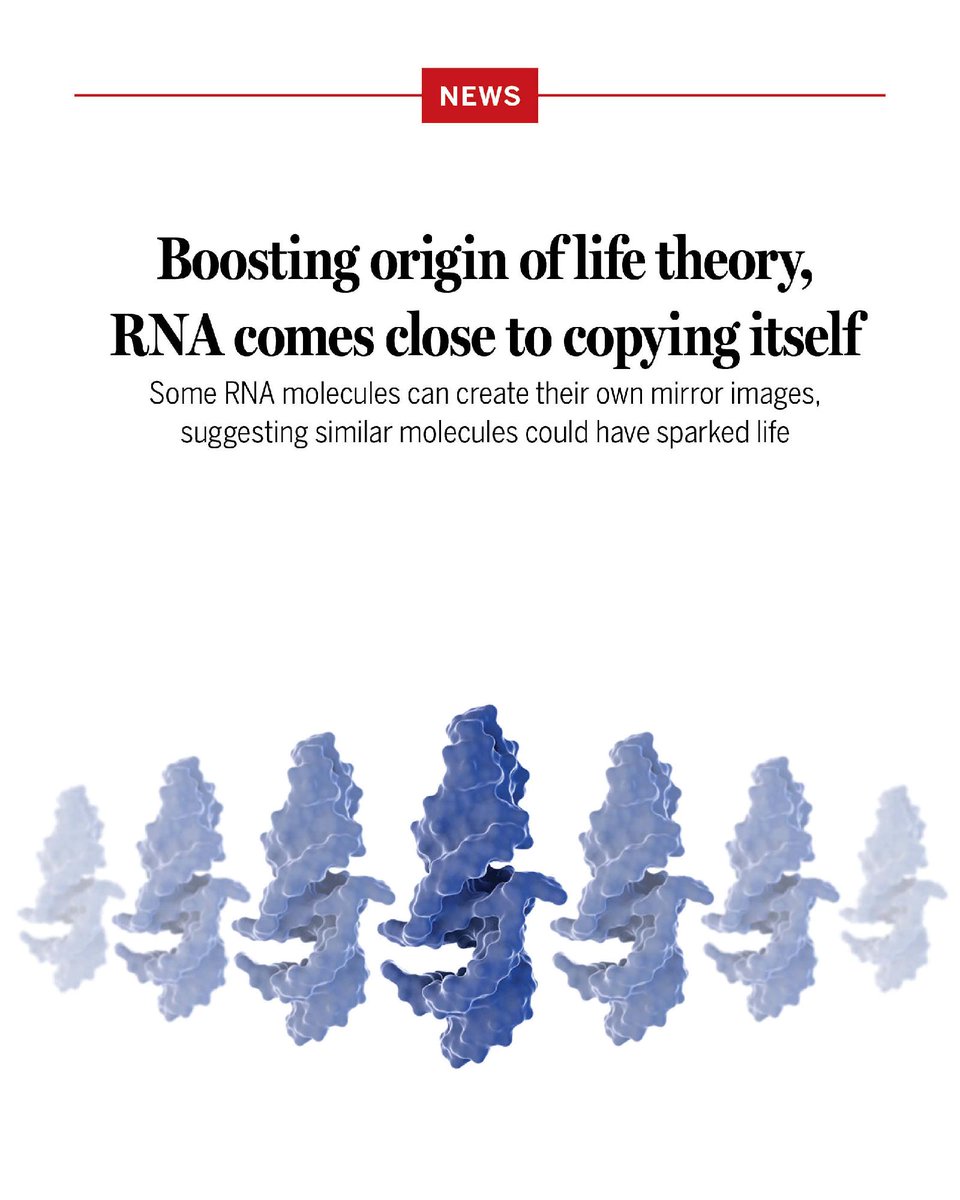
Today RNA may seem overshadowed by its glamorous cousin DNA, but many scientists think RNA molecules were the star players in the origin of life. By both storing genetic information and copying themselves, they might have touched off the march of evolution that produced increasingly complex life forms. So far, researchers haven’t found RNAs that can replicate themselves, a key feature of living things. But they now have something close. In a new paper, researchers report creating RNAs that can generate a sort of mirror image of themselves and use that template to generate the original. Learn more: scim.ag/4awamko
10
147
592
33,044
ncRNAworld retweeted
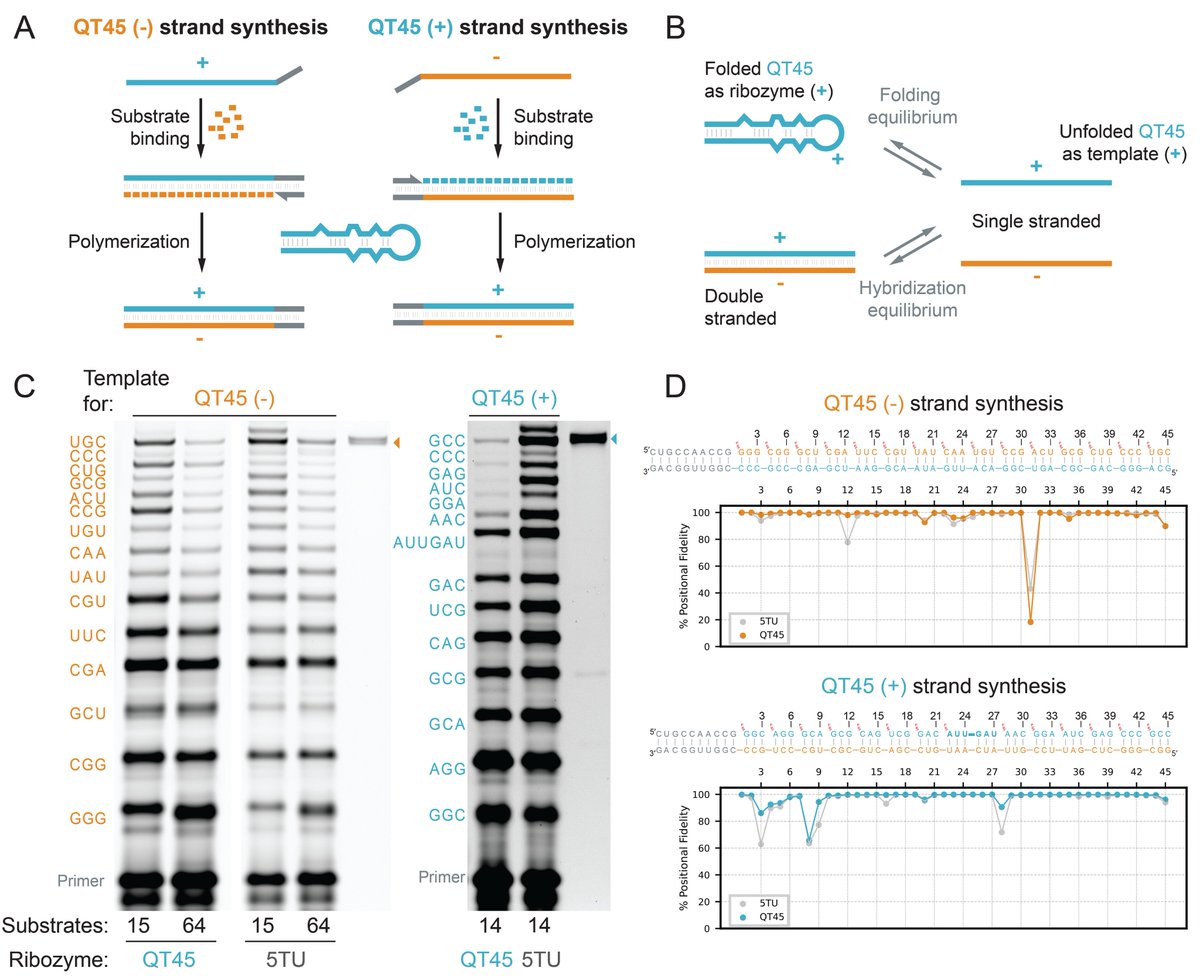
AI is cool and all... but a new paper in @ScienceMagazine kind of figured out the origin of life? The paper reports the discovery of a simple 45-nucleotide RNA molecule that can perfectly copy itself.
179
1,045
6,196
867,390
ncRNAworld retweeted
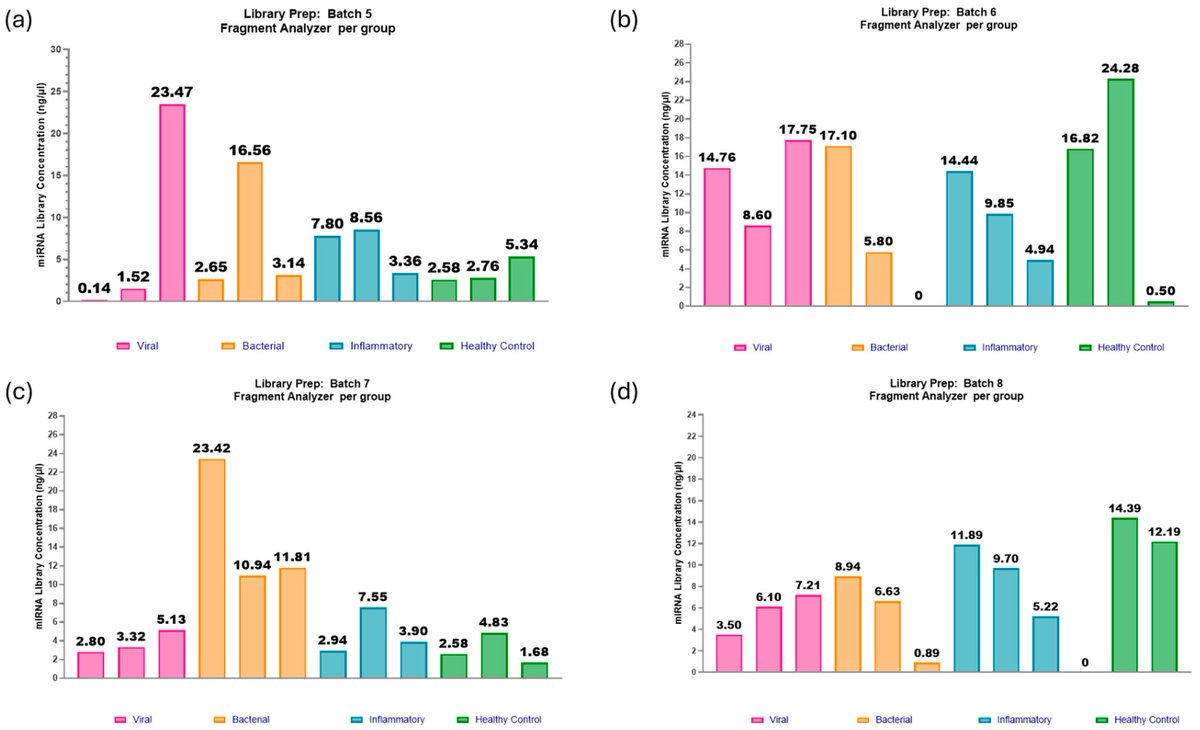
🌟Presenting Our Article Paper🌟 "#miRNA Library Preparation Optimisation for Low-Concentration and Low-Volume Paediatric Plasma Samples" from Oenone Rodgers et al. @WWIEM_QUB #ncrna #paediatric @MDPIOpenAccess Full text: mdpi.com/2311-553X/11/1/11
4
3
247
ncRNAworld retweeted
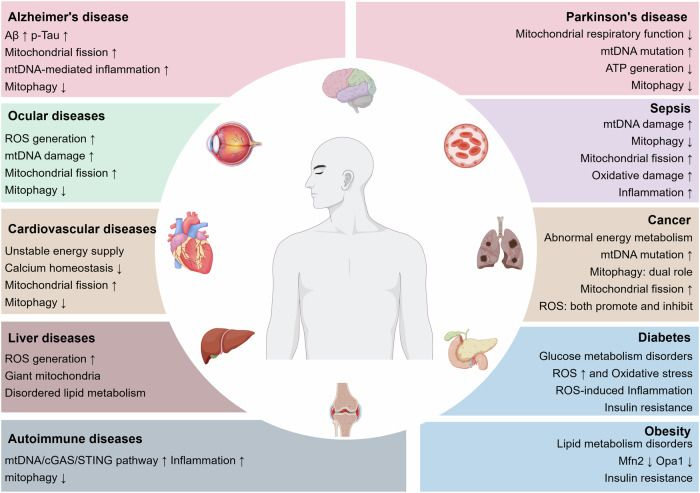
Mitochondria are not just power plants. They are decision-makers. They regulate inflammation, aging, and disease. A quick breakdown: 🔵 Energy signaling, not just energy production Mitochondria don’t just make energy. They decide how energy is produced, where it’s used, and when cells change their behavior. Energy itself acts as a signal that tells cells what to do. 🟣 Inflammation control When mitochondria are damaged, they release internal components into the cell. The immune system interprets these as danger signals and turns inflammation on, even without infection. 🟡 Aging regulation As we age, cells become worse at clearing damaged mitochondria. These dysfunctional mitochondria build up, increasing oxidative damage and low-grade inflammation that drives aging. 🟢 Why many diseases look different but share the same root Neurodegenerative disease, heart disease, diabetes, obesity, autoimmune disease, sepsis, and cancer all involve failure of mitochondrial function. Different organs. Same underlying problem. 🟠 Why “antioxidants” alone miss the point The problem isn’t just damage. It’s where the damage happens, why it happens, and whether the cell can remove the broken machinery afterward. 🔴 Why this changes how we think about health You don’t treat dozens of unrelated diseases separately. You support mitochondrial health—and multiple systems improve together. What this all means: • Mitochondria are control centers, not batteries • Inflammation often starts as an energy problem • Aging reflects declining cellular maintenance • Many diseases are the same biology showing up in different tissues Health isn’t just chemistry. It’s how cells manage energy. And mitochondria sit at the center of the system. Doi:10.1038/s41392-025-02253-4
20
128
434
14,977
ncRNAworld retweeted
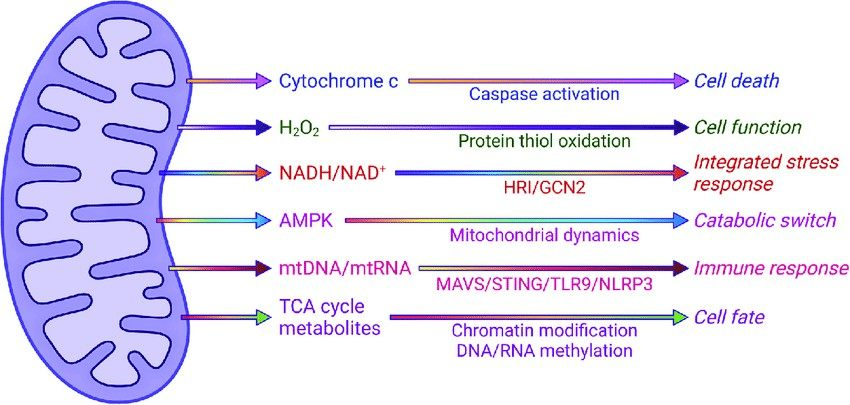
Mitochondria coordinate far more than ATP. 🔻 Cytochrome c → apoptosis 🔷 H₂O₂ → redox protein thiol signaling 🔴 NADH/NAD⁺ → integrated stress response 🔺 AMPK → metabolic/catabolic shift 🧬 mtDNA/mtRNA → innate immune activation 💠 TCA metabolites → chromatin cell-fate programming
8
186
671
20,783
ncRNAworld retweeted
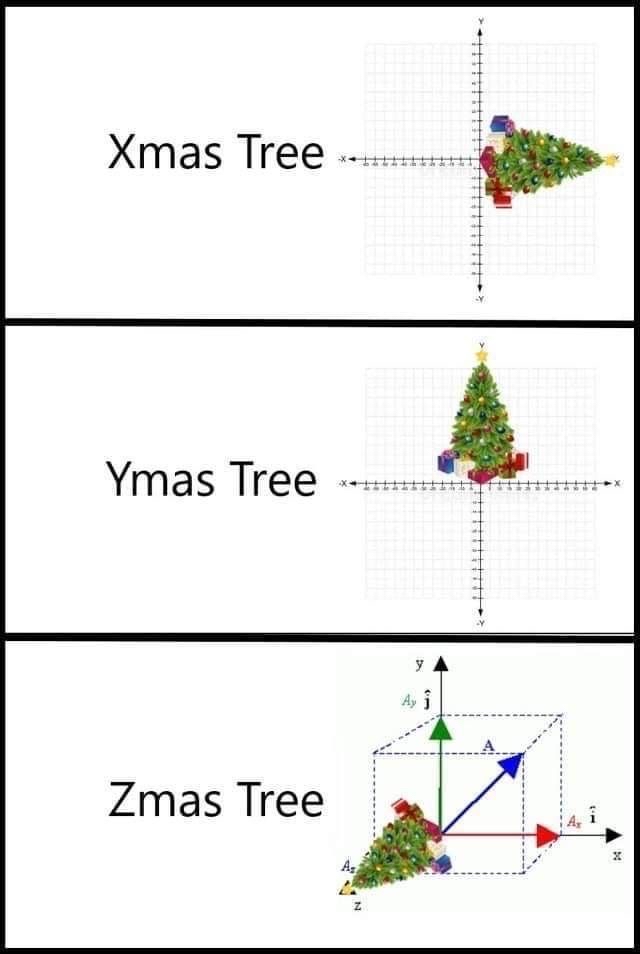
Happy holidays!🎄
57
5,044
16,432
704,746
ncRNAworld retweeted
Molecular mechanisms modulating beneficial plant root-microbe interactions: What’s common?
1
107
ncRNAworld retweeted
29 Oct 2025
I'm super pleased to share that SegmentNT, our single-nucleotide resolution genome annotation model, has been featured in Nature Methods! 🚀 SegmentNT builds on our Nucleotide Transformer foundation model to deliver on the ultimate task: single-nucleotide resolution classification across entire DNA 🧬 sequences. It predicts 14 distinct genomic and regulatory elements, processing sequences up to 50,000 nucleotides in length, all in a single inference call 300X faster than sliding binary classifiers! Unlike traditional tools that are limited to a single task, SegmentNT is built for multi-task annotation at scale. It outperforms widely used approaches such as sliding-window classifiers, delivering strong results in both speed and accuracy. It also generalises across 17 species, including those evolutionarily distant from humans, making it potentially useful in many practical cases.🧑‍🔬 I'm truly proud of the @instadeepai team who delivered brilliant work getting to this achievement. Can't wait to see how SegmentNT contributes to biological discovery in the future! 🙌
1
3
6
310
ncRNAworld retweeted
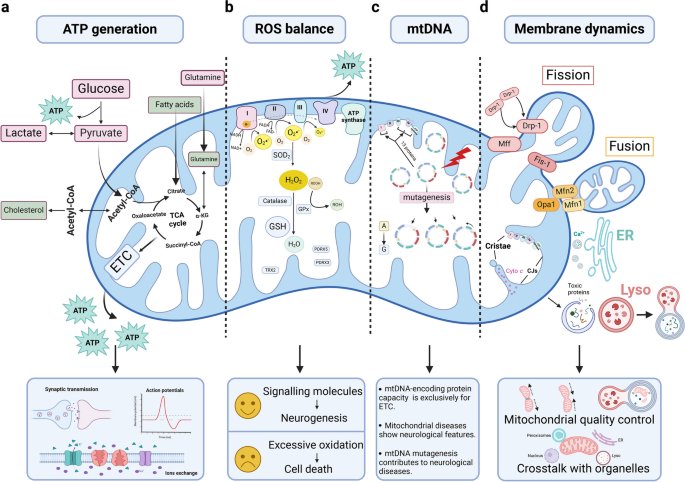
Multifaceted and multifunctional mitochondria
A simple guide to how mitochondria work. 4️⃣ primar jobs Mitochondria are more than the “powerhouse of the cell.” They’re multitasking organelles that control energy, stress, genetics, and even cell survival. Here are the 4 primary jobs they do: 1️⃣ ATP Generation (Energy Production) Mitochondria convert glucose, fats, and amino acids into acetyl-CoA, which enters the TCA cycle and electron transport chain (ETC). The result: ATP, the energy currency for everything from nerve signals to muscle contractions. 🟢 Example: Every time you move or think, mitochondria are fueling the process. 2️⃣ ROS Balance - i.e., redox control As mitochondria make ATP, they also generate reactive oxygen species (ROS) damaging byproducts. Antioxidant enzymes (like catalase, SOD, glutathione peroxidase) keep ROS under control. Too much ROS = oxidative stress → cell injury or death. 🟢 Example: Exercise trains mitochondria to better balance ROS, which is one reason it’s so protective. 3️⃣ mtDNA Maintenance (genetic stability) Mitochondria have their own DNA (mtDNA), which encodes key ETC proteins. Damage or mutations in mtDNA reduce energy output and contribute to diseases. mtDNA mutations accumulate with age, linking mitochondria to neurodegeneration and aging. 🟢 Example: Mitochondrial DNA damage is a hallmark in Alzheimer’s and Parkinson’s disease. 4️⃣ Membrane Dynamics (fission & fusion) Mitochondria constantly split (fission) and merge (fusion) to adapt to stress and demand. This dynamic reshaping controls quality, removing damaged mitochondria (mitophagy) and keeping networks healthy. 🟢 Example: Impaired fission/fusion is seen in metabolic disorders and neurodegenerative disease. Mitochondria don’t just make energy. They balance oxidative stress, protect genetic integrity, and constantly remodel themselves to keep cells alive. Supporting mitochondrial health means supporting the foundation of cellular life.
6
62
361
29,209