
MD, MPH; #HIV, #publichealth, #health #HIVandAIDS #mHealth #HealthSystems
Joined June 2009
- Tweets 65
- Following 99
- Followers 88
- Likes 82
3 Photos and videos


Peter Maro retweeted

Jun 14
For 60 years every computer ever built did the same thing. Stored information and retrieved it on demand. Jensen Huang just explained why that era is over and what replaces it.
His framing was the clearest I have ever heard.
Think about everything a computer has ever done for you. You wrote a document, you saved it to a file. You took a photo, it saved to a file. You recorded music, it saved to a file. When you wanted it back, you retrieved it from a disc. That is it. That is 60 years of computing. Store and retrieve.
He pointed out something hiding in plain sight. We call them data centers. Not computer centers. Because we were not really computing anything meaningful. We were storing data that you retrieved based on what you tapped on your phone.
Then he explained what changed.
Every time you give AI a prompt today, the response is produced originally in real time. It is not retrieved from storage. It is generated fresh based on your specific context, your specific question, your specific moment. What you see is completely different from what anyone else sees because it was made for you.
Jensen said every pixel you see, every word you read, every video you watch in the future will be originally generated. Not retrieved.
60 years of computing was about building better storage and faster retrieval. The entire paradigm flipped overnight.
He said this simply: we went from a retrieval industry to a generation industry. And the machines that generate intelligence are what Nvidia builds.
The buildings used to be called data centers because they stored data.
Nobody has renamed them yet. But the job description changed completely.
45
75
257
28,789
Peter Maro retweeted

Jun 6
Clinicians described the results as “one of the most amazing things I’ve ever seen.” An experimental once-daily oral drug called daraxonrasib has produced unprecedented outcomes in advanced pancreatic cancer, reducing the risk of death by 60% compared to standard chemotherapy.
In the Phase 3 RASolute 302 trial, daraxonrasib, a RAS(ON) multi-selective inhibitor developed by Revolution Medicines, nearly doubled median overall survival from 6.6–6.7 months with chemotherapy to 13.2 months in patients with previously treated metastatic pancreatic ductal adenocarcinoma. The trial, presented as a plenary session at the 2026 ASCO Annual Meeting, triggered a rare standing ovation from oncology experts.
Unlike traditional therapies, daraxonrasib effectively targets multiple KRAS variants and even wild-type RAS, offering broad applicability to the vast majority of pancreatic cancers. The drug was also far better tolerated, with only 1.2% of patients discontinuing treatment due to side effects, compared to 11.2% in the chemotherapy arm.
This represents a major advance for a disease long considered one of the most lethal in oncology. Experts are hailing daraxonrasib as a potential paradigm shift that could transform metastatic pancreatic cancer into a more manageable condition. The FDA has already granted expanded access for eligible patients.
[O’Reilly, E. M., et al. (2026). Daraxonrasib or Chemotherapy in Previously Treated Metastatic Pancreatic Cancer. New England Journal of Medicine. DOI: 10.1056/NEJMoa2605555]

83
150
786
77,579
Peter Maro retweeted

Putin presents the question of historical choice: create your own technology or turn into a digital periphery.
“Foreign services can be convenient at first, but later they will definitely manifest the price of this dependence.”
7
37
107
7,699

Jun 2
Experimental hepatitis B drug may offer 'functional cure' for some patients apnews.com/article/hepatitis…
1
28
May 16
If you bought your phone, you should own it. Google's new 'developer verification' means they decide what software you're allowed to run on your own property. Join the 100k signers opposing this: keepandroidopen.org #KeepAndroidOpen
16


Peter Maro retweeted

5 Apr 2022
Did you know?
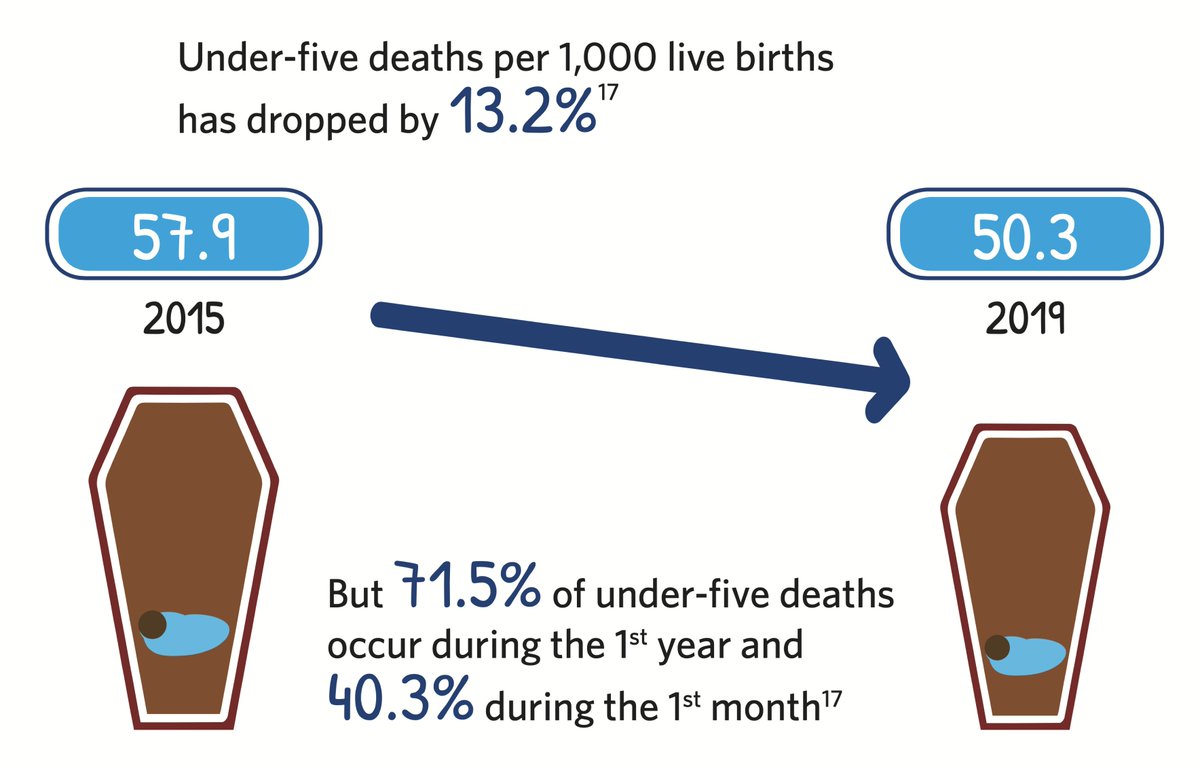
In #Tanzania, 13.2% more children are surviving beyond their 5th birthday in 2019 than in 2015. While that is a vast improvement. It’s still too many who don’t.
#WorldHealthDay2022 #ForEveryChild #Health
13
26
Peter Maro retweeted

24 Jan 2022
"It costs nothing to treat someone with respect." - Anonymous
23
676
2,628
Peter Maro retweeted

15 Jul 2021
GIANNIS CAME UP CLUTCH 😤
A HUGE block when it mattered x.com/BleacherReport/status/…
224
2,656
17,067
8 Jul 2021
白细胞介素6受体阻滞剂
8 Jul 2021

WHO on Tuesday recommended interleukin-6 receptor blockers for people with severe COVID-19. WHO said that the move is based on the findings from a prospective and living network meta-analysis initiated by the WHO, the largest such analysis on the drugs to date.
1

As of March 31, 2021, more than 265,000 people in Qatar had received both BNT162b2 vaccine doses. Vaccine effectiveness was 89.5% against the B.1.1.7 variant and 75.0% against the B.1.351 variant. Effectiveness against severe, critical, or fatal disease was 97.4%. #Covid19vaccine
3
56
125
8 Jul 2021
Understanding the evolution of SARS and COVID-19 type viruses sciencedaily.com/releases/20…
1

Exposure to antibiotics appears to be associated with the development of colon cancer, particularly in younger people. #CancerResearch
ms.spr.ly/6014npA3Y #WorldGI2021
1
8
23
4 Jun 2021
Did we observe the same in Tz?

New study finds that, although bacterial infections among patients in hospital with COVID were rare during the first wave of the pandemic, antimicrobial use was common. ms.spr.ly/6015V7BwS
1