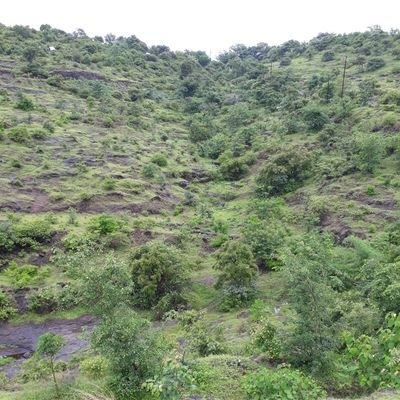
Natural Farming is the future. Food security Carbon sink Increased water table
Joined March 2014
- Tweets 5,515
- Following 232
- Followers 293
- Likes 7,303
480 Photos and videos
Pushkar Kulkarni retweeted

As per IMD, this monsoon season IOD (Indian ocean Dipole) likley to remain in neutral phase.
While El Nino conditions are now present and El Nino will further intensify. #monsoon2026

10
15
98
9,640
Pushkar Kulkarni retweeted

May 25
Four main reasons for the decision include: Seismicity, Geology, disaster proneness & biodiversity, in addition to cumulative impacts. These reasons apply for whole of Himalayas frm J&K to Arunachal & also other vulnerable geographies like western Ghats. sandrp.in/2026/05/25/drp-250…
4
3
342
Pushkar Kulkarni retweeted

Excellent analysis of the damage the casual comment can have on those fighting to secure environmental justice in India. Kudos for those standing up and writing on this important issue
frontline.thehindu.com/the-n…
6
12
598
Pushkar Kulkarni retweeted

May 17
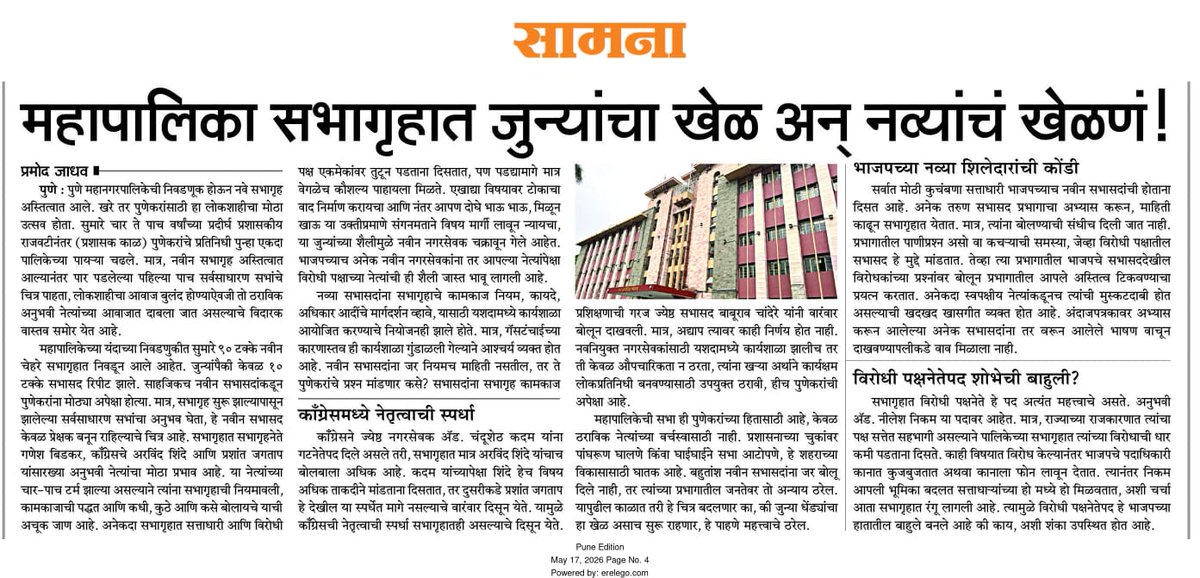
खेळ मांडीयेला मनपात घाई।
नाचती नगरसेवक भाई रे।
क्रोध अभिमान गेला पावलीला।
एकएका लाभतील लाखो रे॥१॥
गोपीचंदनउटी नोटांच्या माळा।
ठेक्यात मिरविती गाळा।
टाळ मृदुंग घाई अर्थ वर्षाव।
अनुपम्य मुखसोहळा रे॥२॥
@VinitaDeshmukh
@ChaitanyaKet
@DefenceBrat
@NoziaSayyed
@AUThackeray
@DrVishwam
5
15
463
Pushkar Kulkarni retweeted

May 3
HOLD On and watch the visuals starting 6 seconds in this reel. I bet you have NEVER seen such farmers!
These are farmers of Koppal in Karnataka who claim that they are living in narka (hell). Read their story in ON AIR’s May 2026 issue.
👉🏽 shorturl.at/zm0kl
@ChintanIndia
30
380
670
29,431
Pushkar Kulkarni retweeted
Yearwise May rain (mm) in Pune shivajinagar
2014: 9.4
2015: 112.7
2016: 6.5
2017: 7.5
2018: 3.7
2019: 0
2020: 34.8
2021: 88.8
2022: 0.7
2023: 19.4
2024: 95.2
2025: 240.4
Data: IMD
1
2
6
369
Pushkar Kulkarni retweeted

Apr 25
This will blow your mind 🤯
Tribals in Madhya Pradesh are holding unique ‘Chitra Protest’ against BJP Govt for stealing their homes & forests
They are covering themselves in mud, holding hunger strike & acting like dead bodies for past 11 days
Their only demands — Land in return of land & proper rehabilitation
They have been living on the same land for 2000 years and suddenly they lost all rights? Really?
166
5,347
12,165
214,473
Pushkar Kulkarni retweeted

Apr 24
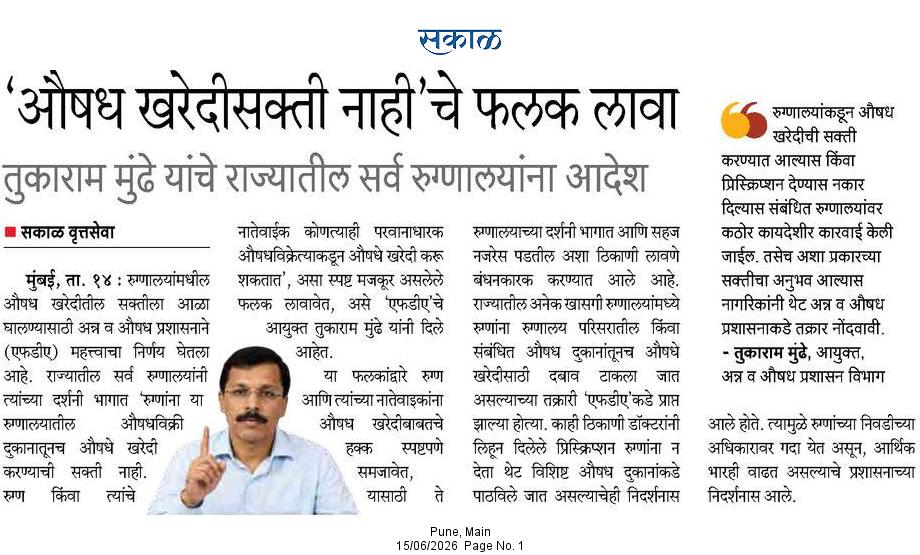
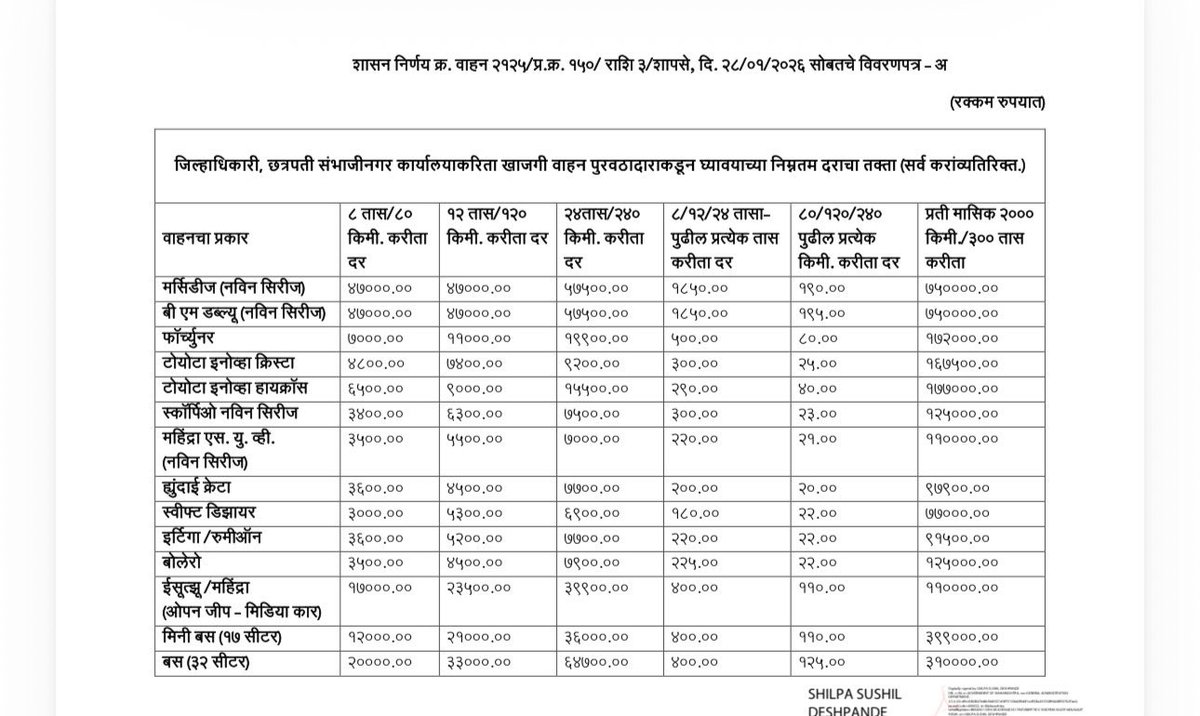
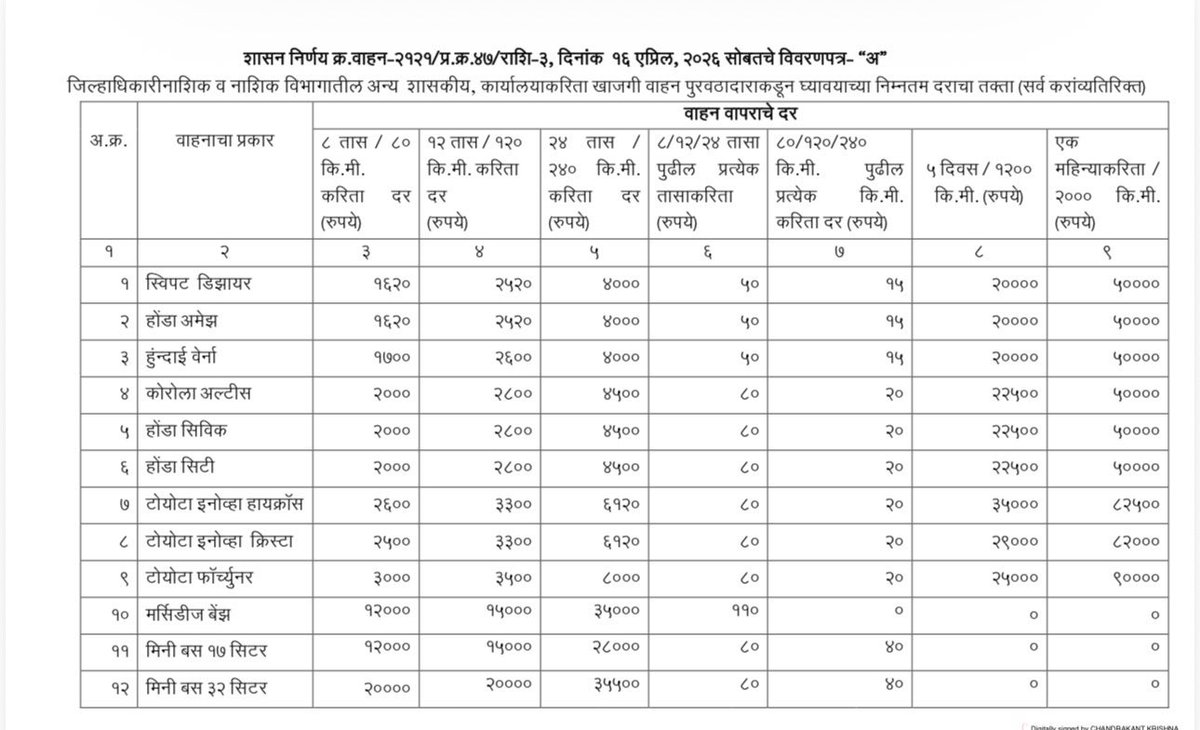
जी गाडी ८ तासांसाठी नाशिक जिल्हाधिकारी कार्यालयासाठी दर करारावर १६२० रुपये भाड्याने घेतली जाते तशाच गाडीचे भाडे छ संभाजीनगर मध्ये ३००० रुपये असते. आणि १२ तासांसाठी हा दर अनुक्रमे २५२० आणि ५३०० असा असतो. फॉर्चुनरचा हाच दर ८ आणि ११ तासांसाठी अनुक्रमे ३००० , ३५०० आणि ७००० ,११००० असा आहे. बाकी घोटाळे खालील तक्त्यांमध्ये पाहा.एवढा फरक कसा?. बाजारात याच गाड्या या पेक्षा कितीतरी कमी दराने उपलब्ध असतात.
शासकीय तिजोऱ्या आता काही लोकांची खाजगी मालमत्ता झाल्यासारखी परिस्थिती आहे. अगदी काही हजार रुपयांपासून शेकडो कोटी रुपये लुटताना यांना काही वाटत नाही. दर करार हा शासन व्यवस्थेतील अगदी छोटा विषय असतो. शालेय साहित्य, गणवेश, संगणक साहित्य, टोनर, वाहनांचे सुटे भाग किंवा वाहने भाड्याने घेणे यासाठी दर करार केले जातात. कधी कधी दर कराराशिवायही अशी खरेदी केली जाते किंवा सेवा घेतल्या जातात. यात मोठा भ्रष्टाचार होता असतो.
पिंपरी चिंचवड महापालिकेचे अधिकारी तर दरमहा ५० हजार रूपये इंधन भत्ता घेतात.गाड्या भाड्याने घेण्याच्या खर्चात पालिकेत मागील पाच वर्षात १.५० कोटी ते ३०.०० कोटी इतकी वाढ झाला आहे.
हे घोटाळे वर्षानुवर्षे बिन बोभाट चाललेले असतात
ही केवळ प्रशासकीय चूक नसते – तर मोठा आर्थिक गैरव्यवहार असतो!
#महाराष्ट्र #PublicMoney #नाशिक @pcmcindiagovin #छ_संभाजीनगर #वाहन #दरकरार #भ्रष्टाचार
18
233
628
24,021
Pushkar Kulkarni retweeted
Apr 20
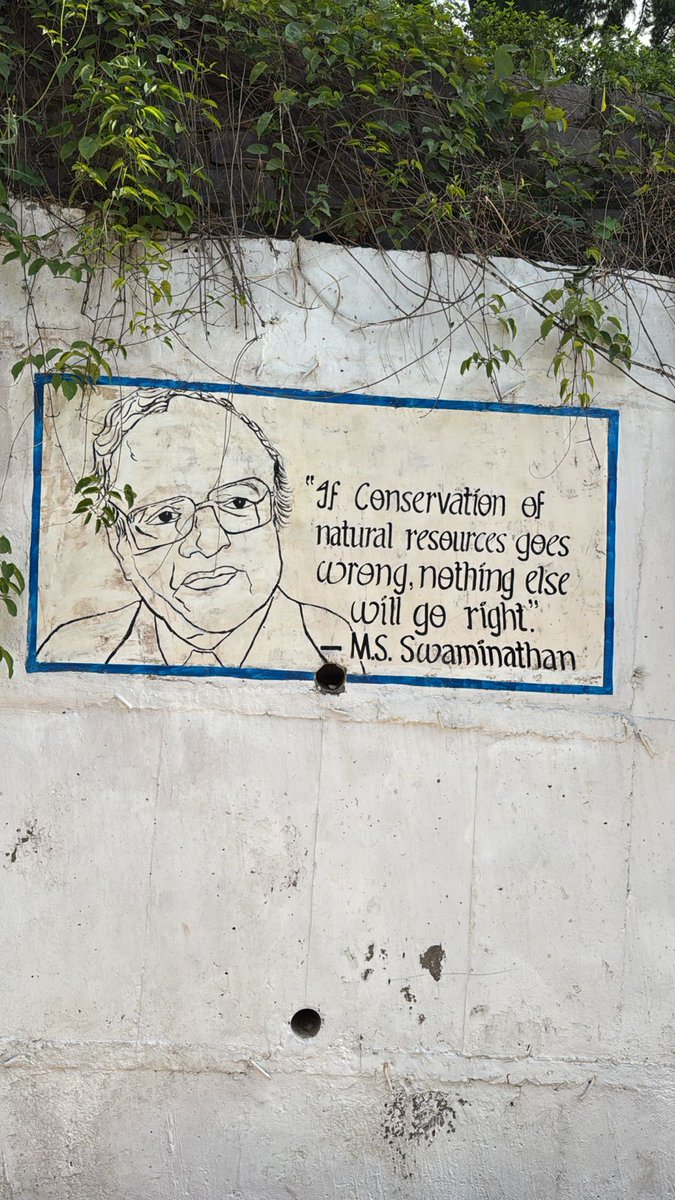
Unfortunately our greedy Netas & Baboos fail to understand this simple principle of sustainability.
Visionless leaders is a curse to nation as they are causing unimaginable & irreversible environmental damages.
@AUThackeray
@suchetadalal
@bhaumikgowande
@BhavreenMK
@IndianGems_
1
15
34
525
Pushkar Kulkarni retweeted

Apr 18
Conscious effort, can be replicated everywhere. 🌳 @PMCPune @navalMH @MahaForest @PuneRivers @VTBKS_Pune @SalimAli_Bird @NaikSpeaks @moefcc @aparanjape @PeepalBaba @CredaiPunemetro @Dev_Fadnavis @SunetraA_Pawar @mieknathshinde
3
3
110
Pushkar Kulkarni retweeted

Apr 11
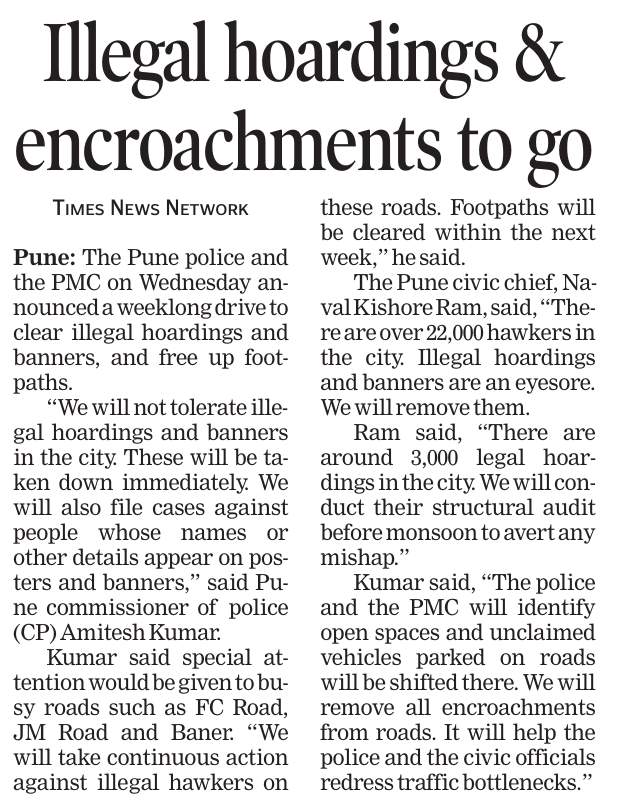
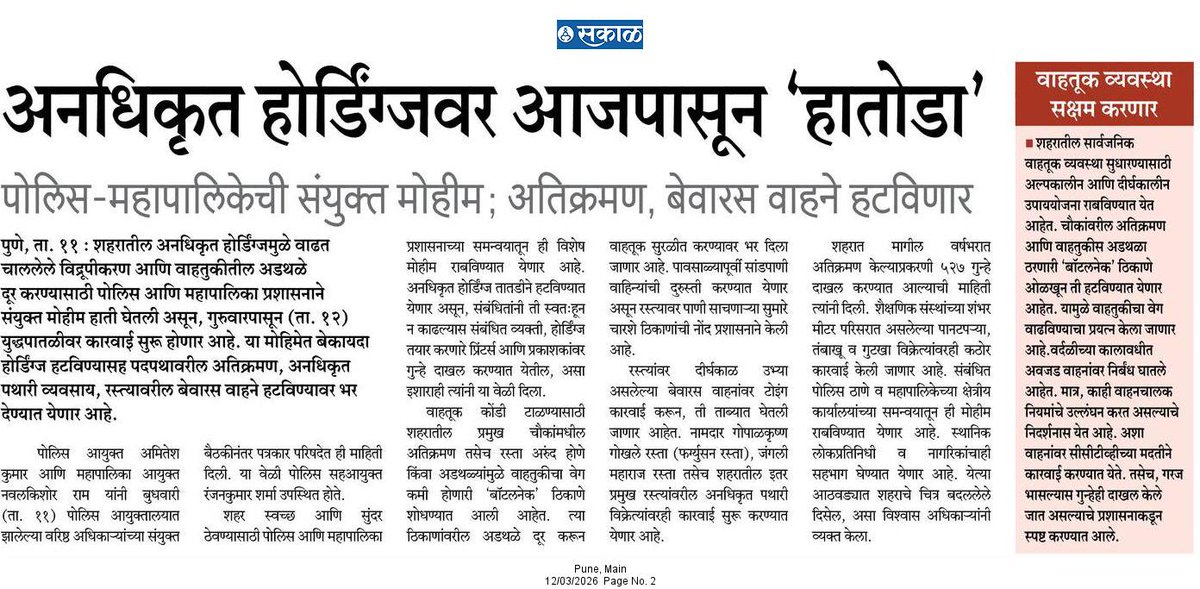
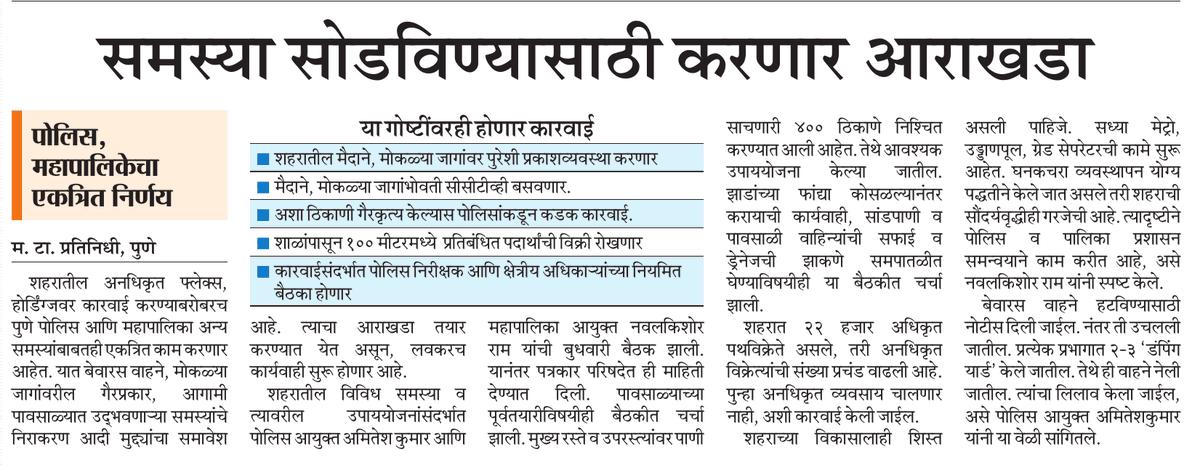
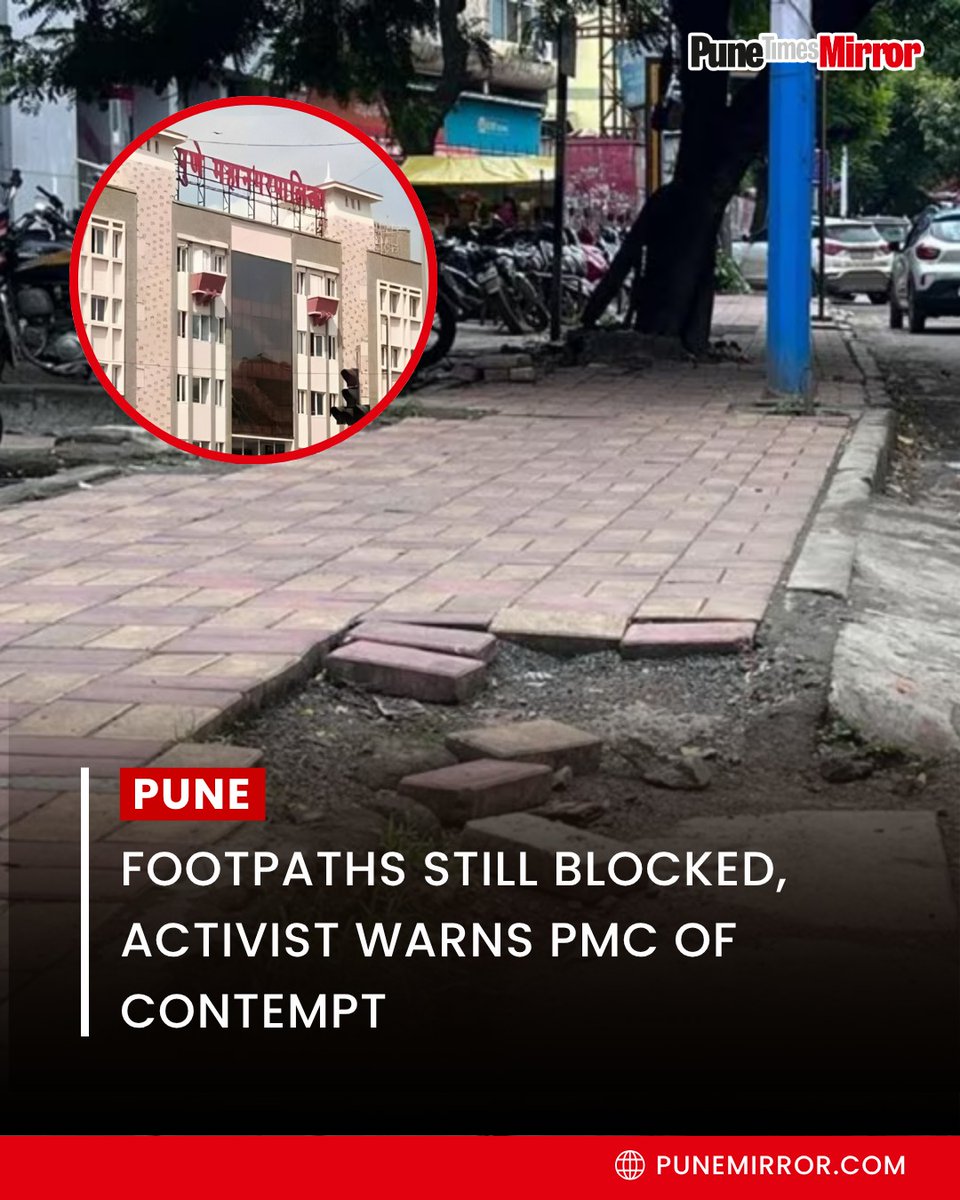
Footpaths in Pune remain unsafe despite High Court orders, with encroachments forcing people onto roads. Activist Qaneez Sukhrani has issued a 15-day notice to PMC, warning of contempt action. She says citizens risk their lives daily due to broken or missing footpaths. The civic body claims work has started, but residents see little change. What’s your experience walking in Pune?
#PuneNews #FootpathIssue #CivicProblems #UrbanSafety #Punetimesmirror
11
35
142
3,691
Pushkar Kulkarni retweeted

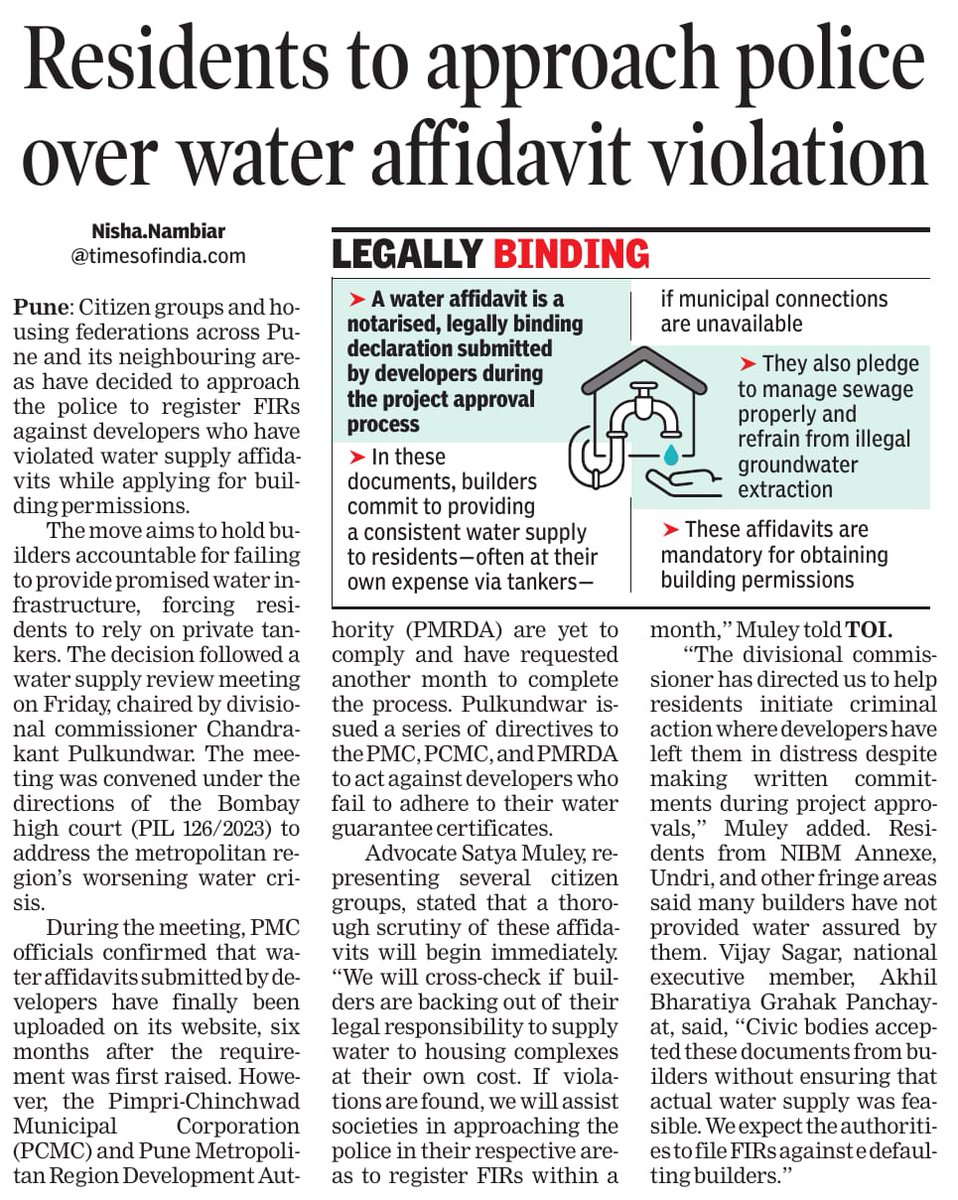
🚨 #PUNE WATER SCAM EXPOSE 🚨
Residents of #Undri, #NIBMAnnex, #Mohammadwadi & #Pisoli are being LOOTED in broad daylight by a shocking builder–official nexus around Water Affidavits 💧
👉 Builders submit a legally binding water affidavit during project approval promising water supply
👉 BUT during NOC stage, affidavits are allegedly manipulated/replaced
👉 Result: Residents are ABANDONED & forced to BUY tanker water for LIFE
⚠️ A society of just 200 families:
• Spending ₹50 LAKHS every year since 2013 😡
• Total spend till date = ₹6.5 to 7 CRORES (hard-earned money drained)
• Paying Property Tax Water Tax
• STILL NO pipeline water NETWOK in Undri hilltop
This is not mismanagement — this is SYSTEMIC SCAM / FRAUD.
Where is:
❌ Basic water infrastructure?
❌ Sewage systems?
❌ Roads & streetlights?
❌ Accountability from @PMCPune?
“Har Ghar Jal Yojana” has COMPLETELY FAILED here. @MoHUA_India
Builders act like:
👉 Law doesn’t matter
👉 Courts won’t act
👉 Citizens will stay silent
ENOUGH.
We demand:
✔️ Criminal FIRs against defaulting builders
✔️ Investigation into affidavit tampering nexus
✔️ Immediate water pipeline for Undri hilltop
✔️ Replacement of current Water Chief Engineer
✔️ Time-bound infra delivery
If ignored, residents WILL hit the streets and BLOCK major junctions like Kad Nagar Chowk.
📢 Tagging authorities & media — ACT NOW:
⚖️ @indSupremeCourt — Kindly intervene to protect citizens’ RIGHT TO BASIC AMENITIES #CJISuryaKant
@DGPMaharashtra @CPPuneCity
@DivComPune Two Divisional Commissioner could not get a closure on the High Court judgements for PIL 126/2023, What a shame and blunder?
@rashtrapatibhvn @PMOIndia @narendramodi @CMOMaharashtra @AmitShah @mieknathshinde @Dev_Fadnavis @PMCPune @MoHUA_India @NITIAayog @MDNagpure @navalMH @supriya_sule @SunetraA_Pawar @madhurimisal @RVikhePatil @mohol_murlidhar @Pankajamunde @satyamuley @pushkar_k09 @aniruddhap52303 @JDhankikar
@MURWDFoundation
@NIBMFORUM @WagholiHSA
@KalyaninagarR @QaneezS
📺 Media —: @timesofindia @IndianExpress @htTweets @ndtv @CNNnews18 @TV9Marathi @pulse_pune @punekarnews @fpjindia @InamdarNadeem @SandipKolhatkar @PTI_News @joysenguptaTOI @ani_digital
@smitaprakash @ThevarSteffy @Salonee_TOIPune
This is not just #Pune. This is urban Pune being exploited.
#PuneWaterCrisis #WaterScam #Undri #NIBM #Mohammadwadi #Pisoli #BuilderNexus #RightToWater #HarGharJal #UrbanCorruption #PMC #AccountabilityNow 🚨
12
34
48
1,381
Pushkar Kulkarni retweeted

Mar 25
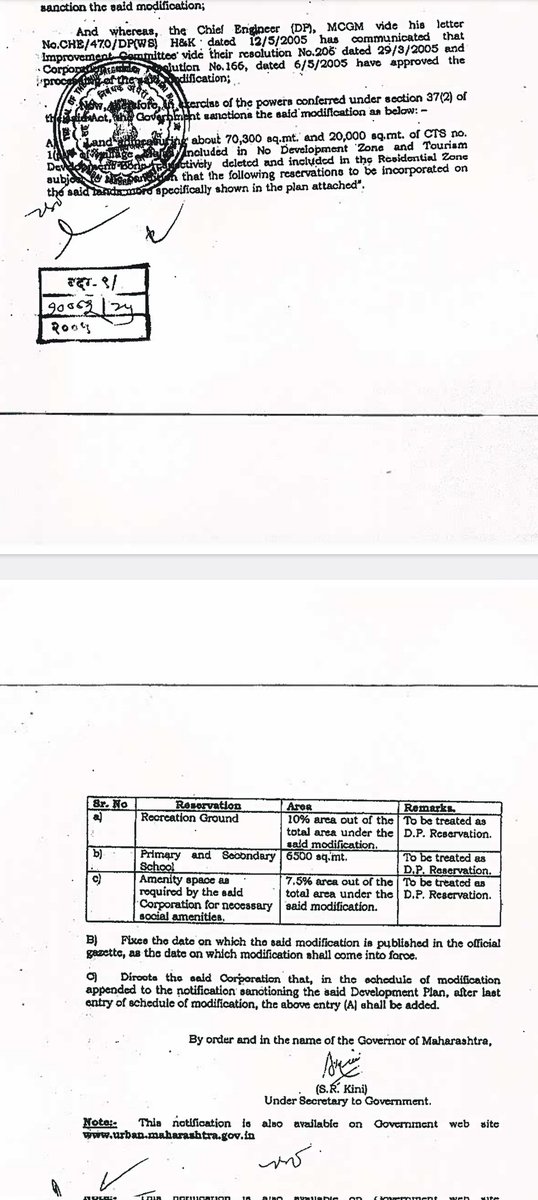
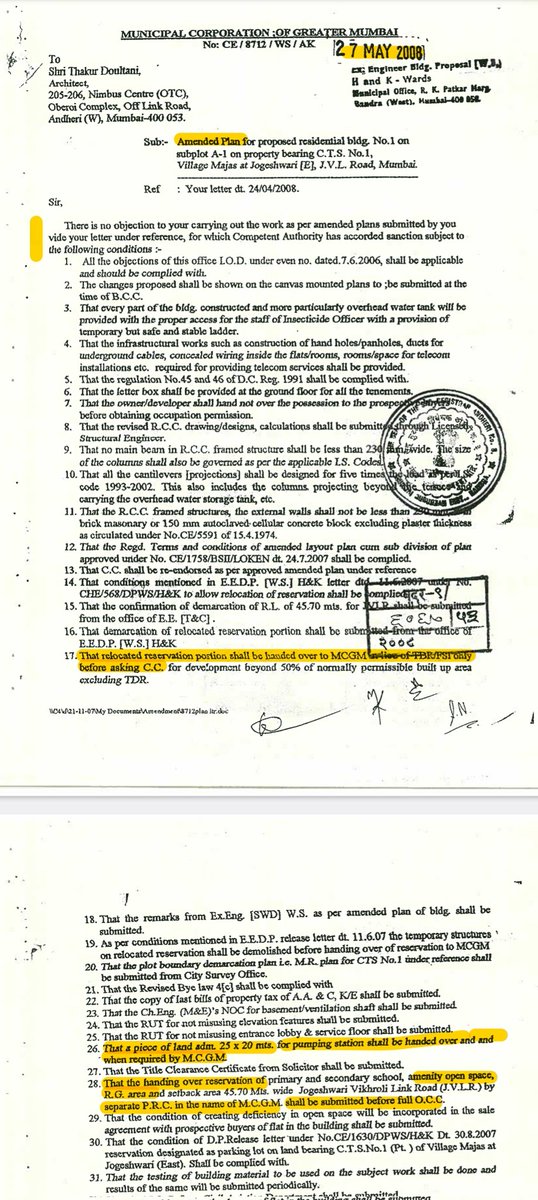
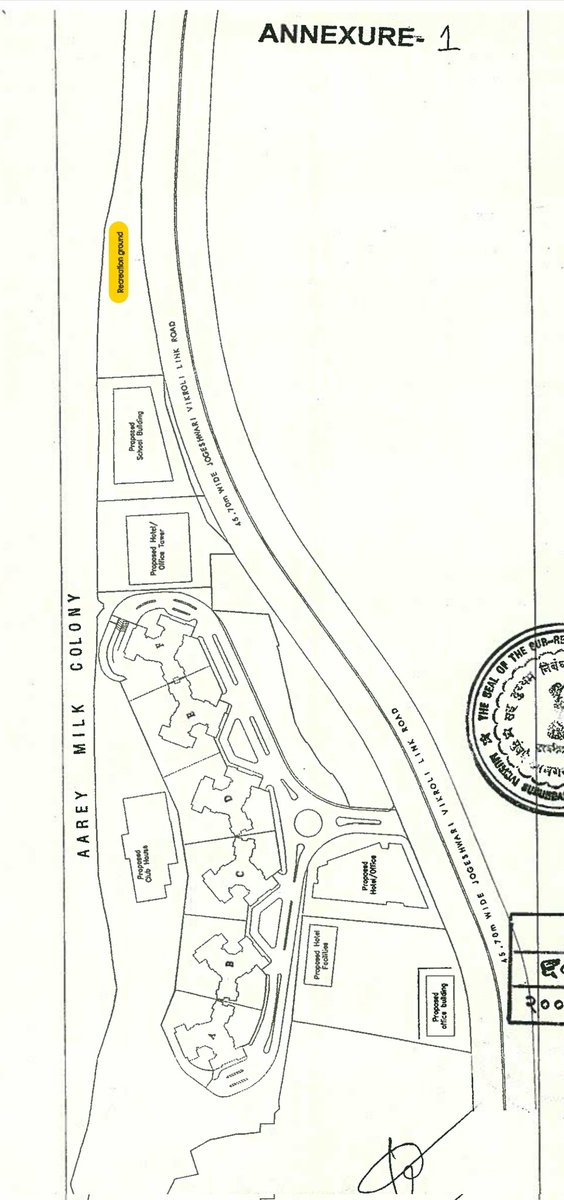
All Public records
This used to be NDZ (Fantasy Land)
90k Sq Mtr NDZ converted to Residential use on condition that 9k Sq Mtr public RG, 6k Sq Mtr Public School, 6.7k sq mtr Public amenities
On condition that land must come to BMC before OC
Not one inch of plot came to Public
9
51
141
6,327
Pushkar Kulkarni retweeted

Mar 21
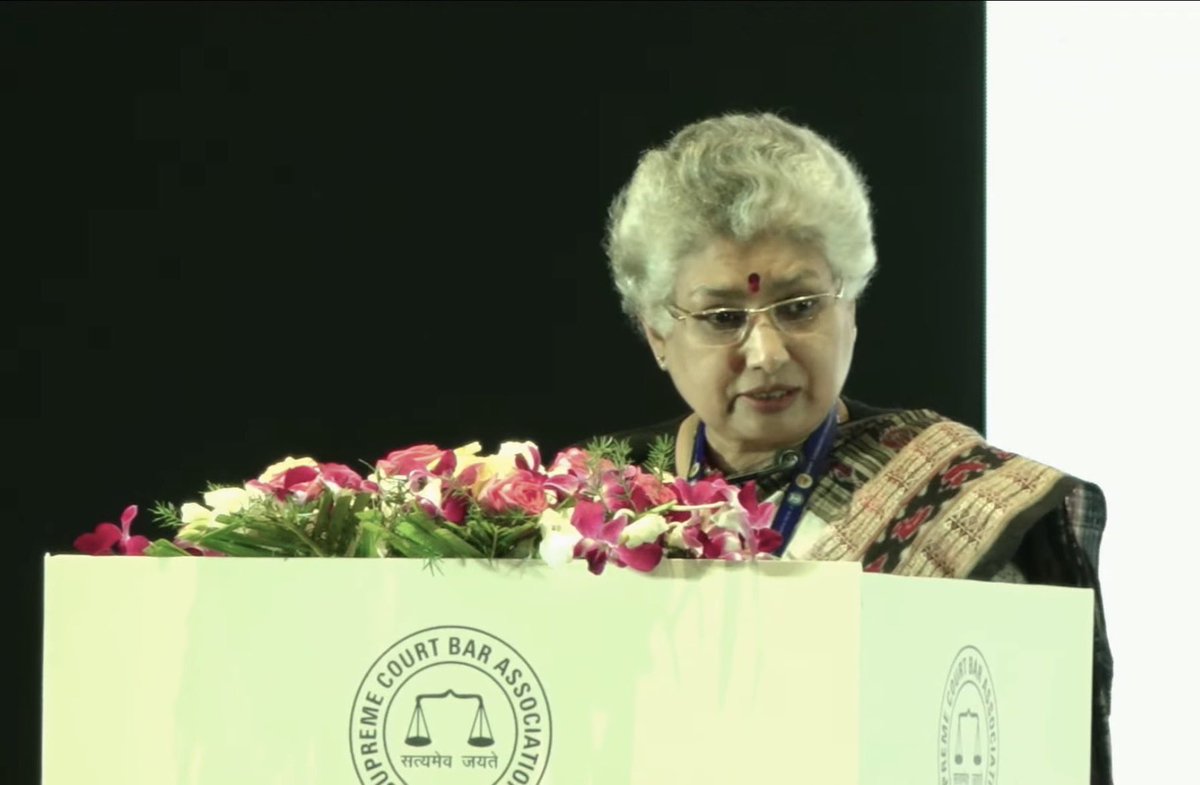
What a judge!! 🫡 🫡 👏👏👏
Mar 21

Government is the single largest litigator, we are carrying the burden of the evasiveness of the government in the judicial system. The government publicly expresses concern about judicial backlog while simultaneously feeding that backlog through relentless litigation: Supreme Court Justice BV Nagarathna
25
180
890
56,075
Pushkar Kulkarni retweeted
Mar 20
Tragedy of Viksit India. Today we had a request from a Prof. who is in a debt trap because he took loans of Rs40 lakh to pay a bribe for a permanent teaching job!! What hope do we have?? @maheshperi
96
382
1,777
134,628

Mar 21
Another example of the culture that Chief Public Servant of Maharashtra @Dev_Fadnavis has instilled in every public office & public servant -
Discourage citizens from constitutional participatory processes at every step.
'आम्हाला वाटलं नव्हतं इतके लोक येतील' - Aundh Ward office
Mar 20

PMC hearing on tree felling for River Front Destruction to more than 1000 objections in 20X20 hall, no windows, no enough chairs, seniors are standing & suffocating.
PMC officials don't even know the no. of objections received.
Shame to PMC.
@navalMH
@AUThackeray
@suchetadalal
1
5
12
169
Pushkar Kulkarni retweeted

Mar 13
Thousands of U.S. farmers are battling Parkinson's—and they're pointing fingers at paraquat, a weed killer so toxic one sip can kill, banned in over 70 countries... yet still sprayed on American fields by the millions of pounds each year.
Farmers like Mac Barlow (Alabama), Dave Gilbert (Ohio vineyard), Paul Friday (Michigan peaches), and families like Terry McGrath's (6 relatives with Parkinson's from farm exposure) are suing Syngenta, claiming years of spraying led to their disease. Over 6,500 lawsuits now consolidated in federal MDL, with bellwether trials settling (e.g., first Philly case resolved Jan 2026) and settlement talks advancing—some call it nearing resolution.
Big twist in 2026: Syngenta just announced it'll stop producing paraquat globally by June—amid mounting pressure, EPA reassessing safety (announced Jan 2026), and imports (mostly Chinese) still fueling use.
The EPA insists science doesn't prove the Parkinson's link; Syngenta denies claims. But with skull-and-crossbones labels, strict licensing, and stories of fatal spills (one farmer died 34 days after accidental exposure), critics ask: Why is the U.S. one of the last holdouts?
Clip from this eye-opening report—toxic truth hitting hard.
Does this change how you view "regulated" pesticides? Should the U.S. follow the global bans? Or is it essential for farming?
Your thoughts—let's unpack it.
143
2,681
4,499
91,903
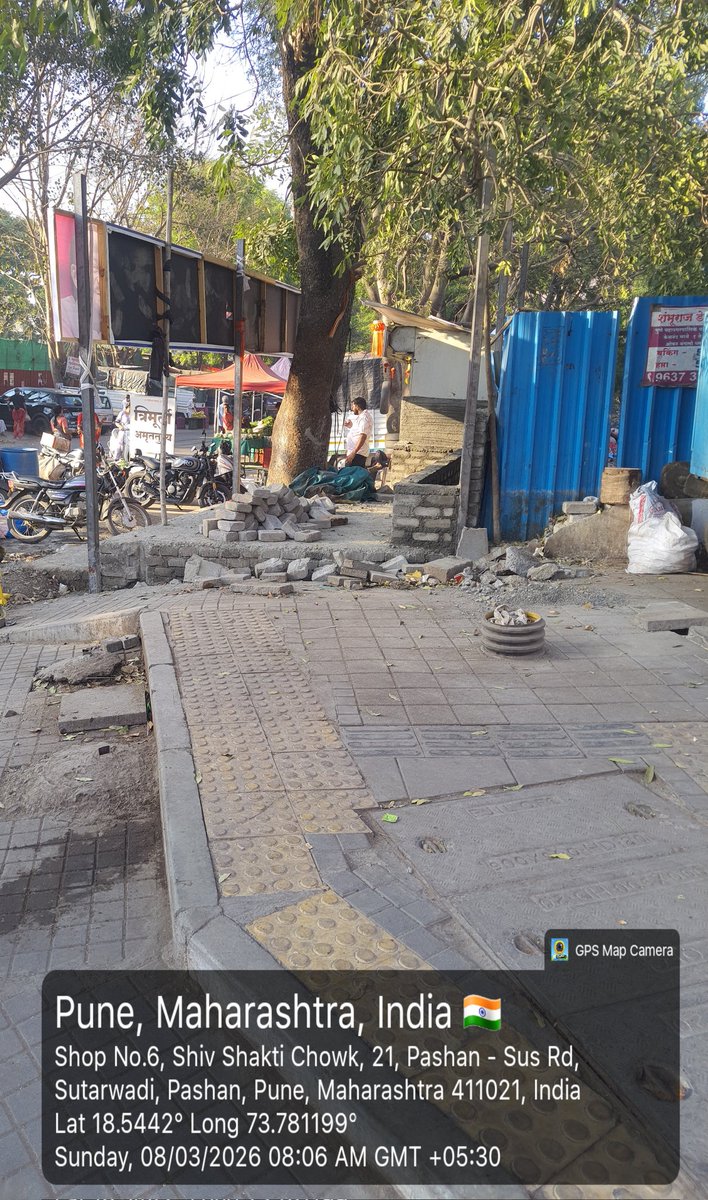
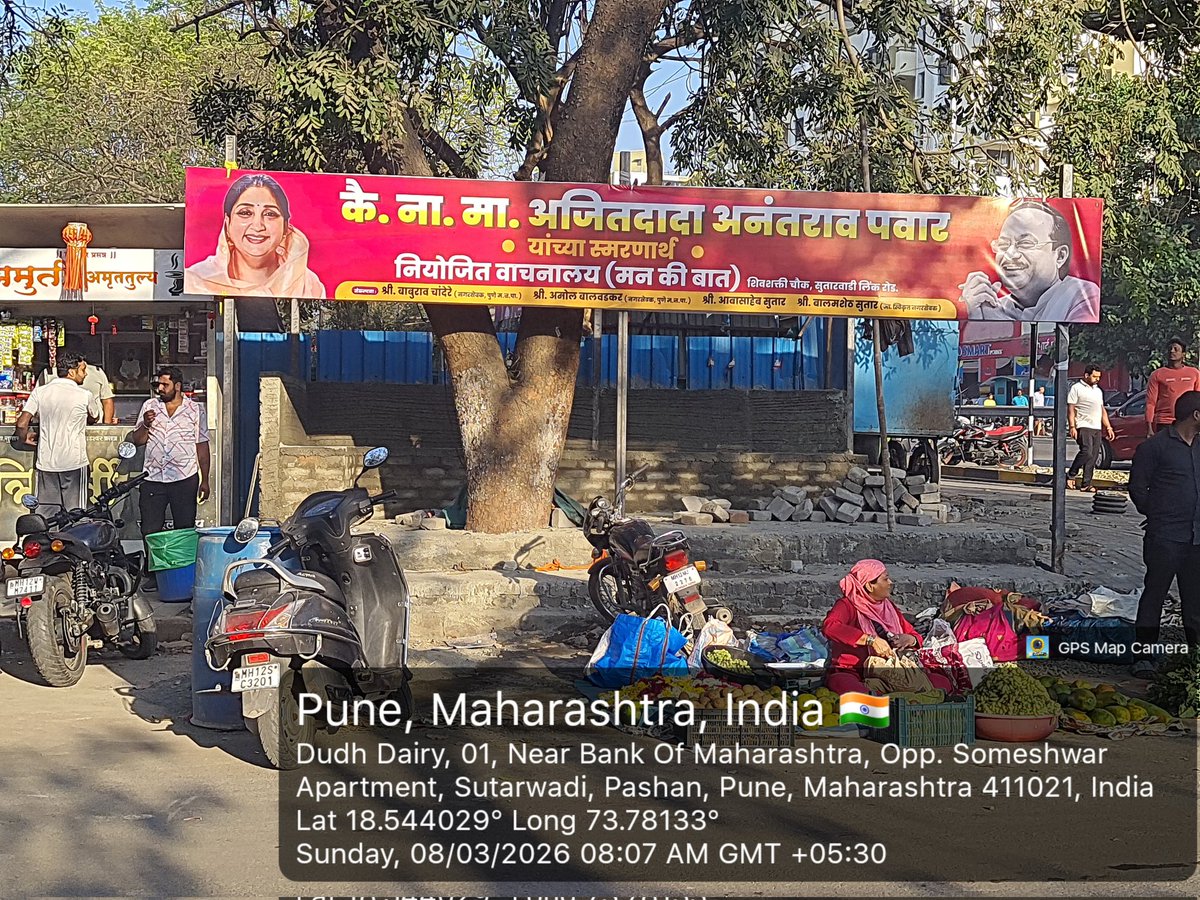
@navalMH @PMCPune,
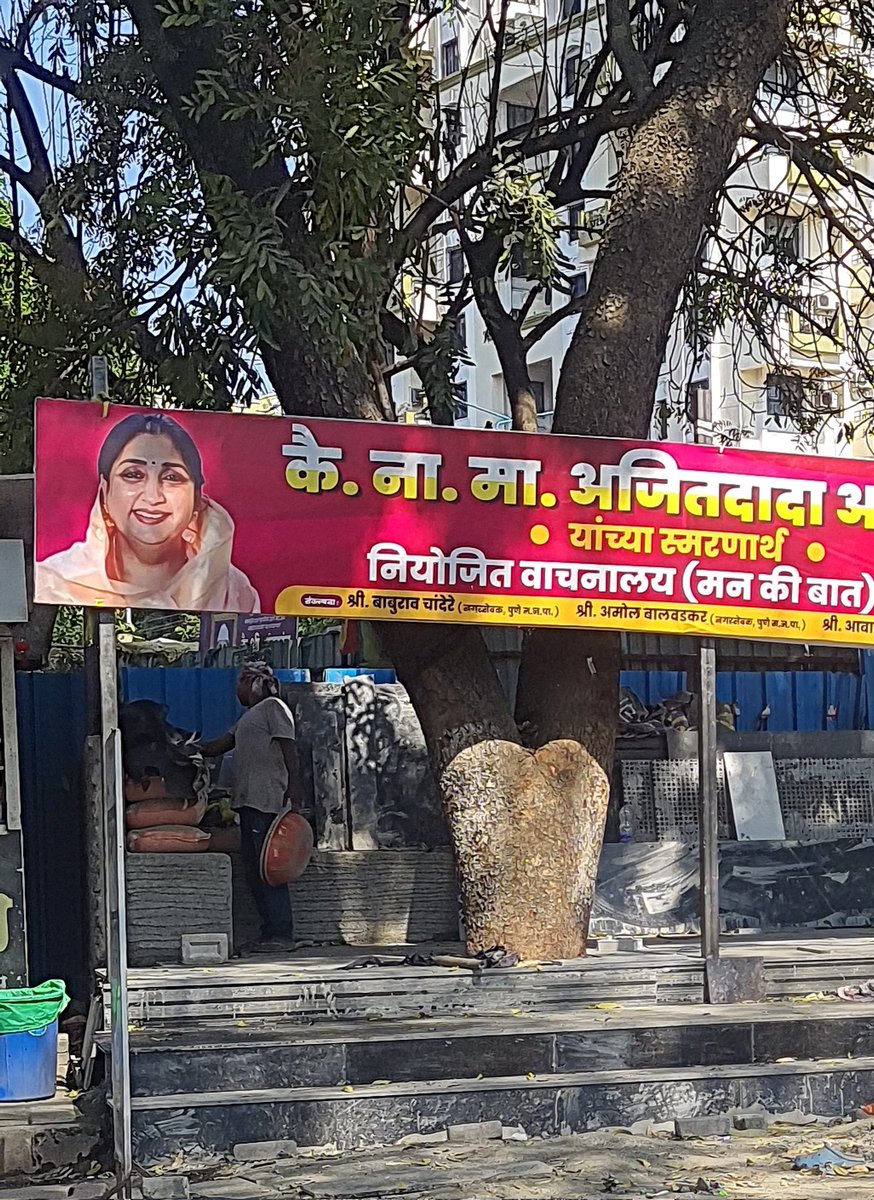
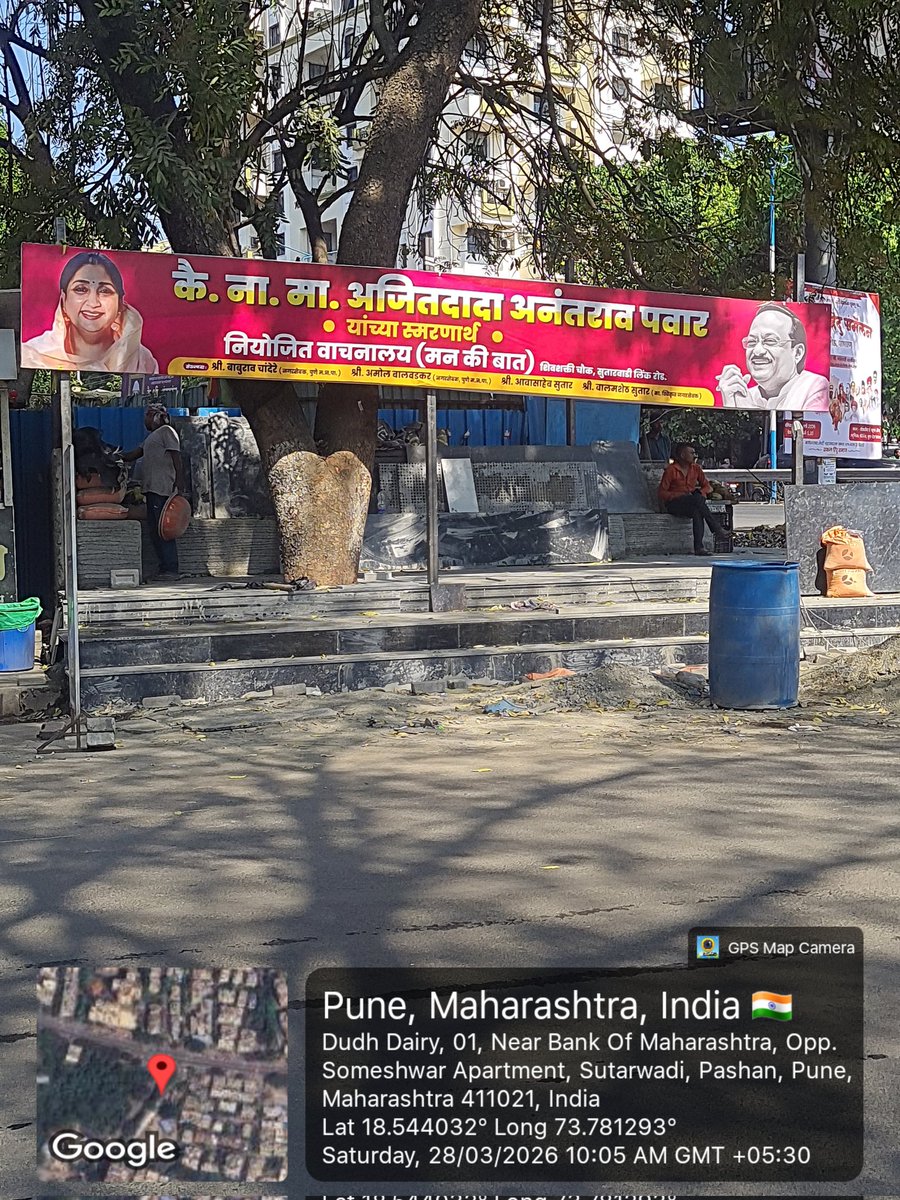
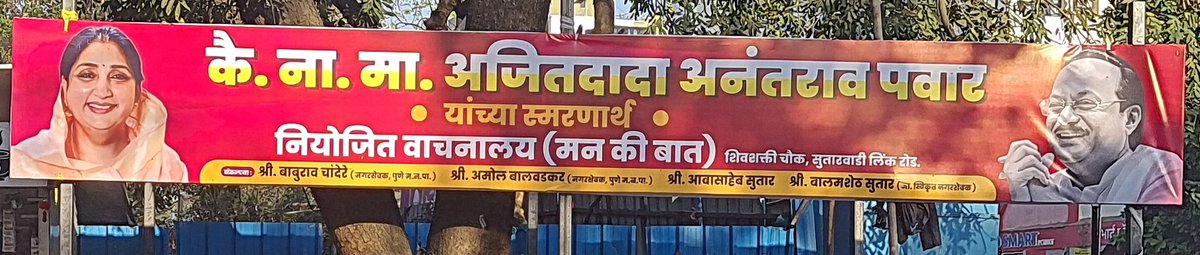
Immediately remove the illegal वाचनालय built on footpath at Shivshakti chowk, Pashan-Sus road & initiate Police action against culprits (names of @BaburaoChandere @BalwadkarAmol & 2 more visible on board)
Violation of @bombayhc orders.
5
1
1
104
Mar 14
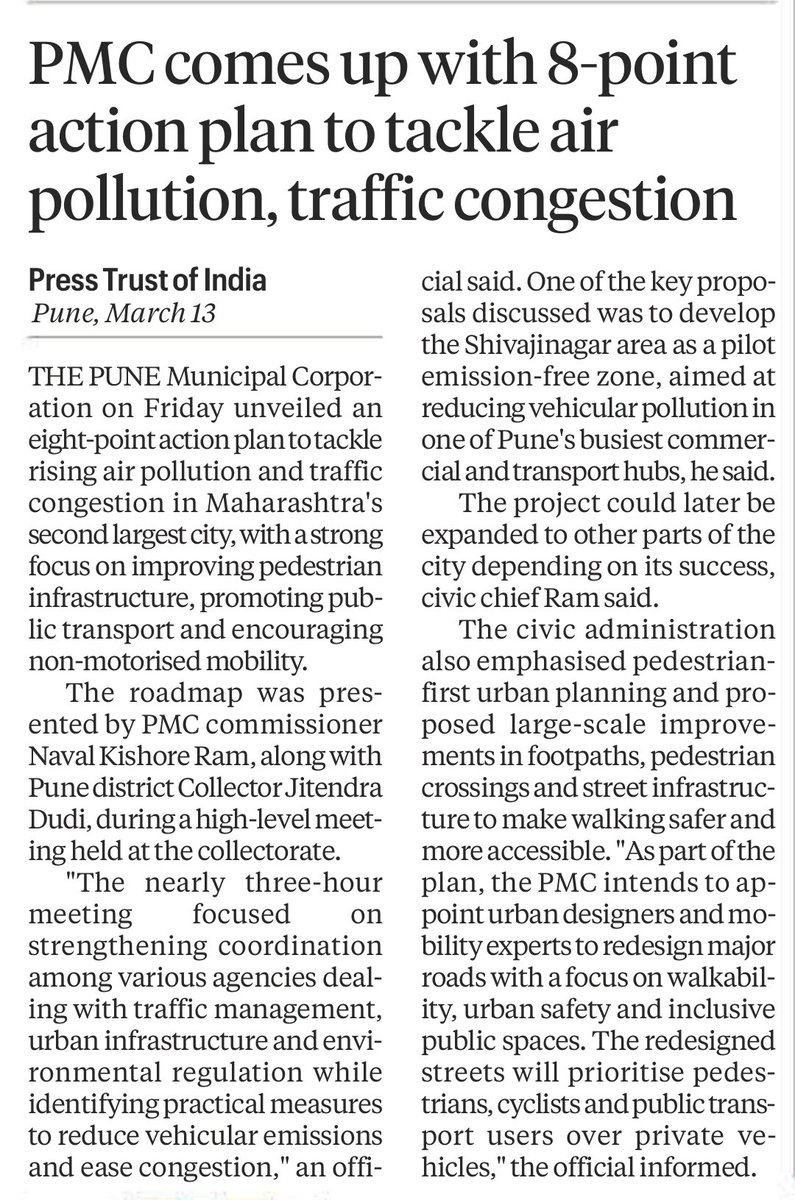
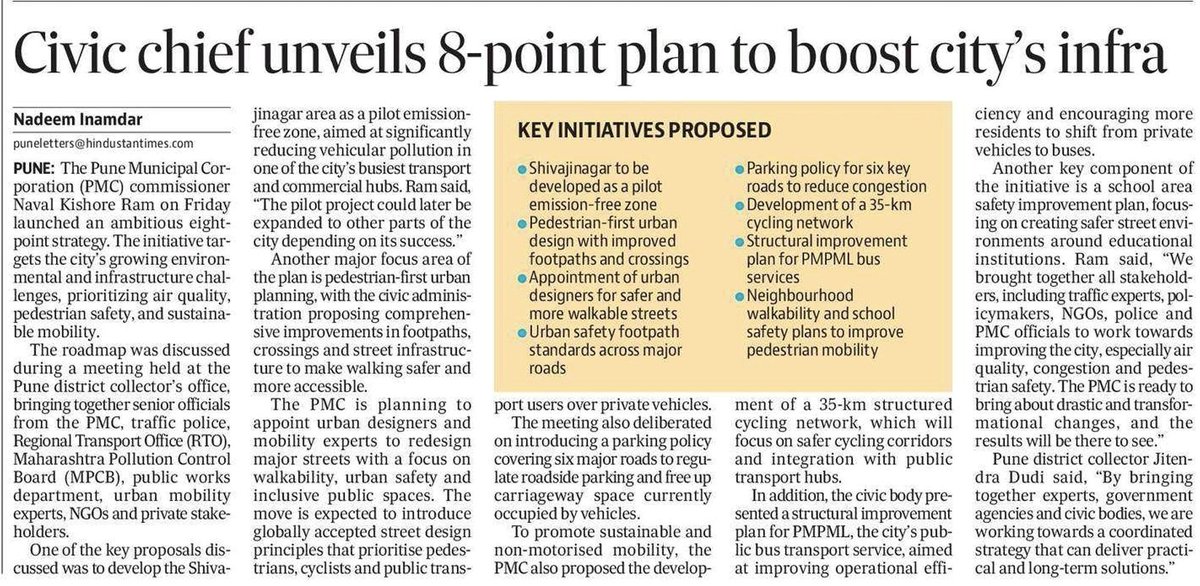
#PedestrianFirst urban planning has to go hand in hand with encroachment/hurdle free Pedestrian infrastructure.
The above encroachments remain after a week of raising the complaint with @PMCPune
@IndianExpress @htTweets @InamdarNadeem
1
1
18
Pushkar Kulkarni retweeted
Mar 11
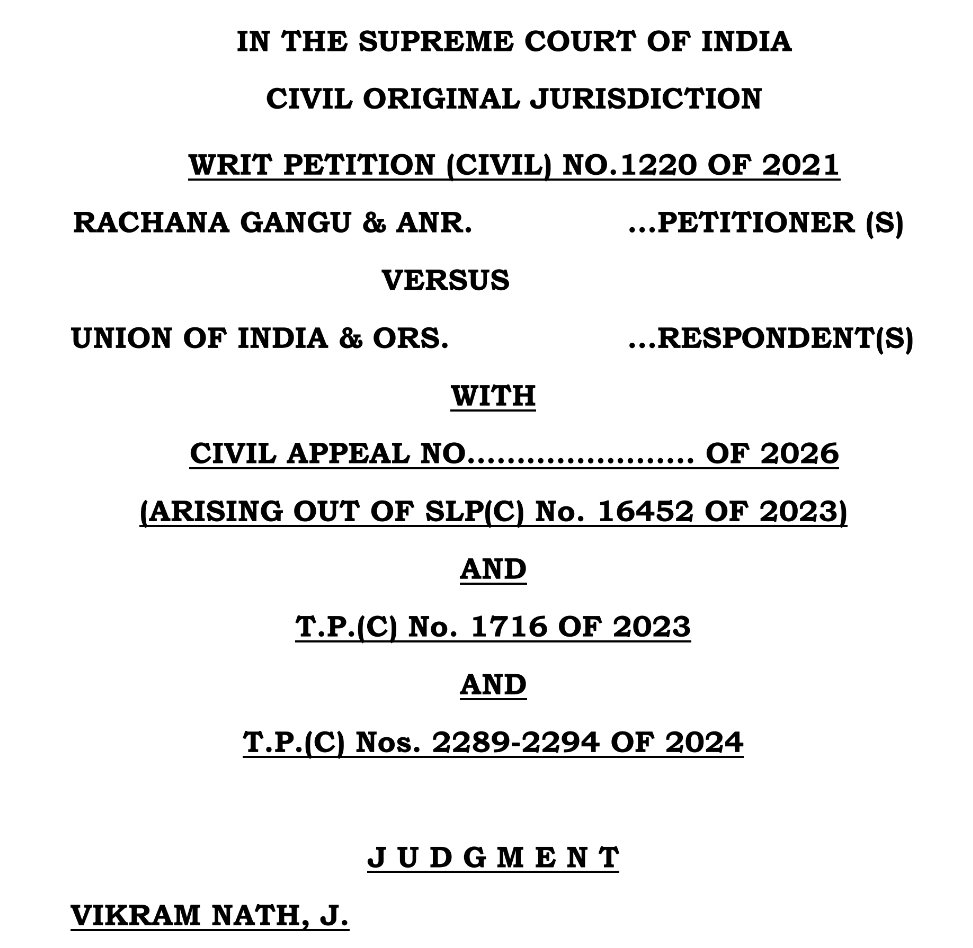
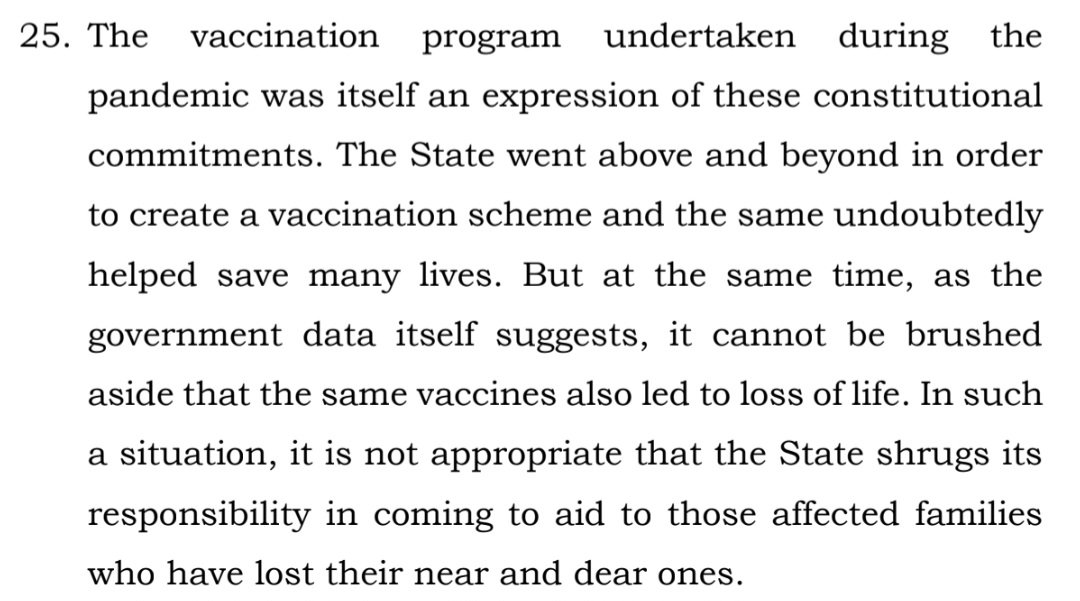
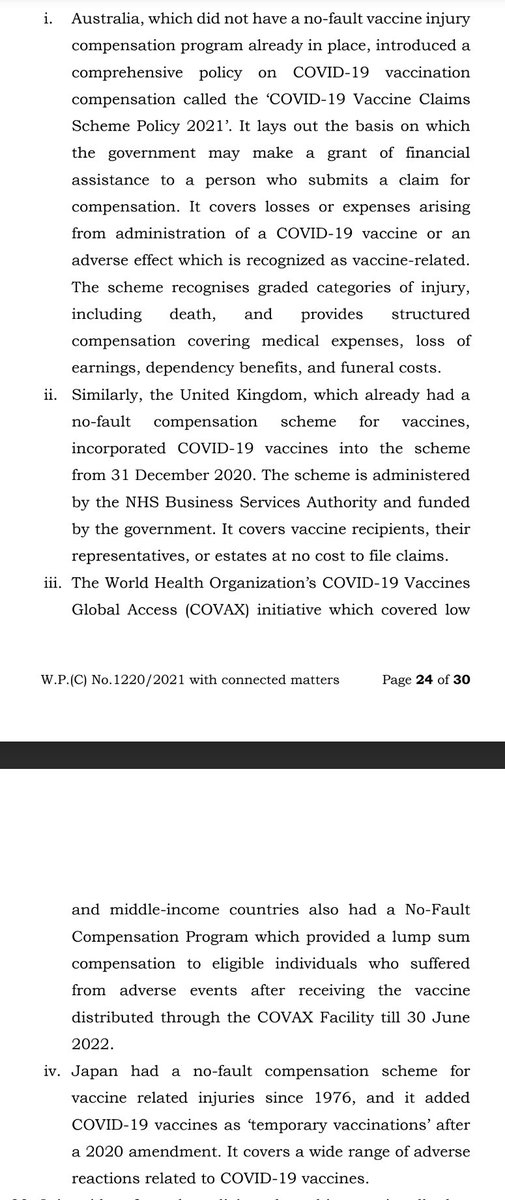
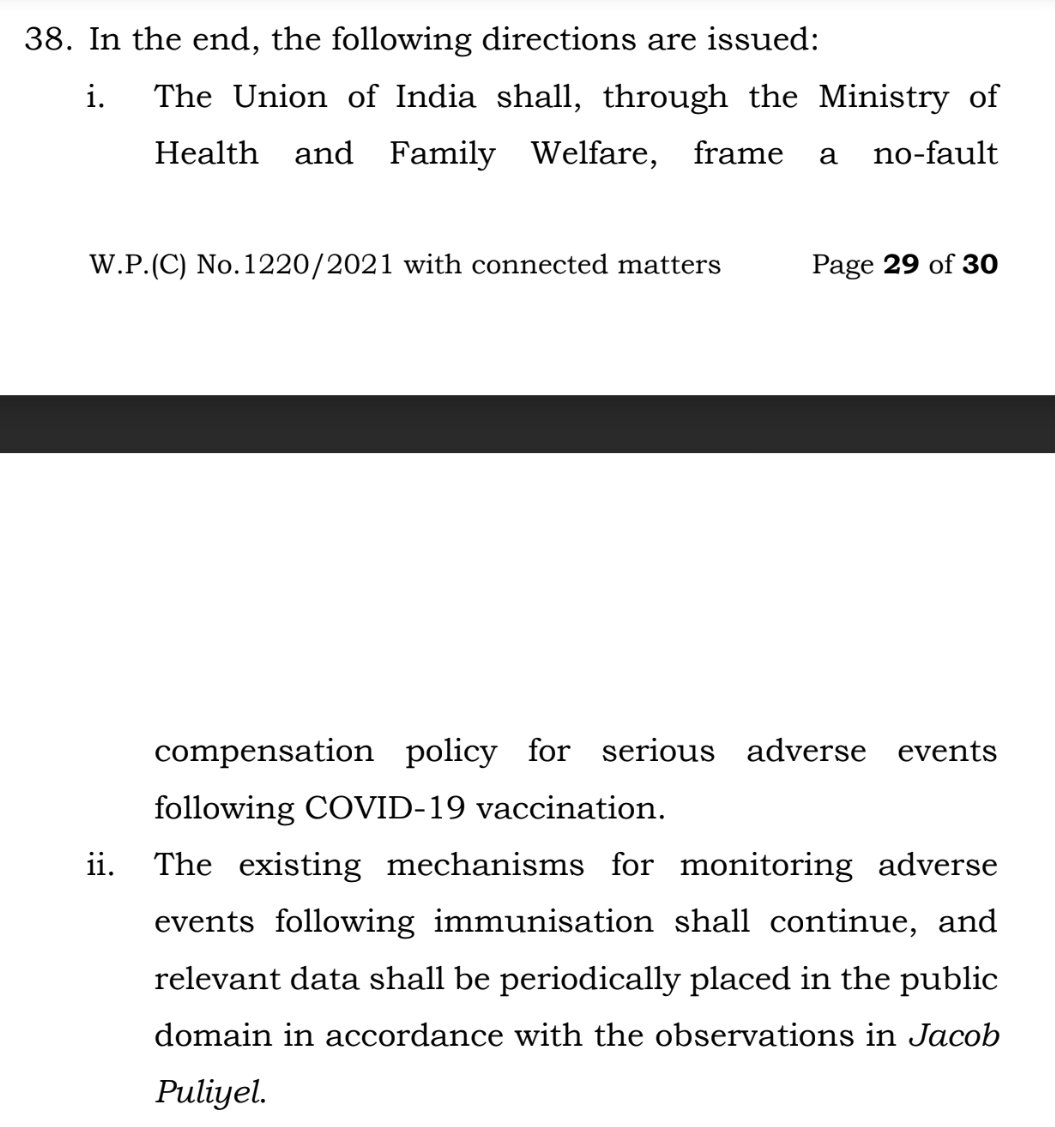
Reg death & injury from Covid Vaccines
SC has held
-Govt cannot shrug away responsibility in such cases
-Govt must formulate a compensation policy
-Govt must make public data of death & injuries from the vaccine
My SC
A shot in the arm for those who suffered from the vaccine
1
4
15
608