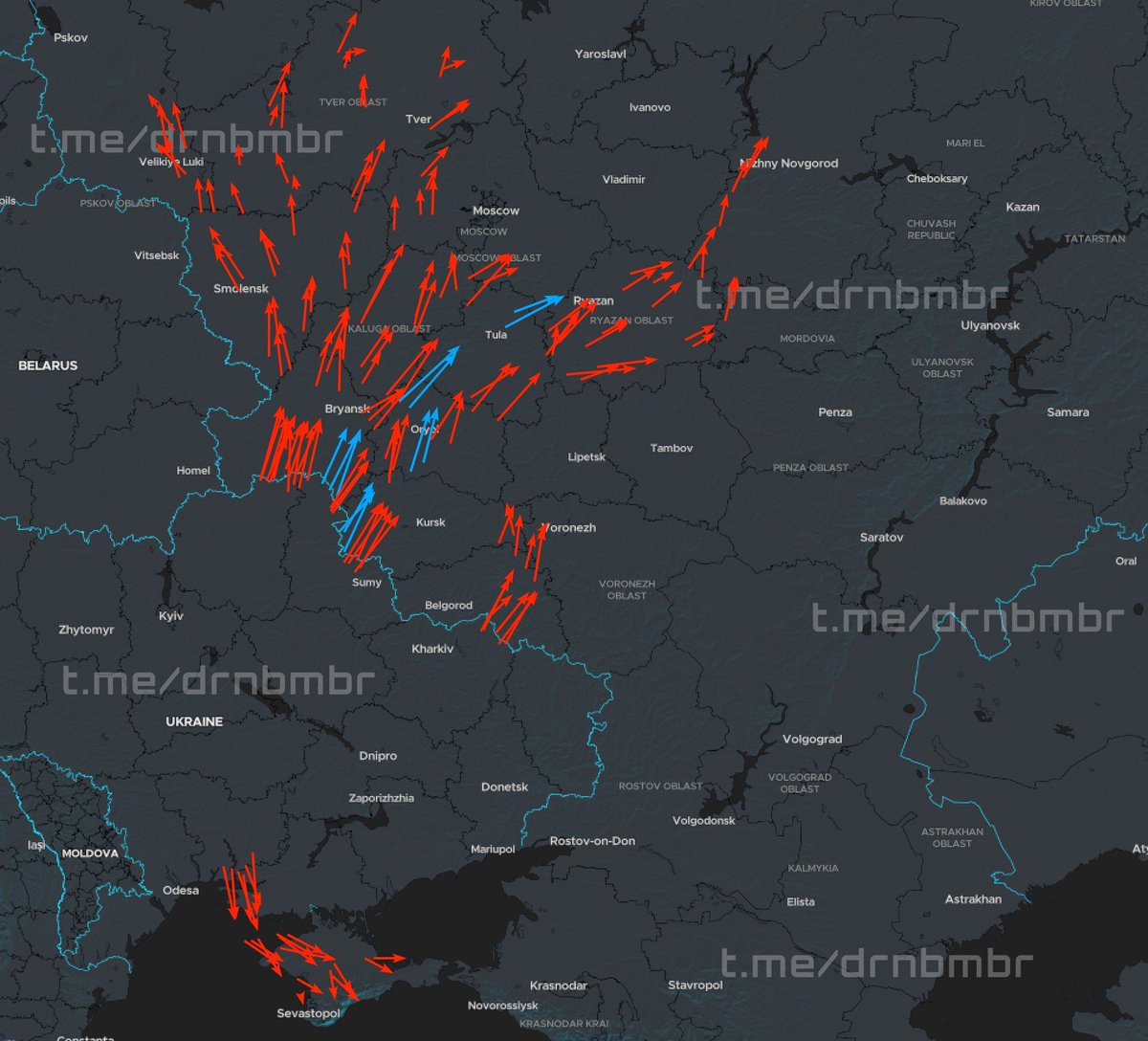
Malware? Phishing? Vatniks? Megalomaniac dictators? We will bonk 24/7.
Joined April 2022
- Tweets 6,424
- Following 4,197
- Followers 4,381
- Likes 15,203
496 Photos and videos









Pinned Tweet

29 Feb 2024
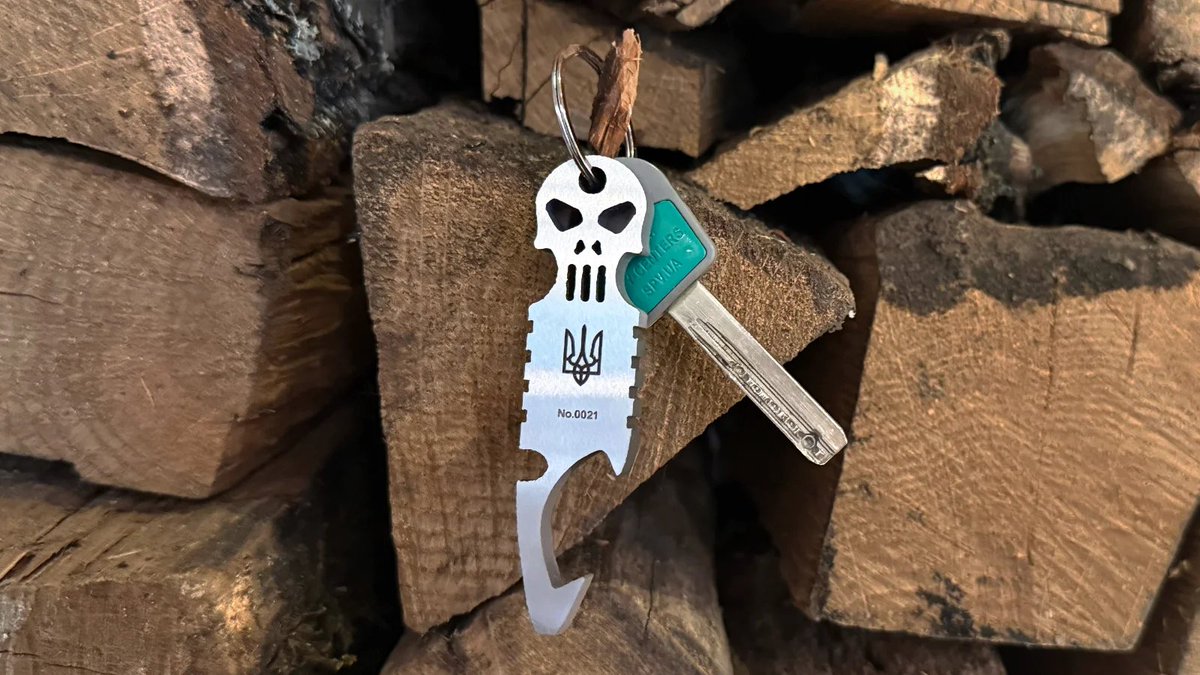
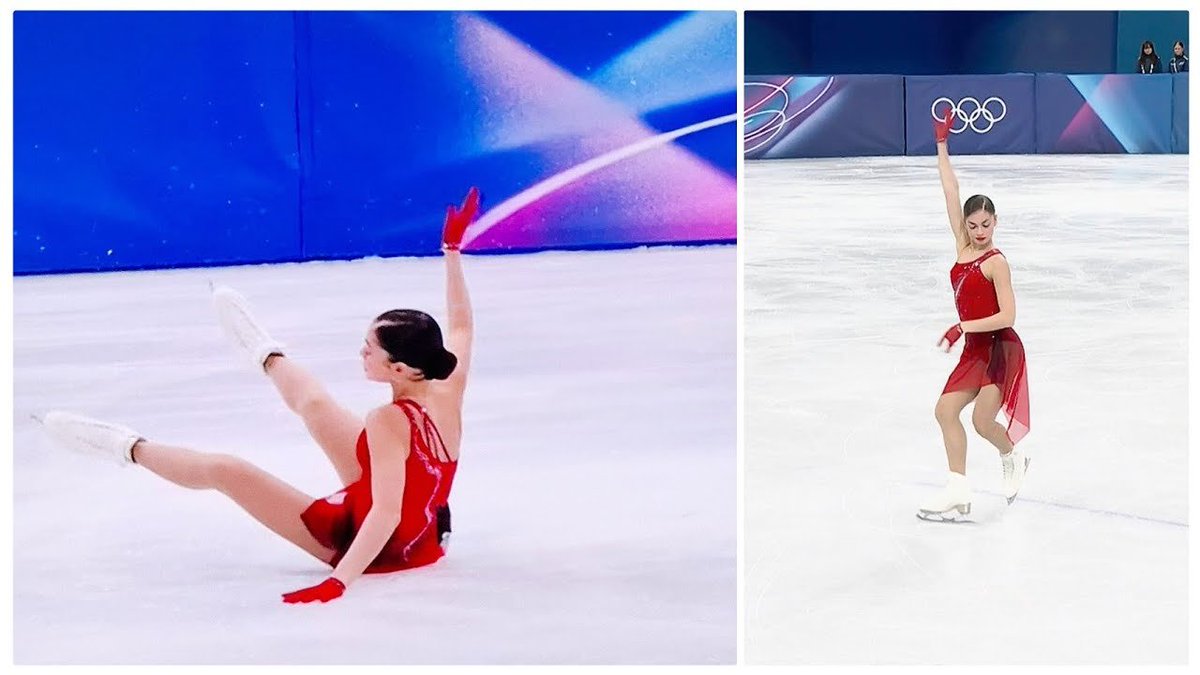
Please welcome our new employee in sub-basement 2-C. He specializes in “free unsolicited offensive security assessments,” focusing on the russian propaganda sector.
Our NSA handlers already warned him about skating in the server room. We expect his compliance going forward.

35
70
414
13,455
NAFO Security Operations Center retweeted

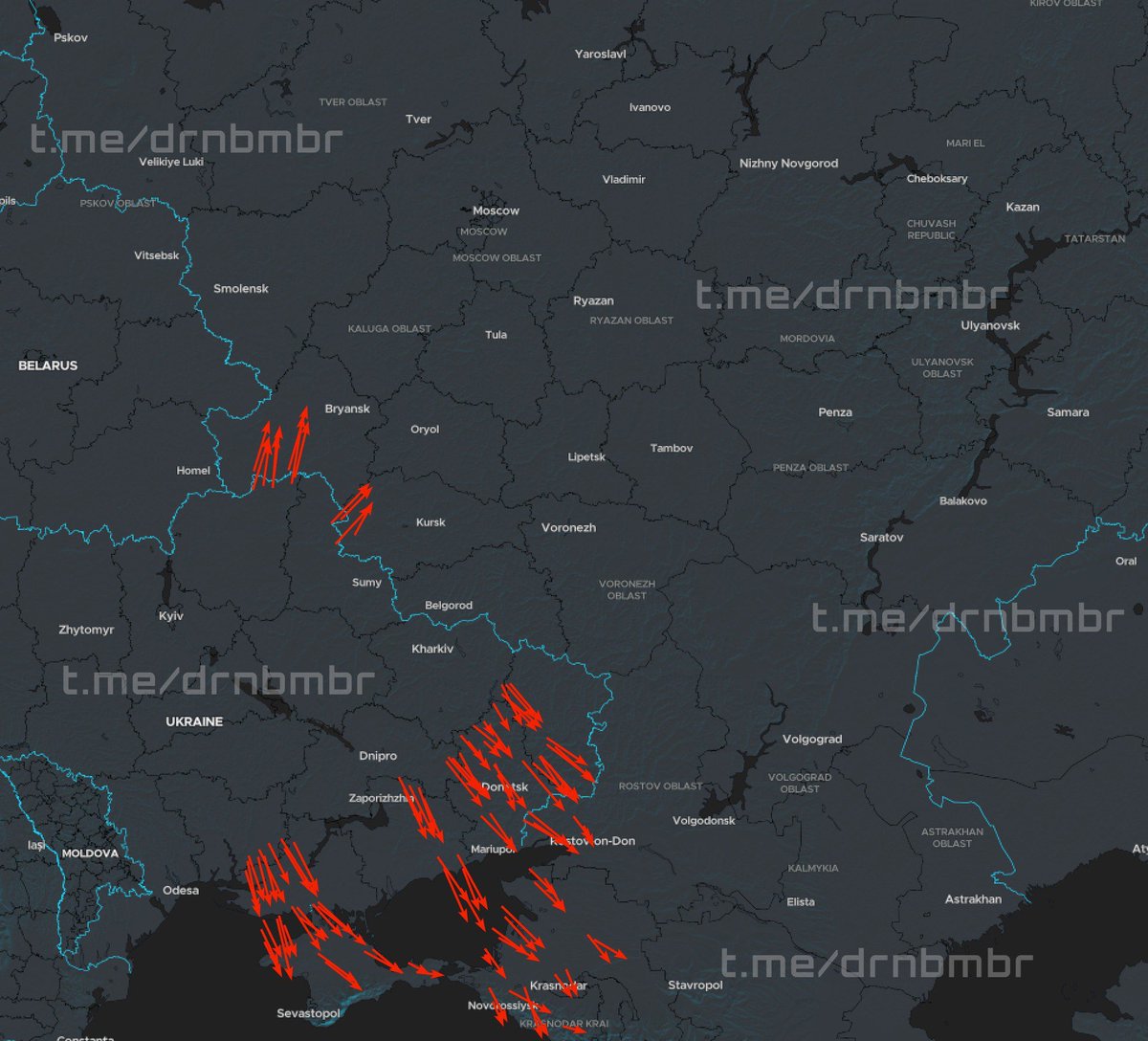
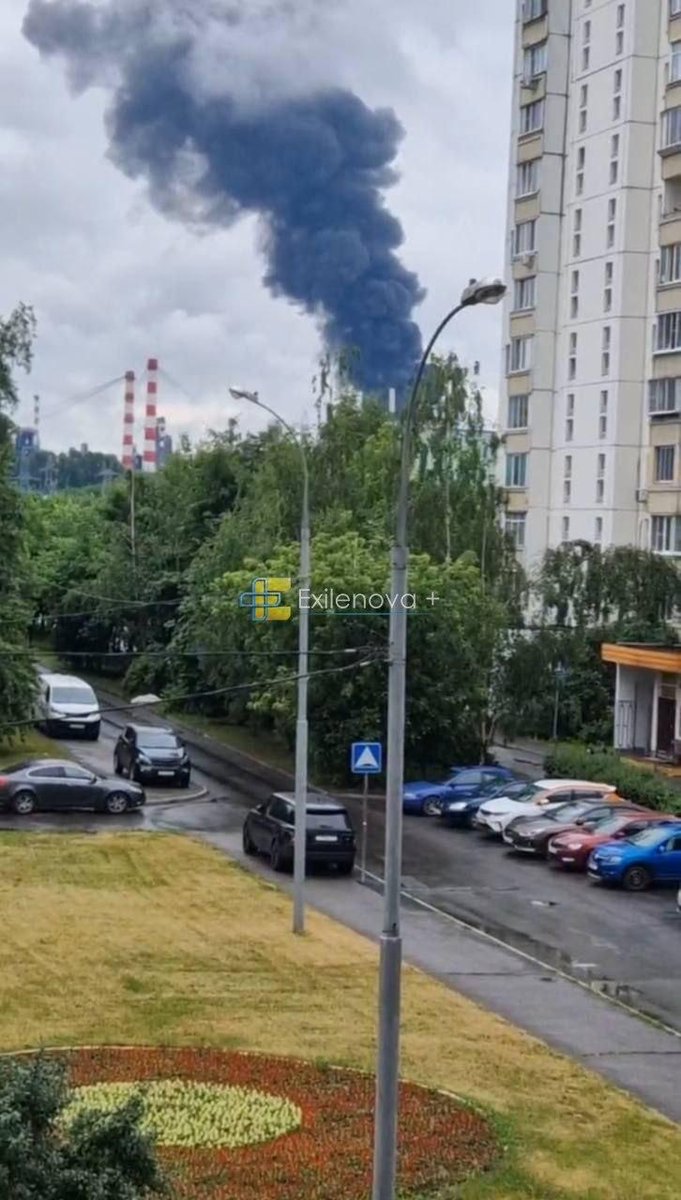
❗️Bingo. Ukraine’s drone strike halted operations at Gazprom Neft’s Moscow refinery, according to Reuters. Industry sources said the attack damaged a primary refining unit accounting for 53% of the plant’s capacity. The facility is the largest fuel supplier to the Moscow region. #Russia
16
172
1,595
53,293
NAFO Security Operations Center retweeted

Jun 15
Please rate the note on propaganda sasha her tweet
x.com/i/birdwatch/t/20665388…
35
49
99
4,243
NAFO Security Operations Center retweeted

‼️⚠️ 𝗕𝗥𝗘𝗔𝗞𝗜𝗡𝗚! | 𝗥𝘂𝘀𝘀𝗶𝗮𝗻 𝗚𝗿𝗼𝘇𝗮 𝗕𝗮𝘁𝘁𝗹𝗲𝗳𝗶𝗲𝗹𝗱 𝗖𝟮 𝗦𝘆𝘀𝘁𝗲𝗺 𝗔𝗽𝗽𝗲𝗮𝗿𝘀 𝘁𝗼 𝗛𝗮𝘃𝗲 𝗕𝗲𝗲𝗻 𝗖𝗼𝗺𝗽𝗿𝗼𝗺𝗶𝘀𝗲𝗱
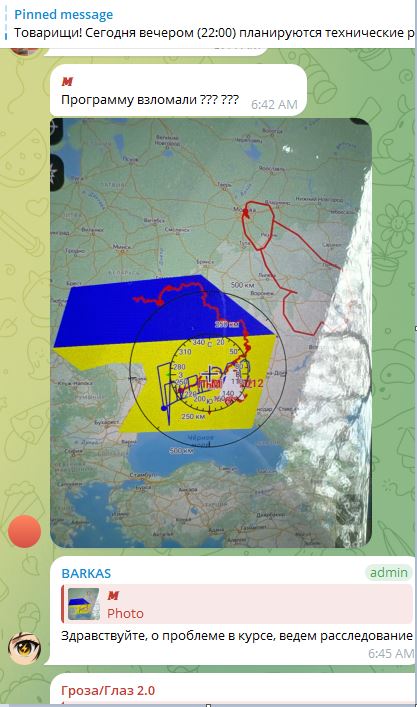
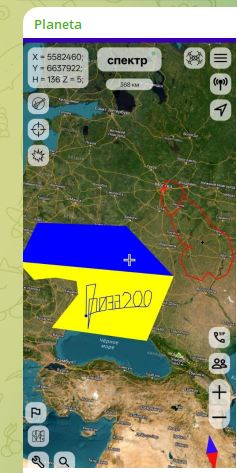
Screenshots circulating across Russian and Ukrainian military Telegram channels today show apparent compromise of Russia's Groza (Гроза) battlefield command-and-control (C2) system.
Groza is a tactical reconnaissance-strike coordination platform used by Russian artillery, drone operators, and battalion-level command posts. The software integrates reconnaissance data, drone feeds, mapping, and targeting information into a single interface designed to shorten the sensor-to-shooter cycle. It serves a role broadly comparable to Ukraine's Kropyva and Delta systems.
The circulated screenshots show the Groza interface altered with Ukrainian national colors, a Ukrainian military cross, some graphical humor, and the inscription "Groza 200."
The reference is significant. "Cargo 200" (Груз 200) is the long-standing Russian military euphemism for personnel killed in action.
The message is therefore an explicit indication that the system itself has been "killed" or rendered ineffective.
More notable than the imagery is the reported response from system administrators.
Rather than dismissing the screenshots as fabricated, administrators reportedly acknowledged awareness of the issue and stated that an investigation was underway.
If authentic, that response suggests a real security incident rather than simple image manipulation.
The immediate consequence of a hack is loss of confidence in the platform.
That degrades targeting efficiency and lengthens engagement timelines for artillery and drone-supported fires.
The greater danger is loss of trust.
A compromised targeting system forces operators to question whether reported enemy positions are genuine, outdated, manipulated, or even intended to direct fire onto friendly forces.
Once confidence in the data is lost, verification requirements increase, decision-making slows, and the system's primary advantage, rapid sensor-to-shooter coordination, is degraded even if the software itself remains operational.
Ivan: "Am I getting a real fire mission or is this a compromised mission that targets our own?"
Depending on the depth of access obtained, a compromise could expose unit locations, callsigns, internal mapping layers, force-tracking data, software architecture, or network configurations.
If malware was involved, the possibility of lateral spread cannot be excluded.
Russian forces have increasingly relied on mobile and Android-based battlefield applications to accelerate targeting and fire coordination.
Those same systems create attack surfaces that can be exploited through malware, compromised updates, unsecured devices, captured equipment, prisoner interrogations, or hostile network access.
Prognosis: The available evidence indicates unauthorized access to at least one operational instance of the Groza system.
The full scope of the compromise is not currently established.
However, a system does not need to be fully compromised to become operationally unstable.
Partial read access creates a confidentiality breach (what they can see), exposing unit locations, resource allocations, and operational planning to adversary intelligence collection.
Partial or full write | alter capability creates an integrity breach (what they can manipulate), introducing the risk of corrupted targeting data, false overlays, forced disengagement conditions, and potential fratricide if trusted outputs are acted upon without verification.
In time-sensitive targeting environments, either condition independently degrades system reliability.
Combined, they eliminate the ability to treat system outputs as authoritative until the scope and mechanism of compromise are understood.
#OSINT #Ukraine #Russia
8
99
451
28,217
NAFO Security Operations Center retweeted
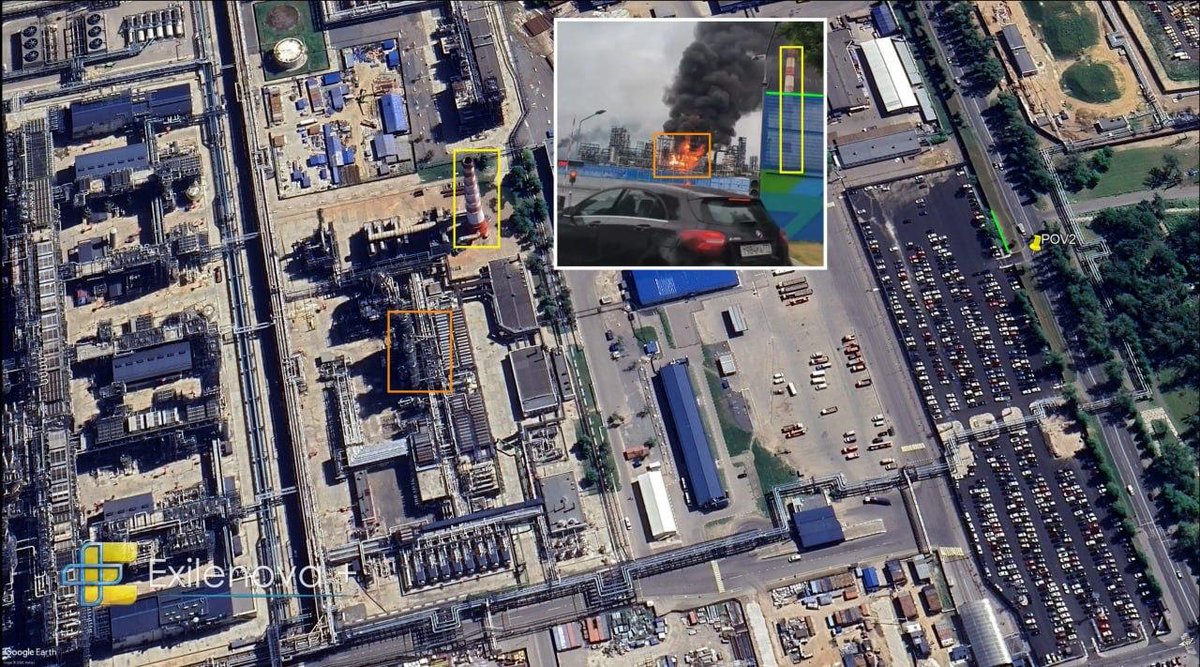
According to OSINT analysts, an AVT-6 crude distillation and electric desalting unit is also on fire at the Moscow Oil Refinery. This plant processes about 11 million tons of oil annually and directly supplies around 40% of Moscow's gasoline and 50% of its diesel needs.
9
100
739
21,646
NAFO Security Operations Center retweeted

Jun 15
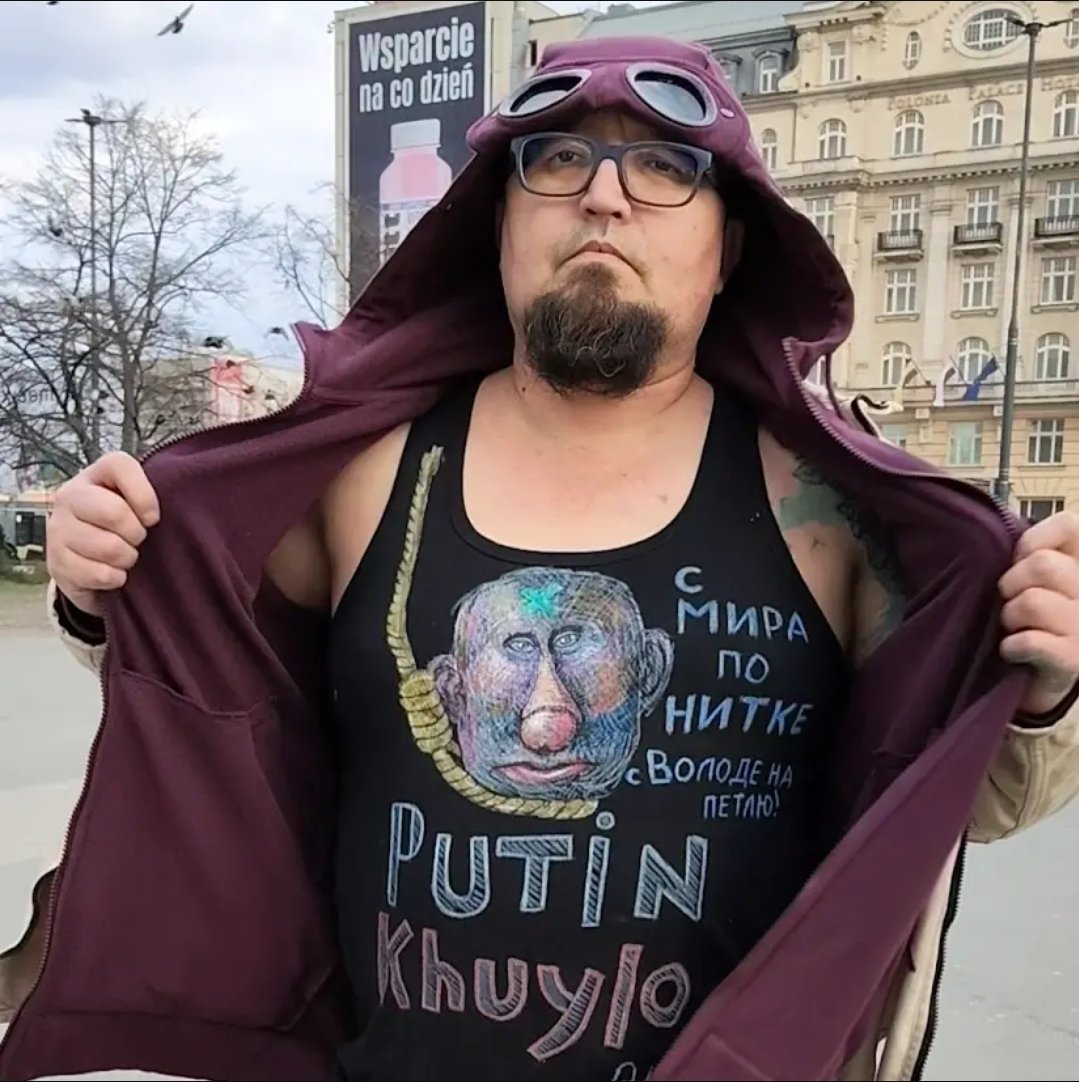
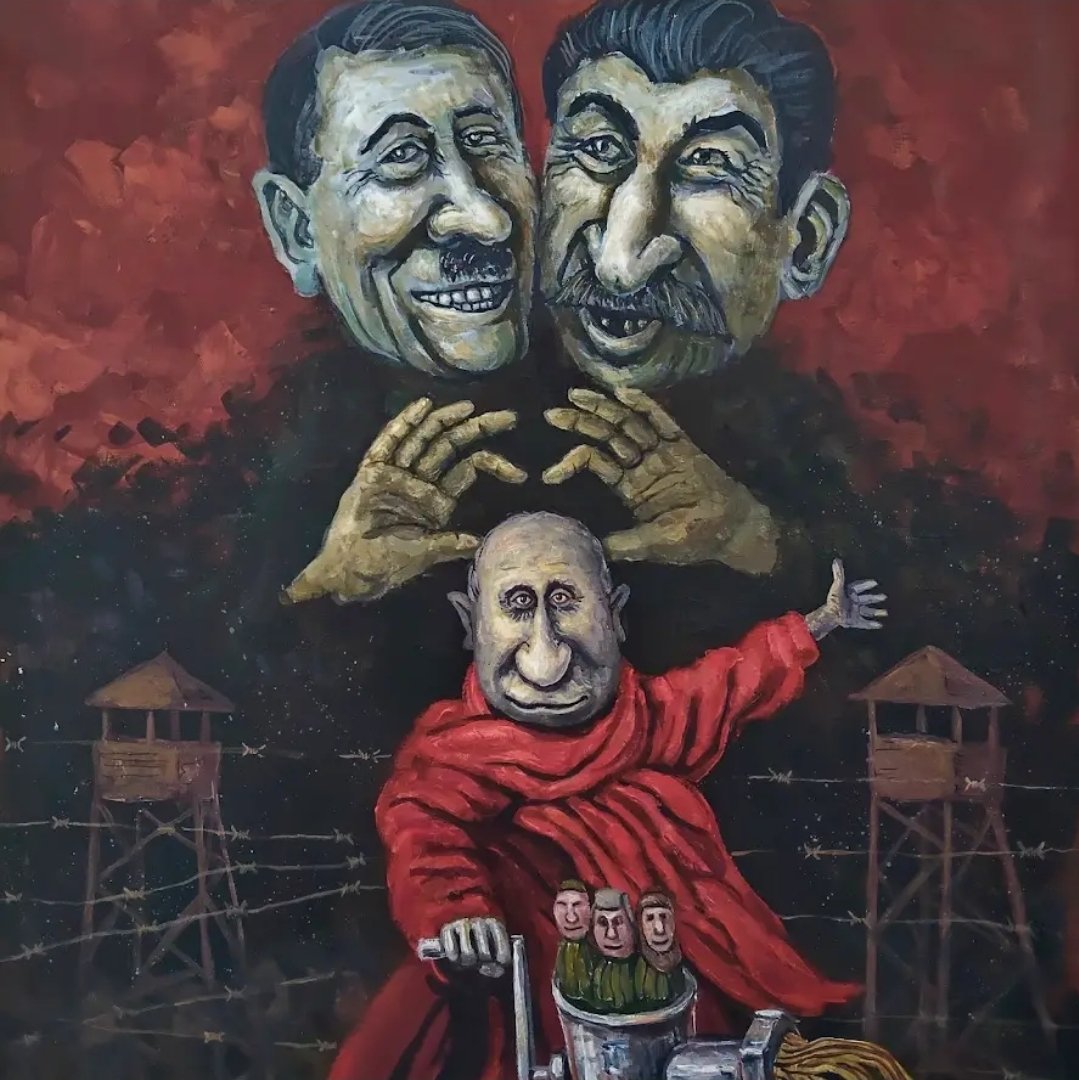
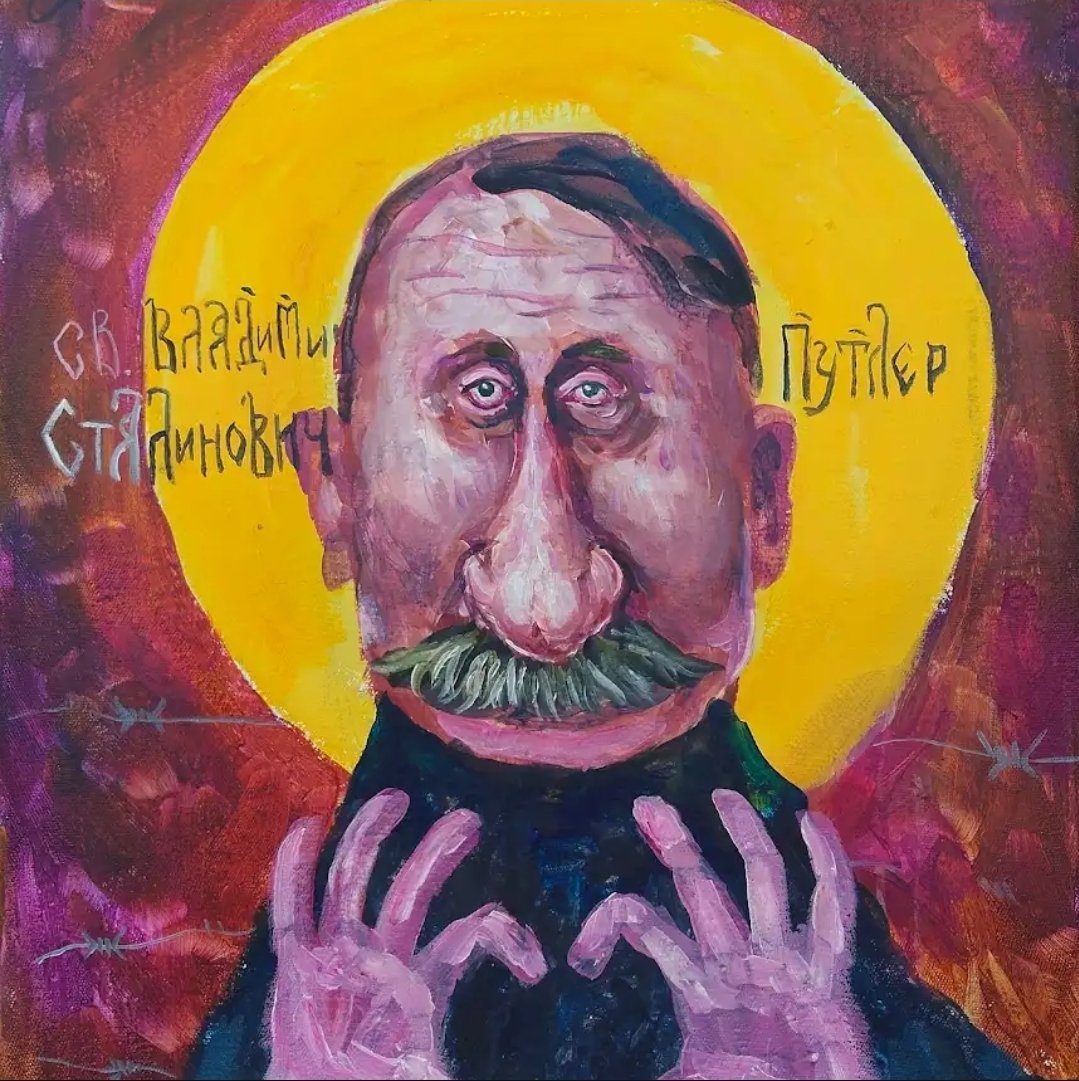
The Russian dictator is now so paranoid that he had this Russian artist murdered in Poland for paintings like this.
It'd be a shame if we made his works more popular than ever.
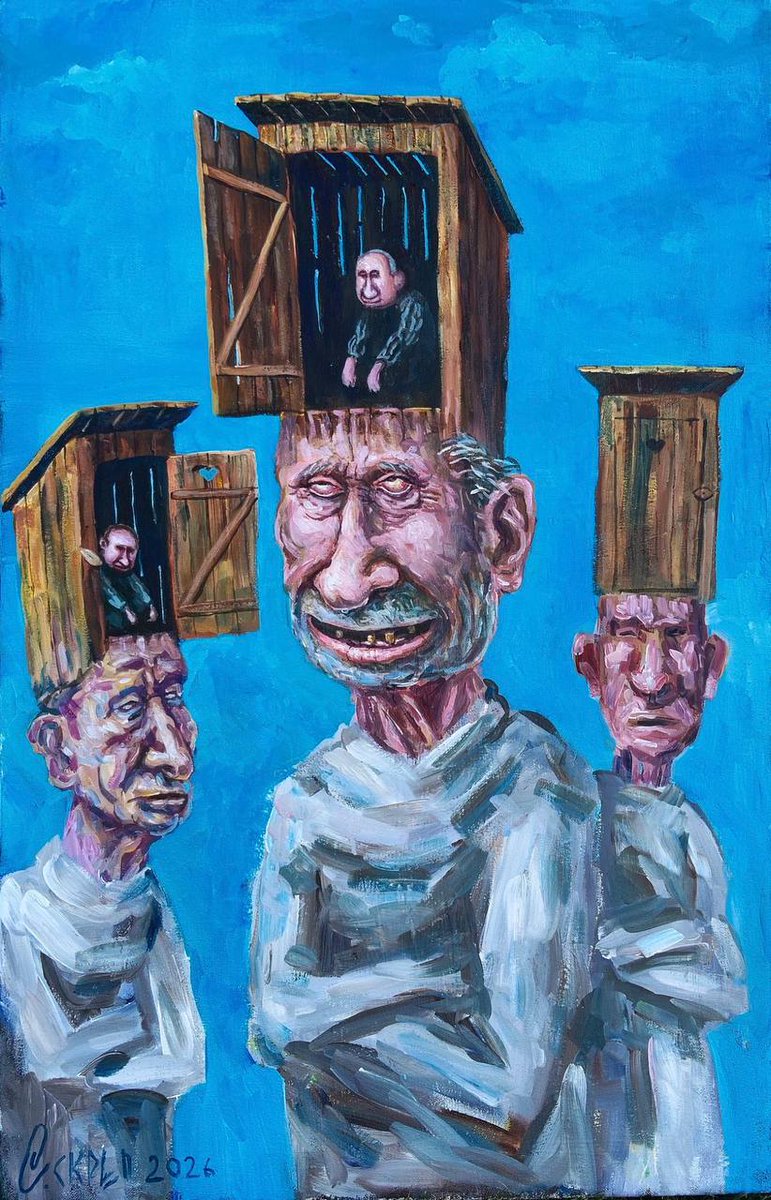
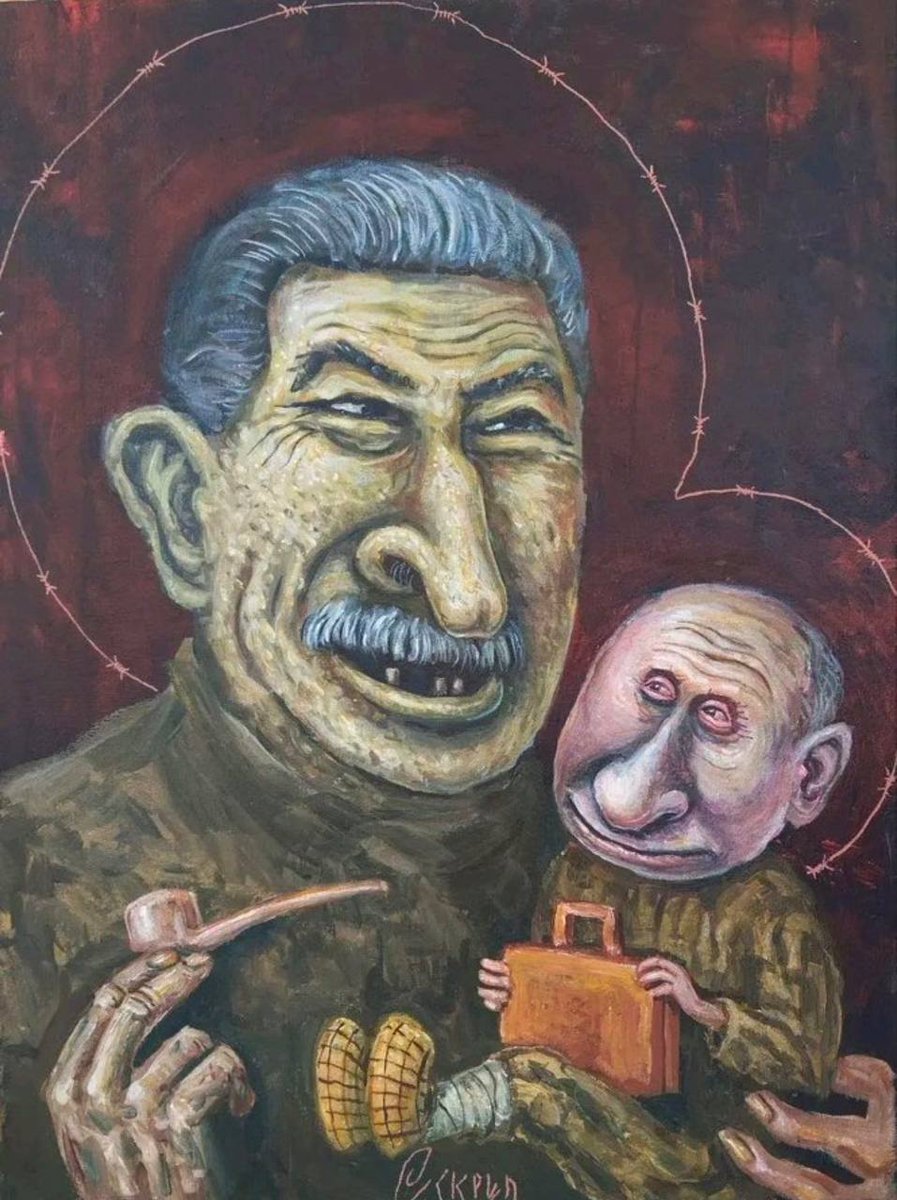
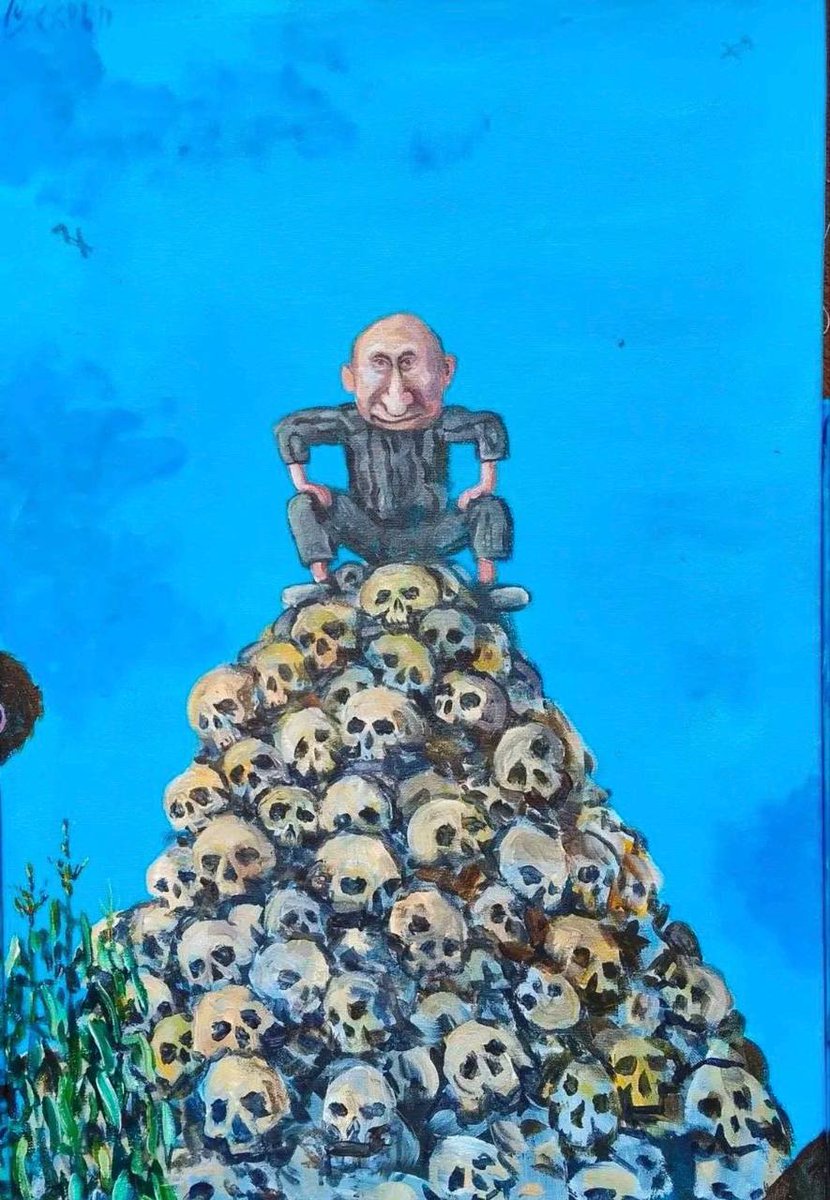

The overly sensitive Russian dictator continues to murder his critics globally.
Russian artist Semyon Skrepetsky, known for his sharp criticism of the Kremlin was reportedly shot dead in the Polish city of Biała Podlaska.
According to Polish media reports, the attacker approached Skrepetsky in the parking area of a residential building and opened fire at close range. A suspect has reportedly been detained near the Belarusian Embassy, while investigators are also examining the possible involvement of a taxi driver who allegedly transported the attackers.
Authorities have increased security around schools and kindergartens attended by his children. Reports also indicate that Skrepetsky's Telegram channel has disappeared.
Born in Russia's Altai region as Robert Kuzovkov, Skrepetsky became widely known for political cartoons depicting Putin, Kadyrov, Lukashenko and Navalny. After relocating to Poland in 2021, he remained active in anti-Kremlin demonstrations across Europe.
88
2,540
7,289
208,505
NAFO Security Operations Center retweeted

Jun 15
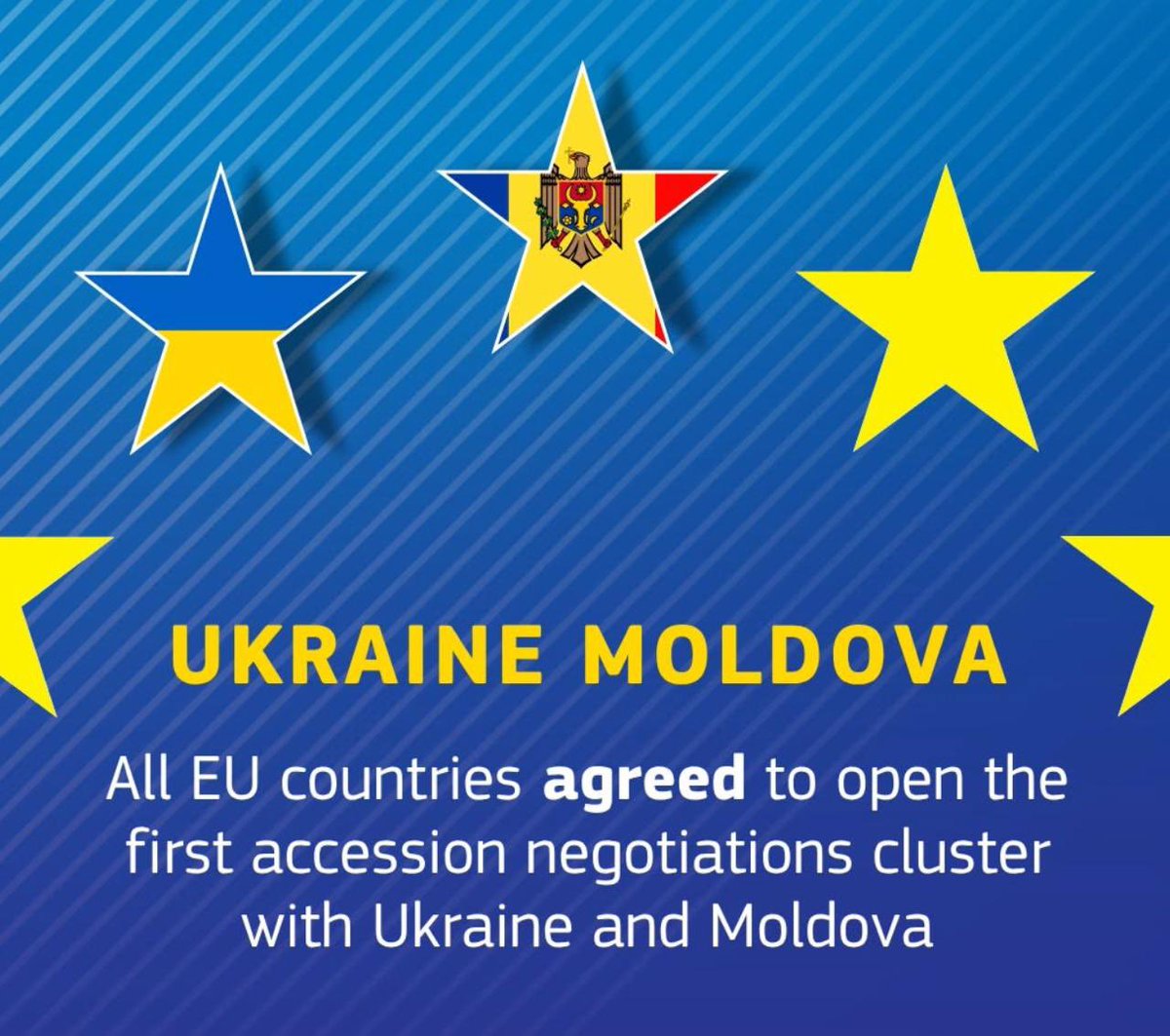
🇪🇺🇺🇦🇲🇩 All EU countries have agreed to open the first cluster of negotiations on Ukraine and Moldova's accession to the EU.
5
34
296
11,299
NAFO Security Operations Center retweeted

⚡️A Russian Tu-22M3 has crashed in Irkutsk region of Russia.
These bombers are used by Russia for strikes on Ukraine.
100
326
2,543
68,558
NAFO Security Operations Center retweeted

Jun 15
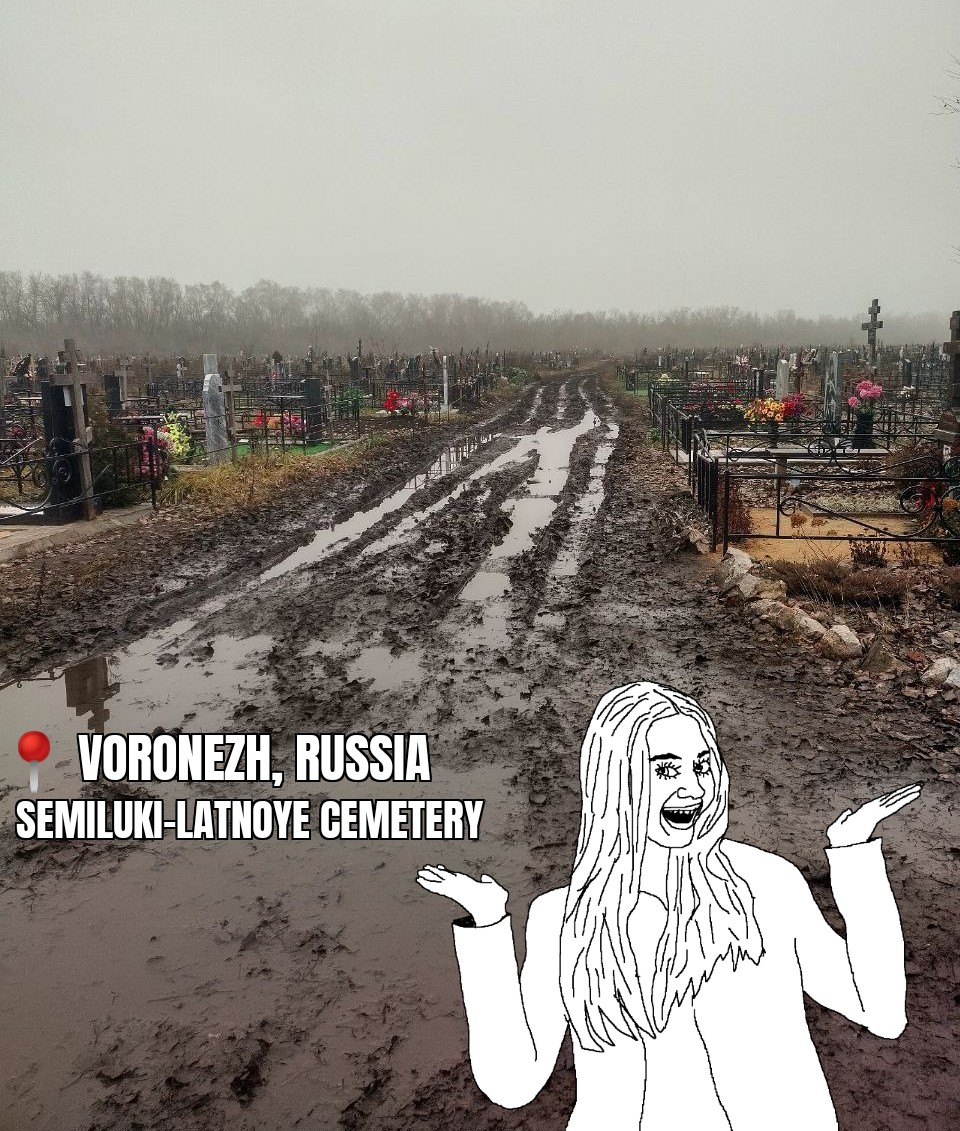
The EU has sanctioned Russia's beloved "travel vlogger" Alexandra "Sasha Meets Russia" Jost.
172
700
6,444
227,256
A sacrificial lamb is rolled out by the Kremlin, publicly assuring Putin that russia will be victorious.
When the regime collapses, this loyal boy will deflect blame away from his precious tsar.
Jun 14

Today, the Kremlin staged a propaganda event in which soldiers assured Putin that things at the front are going well and Ukraine will be probably be surrendering any day now.
10
NAFO Security Operations Center retweeted

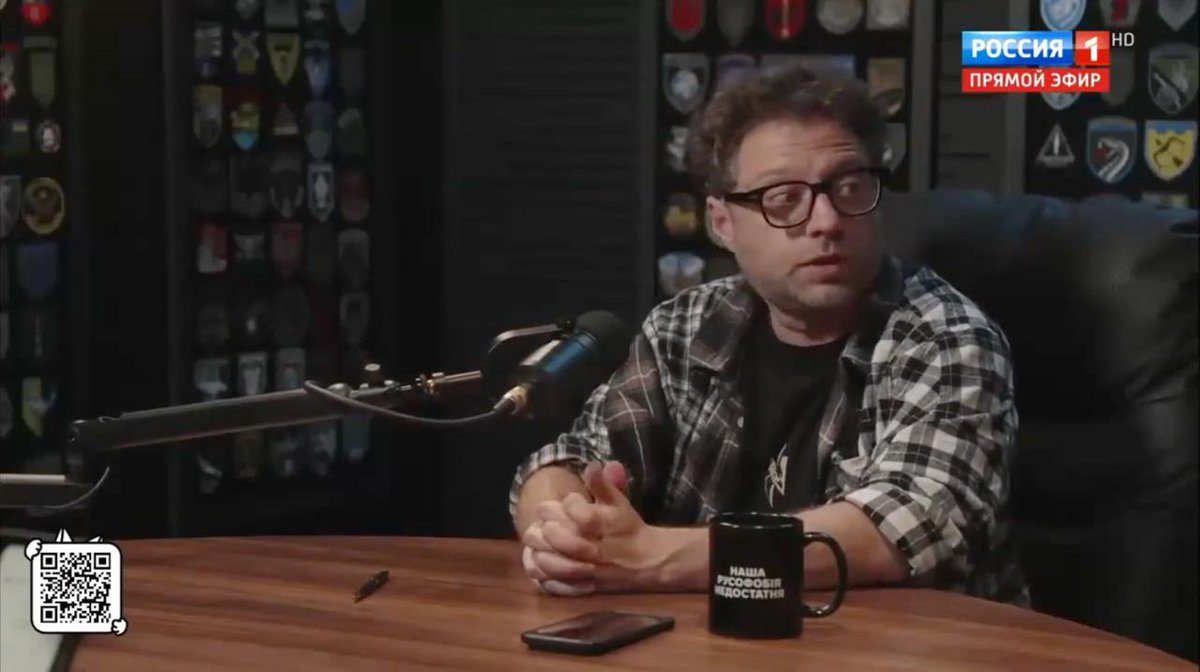
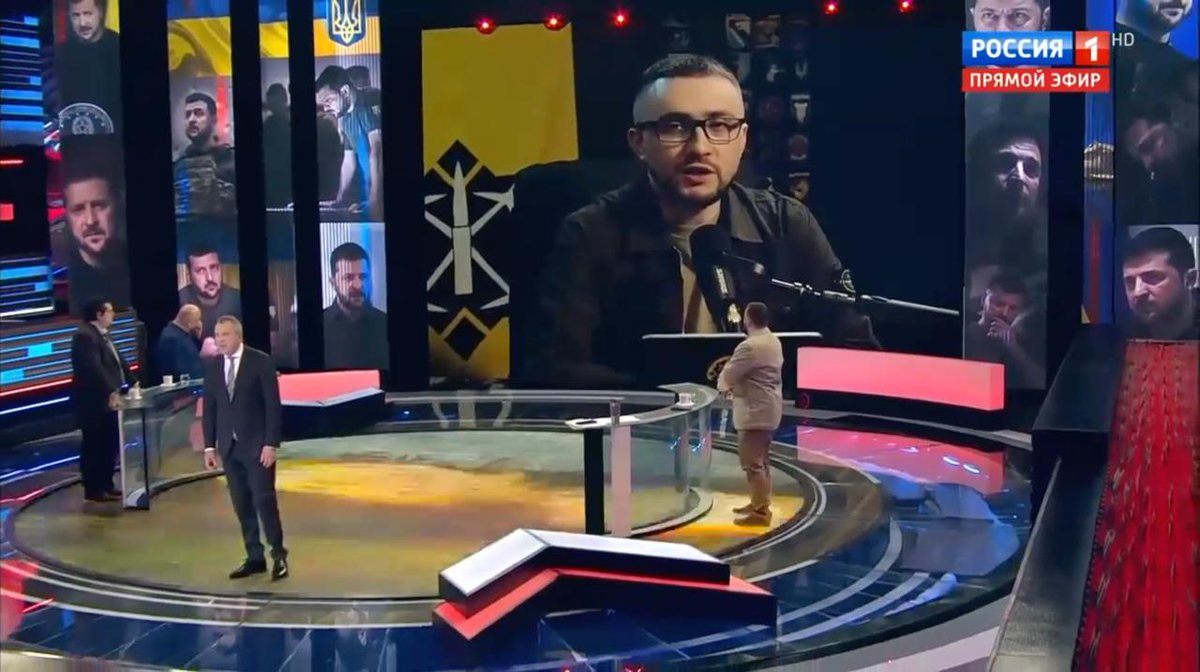
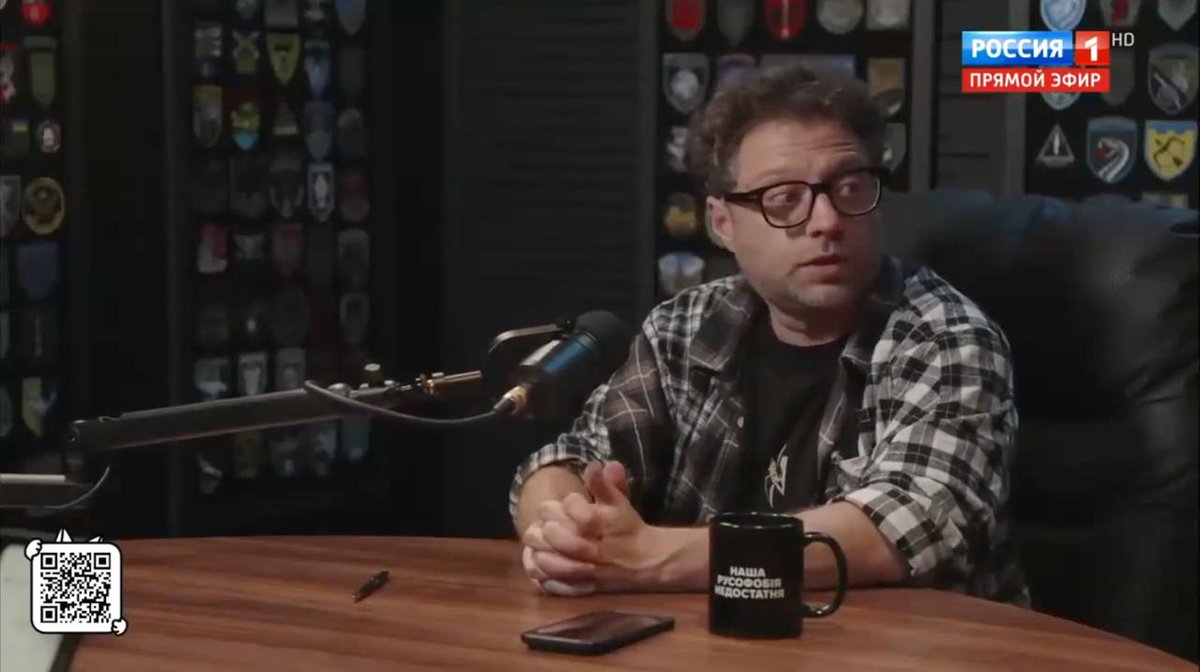
Russia's flagship state television channel and one of the Kremlin's main propaganda outlets, Russia-1, broadcast a QR code linking to a fundraiser for FPV drones for the Ukrainian Armed Forces to viewers across all of Russia while airing a segment about Serhii Sternenko.
Jun 9

Не міг зрозуміти, чому пішло більше донатів на дрони. А це чоловік Скабєєвої прорекламував мій подкаст із Мішою Правильним, та ще й QR-код збору на Русоріз дав на всю росію!
Дякую, Євгєній Попов🤝
42
338
1,851
62,732
NAFO Security Operations Center retweeted

Ah yes, Russian infrastructure is doing great 🤭🤭🤭
1
3
9
263
NAFO Security Operations Center retweeted

Jun 8
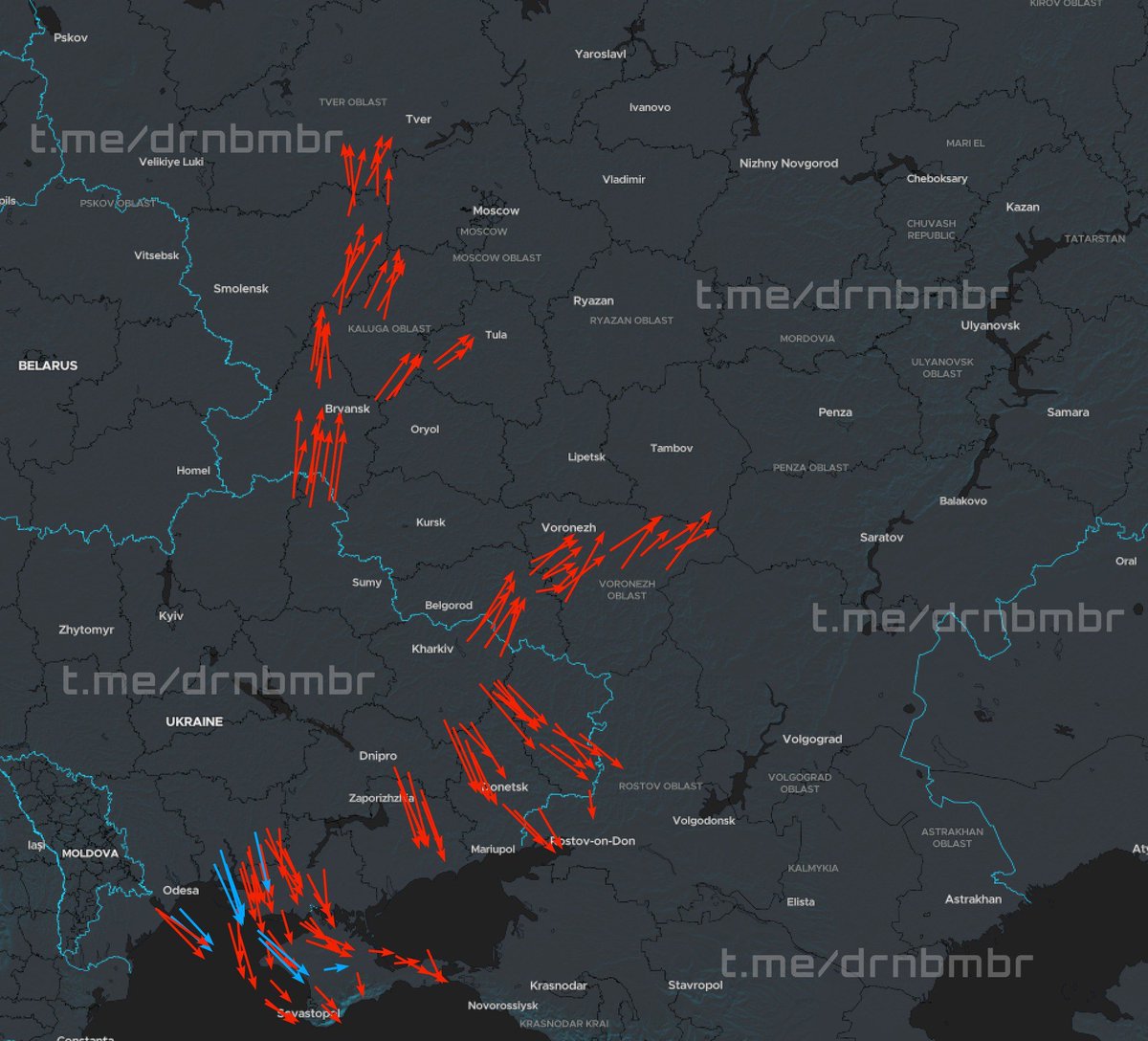
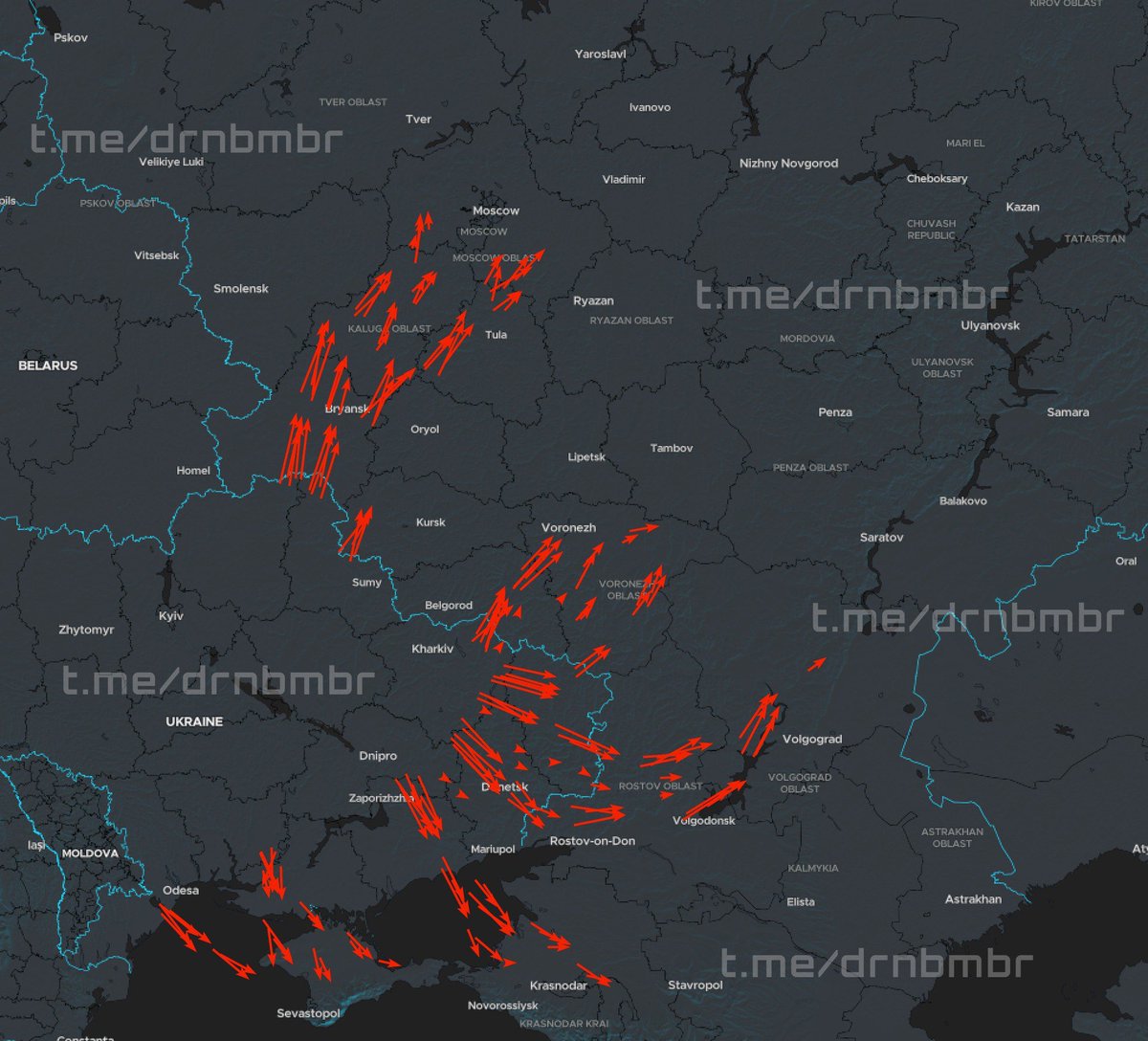
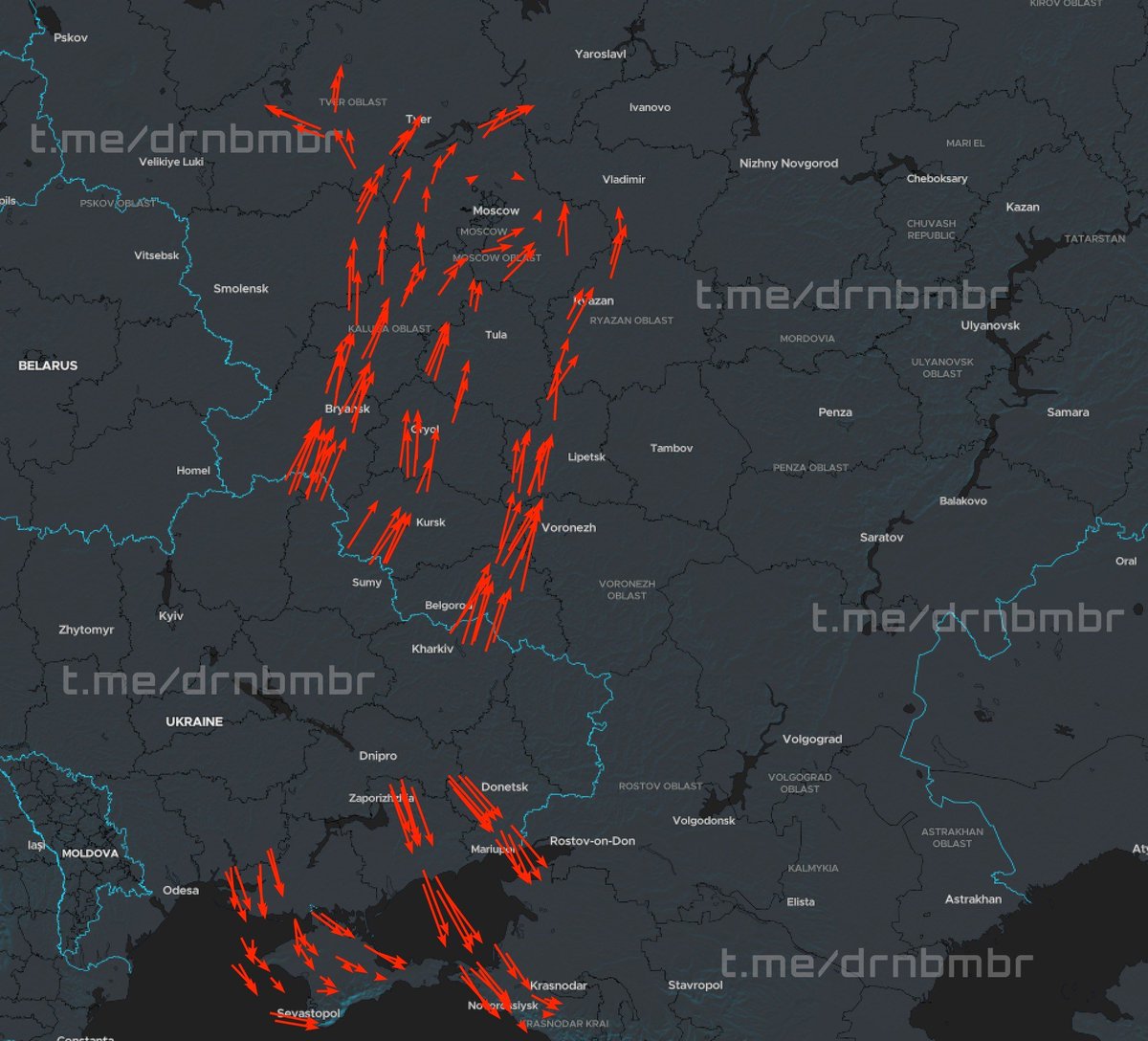
According to the @DrnBmbr, these are the approximate flight paths of the strike UAVs heading toward Moscow and the occupied territories. The Russians are reporting around 210 drones in the air.
6
100
670
25,851
NAFO Security Operations Center retweeted
Jun 5
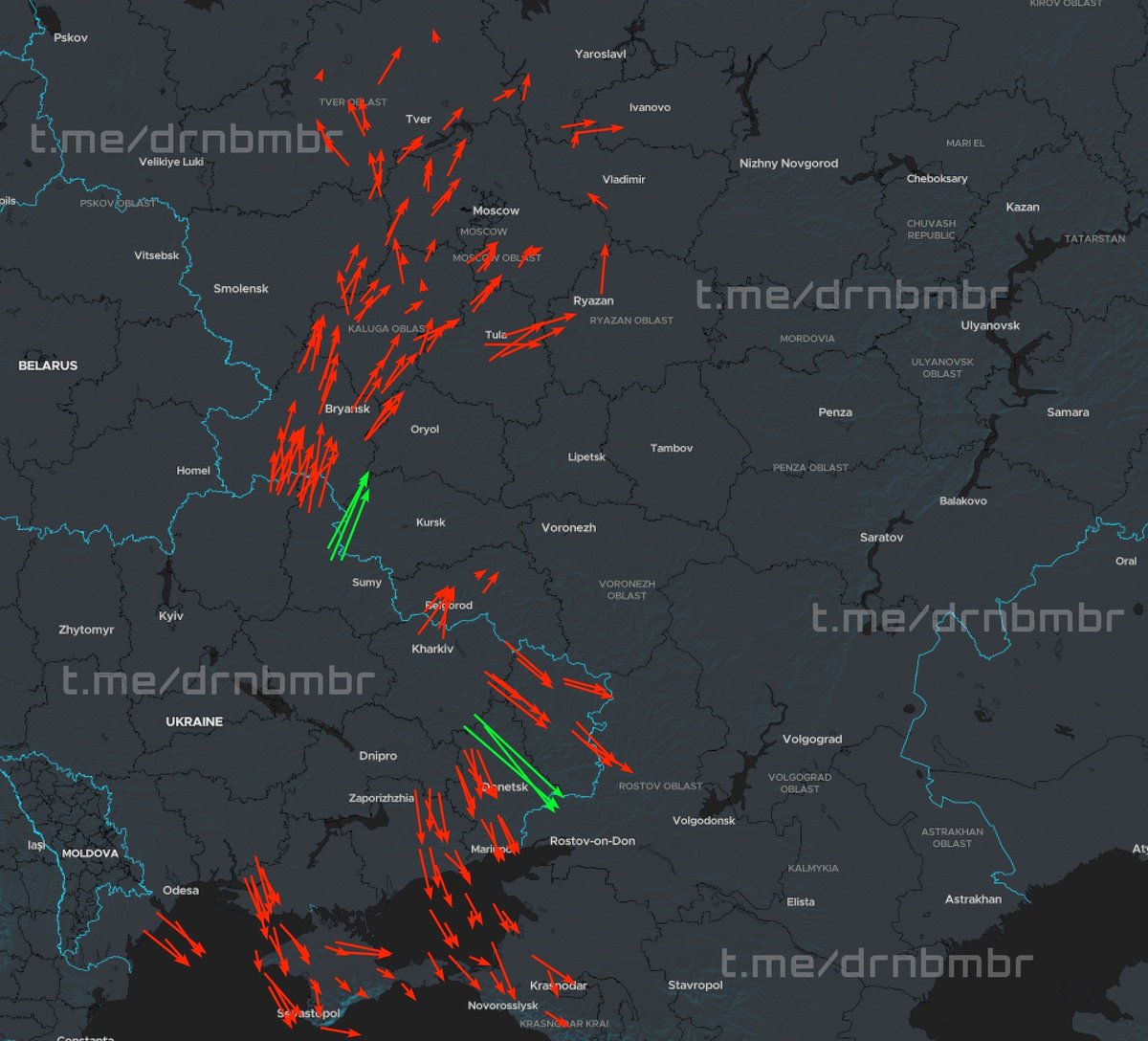
Massive Ukrainian drone attack on multiple Russian regions underway right now. Around 310 drones and up to 10 cruise missiles reported, @DrnBmbr says.
Jun 5

Moscow Mayor Sobyanin says the city's air defense effectiveness against drones is "the highest." Yeah.
5
110
708
26,757
NAFO Security Operations Center retweeted

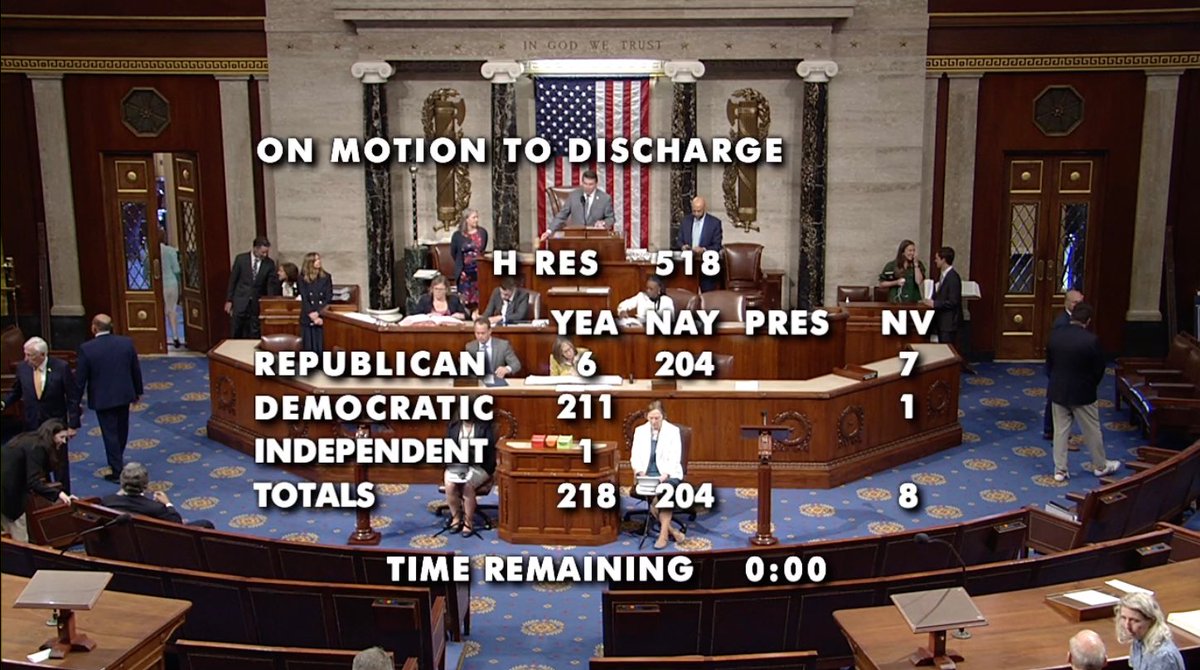
🚨 The House just voted 218-204 to move forward on the discharge petition to provide military aid to Ukraine and impose tough sanctions on Russia. The House will vote on final passage tomorrow. This is our Churchill moment and we must pass the test.
1,428
6,457
24,561
473,391
NAFO Security Operations Center retweeted
An explosion is reported at a weapons plant in Tula, Russia.
Local channels report a fire at the 'A A' arms and ammunition manufacturing facility.
117
1,492
7,413
80,014
NAFO Security Operations Center retweeted
Jun 3
Here's what happens to your nation's air defenses when the budget for Pansirs ends up in Swiss Bank accounts, luxury flats in Knightsbridge and the Paris apartments of mistresses with a fondness for Versace Crocodile skin toilet seat covers.
274
2,279
15,354
693,332