
GP of Sarah Smith Fund, lecturer @Stanford Lean Launchpad, wife, mom. Formerly @BainCapVC @Quora @Facebook @GraphVentures @StanfordGSB @UWMadison, she/her/hers.
Joined July 2007
- Tweets 1,572
- Following 1,433
- Followers 4,520
- Likes 12,487
34 Photos and videos





Sarah Smith retweeted

Apr 10
Huge news: Rork raised $15M seed led by @leftlanecap with @peakxv, a16z @speedrun, @trueventures, @GoodwaterCap, @karman, @sasmith4, Mento & others
"Let's Rork & Roll" pitch from Oct '25
AI will not replace us. It will give our kids the power to make it in life.
41
28
254
29,990

Big news: Rork raised a $15M seed round led by @leftlanecap with a16z @speedrun, @peakxvpartners, @trueventures, @GoodwaterCap, and others.
Our team has been building mobile apps for the App Store since we were kids. Now we're making it possible for everyone else to do the same.
And this is our story – in tribute to Howard Roark.
60
50
532
218,627
Sarah Smith retweeted

Mar 25
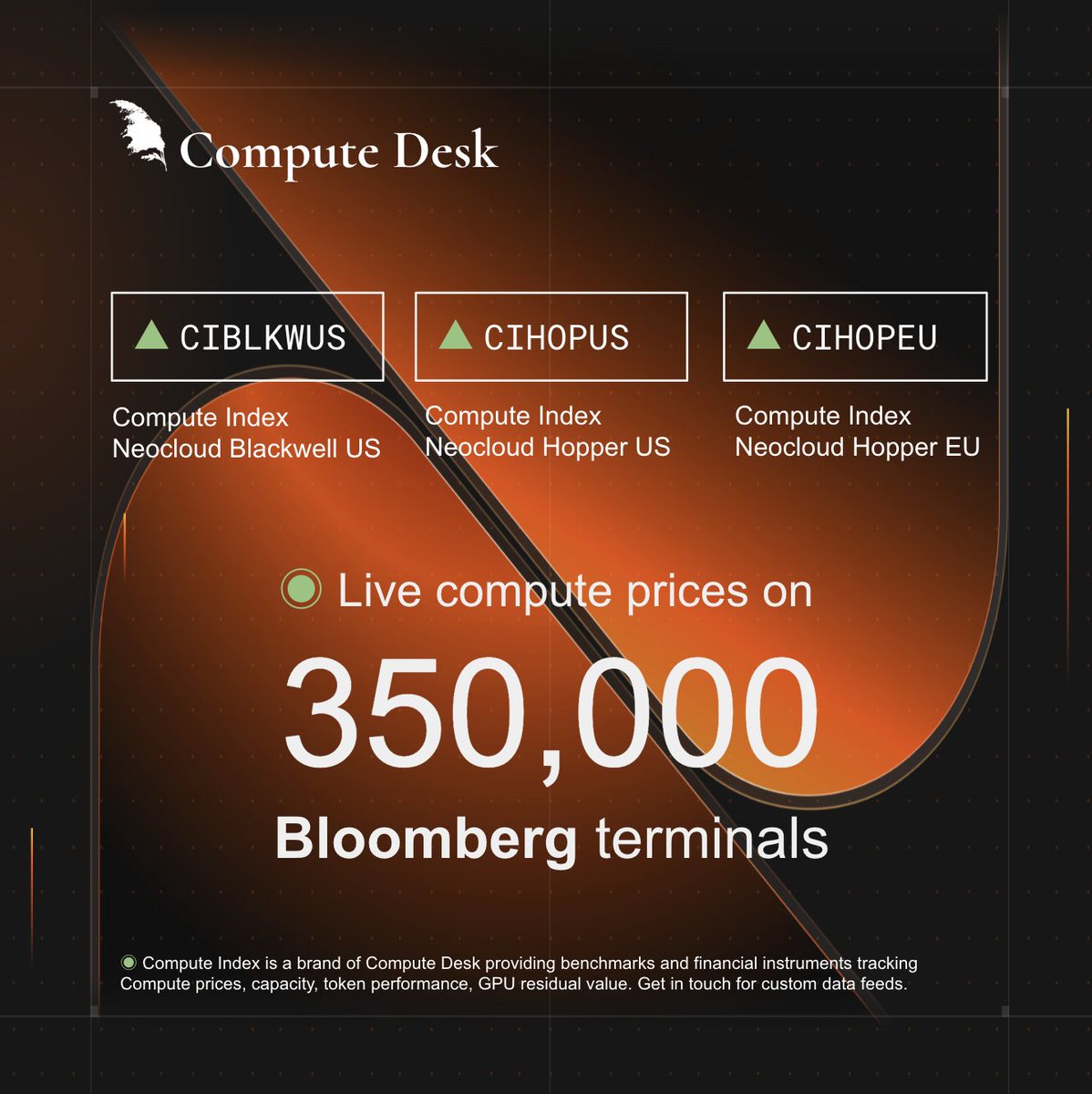
◉ We're live with 3 compute price tickers on 350,000 @Bloomberg terminals, and landed on the desk of every major CFO in the world.
On this note, it's time to bring @ComputeDesk out of stealth.
Compute is a financial asset class. We believe every company in the world will have an exposure to compute. So we are building capital markets infrastructure to price, hedge, finance, insure, arbitrage and market make compute.
In the last few months, we've built a mammoth compute price indexing engine, tracking bulk transacted compute prices, and the deepest compute price feeds in the market.
The tickers are the tip of the iceberg. Our market intelligence terminals are where GPU infrastructure operators and lenders go to price compute, expand margin and get ahead of their competitors. The biggest compute buyers use them to source capacity, and negotiate exclusive compute rates.
I would like to tell you our story and show you what else we've built. Something fun is coming.
Mar 25

Day 0 for Compute Desk. We're live with 3 GPU compute price indexes on 350,000 Bloomberg terminals and landed on the desk of every CFO in the world.
Our ticker symbols:
◉ CIBLKWUS: Compute Index Neocloud Blackwell US.
◉ CIHOPUS: Compute Index Neocloud Hopper US.
◉ CIHOPEU: Compute Index Neocloud Hopper EU.
We are launching dozens more, tracking capacity, bulk contracted prices, exotic accelerator prices and inference dollar performance.
Get in touch now for the richest compute pricing datafeeds in the market. And keep an eye out for announcements over the next few days.
8
14
65
17,428

Feb 21
Can't wait to create my @pika_labs AI Self! Check it out 👇🏾
Feb 20

Introducing Pika AI Selves: AI you birth, raise, and set loose to be a living extension of you. They’re rich, multi-faceted beings with persistent memory, and maybe even a peanut allergy. It’s up to you!
Have them send pictures to your group chat. Make a video game about your fish. Call your mom while you do anything but call your mom. The possibilities are as myriad as the stars ✨
Get on the list to give birth to yours at pika dot me
1
2
338


Sarah Smith retweeted

17 Oct 2025
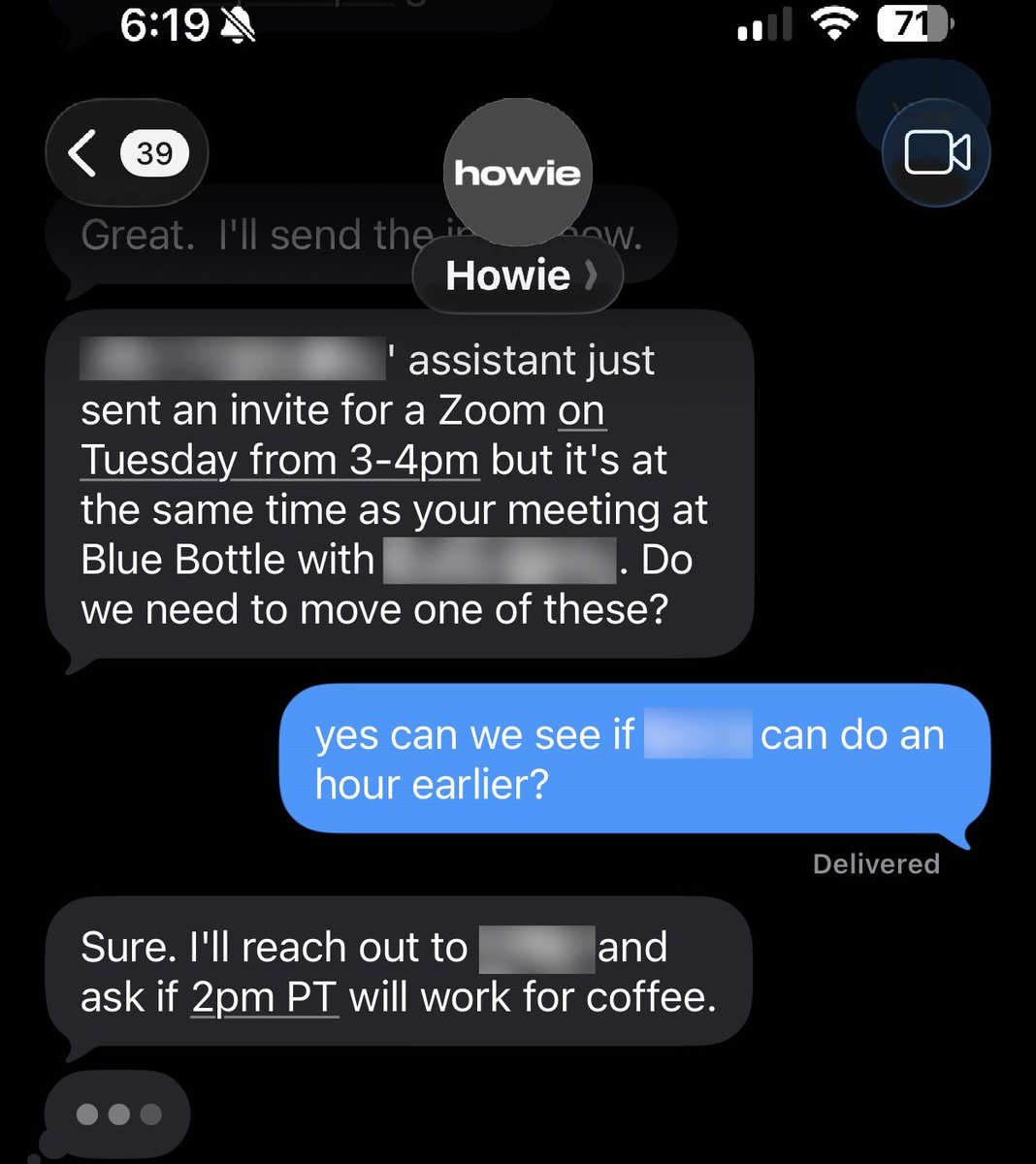
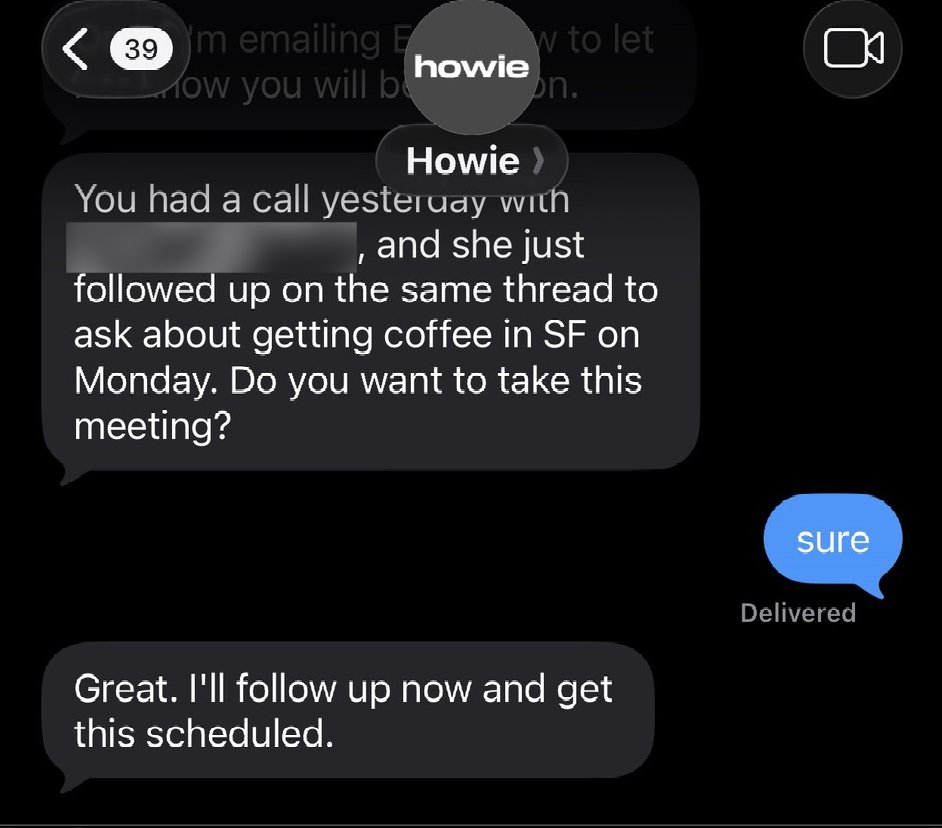
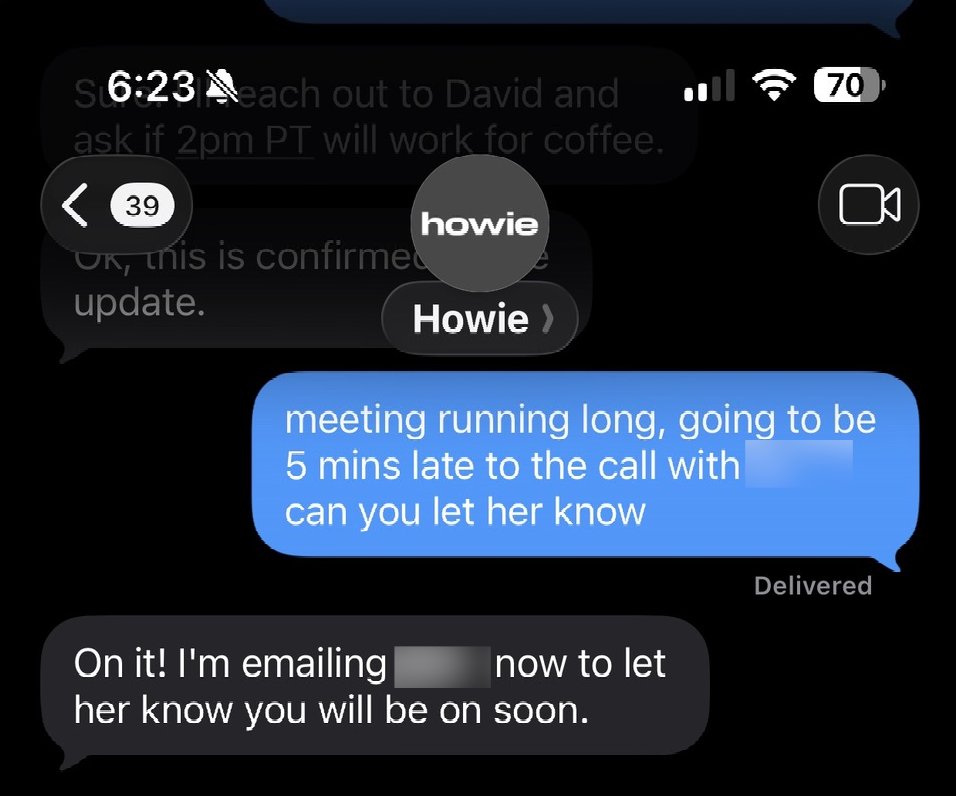
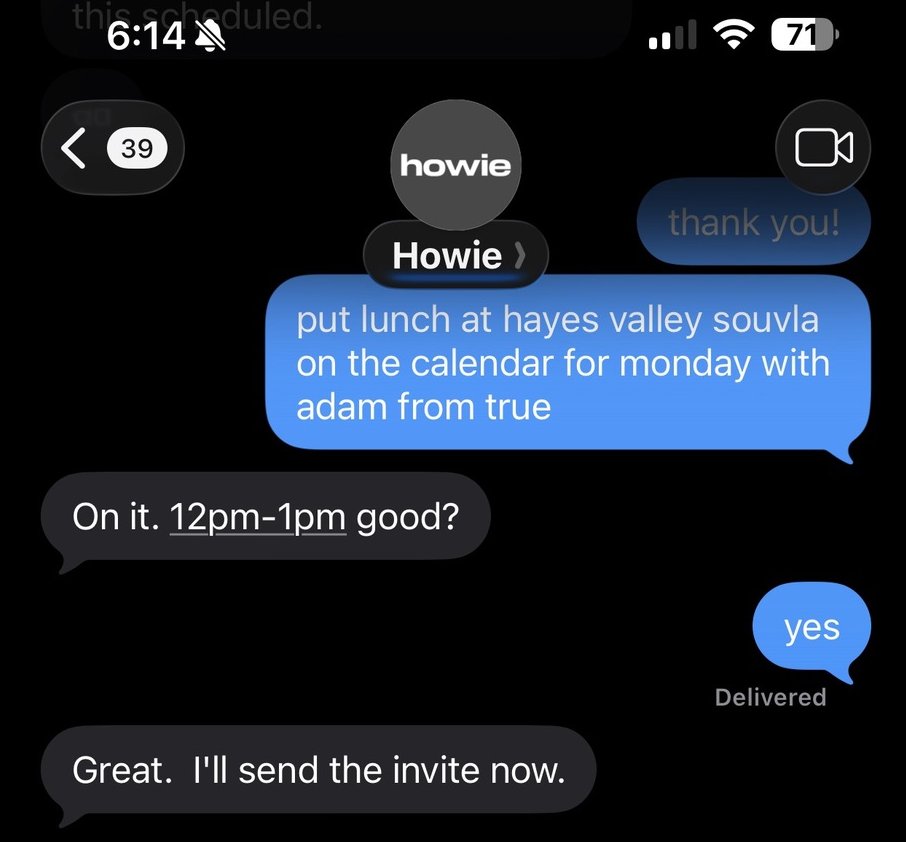
Introducing Howie Blue
Your secretary just got an iPhone Air.
We're rolling this out to a very small number of Pro customers next week, and to everyone soon after. After 2 days I’m already obsessed.
(if you have Android it will still work just with green bubbles)
54
7
217
93,503
Sarah Smith retweeted

17 Oct 2025
🚨How does an AI-native startup unseat an incumbent?🚨
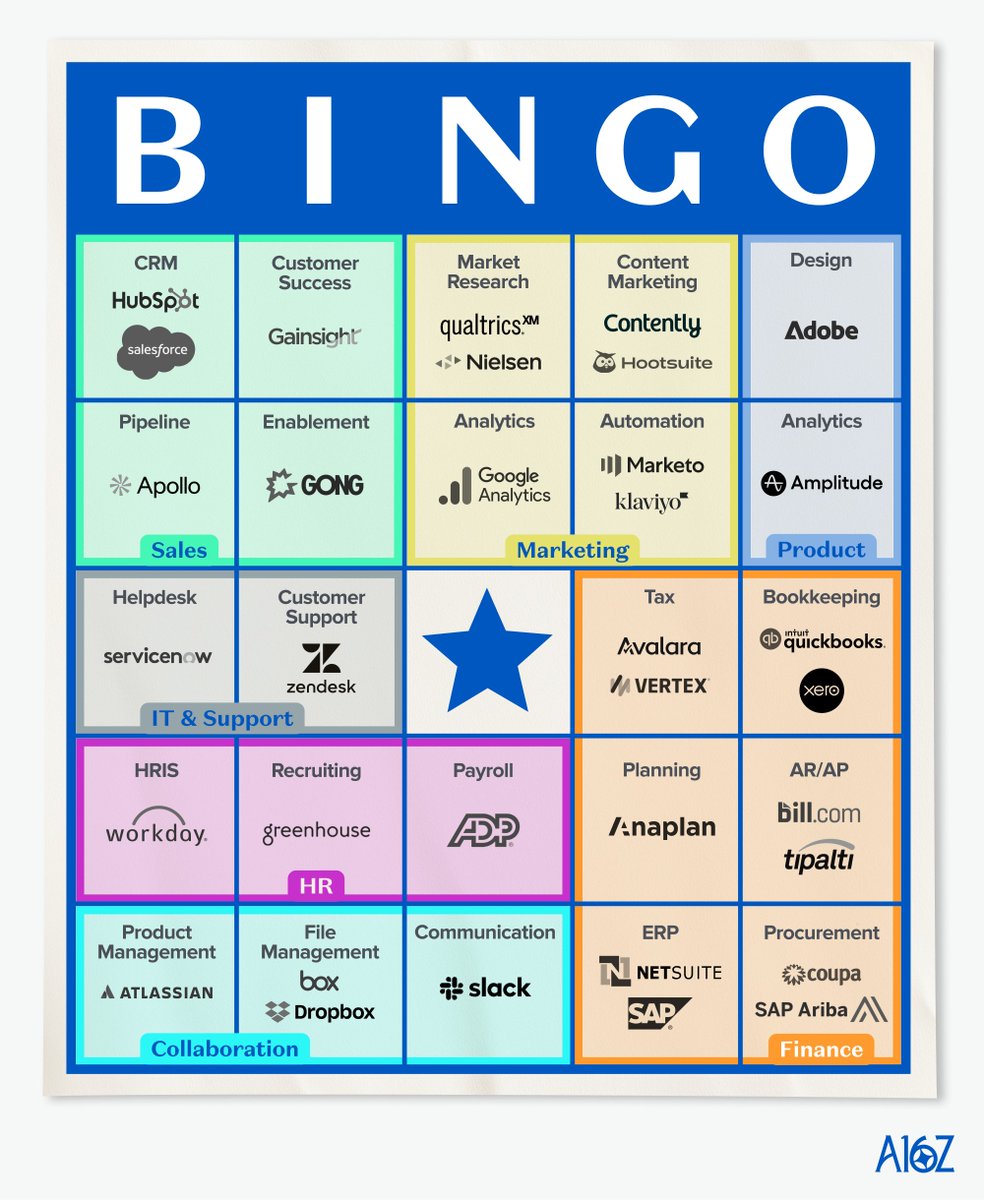
👇Enter the Greenfield Strategy: AI-native startup bingo.
The battle between every startup and incumbent comes down to whether the startup gets distribution before the incumbent gets innovation. One of the most powerful, and underrated, ways for startups to win distribution is to serve companies at their formation: greenfield companies.
@stripe @deel @mercury @cartainc @brexHQ @tryramp have all done this at scale.
Why does this work?
Simply put, acquiring customers de novo is easier than getting customers to switch:
- Many of the large software incumbents have hostages, not customers. Their customers would love to switch, but ripping and replacing existing software is risky and expensive. New companies don’t face those switching costs; they simply look for the best solution and evaluate based on merit.
- New companies don’t need as many features to have a complete solution.
- New companies have fewer stakeholders. You only have to convince the founders.
Grow with your customers:
If you attract all of the new companies at formation and grow with them, you will become a big company as your customers become big companies. Consider @stripe: many of Stripe’s customers did not yet exist when Stripe was founded. Some of those early customers later became large businesses in their own right. So when enterprises outside of Silicon Valley also needed to prepare themselves for a shift to ecommerce models, Stripe was an obvious choice, with plenty of relevant reference customers already in place.
Incumbents, on the other hand, would much rather sell to existing businesses vs. companies that don’t exist now but might exist in huge numbers in a few years. They are bound by the rules of P&L (Profit & Loss) – and there’s no “P” for greenfield companies that don’t exist yet, just “L” (in sales, marketing, and product development costs). The startup, however, isn’t bound to a financial model – the startup doesn’t need one; it's still figuring stuff out! That leaves ample room for the startup to define the category.
Graduation moments:
In a similar way, software “graduation moments” (the moments when a startup begins to develop enterprise needs) also create opportunities to execute this greenfield strategy. QuickBooks may be great for single-product, single-entity companies, but once businesses add multiple subsidiaries, currencies, or more complex reporting needs, they outgrow it and require the controls, integrations, and scalability of an ERP like NetSuite. And you can now build a far better ERP with AI - just look at @RilletHQ.
AI-native startup Bingo:
There are many different categories of enterprise software. Enough to fill a 5x5 Bingo board and more!
In each category of the Bingo board, there sits an incumbent that could be dethroned by an AI-native alternative.
So, how does a new company win the game of Bingo?
- Pick a square
- Make a narrow wedge much better
- Find a constant source of new customers
- Rapidly iterate and add features to grow with your customers
- Don’t be constrained by the division of existing categories
If you’re building a category-defining company on the Bingo board - come and talk to us.
cc: @arampell @astrange @a16z
45
49
180
53,161
22 Sep 2025
An EA powered by AI is life changing. Cofounder @awwstn saw the need to deliver accuracy when you are dealing with people's time. AI humans = the people's secretary.
Meet howie.com - now available to all!
So thankful the team allowed us to invest early. 🙏
22 Sep 2025

Meet Howie, the people's secretary. Out now.
(see thread for signup link fundraise announcement)
1
435
27 Jan 2025
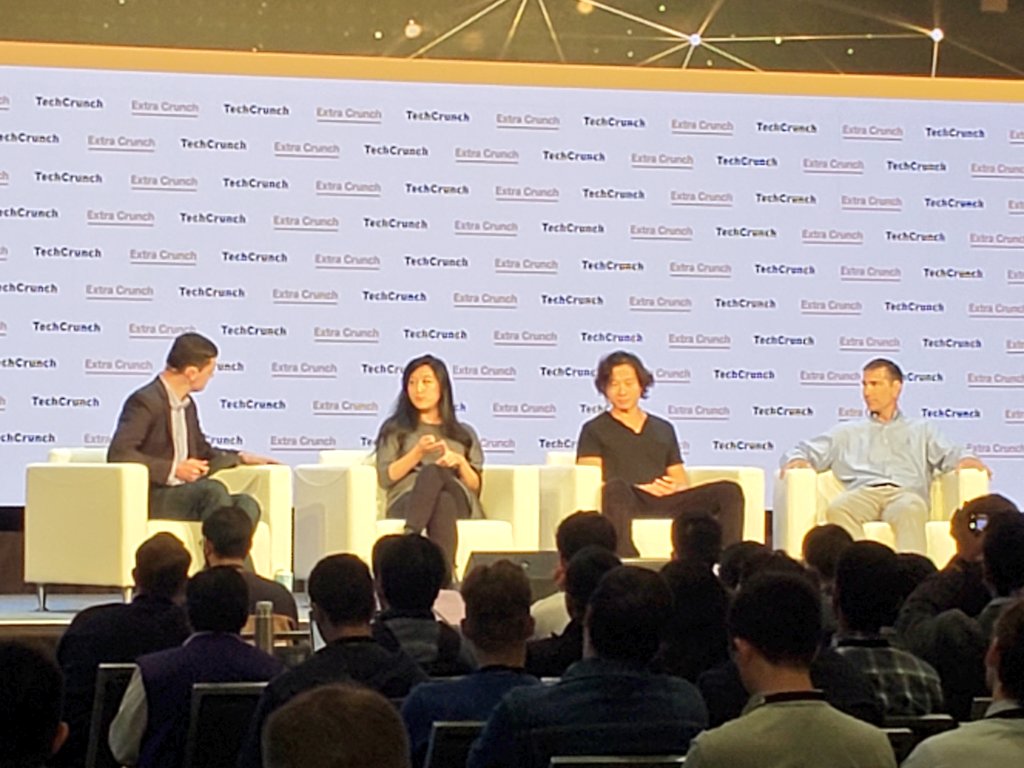
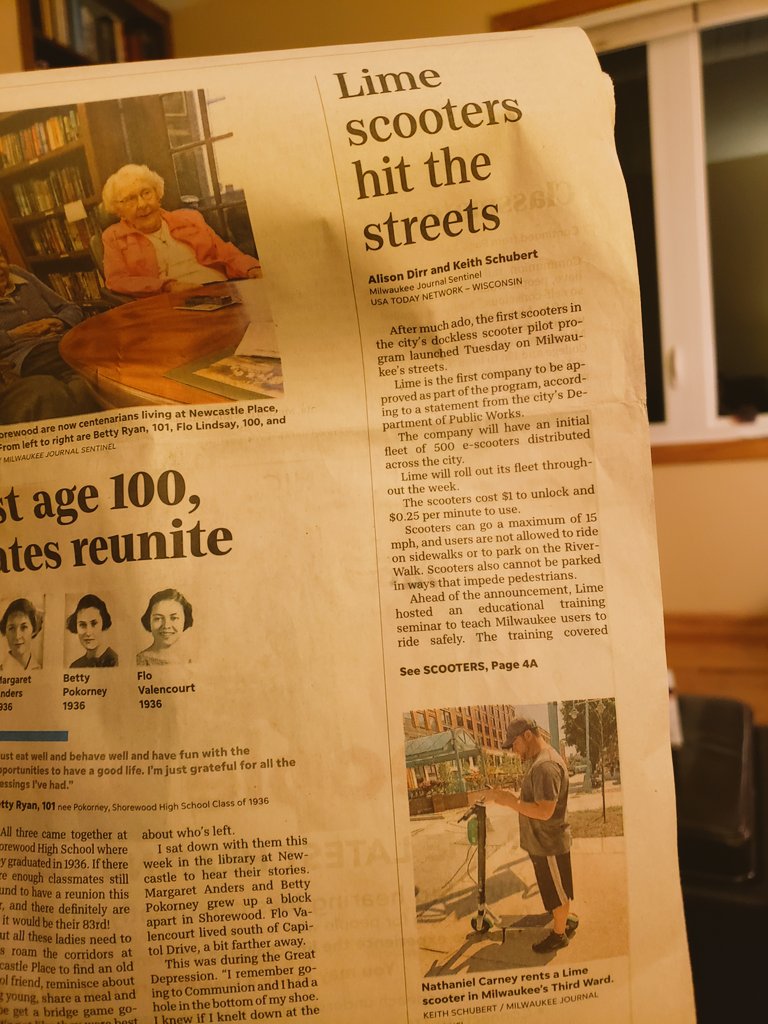
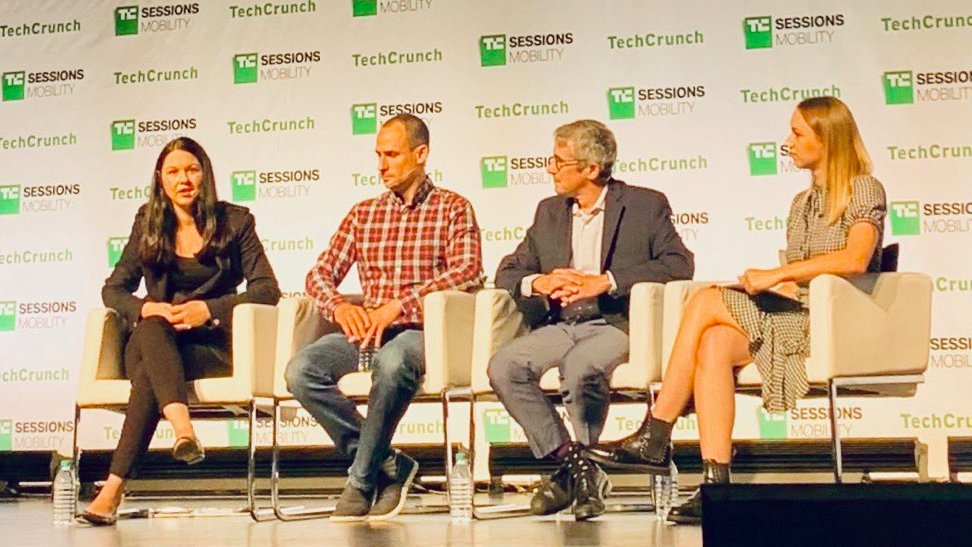
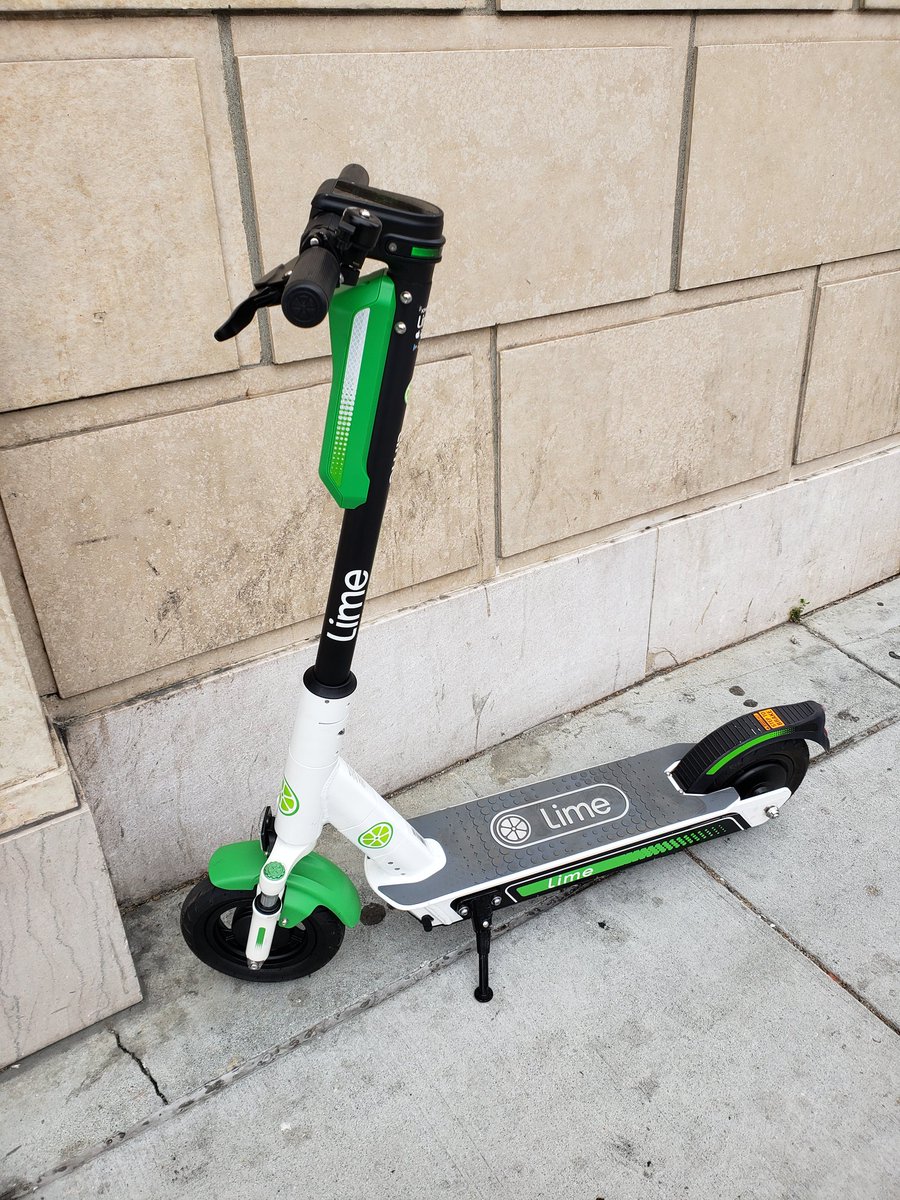
Remember pics of scooters in ponds? @wayneting has led a business where many very smart people thought the unit economics were impossible. Loved hearing him discuss Lime and his own personal journey with the best interviewer out there @HarryStebbings. Check it out 👇
27 Jan 2025

Lime is one insane turnaround story.
They went from losing $3 for every $1 spent.
Last year they did $600M in bookings & $90M in EBITDA.
They are the #1 leader in micro-mobility & saved from the brink of death by Uber.
My 7 key takeaways with @wayneting 👇

2
8
1,273
27 Jan 2025
Ready for a new amazing role in 2025? Pika is hiring:
Founding Designer
Head of Engineering
iOS Lead
Full-Stack / Backend Engineer
Research Scientist / Research Engineer
27 Jan 2025
Getting really real with you…
Pika 2.1 is HERE—crystal-clear 1080p resolution, razor-sharp details, seamless motion, lifelike human characters, and more. If you see it, you’ll believe it.
Try it out now at pika dot art.
7
831
Sarah Smith retweeted

13 Dec 2024
Today we launched our Pika 2.0 model. Superior text alignment. Stunning visuals. And ✨Scene Ingredients✨that allow you to upload images of yourself, people, places, and things—giving you more control and consistency than ever before.
It’s almost like twelve days worth of gifts in one 💅
Available now at Pika.art
120
337
1,974
288,666
24 Sep 2024
Animation coming to life!
24 Sep 2024

It’s time to bring virtual characters to life! 🎉 Check out how Advanced Voice pairs with the real-time on-device animation model we’re developing at Animation Inc.
4
717


5 Jun 2024
Huge congrats to the very talented and hard working @pika_labs team! 🎥❤️🐇
5 Jun 2024
It’s been a hell of a year. And today we’ve capped it off with a humbling fundraise, led by @sparkcapital. Huge thanks to our incredible community. We wouldn’t have gotten here without you!
1
9
883
20 Sep 2023
💎A truly premium banking experience for startups. If you'd like an invite to Arc Platinum, let me know! Congrats to the @join_arc team on the launch....the culmination of a ton of work. Excited to celebrate with you tonight! 🎉

Moments ago Arc Platinum went live! Arc Platinum is the first premium banking experience for startups: it comes with the highest net yields available on the market (5.5% ). Membership is available by invitation only, request one below!
Learn more 👉arc.tech/blog/introducing-ar…
Request an invitation? 👉 arc.tech/platinum
The TL;DR on Arc Platinum:
👉 Built on the world’s largest systemically important bank partners
👉 $0 Arc treasury fees (normally 0.20-0.60% per year elsewhere) with market-leading net yields
👉 Dedicated Relationship Managers providing 24/7 support & data-driven financial insights
👉 Complimentary wellness benefits (e.g., Equinox or equivalent)
👉 Comes with a risk-free 3-month trial
#TheFutureofStartupFinance
2
10
1,165
31 Aug 2023
If you grab one “must read” on LatAm each year, this is it and it dropped today by my good friend @JulioV of @AtlanticoPart 🇧🇷🇲🇽🇦🇷👇🏽
30 Aug 2023

The 2023 Latin America Digital Transformation Report is here. This year we cover the 5 Tectonic Shifts that stand to bring great opportunity (or challenge) to the region. Join us as we explore this narrative through rich original data. My top 10 picks👇 atlantico.vc/latin-america-d…
1
10
1,129
15 Aug 2023
🪨Technical debt got you down? I'm thrilled to be behind @morgantepell and Grit to make it significantly simpler and faster to modernize your codebase. Beta open now! 👇🏾Thanks to @ramtinnaimi for pulling me in. 🙌🏾
15 Aug 2023

Most of the software we rely on, from e-commerce to aviation, desperately needs modernization.
With AI, we can finally deliver that upgrade painlessly.
I’m excited to release the open beta for Grit and announce that we’ve raised $7M.
grit.io/blog/seed
5
821
10 Aug 2023
Series A? New product? Purple scissors? Who's this?? 👀👀👀
10 Aug 2023

Today @hellorightfoot announced our $15M Series A raise, and unveiled Connect Magic, our zero-login, consumer-permissioned financial data platform.
We believe in a world where consumers can securely permission their data — with zero friction. (1/5)

7
979
20 Jul 2023
Wisconsin pride for @PenzeysSpices! Adding Brady Street Cheese Sprinkle to every gift now. Glad you love it @hanrosols! ❤️🍿🧀
646
3 May 2023
📖 Here is my new go-to gift for parents. Check out @xuezhao’s new book…sure to hit the mark for any working parent. Great Mother’s Day 🎁!
3 May 2023

Here’s the book —> workingmother.life/
6
620