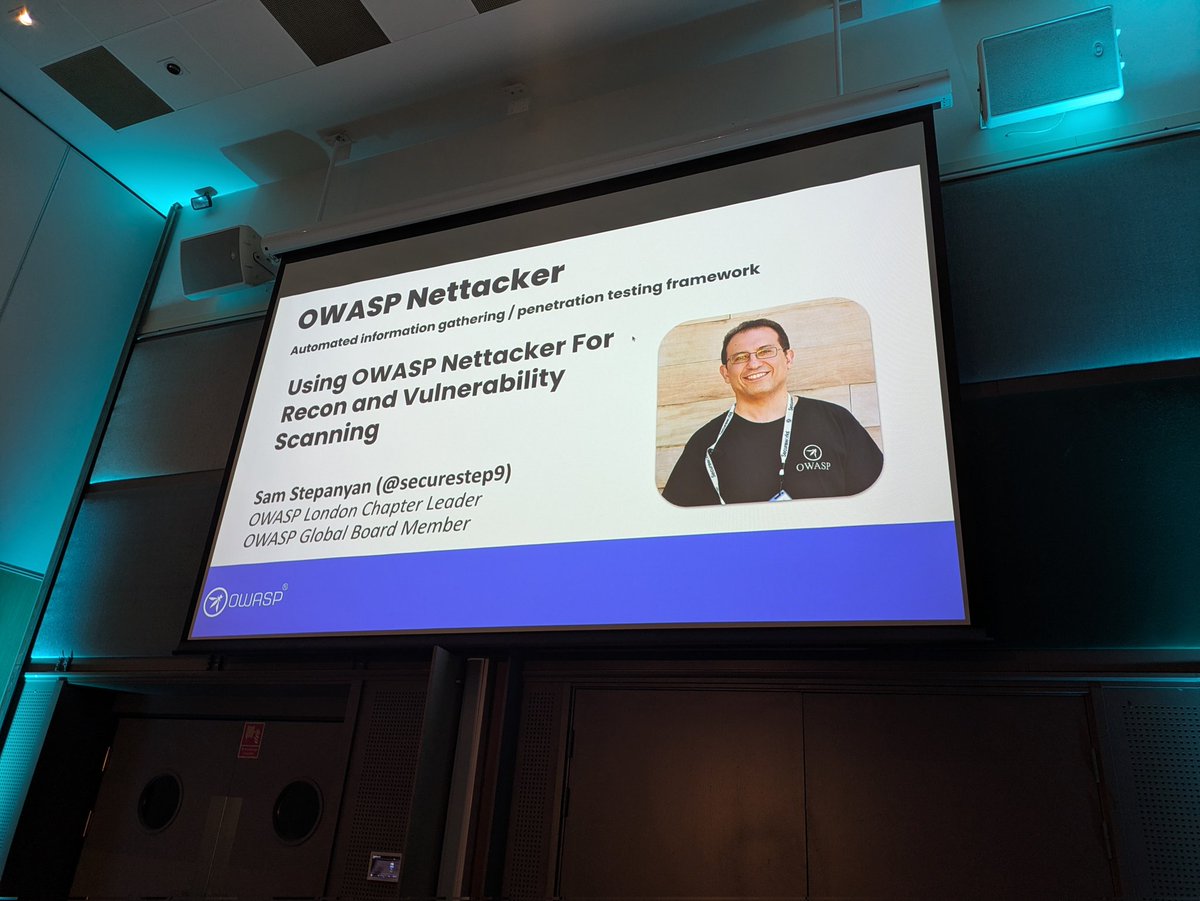
@OWASPLondon Chapter Leader (#OWASP #OWASPLondon). OWASP Board Member. Application Security (#AppSec) Consultant. OWASP #Nettacker Project leader. #CISSP
Joined September 2013
- Tweets 5,458
- Following 3,673
- Followers 7,374
- Likes 11,293
1,084 Photos and videos
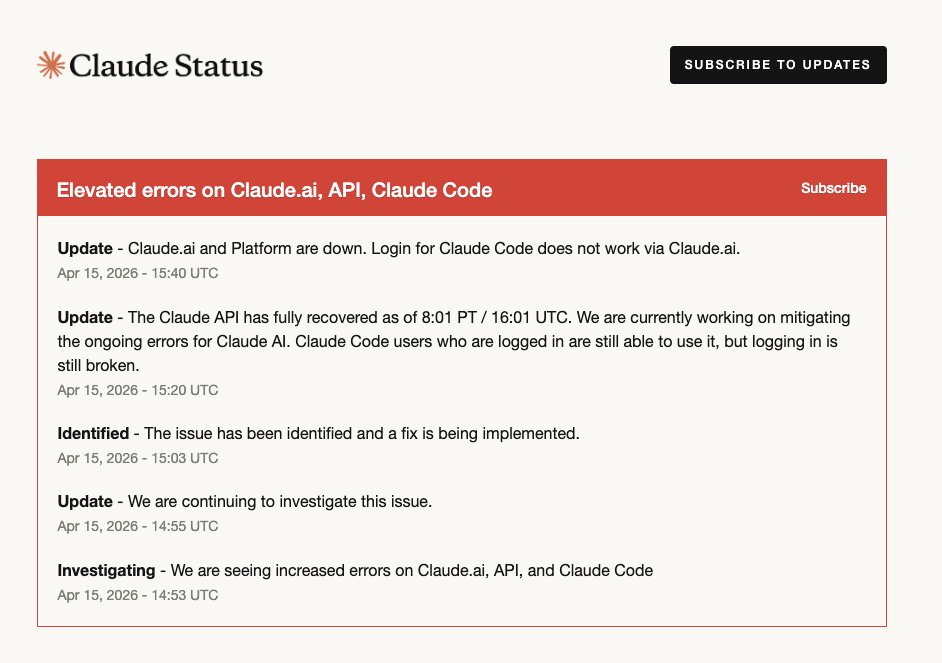



Anthropic withdraws access to powerful AI model after US government order
Read more 🔗 trib.al/kspkqgK
18
12
60
48,471

Jun 10
#Veeam: Veeam has released security updates to patch a critical Backup & Replication security flaw that can be exploited to gain remote code execution (#RCE) vulnerability CVE-2026-44963 on domain-joined backup servers:
👇
bleepingcomputer.com/news/se…
3
203
Jun 10
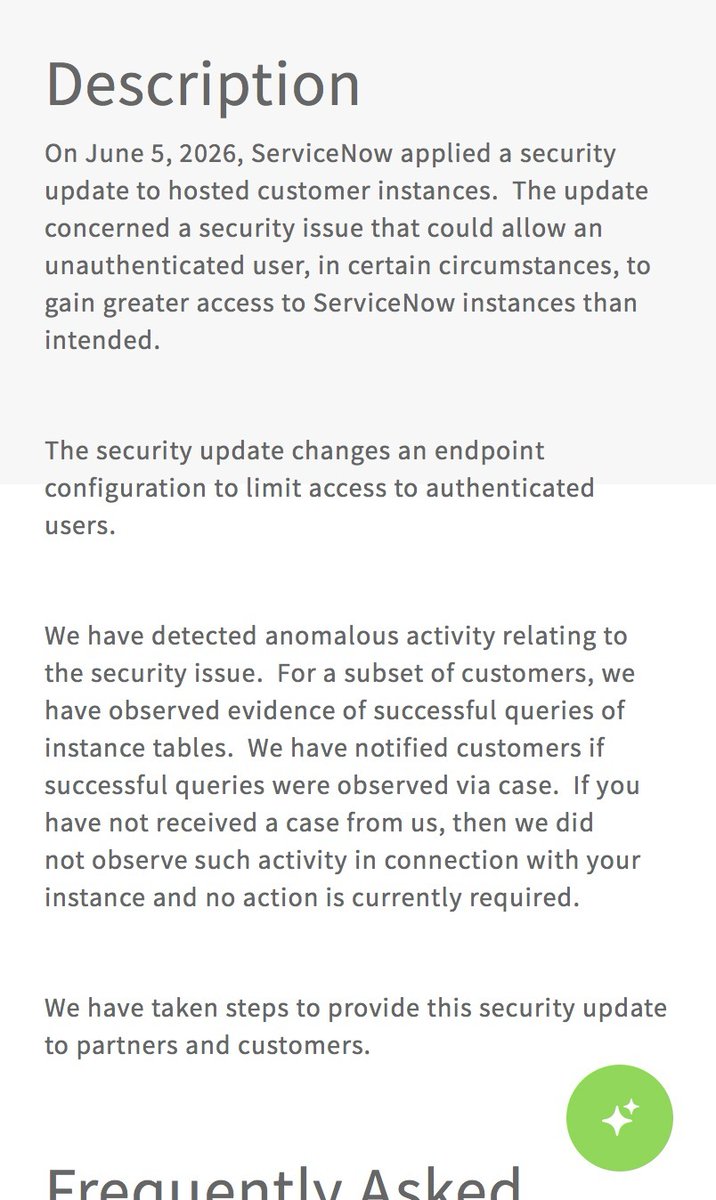
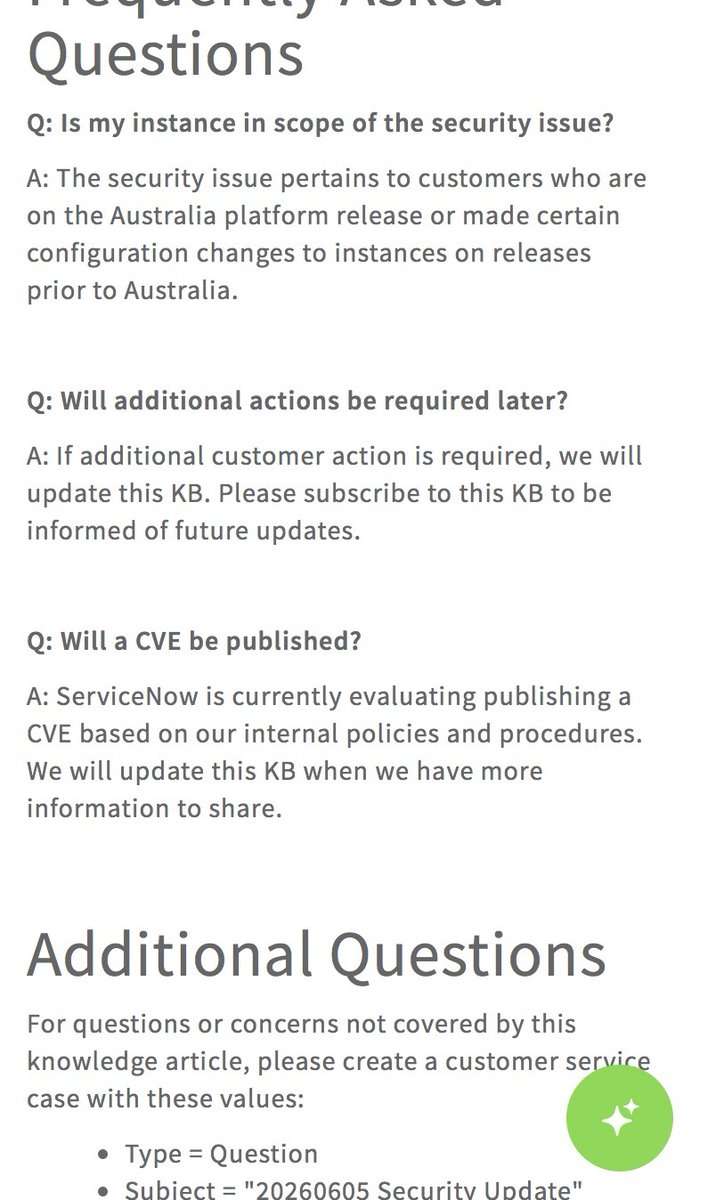
#ServiceNow has been breached - a vulnerability allowed threat actors unauthorised access to customer data:
👇

‼️🚨 BREAKING: ServiceNow confirms a vulnerability let unauthorized actors query customers' instance tables. Customer instance data was directly accessible.
2
685
#LiteLLM command injection vulnerability CVE-2026-42271 that could allow any authenticated user to run arbitrary commands on the host, has been added to the CISA KEV catalog:
👇
thehackernews.com/2026/06/li…
2
224
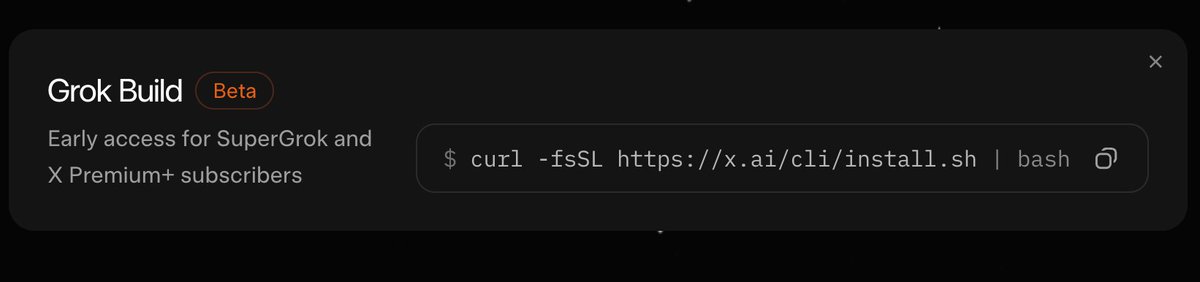
Every time a major company tells users to run "curl url | bash" to install thier tool, it irresponsibly normalizes a dangerous security anti-pattern.
You should be promoting secure behavior by default, not the other way round:
Jun 4

Can we PLEASE
for the love of all that his holy
STOP NORMALIZING THIS INSTALL METHOD
2
1
266
#NPM: New "#IronWorm" supply-chain attack: 30 npm packages from @ #asteroiddao shipped a malicious #Rust binary firing on preinstall stealing developer credentials, tokens, secrets and self-propagating.
#malware
#SoftwareSupplyChainSecurity
👇
cyberpress.org/ironworm-targ…
2
161
#DDoS: New 'HTTP/2 Bomb' DoS attack crashes major web servers in under a minute. Impacted servers include #NGINX, #Apache HTTP Server, Microsoft #IIS, Envoy, and Cloudflare Pingora. This vulnerability was discovered by Codex AI agent. CVE-2026-49975:
👇
bleepingcomputer.com/news/se…
1
1
335
#RedHat: More than 30 #npm packages under Red Hat's '@redhat-cloud-services' namespace were compromised in a supply-chain attack to steal developer credentials including GitHub secrets, AWS/Azure/GCP credentials, npm & PYPI tokens:
#SoftwareSupplyChain
👇
bleepingcomputer.com/news/se…
1
213
#Instagram: It was possible for attackers to hijack Instagram accounts using nothing but the username of the target account. An AI support chatbot could then be easily convinced to send a password reset URL to an arbitrary email address. Obama was one of the victims:
#AISecurity
‼️🚨 BREAKING: Meta's AI feature let attackers hijack Instagram accounts for days with nothing but a username. It was being A/B tested on a slice of users, and if you were in the test, you couldn't turn it off. Among the casualties: the official Obama White House account.
The method: get on a VPN near the target's region, ask the Meta AI support agent to send a verification code to any email you control, relay that code back to the agent, and it hands over a password reset link. Without ID or human review. From there, the account is yours.
The flaw lived in the AI's logic layer, which acted on recovery requests with no real identity checks. One researcher compared it to the Roblox AI assistant exploit from days earlier, where you needed a target's billing info. Instagram was easier: the username and a regional VPN were enough and victims reported sessions revoked and passwords changed with no email, text, or push alert at all.
By the time it went public, the method was common knowledge in blackhat Telegram circles and had been used to allegedly hijack 100 high-value accounts.
Accounts hit:
- obamawhitehouse (the archived official Obama White House account, ~2.4M followers. Hackers posted an AI-generated image captioned "The White House is under Shiites' control," plus cryptic anti-Trump and pro-Iranian Stories. Meta confirmed the hack and scrubbed it.
- Premium short handles like hey and jowo, worth over $1M combined, stolen and flipped on Telegram.
- albert (owned by Albert Renshaw), whose owner publicly reported being locked out and unable to reach Meta support.
Meta has since patched it. There was no public acknowledgment.
1
4
11
3,340
May 26
#GhostCMS: Critical SQL Injection vulnerability impacts #Ghost 3.24.0 through 6.19.0, and allows unauthenticated attackers to read arbitrary data from the website database, including the admin API keys (CVE-2026-26980):
👇
bleepingcomputer.com/news/se…
1
4
258
May 26
The spiralling costs of using AI are becoming a real problem: Microsoft stops using Claude Code, Uber burned their entire 2026 AI budget back in April, Salesforce, Meta and even Amazon are limiting the "tokenmaxxing" culture.
#AICosts
fortune.com/2026/05/22/micro…
2
1
5
247
May 24
$148,337 #BugBounty paid by Google to a researcher (@brutecat) who found debug endpoints on Google Cloud allowing to configure privileged workflows leading to full #RCE in Google Cloud production (CVE-2026-2031)
#CloudSecurity #BugBountyTips
👇
brutecat.com/articles/google…
2
5
780
Sam Stepanyan retweeted

May 23
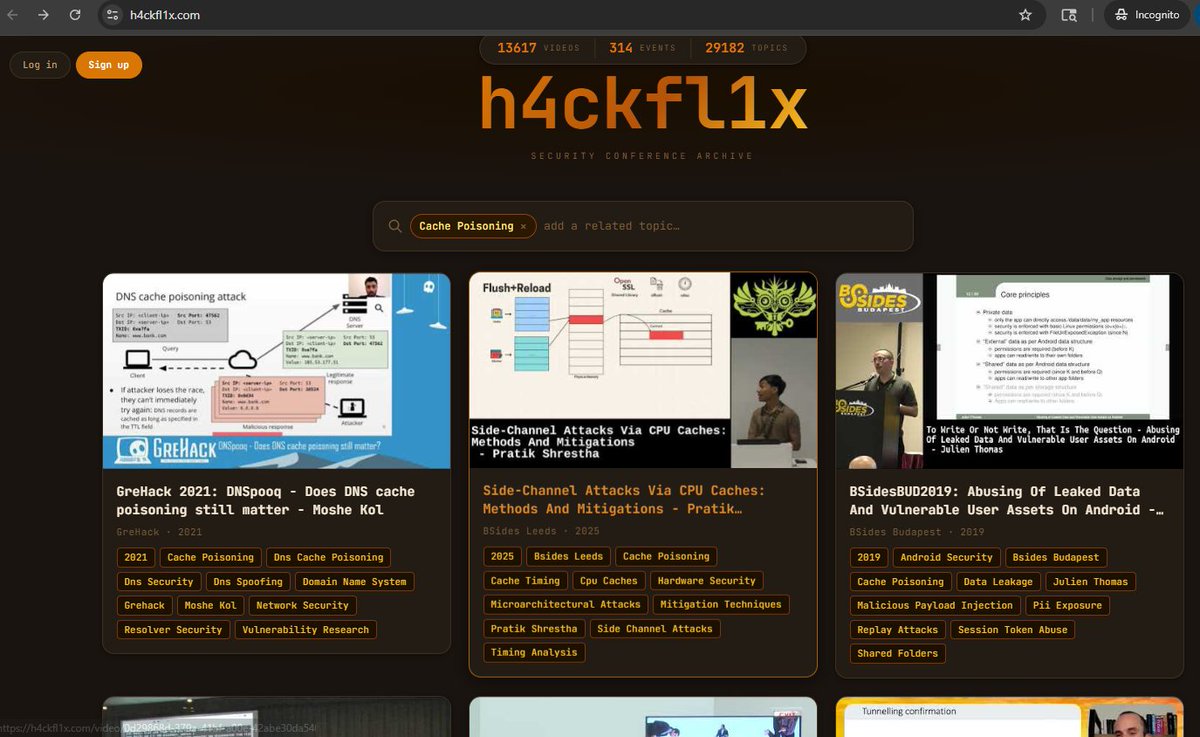
Do you watch Netflix in your free time?
Try hackflix for security conference talks
h4ckfl1x.com/
#cybersecurity #bugbounty
19
323
1,749
76,164
May 23
#Laravel-lang: Supply Chain Attack Targets Laravel-Lang Packages with Credential Stealer #Malware
Attackers injected a credential stealer into 200 Laravel-lang package versions by pushing tags tied to attacker-controlled forks:
#SoftwareSupplyChain
👇
aikido.dev/blog/supply-chain…
1
1
210
May 23
#WhatsApp: Texas Attorney General Sues #Meta Claiming WhatsApp and Meta are continuing to willfully deceive Texans by misrepresenting that their private communications are encrypted when when "in fact Meta employees have access to all WhatsApp messages":
arstechnica.com/security/202…
1
4
271
May 20
#GitHub breached via a compromise of an employee device involving a poisoned VS Code extension:
👇

1/ We are sharing additional details regarding our investigation into unauthorized access to GitHub's internal repositories.
Yesterday we detected and contained a compromise of an employee device involving a poisoned VS Code extension. We removed the malicious extension version, isolated the endpoint, and began incident response immediately.
4
409
Sam Stepanyan retweeted

Microsoft is investigating a new, emerging Mini Shai-Hulud npm supply chain attack targeting antv packages.
Attackers compromised an antv maintainer account and published malicious versions of multiple widely used packages (for example, antv/g2). As these packages are widely used as dependencies, the compromise propagated into downstream libraries like echarts-for-react, impacting a much broader set of applications and continuous integration (CI) environments.
All compromised packages contain a byte-identical, obfuscated credential-stealing payload delivered via a preinstall hook (Bun). The malware targets high-value secrets including:
- GitHub personal access tokens (PATs) and OpenID Connect (OIDC) tokens
- npm / Amazon Web Service (AWS) credentials and Security Token Service (STS) sessions
- Secure Shell (SSH) keys, kubeconfigs, and .env / .npmrc files
- Software-as-a-service (SaaS) tokens (Slack, Stripe, Vault)
Exfiltration occurs over HTTPS with Transport Layer Security (TLS) validation disabled. The payload also abuses stolen OIDC tokens to forge Supply-chain Levels for Software Artifacts (SLSA) provenance and propagate malicious releases, exhibiting worm-like behavior across repositories.
Malicious files distributed through npm packages are detected by Microsoft Defender as Trojan:AIGen/NPMStealer , "Suspicious Node.js process behavior", or “Credential access attempt”, preventing credential theft and malicious post-install execution.
Mitigation:
- Audit dependencies for affected antv and related packages; pin or downgrade to known-good versions (pre-2025-05-18).
- Revoke and rotate exposed credentials (GitHub, npm, cloud tokens, SSH keys).
- Validate integrity of CI pipelines and recent build artifacts.
- Network IOC: Stolen credentials are exfiltrated over HTTPS to t.m-kosche[.]com:443. Block at egress and review network logs for outbound connections.
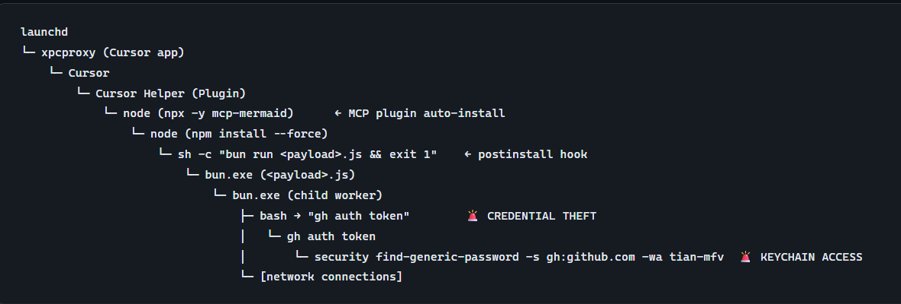
ALT Attack chain of Mini Shai-Hulud npm supply chain compromise targeting @antv packages
35
235
1,308
175,509
May 19
Another mini-#ShaiHulud worm attack last night impacted 639 versions of packages in #NPM '@ antv' ecosystem. The full Mini Shai-Hulud campaign now impacts 1000 versions across 500 unique packages. The campaign spans npm, #PyPI, and #Composer:
👇
socket.dev/blog/antv-package…
1
3
216
May 18
#NPM: Four Malicious npm Packages Deliver Infostealers and Phantom Bot DDoS #Malware:
The malicious packages are:
* chalk-tempalte
* @deadcode09284814/axios-util
* axois-utils
* color-style-utils
👇
thehackernews.com/2026/05/fo…
1
1
296
Sam Stepanyan retweeted

May 18
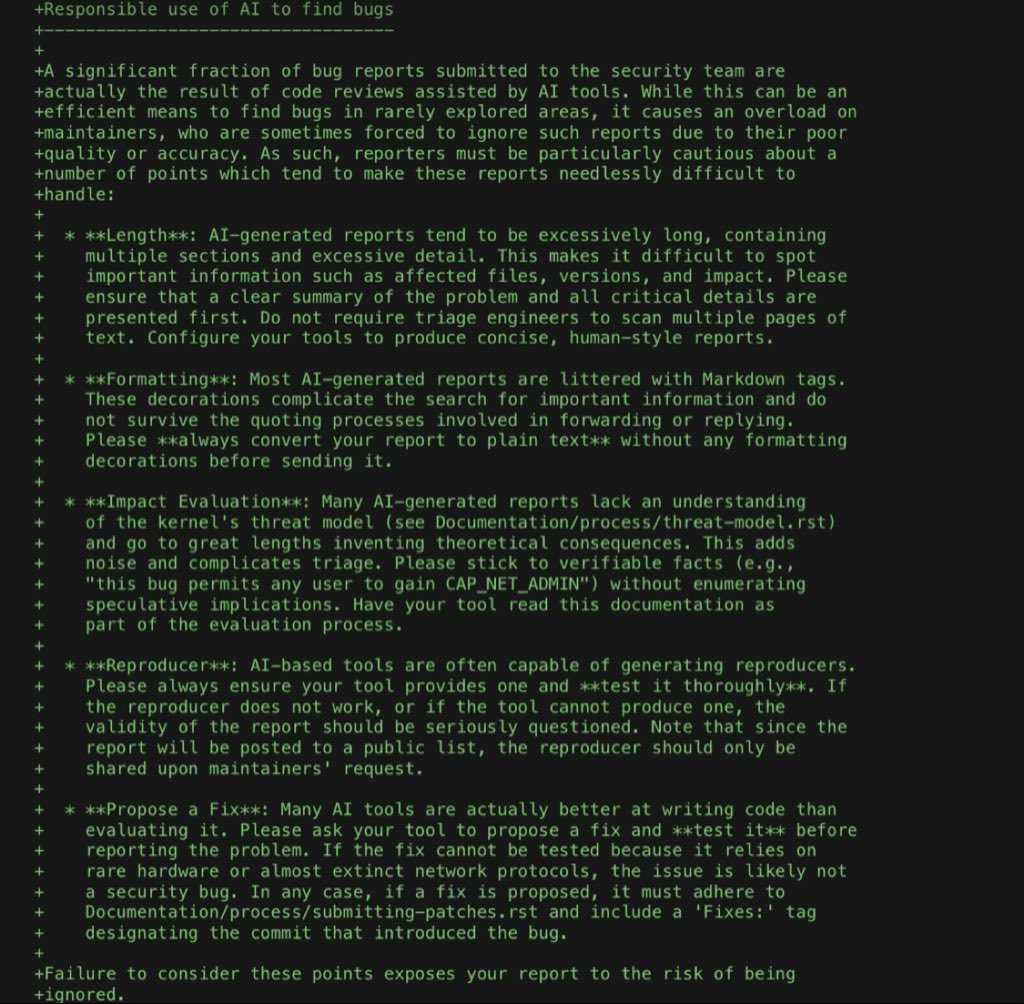
The Linux kernel security list is drowning in duplicate AI-flagged bugs; same issues, with same tools, but different names of human submitters. Maintainers have now formalized the obvious - AI-found bugs are public by definition. New docs define 5 failure modes for AI-assisted reports: too long, Markdown-heavy, threat model-ignorant, reproducer-free, patch-free. Non-compliant reports risk being ignored. Most AI-flagged issues aren’t even real vulnerabilities anyway. Think: 500 submitters, 1 CVE, 0 patches?
8
36
154
24,590