Trainee misanthrope but improving daily. 👍🏼 Other half to @Treespers42
Joined February 2014
- Tweets 42,354
- Following 298
- Followers 572
- Likes 86,305
3,252 Photos and videos









Dave S 🦧 retweeted

2/2 In the meantime read our story about the most recent case of dereliction of duty—another predictable ‘NO FUCKING ACTION’ from Wessex CPS to yet another open/close case of illegal fox slaughter by these heinous, but seemingly untouchable toffs ➡️ open.substack.com/pub/wiltsh…
4
6
119
Dave S 🦧 retweeted

Jun 9
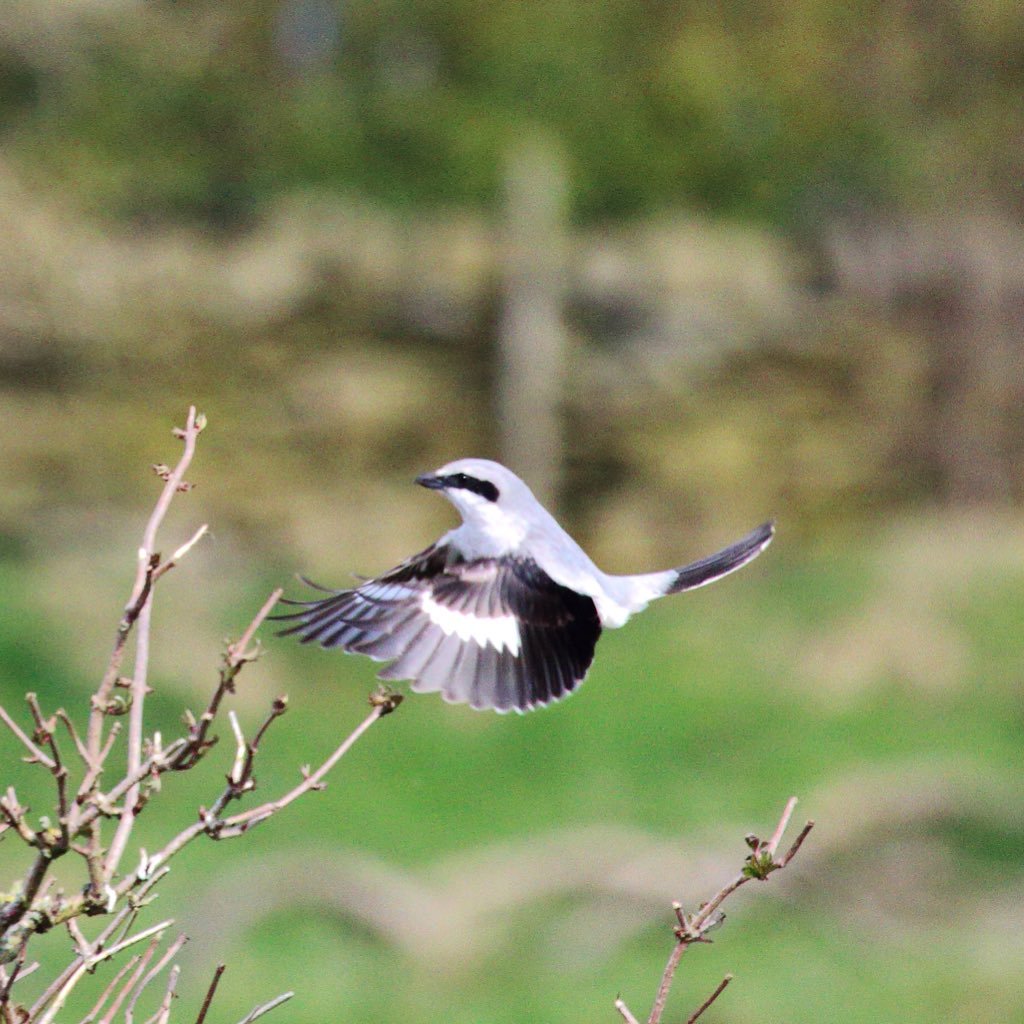
Learning to fly is difficult in gusty winds! Not bad for his first day out in the big wide world. @UoLperegrine ZBJ filmed in slow motion at the University of Leeds today. @BBCPaulMurphy @BBCSpringwatch @BBCLookNorth vimeo.com/1199903911
2
21
224
3,794
Dave S 🦧 retweeted

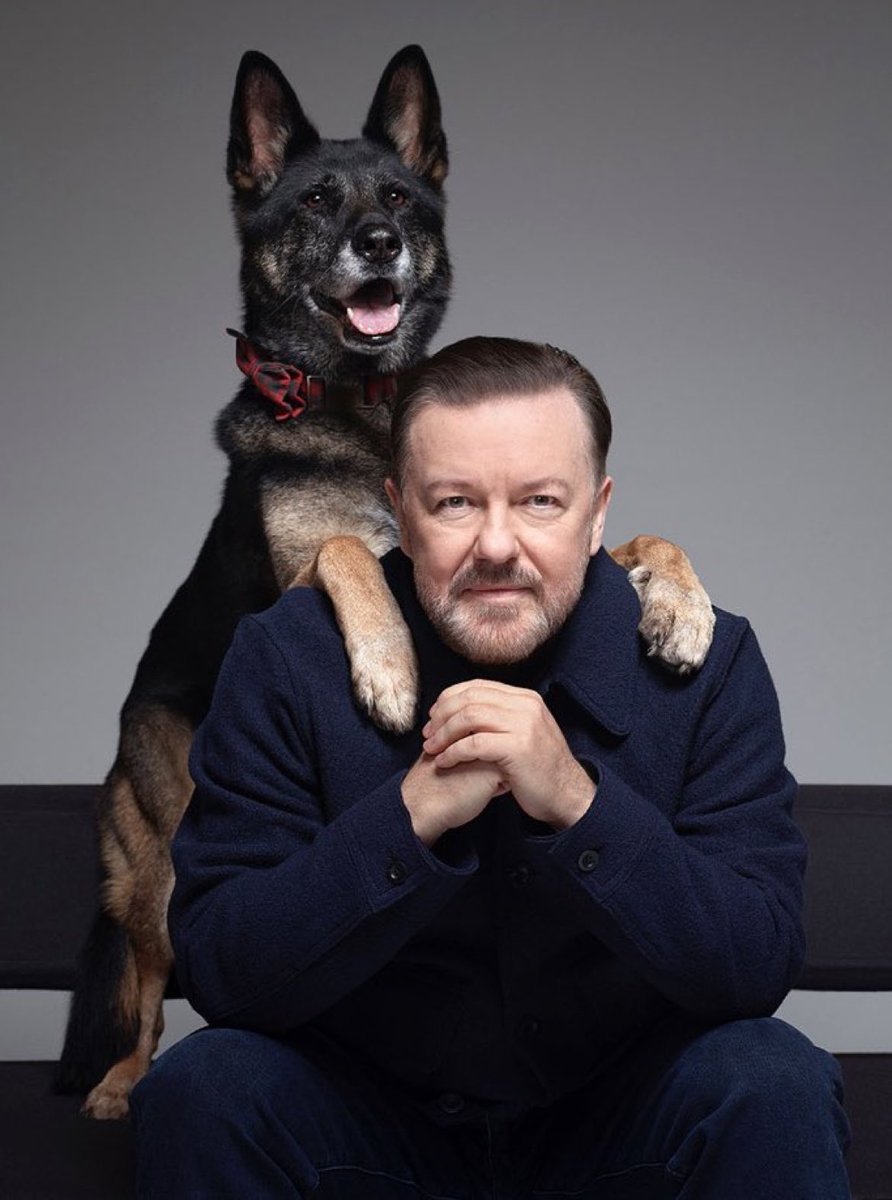
“Animals are not here for us to do as we please with. We are not their superiors, we are their equals. We are their family. Be kind to them.” - Ricky Gervais
107
633
3,026
28,249
Dave S 🦧 retweeted

Please head to the comments and take 15 seconds to fill out the Govt consultation and help end hunting for good.
10
222
322
7,124



Dave S 🦧 retweeted

May 20
Could this legendary gentleman please get in touch.
A future Reform government would like to give him a peerage for this outstanding public service.
He can do similar to all the crooks currently sitting in the House of Lords!
1,663
1,889
13,320
695,428
Dave S 🦧 retweeted

May 13
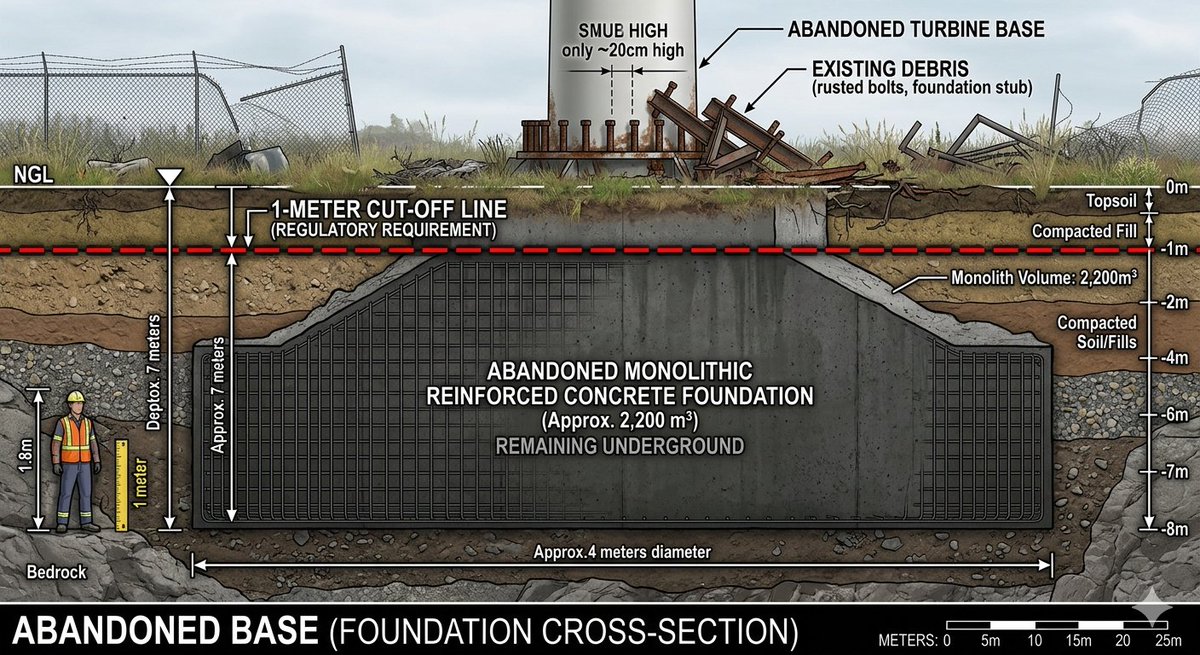
Tens of thousands of slabs of reinforced concrete weighing up to 1,000 tonnes are being abandoned in the ground as turbines hit the end of their working lives.
The reinforced concrete base of a typical 2-3 MW wind turbine can weigh anywhere from 400 to 800 tonnes. But the concrete foundations of even bigger turbines (5 MW ) can exceed 1,000 tonnes. As lifespans end these massive concrete monoliths are abandoned where they lie. This is an issue of significant contention.
In many jurisdictions, including Australia and the US, decommissioning regulations only require the operator to ensure the concrete foundation stays at a depth of 1 meter (approx. 3.3 feet) below the surface.
The remaining 3-plus metres of these steel-reinforced concrete fossils are typically left in the ground indefinitely. Over the decades, they can interfere with deep-soil hydrology or remain as a permanent industrial remnant in rural landscapes.
Contracts usually say operators are responsible for decommissioning. But the financial reality is complex. Bank guarantees or bonds set aside for removal (around €50,000 or $100,000 per turbine) are frequently far too low. Real-world estimates for total removal and site restoration can exceed $200,000 to $400,000 per unit.
If the cost of total removal ($200k–$400k) exceeds the bond set aside by the operator ($50k–$100k), there is a strong financial incentive for companies to declare bankruptcy . Or they sell the asset to a shell company as the turbine nears its end-of-life, leaving a landowner with the bill.
While the steel towers are more easily recyclable, their triple fibreglass blades are notoriously difficult to process and often end up in turbines blade graveyards.
The theoretical benefits from renewable technology are meaningless compared with the staggering environmental costs.
393
3,450
6,477
199,586
Dave S 🦧 retweeted
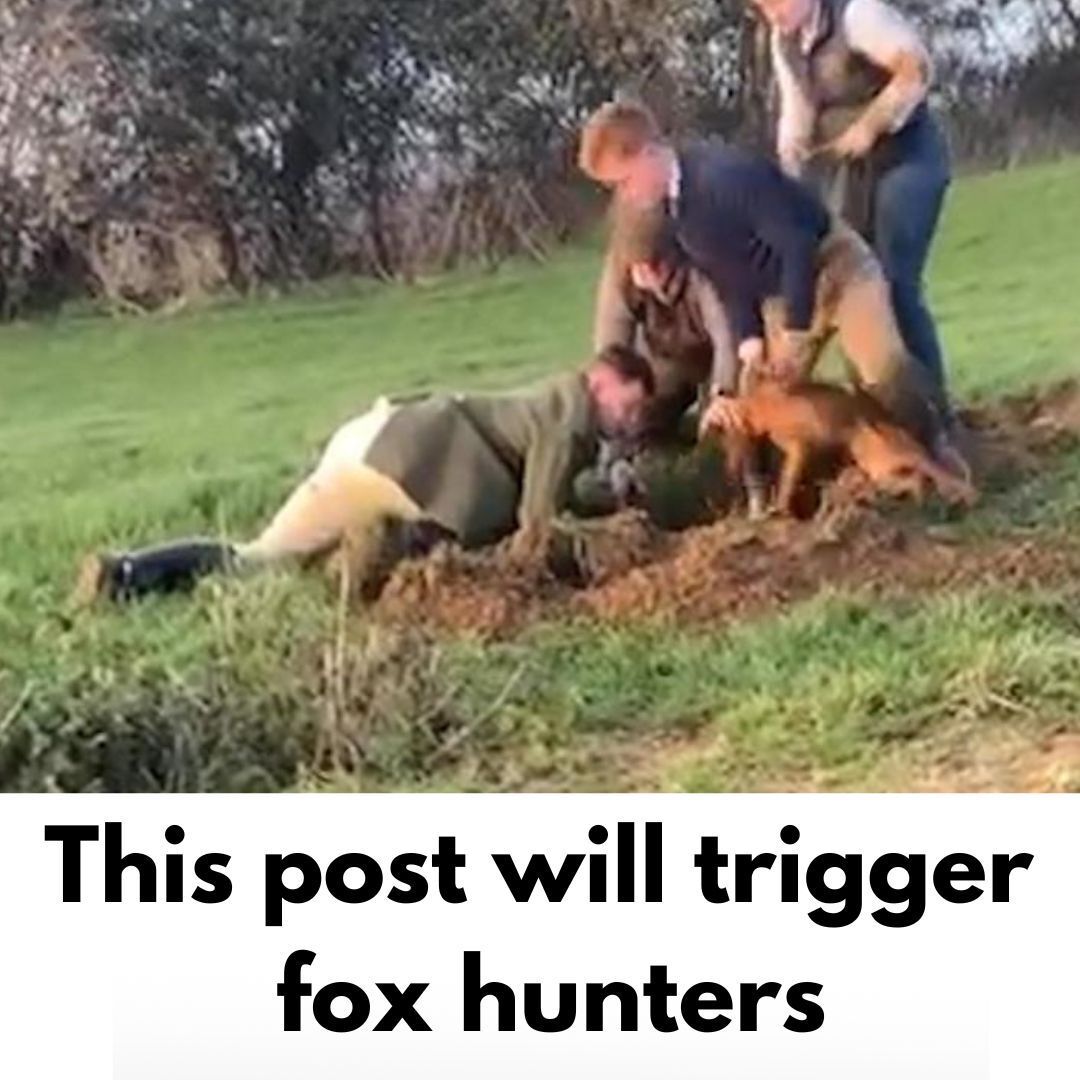
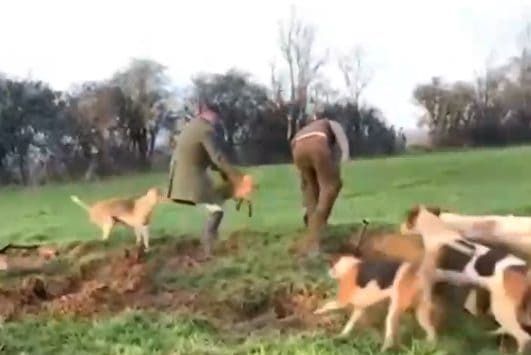
Just imagine the fear and torment of being thrown alive to a pack of hounds.
This is what we're fighting to end. This hunt claimed to be a 'trail hunt'. We need a proper ban on this vile pastime.
Take 15 seconds to act now.
30
711
1,221
10,665
Dave S 🦧 retweeted

May 16
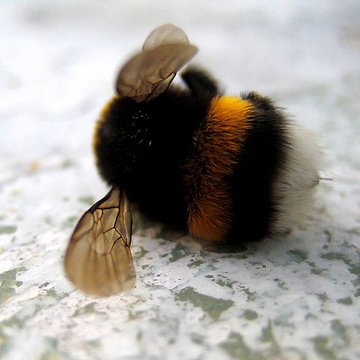
Roundup is evil. And we do not need it nor do we want it

Spraying one dandelion with Roundup can kill over 100 bees.
The flower doesn't die instantly. Bees will keep visiting it for days, taking the poison back to their nests and hives.
Never spray dandelions in spring and summer.
They're one of the first major food sources for emerging pollinators.
Let them bloom or remove them by hand.

59
3,835
15,368
144,321
Dave S 🦧 retweeted
'Share' if you want to see an end to fox hunting for good.

135
3,440
7,018
78,819




Dave S 🦧 retweeted

May 13
This is the Best Graphic description of the Utter Stupidity of the Left

1
22
96
1,150
Dave S 🦧 retweeted

Please Be Kind To Moles.
They are beneficial to soil health, acting as natural aerators and pest control by consuming lawn-damaging grubs, beetles, and larvae.
They do not eat plants, and their removal often leads to new moles occupying the vacant tunnel system, making it a futile effort.
Apart from that, it is CRUEL!
643
5,520
30,093
2,366,166



Dave S 🦧 retweeted

May 9
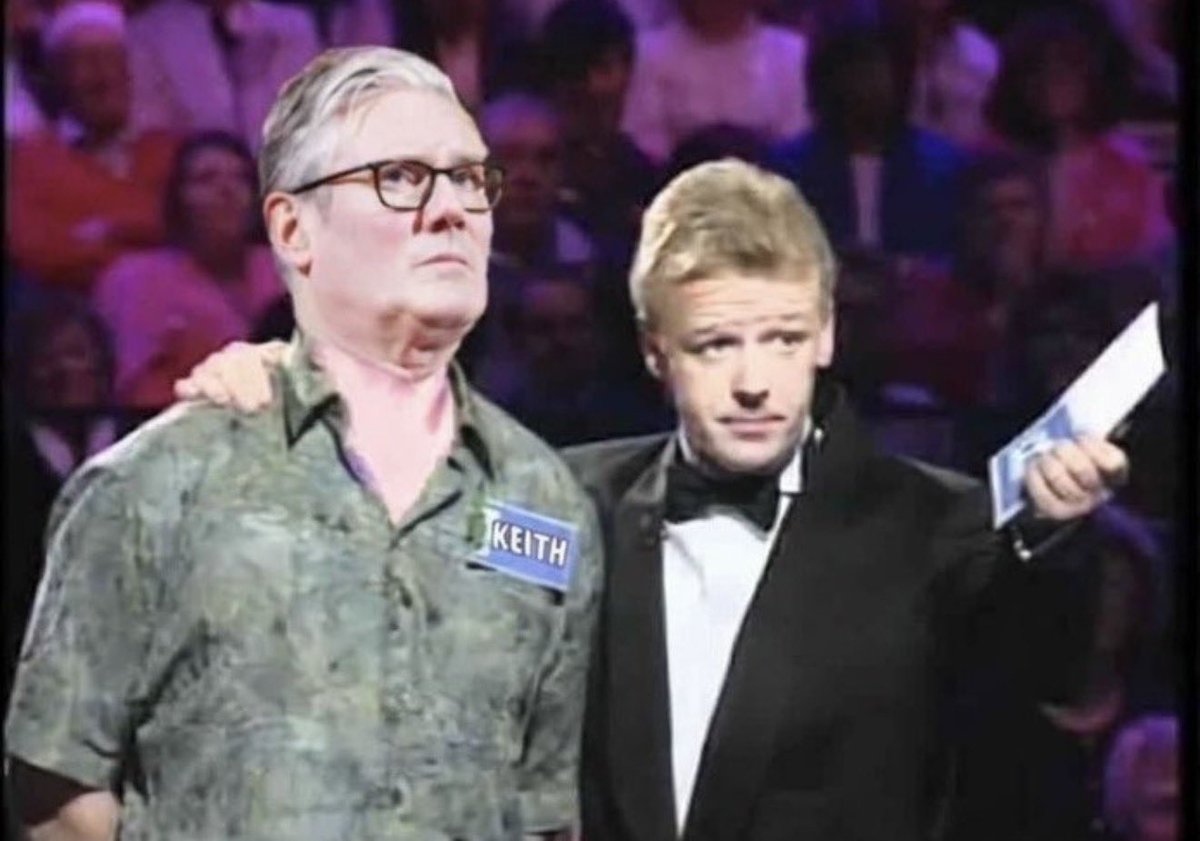
“We asked 48m voters ‘What would make you vote for Labour again’
You said - Gordon Brown
If it’s up there I’ll give you the money myself”
341
4,866
23,691
477,391
Dave S 🦧 retweeted

Adorable! 👇


4
17
259
6,714