
AGCS President / “Soft Left Gay for State Terror” / MHFA / #NeverKissedAWhig / Gallienite & Cassandrist
Joined February 2011
- Tweets 12,927
- Following 1,211
- Followers 354
- Likes 65,415
311 Photos and videos




Pinned Tweet

27 Feb 2020
The Labour Party is 120 years old today, I thought I’d do a thread of some of its greatest achievements for which we can all be proud
1
1
8
Jun 12
Hospitality has increasingly thin margins, even if prices don’t fall VAT cut is actually a very sensible way to reduce pressure on a struggling sector
Jun 12

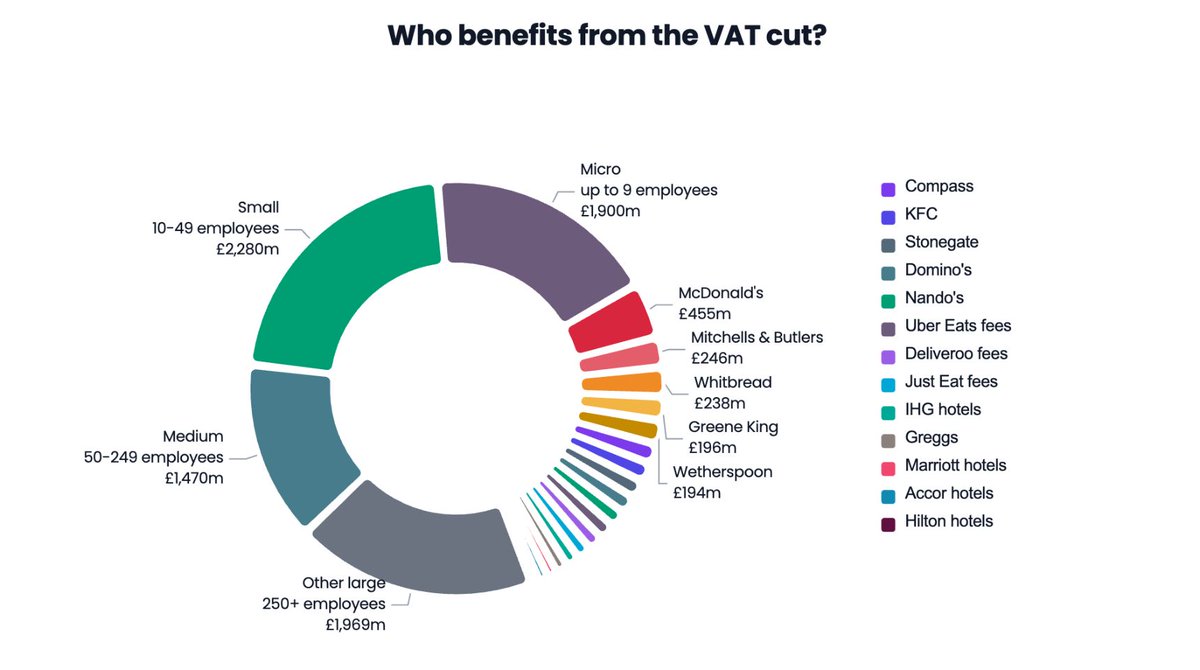
The hospitality industry wants their VAT cut to 10%. It will cost £12bn
Who benefits?
❌ The smallest most vulnerable businesses? Nope. 45% get nothing.
❌ Consumers? Nope - prices won't fall.
✅ Nearly half the cash goes straight to large chains. McDonald's gets £400m.
🧵:
20
2
21
31,625
Eliot retweeted

Jun 11
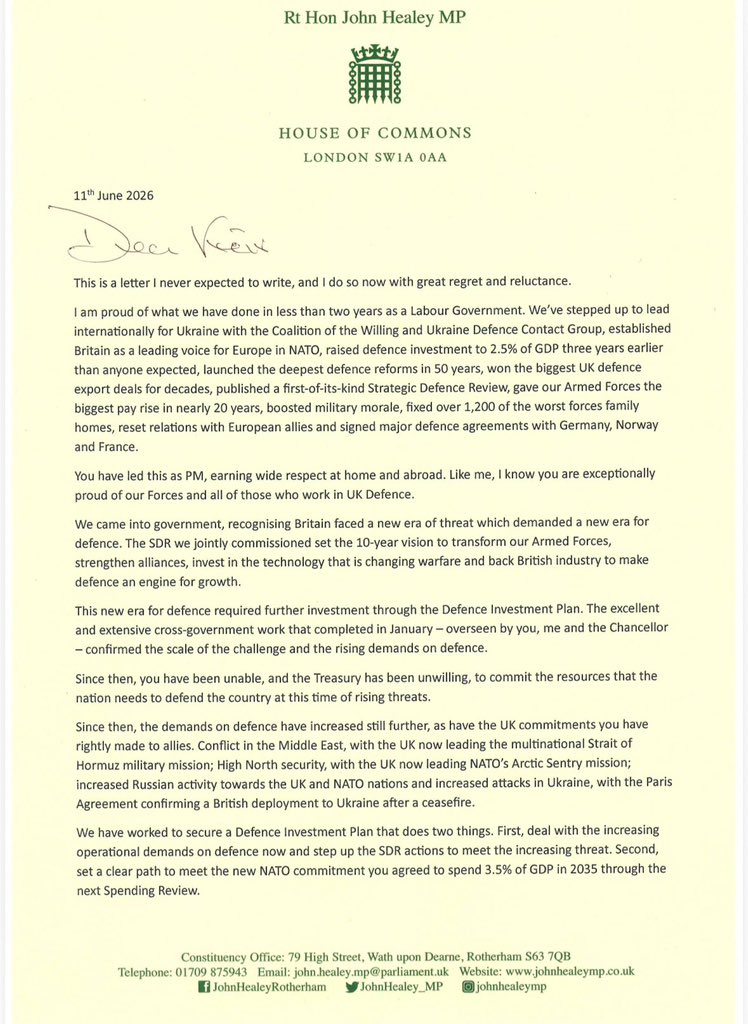
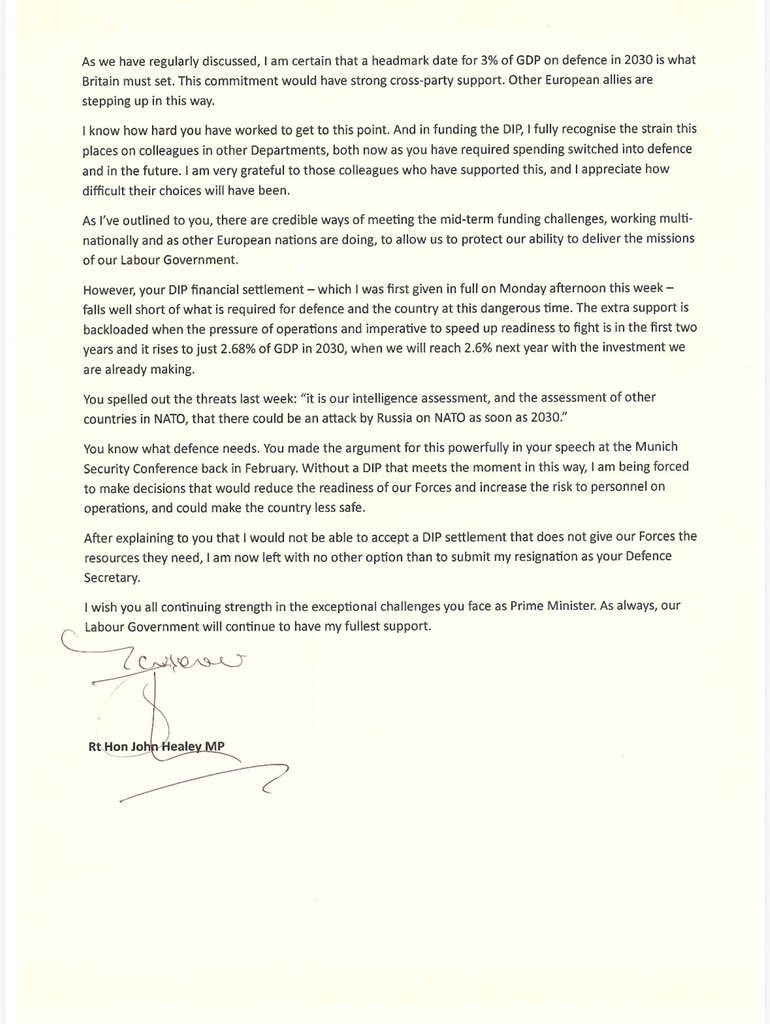
John Healey has resigned on a point of principle, and I have huge respect for him.
Defence spending must rise significantly, but you do not keep Britain safe with a bigger cheque alone.
Britain has for decades mistaken wealth for strength, and spending for capability, and now we are neither safe nor sovereign.
A country with a shrinking industrial base that cannot power its own factories or make its own weapons is not strong, whatever it spends.
Strength is not only bought. It is built. We must spend more and build more. This government and my party have to commit to both, urgently.
33
31
267
36,327
Eliot retweeted

Jun 11
My letter to the Prime Minister
1,953
2,029
10,292
4,655,900
Jun 6
Very accurate account name

if i ever get to this point i give anyone permission to take me out back and blow my shit smoov off
103
Eliot retweeted

Jun 5
Sorry, a small rant.
Can we stop talking about 'five year mandates' or 'personal mandates' or nonsense along those lines?
Our constitution is clear and has been clear for some time. You can only be Prime Minister and form a government if you command a majority in the House of Commons and can get your main business through (e.g. King's Speech, Budget etc.).
The strength of the British constitution is that we do not have to wait around five years or for some arbitrary period of time to pass, just because someone happened to win an election at a snapshot in time. We can be flexible, switching leaders and direction, depending on the will of the House of Commons, which in turn is supposed to reflect the best interests of the nation and their constituencies.
Some people do not want a leadership race. Fine. However, make an argument based on policy and leadership, not on pseudo-constitutional arguments about mandates.
Since 1990, the public have seen John Major, Gordon Brown, Theresa May, Boris Johnson, Liz Truss and Rishi Sunak emerge without an election.
Let's not take the public for fools. They may not have expected a leadership election in this Parliamentary term, but they always understand that it is possible.
9
15
77
18,522
Jun 4
What did y’all think parliamentary sovereignty meant? Vibes? Papers? Essays?
Jun 4

its very funny that bills of attainder are still legal in the UK
they can just pass a bill that says "being Keir Starmer is now illegal" and then arrest him for being Keir Starmer
1
269
Eliot retweeted

Which party for proper industrial socialism, rooted in solidarity and reciprocity?
It was always Labour, and it can be again 🌹

When will the impressively sound @Jonathan_Hinder realise he's in the wrong party?
57
15
122
37,275
Eliot retweeted

Jun 1
Hasan Piker is an apologist for China’s oppression of the Uyghurs, Russia’s invasion of Crimea, the Assad regime, Hamas, Hezbollah and the Houthis.
Whatever your view on the ban is, it is not simply because he is a “critic of Israel”.
Jun 1

This is a really grim decision alongside Cenk.
People often talk about dangerous road we'd go down under a Reform government - this is another clear warning we're down there already.
A Labour government doing everything possible to silence criticism of the Israeli Government.
114
408
3,039
169,280
May 30
I find the metric bizarre, would changing the name of business rates to council tax make any material difference to Britains tax regime?
May 30
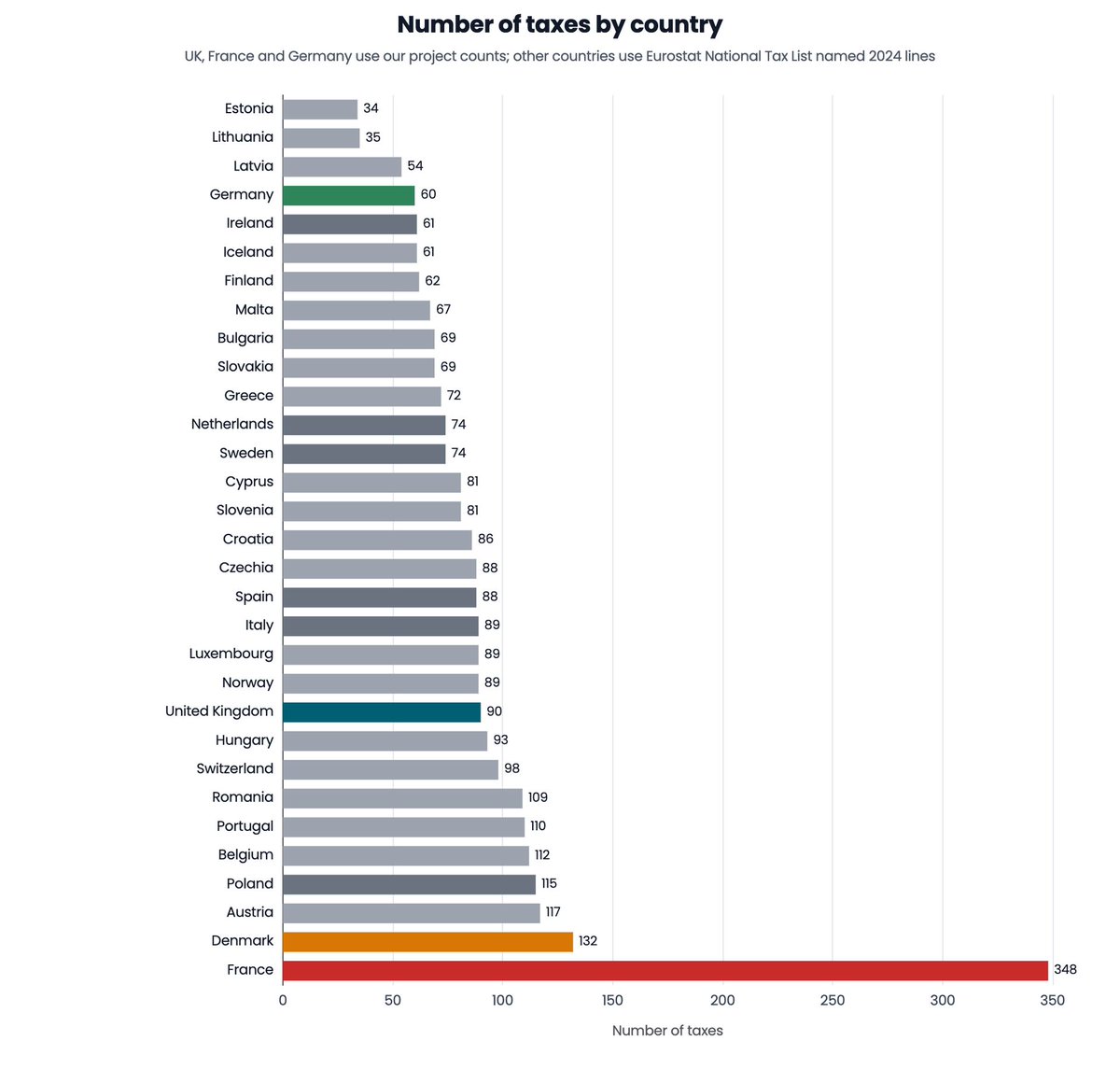
The UK now has 90 taxes (more than any time since 1843).
Germany raises more tax than the UK, but with only 60 taxes.
France raises a bit more than that, but has 348.
What's going on? And what can we learn?
66
May 24
Actually it is a bad policy with clear inbuilt exploitations and obvious onward labour market distortion
May 24

It’s good policy
Real wages have been stagnant, especially in sectors where overtime is high, putting extra hours in has been the way for many to make ends meet, getting to keep more of what you make is a better policy than anything the government has come up
1
79
May 22
RT @HackneyAbbott: The assisted suicide Bill should not come back via a private member's Bill as it became a farcical process and a terribl…
188
Eliot retweeted

May 21
The Assisted Dying Bill raised more questions than it answered. My piece in @LabourList >>>
labourlist.org/2026/05/assis…
3
18
36
3,283
Eliot retweeted
Net migration has fallen to… a city the size of Norwich, every year.
The mad Boriswave is the only reason this level is considered a “low”.
@ShabanaMahmood is restoring fairness and control to our immigration system.
May 19

Net migration expected to fall to lowest since Covid thetimes.com/uk/politics/art…
89
57
805
162,821
Eliot retweeted
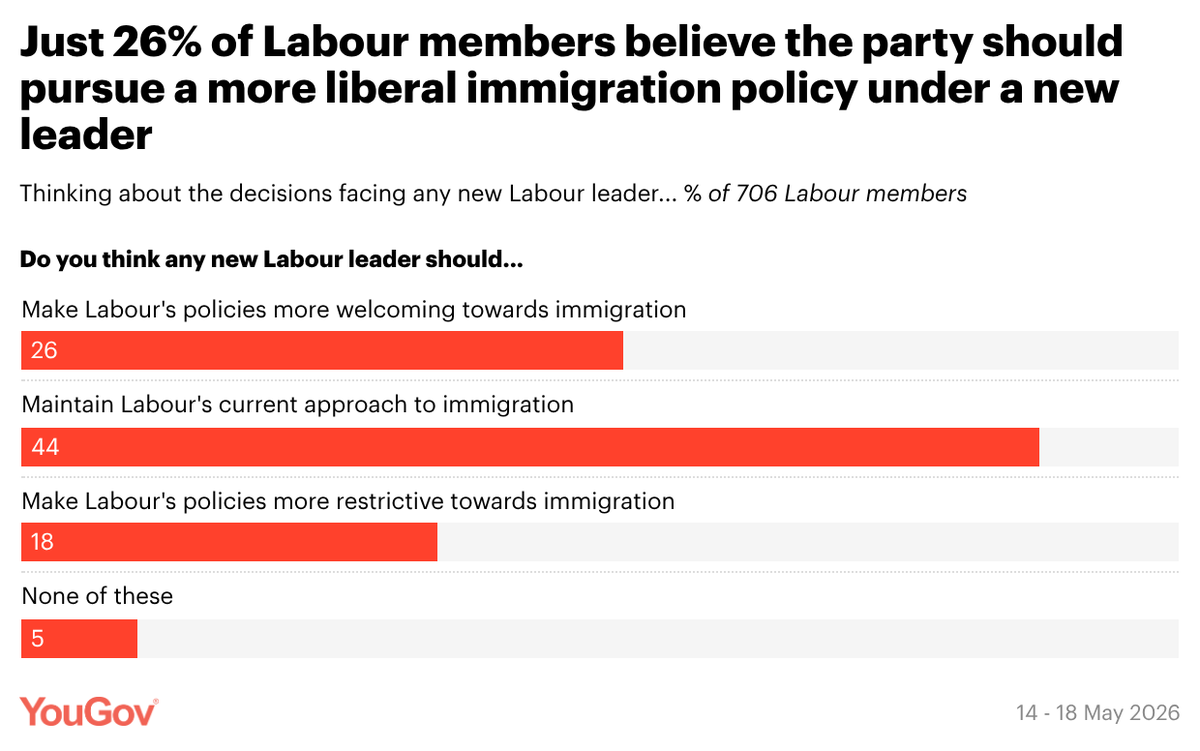
This is Labour members - not the general public, not even Labour voters.
Labour MEMBERS.
These days, a very liberal group of people.
And they support what @ShabanaMahmood is doing.

Labour members tend to think the party's current approach to immigration should remain in place under any new leader
More welcoming immigration policy: 26%
Maintain current immigration policy: 44%
More restrictive immigration policy: 18%
yougov.com/en-gb/articles/54…
15
37
219
22,999
Eliot retweeted

May 19
V popular argument on the Right that our current problems are the result of ~statism/~socialism, & that the market-liberal reforms of the last ~half century were a mirage (contradicting Thatcher's own claim that her greatest achievement was Tony Blair/New Labour, because they ~continued much of her legacy).
Here's a reminder of what the state used to do in the pre-Thatcherite era:
👉Own/run water, gas, electricity, railway companies as nationalised public monopolies (all sold off in '80s/'90s, often to foreign states, sovereign wealth, PE funds etc.)
👉Own/run municipal bus companies, coal mines, airlines, car factories, steelworks, telecommunications, shipbuilders & much else besides (all privatised in '80s/'90s, many mothballed entirely)
👉Build ~50-100k municipal homes/yr & impose rent controls on the PRS (social housebuilding, and ALL housebuilding, is now a tiny fraction of the post-war peak, millions of units have been privatised under R2B, rent controls were lifted in '88, & the Housing Benefit Bill exploded)
👉Impose strict controls on Forex & the export of capital abroad (controls lifted in 1979 & never re-imposed)
👉Have full employment as consensus policy aim & an attempt to control incomes & prices through Pay Boards/Price Commissions corporatist relationship with trade unions (all abolished, with trade unions slowly emasculated, & with out-of-work/sickness & disability benefits bill exploding)
👉Impose punitive taxes (of 80/90% ) on high/"unearned" incomes
👉Spend ~5% of GDP on public capital investment/fixed capital formation (collapsing to ~1-2% in Thatcherite decade, where it has hovered around since)
Britain's pre-Thatcherite political economy had levels of state involvement in PRODUCTION NATIONAL DEVELOPMENT the MANAGEMENT/DIRECTION of capital (not simply redistribution regulation, as today), that are unimaginable nowadays.
Many of the phenomena Ben describes below have little to do with anything approaching a social-democratic political economy – the "massive taxes" (relative to GDP) are largely a function of demographics, common across the developed world (even though our base rate/higher rate/additional rate are MUCH lower than they once were). The regulatory regime in water, energy etc. is a product of privatisation itself. And what we're seeing on stuff like the Renters'/Employment Rights Acts, energy subsidies, judicial rulings on pay via Equalities Act, minimum wage etc. is an attempt by legislators to perform a kind of post-hoc, bureaucratic, progressive distributional correction to the outcomes of a growth model still based on private ownership of core sectors, poor collective bargaining, low levels of public investment, outsourcing, PFI/PPP, globalisation/import dependency, financialisation, with the state desperately facilitating continued FDI etc. etc. rather than altering the growth model itself (which has been broken since 2008).
May 18

Unless you've been sniffing glue, I don't know how you can look at the massive taxes, the regulatory burden, the high minimum wage, the price caps on various services, and the very generous State Pension and then claim that the UK has had 40 years of neoliberalism.
13
55
231
29,685
May 18
I wonder what the Burnham v Streeting numbers look like should Burnham reject rejoin
May 18

NEW - YouGov Labour members polling
If there is a leadership contest, your first preference:
Burnham 47%
Starmer 31%
Rayner 8%
Streeting 4%
Miliband 3%
Cooper 3%
Mahmood 1%
Carns 0%
Head to heads:
Burnham 59% v Starmer 37%
Burnham 80% v Streeting 10%
Miliband 58% v Streeting 28%
Rayner 70% v Streeting 19%
On Keir Starmer, should he:
Take party into next election 28%
Remain as leader until closer to GE 33%
Step down no / in months 33%
YouGov polled 706 Labour members, May 14-18
109
Eliot retweeted

May 17
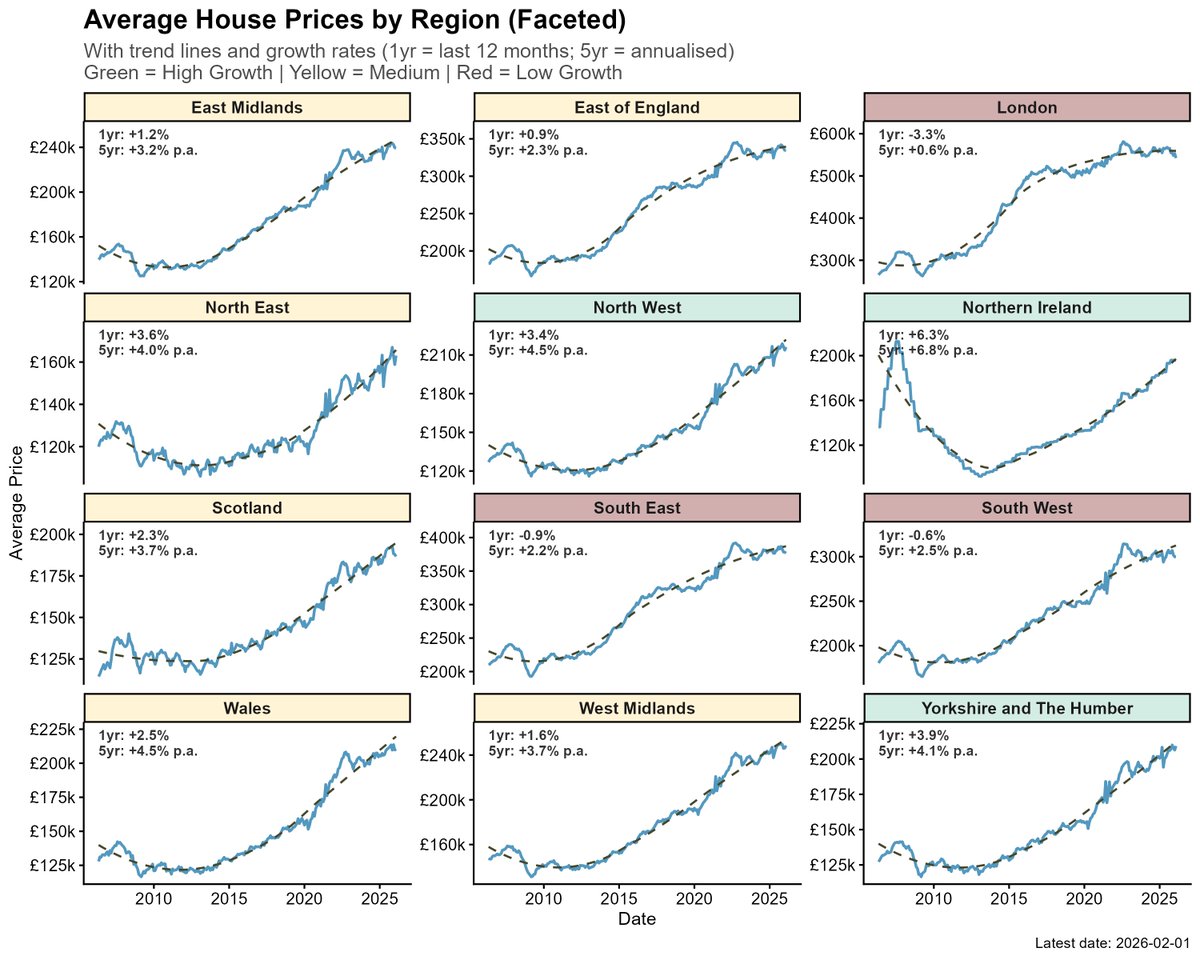
Britain has just 446 homes per 1,000 people, the second worst rate in Europe. Compere that with 560 per 1,000 in France, or 565 in Finland.
The UK is short about 6.5 *million* homes. The country needs to build every type of housing it can, council housing is not nearly enough.
May 17

Daily reminder that YIMBYism is about the self-interest of well paid graduates, not solving the housing crisis for those stuck on waiting lists.
Your value isn't based on your wage.
Labour must reject this grotesque social cleansing nonsense and build 000s of council homes.
27
95
733
50,340
Eliot retweeted
May 16
Wrote on Labour’s belated battle of ideas (LINK:👇)
“Starmerism” was an intellectual void. But out of its ashes, a consensus is tentatively forming between many soft Left/Blue Labour/Labour Growth types.
Most accept the necessity of a pro-business & supply-side agenda:
👉Planning reform reducing speed/costs of building
👉Tax burden shift from work to unproductive assets/rents
👉Current budget surplus target
But on the other side of the ledger, there’s calls for:
👉Investment-led growth (with more fiscal-monetary coordination)
👉Publicly owned utilities, transport, municipal housing etc.
👉Industrial strategy national preference infrastructural renewal
All in the service of reducing the entitlements/subsidy burden on HMT, currently papering over the cracks & false economies of the privatisation/regulation regime consistent, chronic under-investment. It’s a vision of the state as a productive, developmentalist agent, as opposed to simply a giant bureaucracy for cash transfers & post-hoc redistributions from a broken growth model.
Much to disagree on re: Europe/migration/self-ID/ECHR/the question of WHO/WHERE Labour should be for (perhaps Makersfield’s normcore Next menswear populist can find a centre-ground, unifying position on these sticky Qs, IF he wins), while calls for a more radical shift in political economy/UK PLC growth model gains traction:
unherd.com/2026/05/labours-b…
12
26
154
45,358
May 14
Ministers are not sectoral interest appointments nor technical specialist
May 14

Let’s look at today’s government promotions.
🩺 A Health Secretary - now running one of the largest employers after the Chinese Peoples Liberation Army - who has never managed a team larger than his parliamentary staff.
🏛️ A Chief Secretary to the Treasury - responsible for spending 1.6 trillion of taxpayers money a year - who is a lawyer with zero background in finance.
🏙️ And a new ‘City’ Minister who has never worked anywhere remotely near the financial and professional services sector vital to the UK’s economy.
Between them: two Islington former councillors and one in Tower Hamlets.
This is not about personalities or their no doubt well meaning intent.
But there has to be a better way to run this great country of ours.
4
366
Eliot retweeted

May 14
Three things. One, Angela Rayner said no. Two, you cannot take someone who has no experience of running a department at all and put them in charge of the biggest and most politically important department in Britain. Three, Starmer did it because he cannot shuffle the cabinet because he’s too weak.
May 14

BREAKING
James Murray has been appointed as the new health secretary following the resignation of Wes Streeting
Some had expected Starmer to appoint someone from the left in a bid to try to unite the party - he's elected not to do so
82
270
1,269
203,142