
Joined March 2009
- Tweets 18,819
- Following 1,064
- Followers 1,100
- Likes 21,724
1,747 Photos and videos











Scott Edy ⚡ retweeted

Jun 1
👀
20 Mar 2014

It's almost like the United States has no President - we are a rudderless ship heading for a major disaster. Good luck everyone!
15
195
2,052
67,627
Scott Edy ⚡ retweeted

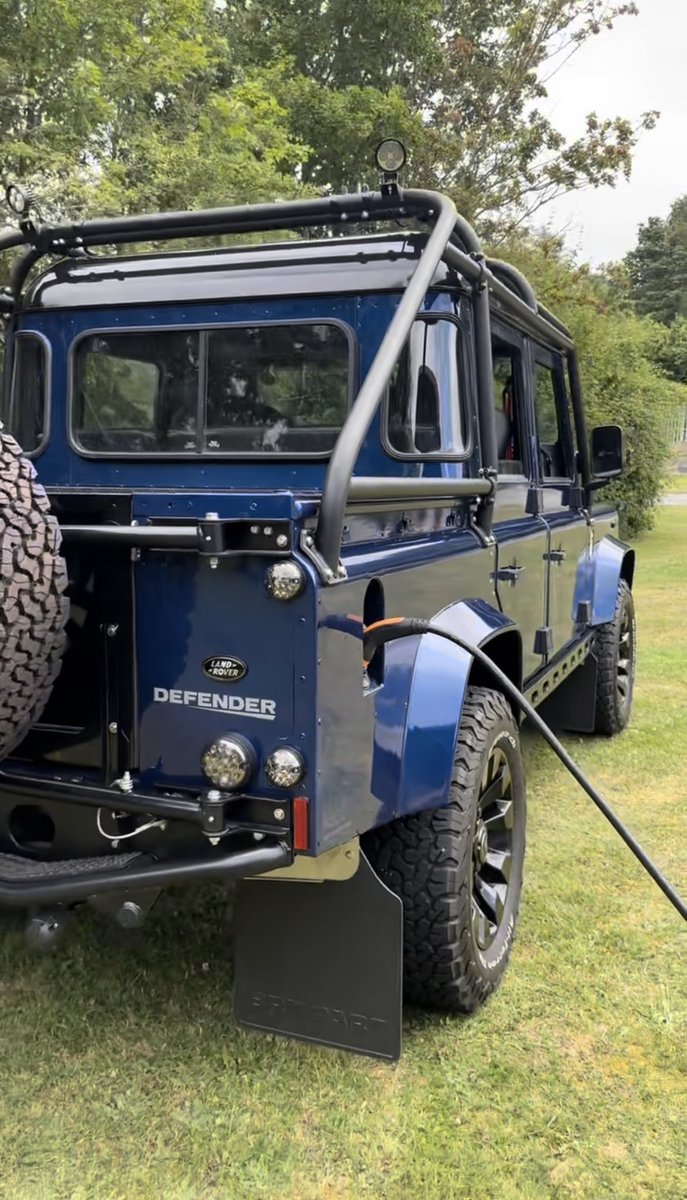
Another adventure powered by the sun. Enjoying the serenity of the Welsh countryside without polluting it with noise and poisonous fumes. 😎⚡️👌 #landroverdefender #landrover #electricdefender
1
2
34
1,473
Scott Edy ⚡ retweeted

May 14
WATCH: UK’s most important new factory - opening next year:
Tonight as part of my UK GDP report ive been to Somerset Agratas factory which from next year will be manufacturing made in Britain EV batteries that will enable JLR exports to the EU and US…
Absolutely fascinating:
92
317
1,249
124,266
Scott Edy ⚡ retweeted
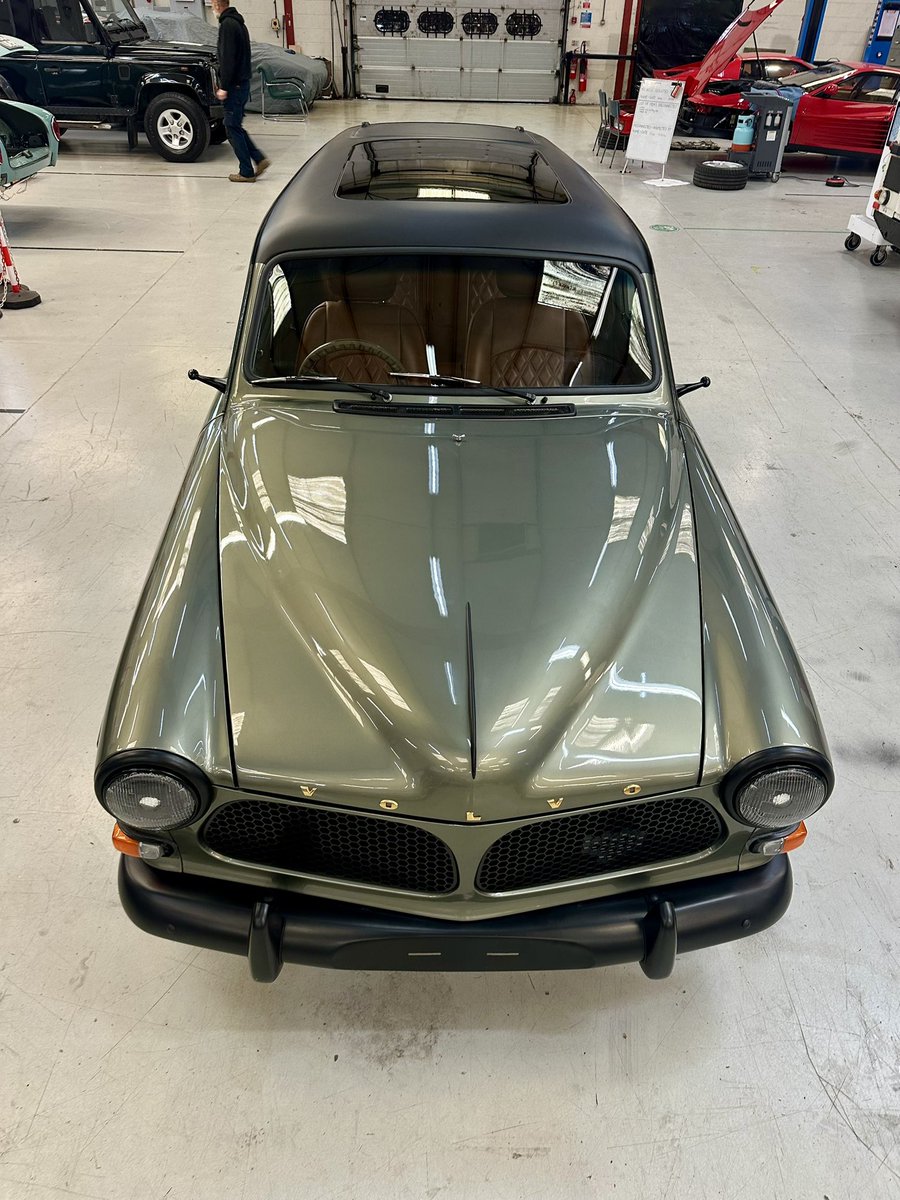
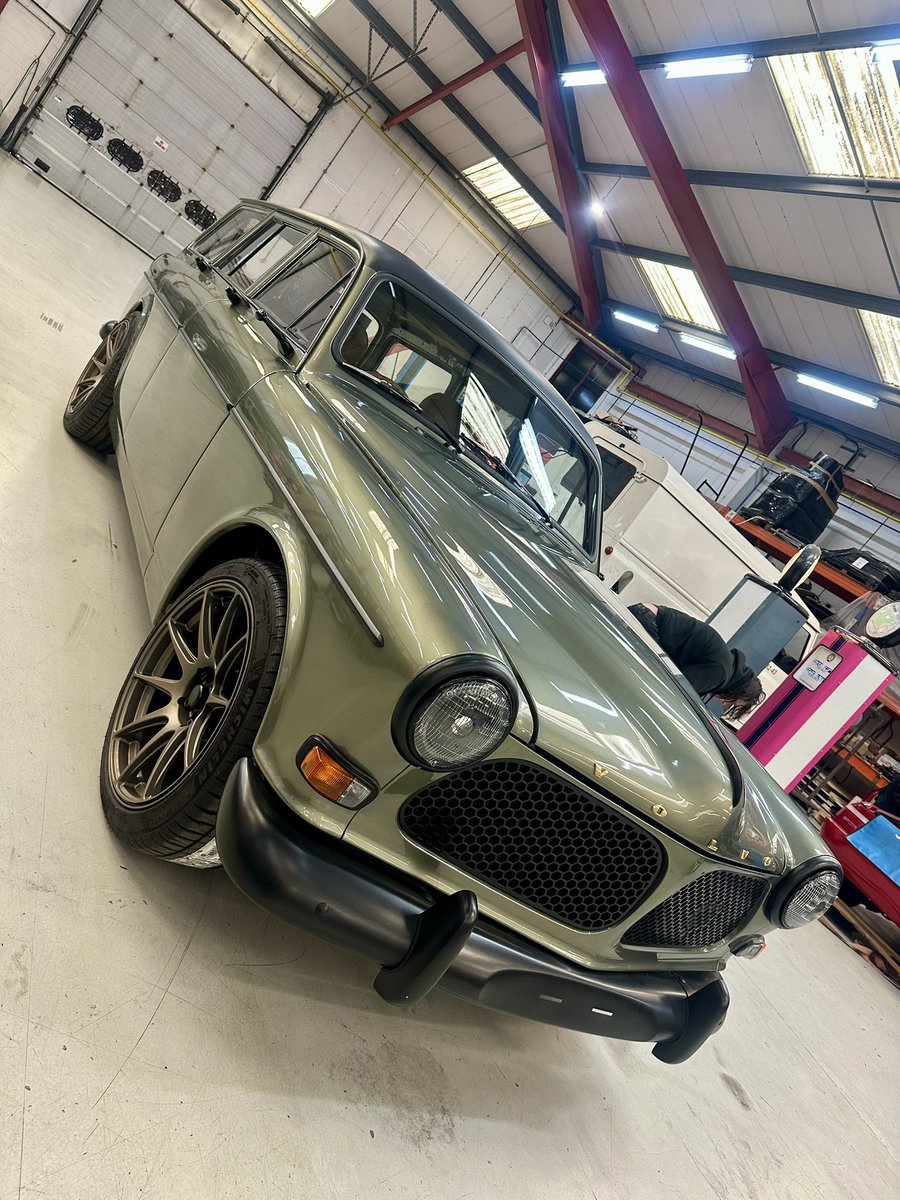
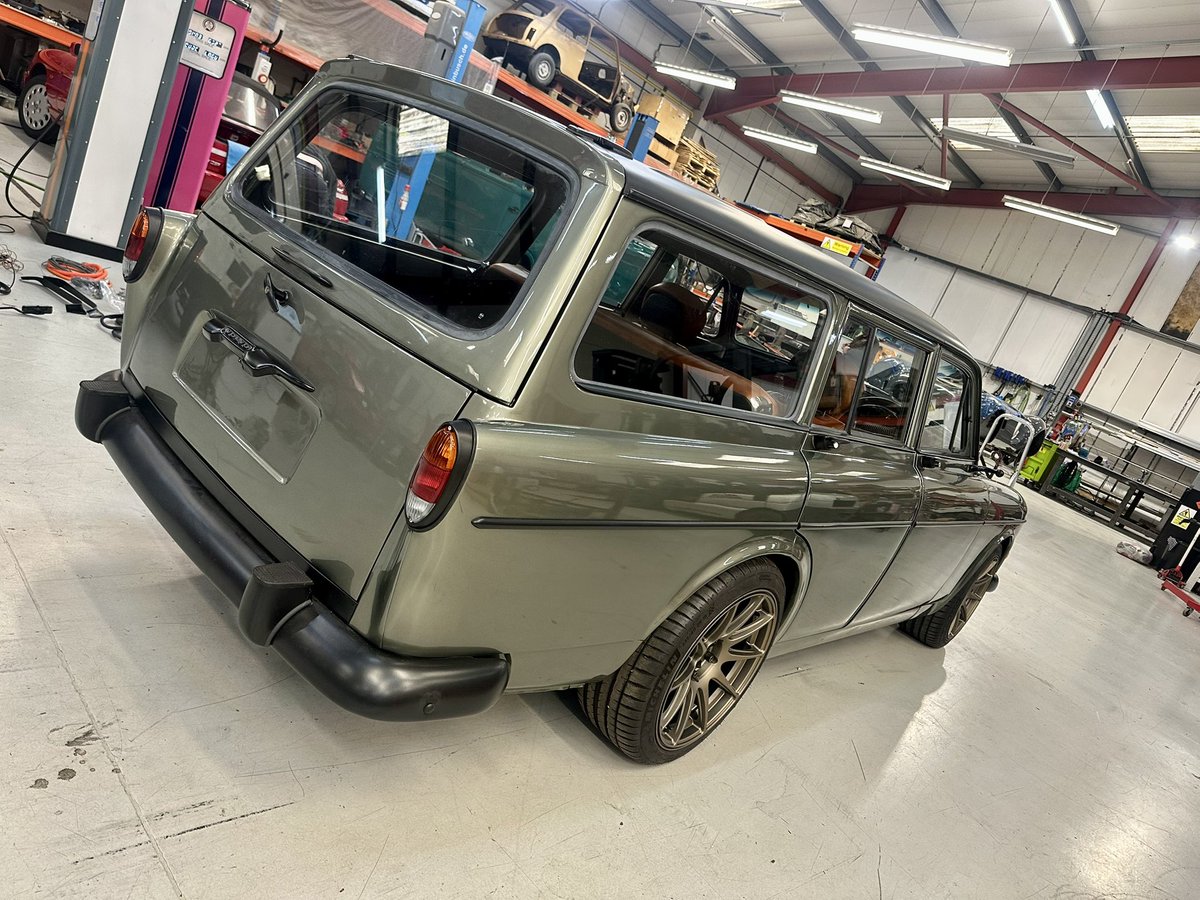
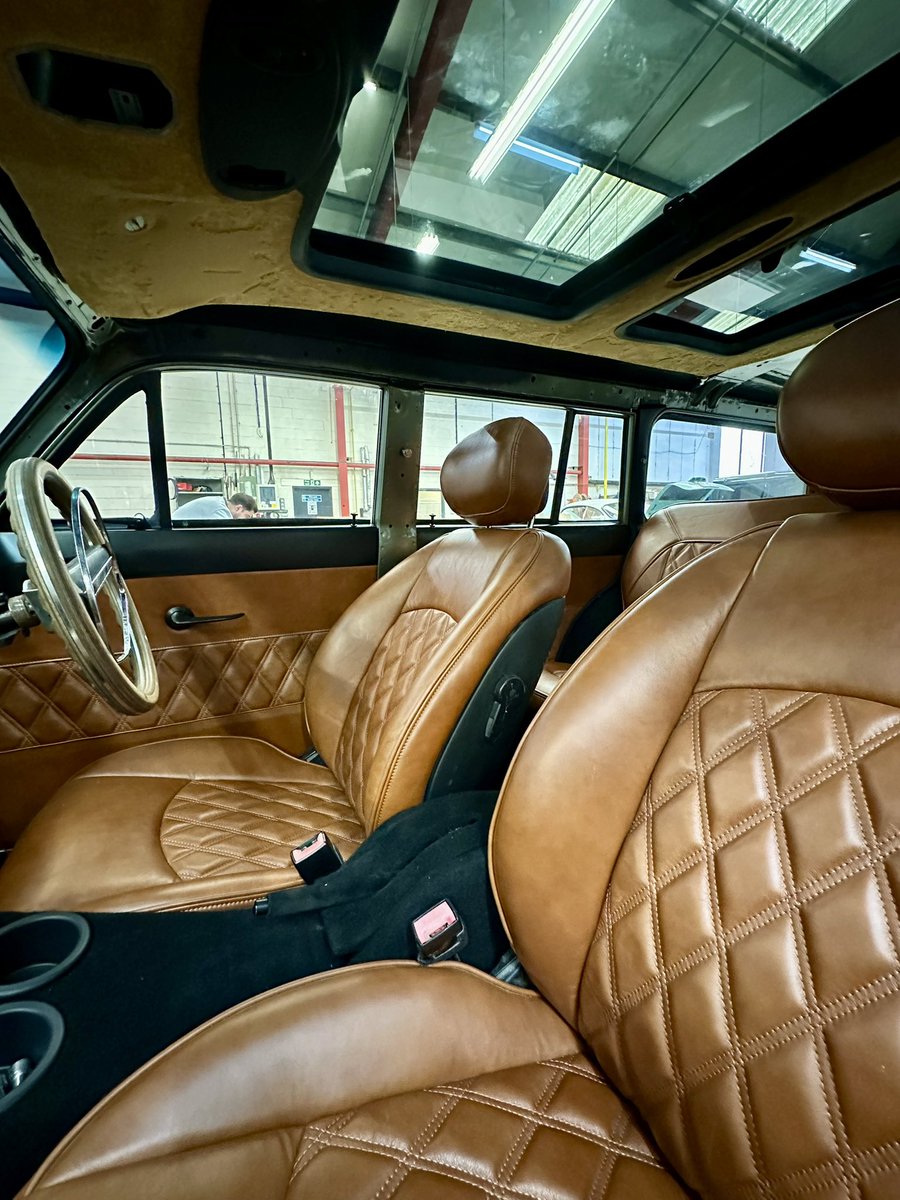
The first is always special, and this car is no exception. This is our first Volvo we’ve had here in the workshop and to say it’s a little bit special is an understatement. 😎👌 #volvoamazon #electricvolvo #volvoamazonestate
18
9
144
8,367
Scott Edy ⚡ retweeted

Help a mate out, he's after a 125cc bike for his son.
1
2
3
537
Scott Edy ⚡ retweeted

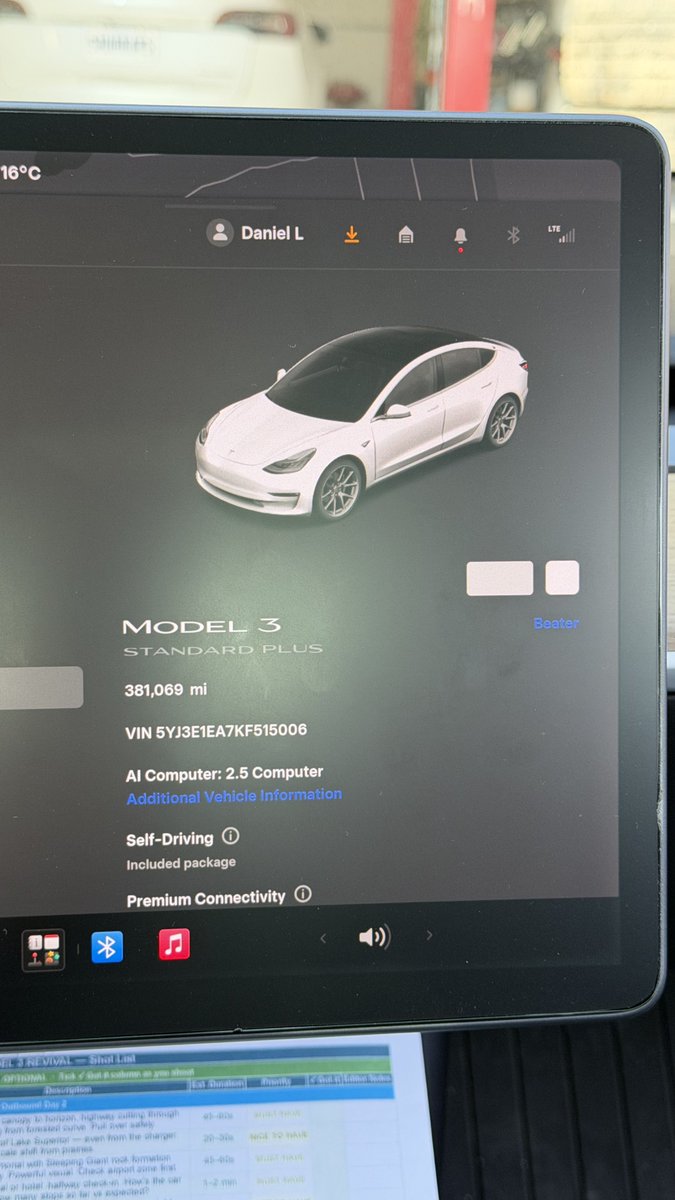
The LFP Swap is complete!
This high mileage 2019 Tesla Model 3 with 381K miles owned by @Drive_Protected just underwent a full battery swap from NCA to LFP in just a few hours.
It’s now essentially a new car.

This 2019 Tesla Model 3 owned by @Drive_Protected has 381,069 miles (613,271 km) on the odometer.
It’s on the original battery and rear motor.
Today, it’s undergoing a LFP battery swap.
139
150
2,212
761,053
Scott Edy ⚡ retweeted

Meanwhile, a new industry emerges to tackle the issue.
Once upon a time 12v car batteries were a major issue as recycling wasn’t available
Currently we sell 500 million a year, about 9 million metric tonnes.
Now they are considered one of the most recycled components on the planet with up to 99% of their components recycled, all this despite their toxic make up.
Wind turbines. Companies like enva.com/ take these blades and transform them in to components to replace fossil fuel at ‘energy to waste’ plants that manufacture cement.
This will happen worldwide as the need arises.
Meanwhile, old farts like this would rather you stick to burning gas and coal. The good news is, the world ain’t listening anymore.
May 3

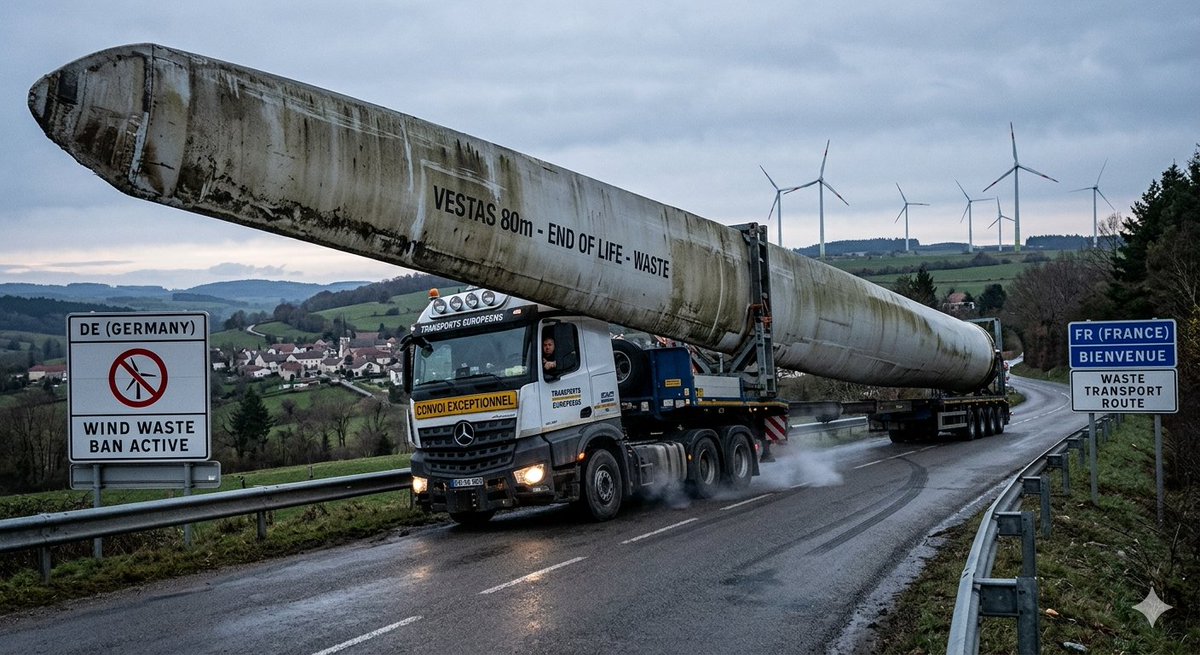
On January 1, 2026, the European wind industry implemented a self-imposed landfill ban on turbine blades.
This has left many countries scrambling silently for solutions. Landfill has become the next unwanted crisis, yet it's the conversation no one wants to have. Germany, Finland, and the Netherlands have banned blade landfills, and so for a time they are being exported to countries like the UK or France, where they can still be buried.
Banning waste like turbine blades doesn't make it vanish though—it just puts it on a truck to a neighbour's backyard. Low-scale solutions are often cited as the answer, like turning blades into noise barriers, bridges or playground equipment.
How do you turn 43 million tons of blade waste from turbines into park benches and koala crossings? How many park benches does one planet actually need?
Modern recycling for glass and carbon fibre often requires pyrolysis (high-heat chemical decomposition). To recycle a 'green' blade, you must burn an immense amount of energy to break down the resins.
We are trading a physical waste problem for a new energy demand problem. People love a quirky solution that highlights the absurdity of the problem—like the image of a massive 80-metre blade being used as a single, very long bus shelter.
Even 'green' solutions have a physical footprint that can't be wished away by a spreadsheet.
42
140
1,684
105,009
Scott Edy ⚡ retweeted

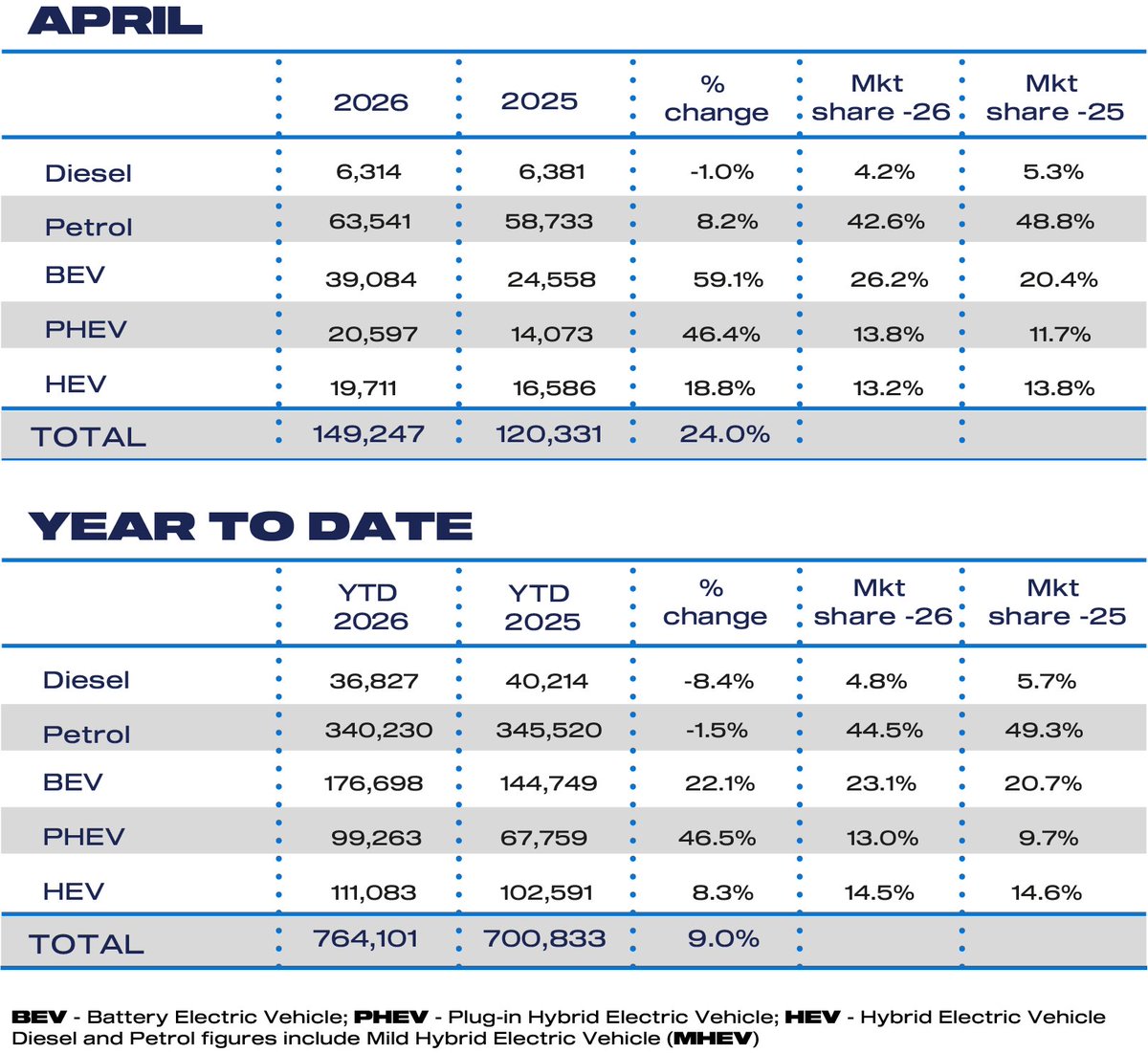
UK Diesel sales have all but collapsed, now only 4% of sales in April
BEV now taking 23% of sales YTD and growing at 22% per year
Petrol sales down 5% y/y most of that seems to be moving across to BEV
1
2
22
966
Scott Edy ⚡ retweeted
We’re collaborating with Viking Motorsport to build the world’s first electric Ford Escort Mk1. With a composite body on a tubular chassis, coupled to a 400hp electric motor & modern running gear, it’s going to be the ultimate road warrior. Who wants to be the first customer? 😎
10
12
112
7,950
Scott Edy ⚡ retweeted

Scammers are targeting drivers with fake texts and emails pretending to be DVLA.
🔒 Think before you click
📩 Don’t share personal info
🔗 Always use GOV.UK
Protect yourself with DVLA’s top tips. 👉 gov.uk/government/news/dvlas…
#Scams
2
1
748
Scott Edy ⚡ retweeted

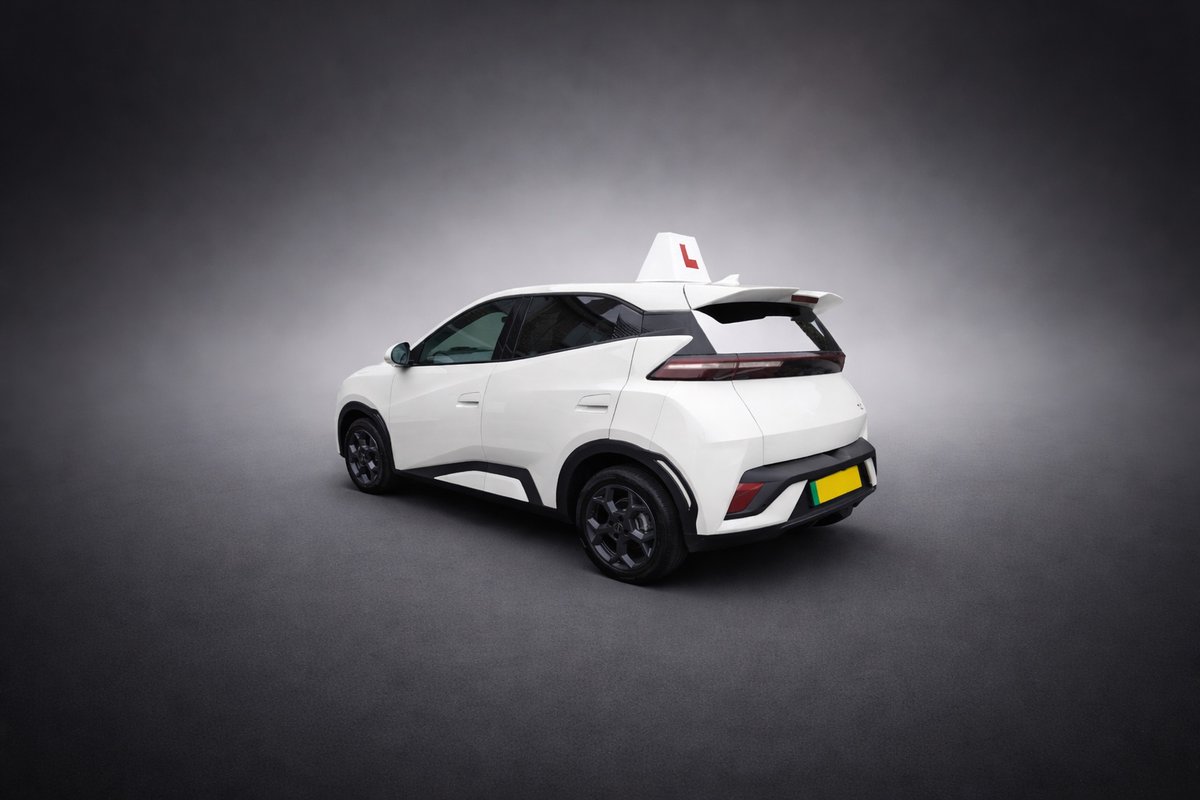
Today the Dolphin Surf starts work as my new tuition EV, I absolutely love it. 💚⚡
4
5
34
1,179
Scott Edy ⚡ retweeted

Mar 19
1
1
23
Scott Edy ⚡ retweeted

Mar 10
NIO Inc. Reports Unaudited Fourth Quarter and Full Year 2025 Financial Results linkedin.com/pulse/nio-inc-r…
16
52
335
44,883
Scott Edy ⚡ retweeted
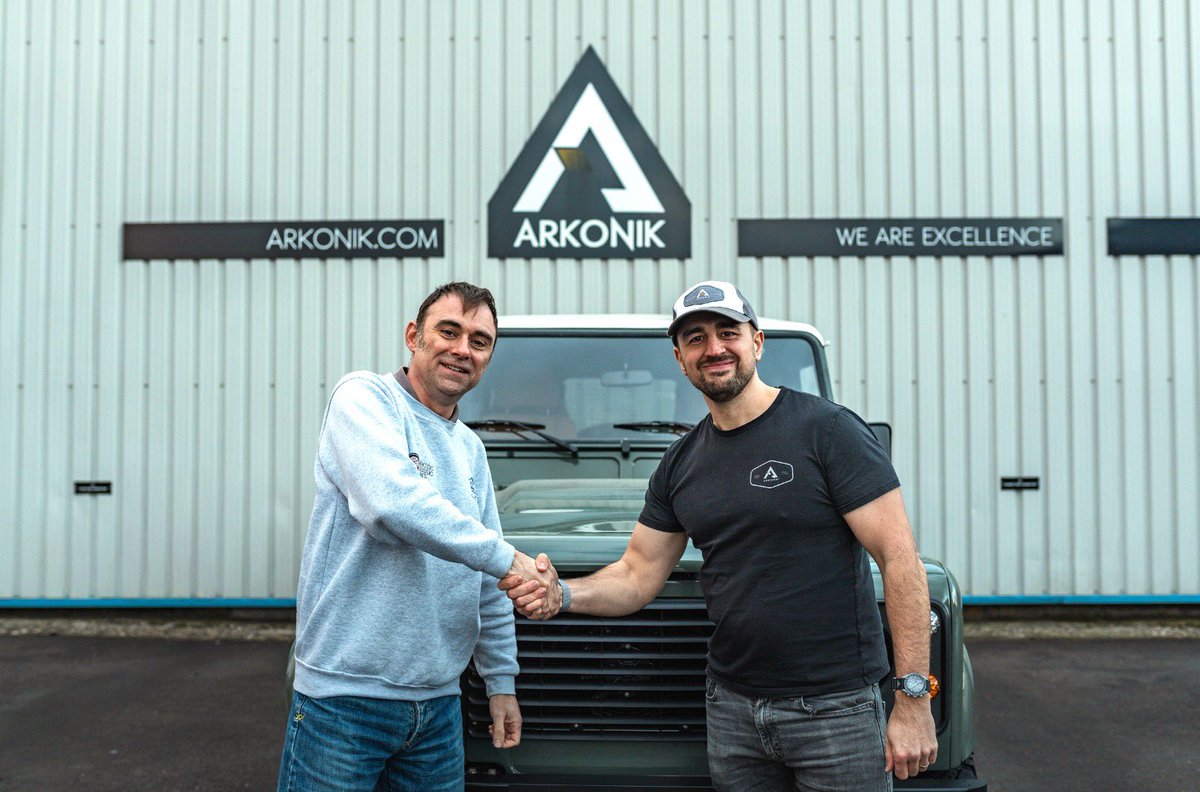
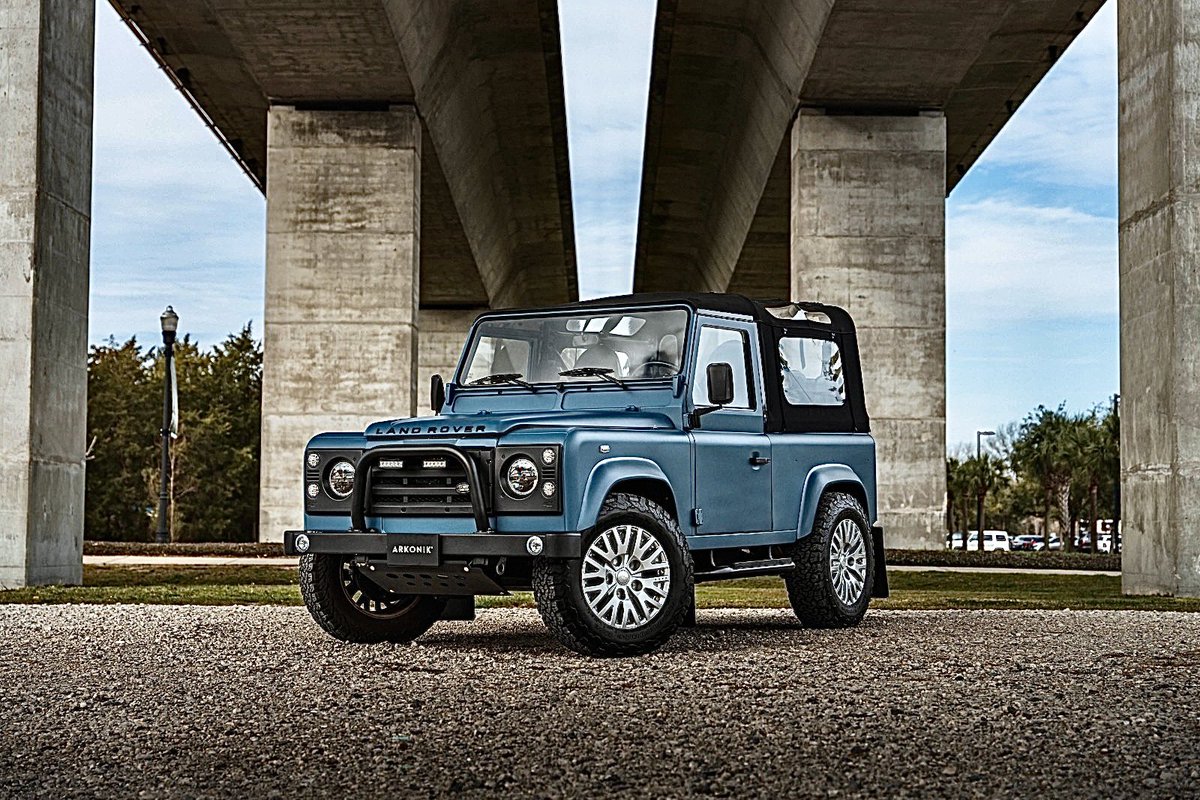
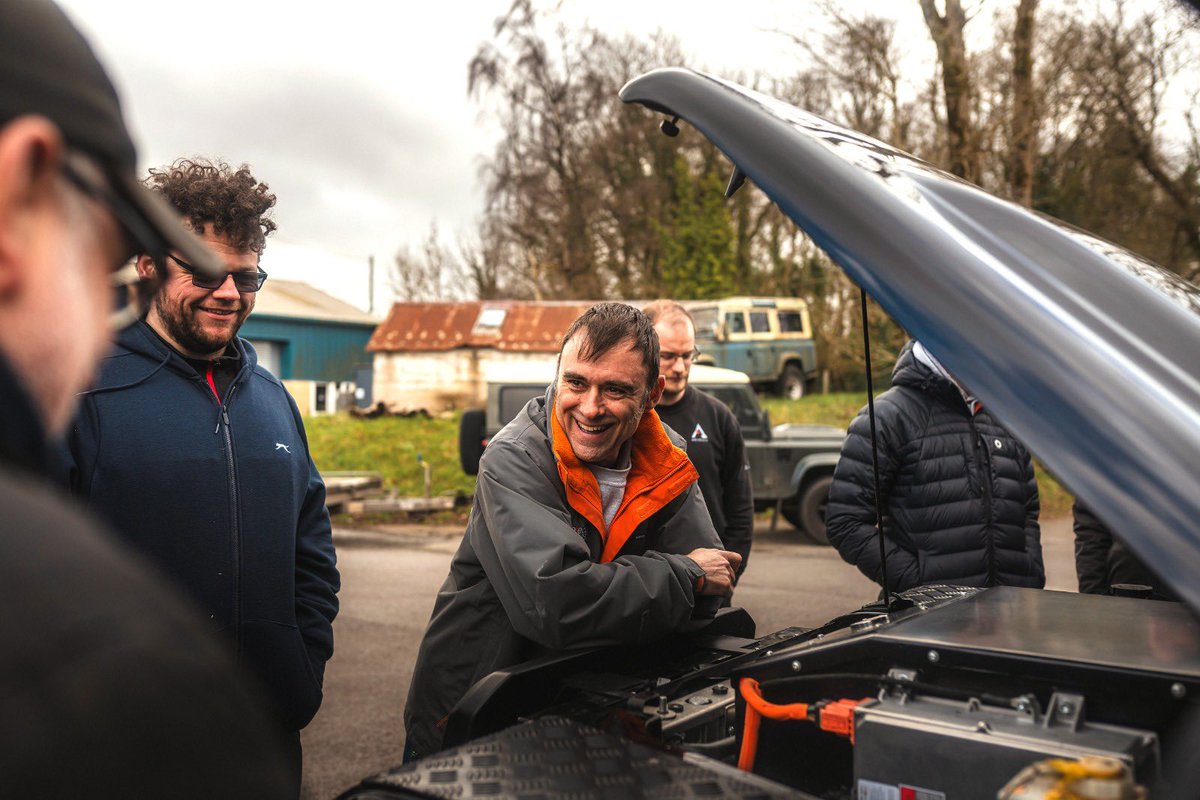
We’re excited to announce a groundbreaking partnership between Electric Classic Cars (ECC) and @arkonikdefender —bringing fully electric, expertly crafted Land Rover Defenders to life.
Together, we’re uniting iconic design with cutting edge EV performance. ⚡️💪👌
11
10
96
3,834
Scott Edy ⚡ retweeted

Tesla Model 3 or Polestar 2 , which would you buy ?
youtu.be/CfvGyUQSn1A?si=0i2i…
3
1
3
1,083
Scott Edy ⚡ retweeted

Feb 8
Richard,
The issue for Ford, Stellantis, etc is not one of U.K. net zero policy (almost all countries have net zero compliance requirements) it is two fold
1) Flip-flopping regulatory requirements from national governments including ours.
2) Some OEMs, like those mentions, who have been slow to embrace EV / REEV, synthetic fuel technologies. That is a management issue.
Yes China are winning, but mostly because their Govt set a policy of transition to New Energy Vehicles starting in 1992 and consistently stuck to it over all of their intervening 5 year industrial strategy plans.
You cannot put technology back in the box; companies have to exploit cutting edge technologies and those that legislate against them, or try to hide behind tariffs barriers, will eventually die.
EVs are a relevant technology, complimented by other emerging technologies like synthetic fuels. EV in-particular raised the thermodynamic bar to a level unobtainable by ICE. Battery Technology is fast evolving to support the grid and allow for decentralised and democratised energy generation. The U.K. has not lost this race and in fact leads in some areas of software and electronic control - we have a thriving university spin-out culture.
Rather than being divisive about net zero, it would be better to advocate for U.K. industry to lead the maturation of its superb technology, supported by Govt to help avoid the TRL4-7 “Valley of Death”. As ever, I remain open to discussing both battery and vehicle technology in detail with you and demonstrate why firm and consistent policy is important to our transport and supporting industries - including for example indigenous virgin steel manufacturing.
52
40
253
30,959
Scott Edy ⚡ retweeted

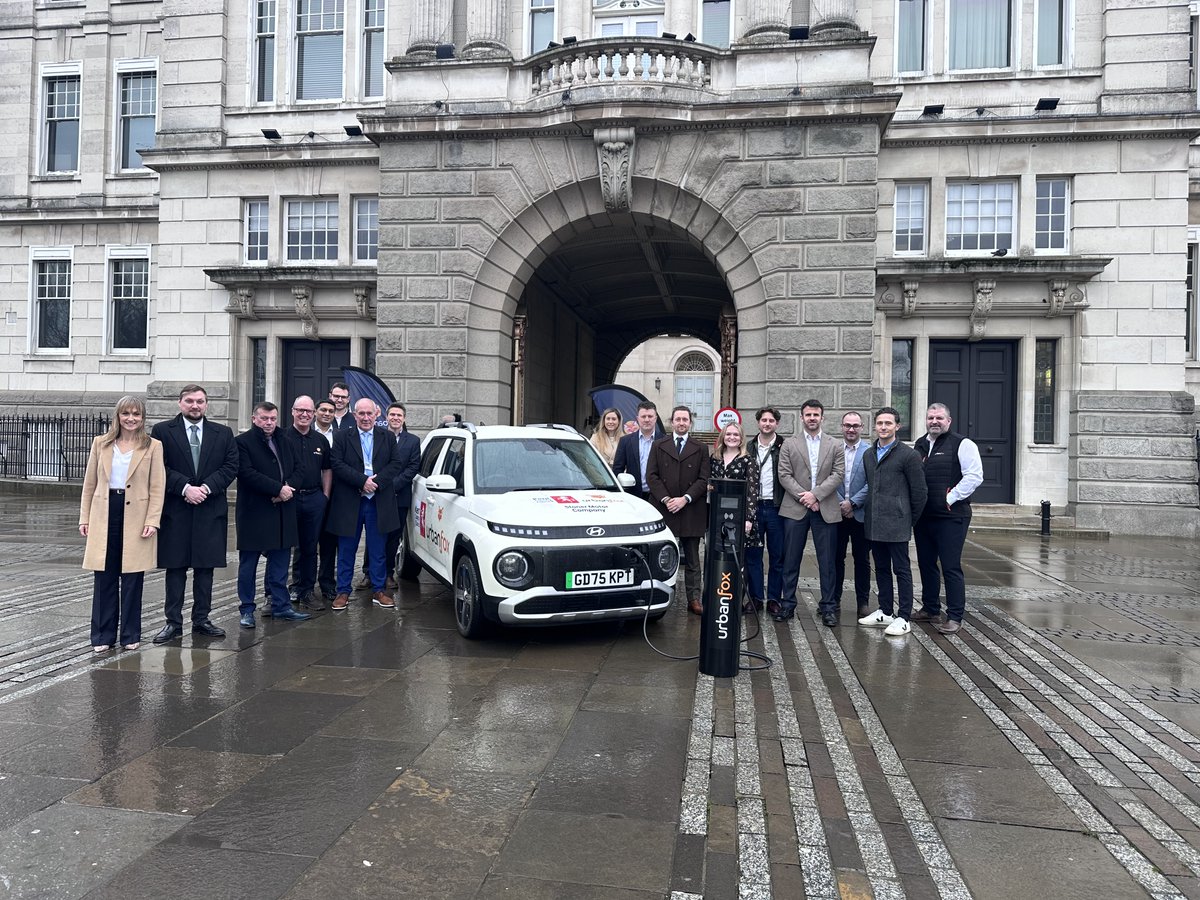
🎉Huge news for Urban Fox - and for Kent! 🎉
We’re incredibly proud to announce that Urban Fox has secured a 20-year contract with @Kent_cc
👉Read more here: bit.ly/4qjLDWk
#BigNews #EVCharging #Kent #NetZero #SustainableTransport #FutureOfTransport
1
2
4
215
Scott Edy ⚡ retweeted

Jan 27
Why did you stop for an hour? 5 minutes would have done. If your phone goes flat at a friend’s house, do you have to stay the night to charge to 100% before you can leave?
5
1
40
1,291
Scott Edy ⚡ retweeted
Tesla powered Mini workshop walk-around. 300hp, 34kWh battery pack, disc brakes all around. Is this the perfect little pocket rocket for the city? 😎⚡️👌 #classicmini #mini #electricmini #minicooper
50
45
426
23,021
Scott Edy ⚡ retweeted

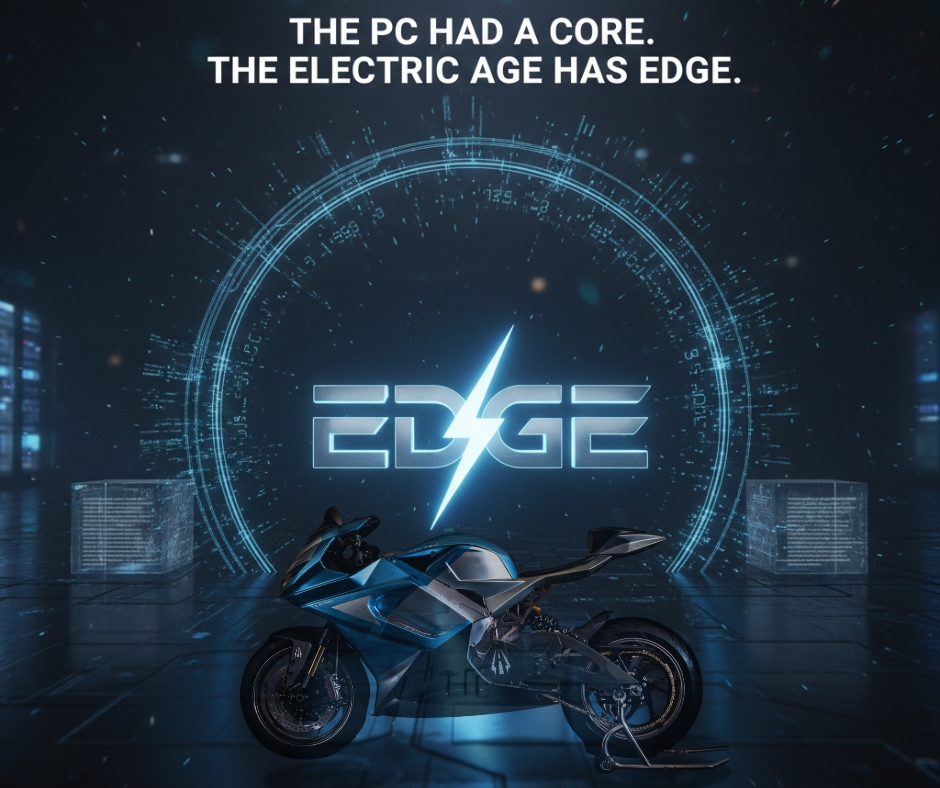
Lightning’s history in motorcycles wasn’t the destination—it was the proving ground. 🏍️⚡
Years of advanced engineering projects across industries led Lightning to build a modular performance architecture designed to scale quickly across platforms.
This is Lightning EDGE. 🚀🌍
1
3
87