
phd @paradigm_hub @episteme_sci @efi_sci ⤿ agentic science, philosophy of tech, art
Joined February 2018
- Tweets 3,226
- Following 2,597
- Followers 3,874
- Likes 18,892
134 Photos and videos













Pinned Tweet

May 14
LETHE MACHINA via @dif_fractions
A series curated with C.I.P.H.E.R. on the fragile arts of forgetting: opacity, camouflage, disappearance, deletion, anti-detection, model memory
We invite essays, artworks, experiments, fragments
Opening w/@harryhalpin
diffractionscollective.com/2…
6
15
580
sasha shilina retweeted

This piece of art never gets old, I know it has spawned so much commentary, articles, and reflections, but it continuously remains one of the most relevant pieces in the 21st century:
youtube.com/watch?v=yucoGrSu…
3
26
2,053
May 22
psychic tv
the cure
björk
xiu xiu
bauhaus
faust
sunn o)))
current 93
einstürzende neubauten
bohren & der club of gore
папа срапа

Jethro Tull (3 times)
Godspeed You Black Emperor (3 times)
Black Sabbath
Magma
The Magnetic Fields
The Mountain Goats
The Magic Band (sans Captain)
Joanna Newsom
Jonathan Richman
Richard Dawson
1
6
308
May 6
guattari wrote about the image machine before the image learned to generate itself
>every feed is a small cinema of desire: optimized, looped, hallucinated back to us by AI
feels prophetic
e-flux.com/notes/6783490/the…
1
10
194
Apr 29
excited to be part of this course
The first session of my New Centre for Research and Practice course, discussing themes from my book, The Revenge of Reason, is now available on youtube: youtu.be/r22bsg4T_Ds?si=rgXf…
There's still time to sign up for the remaining 7 sessions!
8
293
sasha shilina retweeted

Apr 13
the dude who compiled and edited Genesis P-Orridge’s “Thee Psychick Bible” (Feral House) also worked with Google “to shape the future of artificial intelligence”….


31
64
626
43,277
Apr 14
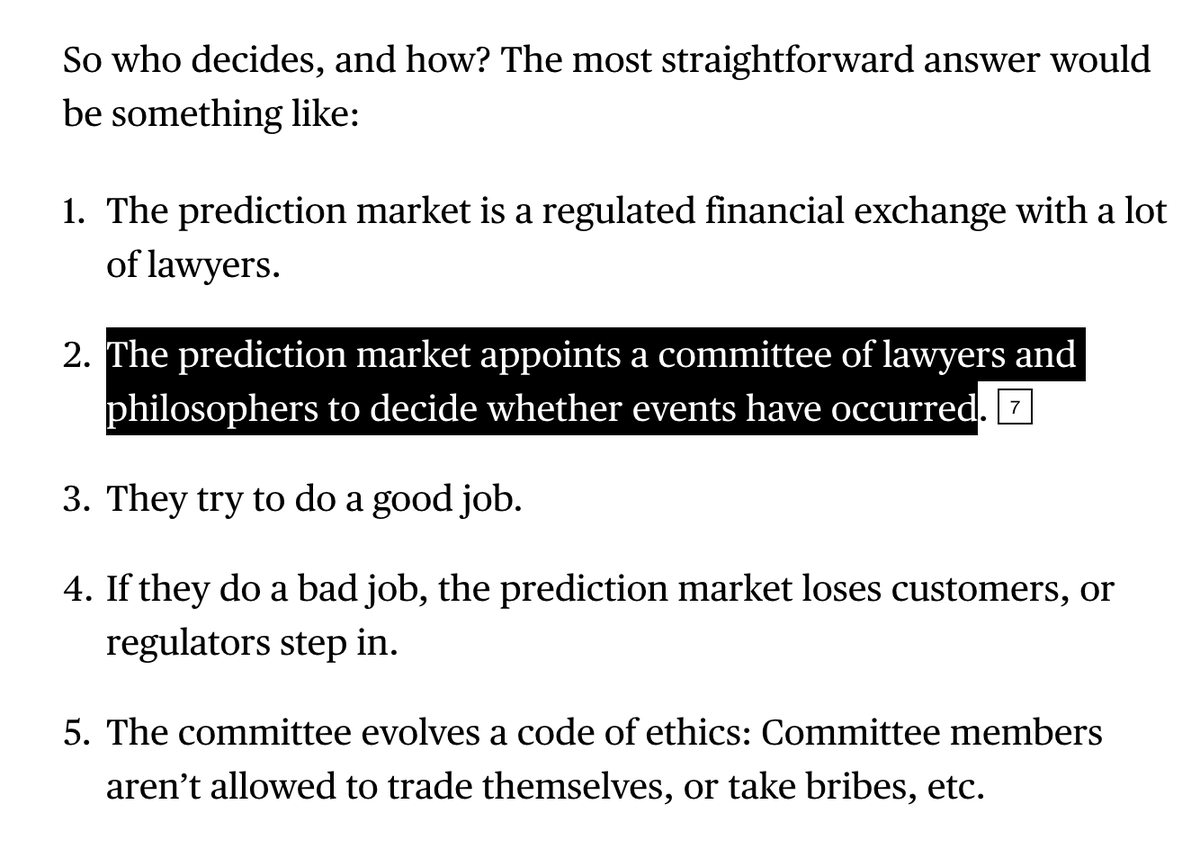
every prediction market eventually rediscovers metaphysics in procedural form

philosophers are safe from the permanent underclass
thanks to AI labs and *checks notes* prediction markets
1
2
14
804
sasha shilina retweeted

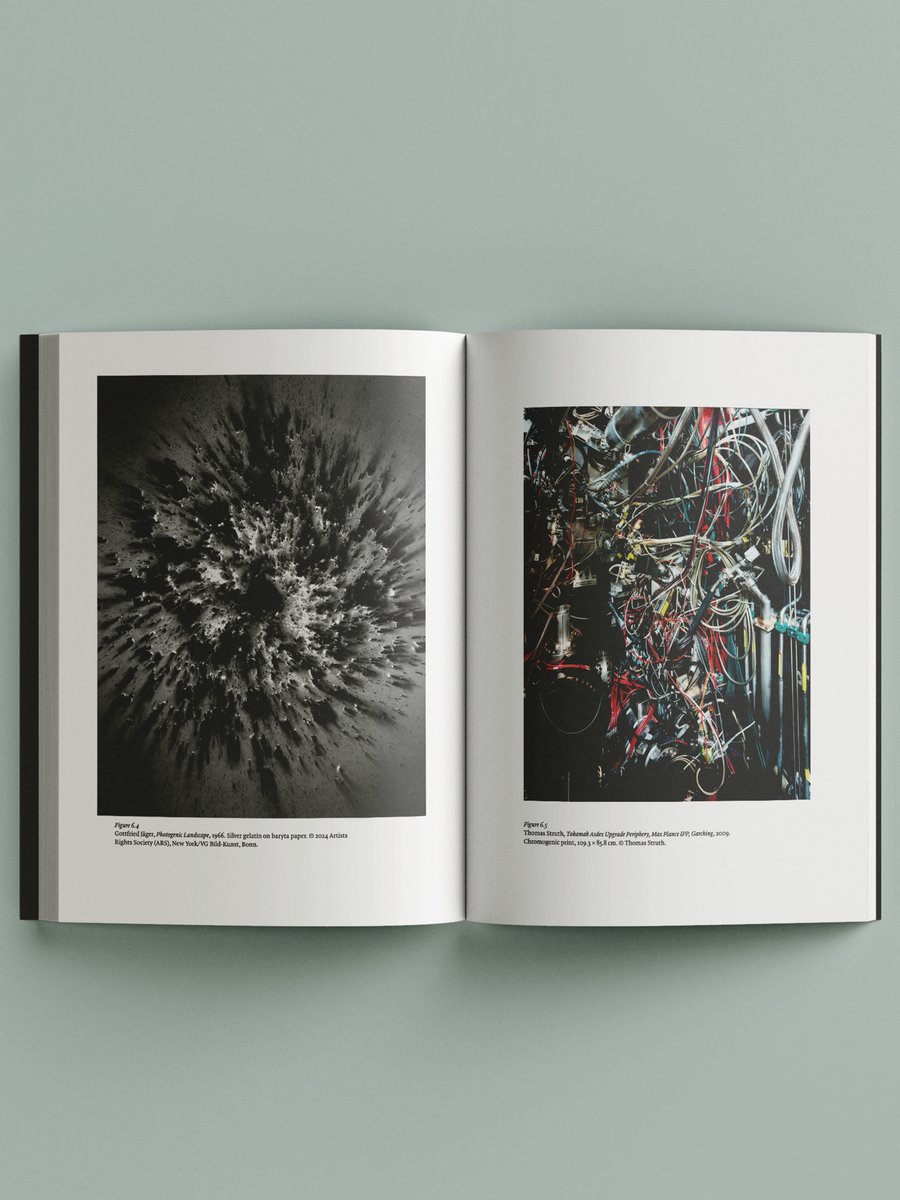
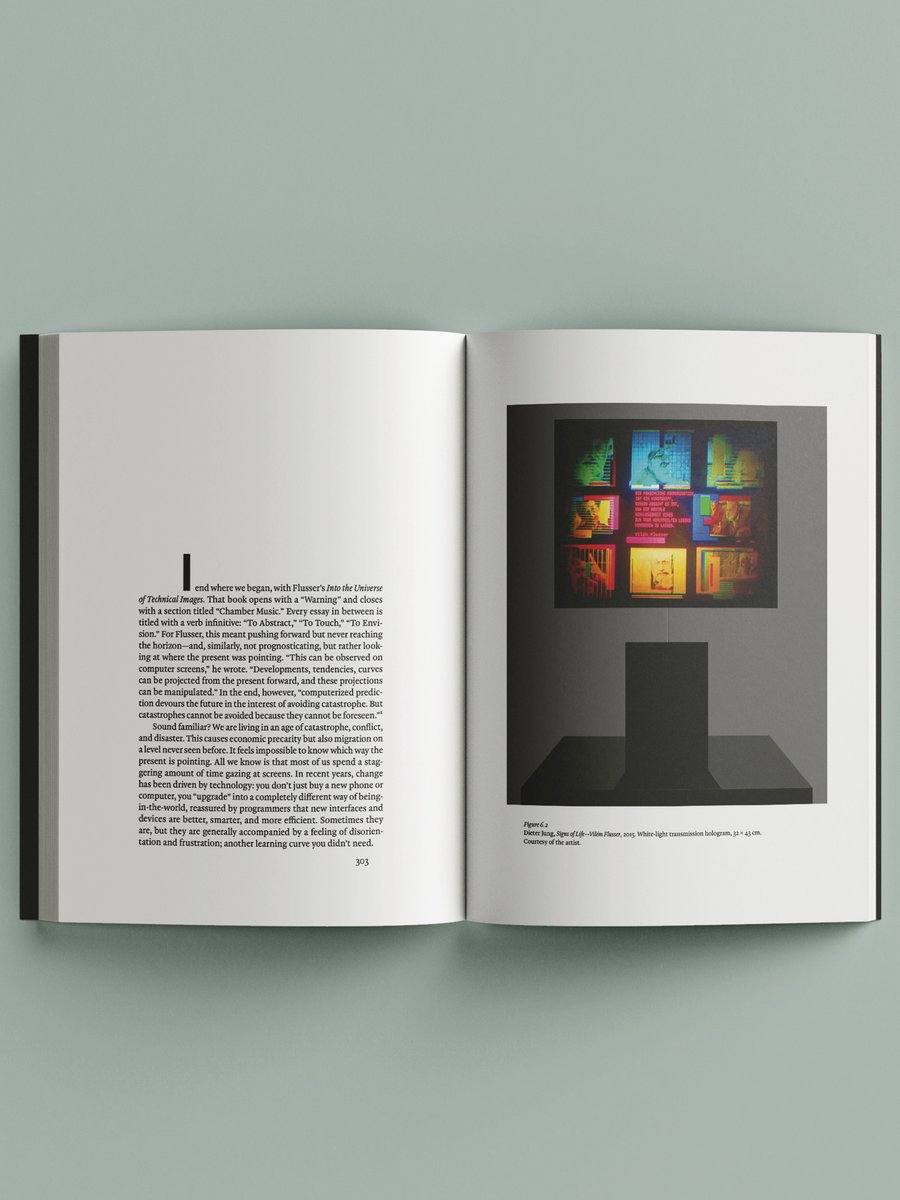
In the 70s, Czech-Brazilian philosopher Vilém Flusser warned that the bewitching images and screens around us could lead to a centrally programmed, totalitarian society—or to a better one shaped by dialogue and collaboration and new forms of intelligence.
mitpress.mit.edu/97802620512…

29
127
6,207
Apr 7
governance gets more interesting when each vote maps to an actual human
Apr 7

Vortex is live!
Governance where every voice is a human node.
1 human = 1 node = 1 vote.
We invite you to join us and shape the destiny of global egalitarian financial systems together.
Link: vortex-simulator.humanode.io…
2
9
374
sasha shilina retweeted

Mar 26
Check out our new publication (link below)
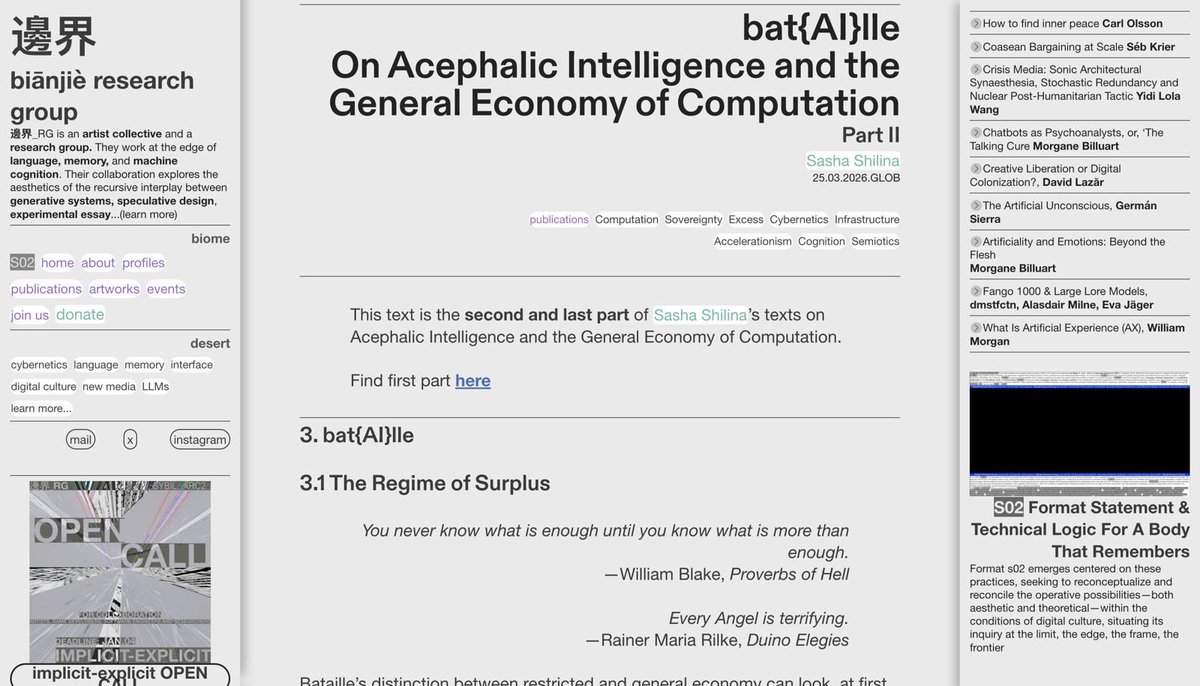
Recently, we published the first part of @sshshln “On Acephalic Intelligence and the General Economy of Computation,” which argued that AI should be understood less as frictionless interface intelligence than as a planetary regime of expenditure—one that consumes water, electricity, labor, extraction, and attention while aestheticizing those costs through the language of optimization. Drawing on Bataille, Shilina introduced “acephalic intelligence” to describe AI as a headless assemblage of infrastructures, institutions, standards, and compute flows that concentrates power without a single sovereign subject.
Part two carries that argument forward by examining the regimes of surplus, sacrifice, sovereignty, and waste that structure contemporary AI more deeply. It tracks how training converts cultural and social traces into model-capacity through a logic of sacrificial destruction, how governance migrates into platforms, protocols, and pipelines, and how hallucination, overproduction, and synthetic plausibility reveal a broader economy of excess rather than isolated technical defects. In doing so, Shilina shifts the terms of analysis beyond familiar debates around bias, transparency, or explainability, toward the more fundamental question of how computational systems organize expenditure, distribute loss, and render those losses politically legible or invisible. The result is a more exact account of AI as a headless but highly operative order of power, and of the narrowing but still possible space for refusal, counter-ritual, and constraint within it.

2
9
35
975
sasha shilina retweeted

Mar 20
Ever wonder what a nervous system would look like if it self-assembled inside a novel being that hadn't faced a history of selection for its organism-level form and function? Or, perhaps you wondered how #Xenobots would look and act, or what their transcriptome would be like, if they had nervous systems?
Well, here's the first step: advanced.onlinelibrary.wiley…
"Engineered Living Systems With Self-Organizing NeuralNetworks: From Anatomy to Behavior and Gene Expression"
Our awesome team: led by @halehf: @LaurieONeill99, @mmsperry, @LPiolopez, @DrPatrickE, and Tiffany Lin.
The @TuftsUniversity and @wyssinstitute press releases are here, for summaries:
now.tufts.edu/2026/03/16/sci…
wyss.harvard.edu/news/toward…

62
271
1,526
213,795
sasha shilina retweeted

Mar 21
"Agentic AI and the Next Intelligence Explosion" is a new paper just out in Science I co-authored with @blaiseaguera and @profjamesevans as part of Google's Paradigms of Intelligence research group.
"For decades, the artificial intelligence (AI) “singularity” has been heralded as a single, titanic mind bootstrapping itself to godlike intelligence, consolidating all cognition into a cold silicon point. But this vision is almost certainly wrong in its most fundamental assumption. If AI development follows the path of previous major evolutionary transitions or “intelligence explosions,” our current step-change in computational intelligence will be plural, social, and deeply entangled with its forebears (us!)."
It builds on my talk "The Singularity Will Not Be Singular" that I gave at @PrimeIntellect day last week.
science.org/doi/10.1126/scie…
22
75
367
59,436

Btw, in case you are wondering, the graphics were actually mostly vector graphics which were then directly digital laser printed on the 35mm film, which is why we don't have surviving animation cells of those interfaces.
The warm glow you see in all the old interfaces comes from the exposure on the 35mm film.

In an alternate timeline we’d be using Evangelion GUI designs rather than CLIs
67
3,861
45,294
1,242,932
sasha shilina retweeted

Mar 18
Recorded a podcast with my favourite economist @ProfSteveKeen
If you do not know who he is get the best insights from his studies in 30 min!
How fiat money actually works, how to fix proverty, and remake the economy without using false theories of textbooks.
Mar 18
5/ This is exactly why CT should know Steve Keen.
We talked about money creation, debt, crises, inflation, Bitcoin, Fath and why crypto can become a lab for new monetary experiments.
Watch here - live now: youtube.com/watch?v=YWdv51Zf…
1
5
265
sasha shilina retweeted

Feb 24
the only network state that I would join



1
11
382
sasha shilina retweeted

Feb 21
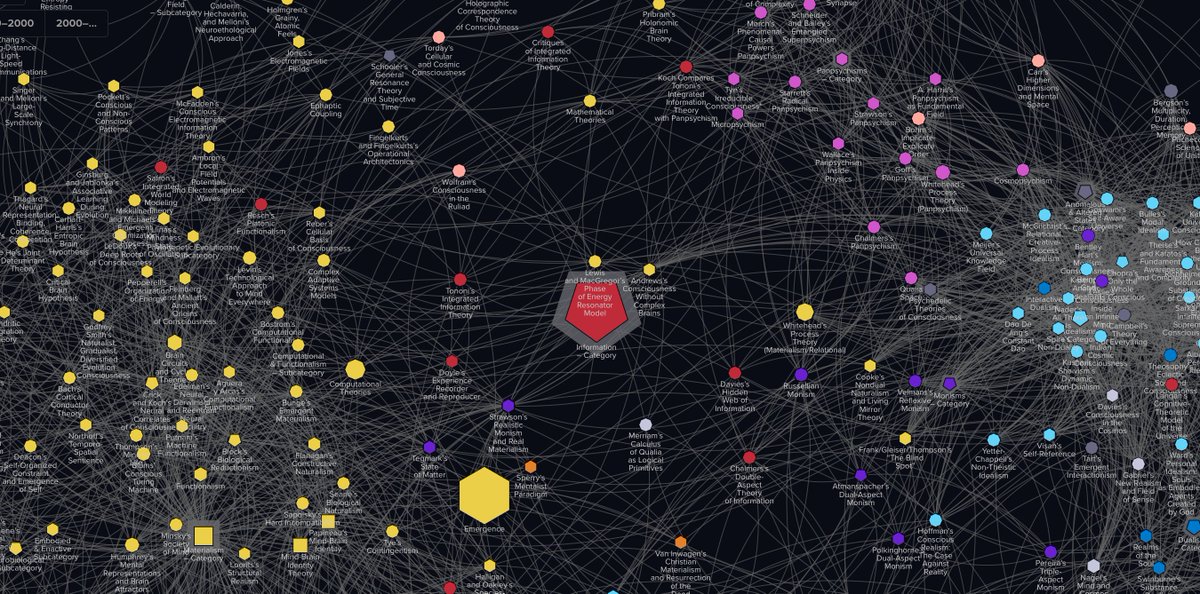
babe wake up the landscape of consciousness theories map dropped
79
385
2,909
328,091
sasha shilina retweeted
Shilina :: “Lethe Machina” names the paradox that follows. We built machines that should have made forgetting easier – frictionless deletion, graceful disappearance, the option of silence. ::
@sshshln
diffractionscollective.com/2…
11
46
5,417
Feb 18
Lethe Machina: a river engineered against flow.
memory doesn’t recede; it gets re-served.
an ethics of endings: thresholds, fading, mercy.
via @dif_fractions
diffractionscollective.com/2…
2
8
25
909
sasha shilina retweeted

Feb 11
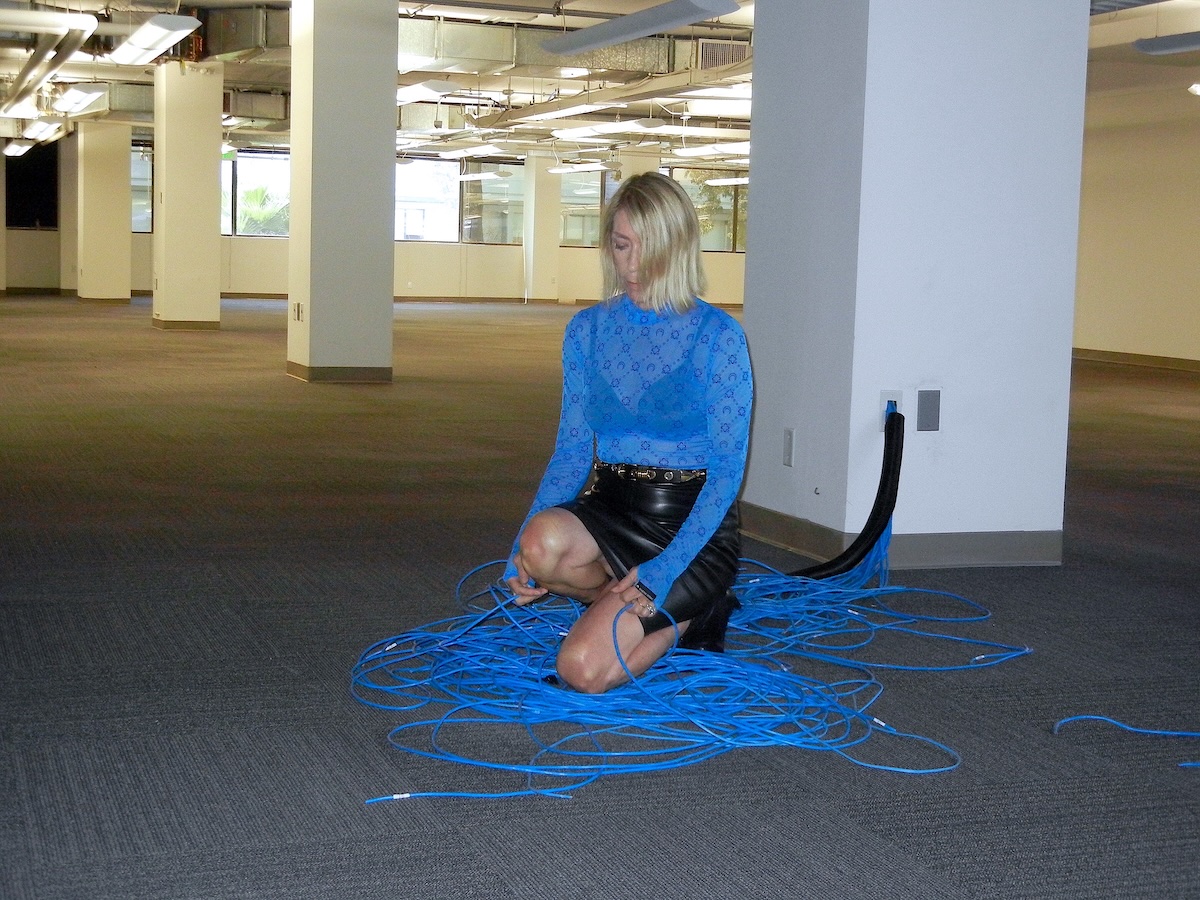
Check out Kim Gordon's extremely cool new single "Dirty Tech"
stereogum.com/2488904/kim-go…
10
75
5,436
sasha shilina retweeted

Feb 11
On Acephalic Intelligence and the General Economy of Computation (Part I)
@sshshln for @bianjie_systems
bianjie.systems/bat{ai}l…

4
26
150
6,300