
Former Children's Minister & Member of Parliament for East Worthing & Shoreham. Sometime archaeologist. Trustee Society of Antiquaries. President Sussex RBL
Joined January 2010
- Tweets 28,501
- Following 731
- Followers 23,595
- Likes 565
2,253 Photos and videos







Says someone who flounced off in a strop and caused an unnecessary by election because she thought she was entitled to a 'peerage'

Well known that Rupert Lowe is working with Kemi Badenoch. I imagine the word ‘peerage’ pops up a great deal in conversations…
5
23
180
12,526

Jun 12
And a great job you did too Bob

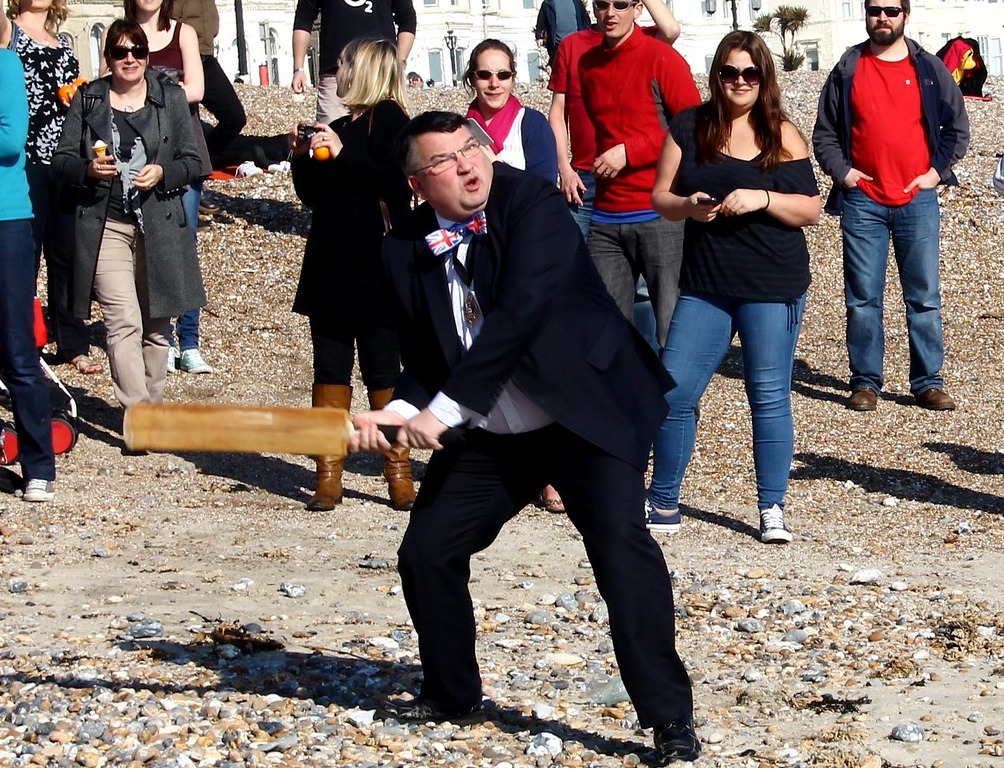
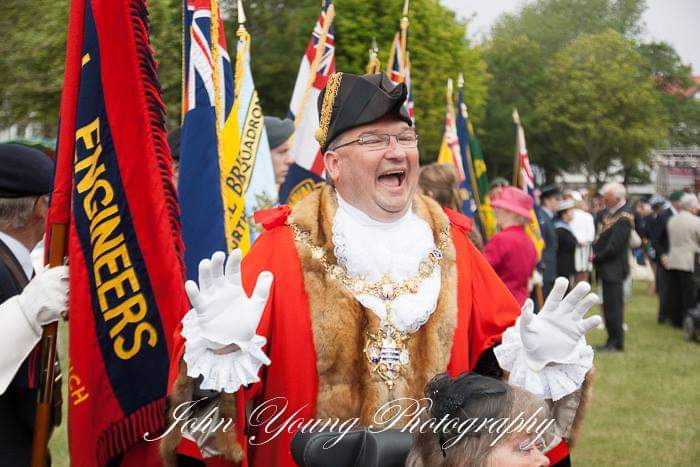
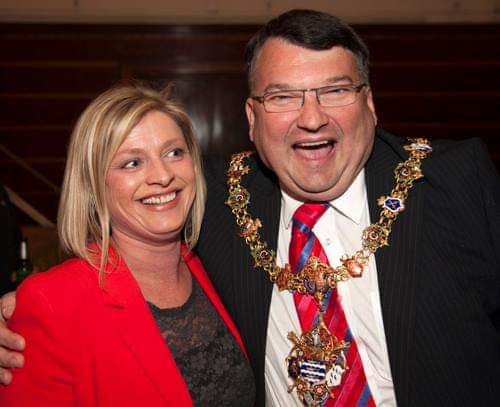
12 years ago today was my final day as Mayor of Worthing.
The most amazing & proud 13 months of my life to serve our Town.
#LoveWorthing @Worthing_Herald
@WorthingJournal
@Sussex_World

4
1,023
Tim Loughton retweeted

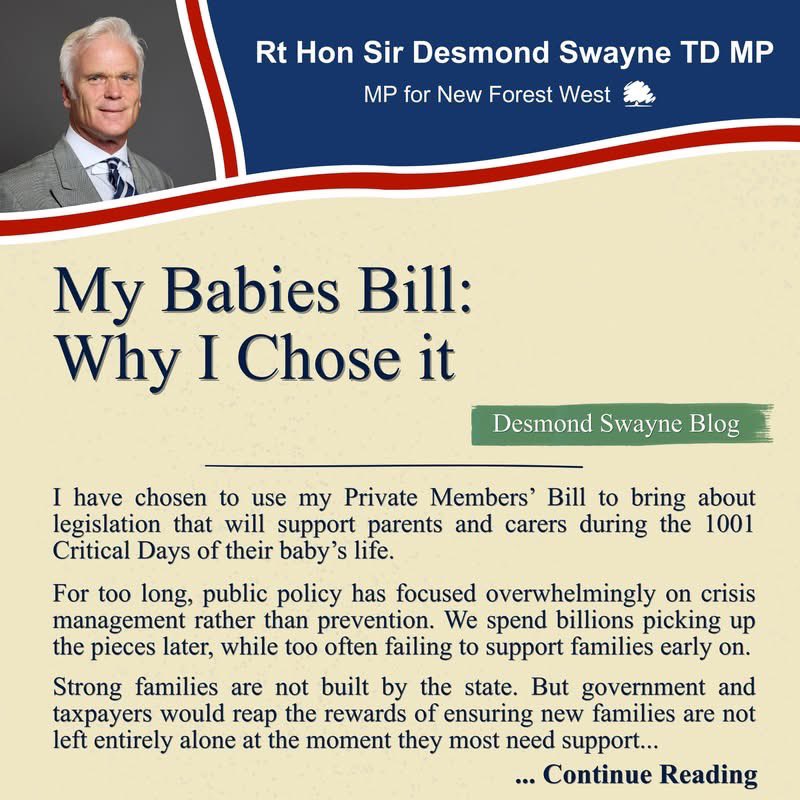
Why I’m Championing the Babies Bill as my Private Members’s Bill:
desmondswaynemp.com/ds-blog/…
3
16
63
7,365
Tim Loughton retweeted

Jun 11
Seems Suella Braverman and Robert Jenrick have a simple question to answer. Did they support the fast-track scheme for the alleged Belfast attacker. Or did they recognise it was jeopardising the British public, but simply stood by and did nothing.
118
201
853
34,301
Jun 11
Hope this wet behind the ears Labour MPs isn't a regular at casinos.
Jun 10

Little condescending to @aliciakearns
3
1
2
1,777
Tim Loughton retweeted

Questions tonight for Reform's Suella Braverman and Robert Jenrick, who were Home Secretary and Immigration minster respectively, when the Belfast attacker entered the UK (10 Feb 2023) and was granted a five year visa to remain (28 Sept 2023).
Shadow Tory Home Secretary Chris Philp was also in the Home Office during this period.
More reporting and analysis on @GBNEWS.
142
283
1,295
250,745
Jun 8
Added to which since my Civil Partnerships Act became law in 2019 opposite sex couples can get legally hitched with full protections under the law, tax etc. if they have objections to full fat marriage. Some people just want their wedding cake and to eat it.

This will stop people living together who might want to & stop people getting married, because it makes no legal difference. I’m always dissappointed in politicians who throw out these comments & turn off replies, it’s cowardice. If someone wants legal protections, get married. Child maintenance is already covered as it the ability to put a property in two names. People are mature enough to sort out their financial agreements between them. Stop meddling
3
10
1,602
Jun 7
And she would be utterly ashamed of you today. She hated disloyalty and opportunists who betrayed her party

Today is the twenty fifth anniversary of the 2001 General Election when Romford became the first "GAIN" from Tony Blair's new Labour with the largest swing in the United Kingdom, electing me as Member of Parliament for Romford. Margaret Thatcher's visit to campaign for me two days before is included here in this historic footage from that famous victory, now a quarter of a century ago! 🇬🇧🏴
27
55
483
38,066
Tim Loughton retweeted

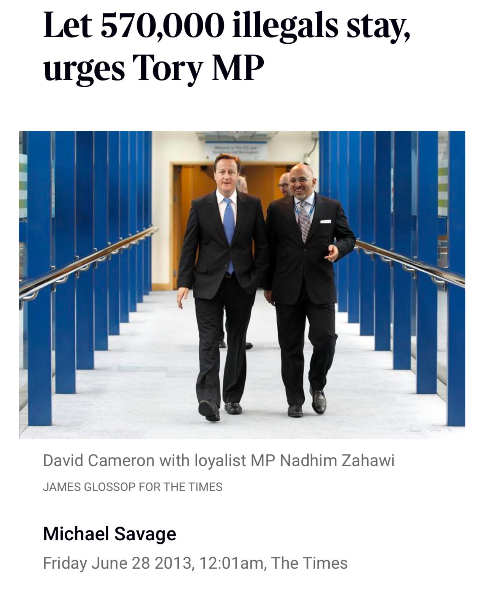
Embarrassing stuff from Nadhim Zahawi.

Reform's Nadhim Zahawi, an ex-Tory chancellor, refuses to condemn a Reform ad that has been widely criticised for misrepresenting Tory leader Kemi Badenoch's comments on race.
#TrevorPhillips | @TrevorPTweets
📺 Sky 501 and YouTube
45
95
426
24,305

Tim Loughton retweeted

Jun 7
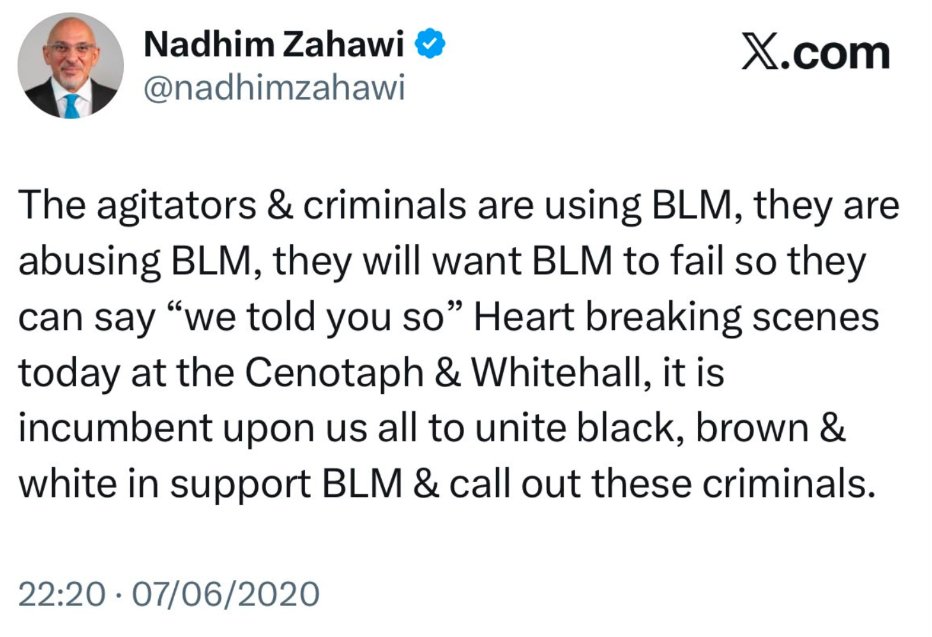
.@nadhimzahawi we know your peerage campaign is still in full swing - and you will literally say anything to get one - but even for you today’s effort on Sky was disgraceful.
Let’s remind everyone what you used to say - a 🧵
Reform's Nadhim Zahawi, an ex-Tory chancellor, refuses to condemn a Reform ad that has been widely criticised for misrepresenting Tory leader Kemi Badenoch's comments on race.
#TrevorPhillips | @TrevorPTweets
📺 Sky 501 and YouTube
29
100
414
75,891
Tim Loughton retweeted

As part of the ‘great and noble undertaking’ of D-Day 82 years ago today, British Troops conducted an opposed assault across this Gold Beach and turned the tide of the greatest conflict in human history.
Giants among men. Never forget.

3
17
141
4,217
Tim Loughton retweeted

She’s exactly right. We need her as Prime Minister asap.
Jun 2

I don’t want to hear about Black Lives Matter.
I don’t want to hear about White Lives Matter.
Everyone matters.
Henry Nowak matters.
2
6
43
1,826
Jun 6
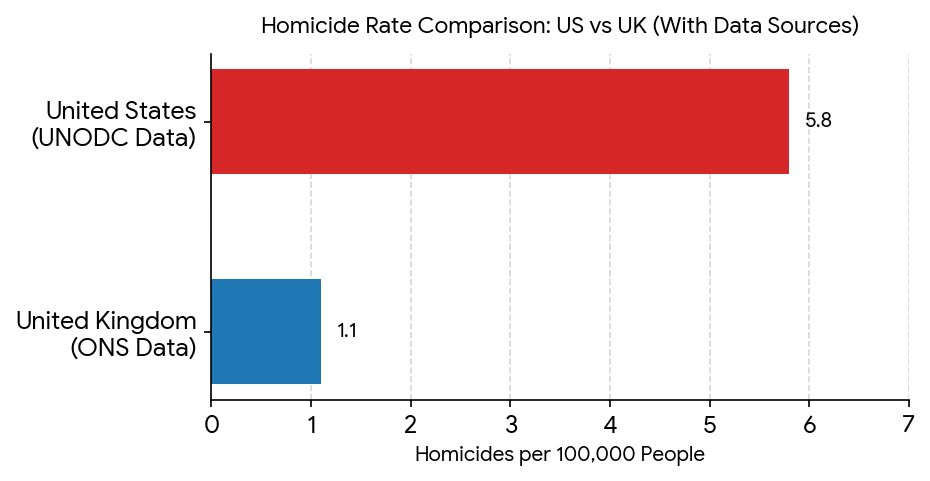
Added to which 1 in 20 homicide deaths in the US are at the hands of govt law enforcement officers. Vance and his cronies really need to pay more attention to getting their own house in order before criticising the UK where such deaths are so much rarer making them more tragic.

2
4
491
Jun 6
That would be the same PCC your equally memory fluid sidekick Jenrick was promoting for Mayor just months ago. Forgot to mention this ex-specials officer was a Labour Party member and is standing against Katy Bourne for Sussex Mayor. Reform misinformation dept trained you well

This, from a former Police officer at Sussex Police (which has, you guessed it, a Conservative PCC):
‘“Over the past eight months, I witnessed first-hand two-tier policing, a complete lack of leadership or common sense and their disregard for what’s in the public good.
“They treated the drunk driver more leniently than they treated me, which is ironic considering that the Chief Constable, Jo Shiner, is the national lead for roads policing.
This brave officer stood up to the Orwellian DEI at the force and won.
But it should never have got to that point.
brightonandhovenews.org/2026…
1
8
1,387
Jun 5
And that Essex mob were a real handful too.
Jun 5

It was seriously exposed to the Britons in Wales, the Caledonians, the Hibernians and all the Germans living across the North Sea
2
441
Tim Loughton retweeted

Jun 5
These are such wonderful videos
Jun 5

🏴🇬🇧 3,500 years ago a Welsh goldsmith beat a single ingot of gold...
Thin enough to wrap around the shoulders of a child.
In 1833 quarry workmen broke it into pieces.
It took the British Museum 120 years to put it back together.
In October 1833, a team of workmen dug into a Bronze Age burial mound at Bryn yr Ellyllon, Mold, Flintshire, looking for stone for a wall. They broke into the cist. They found a small skeleton. And beside the bones, beaten flat against the stone, a sheet of gold.
564 grams of it. About 75% pure. Hammered thin. Worked in concentric bands of beaten pattern across the surface. Shaped to wrap around the shoulders of someone small.
🏛️ The workmen had no idea what they had. They split the gold between themselves and took it home.
Pieces were sold off, melted down, used as keepsakes.
A vicar wrote it up in The Cambrian. Decades later a museum officer began the work of finding the fragments and buying them back.
The reassembly took until 1953. 120 years from the day it was broken open. The British Museum's conservators pieced it back together against a leather backing, one fragment at a time, until the cape was whole.
It is the finest prehistoric goldwork ever found in Britain. Worked by a Welsh hand. For a child the village had set apart. In a country where the gold for it was mined, the bronze for the tools came from Cornwall, and the people who walked the hill knew the shape of every slope.
🇬🇧 You were told the finest prehistoric goldwork was continental. It was Welsh. And it is still in the British Museum.
━━━━━━━━━━━━━━
They preserved the child in gold.
Help us preserve their story. 👇🙏
👉 proudofus.co.uk/support 👈
Be part of us. ☝️🇬🇧
Be Proud Of Us. 🙏🇬🇧
1
10
39
2,613
Tim Loughton retweeted

Actually, Zia Yusuf repeating that "Reform was built, in part, to destroy the Tory Party" reinforces the argument of many lifelong Conservatives that a deal or link-up with Reform would be a catastrophic misjudgement & support @KemiBadenoch's rejection of such a course.
Jun 3

Zia Yusuf now simultaneously opening up on Jacob Rees-Mogg, Camilla Tominey and the Telegraph. I'll say it again, he's rapidly losing control. And he's going to cross over the line soon.
16
16
94
11,168
Jun 4
Certainly one tool that no one would mind getting nicked!🔧🔩
Great to have @RobertJenrick in Romford today backing the campaign against tool theft.
Hardworking tradesmen are being let down by a system that too often puts criminals ahead of victims. It’s time we restore law and order.
1
1
344