
WSJ bestselling author of Collective Illusions, Dark Horse, and The End of Average. CEO, Populace.org. Rep: @keithurbahn.
Joined August 2009
- Tweets 1,738
- Following 193
- Followers 7,720
- Likes 3,901
57 Photos and videos










🤩
May 26

Proud to unveil the Luce Migliore
A Ferrari electric vehicle designed by me and ChatGPT in 8 seconds at a cost of $0.10

1
1
388
Well said, my friend.
17 Sep 2025

We are living through an era of political violence, the only way out is to reject zero-sum thinking. @toddrose reminds us that we share far more in private than the echo chambers admit. As a nation born through disagreement, we must confront them with…
open.substack.com/pub/mattfr…

4
2
6
1,707
Amen.
17 Sep 2025

turning jimmy kimmel into a free speech icon rather than letting his show wither and die from poor ratings
dumb
3
12
1,034
Right there with you, my friend.


2
1
11
886
Beautifully said, @GovCox. We all have agency. We all can make the right choice in our own lives.

4
750
Exactly right, @JonHaidt. When speech is redefined as violence it’s a short step to justifying violence against speech. The two of you were way ahead on this issue. Keep up the good work.
12 Sep 2025

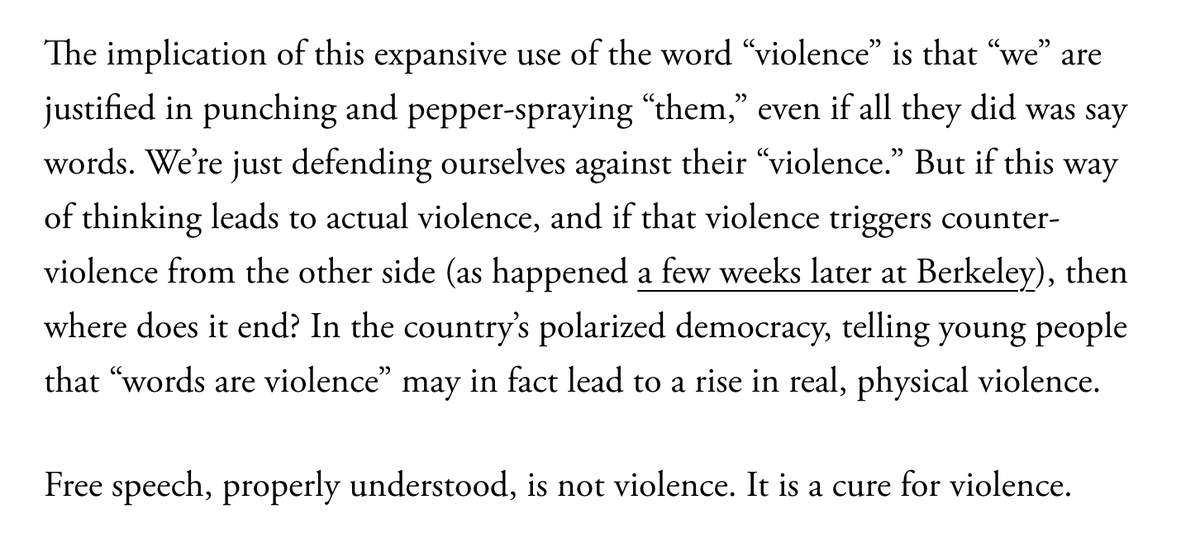
We must repudiate the idea that "speech can be violence" once and for all. @glukianoff and I wrote about the dangers of promoting this idea on college campuses back in 2017, in @TheAtlantic:
theatlantic.com/education/ar…
1
9
660
This is absolutely despicable behavior. @JessicaBRiedl is a brilliant economist. Argue with her about her ideas all you want, but leave her and her family alone.
1 Jul 2025

I'm not an elected official. I'm not a culture warrior. I'm barely a public figure. I'm just some economist who writes about federal spending & taxes. But because I also happen to be LGBT, these sociopaths unleash a public campaign against my entire family. They can burn in hell.
1
2
1,047
I enjoyed reading this article by @eliza_relman for @BusinessInsider that profiled our work at Populace.
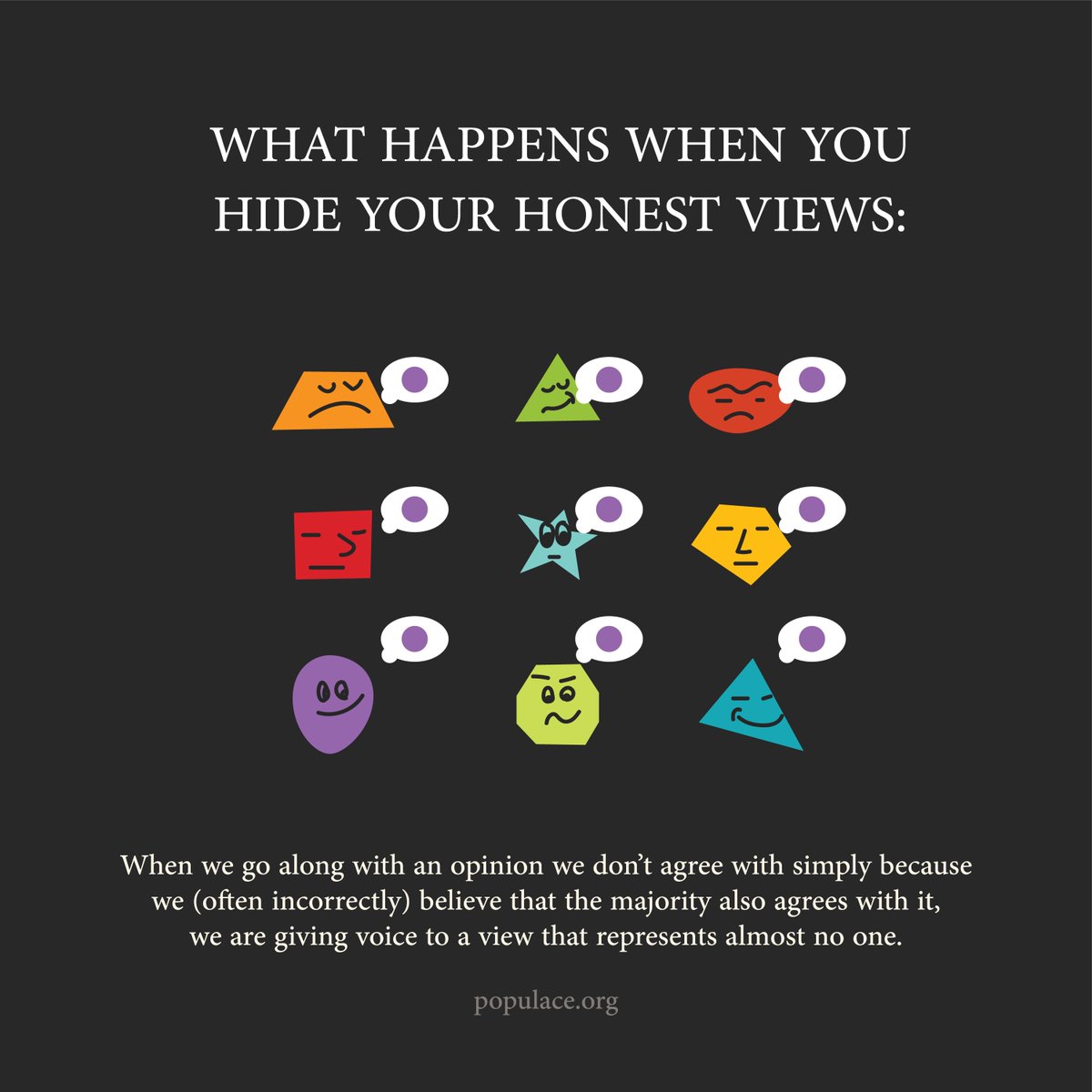
We discussed the findings from our most recent study: the Social Pressure Index. This research confirmed that an alarming majority of Americans — regardless of age, gender, race, income, and political party — are self-silencing.
You can find the complete Social Pressure Index report at Populace.org/research.
Check out the full article from Business Insider here: businessinsider.com/democrat…
5
9
1,385
I recently had the pleasure of speaking with @evanbaehr for his new series, "In the Arena," which delves into the major challenges facing our country and the entrepreneurs stepping up to address them.
In this episode, we had a great conversation about the implications of false consensus, the limitations of existing institutions, and the crucial need for greater individual autonomy.
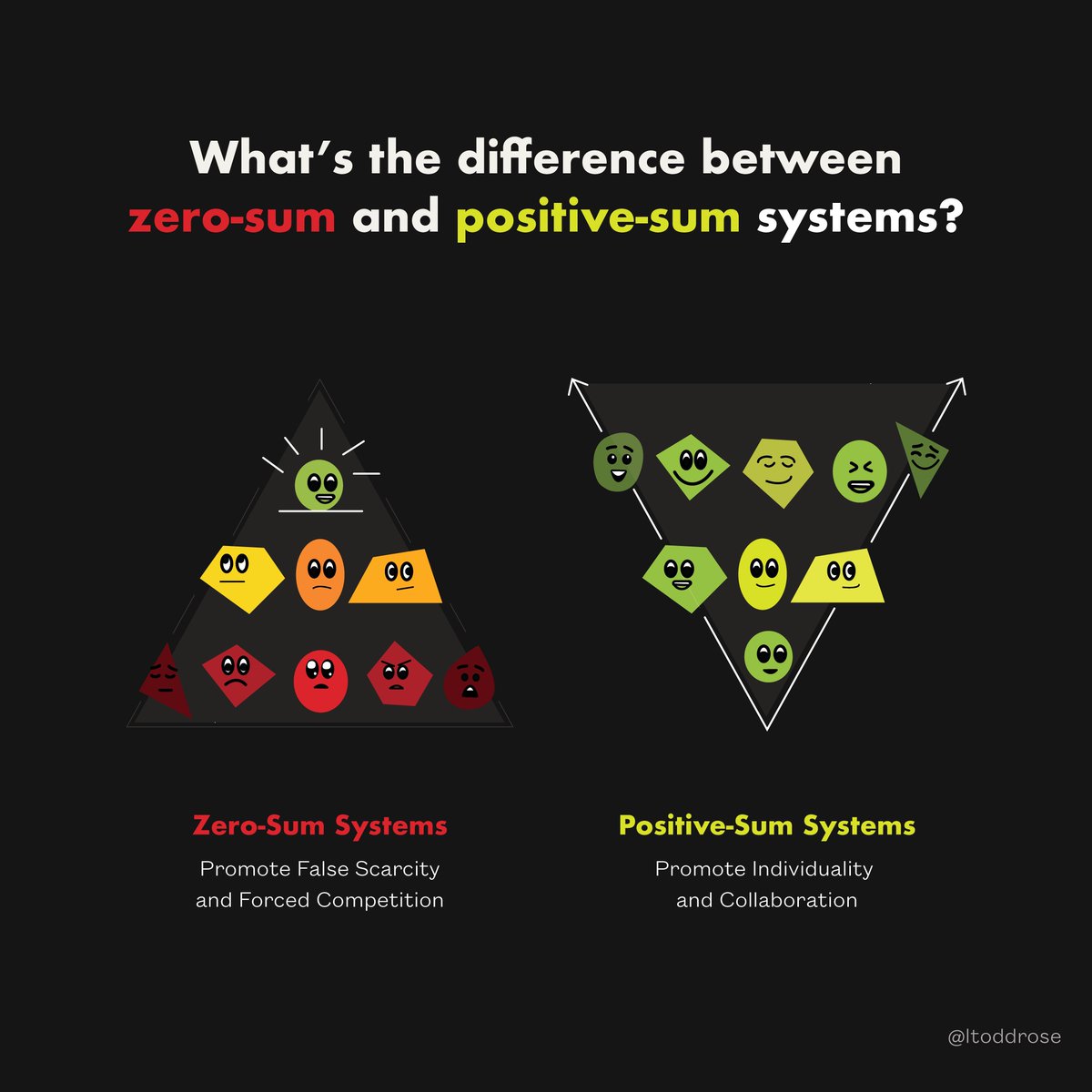
I firmly believe—and research from my think tank, Populace, confirms—that we are ready to break free from systems and institutions that prioritize control and conformity. We are ready for something better: for positive-sum systems that prioritize autonomy, individuality, and cooperation for mutual benefit.
Thank you to @evanbaehr and @freethinkmedia for putting together this great episode.
youtu.be/0ck7mqYnmq0
3
13
1,869
Collective Illusions and self-silencing are everywhere — even made aware in @Netflix’s latest release #NobodyWantsThis starring Kristen Bell and Adam Brody, created by Erin Foster and produced by @saramfoster (who I’ve had the pleasure of speaking with on their podcast).
This is a part of the problem: 61% of Americans are self-silencing on issues that make us uncomfortable, leading us to not be honest about our true opinions, which make us think we are more divided than we actually are.
2
5
21
7,679
Thank you to @erica_pandey at @axios for the feature on Populace’s new study, the Social Pressure Index. As highlighted in the article: There's a growing disconnect between what Americans will publicly say and what they privately believe (which has enormous social, political, and personal consequences). Our new research quantifies where (and to what extent) Americans are misrepresenting their views the most. Check out the full article below, or visit Populace.org for the full report.
axios.com/2024/09/24/us-vote…
1
4
1,101
This 👇
9 Aug 2024

Dear Swifties:
The radical theocratic terrorists that targeted the Taylor Swift concert are functionally the same people that want to destroy Israel.
The ideology is the same. The willingness to kill civilians is the same. The goal is the same.
When you support Hamas, you’re supporting the same people that wanted to assassinate Taylor Swift and her fans.
1
6
1,805
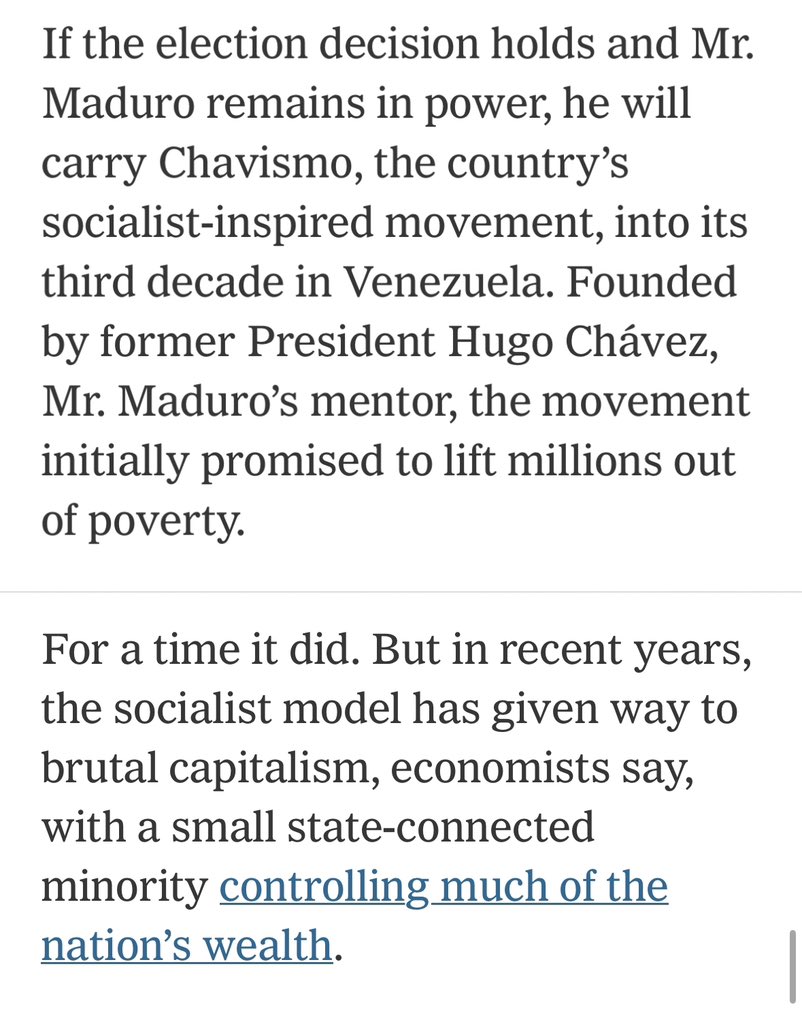
“Economists say” … unbelievable. 🤡
29 Jul 2024

The New York Times concludes that Venezuela was destroyed by “brutal capitalism.” Unreal.
1
9
1,682
Okay, this is really (nerdy) cool.
7 Jul 2024

If you take a Petri dish, castor oil and some ball bearings and put all in an electric field, you might happen to spot an interesting behavior: self-assembling wires who appear to be almost alive
[📹 Stanford Complexity Group]
1
3
7
1,335
This is profoundly despicable. Anyone who supports this kind of pathological behavior should be utterly ashamed of themselves (although something tells me shame is in short supply within the “by any means necessary” death cult).
5 Jul 2024

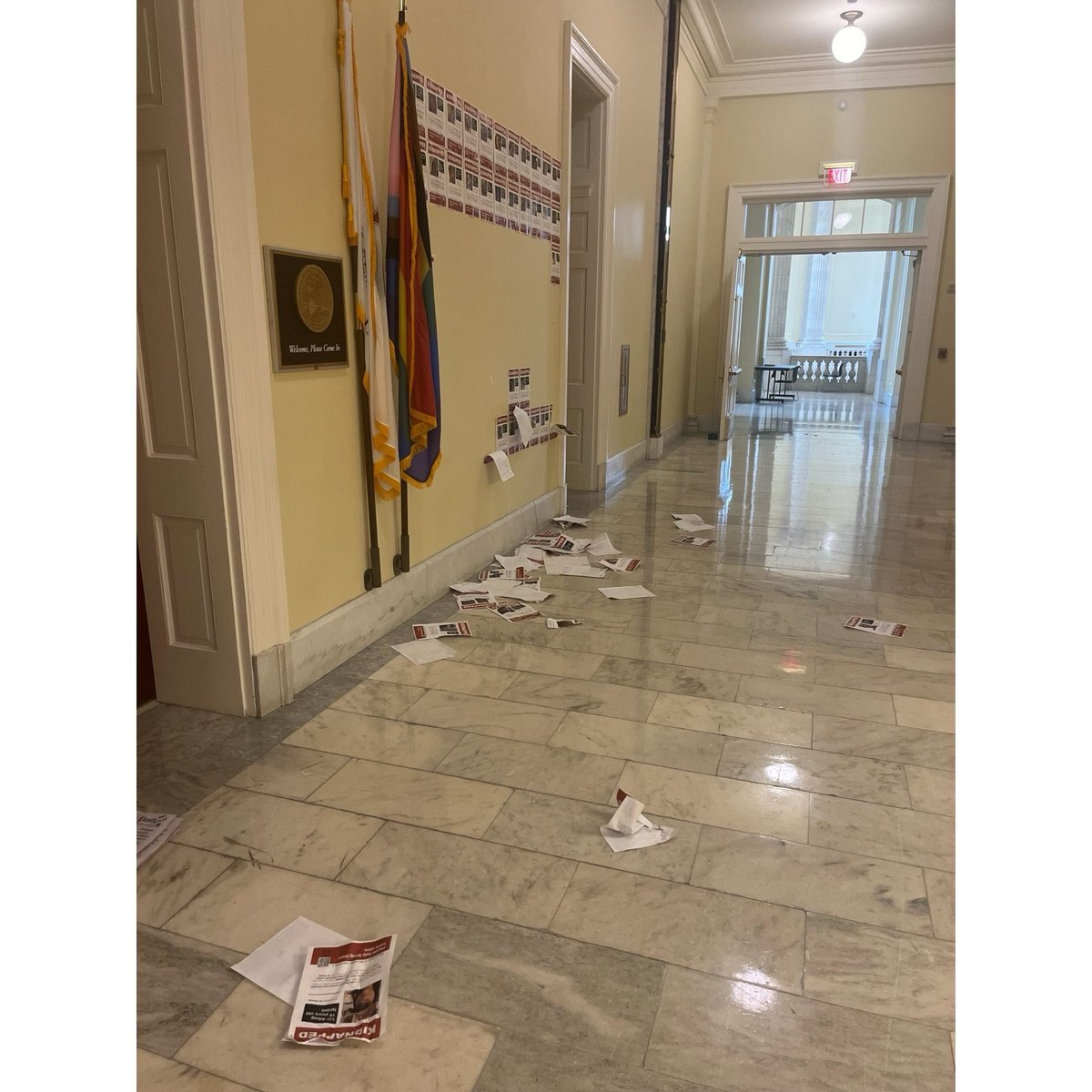
My Capitol office was vandalized yesterday in a vile act of hate in which the posters of the more than 100 people still held hostage in Gaza (including 8 Americans) were ripped from the wall, shredded and tossed across the hallway.
5
1,407
Pleased to have contributed to this article by @karl_vick for @TIME about one of the most pressing collective illusions plaguing our society today: the myth of polarization.
As a private opinion researcher, it is painfully clear that much of our current political discourse is ‘learned divisiveness.’ The gap between what we personally think, what we believe other people think, and actual reality is truly profound. Our collective blind spot distorts our understanding of national priorities and fuels the illusion of irreconcilable division.
Recognizing this discrepancy is essential for reuniting a nation that, in reality, shares more common ground than we often assume.
time.com/6990721/us-politics…
2
3
10
1,103
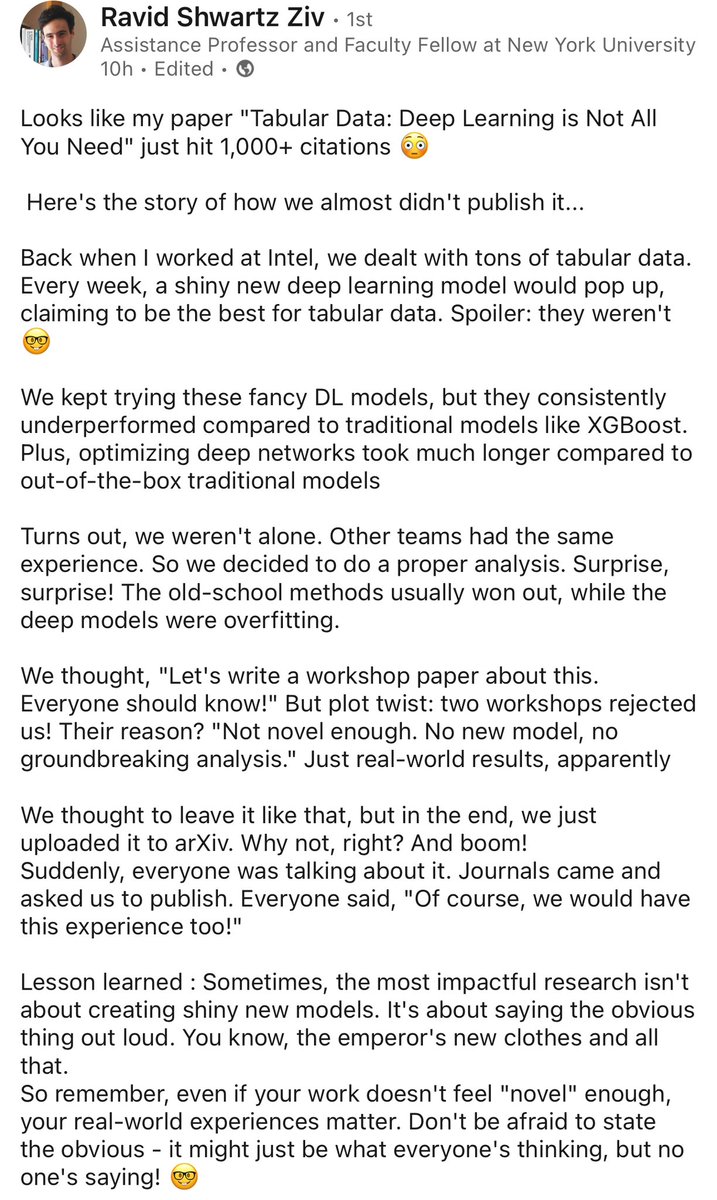
This is a perfect example of a Collective Illusion. Thanks for sharing.

3
5
1,020
Todd Rose retweeted

30 Jun 2024
There’s a lot of interest in the Supreme Court’s Loper decision—and more than a few hot takes out there.
I wanted to offer some thoughts on it as someone who has litigated Chevron cases in private practice and served as the General Counsel and now Commissioner of an agency.
I’ve been on the winning side of cases where I think Chevron made the difference, been on the losing side of some of those same types of cases, and participated in many where I think the outcome would have been the same both before and after Loper.
But there’s no question that Chevron operated as a heavy thumb on the scale in favor of administrative agencies—regardless of whether those agencies were adopting new regulatory requirements or eliminating existing ones.
Though I think it would be fair to say that the lion’s share of Chevron cases involved challenges to agency decisions that imposed new regulatory requirements on private citizens or businesses.
One threshold point that I think some of the hot takes have missed. Even before this week’s decision in Loper, Chevron did not apply to the most significant agency decisions—namely, those that involve questions of major economic and political significance.
The major questions doctrine applied in those case, not Chevron. And the major questions doctrine does not require (indeed, it does not allow) courts to defer to agencies the way Chevron did. Rather, it requires agencies to have a clear congressional authorization to regulate in the manner at issue.
So Loper did not end the application of Chevron deference to agencies in cases that involve major economic and political significance. Courts were already prohibited by the major questions doctrine from applying Chevron deference in those cases.
Turning to Loper itself, the Supreme Court’s decision focused, in my view, on two core concerns with Chevron.
1. The Chevron doctrine rested on a fiction. It required courts to read certain provisions in laws passed by Congress—namely, provisions that were either silent or ambiguous as to a particular issue—as if those statutory provisions were something other than silent or ambiguous. Specifically, Chevron created a rule that required courts to treat those silent or ambiguous provisions of law as decisions by Congress to delegate discretionary authority to an administrative agency—regardless of whether the statute itself contained evidence indicating that Congress intended to provide the agency with that power.
That is not how courts normally read a vague or ambiguous provision of law. Outside the context of administrative law cases governed by Chevron, courts do not take vague and ambiguous statutory provisions and read them as delegations of power. Instead, courts apply traditional tools of statutory interpretation to identify the best reading or meaning of them. Maybe they mean that Congress delegated something, maybe not. Maybe they resolve the relevant question, maybe they have no application to the case at all.
So Loper ends this Chevron fiction. Loper says that courts in administrative law cases must now treat those silent or ambiguous provisions of law the same way courts treat other silent or ambiguous provisions of law passed by Congress. Going forward, then, courts must use ordinary tools of statutory interpretation to identify the best reading of those provisions. Applying those tools of statutory interpretation to silent or ambiguous provisions of law is something that falls within a judge’s expertise.
None of this means that Congress cannot delegate certain matters to agencies. Indeed, Loper says that Congress can still provide agencies with discretionary authority. But Congress must do so through statutory provisions or language where the best reading of the statute, applying traditional tools of statutory interpretation, is that Congress delegated discretionary authority to the agency, subject to ordinary constitutional constraints. Silence or ambiguity alone no longer requires a court to conclude that Congress delegated authority to an agency.
This is why many commentators view Loper as reinforcing the Framer’s decision in the Constitution to vest the legislative or law making power in the people’s representatives in Congress. Loper makes it less likely that courts will find that Congress leaked law making power to administrative agencies without Congress even knowing it. And even less likely that courts will uphold administrative agency decisions that effectively take legislative power from the Article I Branch that Congress never delegated.
2. I think the second problem that the Loper court had with Chevron is that Chevron required courts to adopt permissible readings of statutes, rather than the best reading. In those cases where Chevron courts determined that Congress delegated authority to an agency, the doctrine required courts to agree with an agency’s interpretation of law—even in cases where courts would have concluded, using ordinary tools of statutory interpretation, that the agency’s interpretation was not the best reading—provided that the agency’s reading was permissible.
Again, this is not the way courts approach questions of statutory law outside the context of administrative law. As relevant here, courts approach those questions by adopting the best reading of the law.
Commentators have noted that Chevron questions would arise in litigation between two parties—a private person or company on the one hand and a government agency on the other. In contexts other than administrative law, Chevron did not require a court to accept the permissible reading of a statute when offered by one party in the litigation (the government) even though the other party (the private citizen or business) offered a reading that the court considered to be the best reading of the law.
But Loper does not mean that an agency’s interpretation of a law it administers is irrelevant when it comes to administrative law cases. Loper makes clear that a court may agree with an agency’s view that a statutory provision means X even in cases where a court, in the absence of the agency’s views, might have concluded that the statutory provision means Y. Going forward, an agency’s views are likely incorporated into the court’s analysis as part of the judiciary’s application of its traditional tools of statutory interpretation.
But again, even before Loper, Chevron did not apply to cases involving questions of major economic or political significance. The Court has required agencies to point to clear congressional authorizations in those cases, not mere silence or ambiguity. So Loper did not end Chevron’s application to the most significant set of agency decisions.
At bottom, agencies will still win significant cases after Loper, but the Supreme Court’s decision puts regular people and businesses on a more level playing field with the government when they challenge a regulatory overreach.
337
932
3,955
13,039,166