
Joined January 2010
- Tweets 86,529
- Following 644
- Followers 1,139
- Likes 14,492
619 Photos and videos



Everton G Capote Ferreira retweeted

Jun 12
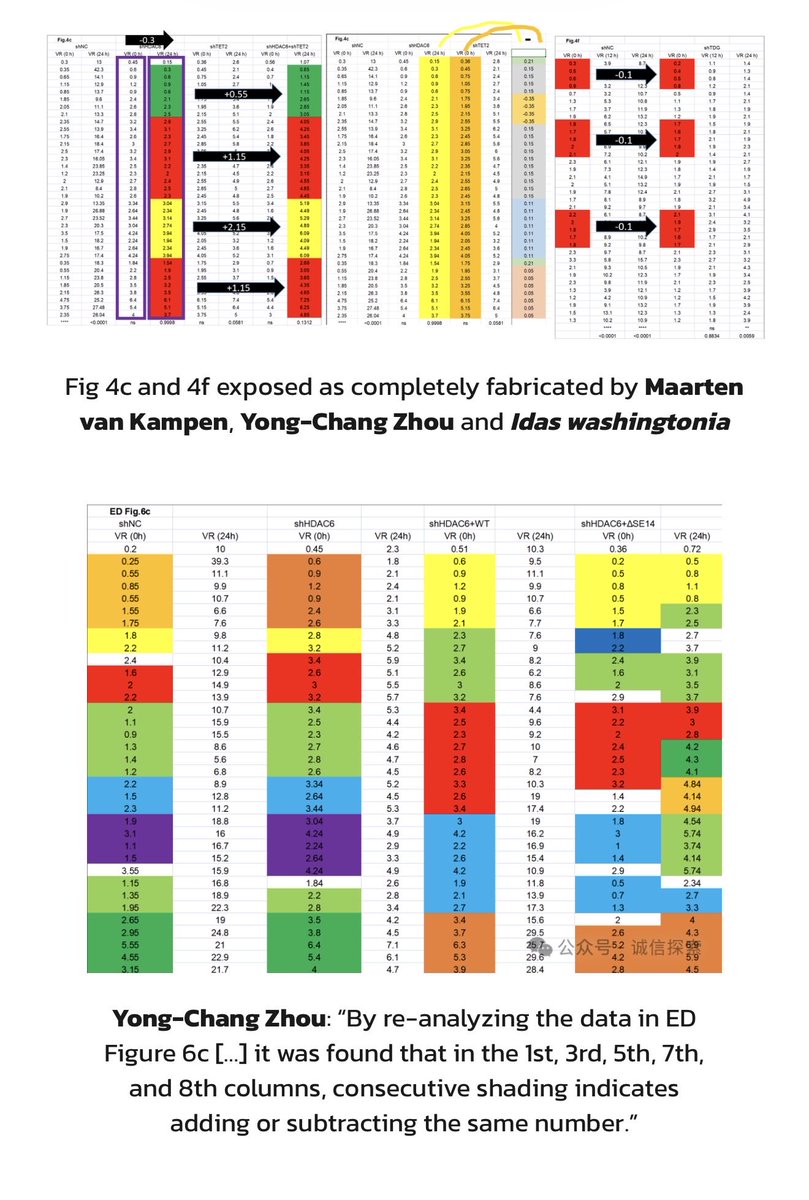
Who needs AI? @Nature charged $11K to publish this howler. #NatureRipoffs
forbetterscience.com/2026/06…

Calling all researchers using Anthropic's AI model Claude: how are you using the new Claude Fable 5 model in your research?
We want to hear about the most impressive things it's built for your research projects or left you asking what the fuss is all about. Can it do things you couldn't do before? Let us know.
2
5
38
6,050
Everton G Capote Ferreira retweeted

Jun 11
CryoEM has pretty low resolution, you can see things on the order of protein domains, and you need millions of particles to see individual proteins. This enables us to get an order of magnitude higher resolution, where we're able to _see_ the secondary structures in a single particle!
This is important because protein structural measurement is one of the main bottlenecks for understanding structural biology. Really exciting work from the imaging institute!!
Jun 11

Together with UC Berkeley we are announcing the laser phase plate - a breakthrough in atomic resolution imaging. This is the brightest continuous wave laser in the world, 100 million times the intensity of the surface of the sun.
Phase contrast plays an important role in microscopy, but it was thought close to impossible for electron microscopy, where it would require interfering with an electron beam. Holger Mueller and Robert Glaeser proposed exactly this using a standing wave laser. It has taken over 15 years to make this a reality. Biohub partnered with UC Berkeley and Mueller to support this work and to engineer and build the technology.
Contrast has been the critical barrier to achieving atomic resolution imaging of the cell. In cryo-electron tomography, a cellular imaging technology that uses electron microscopy, the low contrast makes it impossible to resolve anything but the largest proteins within their cellular context. The laser phase plate removes that barrier.
With advances in AI this breakthrough in contrast will start to open up a new frontier in structural biology, that will allow us to see the molecular machines of the cell, and how they assemble into far more complex and dynamic systems, and understand how they work.
7
29
179
16,700
Everton G Capote Ferreira retweeted

Jun 12
Laser phase plate improves structure determination of small proteins by cryo-EM | Science science.org/doi/10.1126/scie…
14
50
3,869
Everton G Capote Ferreira retweeted

Jun 11
Plant-parasitic #nematodes have evolved specialized effector proteins, which can suppress reactive oxygen species (ROS) bursts, detoxify reactive molecules, or manipulate host pathways to reduce immune responses. Anil Kumar, Chunoti Changwal, and Thomas J. Baum review the current knowledge on these effector-driven strategies—their discovery using advanced genomics; their specific molecular mechanism of ROS suppression; and the critical interplay between ROS signaling and plant hormone pathways during infection—and provide an overview of the key techniques used to detect and quantify ROS in plant–nematode interactions: doi.org/10.1094/MPMI-11-25-0…
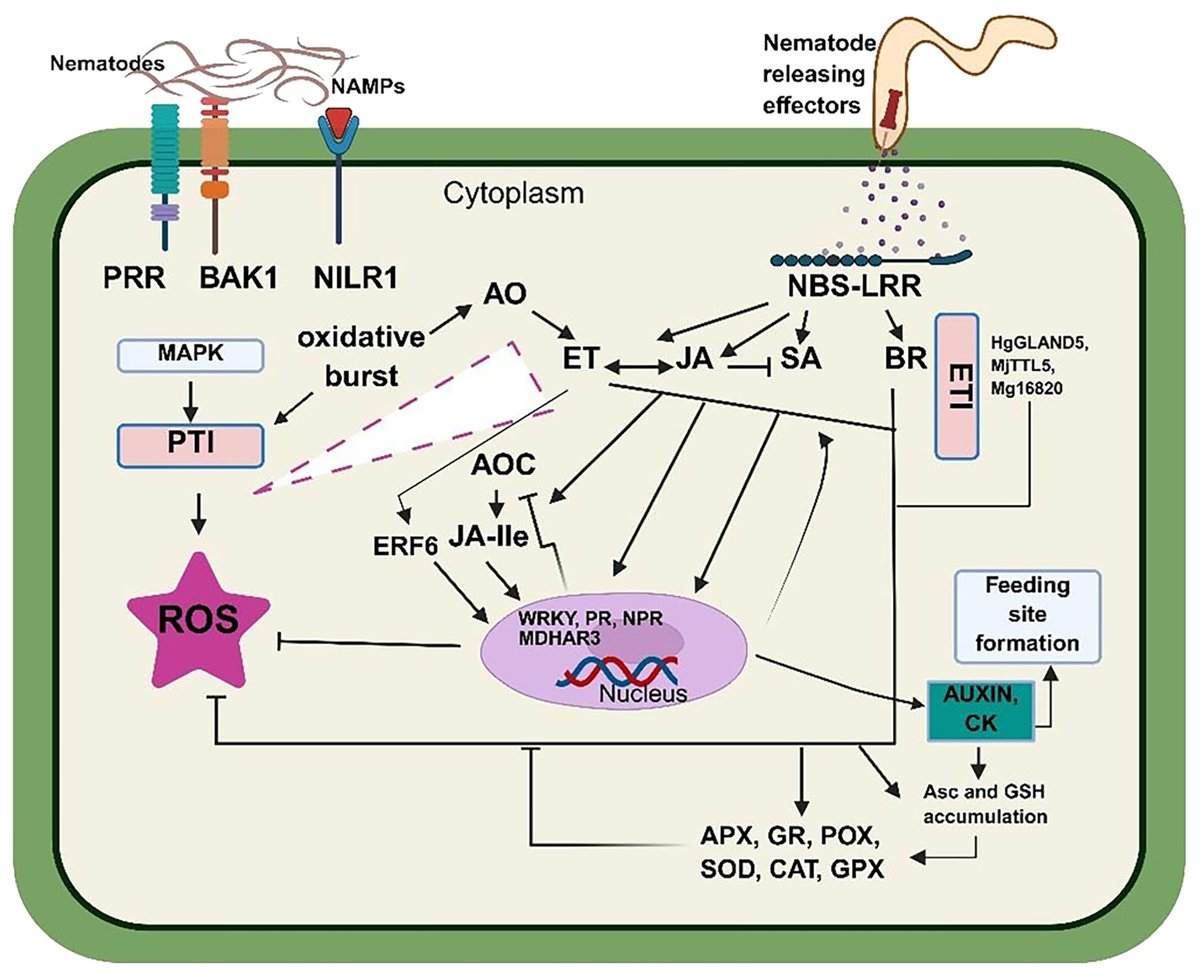
ALT Fig. 1.
8
23
1,036
Everton G Capote Ferreira retweeted

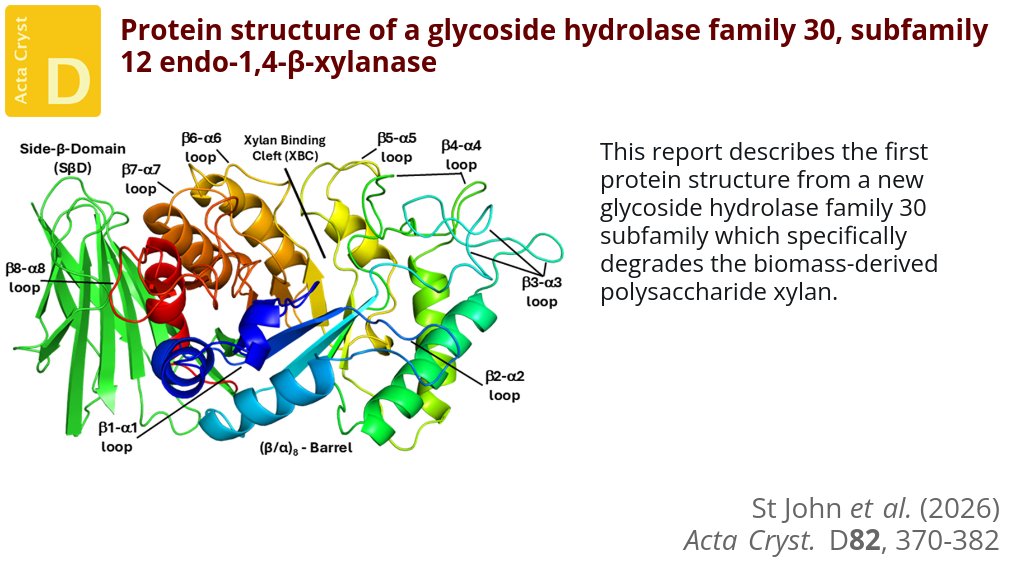
The structure of endo-1,4-β-xylanase A from Anaerobacterium chartisolvens is the first from the newly defined glycoside hydrolase family 30 subfamily 12 @UChicago @ActaCrystD @IUCr #GlycosideHydrolaseFamily30 #GH30 #GH3012 doi.org/10.1107/S20597983260…
1
1
232
Everton G Capote Ferreira retweeted

Jun 11
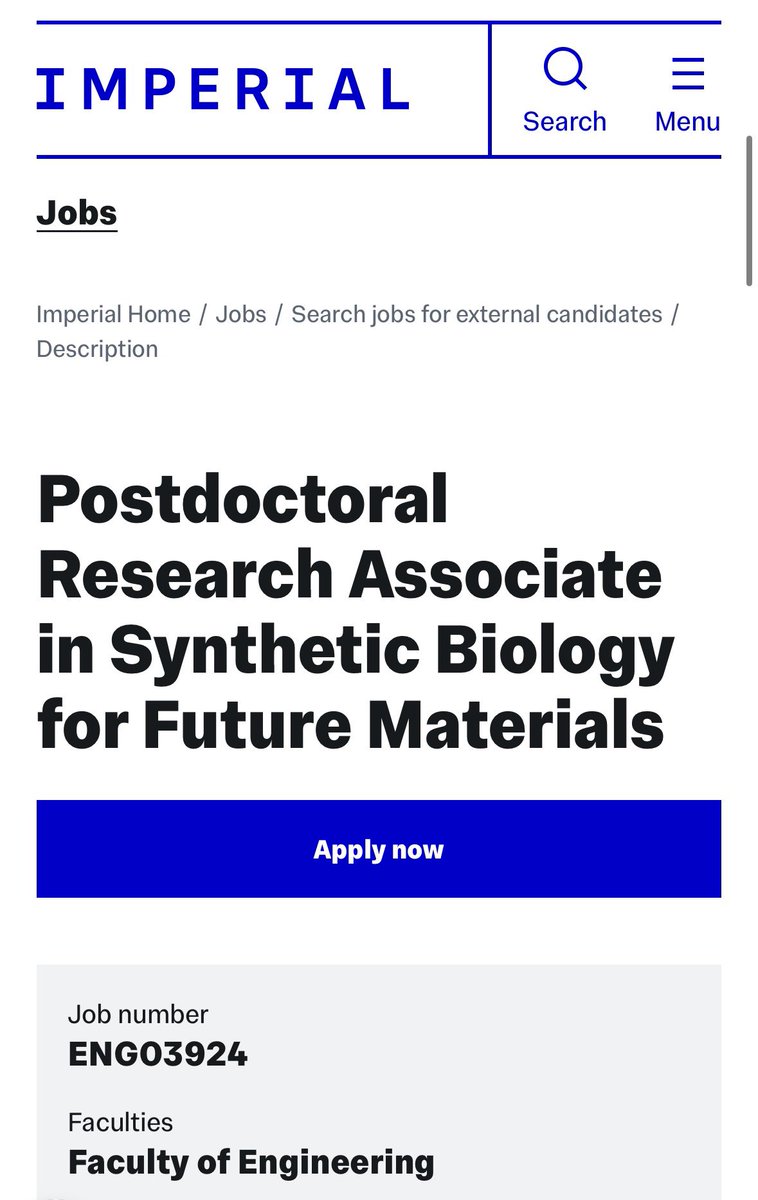
5 days left now to apply for the postdoc opportunity in my lab at Imperial in London 🇬🇧 - there’s a chance that we can hire 2 people into the team on this synthetic biology and materials theme. Application link is here - imperial.ac.uk/jobs/search-j…
22
41
4,661
Everton G Capote Ferreira retweeted

Jun 9
4
16
1,082
Everton G Capote Ferreira retweeted

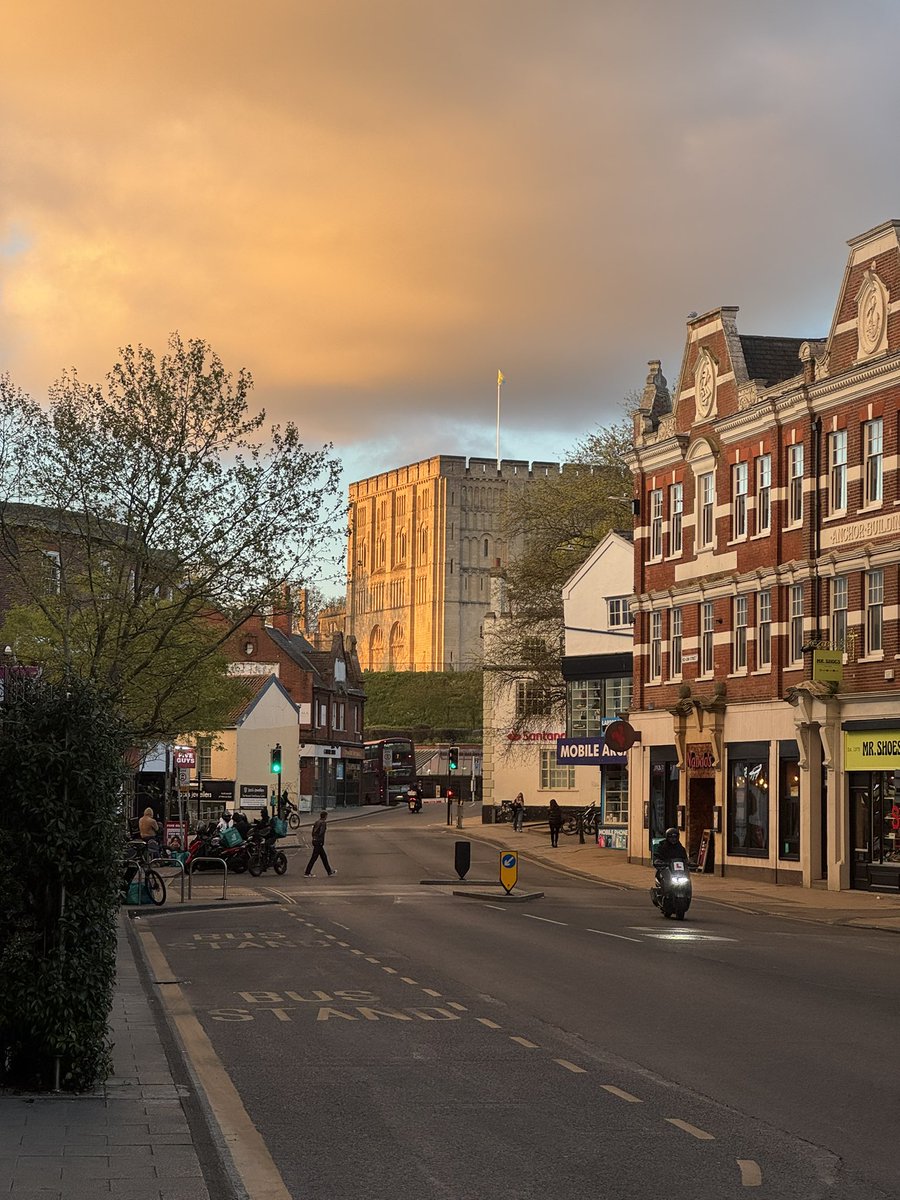
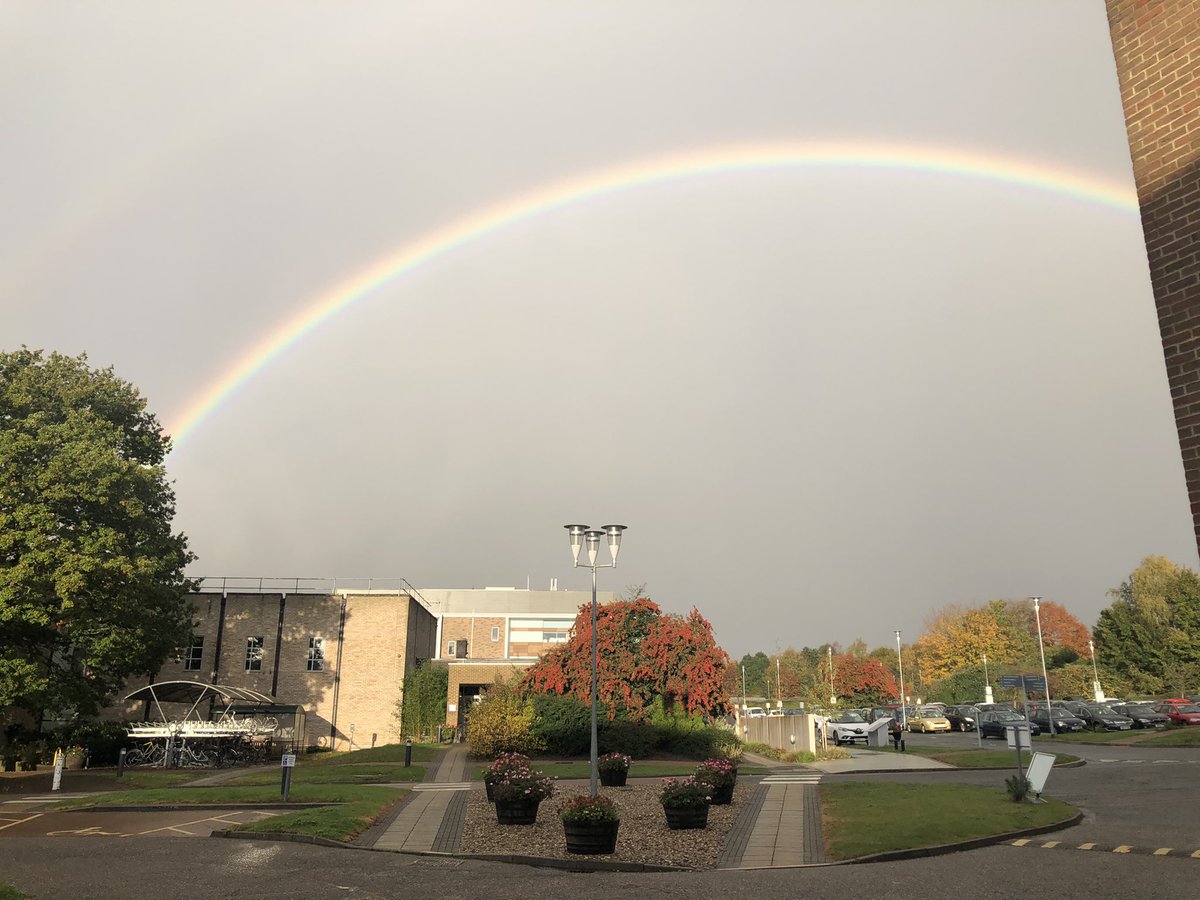
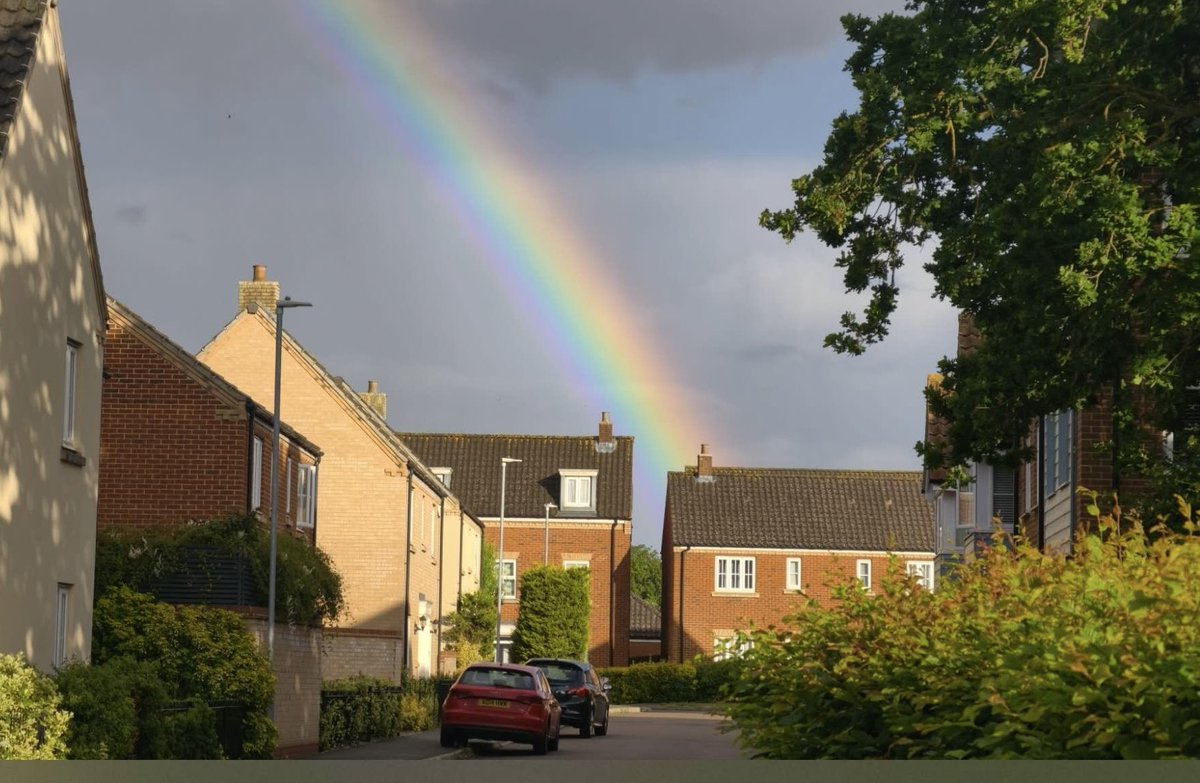
Beautiful rainbow 🌈 in Norwich
3
39
963
Everton G Capote Ferreira retweeted

Jun 11
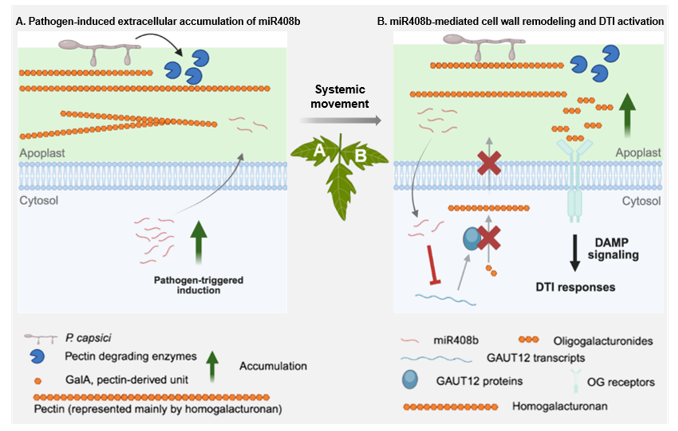
Whether apoplastic small RNAs regulate plant immunity? Check our work in tomato identified their roles in priming plant defence to Phytophthora. Thanks for the wonderful suggestion from @wenboEffector and the professional processing of the editors at MP

An Extracellular miRNA Reshapes Cell Wall Integrity to Prime Systemic Immunity in Tomato #Research #MolecularPlant cell.com/molecular-plant/ful…
2
8
20
2,250
Everton G Capote Ferreira retweeted

Jun 10
I’ve officially resigned as Associate Editor for Frontiers in Systems Neuroscience (part of @FrontNeurosci). It used to be a reputable journal, but became a case study in how forced automation destroys academic integrity. 👇
33
243
1,072
195,387
Everton G Capote Ferreira retweeted

OrthoFinder: improved phylogenetic orthology inference with enhanced accuracy and scalability | Nature Methods nature.com/articles/s41592-0…
24
65
3,296
Everton G Capote Ferreira retweeted

Jun 10
Mitochondria tethered to the nucleus secure its energy supply nature.com/articles/d41586-0…
1
45
136
9,377
Everton G Capote Ferreira retweeted
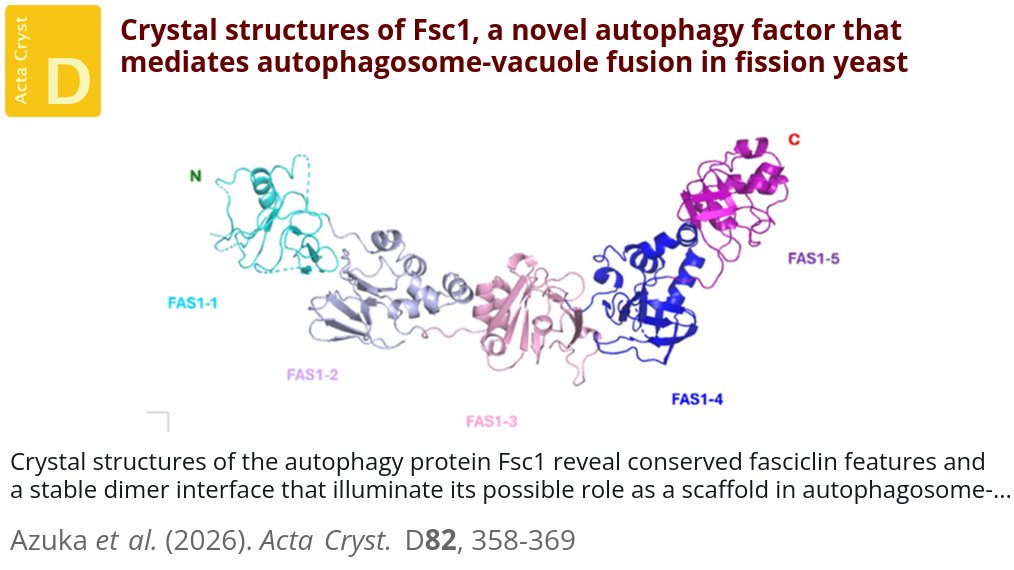
The first crystal structures of the luminal domain of Fsc1 reveal an elongated, modular architecture composed of five tandem fasciclin domains @michiganstateu @ActaCrystD @IUCr #Fsc1 #FasciclinDomain #AutophagosomeVacuoleFusion doi.org/10.1107/S20597983260…
2
3
660
Everton G Capote Ferreira retweeted

Jun 9
ipTM and ipSAE don't predict binding affinity.
A-alpha Bio measured 7M interactions: almost no correlation.
Dug into this with Michael Holden in Ep 1 of Protein Engineering in Practice (by @ranomics):
youtu.be/cVmGeFGsVA0
4
17
107
12,569
Everton G Capote Ferreira retweeted

2
33
146
16,569
Everton G Capote Ferreira retweeted

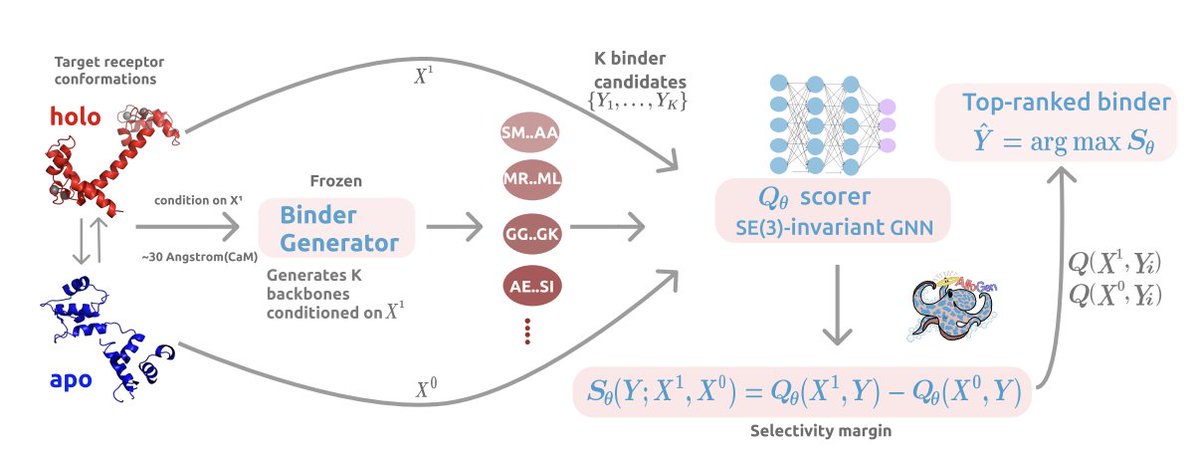
AlloGen: Conformation-Selective Binder Generation with Differential State Scoring
1. AlloGen targets a core limitation in protein binder design: optimizing affinity to a single receptor structure can yield binders that engage both active/inactive (apo/holo) states, providing little functional specificity for allosteric systems (kinases, nuclear receptors, GPCRs).
2. The framework decouples generation from evaluation: any backbone generator proposes candidates for the desired state, then a learned scorer Qθ ranks or guides designs by a differential selectivity margin between goal (holo) and undesired (apo) conformations.
3. Qθ is an SE(3)-invariant interface graph transformer that scores receptor–binder interface geometry in a rigid-motion-invariant way, using interface graphs (8 Å cutoff) with residue-local frames, geometric edge features (distance RBFs, directions, relative orientations), and optional ESM-2 embeddings.
4. Training uses a two-phase curriculum to avoid degenerate “ignore-the-conformation” solutions: Phase 1 regresses to DockQ (interface quality grounding), then Phase 2 applies paired InfoNCE fine-tuning on (holo, apo, binder) triplets with cross-target negatives to force true conformational discrimination rather than receptor identity bias.
5. On 8 held-out OOD targets, Qθ shows consistent rank correlation with DockQ (mean Spearman ρ ≈ 0.520), while contact/energy proxies (PRODIGY, interface size, edge density) largely fail to track docking quality and cannot provide a differential state signal.
6. Qθ appears to encode target- and conformation-specific information: cross-target scoring shows strong diagonal dominance (designs score best on their intended target/state), and on calmodulin it produces a monotonic score increase along an interpolated apo→holo conformational path, suggesting it learns a continuous landscape rather than a binary label.
7. Because Qθ is differentiable and generator-agnostic, it supports multiple integration modes without retraining generators: passive best-of-K reranking and active guidance (classifier guidance, twisted diffusion sampling, SMC resampling, and post-generation Langevin refinement).
8. Across 15 generator×guidance combinations (RFdiffusion, PXDesign, Proteina-ComplexA), resampling-based guidance (TDS/SMC) is broadly strongest; Langevin refinement helps structure-only generators but can harm sequence-aware priors (e.g., PXDesign), emphasizing that guidance interacts with generator assumptions.
9. Experimental validation on calmodulin (a challenging ~30 Å apo↔holo rearrangement) supports the computational selectivity signal: 5/10 synthesized de novo peptides bound holo CaM (KD 46.6 nM to 1.06 µM) with no detectable apo binding, while a low-∆q negative control showed no binding—linking predicted differential scoring to measurable state specificity.
10. The study positions conformational selectivity as a learnable, transferable design objective: a modular scorer trained on paired states can retrofit existing binder-generation pipelines to design molecules that recognize functional states rather than static structures.
💻Code: huggingface.co/ChatterjeeLab…
📜Paper: arxiv.org/abs/2606.05474
#ComputationalBiology #ProteinDesign #GenerativeAI #MachineLearning #StructuralBiology #Allostery #ProteinEngineering #DiffusionModels #GNN #Calmodulin
7
35
2,392
Everton G Capote Ferreira retweeted

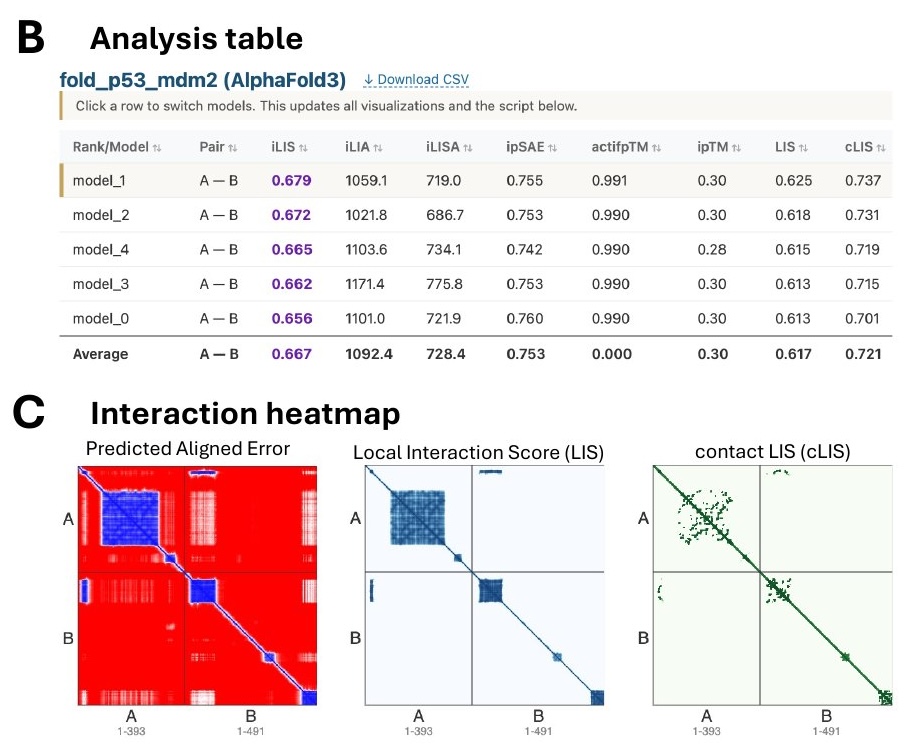
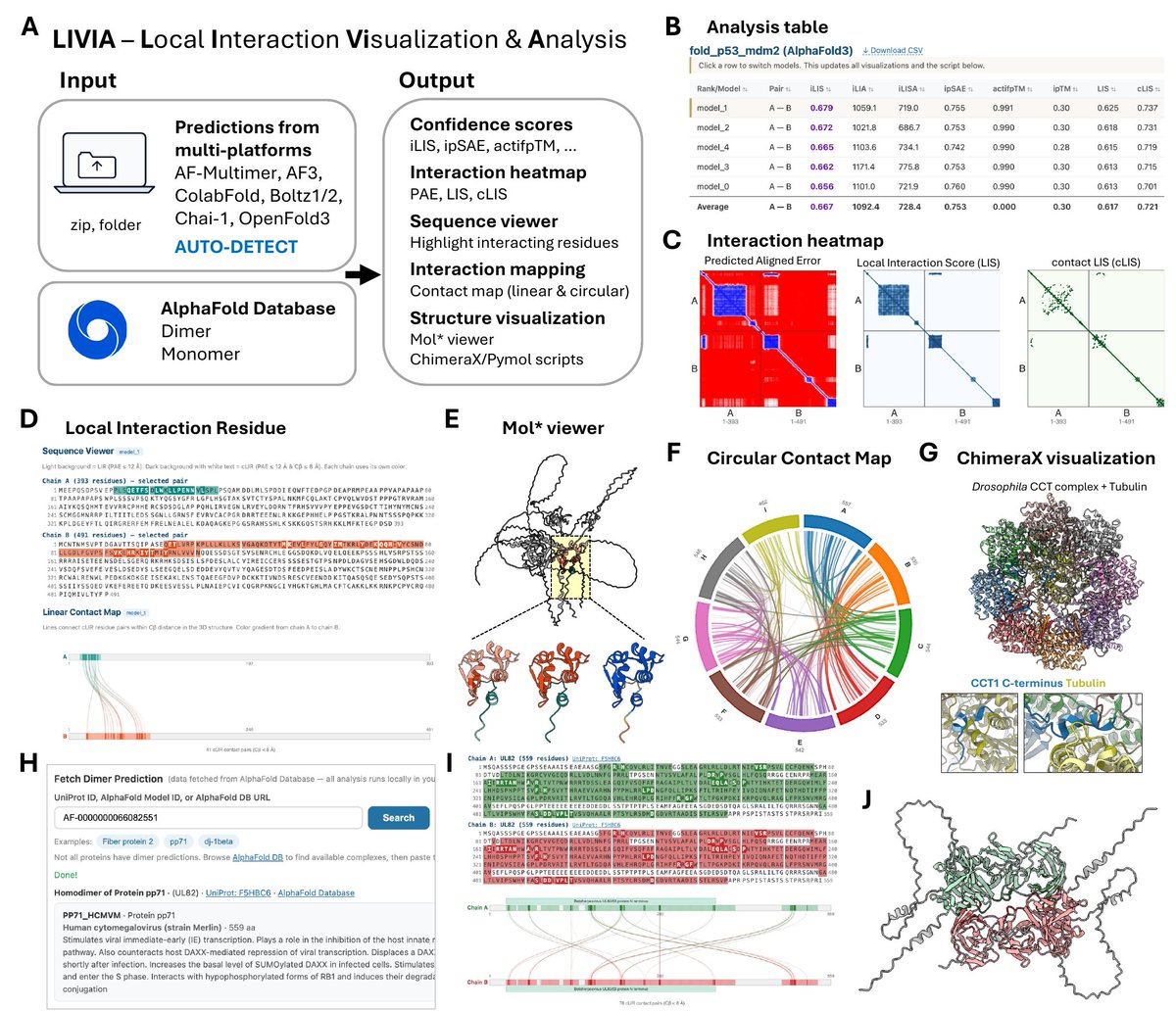
Very useful website to score PPI. Shows why you should NOT use ipTM - p53 MDM2 scores 0.3 in ipTM, but 0.75 in ipSAE, 0.67 in iLIS, 0.99 in actifpTM. Well-known interaction, already in AF2 training data. ipTM is low bc of large irrelevant domains and IDRs in BOTH proteins.
May 13

🚀 New tool out! LIVIA (Local Interaction Visualization and Analysis) — a browser-based tool for assessing and visualizing predicted protein-protein interactions.
Drop in a prediction from AlphaFold-Multimer, AF3, ColabFold, Boltz-1/2, Chai-1, or OpenFold3 (ZIP or folder, auto-detected) and LIVIA answers the two questions you actually care about:
▸ Do these proteins interact?
▸ Which residues form the interface?
What you get:
▸ Interface confidence scores — iLIS (our local metric), ipSAE, actifpTM, ipTM
▸ Interaction interface heatmaps (PAE, LIS, cLIS)
▸ Sequence viewer linear & circular contact maps highlighting Local Interaction Residues (LIR) and contact LIR (cLIR)
▸ Embedded Mol* 3D viewer
▸ Downloadable ChimeraX & PyMOL scripts
Also fetches dimers directly from the AlphaFold Database — adding the interface annotations AFDB doesn't provide.
Everything runs locally in your browser. No install, no upload.
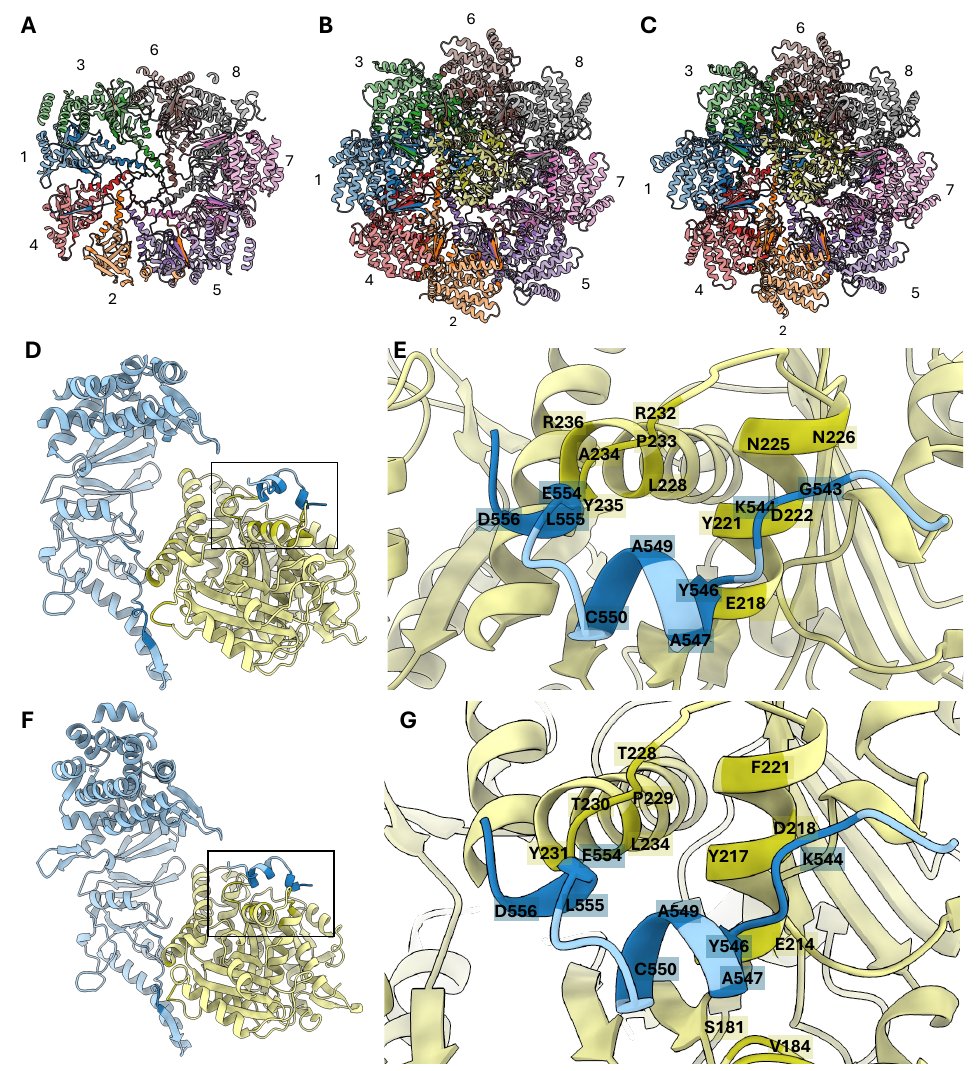
LIVIA started as a personal tool — I built it with Claude Code and used it to make every structure figure in our FlyPredictome preprint (Kim et al., 2026). (Claude Code is truly insane...) Along the way I realized it could be useful for others, too.
If you have a favorite color palette for structure visualization, please let me know — happy to add it as a preset 🎨
🔗 LIVIA tool: flyark.github.io/LIVIA
🐍 iLIS / batch CLI: github.com/flyark/AFM-LIS
📄 LIVIA preprint: biorxiv.org/content/10.64898…
📄 FlyPredictome preprint: biorxiv.org/content/10.64898…
4
23
157
16,759
Everton G Capote Ferreira retweeted

Jun 6
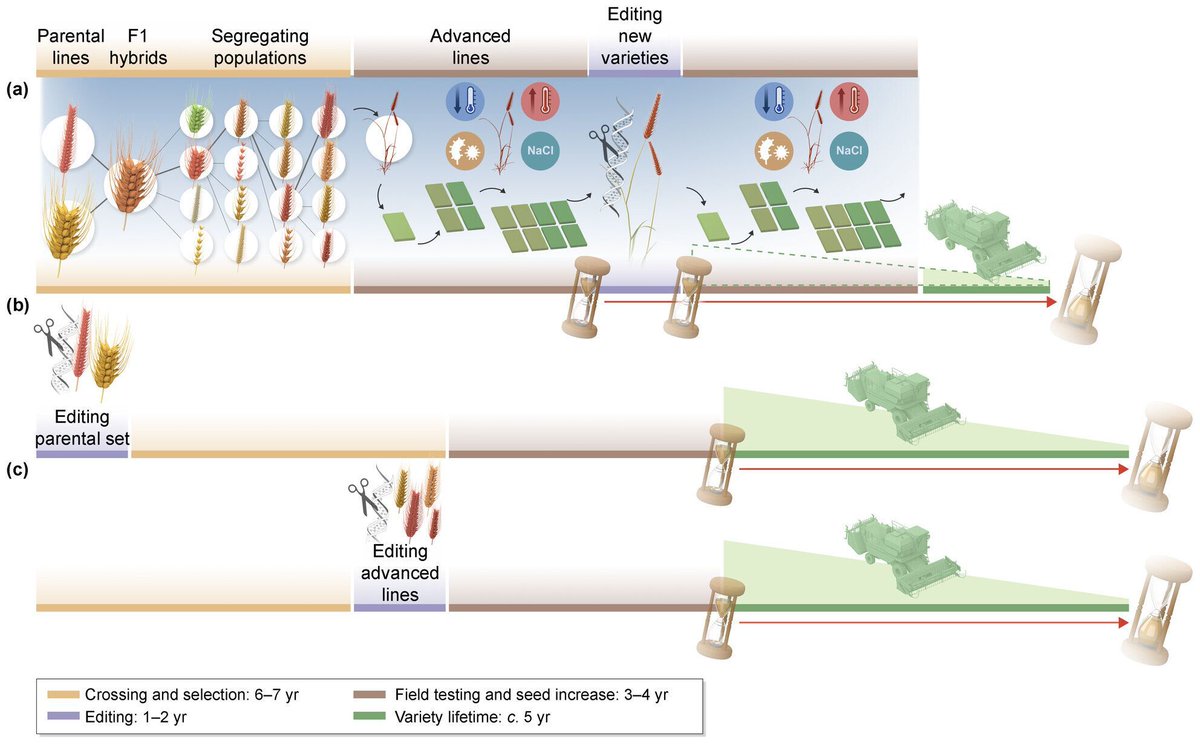
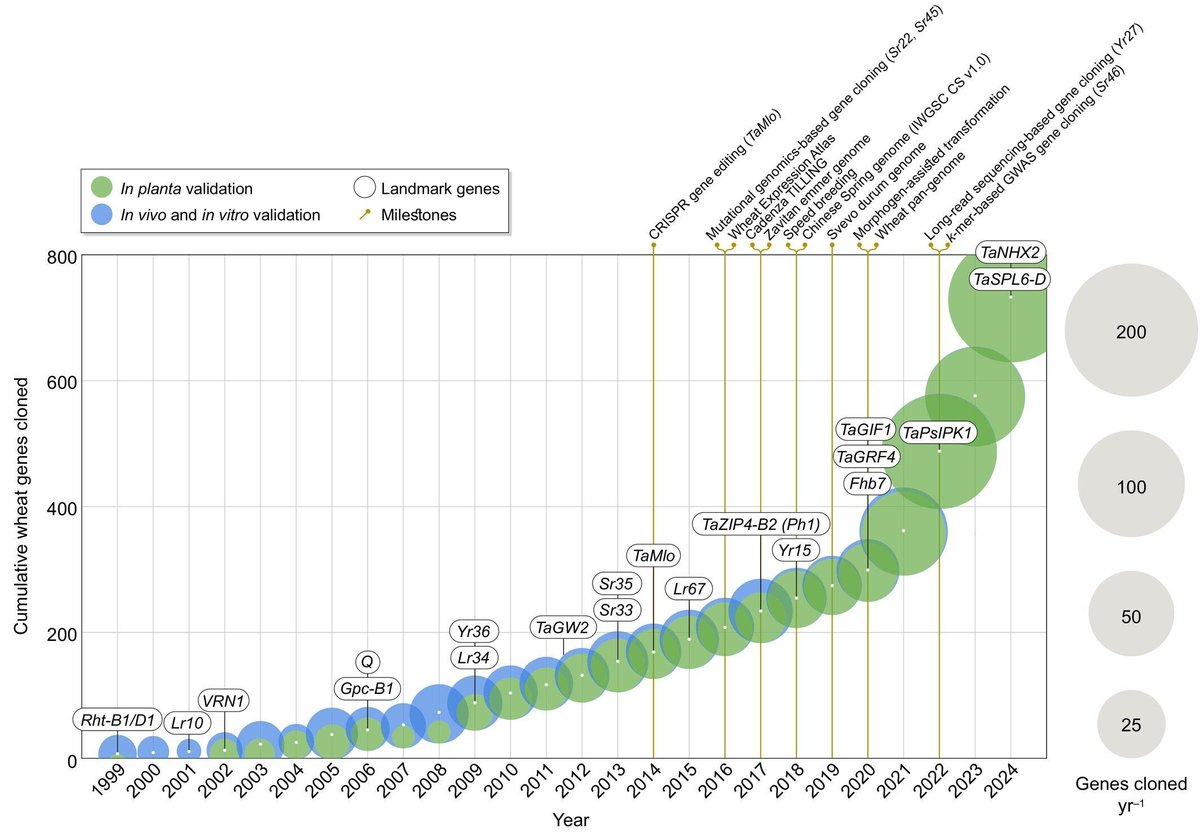
Potential unlocked: an atlas of cloned wheat genes for genome engineering and breeding
nph.onlinelibrary.wiley.com/…
♻️
12
39
2,172
Everton G Capote Ferreira retweeted

May 13
🚀 New tool out! LIVIA (Local Interaction Visualization and Analysis) — a browser-based tool for assessing and visualizing predicted protein-protein interactions.
Drop in a prediction from AlphaFold-Multimer, AF3, ColabFold, Boltz-1/2, Chai-1, or OpenFold3 (ZIP or folder, auto-detected) and LIVIA answers the two questions you actually care about:
▸ Do these proteins interact?
▸ Which residues form the interface?
What you get:
▸ Interface confidence scores — iLIS (our local metric), ipSAE, actifpTM, ipTM
▸ Interaction interface heatmaps (PAE, LIS, cLIS)
▸ Sequence viewer linear & circular contact maps highlighting Local Interaction Residues (LIR) and contact LIR (cLIR)
▸ Embedded Mol* 3D viewer
▸ Downloadable ChimeraX & PyMOL scripts
Also fetches dimers directly from the AlphaFold Database — adding the interface annotations AFDB doesn't provide.
Everything runs locally in your browser. No install, no upload.
LIVIA started as a personal tool — I built it with Claude Code and used it to make every structure figure in our FlyPredictome preprint (Kim et al., 2026). (Claude Code is truly insane...) Along the way I realized it could be useful for others, too.
If you have a favorite color palette for structure visualization, please let me know — happy to add it as a preset 🎨
🔗 LIVIA tool: flyark.github.io/LIVIA
🐍 iLIS / batch CLI: github.com/flyark/AFM-LIS
📄 LIVIA preprint: biorxiv.org/content/10.64898…
📄 FlyPredictome preprint: biorxiv.org/content/10.64898…
5
40
181
41,268
Everton G Capote Ferreira retweeted

Jun 5
#TansleyInsight: Cross-kingdom communication between plants and parasitic #nematodes
@Chris_Bell6, @lderevnina & @Seb_EvdA
👇
📖 nph.onlinelibrary.wiley.com/…
#LatestIssue #PlantScience
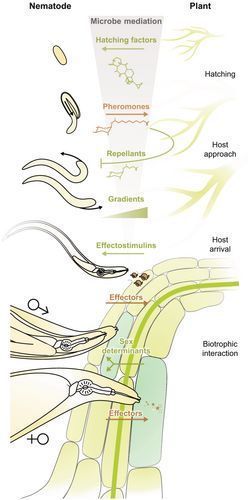
ALT Fig. 1 Cross-kingdom communication between plants and parasitic nematodes.
5
25
1,034