Professor of Biotic Interactions, University of Cambridge. @plantsci Fellow of King's College Cambridge. goo.gl/fRtMjq

Joined May 2014
188 Photos and videos
Pinned Tweet
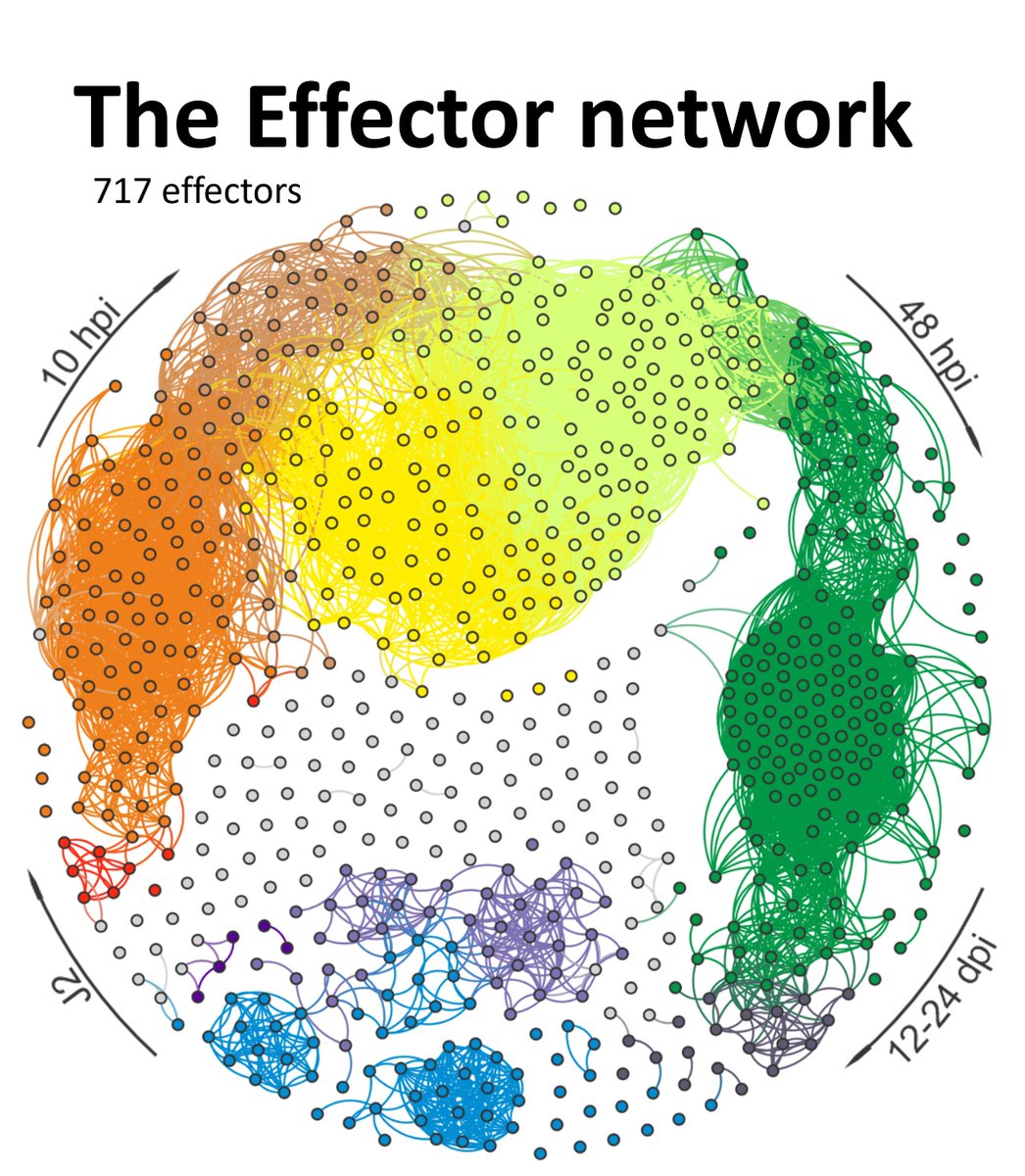
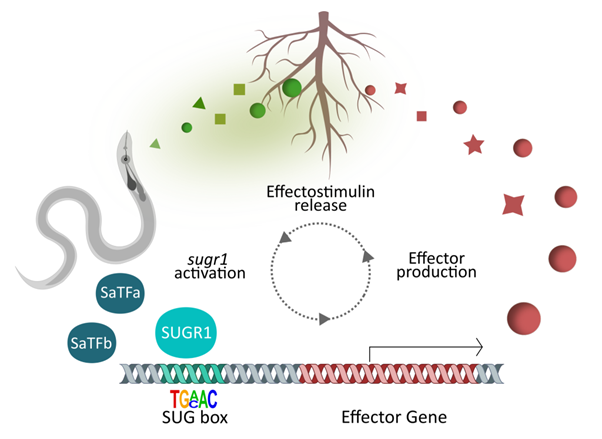
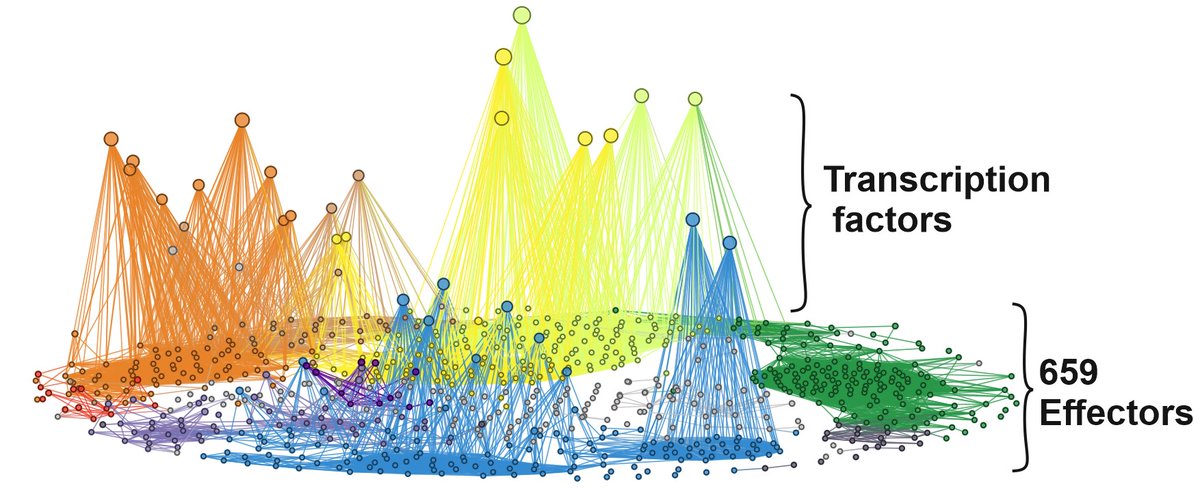
Paper @PNASNews We think nematodes break open plant cells, sense small molecules (termed effectostimulins), which switch on a master regulator SUGR1, which switches on effectors, which break cells. Looks like a feed-forward loop driving infection. pnas.org/doi/10.1073/pnas.24…
4
25
75
5,183
Sebastian Eves-van den Akker retweeted
Does AI-assisted diagnosis erode students' clinical reasoning or build it? A 12-month study of 372 med students found gains in critical thinking, not losses. The catch: it ran through AI literacy, not access. Teach the tool, don't just hand it over. andrewomalley.substack.com/p…

1
1
5
591
Sebastian Eves-van den Akker retweeted
This is cool
New paper! How do RNAs "know" where to go inside a cell? We dug into the sequence elements that route RNAs to the right place. It turns out that, in mammals, they're surprisingly massive (>200 nt), multipartite, and wonderfully complicated. 🧵
1
5
59
17,106
Sebastian Eves-van den Akker retweeted
New preprint out 🌱 We present a new T-DNA vector system for Arabidopsis that supports clean, genomically mapped, single-copy T-DNA insertion with predictable cell-type/conditional gene expression. @MoKhalilLab Gehring labs biorxiv.org/content/10.64898… 🧵1/16
2
29
69
17,599
Sebastian Eves-van den Akker retweeted
Three weeks left to apply for our ECR webinar series: Rising Stars of IS-MPMI! See the quoted thread for info on how to self-nominate 🧵👇 Sponsored by @GetGenome! 💪🧬🌐
Calling all early-career plant-microbe researchers! 🌱🦠📢👋 Rising Stars of IS-MPMI: your chance to present your work to a global audience. PhD students & postdocs - self-nominate for the July 29 session. ⏳ Deadline: June 30 Apply now: docs.google.com/forms/d/e/1F…
8
14
1,468
Sebastian Eves-van den Akker retweeted
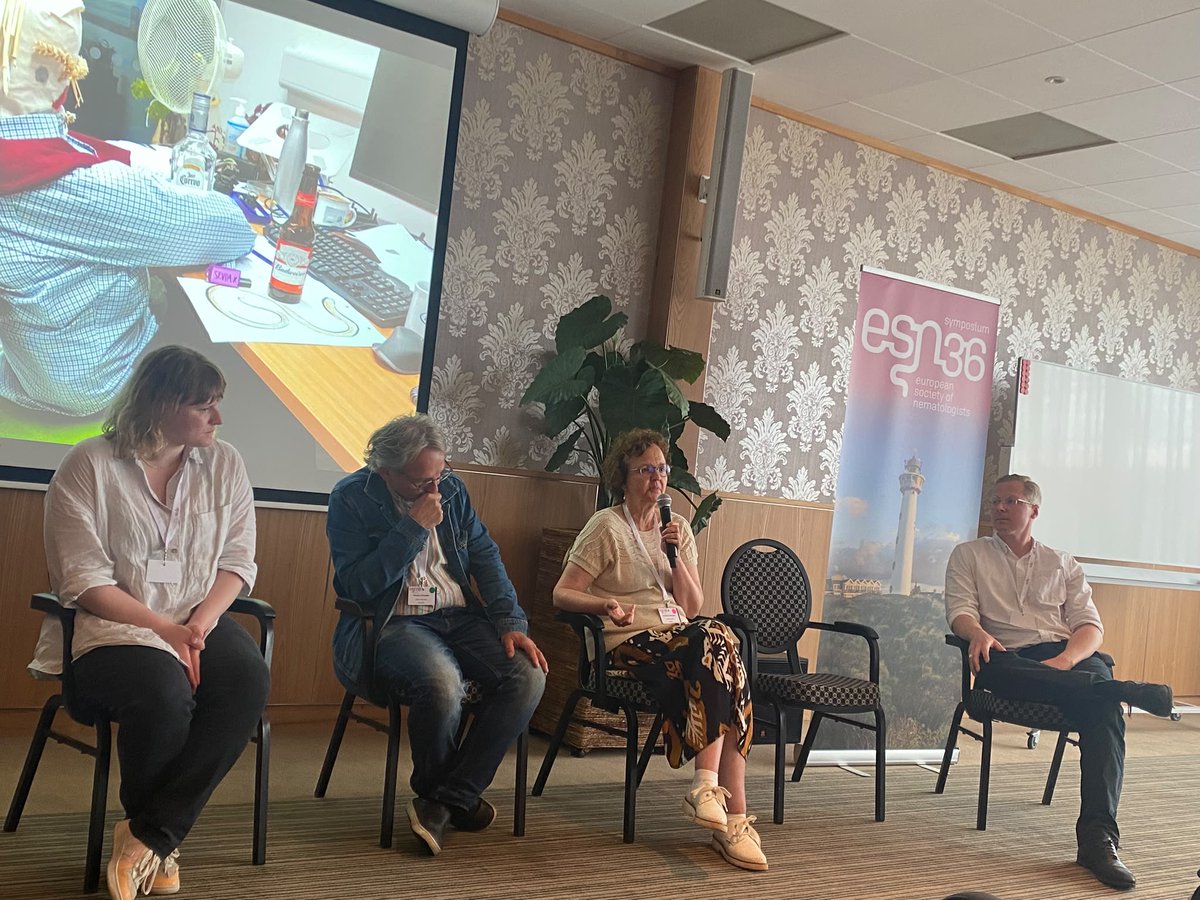
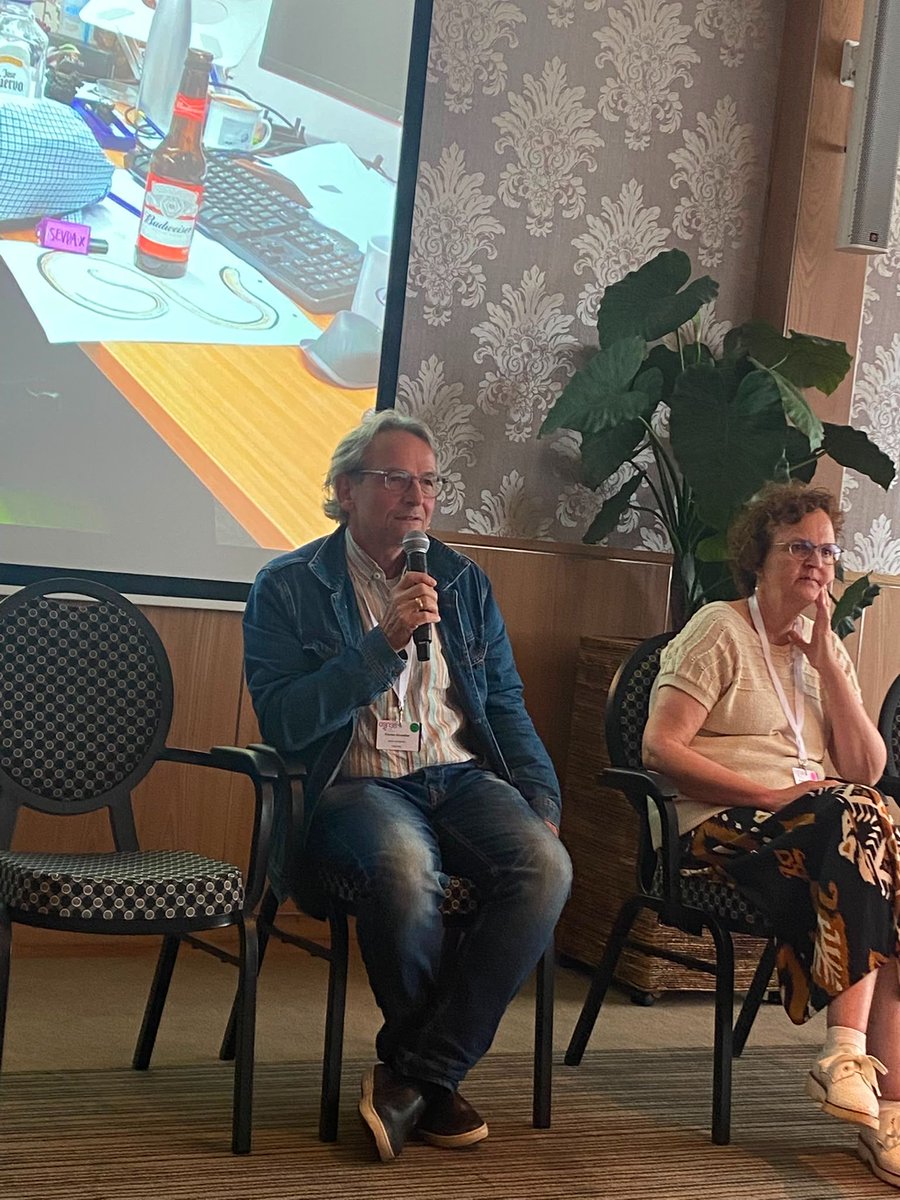
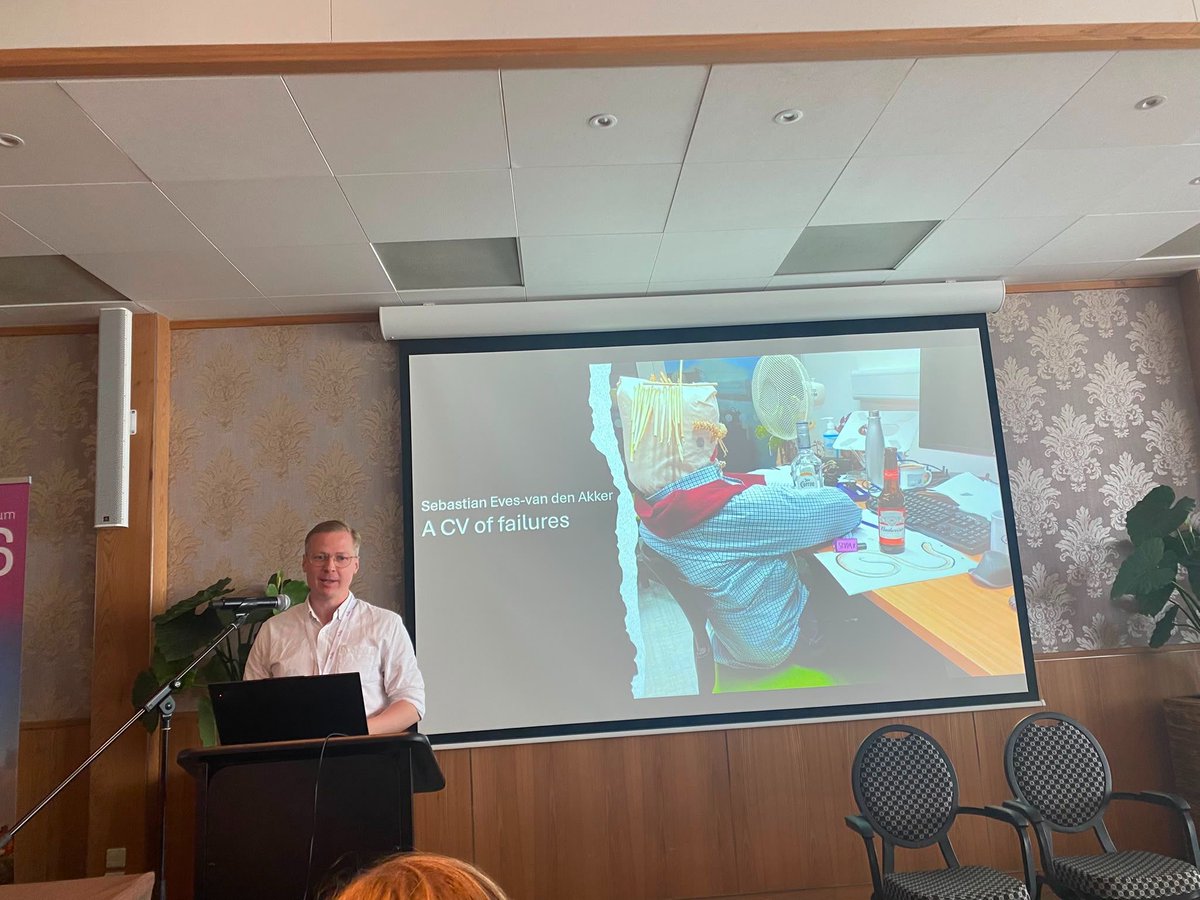
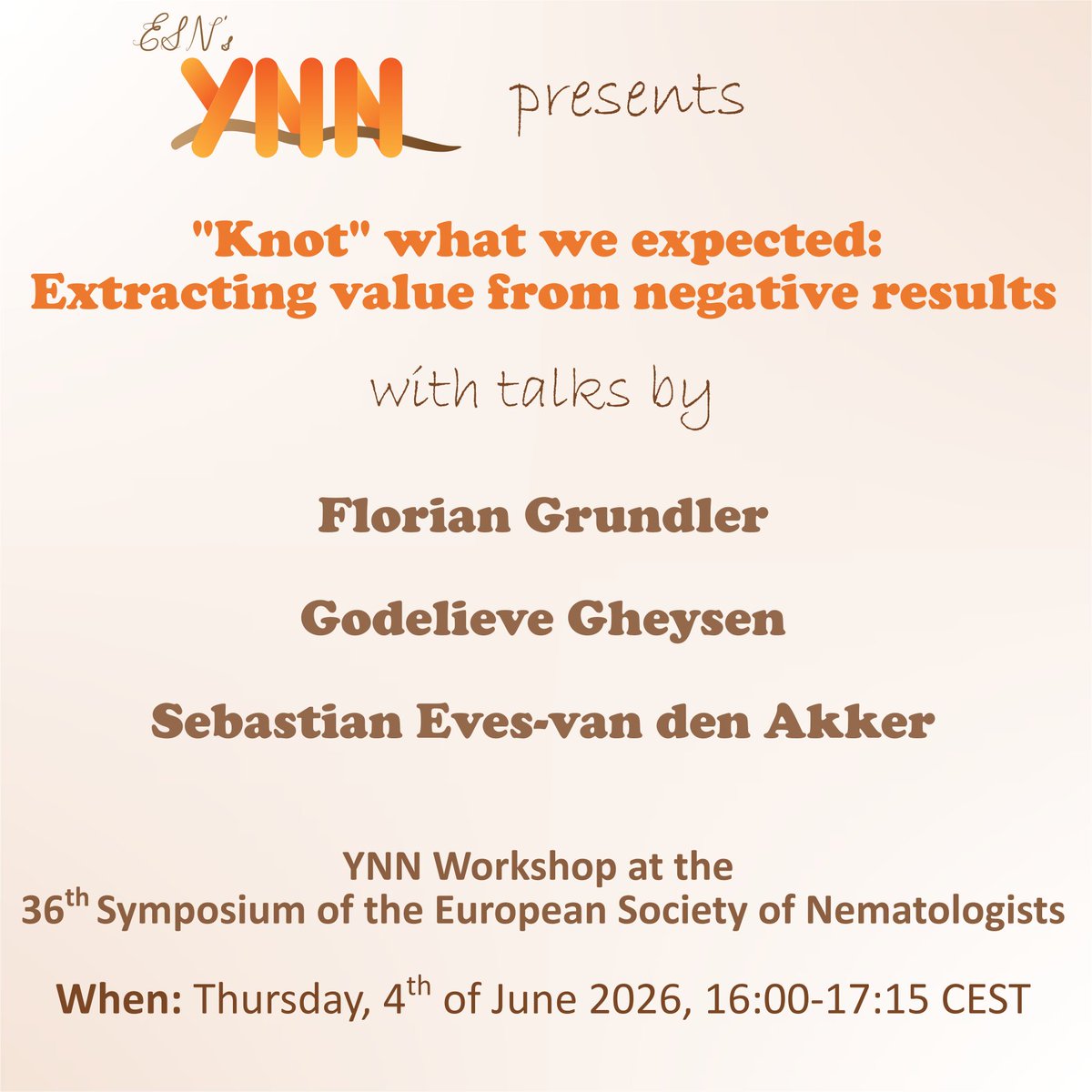
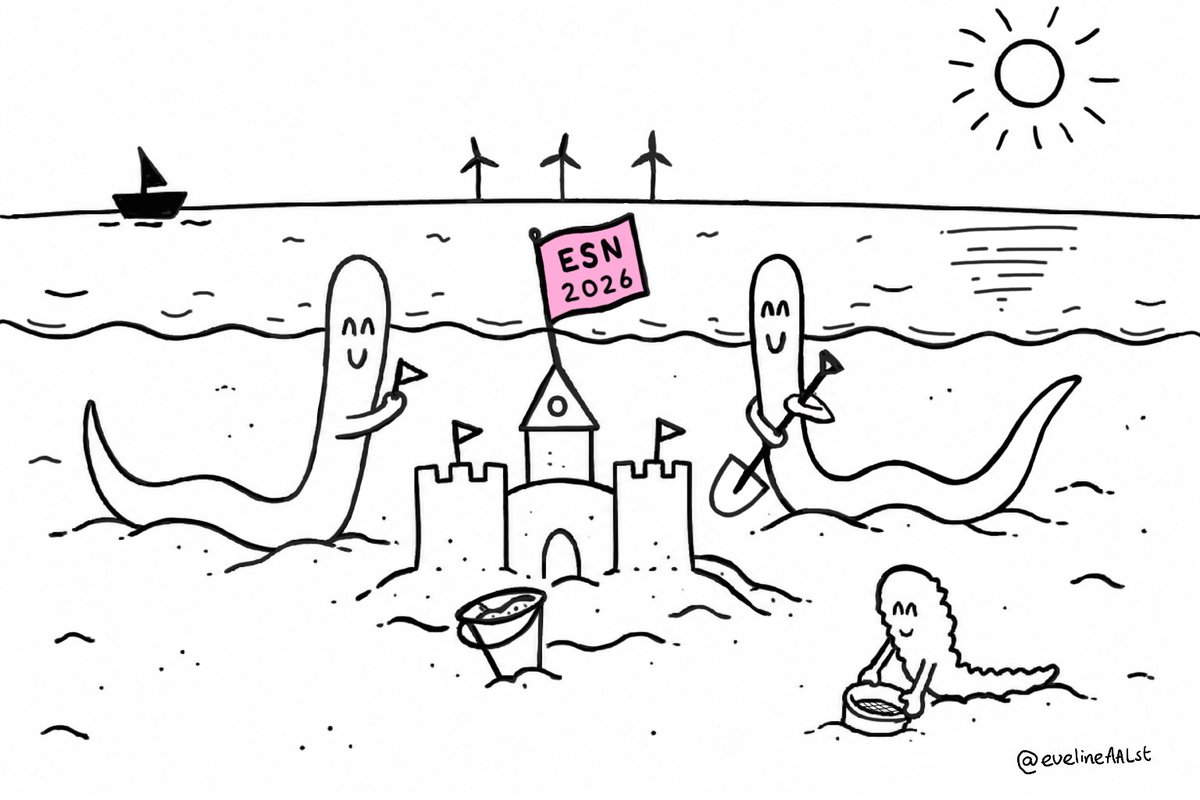
A huge thank you to everyone that attended our workshop at #ESN2026 and to our amazing speakers! It was great to talk with all of you and we had a lot of fun! 🪱
Counting down the days until #ESN2026! Don’t miss out on our YNN workshop where we will explore unexpected and negative results to extract meaningful messages! 🪱
4
15
364
Sebastian Eves-van den Akker retweeted
Calling all early-career plant-microbe researchers! 🌱🦠📢👋 Rising Stars of IS-MPMI: your chance to present your work to a global audience. PhD students & postdocs - self-nominate for the July 29 session. ⏳ Deadline: June 30 Apply now: docs.google.com/forms/d/e/1F…
1
13
27
4,243
Sebastian Eves-van den Akker retweeted
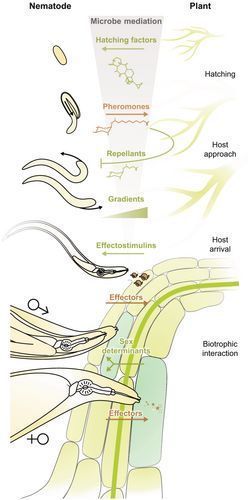
#TansleyInsight: Cross-kingdom communication between plants and parasitic #nematodes @Chris_Bell6, @lderevnina & @Seb_EvdA 👇 📖 nph.onlinelibrary.wiley.com/… #LatestIssue #PlantScience
5
25
1,034
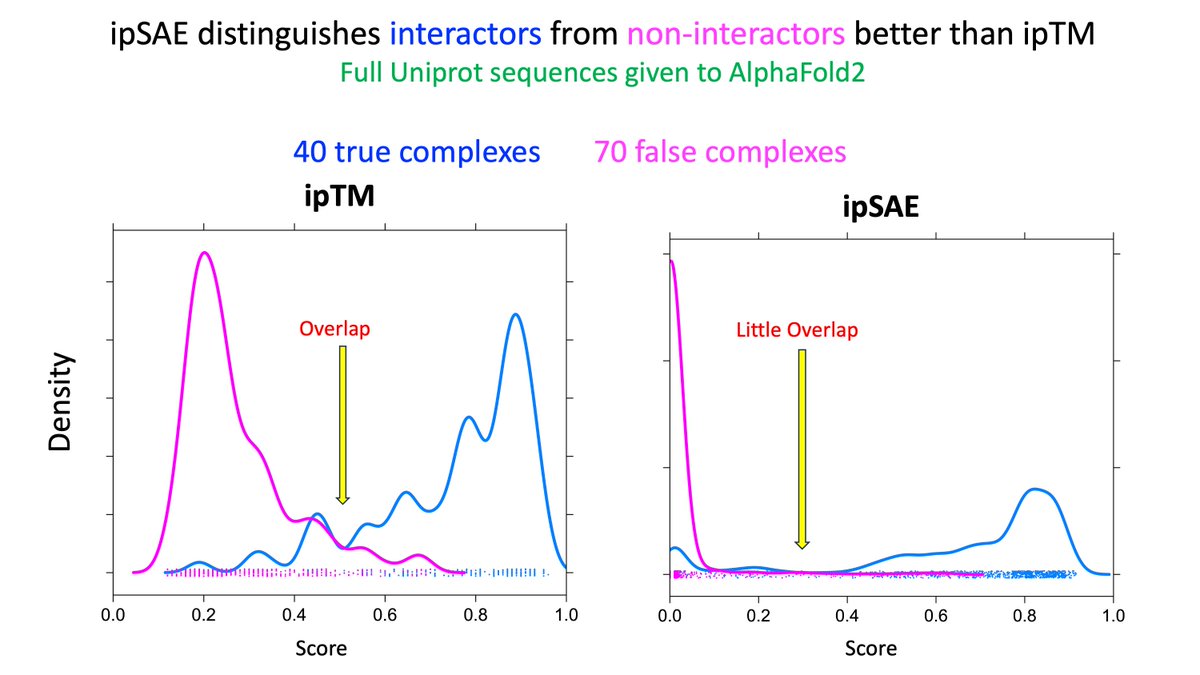
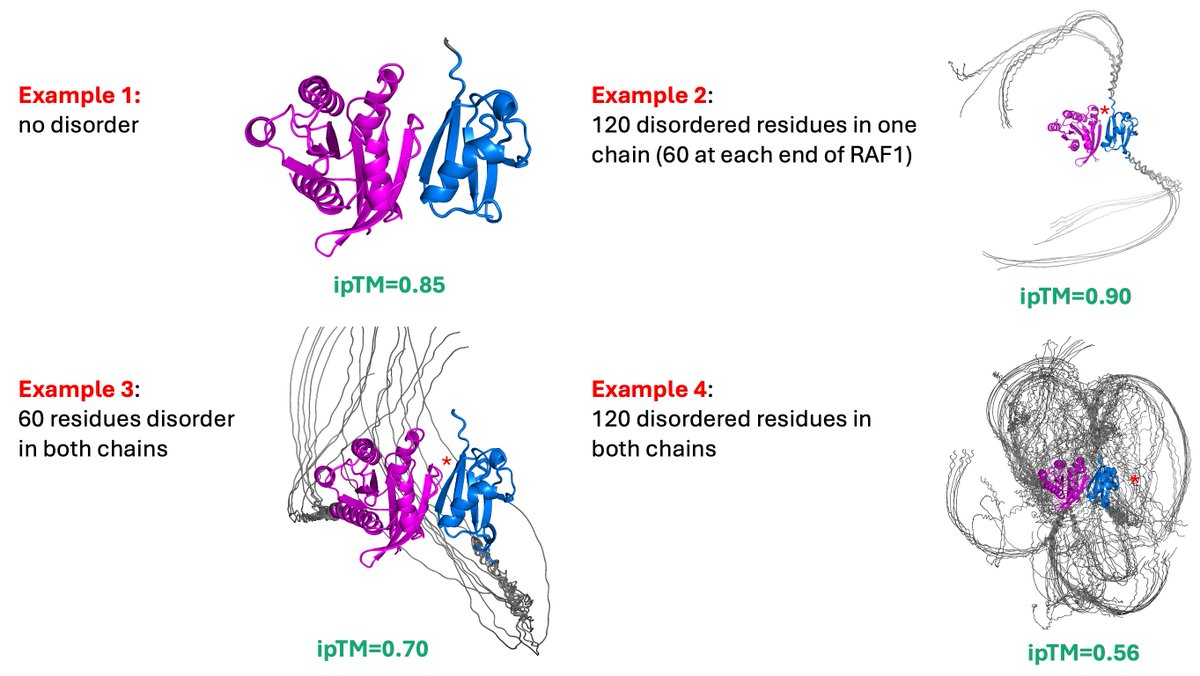
STOP using ipTM for AlphaFold PPI screens. * Artificially LOW when both full-length proteins have irrelevant, non-binding IDRs or domains. * If one protein is folded & the other contains irrelevant IDRs or domains, the score is too HIGH because of d0. * Use ipSAE or LIS.
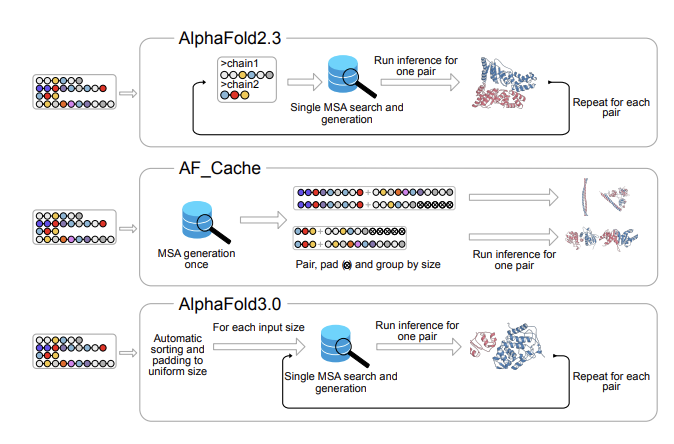
AF Cache: Efficient Pipeline for Running AlphaFold for High-Throughput Protein-Protein Interaction Prediction 1 AF Cache is a Nextflow pipeline designed to make large-scale protein–protein interaction (PPI) screening practical with AlphaFold2 and AlphaFold3 by cutting the dominant runtime bottlenecks: repeated MSA generation and (for AF2) repeated JAX recompilations. 2 The key idea is to generate MSAs once per unique monomer for the whole dataset, then reuse (“cache”) them across all pairs. For an all-against-all screen of N proteins, default multimer workflows can trigger ~N(N 1) chain-level MSA generations, while AF Cache reduces this to N by construction. 3 AF Cache accelerates MSA generation by using GPU-accelerated MMseqs2 and batching all proteins in a single dataset-level step (rather than per-target or small batches). It also overlaps CPU and GPU steps across UniRef and environmental database alignments to reduce GPU idle time. 4 For AlphaFold2 specifically, AF Cache adds sequence-length bucketing for multimers (bucketed by total chain length) and pads within each bucket so JAX compilation happens once per bucket instead of once per pair—saving ~1–2 minutes of GPU time for every additional multimer in that bucket. 5 Benchmark: 100 human mitochondrial proteins (40–1000 aa) were screened all-against-all including homodimers (5,050 pairs). Settings were streamlined for throughput (AF2: single model, 3 recycles, templates disabled; AF3: single seed, one diffusion sample). 6 Pre-prediction speedups (MSA stage): when comparing to a realistic 128-CPU-core baseline, AF Cache achieved ~13x faster MSA generation for AF2 settings using full BFD, and ~5x faster for AF3 settings using small BFD. The paper also reports very large raw GPU-vs-CPU core-hour reductions, emphasizing the benefit of GPU-based MSA search in high-throughput regimes. 7 End-to-end impact for AF2: caching bucketing reduced AF2 prediction compilation time from 253 to 125 GPU hours (>50% reduction), and made inference ~90 seconds faster per protein pair on average while preserving the same runtime scaling with pair length. 8 Output similarity was assessed via ipTM comparisons. Correlations between default vs AF Cache runs were moderate across all pairs (Pearson r ~0.70 for AF2; ~0.64 for AF3), but much higher for pairs where both proteins map to a shared PDB entry (r ~0.98 for AF2; ~0.94 for AF3), suggesting structurally supported cases are highly consistent across pipelines. 9 Practical deployment details: AF Cache provides a ready-to-use workflow for local and HPC environments, supports all-against-all or user-specified pair lists, automates AF3 JSON preparation, and can download/install dependencies (including databases; AF2 network parameters) as needed. 💻Code: github.com/clami66/AF_cache 📜Paper: arxiv.org/abs/2606.04566 #AlphaFold #ProteinInteractions #PPI #Bioinformatics #ComputationalBiology #StructuralBioinformatics #Nextflow #HPC #MMseqs2 #Proteomics
5
36
211
17,926
Sebastian Eves-van den Akker retweeted
8
14
582
Sebastian Eves-van den Akker retweeted
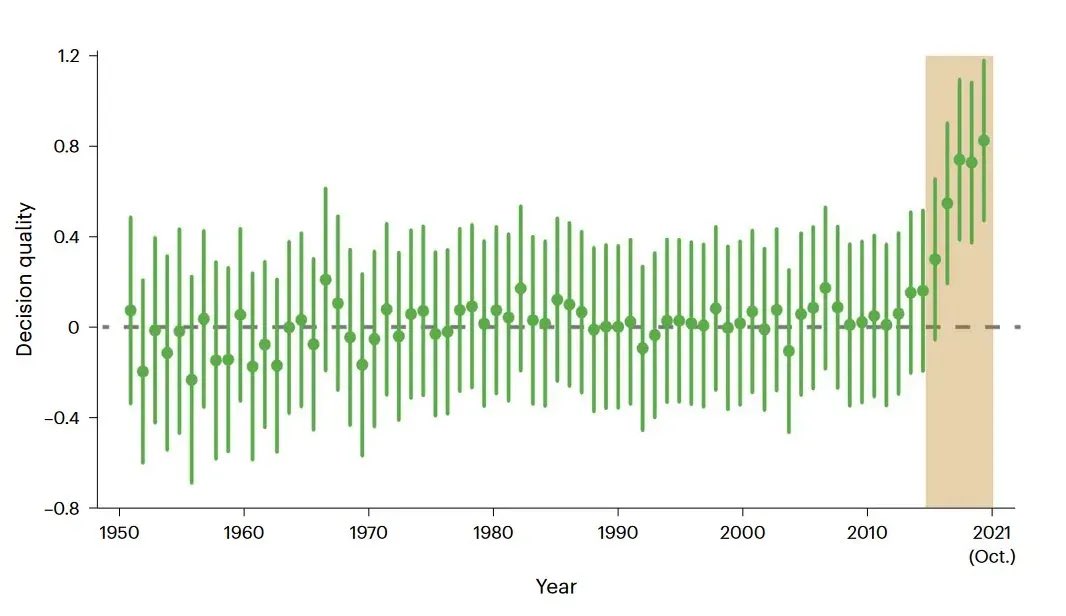
After AlphaGo, the skill of human Go players noticeably improved. I suspect we will see a similar pattern in math.
Another major problem, this time in additive combinatorics, has fallen, this time to humans rather than AI, but using methods related to the AI solution to the unit distance conjecture.
187
973
9,039
785,036
Sebastian Eves-van den Akker retweeted
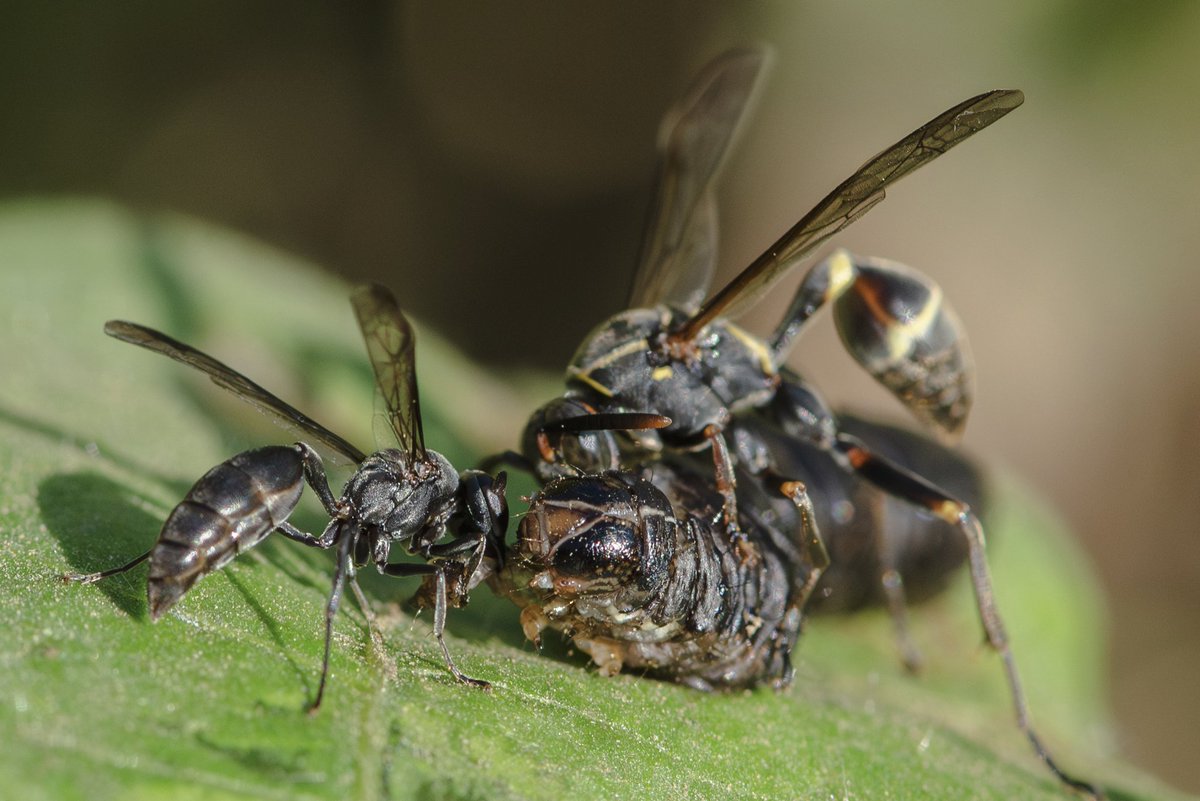
Now out in Science Advances. Inceptin Receptor helps attract predatory wasps in two years of field experiments. Next steps: can we tune both receptor recognition and volatile blend traits in crops companion plants?
How do predatory wasps find their caterpillar prey? In our new preprint on Biorxiv we show that the host plant's immune system detects herbivory to sound the alarm. 🌱🐛 See thread from @nataliagupa -- a surprising role for a plant PRR in indirect defense against herbivores.
2
17
43
2,584
Sebastian Eves-van den Akker retweeted
We are delighted to share that our Director, @Beverley_CUBG , has been elected a Fellow of @royalsociety , recognising both her world-leading plant science research @camplantsci @cambridge_uni as well as her leadership of CUBG. Read more: bit.ly/43uObIf
4
20
1,070
Sebastian Eves-van den Akker retweeted
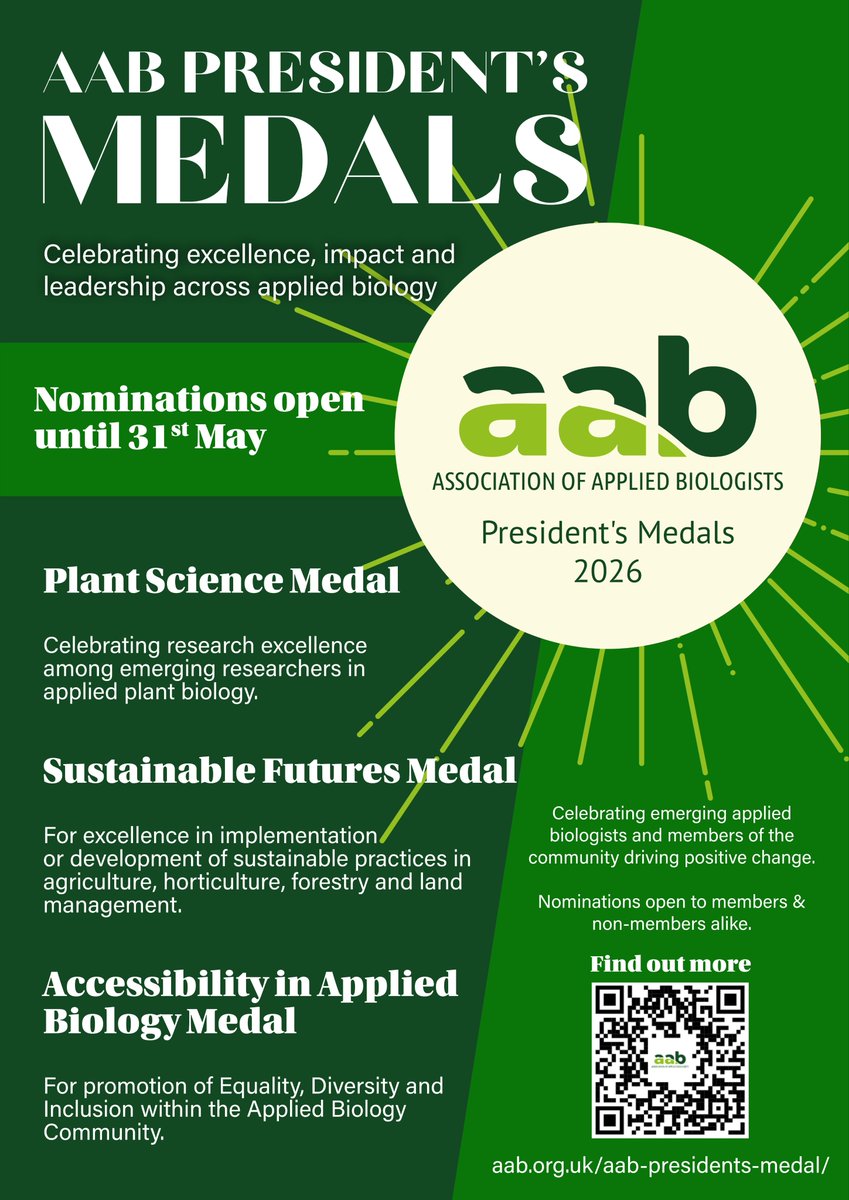
⏰ Less than 2 weeks left to nominate a colleague for the inaugural AAB President's Medals!! ⏰ Nominations close 31st May! 👉 aab.org.uk/aab-presidents-me… 🌱 Plant Science 🌎 Sustainable Futures 👥 Accessibility in Applied Biology #plantscience #sustainableag #farming #forestry
6
7
596
Sebastian Eves-van den Akker retweeted
If you are a mathematician, then you may want to make sure you are sitting down before reading further.
166
886
9,224
3,223,014
Sebastian Eves-van den Akker retweeted
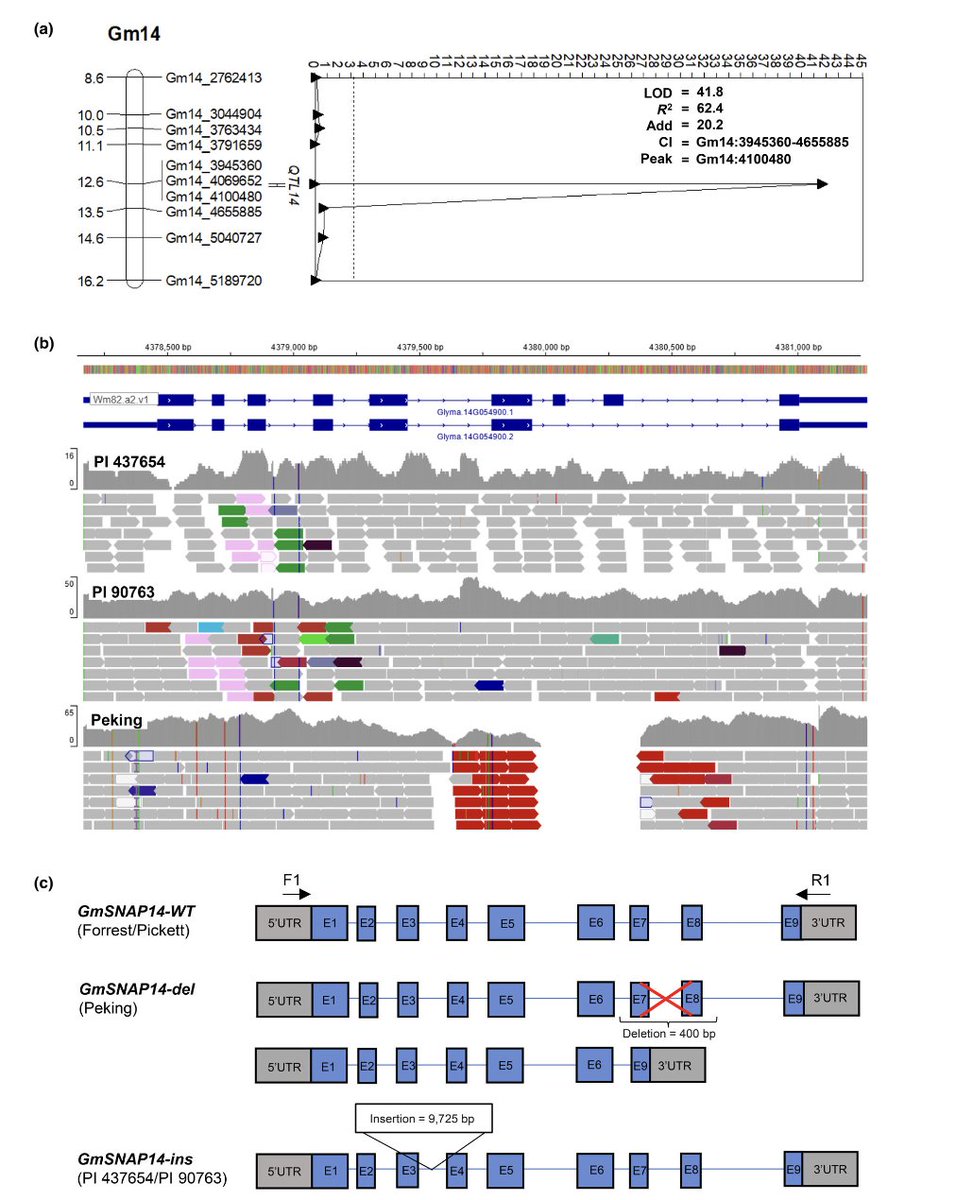
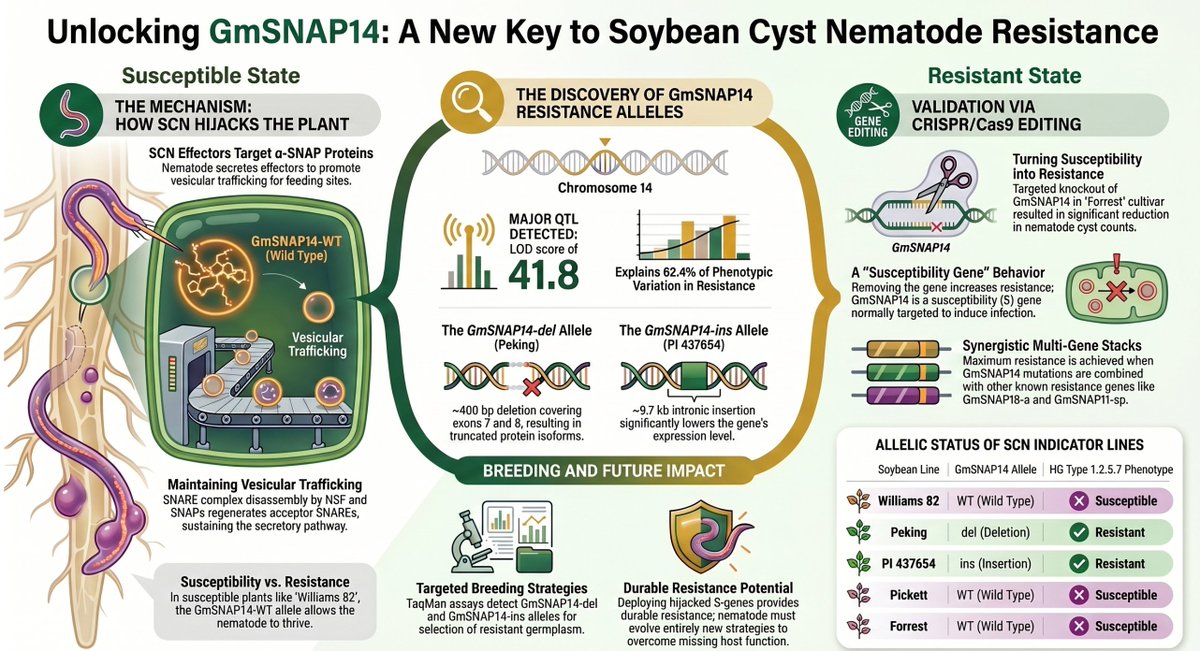
🌱 Soybean cyst nematode (SCN) causes up to 100% yield loss. A new gene just cracked its resistance code. New Phytologist: GmSNAP14 is a susceptibility gene — when it works normally, nematodes hijack vesicle transport to feed. When it's broken, they can't. ✅ QTL on chr14: explains 62.4% of resistance variation ✅ Two natural resistance alleles: deletion (del) & insertion (ins) ✅ CRISPR knockout directly boosts resistance to virulent HG type 1.2.5.7 ✅ TaqMan marker developed for breeding Gamage et al. | New Phytologist doi.org/10.1111/nph.71037 #Soybean #SCN #CRISPR #CropBreeding #PlantImmunity
1
5
9
562
Sebastian Eves-van den Akker retweeted
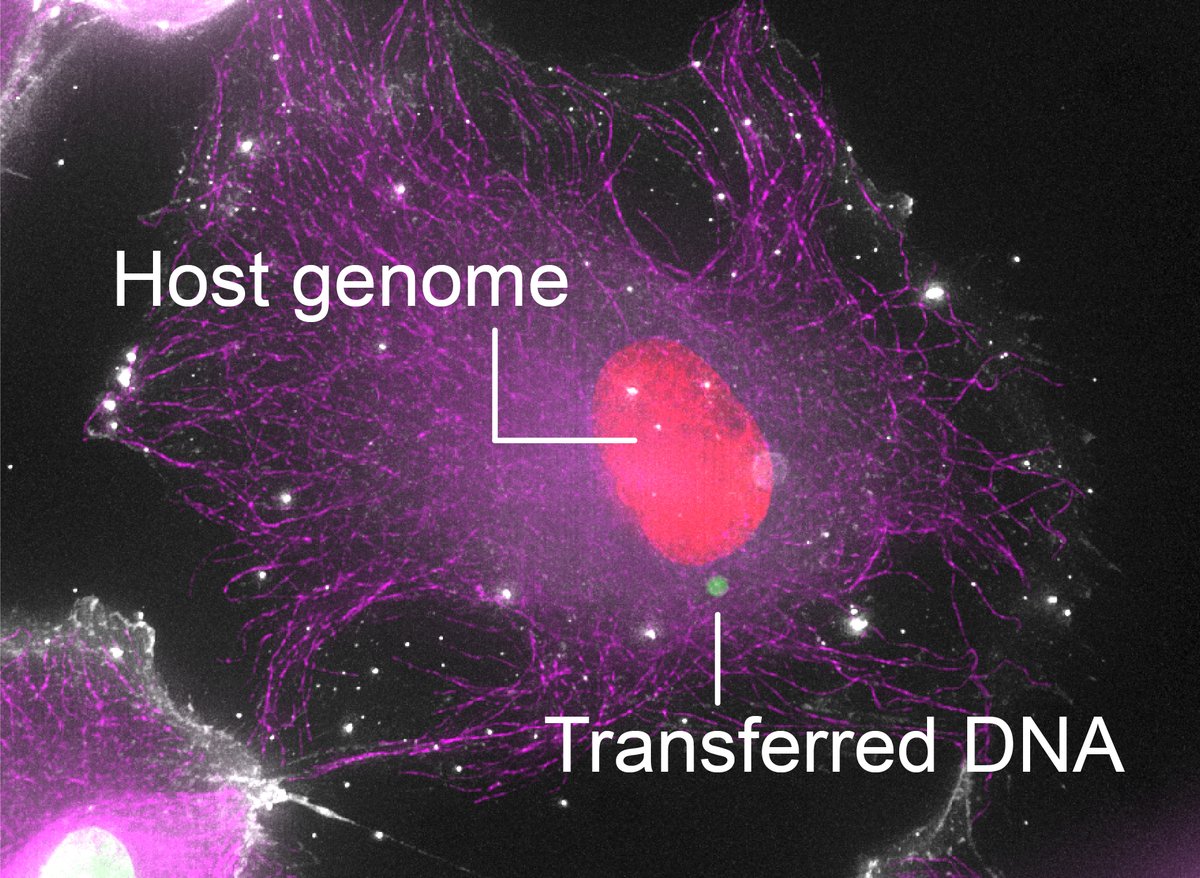
Excited to share our latest paper, out today @CellCellPress. We found that large pieces of the human genome can transfer between cells upon direct contact, endowing recipient cells with heritable phenotypic changes. (1/7) cell.com/cell/fulltext/S0092…
38
303
992
155,796
Sebastian Eves-van den Akker retweeted
A major milestone for UK gene editing 🧬🌱 We have drilled the first UK crop to receive a PBO Release Notice under the new regulatory framework. Scientists are exploring ways to increase seed size, yield and oil content in camelina👇 rothamsted.ac.uk/news/rotham…
5
17
789
Sebastian Eves-van den Akker retweeted
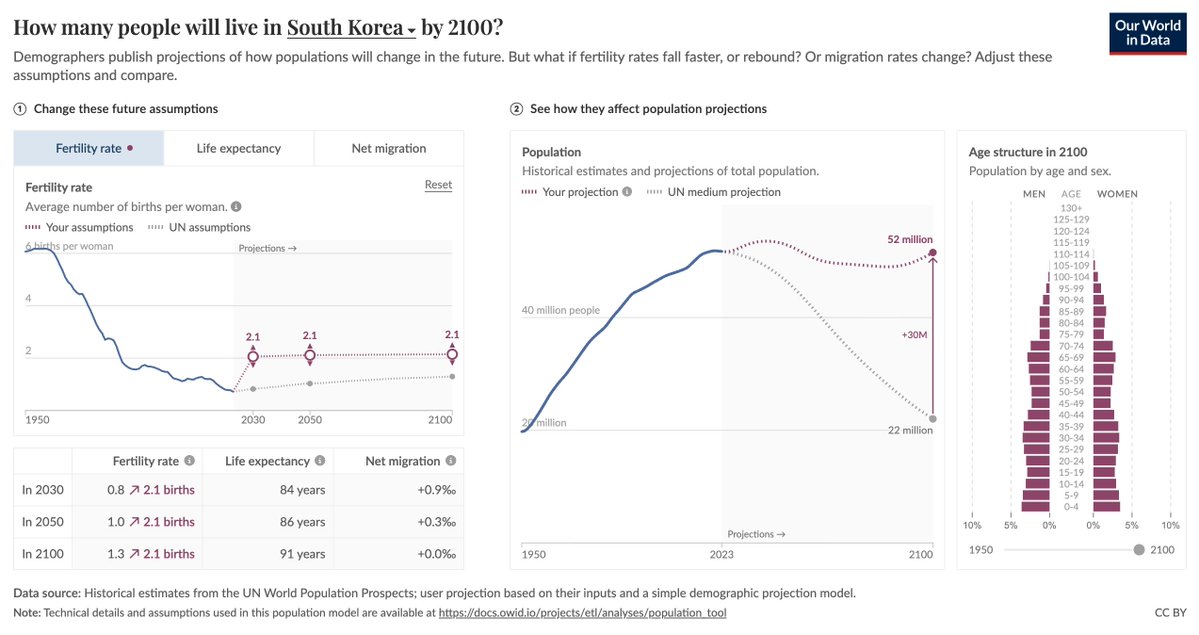
How will populations across the world change in the 21st century? 🔧 Explore for yourself with our new interactive tool! Demographers publish projections using assumptions about key demographic changes, most notably fertility rates, life expectancy, and migration rates. But no one knows for sure how many children people will have decades from now, or how migration will shift. So it’s worth asking what the population would look like if things turn out differently from what the UN or other demographers assume. Our colleagues Daniel Bachler and Sophia Mersmann built a population simulation tool that lets you do just that — for every country in the world. Pick a country, adjust the assumptions, and see how the projections change, for both total population and age structure. For instance, what would happen if fertility rates recovered to replacement level, or migration was cut in half?
4
51
156
47,245
Sebastian Eves-van den Akker retweeted
Replying to @ISMPMI
@ISMPMI We passed the half-way point of our ambitious goal of raising $40,000 for the Mishkind Travel fund for early career researchers to attend our 2027 Congress. Please consider donating today! ismpmi.org/
5
6
472
Sebastian Eves-van den Akker retweeted
You can’t lift a fridge with just your hands. Your whole body needs to conform to its shape, and bear the load between your arms and torso. Here, @BostonDynamics' Atlas uses proprioception to manage the whole-body interaction and adapt to a shifting 100 lb load. Enabling this type of high performance manipulation is exactly why we walked away from what was arguably the world’s best implementation of MPC for humanoids, and shifted entirely to RL without looking back. This level of whole-body controls is a fundamental building block of physical intelligence and key to the value proposition of humanoids. More technical details in: Blog: bostondynamics.com/blog/trai… Behind the scenes video: youtu.be/xKK5ze3FukQ
76
216
1,761
275,831