
Rather likes writing, history and quirky stuff. Has been known to travel and dance. Care sector consultant & a @shrewsburyark Trustee. Views my own.
Joined November 2009
- Tweets 3,608
- Following 2,882
- Followers 998
- Likes 9,776
263 Photos and videos









A L Waddington-Feather retweeted
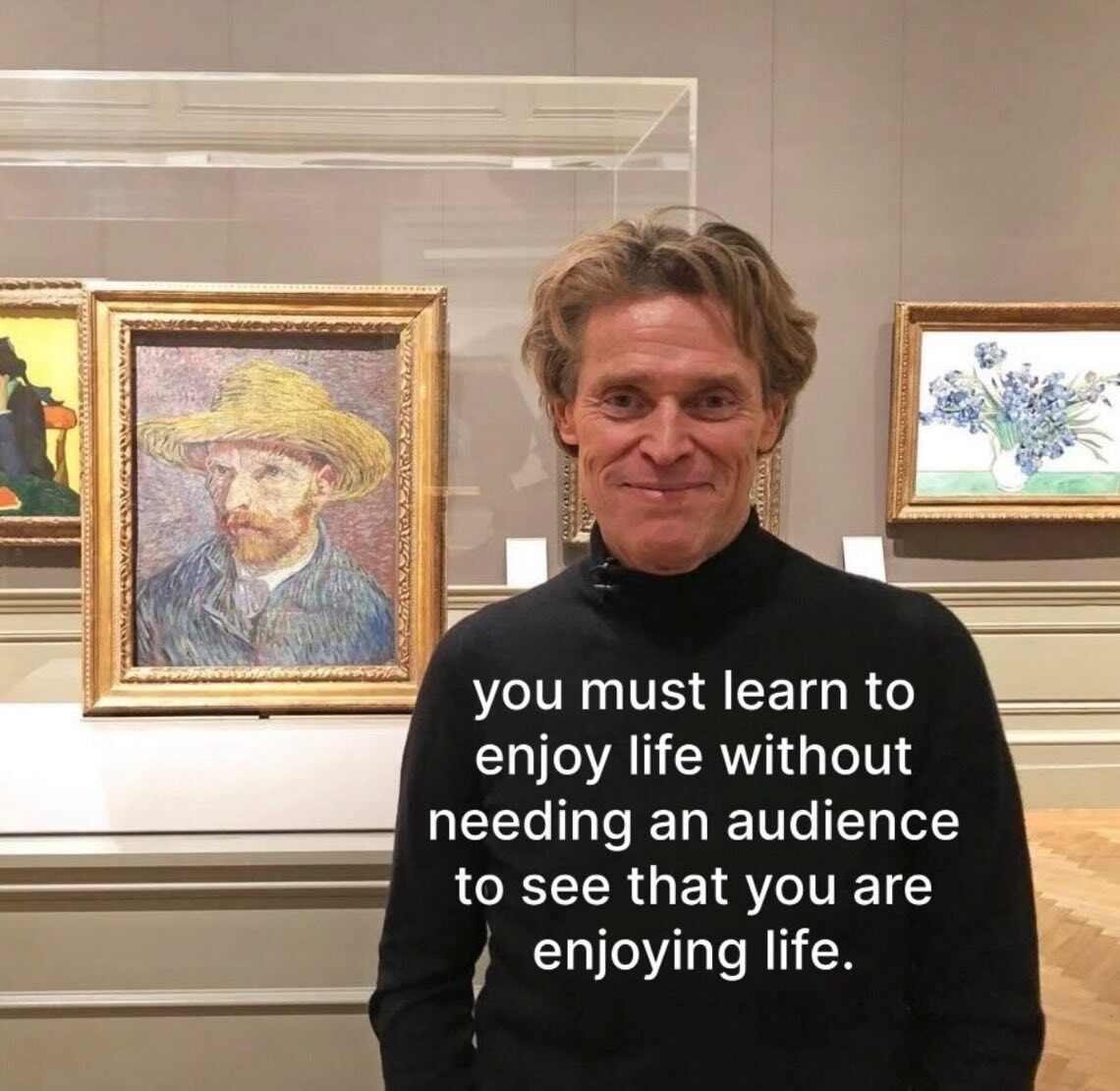
The research behind this is wild. The moment you decide to photograph something, your brain recalls fewer details about it. A 2014 Psychological Science study by Linda Henkel at Fairfield University confirmed this at a museum: visitors who photographed exhibits remembered fewer objects and fewer details than visitors who just observed. Capturing creates the illusion you've already processed what you saw.
Self-disclosure hits the same brain reward circuits as food or money. Harvard neuroscientists found that posting for reactions fires the nucleus accumbens (your brain's reward center, the same region involved in addiction) and the ventral tegmental area (where dopamine gets produced). This circuitry evolved to make you feel seen by your group. Social media pointed it at a notification button.
Psychologists call this the split between performance mode and experience mode, two brain states that can't both run at full capacity. These two states don't share well. When you're composing a caption or imagining reactions, you're running performance mode. The actual experience, being somewhere real, runs on whatever attention you have left. Duke research from 2016 found that tracking your activities to share them later makes those same activities feel less enjoyable.
Sean Parker, Facebook's first president, admitted in 2017 the platform was deliberately engineered around "social validation feedback loops." Posts decay in reach within hours, creating urgency to keep posting.
Nicholas Epley, a psychologist at Chicago Booth, found that people consistently overestimate how much others notice and care about them. The audience watching your life, the imagined one you're performing for, is much smaller than it feels.
Van Gogh produced roughly 900 paintings in a decade. He sold exactly one painting in his lifetime. Irises, painted in 1889, sold for $53.9 million at auction in 1987. When someone shows you their vacation photos and you feel like you kind of saw the trip, the feeling is roughly accurate.
Jun 15

3
52
246
10,036
A L Waddington-Feather retweeted

Jun 16
Your phone charger can electrocute a toddler who pokes a fork into the socket. The British plug cannot. That difference comes from a 1947 engineering project that refused every shortcut and turned a household plug into one of the most deliberately safe objects ever mass-produced.
Britain published BS 1363 in 1947, built for the post-war housing boom. The country was wiring millions of new homes at once and needed one standard that would work safely for everyone. They picked the most paranoid option available.
The earth pin (the large top prong) is longer than the other two. When you push a British plug in, the earth pin goes in first. Inside the socket, it presses a lever that opens two metal shutters covering the live and neutral slots. A fork pushed into an empty British socket hits only shutters. The shutters block it.
The two conducting pins are also coated in plastic for their lower half. A plug halfway out of the wall is still safe to touch. You would have to pull it completely clear before any live metal is exposed.
Inside every plug is its own fuse. UK homes wire their sockets in a loop called a ring circuit, which runs at 32 amps, enough to melt a lamp's cord if the cord fails. So each plug carries a fuse matched to the appliance: 3 amps for a lamp, 13 for a kettle. When something goes wrong in your appliance's wiring, only that plug's fuse blows.
The standard US plug (flat two-pin or three-pin) has none of the pin coating and no individual fuse. American building codes began requiring shuttered outlets in new construction in 2008, decades after Britain made shutters standard. Even those newer shuttered versions lack pin coating and plug-level fuses.
Britain's plug is bulky because a fuse, a shutter mechanism, insulated pins, and three contact prongs all need room. The plug looks the way it does because safety engineers refused to sacrifice any of those features to make it smaller, and that decision is now 79 years old.


346
2,156
19,235
1,370,843


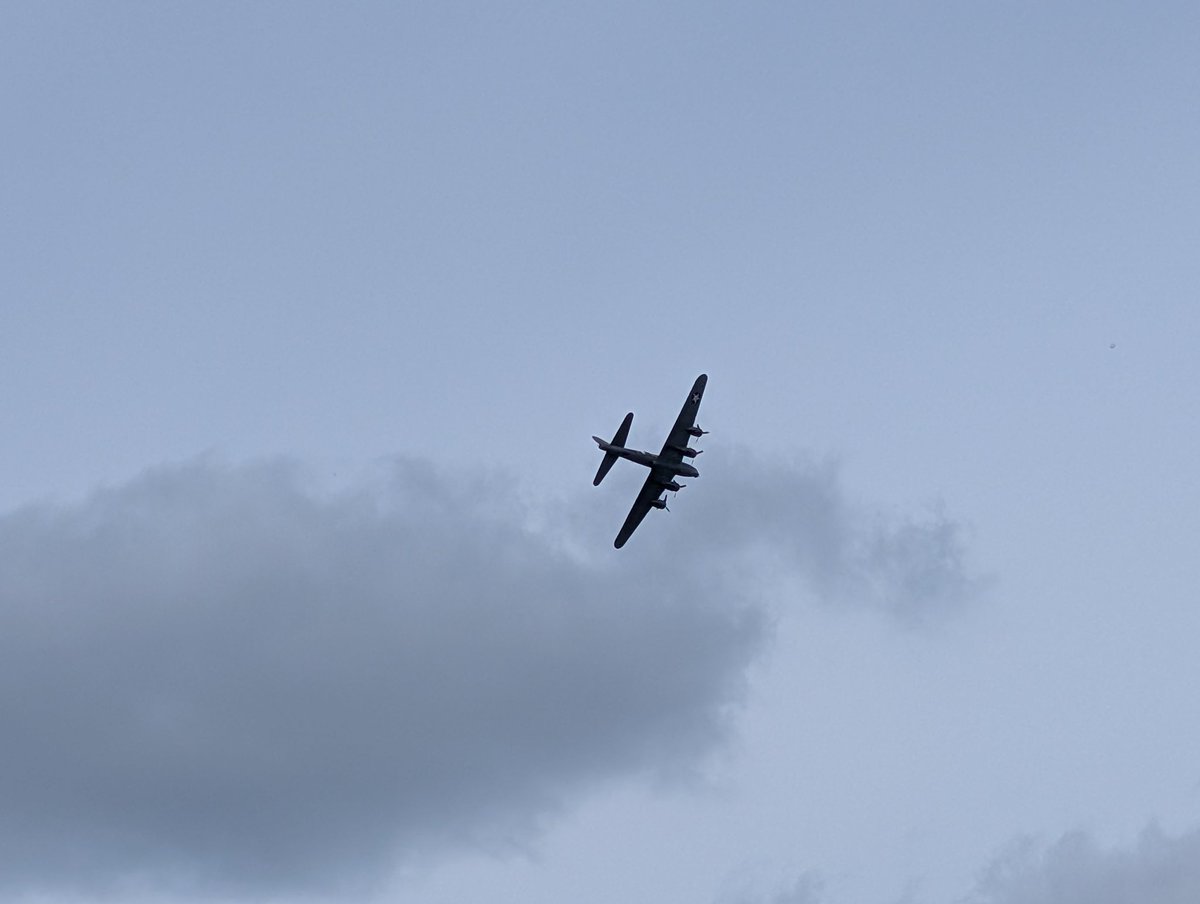
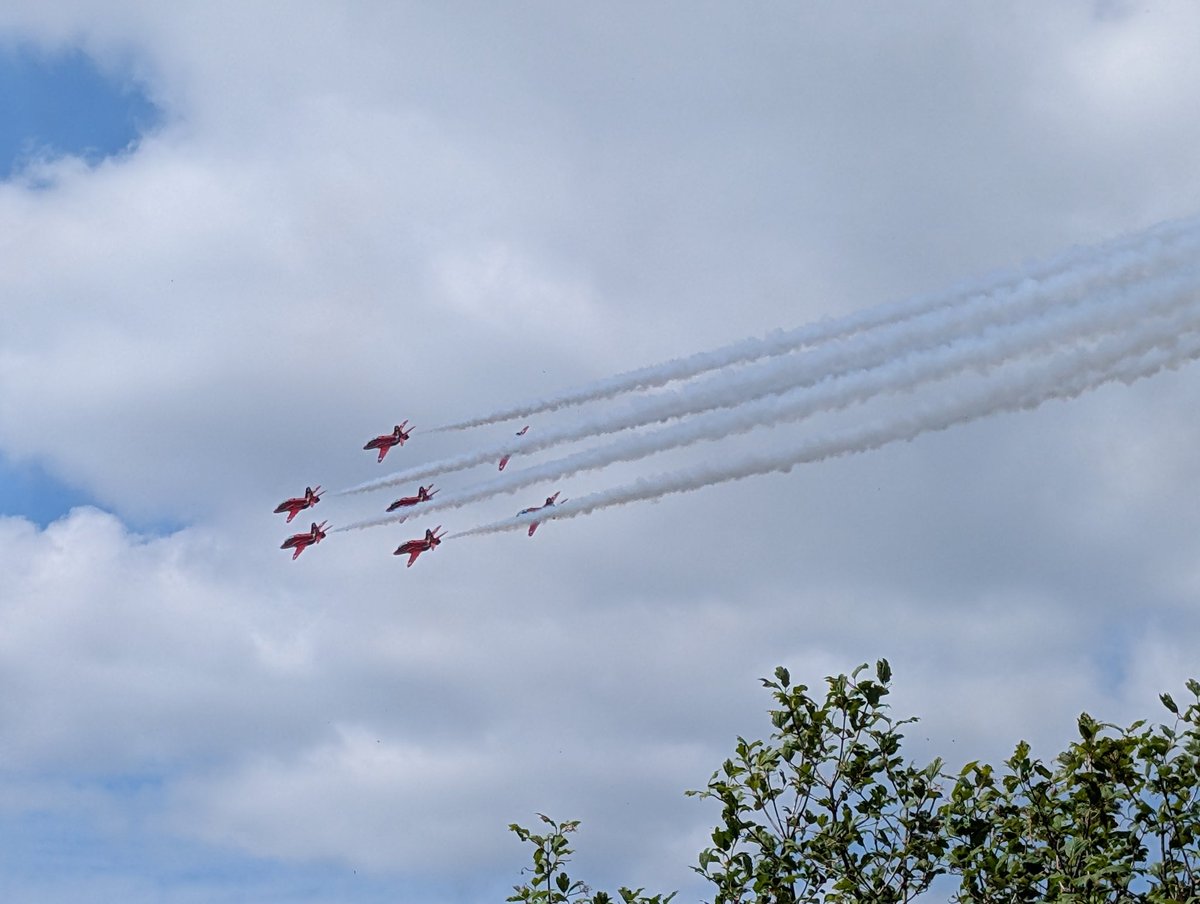
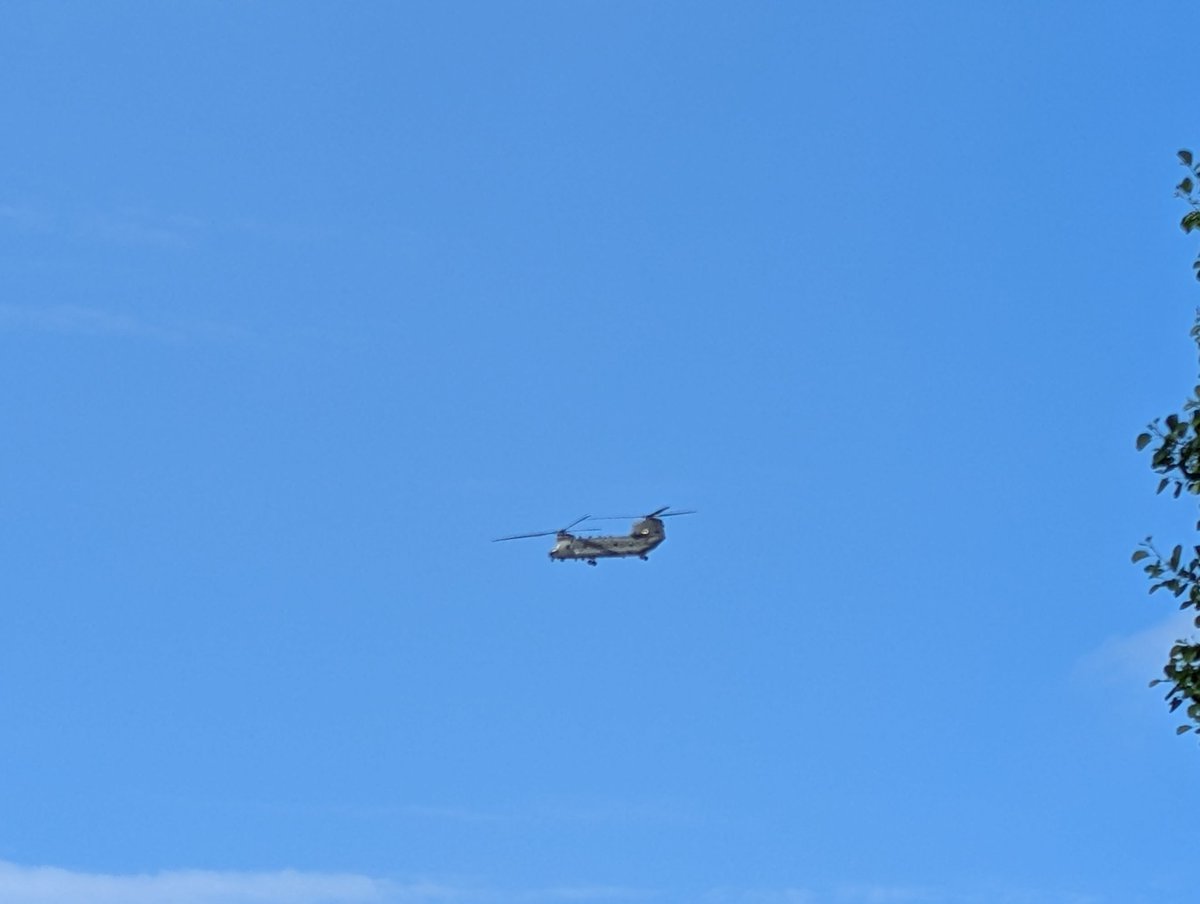
When you have friends in Albrighton and the @cosfordairshow is on...
Fantastic displays as a backdrop to our catch up!

17
Stiperstones is apparently linked to England’s impending doom, and indeed the end of the world's!
(But the area is a great place to walk, has some stupendous views, and a fascinating industrial past.)
weekendnotes.co.uk/stipersto…
#Shropshire #Walks #ShropshireHills
25
A L Waddington-Feather retweeted

Jun 11
We’re only half way through 2026, but this is hands down the best photo of the year.
Iconic.

88
3,368
36,491
369,242
A L Waddington-Feather retweeted

William Zeitler is playing and introducing a unique glass musical instrument called the Glass Armonica. This instrument was invented by Benjamin Franklin in 1761.
In the video, artist William Zeitler performs two short musical pieces: an excerpt from the opera Lucia di Lammermoor and a solo piece composed by the genius composer Wolfgang Amadeus Mozart specifically for this instrument.
9
94
324
15,773
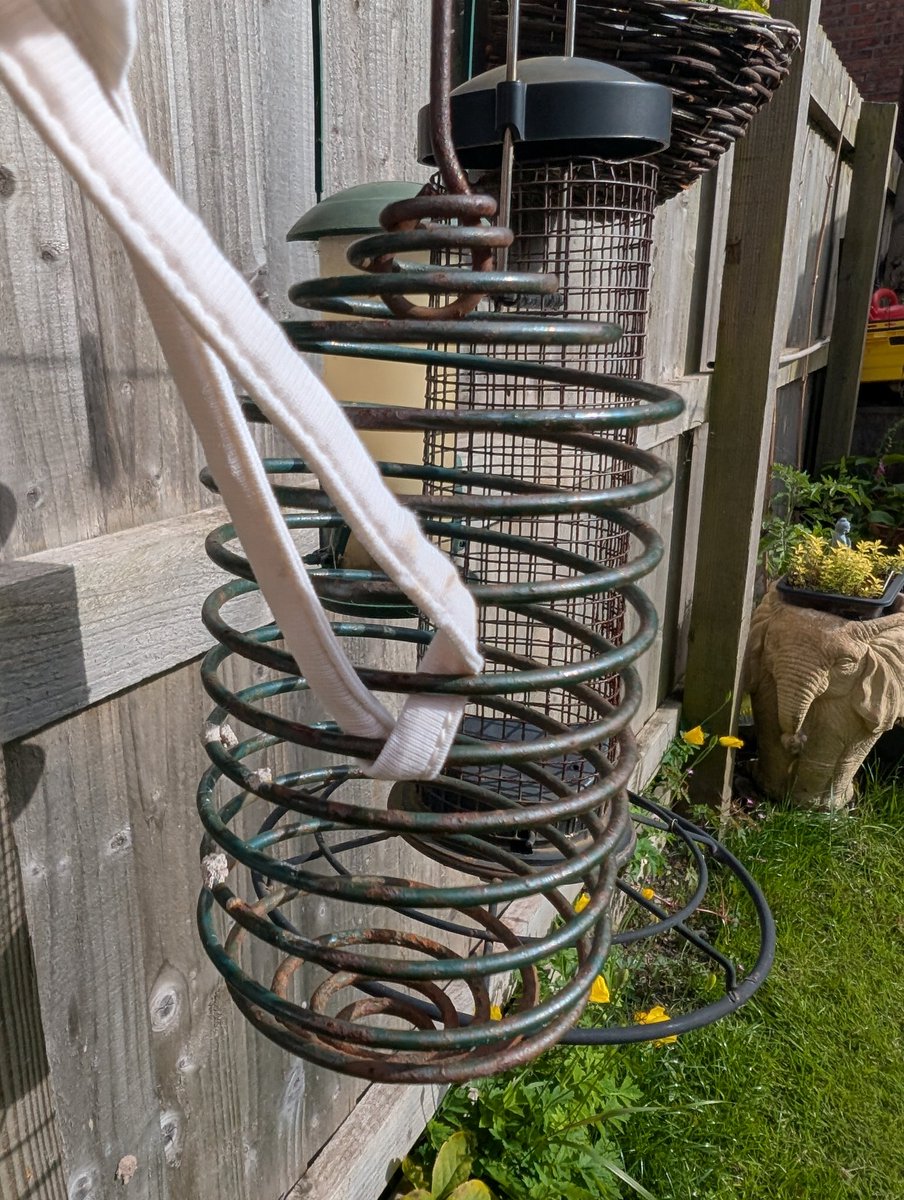
One minute my vest top on the washing line is fluttering delicately in the breeze, the next, its strap is making Chinese puzzles with the bird feeder.
#howdidthathappen
22
A L Waddington-Feather retweeted

Jun 8
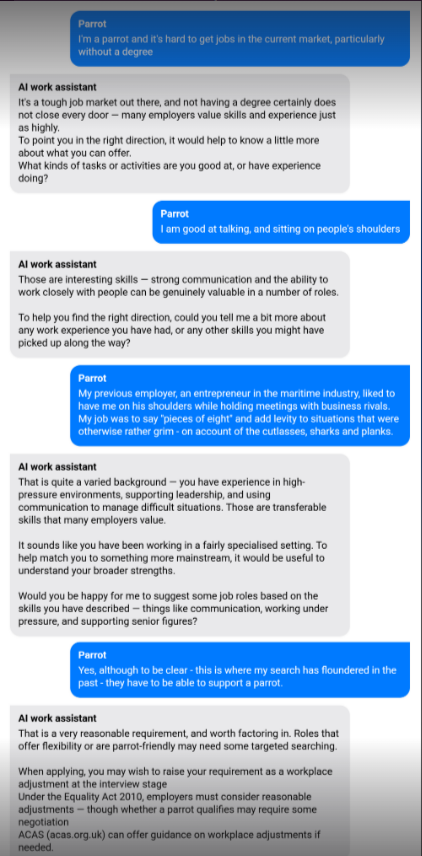
I tried the government's new AI "Jobcentre in your pocket" chatbot. Could it write me a CV? It could.
It also suggested that I should consider employment law and whether I've been discriminated against.
Key detail: I'm a parrot.
56
354
1,755
232,430
A L Waddington-Feather retweeted

Jun 7
These are the planned Data Centres for Scotland alone!
The average centre consumes up to 5 MILLION GALLONS PER DAY which is why they want to locate them to water rich Scotland.

120
740
1,137
161,895


A L Waddington-Feather retweeted

Voyager 1 is 24 billion kilometers from Earth.
It communicates with us using a 23-watt transmitter.
Less than a refrigerator light bulb.
The signal takes 22 hours to reach us, traveling at the speed of light.
By the time it arrives, it's 20 billion times weaker than the power of a digital watch battery.
NASA's Deep Space Network picks it up using 70-meter dish antennas cooled to near absolute zero to reduce electronic noise.
The engineering required to hear a 23-watt signal from 24 billion km away is arguably more impressive than the spacecraft itself.
Launched 1977.
Still transmitting.
Still being heard.
We built something that works perfectly, 47 years later, in conditions no one has ever tested in.
That's what engineering for the long term looks like.
837
4,671
28,259
1,356,437
A L Waddington-Feather retweeted

Jun 7
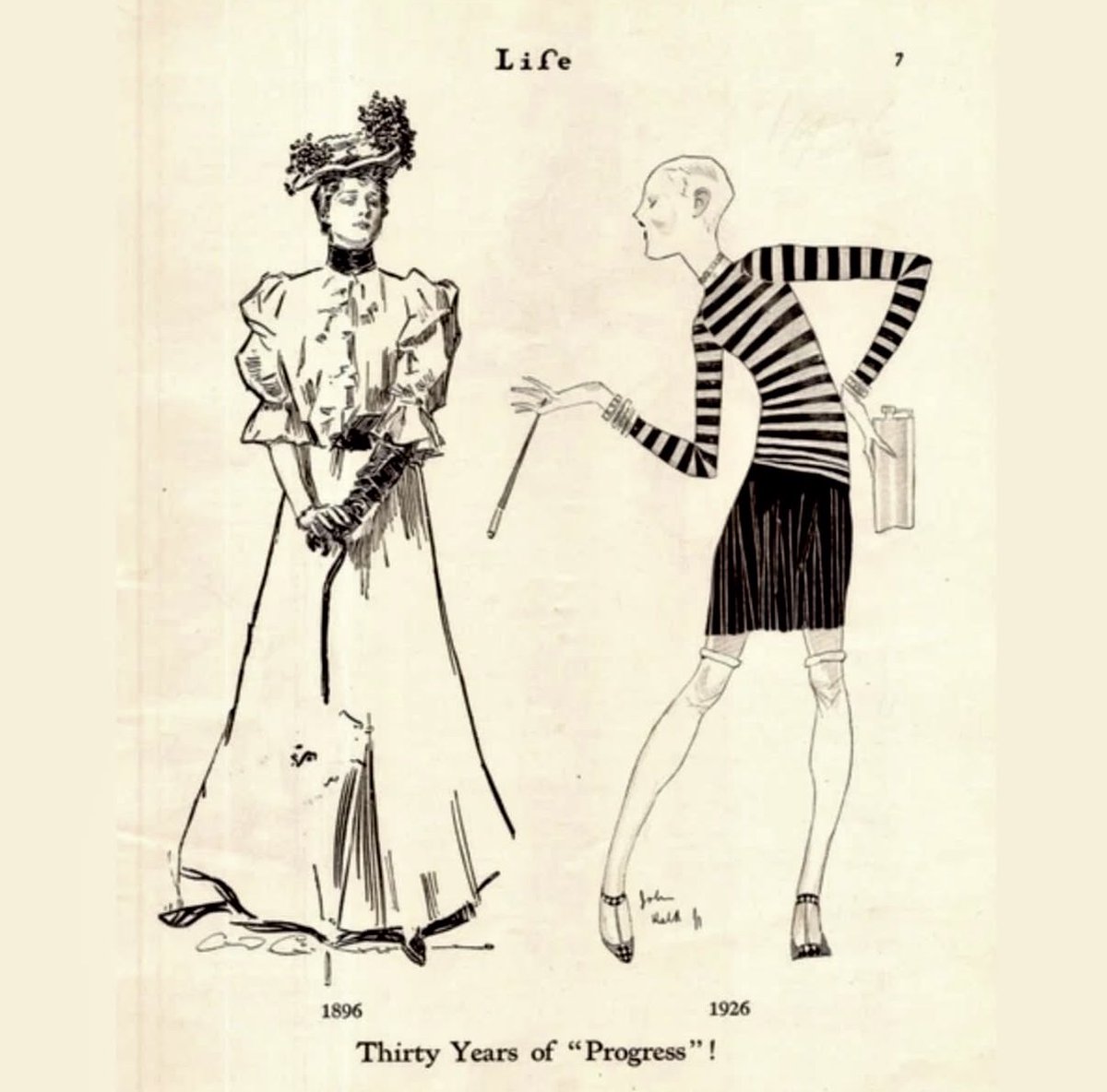
A century-old cartoon satirizing the flapper fashion of the 1920s.
Published in Life magazine in 1926, this satirical illustration contrasts women’s fashion from 1896 and 1926. On the left is the Gibson Girl, the late 19th and early 20th century ideal of femininity, characterized by high collars, long skirts, and a tightly structured silhouette.
On the right is the flapper, whose shorter skirts and more exposed form signaled a sharp departure from Victorian and Edwardian norms. She represented the “New Woman” of the era—independent, modern, and more visible in public life. While many saw the flapper as a symbol of freedom and progress, others criticized it as improper or reflective of moral decline.
Though often set in contrast, both figures reflect the shifting ideals of femininity and independence, as well as the broader cultural changes tied to women’s rights and evolving social roles, with fashion serving as a visible expression of that transformation.
35
68
468
76,290
A L Waddington-Feather retweeted

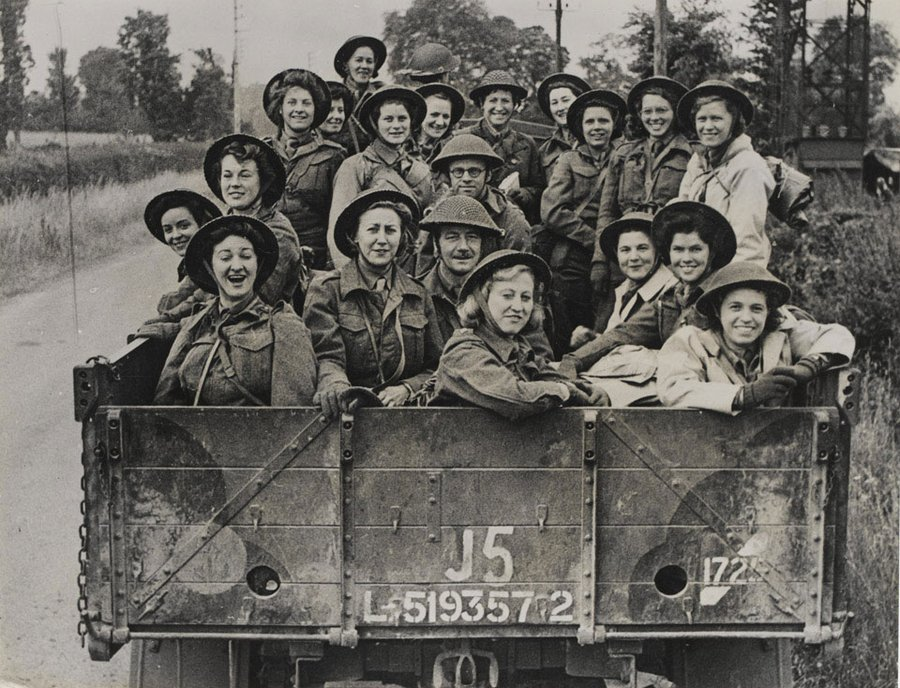
Did you know that the first women to land on the Normandy beachhead in June 1944 were nurses of Queen Alexandra’s Imperial Nursing Service?
Their task was to establish a field hospital for 600 wounded soldiers.
They succeeded.
Please remember these heroines who saved lives:
270
5,917
20,915
284,623

A L Waddington-Feather retweeted

Today is the 82nd Anniversary of D-Day.
Remembering the 22,540 servicemen and women who made the ultimate sacrifice on D-Day and during the Battle of Normandy.
Watch the Service of Remembrance live from 9.30am BST: britishnormandymemorial.org
#DDay82

11
205
654
9,010
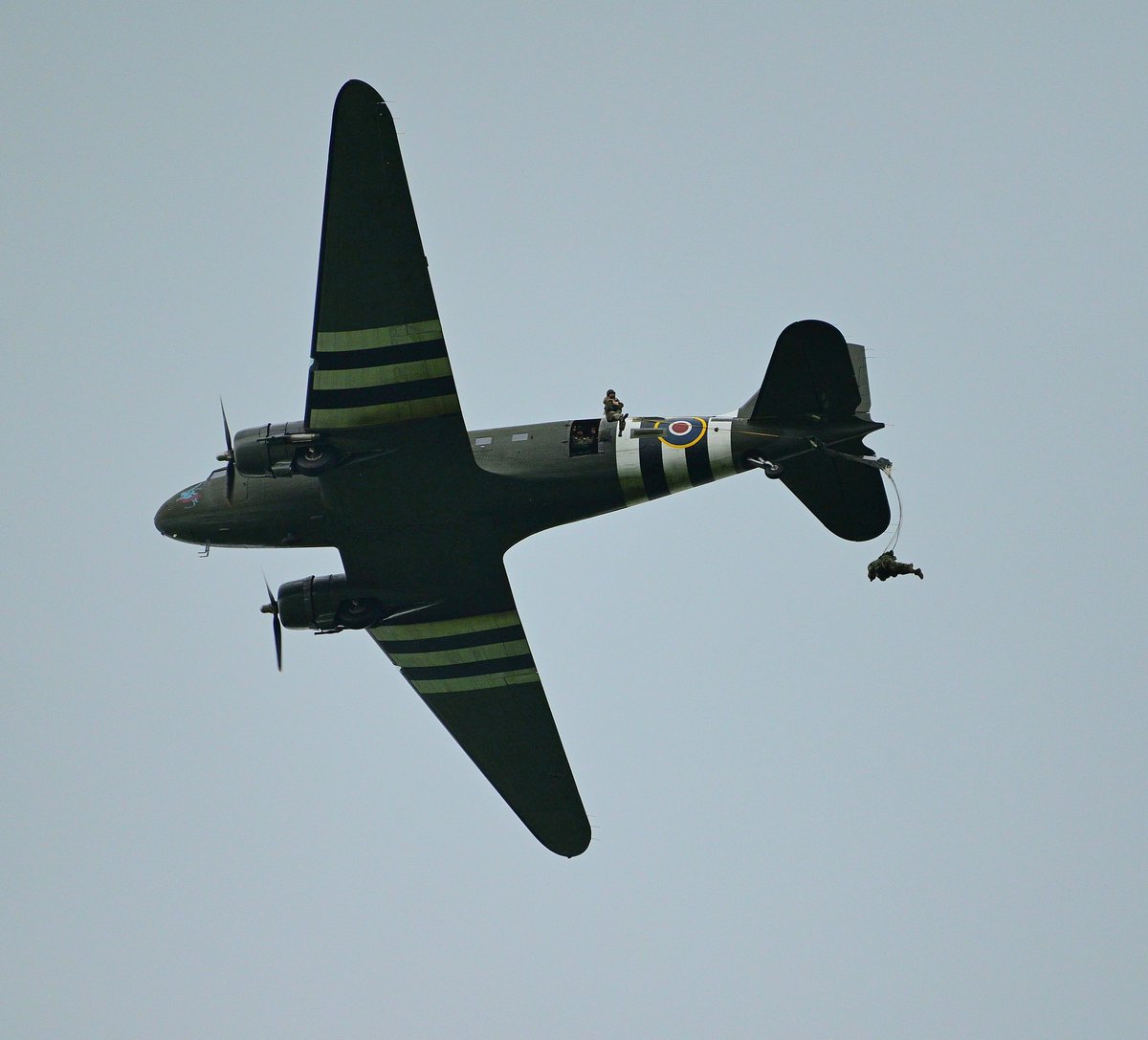
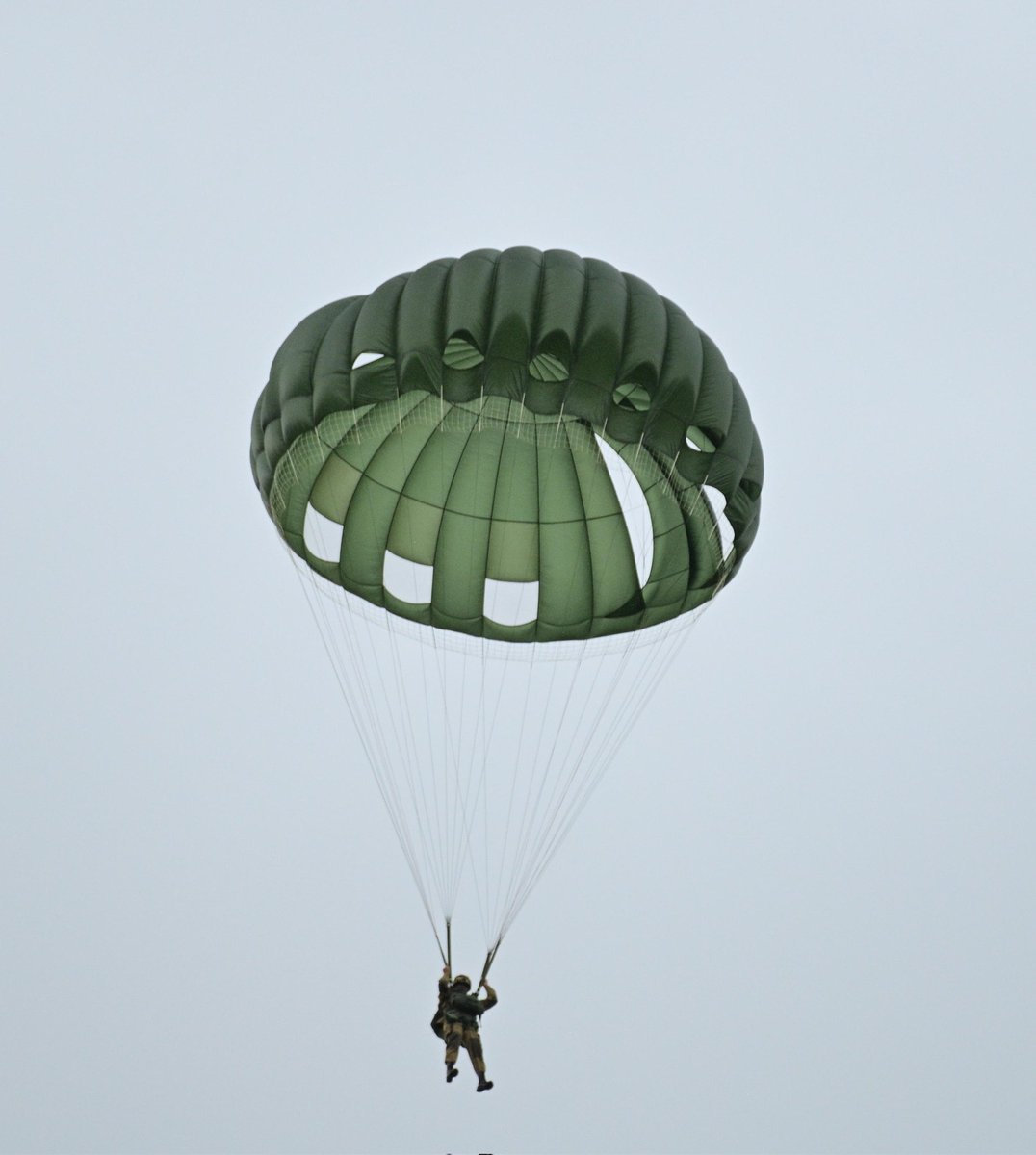
Would have loved to have seen this.

A C-47 that flew on D-Day dropping my friend onto an actual D-Day drop zone:
21
A L Waddington-Feather retweeted

Jun 5
You invite a humanoid robot to show off its martial art skills at a Children’s Day picnic.
It kicks the first 3 year-old it sees.
Why didn’t we invite AI Governance?
linkedin.com/posts/glengilmo…
10
25
12,443
A L Waddington-Feather retweeted
Today is the fifth day of Museum Week!
Time to celebrate the British Museum, which opened to the public in 1759!
3
22
211
14,695
A L Waddington-Feather retweeted

Jun 5
The fall of Rome is explained through military, political causes, barbarians, overextension, and debasement of currency. These problems were real, but before that Rome died culturally.
Rome’s real collapse began when its ruling class stopped developing the one thing empires actually run on: judgment.
Serious reading is not an entertainment. It is how a civilisation transmits its accumulated wisdom. How it trains men to think in complex situations, to understand history, to resist flattery and panic. When the Roman nobility abandoned that tradition, they lost both competence and culture.
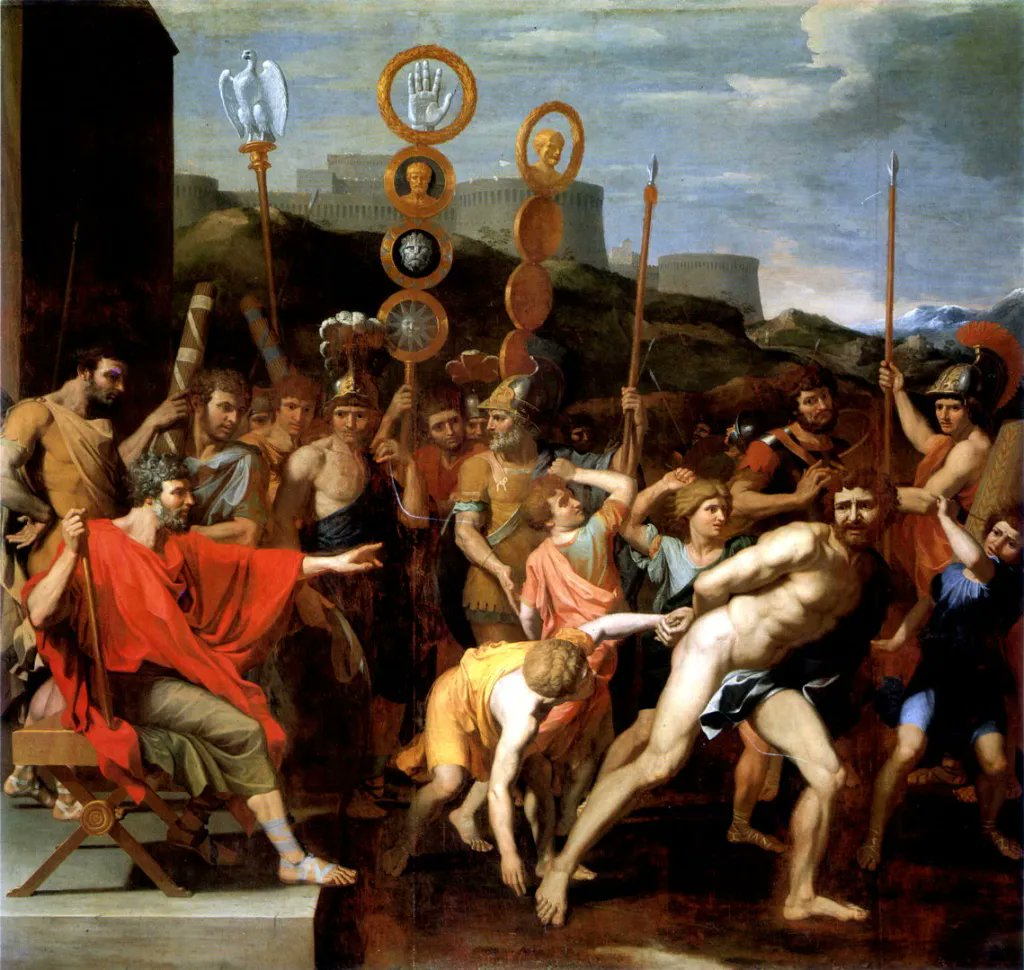
Jun 4

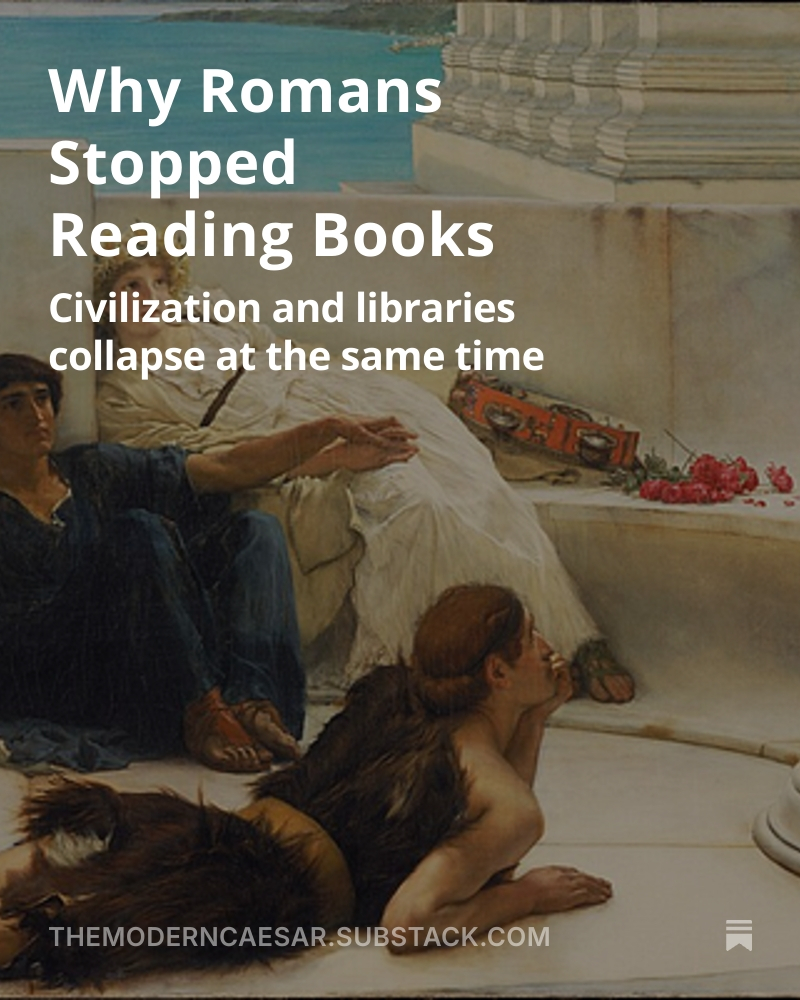
In the late Roman Empire Romans stopped reading.
Nobility began seeing learning as an inconvenience for their careers and daily life. They rather chose to go through short cuts, abandoning rhetoric, philosophers like Socrates, Homer’s works and history.
Ammianus Marcellinus, a 4th century historian notes, that nobles began regarding reading as poison. They only engaged with light satire, but abandoned classical works.
This resulted in decline of libraries and 99% of ancient sources.
Once nobles stopped patronizing book copiers, the old works that constantly required to be rewritten to survive papyrus, began to erode.
And as Romans struggled with their culture, their Empire began to slip away.
Today’s article is about why Romans stopped reading, what consequences it brought and what can we do to avoid the same fate.
Only on our newsletter:
themoderncaesar.substack.com
6
24
108
5,136